

The Moving Temples of Kathmandu Valley - Part IV
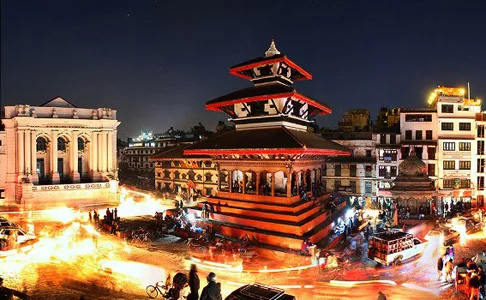
The grand jubilation of Kumari Jatra celebrated during Yenya Punhi (Indra Jatra) is a sight to remember. A day when magic and mystery from all parts of Nepal Mandala (Ancient Nepal) meet at Yeh (Kathmandu) for an opulent festival.
Every Newar dwelling has its mammoth festivity. Matysendras chariot festival is the largest of Patan and Indra Jatra is of Kathmandu. The celebrations of the capital is unique due to the intersection of multiple facets.
Folk tales state how Lord Indra (King of heavens) descended to earth looking for Parijat (Night Jasmine). He took mortal form and found the plant in the yard of a Newar farmer. While picking the flower, he was caught and imprisoned.
As he did not return, his mother began to worry for his safety. She asked Phul Kusi, the white elephant of Lord Indra, to find him.
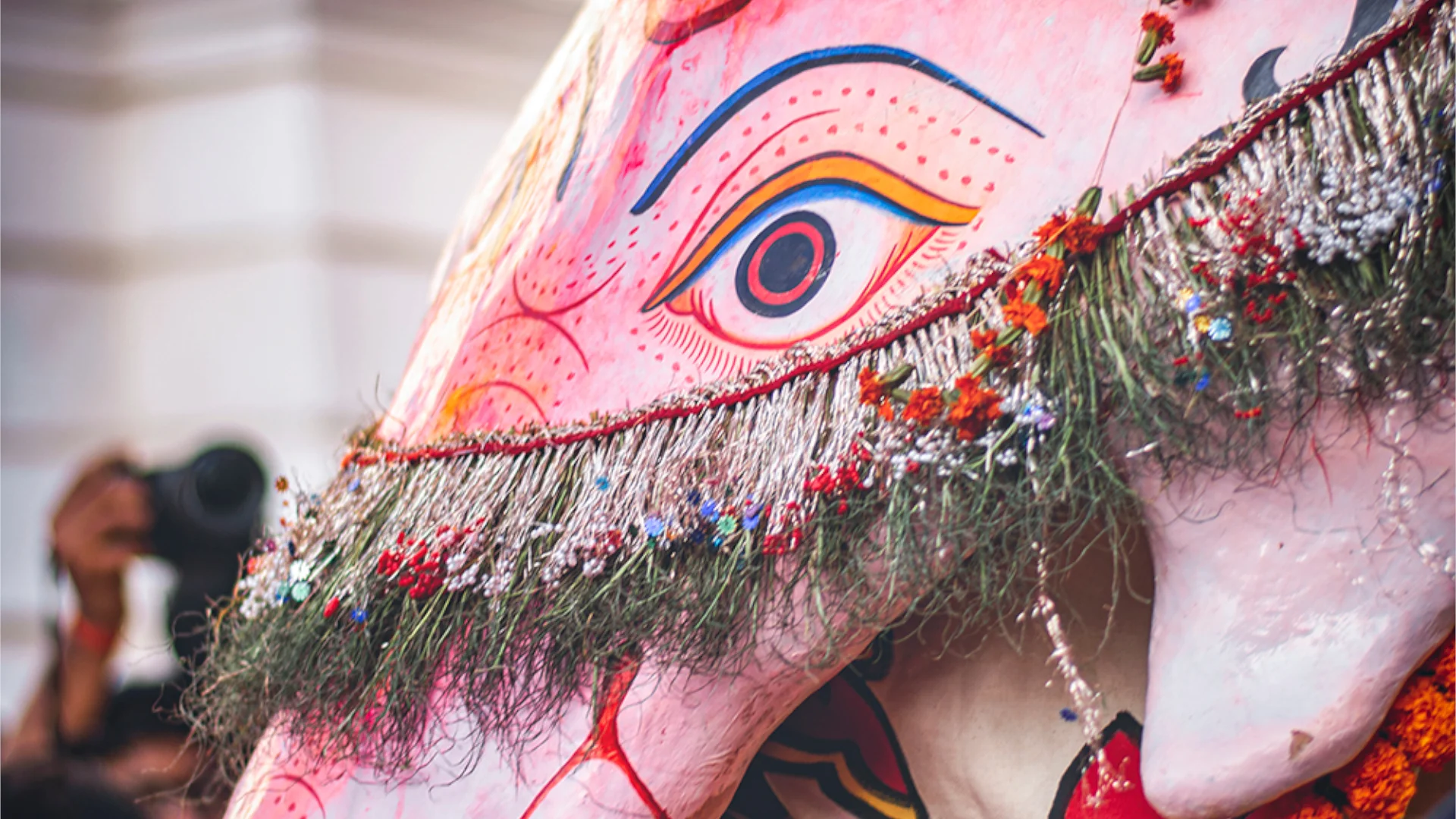
It searched for him day and night but failed to locate him. While roaming the streets of Kantipur (old city within Kathmandu), Phul Kusi was mesmerized by the music of the festivities. It danced its way through the streets with the locals.
Flabergasted was Phul Kusi when it reached the city centre. Chained atop a tall wooden pole was Lord Indra.
Phul Kusi took the news to swarga loka (heaven), and in a flash mother of Indra descended from heaven. She demanded her son be released. The locals told her that he was a thief. Indra watched the argument and began to grow restless. A great light imitated as he revealed his identity.
The locals were rendered speechless and feared his wrath. His mother offered them something that they could not refuse in exchange for her son.
She promised them a final rainfall before harvest season so that their crops can prosper. Also, she vowed to show them the gateway to heaven.
They freed him and followed them to the outskirts of the city. She tricked the villagers and generated a large mist. Amidst the confusion, the trio returned to heaven.
A fascinating tale, isn’t it?
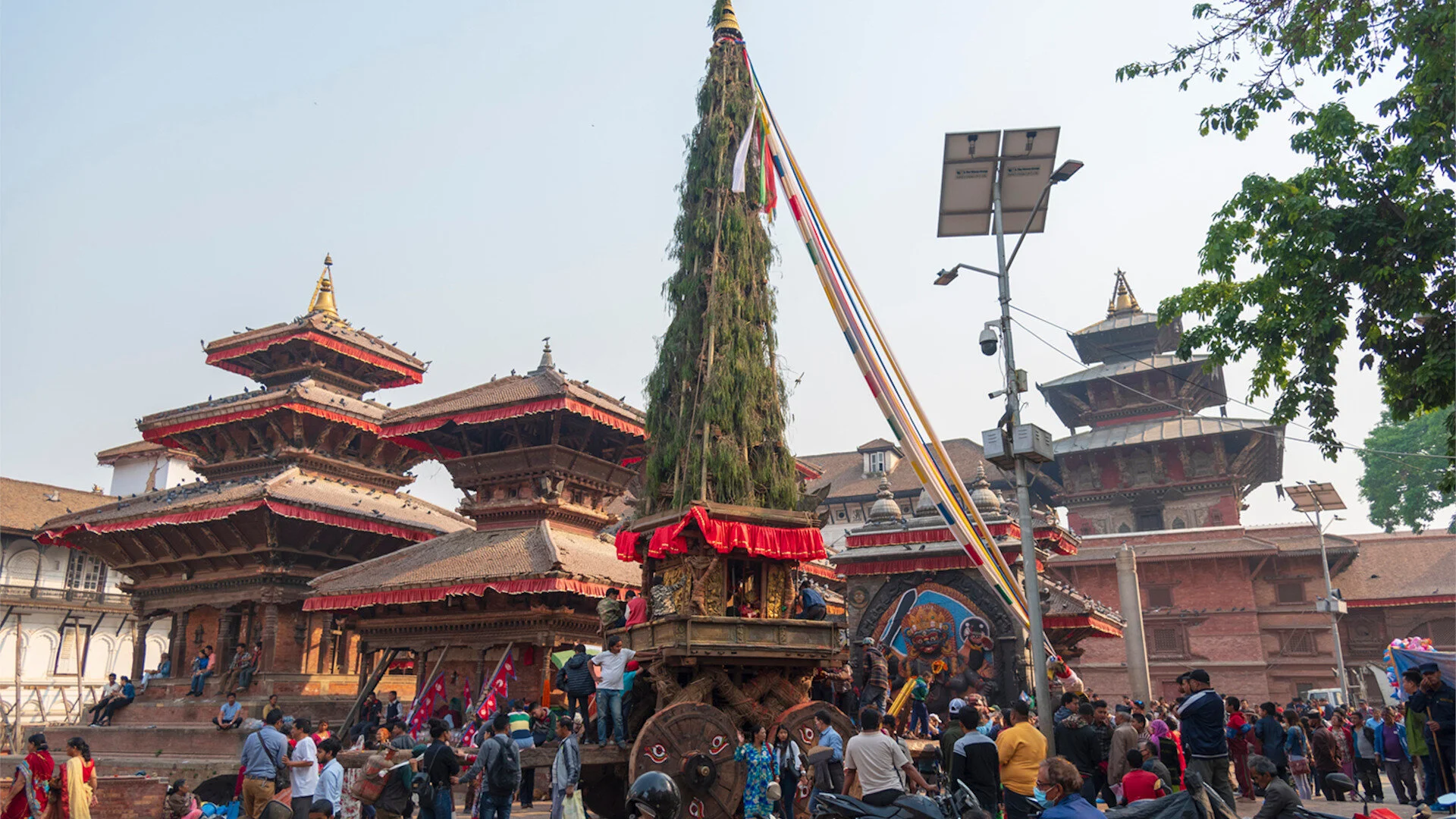
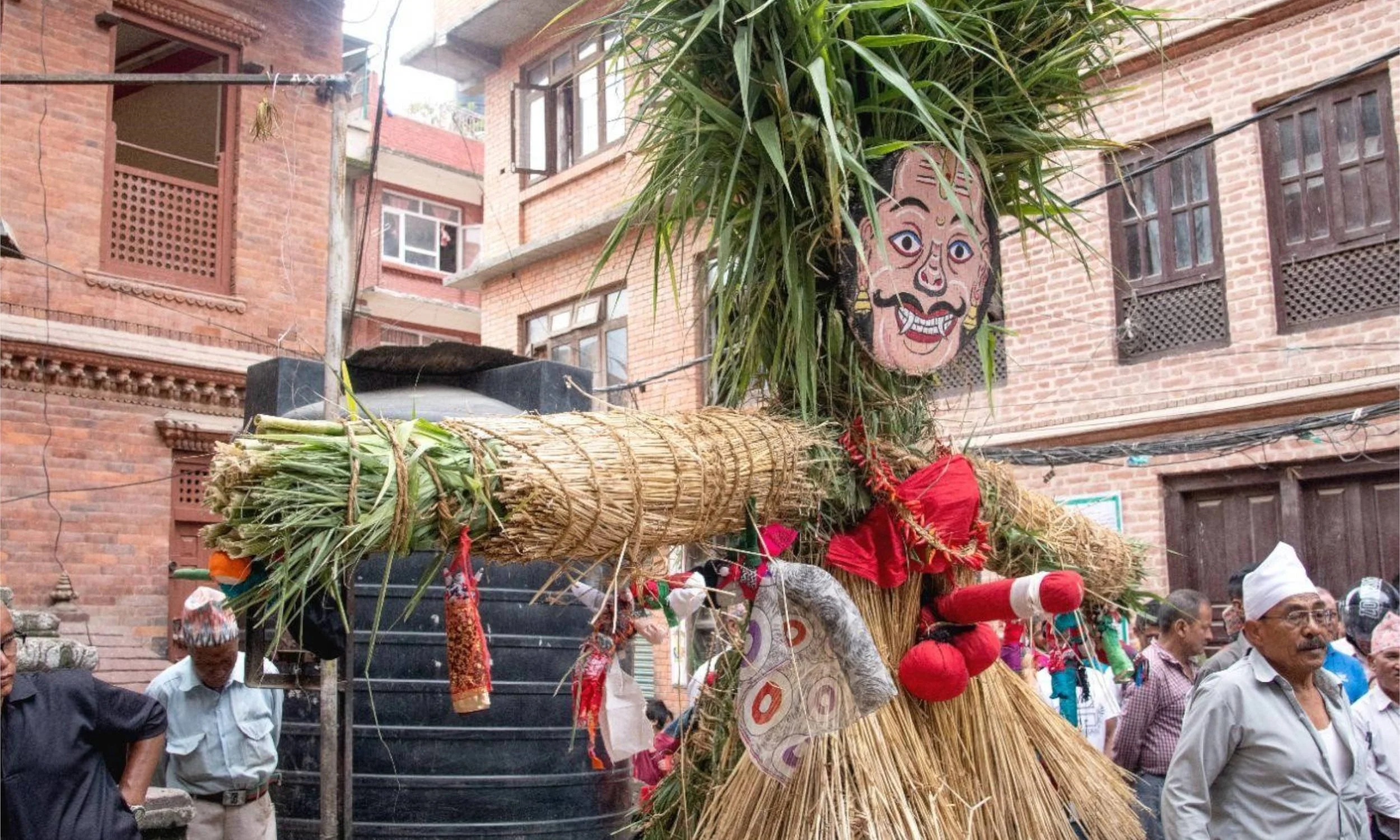
The true origins of this festival, however, is still debated. The closest scientific rendition requires understanding various elements of Newar society. On a gist, the full moon of this period is Yenya Punhi. Primordially this day marked the last of Barsha (rainy season). Post which is Sarad (Autumn). Hoisting of a pole is a ceremonial act. The same can be seen during the end of winter and beginning of spring (Biskah Jatra of Bhaktapur). A similar act is placing scarecrows (Gatha Mwah) at the nearest crossroad after the saplings mature during the plantation season. This day is known as Gatha Mugah or Gathe Mangal.
Newar festivities begin in full swing after this day (Gathe Mangal) and end on Sithi Shasti/ Sithi Nakah, right before plantation season.
Now, onto the glorious chariots of Yenya Punhi.
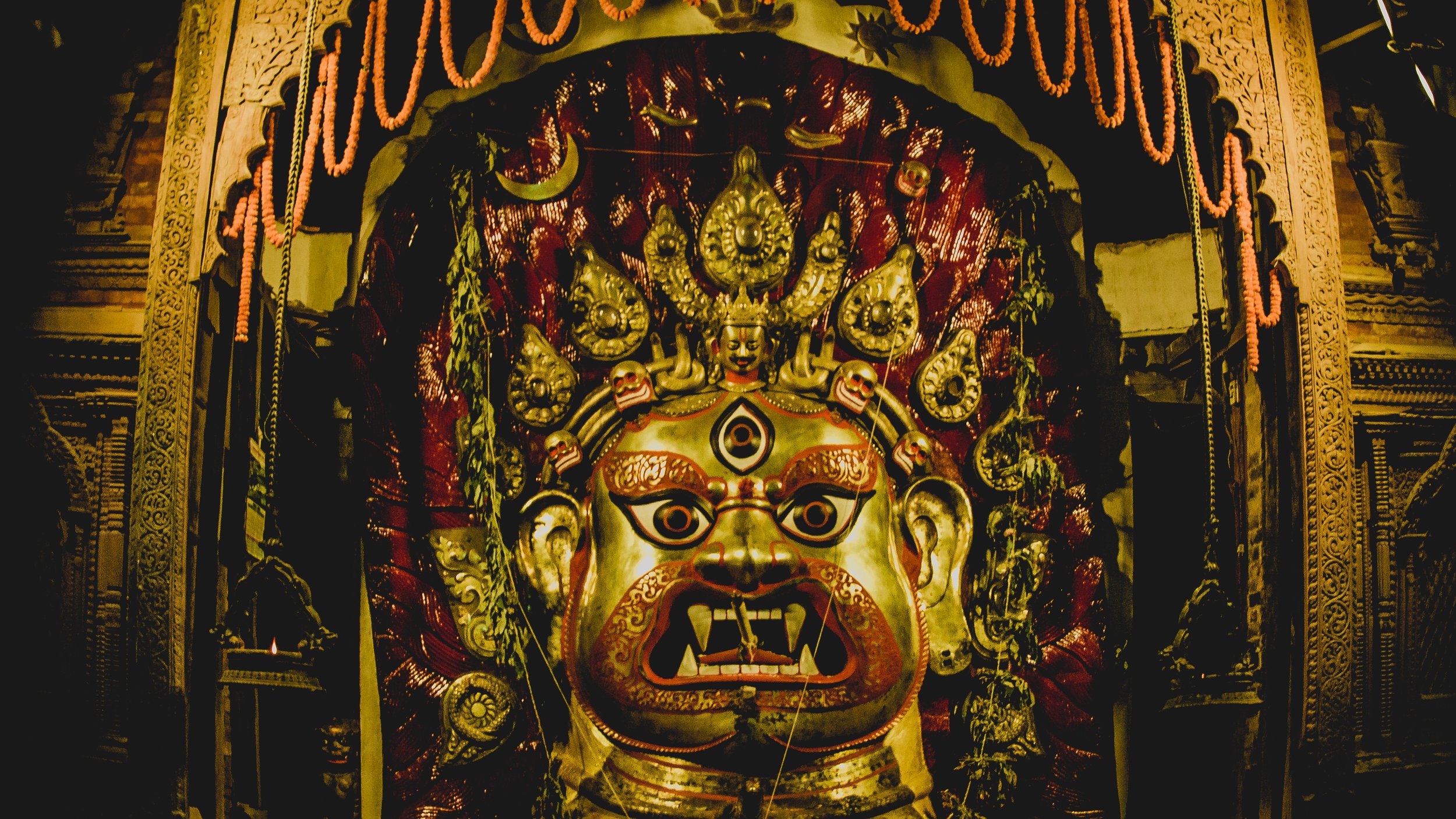
As mentioned previously, over time this day as gained various facets. One of which is of Kumari Jatra, a grand festival of the guardian of this valley. She is viewed as the primordial protector along with Bhairab. Their worship dates back to the origin of this vale.
Click here: To read our article on the Kumari
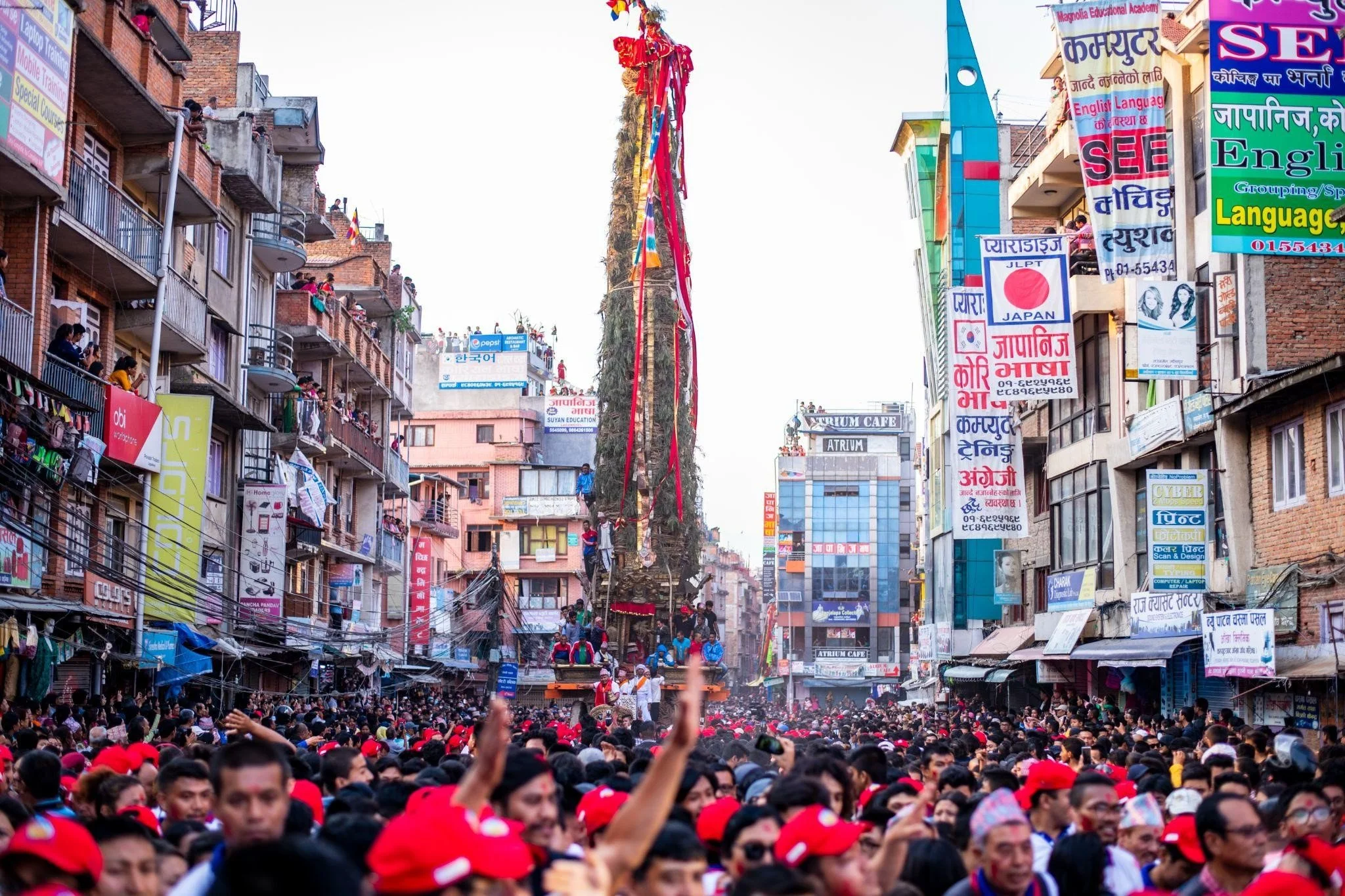
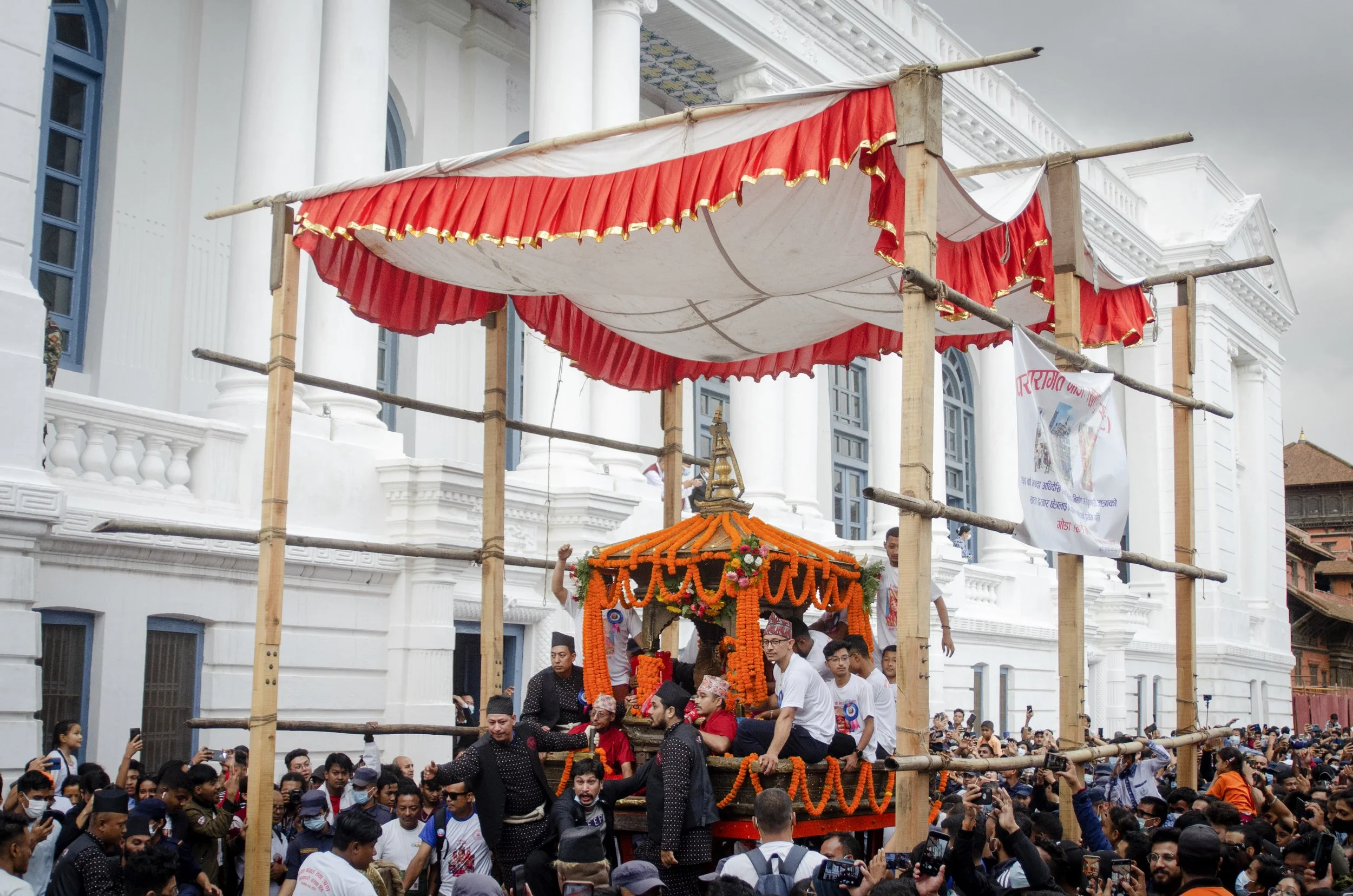
According to chronicles, King Jaya Prakash Malla commissioned the festival. He incorporated Kumari Jatra into Indra Jatra. The living goddess and the living gods (Ganesha and Bhairab) are placed onto pagoda-style chariots and circulated on a designated route for three consecutive days.
On the first day, the chariots are pulled to Kwaneya (Downtown) area by revellers. The jubilation lasts till late as the route is quite ridiculous and narrow. At around 5 pm the next day, the trio are taken to Thaneya (Uptown). Revellers are encouraged by traditional tunes played by musicians. The final route is to Nanichaya (Midtown). It makes way from Basantapur to Pyaphal, Yatkha, Kilagal, Bedasing, Indra Chowk, Makhan and comes to an end at Basantapur.
A ritual (Kumari Puja) commences in front of the Kumari Chhen (home), after which Kumari Jatra is complete.
POPULAR ITINERARIES
SIMILAR POSTS

The Moving Temples of Kathmandu Valley - Part III
Every temple has a story. Within it lies a deity who has provided some boon to its devotees. His/her celebration is an act of acknowledging their righteous act and reliving history. The Newars added pomp and flare to this celebration with mammoth chariots, traditional tunes and communal merrymaking.
Continued….
The trio applied their findings. In a few years, they witnessed an end to the slumber. The fields began to resemble gold swaying with the gentle winds of the harvest season. Slowly but steadily, the lost lustre returned to Nepal Mandala (Ancient Nepal).
The people hailed Matsyendra as a messiah. A consensus emerged to honour his compassion and immortalise him. A temple was envisioned on the outskirts of the principal dwelling by the trio. It was designed in the Shikhara style and built at Bunga (A small village 5.2 kilometres away from Lalitpur).
The small village was renamed Amarpur by the monarch, meaning immortal or everlasting. It was an effort to memorialise Matsyendra and make him a god. Taking it a step further a chariot festival was conceptualised.
Lalitpur already had numerous chariot festivals. The monarch instructed to discontinue them. He wanted to make room for a mammoth celebration of Matsyendra. The legend of Chak Baha Dyo (Min Nath) states how he did not want his festival discontinued. Priest Bandudatta requested him numerous times, all of which failed. Min Nath opened his third eye and projected a great beam of light. It hit a stupa outside the cortex.
His chariot festival is the only one that continues.
Why is Matsyendras chariot so tall is a common question. It is because the core features seven kha’s (levels). The first is known as biman kha. At this level, the idol of Matsyendra sits accompanied by his caretakers. The top kha is known as yaka kha, as a single member of the Barahi (woodworkers) community installs it. The remaining five levels are dedicated to Dhalaksha’s Lokanath, Matilinagar’s Batuk Bhairav, Satha’s Naryana, Calalse’s Harisankar, Kolima’s [ Kulimha’s] Mahesvara.
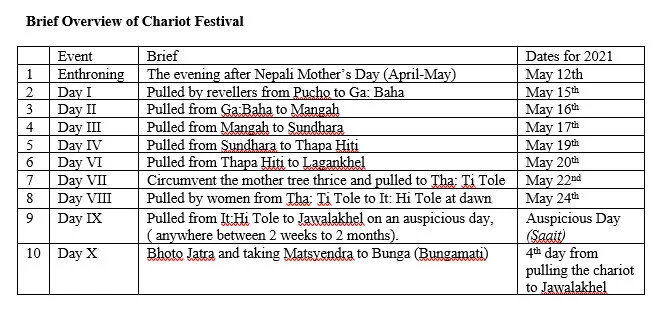
In a bygone era the chariot used to be pulled every year from Bunga to Lalitpur. During the Malla era, either Siddhi Narasimha or Sri Nivas Malla envisioned a glorious plan.
" Historical sources are silent on the matter, but historians have deduced that possibly as early as 1621, at any rate by 1652 when Kunu Sharma wrote his Kritipataka eulogizing the city, one or other of the two kings had taken the decision to establish a second temple of Karunamaya (Matsyendra) in Lalitpur itself.
Henceforth Karunamaya was to spend six months in each temple, thus bringing him closer to the people of Lalitpur, who were his devotees and no doubt increasing the popularity of the King. Ta Bahah was chosen as the site for his new temple. It seems that the membership of this ancient monastery had died out and some Vajracharyas from a small monastery in Dau Bahah twah called Bhelakhu Bahah [29] were assigned to it (Locke 1980:334; 1985: 137). " (N. Gellner, 1996)
References
N. Gellner, D. (1996). A sketch of the history of Lalitpur (Patan) with special references to Buddhism. CNAS Journal, 23(1), 139–140.
POPULAR ITINERARIES
SIMILAR POSTS

The Moving Temples of Kathmandu Valley - Part I
Even though an imitation, over the years, the festival of Seto Matsyendranath has created its own identity. It has developed various symbols and is a timeless heritage of Kathmandu. Today it is known as Jana Baha Dyo (God of Jana Bahal of Ket twah). The idol is viewed as Aryavalokiteswara (God of compassion) by devotees.
The moving temple of Seto Matsyendranath
When King Gunakamadeva created a new city north of Lalitpur, it was a sight to behold. He named it 'Suvarna- pranali- Kantipur' (Wright, 1990, p.154). The monarch, however, was not satisfied. He greatly missed Matsyendra of Lalitpur, his glorious temple in Bunga and the chariot festival. He wished for his new city to have something similar.
"Then, in imitation of the Lokeswara jatra of Patan, he made an image of Khasarppa Lokeswara, and caused his jatra to be celebrated every year." (Wright, 1990, p.155)
A shikhara style temple within the Hambal monastery housed Khasarppa Lokeswara. During the last years of the Lichhavi era of Nepal Mandala (Ancient Nepal), Mukunda Sena, King of Palpa, attacked this valley. "The victorious soldiers broke and disfigured the images of the gods, sent the Bhairava placed in front of Machchindranatha to their own country, Palpa and Butawal." (Wright, 1990, p.171)
The Bhairab stolen from the Hambal monastery today is known as Tansen Bhairab. The shikhara temple and monastery were in ruins. In the aftermath, people found that the statue was lost. Hundreds of years later, during the reign of Yaksha Malla, it was discovered by potters looking for clay. King Yaksha recognised the ancient idol when it was brought to the palace by them.
From here on, it became Yamaleswara.
The site of its rediscovery was renamed Yamal (today is known as Jamal) by the monarch. "The king, having seen the image, performed the rituals of renovation; took the image inside the city and established it by building a large temple." (Bajracharya et al., 2016, p. 90)
He built a mammoth temple in the cortex of Jana Baha in Ket Twah. During the reign of his son Pratapa the grounds of Hambal monastery was converted into a pond. The temple was rebuilt but housed a different deity. "Pratapa Malla, then rebuilt the chariot of Lokesvara, the white Matsyendra, according to tradition. He had Lokesvara placed on the chariot and initiated an annual procession that moved the chariot around the city." (Bajracharya et al., 2016, p. 106)
From then on, the image was called white (seto) Matsyendra.
Members of various communities tasked with creating the chariot finish the building process by Chaitya Dashain. On this day, the idol is placed on a palanquin and brought to Durbarmarg. A traditional musical ensemble leads the march. A loud cheer erupts once the parade reaches the area.
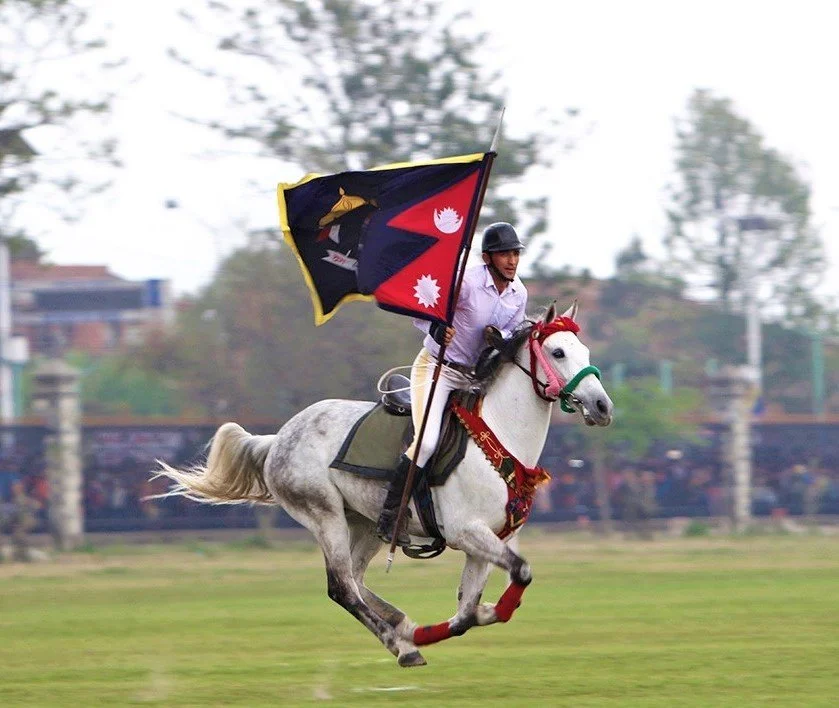
The statue is placed within the chariot by the caretakers. A military regiment dressed in traditional Gurkha uniform offers salutations. Three muskets perform an aerial salute once the wheels make their first spin.
The revellers pull it to Asan Chowk. In the next two days, the chariot circumvents the traditional route and reaches Lagan. It circles the mother tree thrice. After which, the festival comes to an end.
The festival falls on the following days in 2021 AD.
Day 1 of chariot festival - Durbarmarg- Bhota Hiti- Asan - 20th April 2021
Day 2 of chariot festival - Asan - Indra Chowk- Basantapur - 21st April 2021
Day 3 of chariot festival - Basantapur- Maru- Jasi Dewal- Lagan - 22nd April 2021
References
Wright, D. (1990). History of the kingdom of Nepal. Asian Educational Services. (Original work published 1877)
Bajracharya, M., Gutschow, N., & Michaels, A. (2016). Nepālikabhūpavaṃśāvalī (History of Kings of Nepal): Vols. 1 (Introduction and Translation) (First edition). Himal Books.
POPULAR ITINERARIES
SIMILAR POSTS

The Vermilion Festival: Sindoor Jatra
Commonly referred to as Sindoor Jatra, it is also known as Biska Jatra of Thimi. It is one of the most vibrant festivals celebrated in Kathmandu Valley. The highlight is the ceremonial use of vermilion powder which adds a new layer of pomp and flair. The locals rejoice for four days during the new year period, devotees offer prayers and worship various gods and goddesses.
Even though celebrated in a Newar township, the Sindoor Jatra is the jubilation of the Nepali new year (Vikram Sambat). Newars generally do not celebrate the solar new year, rather mark Nhu Daya bhintuna in October. The festivities occur in the locales of Thimi and Bode. The festival begins a day before the new year day. The locals perform Gunsin Chhoyekegu, which means firing of forest wood.
A traditional wooden pole known as yoshin is erected outside the temple premises of Balkumari by locals. It, however, has sadly been discontinued due to various reasons. A chariot festival takes place in Vishnuvir during the day. Deities are taken on khats (chariots) to Kwachhen (Dakshin Barahi) from Layakhu during the night. Once the revellers reach Kwachhen they revolve the chariot multiple times.
On new years day, devotees present offerings and pray to Balkumari. They flock in masses to her temple in old Thimi. Through time immemorial, she is the consort of Bhairab. They both are the guardian deities of Kathmandu Valley.
During the evening, devotees perform righteous acts such as lighting oil lamps. Some even place them on their legs, chest, forehead, arms and lie static for hours.
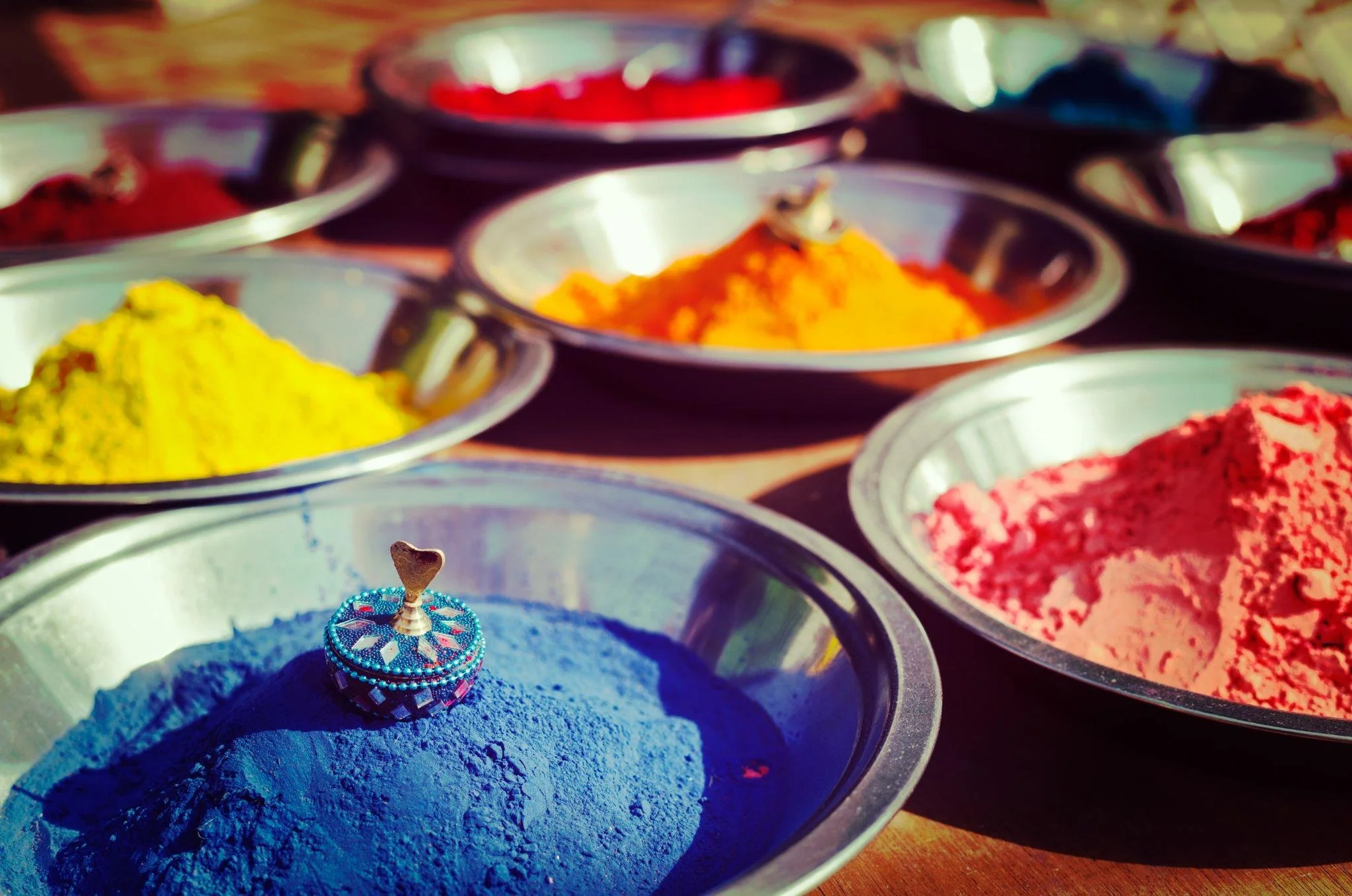
The next day (2nd Baisakh) is the highlight of this festival. Several khats (chariots) are carried to the Balkumari temple in the morning by revellers. Thirty-two khats are spaced around the temple which later circumvent it. To liven up the atmosphere, musicians play Dhimay Baja (traditional drums and cymbals). These tunes help encourage the revellers. Devotees and locals colour each other in vermilion powder, a symbol of prosperity. The entire area is filled with vibrancy and joy as devotees make merry while revolving their community chariots.
Thousands await for an idol of Ganesha, which is brought from Nagadesh by locals. Commonly referred to as Khat Ganesh, once his chariot arrives, a loud cheer erupts. Once Ganeshas’ chariot completes circumventing the temple premises, it tries to make a break for home. Revellers hoist up their chariots, and a game of catch ensues. Other chariots try to block its path. By hook or crook, Khat Ganesh is brought back to Nagadesh by revellers. The festival does not end until Khat Ganesh reaches Nagadesh.
After which, the procession of chariots makes way for the Taleju temple. A sizeable number of animal sacrifices are made here by the priests. Once the ceremonies are over, members carry the chariots back to their community, bringing an end to the festivities.
Simultaneously in the village of Bode, seven chariots are circumvented through a prescribed route. At Bhangu Tole of Bode, the iconic tongue piercing festival occurs. A member of the Shrestha clan of Bode volunteers to have his tongue (jibro) pierced. The locals believe spirits enter his body, and he experiences a spiritual trance. With an iron spike pierced in his jibro, he carries around a bamboo rack on his shoulder. Multiple flaming torches are placed on the frame by righteous men. He then walks around town in a designated route.
Locals believe that a successful tongue piercing ceremony brings good fortune to the villagers and the volunteer. The act though painful is righteous and holy. The volunteer becomes the town hero until next year.
The next day (3rd Baisakh) is the Biska Jatra of Chapacho and Bode. Communal chariots are taken around the area by locals who rejoice and make merry.
The end of this act draws Biska Jatra to a close. It is a unique festival native to the principalities of Bhaktapur. Marked with great fanfare: it is also known as the festival of human emotion. Over the years, it has become a non-tangible landmark of Bhaktapur, which draws thousands of onlookers and devotees. It, along with multiple similar festivals, help create Nepal’s image as a lifetime experience.
POPULAR ITINERARIES
SIMILAR POSTS

A Guide To Newari Festivals - Part II
Newari communities in Nepal celebrate numerous festivals every year. And it seems Newars always have a reason to celebrate. Several reasons: rich culture and heritage, honoring deities, marking the agricultural calendar, celebrate events from ancient mythology, and to emphasis family and community.
At times it does feel true, we the Newar people seem to always have a reason to celebrate.
The Newar people also are known as Newa in Nepal Bhasa are the historical inhabitants of the Kathmandu Valley and its surrounding territories and states. This region was historically called Nepal/ The Valley Kingdom of Nepal (Nepal Mandala). The history of this land can be divided into two: Ancient and Modern Nepal. The transition occurs after the unification campaign of Late King Prithvi Narayan Shah who is also known as the founder of Modern Nepal.
The Newar/ Newa people sociologically classified as an ethnic group. As they have their language (Nepal Bhasa), calendar( Nepal Sambat), behaviour, custom, tradition, cuisine, territorial association and heritage. Newars feature a set of diverse ethnicities who follow Hinduism and Buddhism.
“The Kathmandu Valley and surrounding territories constituted the former Newar kingdom of the Nepal Mandala. Unlike other common-origin ethnic or caste groups of Nepal, the Newars are regarded as an example of a nation community with a relict identity, derived from an ethnically-diverse, previously-existing polity. Newar community within it consists of various strands of ethnic, racial, caste and religiois heterogeneity, as they are the descendants of the diverse group of people that have lived in Nepal Mandala since prehistoric times. Indo- Aryan tribes like the Licchavis and Mallas (N) form respective Indian Mahajanapada (I.e Licchavis of Vajji and Malla(I)) that arrived at different periods eventually merged with the local population by adopting their language and customs. These tribes however retained their Vedic culture and brought with them their Sanskritic languages, socials structure and Hindu religion, which was assimilated with local cultures and gave rise to the current Newar civilization. Newar rule in Nepal Mandala ended with its conquest by the Gorkha Kingdom in 1768.” - Wikipedia
Saparu
Celebrated In: August- September*
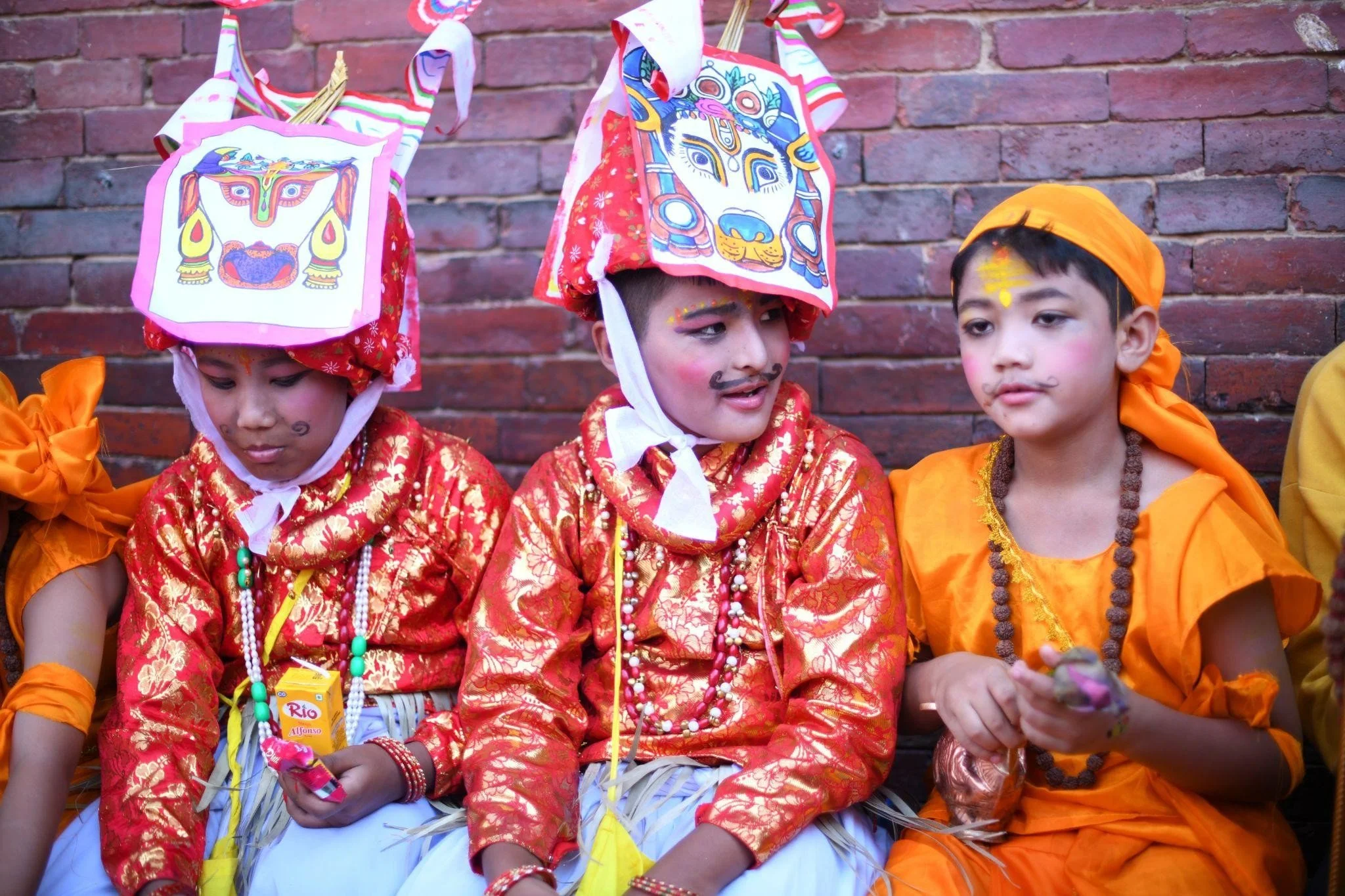
The second day is known as Saparu, which in the local terminology is known as Gai Jatra. The day sees members of the family who have lost a member of their family during the past year, dress up in traditional outfits and parade around the city. Some households also parade cows during this day. Members of the Newar community also make a holy pilgrimage to the lake of Gosaikhunda, leaving to reach the lake on the day of Saparu. This is believed to help rid one's soul of past sins and foul.
Saparu is celebrated in various communities with each community having a different take. One of the most notable celebrations is conducted in the city of Bhaktapur. It draws an ample crowd to witness the community create humour and satire which is a traditional process created to uplift the spirits of the members of families who have lost a family member during the past year. In Patan, Matya is celebrated a day after Saparu, during when devotees make a holy pilgrimage to the various sites, temples and monuments in the core city of Patan. With over 3000 such sites, Matya is not an easy affair. Individuals clad in a special uniform carrying candles, or dress up as comical characters to help create an environment of laughter and joy. Devotees are generally members of households who have lost a family member or devotees who wish to partake. As no restrictions are placed even enthusiasts of national and international decent join in this holy pilgrimage.
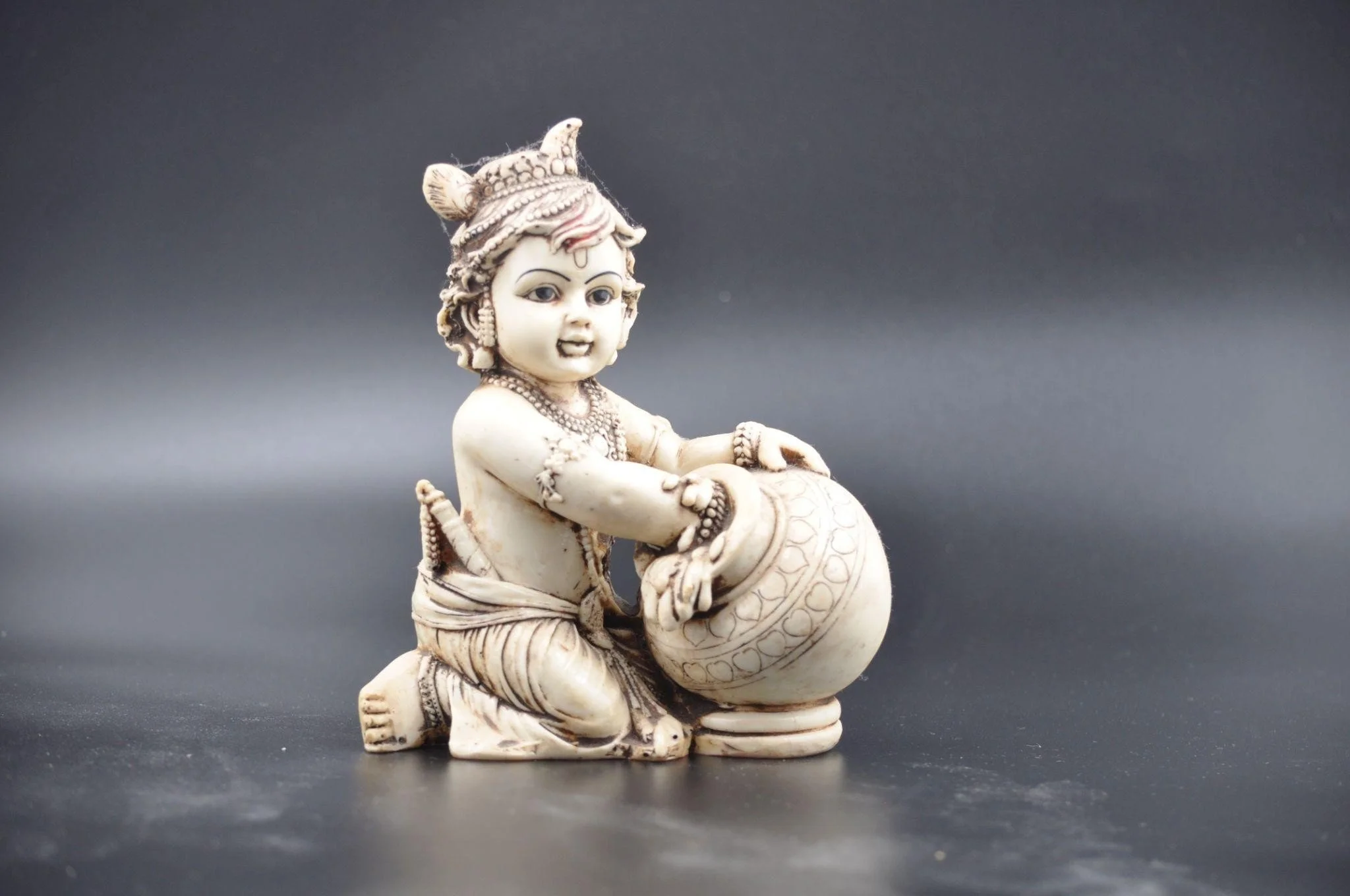
The last day of Gunhu Punhi is Krishnastami, celebrated as the day of birth of Lord Krishna an incarnation of Lord Vishnu. Various micro festivities are conducted in all vicinities of the Newar communities such as Narsingha Yatra in Lalitpur, Krishna Puja in all three Newar cities and devotees queue to offer prayer and worship at the Krishna Temple in Patan.
Pancha Dan
Celebrated In: August- September*
Pancha denotes five and Dan giving alms. The name is derived from the five gifts presented as alms which include rice grains, unhusked rice grains, salt, money and pulses. Observed by the Buddhist communities of the Newar Ethnicity, this day sees various activities such as display of metal sculptures of the various Buddha’s, Lokeshwor’s and deities along with giving alms to Buddhist monks also known as dharma. Different days are designated in the cities of Kathmandu, Lalitpur and Bhaktapur, and glimpses of Pancha Dan can also be seen in Panauti and Banepa.
*: As Newar festivals are celebrated according to the lunar Nepal Era calendar, the dates in the Gregorian calendar are interchangeable.
POPULAR ITINERARIES
SIMILAR POSTS

A Guide To Newari Festivals - Part I
Newari communities in Nepal celebrate numerous festivals every year. And it seems Newars always have a reason to celebrate. Several reasons: rich culture and heritage, honoring deities, marking the agricultural calendar, celebrate events from ancient mythology, and to emphasis family and community.
“It seems to be that the Newar’s always a reason to celebrate,” said a dear friend of mine during his month-long stay in the Kathmandu Valley. To give him a true taste of our culture, history and diversity I had intentionally called him to visit a week before Dashain. My mission was as a glorious success. Seeing his face glow as he took blessings from the Kumari, and him swaying to the tantalizing tunes of Gaan Pyakhan, experience the delights of Koochi Bhoya (Family Feast) gave me the utmost satisfaction of being his host.
Bidding him farewell was a difficult task, for he didn’t want to leave. He had so much to experience, from the sweetest Yomari Punhi to witnessing the sheer energy of Sila Chahre ( Maha Shivaratri). At times it does feel true, we the Newar people seem to always have a reason to celebrate.
The festivals of the Newar people begin during Gathan Mugah and ends in Sithi Nakhah.
Gathan Mugah
Celebrated In: August*
Gathan Mugah which falls in August is the awakening of the grand festivities of the Newar people. It is symbolized as a festival of cleaning. From riding one's fields from the spirits recruited to assist, to one's home and community of the evil omens. The ideology of cleaning is taken made literal with the Newar people taking a bath during the first light of this day. Clothes are washed, houses and communities cleaned. In the old days, girls used to even throw away their playing dolls, as they used to be made from straw wrapped in jute or soft cloth. Incense is burned to rid the homes of pests and bugs. The people wear a special ring locally known as, “Chahray Angu” which is a ring made of metal alloy. Bringing the festivities to a close, straw from the old harvest is set to light and the air is spread to fill the home symbolized as a process of cleaning. It is then thrown at the crossroads of one's home. A symbolic effigy of Gathan Mugah (Evil Demon) is made of green reeds, dragged by the local community, beaten and then burnt at near the riverside.
This altogether helps symbolize ridding oneself, his/her home from evil and the pests s/he has accumulated in the last year. From burning of the straws which helps eradicate mites, bugs and foul smell, to wearing a symbolic metal ring to protecting one's soul from the evil spirits. This prepares the Newar People for another year of hardship, celebration and worship.
Gunla Dharma
Celebrated In: August- September*
The month of Gunla is celebrated according to the Nepal Era calendar, according to which the period of worship falls in the mid months of the monsoon. It is considered to be a very holy period for the Buddhist community. Devotees make time to visit Buddhist monasteries, courtyards and shrines to offer prayer and worship.
A special ensemble of Gunla Bajan ( Traditional Newar Instruments of the Buddhist Community of Newar’s) is conducted during the month which includes Dhah and Naykhin ( Types of Drums) accompanied by cymbals and shwam.
The period of Gunla sees the shrines, deities and monuments decorated, cleansed and worshipped throughout the period. Individuals of the sect take holy walks, along with pilgrimages to different holy sites of Buddhism during this period.
Gunhu Punhi
Celebrated In: August- September*
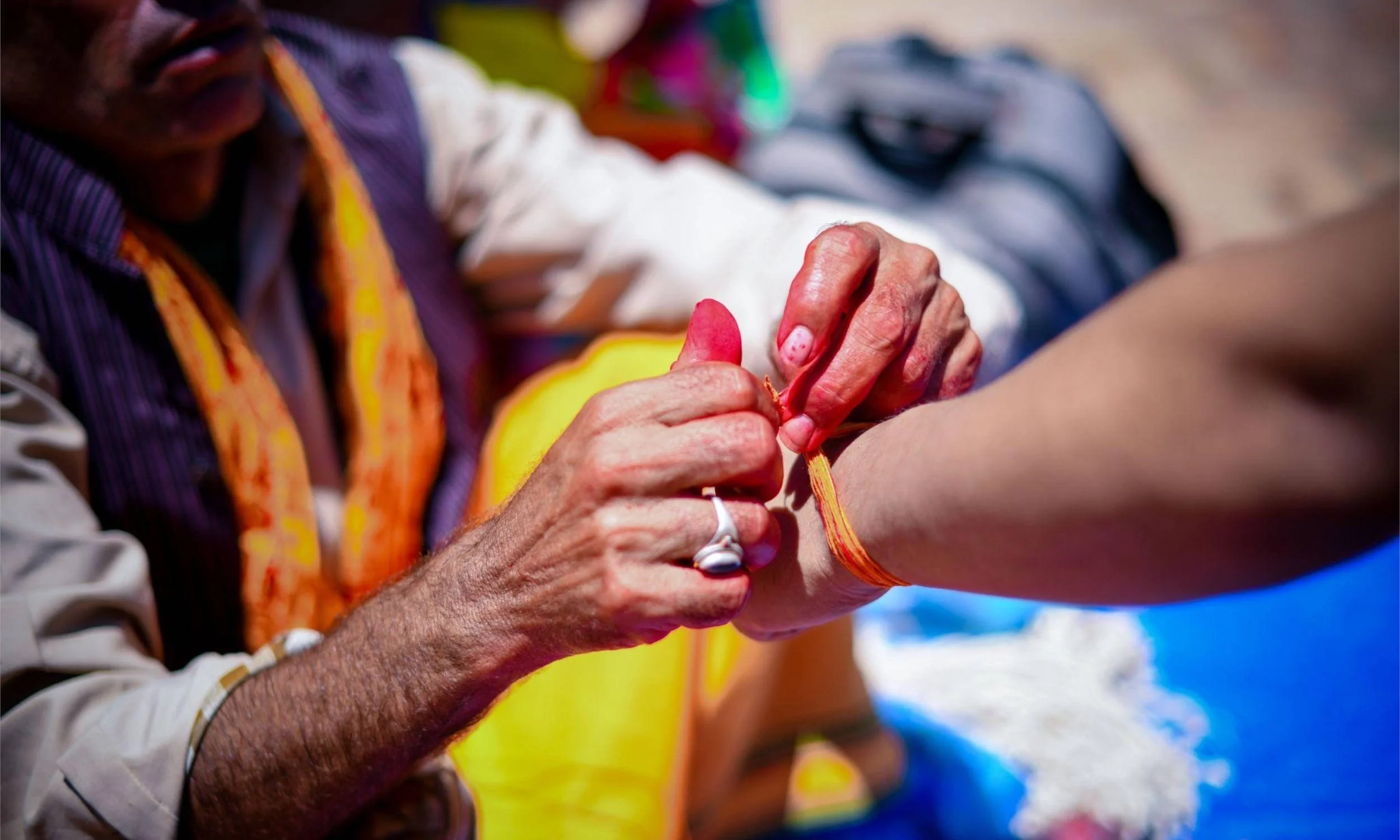
Gunhu Punhi which is not to be mistaken with Guru Punhi (Teachers Day) as this is one of the most significant set of festivals celebrated by the Newar community. Lasting for a total of for nine days the first day is known as Gunhu Punhi. During when a traditional broth (locally known as Kwati) consisting of spouted mixed cereal is consumed. It is believed to help boost immunity and give strength for the upcoming change in season. A traditional doro (string), which is a protective cord is tied onto one's wrist by the Brahman priest. Also known as a Janai this day is generally celebrated by the other communities as Janai Purnima.
In the Newar farming households, food offerings are placed for frogs in their farms and community which is known as Byanja Nakegu. Frogs play a vital role in the farmlands of the Newar household, as they consume bugs and pests that can cause illness to their crops. Thus to pay homage for the service by these friendly creatures a day is separated to honour their efforts.
*: As Newar festivals are celebrated according to the lunar Nepal Era calendar, the dates in the Gregorian calendar are interchangeable.
POPULAR ITINERARIES
SIMILAR POSTS

Yomari Punhi
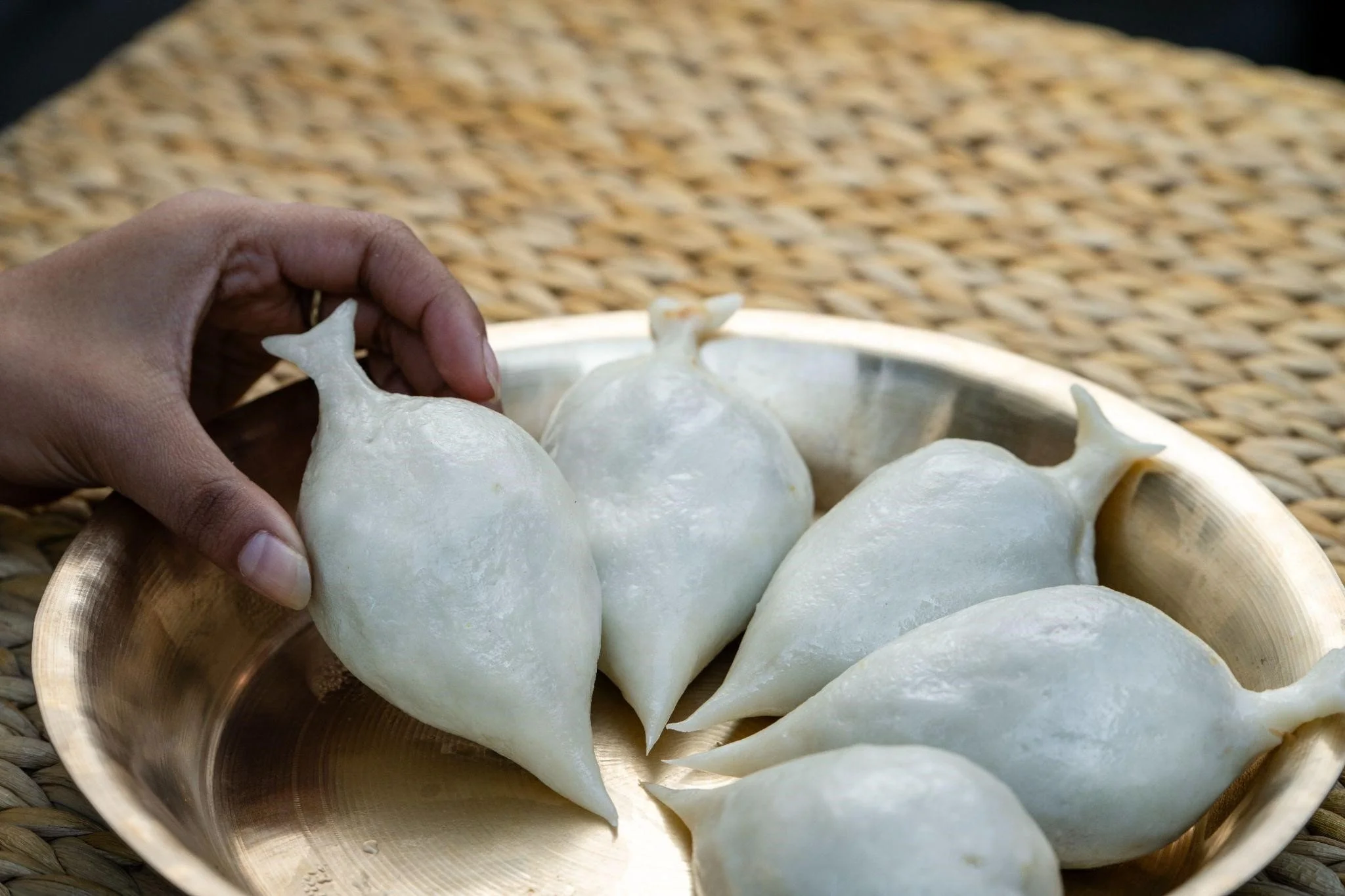
Yomari Punhi, a Newari festival in Nepal is celebrated every year by Newari Communities marking the end of the rice harvest during the full moon day of November/December. It is said that eating Yomari or Yamari, a steamed dumpling made with rice flour with sweet such as Chaku inside takes away the cold.
The following story is based on ancient myths and texts which has been interpreted with additions of details to provide gravity.
As the winds of winter began beating the drums, it became obvious that the upcoming season was to be one of the coldest they would see. As Krita woke up, on a fine morning she couldn’t help but take a fresh breath of morning due, with a light hint of incenses. She went for her morning routine, and as she was about to head out to the Indreshwar Temple for her daily ritual. She cried out for her husband, “You have to wake up now. Today is the end of the harvest, help me out bringing in the grains. They aren’t going to roll themselves in the store! You also need to assist me in the kitchen today, if not then you should make plans to eat at your friend's house today. I can’t do it alone, I hope the harvest is enough to keep us this winter. Wake up!”
With a grunt, Suchandra tries to shrug her off but as Krita pulled the blanket, and as the winds of the fall morning made contact, Suchandra was awake as an owl. Krita left her husband, who looked like he had been hit by a wall of bricks for the temple of Indreshwar.
Along the way, she greeted the elders, took their blessings and heard the words of a celebration of the harvest festival to happen in the evening. She was filled with happiness and said to herself, “A festival that sounds amazing. When was the last time I was at a festival? Oh, When Suchandra and I went to Bhaktapur to see the Biska Jatra. He doesn’t even take me out anymore, he has grown lazy too, well typical of men!” Krita was mesmerized with the thought a festival in town and as she imagined the vibrant streets, the merry music she had a smile on her face. She was so lost in her thoughts, she failed to realize that she had already walked past the temple. Only later to come back to earth, when an elder asked the direction to the temple.
She walked with the elderly gentlemen, as they were headed the same direction. As they reached the temple, she bowed to him and told him that she shall part from here. The elder reached out his hand touched her forehead and said, “Bhagyamani Gui Ma!” ( May you be fortunate!)
As she offered her prayers to the deity she stopped by the local vendor, confused about what to put together for the daily meal. She noticed something peculiar amidst the produces being sold on that very day. The vendor had an assortment of Chaku (Sugar Molasses) and with the evening festivities in mind, she wished to make something new.
She bought a few blocks of Chaku along with a few more products and headed towards home. Suchandra had woken up and had started to prepare to bring in the grains of this seasons harvest. She smiled at him as she stepped inside her home and went towards the kitchen to sort all the produces. She stared at the Chaku as she placed it atop the table and wondered what treat she could whip up with this new ingredient. After placing all the produces, she headed outside to help her husband bring in all the grain.
As if in the blink of an eye, the day had passed by and with a quick lunch they continued taking in all the grain and began inventory. “This year it seems the gods have taken all our fortunes and given it at one go,” said Suchandra with a delightful smile as the grains this year had tripled last years harvest. “Did we cut down someone else's crops too?” Questioned Suchandra.“ Well if we had worked as hard as this year in the previous years, then we could have collected on our fortunes the previous years as well,” said Krita.
As the sun slowly set its way towards the western horizon the evening was soon to approach. The merry tunes of the drums could be heard playing in the distance. Krita is a panic, “What are we to prepare for the tonight?” Suchandra, “Well I don’t know, how should I know!”
Krita left the store in a hurry and made her way to the kitchen and stared at the produces she had collected earlier. Each great but none go together in avid confusion she began checking the stores. She took some rice grains from this year's harvest and took it in a hurry to the mill. She had them grounded to fine grain and wished to make her husbands favourite Chatamari (Rice Crepe). As she began preparing, she couldn’t help but stare at the Chaku she had procured in the morning. She then had an idea! “What if? No, I shouldn’t.”
She called out to Suchandra, “Can you help me in the kitchen? I want to finish early and go watch the festival. Suchandra made his way to the kitchen and Krita asked, “What if we make something different today?” Suchandra amused, “What do you mean by different?” Krita replied, “Can you take that Chaku and have it heated until it turns liquid? I have a thought.”
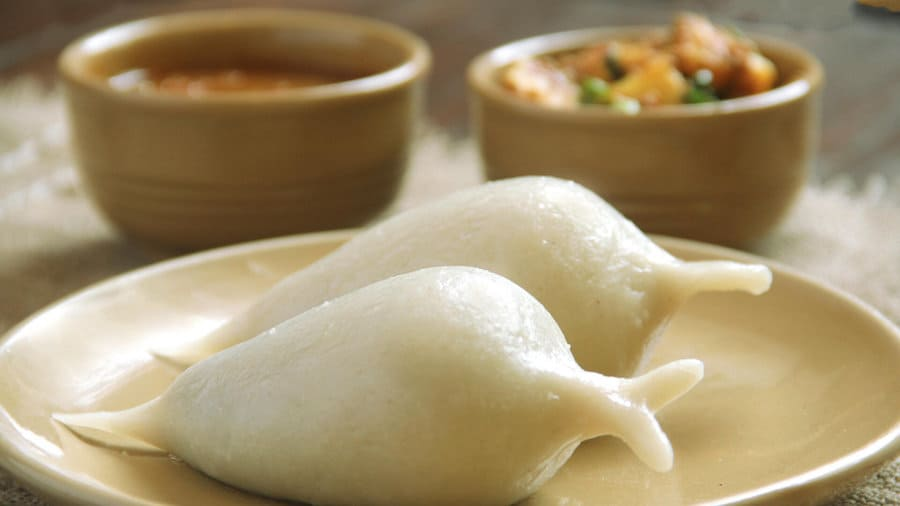
To which Suchandra replied, “Well if it doesn’t work then I’m be having your thoughts for the night meal.” Suchandra began heating the Chaku and Krita took the rice flour and kneaded it into a dough. She asked Suchandra to grab a dowel and asked him to pour the Chaku into the dough which she had shaped into a triangular and made a hollow in the middle. Suchandra amused didn’t want to get into another conversation began doing what Krita said. As the Chaku reached the rim of the shell she closed the top and had it sealed. She made two horn-like structures, “ These are your horns, the ones that you gain when you have a bit extra alcohol.” said Krita. Suchandra grunting placed two halves of black lentils onto another shell and said, “These are the beautiful eyes that you look at me with every day.” Krita couldn’t help but smile as she placed them onto a steaming basket.
Both had gotten very hungry and with every passing second, they felt like their stomach was coiling up like the body of a snake. “They must be ready, check them I’m very hungry” cried Suchandra. “ No they need more time, the shell wouldn’t even have hardened.“ said Krita. “Just a few minutes longer, your patience will be rewarded.”
In a short while, Krita opened the lid of the steamer and stared at a beautiful shell’s filled with delicious sugary goodness. Suchandra in a haste tried to grab one and have it devoured but Krita stopped Suchandra and said, “Not until we present it to Annapurna Devi. The only reason we get to have these treats is because of the great harvest we had this year. It’s all because of her blessings.” Krita took two of the shells and placed it in a leaf plate and went up to the pooja room. She got to her knees and placed the treats at the foot of a beautiful ideal of Annapurna and bowed to hear and offered her prayers.“ May you bless us, with a good harvest of grain every year.“ After lighting a bunch of incenses she came down to the kitchen and saw Suchandra’s hungry face. She rushed to pick up two shells and had it placed on a leaf plate and gave it to him. “My dear husband, your patience has been rewarded. Here you go.” Suchandra in the blink of an eye took a big bite of the shell and as he chewed the molten molasses dripped from the side of his lips. His frown turned into a smile and he exclaimed, “Yomari, Gajau Sau Mari!!” ( Such a delicious bread)
It is believed that Krita and Suchandra were the ones who first conceptualized the delicious treat of Yomari. Which today is enjoyed by the people of Nepal in the Punhi (Full Moon) which marks the end of the harvest season.
POPULAR ITINERARIES
SIMILAR POSTS

The Legend of Majipa
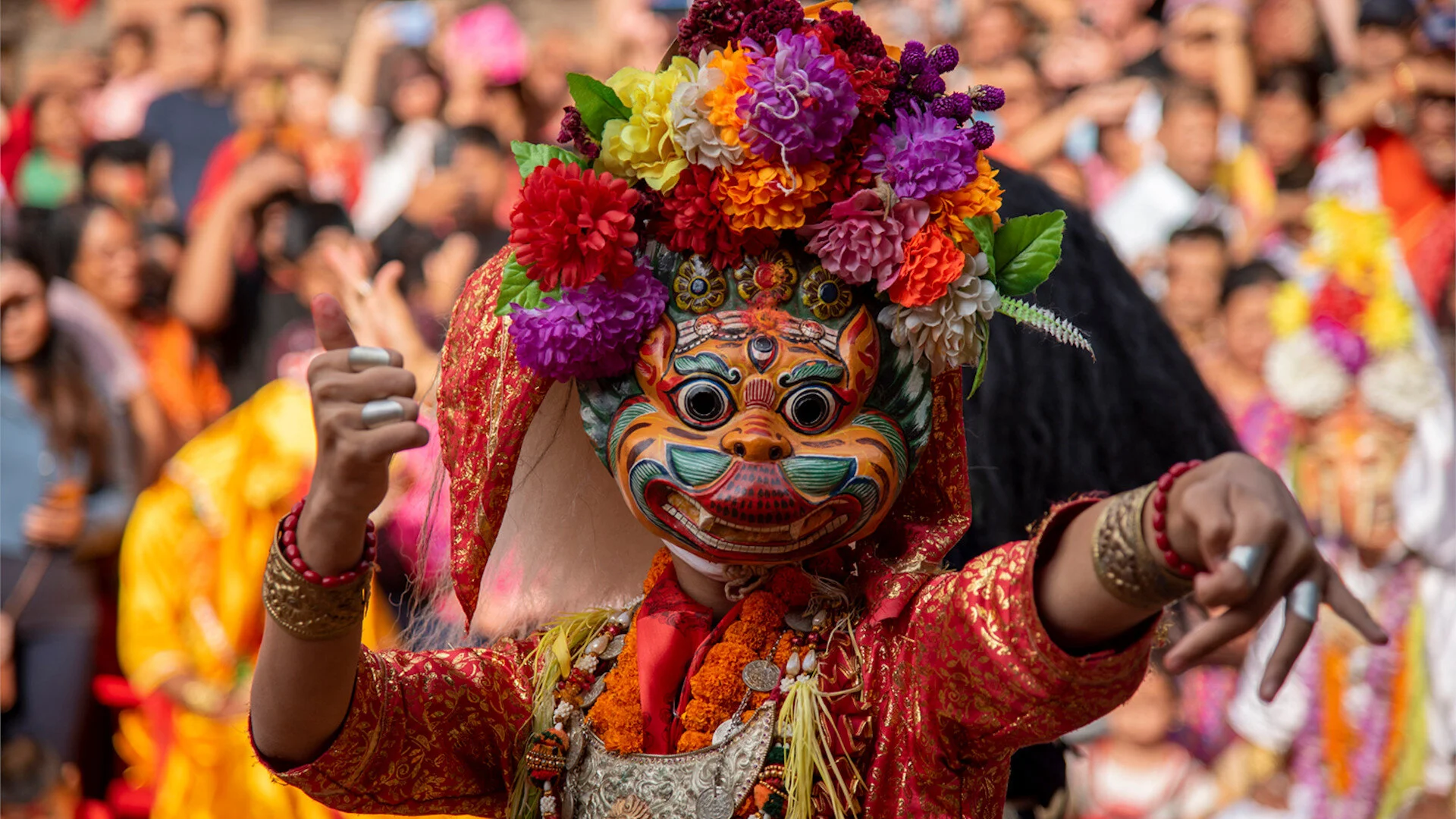
Majipa Lakhey in Newar mythology is the protective deity of all children in the Valley. During the annual festival of Indra Jatra, the dance of Majipa Lakhey is performed by the clan of Ranjitkars of Kathmandu with a traditional drum (Dhime) and a pair of Bhusya (pair of cymbals) with straps to fasten around the wrists. Devotees during the dance performance try to manage a touch the Lakhey’s rich display to take the blessings.
The celebration of Yenya Punhi, commonly known as Indra Jatra is an amalgamation of numerous festivities.From the dance of Phulakisi ( Indra’s White Elephant), to the chariot procession of the Living Goddess Kumari, along with Lord Ganesh and Bhairav. The spectacular eight days of Indra Jatra, brings together elements from all over the valley of Kathmandu in the unique celebration dedicated to Lord Indra.
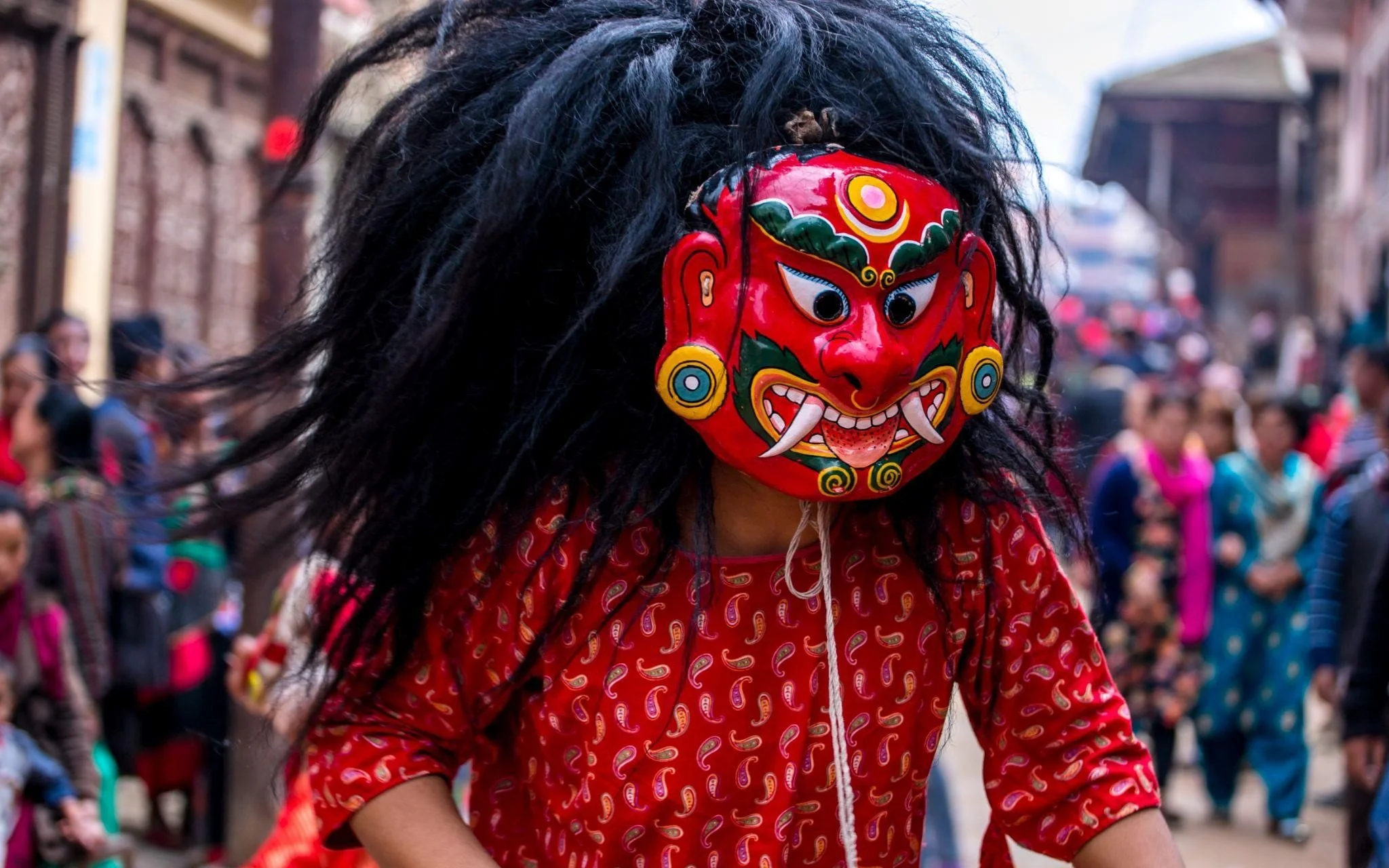
Among such great celebrations is the festival of Majipa Lakhey, commonly known as the peace loving Lord Bhairav. As the Indra Dhoj ( Pole of Indra) is erected at Hamuan Dhoka Square, which marks the beginning of Yenya Punhi, the night before an which an auspicious puja is done to evoke the spirit of Majipa Lakhey. The next day the mask of Majipa Lakhey is adorned by a devotee and thus begins the dance of Majipa Lakehy.
In the folklore of the Newar Deities passed on from ages, Lakhey’s are normally considered demon’s who terrorize the people with ill activities. They are normally associated with destruction of farms, stealing children and terrorizing and frightening the citizens. But Majipa Lakhey is the antonym of what we consider a traditional Lakhey. The tales of Majipa Lakhey has been passed down from generations to generations, and with every passing age the love for the deity grows. It is believed that the Lakhey had fallen in love with a girl known as Majipa. Thus, the Lakhey took the form of a human and entered the then Valley Kingdom of Nepal to see his beloved. Majipa later on discovered that the man who she was in love with is a Lakhey, and warned the locals and thus the Lakhey was captured and taken into the Kings Court. The then King after deliberation and careful thought, then made a proposal to the Lakhey, that he will grant him a place in the city if he vows to preserve and protect the children of his kingdom from other demons and participate in the annual Yenya Punhi. The Lakhey agreed to the terms and is believed to have been given residence in the locality of Majipa.
Thus during in the annual Indra Jatra, the dance of Majipa Lakhey is performed by the clan of Ranjitkars of Kathmandu. The dance of Majipa Lakhey is quite unique, unlike other traditional dances which have an essence of Chariya Nritya ( Buddhist Dance Form), or a Bol and Bhaka ( Lyrics recited with Music). The dance of Majipa Lakhey during Indra Jatra features a traditional drum (Dhime) and a pair of Bhusya (pair of cymblas) with straps to fasten around the wrists. The instruments are normally played by the youth of the Ranjitkar clan as well. The Ranjitkars of Majipa tole state that, one does not require to train for the dance of Majipa. It is something that we all have inherited in our genes.
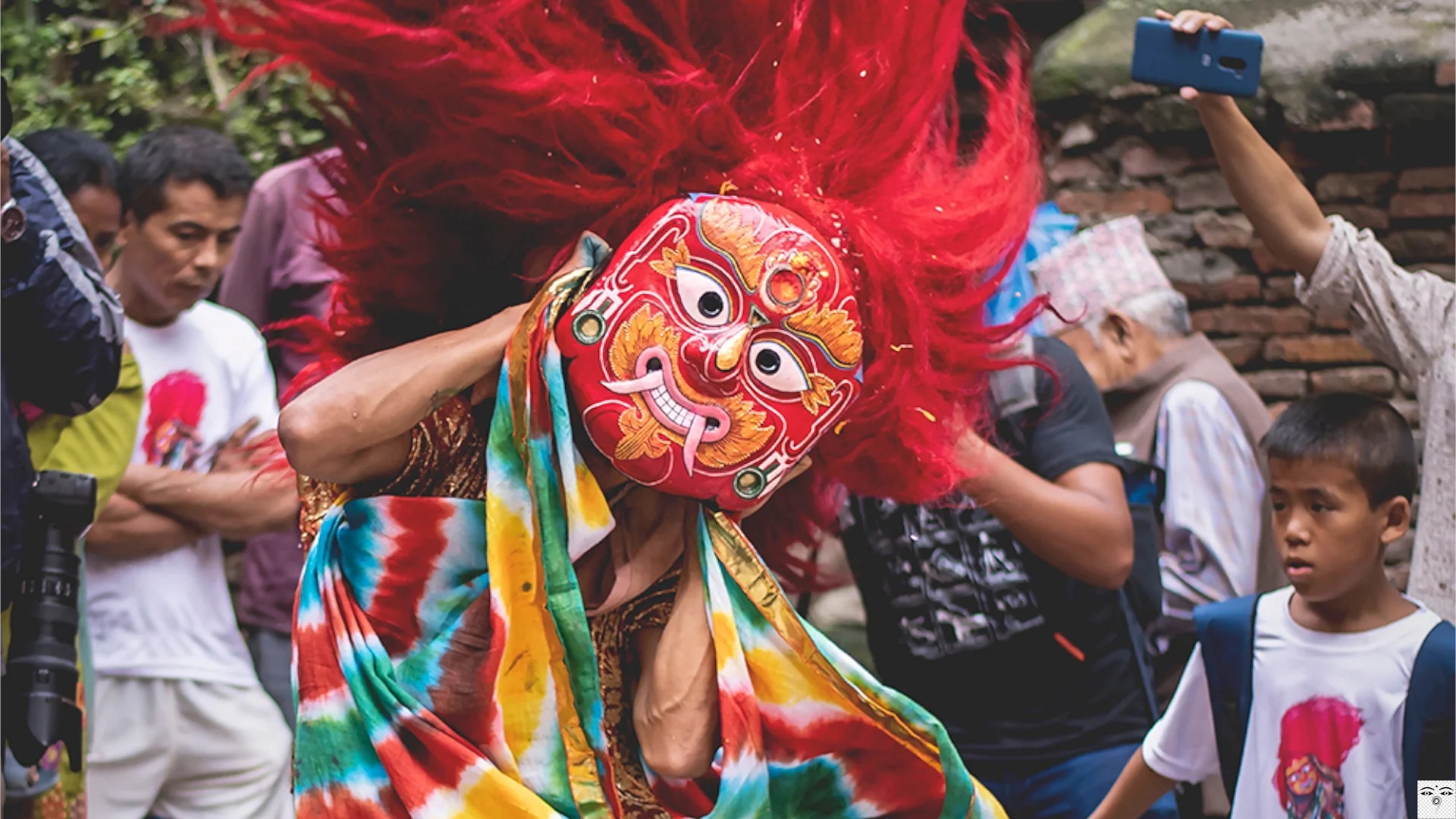
The customary costume of the Lakhey, constitutes of a glorious mask with stunning Abir( Traditional name for red colour). The costume features a traditional red bhoto( blouse)with golden embroidery and a full length skirt. The signature of the Majipa Lakhey is the piece of cloth that is wrapped around and inside the Lakhey’s costume. Coloured in the shades of the rainbow, the cloths ends are griped by the Majipa Lakhey during the dance. This leads to a beautiful display such as of the spreading of the feathers of the peacock. This is normally what the flocks of photographers gathered are normally there to photograph.
During the dance, the Lakhey grips the cloth between his figures and during the dance, the cloth ( dyed with lines of the rainbow) creates a image of wings. Which in association with the sound of the Ghanta ( Bells) worn as a belt bring forth a majestic scene. The dance of Majipa has another interesting character, locally known as Jyalicha( Teasing Child), the muse of Majipa Lakhey. The two in an avid display of cat and mouse tease each other during the dance, chasing in an attempt to capture the child or trick the Lakhey.
The Majipa Lakhey is worshipped by all, devotees try to manage a touch in between the Lakhey’s rich display to take blessings. The dance of Majipa during the Yenja Punhi begins from Majipa Tole, which is taken around the old city routes of Kathmandu. During the main day of Indra Jatra, Majipa Lakhey entertains the crowds of devotees and worshippers who flock to the Durbar Square for the blessings of the Kumari and to witness the chariot festival.
Text By: Shreyashka Vikram Raj Maharjan & Photographed By: Suraj Patrabansha
SIMILAR POSTS

The Festival of Indra
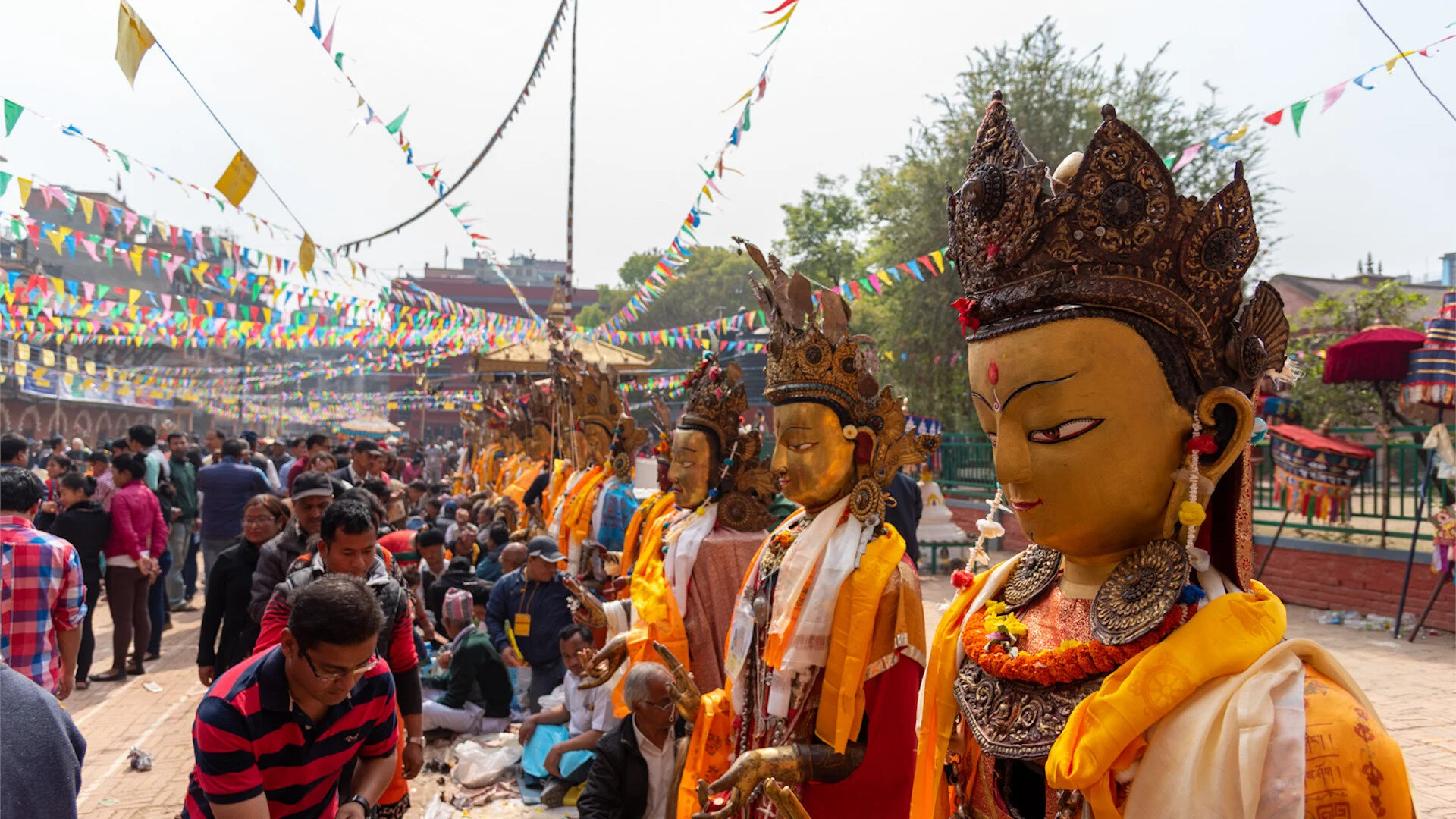
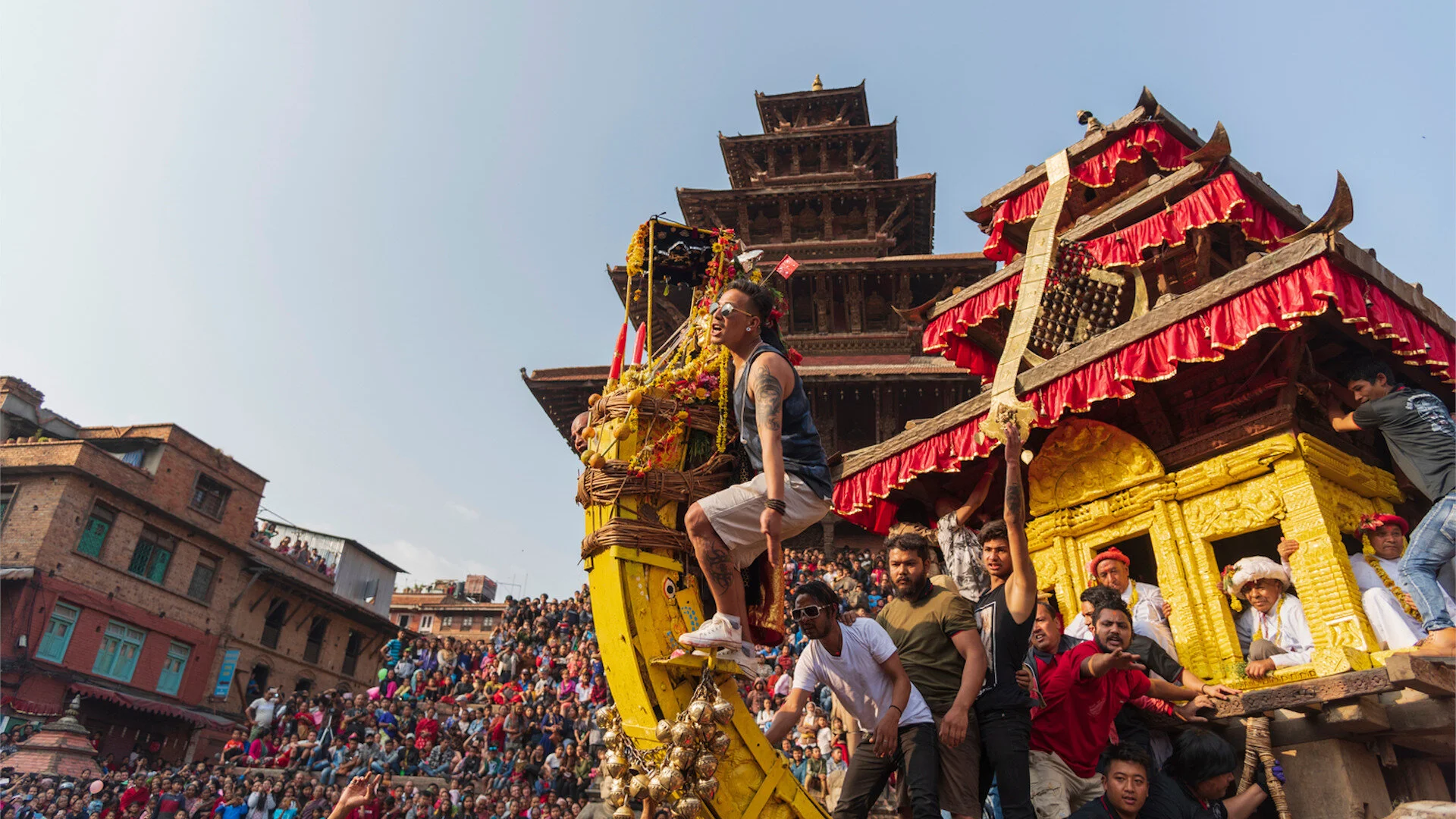
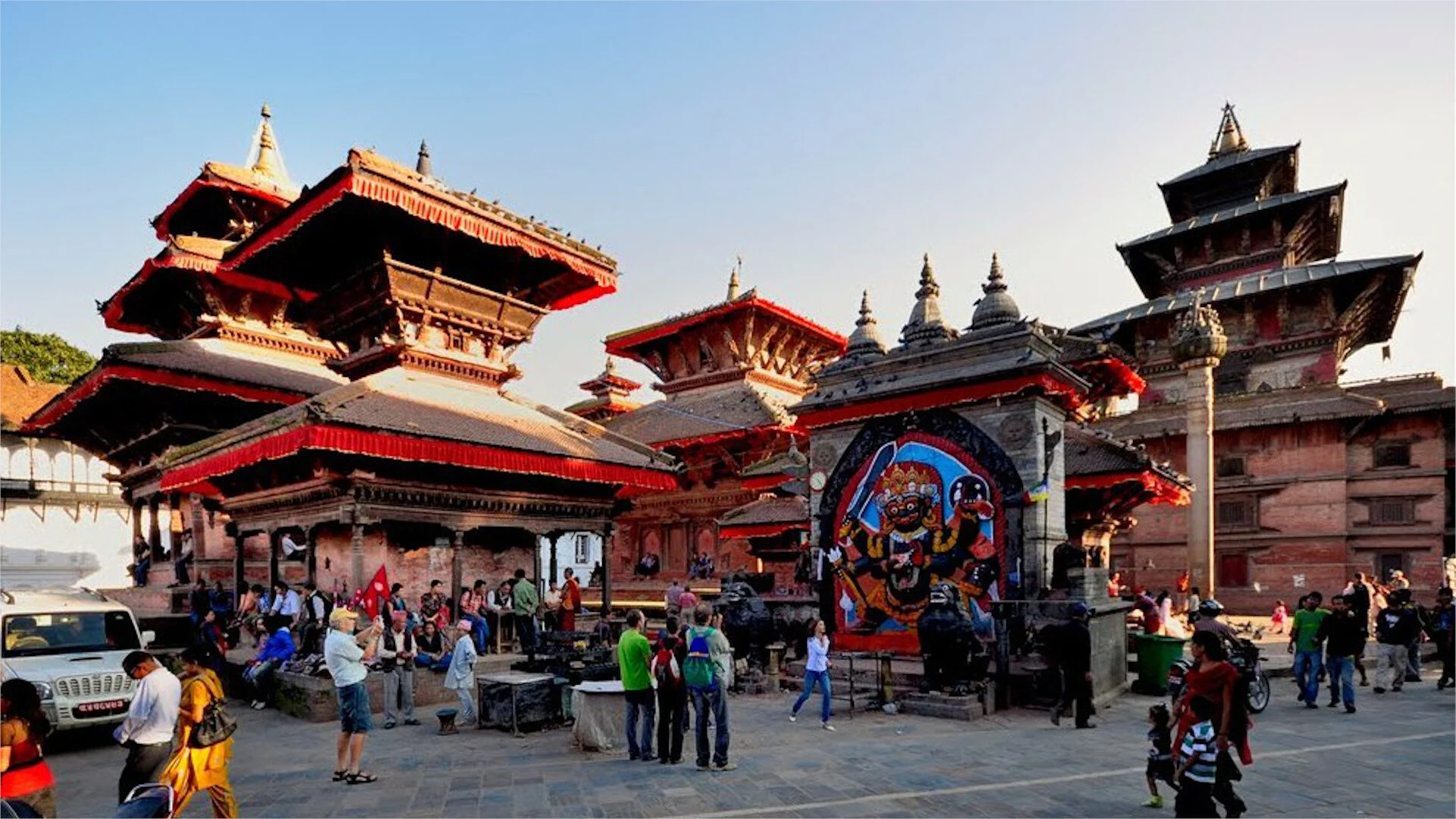
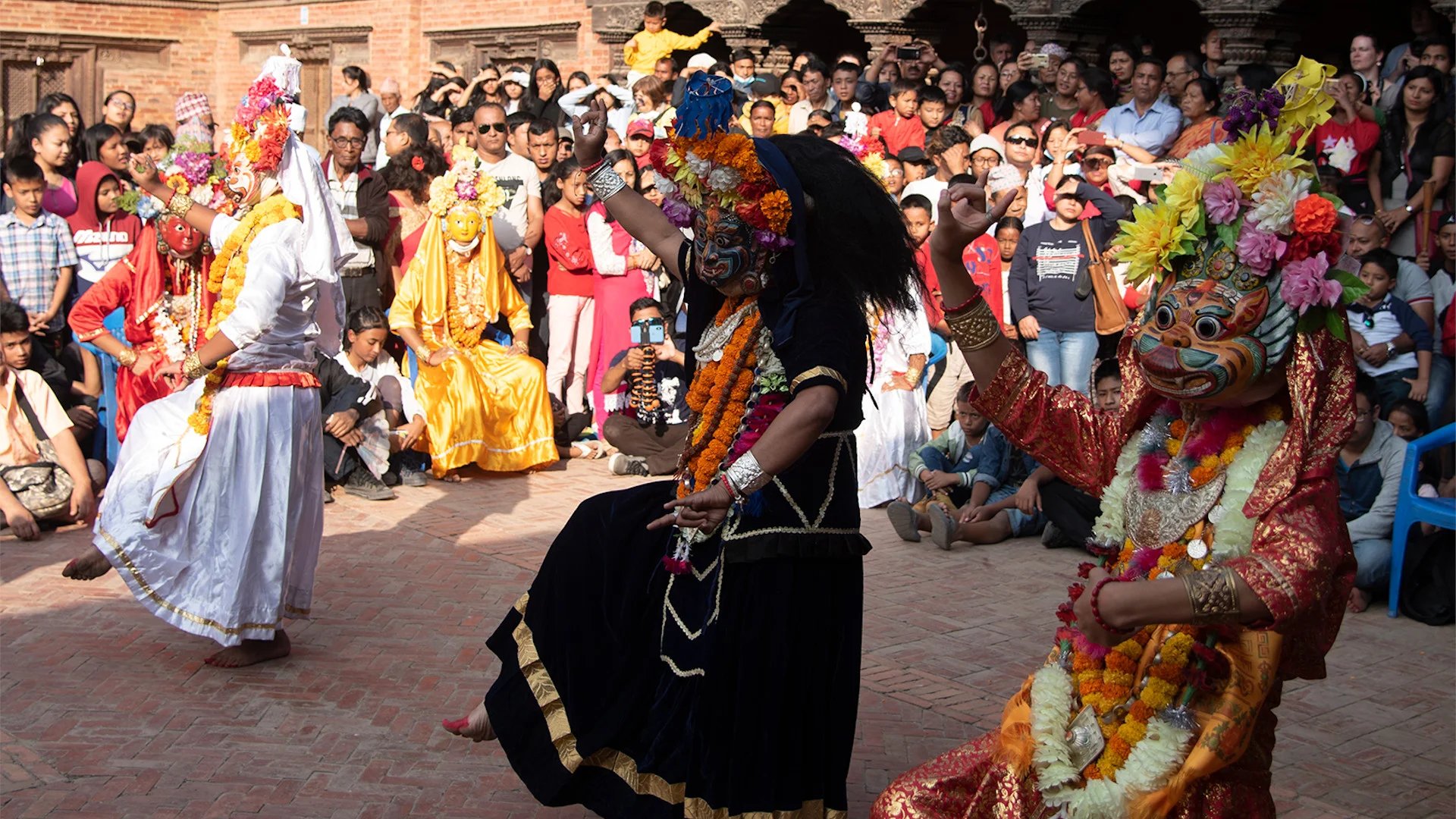
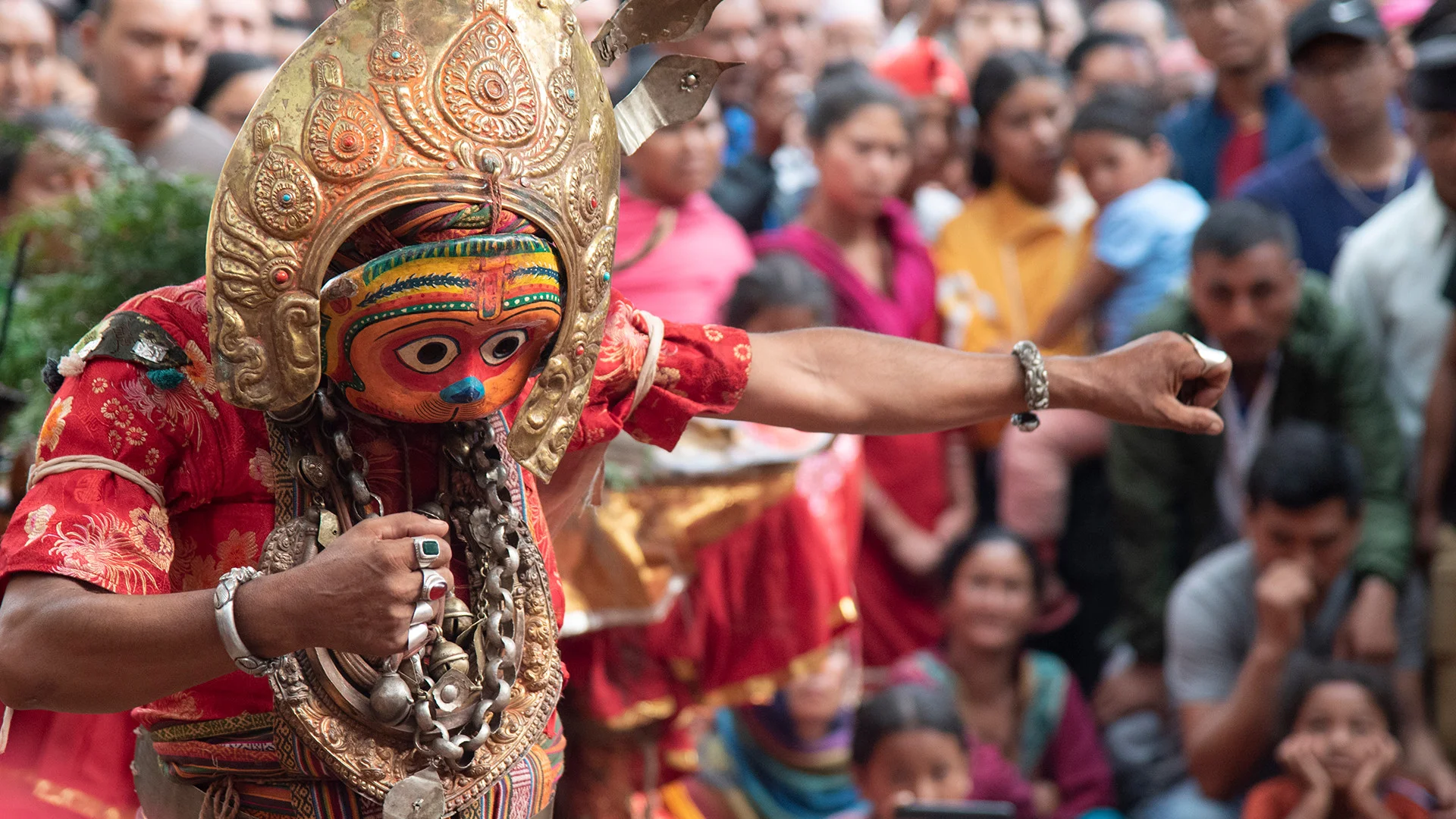
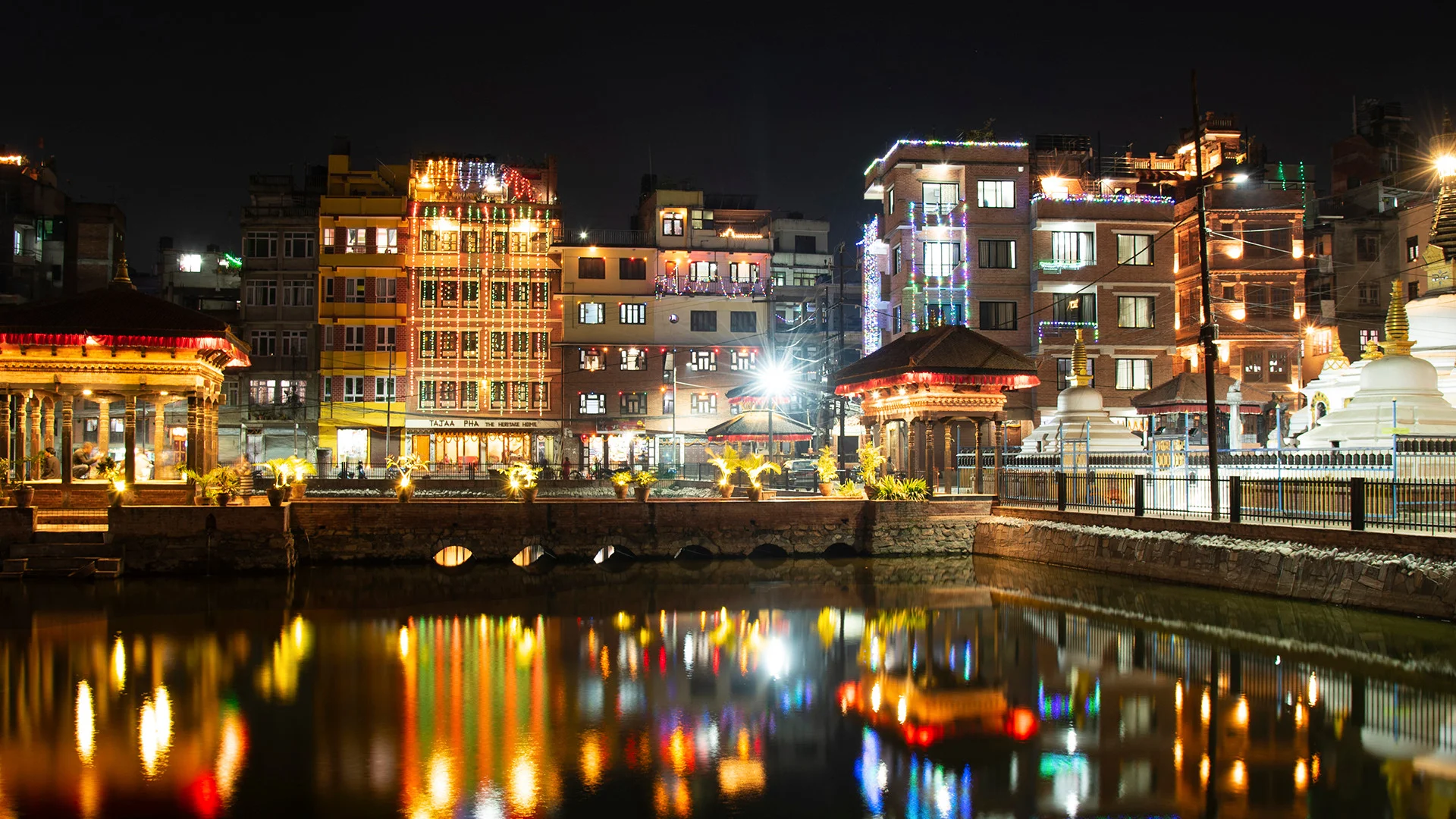
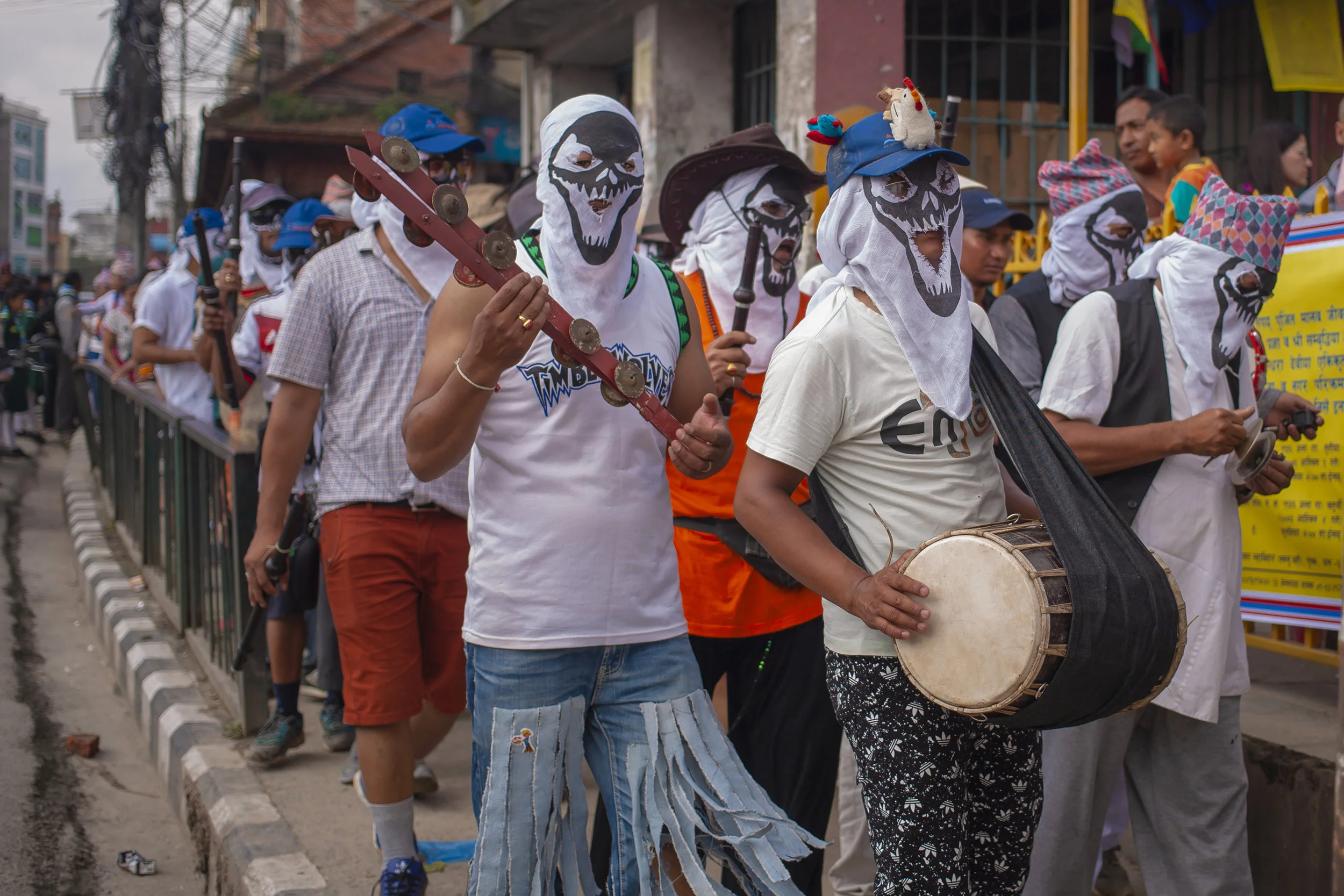
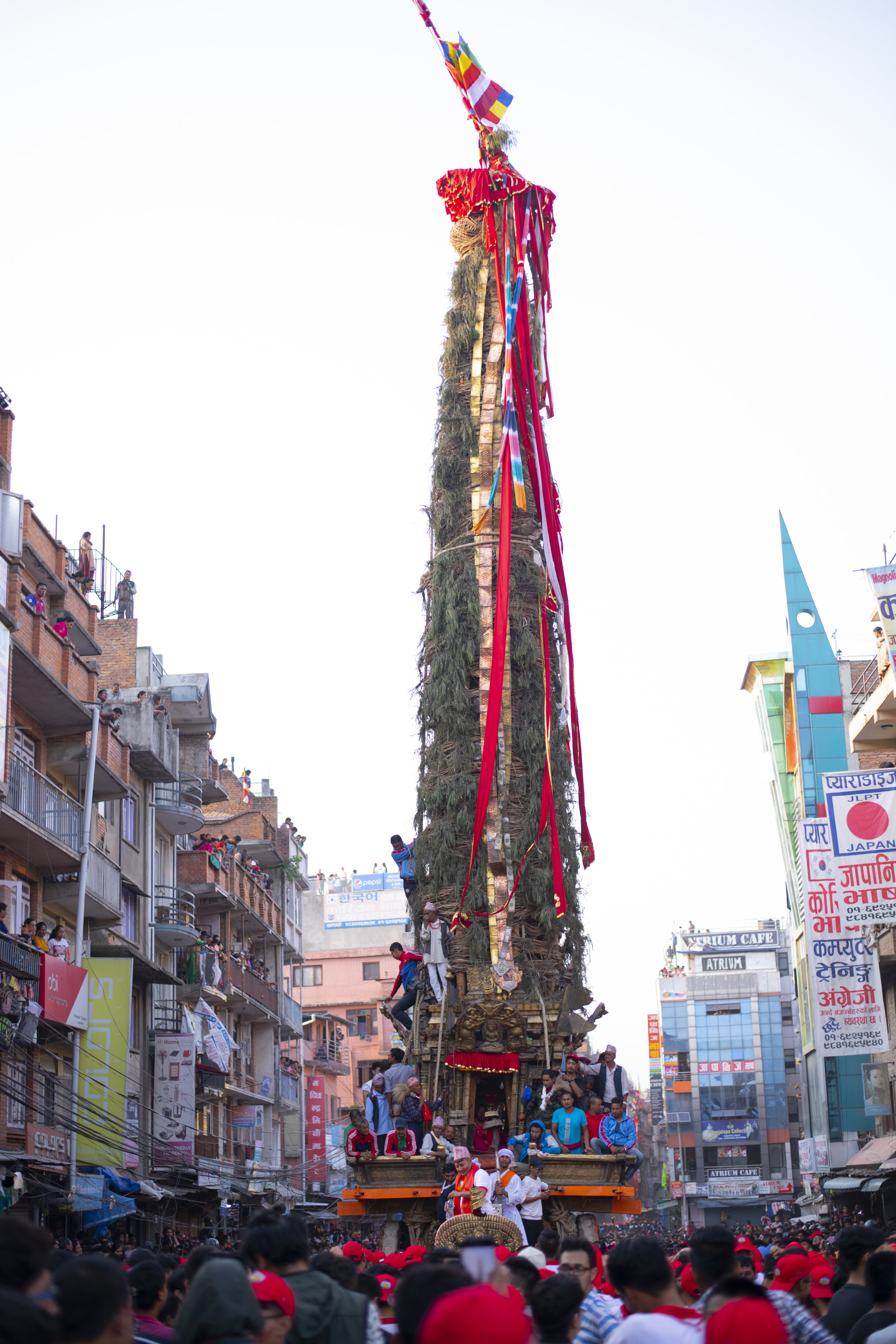
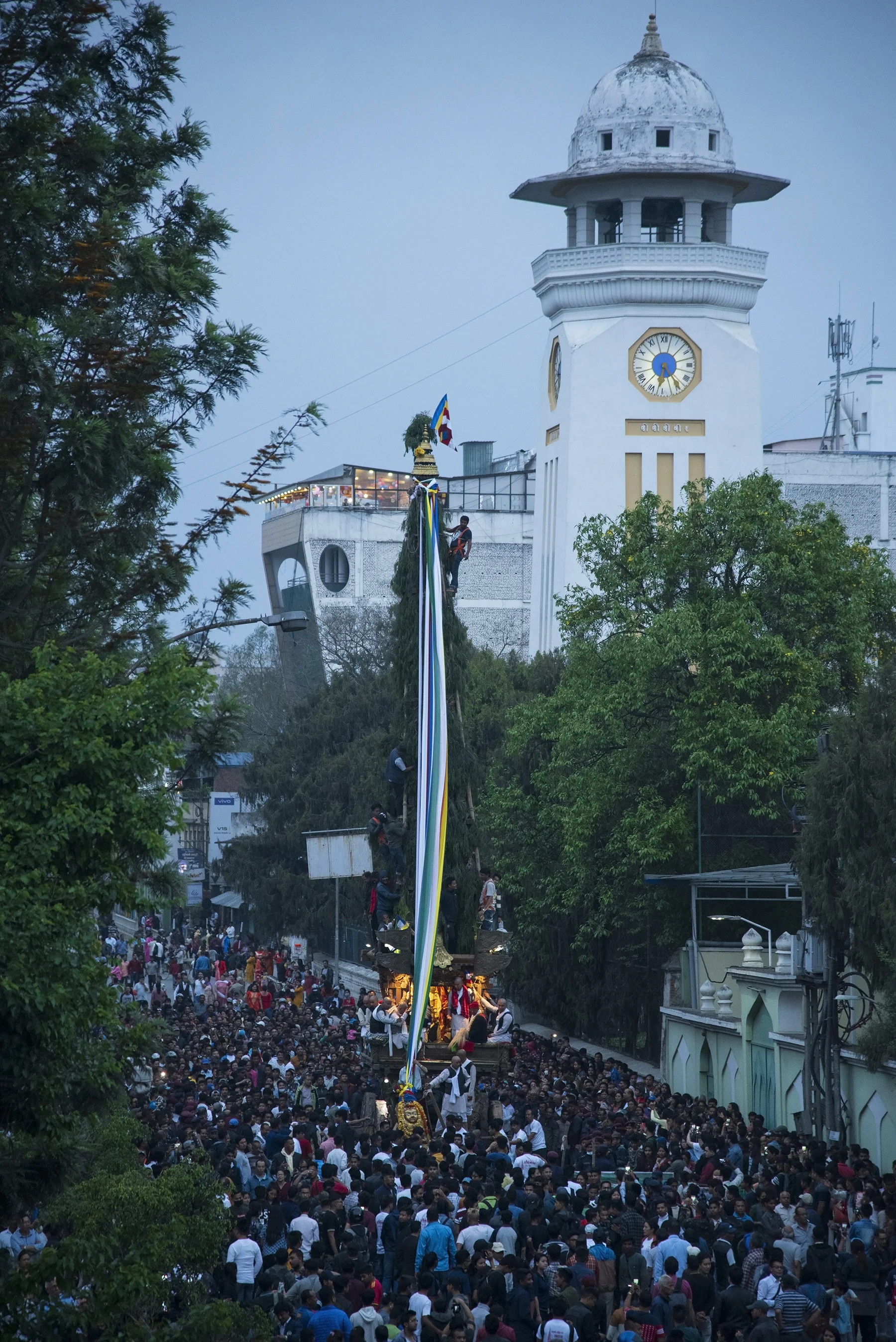
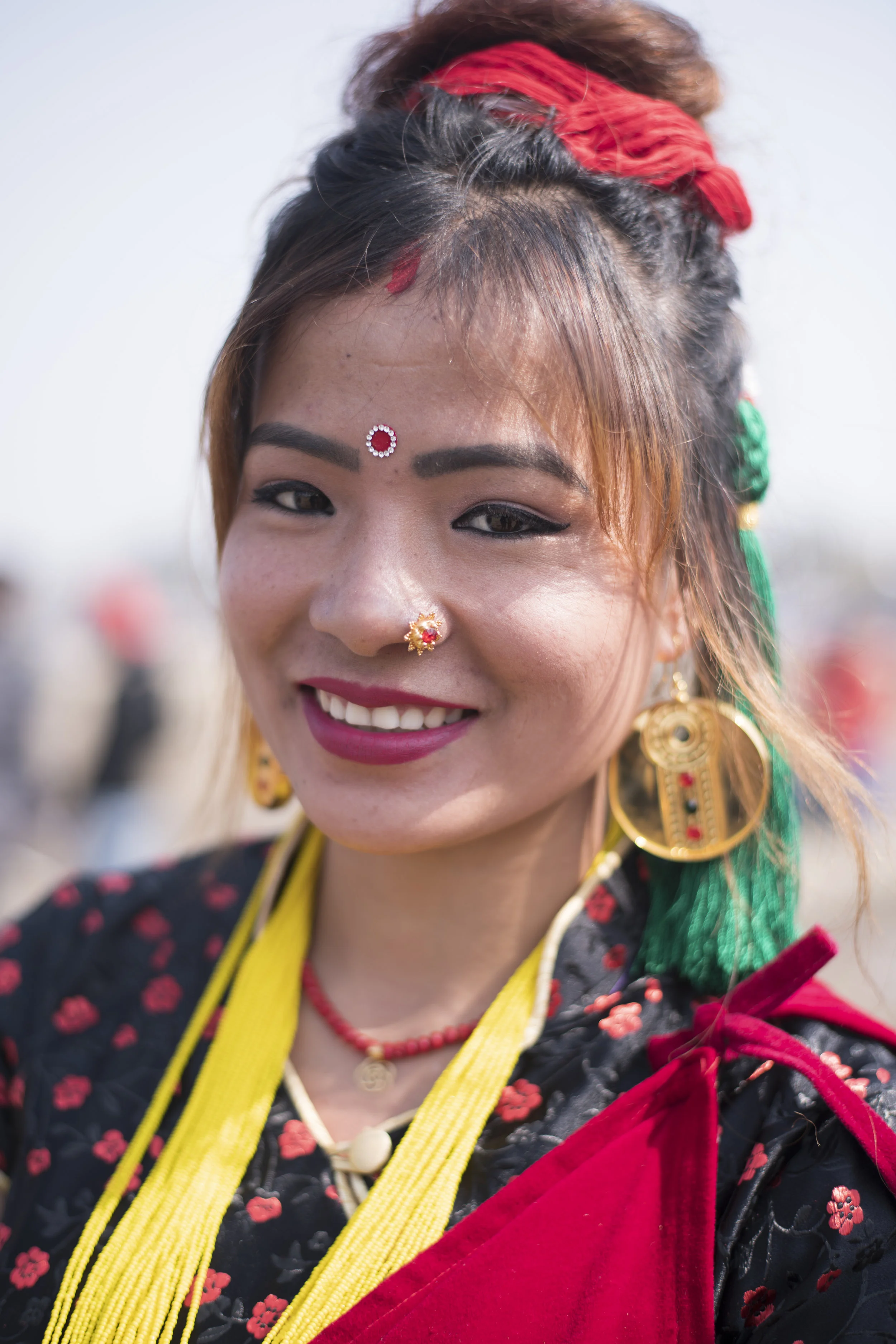
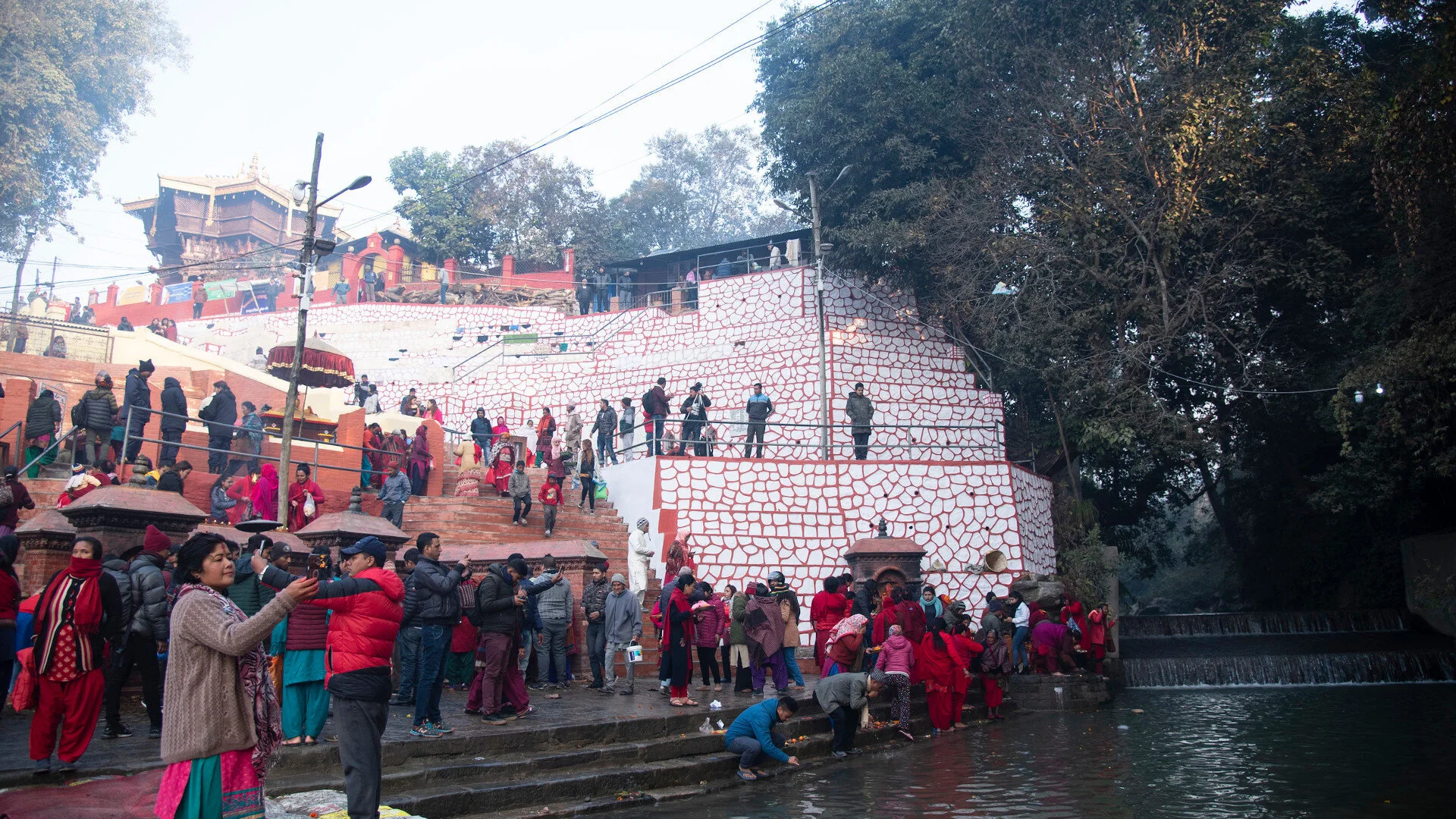
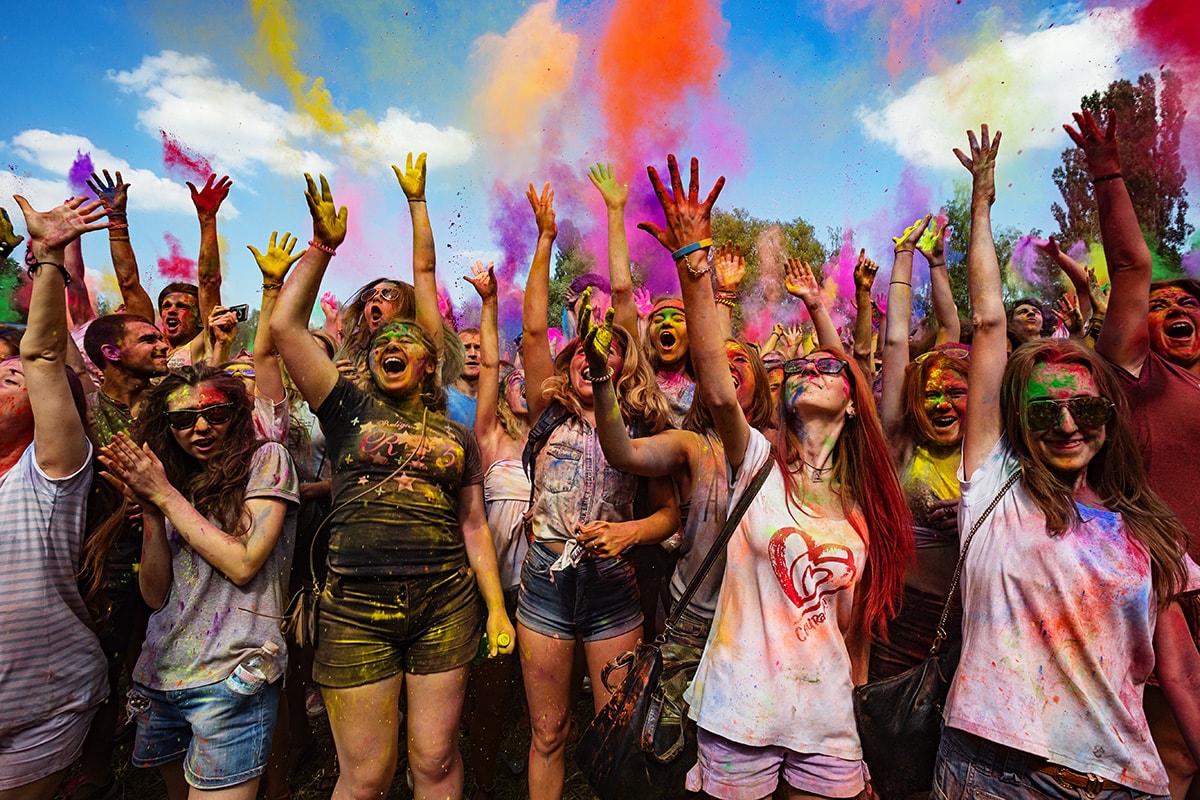
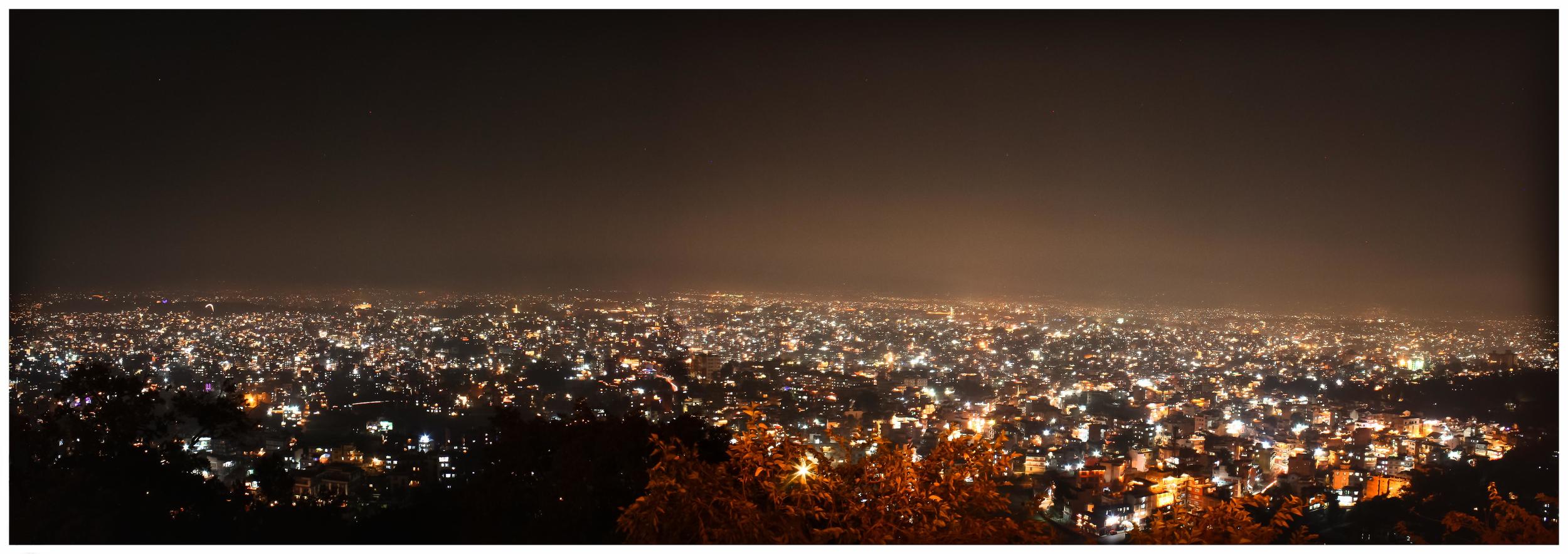
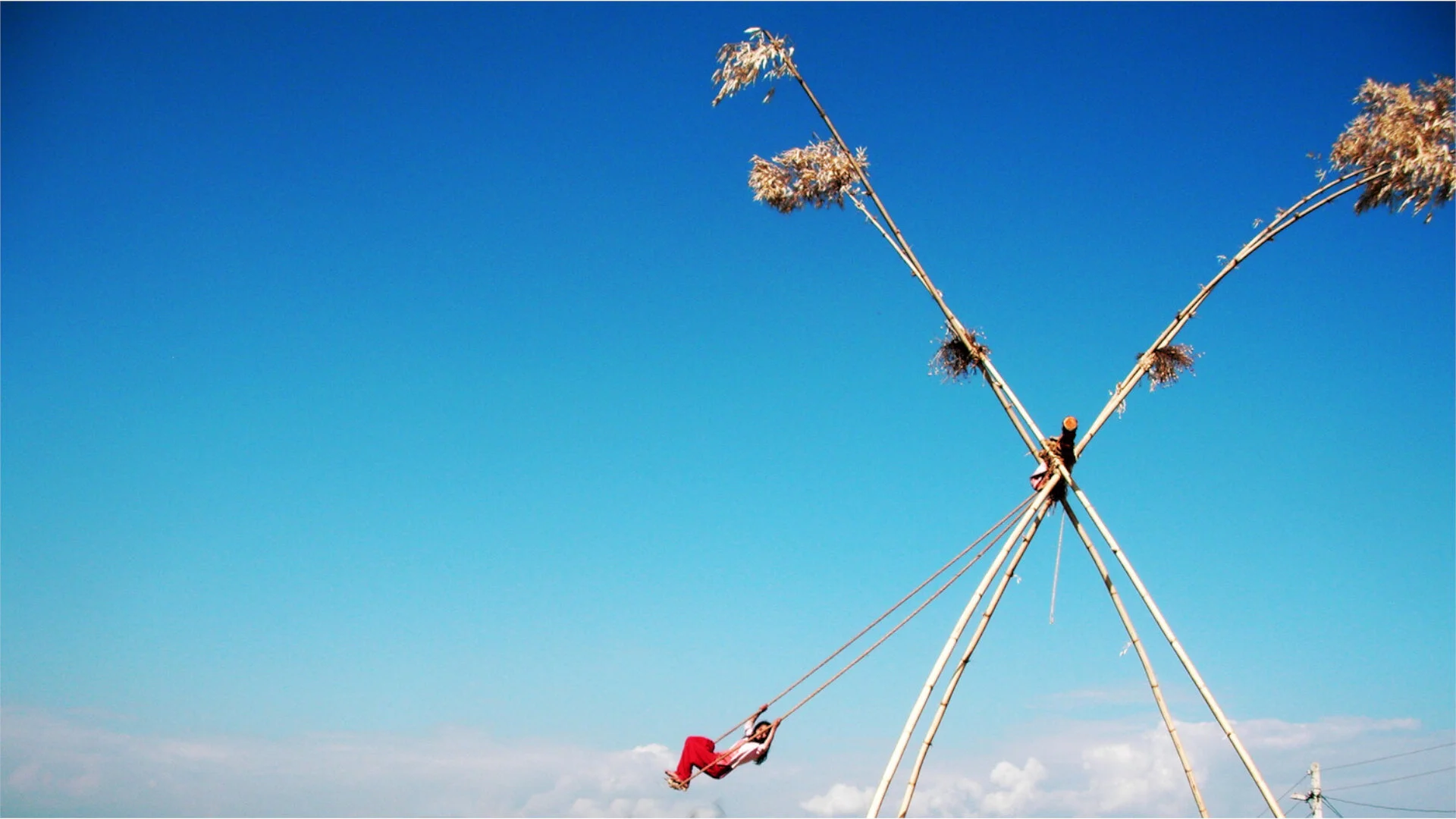
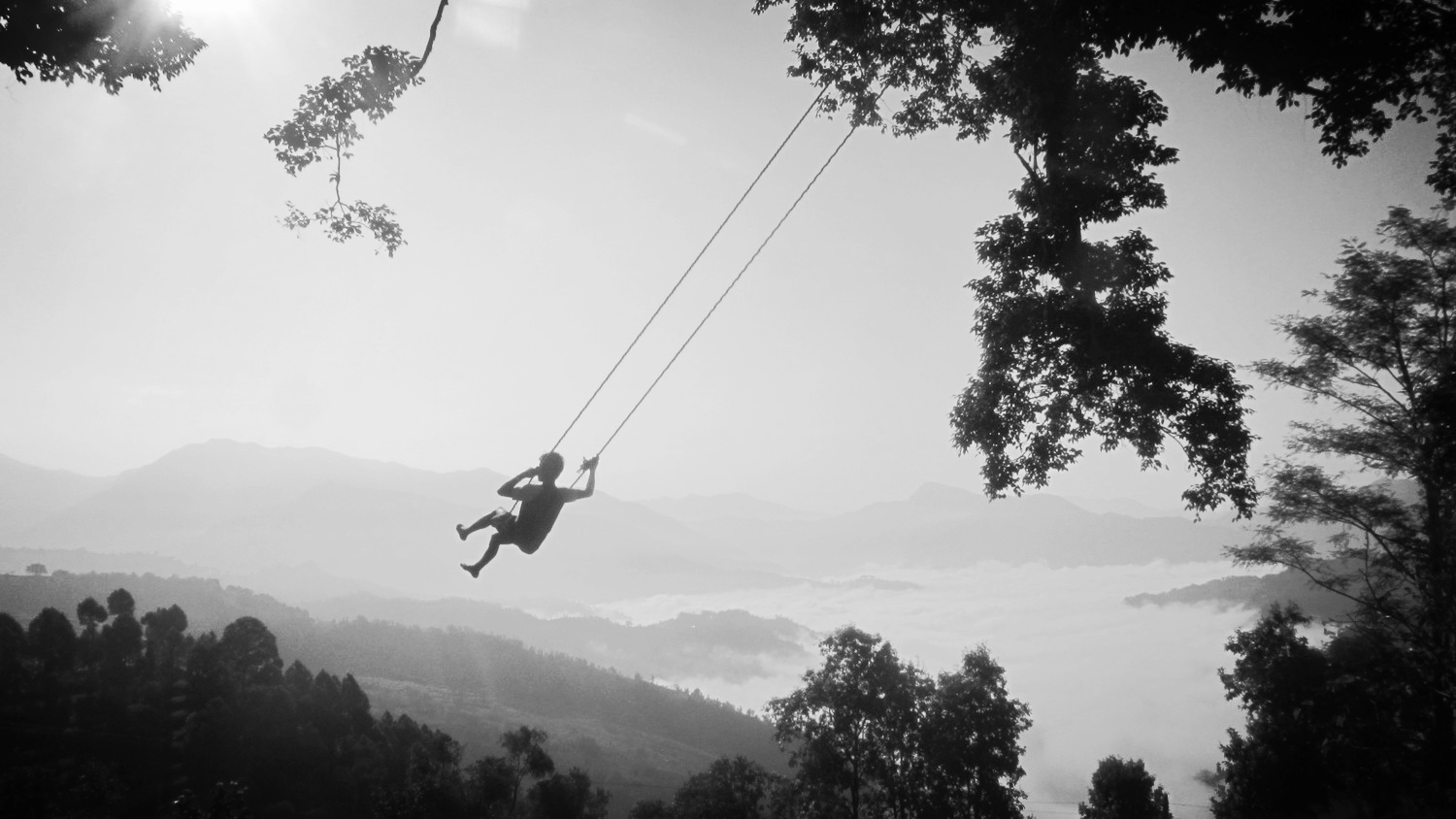
Indra Jatra, one of the highly celebrated street festival in Nepal marks beginning of the festival season and the beginning of a tourist season in Nepal. The festival is celebrated in the oldest town Basantapur Durbar Square or Hanuman Dhoka in Kathmandu by the local community with huge arrangements. The chariot of Kumari, the Living Goddess, is taken out in procession through the streets. People wear masks of various goddess and exhibit by dancing in the streets on music played with traditional musical instruments.
Indra Jatra
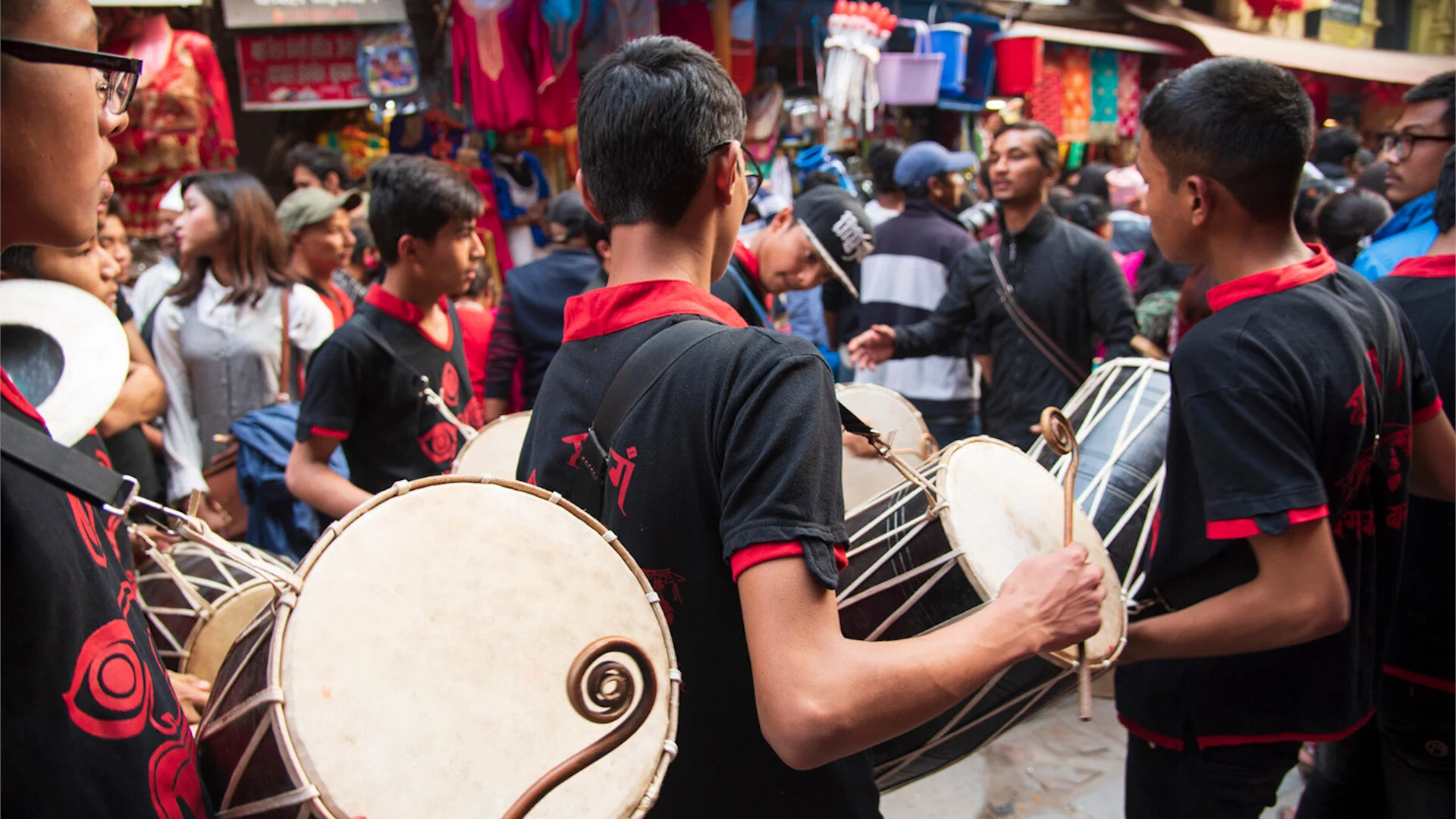
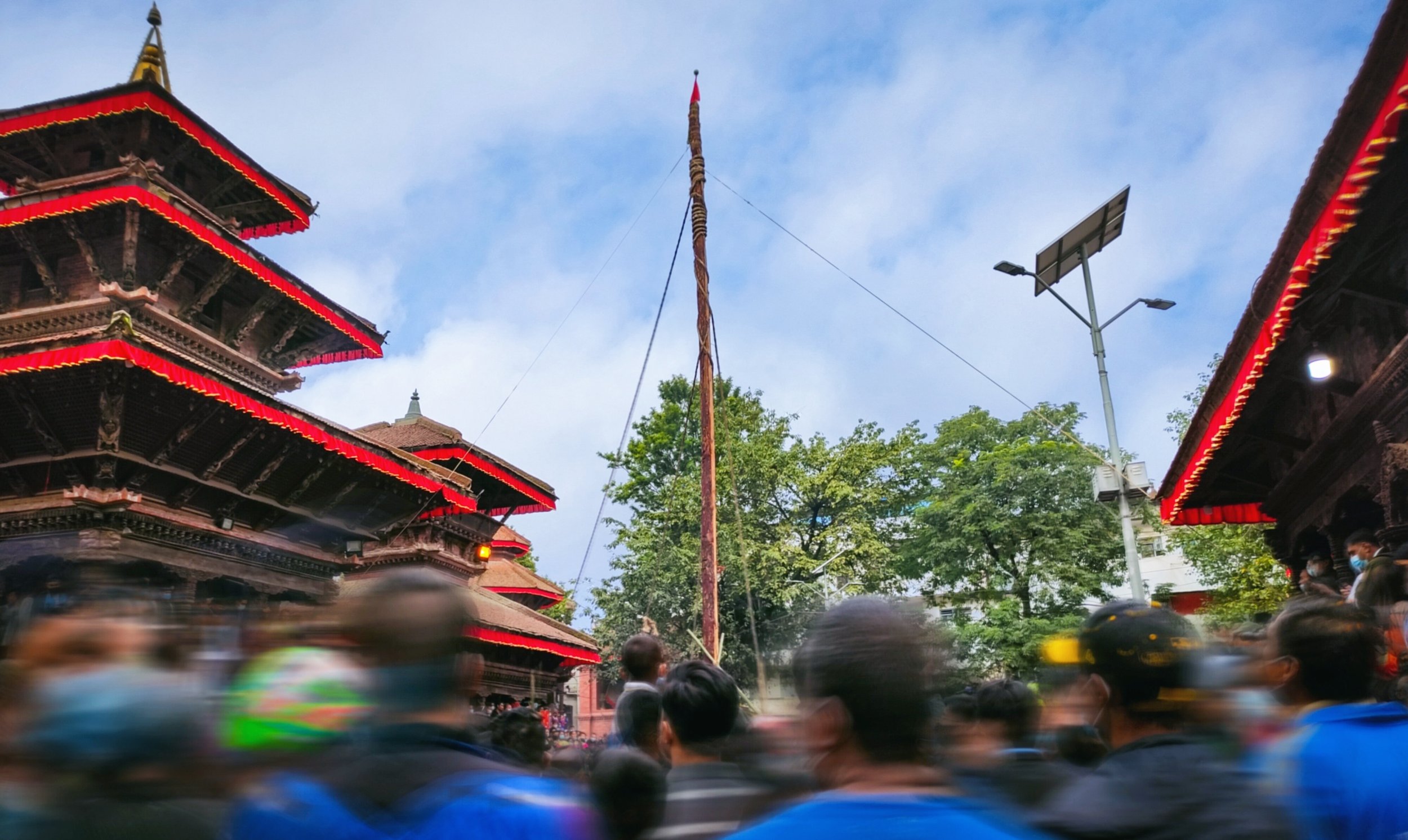
With the sound of the marching band, amid the busy hustle of the morning crowd at Basantapur Durbar Square. A group of revellers slowly gathers. As the band plays its final salute, the rope tied to the yahsi(Pole), the revellers muster their strength and in a great cheer, and as the yahsi makes its ascend three muskets are raised high, the Gurkha Paltan fires the aerial salute commencing the festival of Indra.
Regarded as the biggest festival of the then Kingdom of Nepal Valley, the true origin of the festivals are still debated. But this festival is believed to be founded during the Lichhavi Era by King Gunakamadeva, the founder of the city of Kantipur (Kathamandu). The celebration of Indra Jatra is made of three different series of rituals: Kumari Jatra, Indra Jatra and Bhairava Jatra. Each have their own legends and ceremonial components but as a whole, turn the centre of Basantapur Durbar Square into a grand affair. The square is a sight to behold from the break of dawn till midnight, as the chariots of Kumari, Ganesh and Bhairava make there way through the inner city of Kathmandu. Every street comes to life with masked dances, merry music during the eight days of festivities.
According to legends, it is believed that the mother of Lord Indra required a Parijat( a white flower) to perform a ritual. For which Lord Indra descended to earth in search of the flower. He disguised himself as a commoner and while trying to take the flower out of the lawn of a Jyapu(Farmer). He caught Lord Indra and held him captive blaming him of trying to steal. Lord Indra was imprisoned and not allowed to go back to heaven.
The mother of Indra grew worry some as her son hadn’t returned from Earth. Phul Khusi(The Vahan of Indra) descended upon Earth to find his master and wondered around the streets of Kathmandu. During when a great festival was occurring in the Kathmandu and after hours of searching, Phul Khusi found Lord Indra. Phul Khusi took the news to heaven after which, his mother descended from heaven to free her son. She requested the villagers to release her son, but didn’t heed to her words. Only after Lord Indra reveled his true form. The mother of Indra made a promise to the villagers to give in return a final rainfall for their harvest to prosper and she would lead them to the gateway to heaven.
Accepting the conditions the villagers freed Lord Indra and let him go with his mother, a group of villagers followed them to the outskirts of Kathmandu to find the doorway to heaven. But Lord Indra’s mother tricked the villagers by putting forth a large mist which left the villagers confused and in dismay as Lord Indra and his mother went to heaven. To commemorate this event, during the celebration of Indra, a Dagi (Procession) takes the same path every single year. “The circumambulation of the city is performed in order to reach heaven in the Dagi’s footsteps to meet the dead relatives. The families scatter grain by the wayside so that they would not forget the way home. One finished, they throw what remains of there offerings in a place called Bhuta Satta, near Kasthamandap, and wash their faces at Maru Hiti fountain. Afterwards, they either return home or go to bathe in Indra’s Pond ( Yamki Da), which is located on a hill 12 kilometers west of Kathmandu.
The festival of Indra Jatra is a feast to all senses, the air is scented with the smell of incense, and the sound of drums and traditional instruments tranquil once ears. For the eyes, one can behold the procession of Living Goddess Kumari along with Lord Ganesh and Lord Bhairav. The chariot is pulled for three consecutive days. The first day is known as Kwaneya during when the chariot makes its way from Basantapur, Maru, Chikanmugal, Jasidewal, Lagan, Bhimsensthan, Baru and ends at Basantapur. The second day is known as Yenya Punhi on which the chariot procession begins from Basantapur to Pyaphal, Nyata, Tengal, Nhyaokha, Nhaikan Tol, Asan, Kel Tol, Indra Chowk, Makhan and ends at Basantapur. The final day of the procession is known as Nanichaya, the chariot is pulled by revellers from Basantapur to Pyaphal, Yatkha, Nyata, Kilagal, Bhedsing, Indra Chowk, Makhan and ends at Basantapur.
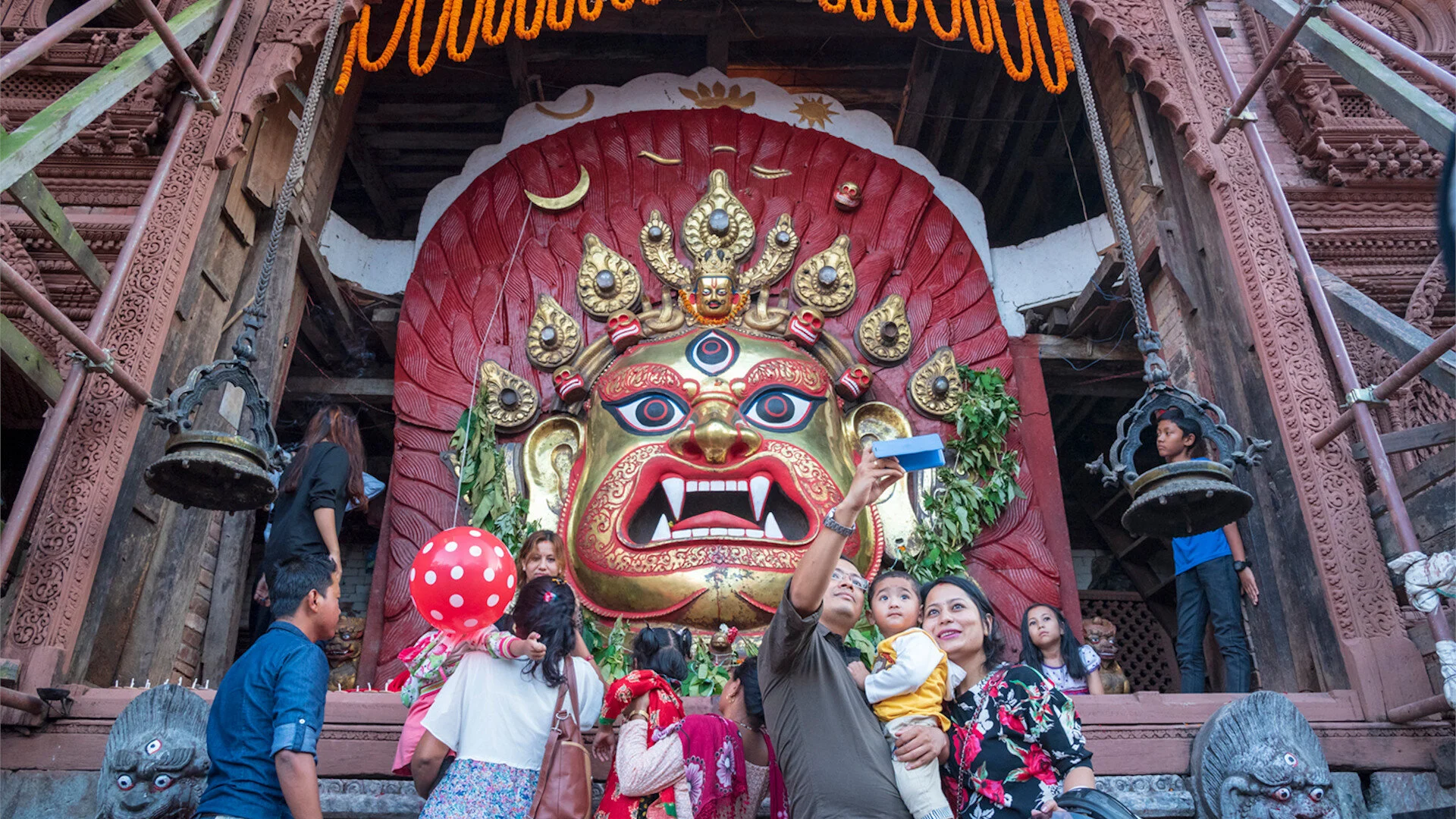
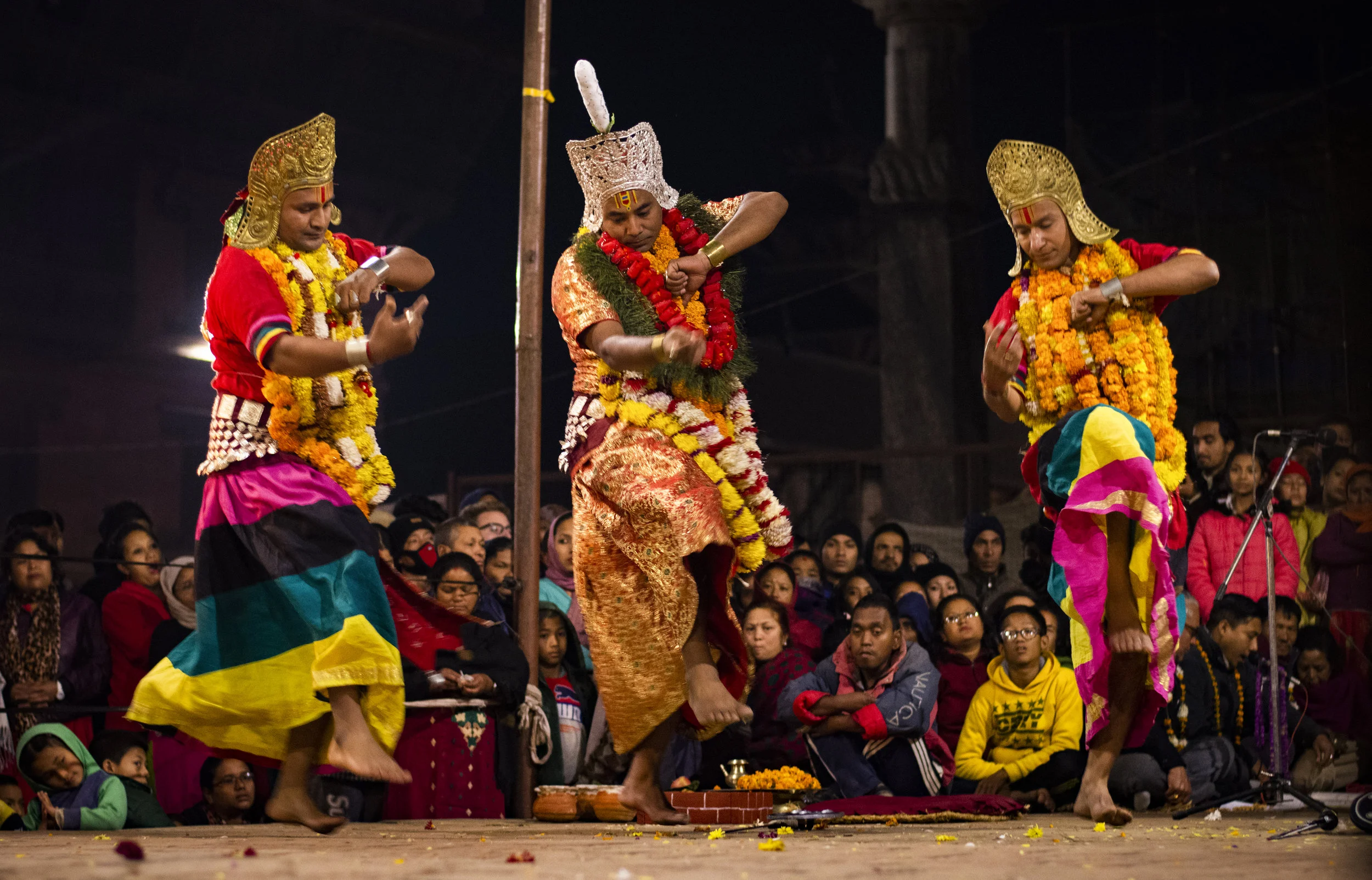
During the festival of Indra, various idols and masks of goddess are taken out of their normal abode to be exhibited to the people. The most prominent of which are the Sweta Bhairab mask and the idol of Akash Bhairab. Similarly an image of Indra is displayed at Maru and Indra Chowk. Various forms of dances such as of Lakhe Aju, Mahakali Naach, Halchowk Bhairab, Phul Khushi, Devi Kyakhan are performed on specific days and nights of the festival.
SIMILAR POSTS


Mataya: A Journey of Light
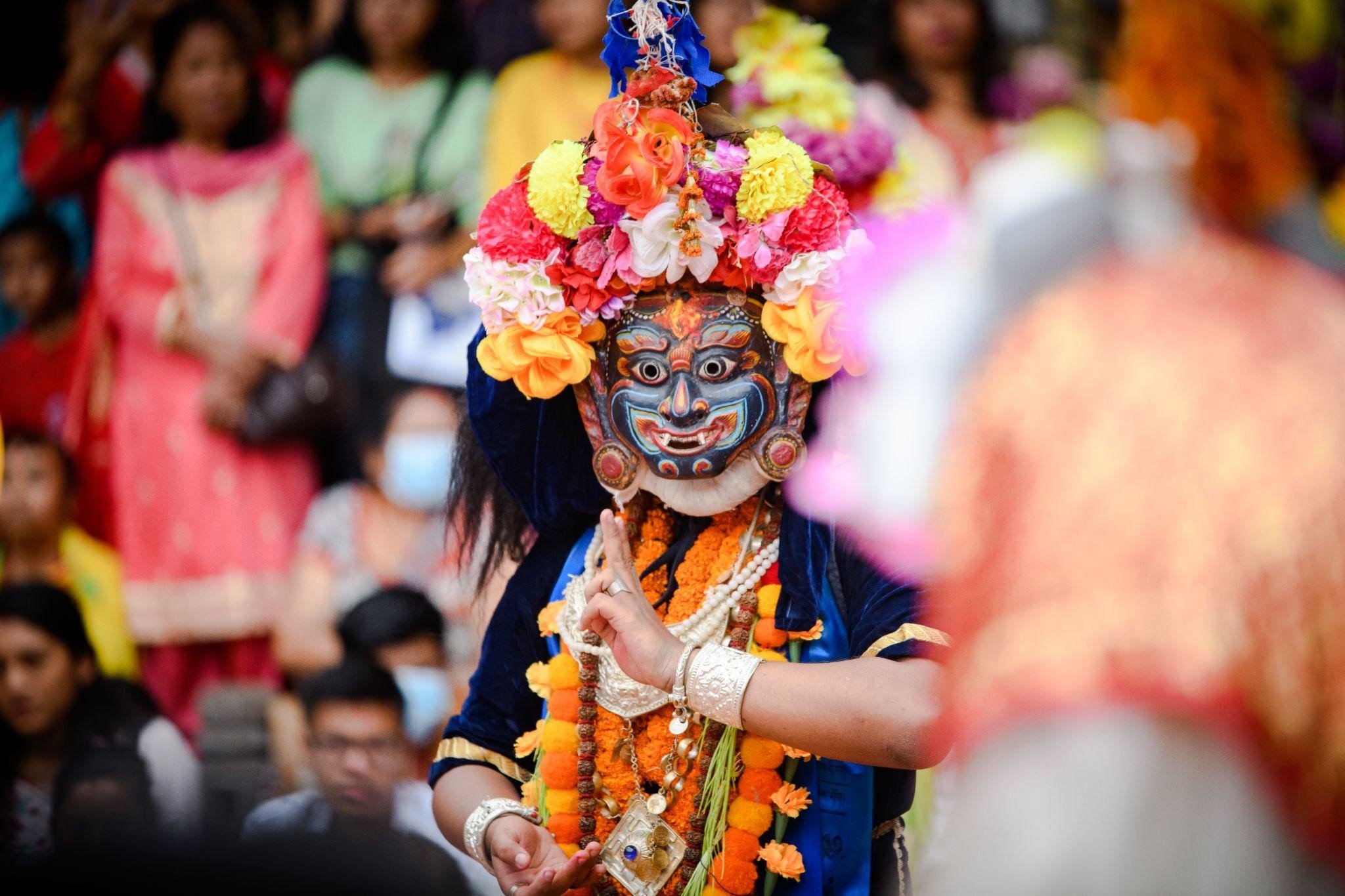
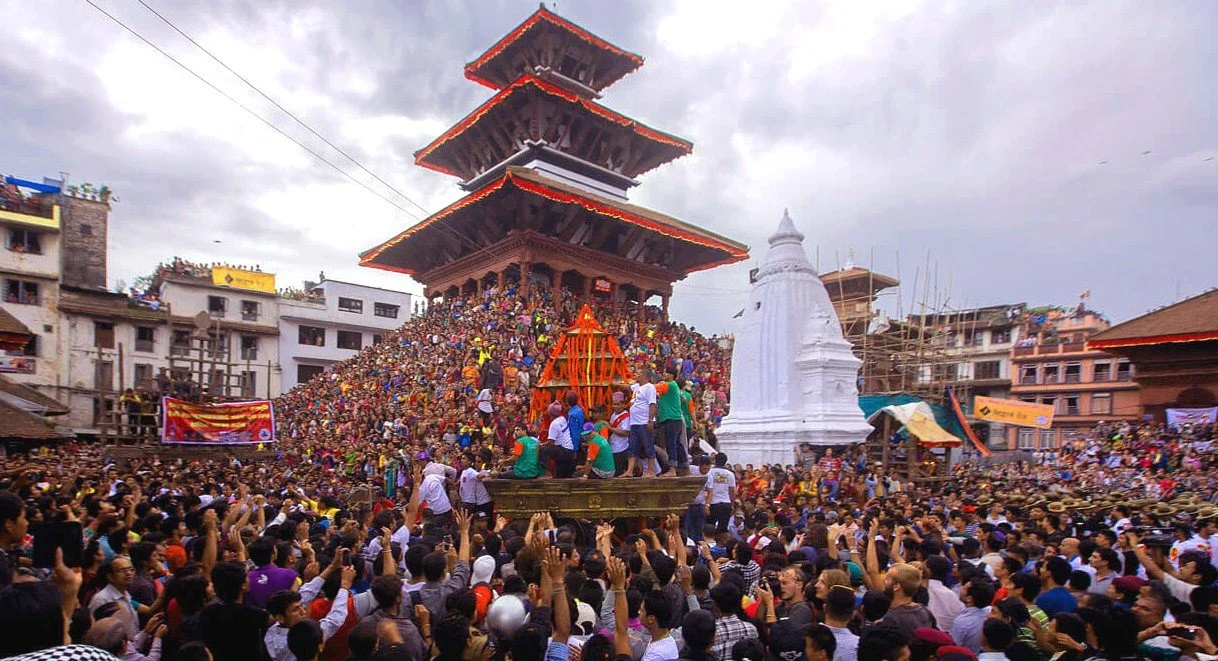
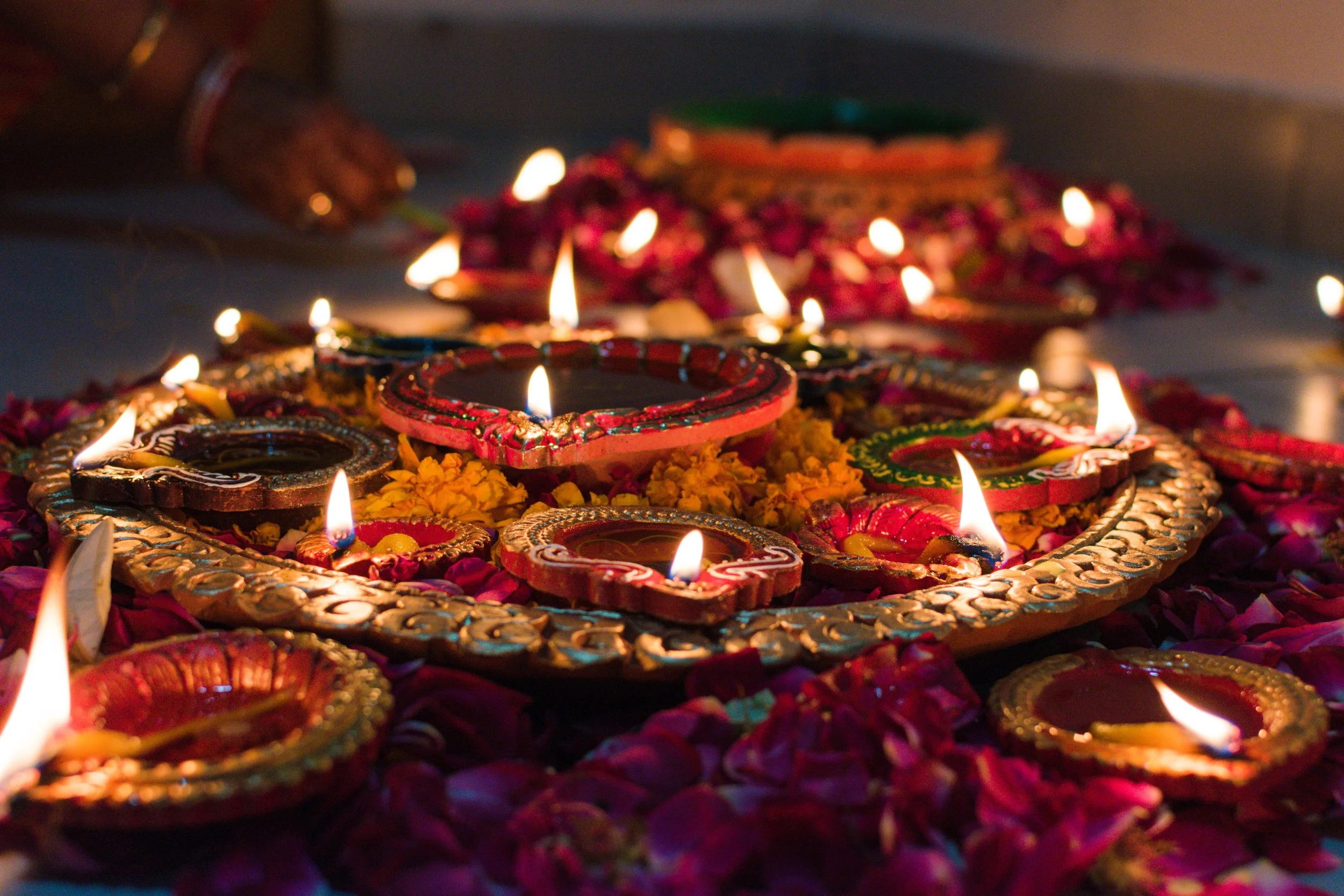
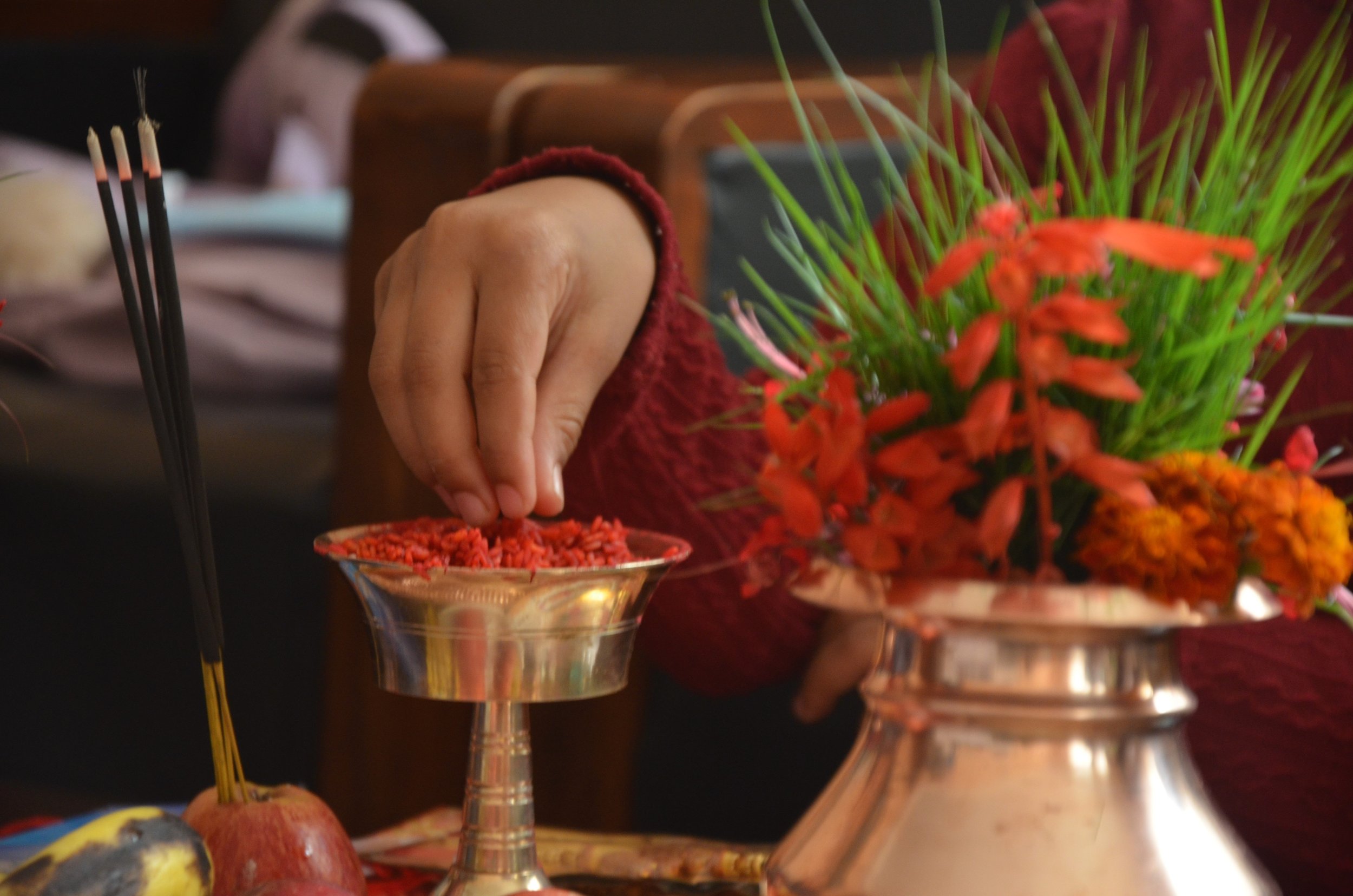
The festival of Mataya is one of the most important festivals in the Newar community in Patan. A unique Buddhist festival, during when men and women in a comical attire carrying candles and torches, traditional musicians playing merry rhythms walk to almost all the temples, stupas and monasteries in and around the old city of Lalitpur.
It was a very early morning, and my mother woke me up to show me something magnificent. I was still half asleep as she pulled me out of bed and took me to the lachi(Square) at Pulchowk. As we reached the square, I remember a huge crowd had amassed. For a child I couldn’t conjure up why they had gathered.
A few moments later, still sleepy I heard an unfamiliar sound approaching towards us. It was the sounds of paujus (anklets). As the beautiful steps got closer the traditional tunes of dheme drumed in the distance. In a split second, I saw this long procession heading towards us. I wasn’t asleep anymore I was wide wake with excitement. I saw these gentlemen clad in daura and women in the traditional Haku Patasi( Newari Dress) and what followed had me smiling and laughing. Men and women dressed up in my then, little vocabulary weird and funny. Men with masks, some dressed as women,some as gods and some in a crazy mix of all. I asked my mother, “ What is this?” and she looked at me and said, this is Mataya. The next thing I remember I saw this man running towards me who had this crazy mask on, and I being the child ran as fast as I could.
The festival of Mataya also known as Neyaku Jatra, is one of the most important festivals in the Newar community in Patan. Mata in Newari means light and ya means a scared journey. Celebrated normally in the month of August in the Gregorian calendar. It is celebrated the day after, the auspicious festival of Gai Jatra. This year Matya shall be celebrated on 17th of August 2019. It is believed that the festival of Mataya was established the Lichhavi King Gunakamadeva, who is also believed to have been the King who founded the city of Kantipur( Kathmandu).(Wright, 1877, 155)
The festival of Mataya is a unique Buddhist festival, during when individuals walk to almost all the temples, stupas and monasteries in and around the old city of Lalitpur. The festival every year amasses an attendance of thousands with individuals carrying candles and torches, traditional musicians playing merry rhythms and men and women who dress in comical attire.
According to Min Bahadur Shakya, Director- Nagarjuna Institute of Exact Methods,” The preparation for Mataya begins on the first day of Gunla. After mid-night on this day a group of hundred people with nava bajan( traditional Newari instrument) gather and follow the exact path that they are to follow on the day of Mataya. They don’t finish the whole route on a single go, but gather every night for the upcoming days and mark the shrines and courtyards with vermilion, husked rice and coins as they pass by. This event is called Bogiwonegu(To Give Offering). During the day of Matya individuals gather at the lead locality from where Matya is to begin and start their journey. They walk the entire route in one day, and some choose to make the journey bare foot. They offer their prayers at the shrines marked and present offerings.”
Members of family stay show their support by offering them refreshments and various communities place stalls to offer water and refreshments to the attendees. It is roughly estimated that the devotees visit 1400, 1500 local and private shrines during Matya.
According to a local legend, it is believed that once Sakya Muni Gautam was in deep penance to attain Nirvana when the jealous Maras came to distract him. They had disguised themselves in various forms and some were in the form of fierce looking demons while some were beautiful damsels. They tried to tempt the muni but he overcame the Maras and achieved Nirvana. It is also believed that the Maras later came to Lord Buddha and confessed their sins and worshiped the lord.
For this years edition of Mataya, it is being organized by Haku Bahal Tole which is west from the cross roads of Patan Durbar Square. The festival shall normally begins before the crack of dawn at around 4 AM and make their way to the shrines marked during Bogiwonegu. It is a beautiful sight to behold, with merry music, comical dancers, and the energy is exhilarating.
SIMILAR POSTS

The Legend of Bhoto Jatra
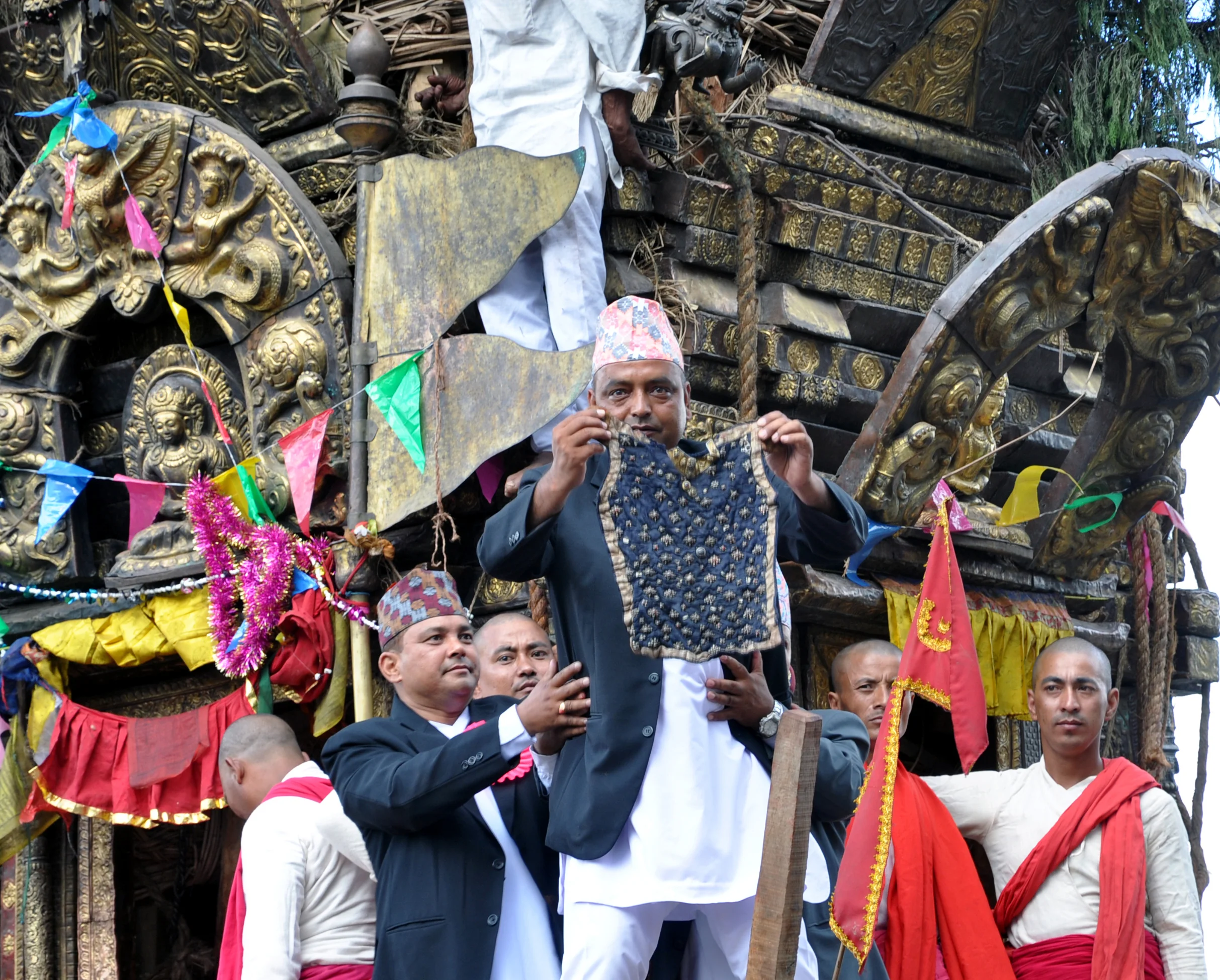
The legend of a jewel-studded vest (Bhoto) that came into possession of a priest when no one came to claim with evidence to whom it belongs. Today, the same Bhoto is displayed ending the month-long celebration of Rato Matsyendranath Festival in Lalitpur. And it is said, Bhoto is shown every year to the public as of an announcement to claim for it.
The annual festival of Rato Matayendranath, dubbed the longest chariot festival is the world is drawn to a close with the infamous bhoto jatra. The chariot begins its journey after the construction of the chariot, which is when pulled by revellers through the ancient roads of the city of Lalitpur.
Once the chariot festival reaches its final destination in the Jawalakhel, where it is placed for four days for religious observance. The bhoto is shown to a to the crowd, which is believed to rid all those who see it of there sins. It draws a large crowd, with from dignitaries to layman, from all over Nepal.
"According to legends, one day a Baid (Physician) of King Harisinha - deva of the Lichavi Dynastyc was preparing to bathe in the water at the junction of Bagmati and Bishnumati. When he was accosted by the King of Snakes (Karkotak) who in the form of a Brahman(Priest) was seeking for a Baid to cure a malady with which his Rani’s (Queen) eyes were affected. The King being satisfied with the physician entreated him to go to his house and see a patient. The Baid, after finishing his ceremonies and bathing, went with the Brahman. They arrived at a pond, at the south-western corner (of the valley of Kathmandu), a thousand bow shots beyond Chaubahal(Chabahil). The pond was so deep, and the water so black, that it was frightful to look at. It was shaded by trees, large fish played in it and it was covered with waterfowl. The King told the Baid to shut his eyes, and in a moment he jumped with him into the water, and they arrived at the Durbar (court) of the Nag-raj ( Snake King) in Patalpuri. The walls of the palace were of gold. The windows of diamond, the ragters and beams of sapphire, the pillars of topaz adorned with rubies. The darkness of the subterranean palace was dispelled by the light emanating from large jewels in the heads of the Nagas. They entered the palace, and saw the Nagini, sitting on a throne studded with jewels of several sorts, shaded with three umbrellas of white diamonds, one above the other and surrounded by beautiful Naginis. King Karkotak assuming his proper form, took the Baid by the hand, and gave him a seat near the throne. He himself mounted the throne, and showed the patient to the Baid. The Baid, having examined her eyes, took out a drug from a bad which he carried at his waist, and having rubbed it on a clean stone, applied it to the eyes which were instantly cured. King Karkotak gave the Baid a handsome present and a dress of honour, and having expressed his gratitude, made him a promises that his descendants would be good curers of eye- diseases. The descendants of the Baid, accordingly, were renowned as a good eye doctors Hari-sinha - deva, having been made acquainted placed to reside in, near Sesha Narayana ( On route to Chobar)." Wright, 1877, 178-179
The Baid wore the vest at all times but one day, while he was working in his farm he got very hot and took off the Bhoto and placed it down. At that moment, a ghost stole the Bhoto which bestowed its wearers great strength reeked havoc to the citizens of Patan. During the final day of the chariot festival of Rato Matayendranath, the ghost was causing trouble which attracted a huge crowd. The Baid heard the commotion and went to see what was happening and was shocked to see it wearing the bhoto. He immediately began to quarrel with the ghost stating that the bhoto was his property and that it was given to him by King Karkotak. As they quarrelled they were suggested to take it up to the King and Lord Karunamaya.
The King gave each a chance to prove that the bhoto was their possession but, both failed to show substancial proof. Thus the King decided that, until the rightful owner of the bhoto comes back with proof that it belongs to them. It would remain under the protection of Lord Karunamaya and it would go where ever he went. And every year the bhoto would be shown to the onlookers after the chariot reaches Jawalakhel, when one could contest for the bhoto.
Till this day, after the chariot of Karunamaya (Rato Matsyendranath) reaches Jawalakhel and on the fourth day. The bhoto which is kept with Karunamaya, is unsealed and shown to the onlookers. Devotees from around the country come to bare witness the Bhoto, which is believed to rid its onlookers of all sin.
After the ceremony the bhoto is resealed with a lal mohar (Red Stamp) and taken to a safe undisclosed location by the Guthi of Karunamaya.
Similar Posts

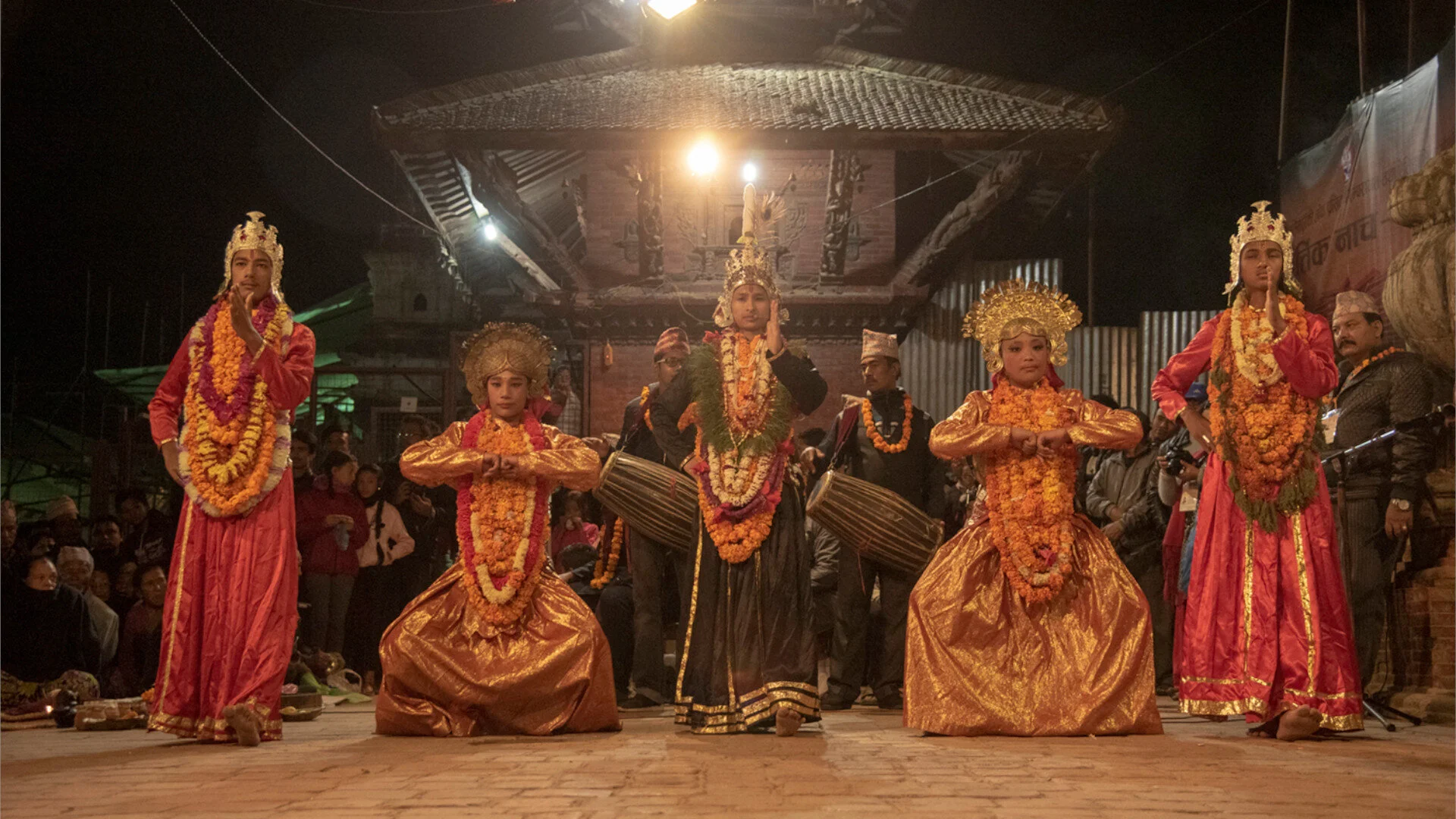
Kartik Naach : An Archaic form of story telling
This particular act carries a message that anyone who tries to do ill and harm others, s/he is punished and no one escapes justice. A story of a powerful demon king had a son. The son refused to acknowledge his father as supreme lord of the universe and claimed that Lord Vishnu was all omnipresent
Dubbed the longest Naach(Dance) in the world "Kartik Naach" has been entertaining the crowds that gather in Kartik Dabali on the chilly nights of Autumn for more than 376 years. Siddhi Narsingh Malla, staged the first ever performance in 1641 AD (1728 B.S). During his era, Kartik Naach lasted for 15 days which was extended to 25 days by his son Srinivasa Malla and to 27 days by his grandson Yog Narendra Malla. But nowadays, due to lack of proper funding it is only performed for 10 or 12 days according to the astronomical charts.
This dance has faced many hurdles and obstacles such as during the revolution of 2007 B.S(1950 AD), the dance was only performed for two days. Before which it was performed for the complete 27 days, only two acts were shown till 2037 B.S the dance of "Barahi and Narasimha". In 2048 B.S (1990 AD) the dance was lengthened to 8 days with the help of different groups and individuals. In 2070 B.S(2013 AD), two more days were added and again in 2071 B.S (2014AD) it was extended to a 12 days.
The main crowd puller is on Kartik Krishna Pakshya Trayodashi Tithi, when the Narasimha avatar is staged where Narasimha an incarnation of Lord Bishnu who is part a fiery lion with the body of a human kills the demon Hiranyakashyapu. This particular act carries a message that anyone who tries to do ill and harm others, s/he is punished and no one escapes justice. According to Bhagwat Purana, Hiranyakashyapu was a powerful demon king and had a son Pralhad. The son refused to acknowledge his father as supreme lord of the universe and claimed that Bishnu was all omnipresent and described the benevolence of the deity. The demon king became angry and tried to kill the son. All his efforts went in vain. One evening Hiranyakashyapu asked his son if his god was there in the pillar. Upon hitting the pillar, out came Narasimha, an incarnation of Bishnu, in the form of half-man and half-animal. The deity then killed the demon with his nails keeping him in his lap, standing on the threshold at dusk.
This year, it shall be staged on 2nd of November ( 16th of Kartik). Kartik Naach as 11 more acts this year which started form 24th of October with the act of Sudhama and shall end on 4th of November with the Act of Dadhi Leela.
A Brief History
During the reign of Siddhi Narsingh Malla, relating the legend, a great misfortune befell on the land. It was as if the city had lost its luster. No amount of pujas and yagyas seemed to restore the original splendor of the city. Downhearted, the king consulted with his learned gurus. They advised him to invoke Narasimha, the ferocious, wrathful and blood thirsty incarnation of Bishnu, to help him solve the problem. But there was a catch—invoking Narasimha to his aid demanded a hefty price—narbali, the ritual sacrifice of a man, which had to be performed annually, without fail.
The King was skeptical. Surely, none would gladly put their life on the line, not even for the Gods. His gurus, Haribansha Rajopdhayay and Bishwanath Rajopdhayay, suggested an alternative , one that would avert disaster and, most importantly, spill no innocent blood. They would invoke the gods through Tantrik means, with strong spells, a form of symbolic narbali.
A brilliant idea struck the king; to stage a play. The play would symbolically offer the gods their desired narbali, it would be a good education for the people. He wrote the complete play by himself . The theme revolves around Narasimha, the wrathful god, who was called forth to divert the disaster.
Times have changed, since the golden era of the Malla Kings were spells and magic averted and lifted misfortune, Nepal is in a tunnel of transition from a traditional to a modern society. During the struggle for economic and individuals prosperity, we have lost allot of valuable historic traditions, rituals, culture and literature. The rise of globalization and technology has changed the way we view the world and western influence has charmed us with its appeal. Which is leading us to a complete white wash of our cultural identity, archaic traditions like the Kartik Naach are in much need of the peoples attention and support as this is not just a dance , but a peak into the culture and history of the people of then Nepal.
This trek is specially designed to reach the Everest Base Camp including Kala Pattar which is the best view point to view the sunrise over the high Himalayas including the Mt. Everest. This trek requires 13 days.
USD 1515 PER PERSON -- TWIN ROOM SHARING BASIS