
The Legend of Majipa
The celebration of Yenya Punhi, commonly known as Indra Jatra is an amalgamation of numerous festivities.From the dance of Phulakisi ( Indra’s White Elephant), to the chariot procession of the Living Goddess Kumari, along with Lord Ganesh and Bhairav. The spectacular eight days of Indra Jatra, brings together elements from all over the valley of Kathmandu in the unique celebration dedicated to Lord Indra.
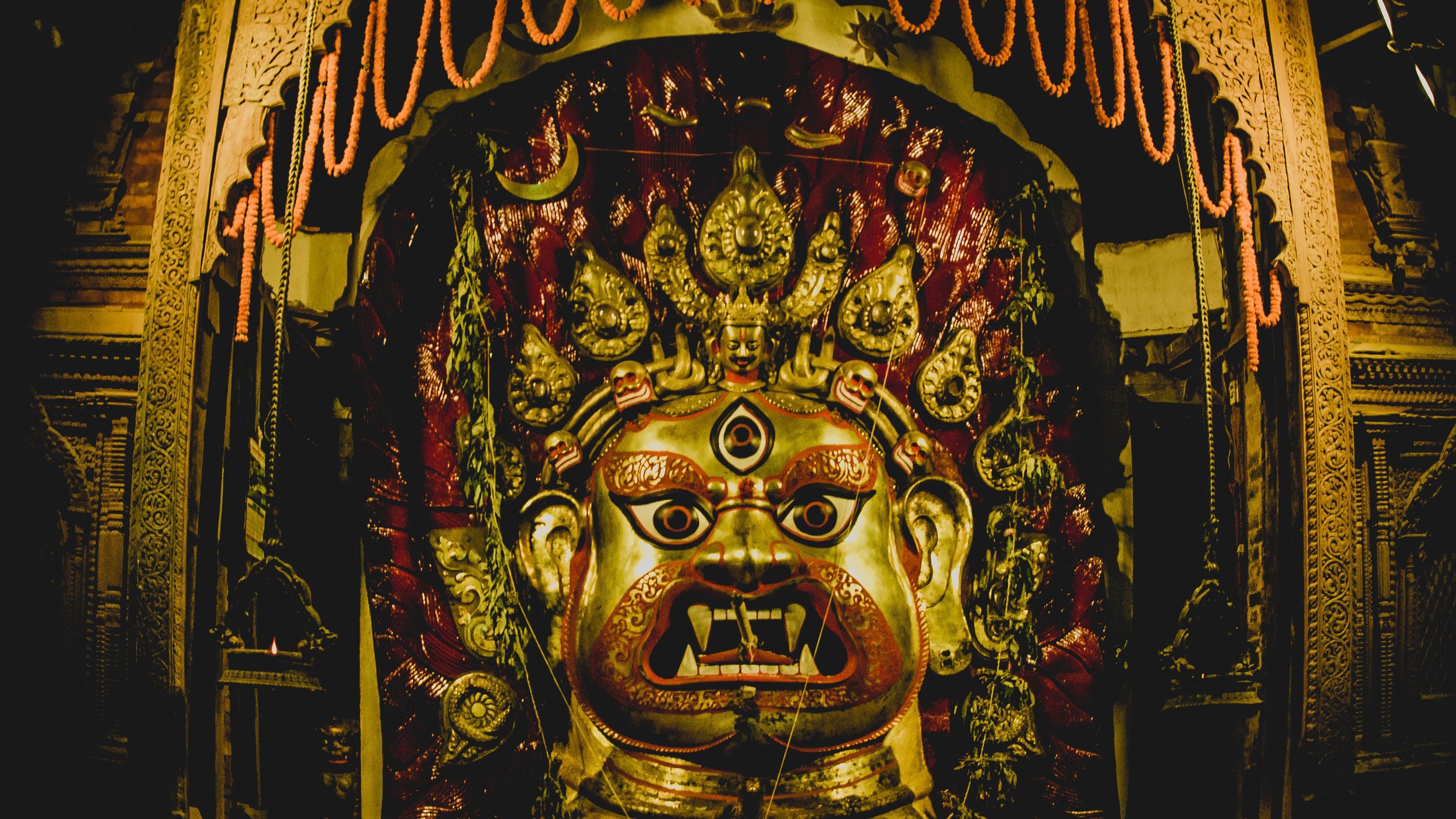
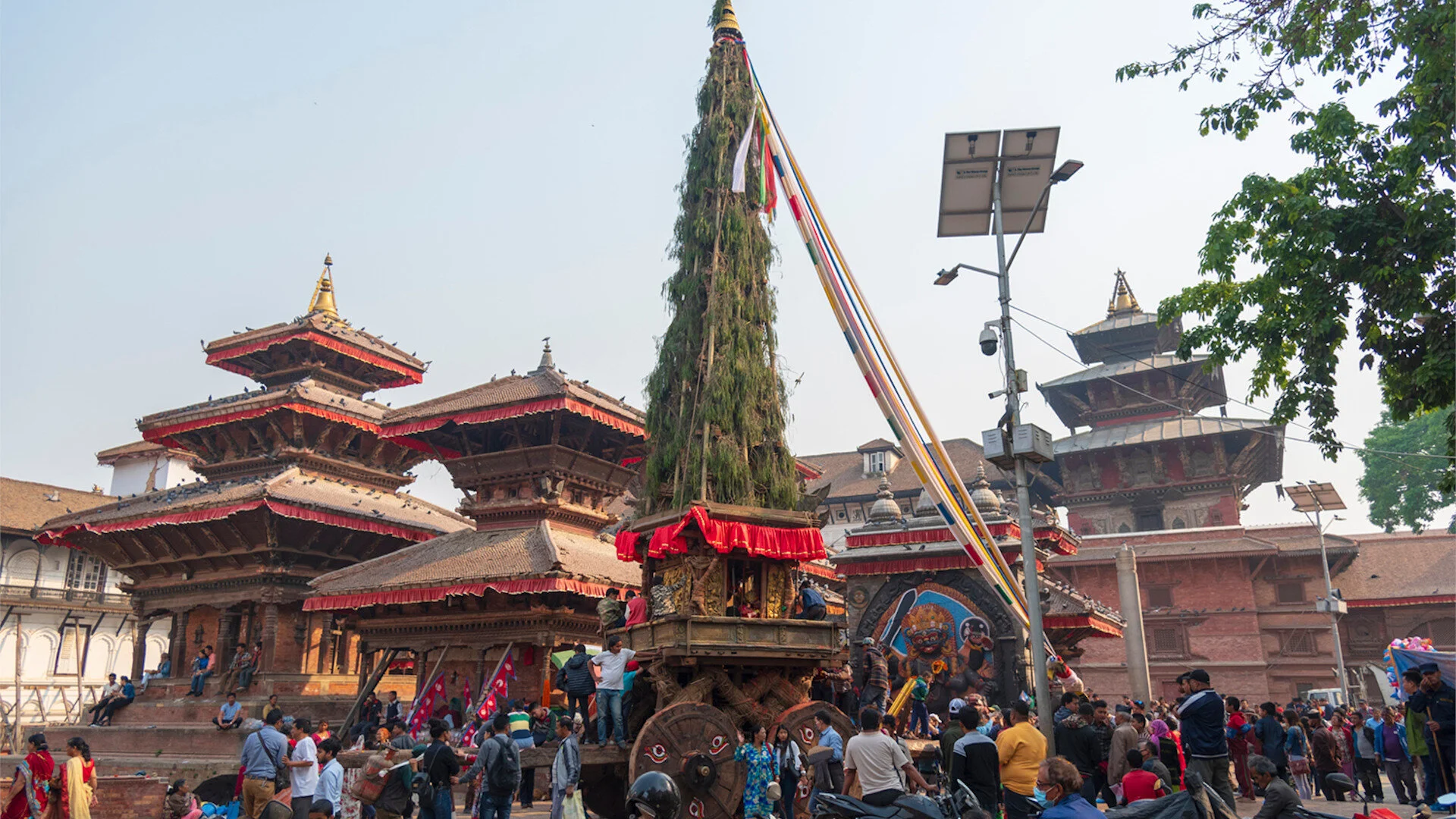
Among such great celebrations is the festival of Majipa Lakhey, commonly known as the peace loving Lord Bhairav. As the Indra Dhoj ( Pole of Indra) is erected at Hamuan Dhoka Square, which marks the beginning of Yenya Punhi, the night before an which an auspicious puja is done to evoke the spirit of Majipa Lakhey. The next day the mask of Majipa Lakhey is adorned by a devotee and thus begins the dance of Majipa Lakehy.
In the folklore of the Newar Deities passed on from ages, Lakhey’s are normally considered demon’s who terrorize the people with ill activities. They are normally associated with destruction of farms, stealing children and terrorizing and frightening the citizens. But Majipa Lakhey is the antonym of what we consider a traditional Lakhey. The tales of Majipa Lakhey has been passed down from generations to generations, and with every passing age the love for the deity grows. It is believed that the Lakhey had fallen in love with a girl known as Majipa. Thus, the Lakhey took the form of a human and entered the then Valley Kingdom of Nepal to see his beloved. Majipa later on discovered that the man who she was in love with is a Lakhey, and warned the locals and thus the Lakhey was captured and taken into the Kings Court. The then King after deliberation and careful thought, then made a proposal to the Lakhey, that he will grant him a place in the city if he vows to preserve and protect the children of his kingdom from other demons and participate in the annual Yenya Punhi. The Lakhey agreed to the terms and is believed to have been given residence in the locality of Majipa.
Thus during in the annual Indra Jatra, the dance of Majipa Lakhey is performed by the clan of Ranjitkars of Kathmandu. The dance of Majipa Lakhey is quite unique, unlike other traditional dances which have an essence of Chariya Nritya ( Buddhist Dance Form), or a Bol and Bhaka ( Lyrics recited with Music). The dance of Majipa Lakhey during Indra Jatra features a traditional drum (Dhime) and a pair of Bhusya (pair of cymblas) with straps to fasten around the wrists. The instruments are normally played by the youth of the Ranjitkar clan as well. The Ranjitkars of Majipa tole state that, one does not require to train for the dance of Majipa. It is something that we all have inherited in our genes.
The customary costume of the Lakhey, constitutes of a glorious mask with stunning Abir( Traditional name for red colour). The costume features a traditional red bhoto( blouse)with golden embroidery and a full length skirt. The signature of the Majipa Lakhey is the piece of cloth that is wrapped around and inside the Lakhey’s costume. Coloured in the shades of the rainbow, the cloths ends are griped by the Majipa Lakhey during the dance. This leads to a beautiful display such as of the spreading of the feathers of the peacock. This is normally what the flocks of photographers gathered are normally there to photograph.
During the dance, the Lakhey grips the cloth between his figures and during the dance, the cloth ( dyed with lines of the rainbow) creates a image of wings. Which in association with the sound of the Ghanta ( Bells) worn as a belt bring forth a majestic scene. The dance of Majipa has another interesting character, locally known as Jyalicha( Teasing Child), the muse of Majipa Lakhey. The two in an avid display of cat and mouse tease each other during the dance, chasing in an attempt to capture the child or trick the Lakhey.
The Majipa Lakhey is worshipped by all, devotees try to manage a touch in between the Lakhey’s rich display to take blessings. The dance of Majipa during the Yenja Punhi begins from Majipa Tole, which is taken around the old city routes of Kathmandu. During the main day of Indra Jatra, Majipa Lakhey entertains the crowds of devotees and worshippers who flock to the Durbar Square for the blessings of the Kumari and to witness the chariot festival.
Text By: Shreyashka Vikram Raj Maharjan & Photographed By: Suraj Patrabansha
SIMILAR POSTS
Amongst the great celebrations of this valley, nothing beats the pomp and flair of Yenya Punhi. Commonly known as Indra Jatra- a name derived from the lore of Indra- the heaven king's visit to Nepal. This festival is larger than life, with symbolism and meaning going back thousands of years- neatly preserved by the Newars.
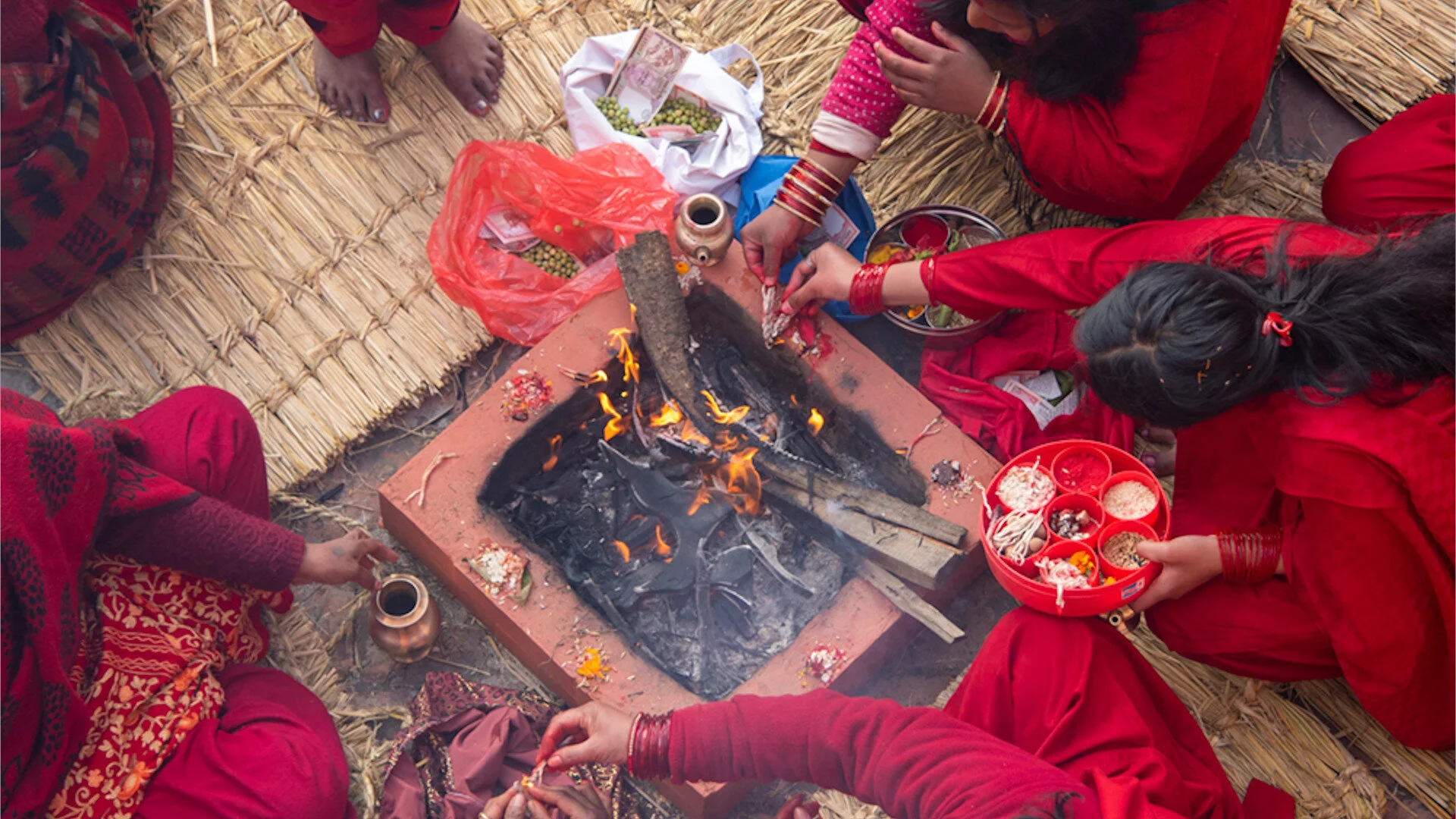
Newari communities in Nepal celebrate numerous festivals every year. All these festivals are tied to its culture and heritage, events for ancient mythology, agricultural calendar, family, and communities.
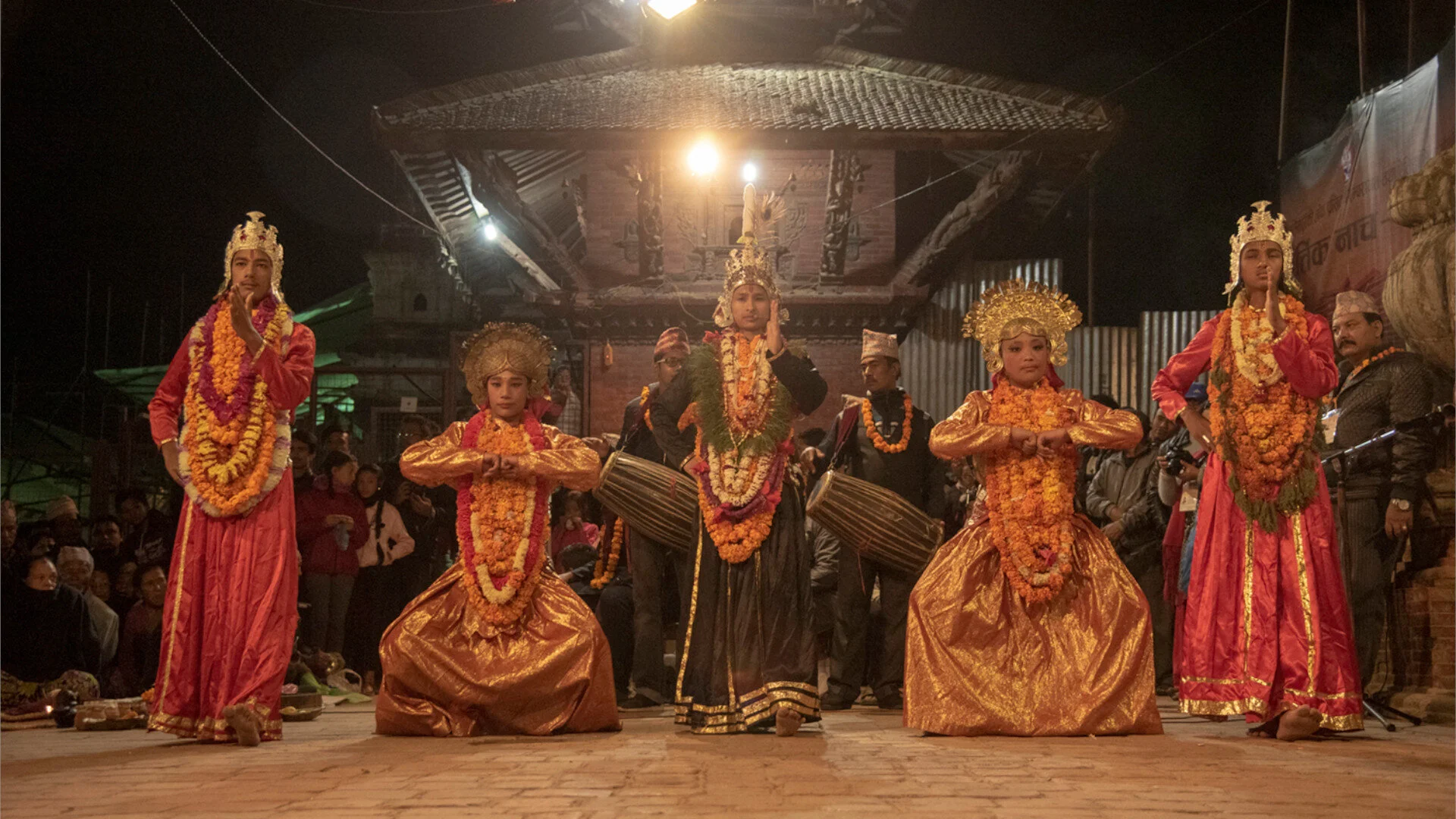
Newari culture is very rich and ritual throughout the year and the Newari communities celebrate numerous festivals every year. All these festivals are tied to its culture and heritage, events for ancient mythology, agricultural calendar, family, and communities.
Svanti festival is known by several names: Tihar, Dipawali, Pancaka, and Yamanpanchaka. And most popularly known by its other name Tihar, is one of the national festivals of Nepal celebrated throughout the kingdom by Hindu and Buddhist populations.
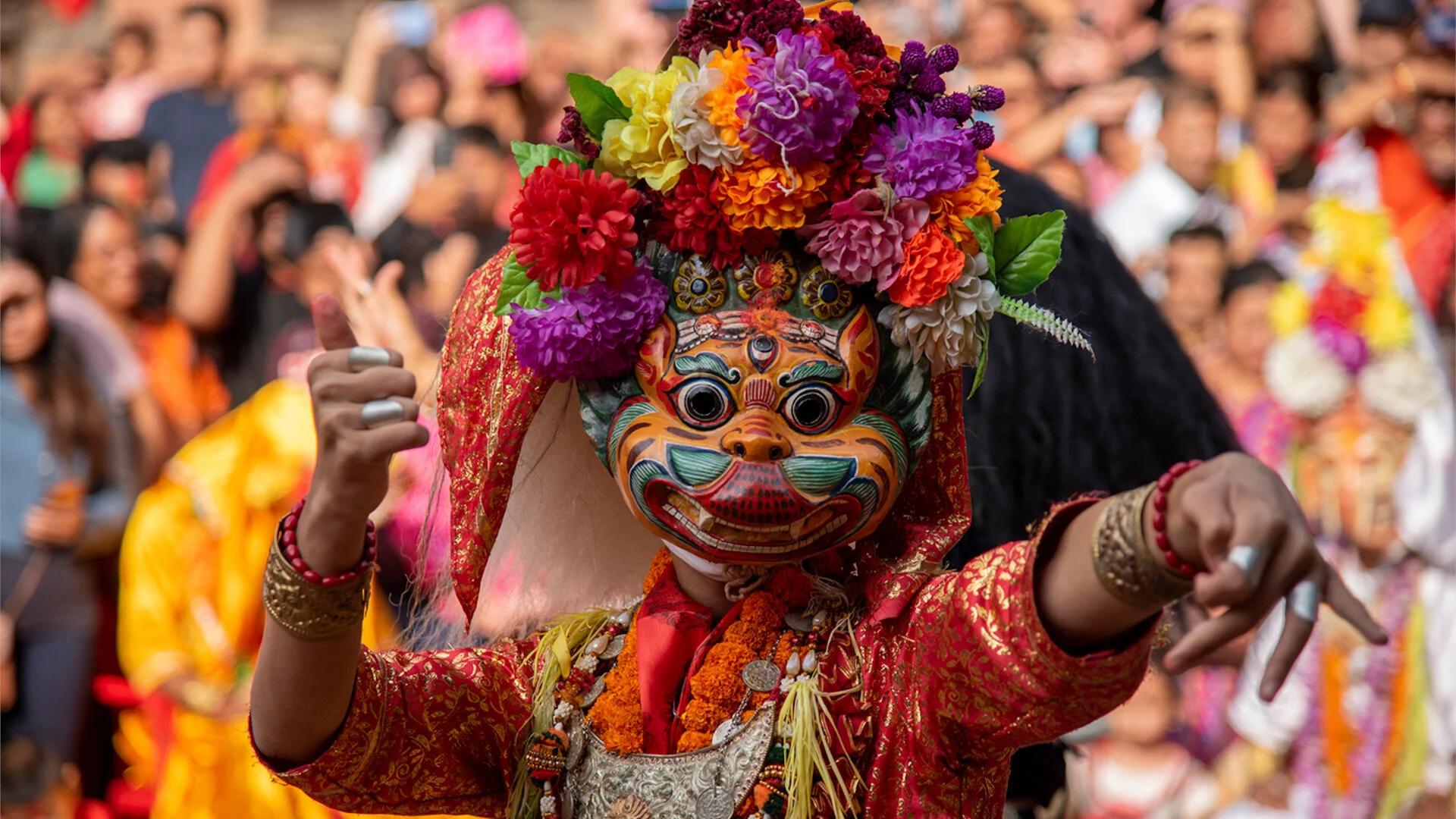
The events of Mohani can be divided into two: Family & Communal and bears similarities with the celebration of Dashain. And, the general perception of individuals views the two festivities as the same, but Mohani is specific to the Newari communities. Mohani is centered around the family’s tutelary deity, whereas Dashain is the celebration of the victory of gods over evil.
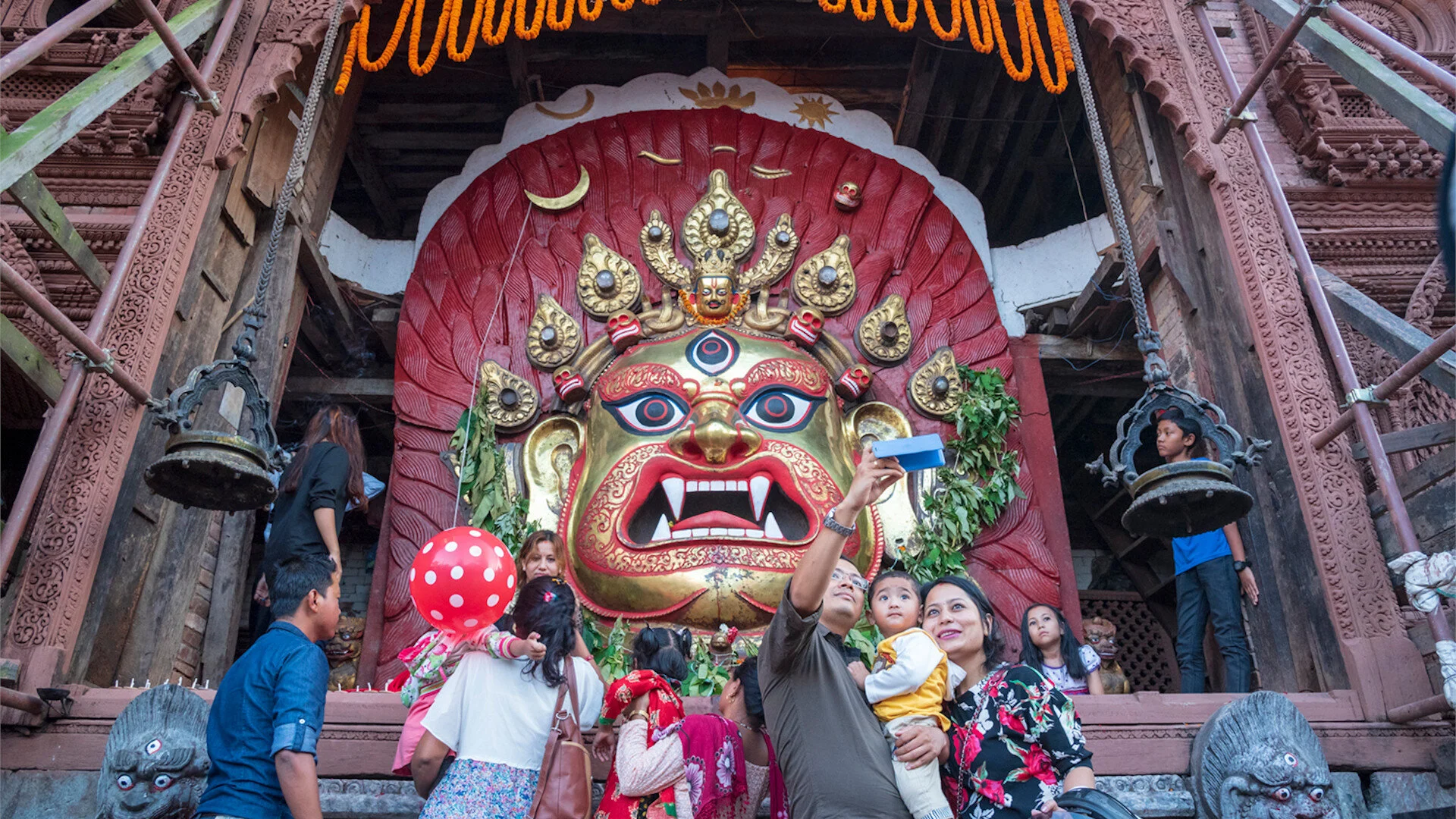
Newari communities in Nepal celebrate numerous festivals every year. And it seems Newars always have a reason to celebrate. Several reasons: rich culture and heritage, honoring deities, marking the agricultural calendar, celebrate events from ancient mythology, and to emphasis family and community.
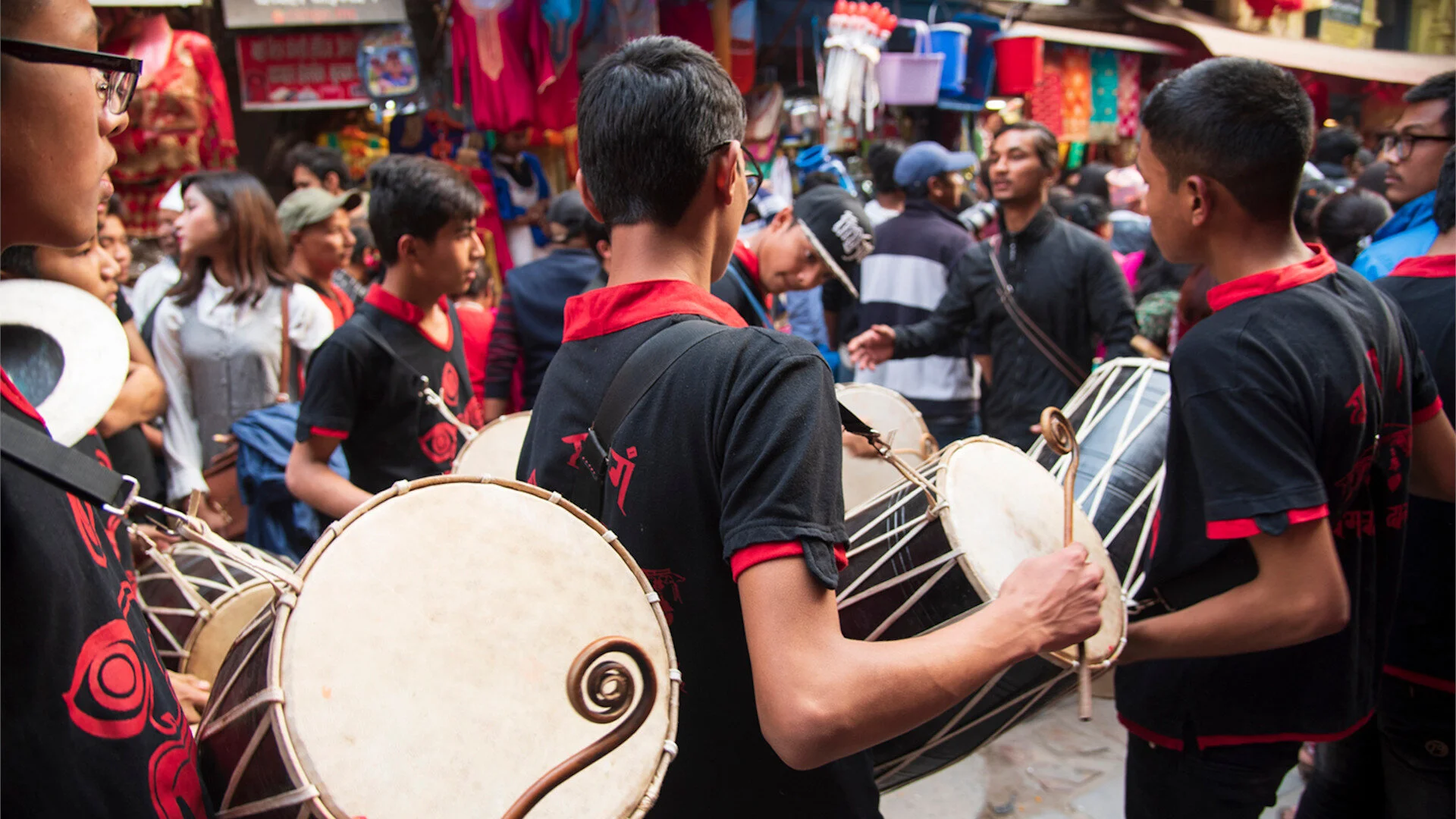
Newari communities in Nepal celebrate numerous festivals every year. And it seems Newars always have a reason to celebrate. Several reasons: rich culture and heritage, honoring deities, marking the agricultural calendar, celebrate events from ancient mythology, and to emphasis family and community.
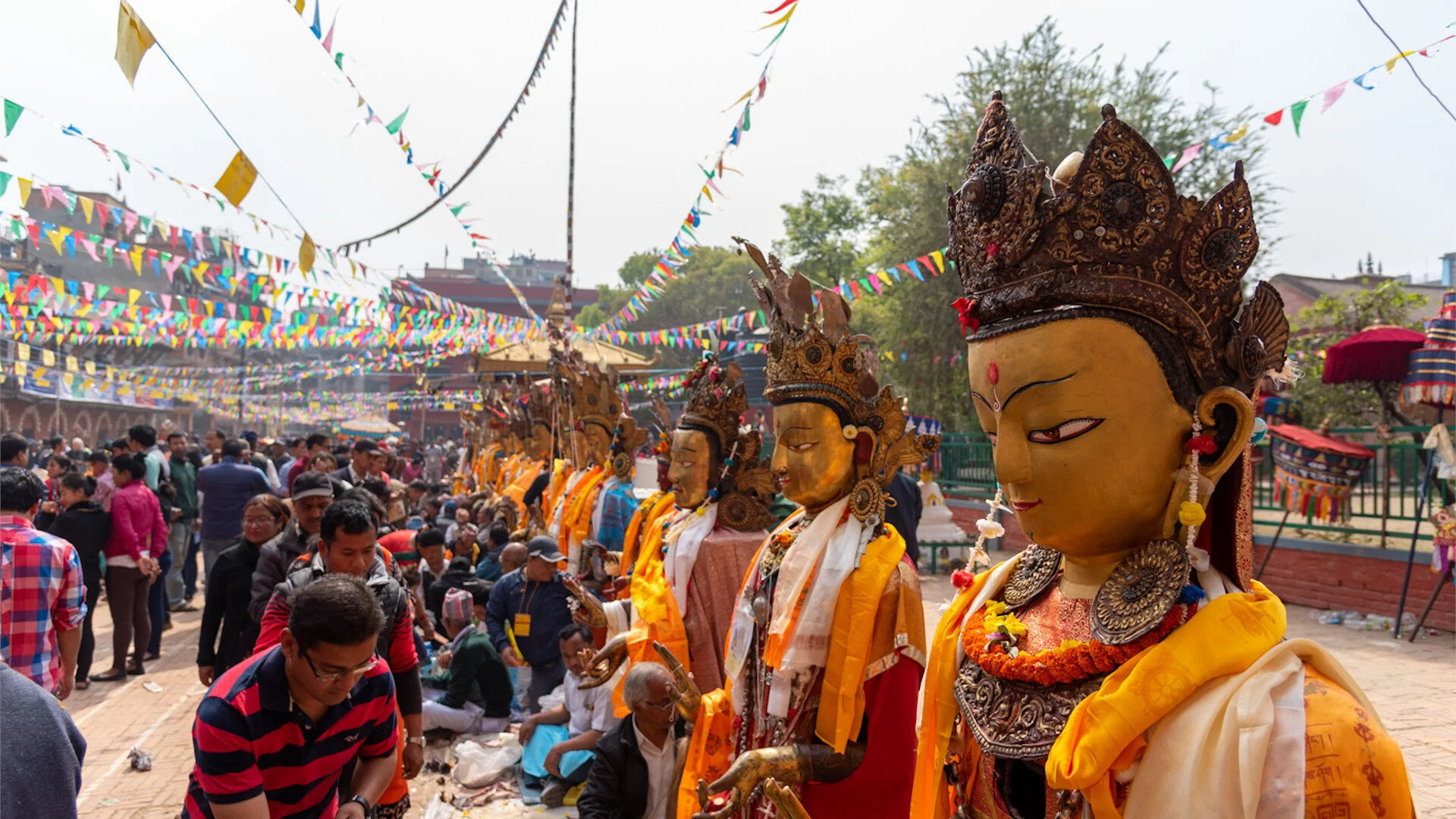
Samyak Mahadan is a Buddhist alms-giving festival, also known as the festival of Dipankara Budhha is celebrated once every five years in Patan, Lalitpur. The festival has been important for Buddhist Newars, as it has become a way of practising daan dharma(alms-giving).
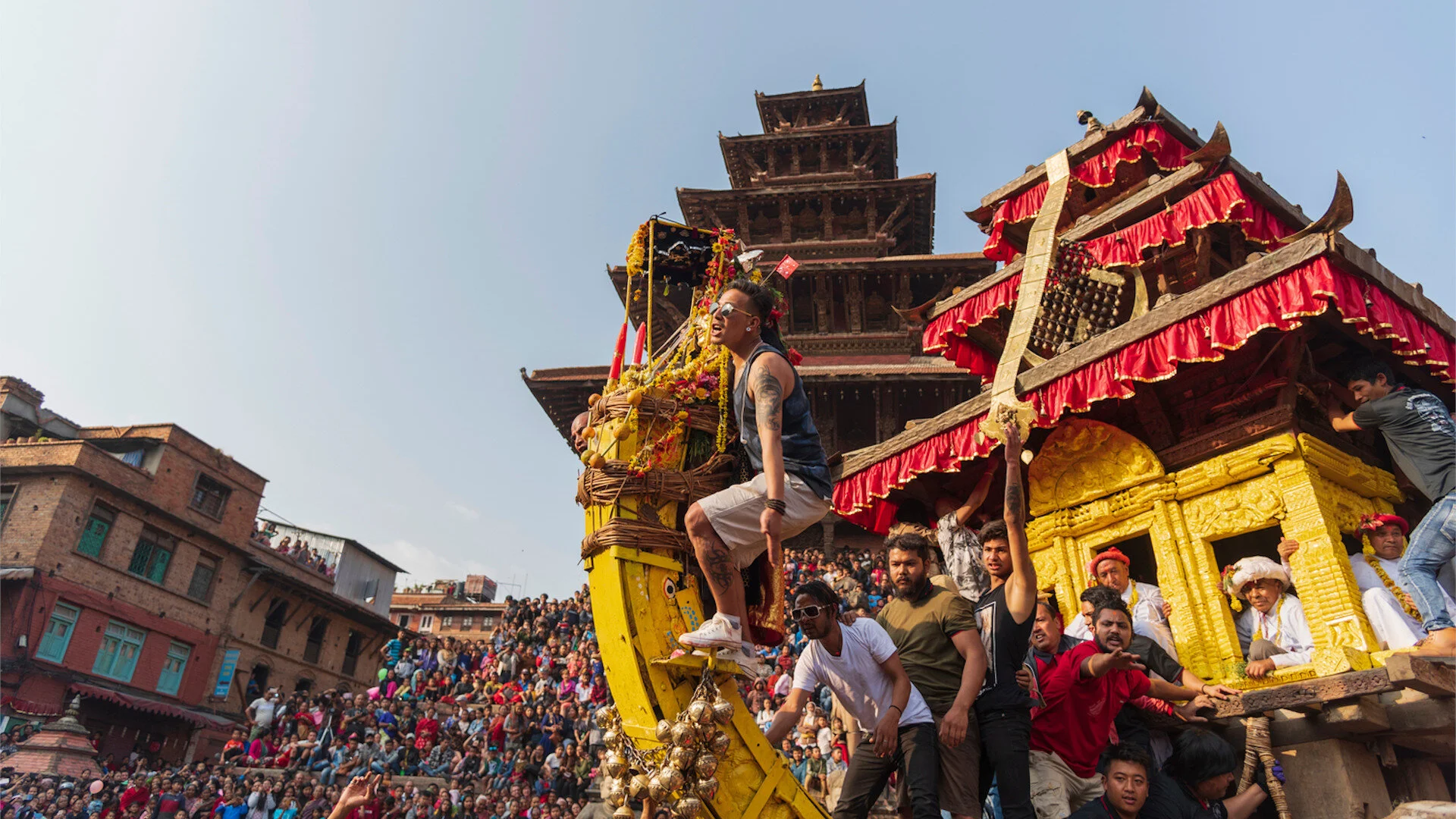
Bisket Jatra, also known as Biskah Jatra(festival) is a weeklong yearly occasion of Newari community in Bhaktapur. Among many other popular festivals in Kathmandu Valley, Biskah Jatra is celebrated with special rites and rituals in the historical and cultural city Bhaktapur.
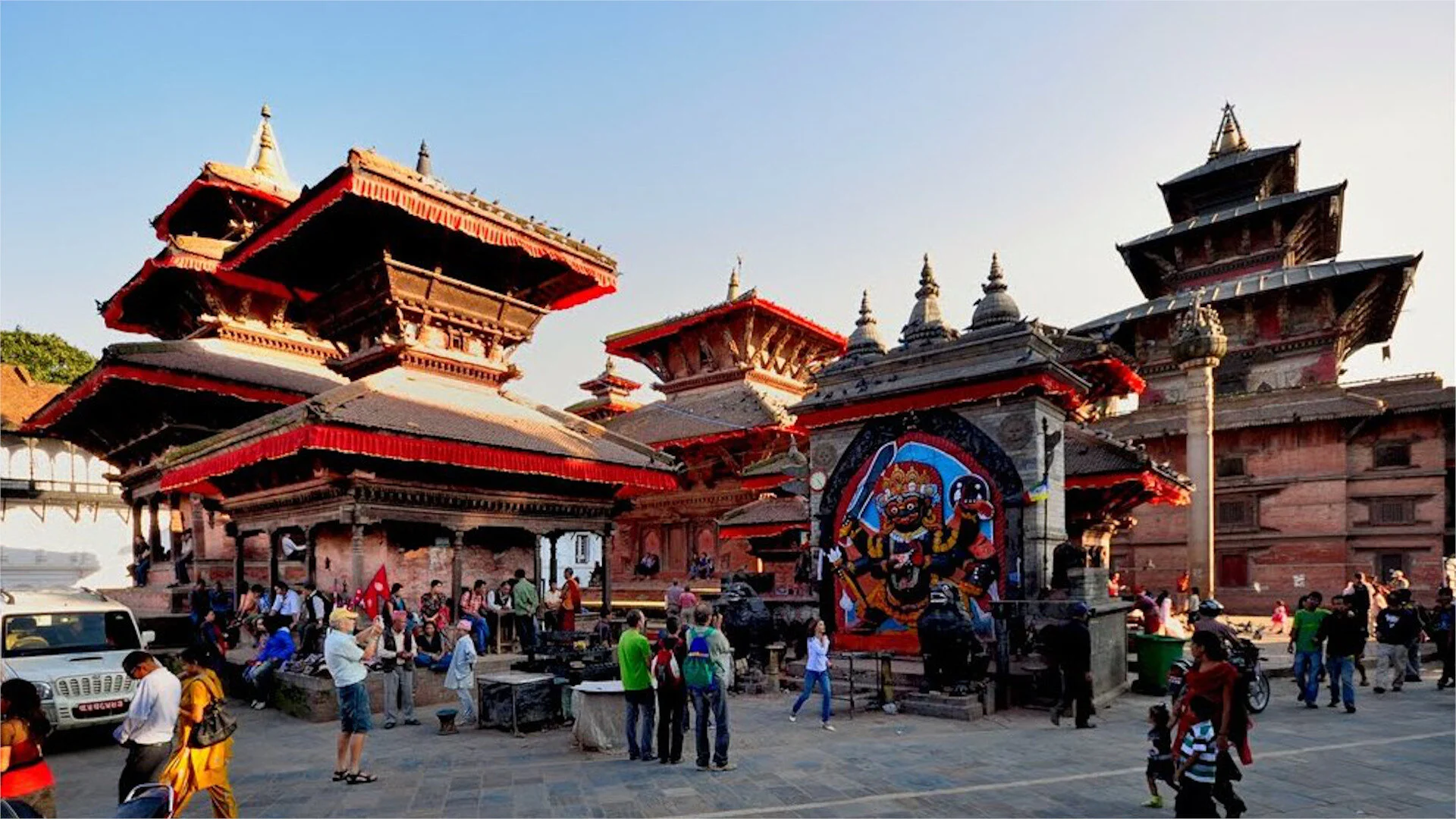
Pahan meaning guests and Charhe meaning on the fourteenth day of the lunar fortnight, the avid tunes of the festival can be heard for three consecutive days in the old towns of the city of Kathmandu. This three-day festival brings together the community in a unique manner and has helped build communal strength and friendship.
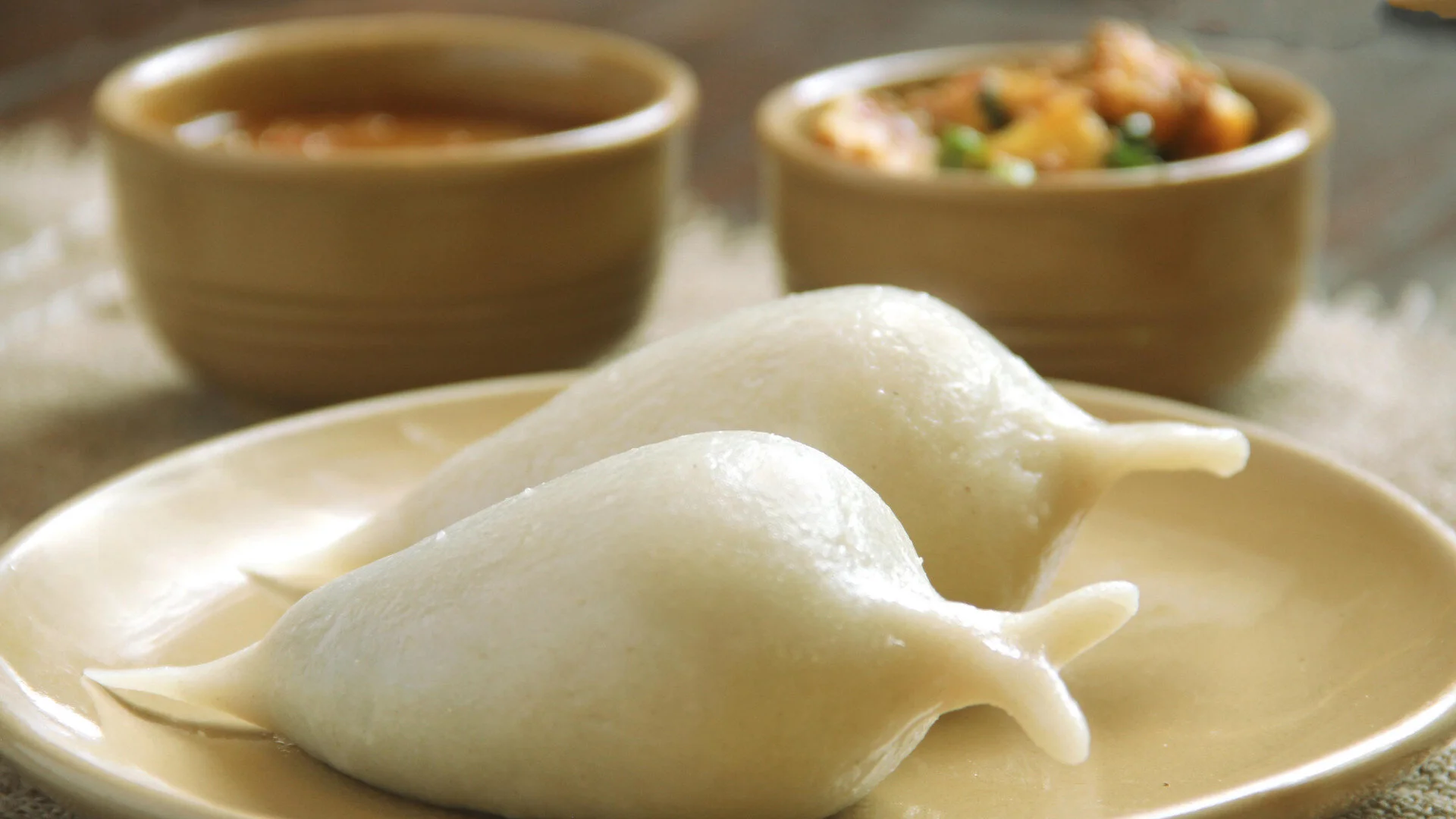
Yomari Punhi, a Newari festival in Nepal is celebrated every year by Newari Communities marking the end of the rice harvest during the full moon day of November/December. It is said that eating Yomari or Yamari, a steamed dumpling made with rice flour with sweet such as Chaku inside takes away the cold.
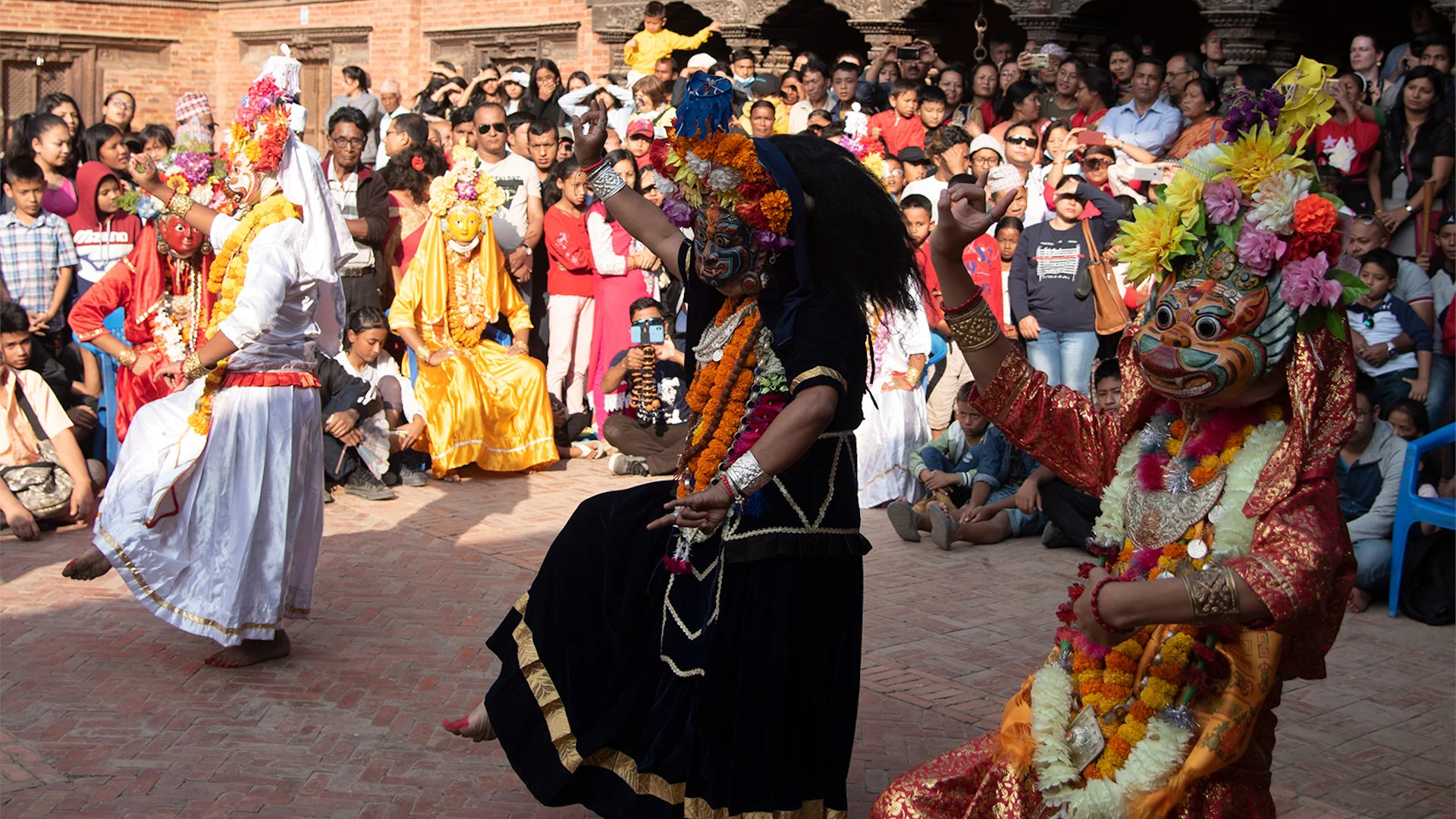
Ga: Pyakhan in Patan(Asta Matrika Dance) is popular among the locals of Patan. The dance of Eight Mother Goddesses, deities of Hindus, is performed by male Buddhist dance during the Nepalese biggest Dashain festival. The dance is staged in the royal court of Mulchowk, inside the Patan Durbar Square of Lalitpur. It is believed that the dance is performed as a worship of the deities to bring the prosperity and fortune to the people.
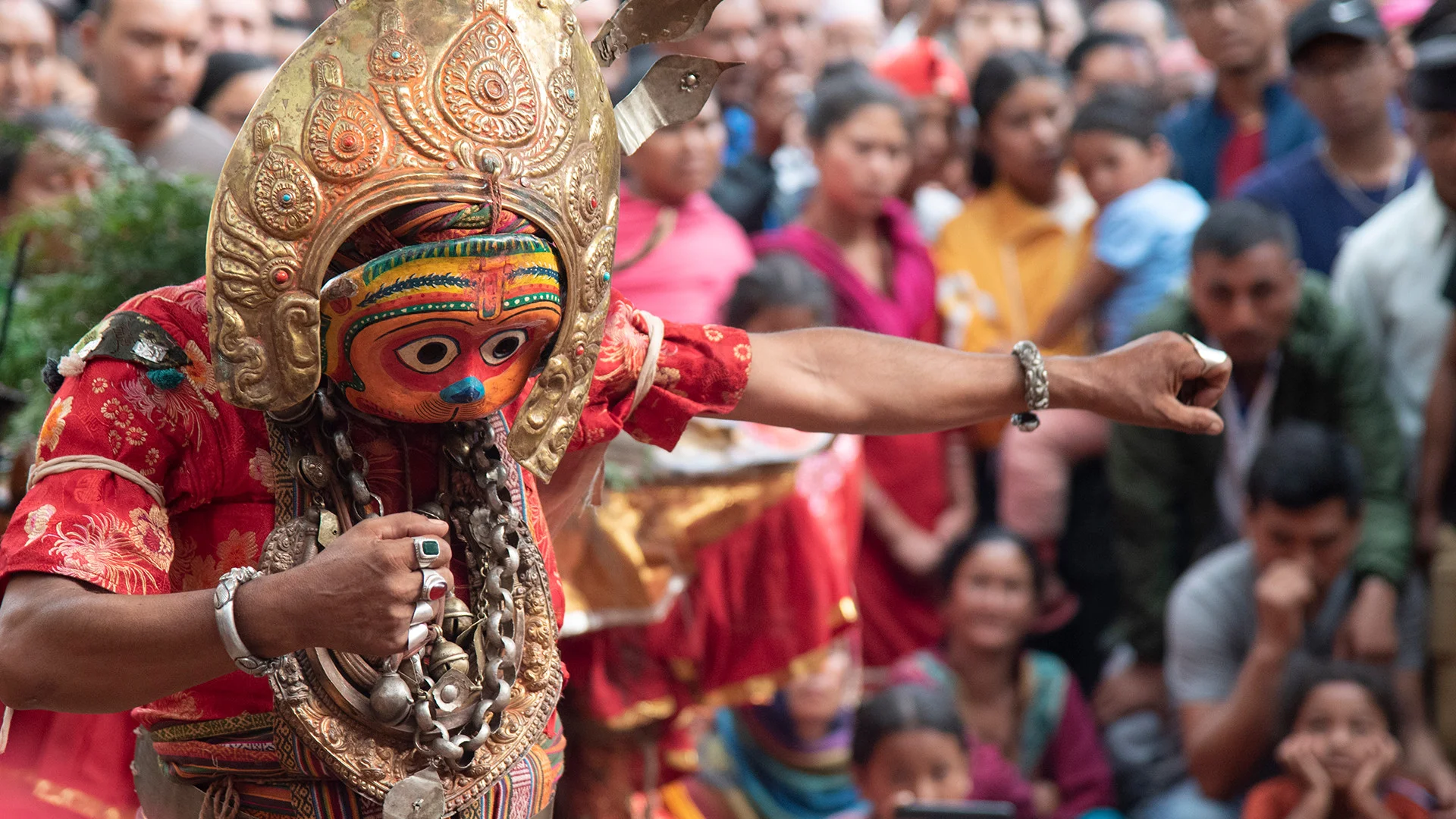
While the entire nation prepares for the celebration of the biggest festival Dashain, local of Khokana village located to the south of Lalitpur gears up for the festival of Rudrayani known as Sikali Jatra. Festival is celebrated by a section of the ethnic Newari community with a skit presentation in a form of archaic storytelling with traditional music and individuals dressed in a godly attire adorned with the masks of deities and demons.
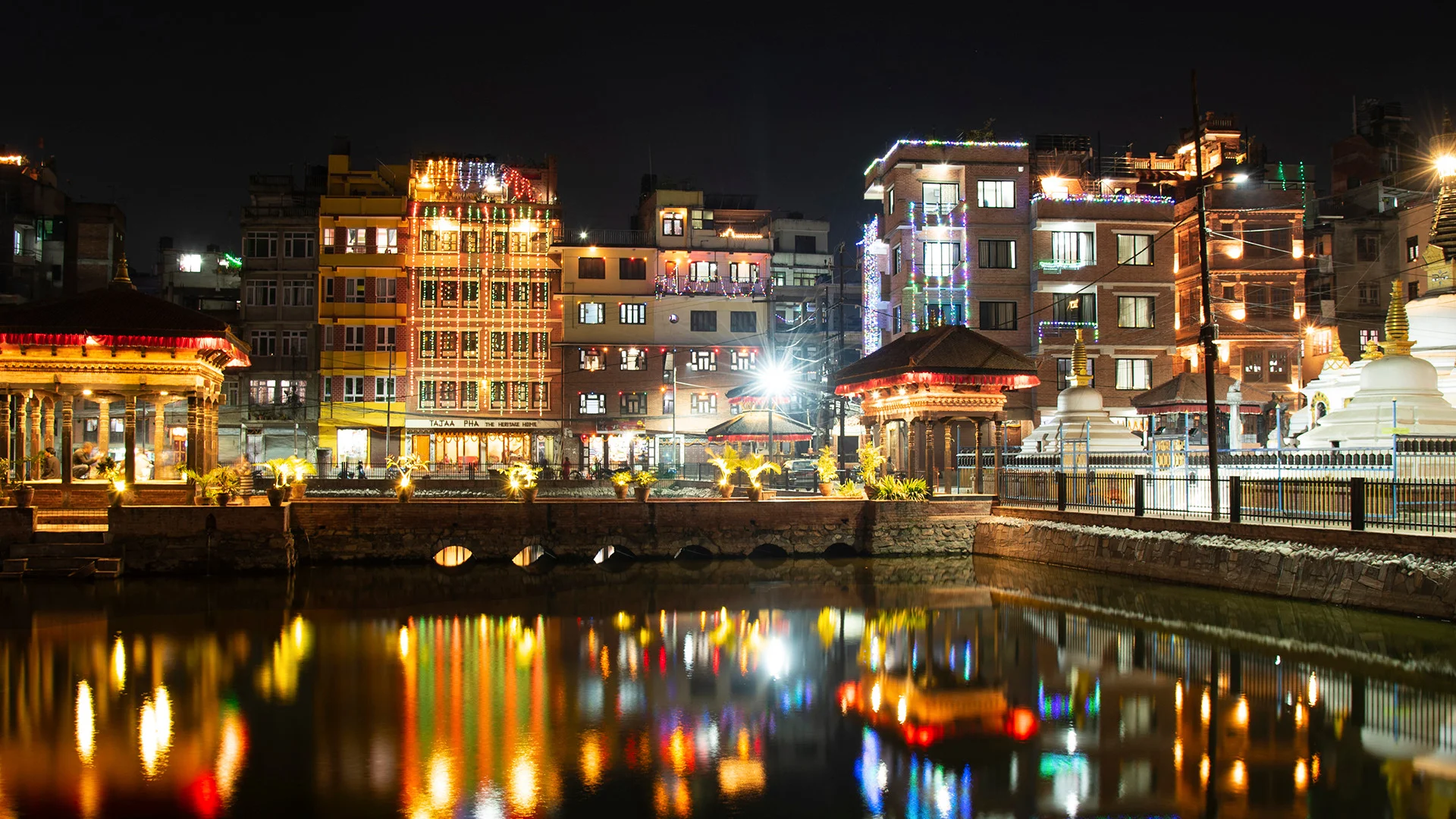
Tihar festival or the festival of Lights is Nepals' second-biggest festival after the Dashain festival. Tihar is considered to be one of the most fun-filled and celebrated festivals in Nepal. And, the festival falls under the best tourist season with the fantastic weather. One can take a tour of the Kathmandu valley and witness the majesty of the city during Tihar.
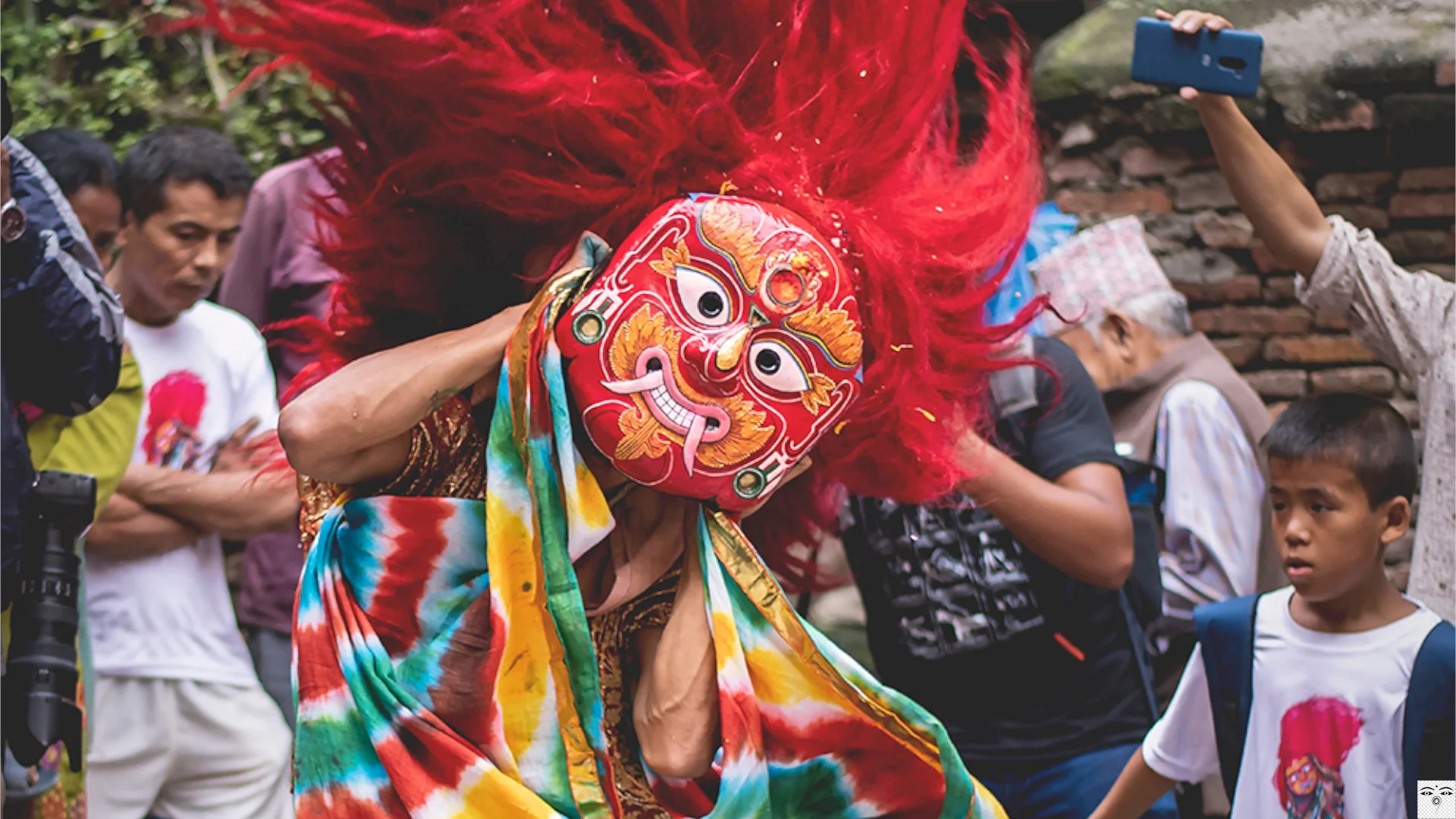
Majipa Lakhey in Newar mythology is the protective deity of all children in the Valley. During the annual festival of Indra Jatra, the dance of Majipa Lakhey is performed by the clan of Ranjitkars of Kathmandu with a traditional drum (Dhime) and a pair of Bhusya (pair of cymbals) with straps to fasten around the wrists. Devotees during the dance performance try to manage a touch the Lakhey’s rich display to take the blessings.
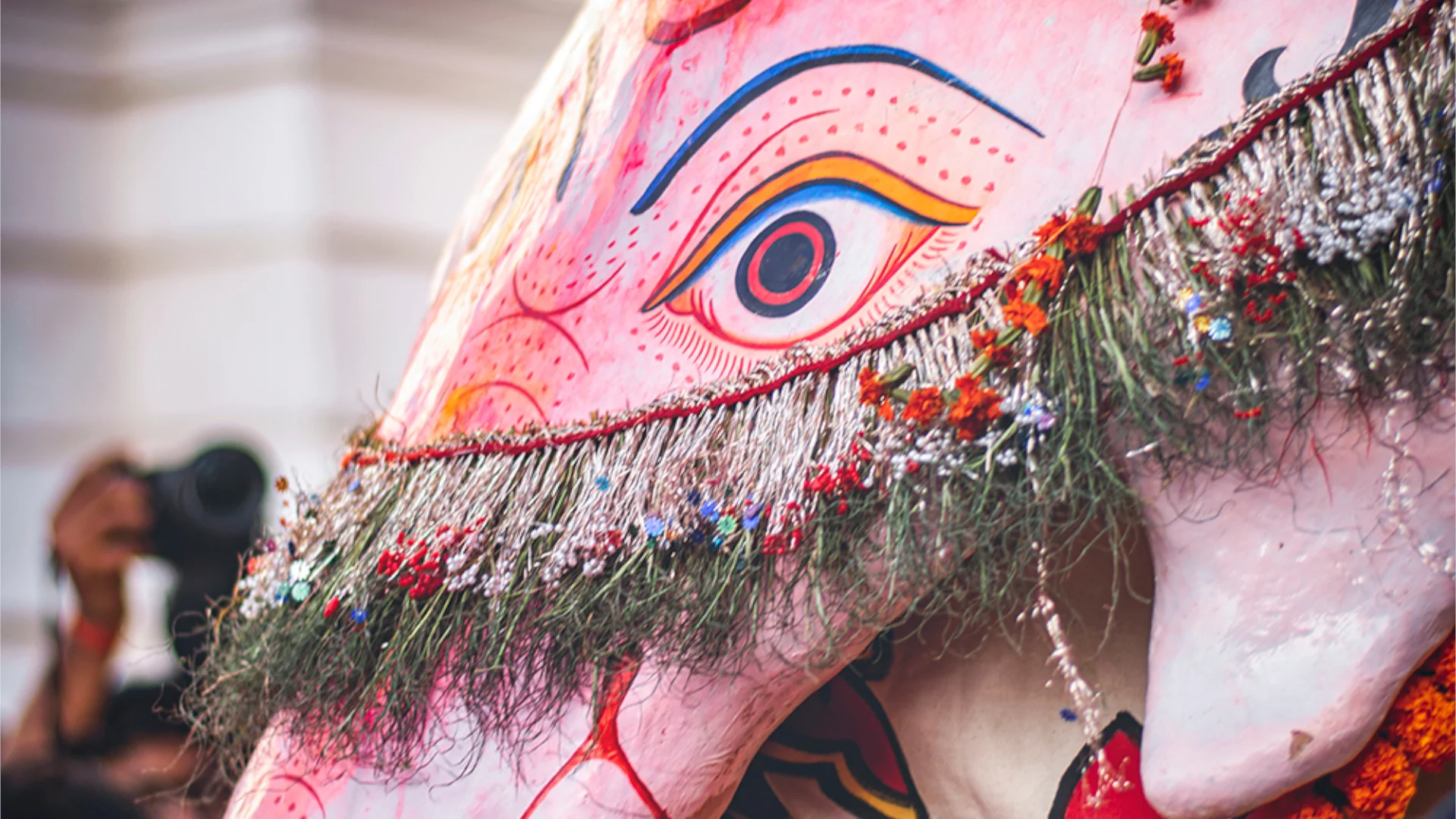
Indra Jatra, one of the highly celebrated street festival in Nepal marks beginning of the festival season and the beginning of a tourist season in Nepal. The festival is celebrated in the oldest town Basantapur Durbar Square or Hanuman Dhoka in Kathmandu by the local community with huge arrangements. The chariot of Kumari, the Living Goddess, is taken out in procession through the streets. People wear masks of various goddess and exhibit by dancing in the streets on music played with traditional musical instruments.
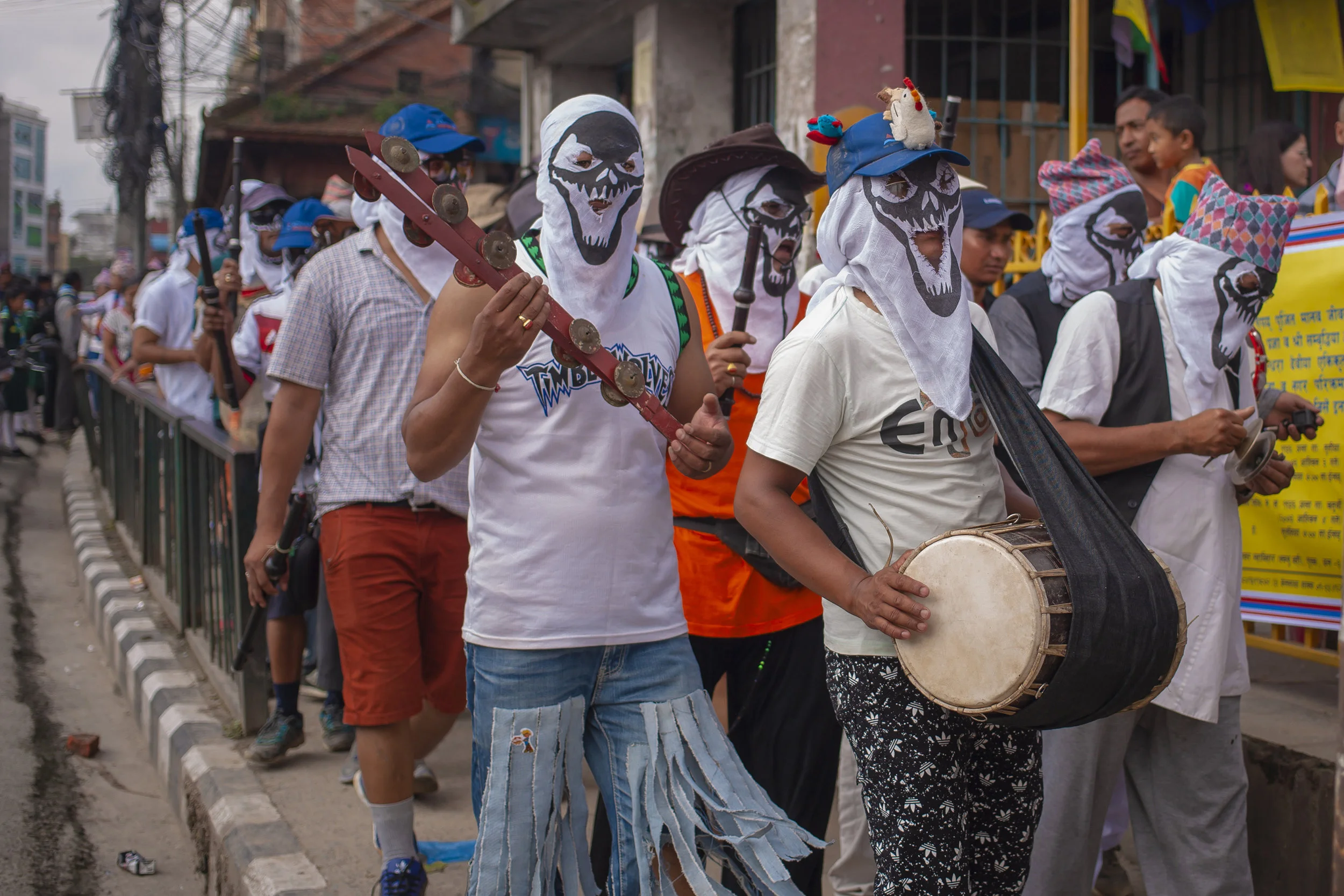
The festival of Mataya is one of the most important festivals in the Newar community in Patan. A unique Buddhist festival, during when men and women in a comical attire carrying candles and torches, traditional musicians playing merry rhythms walk to almost all the temples, stupas and monasteries in and around the old city of Lalitpur.
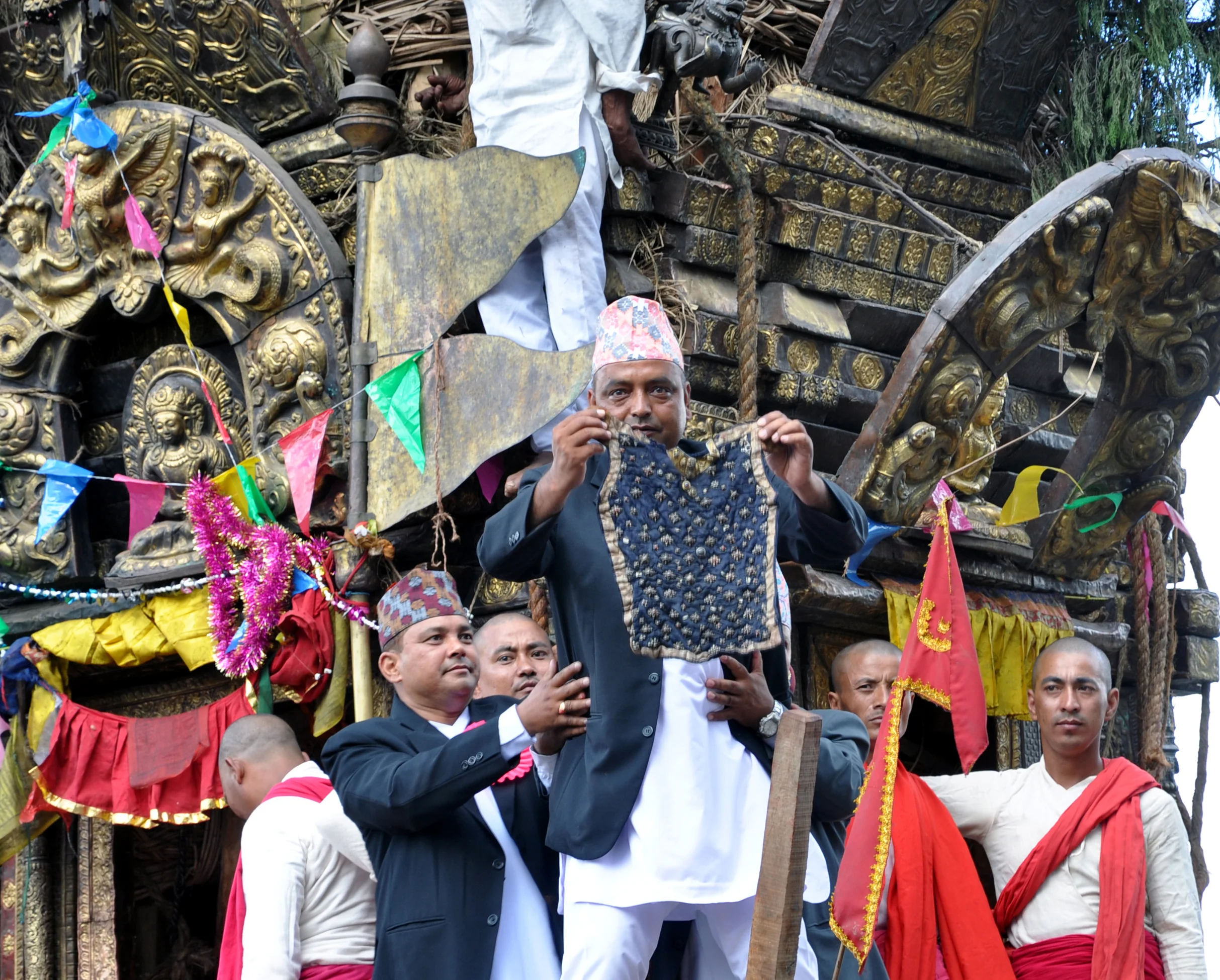
The legend of a jewel-studded vest (Bhoto) that came into possession of a priest when no one came to claim with evidence to whom it belongs. Today, the same Bhoto is displayed ending the month-long celebration of Rato Matsyendranath Festival in Lalitpur. And it is said, Bhoto is shown every year to the public as of an announcement to claim for it.
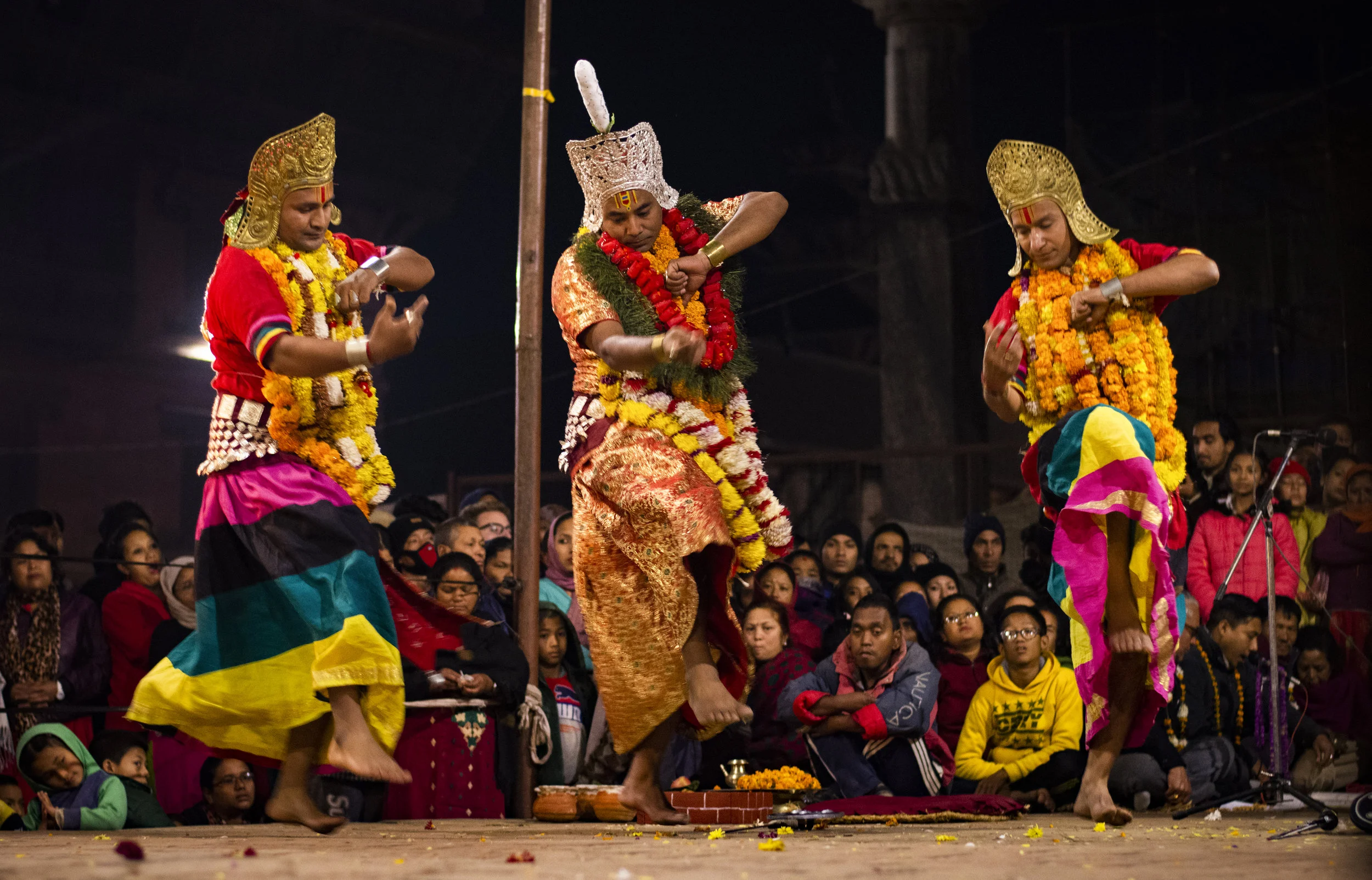
This particular act carries a message that anyone who tries to do ill and harm others, s/he is punished and no one escapes justice. A story of a powerful demon king had a son. The son refused to acknowledge his father as supreme lord of the universe and claimed that Lord Vishnu was all omnipresent
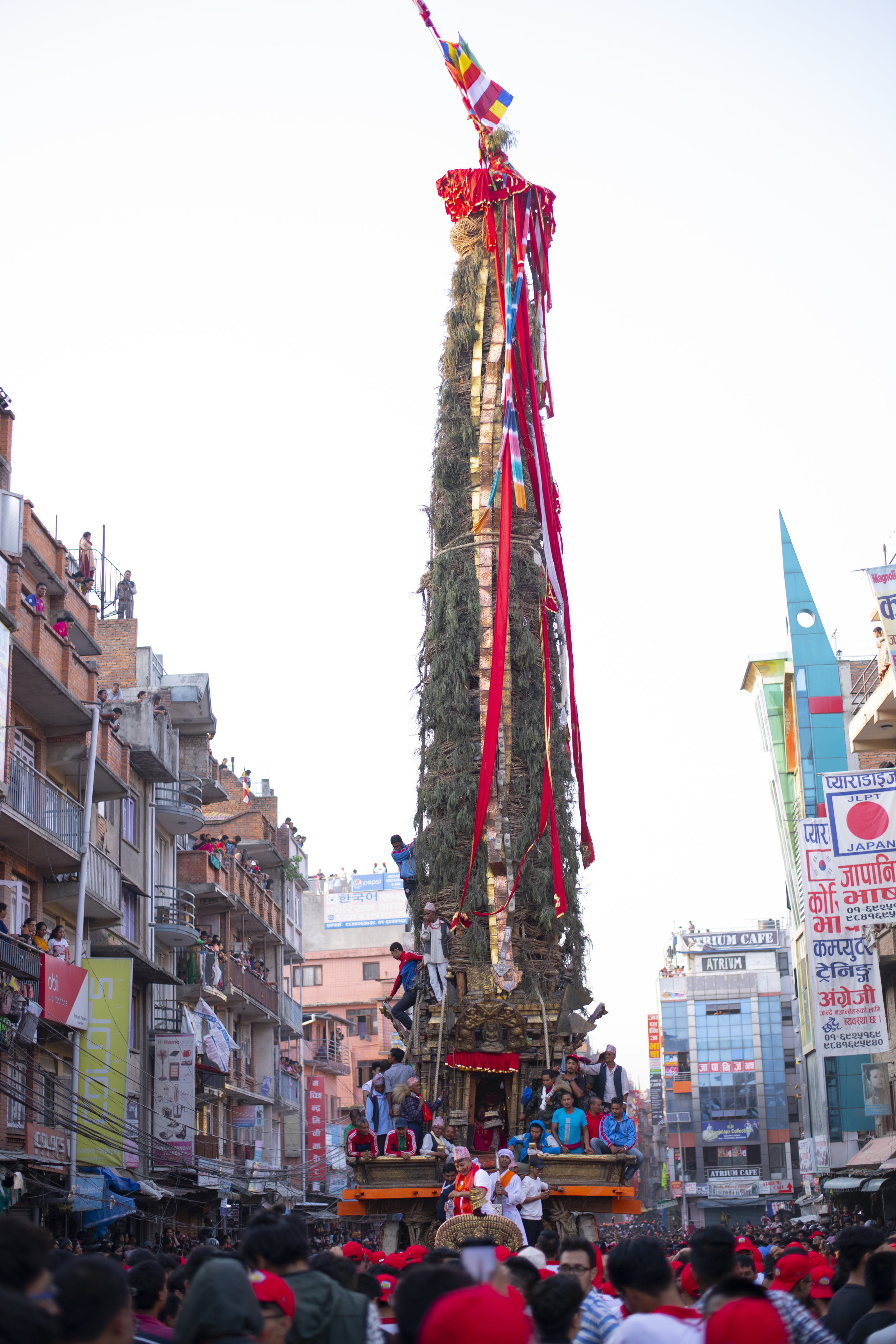
The legend of a giant chariot festival began with the Kingdom that drought for years causing misfortune and chaos as a result of disrespect to Gorakhnath. And, how Matsyendranath through devout and prayer, guru of Gorakhnath protected the valley with rain for the harvest, pulling the chariot and celebrating the coming of Lord Karunamaya.
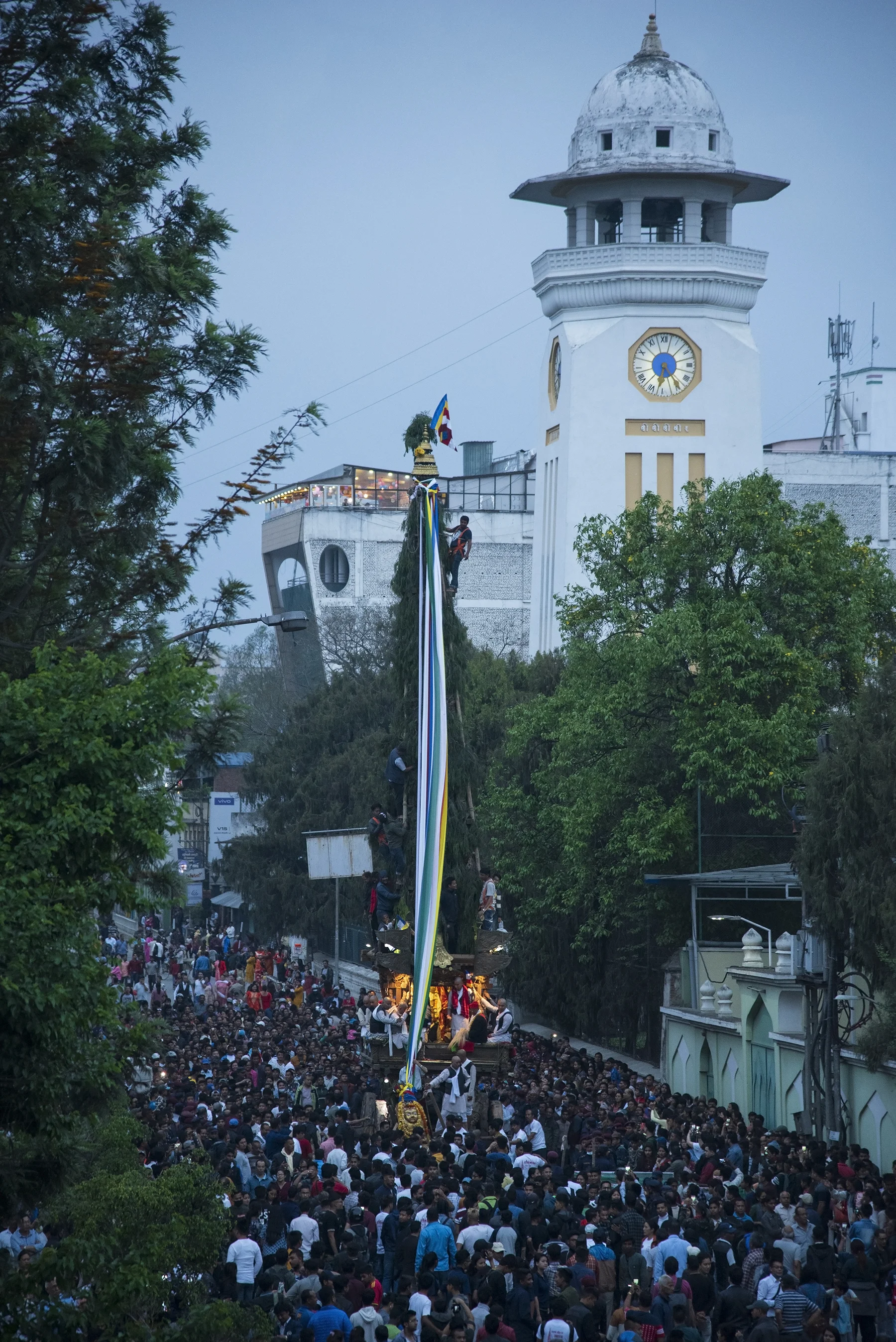
When one thinks of a chariot festival in sure you're thinking of the, Indra Jatra, Bisket Jatra or Rato Matysendranth. These festivals are the biggest in each Kingdom of the then Nepal Valley, but one chariot festival when is as historic as the three is not so known of : The Chariot Festival of Aryavalokiteswara Jana Baha Dyo.
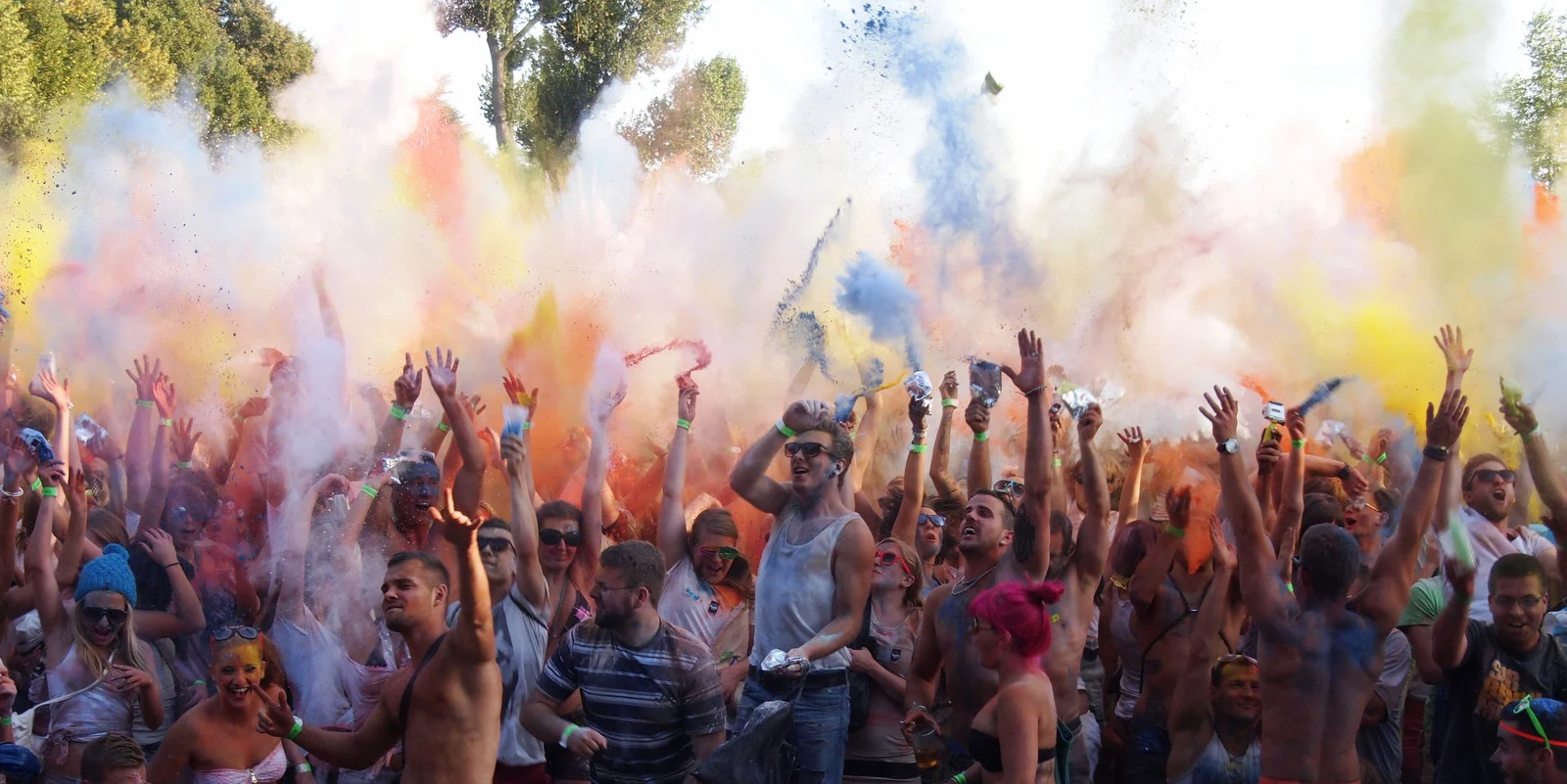
Fagun Purnima also known as Holi is a festival marking the end of winter and coming of spring and summer. Back in the days when phones and the internet didn’t exist, a ling bamboo lingo decorated with clothes of various colors (Chir) is erected a few days before the day of the festival. This tradition is still continued in Basantapur Durbar Square.
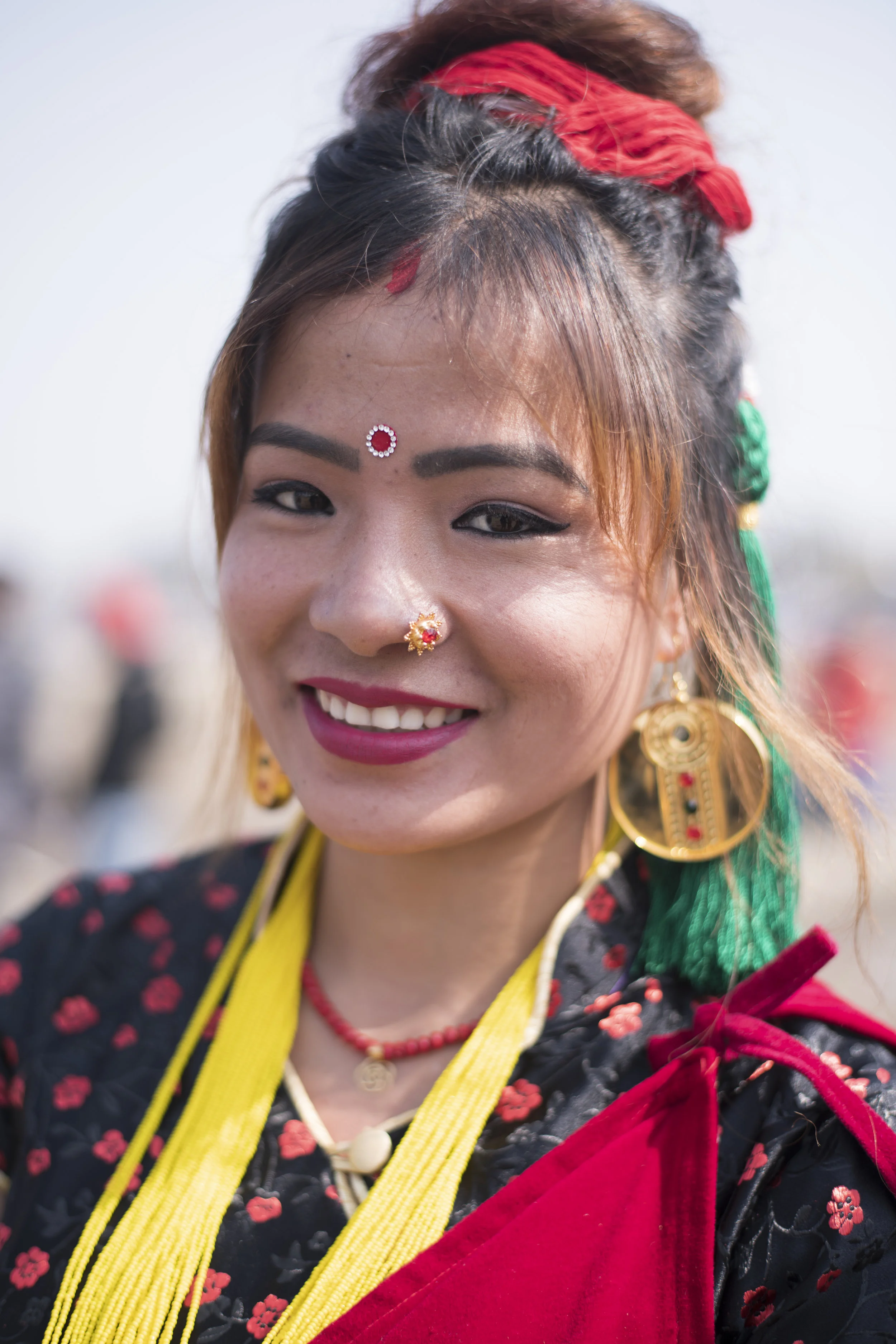
Losar is one of the main festivals celebrated by the ethnic communities of Tamang, Sherpa, Gurung and Thakali. Losar means new year according to the unisolar calendar followed by the communities, it is also known as the Tibetan Calendar which follows the cycle of 12 years called Lohokor.
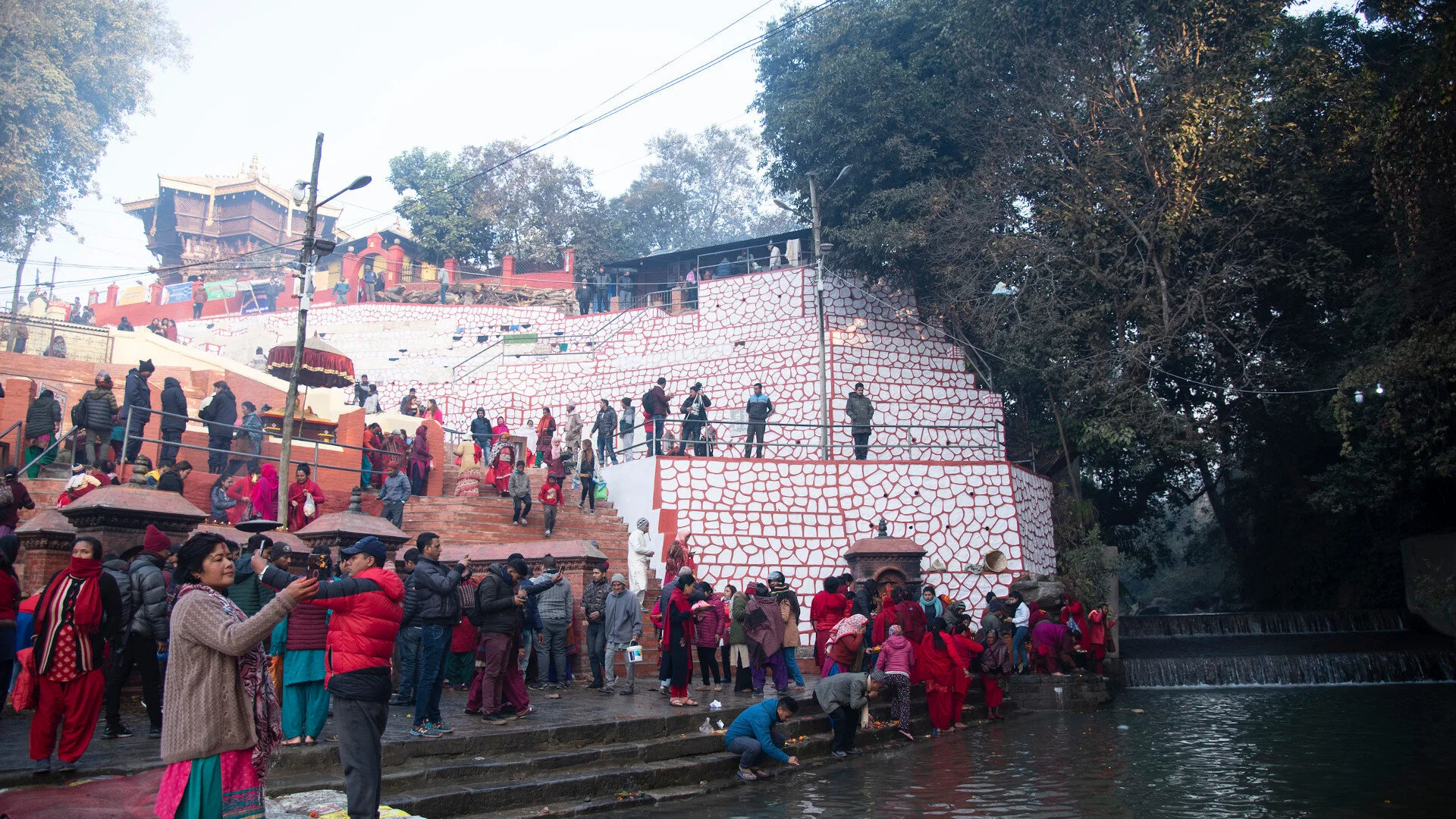
Every year during the full moon of Poush Shukla, devotees flock to the holy river of Shali Nadi in Sankhu to offer their prayers to Goddess Swasthani and God Madhav Narayan. Devotees fast for their family’s prosperity till the next full moon. During the month family members read the book of Swasthani.
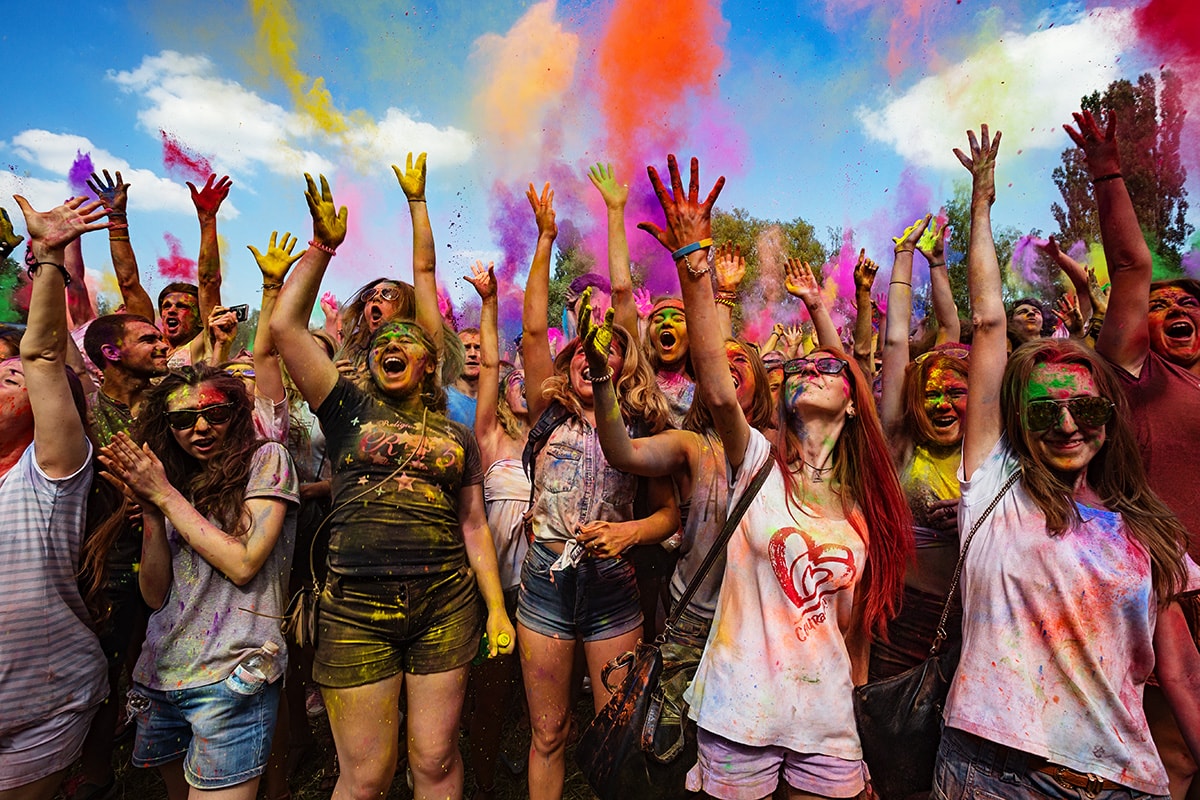
Holi, the festival of colors, is celebrated with great enthusiasm all over the country, and it is a time when one forgets and forgives.
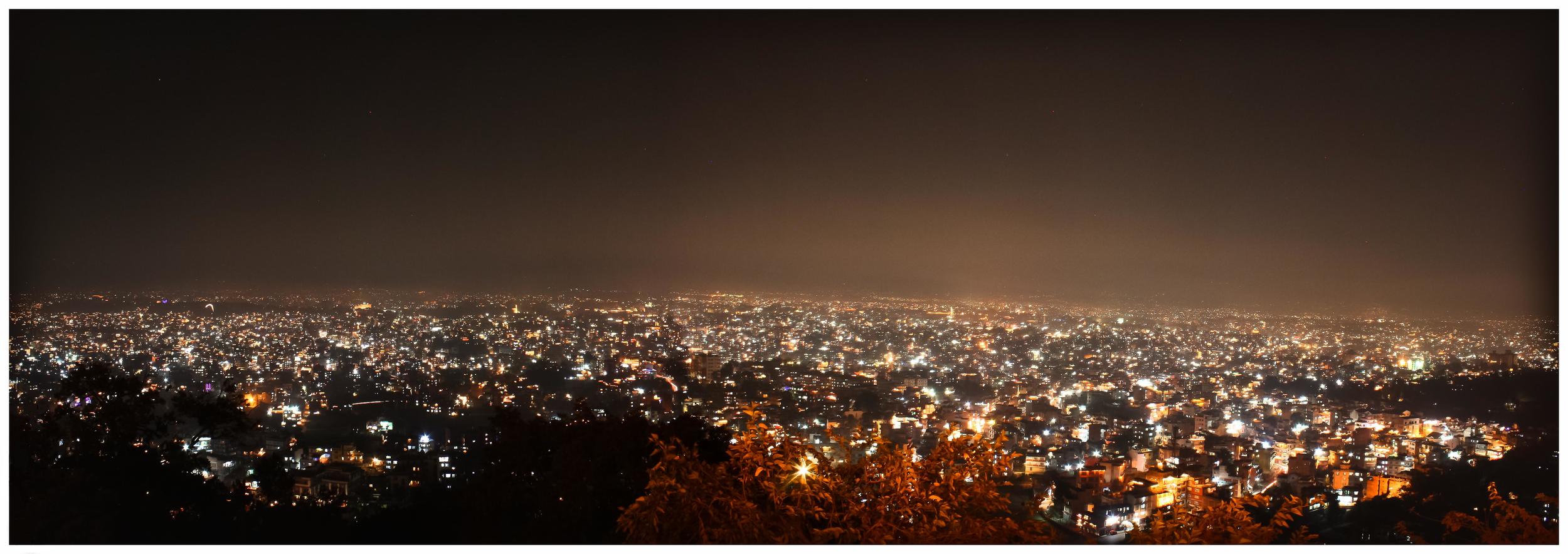
Tihar is the most popular festival for many Nepalis, and this is because of the many fun activities that take place during all of its five days.
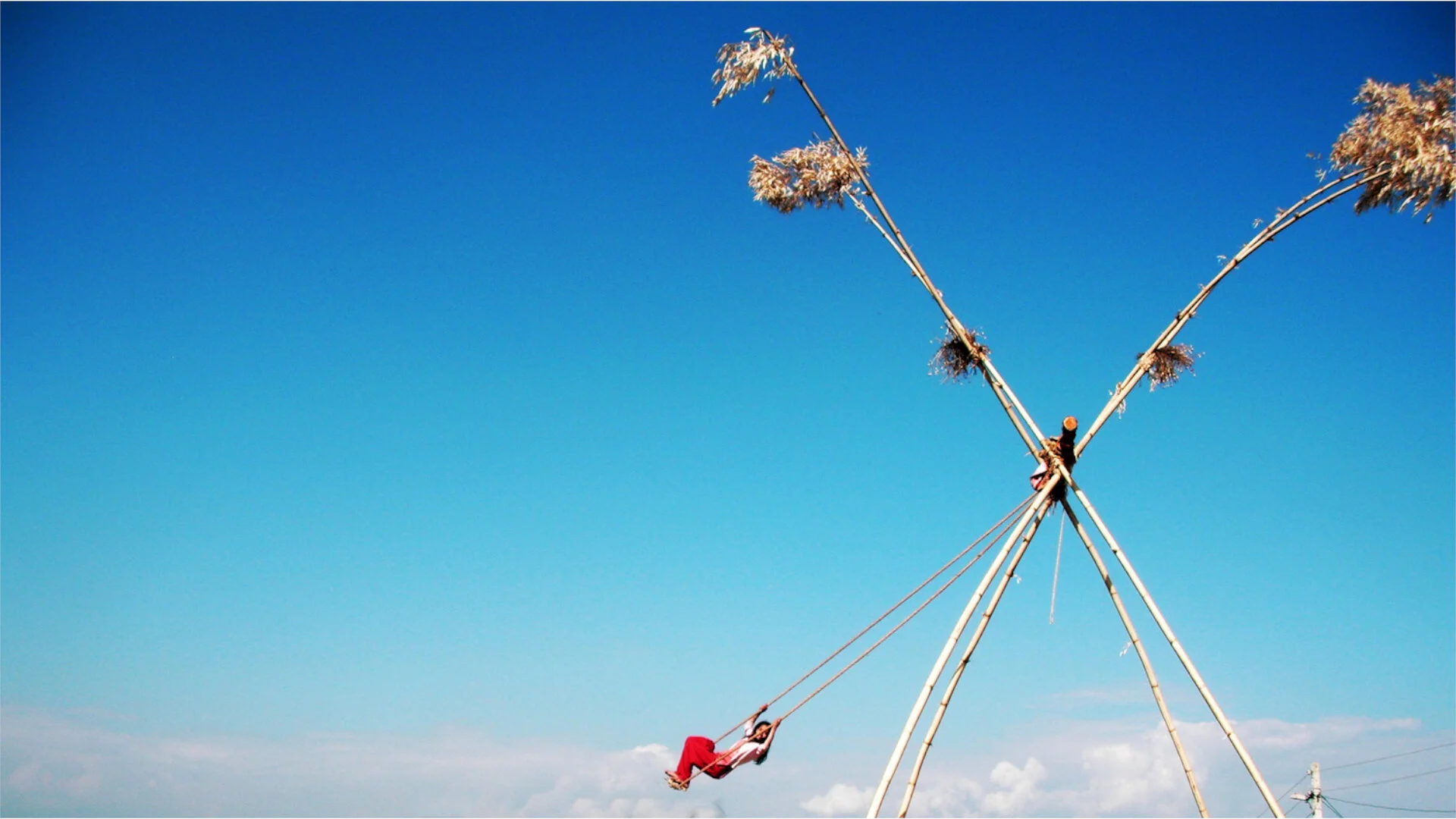
The weather is changing, and along with it, there’s a definite festive air around the country; yes, some of the country’s biggest festivals are here.
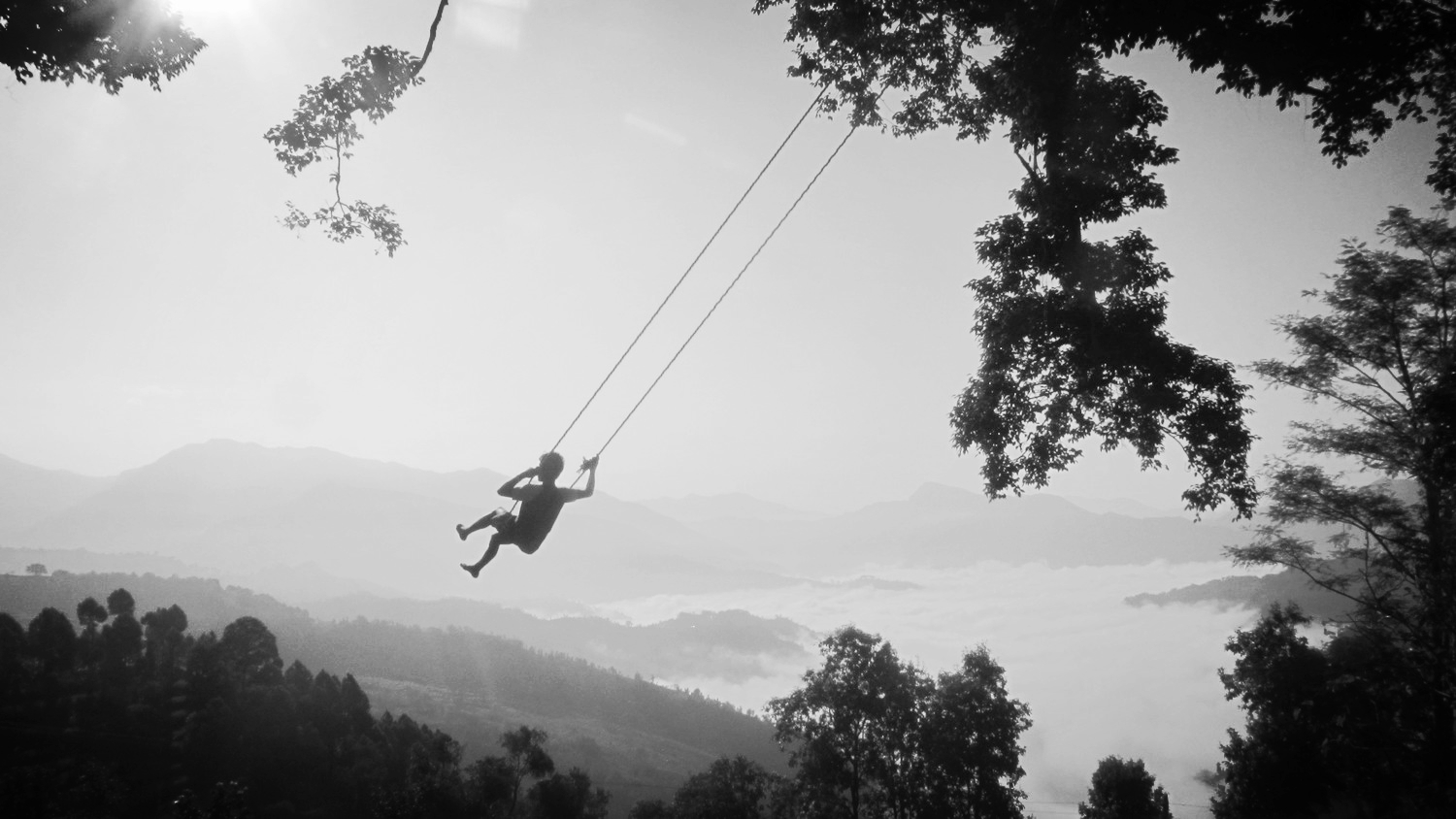
The biggest Nepali festival, Dashain, is known as a 10-day festival, but it actually ends on the 15th day, the day of Kojagrata Purnima.
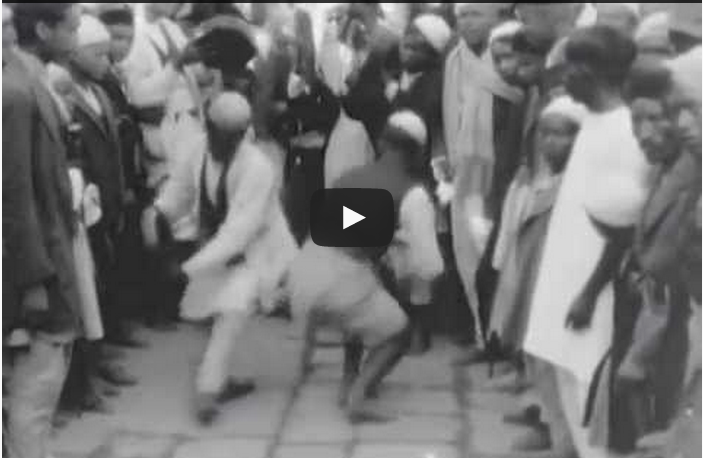
Very rare video footage of Nepalis celebrating Indra Jatra festival, biggest street festival of Nepal, with much rejoice, singing, dancing and chariot procession in Kathmandu.
According to legends, it is believed that the mother of Lord Intra required a Parijat( a white flower) to perform a ritual. For which Lord Indra descended to earth in search of the flower. He disguised himself as a commoner and while trying to take the flower out of the lawn of a Jyapu. He caught Lord Indra and held him captive blaming him of trying to steal. Lord Indra was imprisoned and not allowed to go back to heaven.