
Tales of Biskah Jatra
Regarded as one of the biggest celebrations of the Newar community in Bhaktapur. Locally known as either ‘Biskah’ or ‘Bisket’ is derived from the ancient name of the festival ‘Bee Sikah’, which means ‘After the death of the serpents’. The origin of the celebration features great folklore most members of the Newar community grow up listening to from their elders.
The festival is celebrated in the communities of the old greater kingdom of Bhaktapur which was founded by the first Malla dynasty of the Valley Kingdom of Nepal. Whereas the city of Thimi celebrates it in a unique ‘Sindoor Jatra’ as the coming of the Nepali New Year according to the Vikram Era (BS).
“This younger brother (Ananda Malla, son of Abhaya Malla being very generous and wise gave up the sovereignty over the two cities (Kathmandu and Lalitpur) founded a city of 12,000 houses, which he named Bhaktapur (Bhatgaon) and included sixty small villages in his territory. After this, the Raja having obtained the favour and directions of Chandeswari founded seven towns; viz Banepur(Banepa) near Chandeswari Pithal; Panavati ( Panauti) near the Pragya Tirtha of Nepal. Celebrated in the Shastras, on the site of where Panchala-des formerly stood, Nala near Nala Bhagvati, Dhaukhel(Dhulikhel) near Narayana; Khadpu near Dhaneswar; Chaikot, near the residence of Chakora Rishi; and Sanga, near Nasika Pitha.” (Wright,1990)1
The name and purpose of the celebration date back to the medieval era, where it is believed there was once a beautiful princess who was very unfortunate with finding a husband. As she had a terrible curse be put on her which decreed that anybody who wedded her would die the very next day. Several men had already died due to the curse. The palace seemed to have lost all hope, but one young man came with a desire to end the ungodly curse. He with knowledge of his faith took upon himself to wed the forsaken princess but was forbidden by his elderly mother. But to the surprise of many an old lady (Goddess Bhadrakali in disguise) offered advice to the young man, which she asked him to follow in full and it would ensure his safety.
After the ritual ceremony ended, the two laid in bed and the princess feel right into sleep. ‘You are not to fall asleep with her, but await her to drift into sleep and be ready’, the young man remembered the advice of the old lady. As time passed on he was determined not to fall asleep and stared at the face of his wife. All seemed normal but out of a sudden two reptiles are said to have slithered out of the princesses nostrils!
In surprise and dismay, it was these two who had been the death of so many men and if not for the advice of the old lady, they would have already slain their next victim. He quickly picked up his razor-sharp knife and wasted no time in cutting the reptiles.
‘After the death of the serpents’, came the grand celebration of Bisyaku Jatra ( The original name of the festival). The then Malla King, began the festival as he wished all to remember the valour of the young man and offer worship to the principal deities Lord Bhairab and Goddess Bhandrakali.
A procession of two chariots, being pulled in a tug-of-war setting between Thane(Upper) and Kone(Lower) part of town which occurs begins the festivities of Biskah Jatra. Two lingo’s known as Yo Shi (55-feet-tall each) are erected in two different locations of the central city on New Year’s Eve and brought crashing down on New Year’s Day symbolizing the killing of the serpents. To symbolize the consummation of the marriage, the two raths (chariots) are made to crash against each other. This occurs during midnight when the Bhairab and Bhadrakali chariots are collided symbolizing copulation.
The festival lasts for a total of 9 days from the 27th of Chaitra to 5th of Baisakh. As the festival follows the solar Vikram Sambat (B.S) calendar the dates are exact every year.
This years edition of the Bisakh Jatra is to conducted within closed doors due to the SARS-CoV-2 Pandemic. As an alternate to the regular chariot festival the head priests are to perform special rites and rituals.
1: Wright, Daniel. (1990). History of Nepal (pp. 163). New Delhi, Madras: Asian Educational Services. (Original Work published in 1877)
POPULAR ITINERARIES
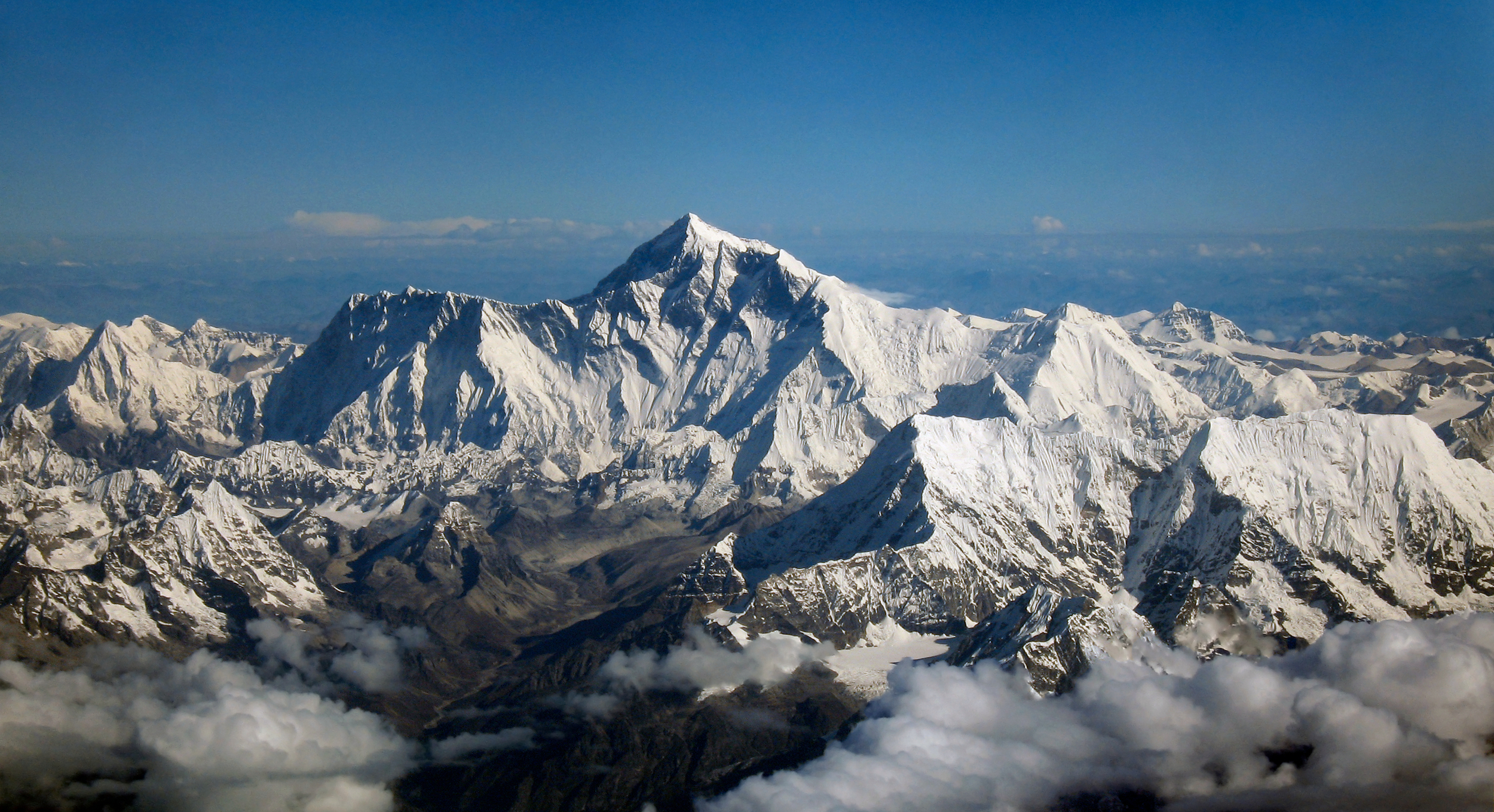
Mountain Flight Details: Early morning trip to Mt. Everest and surrounding mountains - Approx. 1 hour flight via Buddha Air OR Yeti Air (choice available) - Stunning views of mountains in Nepal - View video on Youtube of mountain flight in Nepal - Mountain Flight Cost: INR 11000/USD 250
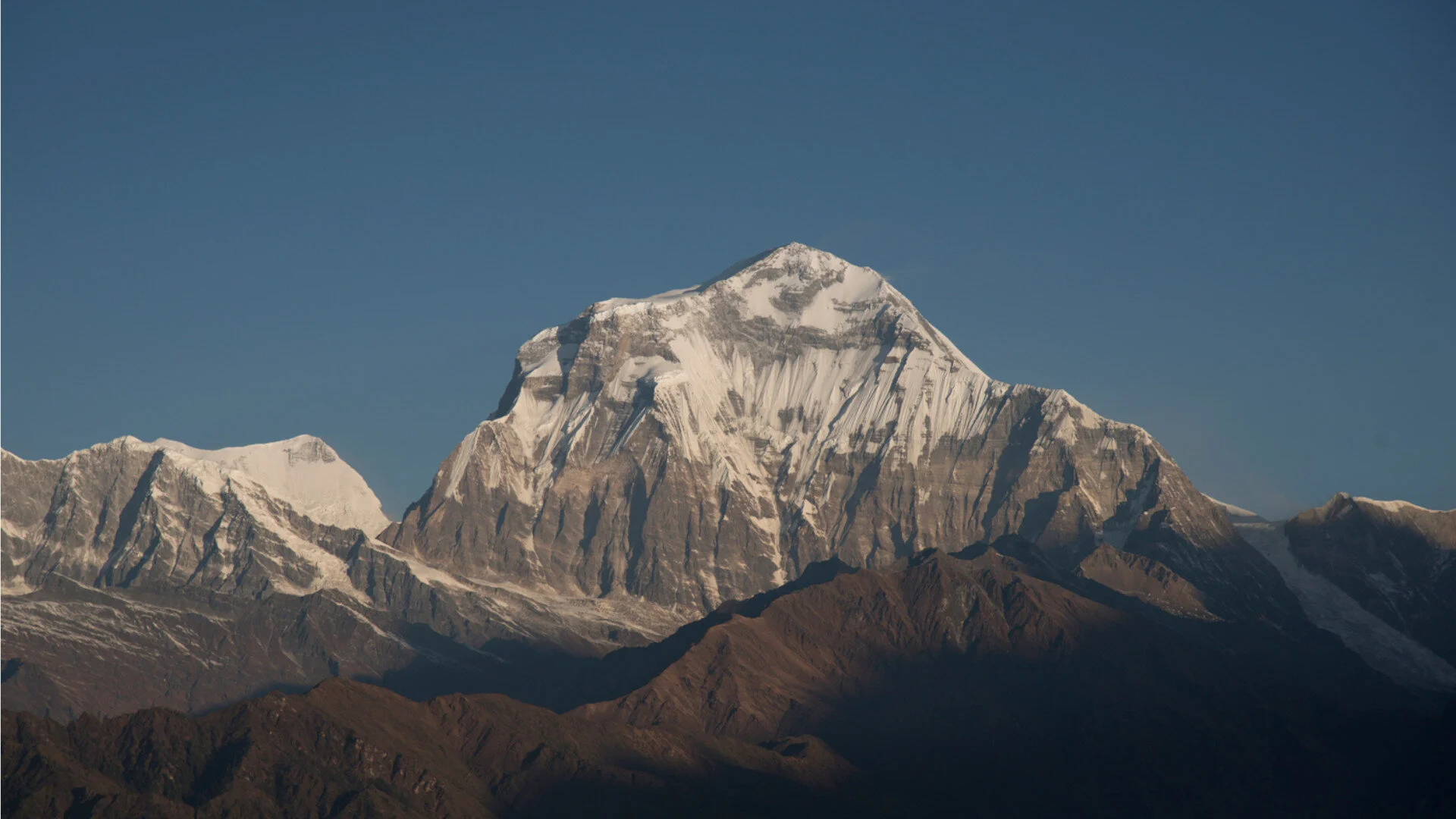
Mt. Dhaulagiri is the seventh highest mountain in the world and one of the challenging yet exhilarating adventure destinations in Nepal. The trek circling Mt. Dhaulagiri takes you through the beautiful villages, clean rivers, lush landscapes, thick forests, hidden valleys, glaciers, and mountain ranges.
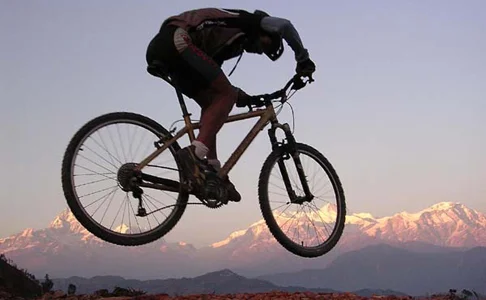
Our highest priorities in all our Nepal biking trips are safety, quality and enjoyment. You will ride on these wild and challenging trails through some of the most stunning scenic and cultural landscapes in the world. With the stunning backdrop of the Himalayan ranges, the extreme valleys and old forests of the rugged middle hills, the charming terraced fields and bright smiles in the timeless villages, you will remember this journey for its unique beauty as well as its challenging mountain biking terrain.
Pricing: Please choose among the various options available and we'll get back to you with a package that suits you best -- along with a quote.
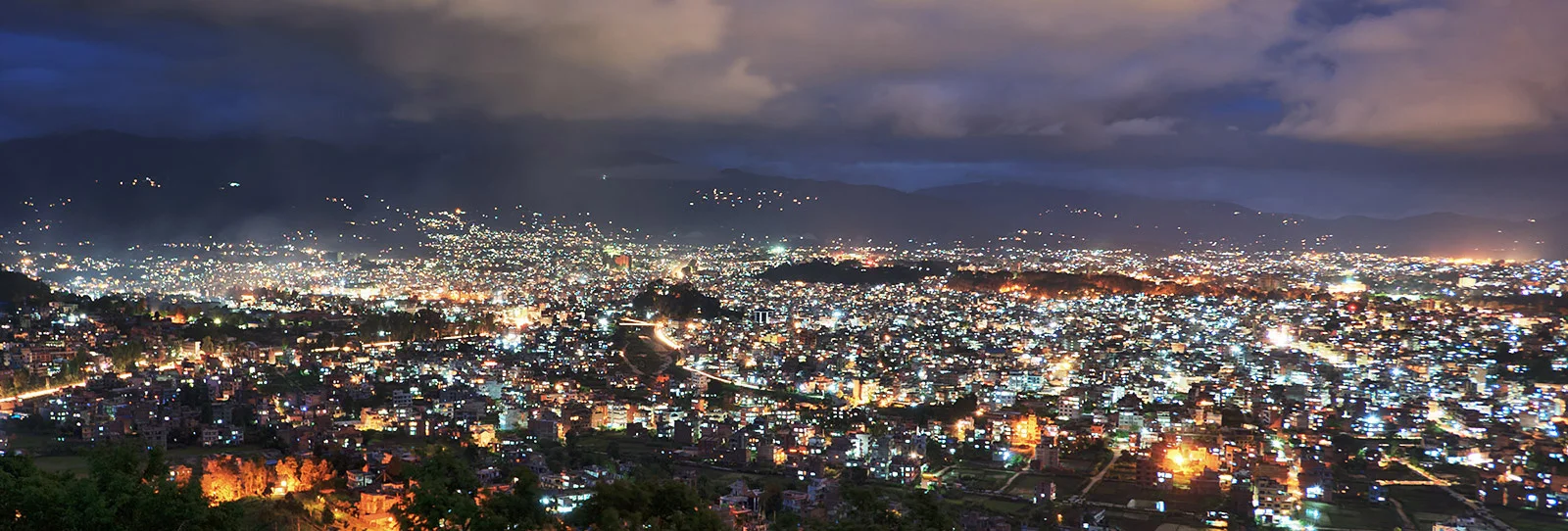
Minimum 3 Nights Stay Kathmandu Sightseeing Package( 3 Nights/4 Days): Includes: Airport Pick Up & Drop Off, Daily Breakfast Buffet, All tours and transfers in an air conditioned coach
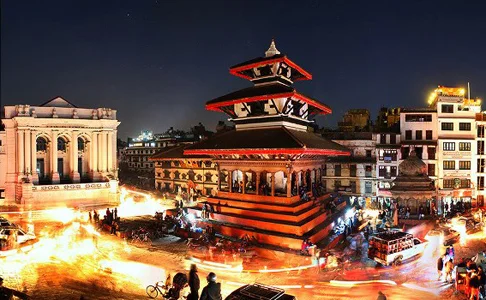
- Full day tour of Kathmandu City Swayambhunath Stupa and Patan City
- Approx 5-6 hours (split in two sessions)
- Morning: Walking tour of Kathmandu Durbar Square through (Ason) spice Market/vegetable markets
- Evening: Visit Patan Durbar Square
USD 80 PER CAR
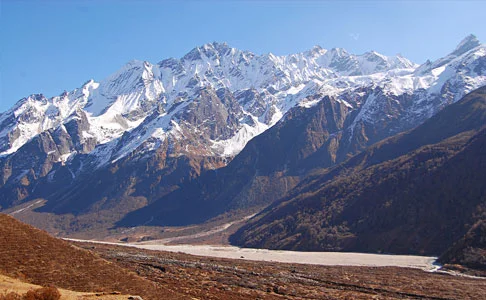
The Langtang Valley is surrounded by many high peaks of great appeal. The eminent British mountaineer Bill Tilman described it as the "most beautiful valley in the world". The Langtang Valley is also known as the treasure house of Alpine plants. The whole valley is covered with flowers during the summer.
The Lantang Valley Trek is not only offers magnificent views of Langtang Lirung (7,234m), Ganesh Himal (7,406m) and other high mountain peaks, but also provides insight into the varied ethnic lifestyles of the Tamangs and Sherpas, inhabitants of this area who share closer cultural ties with the Tibetan people.
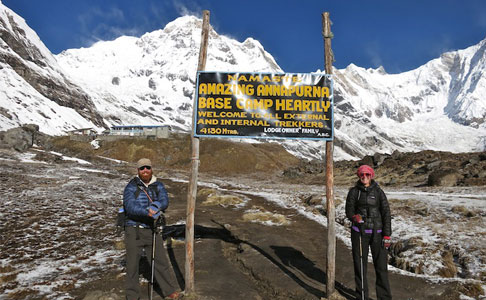
The Annapurna Base Camp Trek is considered one of the world's great treks. The walk-in to the Sanctuary provides an experience of the great variety of landscape types which serve to make Nepal such a special trekking destination. You will pass through a diverse geographical and cultural variation with an amazing range of flora and fauna in between.
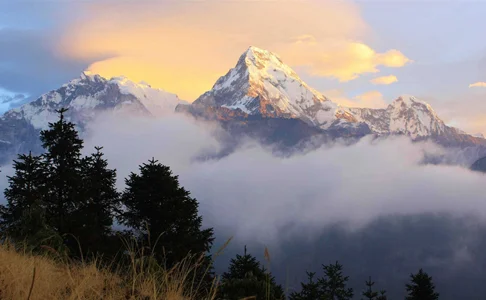
This is a short and beautiful trek, suitable for families and kids. Set in the rural mountainside with up-close Himalayan views, this trek is also known as Ghorepani Poon Hill Trek. It is a relatively easy walk meandering through villages and rhododendron forests.
This itinerary includes Poon Hill -- which is regarded as the best viewpoint in the Annapurna Region by many trekkers and is widely regarded as one of the most beautiful viewpoints that exist on this earth.
USD 575 PER PERSON -- TWIN ROOM SHARING BASIS
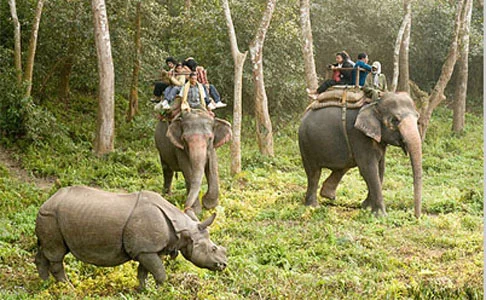
DAY 01 (Kathmandu to Chitwan by road, approx 5 hrs)
DAY 02 (In Chitwan)
DAY 03 (Chitwan to Kathmandu by road, approx 5 hrs)
Chitwan: Exotic jungle elephant-safari, nature walks, bird watching, canoeing
USD 330 PER PERSON
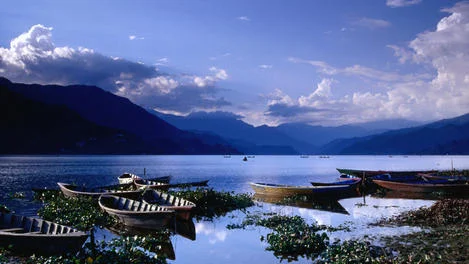
Pokhara : Stunning views of Himalayas, Boat rides, Gupteswor Mahadev, David's Fall, Barahi Temple, Cycling around the lakeside. - DAY 01 : (Kathmandu to Pokhara by road, approx 5 hrs/200km) - DAY 02 : (Spend time in Pokhara) - DAY 03 : (Pokhara to Kathmandu by road, approx 5 hrs/200km) / USD 295 PER PERSON View Youtube Video of Pokhara
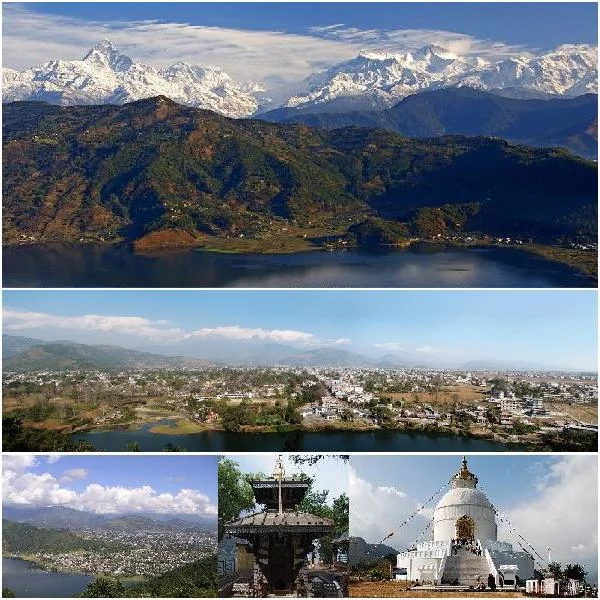
DAY 01 (Drive from Kathmandu to Pokhara)
DAY 02 (In Pokhara)
DAY 03 (Pokhara to Chitwan by road)
DAY 04 (In Chitwan)
DAY 05 (Fly from Chitwan to Kathmandu)
Pokhara: Stunning views of Himalayas, Boat rides
Chitwan: Exotic jungle elephant-safari, nature walks, bird watching, canoeing
VIEW YOUTUBE VIDEO OF POKHARA
USD 705 PER PERSON
SIMILAR POSTS
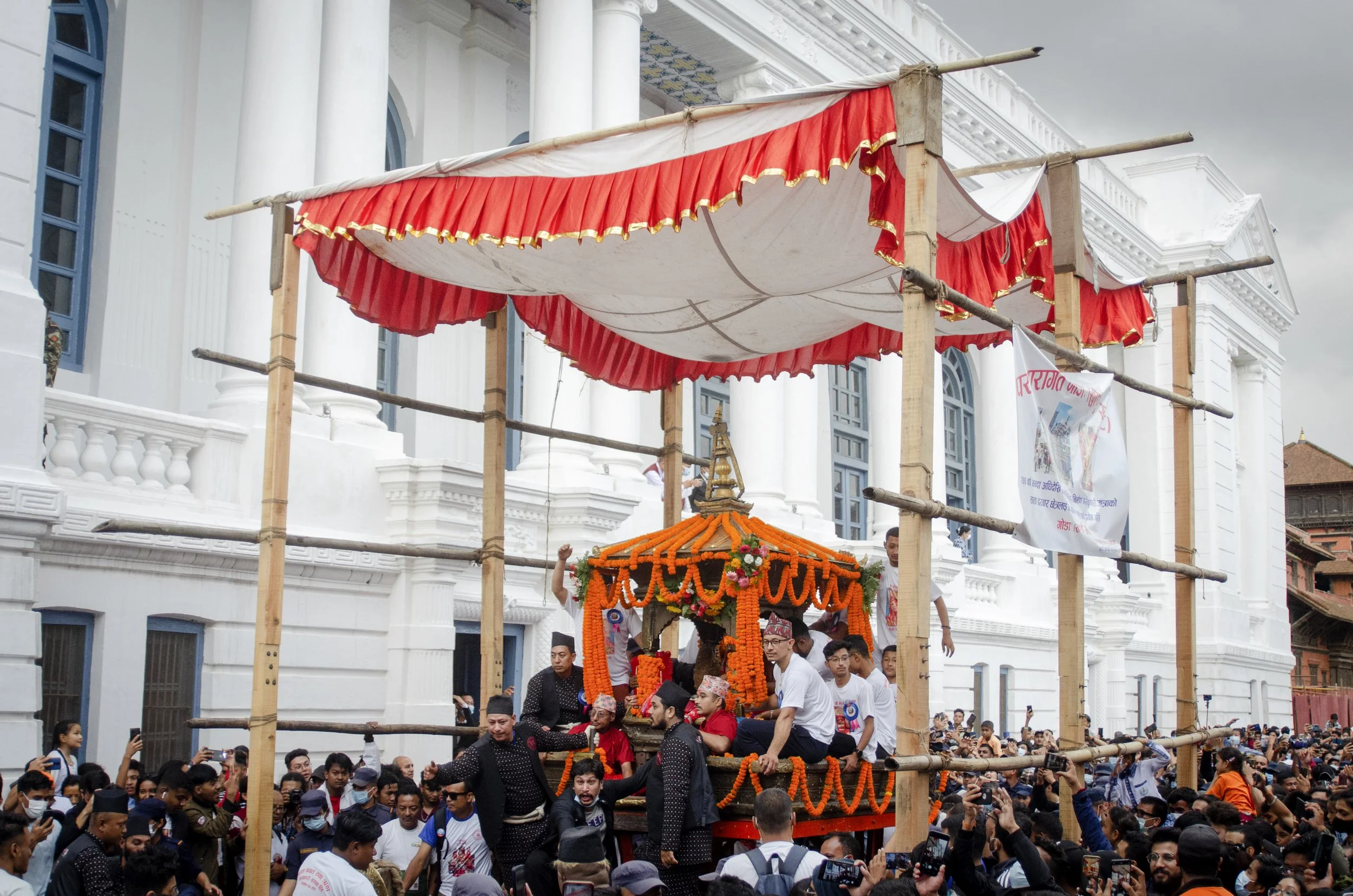
According to legends, it is believed that the mother of Lord Intra required a Parijat( a white flower) to perform a ritual. For which Lord Indra descended to earth in search of the flower. He disguised himself as a commoner and while trying to take the flower out of the lawn of a Jyapu. He caught Lord Indra and held him captive blaming him of trying to steal. Lord Indra was imprisoned and not allowed to go back to heaven.
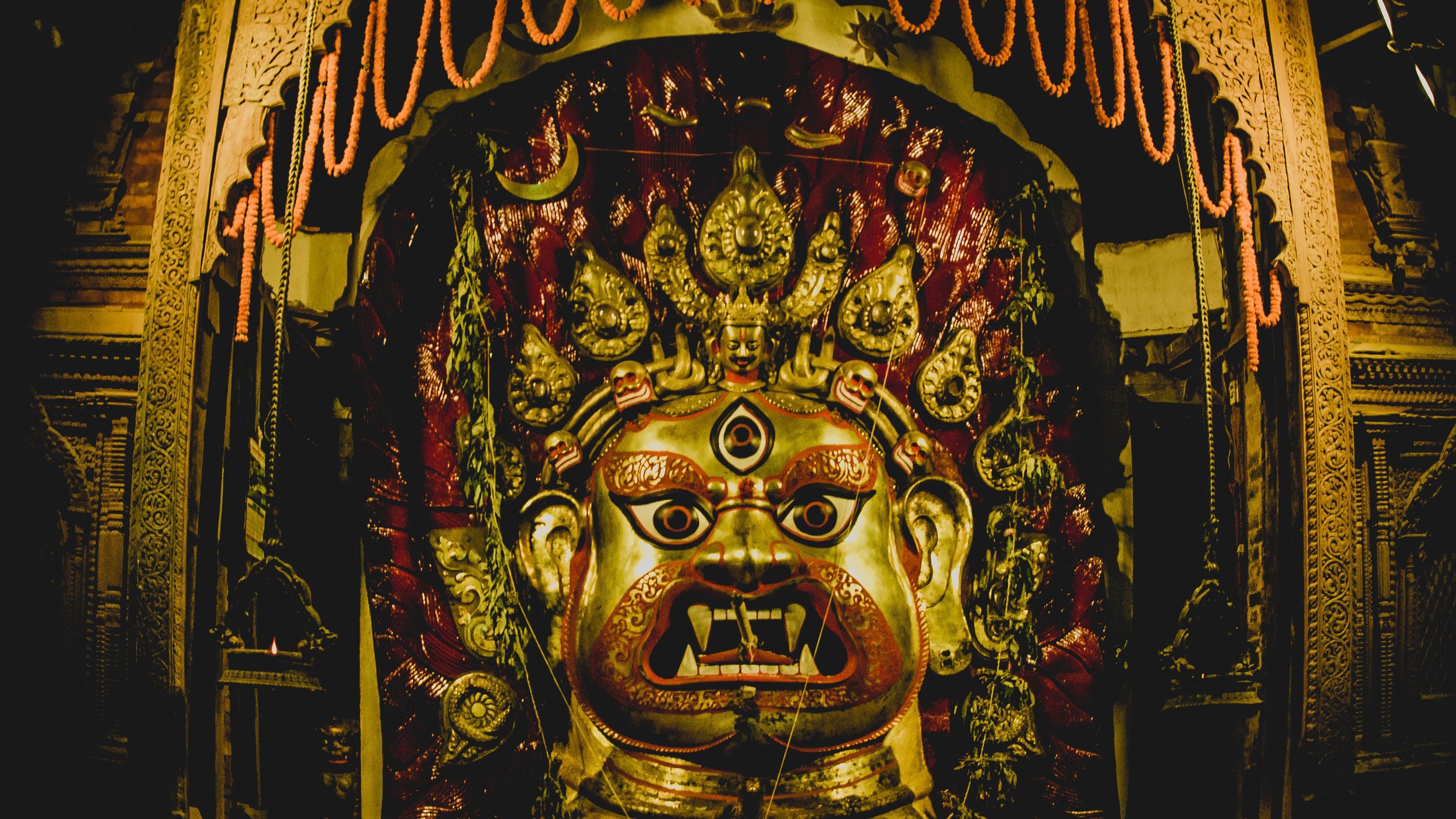
Amongst the great celebrations of this valley, nothing beats the pomp and flair of Yenya Punhi. Commonly known as Indra Jatra- a name derived from the lore of Indra- the heaven king's visit to Nepal. This festival is larger than life, with symbolism and meaning going back thousands of years- neatly preserved by the Newars.
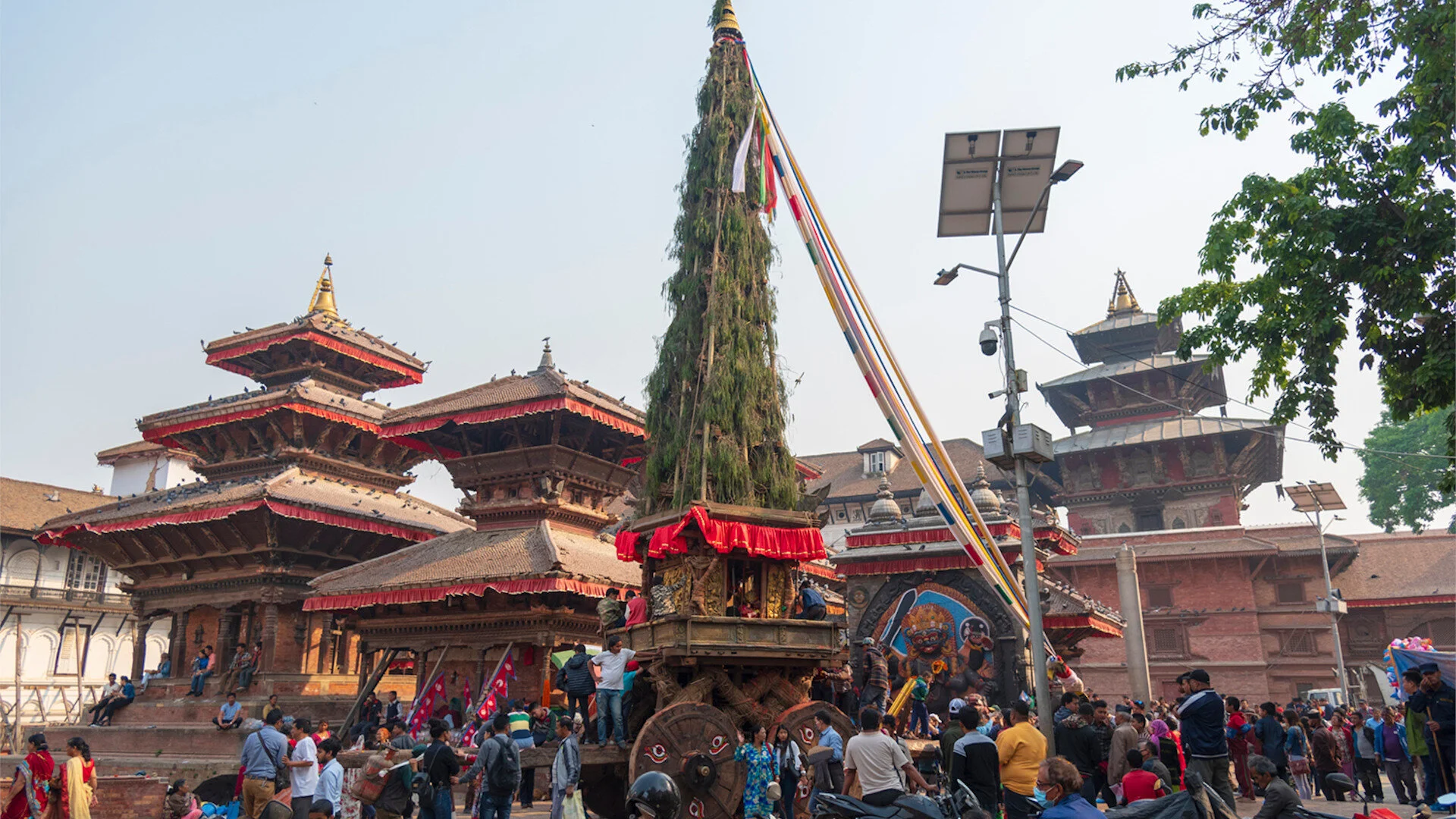
Newari communities in Nepal celebrate numerous festivals every year. All these festivals are tied to its culture and heritage, events for ancient mythology, agricultural calendar, family, and communities.
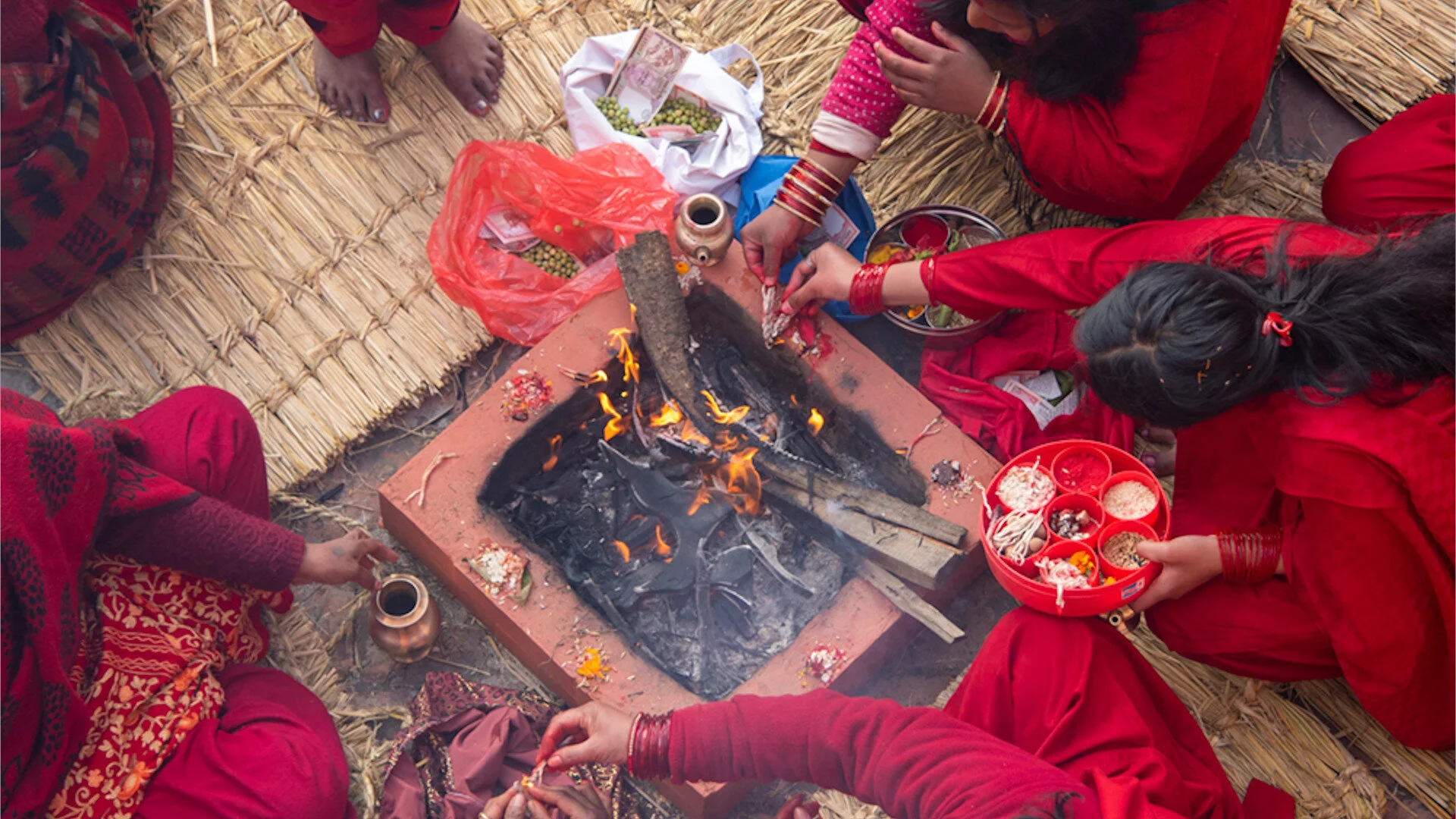
Newari culture is very rich and ritual throughout the year and the Newari communities celebrate numerous festivals every year. All these festivals are tied to its culture and heritage, events for ancient mythology, agricultural calendar, family, and communities.
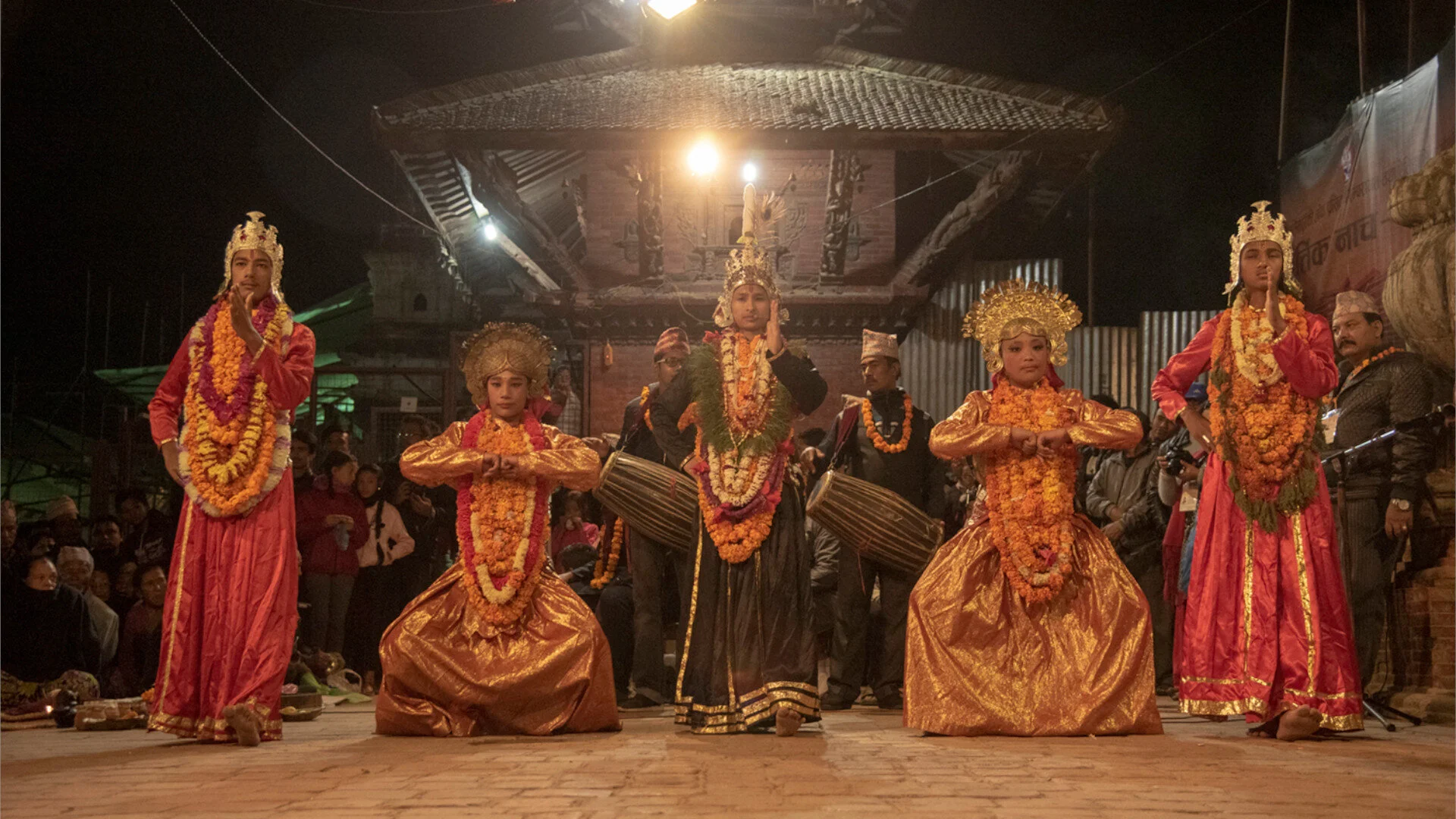
Svanti festival is known by several names: Tihar, Dipawali, Pancaka, and Yamanpanchaka. And most popularly known by its other name Tihar, is one of the national festivals of Nepal celebrated throughout the kingdom by Hindu and Buddhist populations.
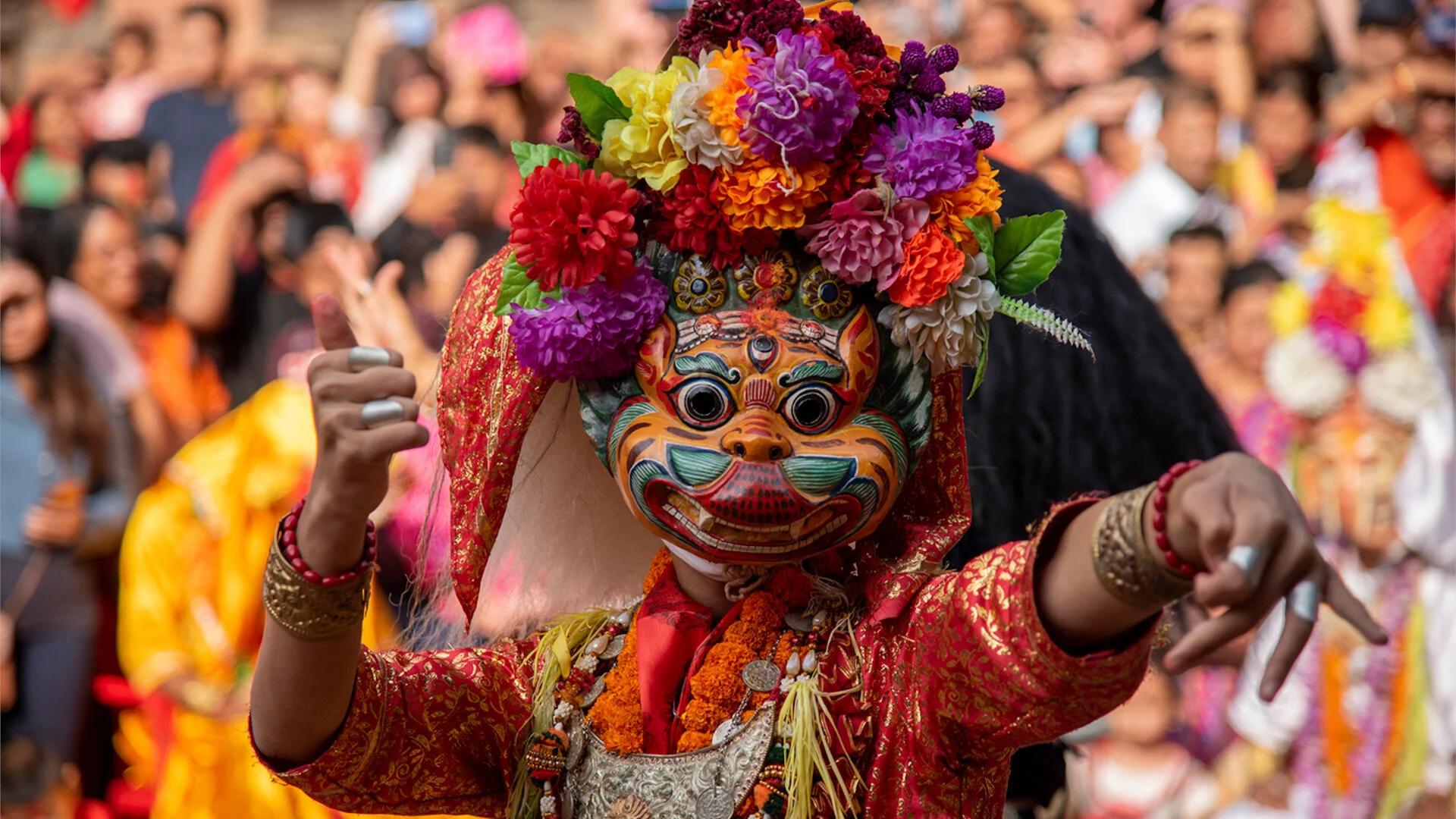
The events of Mohani can be divided into two: Family & Communal and bears similarities with the celebration of Dashain. And, the general perception of individuals views the two festivities as the same, but Mohani is specific to the Newari communities. Mohani is centered around the family’s tutelary deity, whereas Dashain is the celebration of the victory of gods over evil.
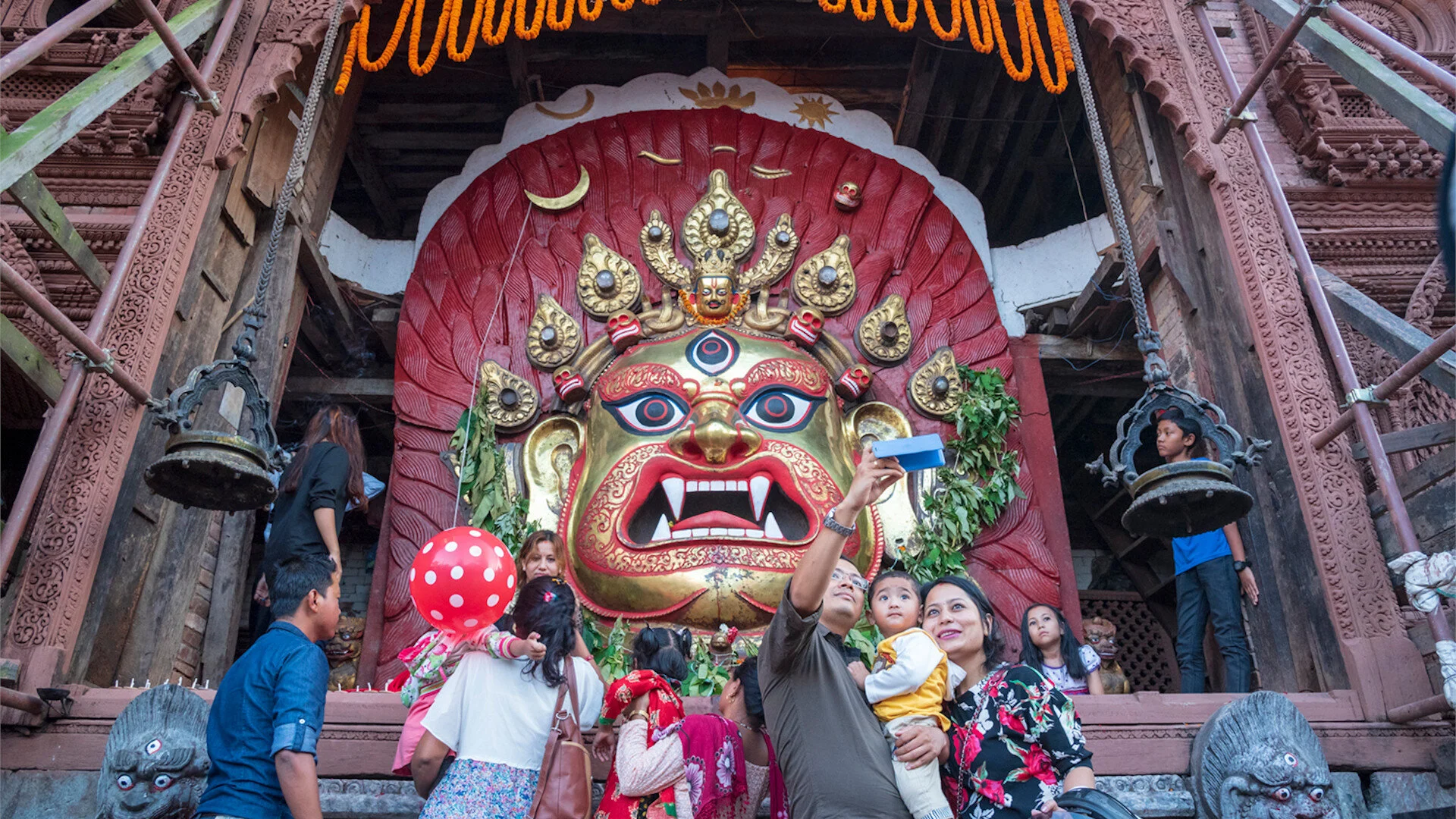
Newari communities in Nepal celebrate numerous festivals every year. And it seems Newars always have a reason to celebrate. Several reasons: rich culture and heritage, honoring deities, marking the agricultural calendar, celebrate events from ancient mythology, and to emphasis family and community.
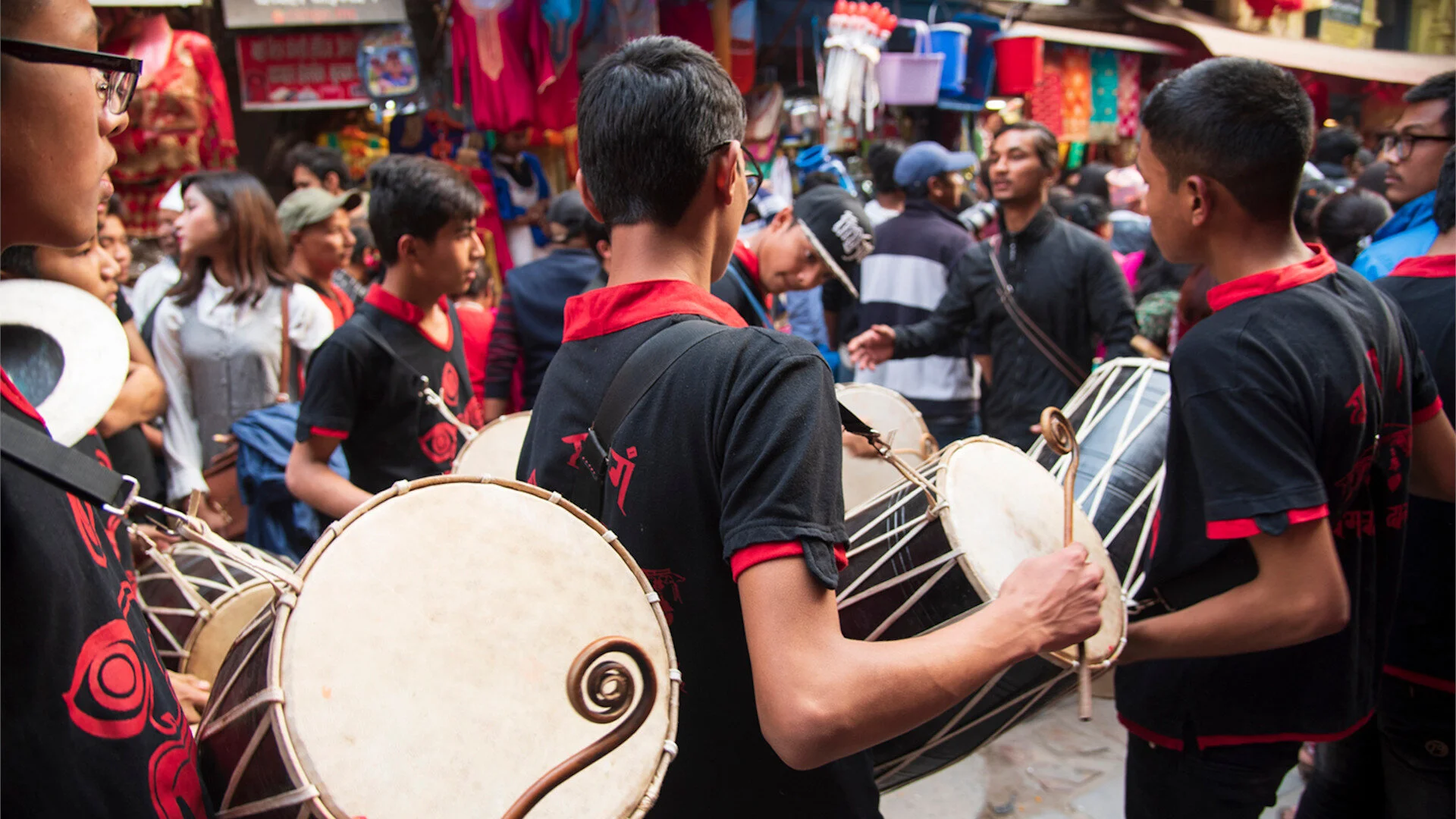
Newari communities in Nepal celebrate numerous festivals every year. And it seems Newars always have a reason to celebrate. Several reasons: rich culture and heritage, honoring deities, marking the agricultural calendar, celebrate events from ancient mythology, and to emphasis family and community.
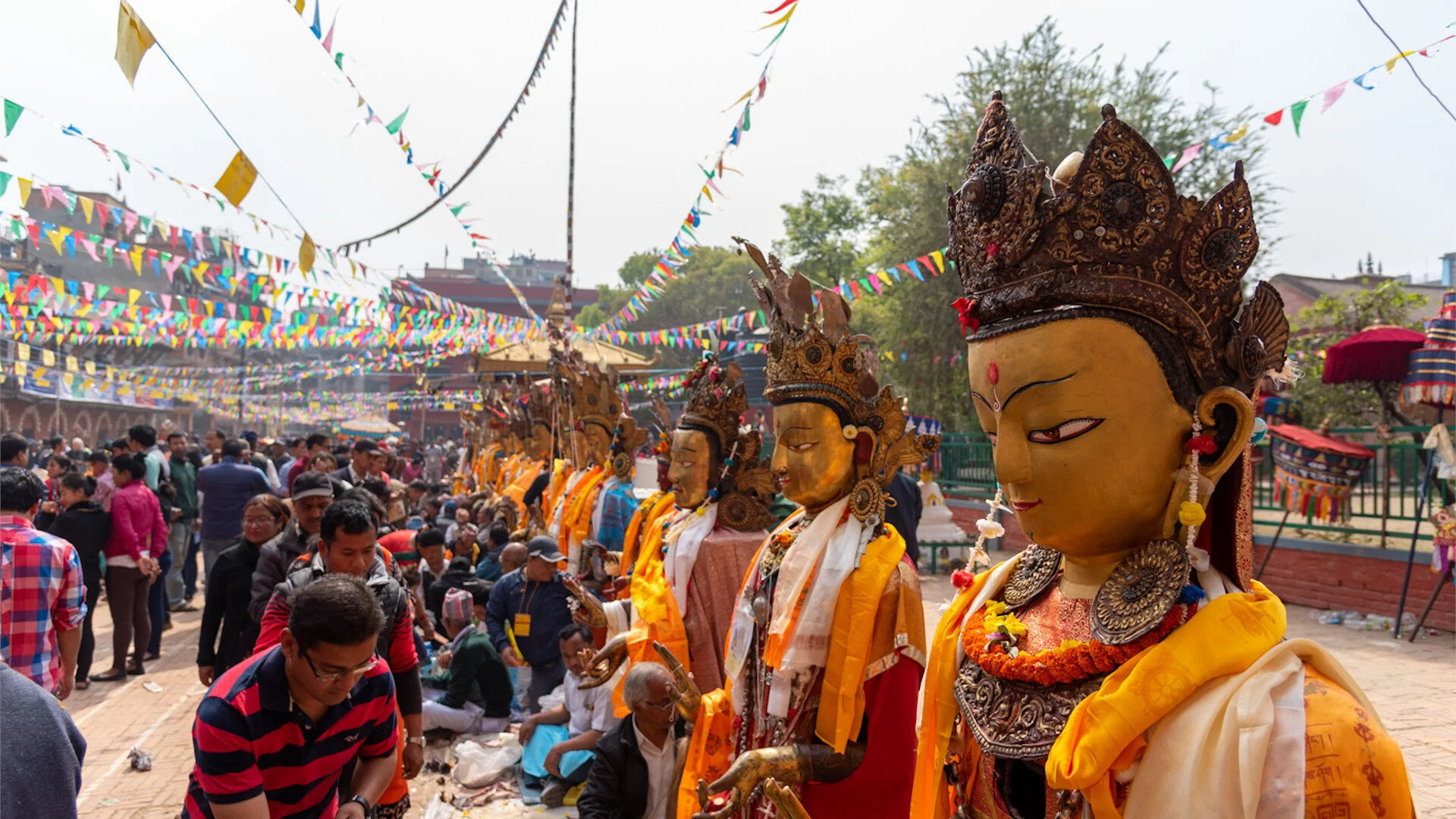
Samyak Mahadan is a Buddhist alms-giving festival, also known as the festival of Dipankara Budhha is celebrated once every five years in Patan, Lalitpur. The festival has been important for Buddhist Newars, as it has become a way of practising daan dharma(alms-giving).
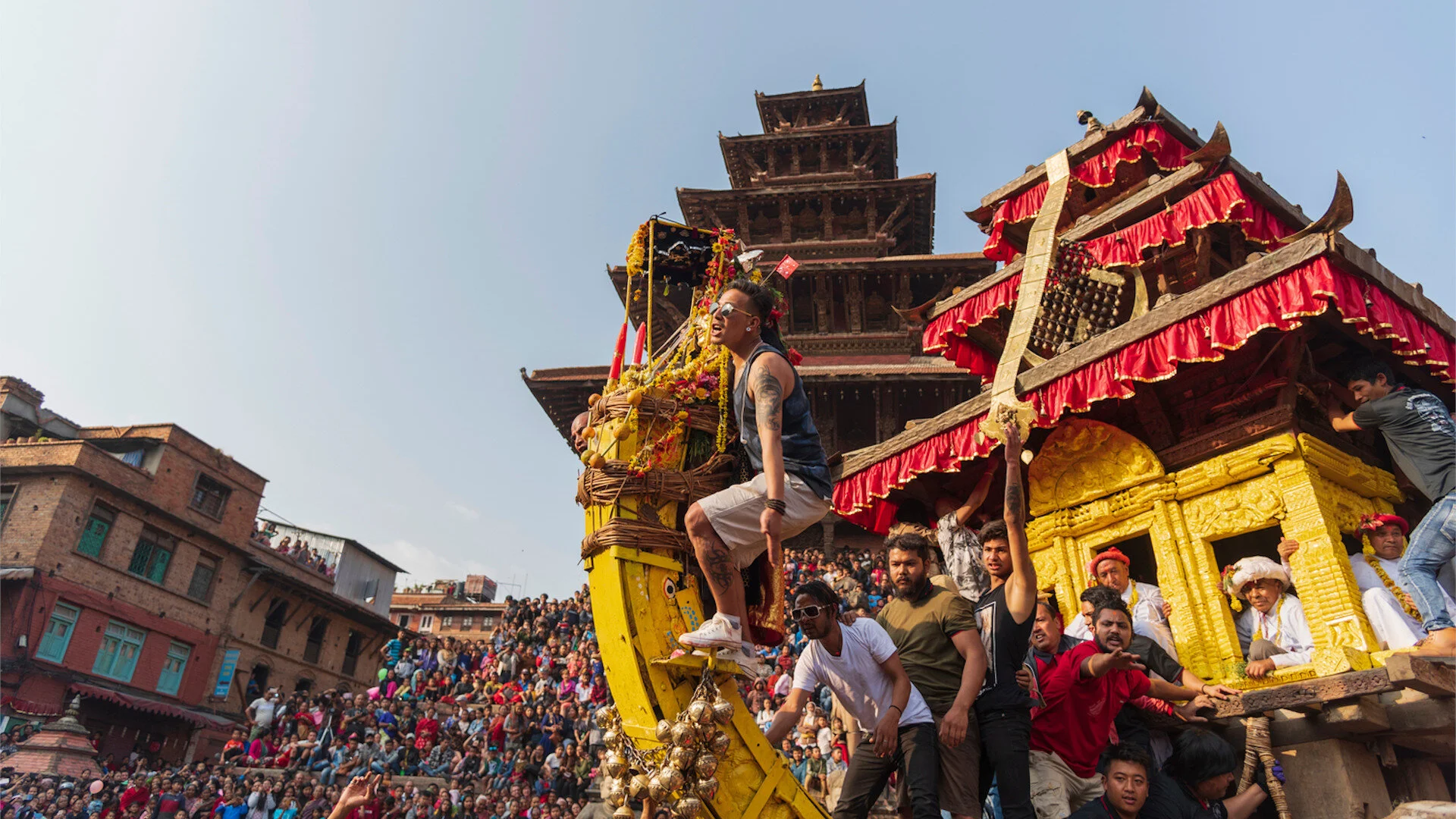
Bisket Jatra, also known as Biskah Jatra(festival) is a weeklong yearly occasion of Newari community in Bhaktapur. Among many other popular festivals in Kathmandu Valley, Biskah Jatra is celebrated with special rites and rituals in the historical and cultural city Bhaktapur.
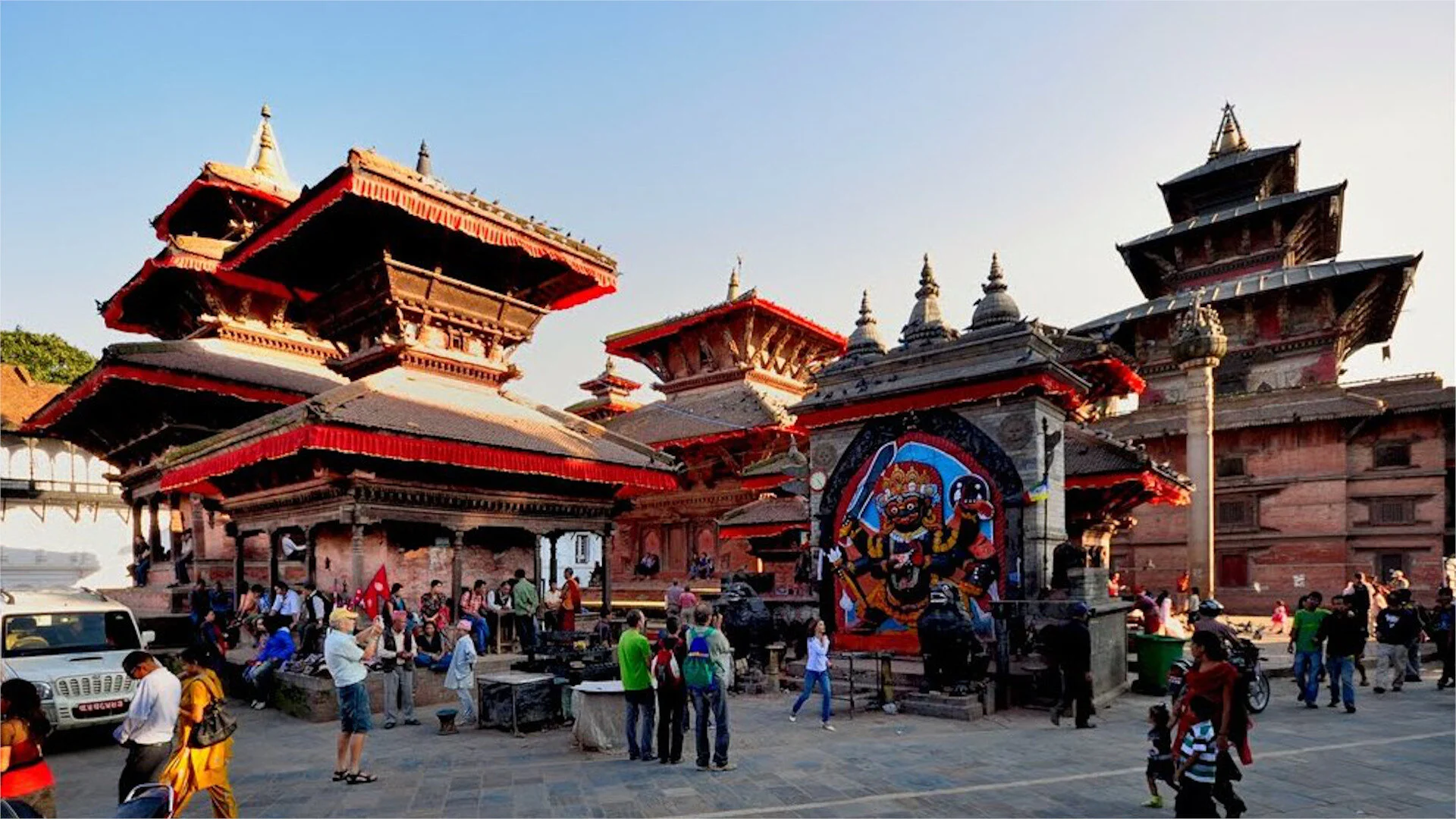
Pahan meaning guests and Charhe meaning on the fourteenth day of the lunar fortnight, the avid tunes of the festival can be heard for three consecutive days in the old towns of the city of Kathmandu. This three-day festival brings together the community in a unique manner and has helped build communal strength and friendship.
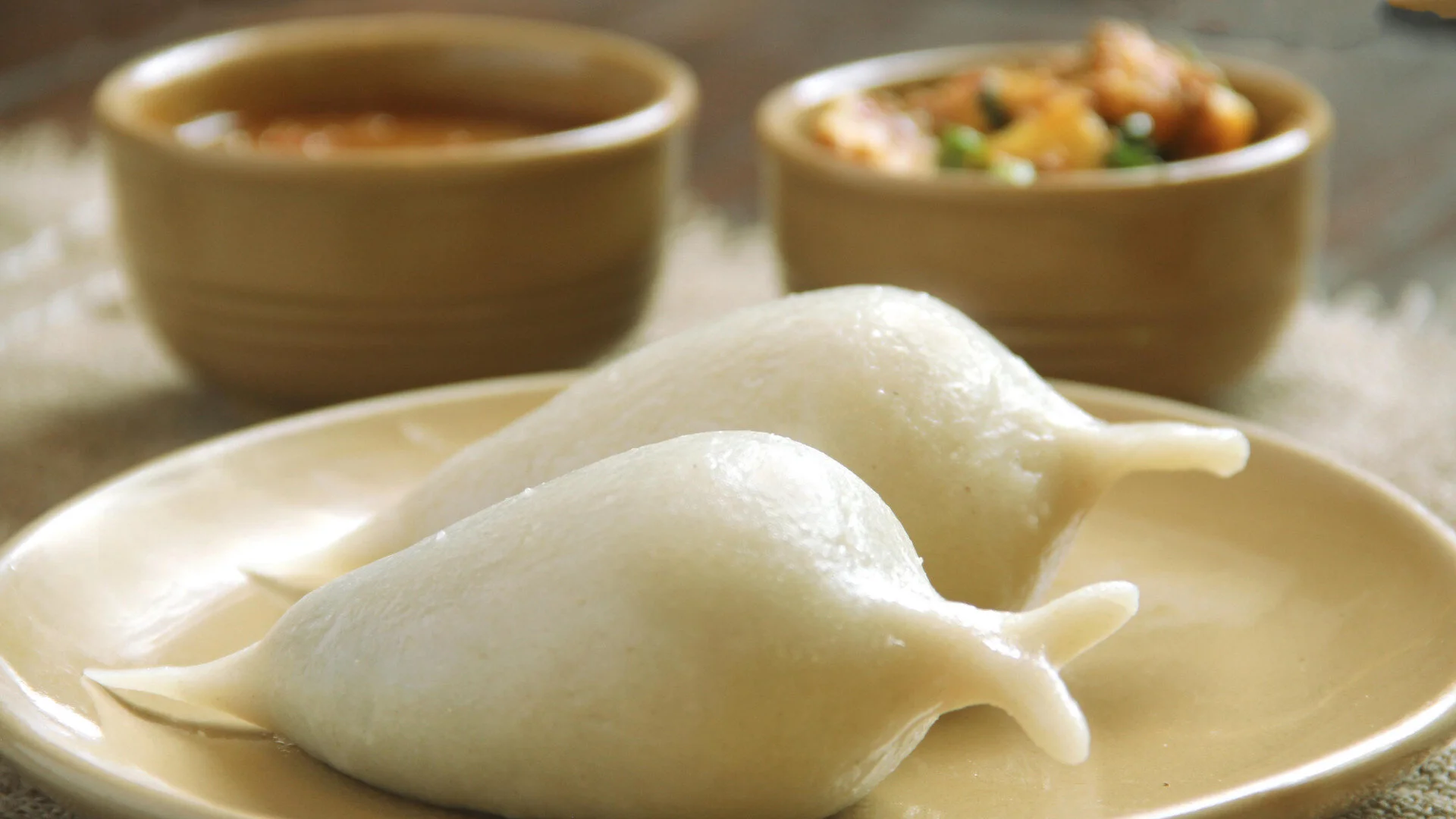
Yomari Punhi, a Newari festival in Nepal is celebrated every year by Newari Communities marking the end of the rice harvest during the full moon day of November/December. It is said that eating Yomari or Yamari, a steamed dumpling made with rice flour with sweet such as Chaku inside takes away the cold.
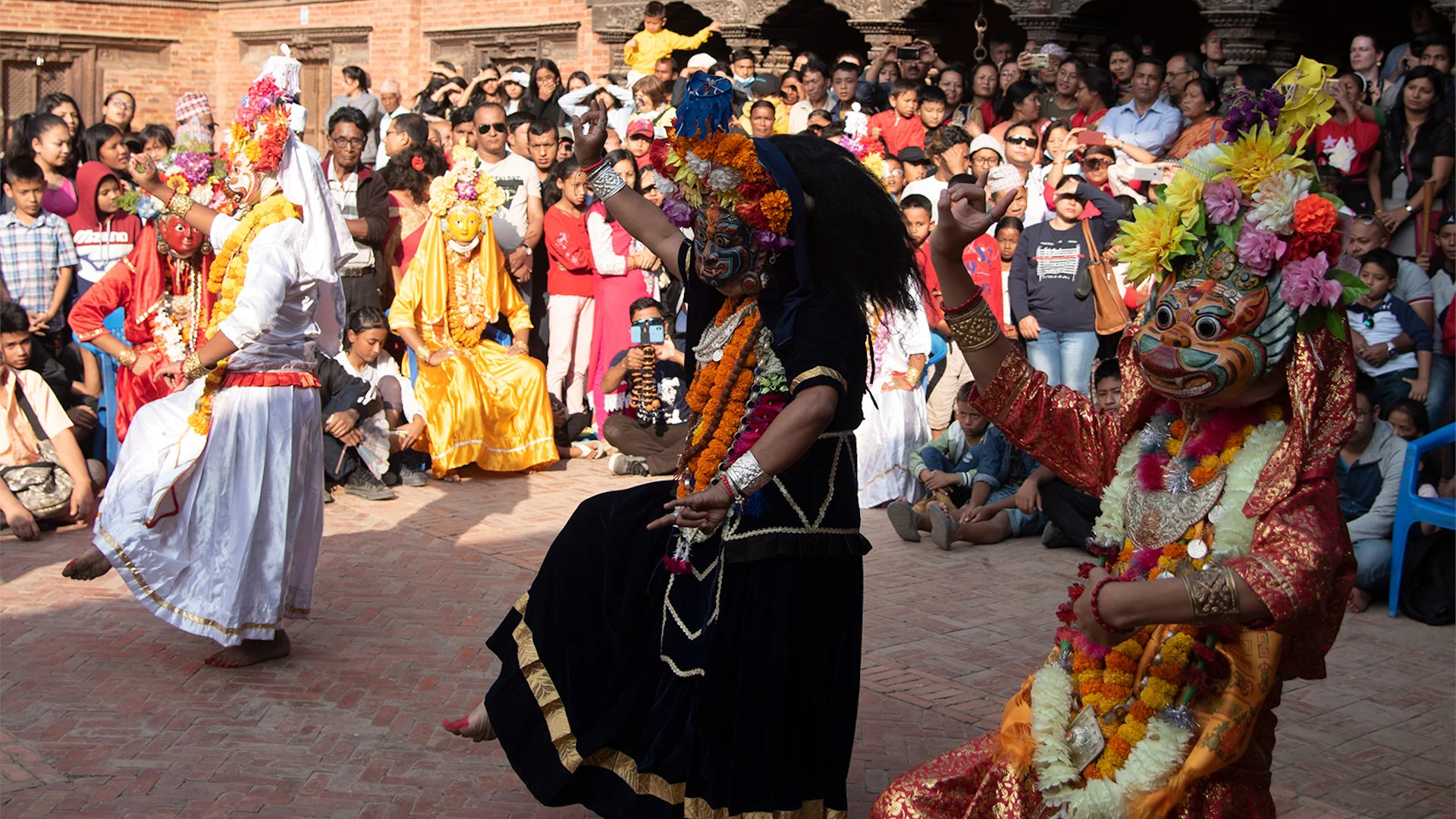
Ga: Pyakhan in Patan(Asta Matrika Dance) is popular among the locals of Patan. The dance of Eight Mother Goddesses, deities of Hindus, is performed by male Buddhist dance during the Nepalese biggest Dashain festival. The dance is staged in the royal court of Mulchowk, inside the Patan Durbar Square of Lalitpur. It is believed that the dance is performed as a worship of the deities to bring the prosperity and fortune to the people.
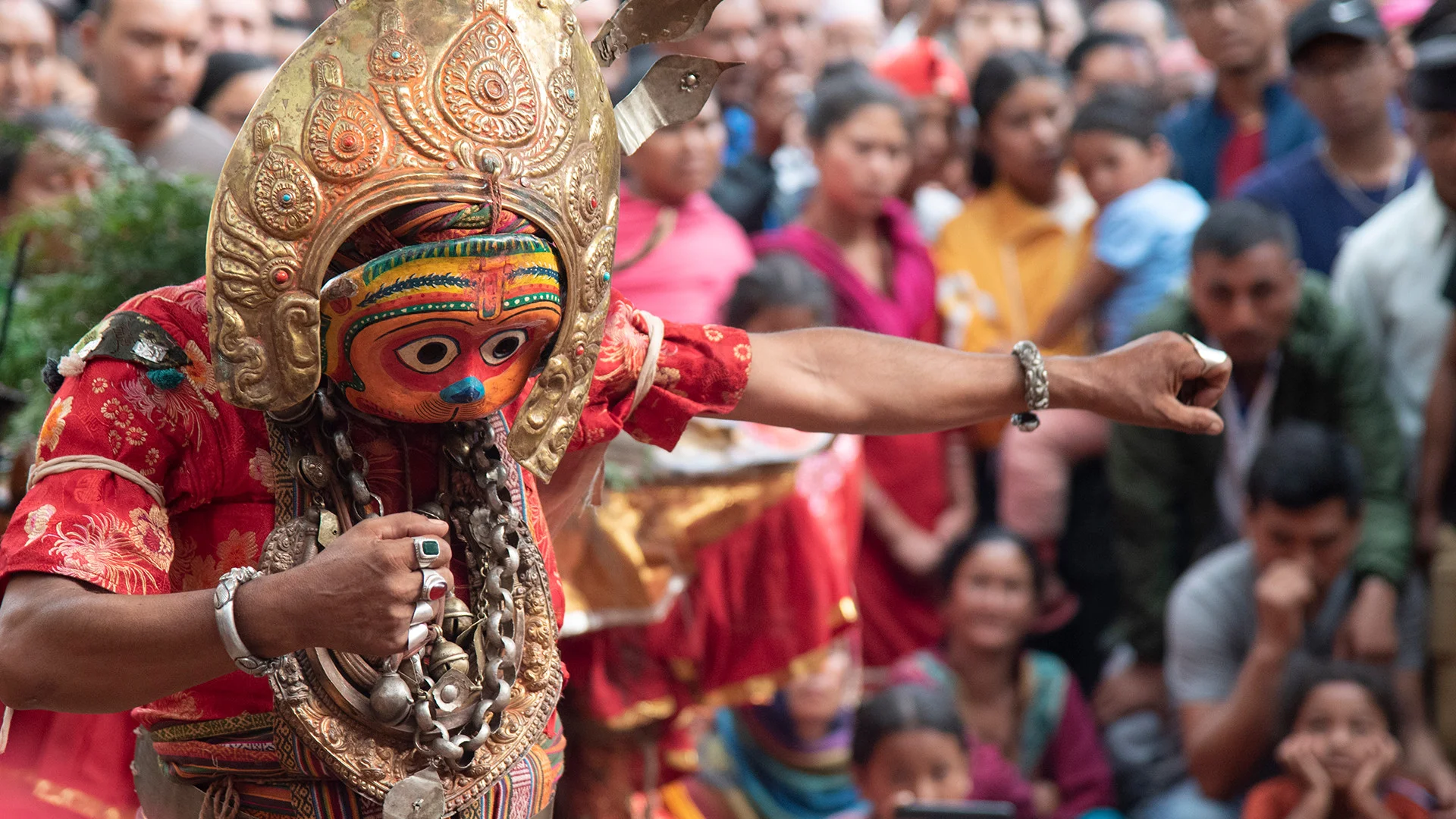
While the entire nation prepares for the celebration of the biggest festival Dashain, local of Khokana village located to the south of Lalitpur gears up for the festival of Rudrayani known as Sikali Jatra. Festival is celebrated by a section of the ethnic Newari community with a skit presentation in a form of archaic storytelling with traditional music and individuals dressed in a godly attire adorned with the masks of deities and demons.
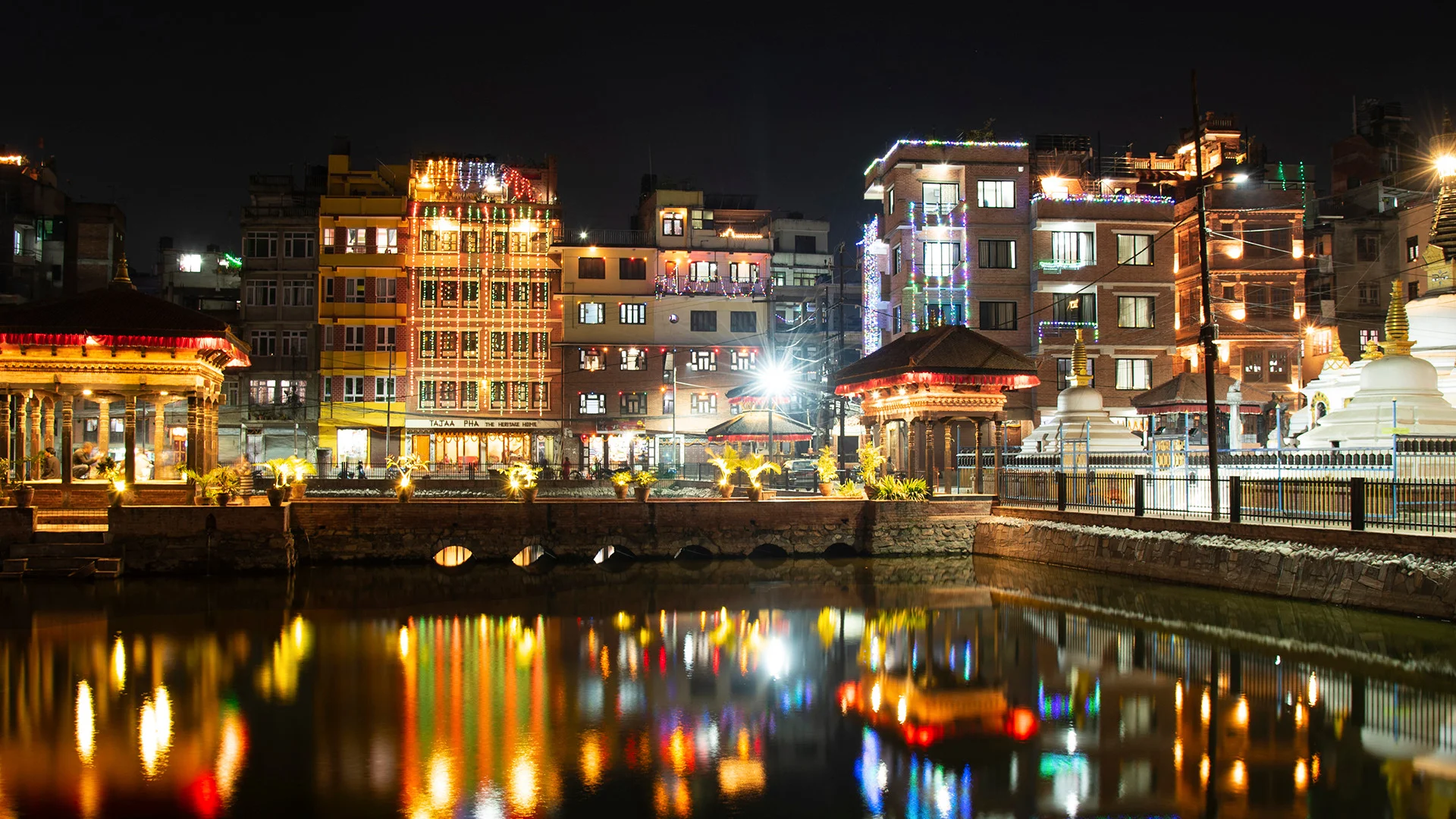
Tihar festival or the festival of Lights is Nepals' second-biggest festival after the Dashain festival. Tihar is considered to be one of the most fun-filled and celebrated festivals in Nepal. And, the festival falls under the best tourist season with the fantastic weather. One can take a tour of the Kathmandu valley and witness the majesty of the city during Tihar.
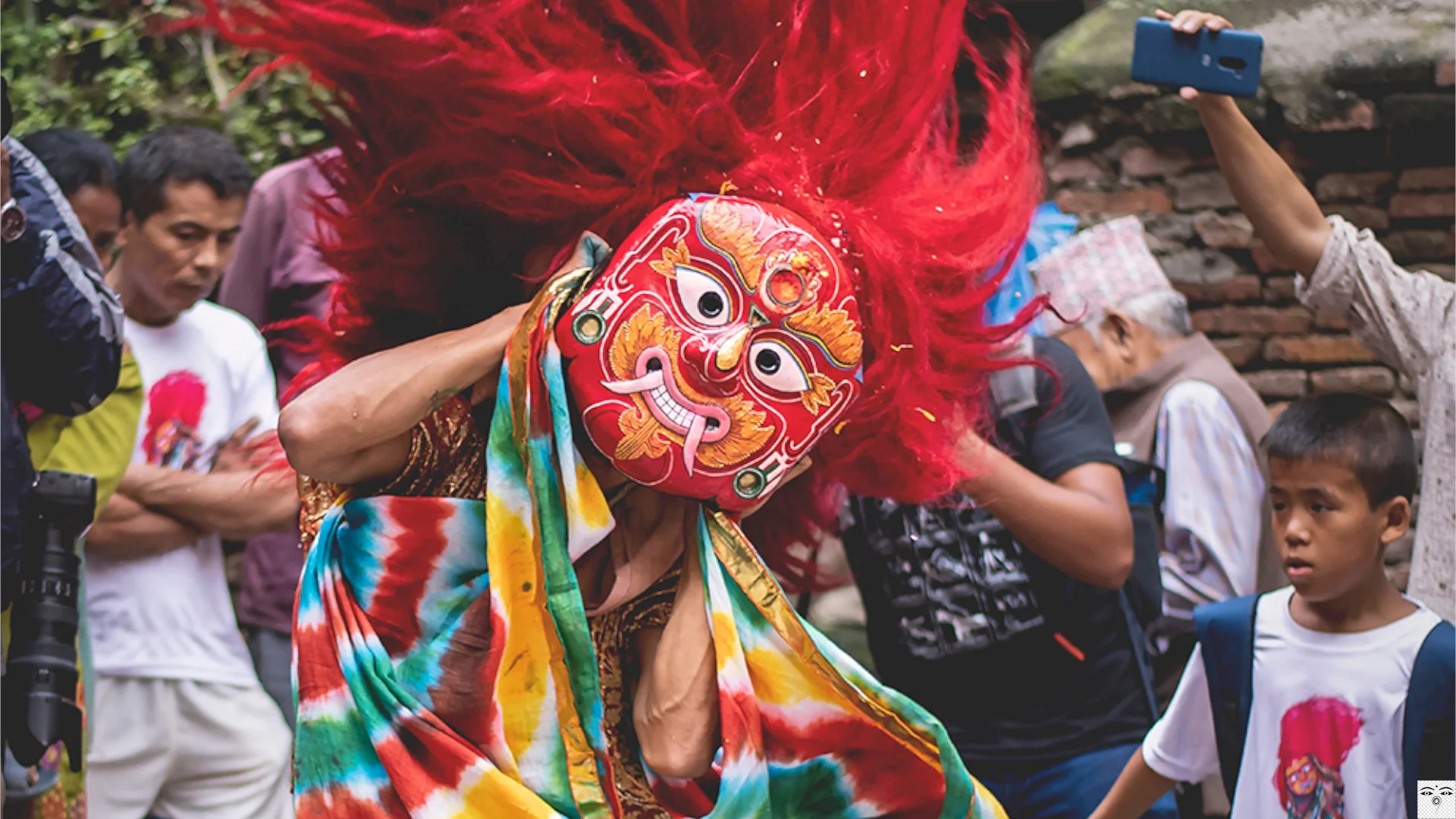
Majipa Lakhey in Newar mythology is the protective deity of all children in the Valley. During the annual festival of Indra Jatra, the dance of Majipa Lakhey is performed by the clan of Ranjitkars of Kathmandu with a traditional drum (Dhime) and a pair of Bhusya (pair of cymbals) with straps to fasten around the wrists. Devotees during the dance performance try to manage a touch the Lakhey’s rich display to take the blessings.
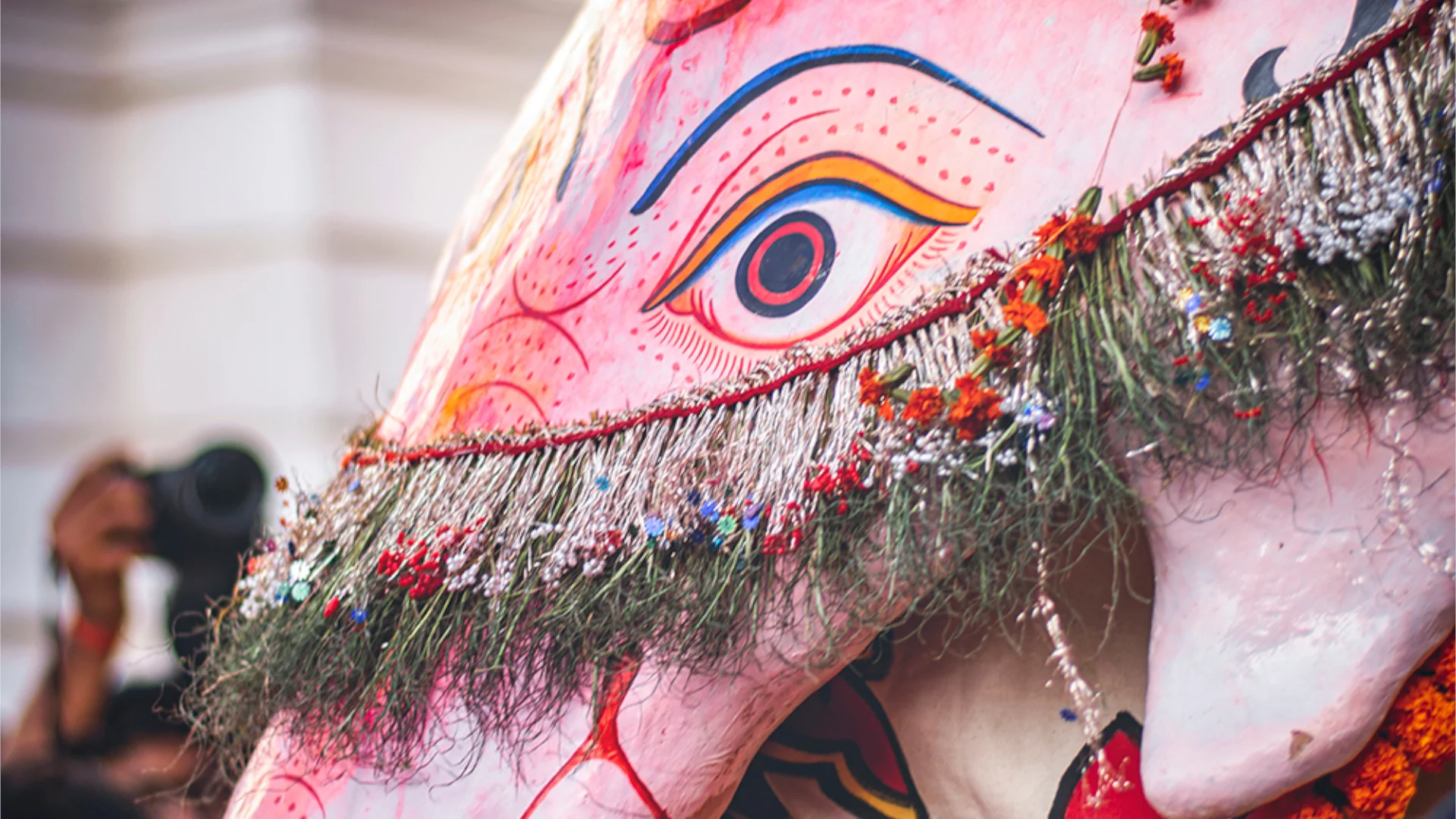
Indra Jatra, one of the highly celebrated street festival in Nepal marks beginning of the festival season and the beginning of a tourist season in Nepal. The festival is celebrated in the oldest town Basantapur Durbar Square or Hanuman Dhoka in Kathmandu by the local community with huge arrangements. The chariot of Kumari, the Living Goddess, is taken out in procession through the streets. People wear masks of various goddess and exhibit by dancing in the streets on music played with traditional musical instruments.
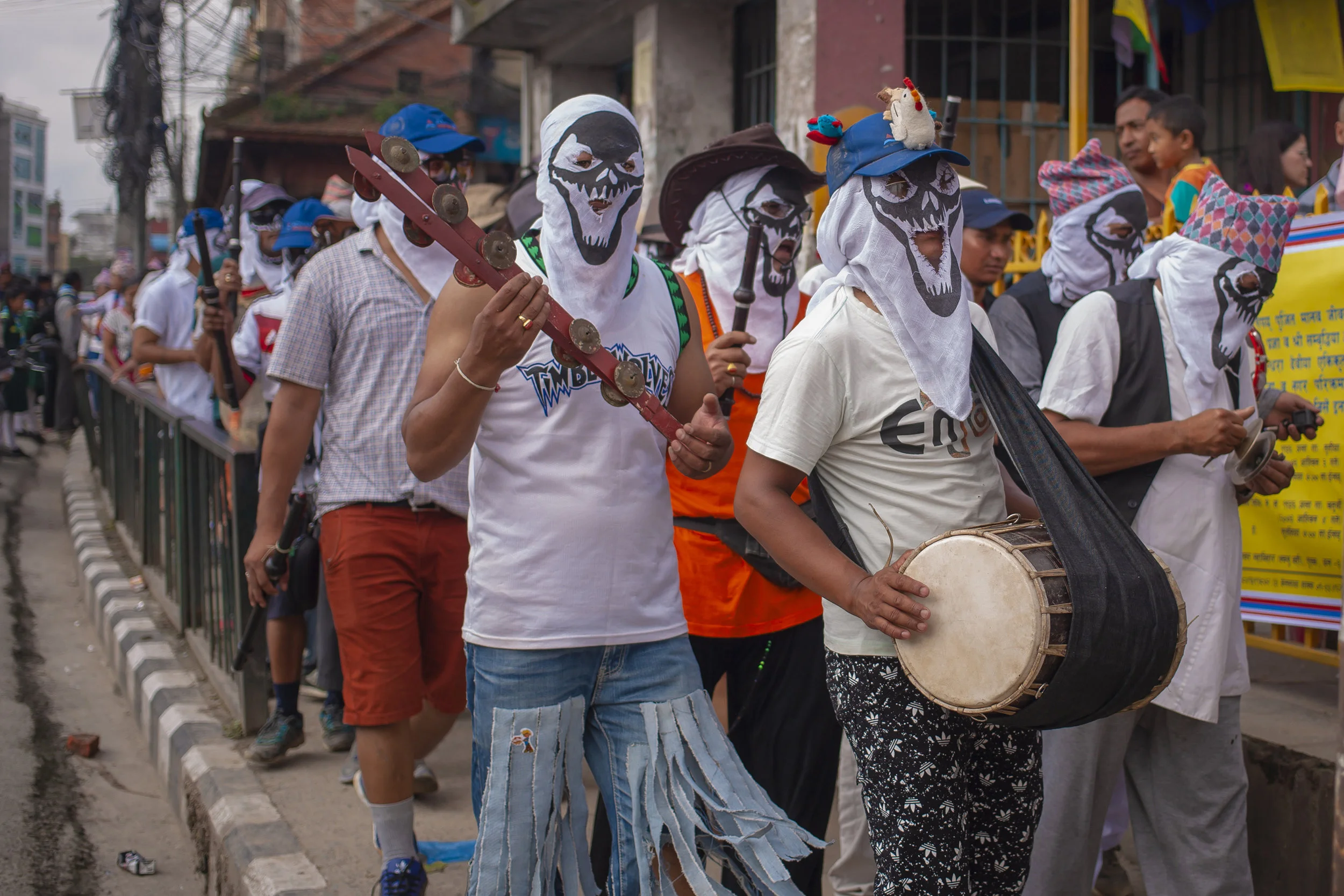
The festival of Mataya is one of the most important festivals in the Newar community in Patan. A unique Buddhist festival, during when men and women in a comical attire carrying candles and torches, traditional musicians playing merry rhythms walk to almost all the temples, stupas and monasteries in and around the old city of Lalitpur.
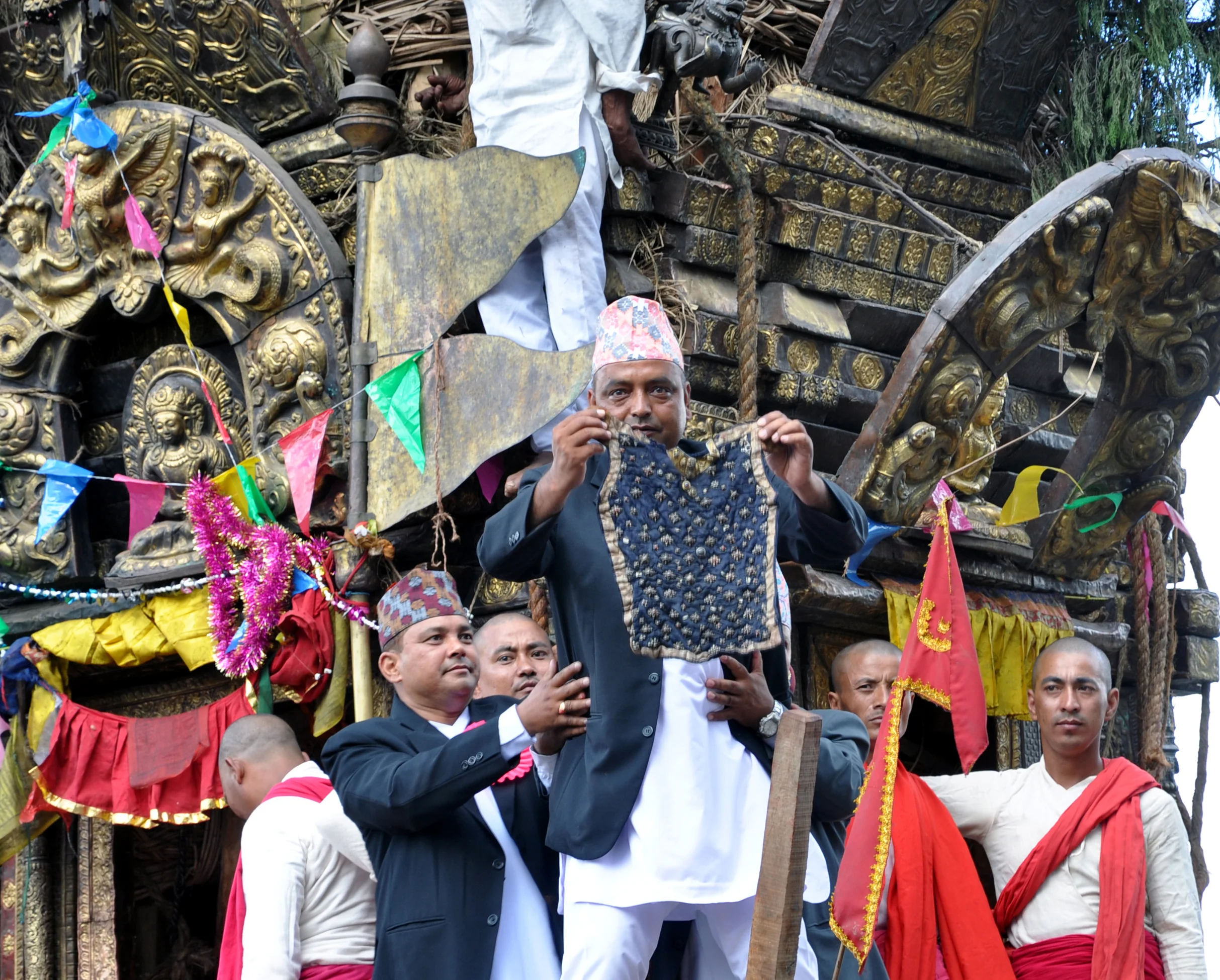
The legend of a jewel-studded vest (Bhoto) that came into possession of a priest when no one came to claim with evidence to whom it belongs. Today, the same Bhoto is displayed ending the month-long celebration of Rato Matsyendranath Festival in Lalitpur. And it is said, Bhoto is shown every year to the public as of an announcement to claim for it.
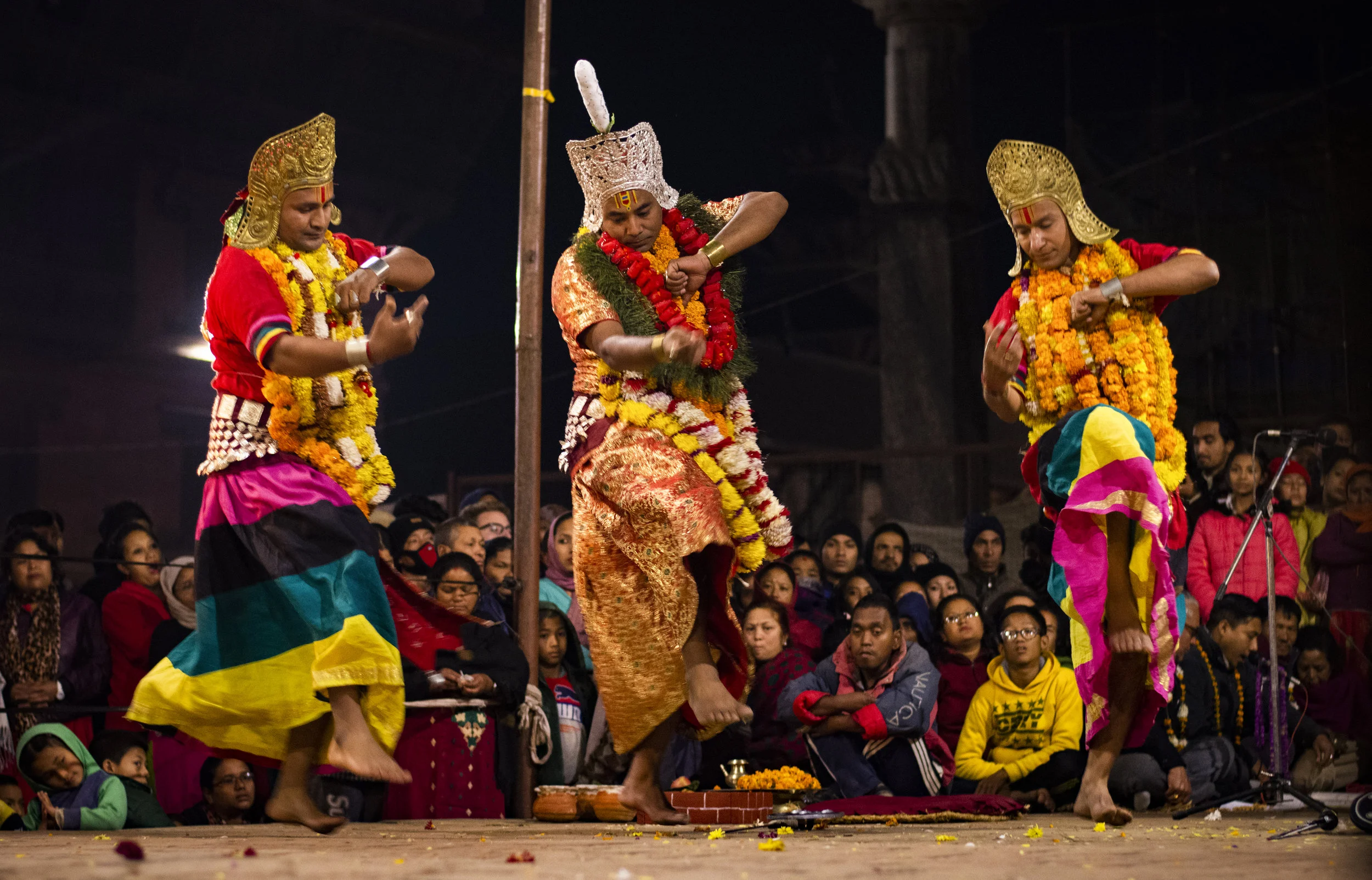
This particular act carries a message that anyone who tries to do ill and harm others, s/he is punished and no one escapes justice. A story of a powerful demon king had a son. The son refused to acknowledge his father as supreme lord of the universe and claimed that Lord Vishnu was all omnipresent
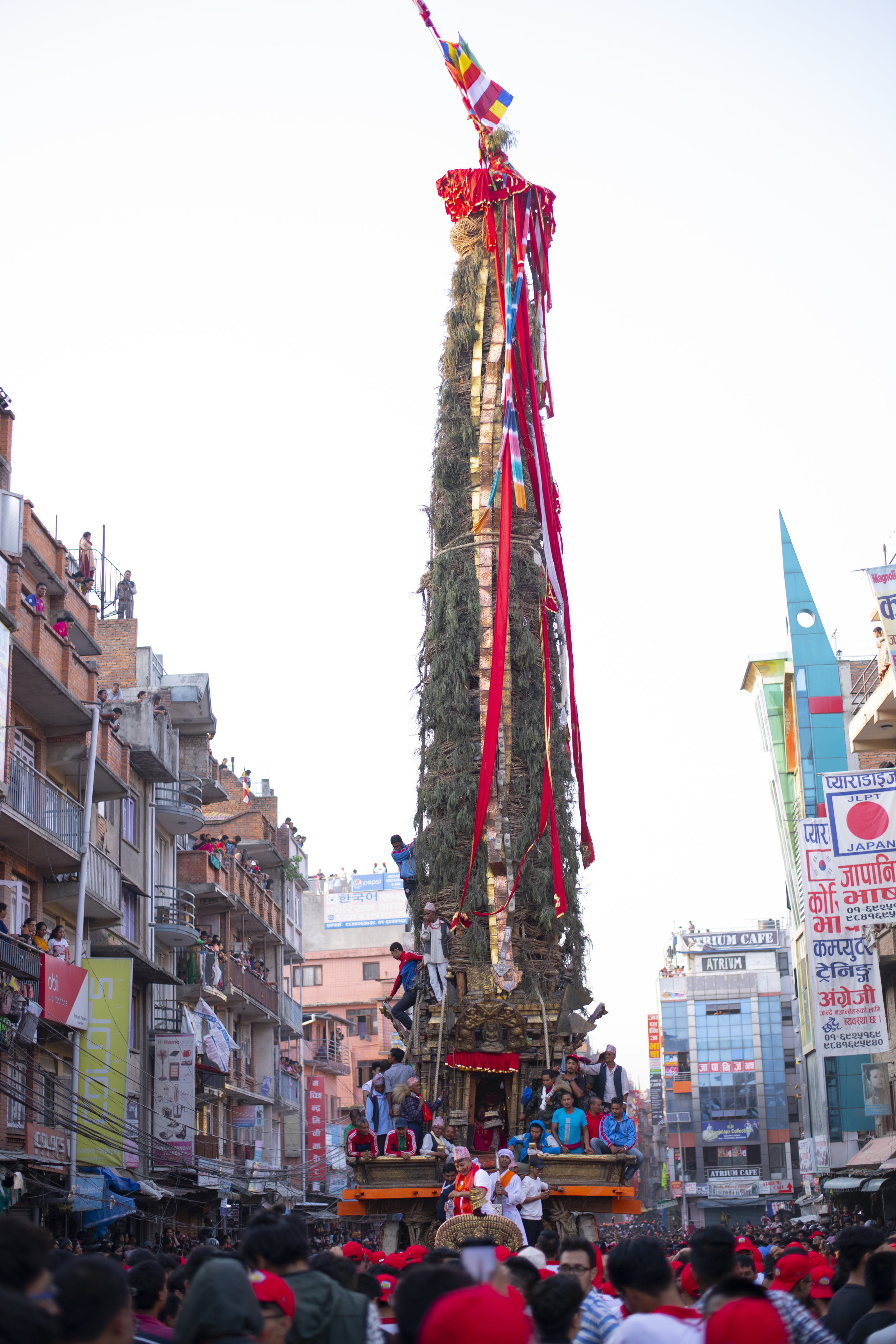
The legend of a giant chariot festival began with the Kingdom that drought for years causing misfortune and chaos as a result of disrespect to Gorakhnath. And, how Matsyendranath through devout and prayer, guru of Gorakhnath protected the valley with rain for the harvest, pulling the chariot and celebrating the coming of Lord Karunamaya.
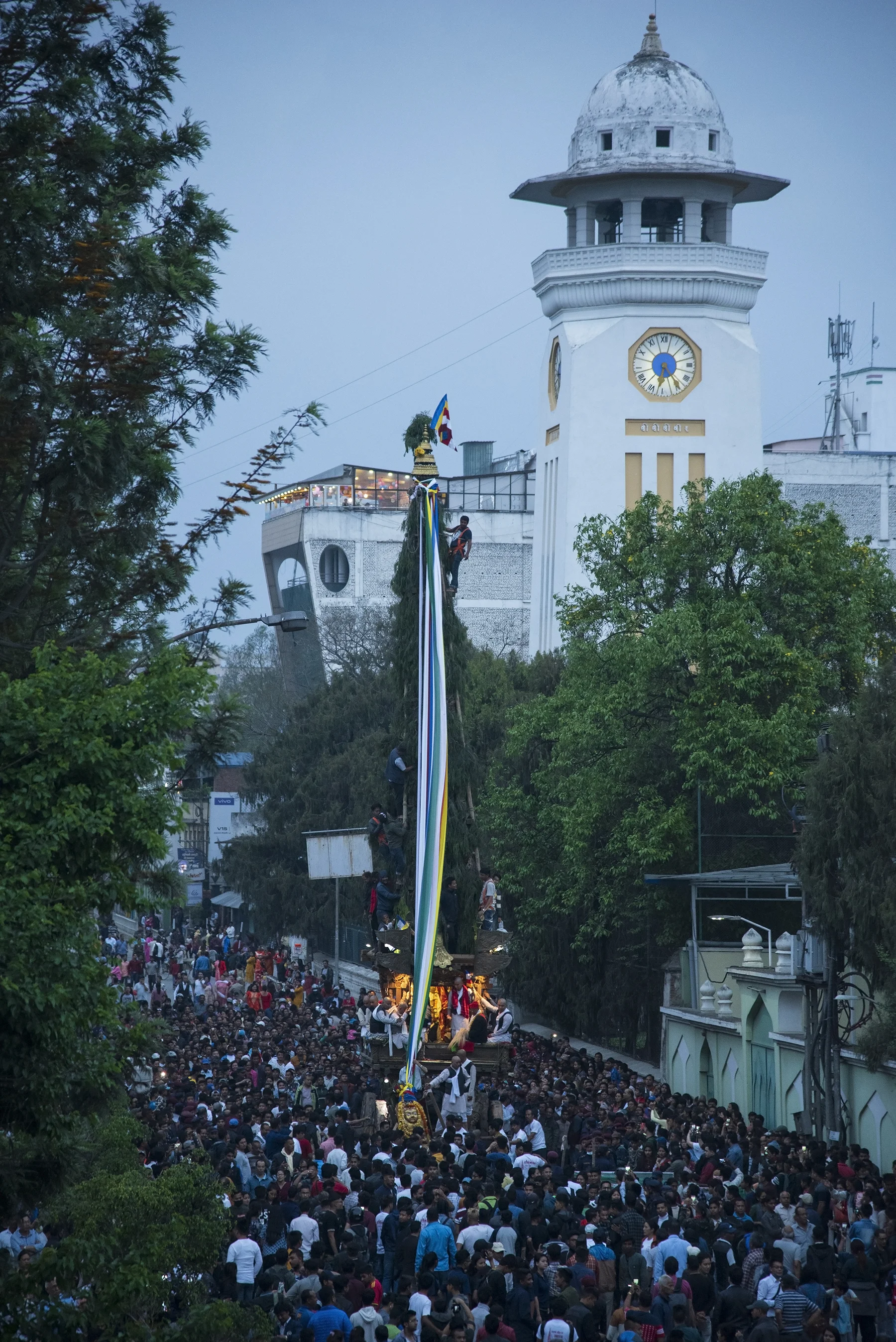
When one thinks of a chariot festival in sure you're thinking of the, Indra Jatra, Bisket Jatra or Rato Matysendranth. These festivals are the biggest in each Kingdom of the then Nepal Valley, but one chariot festival when is as historic as the three is not so known of : The Chariot Festival of Aryavalokiteswara Jana Baha Dyo.
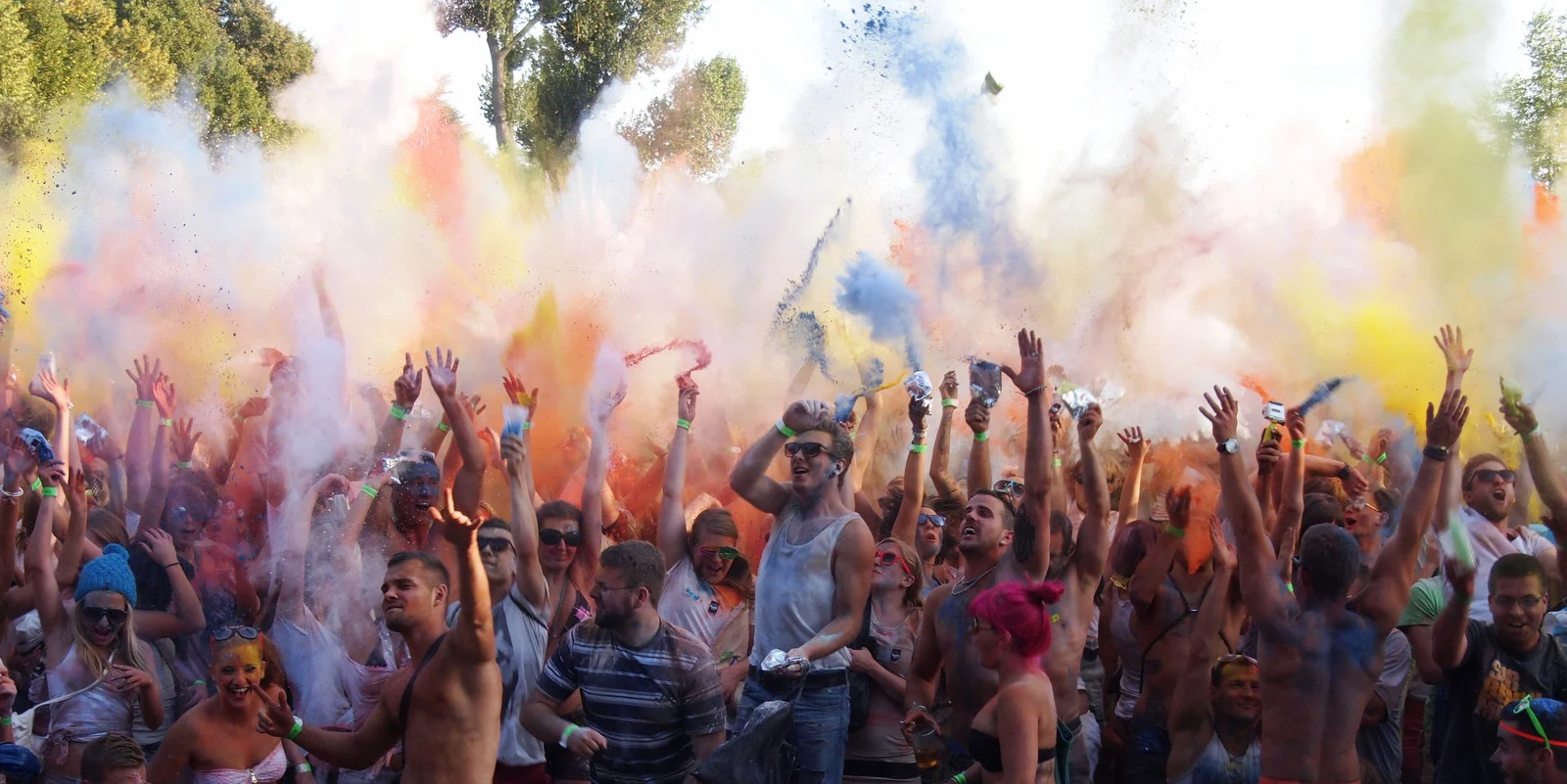
Fagun Purnima also known as Holi is a festival marking the end of winter and coming of spring and summer. Back in the days when phones and the internet didn’t exist, a ling bamboo lingo decorated with clothes of various colors (Chir) is erected a few days before the day of the festival. This tradition is still continued in Basantapur Durbar Square.
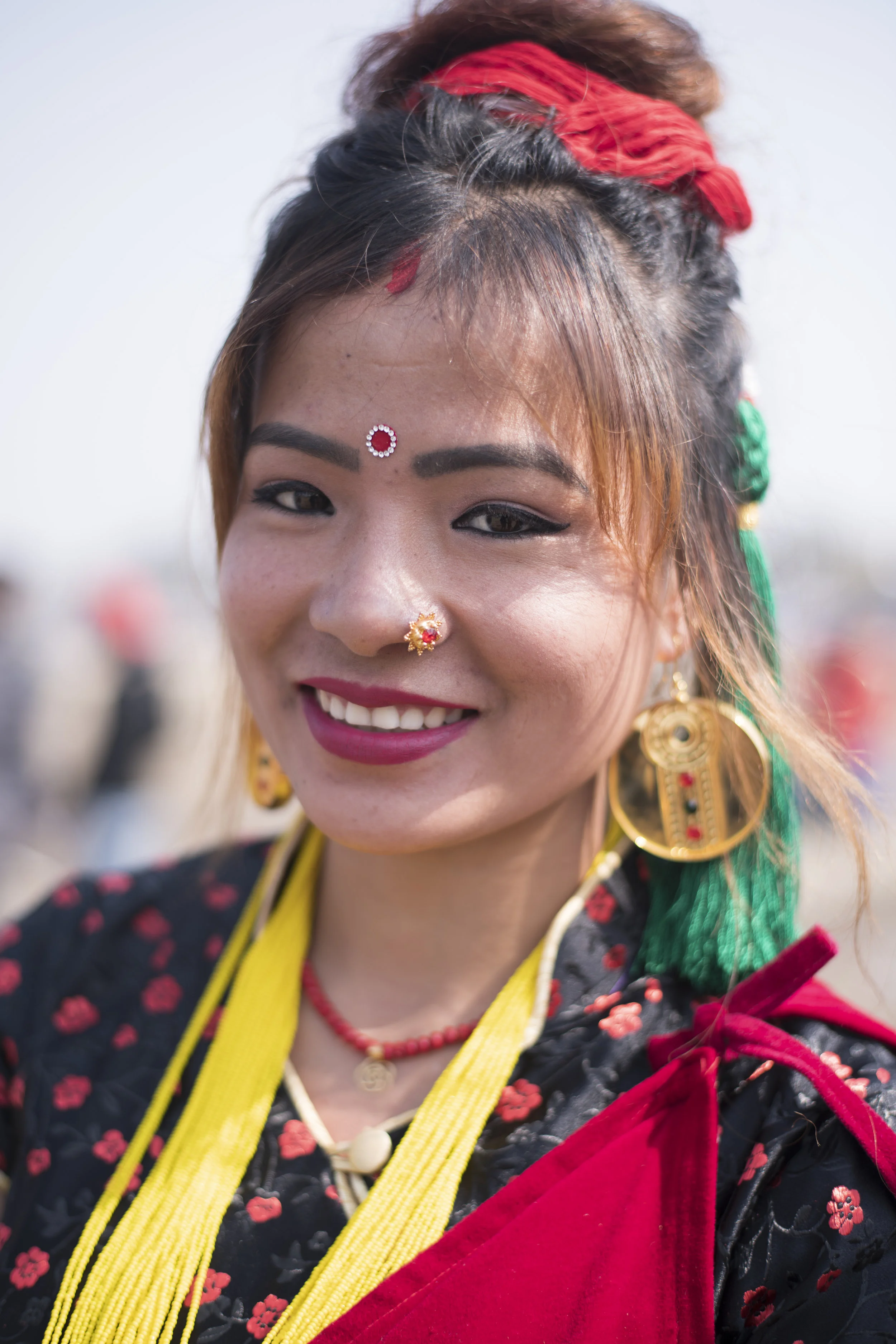
Losar is one of the main festivals celebrated by the ethnic communities of Tamang, Sherpa, Gurung and Thakali. Losar means new year according to the unisolar calendar followed by the communities, it is also known as the Tibetan Calendar which follows the cycle of 12 years called Lohokor.
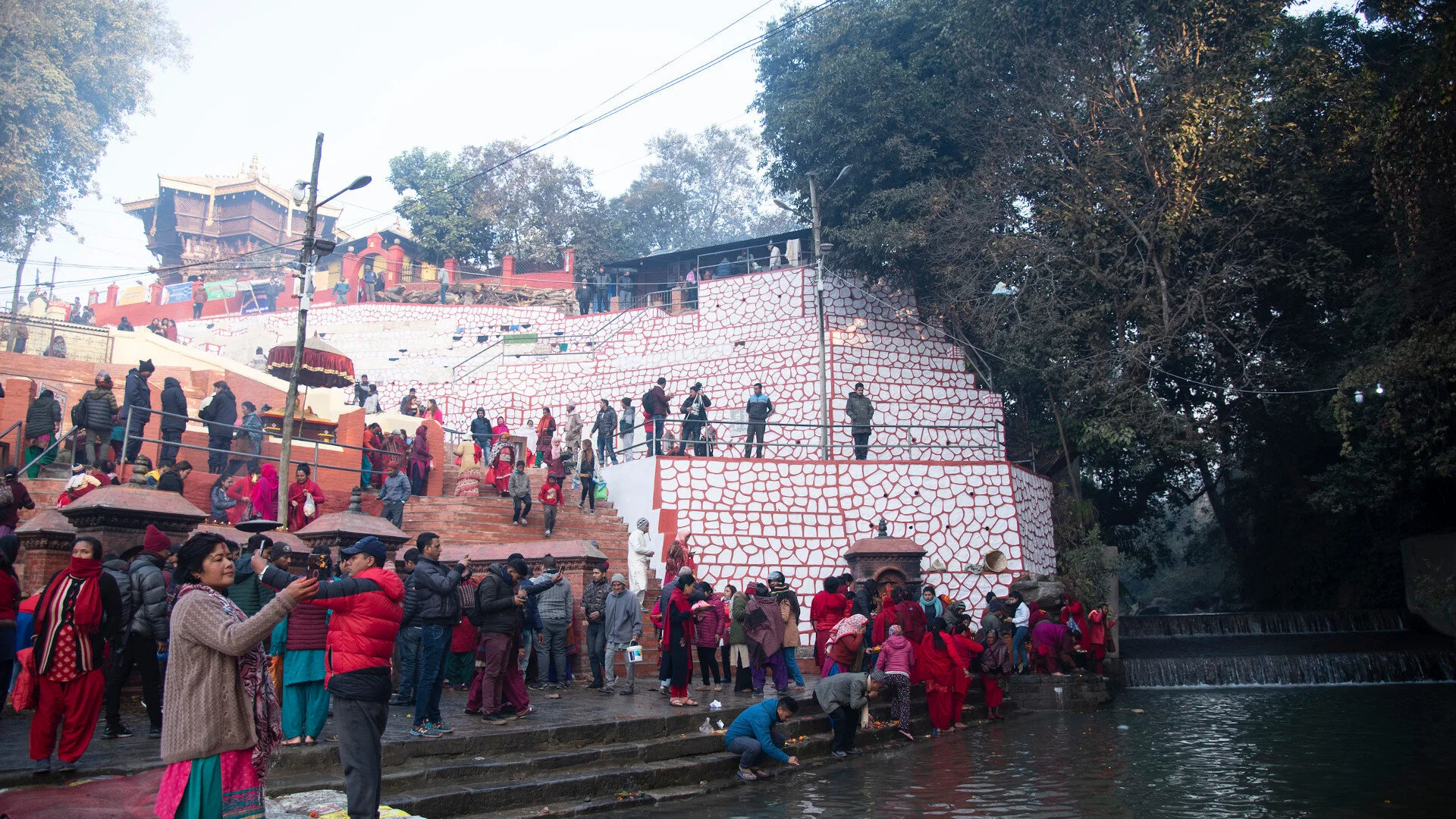
Every year during the full moon of Poush Shukla, devotees flock to the holy river of Shali Nadi in Sankhu to offer their prayers to Goddess Swasthani and God Madhav Narayan. Devotees fast for their family’s prosperity till the next full moon. During the month family members read the book of Swasthani.
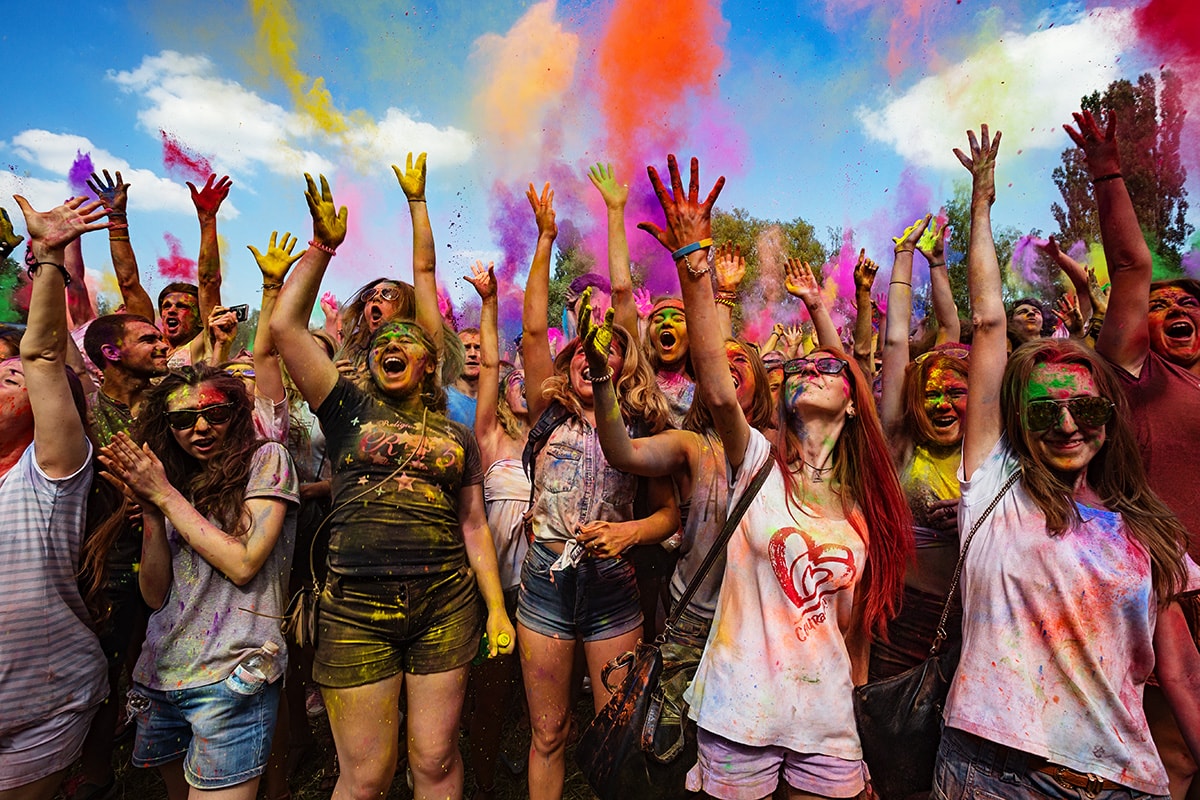
Holi, the festival of colors, is celebrated with great enthusiasm all over the country, and it is a time when one forgets and forgives.
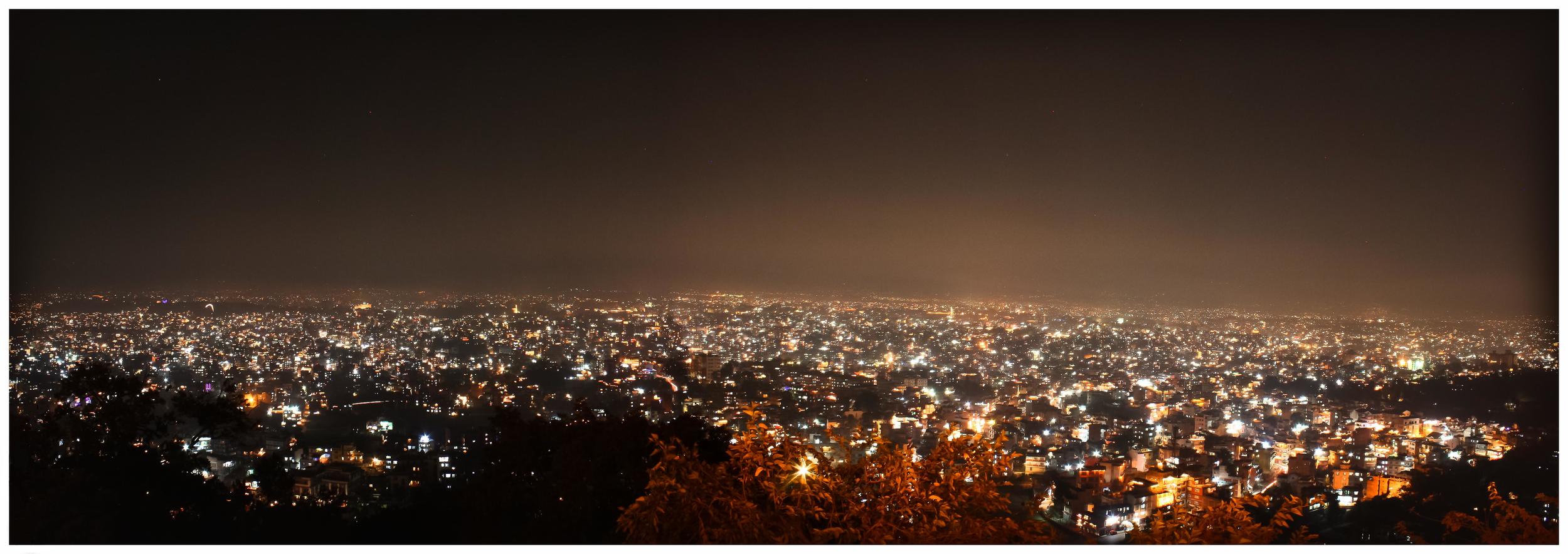
Tihar is the most popular festival for many Nepalis, and this is because of the many fun activities that take place during all of its five days.
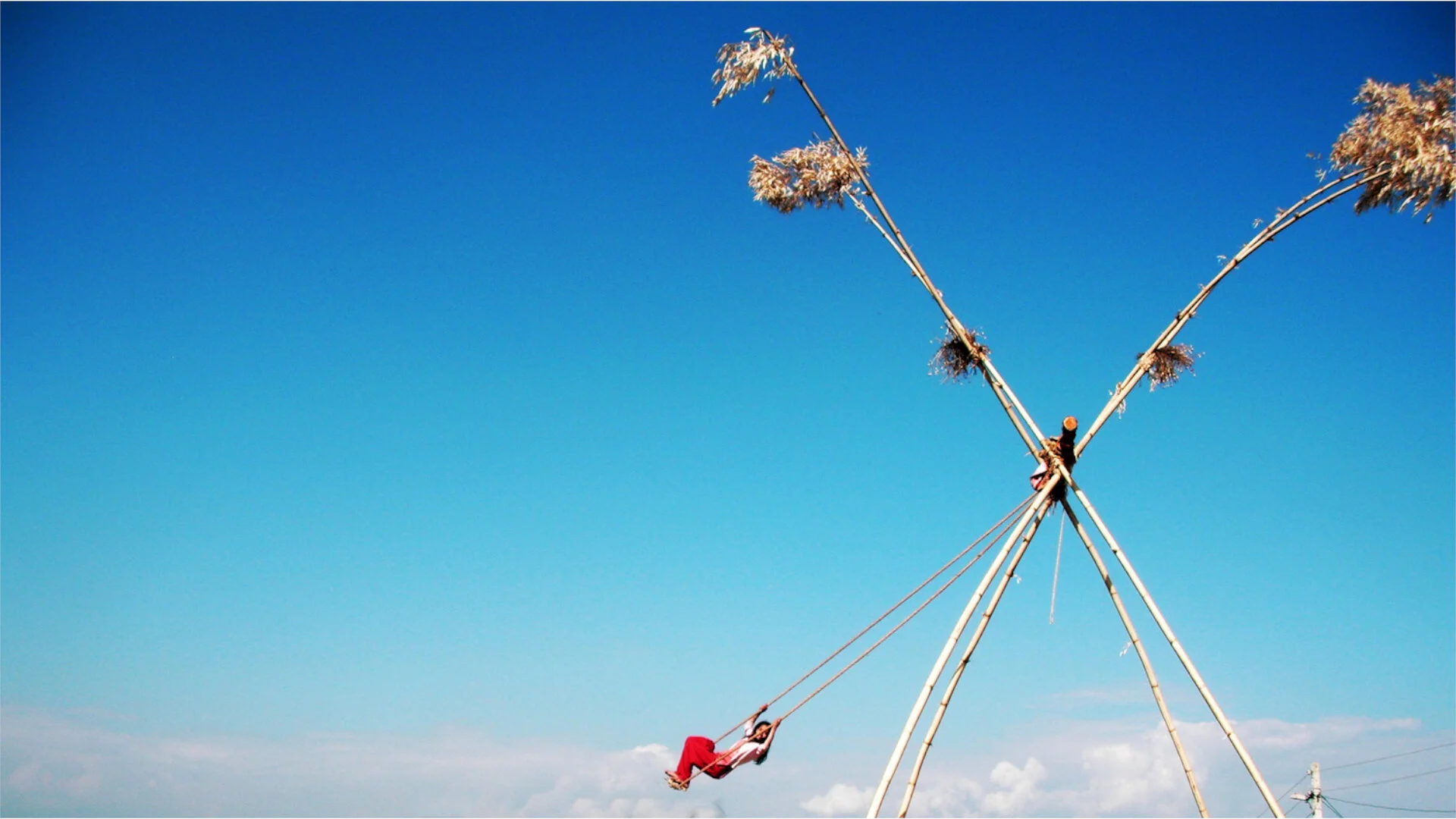
The weather is changing, and along with it, there’s a definite festive air around the country; yes, some of the country’s biggest festivals are here.
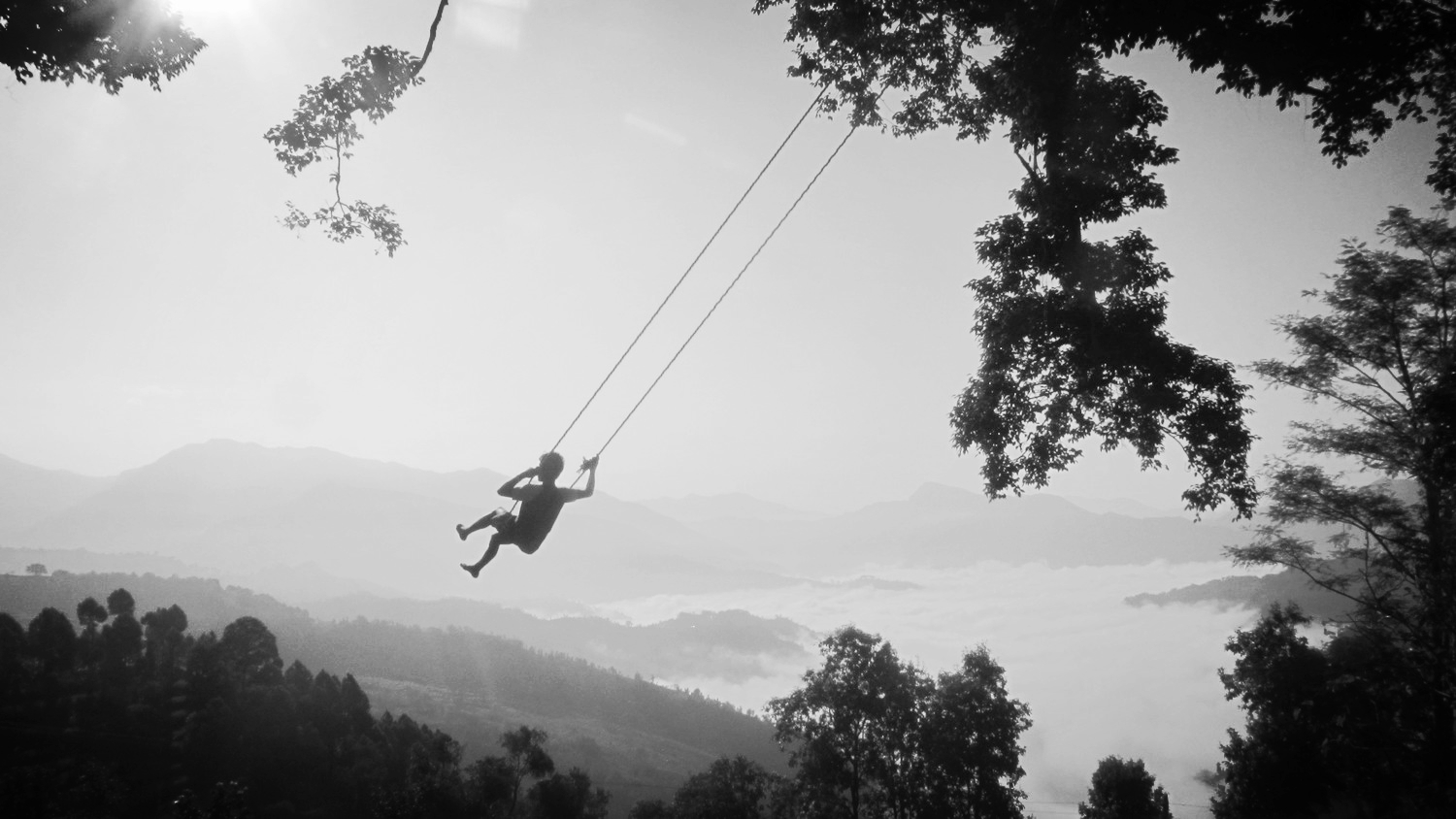
The biggest Nepali festival, Dashain, is known as a 10-day festival, but it actually ends on the 15th day, the day of Kojagrata Purnima.
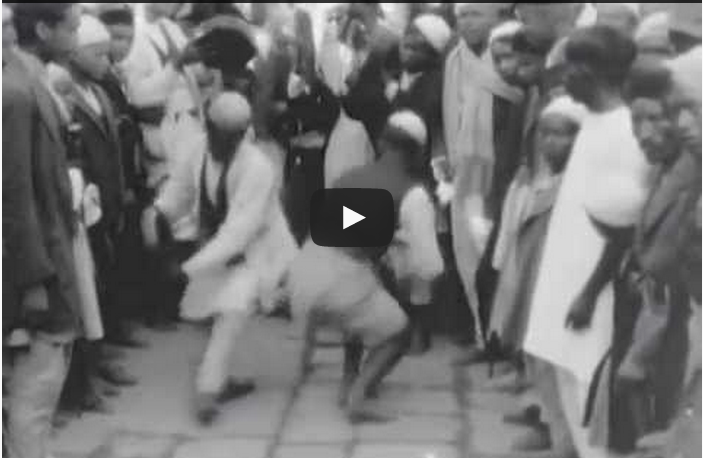
Very rare video footage of Nepalis celebrating Indra Jatra festival, biggest street festival of Nepal, with much rejoice, singing, dancing and chariot procession in Kathmandu.
This trek is specially designed to reach the Everest Base Camp including Kala Pattar which is the best view point to view the sunrise over the high Himalayas including the Mt. Everest. This trek requires 13 days.
USD 1515 PER PERSON -- TWIN ROOM SHARING BASIS