
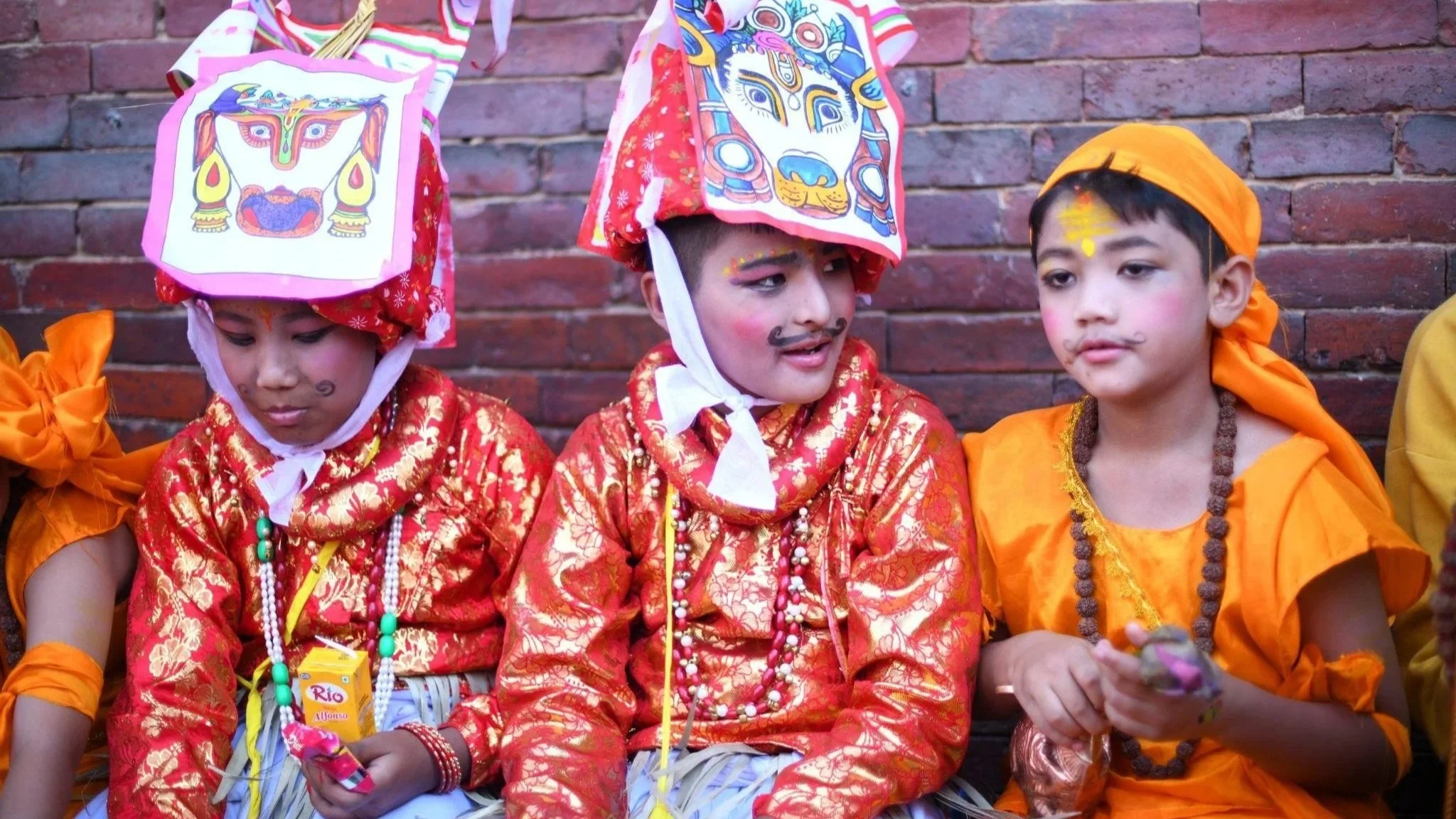
Gai Jatra is one of Nepal’s most unique and culturally rich festivals, celebrated mainly by the Newar community in the Kathmandu Valley. Observed during the monsoon season in the month of Bhadra (August–September), this festival carries a deep emotional meaning while blending it with humor, tradition, and public expression.
The festival is dedicated to remembering loved ones who have passed away within the year. Families participate in a procession where children, often dressed as cows or accompanied by a cow, walk through the streets of their communities. In Hindu belief, the cow is considered sacred and is believed to help guide the souls of the departed toward peace.
What makes Gai Jatra truly special is the balance between grief and celebration. Alongside mourning rituals, the festival also embraces satire, humor, and performances. Street dramas, comedy shows, and cultural acts are performed to reflect social realities, often using laughter as a way to heal emotional pain and bring people together.
Throughout the cities, especially in Kathmandu, Patan, and Bhaktapur, the atmosphere becomes vibrant with music, traditional costumes, and artistic expression. Locals gather along the streets to watch the processions, honoring both tradition and the memories of those who are no longer present.
Traditional foods and family gatherings also form an important part of the festival. Homes become spaces of remembrance, prayer, and togetherness, where families share memories of their loved ones while also engaging in community celebrations.
As the day concludes, Gai Jatra leaves behind a powerful message that life and death coexist with acceptance, humor, and cultural strength. It is not only a festival of remembrance but also a reflection of Nepal’s deep-rooted ability to turn sorrow into unity, expression, and hope.
POPULAR ITINERARIES
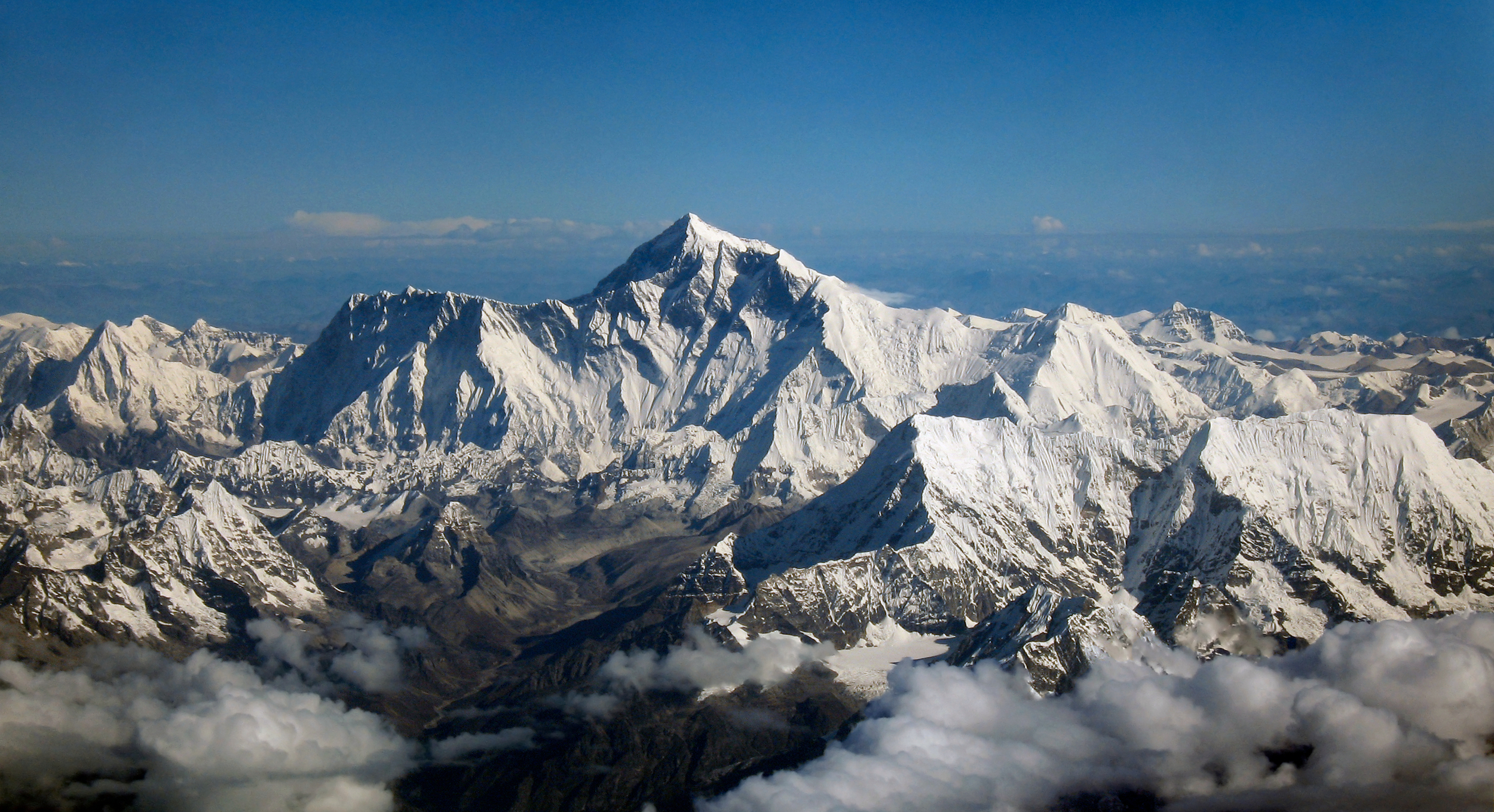
Mountain Flight Details: Early morning trip to Mt. Everest and surrounding mountains - Approx. 1 hour flight via Buddha Air OR Yeti Air (choice available) - Stunning views of mountains in Nepal - View video on Youtube of mountain flight in Nepal - Mountain Flight Cost: INR 11000/USD 250
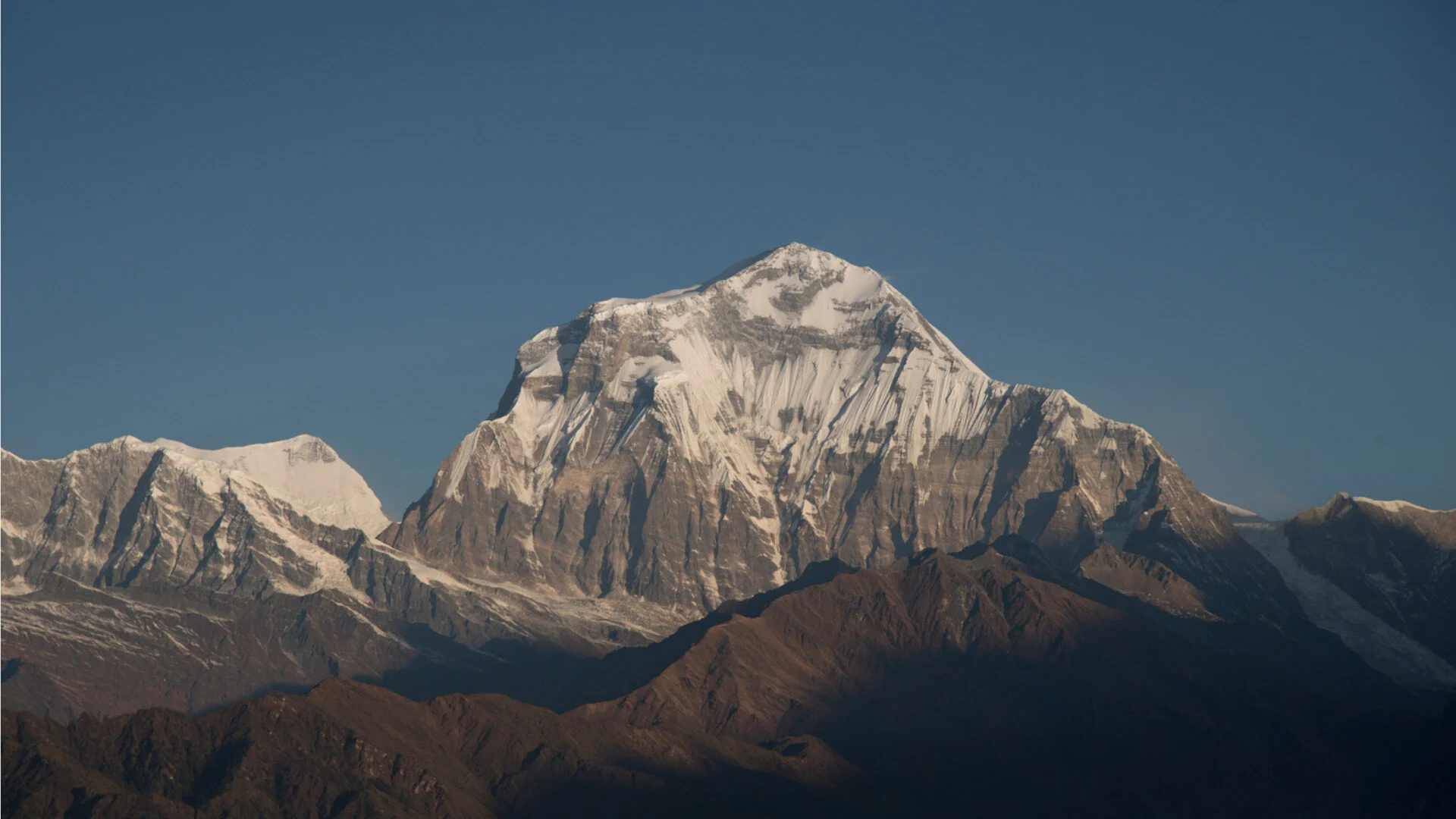
Mt. Dhaulagiri is the seventh highest mountain in the world and one of the challenging yet exhilarating adventure destinations in Nepal. The trek circling Mt. Dhaulagiri takes you through the beautiful villages, clean rivers, lush landscapes, thick forests, hidden valleys, glaciers, and mountain ranges.
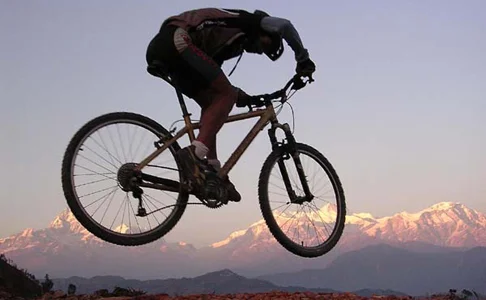
Our highest priorities in all our Nepal biking trips are safety, quality and enjoyment. You will ride on these wild and challenging trails through some of the most stunning scenic and cultural landscapes in the world. With the stunning backdrop of the Himalayan ranges, the extreme valleys and old forests of the rugged middle hills, the charming terraced fields and bright smiles in the timeless villages, you will remember this journey for its unique beauty as well as its challenging mountain biking terrain.
Pricing: Please choose among the various options available and we'll get back to you with a package that suits you best -- along with a quote.
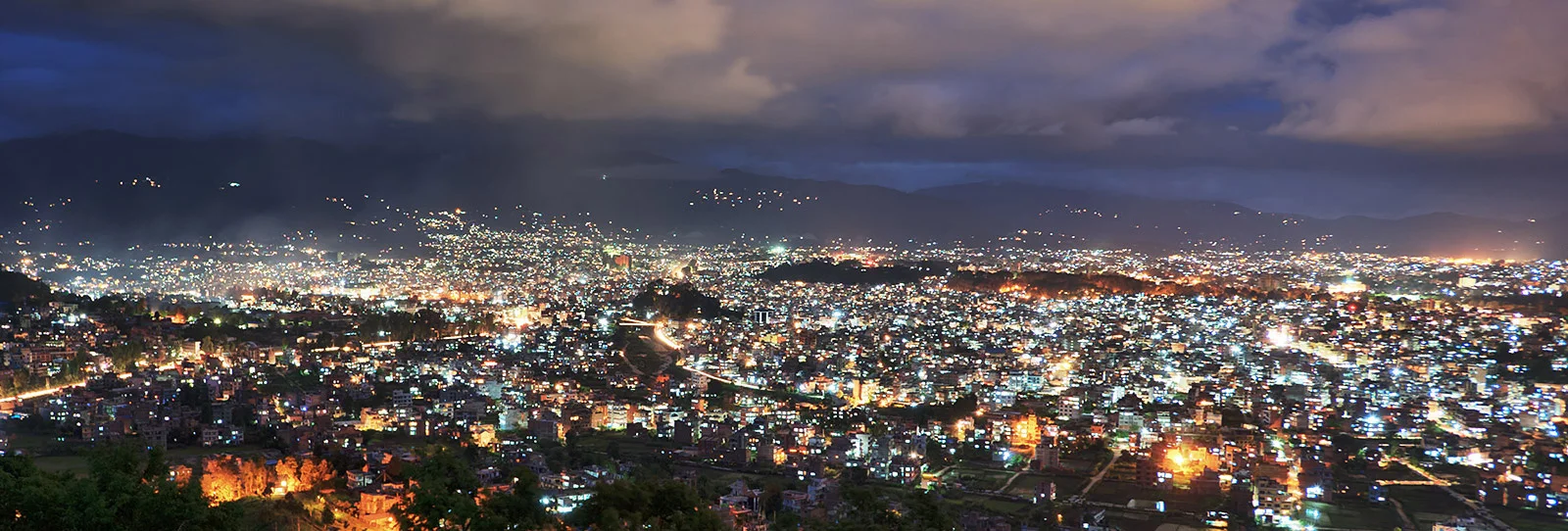
Minimum 3 Nights Stay Kathmandu Sightseeing Package( 3 Nights/4 Days): Includes: Airport Pick Up & Drop Off, Daily Breakfast Buffet, All tours and transfers in an air conditioned coach
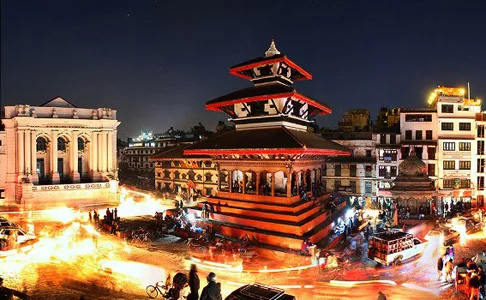
- Full day tour of Kathmandu City Swayambhunath Stupa and Patan City
- Approx 5-6 hours (split in two sessions)
- Morning: Walking tour of Kathmandu Durbar Square through (Ason) spice Market/vegetable markets
- Evening: Visit Patan Durbar Square
USD 80 PER CAR
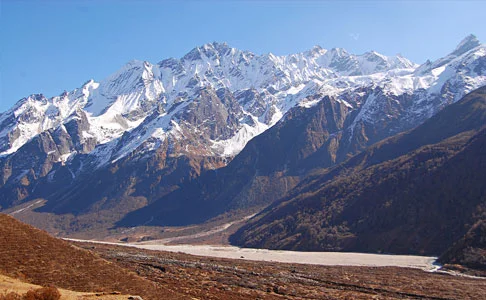
The Langtang Valley is surrounded by many high peaks of great appeal. The eminent British mountaineer Bill Tilman described it as the "most beautiful valley in the world". The Langtang Valley is also known as the treasure house of Alpine plants. The whole valley is covered with flowers during the summer.
The Lantang Valley Trek is not only offers magnificent views of Langtang Lirung (7,234m), Ganesh Himal (7,406m) and other high mountain peaks, but also provides insight into the varied ethnic lifestyles of the Tamangs and Sherpas, inhabitants of this area who share closer cultural ties with the Tibetan people.
SIMILAR POSTS
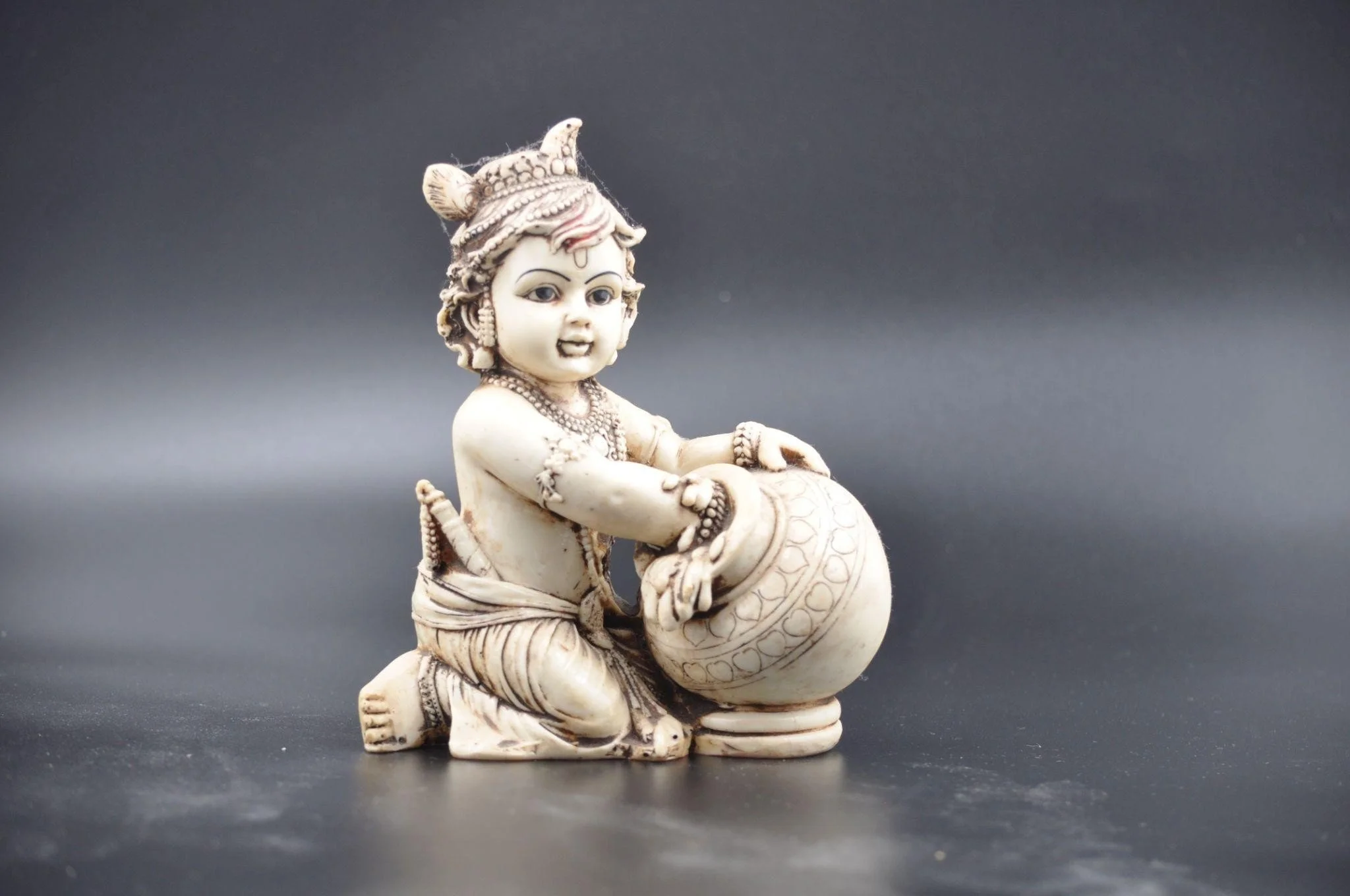
Krishna Janmashtami is a time of devotion, prayer, and celebration. People gather to honor the birth of Lord Krishna and embrace the values of faith, love, and compassion that continue to inspire generations.
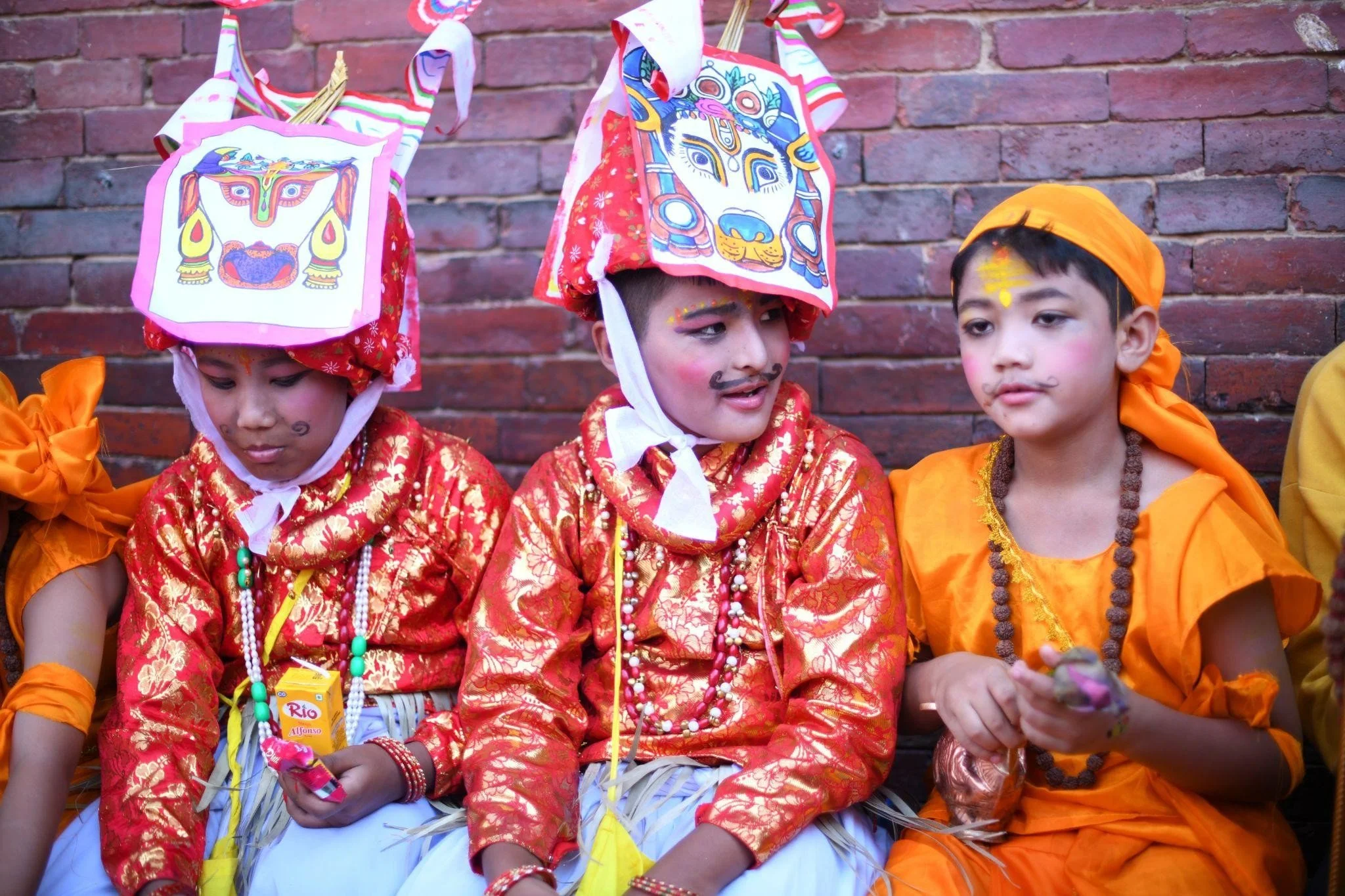
Gai Jatra is one of Nepal’s most unique festivals, bringing together remembrance, culture, and community. Through colorful processions and traditions, it celebrates life while honoring the memories of loved ones.
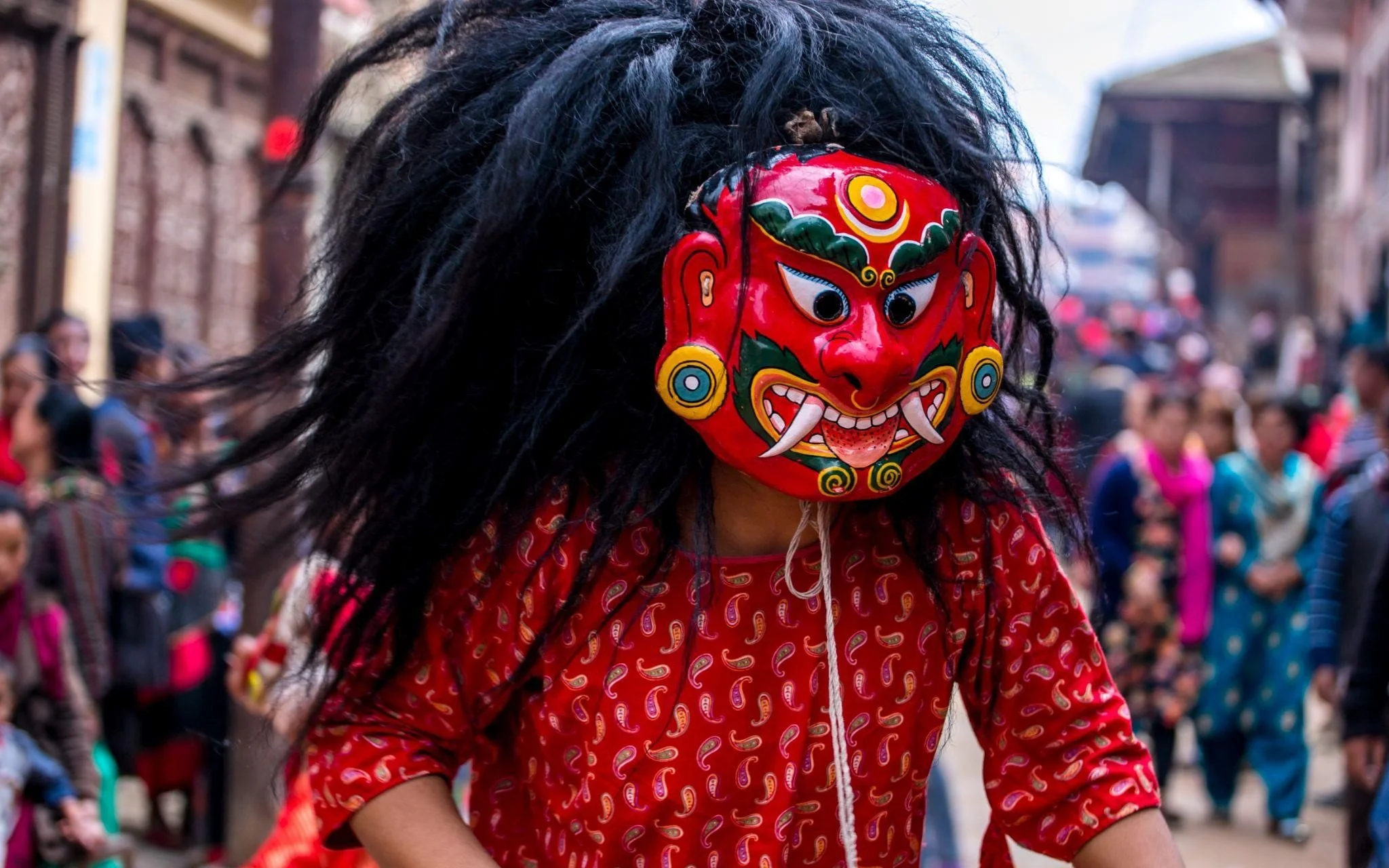
Indra Jatra is one of Kathmandu Valley’s most iconic festivals, where ancient traditions, sacred rituals, and vibrant celebrations come together. Through chariot processions, masked dances, and cultural performances, it showcases the living heritage of Nepal.
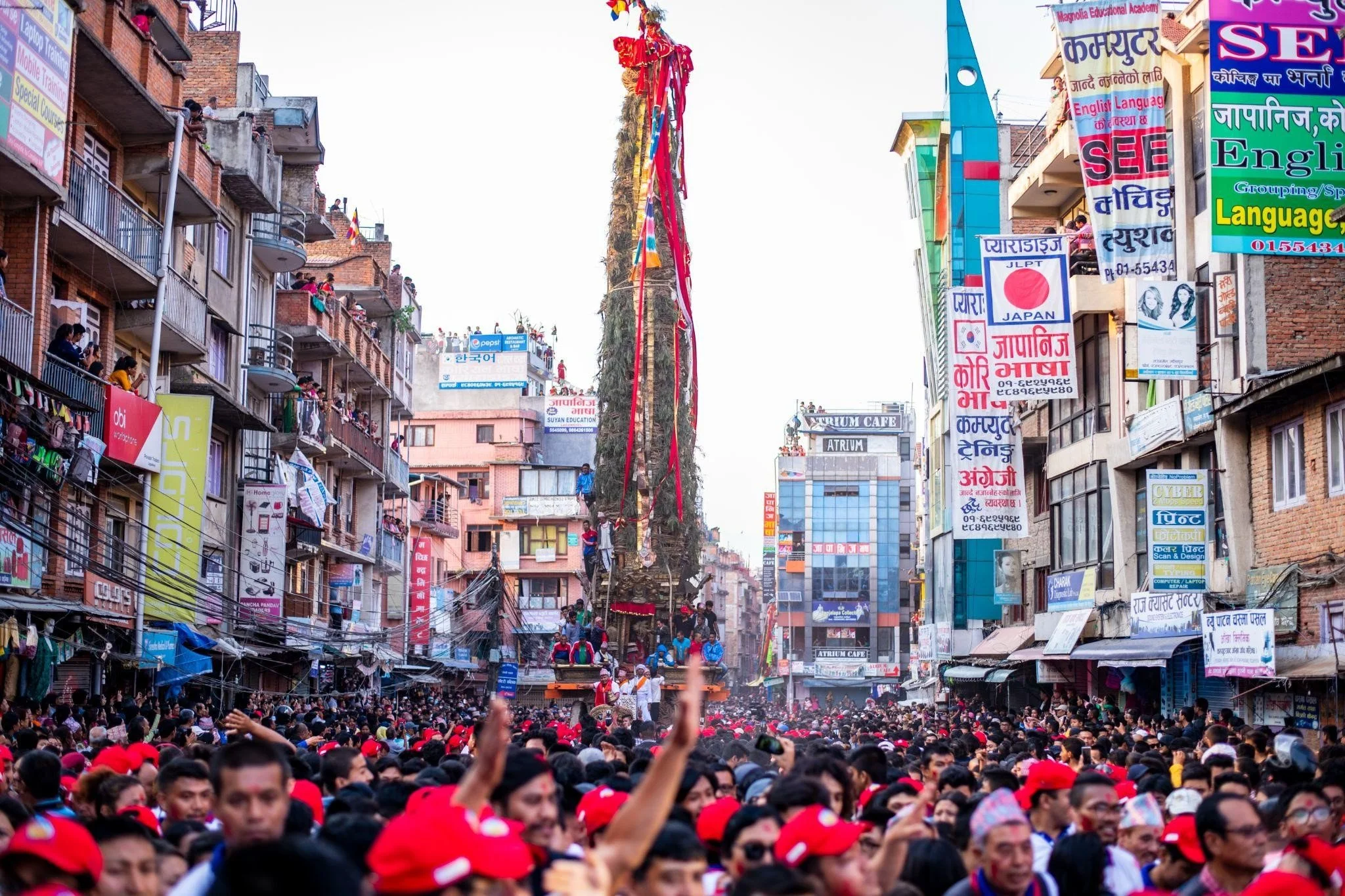
A journey through Rato Machindranath Jatra reveals how deeply tradition and community are connected in Kathmandu Valley.
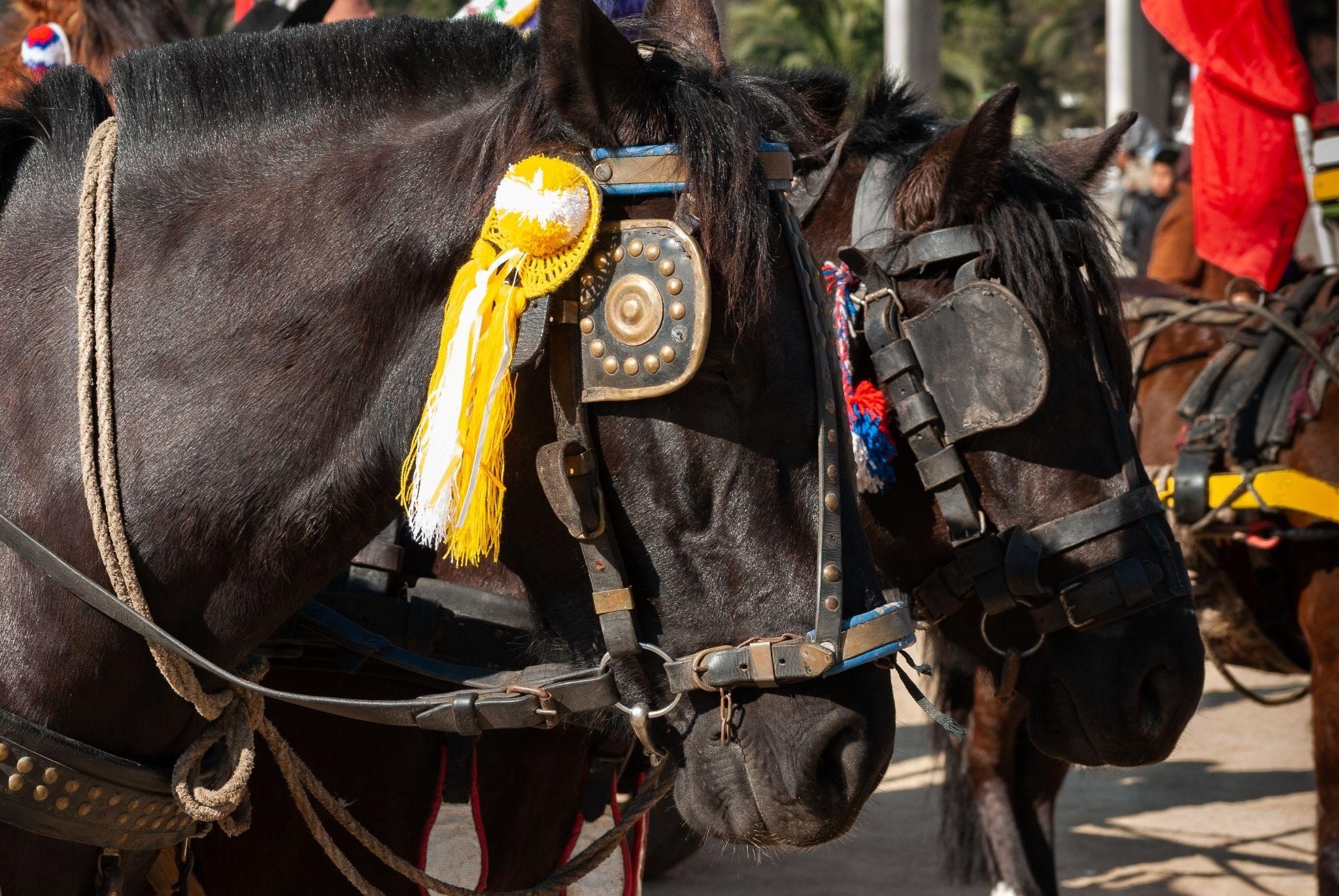
When hooves thunder across Tundikhel, Kathmandu listens.
Ghode Jatra is more than a horse parade, it’s a centuries-old ritual to drive away evil, blending folklore, royal tradition, and raw spectacle. Drums beat, riders charge, and the city gathers to celebrate strength, protection, and heritage in motion.
In the heart of the capital, tradition doesn’t whisper. It gallops.
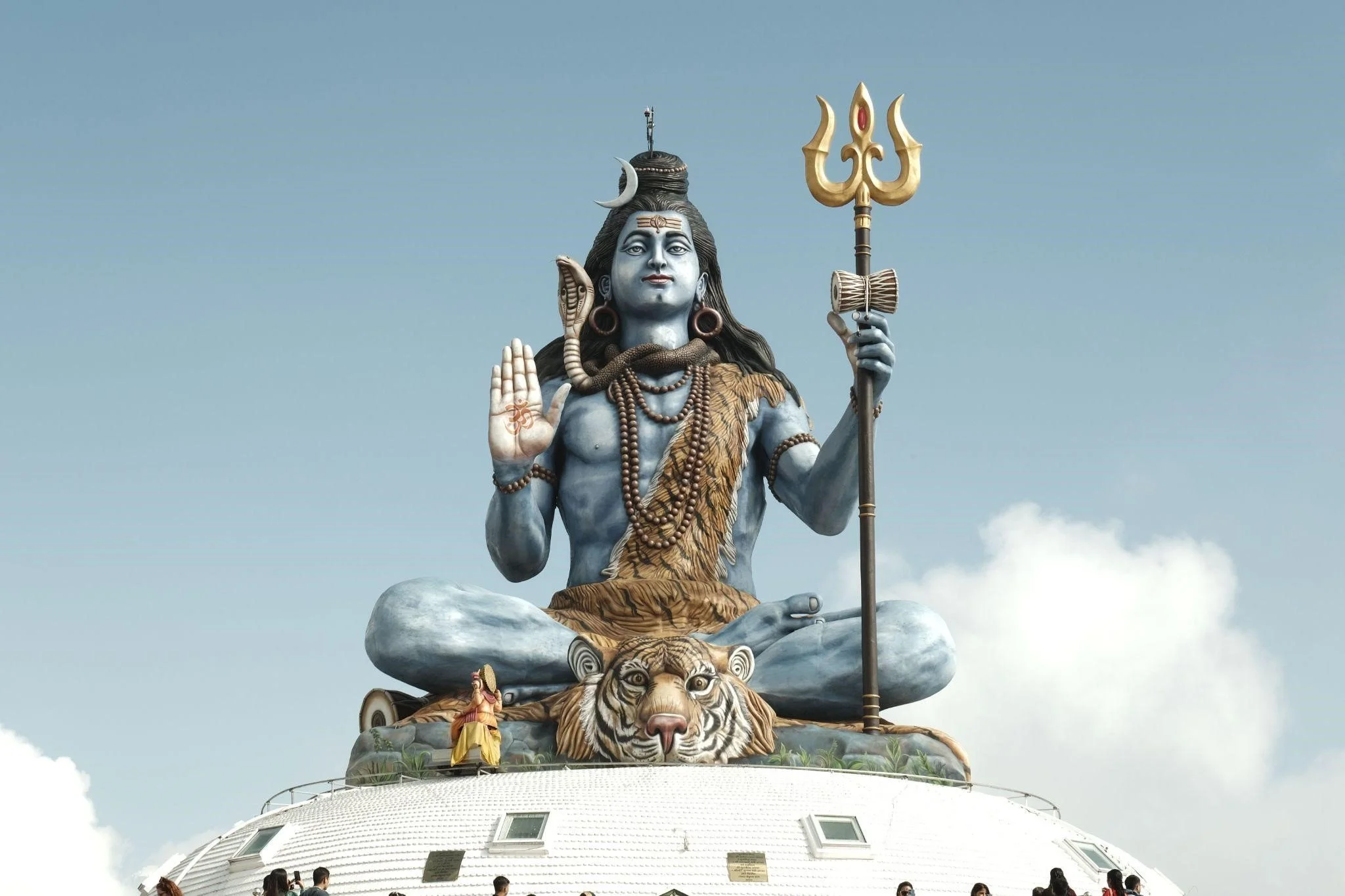
When night deepens and silence grows sacred, Nepal turns inward.
Maha Shivaratri is not just observed, it is felt. A night of stillness and chant, of oil lamps flickering against ancient stone, of breath slowing into prayer.
As bells echo and mantras rise, devotion becomes collective and time seems to soften. This is a moment where faith, culture, and cosmic rhythm move as one—inviting reflection, surrender, and quiet awakening.
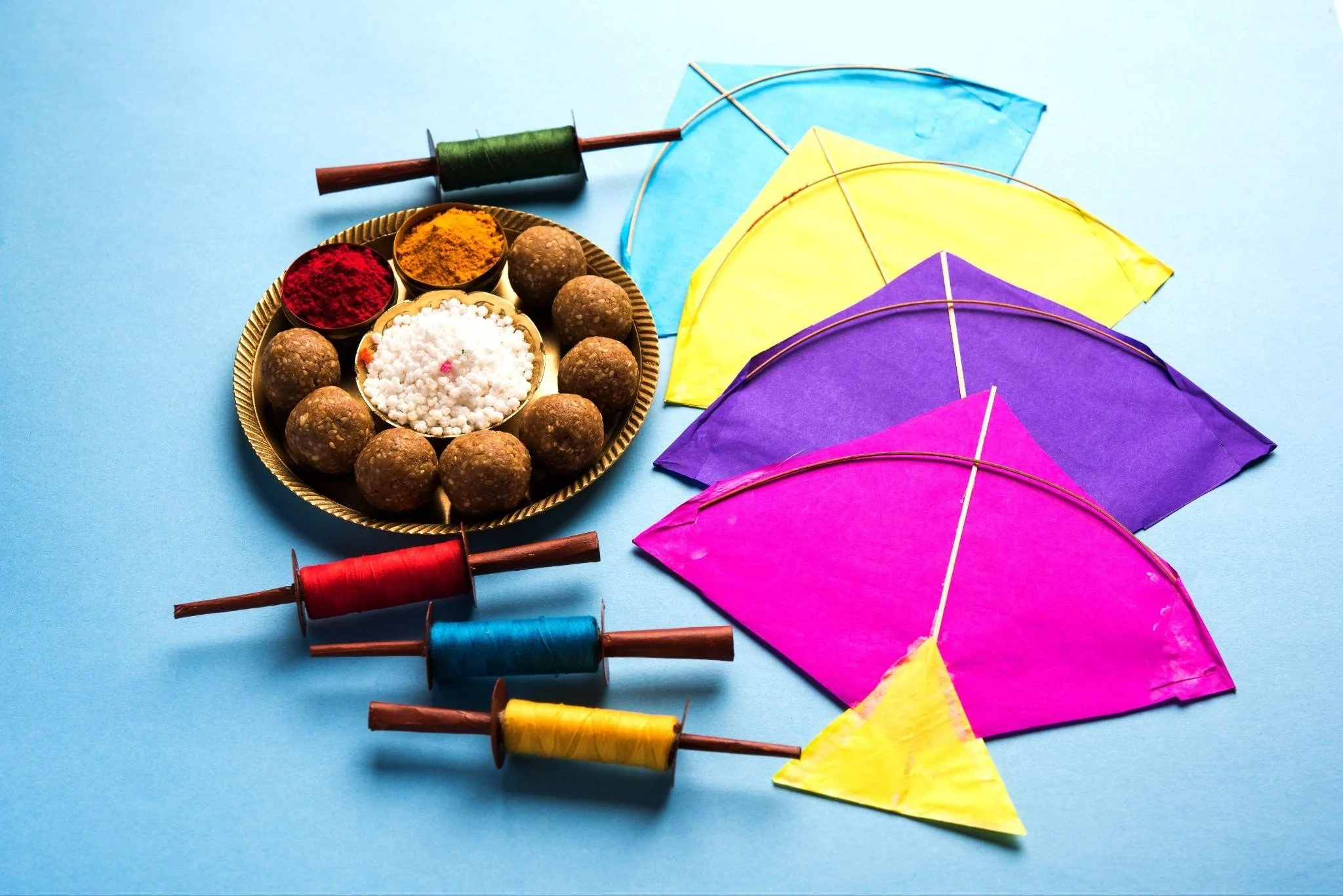
Maghe Sankranti in Nepal’s Terai: A celebration of Tharu culture through vibrant rituals, music, and most importantly delicious food! From the sweet Tilko Laddu to savory Bara, each dish carries centuries of tradition and meaning, bringing families and communities together. Don’t miss out on these festive delicacies that symbolize warmth, unity, and abundance.
This trek is specially designed to reach the Everest Base Camp including Kala Pattar which is the best view point to view the sunrise over the high Himalayas including the Mt. Everest. This trek requires 13 days.
USD 1515 PER PERSON -- TWIN ROOM SHARING BASIS