
Indra Jatra: Kathmandu’s Festival of Gods, Masks, and Living Tradition
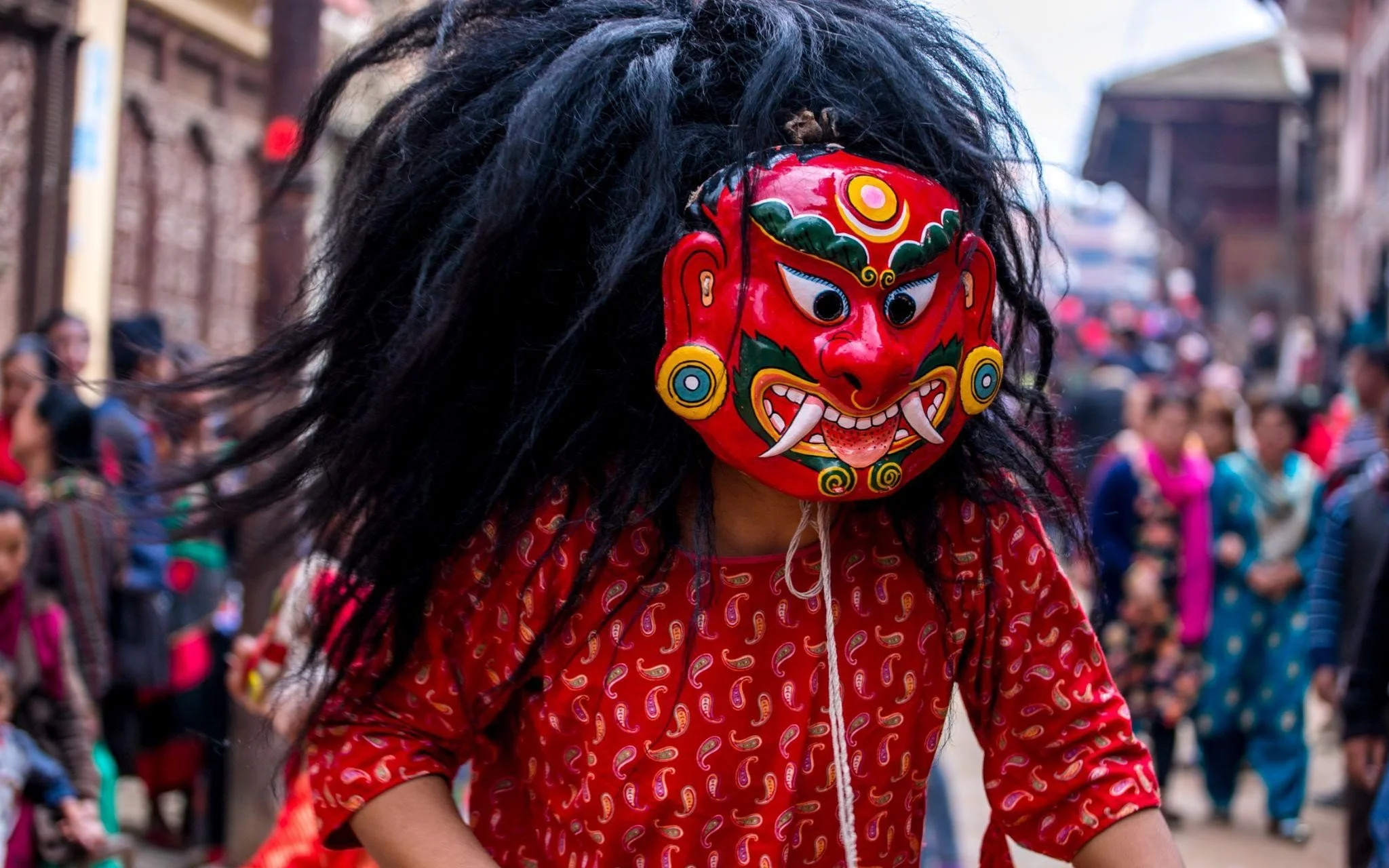
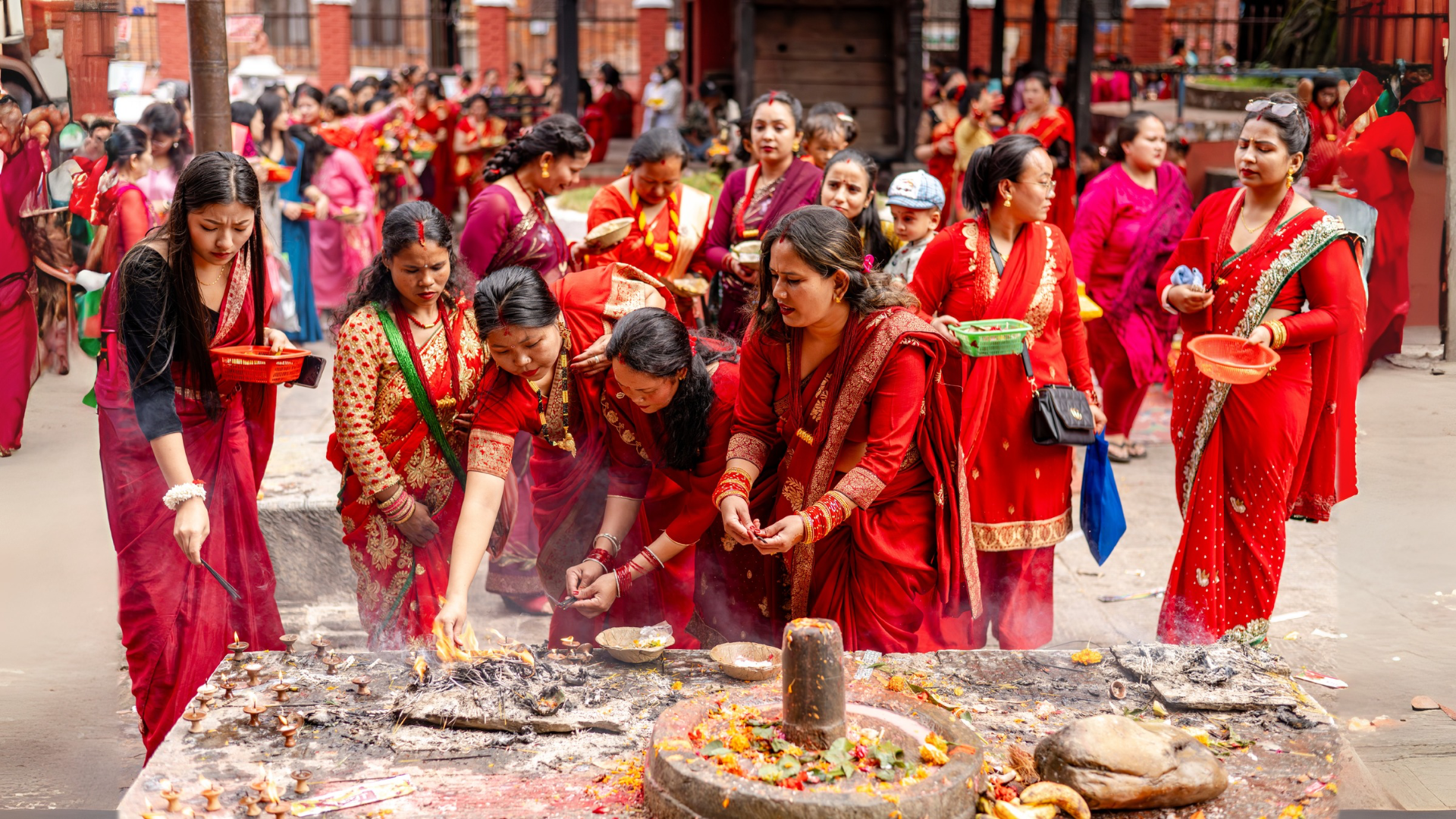
Indra Jatra is one of the most significant and culturally rich festivals of the Kathmandu Valley. Celebrated for eight days in September, the festival transforms the historic streets of Kathmandu into a vibrant display of traditional music, masked dances, chariot processions, and ancient rituals. It is a celebration deeply connected with Newar culture, mythology, and the living heritage of the valley.
The festival begins with the raising of the Yosin, also known as Indra Dhwaja, a sacred wooden pole at Kathmandu Durbar Square. This traditional ceremony marks the beginning of the celebrations and represents the connection between the people, the divine, and the changing seasons. The rituals performed during Indra Jatra have been preserved through generations, carried forward by families and communities who continue to honor the tradition.
According to Newar mythology, Indra Jatra is linked with the story of Indra, the god of rain, who came to Kathmandu Valley in search of a sacred flower. After being captured by locals who did not recognize his identity, his divine presence was revealed, and the festival was established as a celebration of gratitude, blessings, and remembrance. Over time, it became a festival that honors gods, ancestors, and the cultural identity of Kathmandu.
One of the most important highlights of Indra Jatra is the public appearance of Kumari, the living goddess of Nepal. During the festival, Kumari is carried through the streets of Kathmandu in a beautifully decorated chariot, allowing thousands of devotees to receive her blessings. This rare appearance represents one of the strongest connections between spirituality, tradition, and the people of the valley.
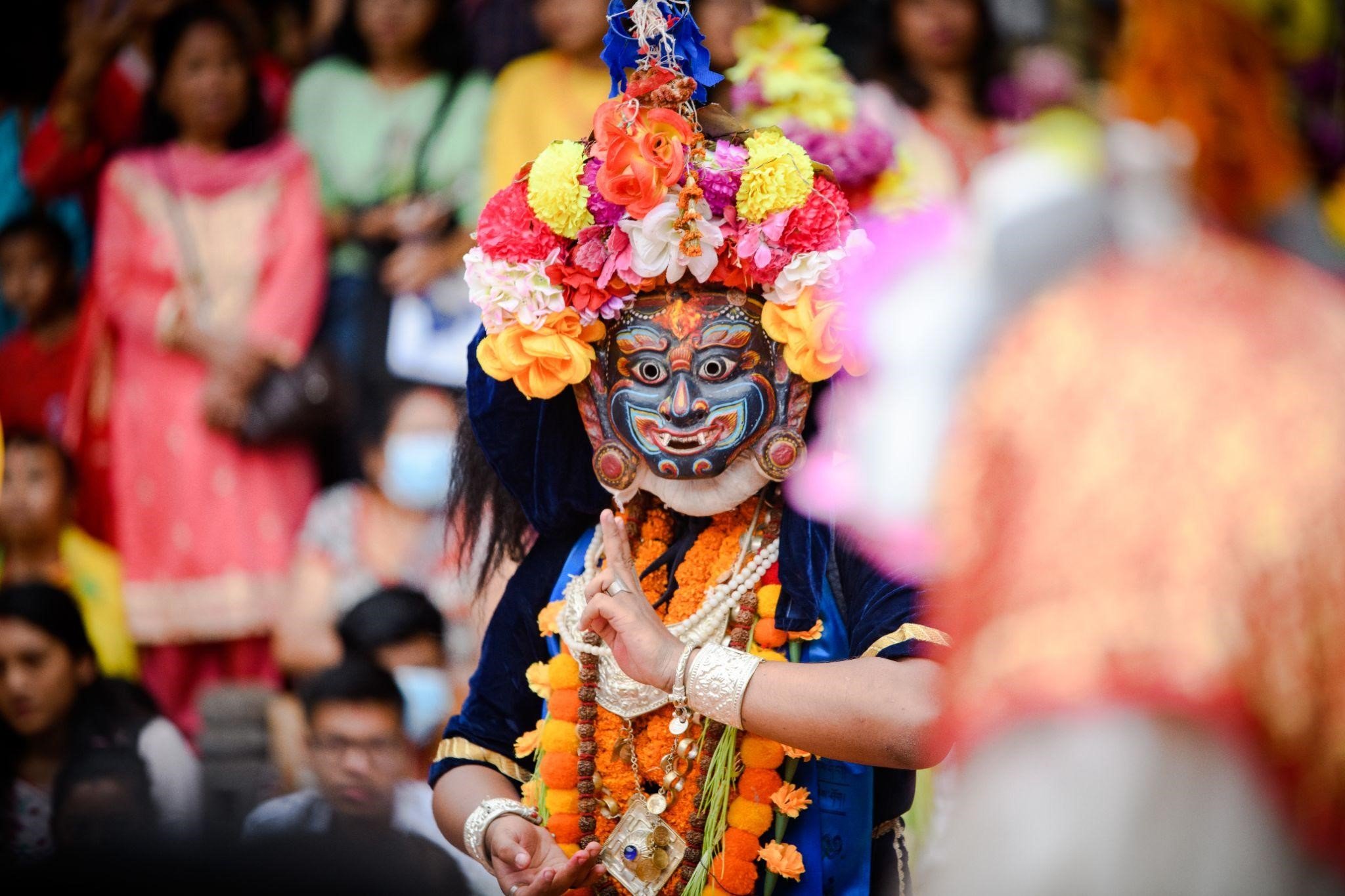
The festival is also famous for its traditional masked dances, especially the Lakhey dance. The Lakhey, a powerful mythical figure with a striking mask and energetic movements, is believed to be a protector of the community. Accompanied by traditional Newar music and drums, these performances bring ancient stories and beliefs to life in the heart of the city.
Beyond the celebrations and performances, the true essence of Indra Jatra lies in its community spirit. The craftsmen creating traditional masks, the families managing rituals, and the people participating in processions all play a role in keeping this heritage alive. The festival continues not only because of its history but because it remains meaningful to the generations who celebrate it.
In the Kathmandu Valley, where ancient traditions exist alongside modern life, Indra Jatra stands as a powerful reminder of Nepal’s cultural identity. It is more than a festival, it is a living expression of faith, art, and community, continuing to connect the past with the present every year.
POPULAR ITINERARIES
SIMILAR POSTS
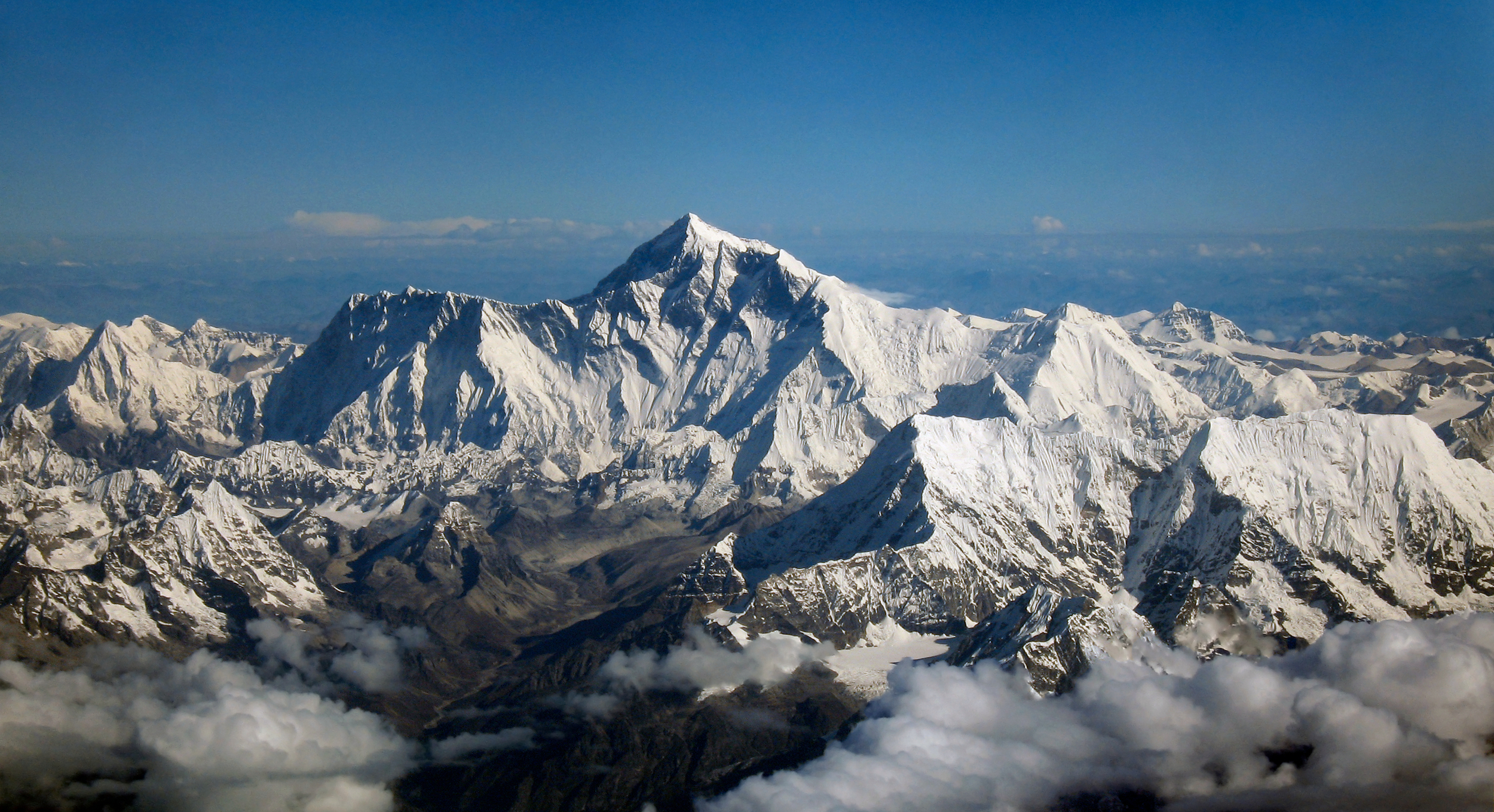
This trek is specially designed to reach the Everest Base Camp including Kala Pattar which is the best view point to view the sunrise over the high Himalayas including the Mt. Everest. This trek requires 13 days.
USD 1515 PER PERSON -- TWIN ROOM SHARING BASIS