
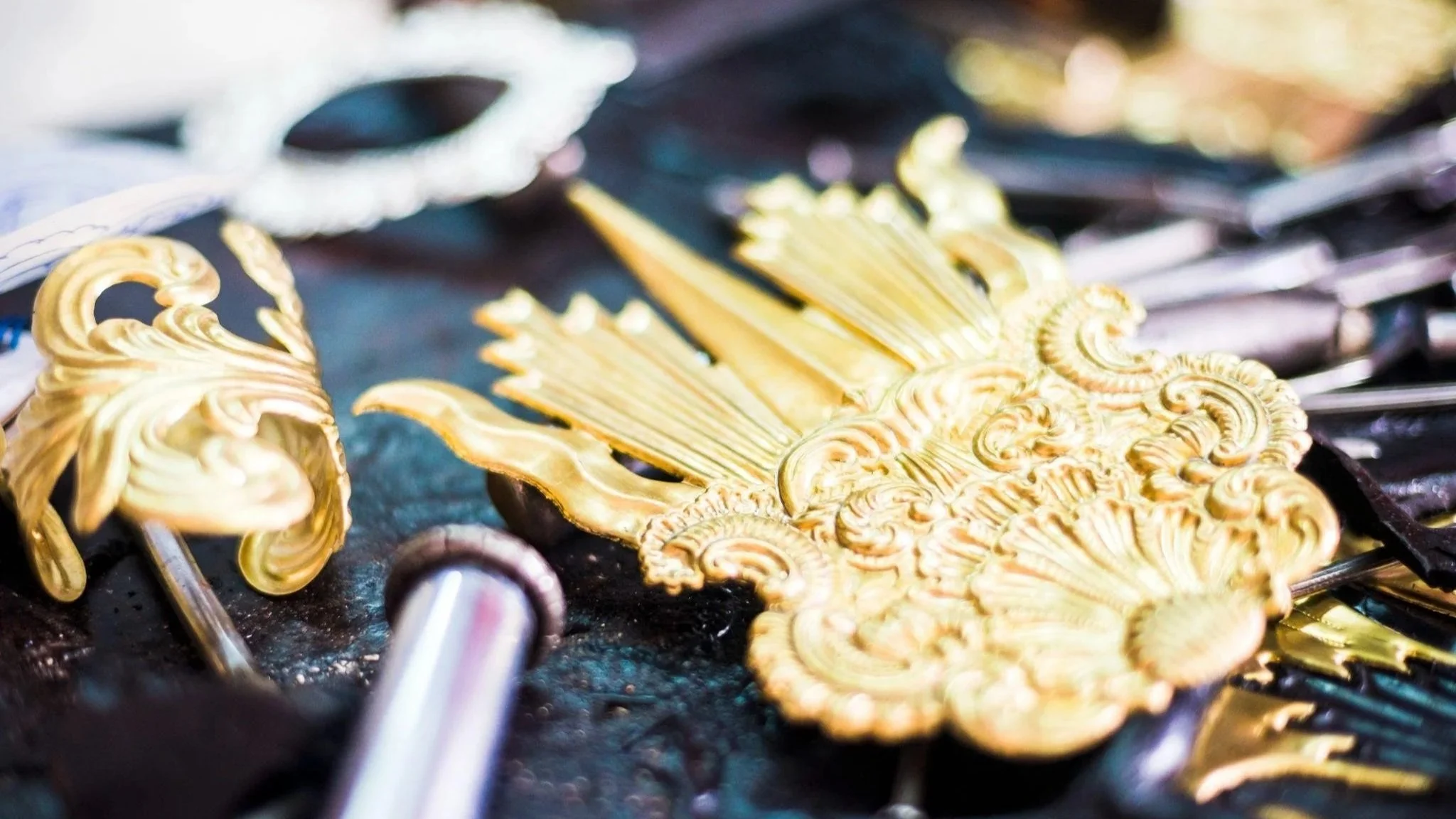
Traditional jewelry in Nepal is more than a form of adornment, it is a reflection of the country's rich cultural heritage, artistic craftsmanship, and centuries-old traditions. Across Nepal's diverse ethnic communities, jewelry carries deep symbolic meaning, representing identity, social status, religious beliefs, and important milestones in life. From intricately handcrafted gold ornaments to distinctive silver pieces worn during festivals and ceremonies, traditional jewelry continues to be an enduring expression of Nepalese culture.
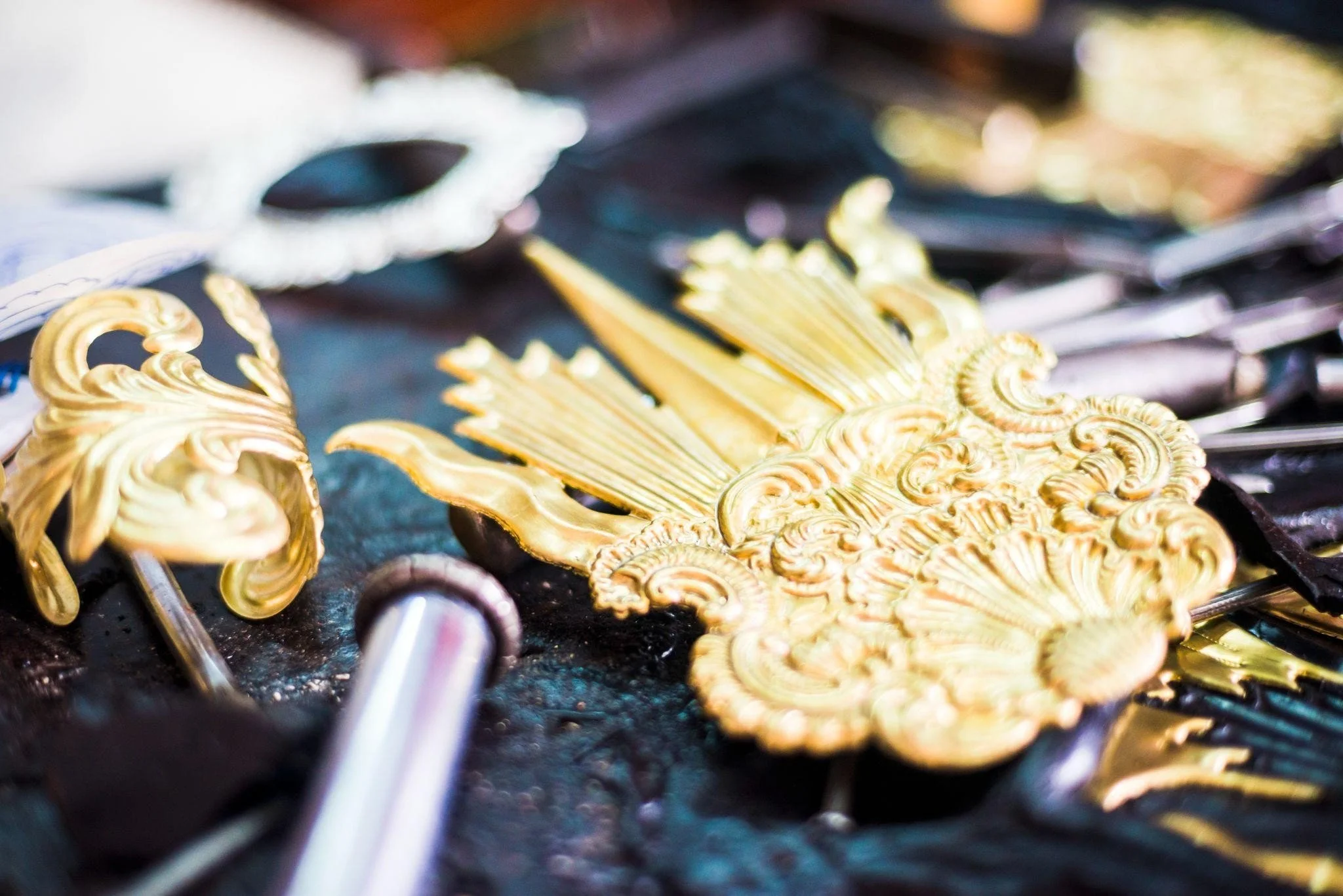
For generations, Nepalese artisans have crafted exquisite jewelry using gold, silver, copper, coral, turquoise, and precious gemstones. Each region and community has developed its own unique designs and styles, resulting in a remarkable variety of ornaments. Many pieces are handmade using traditional techniques passed down through families, preserving skills that remain an important part of Nepal's artistic heritage.
Jewelry holds special significance during weddings, religious festivals, and cultural celebrations. Brides are often adorned with elaborate ornaments that symbolize prosperity, beauty, and blessings for a new beginning. Pieces such as the Tilhari, Pote, Naugedi, Bulaki, and Phuli are cherished not only for their beauty but also for their cultural and spiritual value. Many of these ornaments are passed down through generations as treasured family heirlooms, carrying stories and traditions with them.
Nepal's diverse ethnic groups also celebrate their identities through distinctive jewelry styles. The Newar community is renowned for its finely crafted gold jewelry featuring intricate filigree work, while Himalayan communities often wear ornaments made with silver, coral, and turquoise that reflect both cultural traditions and the natural beauty of the region. These unique designs showcase the remarkable diversity that defines Nepal's cultural landscape.
Today, traditional Nepalese jewelry continues to inspire both artisans and contemporary designers. While modern styles have evolved to suit changing tastes, many classic designs remain popular during festivals, weddings, and cultural events. Visitors exploring Nepal's vibrant markets and heritage areas can discover beautifully handcrafted jewelry that reflects generations of artistry and craftsmanship, offering meaningful keepsakes that celebrate the country's living traditions.
Whether admired for its intricate designs, cultural symbolism, or exceptional craftsmanship, traditional Nepalese jewelry remains an enduring part of the nation's identity. It tells the story of Nepal's diverse communities, preserves centuries of artistic heritage, and continues to shine as a timeless symbol of culture, tradition, and celebration.
POPULAR ITINERARIES
SIMILAR POSTS


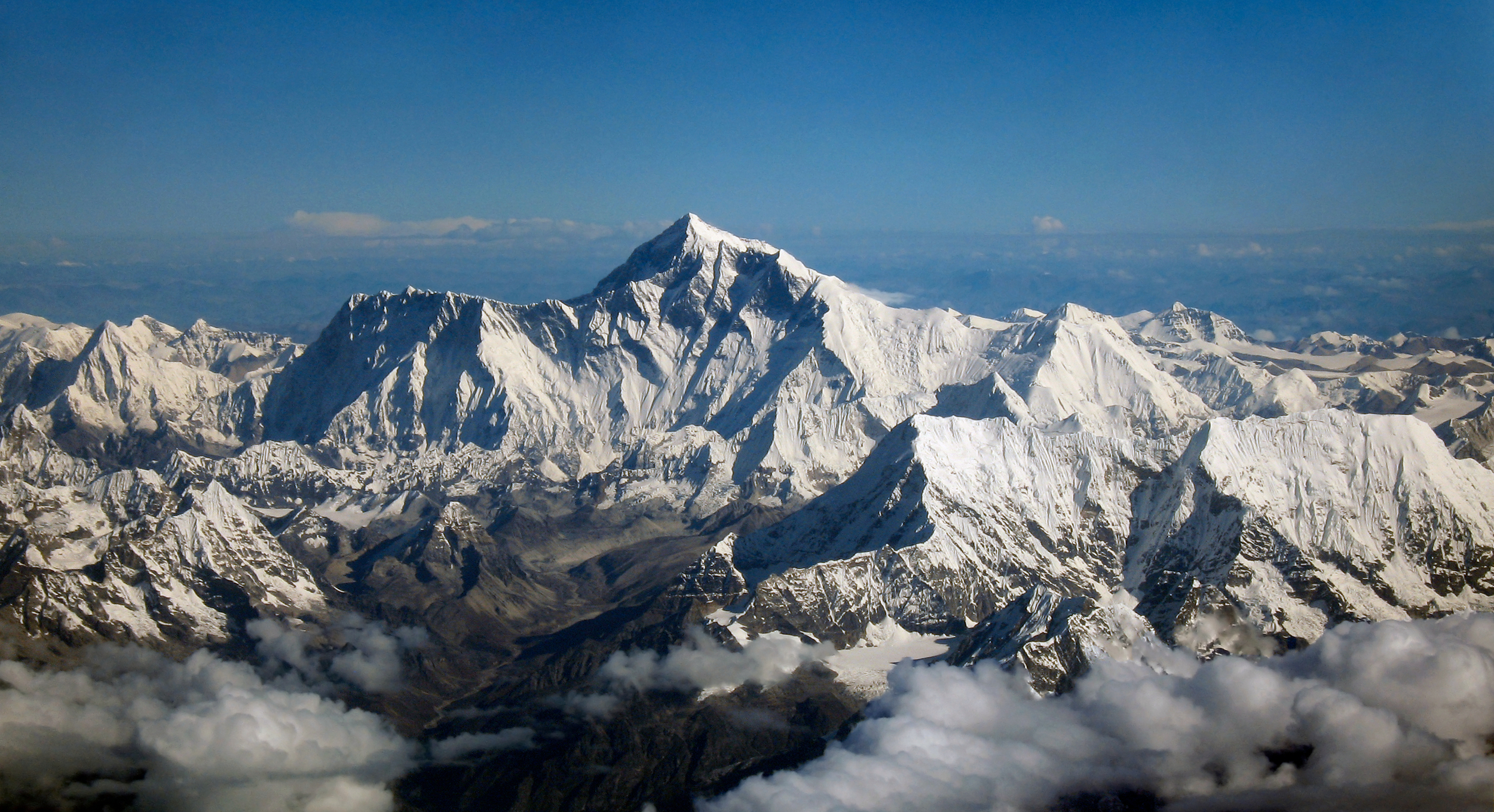
This trek is specially designed to reach the Everest Base Camp including Kala Pattar which is the best view point to view the sunrise over the high Himalayas including the Mt. Everest. This trek requires 13 days.
USD 1515 PER PERSON -- TWIN ROOM SHARING BASIS