
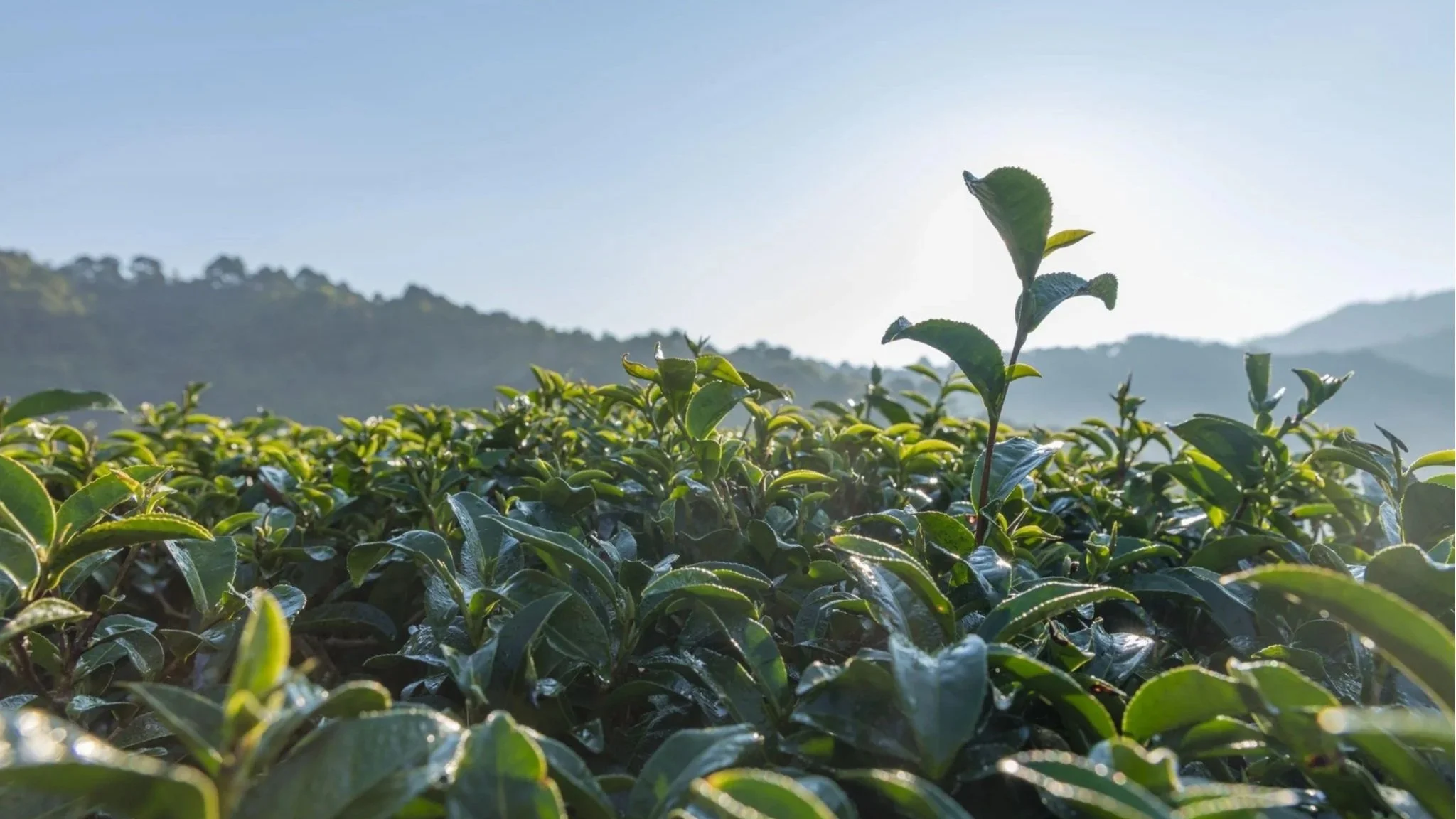
Tea is woven into the rhythm of daily life in Nepal, offering more than just warmth in a cup. From the mist-covered tea gardens of the eastern Himalayas to the bustling tea shops found in every town and village, tea has long been a symbol of hospitality, connection, and tradition. Whether shared among family members, enjoyed during a quiet morning, or served to welcome guests, tea continues to bring people together across generations.
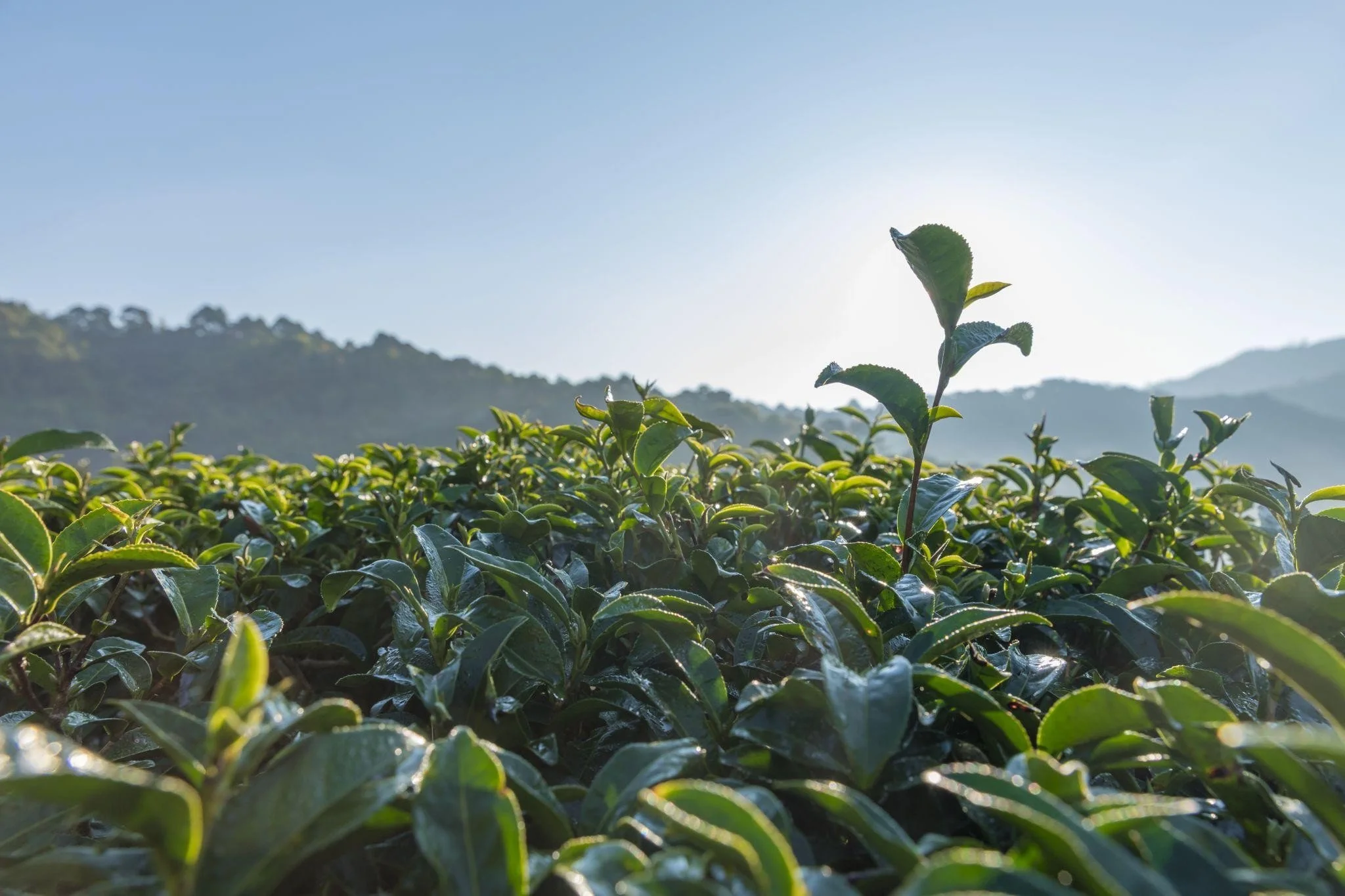
Nepal's tea-growing heritage began in the 19th century and has since flourished in the eastern hills, particularly in the districts of Ilam, Jhapa, Dhankuta, and Panchthar. Blessed with fertile soil, cool mountain air, and high elevations, these regions produce high-quality orthodox and green teas that are appreciated both locally and internationally. The unique Himalayan climate gives Nepali tea its delicate aroma, smooth flavor, and distinctive character, making it one of the country's finest agricultural treasures.
Beyond the tea gardens, tea culture thrives in the countless local tea shops, known as chiya pasal, scattered across Nepal. These humble gathering places are more than cafés, they are social spaces where friends meet, travelers rest, and conversations unfold over steaming cups of milk tea or black tea. From lively city streets to quiet mountain villages, tea shops remain an essential part of everyday Nepalese life, reflecting the country's warmth and sense of community.
Tea also plays an important role in Nepalese hospitality and celebrations. Offering a cup of tea is one of the simplest yet most meaningful gestures of welcome. During festivals, family gatherings, or casual visits, tea often accompanies homemade snacks and traditional conversations, strengthening relationships and creating moments of togetherness. It's comforting presence has made tea an enduring part of Nepal's cultural identity.
In recent years, Nepal's tea culture has evolved alongside changing lifestyles. Specialty tea houses now showcase premium Himalayan teas through curated tasting experiences, while cafés introduce creative blends infused with herbs, spices, and local ingredients. Despite these modern influences, the essence of Nepalese tea culture remains unchanged, celebrating simplicity, hospitality, and meaningful connections over a shared cup.
Whether exploring the lush tea gardens of the eastern Himalayas or enjoying a freshly brewed cup in a neighborhood tea shop, tea offers visitors a genuine taste of Nepal's rich heritage. It reflects the country's natural beauty, agricultural traditions, and the timeless spirit of welcoming others with warmth and kindness one cup at a time.
POPULAR ITINERARIES
SIMILAR POSTS
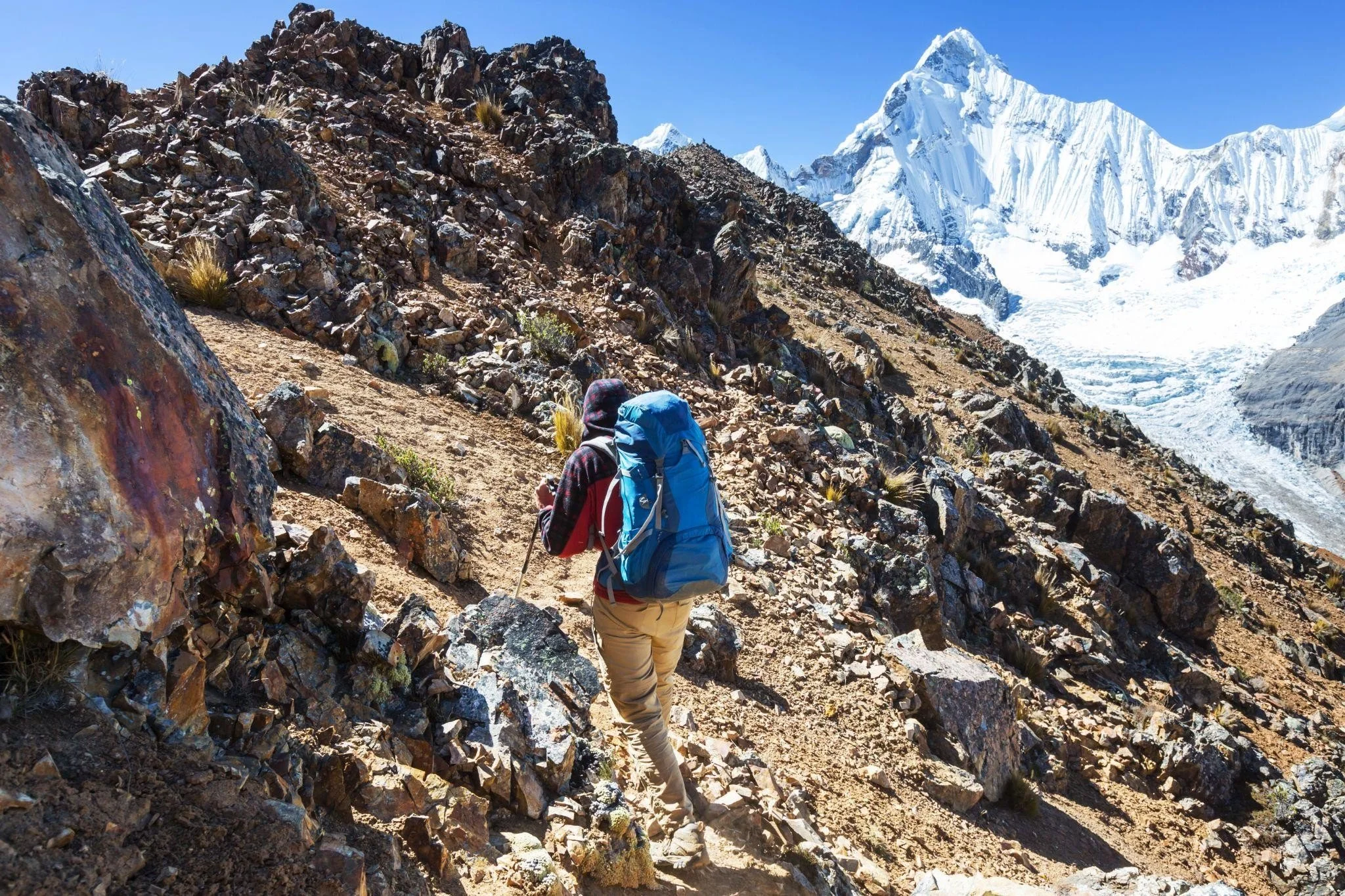
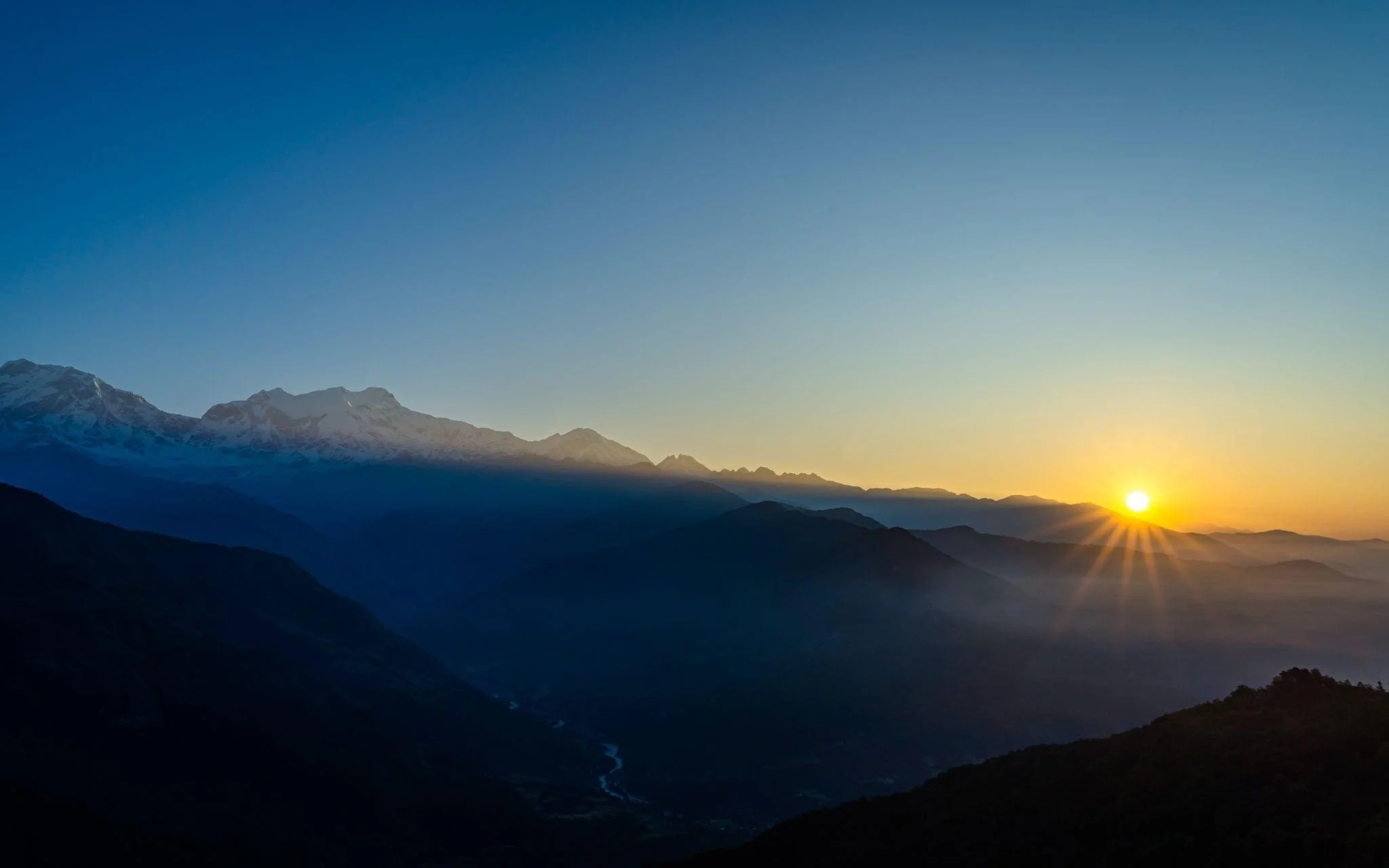
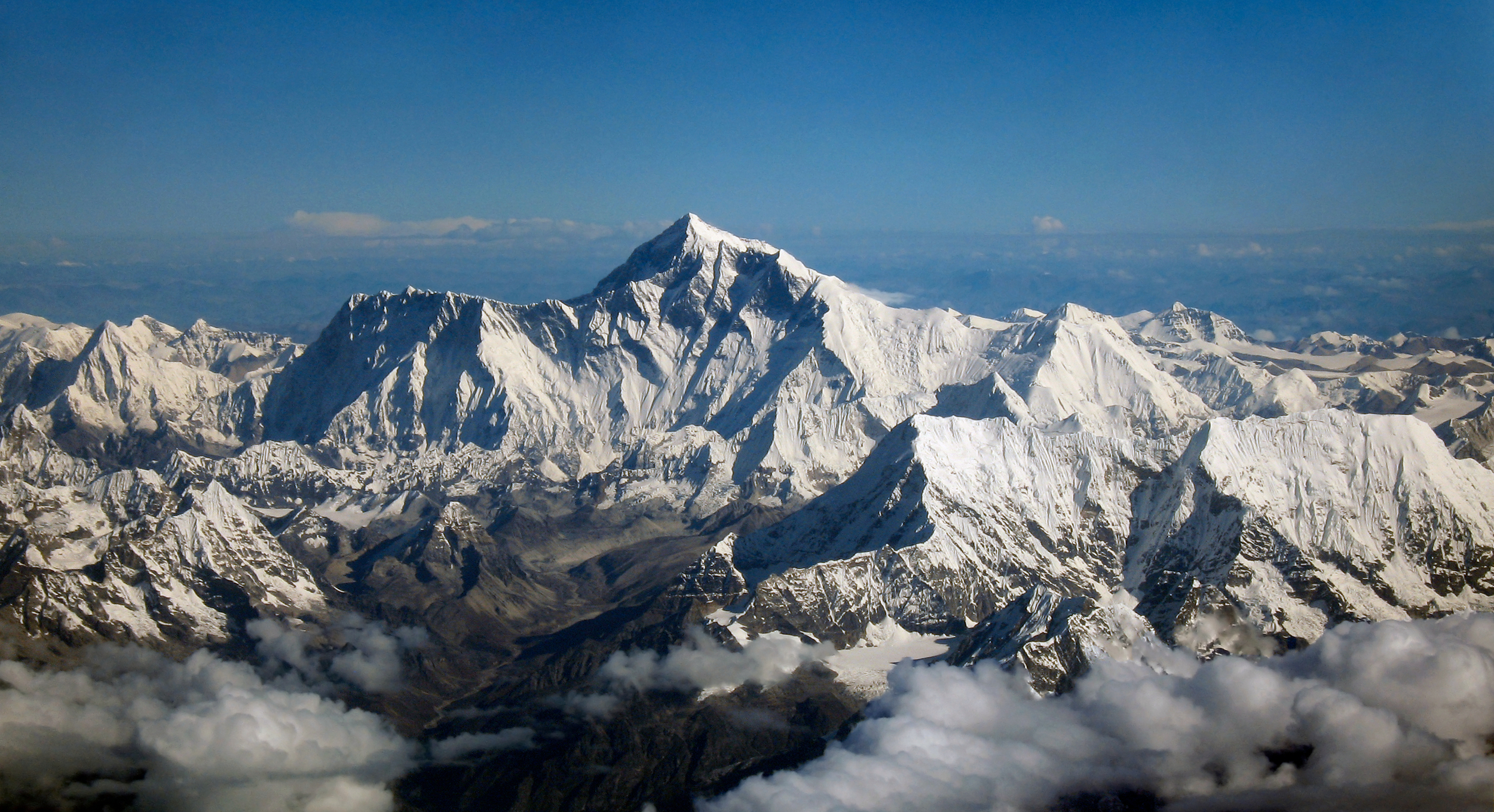
This trek is specially designed to reach the Everest Base Camp including Kala Pattar which is the best view point to view the sunrise over the high Himalayas including the Mt. Everest. This trek requires 13 days.
USD 1515 PER PERSON -- TWIN ROOM SHARING BASIS