
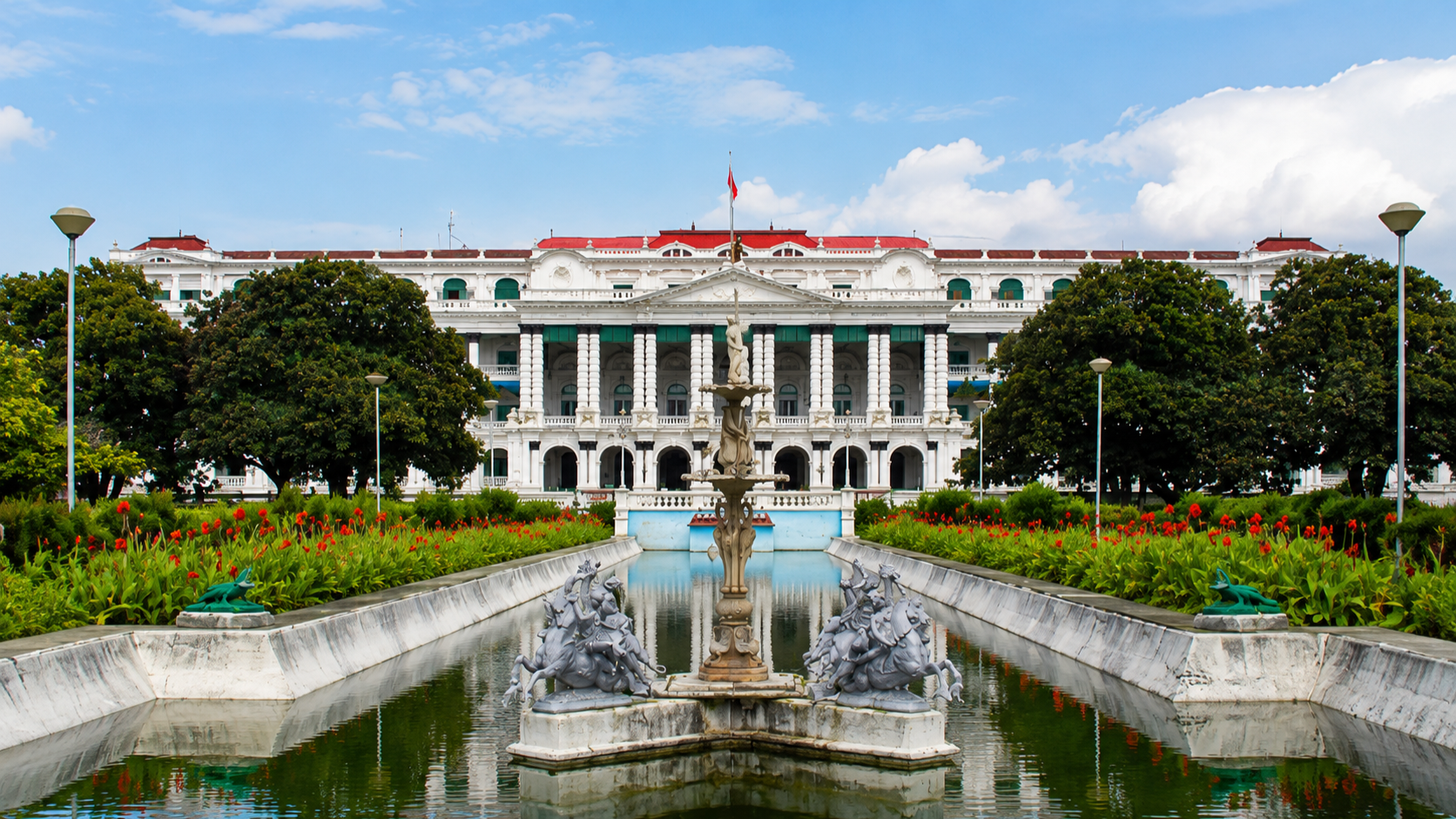
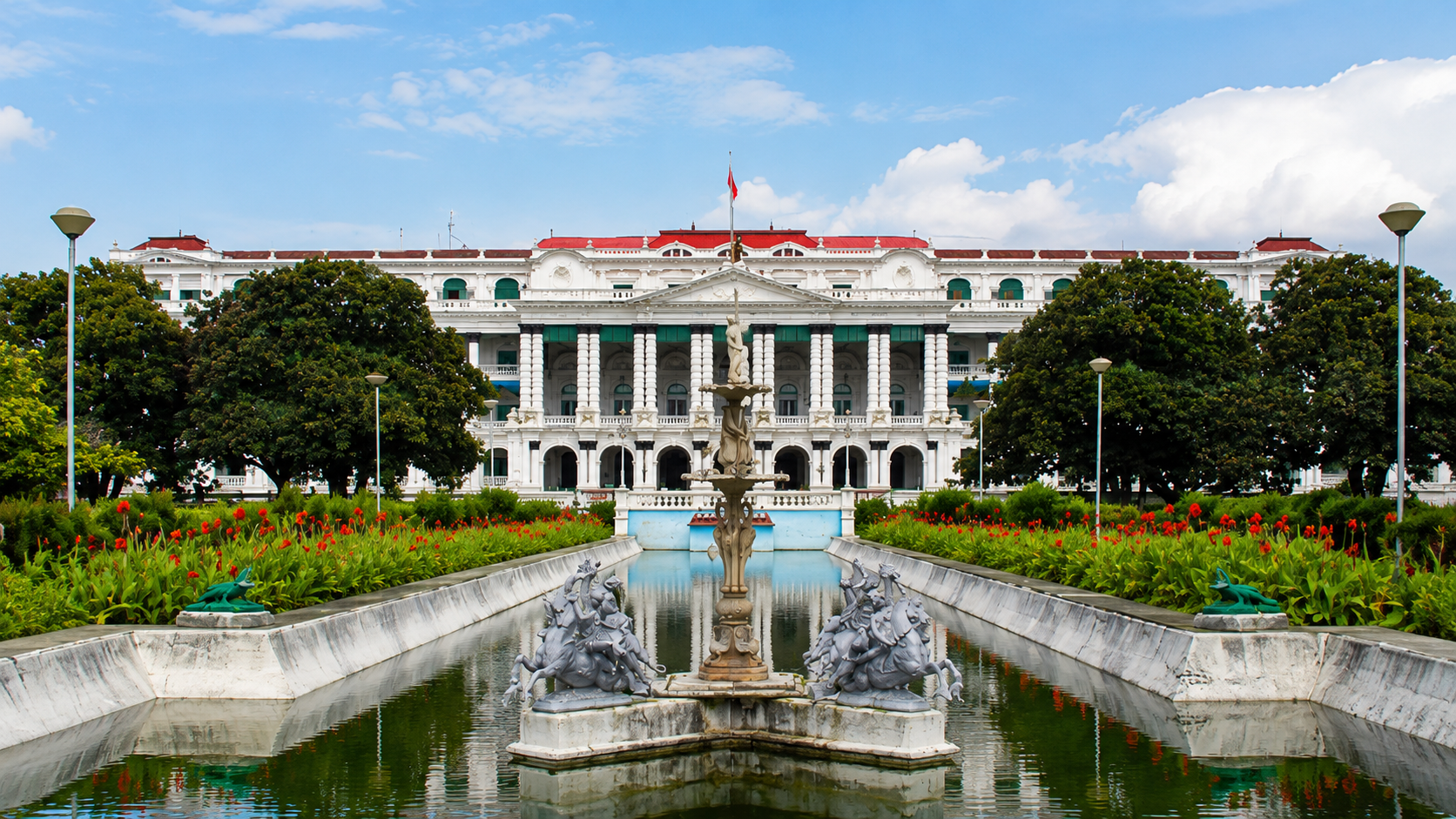
Walking through Kathmandu is like turning the pages of a living history book, and few architectural styles capture the city's past as beautifully as Rana architecture. Built during the Rana era (1846–1951), these grand palaces and residences reflect a unique blend of European elegance and traditional Nepalese craftsmanship. With towering columns, sweeping staircases, ornate façades, crystal chandeliers, and expansive courtyards, these buildings continue to be some of the capital's most striking landmarks.
Inspired by Neoclassical, Baroque, and Victorian architecture, the Rana rulers introduced a new style of construction while incorporating the skills of local artisans. The result was a distinctive architectural identity that combined Western design with Nepal's rich artistic traditions. Many of these buildings were once private palaces for the Rana elite, symbolizing power, prestige, and refinement.
Some of Kathmandu's most iconic landmarks showcase this remarkable heritage. Singha Durbar, once one of the largest palaces in Asia, remains an important government complex, while the Narayanhiti Palace Museum offers visitors a glimpse into Nepal's royal history through its preserved halls and ceremonial spaces. Hotel Shanker, originally a Rana palace, continues to preserve the elegance of the era, allowing guests to experience historic architecture while enjoying modern hospitality.
Beyond their impressive appearance, Rana buildings tell the story of a significant chapter in Nepal's history. Their graceful gardens, decorative details, and timeless interiors reflect an era of architectural ambition while preserving the craftsmanship of generations past. Exploring these landmarks offers more than beautiful photographs, it provides a deeper appreciation of Kathmandu's cultural and historical evolution.
Whether you're passionate about architecture, history, or simply discovering the city's hidden stories, Kathmandu's Rana architecture is well worth exploring. These magnificent buildings remain lasting symbols of Nepal's heritage, inviting visitors to experience the beauty, artistry, and legacy of a remarkable era.
POPULAR ITINERARIES
SIMILAR POSTS

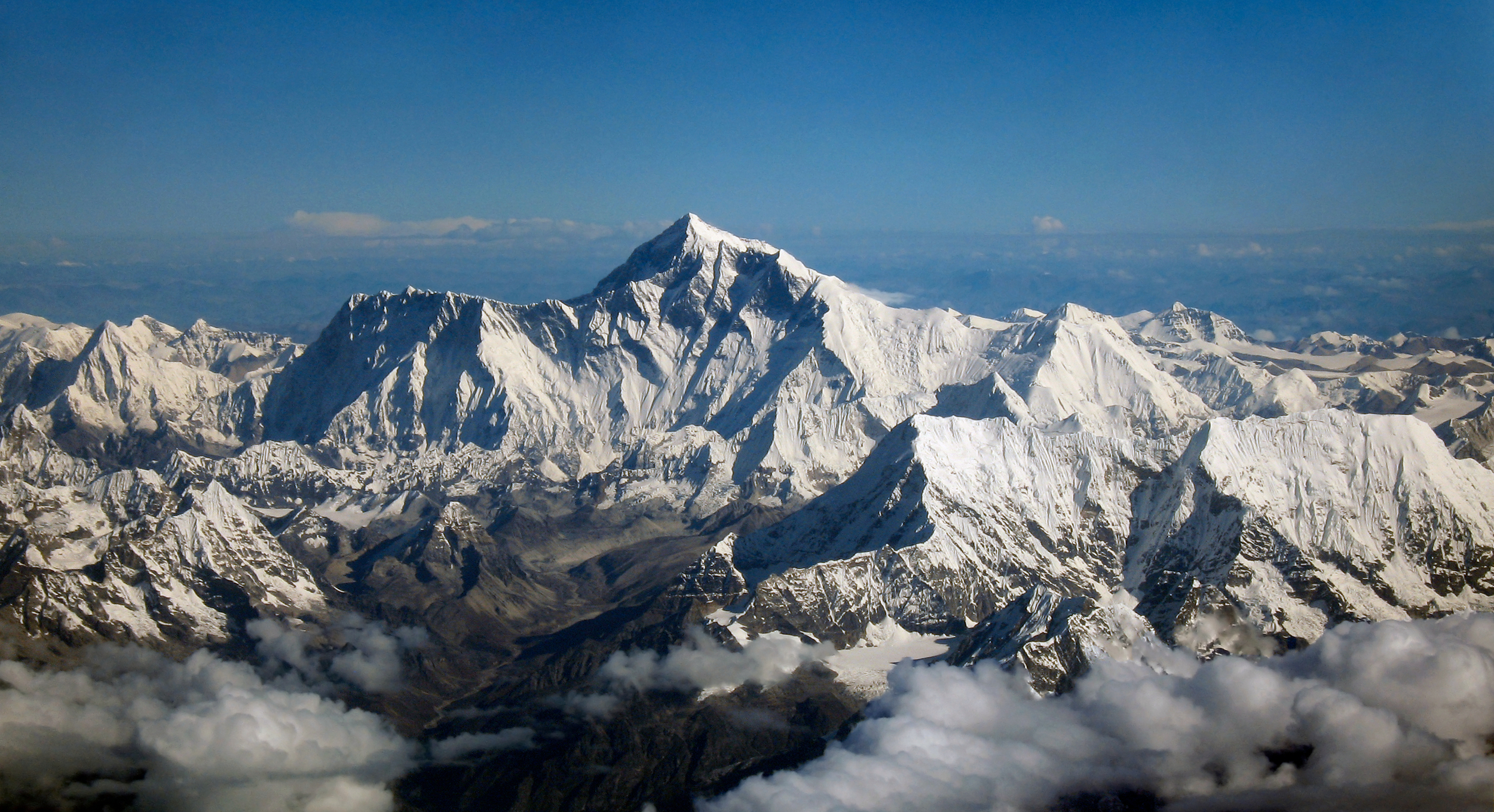
This trek is specially designed to reach the Everest Base Camp including Kala Pattar which is the best view point to view the sunrise over the high Himalayas including the Mt. Everest. This trek requires 13 days.
USD 1515 PER PERSON -- TWIN ROOM SHARING BASIS