
Exploring the Rich Heritage of Nepali Thangka Paintings

Thangka paintings are among Nepal's most treasured artistic traditions, representing a unique blend of craftsmanship, spirituality, and cultural heritage. These intricate paintings have been practiced for centuries and continue to hold deep significance within Himalayan Buddhist communities.
Traditionally painted on cotton or silk, Thangkas often depict Buddhist deities, mandalas, spiritual teachers, and sacred narratives. Every element within the artwork carries meaning, from the colors and patterns to the placement of symbols, each carefully designed to convey spiritual teachings and philosophical concepts.
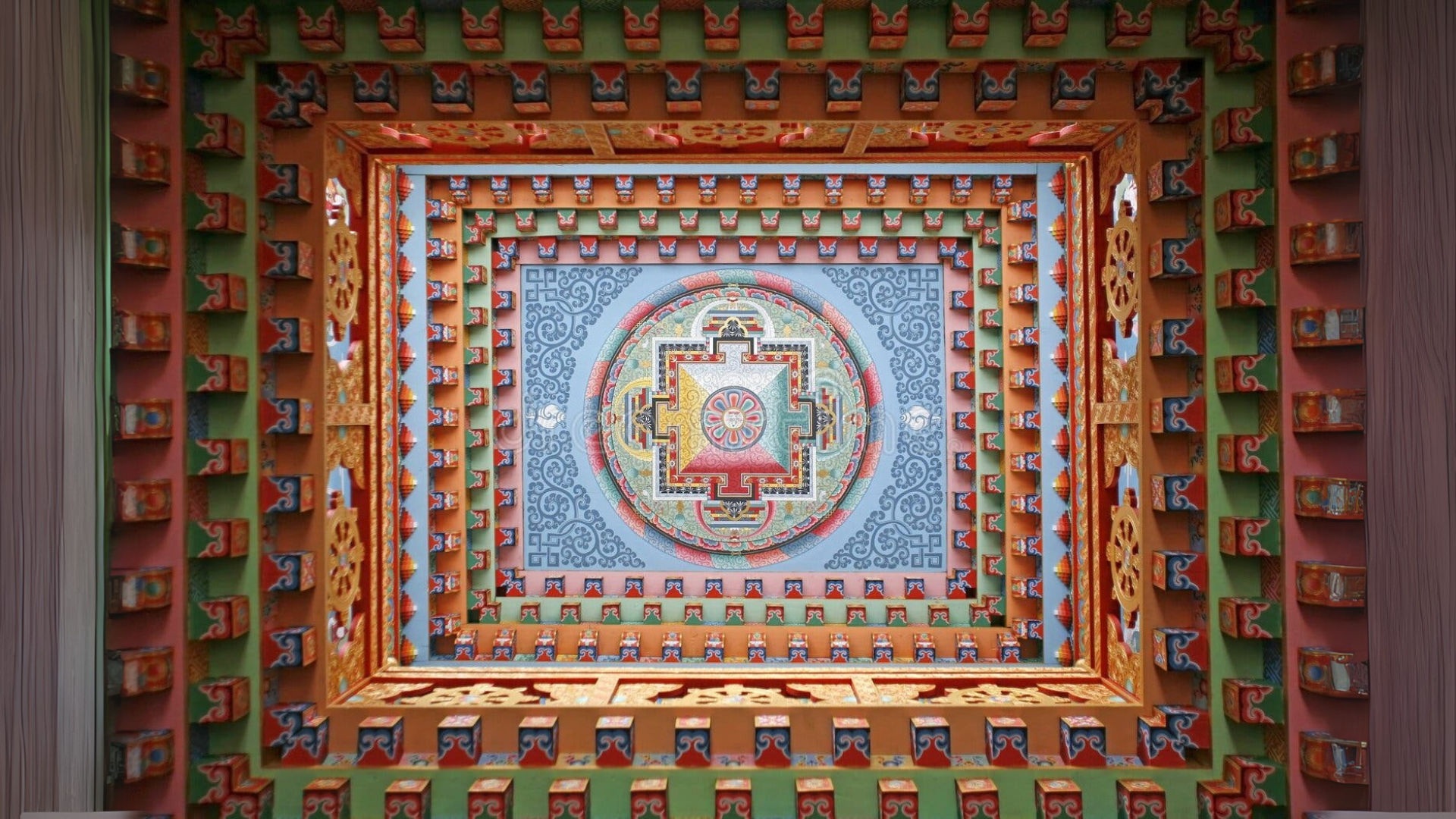
One of the most distinctive features of Thangka art is the mandala, a geometric representation of the universe. Mandalas symbolize harmony, balance, and the interconnected nature of life, serving as powerful visual tools for contemplation and meditation.
Creating a Thangka requires remarkable precision, patience, and dedication. Artists spend years learning traditional techniques that have been preserved through generations. Each painting follows established artistic principles, ensuring that both its visual beauty and symbolic meaning remain intact.
Throughout Nepal, Thangka paintings can be found in monasteries, temples, cultural institutions, and artisan workshops. Their presence reflects the enduring relationship between art and spirituality, offering insight into the beliefs and traditions that have shaped the region for centuries.
More than decorative works of art, Thangka paintings serve as cultural and spiritual expressions that preserve stories, values, and wisdom. They remain a living tradition, continuing to inspire appreciation for Nepal's rich artistic heritage and deep-rooted cultural identity.
POPULAR ITINERARIES
SIMILAR POSTS


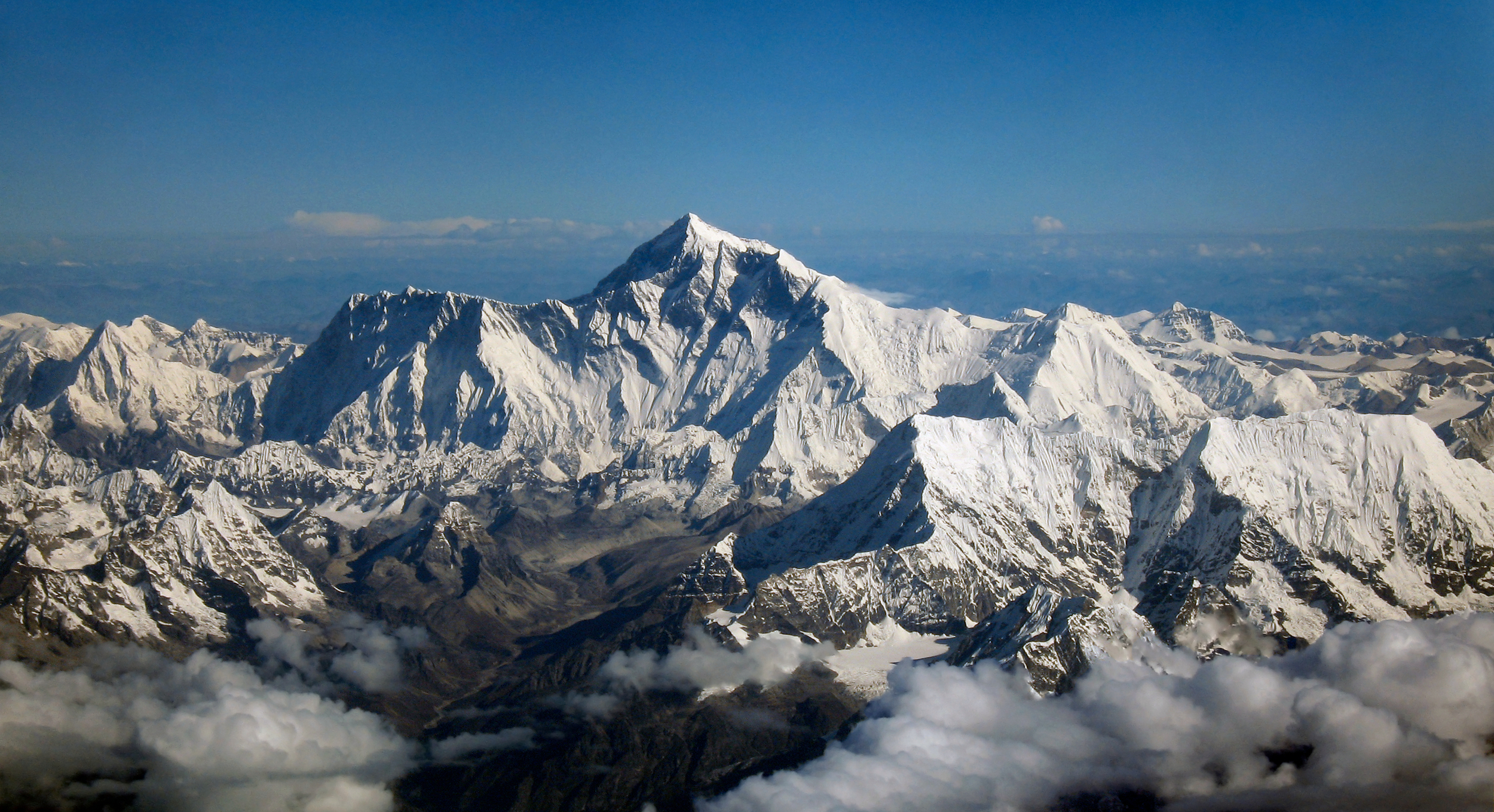
This trek is specially designed to reach the Everest Base Camp including Kala Pattar which is the best view point to view the sunrise over the high Himalayas including the Mt. Everest. This trek requires 13 days.
USD 1515 PER PERSON -- TWIN ROOM SHARING BASIS