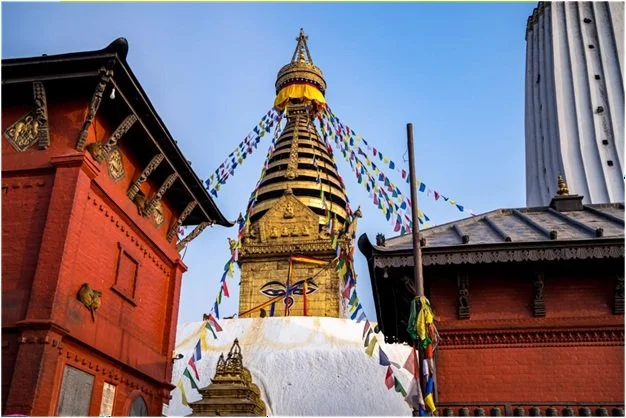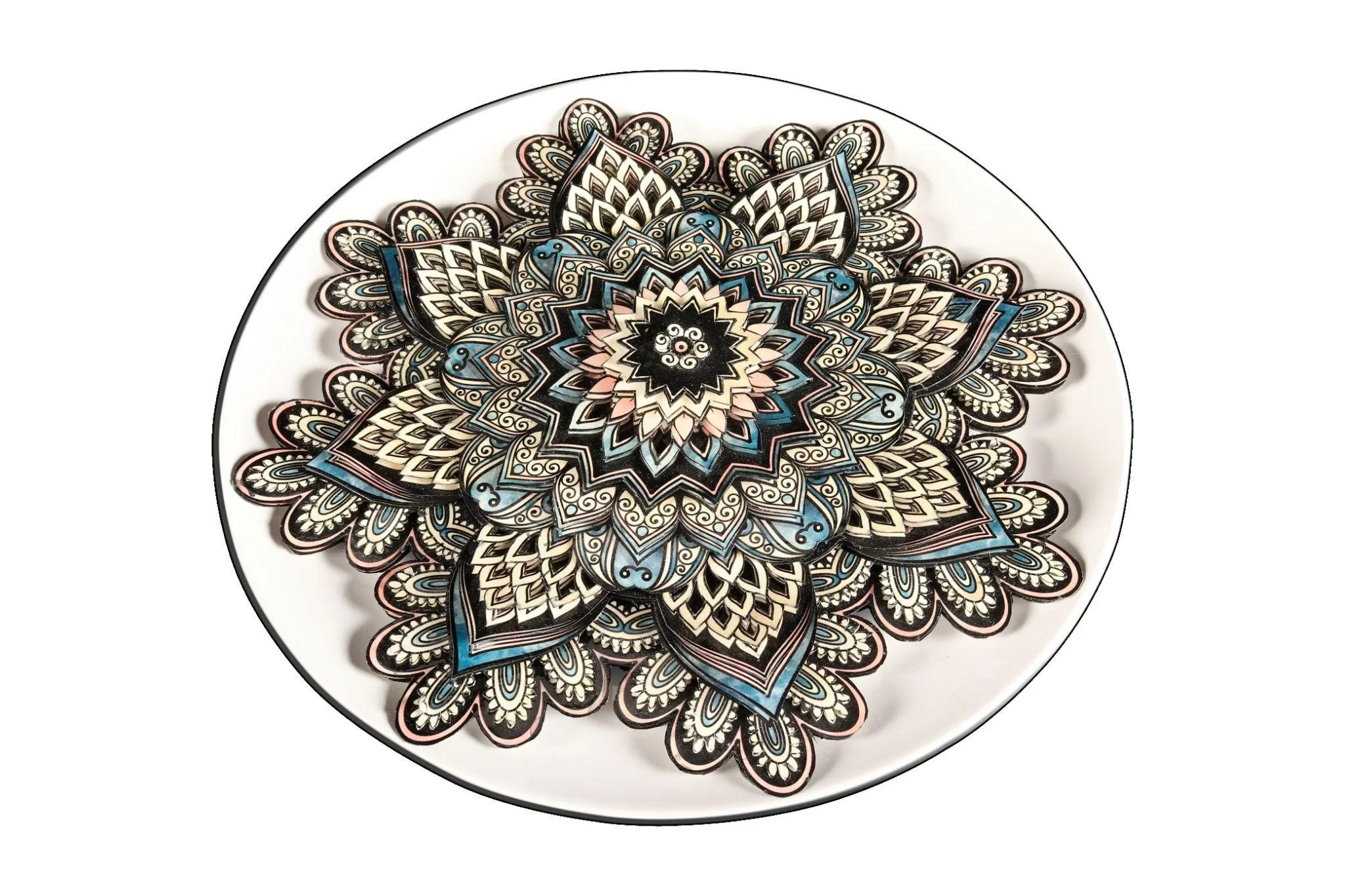
In Kathmandu Valley, mandalas are more than just beautiful patterns. They are a form of spiritual art that carries deep meaning and tradition. You will often see them in temples, monasteries, and even small shops, quietly reflecting a part of Nepal’s cultural and religious life.
A mandala is usually made in a circular shape, filled with detailed patterns that represent balance, harmony, and the universe. Each line, color, and design has a purpose. For many people, creating or observing a mandala is a way to focus the mind and connect with something deeper.
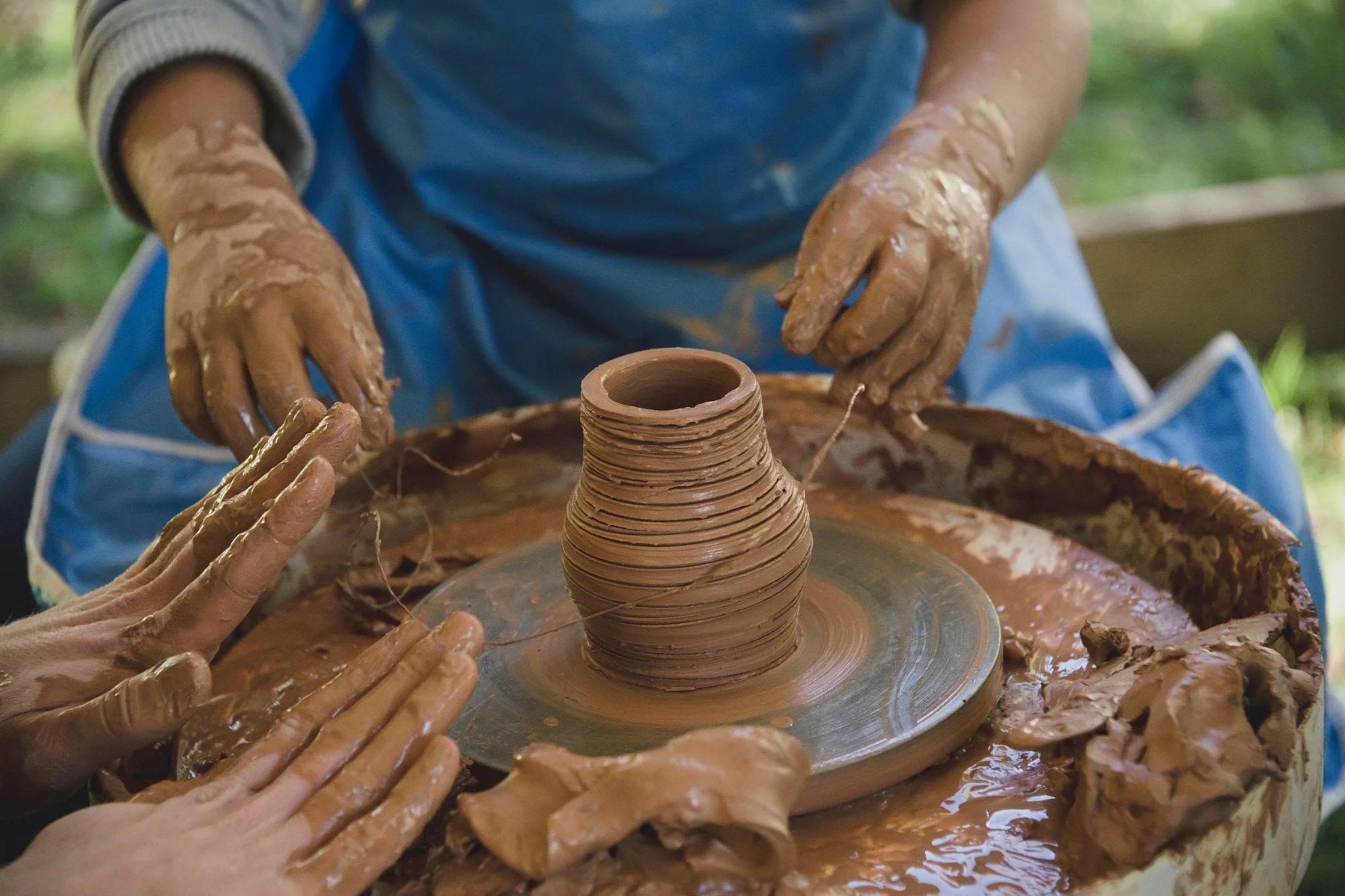
While walking through places like Kathmandu, Patan, or Bhaktapur, you may come across artists carefully painting mandalas by hand. The process takes time, patience, and a lot of concentration. Some mandalas are also made using colored sand, especially in monasteries, where monks spend hours or even days creating them.
One of the most interesting parts of mandala art is that some of them are not meant to last forever. Sand mandalas, for example, are often destroyed after completion. This represents the idea that everything in life is temporary, teaching a lesson about change and letting go.
Mandalas are closely connected to both Buddhist and Hindu traditions. They are used during meditation, rituals, and spiritual practices. For locals, they are not just decorative pieces but a meaningful part of daily life and belief.
For travelers, discovering mandalas in Kathmandu can feel like stepping into a quieter, more thoughtful side of the city. Whether seen in a temple wall, a monastery floor, or an artist’s workspace, each mandala tells a story through its design.
The legacy of mandalas in Kathmandu is not only about art but also about meaning, patience, and tradition. It invites you to slow down, observe closely, and appreciate the details that often go unnoticed in everyday life.
POPULAR ITINERARIES


SIMILAR POSTS