Saga Dawa is one of the most sacred and spiritually significant months in Tibetan Buddhism. It is widely known as the “month of merits,” as it is believed to mark the birth, enlightenment, and parinirvana of Lord Buddha, all occurring on the same full moon day.
The festival begins with the start of the fourth lunar month in the Tibetan calendar. From this time, monasteries across the Himalayan region slowly enter a period of deep spiritual practice. Devotees begin focusing more on prayer, meditation, fasting, and acts of generosity, with the belief that every good deed performed during this month carries multiplied merit.
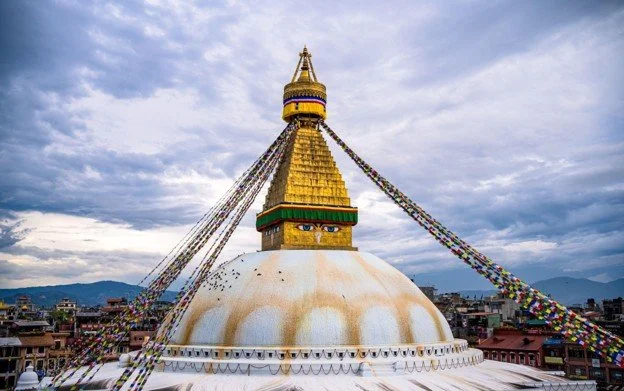
The most important moment of the festival is Saga Dawa Düchen, the full moon day. On this day, monasteries come alive with rituals and prayers. Monks perform long chanting sessions, butter lamps are lit in large numbers, and sacred texts are recited in honor of Buddha’s life and teachings. Pilgrims gather in great numbers around holy sites, especially in places like Lhasa, Boudhanath, and other Himalayan Buddhist centers, creating an atmosphere filled with devotion and silence.
A central practice during Saga Dawa is “kora,” the ritual circumambulation of sacred sites. Devotees walk slowly around stupas and monasteries, often for hours, treating each step as an offering of mindfulness. The sound of prayer wheels, whispered mantras, and steady footsteps fills the surroundings, creating a deeply reflective environment.
Along with rituals, the month also emphasizes compassion in daily life. People avoid harming living beings, give donations, release animals, and practice kindness in simple everyday actions. It is believed that even small acts of goodness during this period carry greater spiritual value than usual.
As the month gradually comes to an end, the intensity of rituals slowly settles, but the spiritual influence remains. Saga Dawa is not only a religious observance but also a reminder of mindfulness, compassion, and inner discipline.
In the Himalayan world, where spirituality is closely tied to everyday living, Saga Dawa continues to be a living tradition. It reflects how faith, culture, and daily life exist together, shaping a deeper sense of awareness and connection among those who observe it each year.
POPULAR ITINERARIES






SIMILAR POSTS