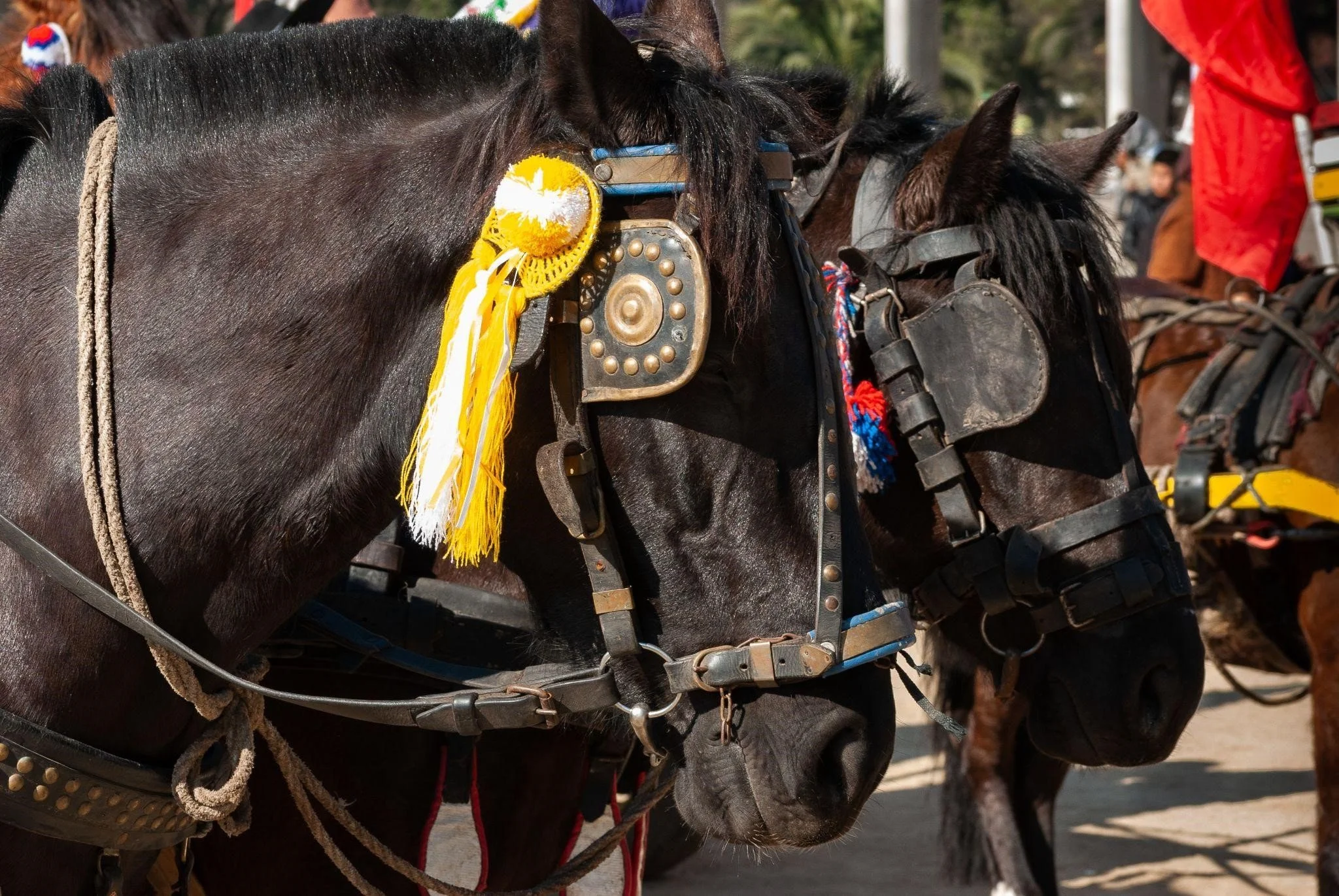
Every year in Kathmandu, a spectacle of color, tradition, and raw energy unfolds as locals gather for Ghode Jatra, one of Nepal’s most unique and thrilling festivals. Literally translating to “Horse Parade”, Ghode Jatra is celebrated in the capital’s historic Tundikhel grounds, where the thunder of hooves, the flash of ceremonial attire, and the beating of drums come together to drive away evil spirits and misfortune.
The Origins and Significance
Ghode Jatra traces its origins back centuries to a time when the valley was believed to be plagued by evil spirits and misfortune. According to legend, the locals discovered that the thunderous sound of horses galloping across Tundikhel could scare away these malevolent forces, and the festival began as a ritual to protect the city and its inhabitants. Over time, it became intertwined with royal traditions: the Malla kings organized horse parades and equestrian displays to demonstrate military strength and discipline, which gradually merged with the ritual of warding off evil. Today, Ghode Jatra continues to honor this blend of folklore, spirituality, and heritage, with horses at the heart of a vibrant parade that both celebrates and protects Kathmandu.
How the Festival Is Celebrated?
The heart of Ghode Jatra is the parade of horses, ridden by jockeys dressed in ceremonial attire, accompanied by the rhythmic beats of drums. The festival often includes horse races, trick riding, and displays of equestrian skill, showcasing the strength and discipline of both the animals and their riders. Tundikhel, the sprawling parade ground in Kathmandu, becomes a lively arena where locals and tourists alike gather to witness the event. The energy is contagious, as families, children, and visitors cheer and celebrate the spectacle. In addition to the horse parade, Ghode Jatra features processions, musical performances, and rituals performed by priests to bless the city and its people.
Why Ghode Jatra Matters Today?
Beyond its entertainment value, Ghode Jatra is a symbol of community, protection, and cultural pride. It is one of the few festivals in the world where horses take center stage, making it a unique experience for both locals and travelers. The combination of ritual, celebration, and spectacle makes Ghode Jatra a must-see event for anyone visiting Kathmandu in March or April, depending on the lunar calendar.
Experience the Thrill of Ghode Jatra
Attending Ghode Jatra is more than just watching a parade; it’s feeling the heartbeat of a centuries-old tradition. The thunder of hooves, the cheers of the crowd, and the vibrant display of horse and rider create an atmosphere that is both exhilarating and culturally enriching. For visitors to Nepal, Ghode Jatra offers a rare glimpse into the country’s living traditions, where ancient beliefs and modern celebration come together in a parade against evil, celebration of life, and a display of Nepalese heritage at its most dynamic.
POPULAR ITINERARIES



SIMILAR POSTS