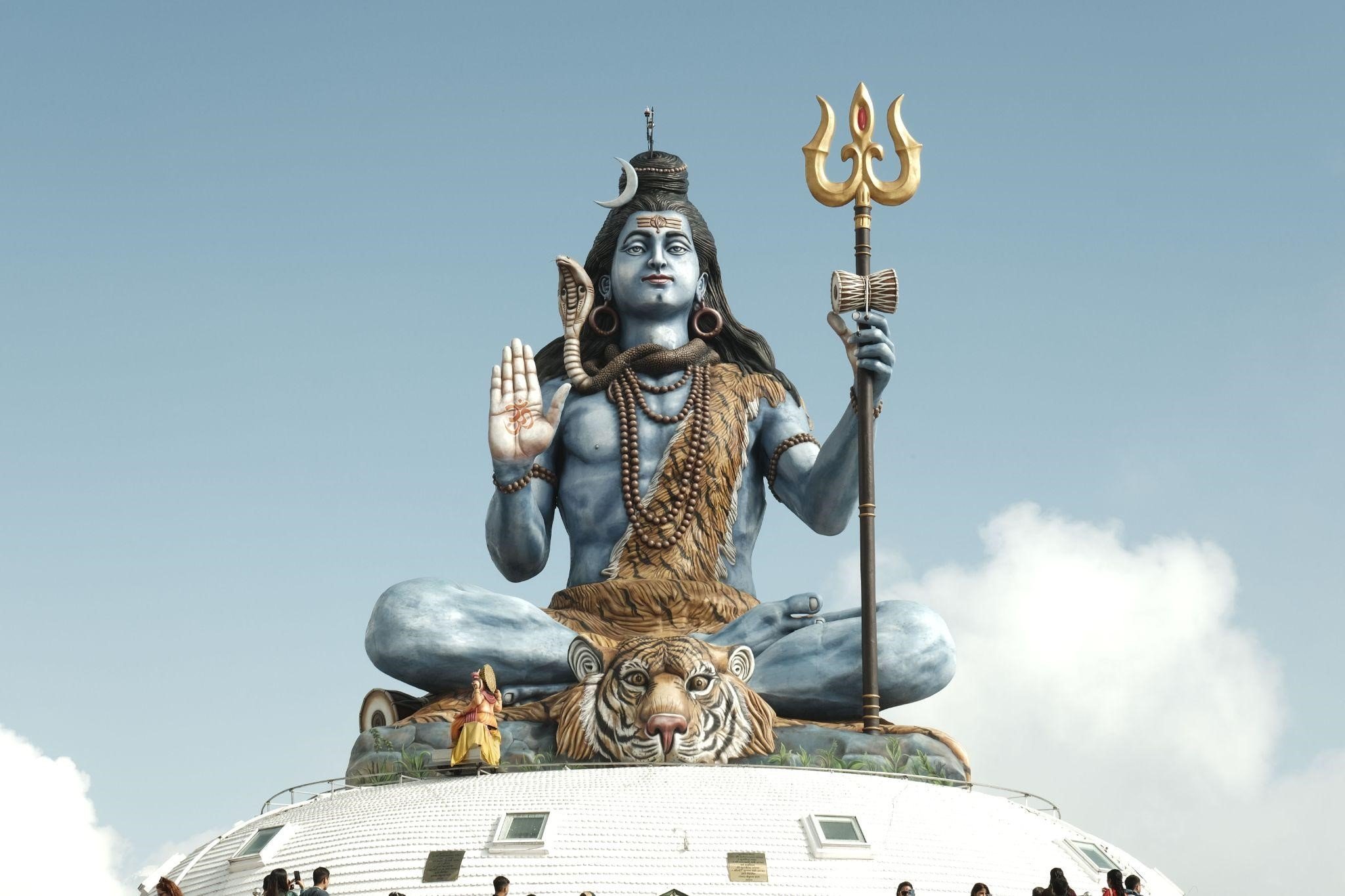
Maha Shivaratri, literally meaning "The Great Night of Shiva," is one of the most revered festivals in Nepal. Celebrated in honor of Lord Shiva, this auspicious night brings together devotees, spiritual seekers, and cultural enthusiasts in a vibrant blend of devotion, tradition, and divine energy. Falling on the 14th night of the dark fortnight in the month of Falgun, Maha Shivaratri is not just a religious observance but also a cultural spectacle that reflects the deep-rooted spiritual ethos of Nepal.
A Night of Devotion
Devotees across Nepal prepare for Maha Shivaratri with immense devotion and reverence. The day is marked by fasting, prayer, and meditative practices. Many devotees visit Shiva temples, such as the iconic Pashupatinath Temple in Kathmandu, where the evening rituals create a mesmerizing spiritual atmosphere. The sacred chants of "Om Namah Shivaya," the lighting of oil lamps, and the offering of bilva leaves, fruits, and milk to Shiva lingams are acts of devotion that have been performed for centuries. The night-long vigil, or "jagar," symbolizes the triumph of light over darkness and knowledge over ignorance.
Cultural Celebrations
Beyond spiritual rituals, Maha Shivaratri is also a celebration of Nepali culture. Temples come alive with music, traditional dances, and local fairs. Pilgrims from all over Nepal and even from neighboring countries gather to witness the festive energy, making it a truly communal experience. The festival is an opportunity to observe the diverse customs of Nepal’s Hindu communities, each with unique ways of honoring Lord Shiva, from the elaborate decorations of temples to local folk performances that narrate tales from Shiva’s mythology.
Divine Energy & Spiritual Significance
Maha Shivaratri is considered the night when cosmic energy is at its peak, offering devotees a chance to connect with the divine more intensely. According to legend, it is the night when Lord Shiva performed the cosmic dance, the Tandava, representing creation, preservation, and destruction. For spiritual seekers, meditating and chanting on this night is believed to cleanse the soul, promote spiritual growth, and bring peace and prosperity. The sense of divine energy in the air is palpable, making it a unique spiritual experience for both the devout and the curious traveler.
Experiencing Maha Shivaratri in Nepal
Visitors to Nepal during Maha Shivaratri can immerse themselves in both spirituality and culture. From witnessing the grand rituals at Pashupatinath to exploring smaller temples in towns like Bungamati and Khokana, each location offers a distinctive glimpse into Nepali devotion and heritage. Travelers can also experience the local cuisine and festive treats, enjoy cultural performances, and interact with communities deeply rooted in Hindu traditions.
Maha Shivaratri in Nepal is more than a religious festival, it is a celebration of devotion, cultural heritage, and the eternal energy of the divine. Whether you are a spiritual seeker, a culture enthusiast, or simply a curious traveler, the night of Maha Shivaratri promises an unforgettable experience, enveloped in the mystical aura of Lord Shiva’s presence.
POPULAR ITINERARIES


SIMILAR POSTS