
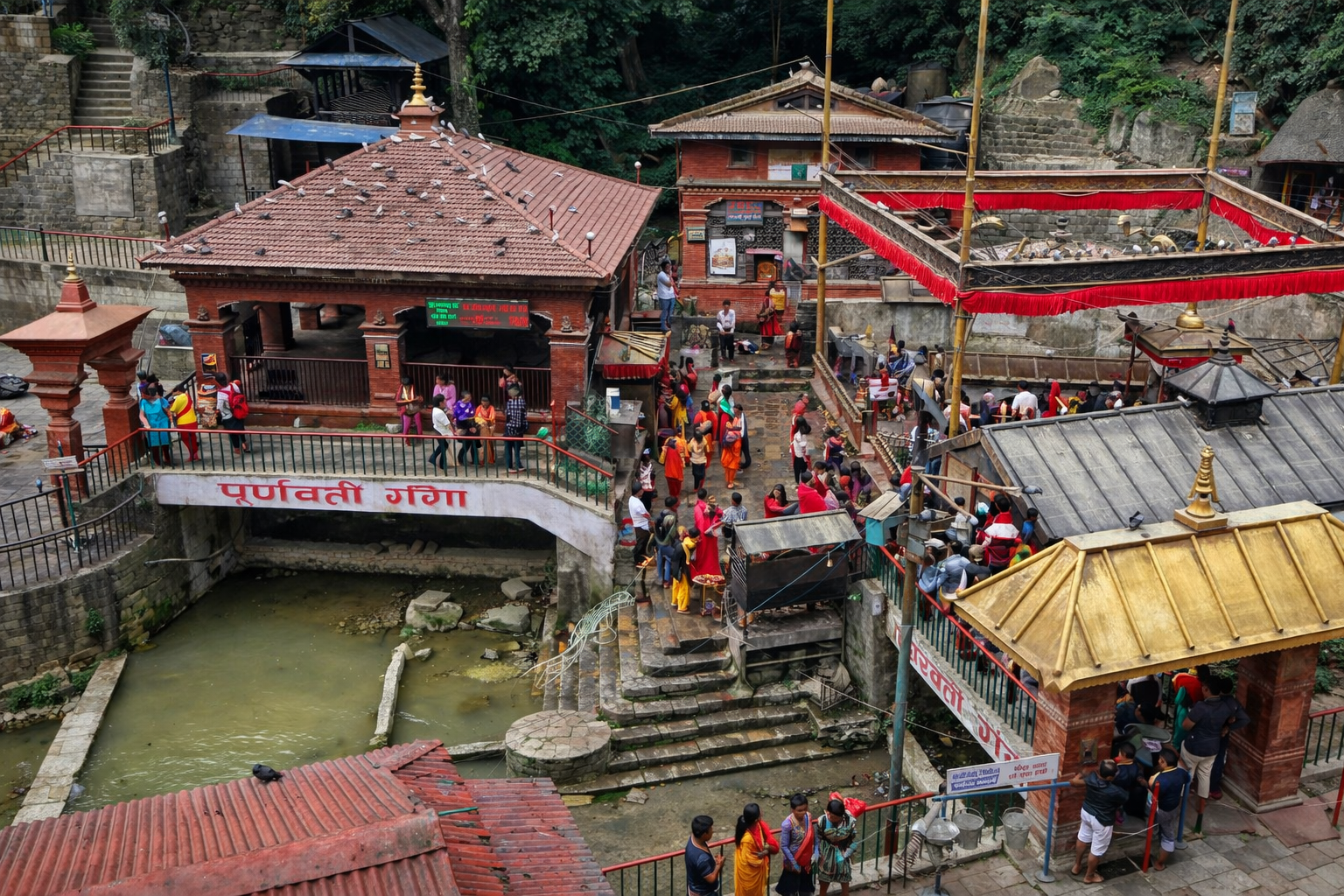
At the southern edge of Kathmandu Valley, where the city fades into forested hills, stands Dakshinkali, a temple dedicated to Kali, the fierce and transformative form of the Divine Feminine. This is not a quiet shrine. It is a place of intensity, power, and deep devotion.
To understand Dakshinkali, we must first understand Kali.
In Hindu mythology, Kali emerges during moments of cosmic crisis. In the Devi Mahatmya, when demons overpower the gods, the warrior goddess Durga releases Kali from her own forehead. Dark as the night sky, adorned with skulls, and unstoppable in battle, Kali destroys the forces of chaos. She is not evil. She is the force that restores balance when destruction becomes necessary.
Her symbolism runs deep. Her dark form represents the vastness of time and the unknown. The garland of skulls symbolizes creation and dissolution. Kali is time itself, the power that creates, transforms, and ultimately dissolves all things. Philosophically, she represents the destruction of ego and illusion. Transformation is rarely gentle, and Kali embodies that uncomfortable but necessary truth.
Dakshinkali Temple, believed to date back to the Malla period, was built after a king reportedly received a divine vision instructing him to establish the shrine in this southern gorge. The location is significant. Kali temples are often found at boundaries, between city and wilderness, order and chaos. Dakshinkali sits precisely at such a threshold.
One of the most discussed aspects of the temple is ritual animal sacrifice. Within Shakta tradition, sacrifice, known as bali, symbolizes surrender. It represents the offering of one’s inner impurities such as anger, pride, and greed. Especially during Dashain, devotees offer animals as an act of faith and gratitude, and the meat is consumed as blessed food.
At the same time, perspectives are evolving. Some devotees now choose symbolic offerings like coconuts or pumpkins instead. Cultural practices shift over time, and conversations around ethics continue within modern Nepali society.
On Tuesdays and Saturdays, the temple fills with worshippers. Bells ring, incense rises, prayers echo through the gorge. People come seeking protection, strength, and blessings before exams, business ventures, or major life events. Kali is approached not for comfort, but for courage.
Dakshinkali reminds us of a reality we often avoid. Destruction and renewal are inseparable. Life changes. Illusions fall. Strength is forged in intensity. At the edge of the valley, beneath the watchful gaze of the fierce goddess, devotion becomes an act of surrender and transformation.
POPULAR ITINERARIES


SIMILAR POSTS
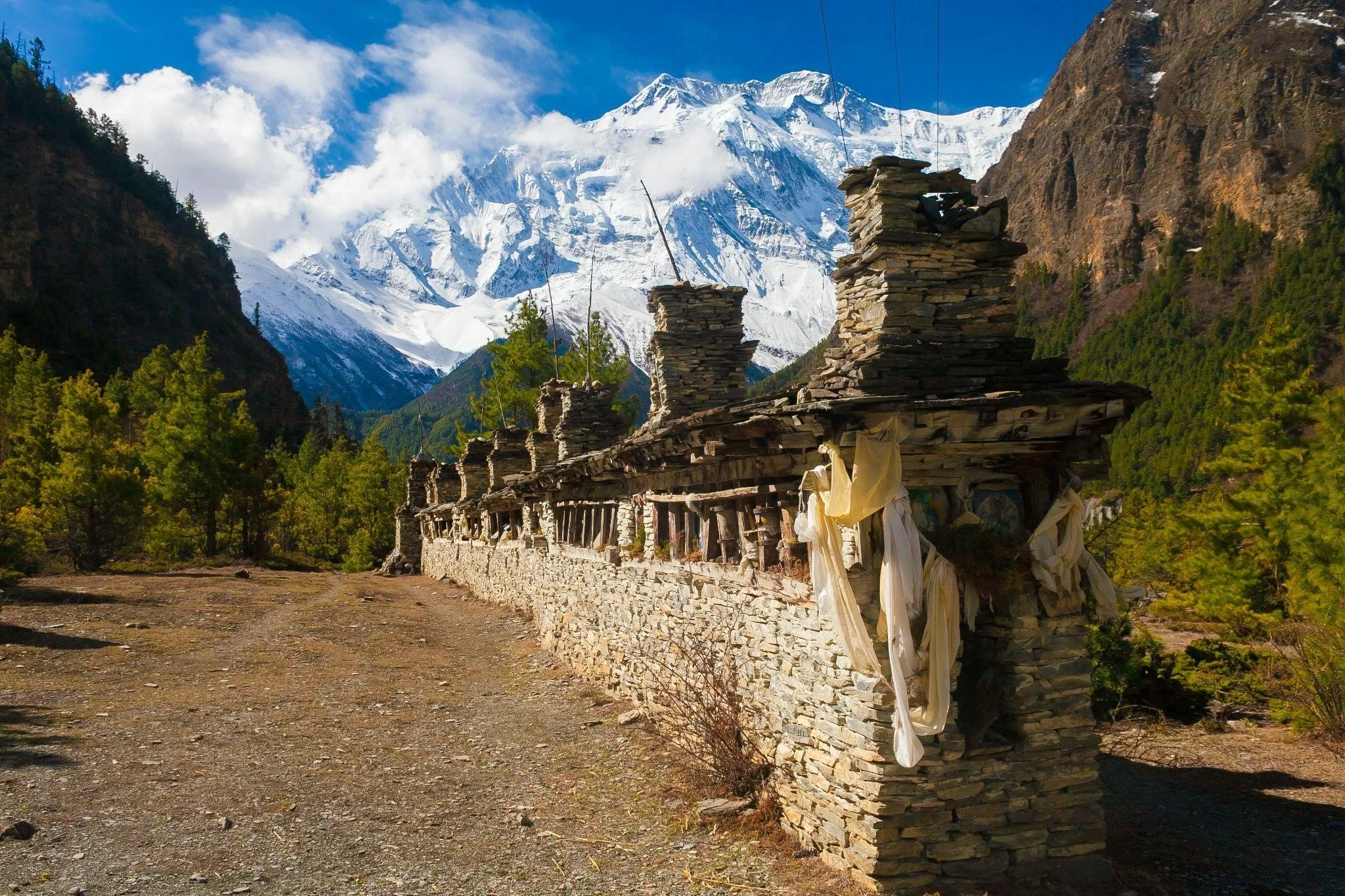
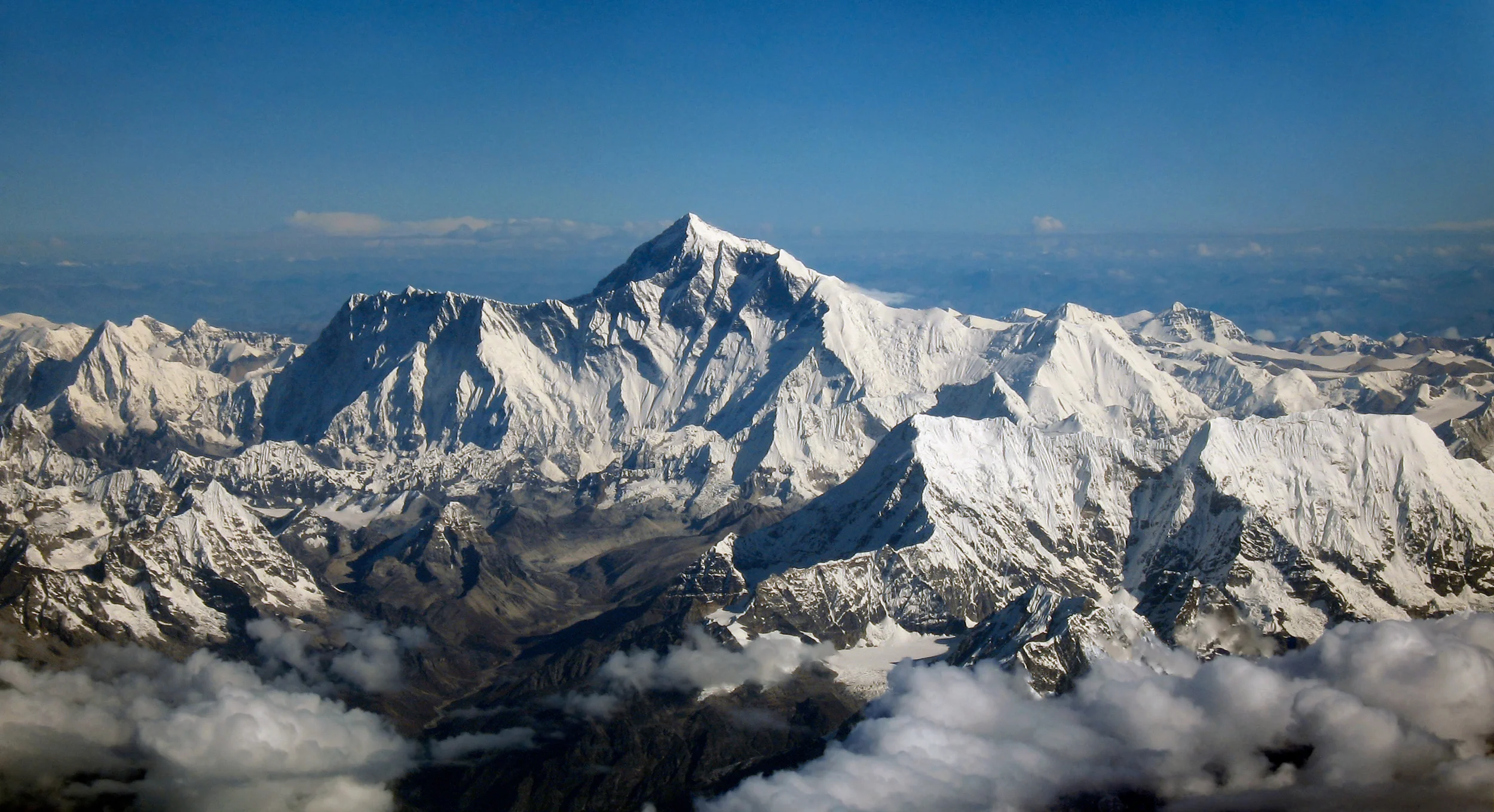
This trek is specially designed to reach the Everest Base Camp including Kala Pattar which is the best view point to view the sunrise over the high Himalayas including the Mt. Everest. This trek requires 13 days.
USD 1515 PER PERSON -- TWIN ROOM SHARING BASIS