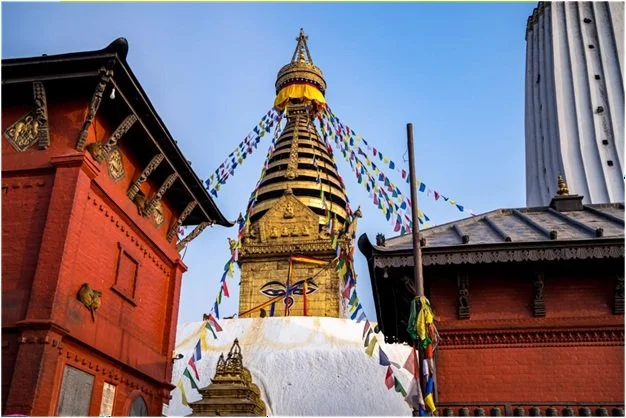
Swayambhunath is not just a destination, it’s an experience of Kathmandu’s spiritual and everyday life.
Explore the Hotel Shanker blog archive for a complete list of all our stories, updates, and posts. From local places insights to travel tips, find everything in one place.
Viewing entries in
Top Sites in Nepal
Swayambhunath is not just a destination, it’s an experience of Kathmandu’s spiritual and everyday life.
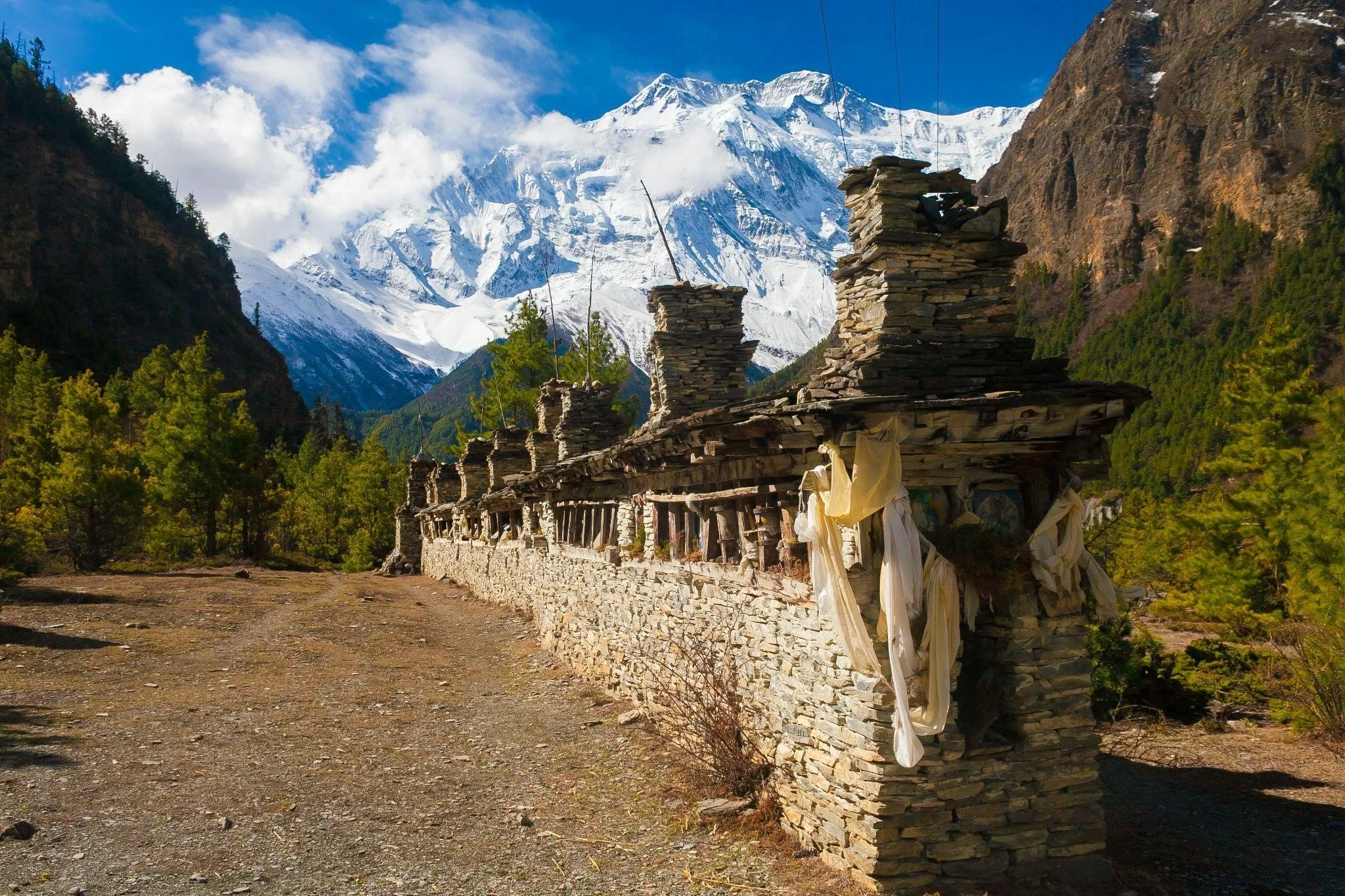
Step into the heart of the Himalayas on the Manaslu Trek, where snow-capped peaks, ancient villages, and prayer flags guide every step. A journey of endurance, culture, and breathtaking vistas awaits for those ready to explore Nepal’s hidden giant.
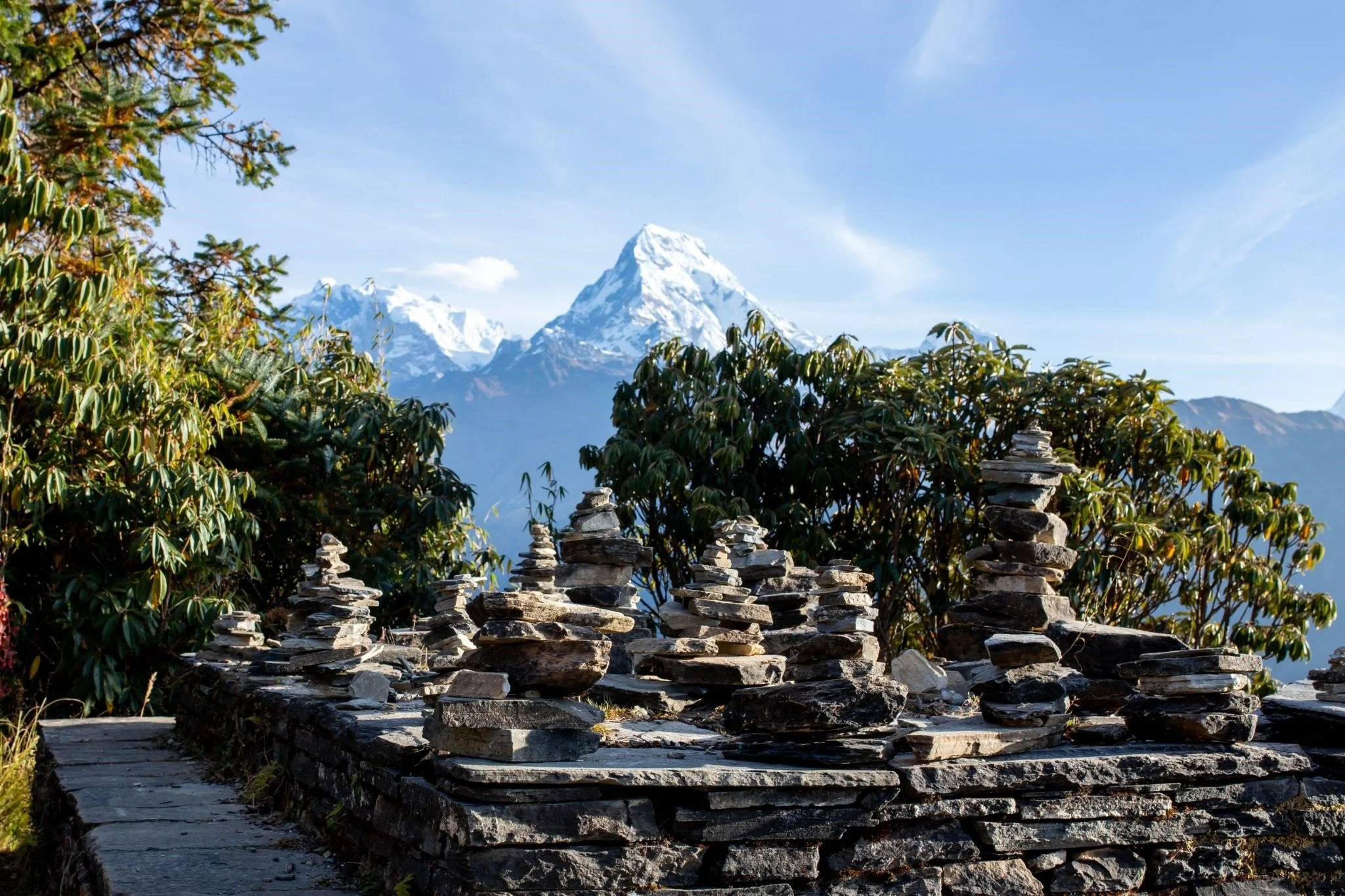
Rising above the hills at 3,210 meters, Poon Hill is where the mountains meet the sky. The trail from Ghorepani winds through rhododendron forests and quiet villages, revealing a journey that blends breathtaking views, local culture, and the kind of stillness only the Himalayas can offer.
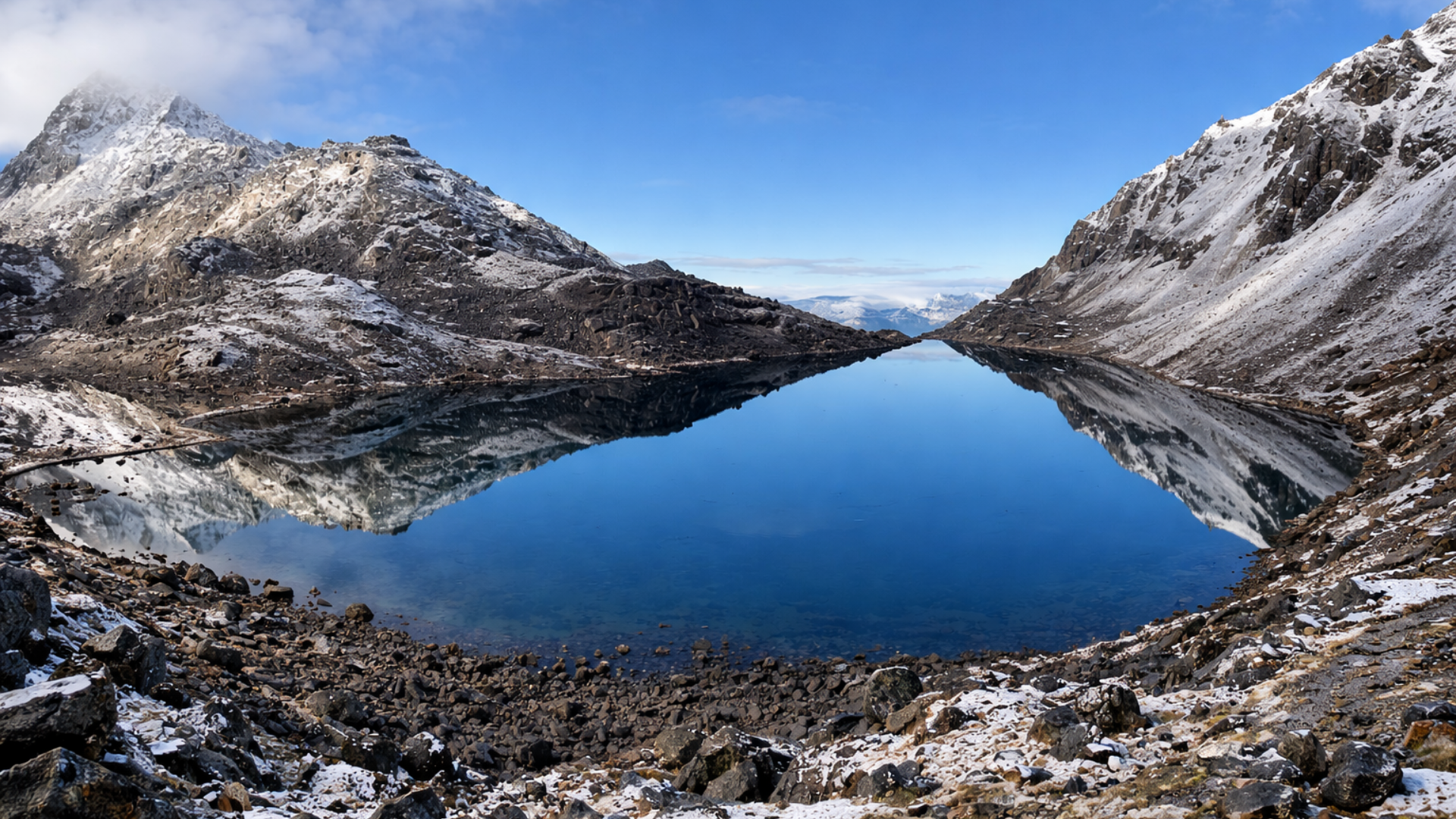
At 4,380 meters above sea level, Gosaikunda is more than a Himalayan lake. Born from the legend of Shiva’s sacrifice thousands of years ago, it remains a sacred pilgrimage site and an unforgettable trekking destination, where myth, mountain, and endurance meet in the thin alpine air.
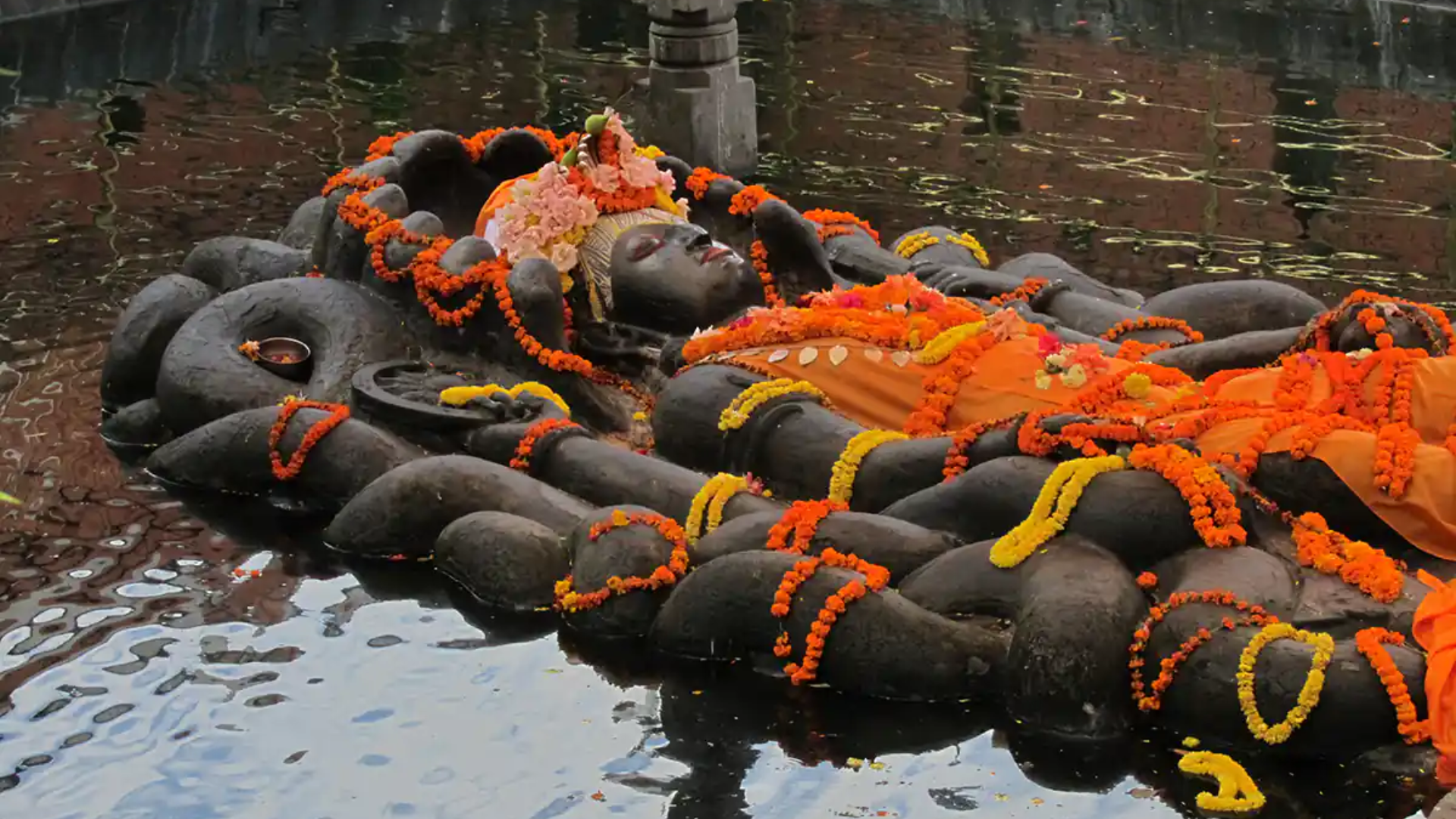
At Budhanilkantha, Lord Vishnu rests in cosmic sleep upon the serpent of infinity, dreaming worlds into existence. For centuries, a prophecy warned Nepal’s kings to stay away, reminding even monarchs that divine power stands above earthly rule.
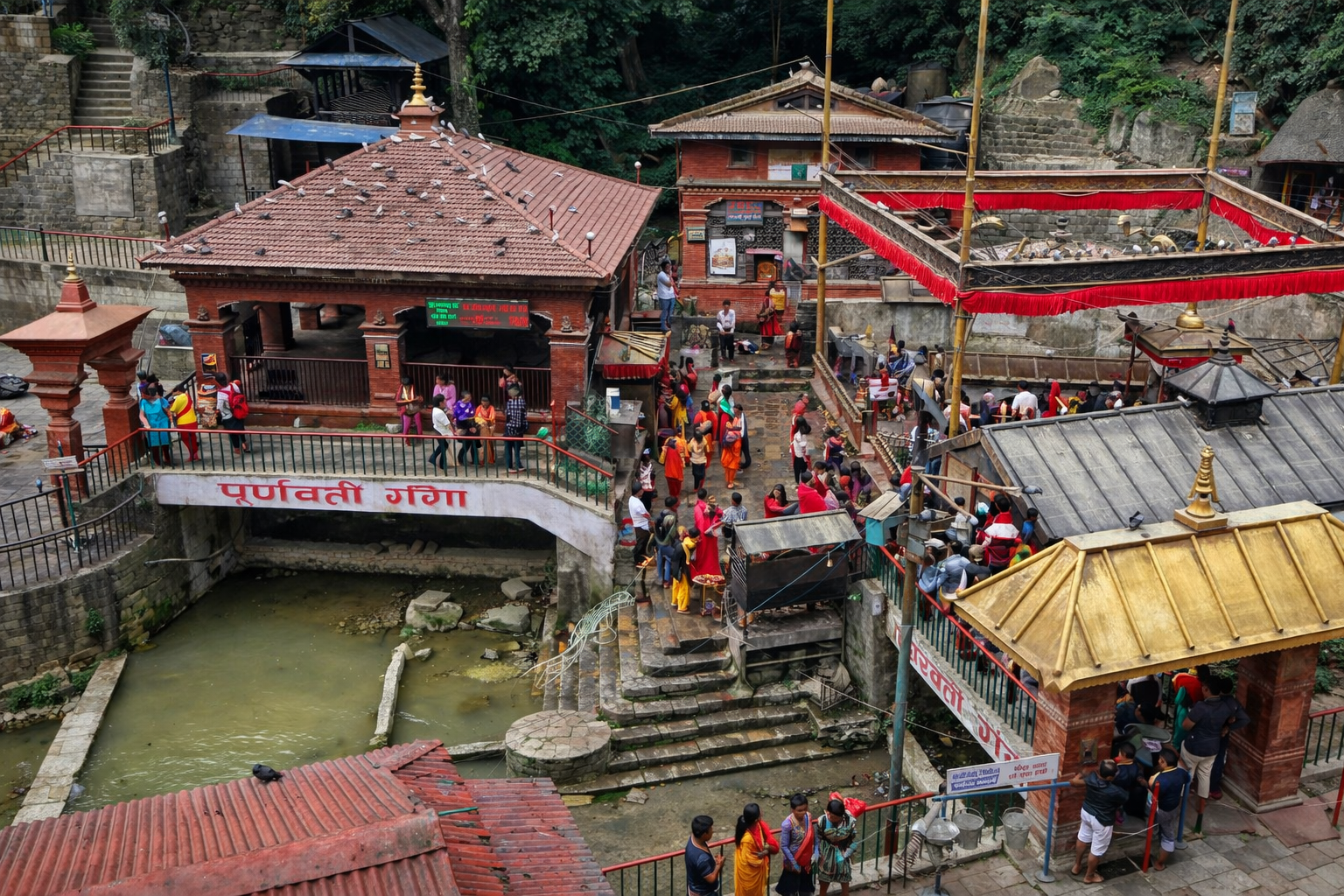
At the edge of Kathmandu, Dakshinkali stands as a sacred threshold of power and transformation.
Dedicated to Goddess Kali, the fierce force of protection and renewal, this temple is where devotion meets courage, and where surrender becomes strength.
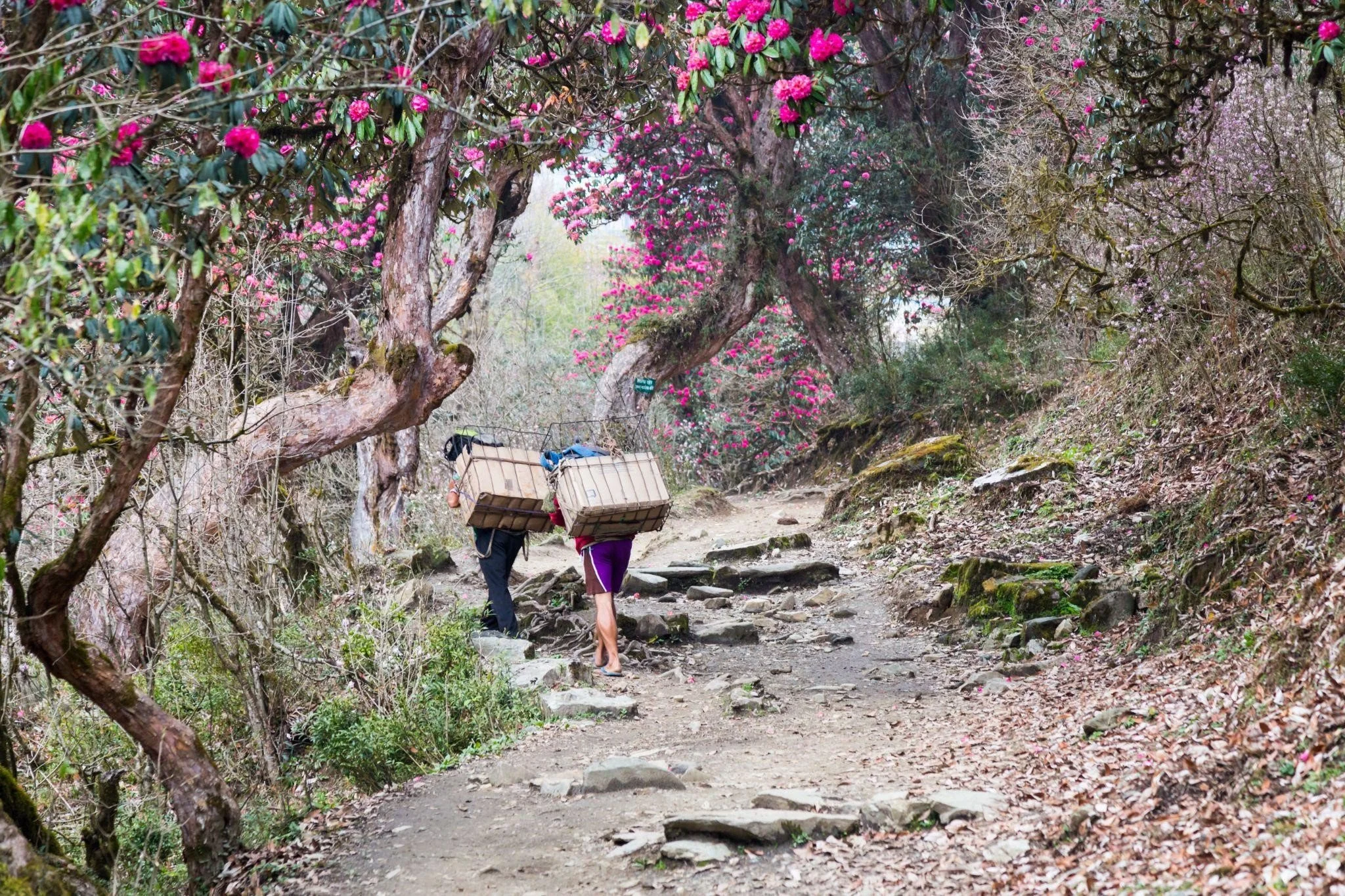
March in Nepal feels like nature pressing refresh.
Rhododendrons bloom, skies clear, and quieter trails reveal their magic; from Tinjure-Milke-Jaljale’s colorful forests to the serene heights of Gosaikunda and Panchase.
Early spring is your window to explore Nepal’s underrated treks in full bloom, with beauty and solitude walking beside you.
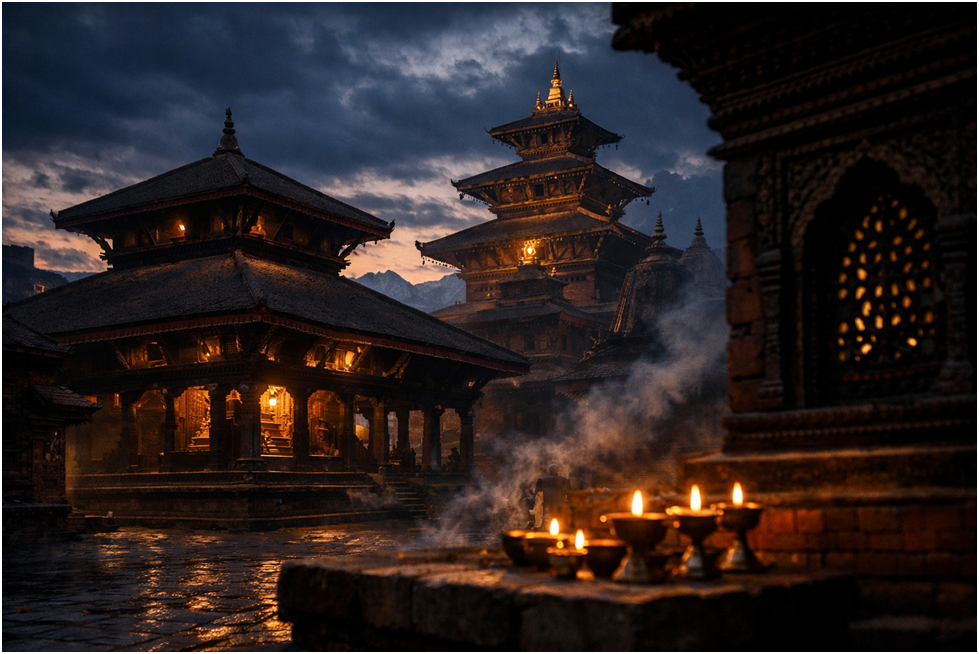
Kathmandu is more than temples; it is a city of living legends.
From the mysterious Taleju Temple to the story of Kasthamandap and the Living Kumari, these ancient spaces carry myths that have shaped the Valley for centuries. Dates tell history, but stories give it meaning.
Discover the legends that still breathe through Kathmandu’s timeless temples.
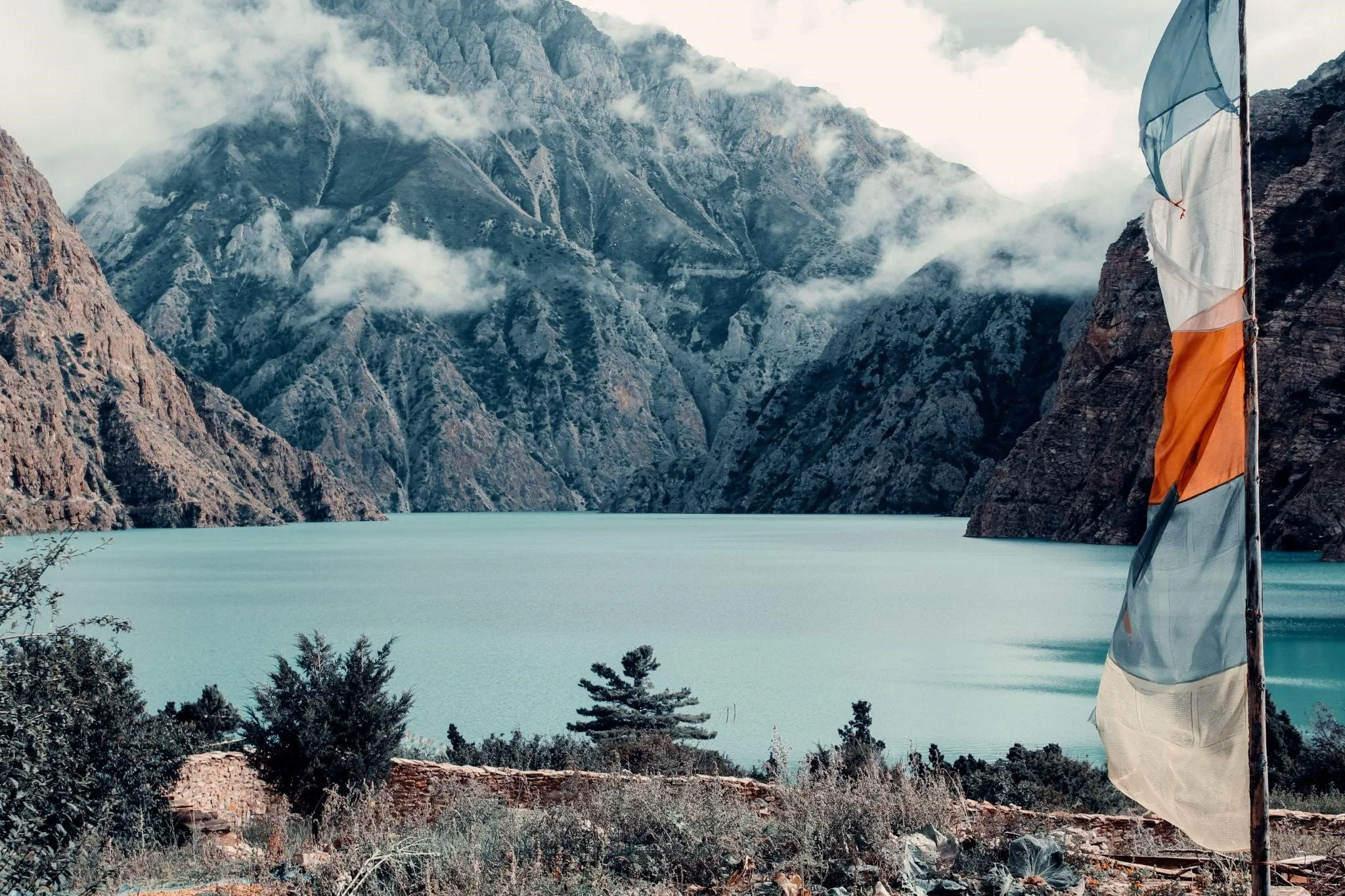
Shey Phoksundo Lake: A hidden gem above the clouds, where turquoise waters meet snow-capped peaks and misty mornings. Nestled at 3,611 meters in Dolpa, Nepal, this sacred lake offers an unforgettable blend of natural beauty and cultural significance.
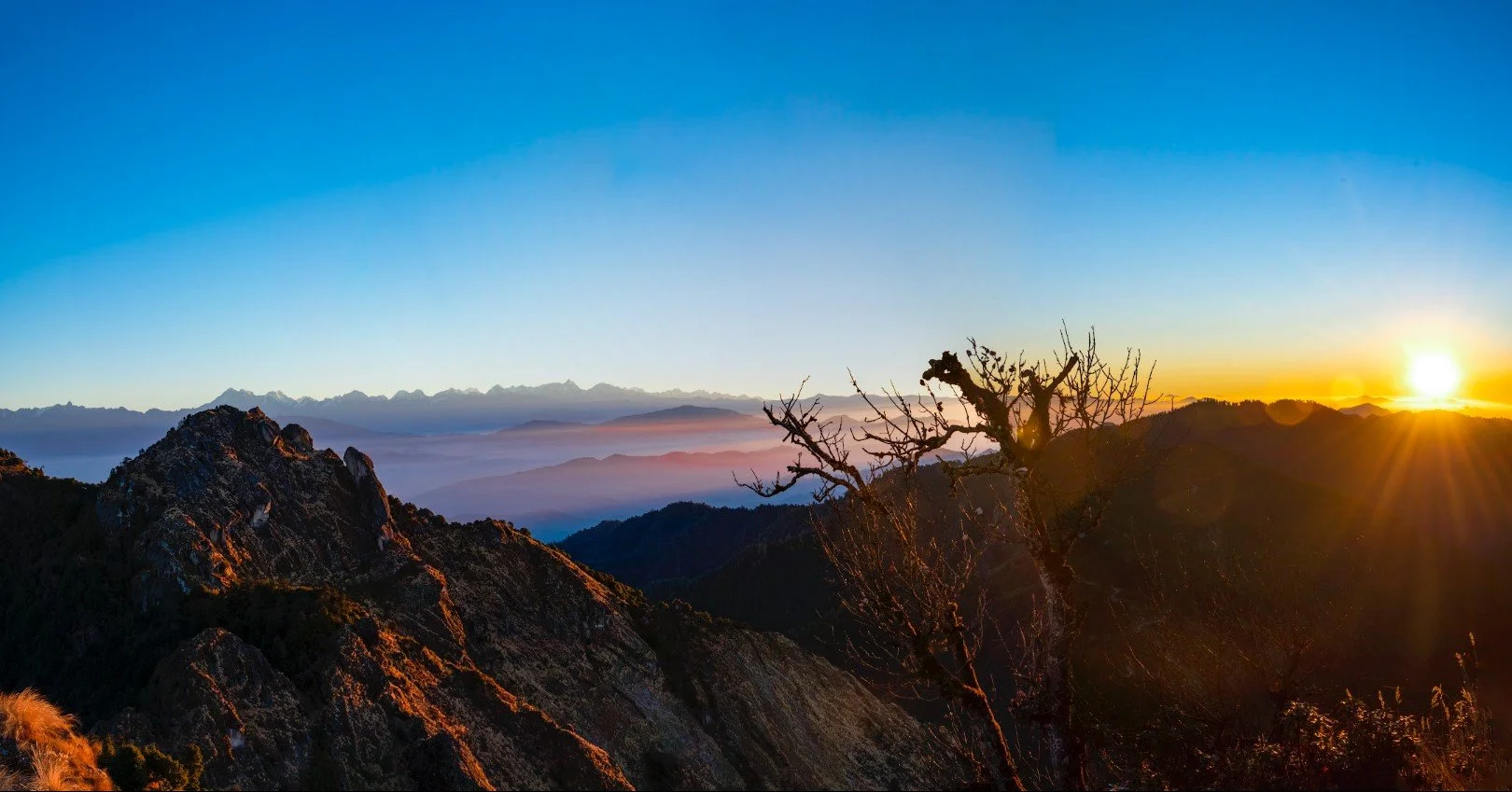
Sunrise or sunset, Kathmandu’s skies never disappoint! Discover the best spots for breathtaking views and peaceful escapes with the beautiful rise and set of the sun.
Bandipur: A Timeless Hilltop Haven – Discover the charm of Nepal’s hidden gem, where cobbled streets, vibrant culture, and breathtaking mountain views come together to create a peaceful escape from the ordinary.
The golden Bajra at Swayambhunath Stupa in Kathmandu, a timeless guardian symbolizing strength, enlightenment, and divine protection in Nepal’s sacred traditions.” This sacred object, with its rich mythology and spiritual significance, stands firm as a reminder of the intertwined Hindu and Buddhist beliefs that continue to shape Nepal’s cultural landscape. Whether at the entrance of a temple, adorning stupas, or held during ritual practices, the Bajra represents a powerful force that connects the earthly realm with the divine.