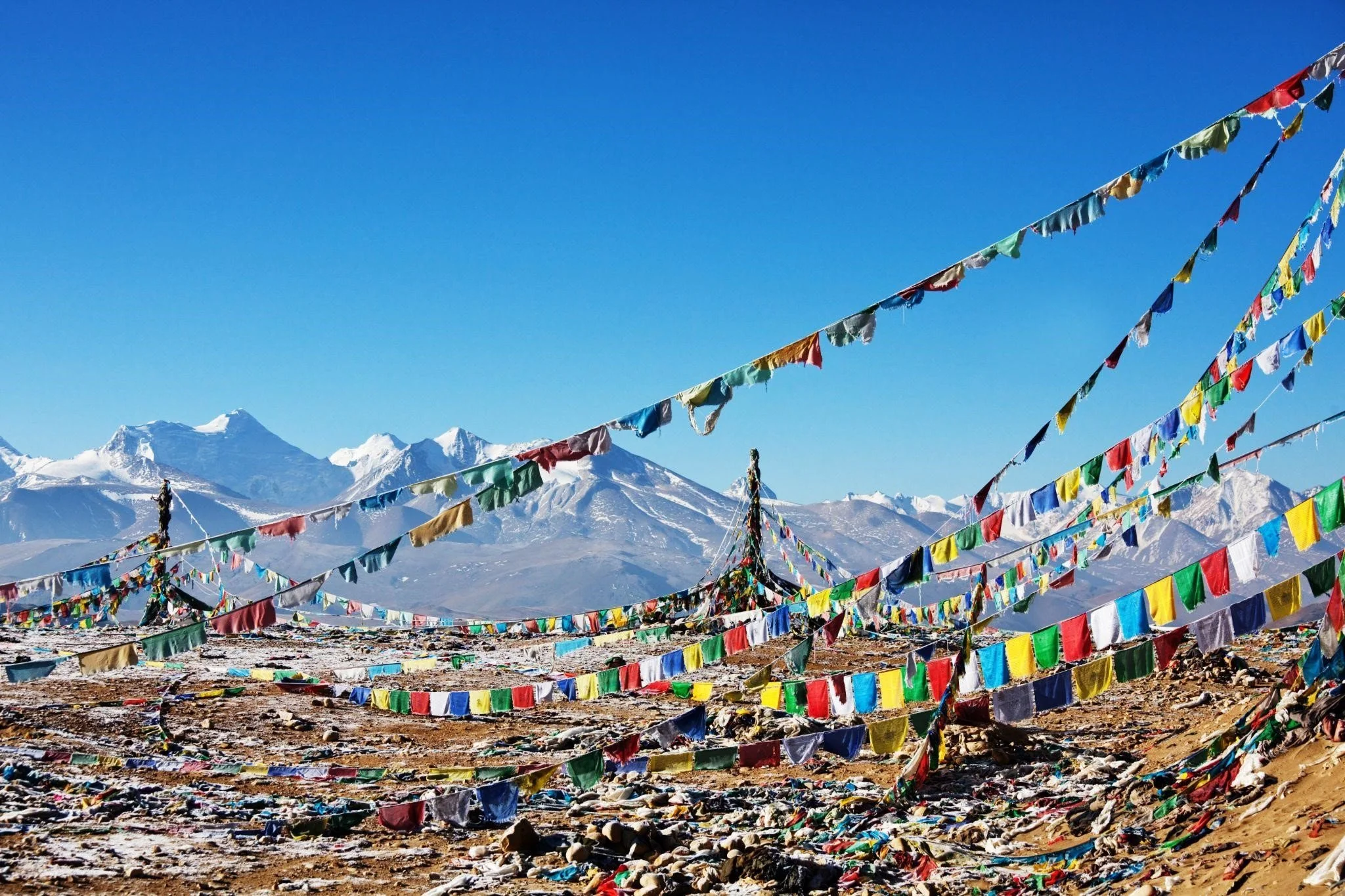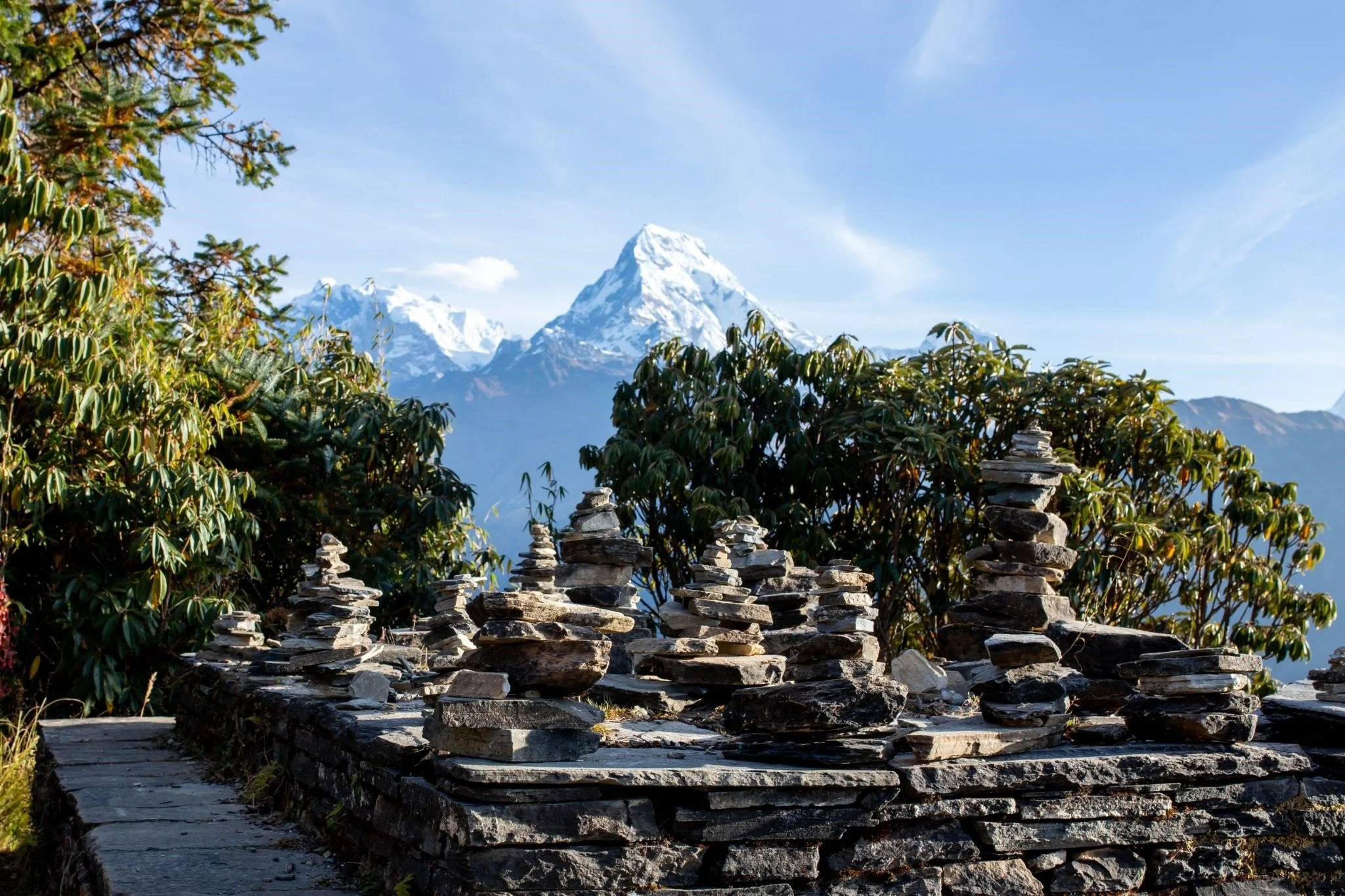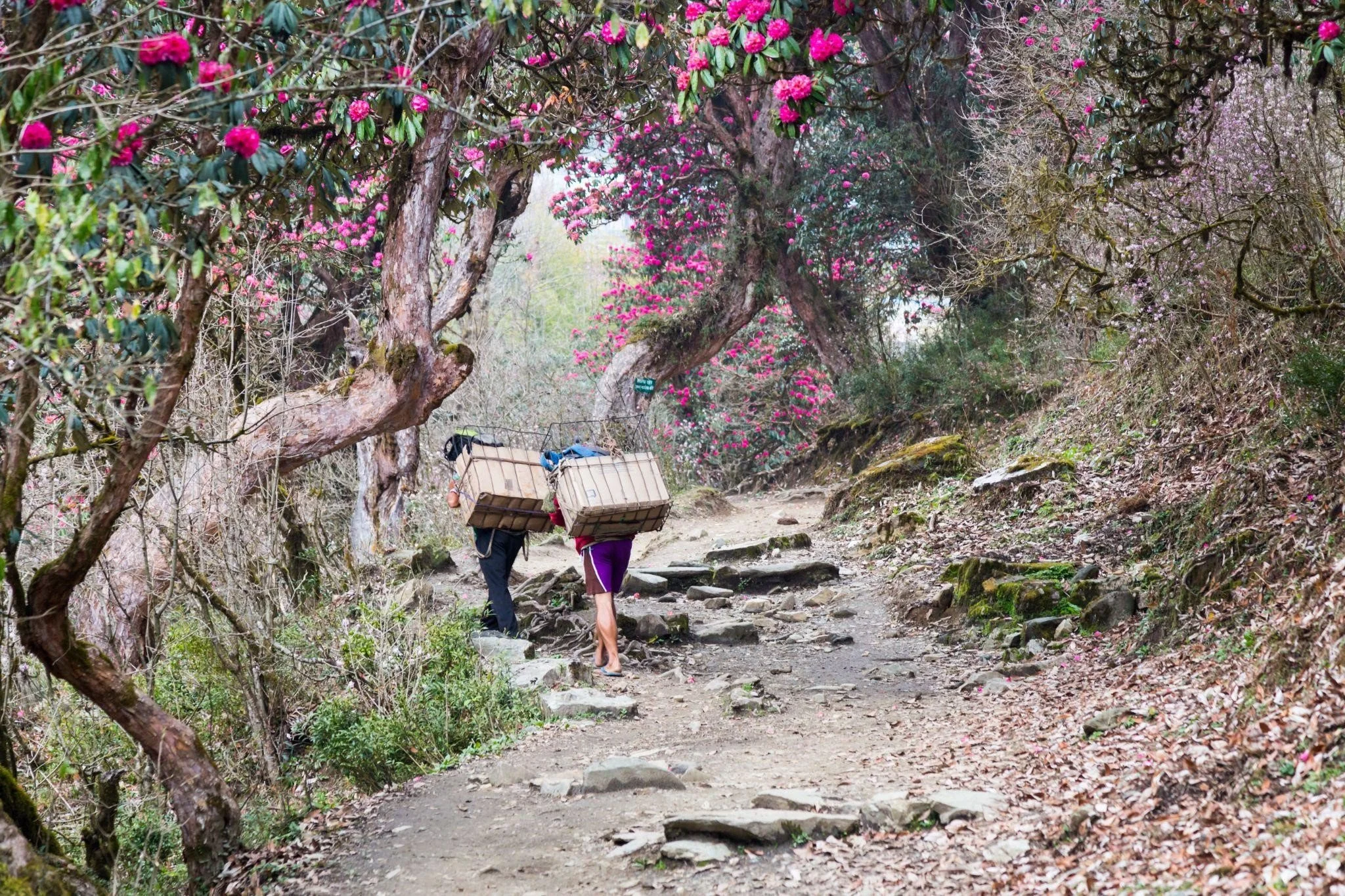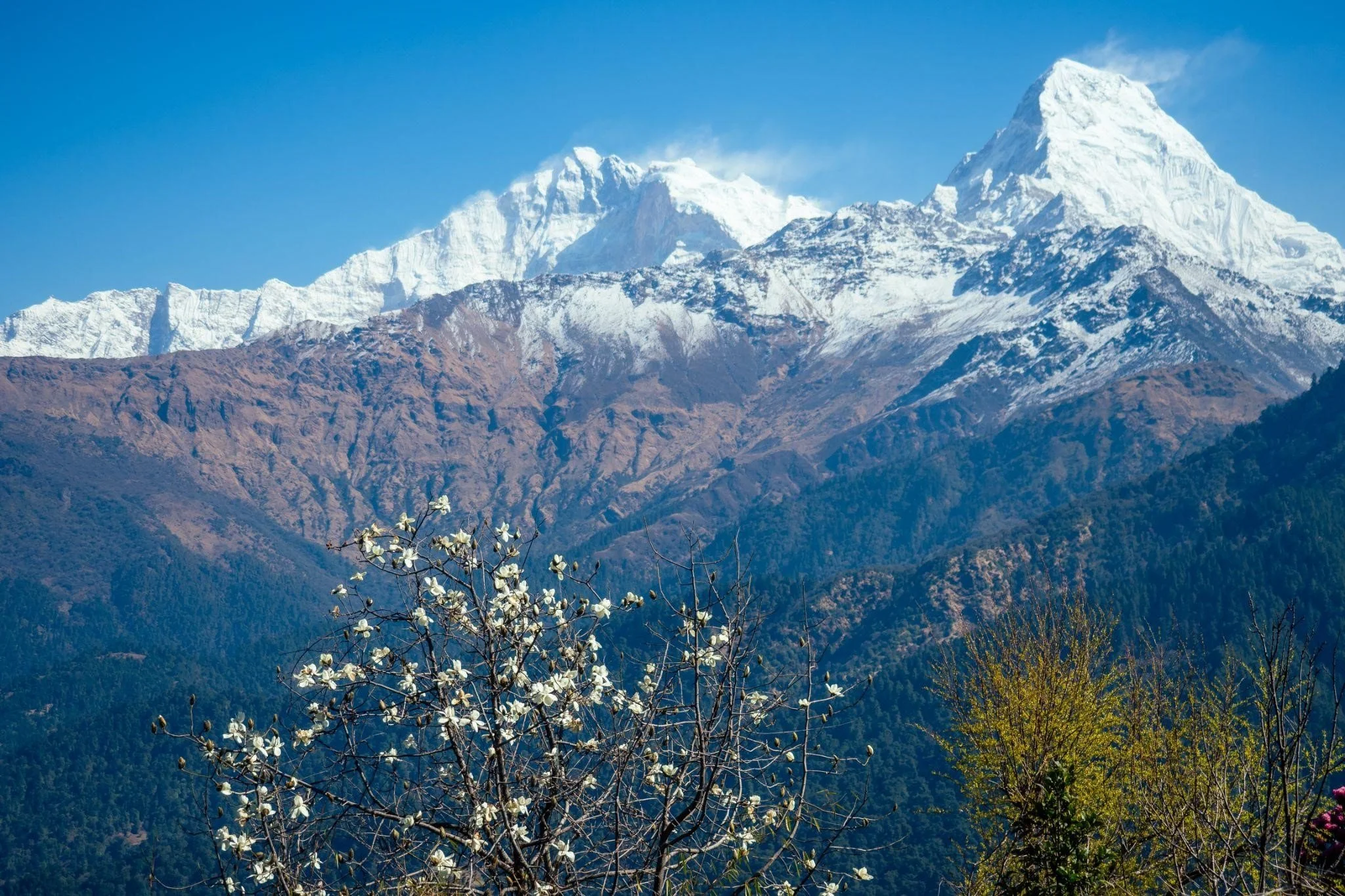
In the heart of Nepal’s highlands, the Manaslu region rises like a sentinel over the valleys below. At 8,163 meters, Mount Manaslu, the “Mountain of the Spirit,” casts its shadow over villages, rivers, and trails that have been walked for generations. This trek is more than a journey through the Himalayas; it is a passage through culture, endurance, and the quiet majesty of nature untouched.
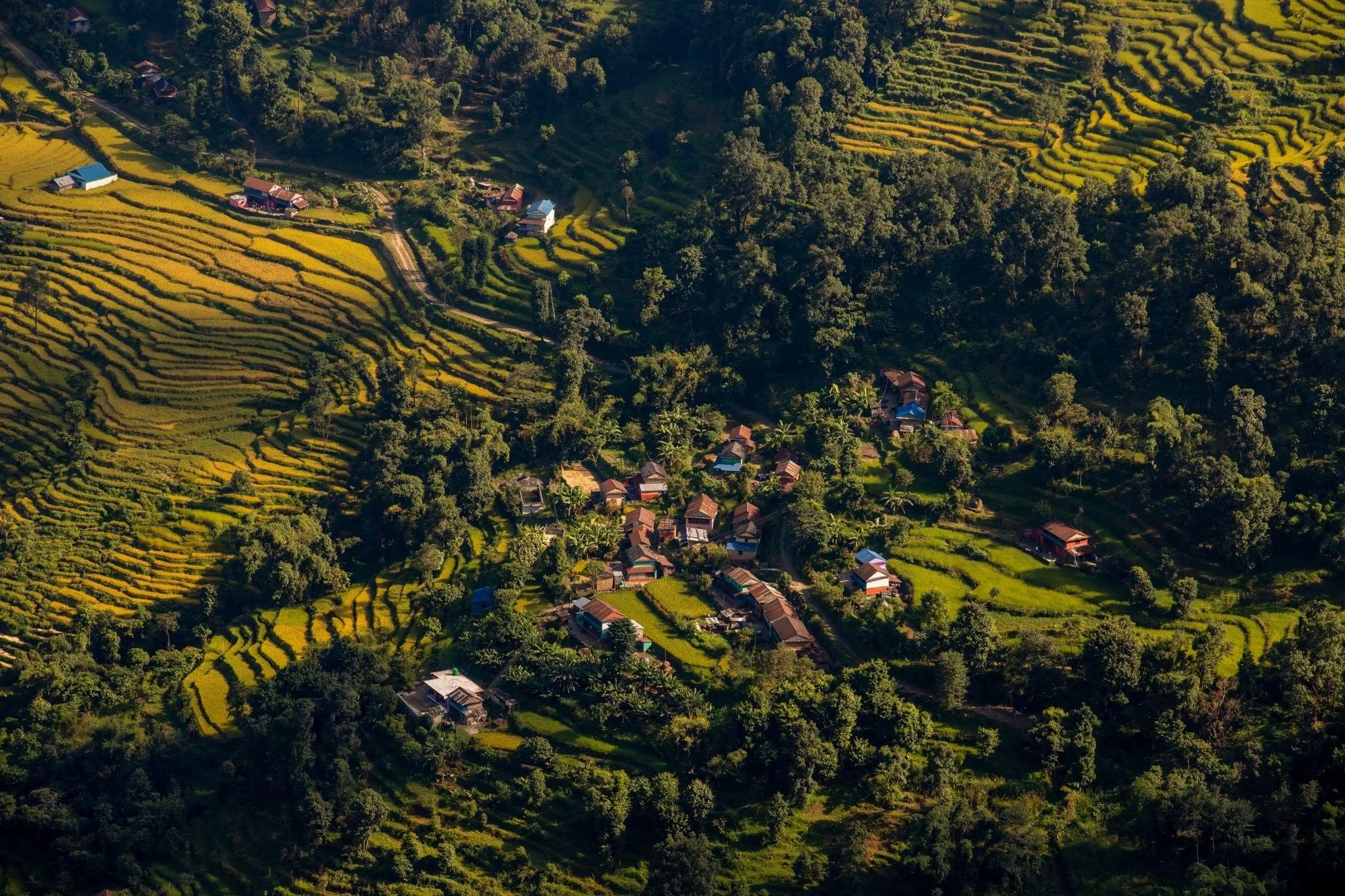
The trail begins in Soti Khola, threading along riverbanks, terraced fields, and forested slopes. Villages appear like whispers from the past, their wooden houses and prayer flags telling stories of generations who have lived in harmony with the mountains. Each day brings new terrain: gentle rivers, dense forests, bamboo groves, and rocky ridges that reveal snow-clad peaks in the distance.
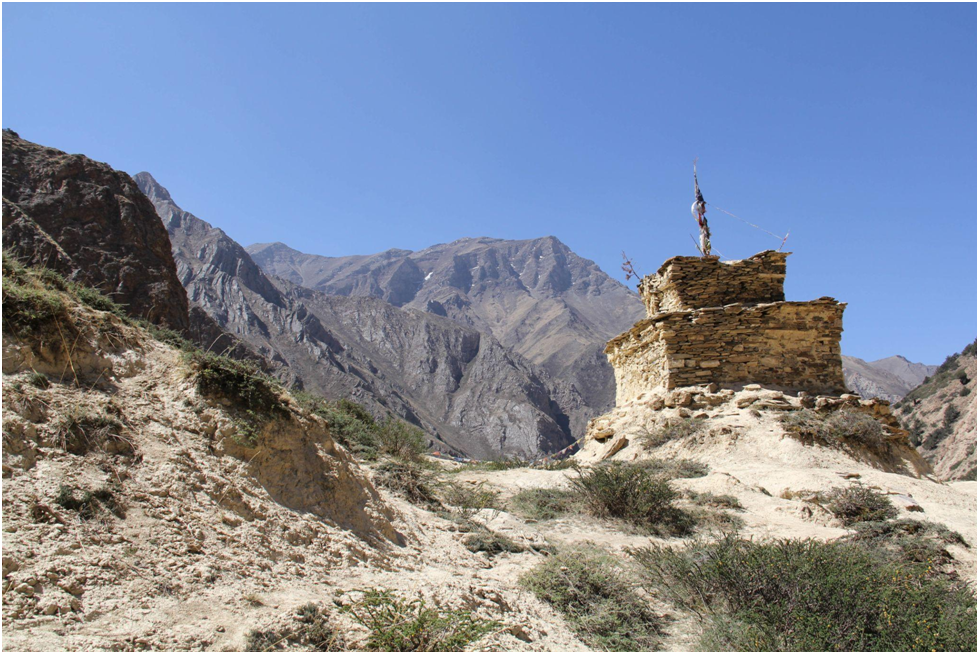
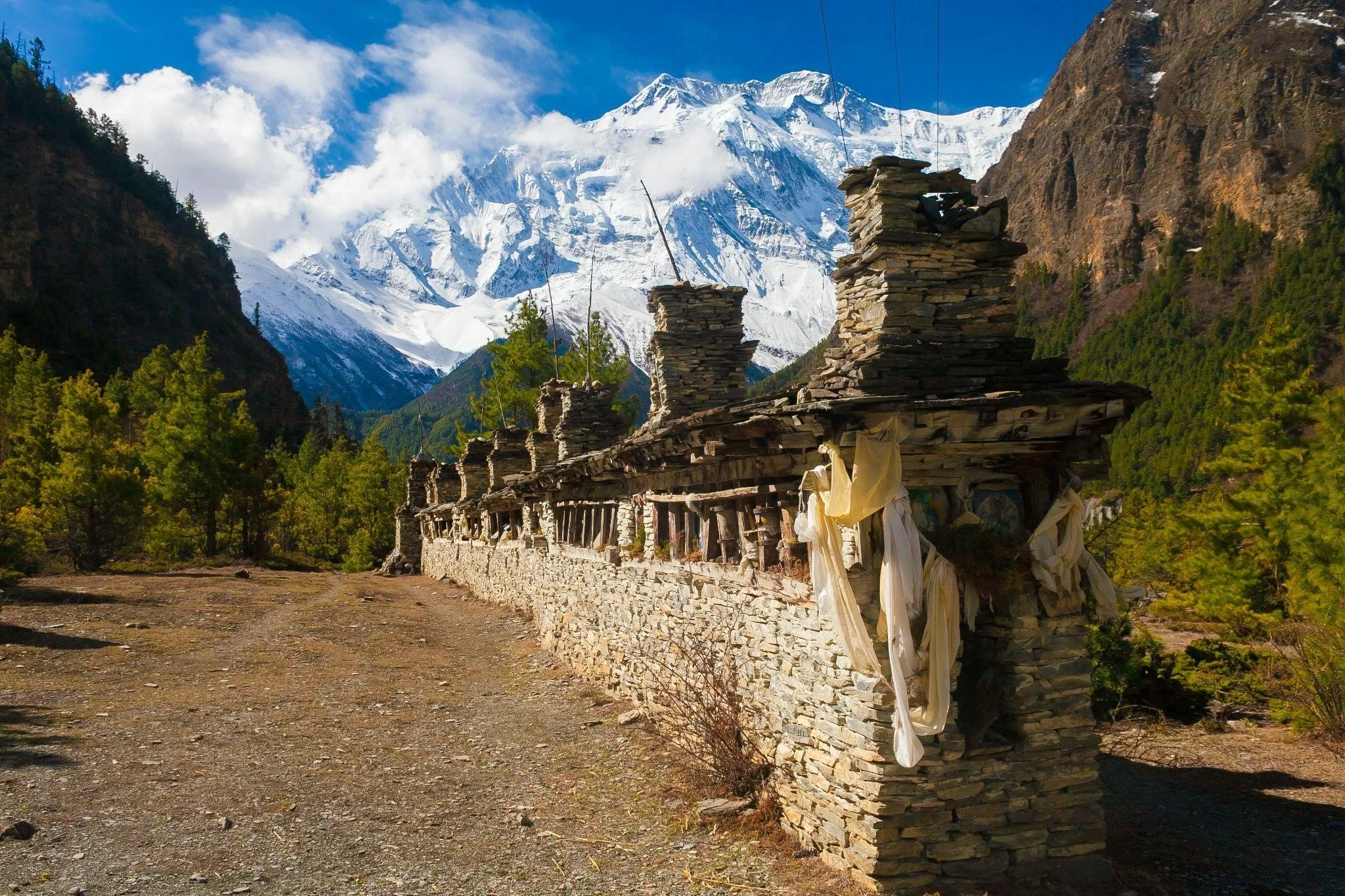
Manaslu is sacred to the local communities. The mountain itself is a living presence, and the trails are dotted with stupas, mani walls, and monasteries where monks chant prayers for safety, prosperity, and harmony. For trekkers, this is a journey of quiet reflection as much as physical challenge. The thin air, rugged paths, and the sheer scale of the Himalayas demand both respect and endurance.
As you ascend toward Larkya La Pass, the highest point of the trek at 5,160 meters, the world transforms. Valleys fall away beneath a carpet of clouds, glaciers shimmer, and the peaks of Manaslu, Himalchuli, and Ngadi Chuli rise like ancient sentinels. Every breath feels heavier, yet every glance rewards effort with vistas that linger in memory long after the trek ends.
The Manaslu trek is a journey into a region less traveled, where adventure, culture, and the grandeur of the Himalayas converge. Here, every step reminds you of the mountains’ silent power, the resilience of the people who call this land home, and the quiet joy of reaching heights both physical and spiritual.
POPULAR ITINERARIES


SIMILAR POSTS