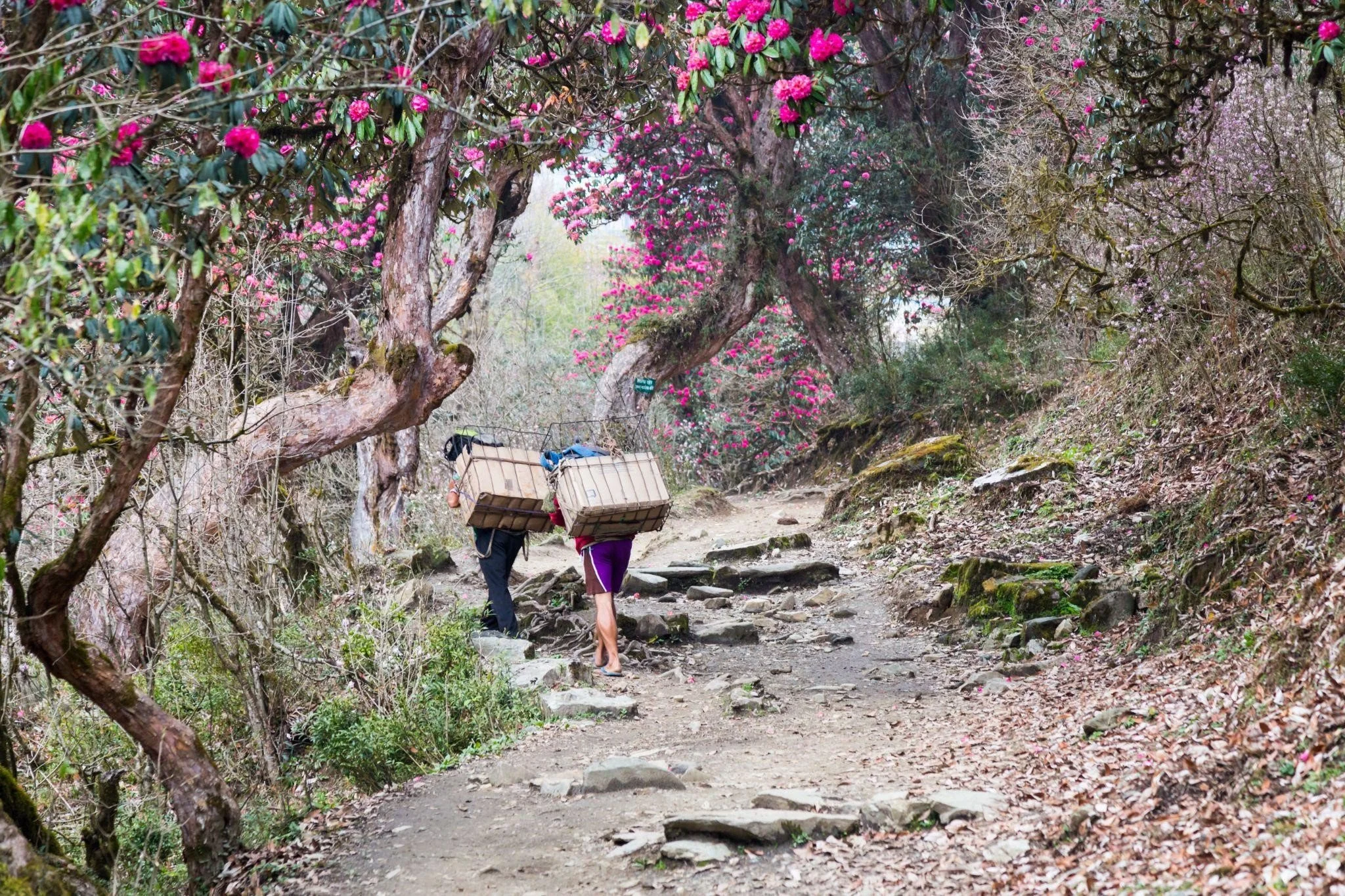
Venturing into Dolpa in January is not just a trip; it is an expedition into one of Nepal’s most remote and untouched corners, where winter rules with a quiet, relentless beauty. The journey itself is an adventure. From Kathmandu, travelers typically fly to Nepalgunj before taking a small local flight to Juphal, a tiny airstrip that seems suspended in the mountains. From there, the trek begins, winding along narrow trails, frozen rivers, and snow-laden passes. Every step demands effort as the cold nips at exposed skin, and the thin winter air makes each climb a test of endurance. Roads are often covered in ice or snow, and the isolation is complete. There are no bustling towns or tourist crowds here, only the stark, serene wilderness.
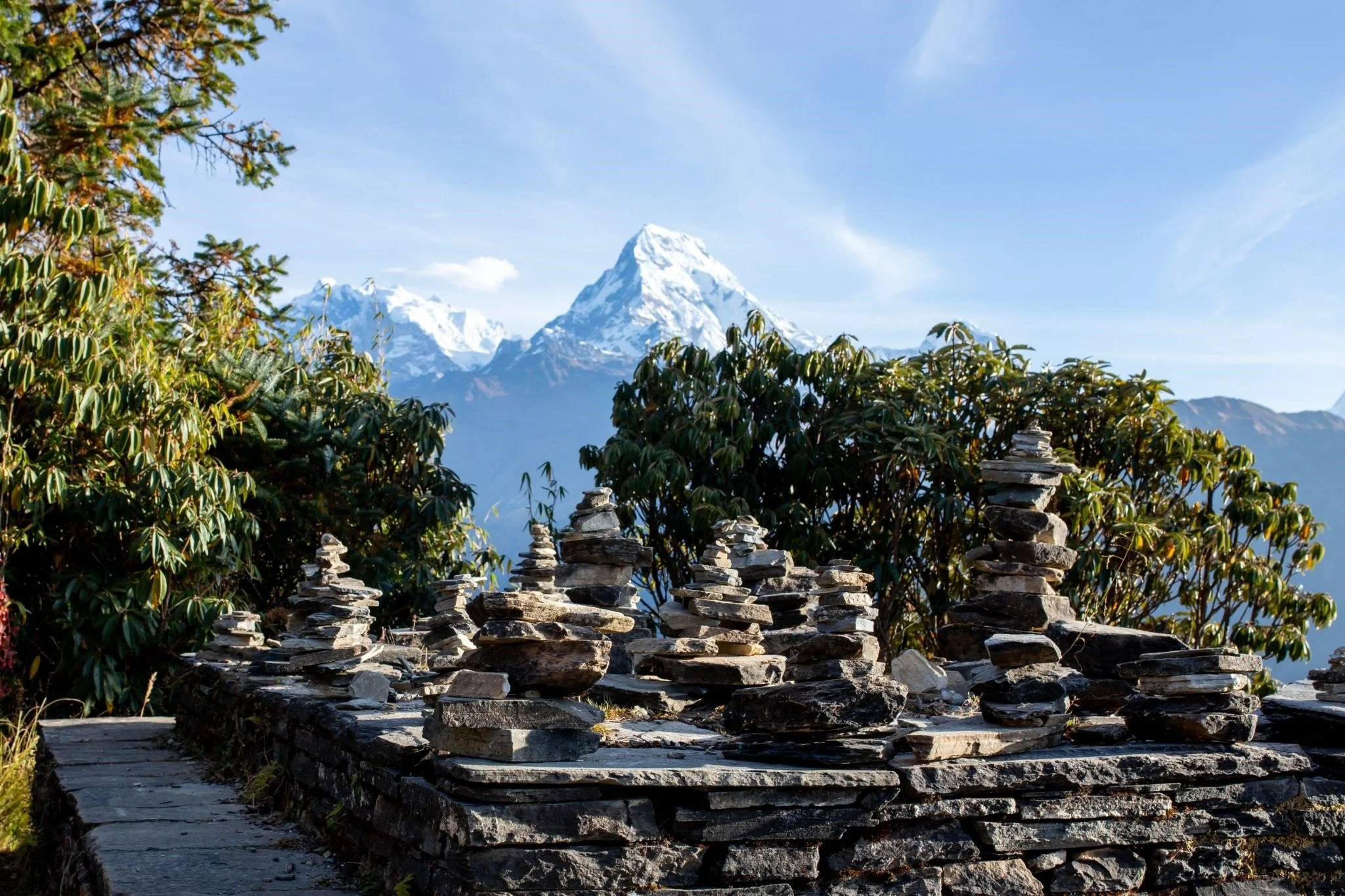
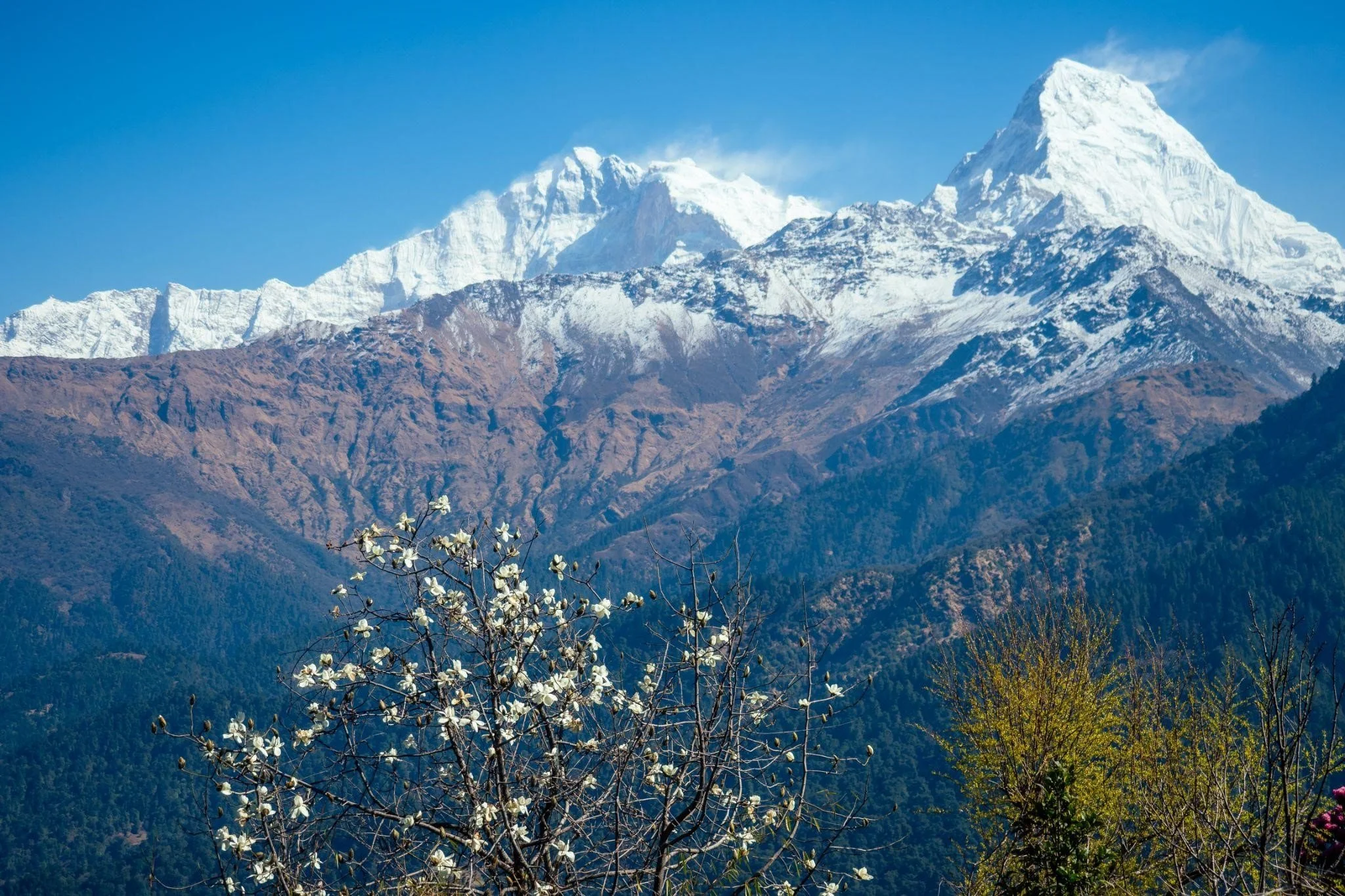
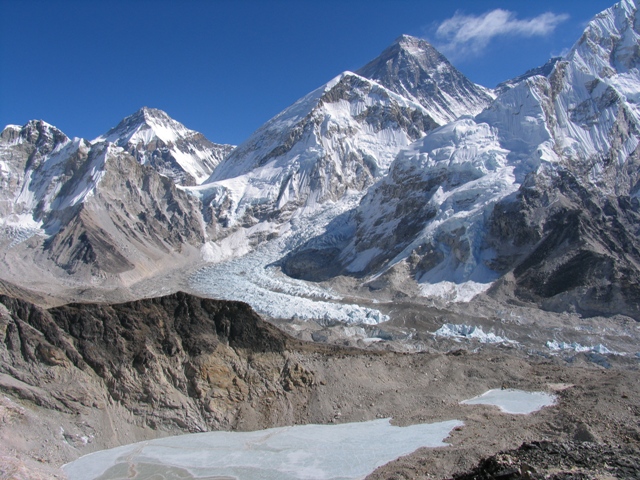
The journey through Dolpa in January is not for the faint-hearted. Dolpa offers trekkers a unique experience of isolation and natural beauty, especially during the winter months. The skies are often clear, allowing panoramic views of the Himalayan giants, while the trails wind through frozen rivers, snowy passes, and quaint settlements that seem suspended in time. Temperatures can drop sharply, often below −20°C at higher elevations, and heavy snowfall can make trails challenging. Yet, these very conditions transform the landscape into a wonderland. From Thuli Bheri to Shey Phoksundo, trekkers encounter snow-laden forests, frozen waterfalls, and the occasional herd of wild animals adapted to the winter cold. Each step along the snow-covered trails, each breath of icy mountain air, and each encounter with the resilient local communities leaves a lasting impression.
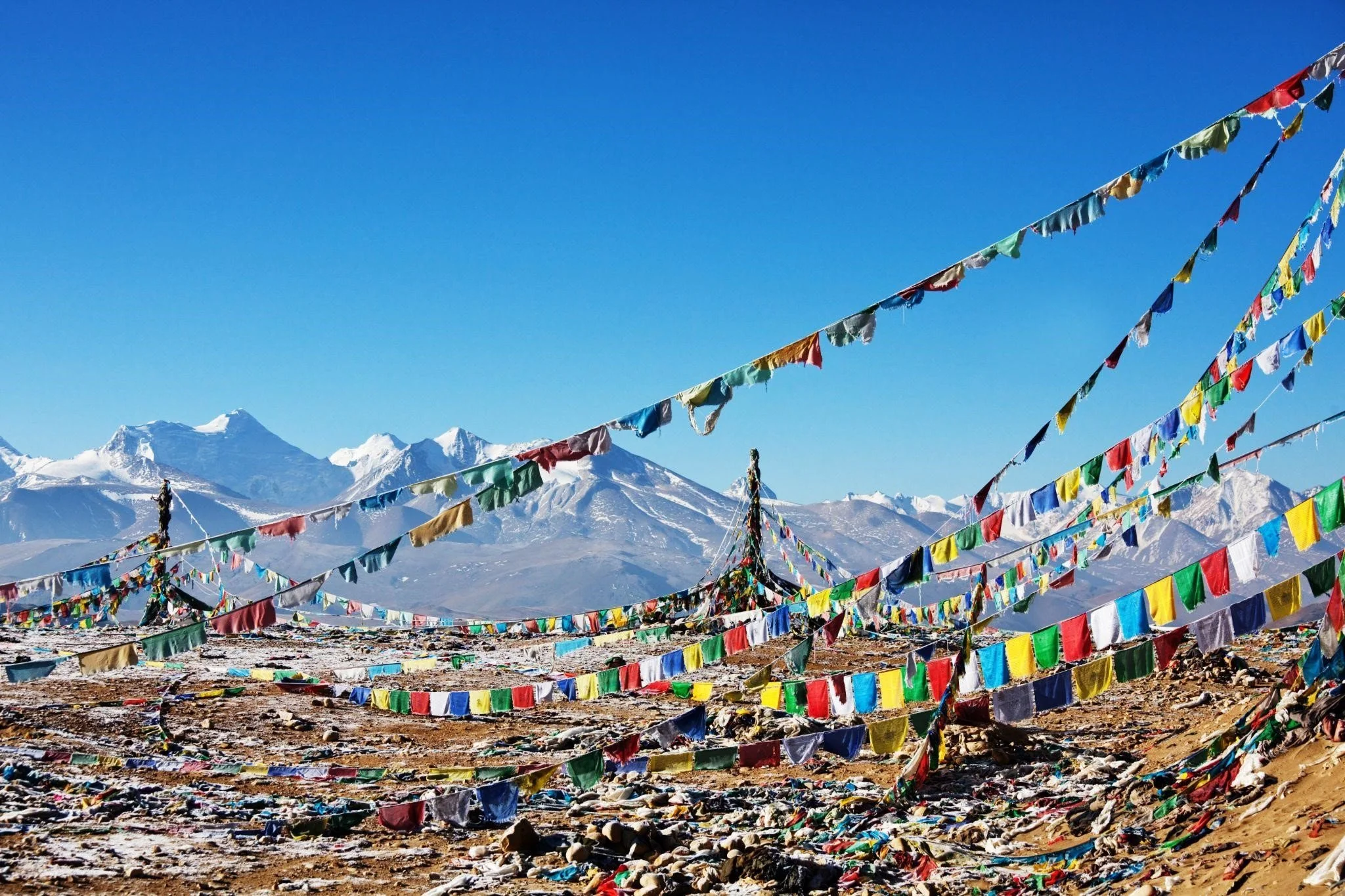
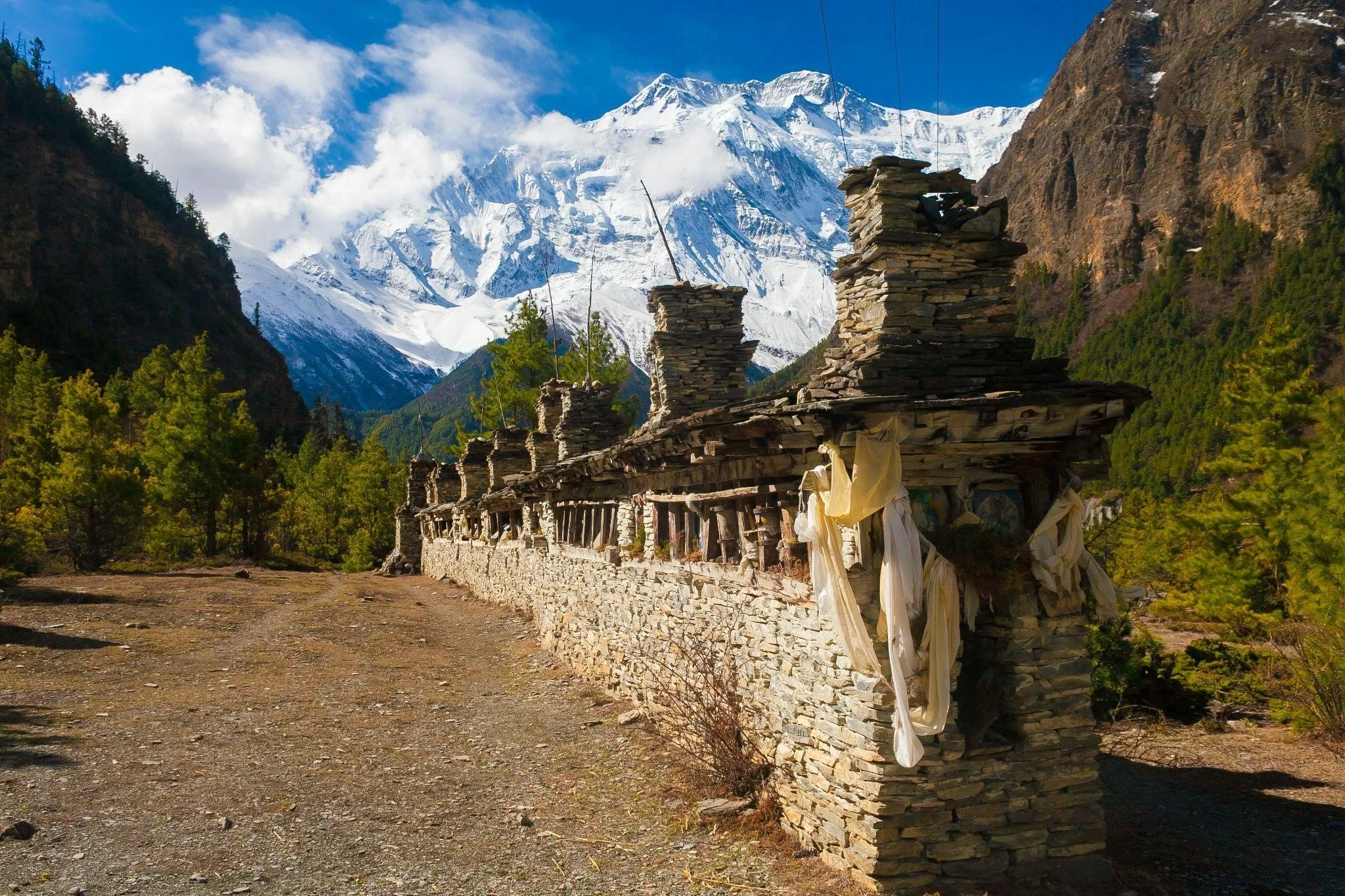
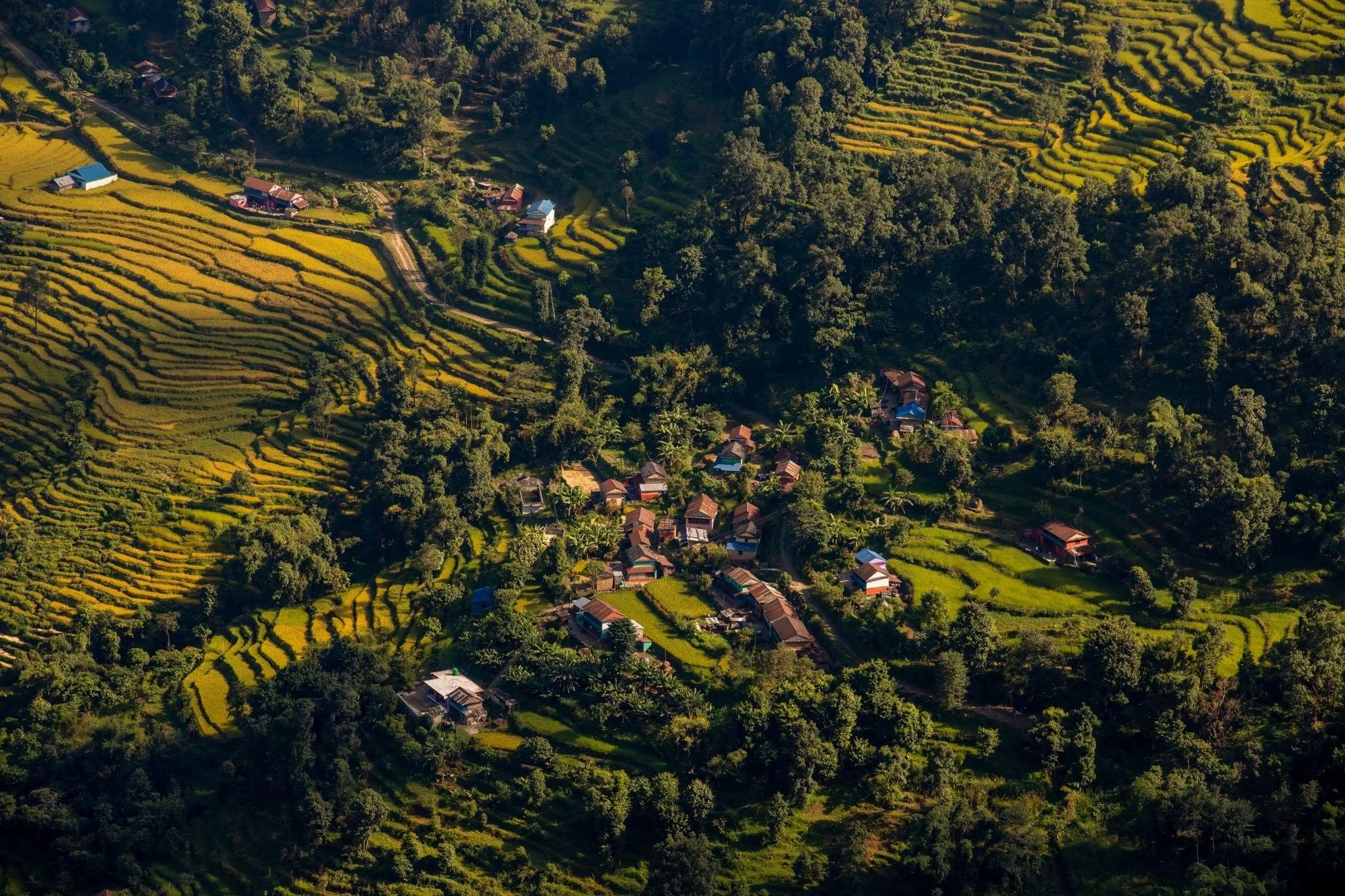
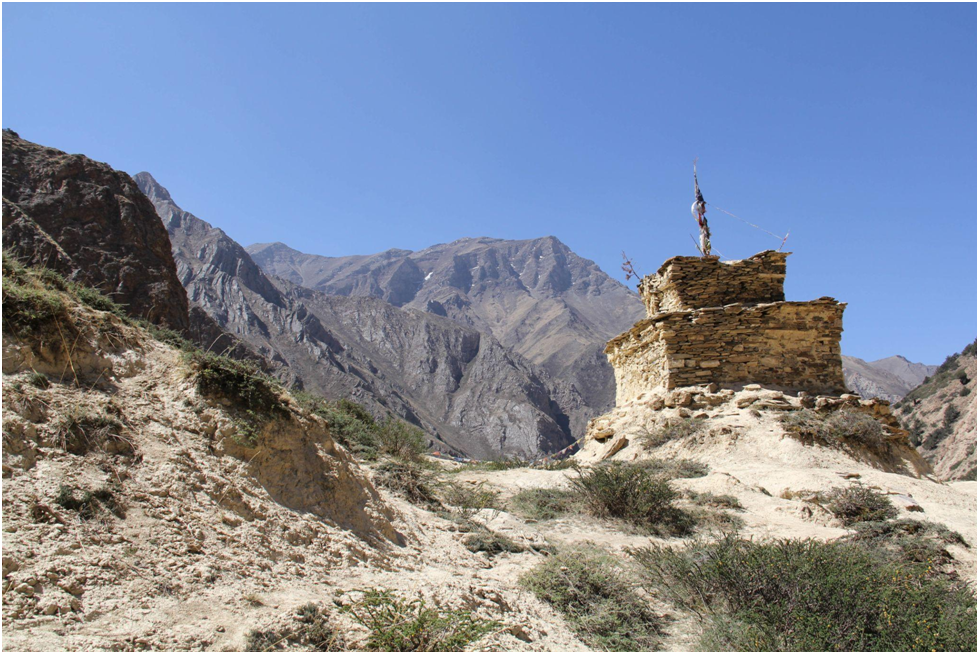
Dolpa’s cultural richness shines even in the harshness of winter. Monasteries, prayer flags fluttering in icy winds, and traditional festivals celebrated quietly amidst snow create an almost spiritual aura. Homes are simple but warm, often built of stone and wood, with small fires burning to keep out the biting cold. Homestays and small teahouses along the route offer warmth, local cuisine, and a chance to experience the lifestyle of the resilient communities living here. The local population, mostly Tibetan Buddhist communities, survive the harsh winters through simple, time-honored routines: tending livestock, heating homes with wood or yak dung fires, and sustaining themselves with hearty meals of barley, potatoes, and yak cheese. Despite the isolation, their warmth and hospitality make the challenging journey through Dolpa a deeply rewarding experience.
For those seeking solitude and the raw beauty of the Himalayas, January in Dolpa is unparalleled. Trekking through Dolpa in January is about witnessing natural beauty while experiencing the spirit of survival, endurance, and quiet reflection. This is a place where winter strips the world to its essentials: snow, sky, and soul. For those willing to embrace the cold and the journey, Dolpa offers an unforgettable encounter with the raw, serene heart of the Himalayas a winter wonderland where every moment is a testament to nature’s majesty and humanity’s resilience and an unforgettable journey into the heart of Nepal’s winter wilderness.
POPULAR ITINERARIES


SIMILAR POSTS