
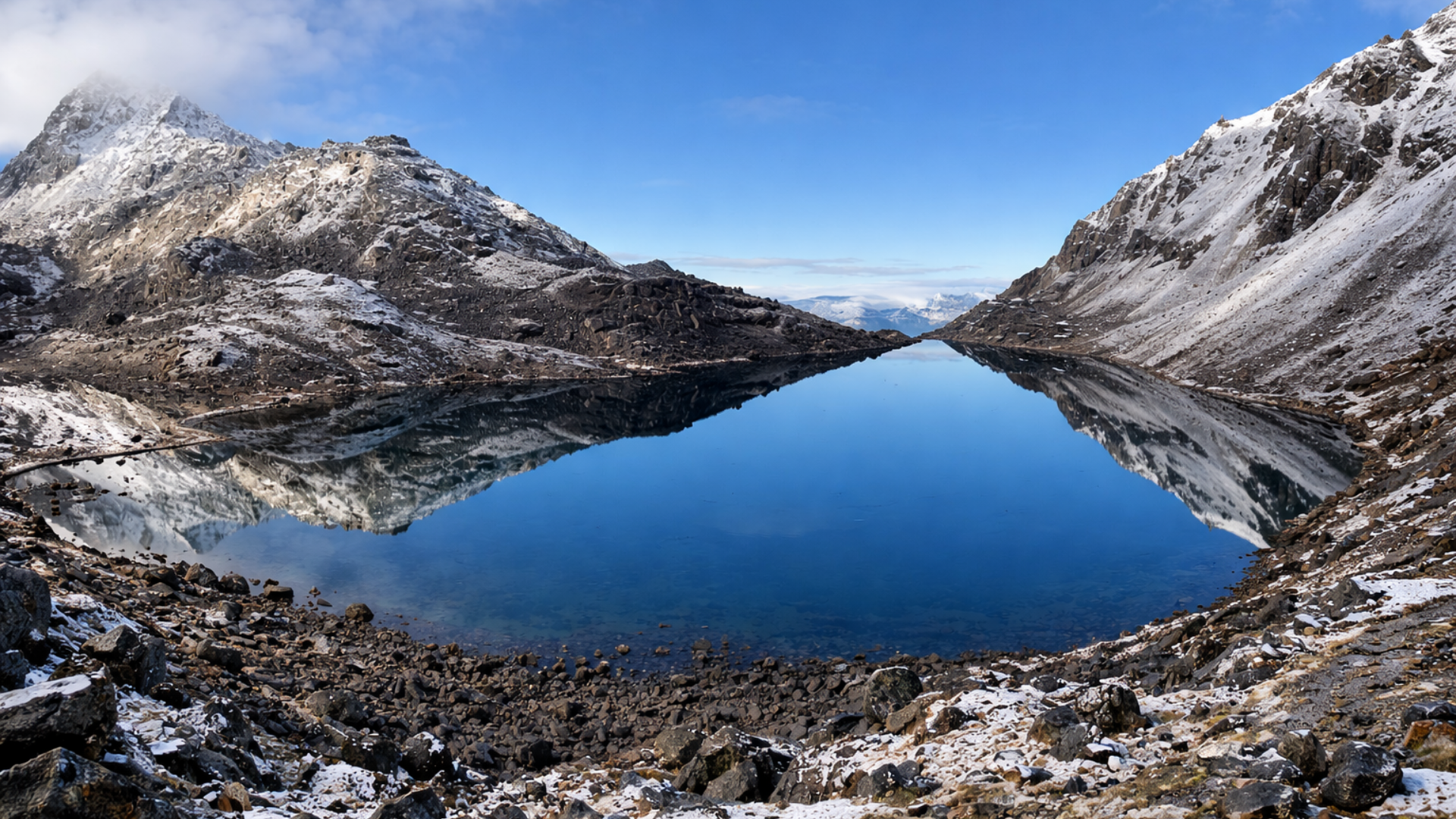
High in the Langtang National Park, in Nepal’s Rasuwa District, lies Gosaikunda, a sacred alpine lake resting at about 4,380 meters above sea level. It is located roughly 120 kilometers north of Kathmandu Valley. By road, it takes around 6 to 8 hours to reach Dhunche, the common starting point of the trek, followed by a two to three day climb on foot to the lake itself.
But distance here is not just measured in kilometers. It is measured in mythic time.
The story of Gosaikunda traces back thousands of years to ancient Hindu cosmology. The legend is rooted in the tale of the Samudra Manthan, the churning of the cosmic ocean, a story found in the Puranas, sacred texts composed roughly 2,000 to 3,000 years ago, though the oral traditions are even older. In mythological time, the event belongs to a primordial age, far before recorded history, when gods and cosmic forces shaped the structure of existence itself.
According to the legend, during the churning of the ocean by gods and demons in search of the nectar of immortality, a deadly poison called halahala emerged first. The poison threatened to destroy the universe. To save creation, Lord Shiva drank it. The toxin burned so fiercely that his throat turned blue, earning him the name Neelkantha, meaning the blue-throated one.
Overwhelmed by the poison’s heat, Shiva is believed to have struck the Himalayan mountains with his trident. From that divine strike, water burst forth, forming Gosaikunda. The icy alpine lake cooled his burning throat and restored balance.
Whether read as sacred history or symbolic allegory, the story carries depth. The poison represents chaos and suffering. Shiva’s act represents sacrifice and responsibility. Gosaikunda becomes a place of purification, born from endurance and cosmic duty.
Today, Gosaikunda stands not only as a pilgrimage site but also as one of Nepal’s most inspiring trekking destinations.
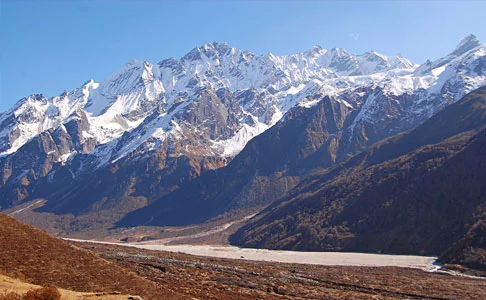
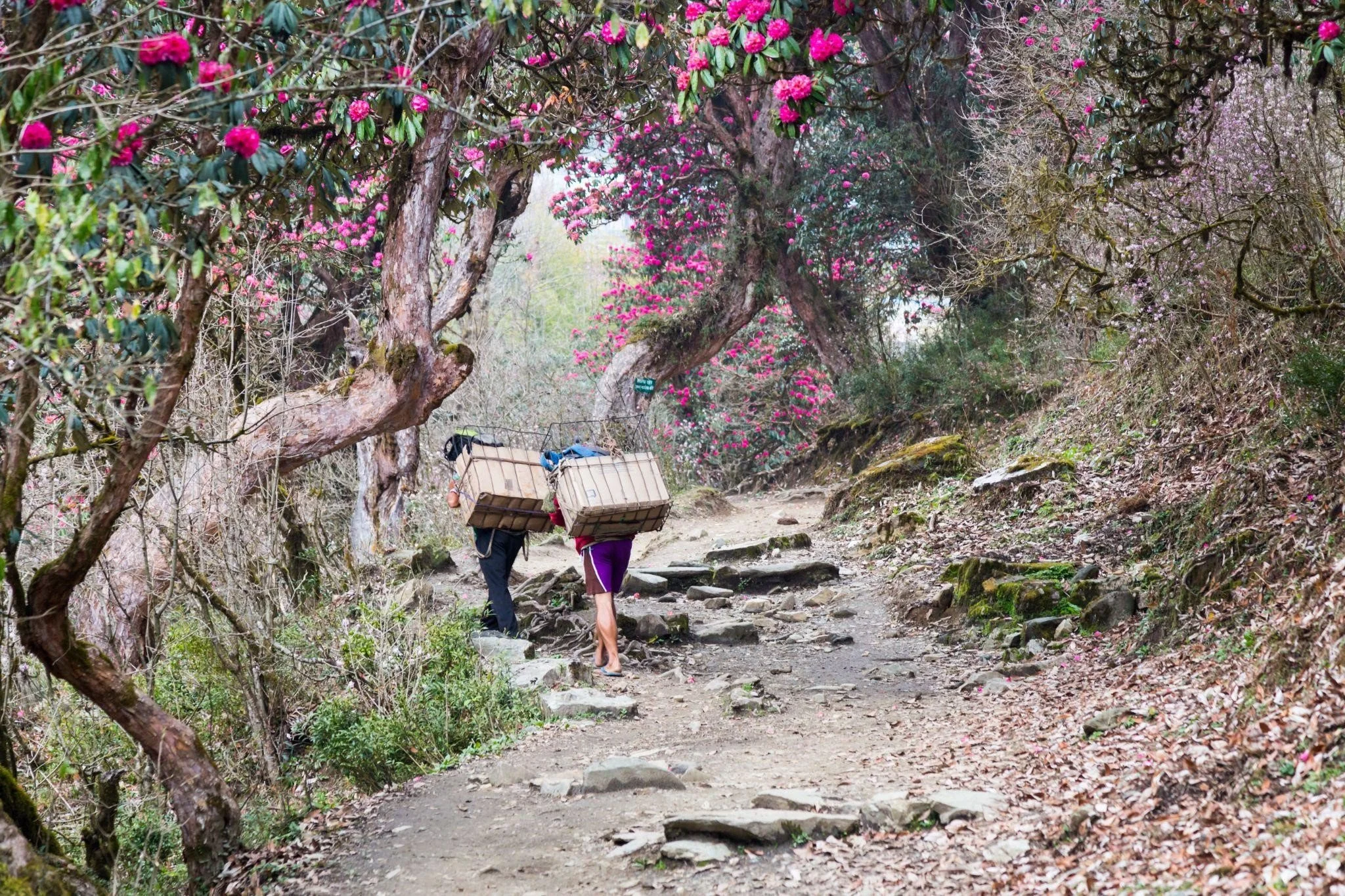
Every year during Janai Purnima, thousands of pilgrims hike to the lake to bathe in its freezing waters, believing it cleanses sins and brings spiritual merit. For trekkers, the journey is equally transformative. The trail winds through dense forests of rhododendron and pine, climbs past yak pastures and rocky ridges, and eventually opens into a stark, high-altitude landscape where the sky feels impossibly close.
As altitude increases, breathing slows. Each step demands intention. The body becomes aware of itself in a way city life rarely allows. Pilgrimage and trekking begin to feel like two expressions of the same impulse: the desire to ascend, to endure, to arrive somewhere meaningful.
When the lake finally appears, clear and still beneath towering peaks, it feels less like discovery and more like revelation. Surrounded by smaller ponds, traditionally said to number 108, Gosaikunda reflects the sky with mirror-like clarity.
Here, geology and mythology merge. A high Himalayan basin carved by natural forces becomes, in sacred imagination, the cooling water of a god. The story may be ancient, thousands of years old, but the experience remains immediate.
Roughly 120 kilometers from Kathmandu, yet worlds away in atmosphere, Gosaikunda continues to draw both believers and adventurers. In the thin air of the Himalayas, beneath shifting clouds and silent ridges, Shiva’s sacred lake still rests, waiting for those willing to make the climb.
POPULAR ITINERARIES


SIMILAR POSTS
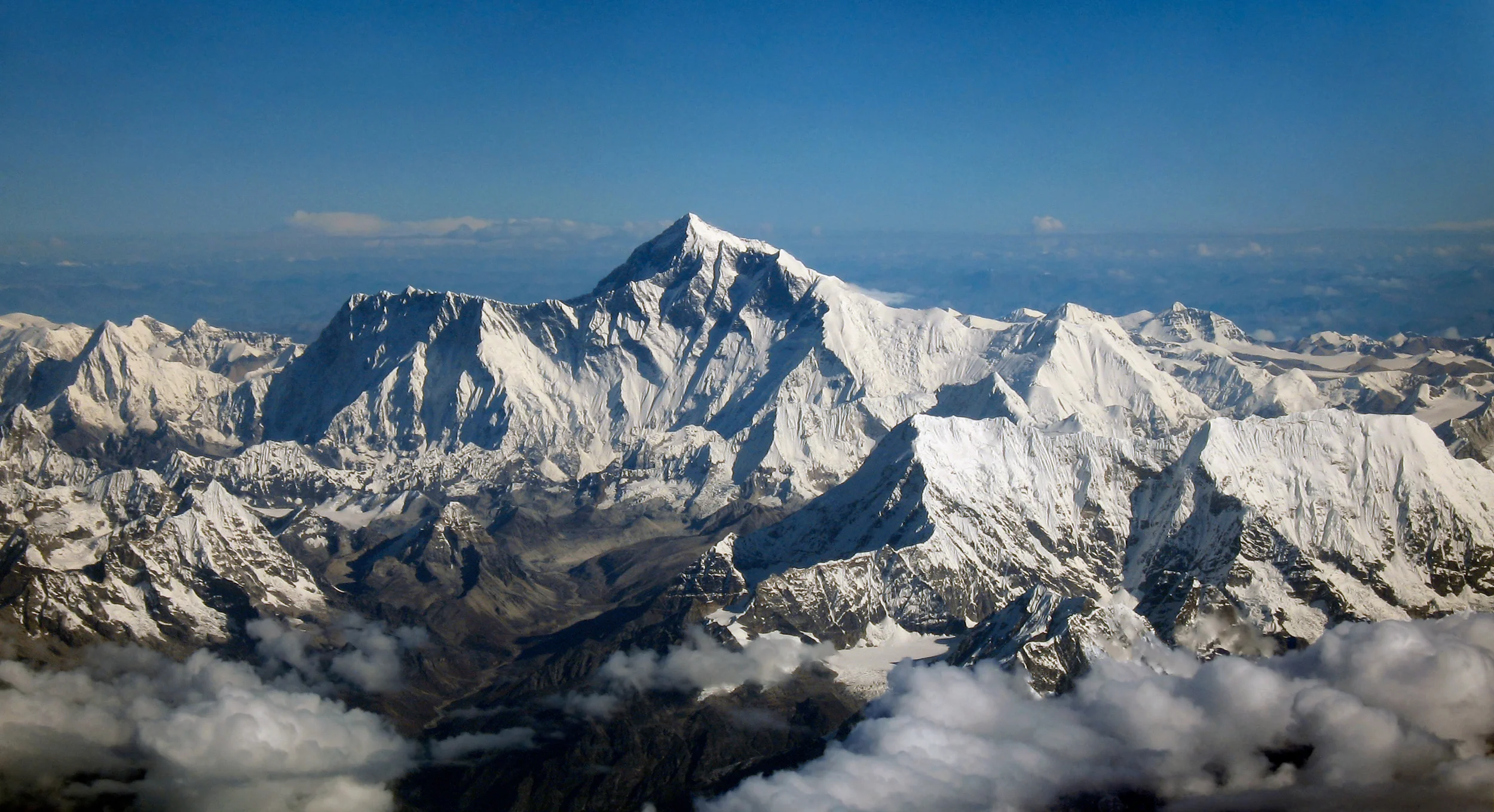
This trek is specially designed to reach the Everest Base Camp including Kala Pattar which is the best view point to view the sunrise over the high Himalayas including the Mt. Everest. This trek requires 13 days.
USD 1515 PER PERSON -- TWIN ROOM SHARING BASIS