Maghe Sankranti, celebrated on January 14–15, marks the winter solstice, the shortest day and longest night of the year, and the sun’s transition into Capricorn (Uttarayan). In Nepal’s Terai region, the Tharu community celebrates this festival with vibrant rituals, music, dances, and most importantly, traditional foods that carry centuries of cultural significance. The festival is not only a way to welcome longer days and the harvest season but also a time to bring families and communities together, sharing both meals and memories.
These festive delicacies are a must try and the highlight of the festival that even the people outside of the culture look forward to:
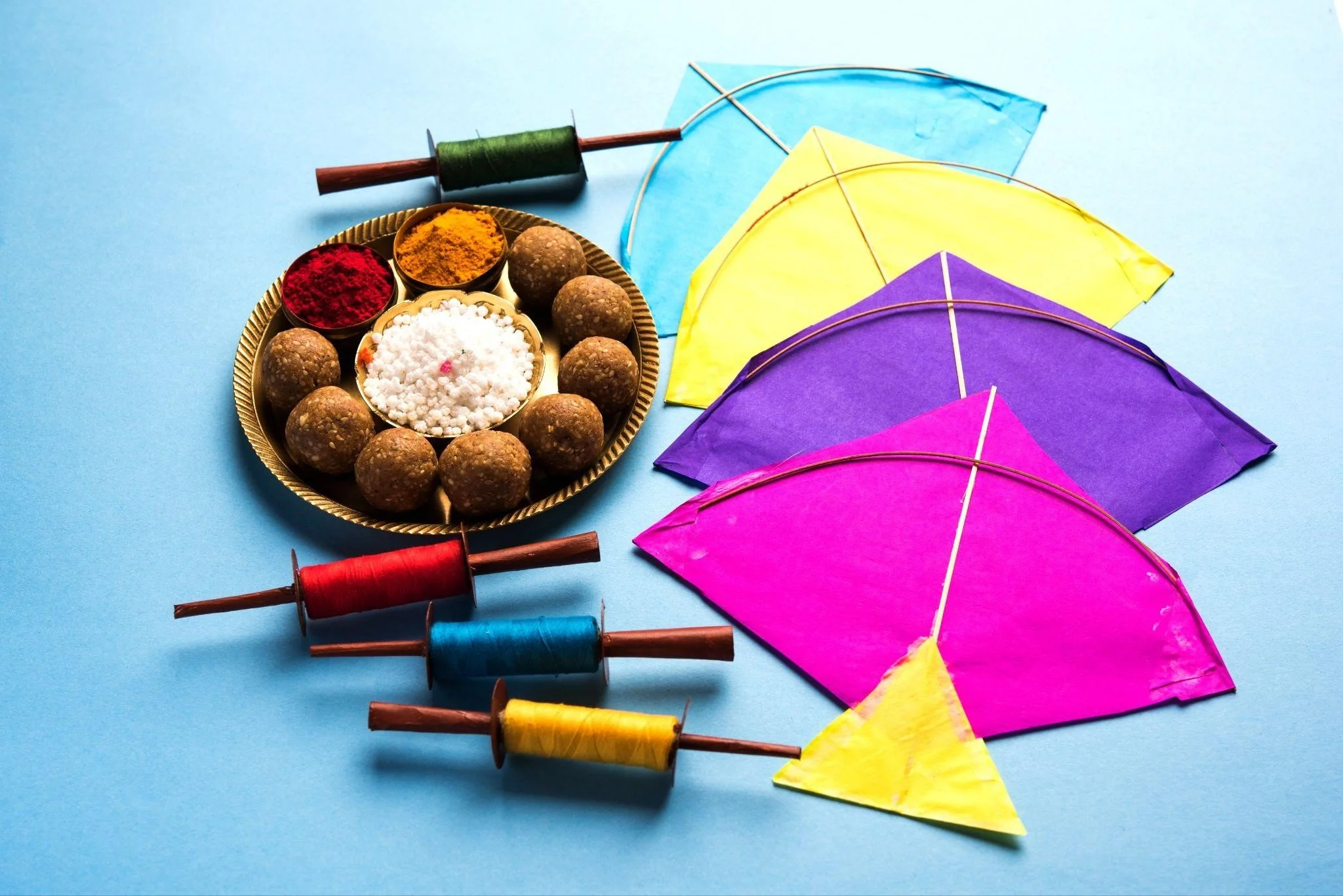
● Tilko Laddu: These small sesame and jaggery balls are sweet, nutty, and slightly crunchy, giving warmth and energy during winter. They are included in the festival because sesame and jaggery are believed to promote health, longevity, and prosperity, making them a symbolic treat for well-being.
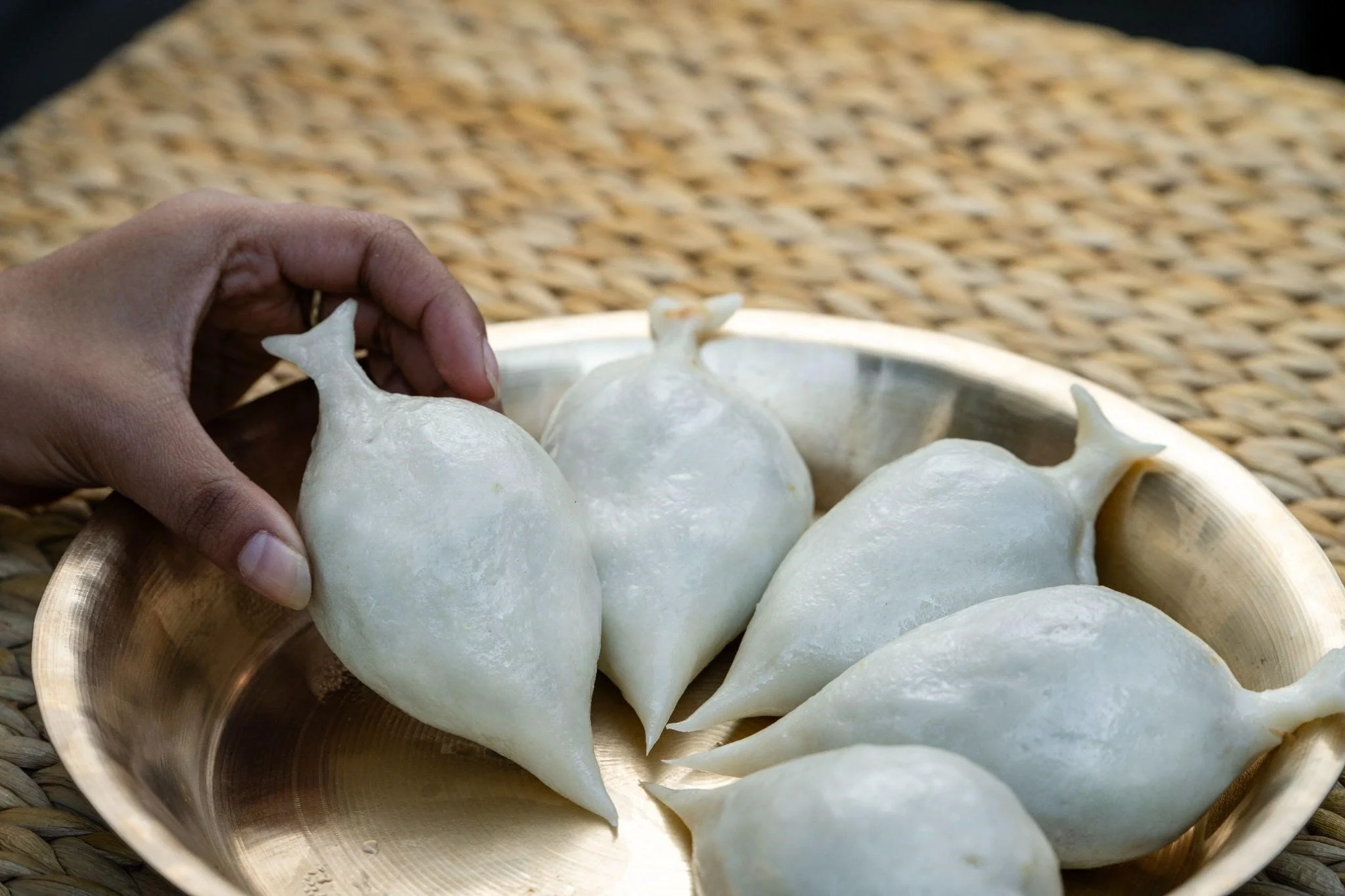
● Dhikri: Steamed rice flour cylinders, soft and slightly chewy, with a mild flavor that pairs well with ghee, curry, or lentil soup. Dhikri is included for its symbolic meaning of unity and togetherness, as families prepare it collectively, reflecting the communal spirit of Tharu culture.
● Bara: Crispy on the outside and soft inside, these spiced lentil fritters have a savory, earthy flavor that makes them irresistible. Bara is shared among neighbors and guests, symbolizing hospitality, generosity, and community bonding.
● Sweet Potatoes (Sukula): Naturally sweet and soft when boiled, these tubers are included for warmth and energy during winter, reflecting the harvest season and abundance of local produce.
● Tarul (Taro): Earthy and slightly starchy, tarul is usually boiled or cooked in curry, and is included for its nutritional value and symbolic connection to the land, reminding families of the importance of farming and seasonal crops.
Each of these dishes aren’t just delicacies but also a reflection of Tharu culture and the means of sharing and bonding. Maghe Sankranti is also spiritually significant, with many taking holy baths in rivers and performing rituals to cleanse sins and seek blessings for the year ahead. For the Tharu community, these spiritual practices are closely linked with food preparation and communal gatherings, making the festival a celebration of life, gratitude, and tradition. Every dish, every ritual, and every gathering reflects the values, beliefs, and social bonds of the community.
For tourists, Maghe Sankranti offers a unique opportunity to experience authentic Tharu culture through its cuisine. Participating in food preparation, tasting festival specialties, and observing local customs allows visitors to connect deeply with the community and its heritage. From the sweet and nutty tilko laddu to the savory bara and comforting ghee rice, every bite is a journey into the heart of Tharu traditions, making the festival both a feast for the senses and a meaningful cultural experience.
POPULAR ITINERARIES






SIMILAR POSTS