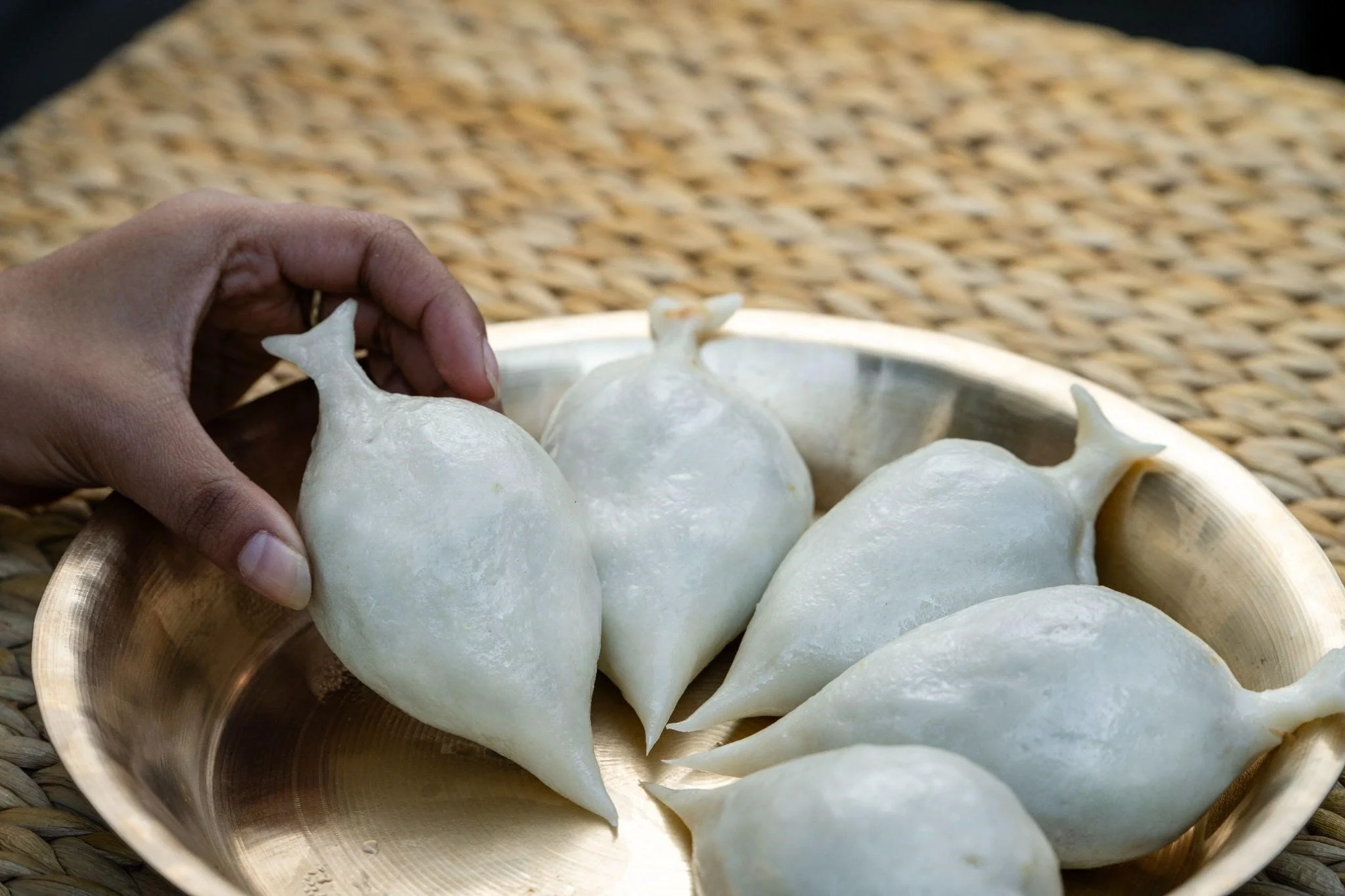
When winter settles over the Kathmandu Valley, a gentle warmth rises from Newar homes as the aroma of steaming yomari fills the air. This beloved delicacy becomes the heart of celebration during Yomari Punhi, one of the most cherished festivals of the Newar community. Observed on the full moon day of Thinlā; the second month in the Nepal Sambat calendar, Yomari Punhi is a festival woven with warmth, gratitude, and the joy of sharing.
The story behind Yomari Punhi adds a layer of mythical charm to the festival. It is said that long ago, in the village of Panauti, a couple named Suchandra and Krita decided to experiment with the fresh rice from their recent harvest. They crafted a new kind of steamed dumpling, sweet on the inside and soft on the outside, and shared it generously with their neighbors. People loved it so much that it was named “ya-mari,” that translates to “the bread that people like.” According to legend, the God of Wealth, Kubera, was wandering through the village in disguise on the same day. When the couple offered him the new delicacy, he was delighted by their generosity and blessed them with prosperity. From that moment, yomari came to symbolize abundance, goodwill, and divine blessing, and its creation became an annual tradition tied to the harvest moon.
Beyond its origin, the festival carries deep cultural and spiritual significance. It honors Goddess Annapurna, the deity associated with food and nourishment, reminding people that the harvest is not only the result of hard work but also a sacred blessing. The act of making yomari is equally meaningful as it brings family, friends, and neighbors together as a community to celebrate the joy of sharing a simple steaming bread filled with yummy goodness, which can be ‘chakhu’ and ‘khuwa’. The cultural significance of the festival lies not only in the food but in the togetherness it inspires. Yomari Punhi is a reminder of gratitude; for a good harvest, for community, and for the warmth we create even in the coldest months. The simple act of shaping yomari becomes a moment of connection between generations, keeping Newar heritage alive in kitchens throughout the valley.
For tourists, experiencing Yomari Punhi means tasting a piece of Nepal’s living culture. It is an opportunity to witness a tradition that blends food, myth, and community into one beautifully heartfelt celebration. If you’re visiting off-season, you don’t need to wait for the festival. The loving locals sell the delicious warm yomari in every corner of the valley.
POPULAR ITINERARIES





SIMILAR POSTS