
In the heart of Patan, one of Nepal’s oldest cities, pottery has been practiced for generations as both a craft and a way of life. Walk through the historic lanes and open courtyards, and you will find artisans shaping clay with skilled hands, continuing traditions that have been passed down through families for centuries. More than a profession, pottery remains an important part of the city’s cultural identity.
The journey of Patan pottery begins with simple clay, carefully prepared and molded on a spinning wheel. With patience and precision, potters transform raw earth into beautiful vessels, lamps, decorative pieces, and everyday household items. Each creation reflects not only craftsmanship but also the deep knowledge and experience gained through years of practice.
One of the most fascinating aspects of pottery making is watching the transformation take place. What starts as a lump of clay gradually takes shape through the movement of hands and the rhythm of the wheel. After drying under the sun, the pieces are fired in traditional kilns, giving them strength, character, and their distinctive finish.
Beyond the finished products, pottery represents a connection between people, heritage, and creativity. Workshops and pottery squares offer visitors the opportunity to witness the process firsthand and gain a deeper appreciation for this enduring art form. These spaces continue to keep traditional craftsmanship alive while sharing it with new generations.
As modern life evolves, the pottery traditions of Patan remain a reminder of the value of handmade artistry. Rooted in history yet relevant today, this timeless craft tells a story of skill, patience, and cultural continuity, where clay becomes a lasting expression of Nepal’s rich heritage.
POPULAR ITINERARIES
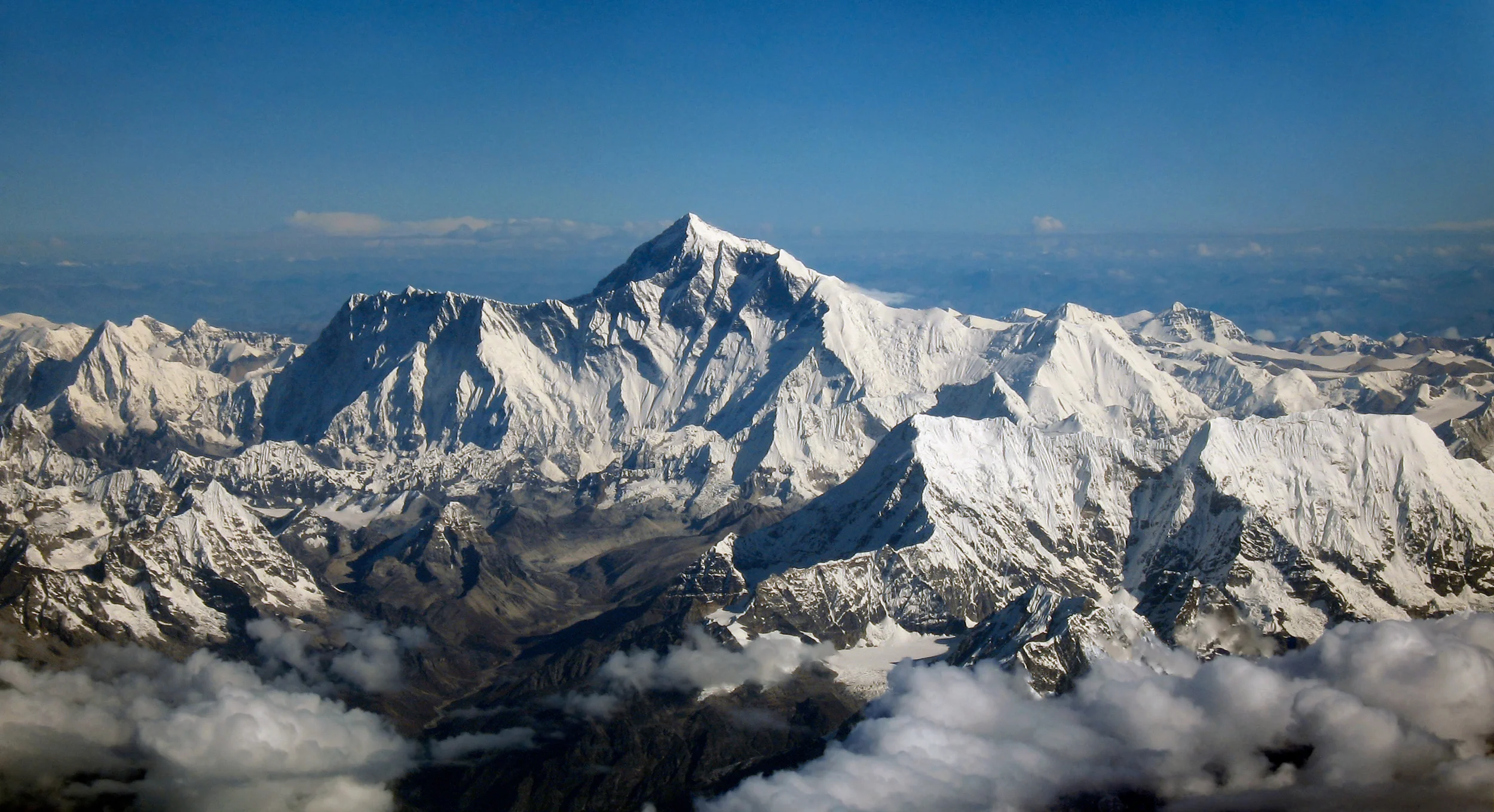
Mountain Flight Details: Early morning trip to Mt. Everest and surrounding mountains - Approx. 1 hour flight via Buddha Air OR Yeti Air (choice available) - Stunning views of mountains in Nepal - View video on Youtube of mountain flight in Nepal - Mountain Flight Cost: INR 11000/USD 250

Mt. Dhaulagiri is the seventh highest mountain in the world and one of the challenging yet exhilarating adventure destinations in Nepal. The trek circling Mt. Dhaulagiri takes you through the beautiful villages, clean rivers, lush landscapes, thick forests, hidden valleys, glaciers, and mountain ranges.
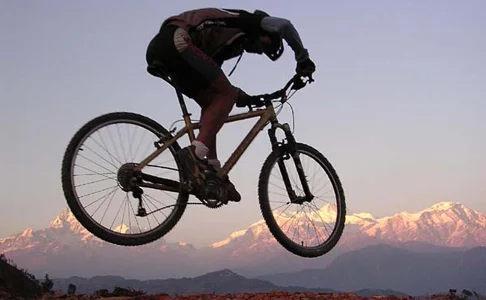
Our highest priorities in all our Nepal biking trips are safety, quality and enjoyment. You will ride on these wild and challenging trails through some of the most stunning scenic and cultural landscapes in the world. With the stunning backdrop of the Himalayan ranges, the extreme valleys and old forests of the rugged middle hills, the charming terraced fields and bright smiles in the timeless villages, you will remember this journey for its unique beauty as well as its challenging mountain biking terrain.
Pricing: Please choose among the various options available and we'll get back to you with a package that suits you best -- along with a quote.

Minimum 3 Nights Stay Kathmandu Sightseeing Package( 3 Nights/4 Days): Includes: Airport Pick Up & Drop Off, Daily Breakfast Buffet, All tours and transfers in an air conditioned coach
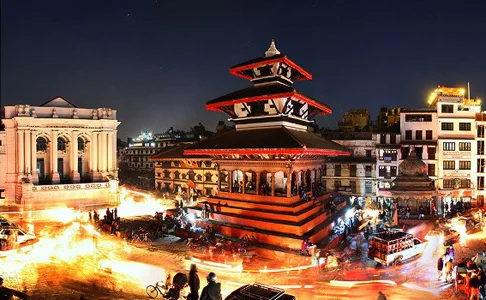
- Full day tour of Kathmandu City Swayambhunath Stupa and Patan City
- Approx 5-6 hours (split in two sessions)
- Morning: Walking tour of Kathmandu Durbar Square through (Ason) spice Market/vegetable markets
- Evening: Visit Patan Durbar Square
USD 80 PER CAR
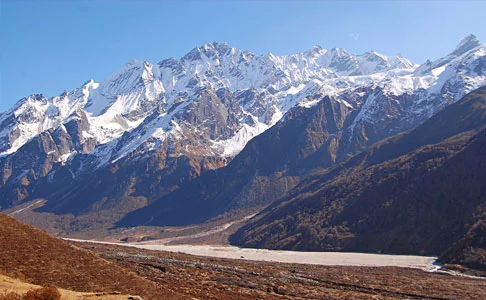
The Langtang Valley is surrounded by many high peaks of great appeal. The eminent British mountaineer Bill Tilman described it as the "most beautiful valley in the world". The Langtang Valley is also known as the treasure house of Alpine plants. The whole valley is covered with flowers during the summer.
The Lantang Valley Trek is not only offers magnificent views of Langtang Lirung (7,234m), Ganesh Himal (7,406m) and other high mountain peaks, but also provides insight into the varied ethnic lifestyles of the Tamangs and Sherpas, inhabitants of this area who share closer cultural ties with the Tibetan people.
SIMILAR POSTS

A glimpse into the sacred world of Nepali Thangka paintings, where every detail tells a story of faith, tradition, and timeless artistry.
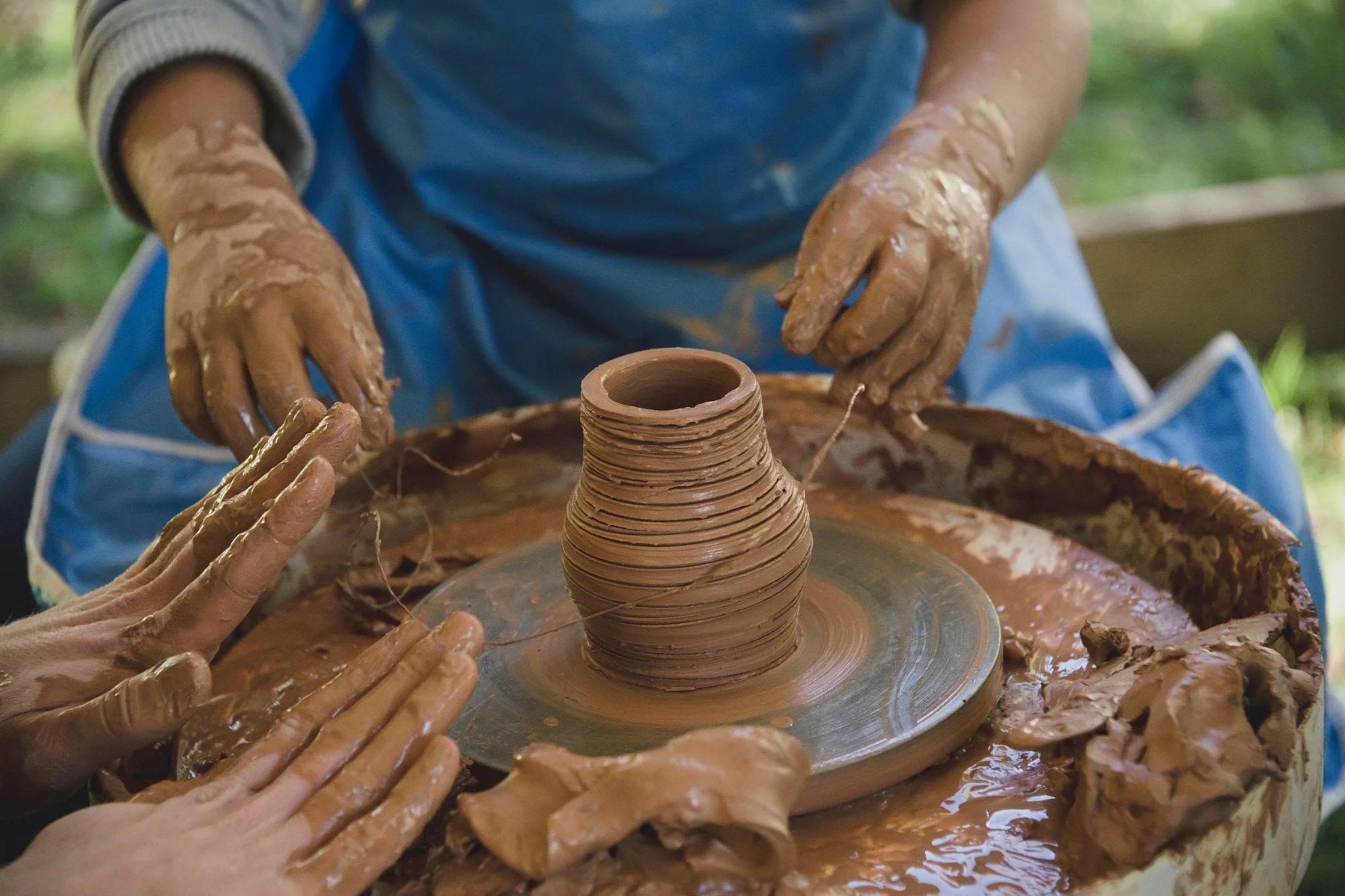
Every handcrafted piece begins with a story. Explore the centuries-old pottery traditions of Patan, where clay, creativity, and culture come together.
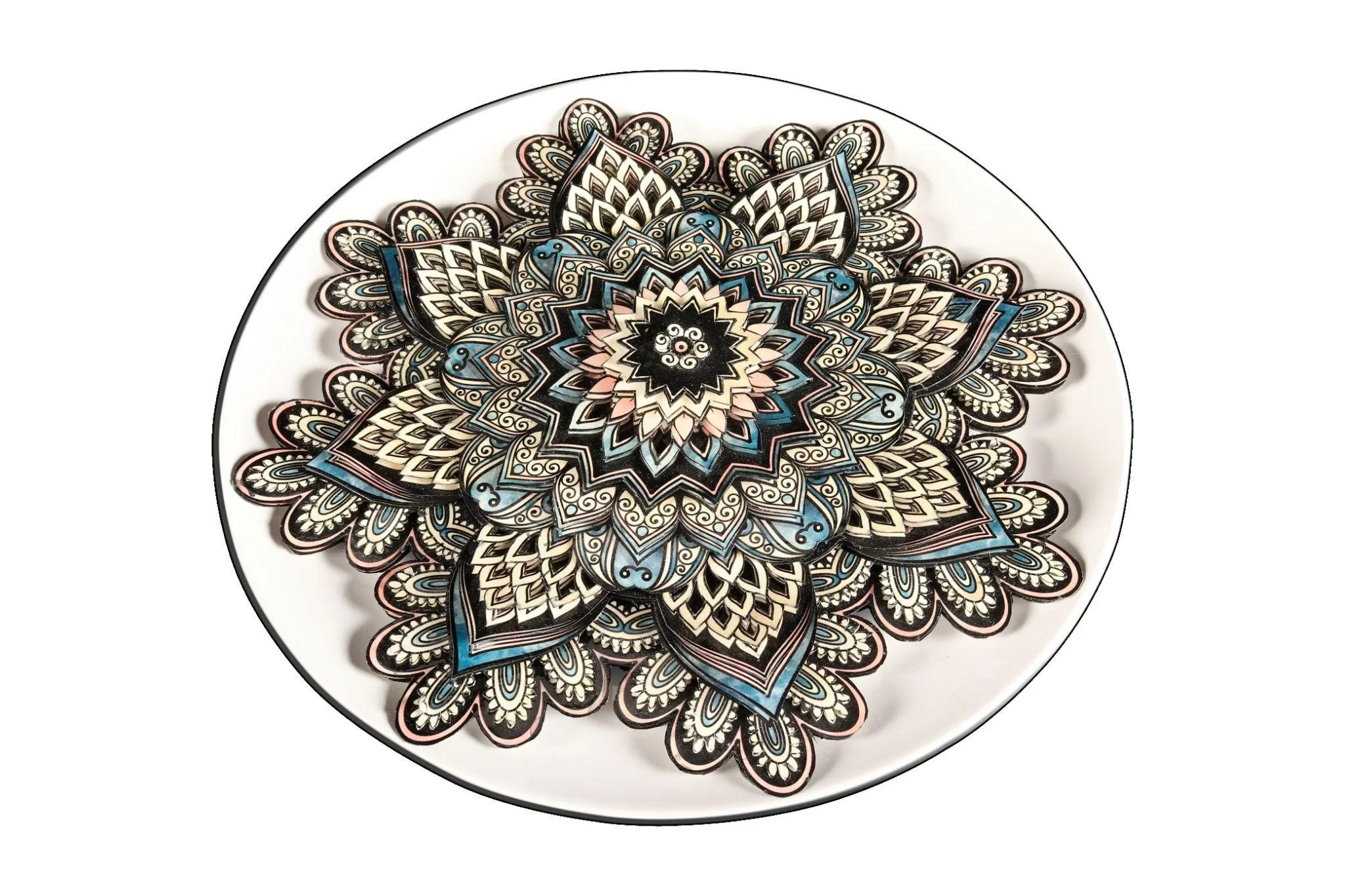
Exploring mandalas in Kathmandu reveals a quiet side of the city, shaped by faith, art, and tradition.
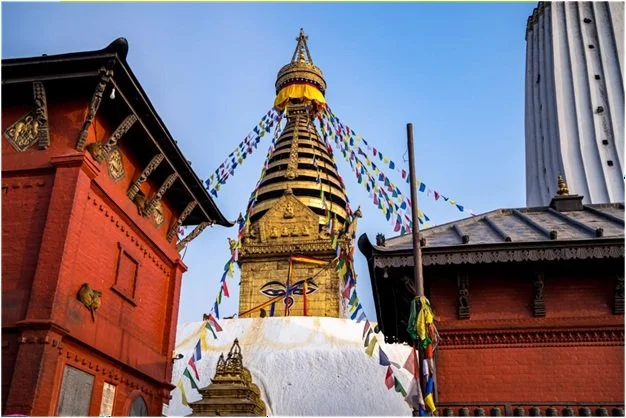
Swayambhunath is not just a destination, it’s an experience of Kathmandu’s spiritual and everyday life.

The golden Bajra at Swayambhunath Stupa in Kathmandu, a timeless guardian symbolizing strength, enlightenment, and divine protection in Nepal’s sacred traditions.” This sacred object, with its rich mythology and spiritual significance, stands firm as a reminder of the intertwined Hindu and Buddhist beliefs that continue to shape Nepal’s cultural landscape. Whether at the entrance of a temple, adorning stupas, or held during ritual practices, the Bajra represents a powerful force that connects the earthly realm with the divine.

Kathmandu is a living canvas where spirituality and art meet at every corner. Among its countless expressions of faith and culture, mandalas stand as one of the most profound. These intricate circular patterns, seen in temples, monasteries, thangkas (sacred paintings), and even everyday rituals, carry deep symbolic meanings that go far beyond decoration. They are maps of the universe, pathways to meditation, and reflections of Nepal’s spiritual heart.

Tucked between temple courtyards and winding alleys, Kathmandu reveals a quiet artistry that rewards those who linger. While its bustling streets may seem chaotic at first glance, a slower pace unveils a world shaped by human hands woven, carved, molded, and brushed with care.
This trek is specially designed to reach the Everest Base Camp including Kala Pattar which is the best view point to view the sunrise over the high Himalayas including the Mt. Everest. This trek requires 13 days.
USD 1515 PER PERSON -- TWIN ROOM SHARING BASIS