
Tales of Biskah Jatra
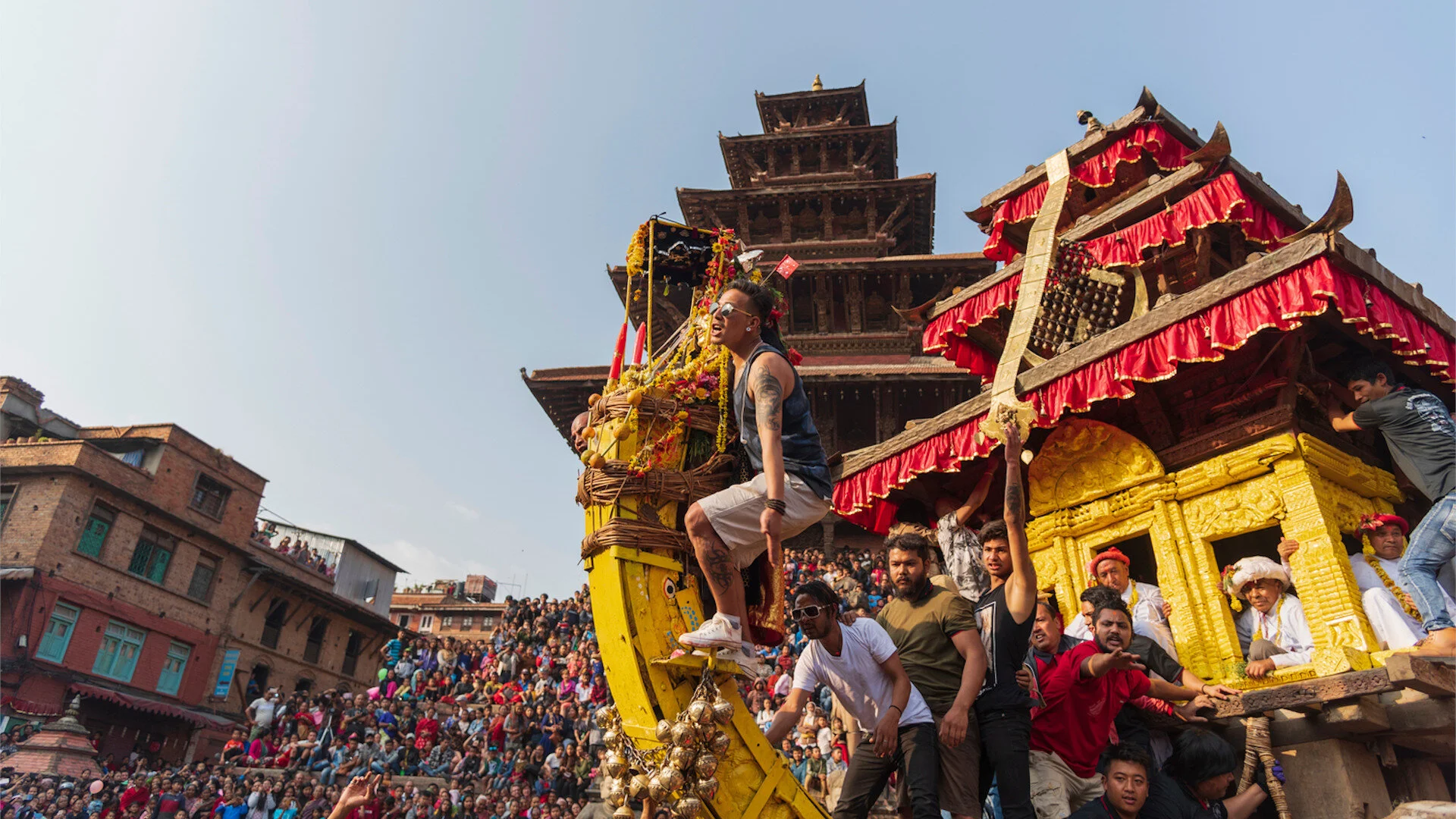
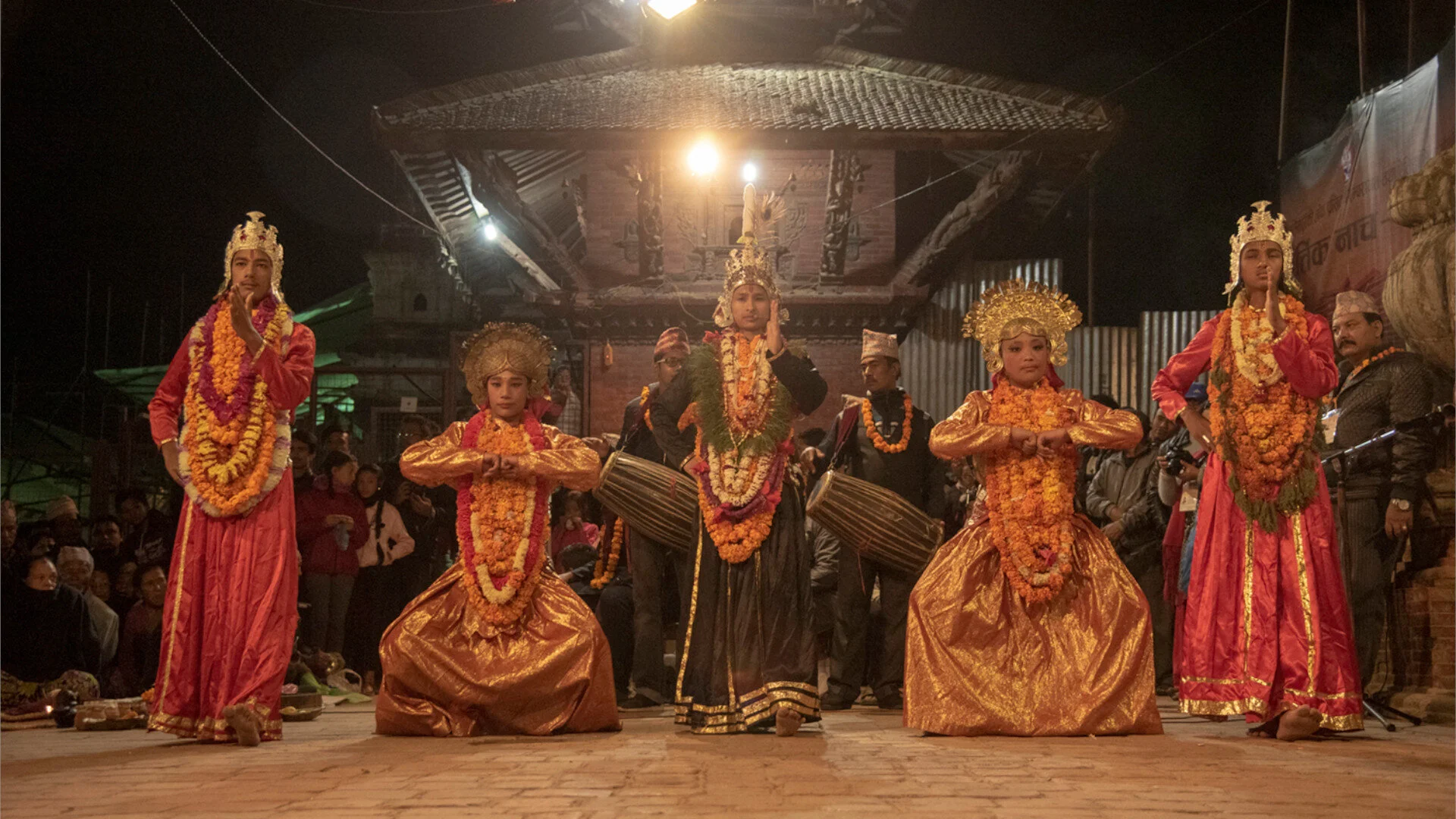
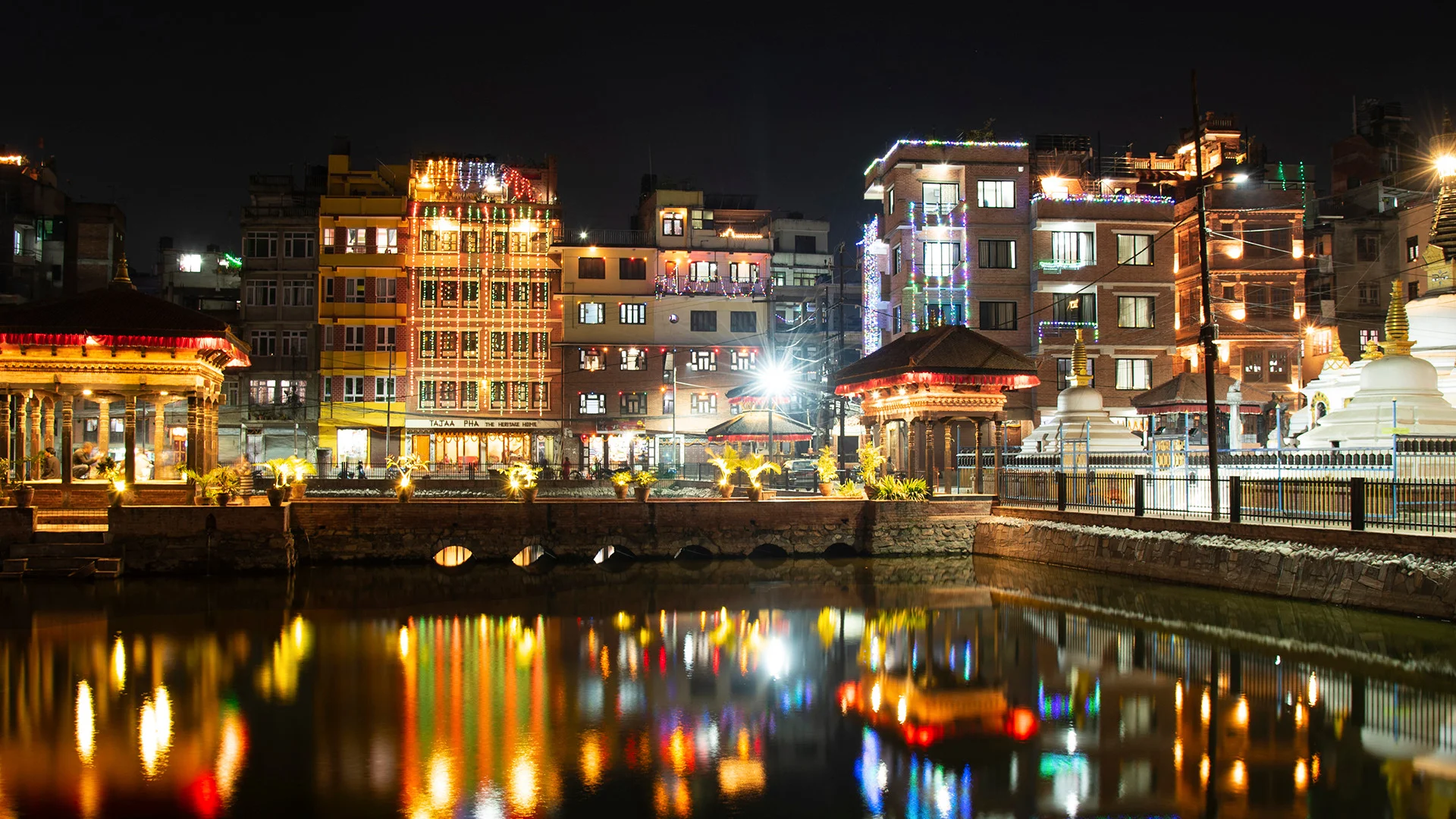
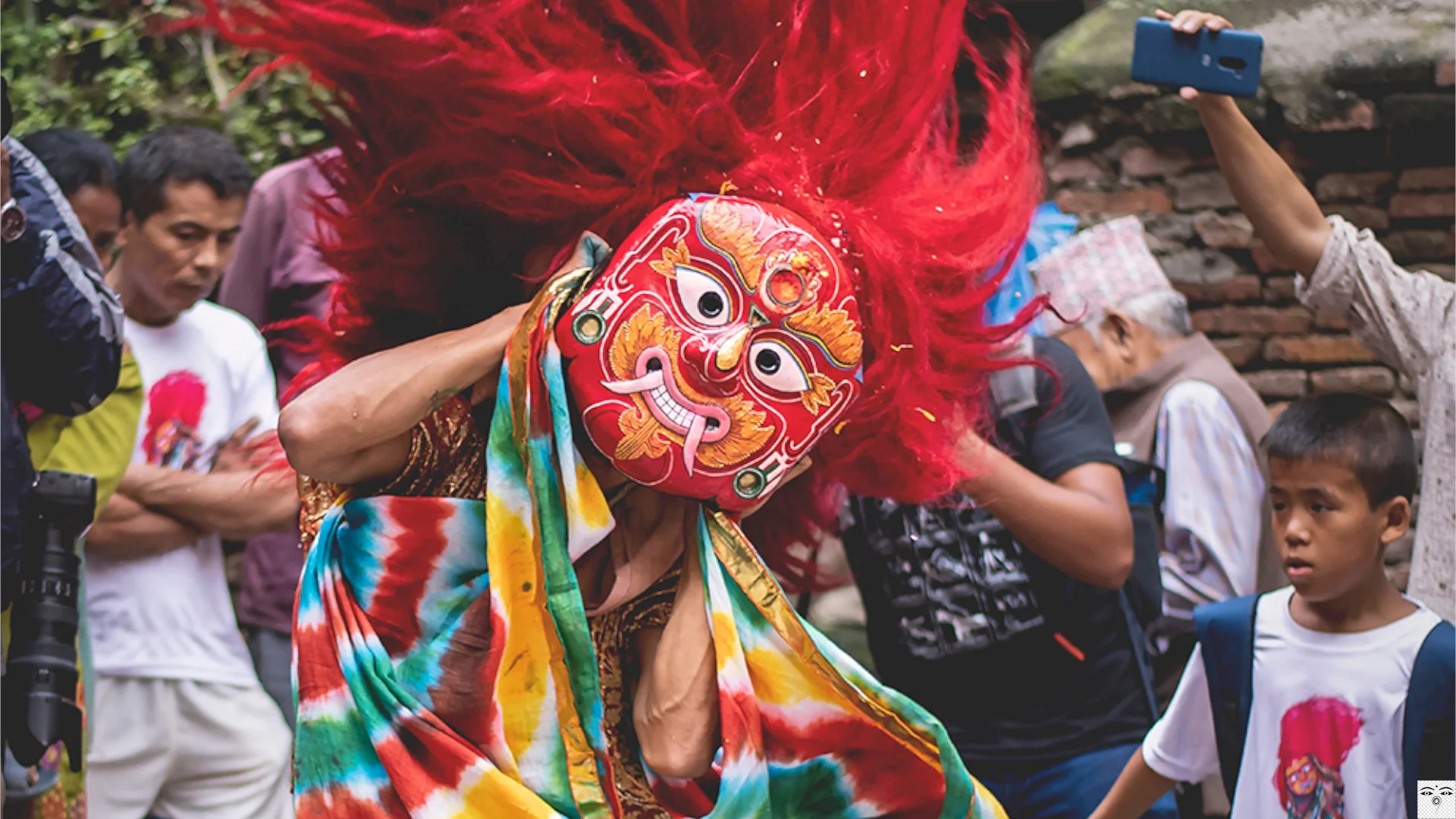
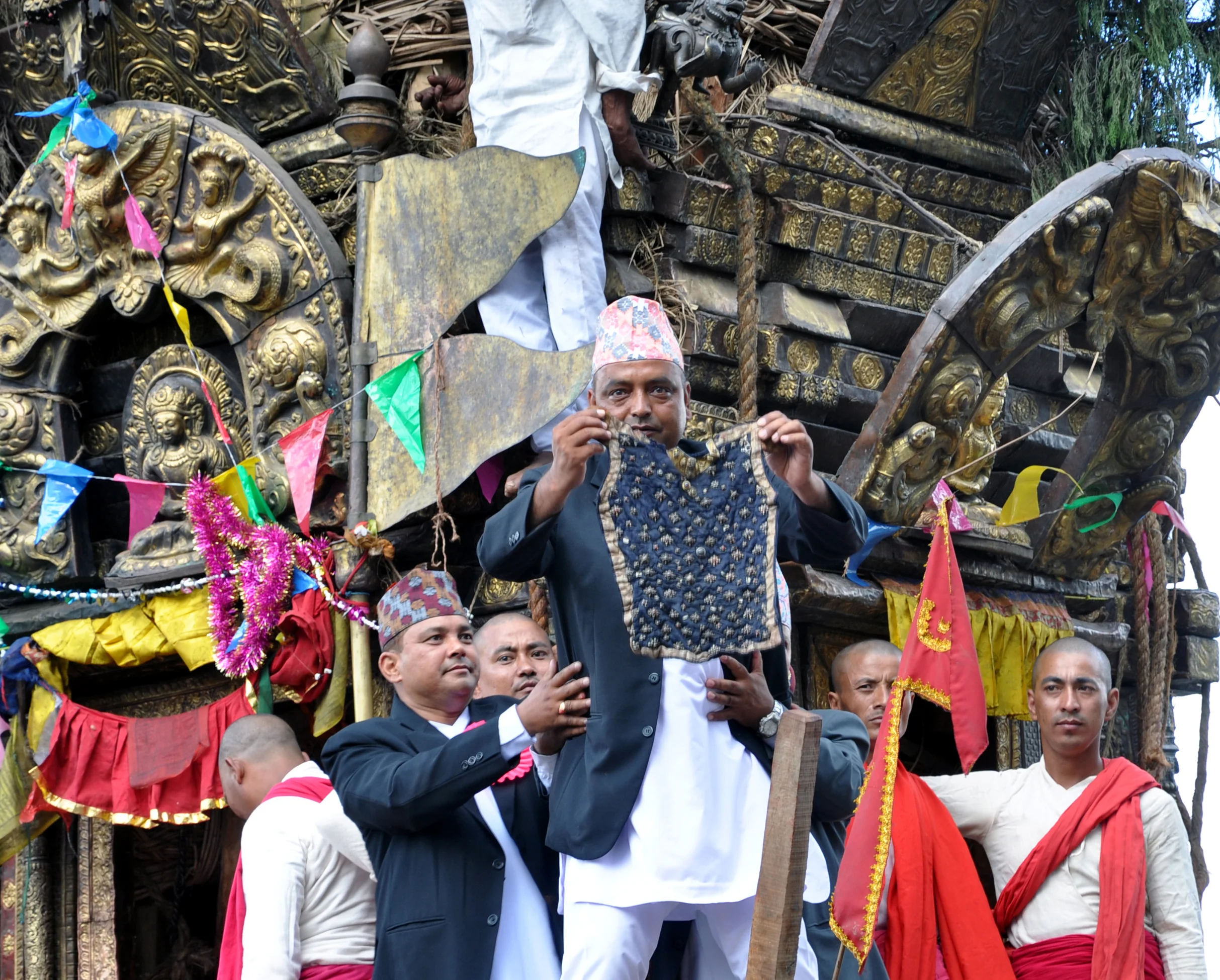
Bisket Jatra, also known as Biskah Jatra(festival) is a weeklong yearly occasion of Newari community in Bhaktapur. Among many other popular festivals in Kathmandu Valley, Biskah Jatra is celebrated with special rites and rituals in the historical and cultural city Bhaktapur.
Regarded as one of the biggest celebrations of the Newar community in Bhaktapur. Locally known as either ‘Biskah’ or ‘Bisket’ is derived from the ancient name of the festival ‘Bee Sikah’, which means ‘After the death of the serpents’. The origin of the celebration features great folklore most members of the Newar community grow up listening to from their elders.
The festival is celebrated in the communities of the old greater kingdom of Bhaktapur which was founded by the first Malla dynasty of the Valley Kingdom of Nepal. Whereas the city of Thimi celebrates it in a unique ‘Sindoor Jatra’ as the coming of the Nepali New Year according to the Vikram Era (BS).
“This younger brother (Ananda Malla, son of Abhaya Malla being very generous and wise gave up the sovereignty over the two cities (Kathmandu and Lalitpur) founded a city of 12,000 houses, which he named Bhaktapur (Bhatgaon) and included sixty small villages in his territory. After this, the Raja having obtained the favour and directions of Chandeswari founded seven towns; viz Banepur(Banepa) near Chandeswari Pithal; Panavati ( Panauti) near the Pragya Tirtha of Nepal. Celebrated in the Shastras, on the site of where Panchala-des formerly stood, Nala near Nala Bhagvati, Dhaukhel(Dhulikhel) near Narayana; Khadpu near Dhaneswar; Chaikot, near the residence of Chakora Rishi; and Sanga, near Nasika Pitha.” (Wright,1990)1
The name and purpose of the celebration date back to the medieval era, where it is believed there was once a beautiful princess who was very unfortunate with finding a husband. As she had a terrible curse be put on her which decreed that anybody who wedded her would die the very next day. Several men had already died due to the curse. The palace seemed to have lost all hope, but one young man came with a desire to end the ungodly curse. He with knowledge of his faith took upon himself to wed the forsaken princess but was forbidden by his elderly mother. But to the surprise of many an old lady (Goddess Bhadrakali in disguise) offered advice to the young man, which she asked him to follow in full and it would ensure his safety.
After the ritual ceremony ended, the two laid in bed and the princess feel right into sleep. ‘You are not to fall asleep with her, but await her to drift into sleep and be ready’, the young man remembered the advice of the old lady. As time passed on he was determined not to fall asleep and stared at the face of his wife. All seemed normal but out of a sudden two reptiles are said to have slithered out of the princesses nostrils!
In surprise and dismay, it was these two who had been the death of so many men and if not for the advice of the old lady, they would have already slain their next victim. He quickly picked up his razor-sharp knife and wasted no time in cutting the reptiles.
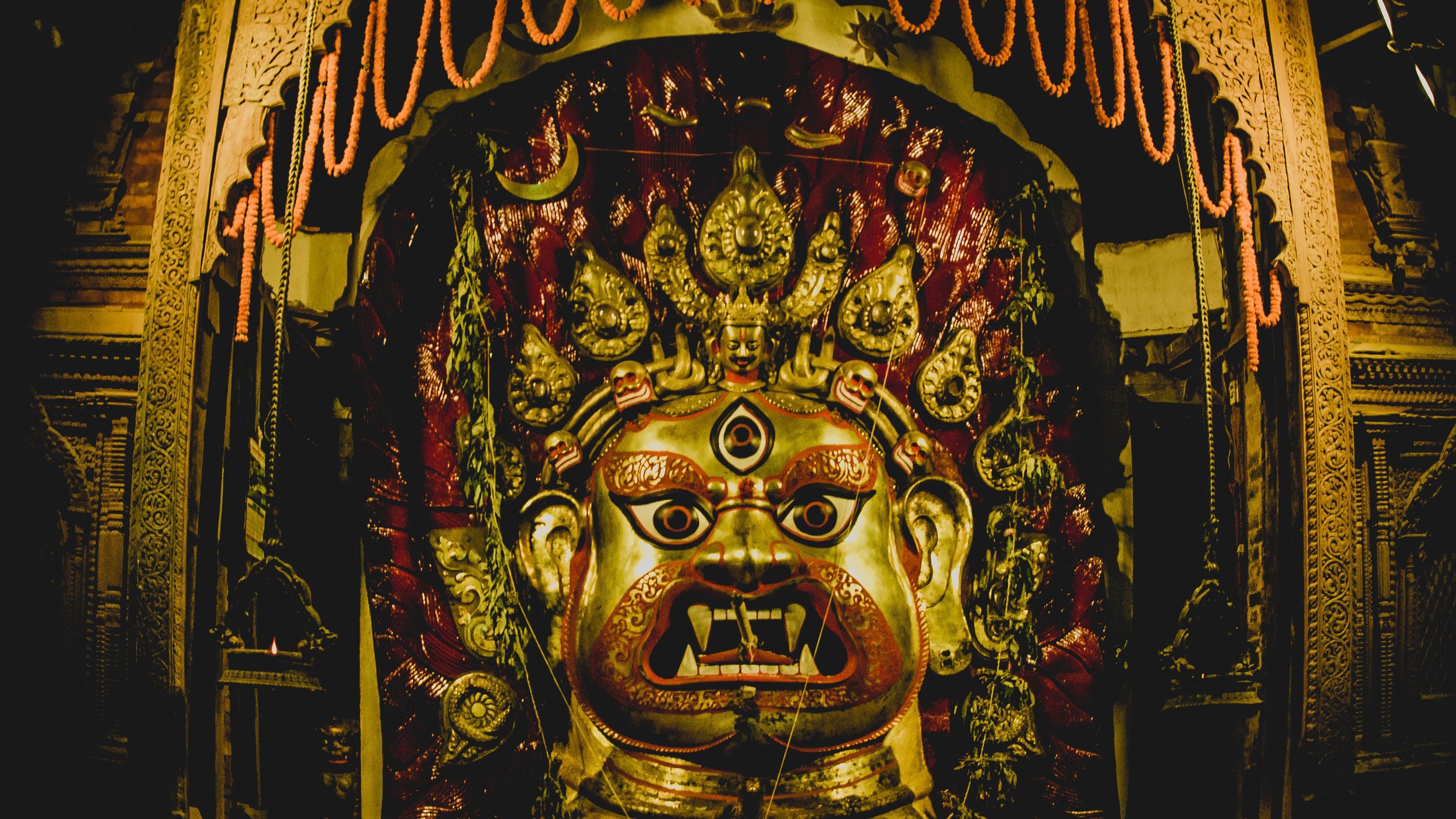
‘After the death of the serpents’, came the grand celebration of Bisyaku Jatra ( The original name of the festival). The then Malla King, began the festival as he wished all to remember the valour of the young man and offer worship to the principal deities Lord Bhairab and Goddess Bhandrakali.
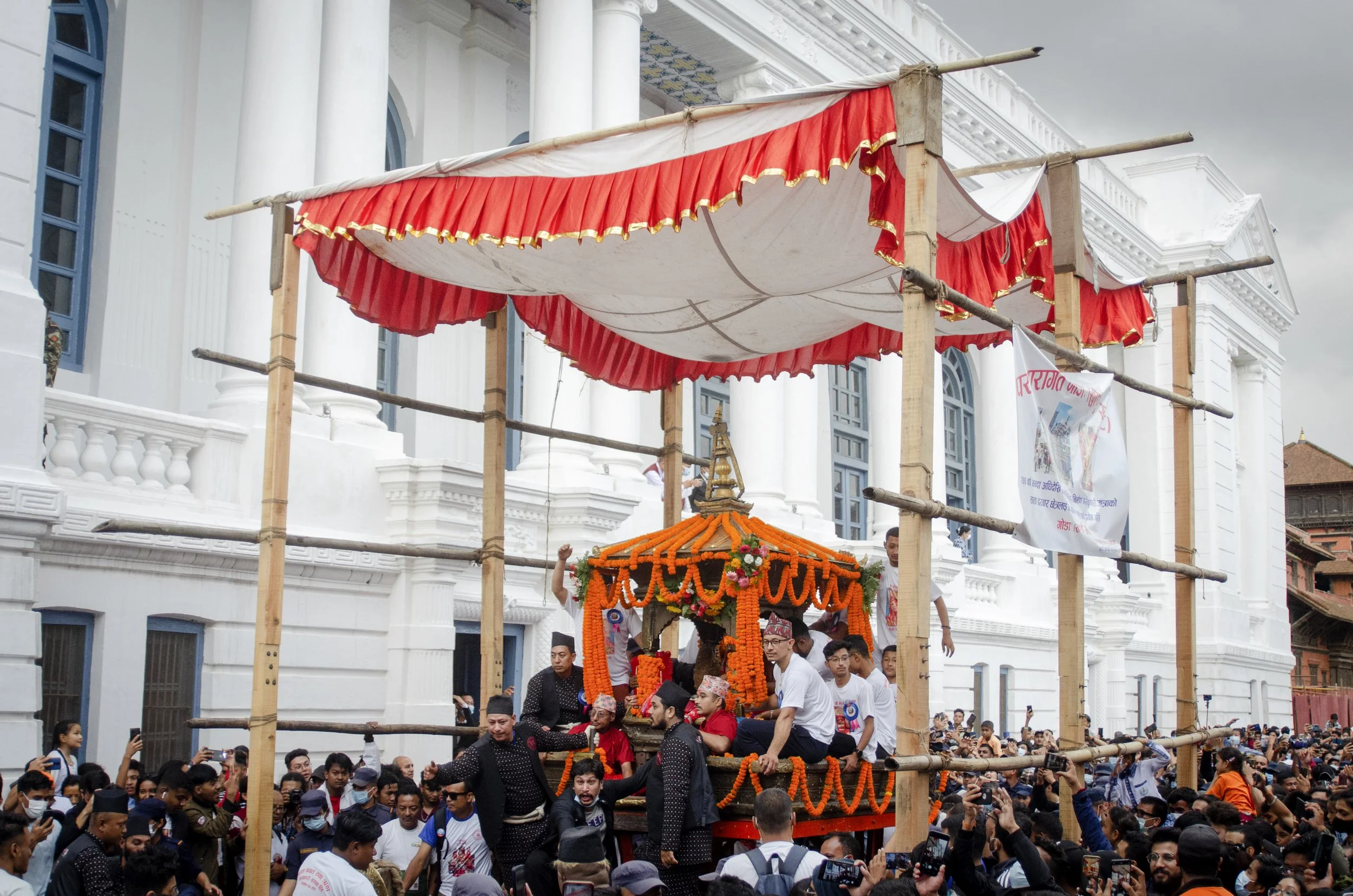
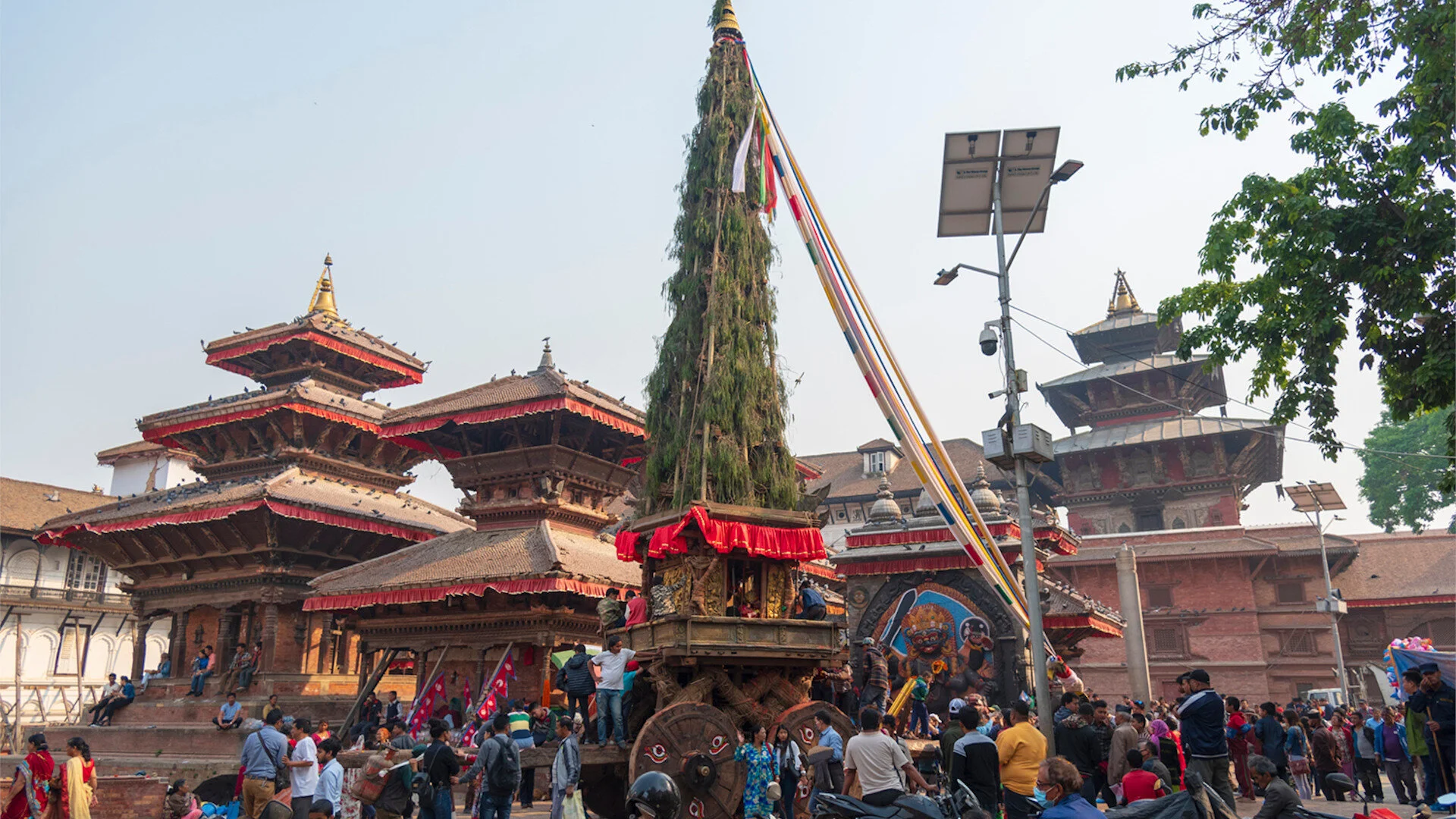
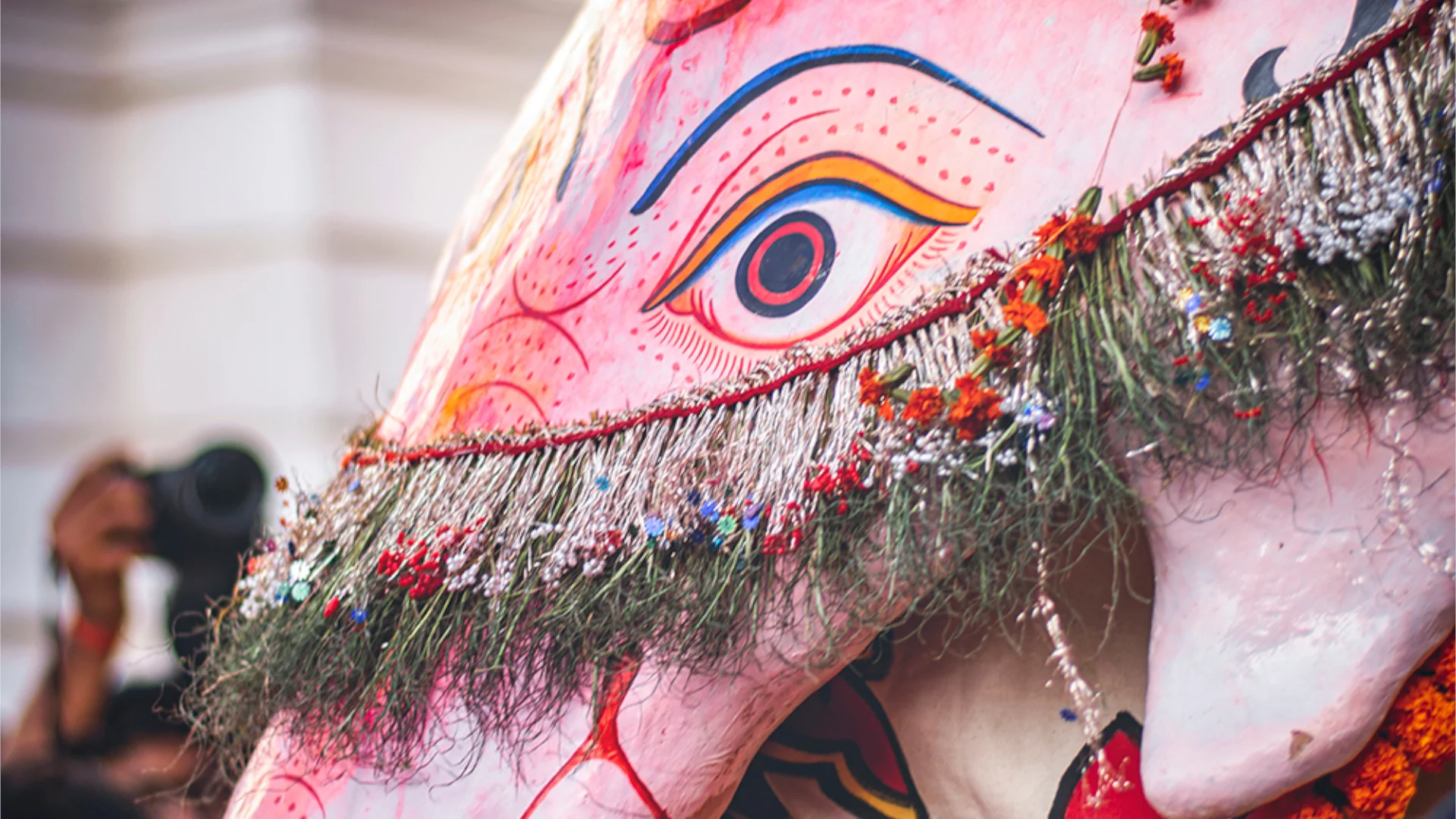
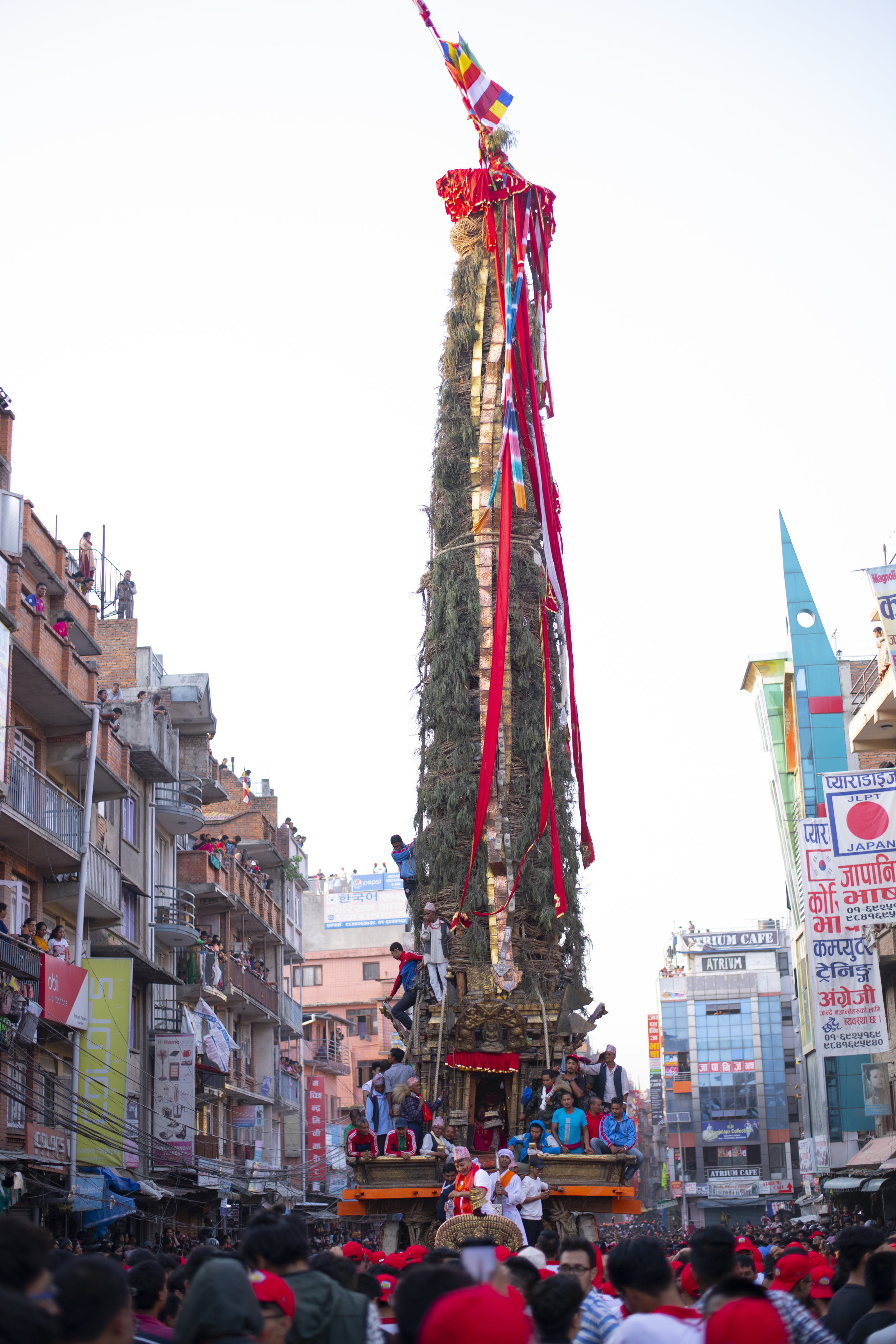
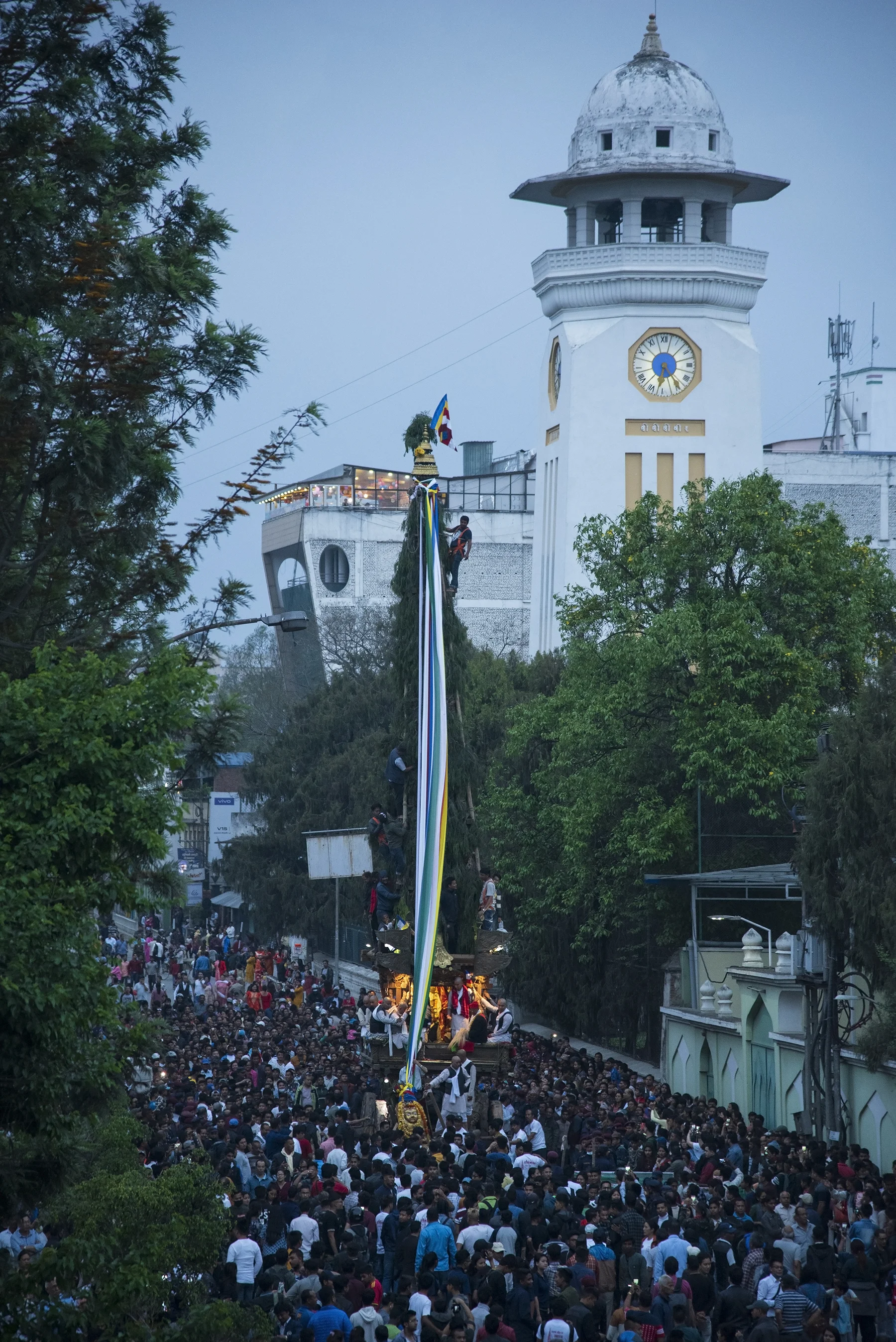
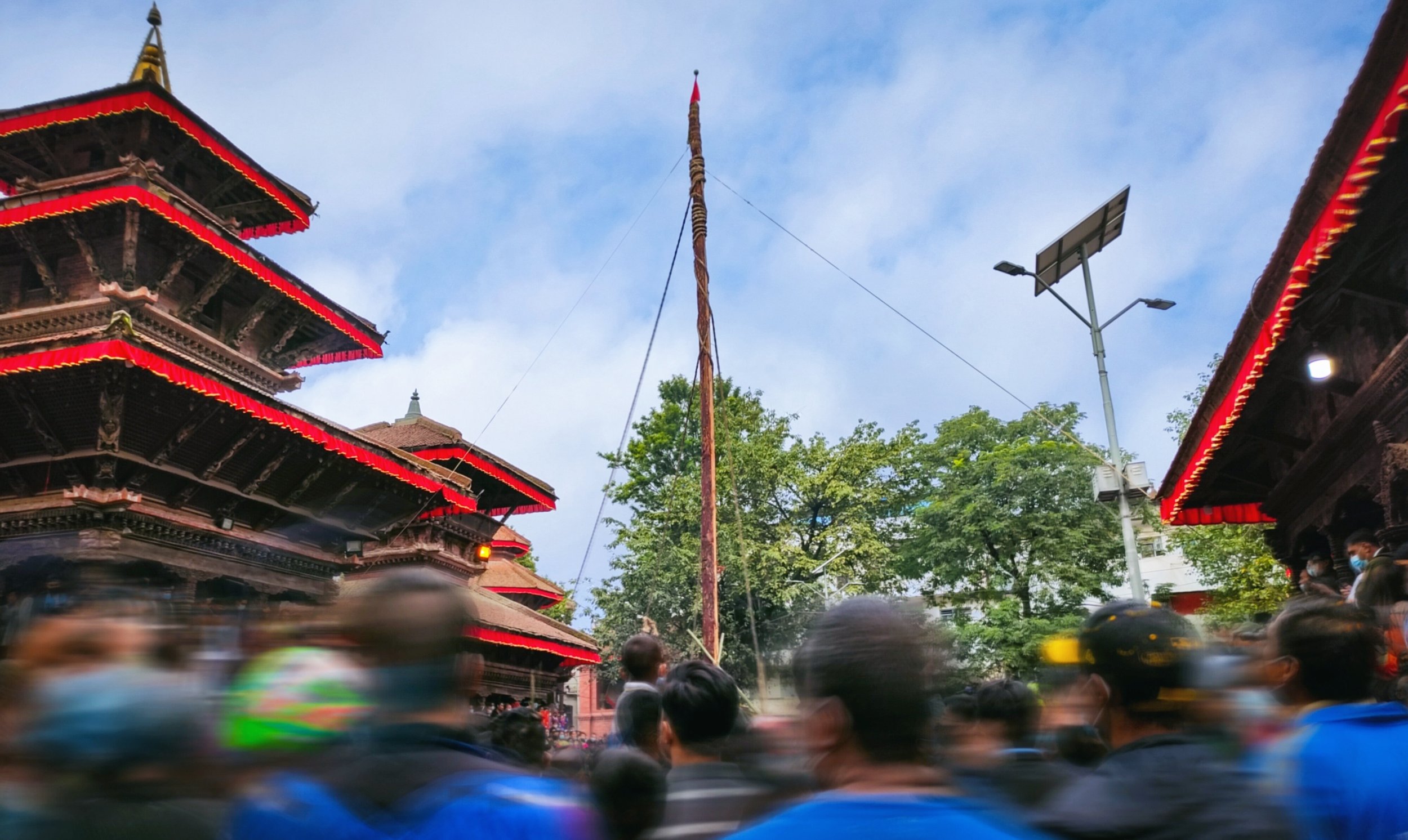
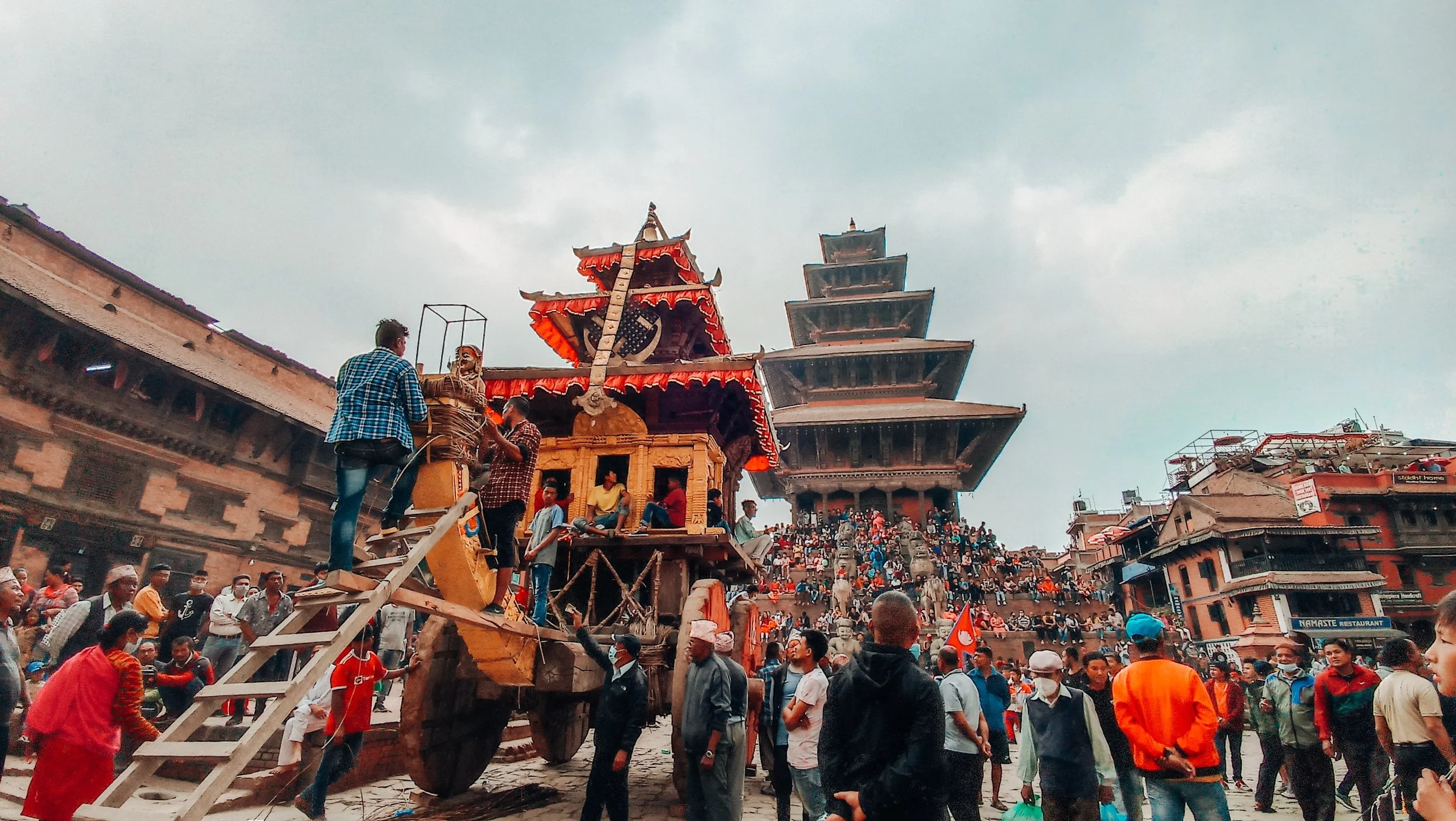
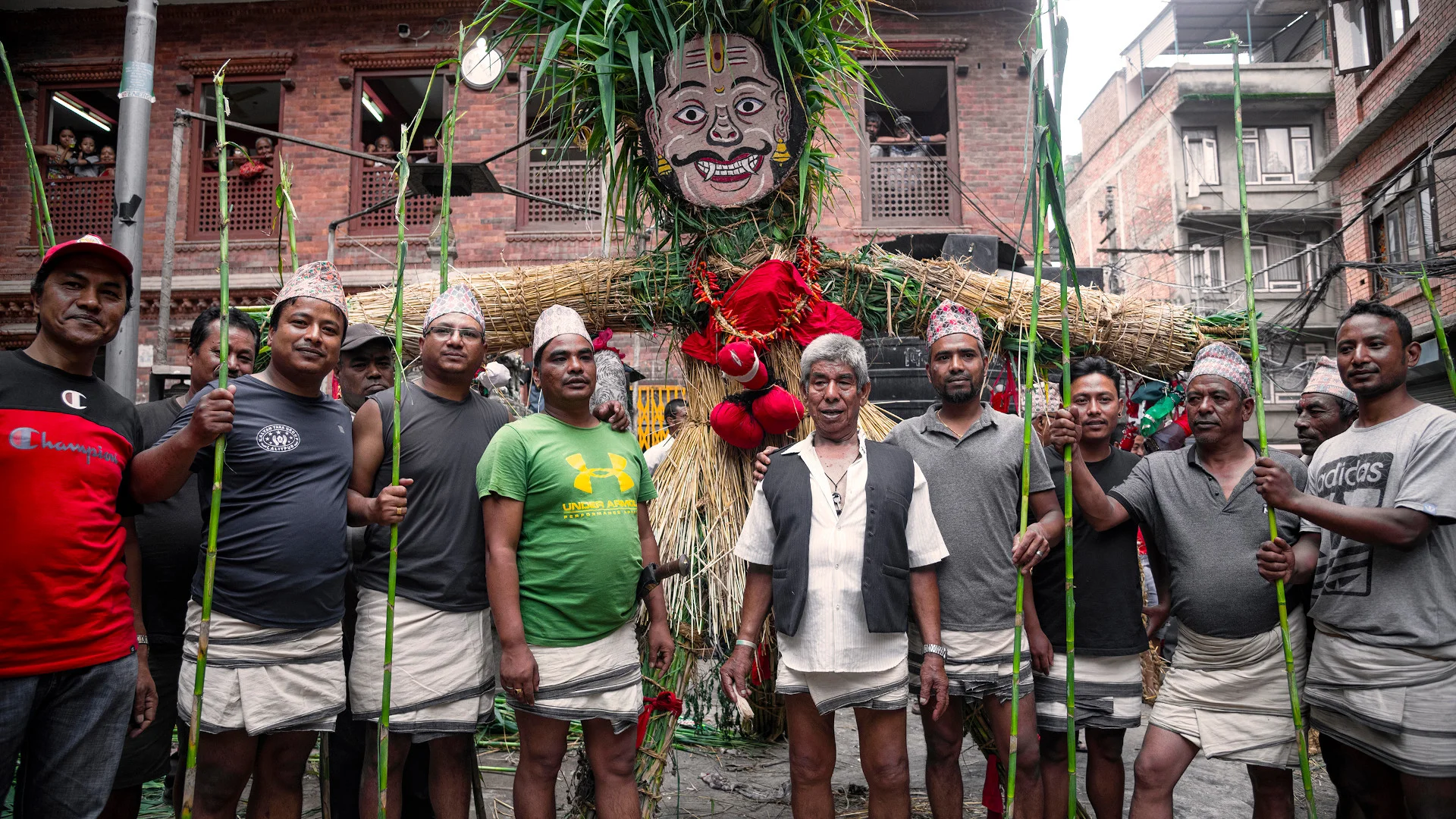
A procession of two chariots, being pulled in a tug-of-war setting between Thane(Upper) and Kone(Lower) part of town which occurs begins the festivities of Biskah Jatra. Two lingo’s known as Yo Shi (55-feet-tall each) are erected in two different locations of the central city on New Year’s Eve and brought crashing down on New Year’s Day symbolizing the killing of the serpents. To symbolize the consummation of the marriage, the two raths (chariots) are made to crash against each other. This occurs during midnight when the Bhairab and Bhadrakali chariots are collided symbolizing copulation.
The festival lasts for a total of 9 days from the 27th of Chaitra to 5th of Baisakh. As the festival follows the solar Vikram Sambat (B.S) calendar the dates are exact every year.
This years edition of the Bisakh Jatra is to conducted within closed doors due to the SARS-CoV-2 Pandemic. As an alternate to the regular chariot festival the head priests are to perform special rites and rituals.
1: Wright, Daniel. (1990). History of Nepal (pp. 163). New Delhi, Madras: Asian Educational Services. (Original Work published in 1877)
POPULAR ITINERARIES
SIMILAR POSTS
Best Sunrise Views In Nepal - Part I
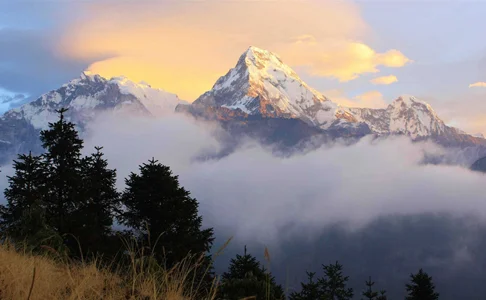
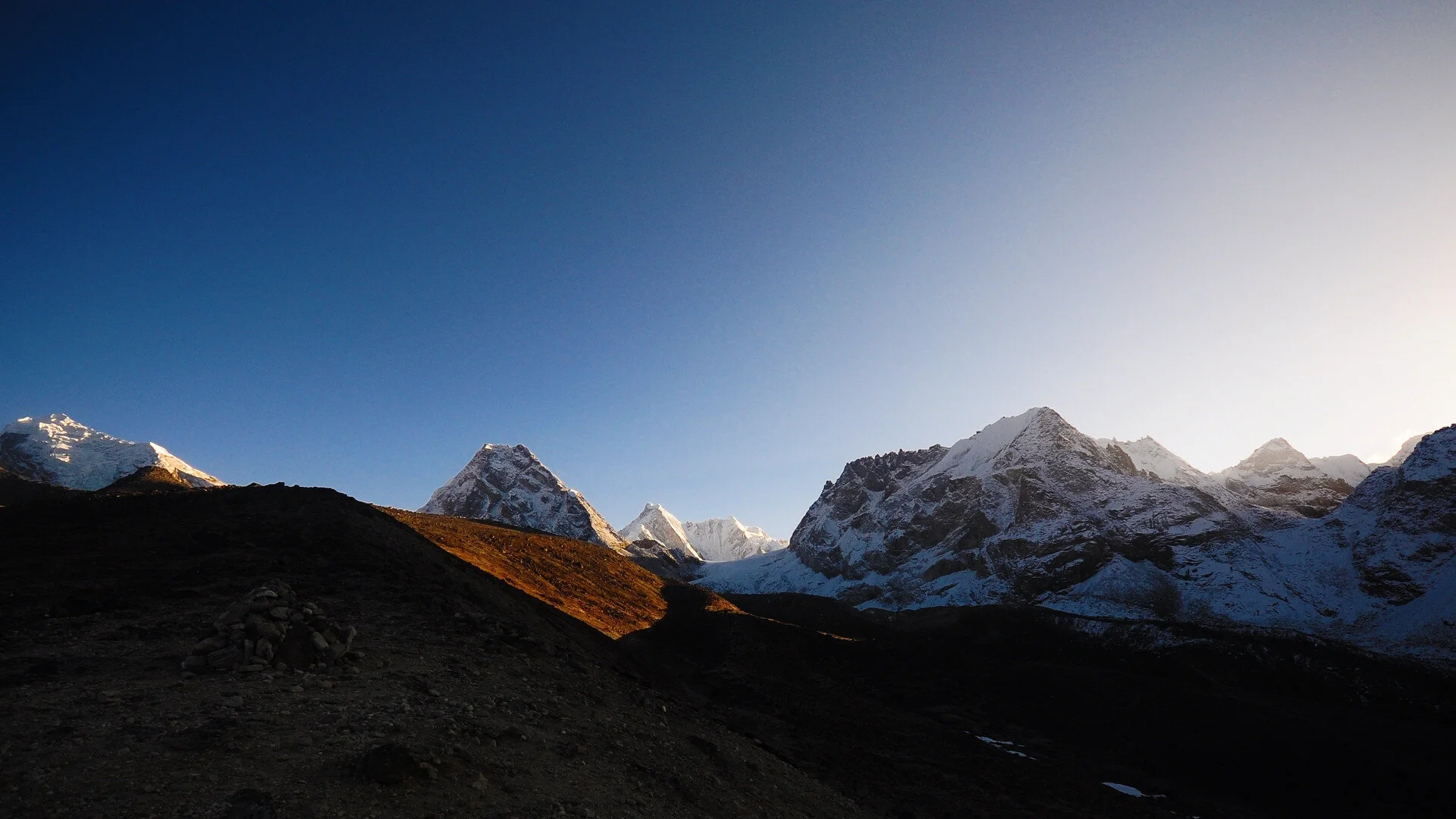
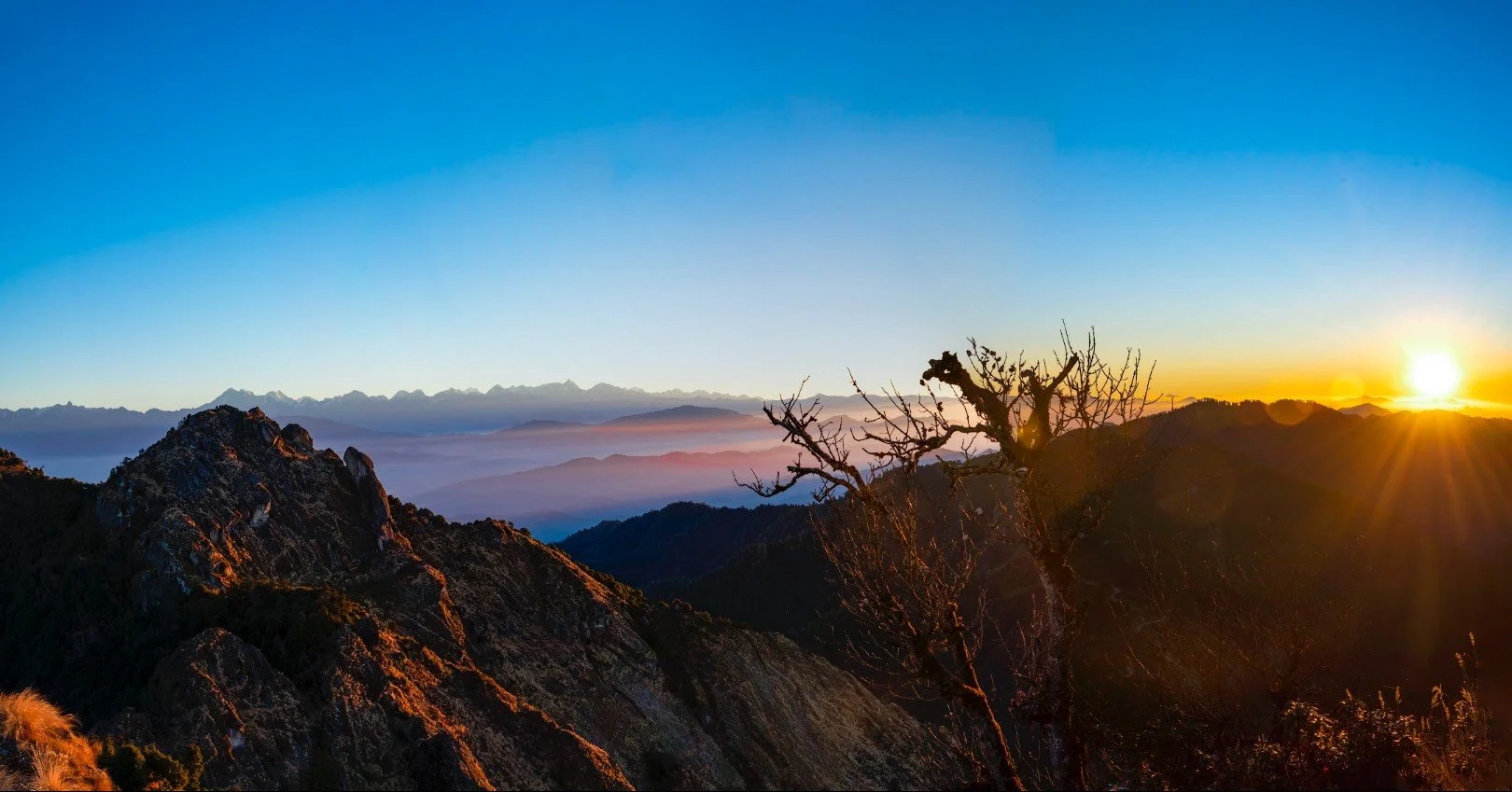
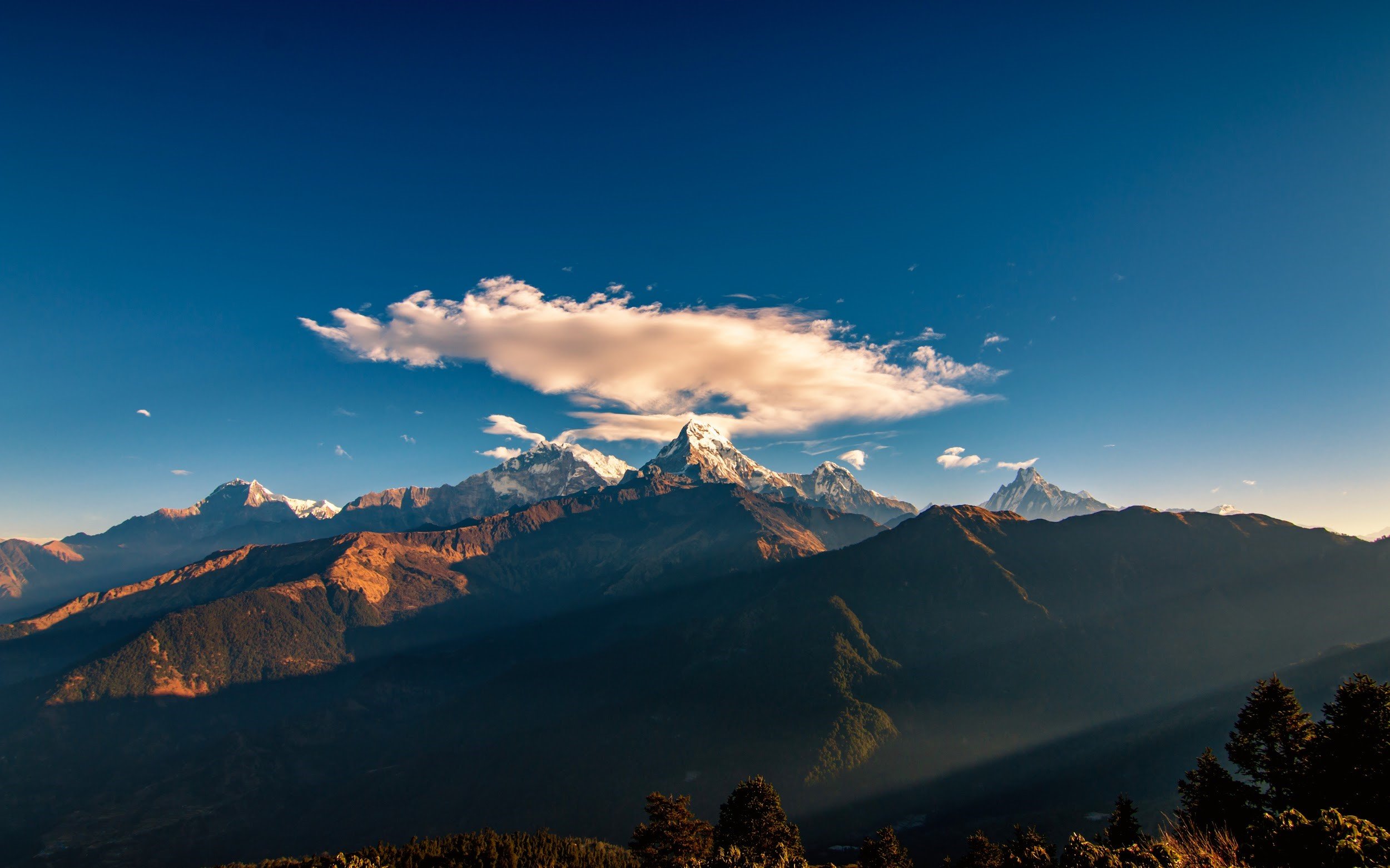
Sunrise view in Nepal is one of the popular and most rewarding tour activities in Nepal on several popular mountain view points in Nepal. Not only popular for the breathtaking views of the sunrise and sunset over the giant mountain peaks, it is also one of the best way to view the heavenly panoramic Himalayas of Nepal.
Nothing beats a warm cup of tea as you wait for the sun to bring light to the world. A country blessed with serene mountains and topography, Nepal truly at times resonates with the thoughts of Shangri-La. Amidst the numerous destinations to visit and experience in Nepal, the sites mentioned below share in common a vantage to experience the beauty of a sunrise and sunset.
Thus if you plan on visiting these destinations shortly, make sure to have your itinerary include this magical experience.
Nagarkot
Sarangkot
Shree Antu
Nagarkot
Attraction: Cultural Experience, Sunrise and Sunset Views, Buddha Peace Park, Quad Biking, Panoramic Hiking Trail
Altitude: 2195 M
Accessibility:
Closest Airport: Tribhuwan International Airport (TIA)
Distance From Kathmandu: 27.5 KM
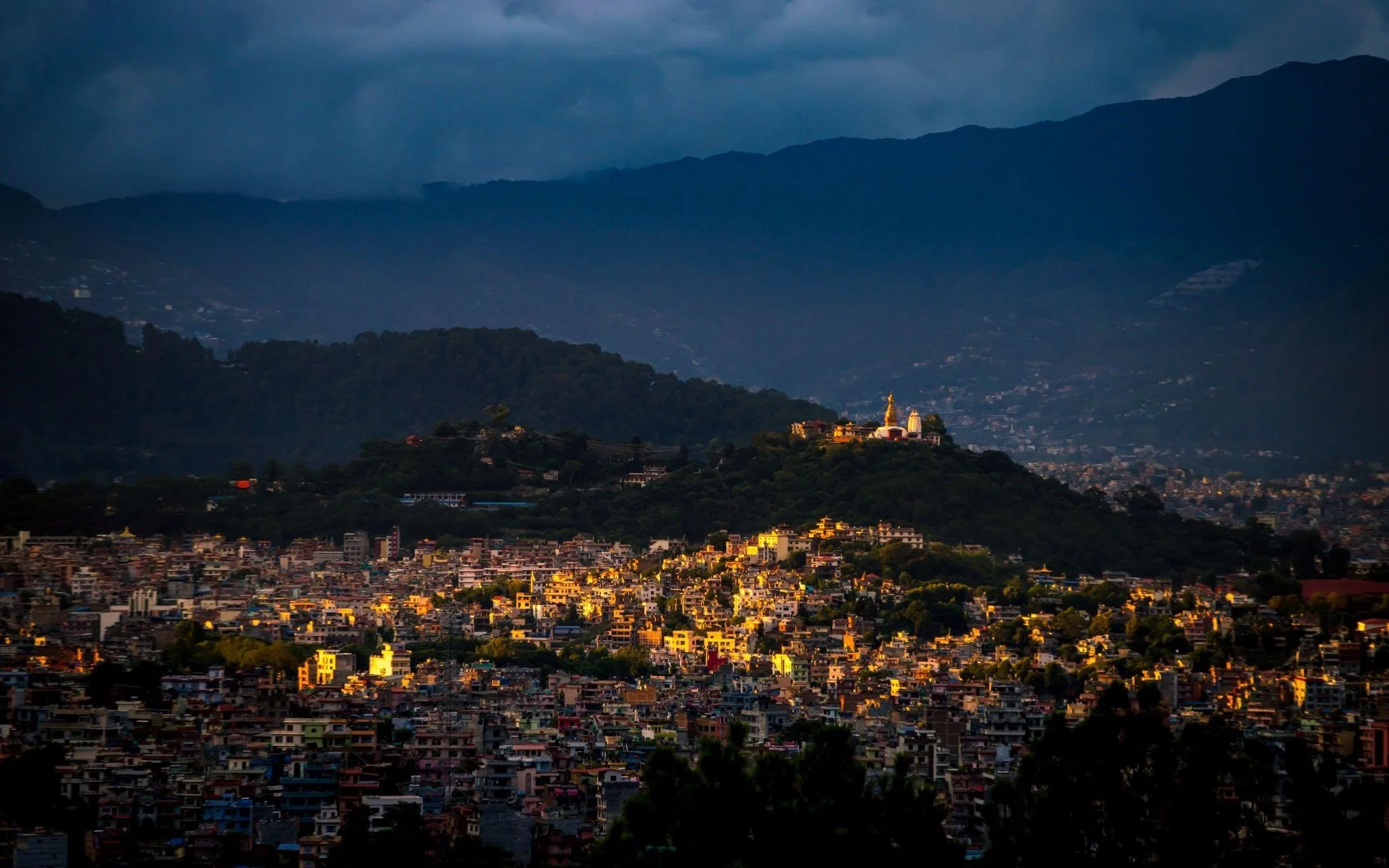
If your looking for a quick getaway within the outskirts of the Kathmandu Valley, the destination of Nagarkot fits the bill. Located just 27.5 kilometres from the main city of Kathmandu, the city of Nagarkot in the Changun Nagrayan municipality of Bhaktapur is a great view station for you to enjoy scenic views of the greenery of the Valley. Famous for its great hills and view station it is also a great destination to view the sunrise and sunset.
The city of Nagarkot during the months from October to December and March to April features clear skies for you to enjoy a panoramic view of the Himalayan range. The mountains of Annapurna, Manaslu, Ganesh Himal, Lantang, Jugal Himal, Rolwaling, and Number are visible during clear skies. One can also enjoy a quick cultural hike from Changu Narayan to Nagarkot and experience the Panoramic Hiking trail and indulge in activities such as Quad Biking.
Sarangkot
Attraction: Annapurna View Point, Sunrise and Sunset View from Sarangkot View Tower, Fewa Lake, Begnas Lake, Davi’s Fall, Mahendra Cave, Tal Barahi Temple, International Mountain Museum, World Peace Pagoda, Matepani Gumba
Altitude: 1600 M
Accessibility:
Closest Airport: Pokhara Airport (PKR)
Distance from Kathmandu: 211.5 KM
Distance from Pokhara: 10.6 KM
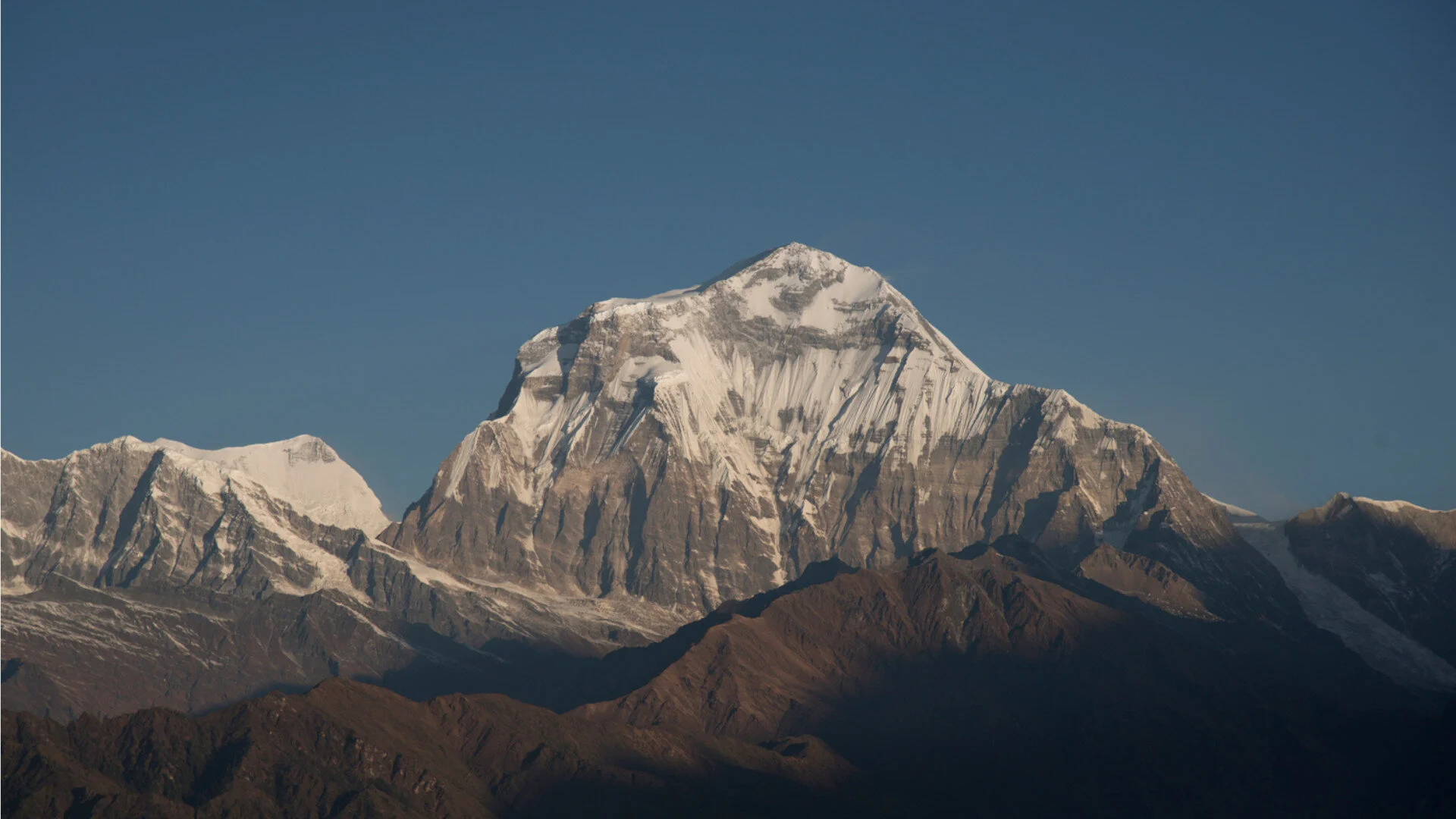
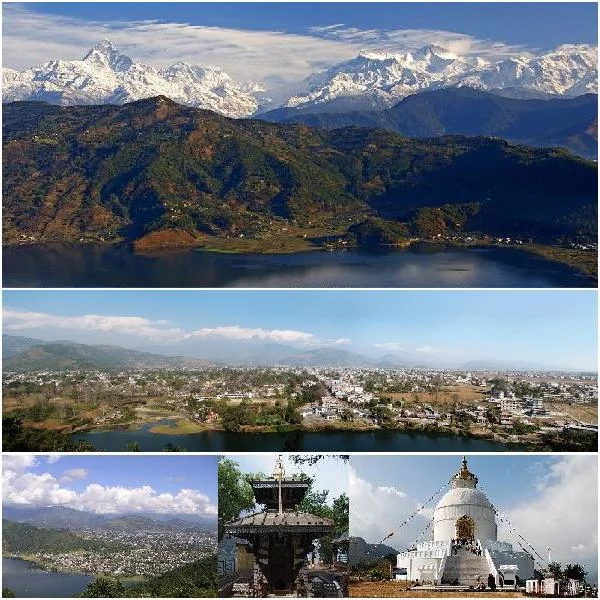
A visit to Pokhara is never complete without experiencing the first and last light of the sun from the view station of Sarangkot. Located 10.6 Kilometres from the main city of Pokhara, the station of Sarangkot is the prime spot to view the Annapurna Himalayan Range. The station requires a permit ticket which costs Rs.50/Rs.20 for foreigners and Nepalese respectively. Sweeping views of the Dhaulagiri in the west is followed by the range of Machhapuchhare, Annapurna II and Lamjung to the east.
A brief hike is required to reach the view station and early birds can set up their camera’s to photograph the first rays of the sun during the golden hours. One can reach the view station of Sarangkot by road and a great travellers secret is to experience the ruins of the Kaskikot for which is an hour walk from to the west of Sarangkot.
Shree Antu
Attraction: Sunrise and Sunset View from Shree Antu View Tower, Shree Antu Pokhari, Tea Garden Hike, Antu Data Camping
Altitude: 1628 M
Accessibility:
Closest Airport: Bhadrapur Airport (BDP)
Distance From Kathmandu: 498.4 KM
Distance from Phikal Bazar: 13.2 KM
Shree Antu is one of the most popular destinations to view the sunrise and sunset in Nepal. It is also the region which gets the first rays of the sun, as it is towards the easterly side of the country. The village of Shree Antu which lies in the Illam district, an approximately 13.2 Kilometres from Phikal Bazar is a spot you cannot miss. Notorious for its dramatic weather, decoding the weather pattern is a must if you are to experience the tantalizing views of the sunrise in this region. Located to the south of the third highest mountain, Kanchenjunga, this region also features great tea gardens and the iconic Shree Antu Lake. Apart from the sunrise and sunset views, one can indulge in a cultural experience learning about the modes of life of the ethnic communities of Limbu, Tamang, Rai, Lepcha and Magar people.
Another travellers secret is to camp at the Shree Antu Hill, where if the weather permits one can experience an amazing panoramic of Siliguri during the blue hours of the evening and wake up to an amazing sunrise. Reaching Shree Antu is a gentle 3-day trek with a maximum elevation of 3760 m. One can also fly directly to Bhadrapur Airport and rent a private vehicle to the foot of the Shree Antu Hill. An approximate 3 hour drive through the Mechi Highway is filled with great views of the tea gardens of Illam, one can stop at Fikkal Bazar to experience the serenity of the destination of Illam.
POPULAR ITINERARIES
SIMILAR POSTS

Pahan Charhe - Festival in Nepal
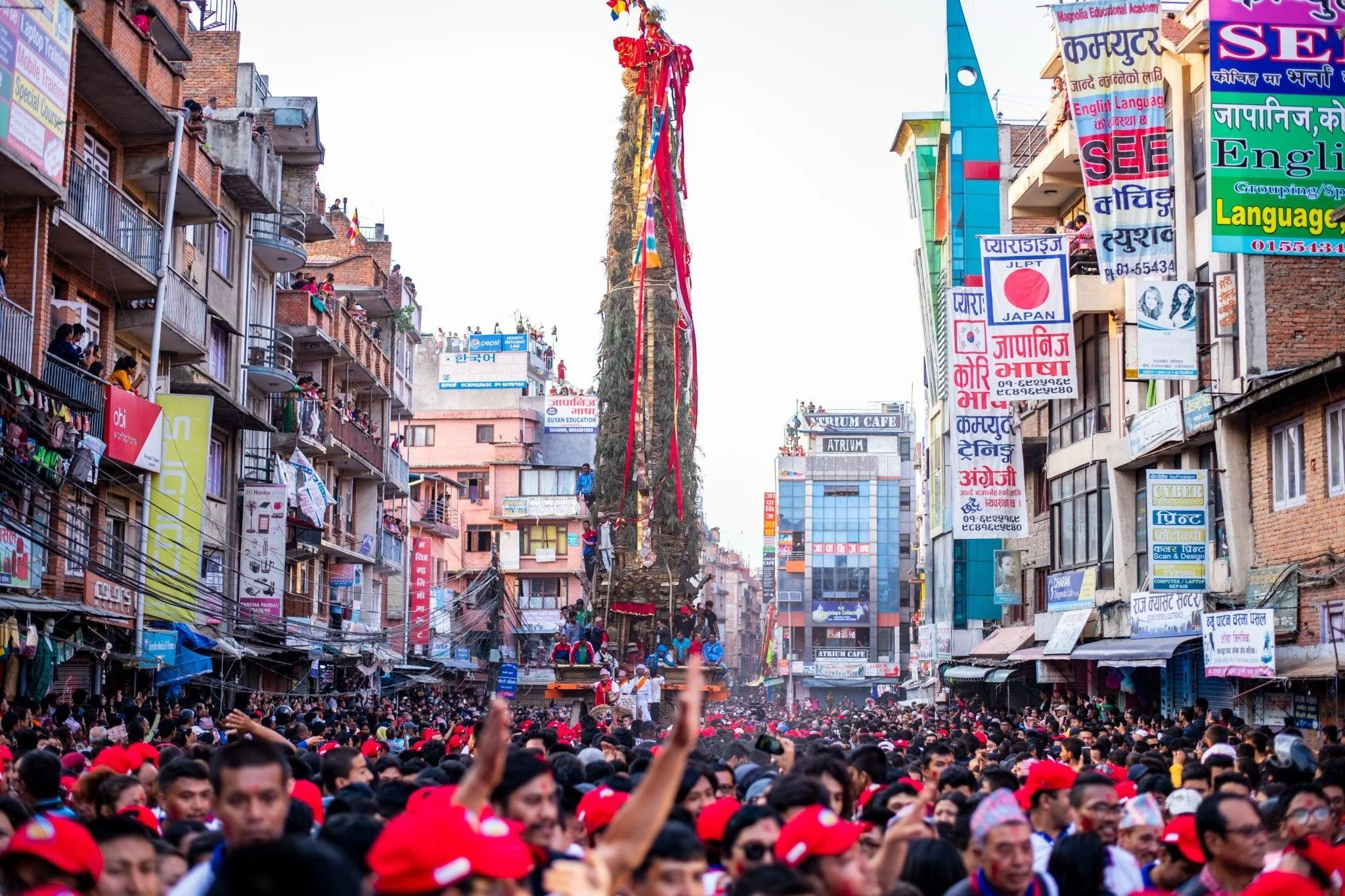
Pahan meaning guests and Charhe meaning on the fourteenth day of the lunar fortnight, the avid tunes of the festival can be heard for three consecutive days in the old towns of the city of Kathmandu. This three-day festival brings together the community in a unique manner and has helped build communal strength and friendship.
Synopsis: In Newar, Bhasa Pahan means to invite and Charhe means on the fourteenth day of the lunar fortnight. The celebration sees the old town centre of Kantipur ( Now Kathmandu) filled with devotees as the palanquin of three mother goddesses are paraded by revellers. This three-day festival brings together the community in a unique manner and has helped build communal strength and friendship.
Pahan meaning guests and Charhe meaning on the fourteenth day of the lunar fortnight, the avid tunes of the festival can be heard for three consecutive days in the old towns of the city of Kathmandu. The festival sees the invitation of beloved guests and members of the family to take part in a magnificent feast prepared for the occasion.
The tradition of Pahan Charhe is commenced a week earlier with an invitation from the mother of the Ajima’s. The festival is also known as Duru Cha Cha Jatra, and once the invitation is received the celebration of Pahan Charhe is commenced exactly a week after.
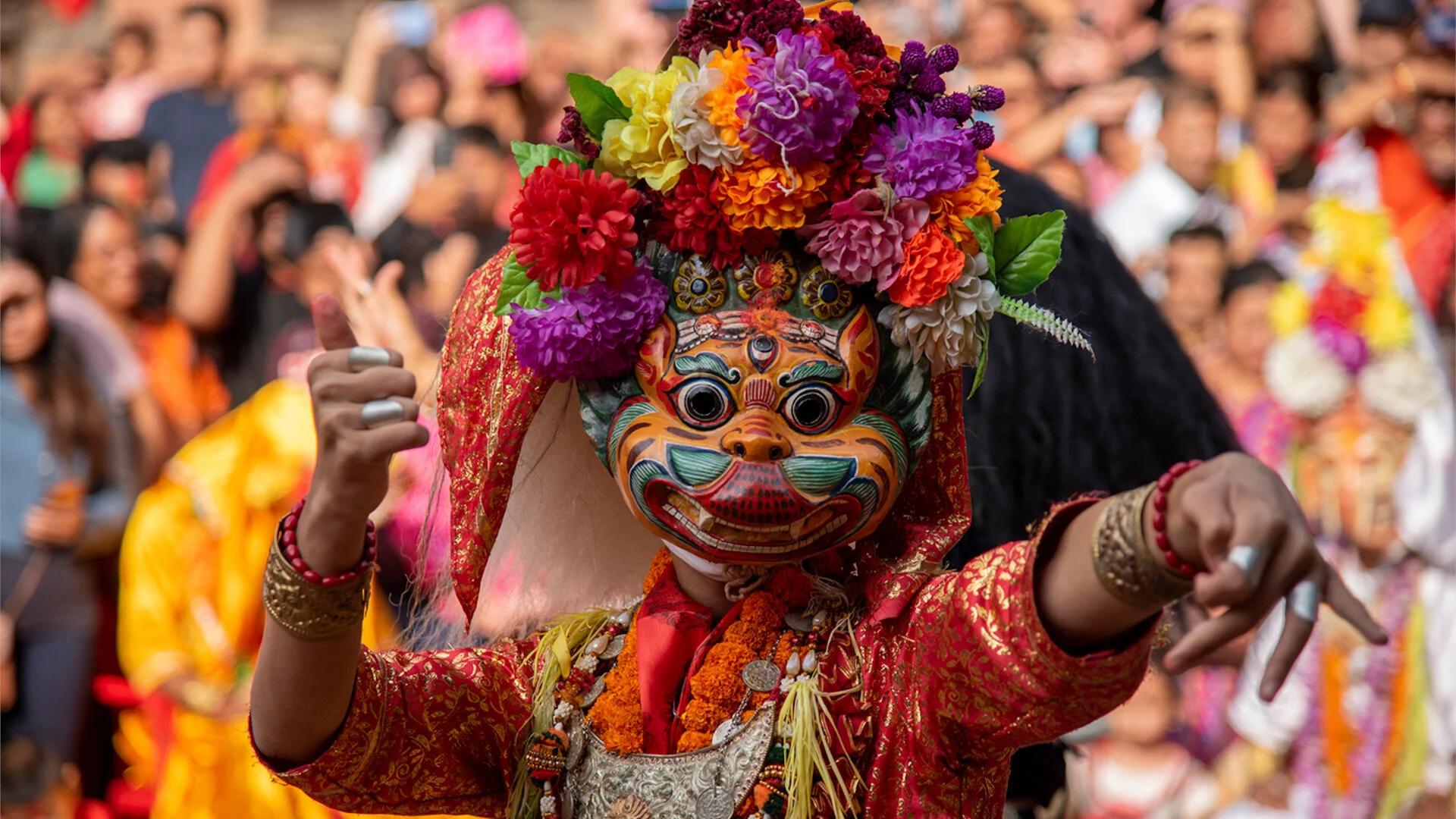
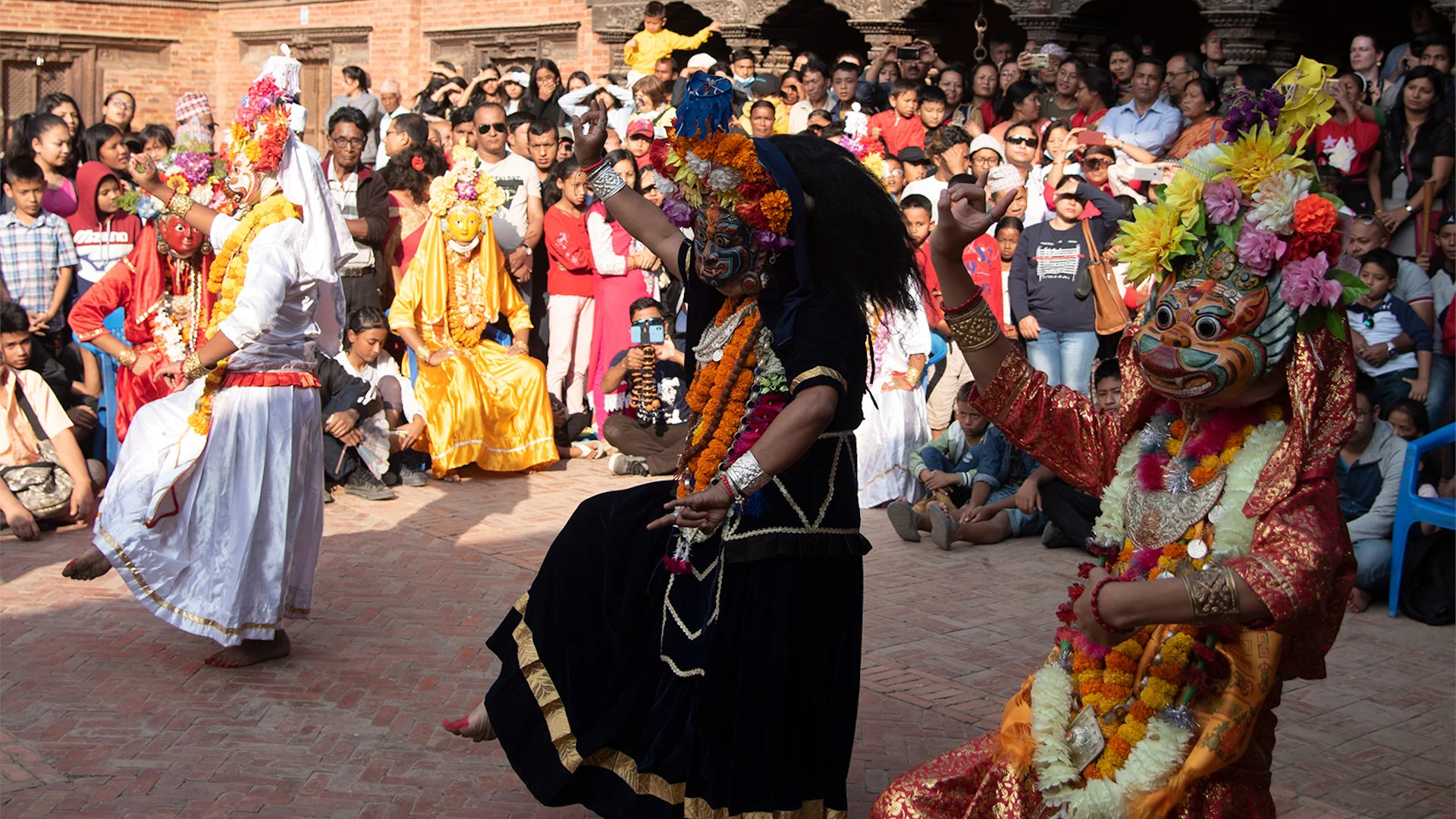
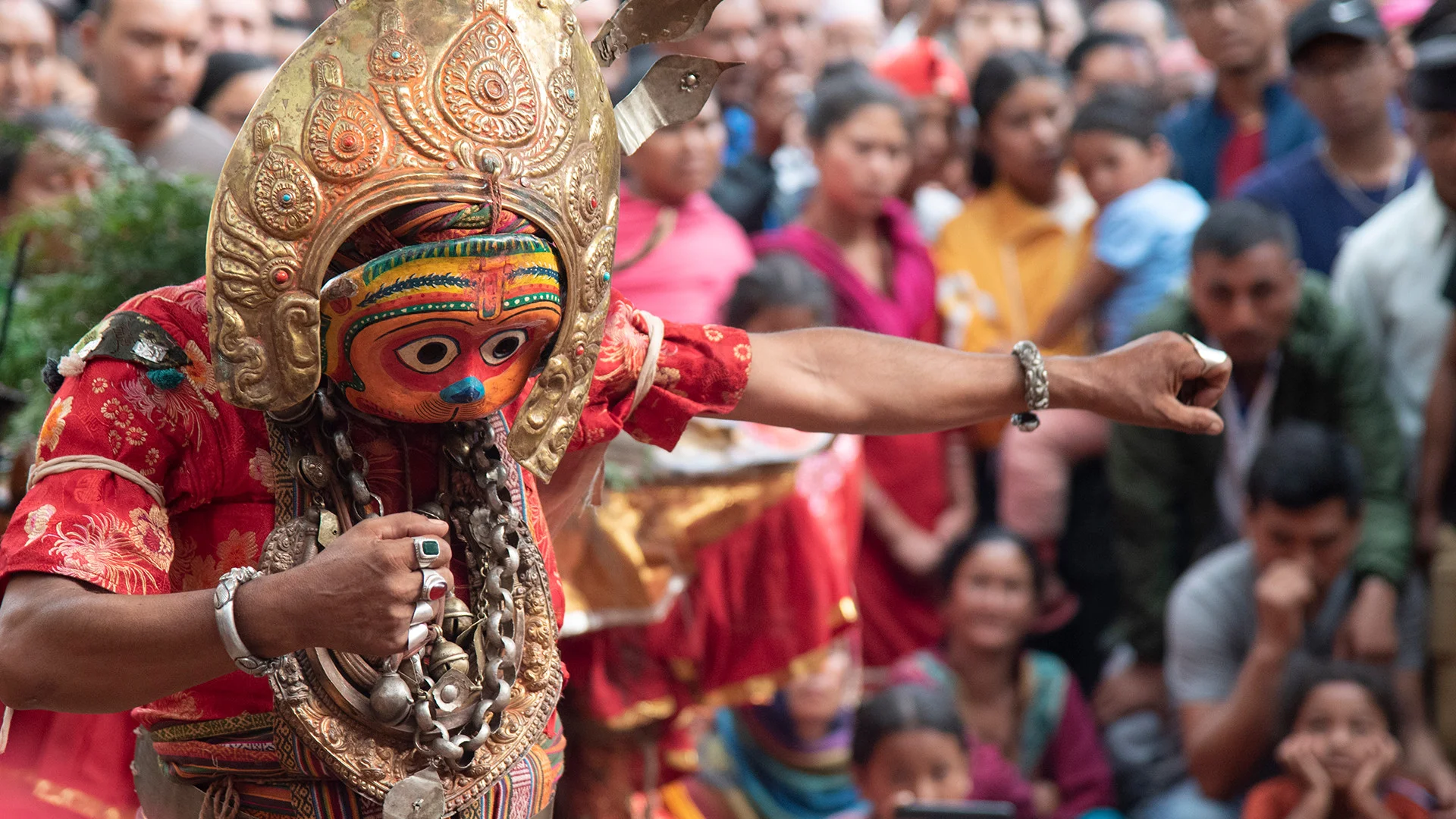
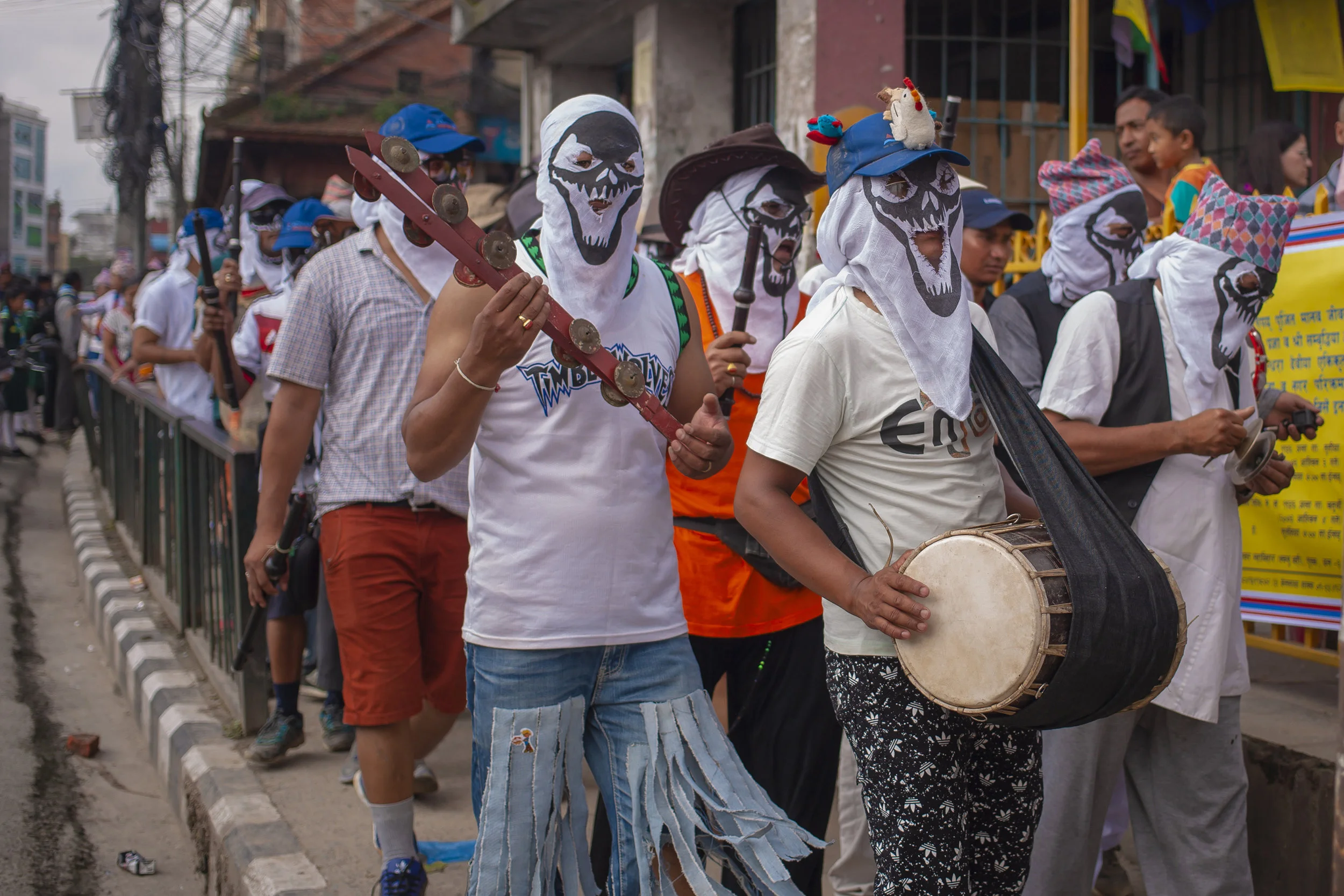
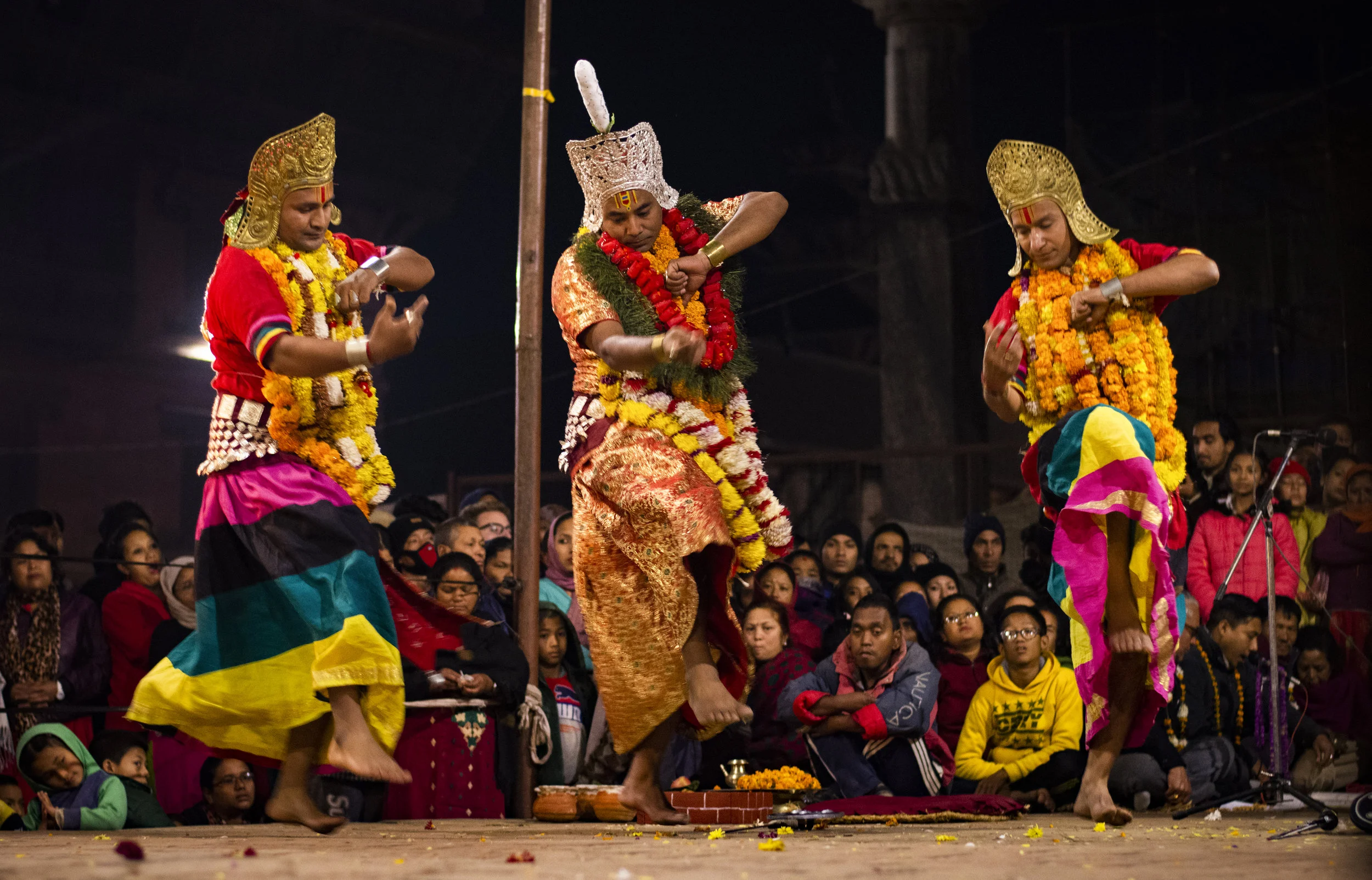
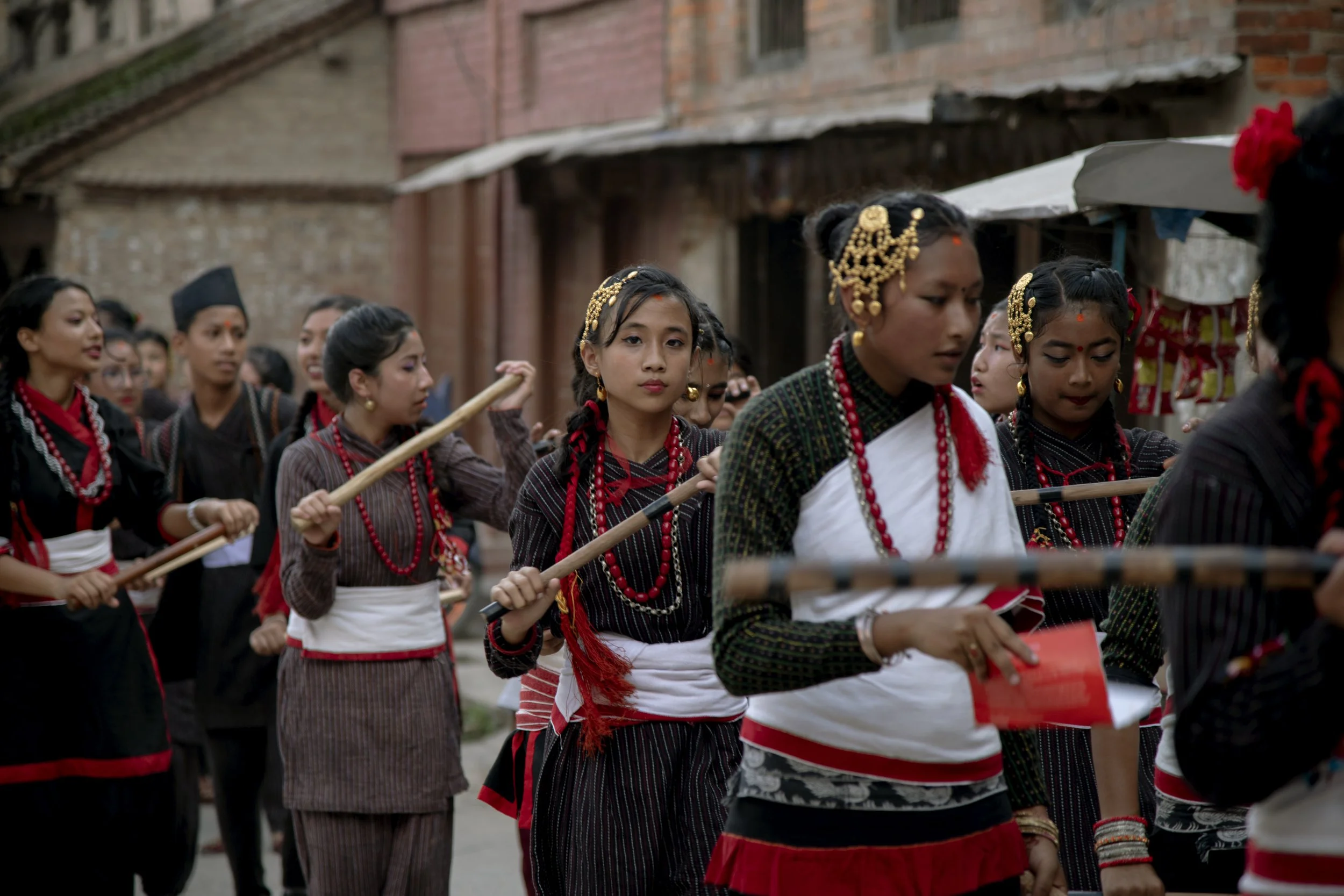
Pahan Charhe is celebrated for three days, the first day sees the worship of the deity of Luku Mahadyah ( Lord Shiva). Luku in Newari means hidden whereas Mahadyah is a local name for Lord Shiva. This day sees members of the household clean their homes and surroundings and make offerings to the deity. At Nyata in Naradevi a special mask dance of the Nyatamaru Ajima is performed. The sacred dance features performers dressed in the traditional colours of the Ajima’s with a mask perform tales of Swetkali. The dance is in an archaic form of storytelling, which starts in the evening and continues through the night.
The Ajima’s are protective goddesses placed by the Malla Kings at strategic locations around the city to form a protective ring. It is tradition to place an army barrack near the temple of the Ajima, even today the army barrack is situated beside Lomari Ajima also known as Bhadrakali. Each Malla city has it’s own version of the protective goddesses, wherein Patan they are known as Asta Matrika and in Bhaktapur; Nawa Durga.
The protective goddesses are symbolized as the shakti (strength) of Male Goddesses. The eight mother goddesses are Brahmayani (The Shakti of Lord Brahma), Maheswari (The Shakti of Lord Shiva), Bal Kumari (The Shakti of Lord Bhairav), Vaishnavi (The Shakti of Lord Vishnu), Varahi (The Shakti of Lord Narayan), Indrayani (The Shakti of Lord Indra) whereas Chamunda and Mahalaxmi are fierce manifestations of Goddess Kali and Laxmi.
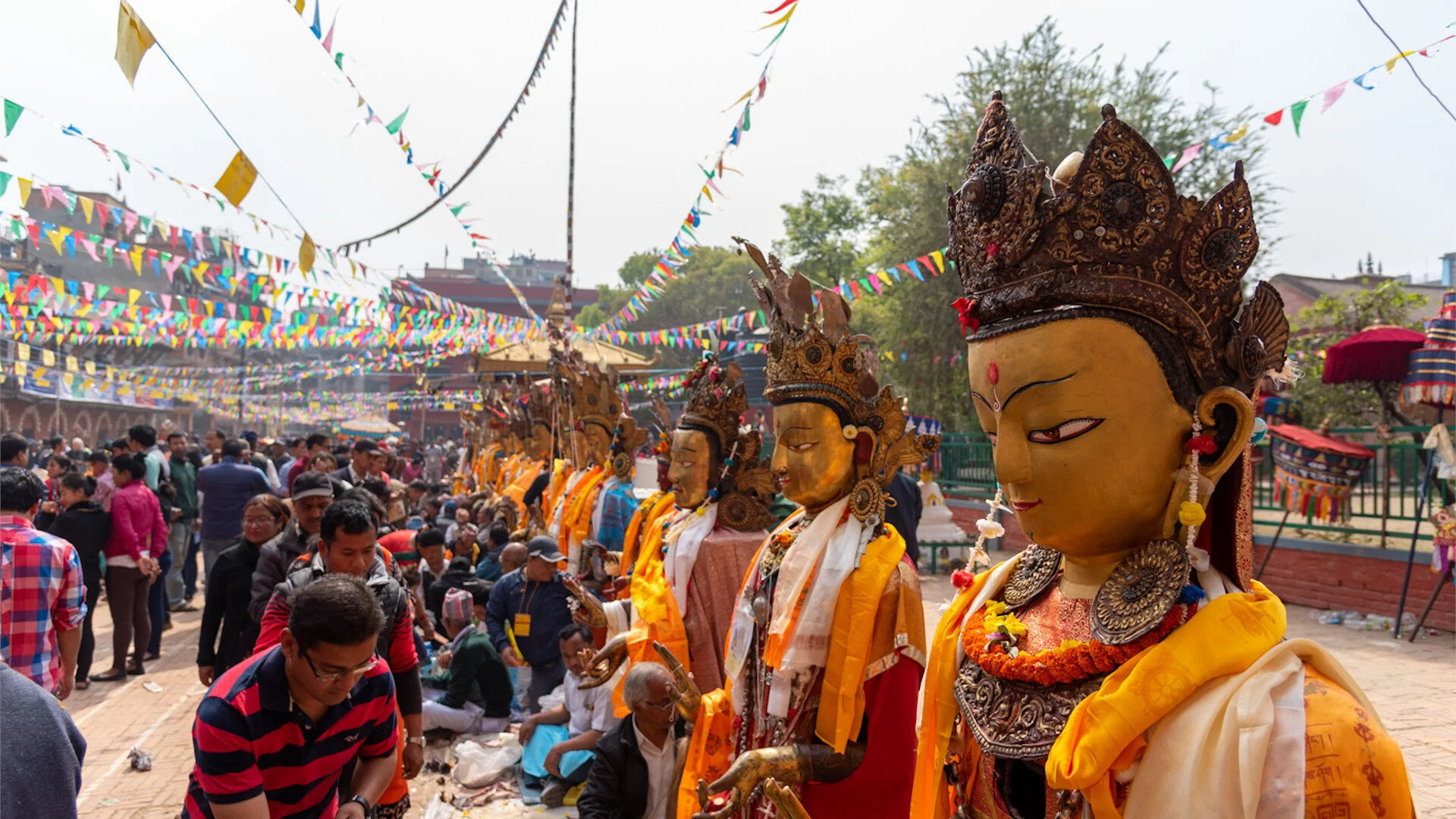
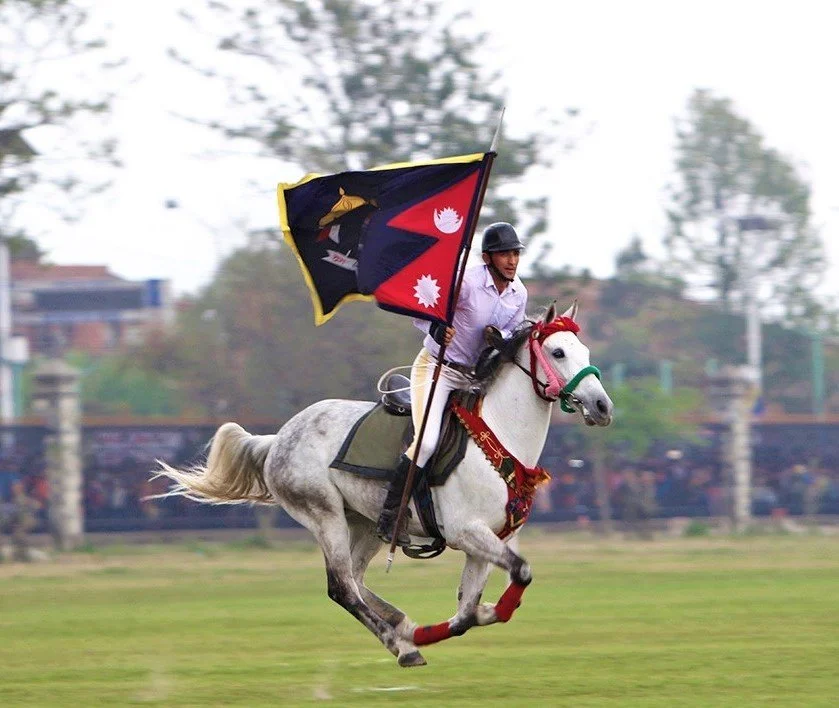
On the second day, which is also known as Dyah Lwakegu is celebrated at the open field of Tudikhel. During when shrines of the Ajima are placed in a palanquin and paraded in their respective locals in Kathmandu. The day also sees the celebration of the annual Ghode Jatra, one of the most important festivals of the Newar Pantheon. The legends of the Gurumapa are stories with which Newar children grow up with and is folklore in the valley.
During the night, the palanquin is taken to Tudikhhel which is followed by an entourage of devotees and traditional Newari musical ensemble. Each community brings forth a flame torch which is exchanged symbolizing the meeting of the goddesses. The palanquin procession of the Ajima was started by King Amar Malla during the Nepal Sambat year 580 (1460AD).
The third and final day of the festival sees the gathering of huge masses at the old city centre of Asan. The palanquins of Lumadhi Ajima(Maheshwari), Kanga Ajima (Varahi) and Tebhana Ajima (Chamunda) are brought in there respective palanquins and paraded in the street. These Ajima are believed to be sisters. The historic market place sees the meeting of the individuals of the respective locales-who all wear coloured hats of red, blue and yellow which are respective of the localities.
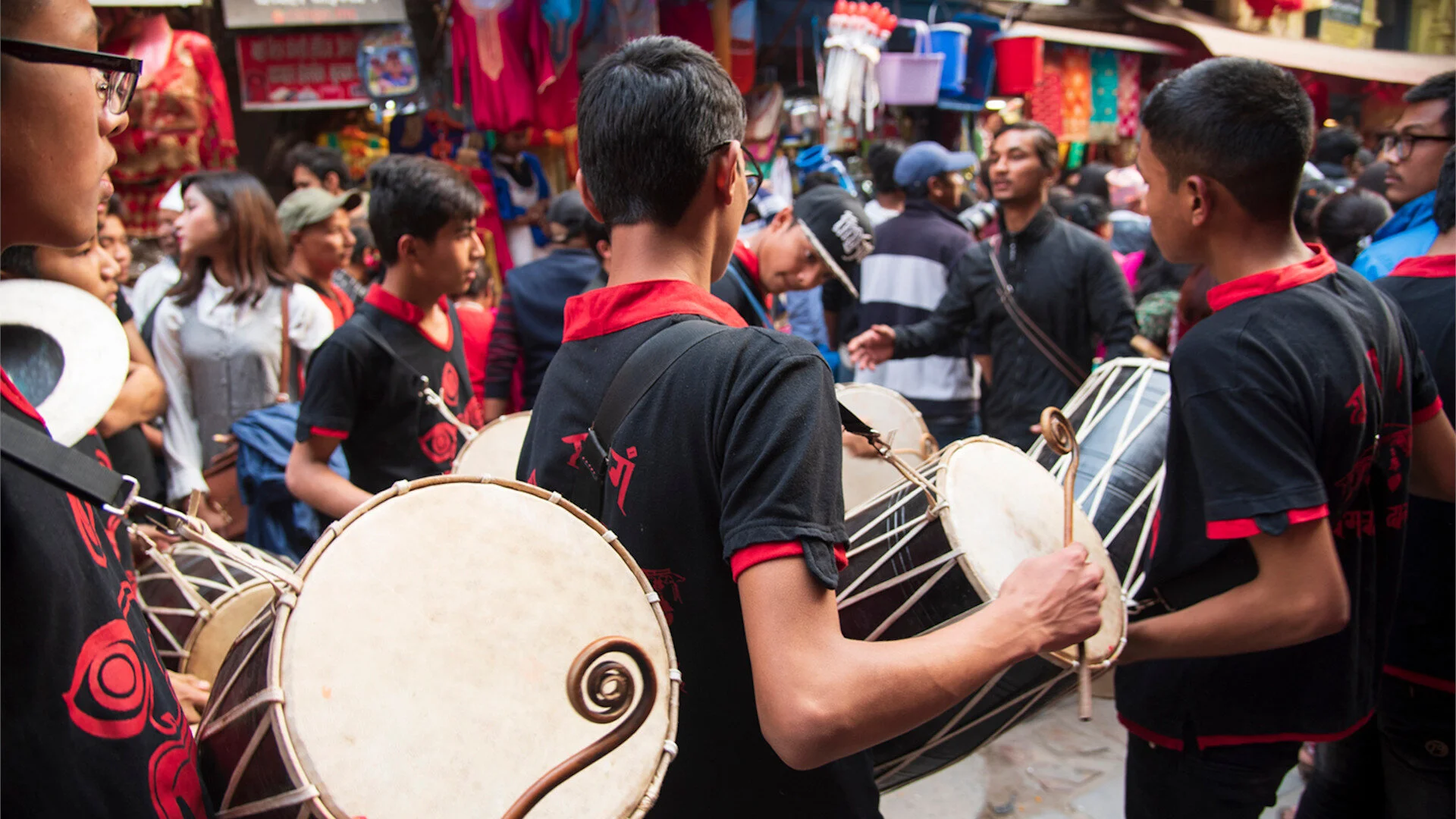
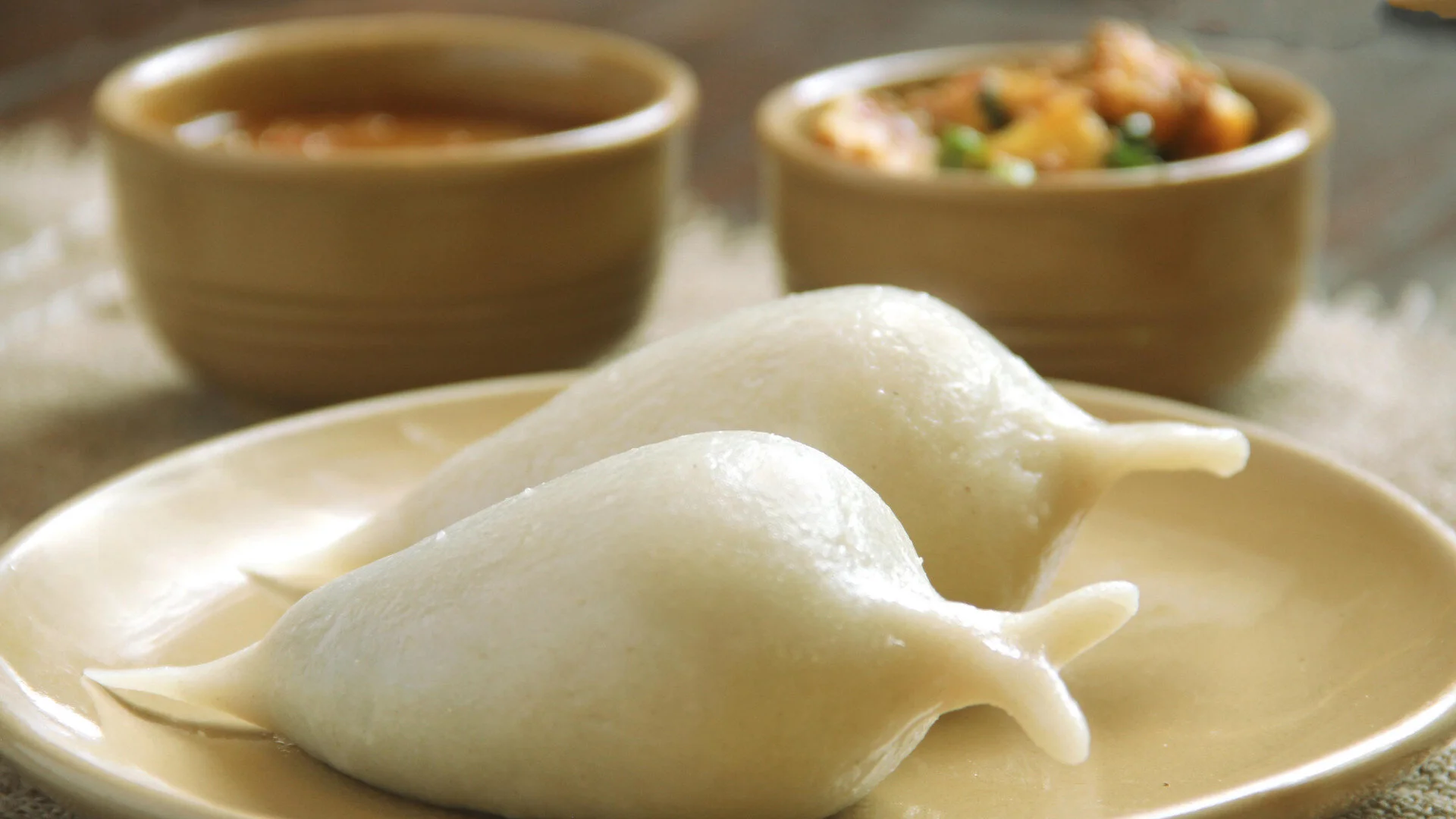
During the Dyah Lwakegu ceremony, participants accompanying the shrines exchange flaming torches. Devotees offer traditional Newari rice bread, known as Chatanmari to the deities and during this day can be seen thrown from even the rooftops of the homes in Asan. Traditional seasonal songs are placed the musical ensemble during the meeting of the gods, where participants can be celebrating with avid fanfare and dancing to the beautiful melancholy.
POPULAR ITINERARIES
SIMILAR POSTS


Exploring a part of Far West - Nepal
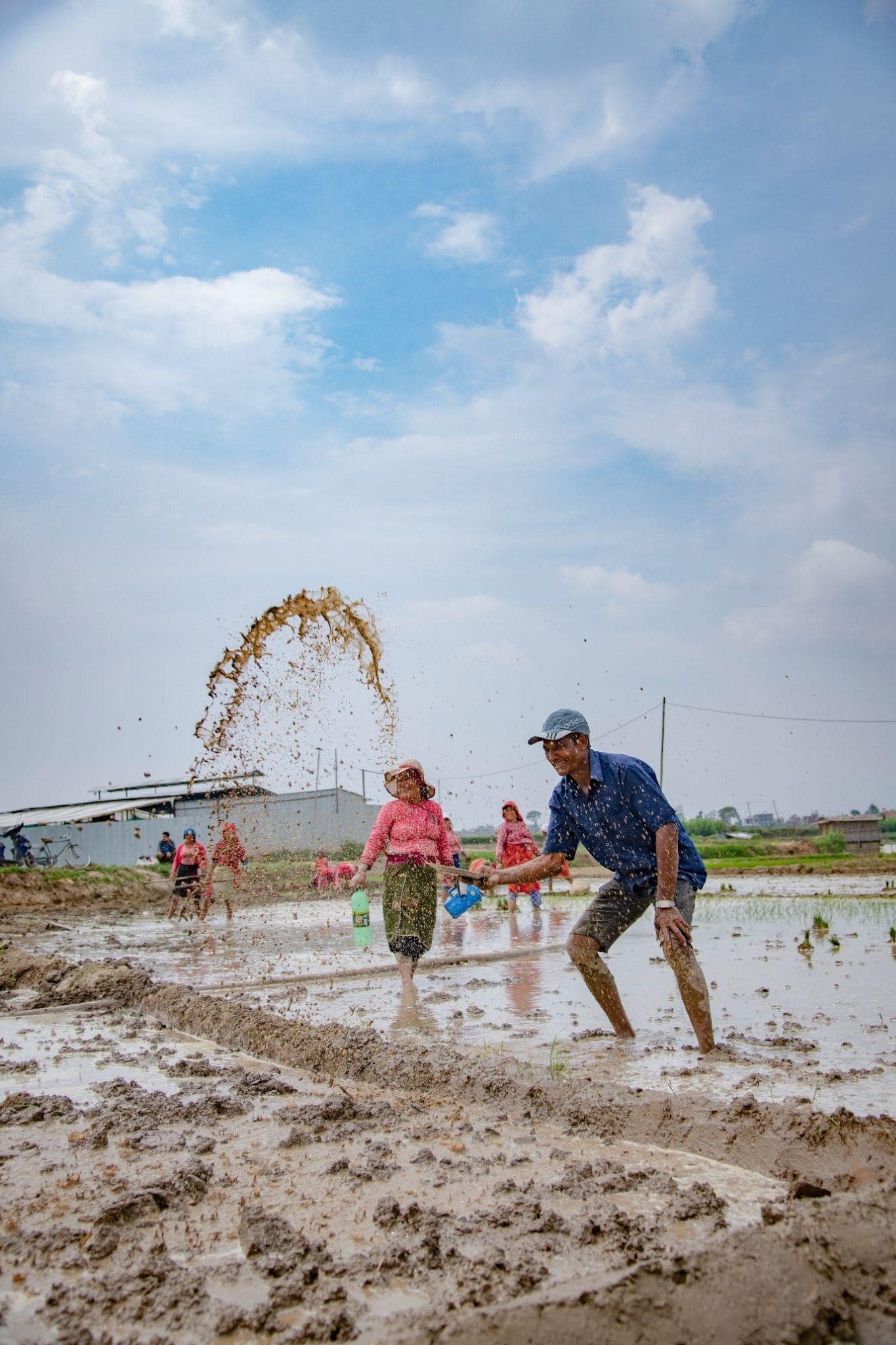
Far-West Region, less known part of Nepal holds the beauty that one should visit while traveling to Nepal. Jungle Safari at Shuklaphanta National Park, visiting Dohara Chandani bridge Nepal’s longest bridge touring around Mahendranagar, are undoubtedly becoming newest tourist destinations in Nepal.
Travelling to a city that is underrated for its beauty has a different feel. Far-West is the region, where most people are aware of its existence but rarely consider it as a travel destination. I and my amigos take on a road trip to this unknown destination to explore the place, culture and food.
You always have an option to fly, but for me, 18 hours of night bus journey with my amigos sounds more fun. We left the valley at around 6 in the evening and reached Dhangadi by noon the very next day. Fortunately, enough one of my friends is from Dhangadi and her family welcomed us wholeheartedly. Our plan for this trip was to explore Dhangadi, Mahendranagar and visit the nearest Indian border, Paliya.
As soon as we reached Dhangadi the first thing to try is the local “Tato Panipuri”. One can find these stalls almost everywhere. Crunchy puri filled with warm and spicy mashed potato and beans dipped in mouthwatering spiced water is all you would have wanted. Typically panipuri found in the valley offers cold mashed potato with onions, spices and only one type of pani (water) however the warm fillings with khatha (sour) and mitha (sweet) pani is just lips smacking good.
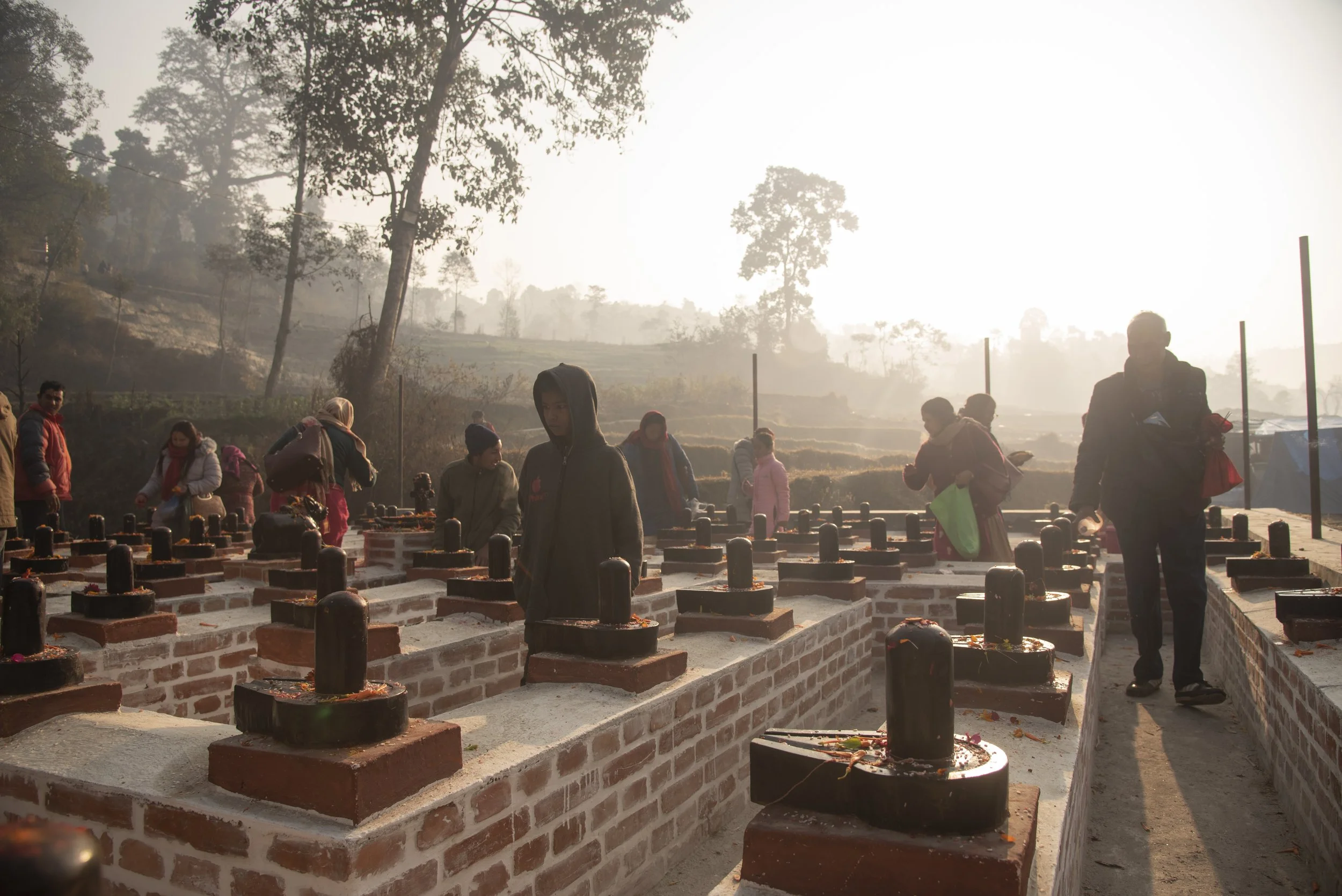
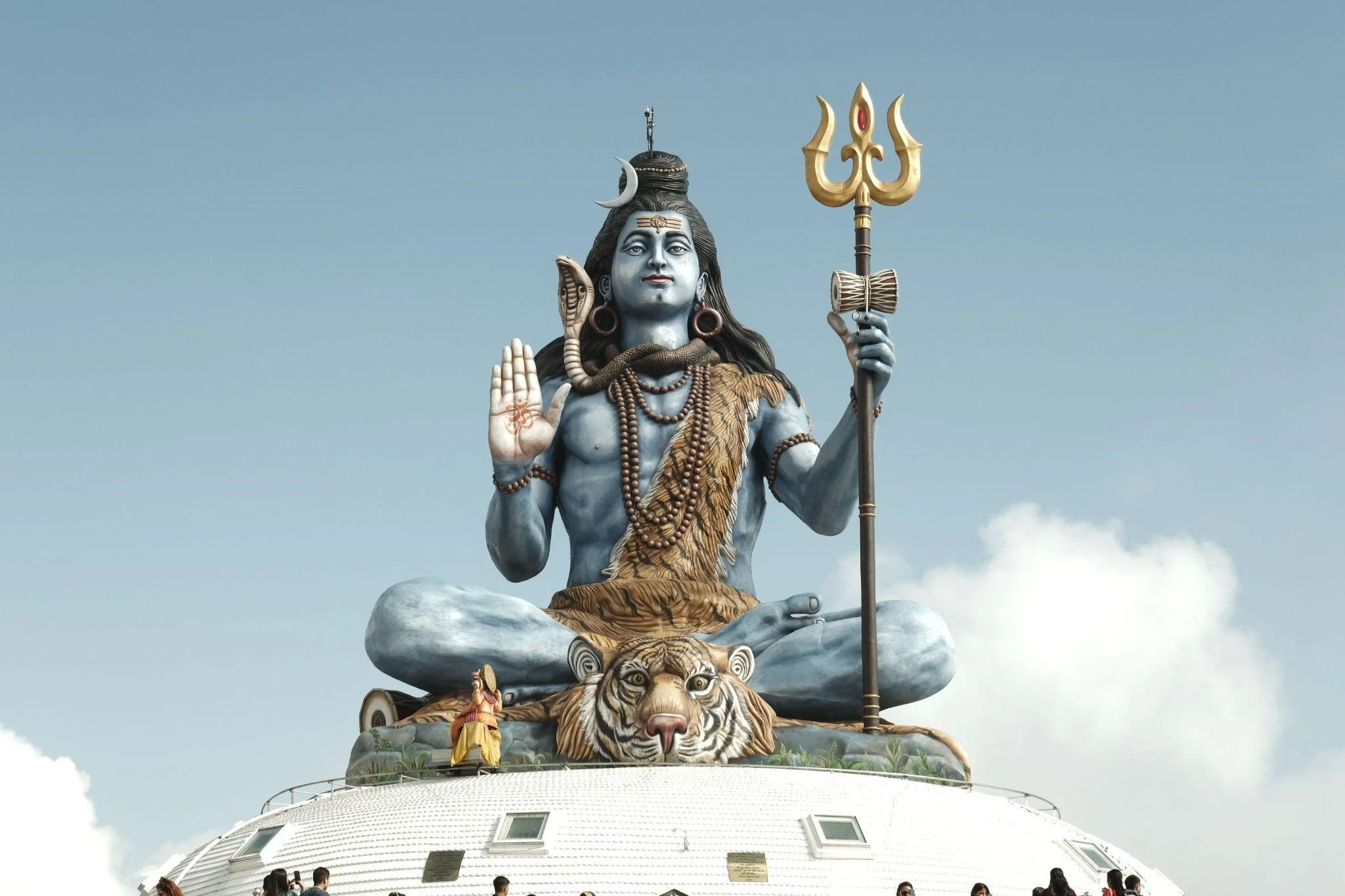
Just a few kilometres away from the main city is Shivapuri Dham which houses the world’s tallest Shiva linga. Taking a tuk-tuk from there, we visited Jhokhar Taal, a place where one can enjoy peace of mind and appreciate the beauty of nature.
Almost an hour drive from Dhangadi is Mahendranagar. Places you shouldn’t be missing out here are Shuklaphanta National Park, Dodhara Chandani Bridge and Linga. We booked a Jeep for our jungle safari at Shuklaphanta, which is a must-try activity. Our tour guide was kind enough to share a cup of tea and some cookies for each one of us during our safari and explain the history of Shuklaphanta and how the place Mahendranagar was born. Almost after 4 hours of jungle safari which was breathe taking we visited Dodhara Chandani Bridge, which is Nepal’s longest bridge measuring 1 kilometre. An hour of a bumpy ride on a tuk-tuk from Mahendranagar bus park, Linga is a religious place with naturally formed stones which resembles tall sandcastles. A photograph of this place cannot justify the beauty which was seen at the moment. According to locals, the stones grow tall gradually as time passes.
Our next destination was Paliya, the nearest border of India from Dhangadi. An hour of the bus ride (which has a terrifying story in itself) from Nepal-India Border, we reached Paliya, India. With some shopping done, we went to a dhaba (local Indian restaurant) which serves one of “The best Indian food”.
A week journey to the far-west was joyous and fun. My favourite part of travelling with my amigos was making memories that will remain forever and the jungle safari at Shuklaphanta National Park. The less known part of our country holds the beauty that should be visited at least once.
Unnati Nyachhyon
POPULAR ITINERARIES
SIMILAR POSTS

7 Things to do in Bhaktapur Durbar Square
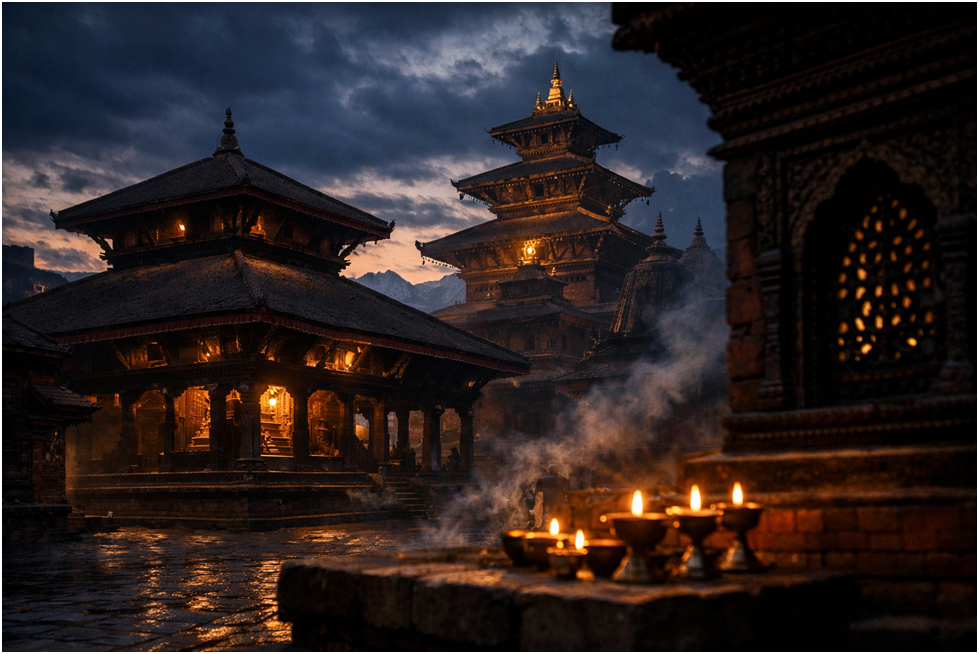
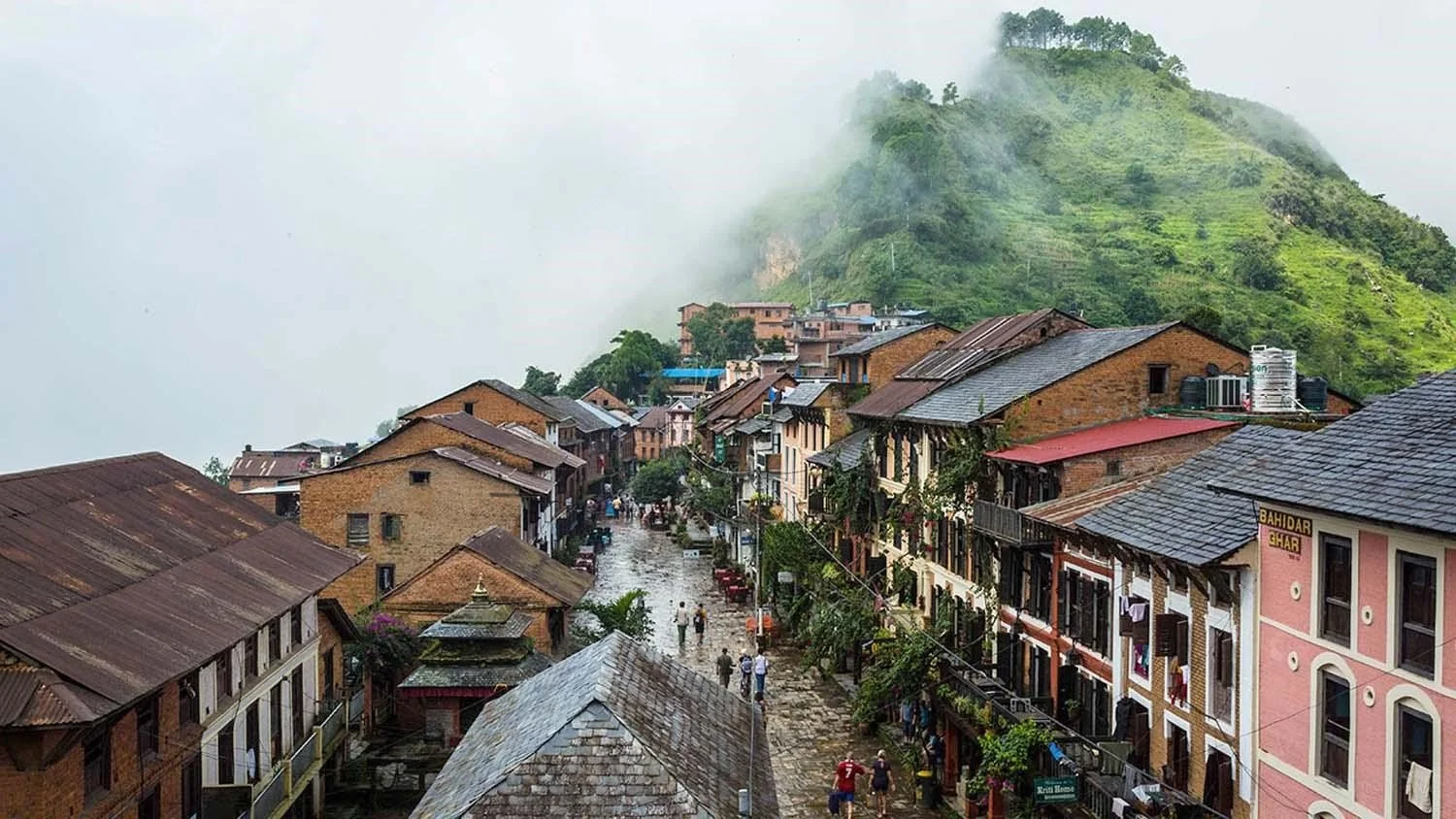
7 Things to do while visiting the Bhaktapur Durbar Square in Bhaktapur, Nepal. Bhaktapur Durbar Square, a UNESCO World Heritage site is the heart of the ancient city of Bhaktapur built with centuries old rich architecture among its bricked temples, palaces and an antique culture in its lively streets.
Situated along the eastern edges of the valley, Bhaktapur Durbar square is like a get-out from the noisy and dusty roads of the city. The heart of the ancient city of Bhaktapur is built with centuries old rich architecture among its bricked temples, palaces and is a blessing when it comes to reflection of antique culture between its lively streets.
Admire the Artistic Streets
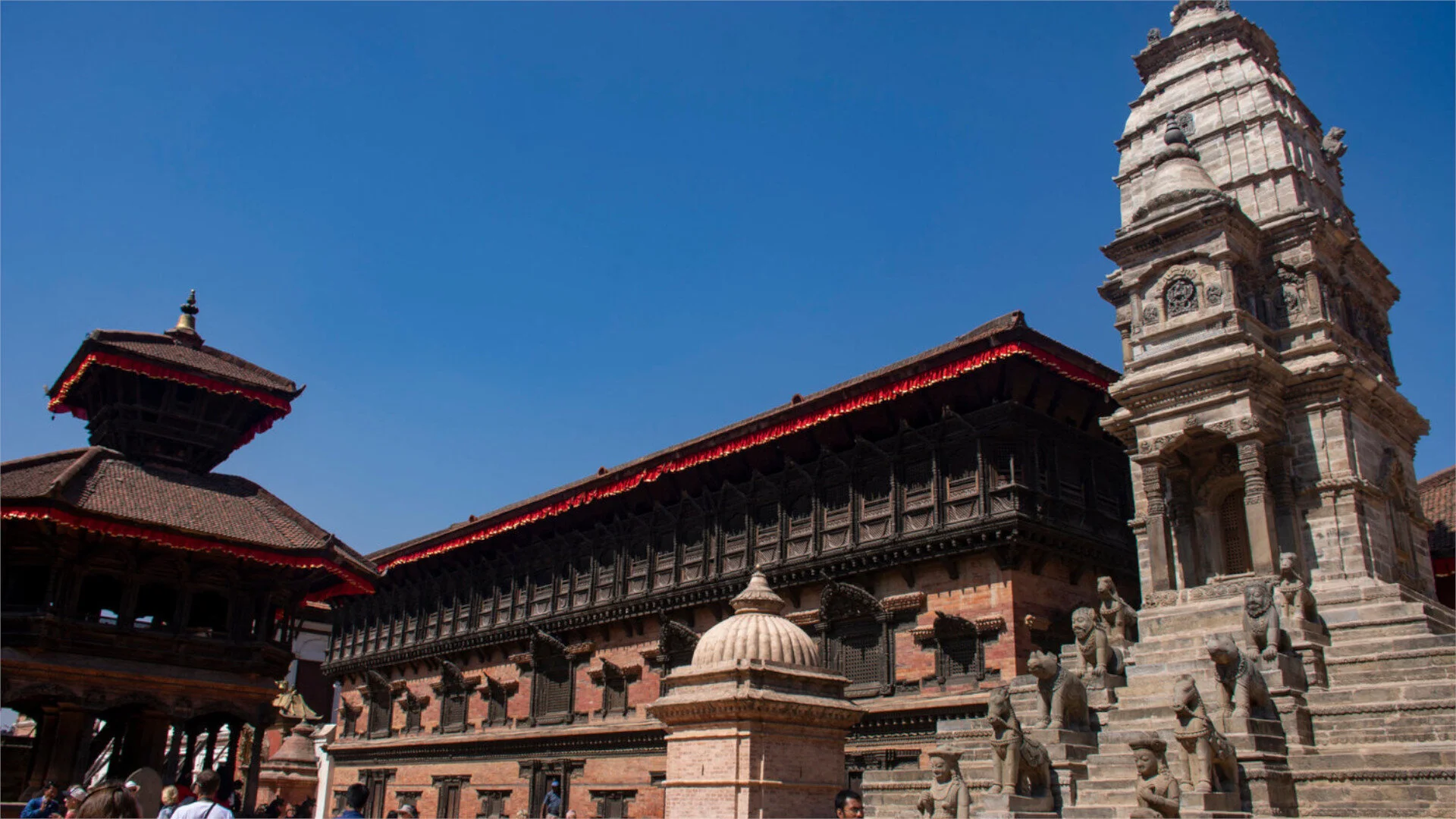
55 Window Palace
National Art Gallery
Siddha Pokhari
Look for Street Foods!
Dattatreya Mandir
The Peacock Shop
Not only being one of the world heritage sites of Kathmandu, it stands as a representation of Nepalese tradition and is inhabited by indigenous Newari people across the historical monuments that signify medieval age culture.
Entering inside this ancient land of wonders, here is a list of 7 things you can do here in Bhaktapur Durbar Square.
Admire the Artistic Streets
Just as you take a step in the graceful land of Bhaktapur Durbar Square, the rich, artistic streets will excite your curious spirit right away. Under the narrow roofs and through the busy gullies, as you walk down, the brightening feeling held among each of the shops and stores with the complimenting pop of colors and artistic pieces spread out to be sold will pass by you. It's hard not to stop by and look at these wonderful handmade artifacts that's hung all over the city, waiting to be sold as a piece of the skilled Nepalese artists and craftsmen. So, as you decide to visit Bhaktapur, make sure you take yourself to a nice little souvenir shopping across its streets.
55 Window Palace
Built in around the corner of the 15th century, the 55 Window Palace is a majorly highlighted architectural artifact of Bhaktapur Durbar Square. It was constructed by King Bhupatindra Malla for his Royal Family. The beautifully constructed palace overlooks the red and brown city of Bhaktapur through the large area it covers. As per the name, the 55 windows circle the top floor of the palace, creating a new form of treasure when it came to 15th century architecture. It has now been regarded as a national gallery when it comes to fine, rich ancient craftsmanship.
National Art Gallery
As you look around the Durbar square, you’ll notice about 3 museums right around the corner. Exploring these museums, you’ll get the opportunity to surf through the ancient art pieces, Buddhist Thangkas, palm-leaf manuscripts, wooden, metal and stone craftsmanship artifacts and a series of historical wonders from all over the hundreds of years. Starting from portraits of the Kings of Nepal to the rich manuscripts and paintings of time, the long list of artistic features of the city will absolutely astound you, and make you leave with a greater desire to know more about it.
Siddha Pokhari
This beautiful pond is situated in the outskirts of the durbar square as a perfect spot if you’re looking for an escape from the crowded, dusty city area. It is the kind of place where you’d love a nice stroll around the pond during the mornings or the evenings. You could also take in the calming chance to feed the school of fishes that run all over the pond. The beautiful moss-green color of the water as the afternoon sun hits its waves will definitely be the highlighting point of your visit in between the white and golden walls of the surrounding the it on the four sides.
Look for Street Foods!
Street foods being a part of every Nepali’s heart, Bhaktapur offers a series of delicious eateries around the edges and corners of its cheerful streets. Starting from the one and only special Juju Dhau, the sweet, satisfying taste of it gives in just enough flavor of what this intriguing city has in store for you. Similarly, the country’s favorite, Pani puri and Chatpates; Bhaktapur is also one of the most famous places that serves the best of those in the stalls placed all over. It also serves other absolutely compelling snacks such as Aloo-cha, mix bara, Newari snacks, kulfi and many more.
Dattatreya Mandir
As you dig deeper within the bustling streets of Bhaktapur Durbar Square, you’ll discover this large, old and sacred temple standing still. Dattatreya temple is another of the list of temples of Bhaktapur that holds a significant historic and religious value, is an artistic sanctuary with traditionally pleasing exteriors and interiors. It is believed that the entire three-storied temple is supposed to be constructed from the timber of a single tree. And because of that, it has been able to resist different natural calamities for centuries.
The Peacock Shop
Also known as a handmade Lokta Paper Factory and gift shop, hidden among the quiet corner of the Durbar Square lies this house of artistry. Bhaktapur is a home for a huge number of art and craft people whose entire lives depend on reflecting the artful quality of the city. Through the long history of generation, this Lokta paper has been making Nepali papers, turning them in different forms and selling them as gifts to the local people as well as the tourists. The entire artistic features of the durbar square are understood by the look of the hardworking, creative hands put in these kinds of factories. The kind of creativity that not only makes paper, but builds cities. Your perspective towards the truth of traditional art will totally change as you admire the worn out, yet beautiful behind the scene picture of the visionary contributions made by the local people in this particular Lokta paper factory.
POPULAR ITINERARIES
SIMILAR POSTS

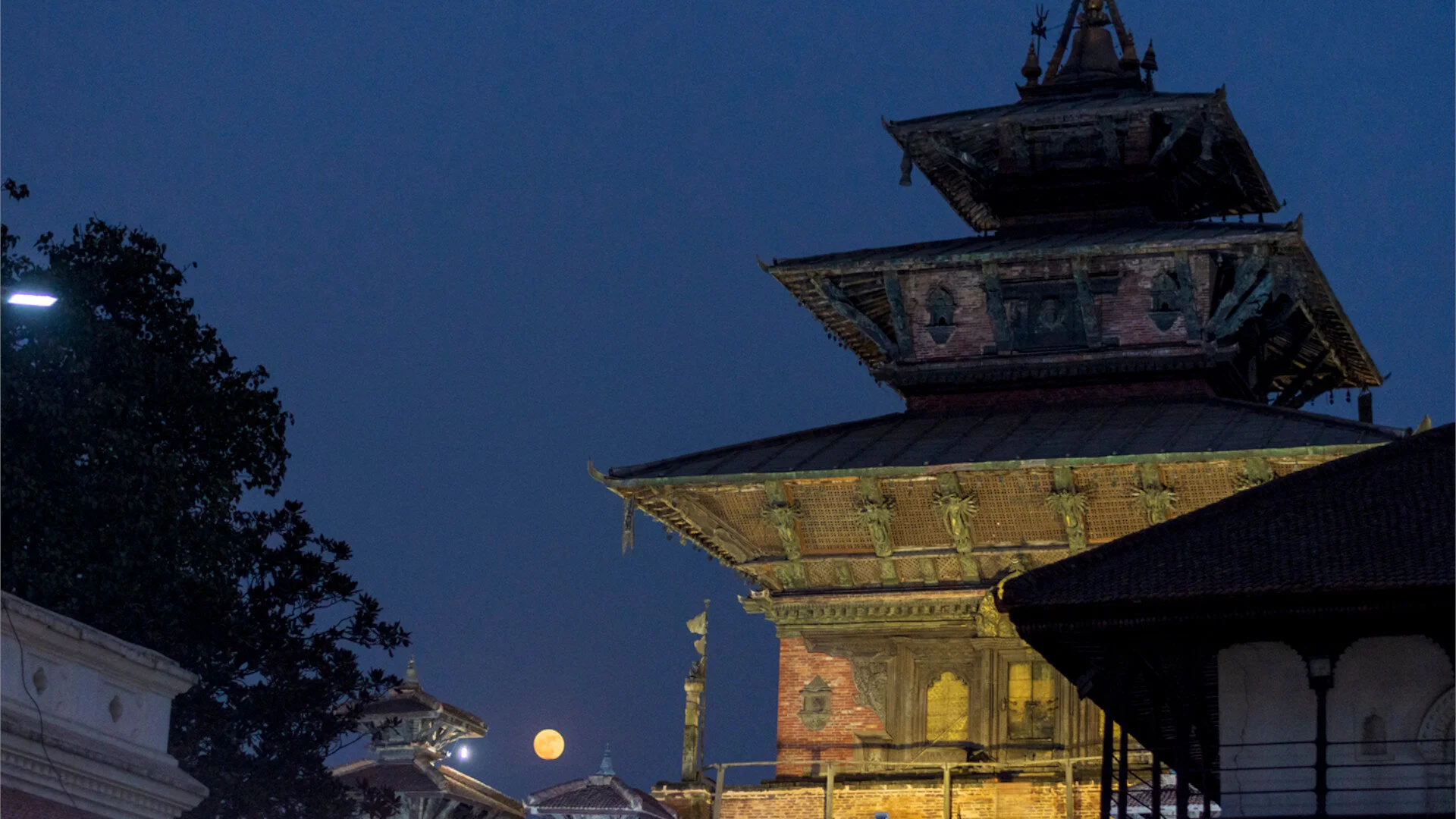
7 Things to do in Kathmandu Durbar Square
Things to do while visiting the Kathmandu Durbar Square in Kathmandu, Nepal. Kathmandu Durbar Square, also locally known as Basantapur is a UNESCO World Heritage site and an amalgam of the history of the Kathmandu.
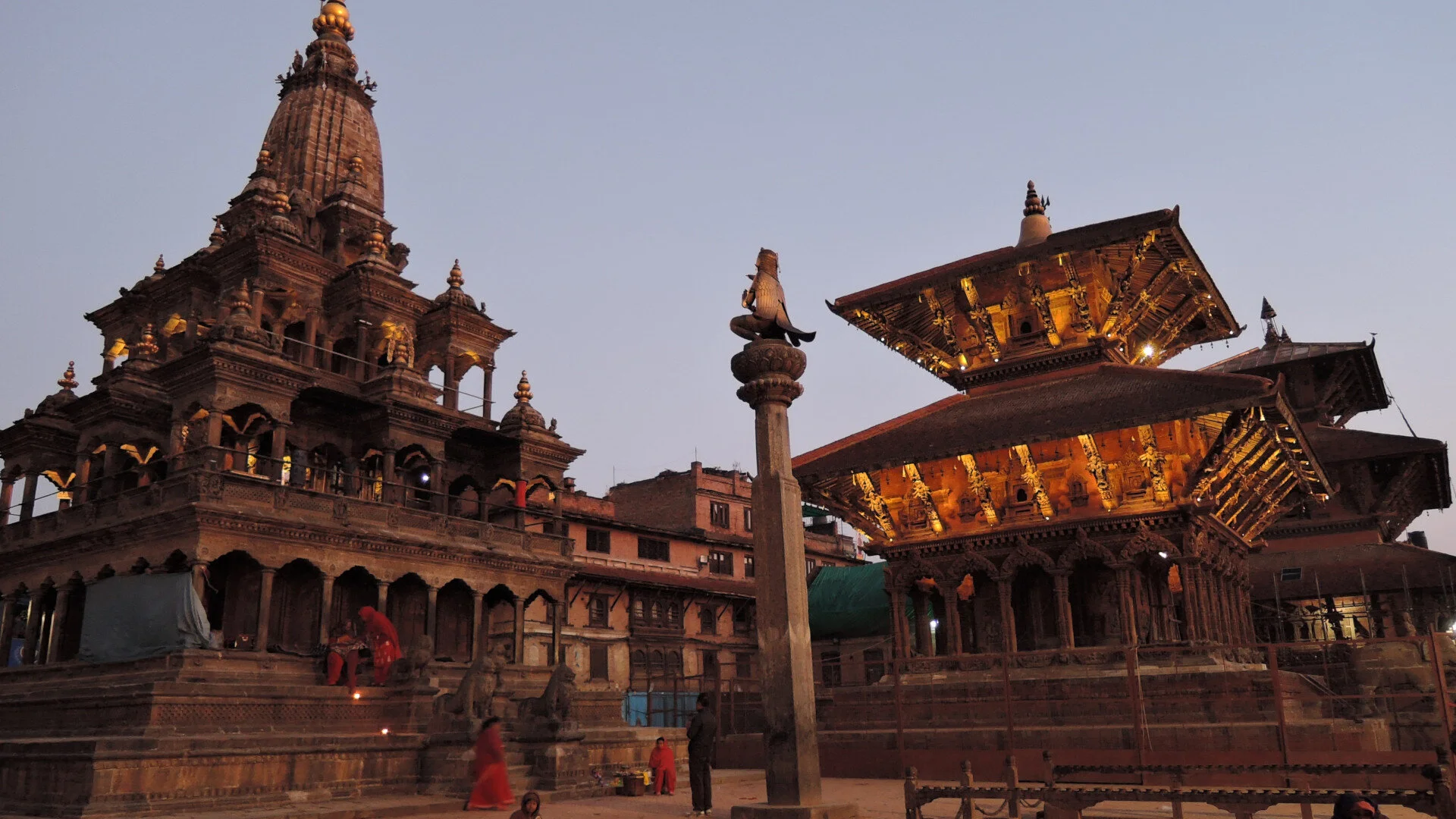
One of the most iconic destinations one must visit during their trip to Nepal has to be Kathmandu Durbar Square. Locally known as Basantapur, the area today is a UNESCO World Heritage site and an amalgam of the history of Kathmandu. Featuring temples, monuments and architecture from the Ancient, Medival and Modern Era of Nepali History. At times, the site seems unreal due to the variety of facades in one place.
The best portrayal of this is at the crossroads of the Kumari house. With the iconic, European Baroque Architecture of Gaadi Baithak on the right and the beautiful Newar architecture of the Kumari house sit side to side.
Visit The Kumari House
Have Tea At Mama’s Tea Shop
A Selfie At Kaal Bhiarav
A Meal at Freak Street
Take Blessings at Jana Bahal
A Brisk Walk
Bypass The Street Hawkers
In this article, we collect the 7 things one must do, while visiting the Durbar Square area. The activities are a collective of activities which encompass, exploring history and activities which is profoundly loved by the people of Nepal.
Visit The Kumari House
The Kumari house which lies opposite to the iconic white palace of Gaddi Baithak has stood tall since the Malla Era of Nepali History. It is home to the Living Goddess of Kathmandu, also known as the Royal Kumari. Apart from housing one of the most important deities of the Newar Pantheon, it also boasts one of the most amazing woodcrafts of the Newar people. The entrance of the Kumari House features a Thorana which features the depiction of Durga and Bhawani. The small narrow entrance opens to a beautiful square which at times feels like a gateway to the past.
If luck is on your side, as you upwards you shall get to witness the Living Goddess herself, looking down at her devotees.
Have Tea At Mama’s Tea Shop
We Nepalese can’t live or breadth without a cup of tea! Amidst all the cafe’s one can enjoy a good cup, the best way to experience the true Tea culture would be to have it at a small tea house, sitting in a stool by the curve, surrounded by the people and their activities. Mama’s Tea Shop is one of the most popular tea shops in Basantapur and it lies near Himalayan Java ( The Irony). One can look it up in Google Maps or ask anyone in the area, they shall greet you with a familiar smile and show you where it is.
One can enjoy a selection of 3 tea’s; Masala Milk, Black and Lemon. It’s a pay first establishment and you shall be seated well, in the Durbar Square itself and the tea shall be brought to you. The best time is during the evening, facing west one can enjoy a magnificent view while sipping a warm cup of tea.
A Selfie At Kaal Bhiarav
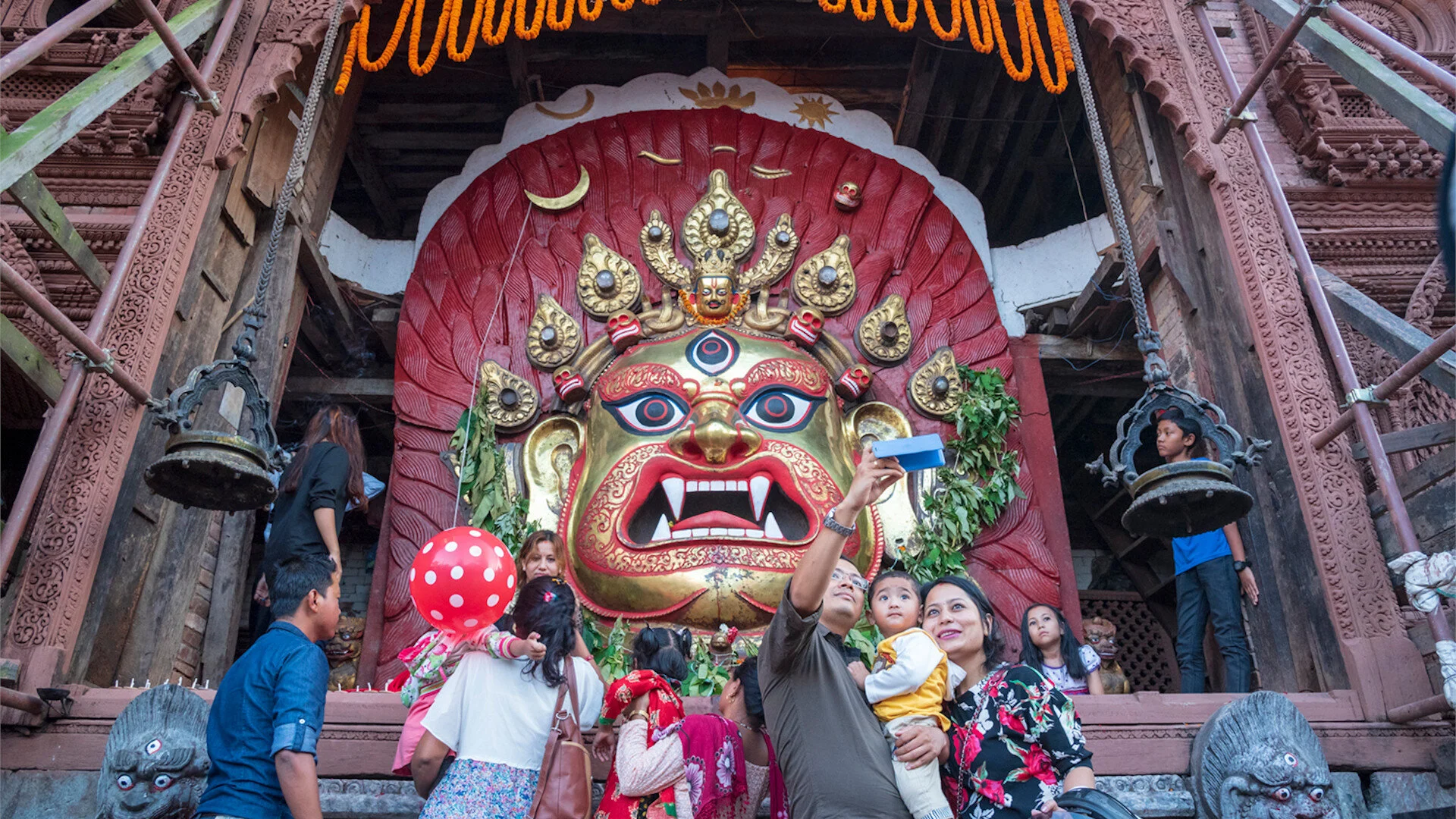
One of the most iconic stone carving in the Basantapur Durbar Square premises is of Kaal Bhairav. In short Kaal Bhairav stands for the Bhairav of time, and is revered by both Hindu’s and Buddhists. The exact history of the creation of the iconic stone culture is still debated but all agree that it is one of the most important depictions of Bhairav in the valley. Before you take a great picture, which shall serve as a memento make sure to take blessings.
A Meal at Freak Street
Popularized during the hippie era of the ’60s and ’70s in Nepal, Freak Street was and still is a popular hangout for the youth and eccentric. It is also home to a wide selection of traditional and fusion eateries and cafes. Make sure to enjoy a great meal at Freak Street, which is recommended during the weekend as it shall feature live music.
Take Blessings at Jana Bahal
Jana Bahal which lies in the outskirts of the Durbar Square is home to another important deity in the Newar Pantheon, which is locally known as Seto Macchindranath. The Bahal Square is centred by a two-story pagoda temple, housing the deity and is surrounded by chaitya’s and mandala’s dedicated by various families to the God’s.
A Brisk Walk
Well if you are living in Thamel, then your quite close to the core region of the Durbar Square. Fancy a morning stroll? The Durbar Square region in the mornings is completely different, less crowded, and in the morning golden hour, the temples have this magnificent glow to them. One can get to enjoy the local assortment of breakfast foods, the farmer’s market and beautiful experience.
Bypass The Street Hawkers
The one thing that every traveller in Basantapur has to do is well, bypass the Street Hawkers. The best-recommended way is with a beautiful smile and thanks you. At times it works but some are more persistent, during those times the best recommendation is to keep at your business and they get tired and just move away. It is not recommended to purchase from the street hawkers as the items they sell can be commonly found in the markets of Thamel or Basantapur at a much lower price.
POPULAR ITINERARIES
SIMILAR POSTS
National Parks In Nepal - Part III
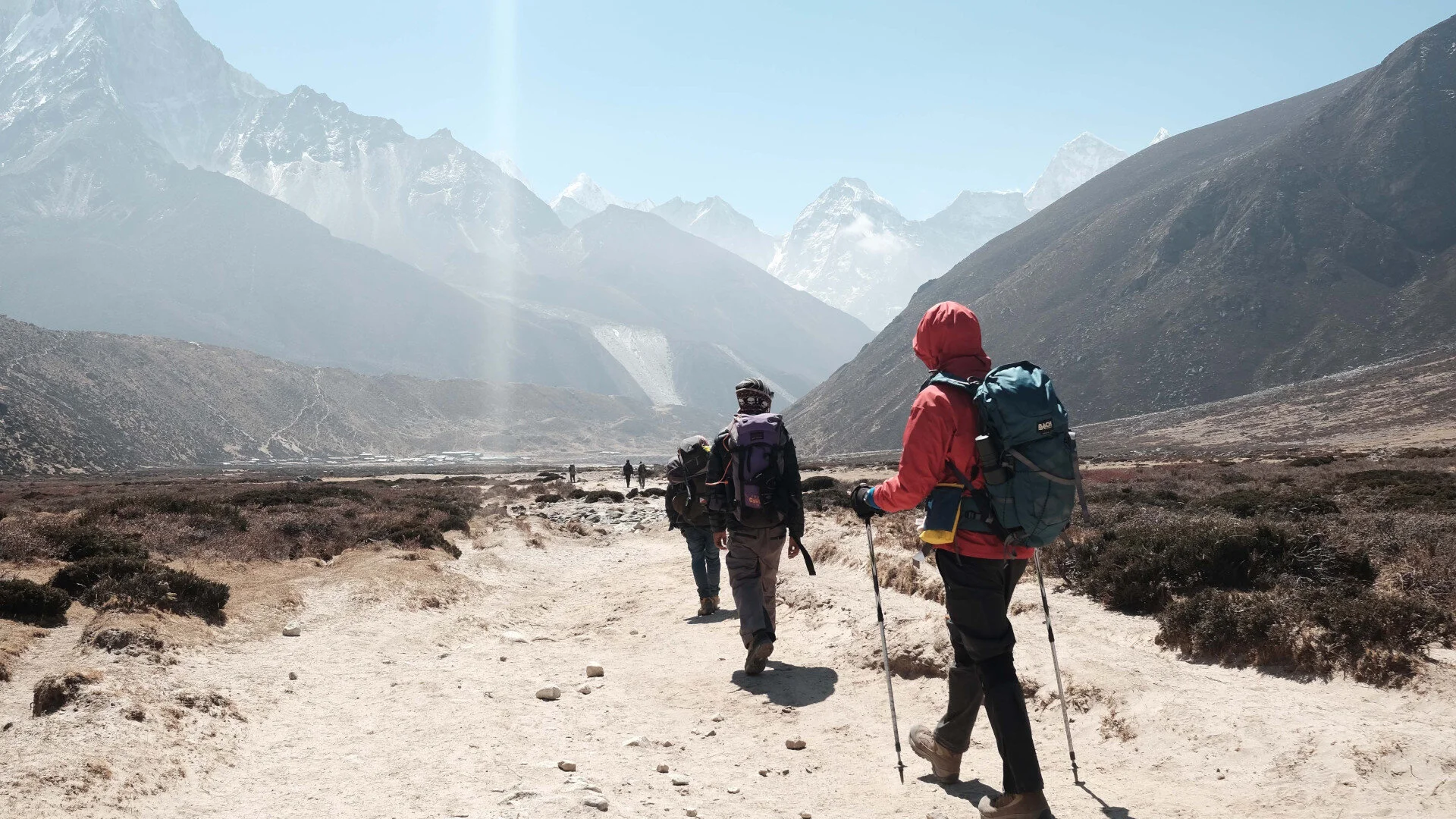
With an avid diversity of flora and fauna - which range from the lowlands of Terai to the Himalayan mountains, Nepal has several protected areas worth visiting. Nepal's National Parks are popular among the tourist for activities like tour and trek.
Home to an avid diversity of flora and fauna, which range from the lowlands of Terai to the Himalayan mountains. Each bio-zone host's multiple ecosystems, which are called home by thousands of species of birds, mammals, reptiles and amphibians. Nepal’s natural beauty has always been its pride and conserving it has always been a top priority. Thus under the National Parks and Wildlife Conservation Act, 2020 (1973AD), the government of Nepal created the guidelines to declare and maintain National Parks, Conservation Areas, and Hunting Reserves
Shivapuri Nagarjun National Park
Banke National Park
Shuklaphanta National Park
Parsa National Park
Today the protected areas of Nepal cover mainly forests and are located at various altitudes in the Terai, as well as in the foothills of the Himalayas and the mountains themselves. Nepal even though is small in terms of area size covering only 147,181 sq km. The altitudes range from 67 m to 8,848m. This extreme altitudinal gradient has resulted in 11 bio-climatic zones ranging from lower tropical below 500m to nival above 5,000m in the High Himalayas encompassing nine terrestrial ecoregions with 36 vegetation types. The government of Nepal under the National Park and Wildlife Conservation Act, 2020(1973AD) established a total of 12 National Parks, 1 Wildlife Reserves, 6 conservation Areas and 1 Hunting Reserve. In 2017, the Shuklpahanta and Parsa Wildlife Reserves were upgraded into National Parks.
In this series of articles, we explore the various National Parks, their level of accessibility and attractions.
Shivapuri Nagarjun National Park
Province: 03
Distance From Kathmandu: 32.5KM
Accessibility: One may choose to drive, ride or walk to the park due to its proximity to Kathmandu
Attraction: Wildlife Encounters, Cycling, Hiking, Sightseeing, Wildlife Encounters, Landscape Photography
Shivapuri Nagarjun National Park is the ninth national park in Nepal and was established in 2002. It is located in the country's mid-hills on the northern fringe of the Kathmandu Valley and named after Shivapuri Peak of 2,732 m (8,963 ft) altitude.
It covers an area of 159 km2 (61 sq mi) in the districts of Kathmandu, Nuwakot and Sindhupalchowk, adjoining 23 Village Development Committees. In the west, the protected area extends to the Dhading District. The area has always been an important water catchment area, supplying the Kathmandu Valley with several hundred thousands cubic litres of water daily. In 1976, the area was established as a protected watershed and wildlife reserve. In 2002, it was gazetted as Shivapuri National Park, initially covering 144 km2 (56 sq mi).It was extended by the Nagarjun Forest Reserve covering 15 km2 (5.8 sq mi) in 2009.
Banke National Park
Province: 05
Distance From Kathmandu: 472.6 KM
Accessibility: By Air, One can take direct flights to Nepalgunj and the park is an hour drive away. By Road, the park is 8 hours from the city of Mahendranagar and 7 Hours from Dhangadi, reaching the cities of Mahendranagar or Dhangadi is an additional 9-10 hours from Kathmandu.
Season: October- April
Attractions: Jungle Safari, Wildlife Encounters, Tiger Tracking, Landscape Photography, Cultural Experience, Fishing, Bird Watching, Cycling.
Banke National Park is located in the Mid-Western Region, Nepal and was established in 2010 as Nepal’s tenth national park after its recognition as a "Gift to the Earth". The protected area covers an area of 550 km2 (210 sq mi) with most parts falling on the Churia range. The park is surrounded by a buffer zone of 344 km2 (133 sq mi) in the districts of Banke, Salyan and Dang.
Together with the neighbouring Bardia National Park, the coherent protected area of 1,518 km2 (586 sq mi) represents the Tiger Conservation Unit (TCU) Bardia-Banke. The protected area holds tiger and four-horned antelope. In 2014, a ruddy mongoose was recorded for the first time in the protected area.
Shuklaphanta National Park
Province: 7
Distance From Kathmandu: 700 KM
Accessibility: By Air, one can take direct flights to Dhangadi Airport and the park centre is a 2-hour drive at a distance of 66 Km.
Season: Mid September- Mid December or February- May
Shuklaphanta National Park is a protected area in the Terai of the Far-Western Region, Nepal, covering 305 km2 (118 sq mi) of open grassland, forests, riverbeds and tropical wetlands at an altitude of 174 to 1,386 m (571 to 4,547 ft). It was gazetted in 1976 as Royal Shuklaphanta Wildlife Reserve. A small part of the reserve extends north of the East-West Highway to create a corridor for seasonal migration of wildlife into the Sivalik Hills. The Syali River forms the eastern boundary southward to the international border with India, which demarcates the reserve’s southern and western boundary.
The Indian Tiger Reserve Kishanpur Wildlife Sanctuary is contiguous in the south; this coherent protected area of 439 km2 (169 sq mi) represents the Tiger Conservation Unit (TCU) Sukla Phanta-Kishanpur, which covers a 1.897 km2 (0.732 sq mi) block of alluvial grasslands and subtropical moist deciduous forests.
The protected area is part of the Terai-Duar savanna and grasslands ecoregion and is one of the best-conserved examples of floodplain grassland. It is included in the Terai Arc Landscape.
Parsa National Park
Province: 2
Distance From Kathmandu: 106 KM
Accessibility: By Air and road, one can drive or take a flight to Simra in Bara District from where the reserve headquarters is seven kilometres away.
Attractions: Jungle Safari, Wildlife Encounters, Jungle Hikes, Wildlife Photography, Cultural Experience
Parsa National Park is a protected area in the Inner Terai lowlands of south-central Nepal. It covers an area of 627.39 km2 (242.24 sq mi) in the Parsa, Makwanpur and Bara districts and ranges in altitude from 435 m (1,427 ft) to 950 m (3,120 ft) in the Siwalik Hills. It was established as a wildlife reserve in 1984. A buffer zone declared in 2005 comprises 285.3 km2 (110.2 sq mi). In 2015, the protected area has been extended by 128 km2 (49 sq mi). Since 2017, it has the status of a National Park.
In the north of the protected area, the Rapti River and Siwalik Hills form a natural boundary to human settlements. In the east, it extends up to the Hetauda – Birgunj highway. In the south, a forest road demarcates the boundary. Adjacent to the west is Chitawan National Park. Together with the Indian Tiger Reserve Valmiki National Park, the coherent protected area of 2,075 km2 (801 sq mi) represents the Tiger Conservation Unit (TCU) Chitwan-Parsa-Valmiki, which covers a 3,549 km2 (1,370 sq mi) block of alluvial grasslands and subtropical moist deciduous forests.
POPULAR ITINERARIES
SIMILAR POSTS
National Parks In Nepal - Part II
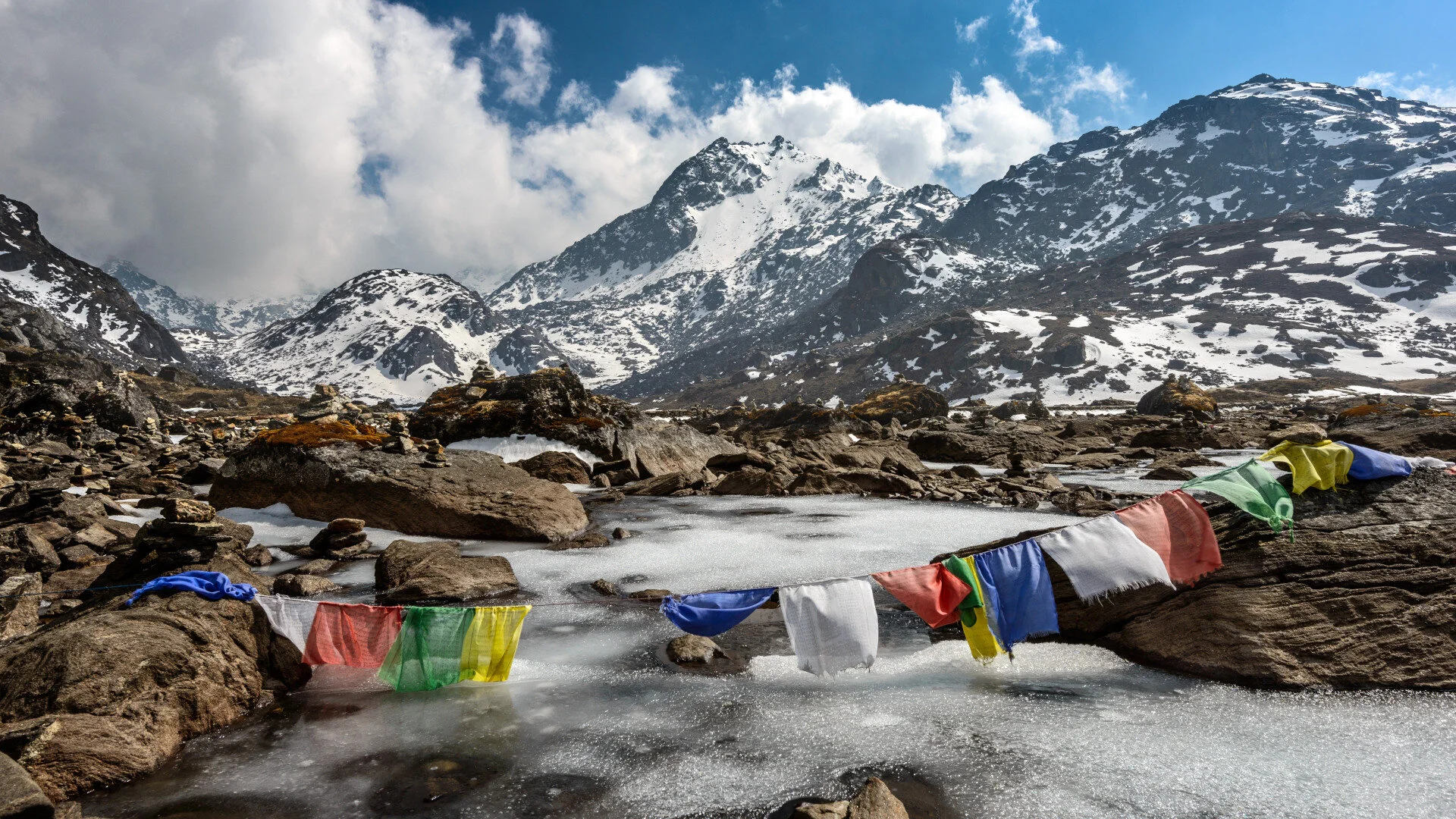
Nepal is home to an avid diversity of flora and fauna, which range from the lowlands of Terai to the Himalayan mountains. Each bio-zone host's multiple ecosystems, which are called home by thousands of species of birds, mammals, reptiles and amphibians.
Nepal is home to an avid diversity of flora and fauna, which range from the lowlands of Terai to the Himalayan mountains. Each bio-zone host's multiple ecosystems, which are called home by thousands of species of birds, mammals, reptiles and amphibians. Nepal’s natural beauty has always been its pride and conserving it has always been a top priority. Thus under the National Parks and Wildlife Conservation Act, 2020 (1973AD), the government of Nepal created the guidelines to declare and maintain National Parks, Conservation Areas, and Hunting Reserves
Khaptad National Park
Shey Phoksundo National Park
Bardiya National Park
Makalu National Park
Today the protected areas of Nepal cover mainly forests and are located at various altitudes in the Terai, as well as in the foothills of the Himalayas and the mountains themselves. Nepal even though is small in terms of area size covering only 147,181 sq km. The altitudes range from 67 m to 8,848m. This extreme altitudinal gradient has resulted in 11 bio-climatic zones ranging from lower tropical below 500m to nival above 5,000m in the High Himalayas encompassing nine terrestrial ecoregions with 36 vegetation types. The government of Nepal under the National Park and Wildlife Conservation Act, 2020(1973AD) established a total of 12 National Parks, 1 Wildlife Reserves, 6 conservation Areas and 1 Hunting Reserve. In 2017, the Shuklpahanta and Parsa Wildlife Reserves were upgraded into National Parks.
In this series of articles, we explore the various National Parks, their level of accessibility and attractions.
Khaptad National Park
Province: 7
Distance From Kathmandu: 448 km
Accessibility: 2-day trek from Silgarhi Bazar. One can reach Silgarhi Bazar either by taking a flight to Dhangadi and driving to Silgarhi Bazar (6hrs) or get a bus to Attariya Chowk, Kailali from Central Bus Station in Kathmandu and then it's another 9 hours to reach Silgarhi Bazar via a local bus.
Attraction: Ashram of Khaptad Baba, Saileswori, Ramroshan, Bird Watching, Trekking, Wildlife Photography.
Khaptad National Park was established in 1984 on the advice of the region's holy man Khaptad Baba. The renowned Khaptad Baba Ashram, a religious site where Hindu pilgrims come to worship Shiva on the full moon of July–August each year, is located near the park headquarters. A buffer zone of 216 km2 (83 sq mi) was declared in 2006. Khaptad Baba moved to the area in the 1940s to meditate and worship. He spent about 50 years as a hermit and became a renowned spiritual saint. Khaptad National Park is a protected area in the Far-Western Region, Nepal that was established in 1984. Stretching over the four districts of Bajhang, Bajura, Achham and Doti it covers an area of 225 km2 (87 sq mi) and ranges in elevation from 1,400 m (4,600 ft) to 3,300 m (10,800 ft).
Shey Phoksundo National Park
Province: 6
Distance From Kathmandu: 315 km
Accessibility: By air, Shey Phoksundo can be only accessed through Nepalgunj or which has to take a flight to Nepalgunj and from there to Juphal in Dolpa. By road, it makes 3 hrs 40 minutes to reach Shey Phoksundo National park via a private vehicle.
Attraction: Shey Phoksundo Lake, Trekking, Shey Gompa Monastery, Crystal Mountain, Landscape Photography
Season: Spring and Autumn
Shey Phoksundo National Park is the largest and only trans-Himalayan national park in Nepal. It was established in 1984 and covers an area of 3,555 km2 (1,373 sq mi) in the districts of Dolpa and Mugu in the Mid-Western Region, Nepal. The protected area ranges in elevation from 2,130 to 6,885 m (6,988 to 22,589 ft).Phoksundo Lake is the park's prominent feature, located at an elevation of 3,612 m (11,850 ft). Shey Phoksundo National Park provides a diversity of spectacular landscapes and ranks among the most scenic mountain parks in the world. Much of the park lies north of the Himalayan crest. Elevations range from 2,130 m (6,990 ft) in the southeast near Ankhe to 6,883 m (22,582 ft) at the summit of Kanjiroba Himal, which lies at the southern edge of the Tibetan plateau. Phoksundo Lake lies at an elevation of 3,660 m (12,010 ft) in the upper reaches of the Suligad river. It is surrounded by glaciers and famous for its magnificent turquoise colour. Near the lake’s outlet is the country’s highest waterfall.
Phoksundo Lake has a water surface of 494 ha (1,220 acres) and was declared a Ramsar site in September 2007. The lake is up to 145 m (476 ft) deep, measured using echo-sounding technology.
The Langu river drains the high Dolpo plateau located in the north-east of the park. The Suligad and Jugdual rivers form the southern catchment flowing south into the Thuli Bheri River.
Bardiya National Park
Province: 5
Distance From Kathmandu: 376 km
Accessibility: By Air Kathmandu- Nepalgunj from where the park is 87 km. One can then catch a bus to Mahendranagar or Dhangadi via Ambassa then change the bus to Thakurdwara for Baridya National park. The drive takes around 3 hours by public bus.
By Road, one can catch a bus to Mahendranagar or Dhangadi via Ambassa Bardia. The drive averages out to 13 hours.
Attraction: Adventure Hikes, Bird Watching, Tiger Sighting, Butterfly Watching, Wildlife Encounters, Landscape and Wildlife Photography
Bardiya National Park is a protected area in Nepal that was established in 1988 as Royal Bardia National Park. Covering an area of 968 km2 (374 sq mi) it is the largest and most undisturbed national park in Nepal's Terai, adjoining the eastern bank of the Karnali River and bisected by the Babai River in the Bardiya District. Its northern limits are demarcated by the crest of the Siwalik Hills. The Nepalgunj-Surkhet highway partly forms the southern boundary, but seriously disrupts the protected area. Natural boundaries to human settlements are formed in the west by the Geruwa, a branch of the Karnali River, and in the southeast by the Babai River.
Together with the neighbouring Banke National Park, the coherent protected area of 1,437 km2 (555 sq mi) represents the Tiger Conservation Unit (TCU) Bardia-Banke that extends over 2,231 km2 (861 sq mi) of alluvial grasslands and subtropical moist deciduous forests.
Makalu National Park
Province: 1
Distance From Kathmandu: 175 km
Accessibility: By air to Lukla, Phaplu, Lamidanda, Bhojpur or Tumlingtar. After which one can take a means of public transport to reach the national park
Season: Spring and Autumn
Attraction: Bird Watching, Trekking to Yangle Kharka, Snow Leopard Sighting, Wildlife Encounters, Landscape Photography
Makalu Barun National Park is a national park in the Himalayas of Nepal that was established in 1992 as an eastern extension of Sagarmatha National Park. It is the world's only protected area with an elevation gain of more than 8,000 m (26,000 ft) enclosing tropical forest as well as snow-capped peaks. It covers an area of 1,500 km2 (580 sq mi) in the Solukhumbu and Sankhuwasabha Districts and is surrounded by a buffer zone to the south and southeast with an area of 830 km2 (320 sq mi).
The rugged summits of Makalu, with 8,463 m (27,766 ft) the fifth highest mountain of the world, Chamalang (7,319 m (24,012 ft), Baruntse (7,129 m (23,389 ft)) and Mera (6,654 m (21,831 ft)) are included in the national park. The protected area extends to about 66 km (41 mi) from west to east and about 44 km (27 mi) from north to south. From the Arun river valley in the southeast, located at altitudes of 344–377 m (1,129–1,237 ft), elevation gains about 8,025 m (26,329 ft) to the peak of Makalu. The national park shares the international border with the Qomolangma National Nature Preserve of the Tibet Autonomous Region in the north.
POPULAR ITINERARIES
SIMILAR POSTS
Exploring the Terai
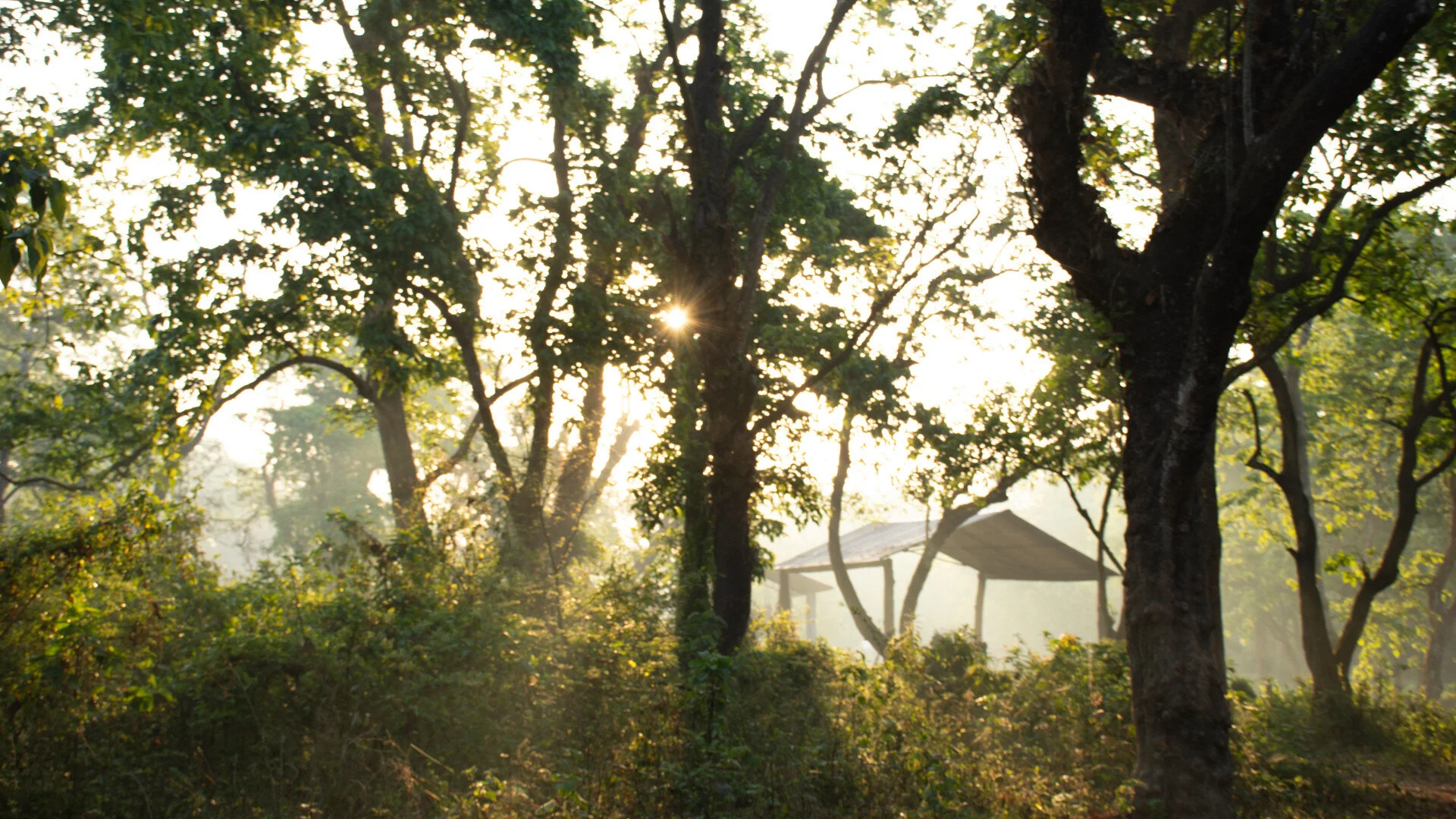
All the way from the edge of the Himalayas, the beauty of the country is spread all over to the plains of the Terai. From the exquisite green wonders of mother nature to the beautifully built culture of the people from hundreds of years, Terai is filled with some of the most fascinating places with a diverse lifestyle, both culturally and geographically.
Dharan
Koshi Tappu Wildlife Reserve
Janakpur
Lumbini
Bardia National Park
All the way from the edge of the Himalayas, the beauty of the country is spread all over to the plains of the Terai. From the exquisite green wonders of mother nature to the beautifully built culture of the people from hundreds of years, Terai is filled with some of the most fascinating places with a diverse lifestyle, both culturally and geographically.
Here is an overview of five travel destinations in Terai for you to add into your travel bucket list for your next expedition!
Dharan
All the way from the east, you can start your Terai expedition from this beautiful city of eastern Nepal. Situated in the Sunsari District, right around the foothills of Mahabharat range, Dharan is one of the, surprisingly, best tourist attracting cities with a series of places to offer. For instance, it is an optimal spiritual hub because of the five; Buddhasubba Temple, Dantakali Temple, Vijayapur Hill, Pindeshwor Temple and Panchakanya Temple situated here. For all the social extroverts out there, this city also holds a different kind of night life with the homey yet exciting lifestyle of the people. If you’re, rather, a nature lover, a 20 minutes short hike to Namche is enough satisfaction for your adventure seeking mood here at Dharan. Along with that, another spontaneous adventure option is rafting from Tamor River to Koshi River and, now, Dharan has been offering services for Paragliding as well. When it comes to accommodation, this city provides its visitors with different types of hotel ranging from normal lodges to star rated hotels. It takes a 20-minute drive from Itahari and a 12 to 14 hours bus ride from Kathmandu to reach.
Koshi Tappu Wildlife Reserve
If you’re more of a nature lover and a wild adventure seeker, and the life within the trees captivate you, chances are you’ll truly admire this particular wildlife reserve. Situated on the eastern Terai, Koshi Tappu Wildlife Reserve is a sanctuary for hundreds of species of animals and birds, both rare and common ones, comprising the wetlands of Sunsari, extensive mudflats, reed beds and freshwater marshes for the diversity of species it holds. All you need is a nice pair of binoculars, a jeep and an adventurous heart to explore through the woods and observe the different lives of all the different species preserved and protected here. The reserve is about a 90-minute drive from the Biratnagar Airport and a 12-hour bus ride from Kathmandu. Either way, your time here will be worth the while and you’ll leave with a newly grown love for nature within yourself.
Janakpur
Everyone has heard of the famous city of Janakpur, one of the most fascinating cities which is also known as the hometown of the goddess Sita. The key historical holy site of Hindus, Janaki Mandir, is situated here, where the astonishing form of ancient architecture will baffle you with the rich culture that it reflects. Not only this, from the bright coloured houses spread all over the city to the beautiful sacred ponds reflect the colours of the houses make the city feel more appealing than any other. Moreover, the warm welcoming traditional lifestyle of the Mithila people will make your trip feel like an escape from the busy hurdles of your daily life, giving you a series of experiences you’ll treasure for sure. Plus, the accommodation and settlement facilities are easily made available near the heart of the city, making your trip more convenient and comfortable.
Lumbini
Lumbini, the birthplace of Gautam Buddha and a centre point archaeological findings of Nepal, carries, undoubtedly, the most historical significance of the religion of the country. Along with being the origin of Buddhism for the entire world, Lumbini holds a series of sacred temples, ponds and places for centuries now. The entire city is mostly scattered with holy sites and is a great option if you’re willing to explore the rich culture of Buddhism from the core. Because of this, it has become one of the major tourist destinations of Nepal, as a result of which the accommodation and settlements facilities are well-managed and easily accessible. It takes a 6 to 9 hours long bus ride or a 30-minute flight to reach from the capital.
Bardia National Park
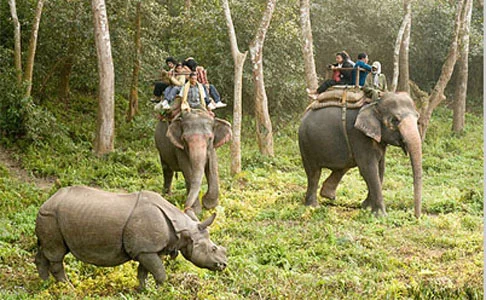
If you’re looking for a reason to step out of your comfort zone and go for a new adventure, this National Park is the place for you. Being a harder destination to reach, it is not like other national parks that are famous for commercial tourism. After a one-hour flight or a 12-hour long bus ride to the west from Kathmandu, you can reach the Jungle of Bardia National Park. It is the perfect option for a wild Jungle Safari, as you find your way through the green forests of the Natural wonder this place holds. Along with that, elephant rides, jeep safari, rafting, sports fishing and bird watching accompanied by a naturalist are other popular activities to do here. There are a bunch of safari Lodges here as well that provide excellent accommodation facilities for you and the perfect time to visit is autumn, winter and early summer.
POPULAR ITINERARIES
SIMILAR POSTS
Cycle your heart through the City of Kathmandu
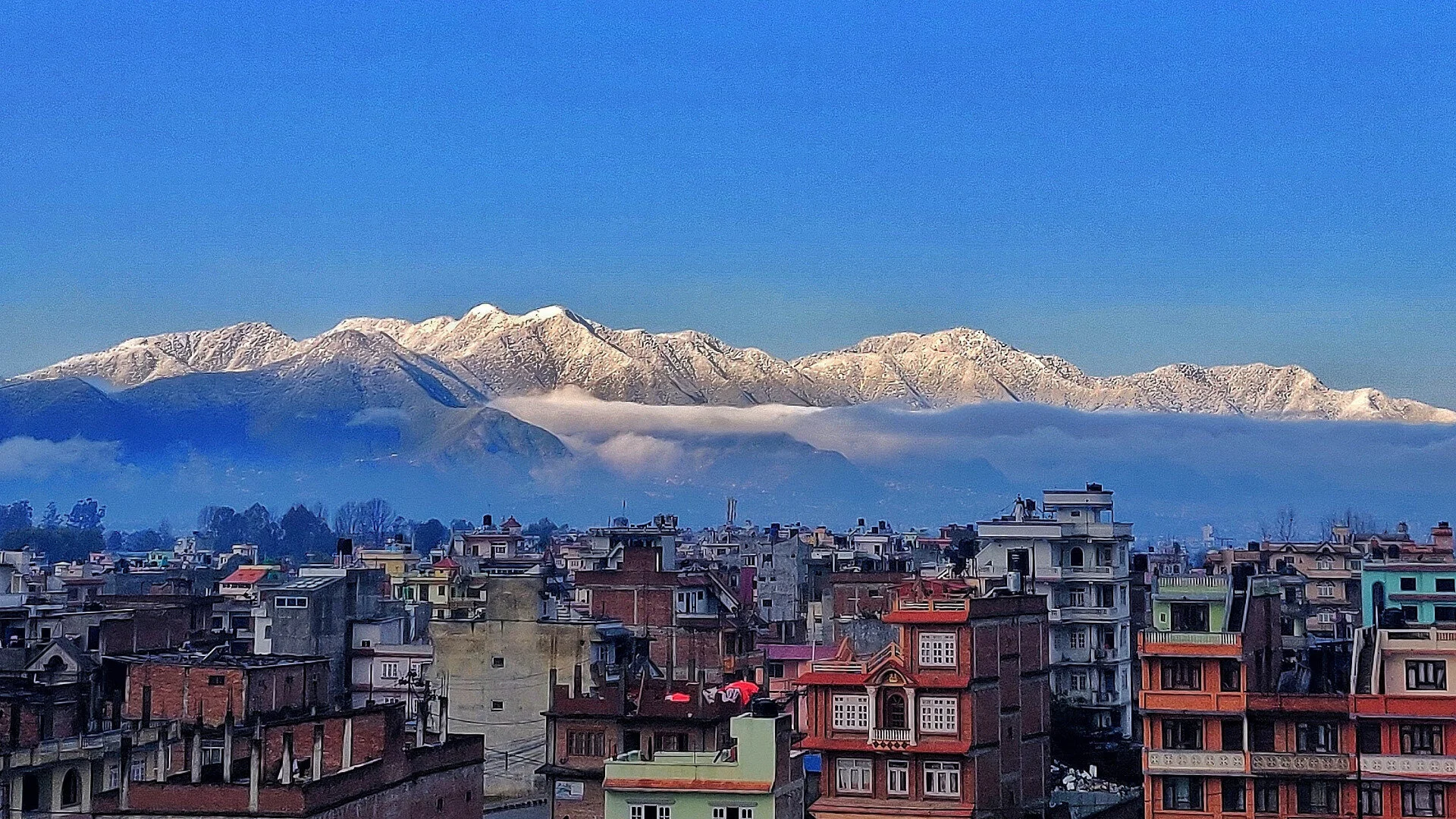
Kathmandu holds a surprising number of astonishing places in its edge and corners throughout the entire valley. One who like pedaling as an instinctive hobby, there are bunch of popular smooth as well as reckless trials routes for cycling all over the valley, perfect to adventurous preference.
Cycling routes in and around the city
Kathmandu - Kakani – Budhanilkantha
Bhaktapur - Nagarkot – Sankhu
Budhanilkantha - NagiGompa – Kapan
Mudkhu - Jhor – Tokha
Chovar - Bungamati - Khokana – Chapagaon
The busy city of Kathmandu holds a surprising number of astonishing places in its edges and corners throughout the entire valley. Along with being a home for the diverse cultures and their artifacts, there are a good number of rustic outdoor adventure options here as well. For instance, If you’re either a professional biker with a carefree spirit to ride or someone who just likes cycling as an instinctive hobby during the weekends, there are a bunch of smooth as well as reckless trials spread all over the valley, perfect for your adventure preferences, giving you a chance to explore more of your home through a new piece of experience. Here are a couple of cycling routes from in and around the city for you to add in to your new cycling itinerary!
Kathmandu - Kakani – Budhanilkantha
If you're looking for something that makes you step out of your comfort zone, this trial is the most prominent one for you. Most of its entire single-track trial being raw and crippled, the trial is quite challenging yet captivating for your outrageous adventurous spirit. Through the breath-taking mountain views that passes by as you cycle your heart out to the wild and alluring view of the valley on top of the Kakani hills, this will be one of your most memorable cycling experiences. So, grab yourself some nutritious and energy-giving snacks and pack all your cycling gear as you have a new journey waiting for you!
Bhaktapur - Nagarkot – Sankhu
Take your two-wheeled motivation out for an adventure through the culturally rich part of the valley to the green wonders mother nature has sprinkled around it. You can start your journey early in the morning with a fresh spirit, and cycle your way through the morning lives of Bhaktapur city. As you’re up for a long ride this time, the roads of the Nagarkot hills have a bird-eye view of the exotic mountains blending in with the city for you as you’re making way for your bike to reach the beautiful city of Sankhu.
Budhanilkantha - NagiGompa – Kapan
Start your journey at the edge of the city this time as well. Through the peaceful roads of Budhanilkantha that moves along to the jungles of the Shivapuri National park where the trees make way for the uphill road you’re cycling through. There is an easy 30 min long single track here that later joins back to the common road. Although the ride needs some skills and techniques when it comes to tackling the steepy slopes through the journey, as you go downhill, your love for adventure will grow as you breath in the rage you experience as you’re cycling down. When the ride ends at Kapan, you can put your bags down and have a nice meal with the beautiful view of the place, taking in your worth-the-while adventure.
Mudkhu - Jhor – Tokha
Going North, through an easy slope through the Trishuli Highway, you can reach Mudkhu, the centre point of many cyclists. With a list of options of tracks to take, you can cycle along the famous Trishuli highway up to Tinpiple admiring the view of rice-fields with light residence around them and the long forests that passes by. As you make it to Jhor, with some help from the locals, you can follow up with the confusing roads and find your preferred location to sit and rest for a bit. The waterfall here is also a good option to visit for a nice breather after the long ride. After a bit more cycling, as you return through the ancient Newari City of Tokha, make sure you enjoy and appreciate the delicious cuisines and the genuine kindness the locals have waiting for you.
Chovar - Bungamati - Khokana – Chapagaon
If you’re looking for a rather easy cycling expedition, start from the south of the valley at Chovar. As you cross the short upbeat roads of Chovar, the trials lead to the peaceful livelihood of Bungmati and Khokana, giving you a chance to breathe in the fresh and friendly air of the place and a fascinating view of the traditional settlements of people surrounded by the alive fields. As you continue your ride through the roads of Chapagaon, the greenery will please your experience with very less traffic and a neutral environment. However, if you’re still seeking for a spontaneous adventure for your free spirit, you have the option to continue your trial up to Raj Kulo to add in a bit more challenge to the journey. Alternatively, as well, you could take the route to Lakuri Bhanjyang and pay a nice short visit to toward the east, to the ancient city of Panauti.
POPULAR ITINERARIES
SIMILAR POSTS
A Captivating Adventure through Nepali Lakes
Nepal, although being a small country, holds a surprising number of natural wonders all over in it. Nepal is not only the home for most of the highest peaks but also a sanctuary of lakes that give you heavenly experience through their beauty. Some of the most beautiful lakes to add in adventure bucket list to keep wander list spirit moving.
· Gokyo Lakes
· Gosaikunda Lake
· Tilicho Lake
· Rara Lake
· Phewa Tal
· Paanch Pokhari
In the world entirely built by the impeccable mother nature, Nepal, although being a small country, holds a surprising number of natural wonders all over it. There are astonishing places to see in every corner of it, with nature in its purest form holding wildly diverse geographical features. Nepal is not only the home for most of the highest peaks of the world but also a sanctuary of stunning lakes that are sure to give you a heavenly experience through their beauty. From the most elegant lakes hidden behind the tall mountains to the quite subtle ones lost somewhere along the road less travelled, Nepal has a total of more than five thousand lakes, among which almost two thousand are glacial lakes. Due to these gifted features of the country and the wide-ranged possibility of tourism development, the government of Nepal has authorized this year with “Visit Nepal 2020” to make it a year committed to the development of tourism industry and making it one of the ideal travel destinations.
Below are some of the most beautiful lakes for you to add to your adventure bucket list this year to keep that wanderlust spirit moving!
Gokyo Lakes
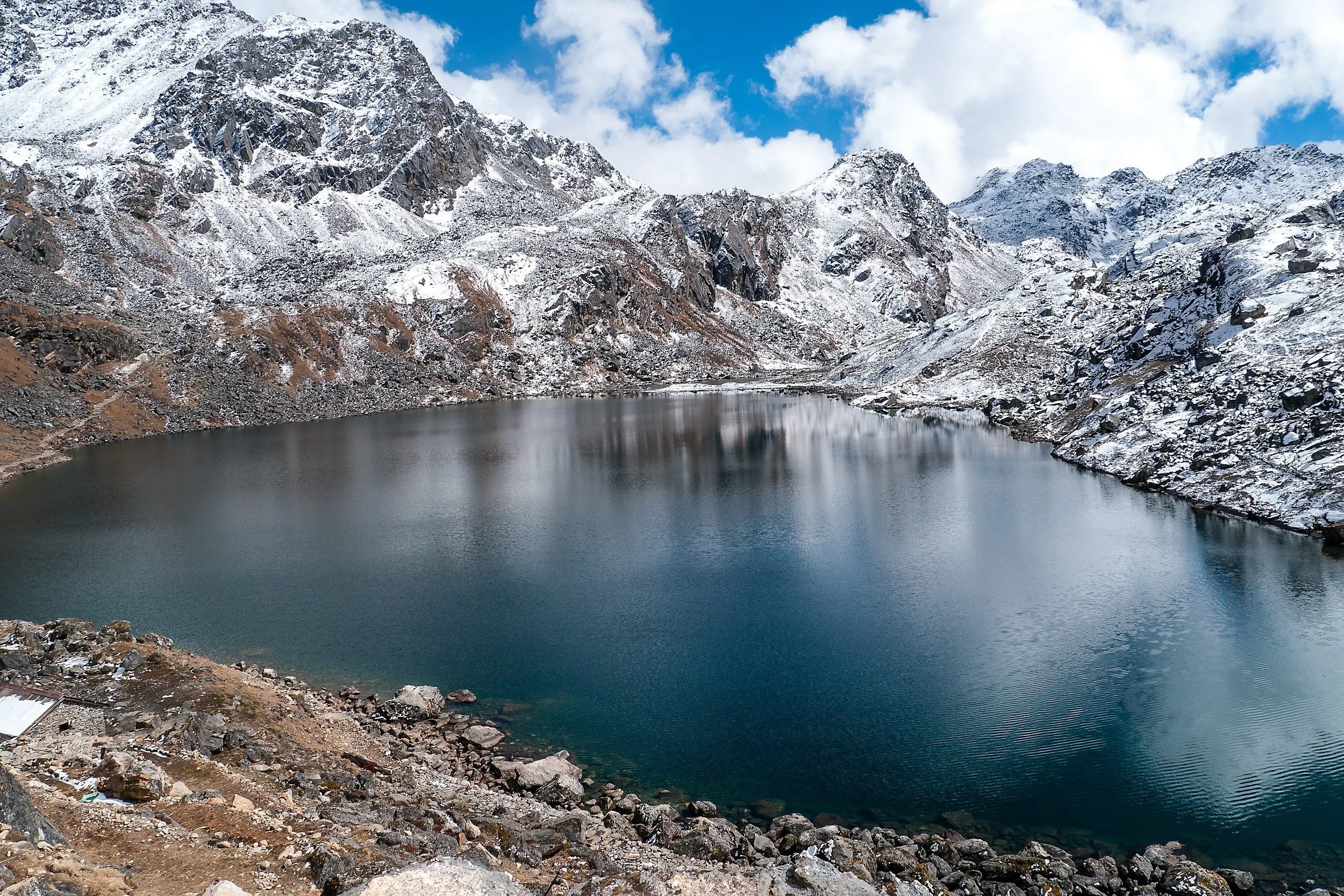
Situated in the altitude of 4,700 to 5000 meters above sea level in Sagarmatha National Park, Gokyo lakes consist of a total of 19 lakes, carrying the world’s purest freshwater in such high altitude. Lying somewhere between the range of the one and only mount Cho Oyu; Gokyo Cho, Thonak Cho , Gyazumpa Cho, Tanjung Cho, Ngozumpa Cho, and Longbanga Cho are the six main lakes of Gokyo lake system where Thonak Cho is the largest one and Gokyo Cho is also called Dudh Pokhari. It takes a two-day long hike from Namche Bazar to reach the Gokyo lakes through the Gokyo lakes trek. Since the place is one of the main pilgrimage sites for Hindus and Buddhists, and it comes with a breath-taking view of the huge mountains and their reflection on the clear blue water of the lakes, it is a famous site for tourism and has won the admiration of thousands of visitors.
Gosaikunda Lake
Another one of the biggest freshwater lakes, Gosaikunda lake is situated at an altitude of 4,380 meters above sea level in Langtang National parks. It is one of the most famous lakes of the country that is surrounded by the captivating breath of the magnificent mountains of Rasuwa district. It also holds a whole lot of religious values where people from Nepal and India come here to take a holy bath, especially during the occasion of Janai Purnima. Alongside, it is one of the major tourist sites, as well, that needs a hardcore four-day trek on Dhunche-Helamby trekking route and Langtang valley trek route to be reached.
Tilicho Lake
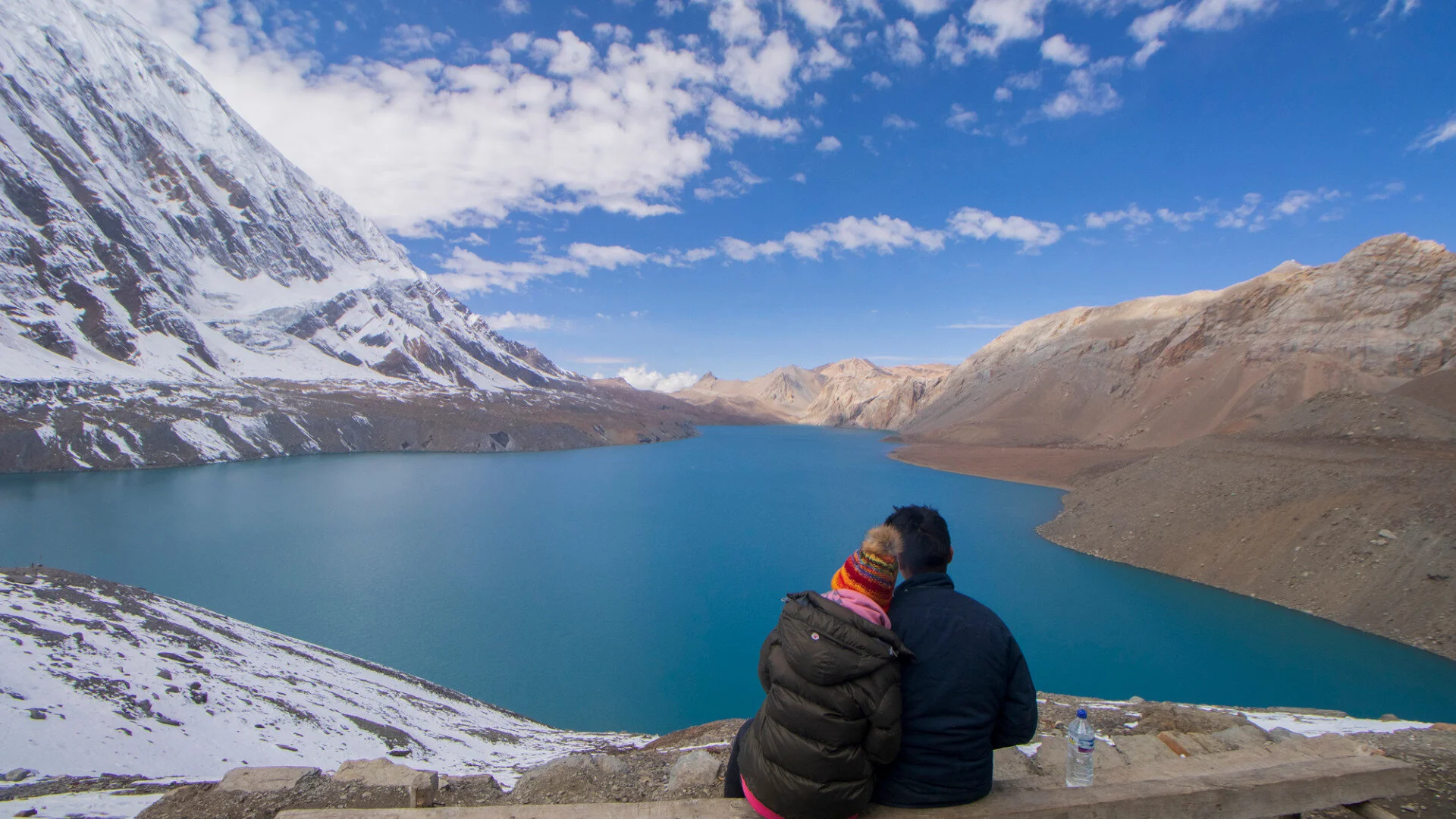
When talking of magical places to visit, Tilicho Lake definitely comes at the top of the list. Situated at an altitude of 4919 meters beside the famous Annapurna range of Himalaya, Tilicho lake is one of the most beautiful lakes of Nepal as it is heavily surrounded by some of the thick snowy mountains like Khangsar, Nilgiri, Tilicho and Muktinath peak. which takes almost three to four days of hiking through the Annapurna Circuit trek to reach. The hiking route goes through the watershed between Manang and Kali Gandaki Valleys, because of which it is the most preferred route for common visitors. However, there is another alternative route from the north for the risk-takers to reach the lake. So if you’re an adventure seeker, looking for a new spontaneous experience in your life, Tilicho lake is the place for you!
Rara Lake
The largest and deepest lake of Nepal at an altitude of 2990 meters above sea level, Rara lake perfectly fits in between the dense green hills of Mugu and Jumla districts. Despite the difficult and complicated path that leads to this lake, it is still immensely admired by the visitors because of its miraculous natural beauty through its strange ability to change into seven different colours in the light of the day. The journey has to start with a flight from Nepalgunj to Mugu, from where you can either go on a long adventurous trek of nineteen days or choose to fly on a helicopter for a couple of hours. Either way, the breathtaking view of the Rara is worth the while.
Phewa Tal
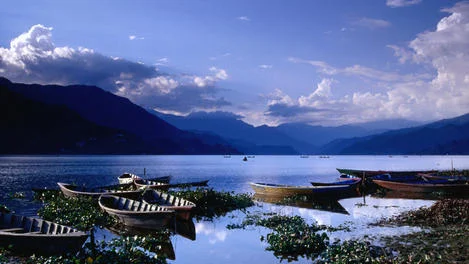
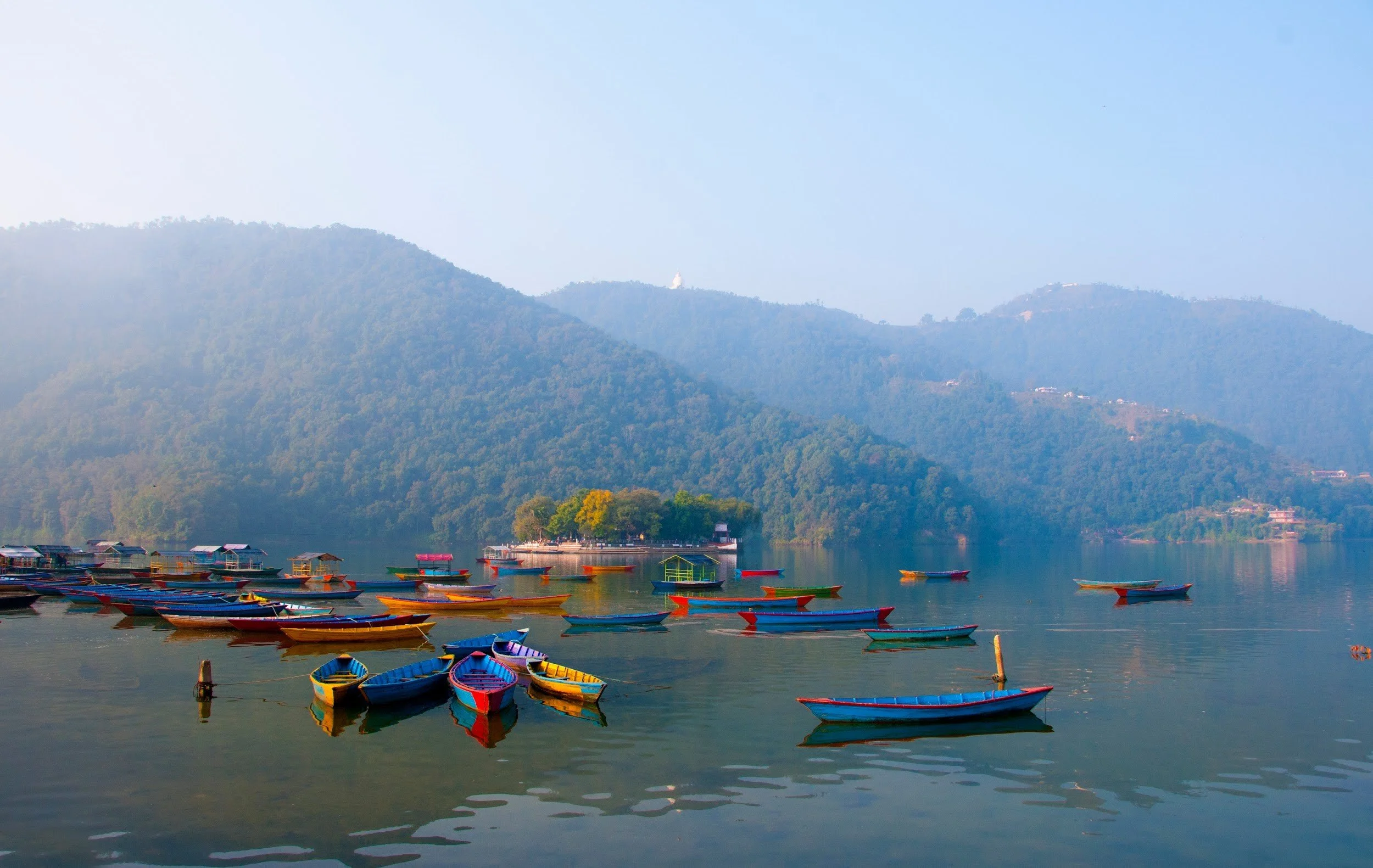
As cliche as it may have become, Phewa Lake still remains, hands-down, the most favoured lake in almost every traveller’s itinerary and in every Nepali’s to-visit bucket list. Situated at the south of Pokhara city, Phewa lake finds its immense life-like beauty with the clear reflection of Mount Annapurna, Machhapuchhre and Dhaulagiri over the forests during the day time and the reflection of a thousand different golden lights of the most beautiful city of the country during the night. Also, In the heart of the Lake, Tal Barahi temple is situated. If you’re a non-trek kind of person and prefer an effortless vacation, Phewa Tal is the lake for you.
Paanch Pokhari
The most underrated yet absolutely beautiful lakes have to be Paanch Pokhari, situated at an altitude of 4100 meters in Langtang National park. As the name suggests, five different sized lakes are situated together between the midst rocky Himalayas a couple of kilometres above Sindhupalchowk. Either during the monsoon weather, when the lakes are surrounded with wet green grasses and smokey mists or during the winter when the edgy features of the rocky mountains are reflected, this place serves one of the wildest and exquisite beauties that definitely deserves more recognition. With rich religious importance and tourists preferences, now the trek to Paanch Pokhari is newly opened, starting from a bus ride from the capital to Chautara, from where an eight days long trek is needed to reach the beautiful destination.
POPULAR ITINERARIES
SIMILAR POSTS
National Parks In Nepal - Part I
With an avid diversity of flora and fauna - which range from the lowlands of Terai to the Himalayan mountains, Nepal has several protected areas worth visiting. Nepal's National Parks are popular among the tourist for activities like tour and trek.
Nepal is home to an avid diversity of flora and fauna, which range from the lowlands of Terai to the Himalayan mountains. Each bio-zone host's multiple ecosystems, which are called home by thousands of species of birds, mammals, reptiles and amphibians. Nepal’s natural beauty has always been its pride and conserving it has always been a top priority. Thus under the National Parks and Wildlife Conservation Act, 2020 (1973AD), the government of Nepal created the guidelines to declare and maintain National Parks, Conservation Areas, and Hunting Reserves.
Chitwan National Park
Sagarmatha National Park
Langtang National Park
Rara National Park
Today the protected areas of Nepal cover mainly forests and are located at various altitudes in the Terai, as well as in the foothills of the Himalayas and the mountains themselves. Nepal even though is small in terms of area size covering only 147,181 sq km. The altitudes range from 67 m to 8,848m. This extreme altitudinal gradient has resulted in 11 bio-climatic zones ranging from lower tropical below 500m to nival above 5,000m in the High Himalayas encompassing nine terrestrial ecoregions with 36 vegetation types. The government of Nepal under the National Park and Wildlife Conservation Act, 2020(1973AD) established a total of 12 National Parks, 1 Wildlife Reserves, 6 conservation Areas and 1 Hunting Reserve. In 2017, the Shuklpahanta and Parsa Wildlife Reserves were upgraded into National Parks.
In this series of articles, we explore the various National Parks, their level of accessibility and attractions.
Chitwan National Park
Province: 03
Distance From Kathmandu: 170 Km
Accessibility: Deluxe Buses Available from multiple Bus Hubs in Kathmandu, Domestic Airlines offer direct flights from Pokhara and Kathmandu to Bharatpur
Attractions: Bird Watch, Natural Escape, Experiencing Tharu and Maithali Culture, Bishazari Tal ( Ramsar Site), CG Ashram, Jungle Safari, Wildlife Encounters, Wildlife Photography
Season: October to March ( Best siting of the wildlife is from January to March)
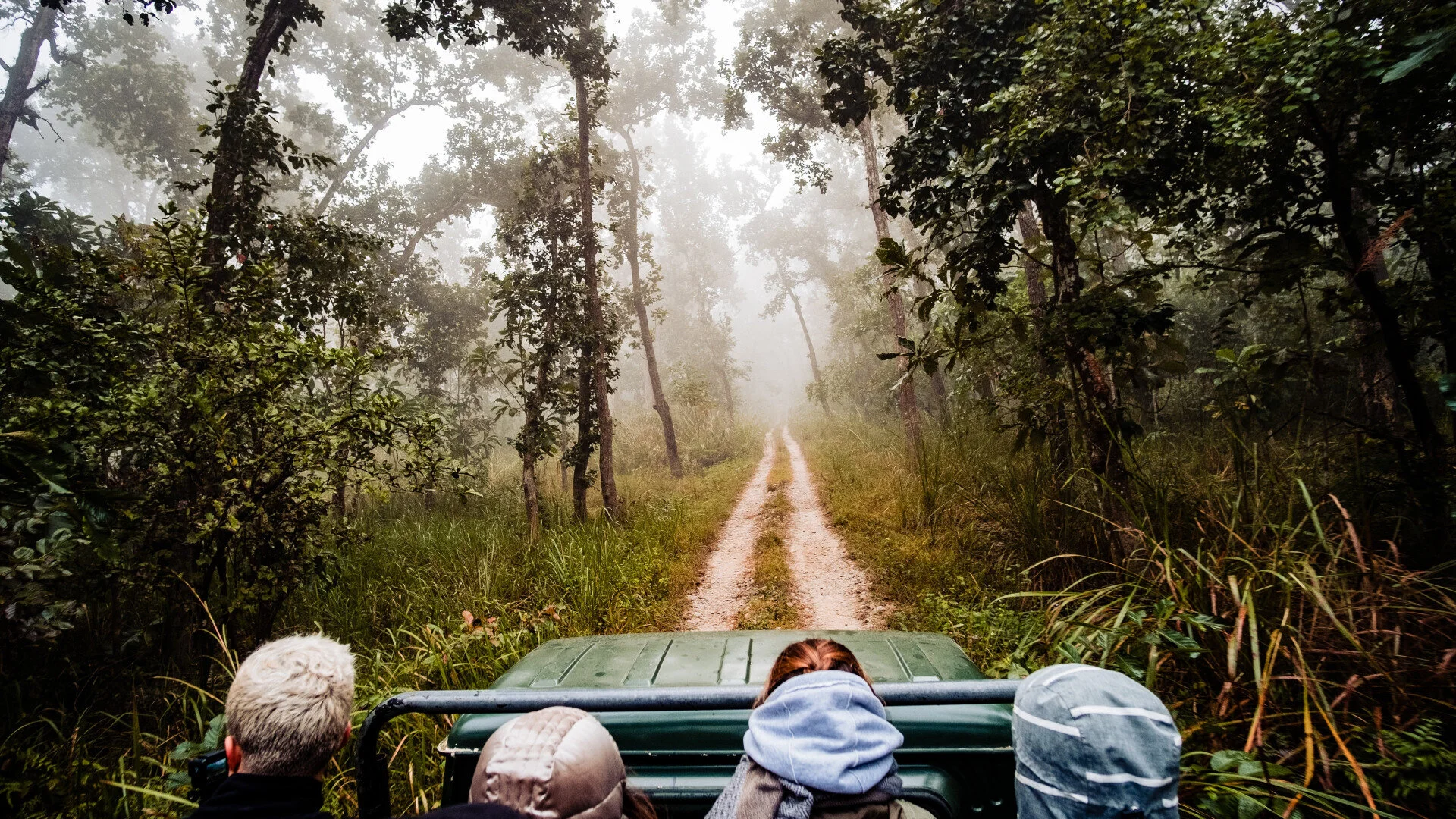
Chitwan National Park is the first national park in Nepal. It was established in 1973 and granted the status of a World Heritage Site in 1984 AD. It covers an area of 952.63 km2 (367.81 sq mi) and is located in the subtropical Inner Terai lowlands of south-central Nepal in the districts of Nawalpur, Parsa, Chitwan and Makwanpur. In altitude, it ranges from about 100 m (330 ft) in the river valleys to 815 m (2,674 ft) in the Churia Hills.
In the north and west of the protected area, the Narayani-Rapti river system forms a natural boundary to human settlements. Adjacent to the east of Chitwan National Park is Parsa National Park, contiguous in the south is the Indian Tiger Reserve Valmiki National Park. The coherent protected area of 2,075 km2 (801 sq mi) represents the Tiger Conservation Unit (TCU) Chitwan-Parsa-Valmiki, which covers a 3,549 km2 (1,370 sq mi) huge block of alluvial grasslands and subtropical moist deciduous forests.
Sagarmatha National Park
Province: 01
Distance From Kathmandu: 137 km
Accessibility: By Air, one can get flights to Tenzing - Hilary Airport at Lukla from Kathmandu, By road one can catch a bus to Jiri and trek to Sagarmatha National Park which is approximately a 10-day trek. One can also take the bus to Salleri and trek to Sagarmatha National Park which is a 5 days trek. Charter helicopters to Lukla are catered by multiple air groups as well.
Attractions: Mt Everest, Ama Dablam, The Gokyo Complex, Tengboche Monastery, Kala Pathar, Landscape Photography, Experiencing Sherpa Culture, Wildlife Photography.
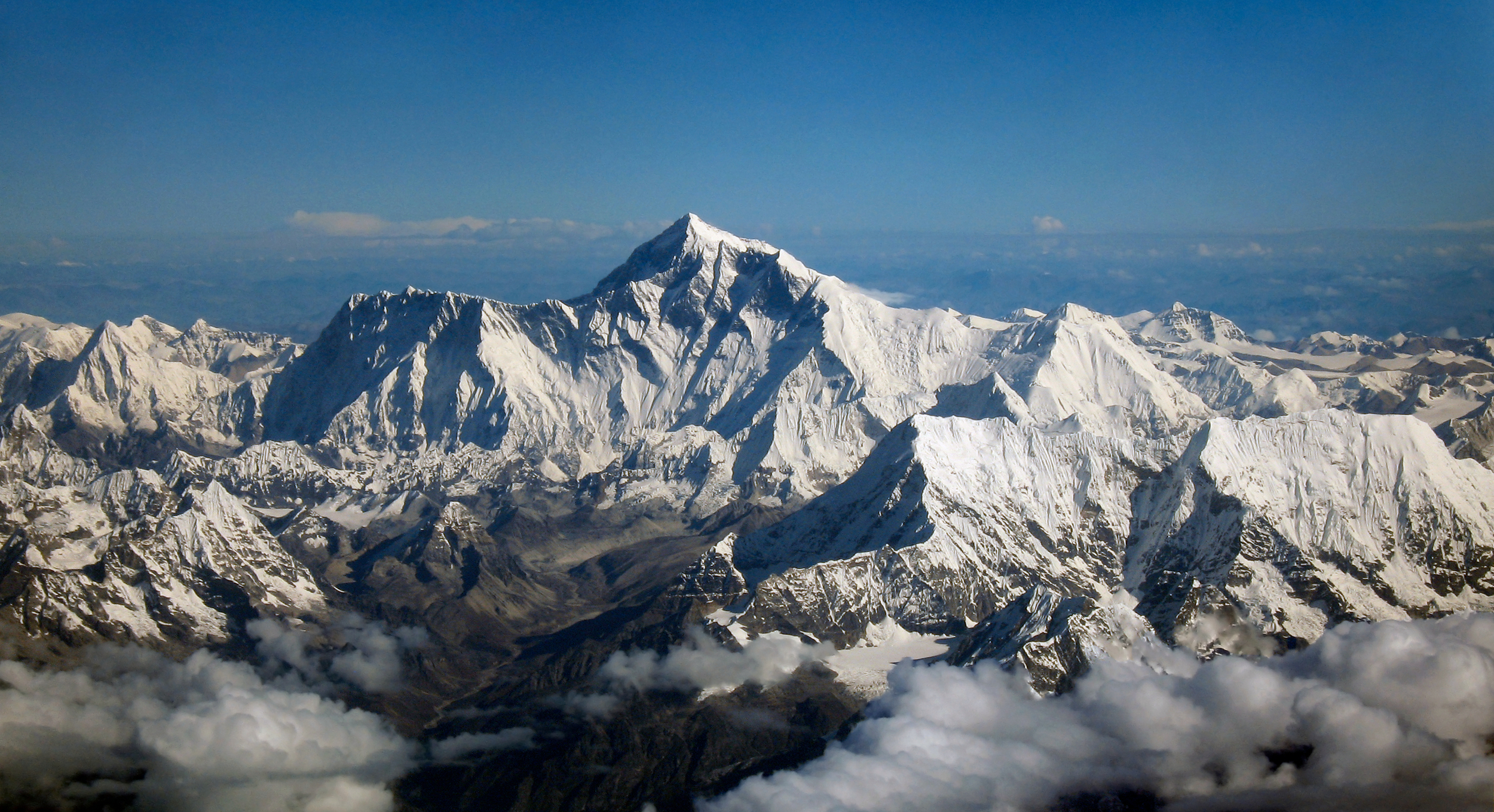
Sagarmāthā National Park is a national park in the Himalayas of eastern Nepal that is dominated by Mount Everest. It encompasses an area of 1,148 km2 (443 sq mi) in the Solukhumbu District and ranges in elevation from 2,845 to 8,848 m (9,334 to 29,029 ft) at the summit of Mount Everest. In the north, it shares the international border with the Qomolangma National Nature Preserve of Tibet. In the east, it is adjacent to Makalu Barun National Park, and in the south, it extends to Dudh Kosi river.] It is part of the Sacred Himalayan Landscape.
Langtang National Park
Province: 03
Distance From Kathmandu: 30 km
Accessibility: The Langtang Valley Trek begins from Syabrubesi which one can reach via a local or privately hired bus or jeep in 9 - 10 hours from Kathmandu.
Season to Avoid: Monsoon ( June- August)
Attractions: Gosaikunda Lake, Experience Tamang and Gurung Culture, Landscape Photography, Lantang Lirung Range, Sacred Ganesh Himal, Ganja La Pass, Kyanjin Gompa
Langtang National Park was established in 1976 as Nepal's first Himalayan national park and the country's fourth protected area. It exceeds an altitudinal range of 6,450 m (21,160 ft) and covers an area of 1,710 km2 (660 sq mi) in the Nuwakot, Rasuwa and Sindhulpalchok Districts of the central Himalayan region encompassing 26 village communities. In the north and east, it is linked with Qomolangma National Nature Preserve in Tibet. The western boundary follows the Bhote Kosi and Trishuli Rivers. The southern border lies 32 km (20 mi) north of the Kathmandu Valley.
The high altitude sacred Gosainkunda lake is located at an altitude of 4,300 m (14,100 ft) inside the park. The Dorje Lakpa range at 6,988 m (22,927 ft) bisects the park from the west-east to south-east. The summit of Langtang Lirung (7,245 m (23,770 ft)) is the highest point in the park.
Rara National Park
Province: 06
Distance From Kathmandu: 375 km
Accessibility: To reach Rara region by air one must take a flight to Nepalgunj, and then from Nepalgunj to Jumla or Talcha (Rara) Airport. From the town of Jumla, it’s a 2-day trek to the National Park whereas from Talca Airport it’s a mere few hours walk to Rara National Park.
Attractions: Rala Lake, Juniper Forest, Landscape Photography, Wildlife Encounters, Bird Watching
Season: Spring, Summer and Autumn. Rara region can also be traversed in the winters but he uncertainty of the weather, low temperatures make the trip a little more difficult than normal.
Rara National Park is a protected area in the Himalayas of Nepal and was established in 1976. Covering an area of 106 km2 (41 sq mi) in the Mugu and Jumla districts, it is the country's smallest national park. Its main feature is Rara Lake at an altitude of 2,990 m (9,810 ft).[1] The park was established to protect the unique flora and fauna of the Humla–Jumla Region of Nepal.
The park ranges in elevation from 2,800 m (9,200 ft) to 4,039 m (13,251 ft) at Chuchemara Peak on the southern side of Rara Lake. On the northern side, the peaks of Ruma Kand and Malika Kand frame the alpine freshwater lake, which is the largest lake in Nepal with a surface of 10.8 km2 (4.2 sq mi) and a maximum depth of 167 m (548 ft). It is oval-shaped with an east-west axis, a length of 5 kilometres (3.1 mi) and a width of 3 km (1.9 mi) draining into the Mugu-Karnali River via Nijar Khola.
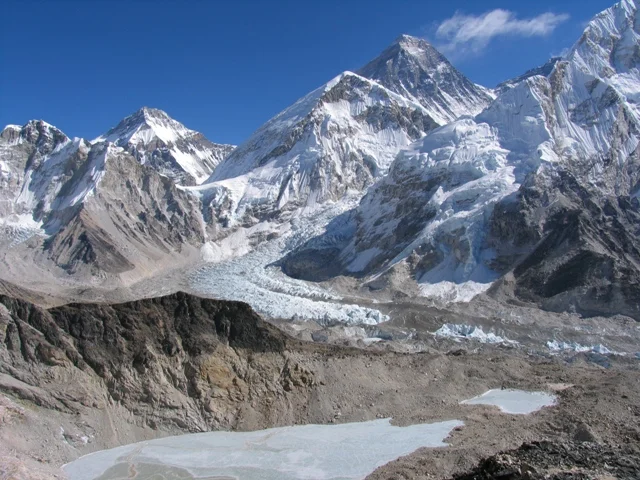
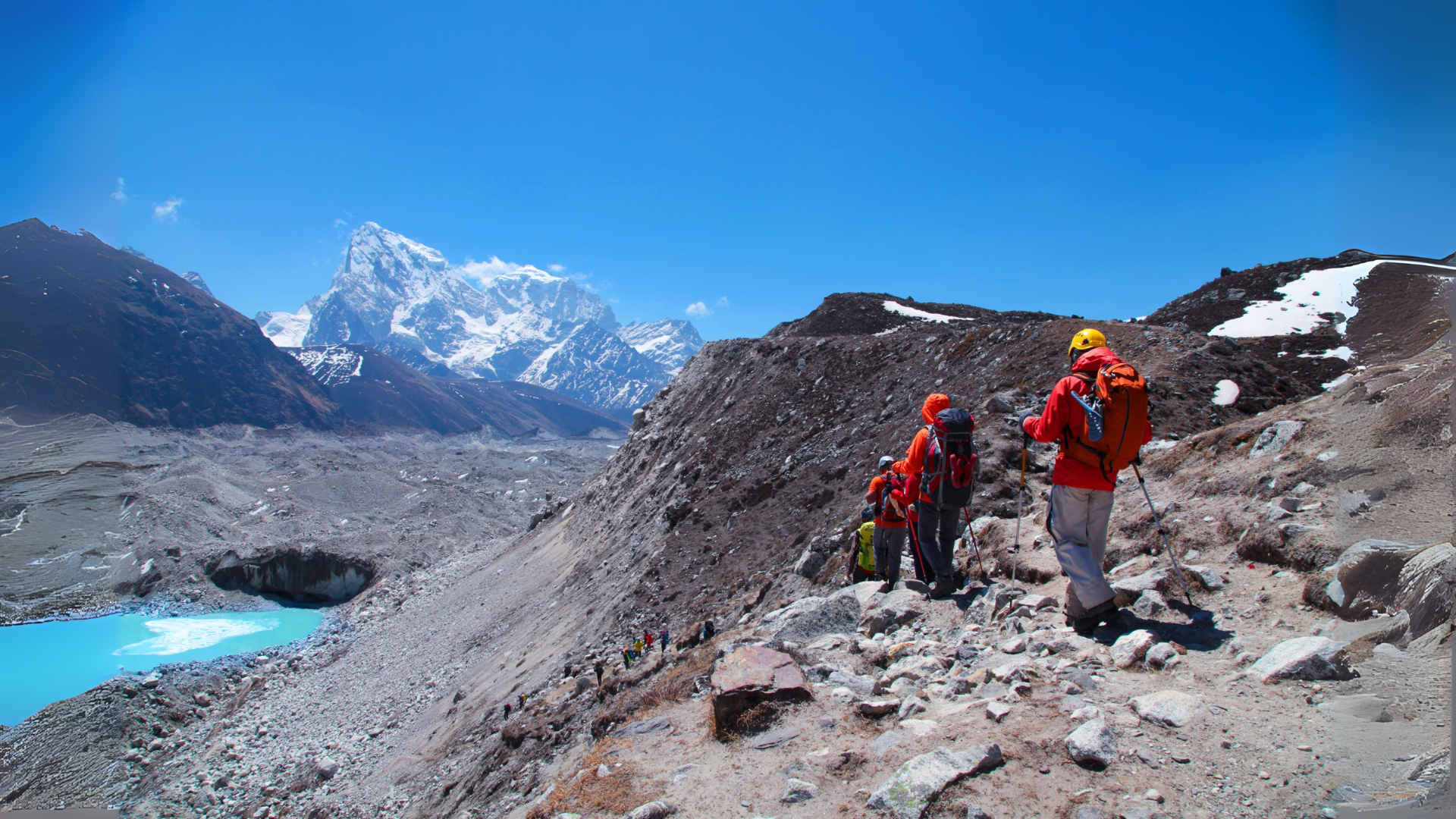
This trek is specially designed to reach the Everest Base Camp including Kala Pattar which is the best view point to view the sunrise over the high Himalayas including the Mt. Everest. This trek requires 13 days.
USD 1515 PER PERSON -- TWIN ROOM SHARING BASIS