
Unravelling Nepali History
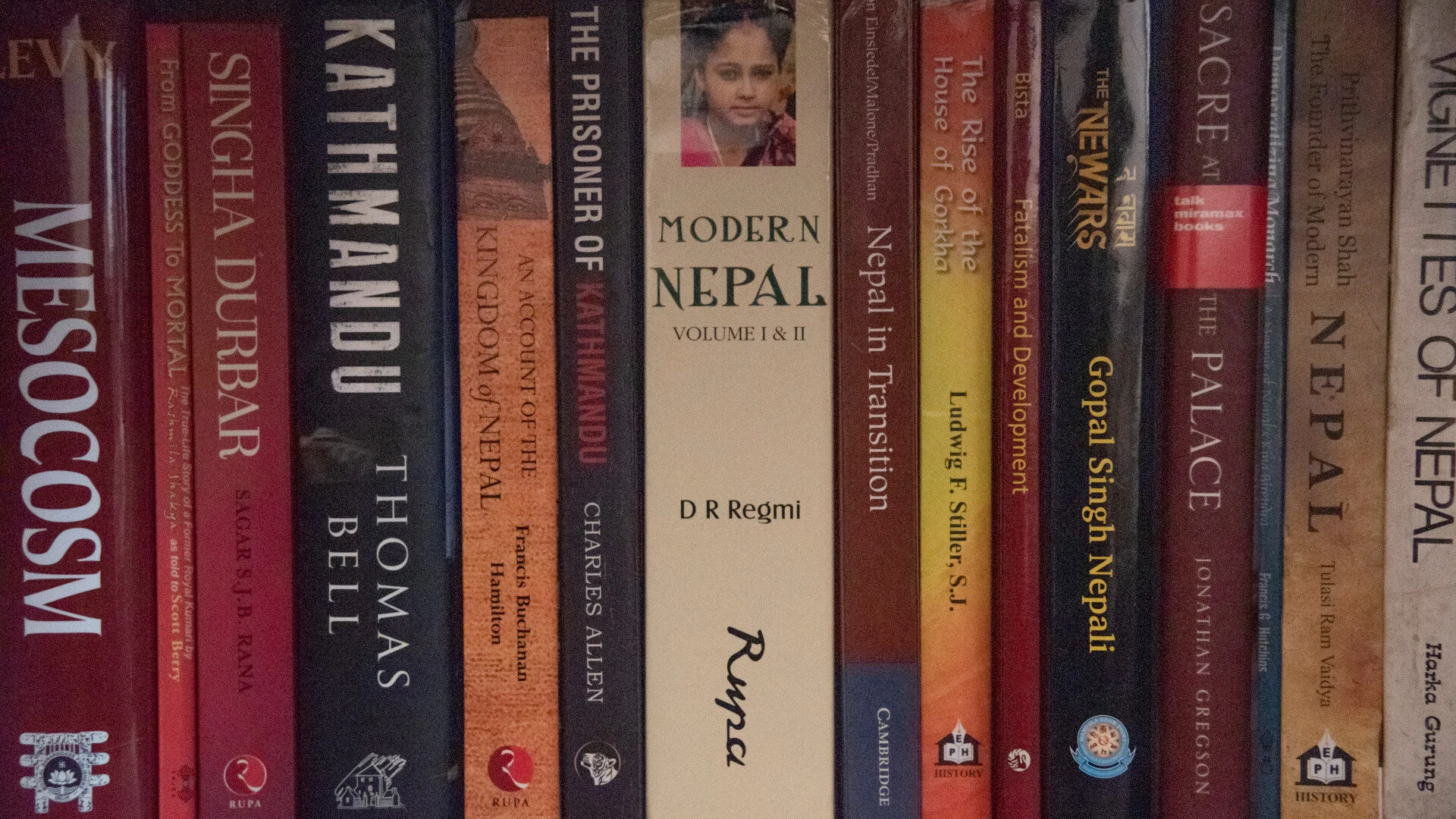
When Nepal was opened in 1950s for the world to experience, arrival of historians and academics helped document the history and unravel treasures of a forgotten past. Among the many books that have helped conserve Nepali history, here we made list of a few books to get one started.
When travelling to a country such as Nepal, with layers of history and significance. One can get lost in the beauty of this tranquil escape but never know the true reason for its creation. The diversity in Nepal is so rich that in a small square such as of Patan, Kathmandu and Bhaktapur lie countless bricks of the bygone era layered one atop the other. Temples of the then forgotten world, stand tall with the new architecture and even among the temples, lie countless tiers of history.
The external beauty is enriched and uplifted with knowledge of their creation, are significance and its value. One can feel as if they have been transported to a bygone era, as his/her imagination contemplates the creation of these sites as they flip through pages of history carefully protected and transcribed into the pages of a book.
History is complicated, especially when it comes to Nepalese history which features so many diversities, micro kingdom, a lack of documentation and dark eras during when neither history was documented but was rather lost.
When Nepal was opened in the 1950s for the world to experience, it didn’t just boost the tourism industry but also the arrival of historians and academics helped document the history and unravel treasures of a forgotten past. Among the many books that have helped conserve Nepali history, listed below are a few books to get one started.
A History of Nepal by John Whelpton
While John Whelpton's history of Nepal focuses on the period since the overthrow of the Rana family autocracy in 1950-51, the early chapters are devoted to the origins of the kingdom and the evolving relations of its diverse peoples. Whelpton portrays a country of extraordinary contrasts, whose history has been buffeted constantly by its neighbours, China and India. Economic and political turmoil over the last fifty years came to a climax with the massacre of the royal family in 2001 when the country erupted into civil war. This book is the most comprehensive and accessible English-language one-volume history of Nepal. John Whelpton, who works as a teacher in Hong Kong, is a historian and linguist. He has worked and travelled extensively in Nepal, and has written numerous articles and books on the subject. These include Nationalism & Ethnicity in the Hindu Kingdom: The Politics and Culture of Contemporary Nepal (Routledge, 1997), and Kings, Soldiers and Priests: Nepalese Politics and the Rise of Jang Bahadur Rana, 1830-1857 (South Asia Books, 1992).
Kathmandu by Thomas Bell
One of the greatest cities of the Himalaya, Kathmandu, Nepal, is a unique blend of thousand-year-old cultural practices and accelerated urban development. In this book, Thomas Bell recounts his experiences from his many years in the city—exploring in the process the rich history of Kathmandu and its many instances of self-reinvention.
Closed to the outside world until 1951 and trapped in a medieval time warp, Kathmandu is, as Bell argues, a jewel of the art world, a carnival of sexual license, a hotbed of communist revolution, a paradigm of failed democracy, a case study in bungled western intervention, and an environmental catastrophe. The layered development of the city can be seen in the successive generations of its gods and goddesses; its comfort in the caste system and ethos of aristocracy and kingship; and the recent destabilizing effects of consumerist approaches and the push for egalitarianism and democracy. In important ways, Kathmandu’s rapid modernization can be seen as an extreme version of what is happening in other traditional societies. Bell also discusses the ramifications of the recent Nepal earthquake.
A comprehensive look at a top global destination, Kathmandu is an entertaining and accessible chronicle for anyone eager to learn more about this fascinating city.
History of The Kingdom of Nepal by Daniel Wright
History of Nepal by Daniel Wright and translated from the Parbatiya by Munshi Shew Shunker Singh and Pandit Shri Gunanand forms part of the indispensable canon of works about the Himalayan Kingdom of Nepal. Daniel Wright has his own distinctive style of wright about the people, culture, customs and history of Nepal. In his book, he talks about not only the history and geography of Nepal but also gives us an insight into the traditional instruments, songs and original manuscripts of this Picturesque country. It is an excellent book to gain the perspective of a foreign national regarding Nepalese culture and history. The book contains an interesting history of Nepal including that of Newaris and Kathmandu. It is also termed as the myth of Kathmandu.
Battles of the New Republic: A Contemporary History of Nepal by Prashant Jha
Battles of the New Republic: A Contemporary History of Nepal is a story of Nepal's transformation from war to peace, monarchy to a republic, a Hindu kingdom to a secular state, and a unitary to a potential federal state.
Part-reportage, part-history, part-analysis, part-memoir, and part-biography of the key characters, the book breaks new ground in political writing from the region. With access to the most powerful leaders in the country as well as diplomats, it gives an unprecedented glimpse into Kathmandu's high politics. But this is coupled with ground-level reportage on the lives of ordinary citizens of the hills and the plains, striving for a democratic, just and equitable society.
It tracks the hard grind of political negotiations at the heart of the instability in Nepal. It traces the rise of a popular rebellion, its integration into the mainstream, and its steady decline. It investigates Nepal's status as a partly-sovereign country and reveals India's overwhelming role. It examines the angst of having to prove one's loyalties to one's own country and exposes the Hindu hill upper-caste dominated power structures.
Battles of the New Republic is a story of the deepening of democracy, of the death of a dream, and of that fundamental political dilemma - who exercises power, to what end, and for whose benefit.
SIMILAR POSTS

Feasts for Maghe Sankranti
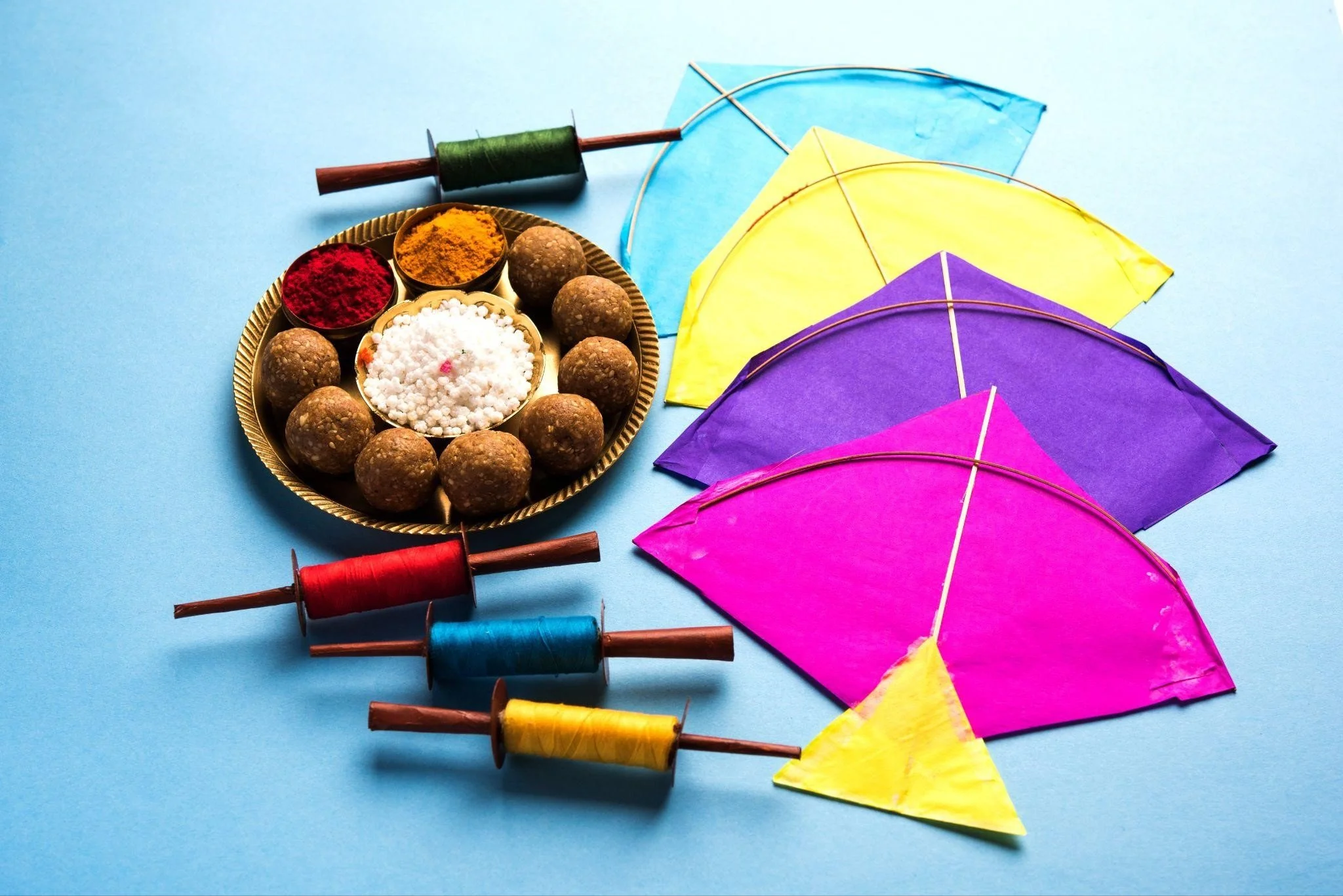
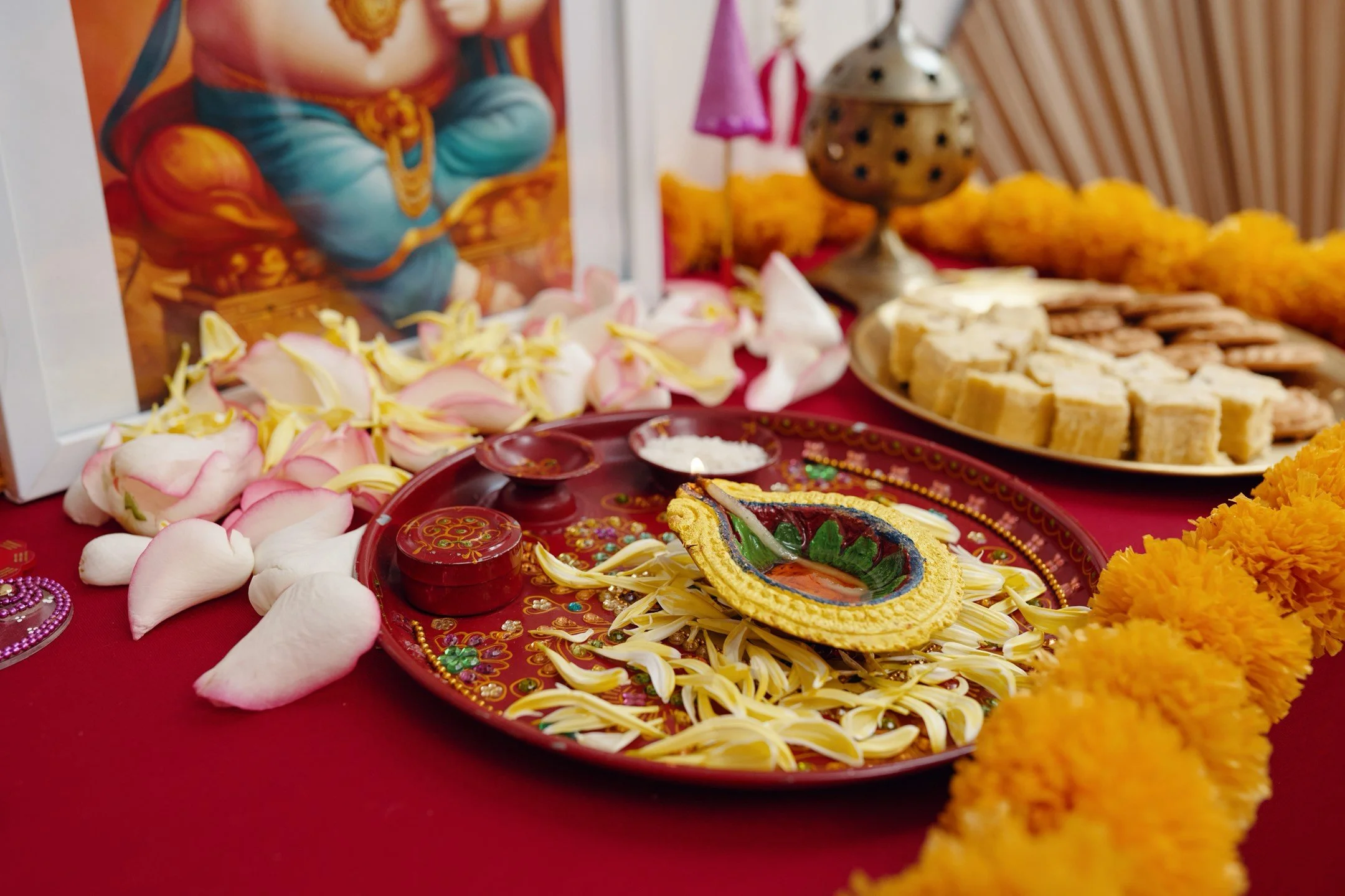
Maghe Sankranti, or Makar Sankranti, is one of the most auspicious religious festivals in Nepal. Celebrated on the first day of the month of Magh (January/February), Maghe Sankranti is typically a day spent with family, basking in the sun, and pampering oneself with food and oil massages - it ensures that one is well fed and nourished until the winter lasts!
Chaaku
Tilauri and Til ko Laddu
Sakhar-Khand, Pidaalu and Tarul
Gheu
Khichadi
Maghe Sankranti, or Makar Sankranti as it is often called, is one of the most auspicious religious festivals in Nepal. Celebrated on the first day of the month of Magh (January/February), Nepalese people celebrate the festival to mark the end of winter into the upcoming spring.
Devotees wake up in the early hours before sunrise and take a bath in many holy rivers, singing devotional songs and offer water to the Sun God, Surya. According to beliefs, the bath purifies the self, the soul and fulfils wishes. People also visit temples, visit their most elderly relatives, friends and family, and give-receive blessings.
Maghe Sankranti is typically a day spent with family, basking in the sun, and pampering oneself with food and oil massages - it ensures that one is well fed and nourished until the winter lasts!
Traditionally, Maghe Sankranti also commemorates the beginning of the harvest season, and is marked with great festivity and with special delicacies consumed only at this time of the year. For the ethnic group of Magars, however, the day is equivalent to their New Year - celebrated with grand communal gathering, and fanfare.
As with any other festivities, people partake in feasts with food items that are most suited and observed for the particular festival. Maghe Sankranti sees a buzz of many popular food items known and loved around the country. Every serving is a mix of colour and texture, and is a treat to the palette. The tempting aromas take over the senses and you could dive in for a bite. Once you dig in, the mix of colours you see on your plate will completely take over you as you bask in the warmth of the mid-January sun. So, let’s take a look, shall we?
1. Chaaku
Chaaku is quite famous already. These retreated molasses patties can be obtained in different sizes and are easily distinguishable because of the thick brown colour that it pertains. A lighter variant can also be found which are semi-solid jaggery called Gud, mainly sold during the festival.
2. Tilauri and Til ko Laddu
Tilauri, as the name suggests, is made from iTl (sesame seeds) and sugar, formed into a chewy candy. Tilauri has a light colour that separates it from Til ko Laddu which is generally made with a blend of til, gud and sugar and has a darker colour similar to that of chaaku.
3. Sakhar-Khand, Pidaalu and Tarul
Sakar-Khand or Sweet Potatoes are highly popular during this festival and are noticeable in almost all the markets around town. The streets are abuzz and you come across a number of vendors selling sweet potatoes. Similarly, pidaalu (taro roots) and tarul (yam) are also just as popular. While you are more likely to hear the buzz around sakhar and tarul, you will be able to find all three in the market in almost all shapes, sizes and textures.
4. Gheu
Gheu-Chaaku is arguably the most popular phrase you’ll hear in and around this festival, especially if you’re in a Newari community. Gheu is basically clarified butter and goes on and with all the food items that are eaten during this festival.
5. Khichadi
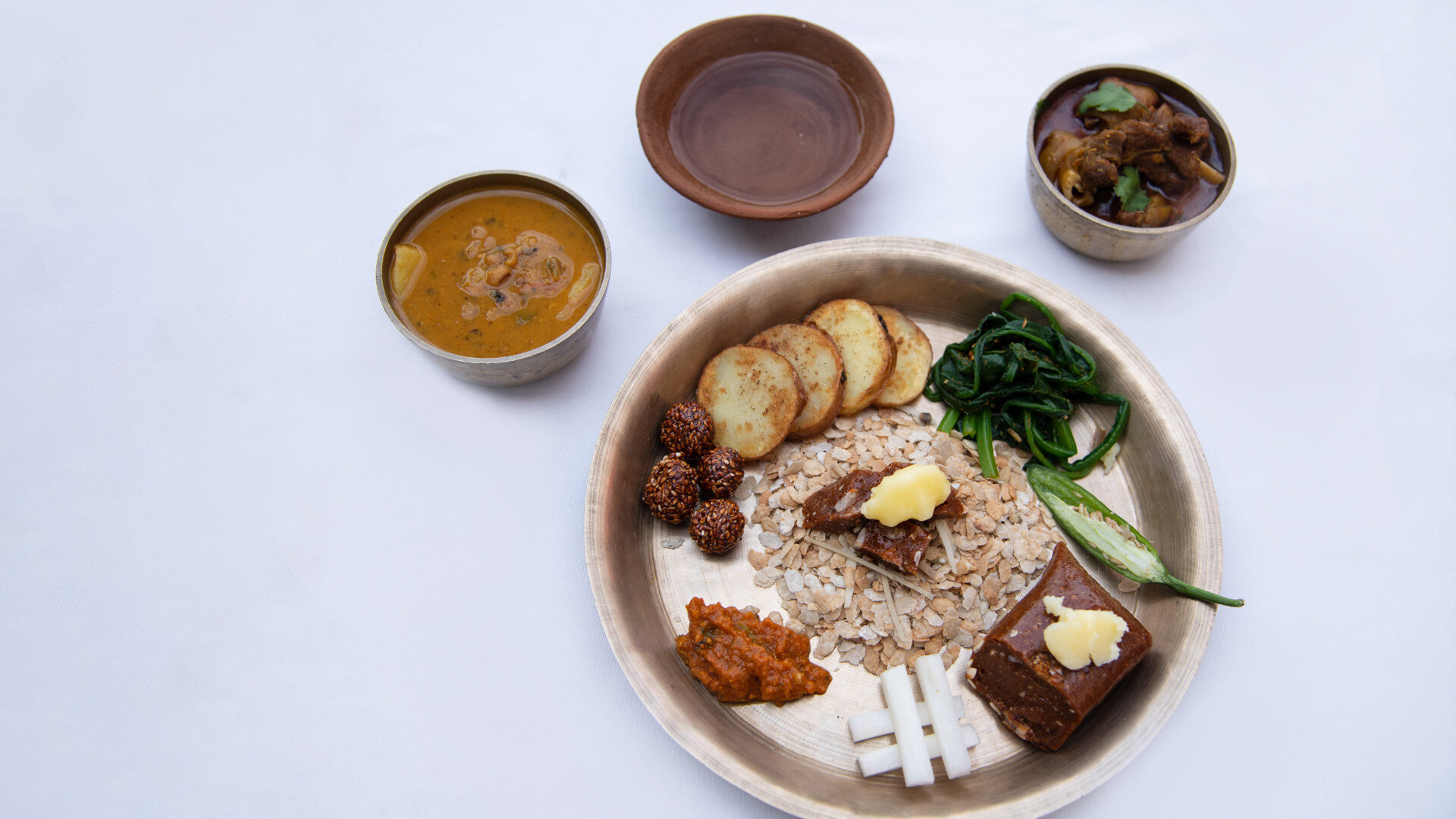
Focusing on healthy eating on this day of festivities, people partake on khichadi which is a traditional way of cooking rice with black gram daal. Paired with melted gheu-chaaku, it becomes a popular combination while enjoying the feast. Served with traditionally cooked meat, spinach and achaar, it can be considered a typical Nepali khana or meal and is the main course for the day.
Green leaf spinach is also a noted food partaken during this festival. All the food items during the festival focus on healthy eating and are observed for warming up the body, getting good nourishment, and the purification of one’s body.
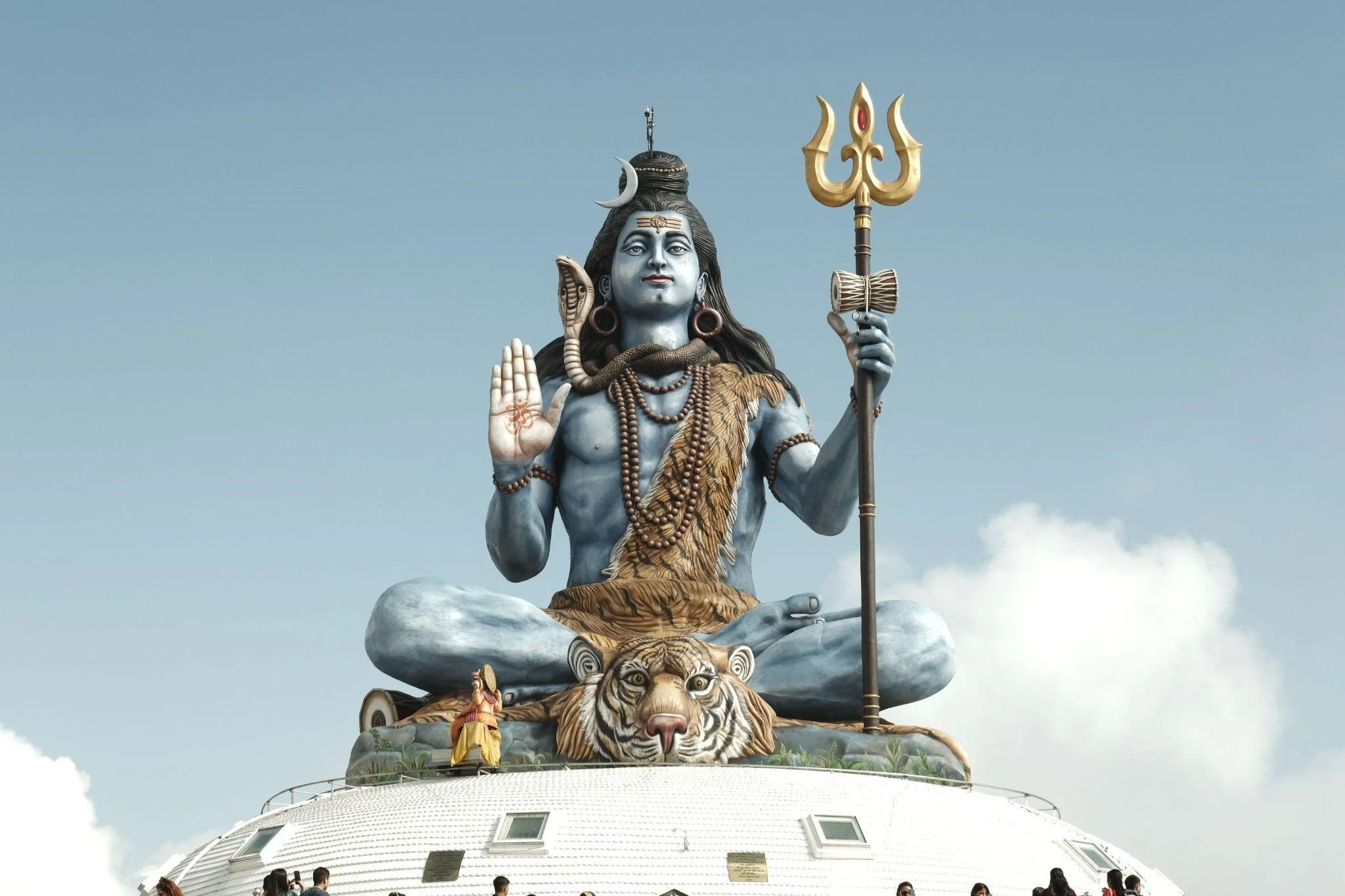
This festival is believed to bring an end to the ill-omen month of Poush and the day, Magh 1, is also regarded as the coldest day of the year as well as the mark for the start of warmer seasons. The Hindus worship Lord Shiva on the day, offering delicacies like sakhar-khand, tilauri, chaaku tarul and gheu, with the belief that one becomes healthier by consuming such items to mark the occasion.
POPULAR ITINERARIES
SIMILAR POSTS
7 Things to do in Patan
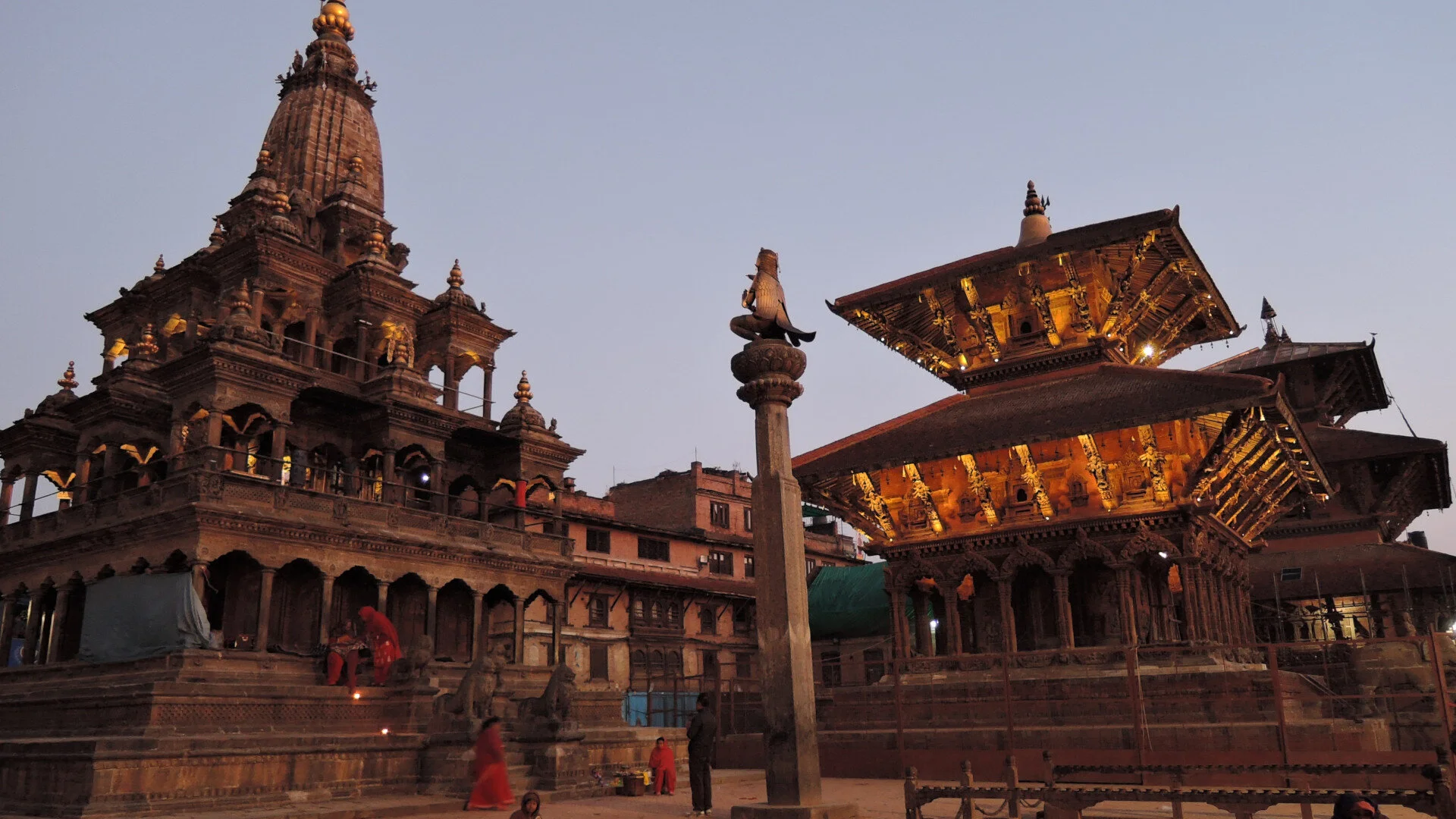
Patan, the ancient city located to the Southeast of Kathmandu is popular for its fine arts, ancient Hindu Temples and Buddhist monuments. Patan Durbar Square, a must-visit UNESCO world heritage site in the heart of the city, is popular for its exquisitely carved ancient palaces, temples, and shrines.
There are places away from home that will definitely resonate a sense of warmth that make you feel like you belong. Speaking from experiencing a similar sense of being, Patan is one of those places. If you ever find yourself around Patan, there is a high chance you're going to be in a spin, quite literally because Patan is an artistic labyrinth. It is a vibrant place that artistically binds ancient and modern together. It is unique in existence from the other durbar squares with the numerous gullies that gives it its labyrinthine build. Now if you're going to be around, here are ten things you can do in Patan.
1. Durbar Square
Stating the obvious! Patan is famous for the Newari architecture that features intrinsic wood carvings and brick work. There are several important temples in the area and you can never get tired of the early morning bhajans and the warm lights in the evenings.
2. Patan Museum
Located within the Durbar Square, it is a peaceful and relaxing place with a little garden in the back. While ticketing prices differ, it also has a café inside that will offer you a nice escape from the city.
3. Gully Tour
There are a lot of gullies in Patan that you can end up getting lost. Don't worry though, it wouldn't be the most stressful situation. There are areas built for worship and come out into big beautiful squares after moving around quite a lot of these gullies. I could call them alleyways but that's not that fun now, is it? Truth be told, personally its quite fun getting lost for hours.
4. Morning Treats
Early mornings in Patan are quite satisfying. There are traditional sweet shops offer treats like jeri-swari, gwaramari, malpa that pair well with a nice warm cup of tea. All the shops are always welcoming and early morning walks around the square are a big plus.
5. Rudravarna Mahabihar
Visit the Rudravarna Mahabihar in Okubahal. You'll be treated to beautifully-carved metal statues and the carvings on the walls are a true workmanship. This 1500 year-old monastery is renowned for its art, craft and architecture.
6. Pimbahal Pond
If you've been moving around all day this pond is worth checking out. You can visit the temples during day and come down to this pond to relax and feed some ducks. It’s the perfect place to watch as locals pass by and also get a breath of air before getting on with your schedules.
7. Visit the Zoo
Visiting the zoo is ideal if you have kids with you. The cages and animal care is better than before but you'll love the bird exhibit. It's a good place to spend time with your kids but not really if you're not with kids, but it makes for one of the things to do when in Patan.
POPULAR ITINERARIES
Text By Siris Maharjan; Picture Courtesy: Tobias Federle
SIMILAR POSTS

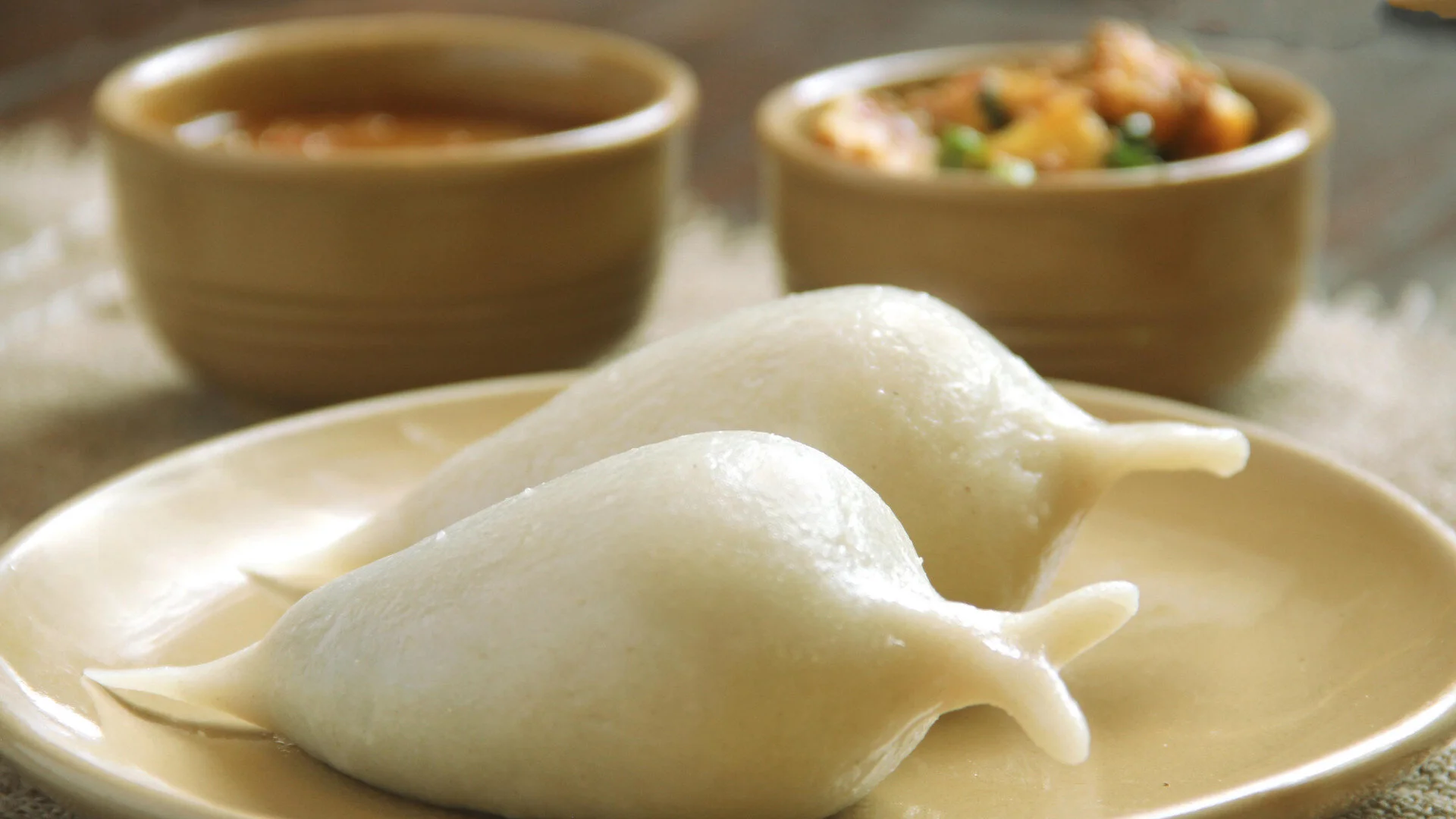
Yomari Punhi
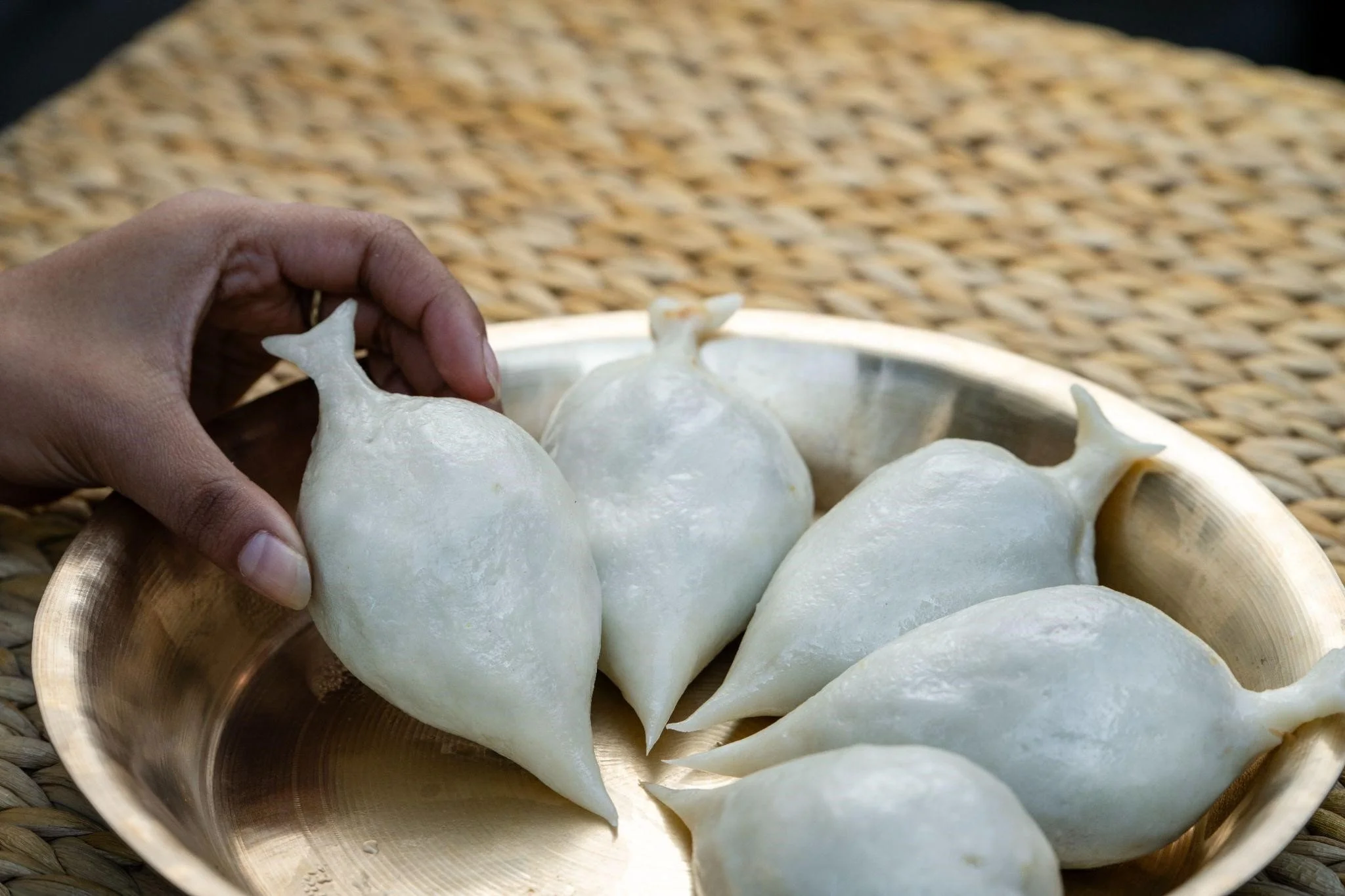
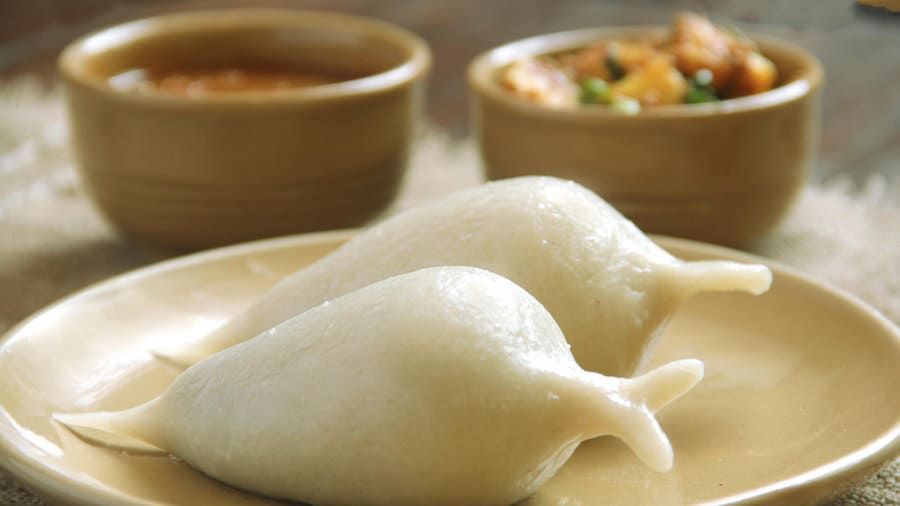
Yomari Punhi, a Newari festival in Nepal is celebrated every year by Newari Communities marking the end of the rice harvest during the full moon day of November/December. It is said that eating Yomari or Yamari, a steamed dumpling made with rice flour with sweet such as Chaku inside takes away the cold.
The following story is based on ancient myths and texts which has been interpreted with additions of details to provide gravity.
As the winds of winter began beating the drums, it became obvious that the upcoming season was to be one of the coldest they would see. As Krita woke up, on a fine morning she couldn’t help but take a fresh breath of morning due, with a light hint of incenses. She went for her morning routine, and as she was about to head out to the Indreshwar Temple for her daily ritual. She cried out for her husband, “You have to wake up now. Today is the end of the harvest, help me out bringing in the grains. They aren’t going to roll themselves in the store! You also need to assist me in the kitchen today, if not then you should make plans to eat at your friend's house today. I can’t do it alone, I hope the harvest is enough to keep us this winter. Wake up!”
With a grunt, Suchandra tries to shrug her off but as Krita pulled the blanket, and as the winds of the fall morning made contact, Suchandra was awake as an owl. Krita left her husband, who looked like he had been hit by a wall of bricks for the temple of Indreshwar.
Along the way, she greeted the elders, took their blessings and heard the words of a celebration of the harvest festival to happen in the evening. She was filled with happiness and said to herself, “A festival that sounds amazing. When was the last time I was at a festival? Oh, When Suchandra and I went to Bhaktapur to see the Biska Jatra. He doesn’t even take me out anymore, he has grown lazy too, well typical of men!” Krita was mesmerized with the thought a festival in town and as she imagined the vibrant streets, the merry music she had a smile on her face. She was so lost in her thoughts, she failed to realize that she had already walked past the temple. Only later to come back to earth, when an elder asked the direction to the temple.
She walked with the elderly gentlemen, as they were headed the same direction. As they reached the temple, she bowed to him and told him that she shall part from here. The elder reached out his hand touched her forehead and said, “Bhagyamani Gui Ma!” ( May you be fortunate!)
As she offered her prayers to the deity she stopped by the local vendor, confused about what to put together for the daily meal. She noticed something peculiar amidst the produces being sold on that very day. The vendor had an assortment of Chaku (Sugar Molasses) and with the evening festivities in mind, she wished to make something new.
She bought a few blocks of Chaku along with a few more products and headed towards home. Suchandra had woken up and had started to prepare to bring in the grains of this seasons harvest. She smiled at him as she stepped inside her home and went towards the kitchen to sort all the produces. She stared at the Chaku as she placed it atop the table and wondered what treat she could whip up with this new ingredient. After placing all the produces, she headed outside to help her husband bring in all the grain.
As if in the blink of an eye, the day had passed by and with a quick lunch they continued taking in all the grain and began inventory. “This year it seems the gods have taken all our fortunes and given it at one go,” said Suchandra with a delightful smile as the grains this year had tripled last years harvest. “Did we cut down someone else's crops too?” Questioned Suchandra.“ Well if we had worked as hard as this year in the previous years, then we could have collected on our fortunes the previous years as well,” said Krita.
As the sun slowly set its way towards the western horizon the evening was soon to approach. The merry tunes of the drums could be heard playing in the distance. Krita is a panic, “What are we to prepare for the tonight?” Suchandra, “Well I don’t know, how should I know!”
Krita left the store in a hurry and made her way to the kitchen and stared at the produces she had collected earlier. Each great but none go together in avid confusion she began checking the stores. She took some rice grains from this year's harvest and took it in a hurry to the mill. She had them grounded to fine grain and wished to make her husbands favourite Chatamari (Rice Crepe). As she began preparing, she couldn’t help but stare at the Chaku she had procured in the morning. She then had an idea! “What if? No, I shouldn’t.”
She called out to Suchandra, “Can you help me in the kitchen? I want to finish early and go watch the festival. Suchandra made his way to the kitchen and Krita asked, “What if we make something different today?” Suchandra amused, “What do you mean by different?” Krita replied, “Can you take that Chaku and have it heated until it turns liquid? I have a thought.”
To which Suchandra replied, “Well if it doesn’t work then I’m be having your thoughts for the night meal.” Suchandra began heating the Chaku and Krita took the rice flour and kneaded it into a dough. She asked Suchandra to grab a dowel and asked him to pour the Chaku into the dough which she had shaped into a triangular and made a hollow in the middle. Suchandra amused didn’t want to get into another conversation began doing what Krita said. As the Chaku reached the rim of the shell she closed the top and had it sealed. She made two horn-like structures, “ These are your horns, the ones that you gain when you have a bit extra alcohol.” said Krita. Suchandra grunting placed two halves of black lentils onto another shell and said, “These are the beautiful eyes that you look at me with every day.” Krita couldn’t help but smile as she placed them onto a steaming basket.
Both had gotten very hungry and with every passing second, they felt like their stomach was coiling up like the body of a snake. “They must be ready, check them I’m very hungry” cried Suchandra. “ No they need more time, the shell wouldn’t even have hardened.“ said Krita. “Just a few minutes longer, your patience will be rewarded.”
In a short while, Krita opened the lid of the steamer and stared at a beautiful shell’s filled with delicious sugary goodness. Suchandra in a haste tried to grab one and have it devoured but Krita stopped Suchandra and said, “Not until we present it to Annapurna Devi. The only reason we get to have these treats is because of the great harvest we had this year. It’s all because of her blessings.” Krita took two of the shells and placed it in a leaf plate and went up to the pooja room. She got to her knees and placed the treats at the foot of a beautiful ideal of Annapurna and bowed to hear and offered her prayers.“ May you bless us, with a good harvest of grain every year.“ After lighting a bunch of incenses she came down to the kitchen and saw Suchandra’s hungry face. She rushed to pick up two shells and had it placed on a leaf plate and gave it to him. “My dear husband, your patience has been rewarded. Here you go.” Suchandra in the blink of an eye took a big bite of the shell and as he chewed the molten molasses dripped from the side of his lips. His frown turned into a smile and he exclaimed, “Yomari, Gajau Sau Mari!!” ( Such a delicious bread)
It is believed that Krita and Suchandra were the ones who first conceptualized the delicious treat of Yomari. Which today is enjoyed by the people of Nepal in the Punhi (Full Moon) which marks the end of the harvest season.
POPULAR ITINERARIES
SIMILAR POSTS
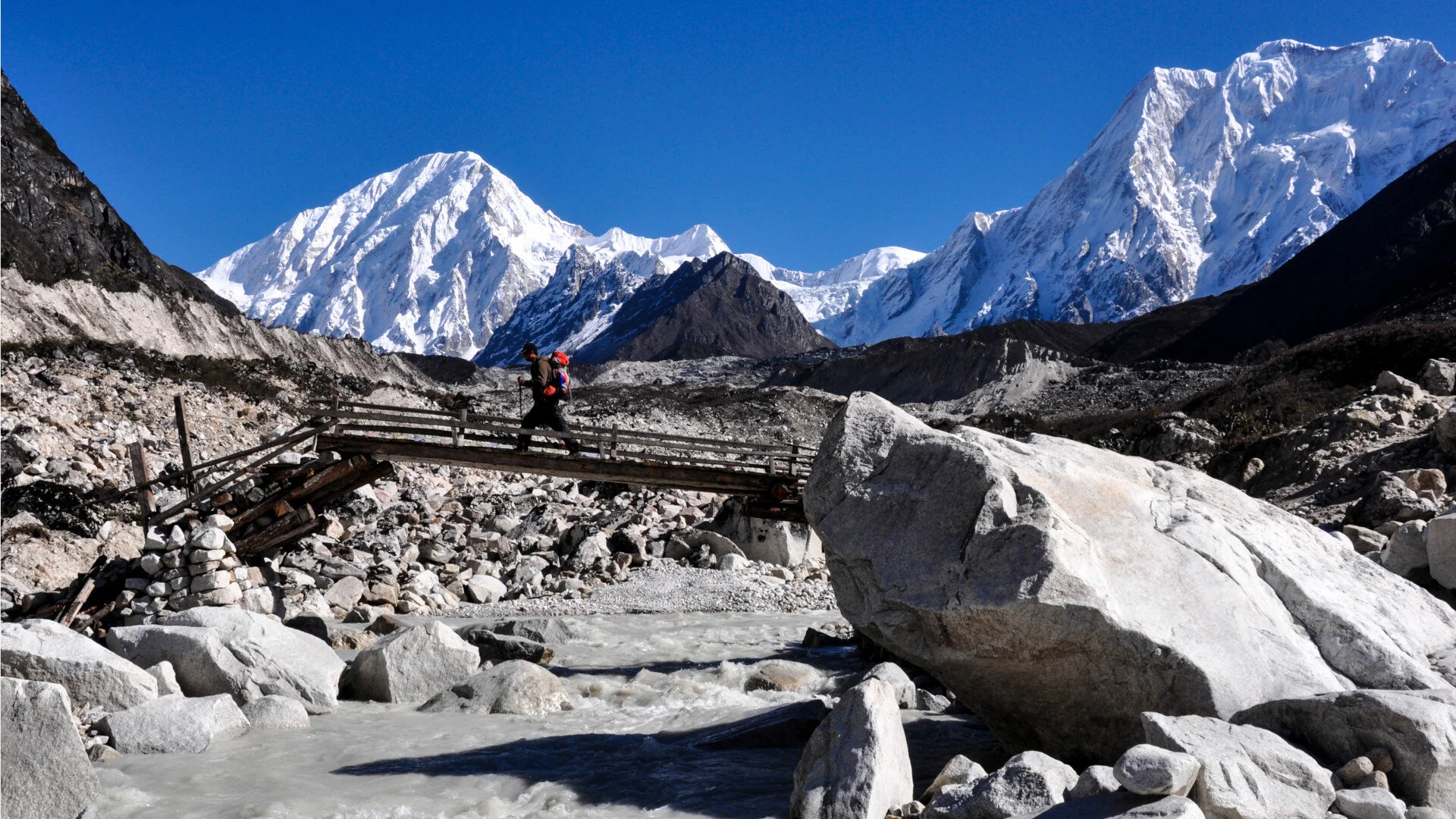
Off-The-Beaten Paths not to miss this Visit Nepal 2020
If anyone seeks quiet and peace trekking routes, less traveled or fully off the beaten track. Nepal has a handful of very quiet, beautiful and splendor trails traversed by few, perfect for peace seekers.
Lifetime Experiences: Off-The-Beaten Paths You Shouldn’t Miss This Visit Nepal 2020
In 2018, Nepal Tourism Board launched “Visit Nepal 2020” with a tagline of “Lifetime Experiences”. Nepal awaits and welcomes you with our diverse culture, untarnished nature and geography. Nepal is a country with 8 of the 10 highest mountain peaks, and several layers of hills between the Himalayas and plain Terai range. Here are 4 places which are suitable for Visit Nepal 2020.
Pokali Jharana (Waterfall)
Best Season: April - July
Location: Okhaldhunga, Mid-Eastern Nepal
Duration: 2 - 3 days
Considered as second largest waterfall of Nepal, Pokali offers indifferent and mesmerizing experience with a touch of simplicity. Pokali Waterfall lies at Likhu rural municipality-9, Okhaldhunga, with view of mountains and green hills to accompany you through the way. Pokali is 200 km from Kathmandu. Sirishe Bazar (starting point for hike) can be reached in 8-9 hours drive from Kathmandu.
Pokali waterfall falls from 130m above from ground level. Once you are there, you can hear the magnificent waterfall through its roar from several hundred meters away and feel those cold droplets of water bouncing off the rocks as you draw near which reinvigorates your whole experience. On a lucky day, rainbow created by the sun’s rays around waterfall can be seen some time during the afternoon. It is highly recommended to spend some time in Hadi Daha (pond) located at the bottom of the waterfall where you can alleviate along the banks.
Moreover, Pokali is culturally diverse as people from different cultures such as Sunuwar, Sherpa, and other communities live together and have created a mixed culture with some interesting food variety. The delicacies in Pokali is worth the travel.
Tsum Valley Trek
Best Season: October - November and February - April
Location: Gorkha, Central Region
Duration: 10 - 14 days
The name Tsum” is derived from Tibetan word “Tsombo” which refers to vivid. Tsum valley is located in the northern Gorkha. This hidden valley hosts the view of Manaslu Himal(8156m), Ganesh Himal(7429m), and Boudha Himal range and is rich in ancient art, culture and tradition.
Tsum valley is one of the least trekked trail in comparison to other destination as it was restricted to travel before 2008. The local population of the valley are mostly of Tibetan origin and have their own dialects, traditions and customs. In a way, their culture and tradition are in contrast to other parts of Nepal. The valley is still untouched from privileges of modern society, as such, unique culture of Tsum has remained intact and unchanged for centuries, with minimal influence from the outside world. In addition, flora and fauna is culturally protected as hunting and fishing are prohibited here. And in the valley, clear nights give way to vivid stars and galaxy dust.
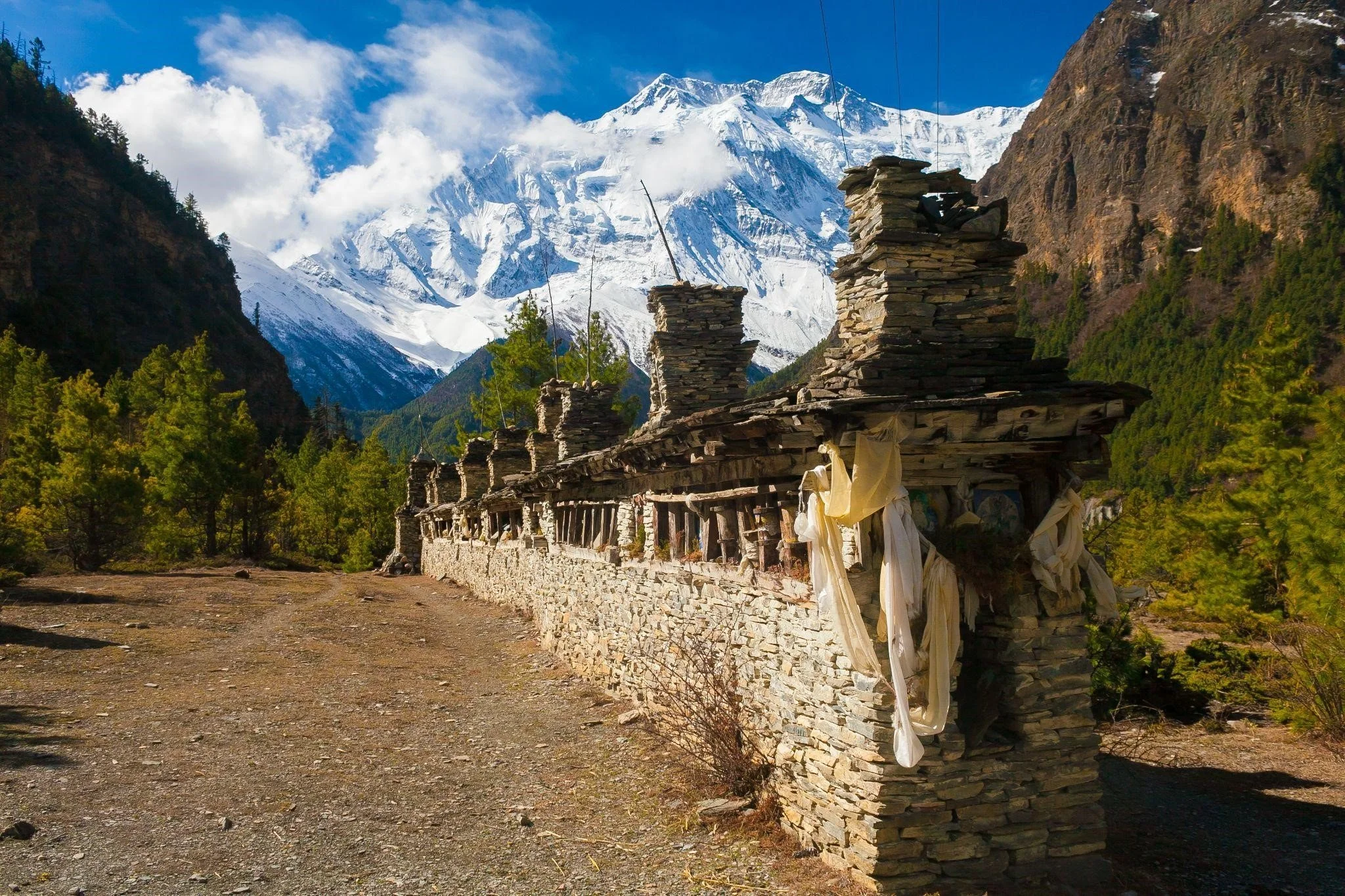
Trek to Tsum starts from Arughat in Gorkha district, one can easily reach in 7-8 hrs drive from Kathmandu. After which, the route follows through banks of Budhi Gandaki river and passes through dense forest, terraced fields & villages. You can also experience the beauty of alpine forests and glacial rivers along the way. Several Buddhist monasteries, Mani walls, illustration of deities provide a glimpse of ancient relics. The altitude in this trek varies from 1905m in Lhokpa to over 5093m on the Tibetan border at Ngula Dhojhyang Pass. The Tsum Valley trek is remote area trekking therefore, you cannot expect to have luxury accommodation so, camping can be a good option for the visitors and could be a once in a lifetime experience.
Khaptad National Park
Best Season: October - November and April - June
Location: Far-western Nepal
Duration: 7 - 10 days
Khaptad National Park, a protected area established in 1984, stretching over four districts of Bajhang, Bajura, Achham and Doti with elevation ranging from 1,400m to 3,300m above sea level. This park is regarded as a garden of herbs and a museum of natural history for its variety of medicinal herbs, various species of flowering plants, bird species such as flycatchers, bulbuls, cuckoos and eagles. Khaptad also hosts a rich variety of wild animals, such as barking deer, wild dog, wild boar, himalayan black bear, yellow-throated marten, macaques and langur monkey.
Escaping from city life into serene view of the meadows, sweet chirping of birds whilst listening to whistling winds is the kind of acquaintance you get from Khaptad. During spring to autumn, the fields have a magical touch and are said to be covered with various colorful blooming flowers such as Primulas, Wild Berries and Bistortas. However, being a high plateau, the weather can be unpredictable. Occasionally the clouds from neighbouring lowlands would cover sky in no time creating foggy environment.
Khaptad is also regarded with religious importance as it was home to Khaptad Baba (hindu saint) where he spent most of his life and it’s called Khaptad Baba Ashram. It is now an open museum. The other religiously important sites within the park include Tribeni, Khaptad Daha(lake), Kedardhunga, Maithan, Sahashra Linga.
The gateway to Khaptad is Silgarhi Bazaar in Doti district, from where the park headquarters is 50 kms. The best way to reach Silgarhi is via Attariya Chowk in Kailali district which is 9 hours drive. Buses to Attariya Chowk & Kailali, are available at the Central Bus Station, Gongabu, Kathmandu. Another option is to catch a flight to Dhangadi from where one can drive to Silgarhi Bazaar.
Makalu Barun National Park
Best Season: October - November and February - April
Location: Solukhumbu, North-Eastern Himalayas
Duration: 10 - 12 days
Makalu Barun National Park is situated in Sankhuwasabha and Solukhumbu districts. The Park covers 2,330 sq. kms out of which 1500 sq. kms is virtually uninhabited. This remote terrain stretches east from Sagarmatha (Mt. Everest) National Park, between the high plateaus of Tibet and the deep gorge carved by The Arun River. The view of vigorous Himalayan peaks, including Mt. Makalu (8463m) 5th highest in the world, Mt. Chamlang (7319 m) and Mt. Baruntse (7129m) is beyond comprehension due to its altitudinal incline.
Glaciers, glacial lakes, rivers, hot springs, cliffs, gorges and snow-capped peak are few of the main attractions here. This unique landscape shelters various unspoiled mountain ecosystems where rare species of animals and plants flourish in diverse climates and habitats, relatively undisturbed by human intrusion. Over 400 species of birds have been sighted in the Makalu Barun area, including spotted wren babbler and olive ground warbler. Wildlife including the endangered red panda, musk deer, Yarsagumba (caterpillar Fungus) are found here.
There are regular flights from Kathmandu to Tumlingtar. Or you can drive 11-12hours from kathmandu to Hile and then trek 3 days to Tumlingtar. From Tumlingtar you can head towards Sedua (headquarters of Makalu Barun). If u wish to go higher, then Tashi Gaon is your next stop where you have to refill your food and fuel supplies. Along the trail you have few designated camping sites with very few lodges. Some of these sites are: Khongma(3500m), Dobato(3500m), Yangle(3570m), Neghe(3700m), Langmale(4100m) and Shersong(4600m).
Note: Mountain sickness can also be a serious risk if elevation gains are rapid without proper acclimatization.
Be prepared for the variations in temperature and precipitation due to extreme difference in altitude, slope and aspect within the area. All of this makes Makalu Barun National Park a must visit place for the adventure seeker and those want to experience pristine wilderness of the eastern mountains of Nepal.
SIMILAR POSTS
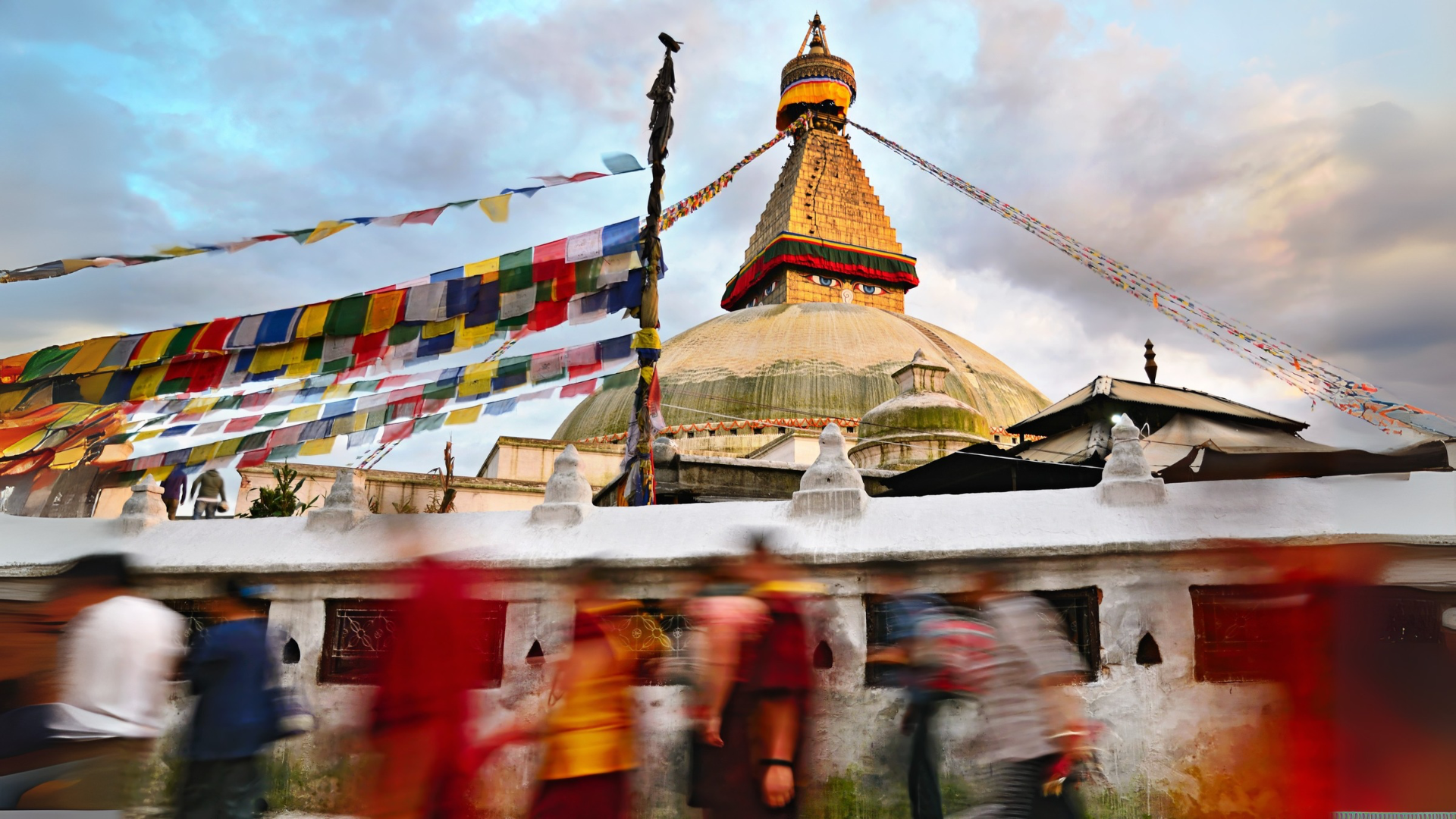


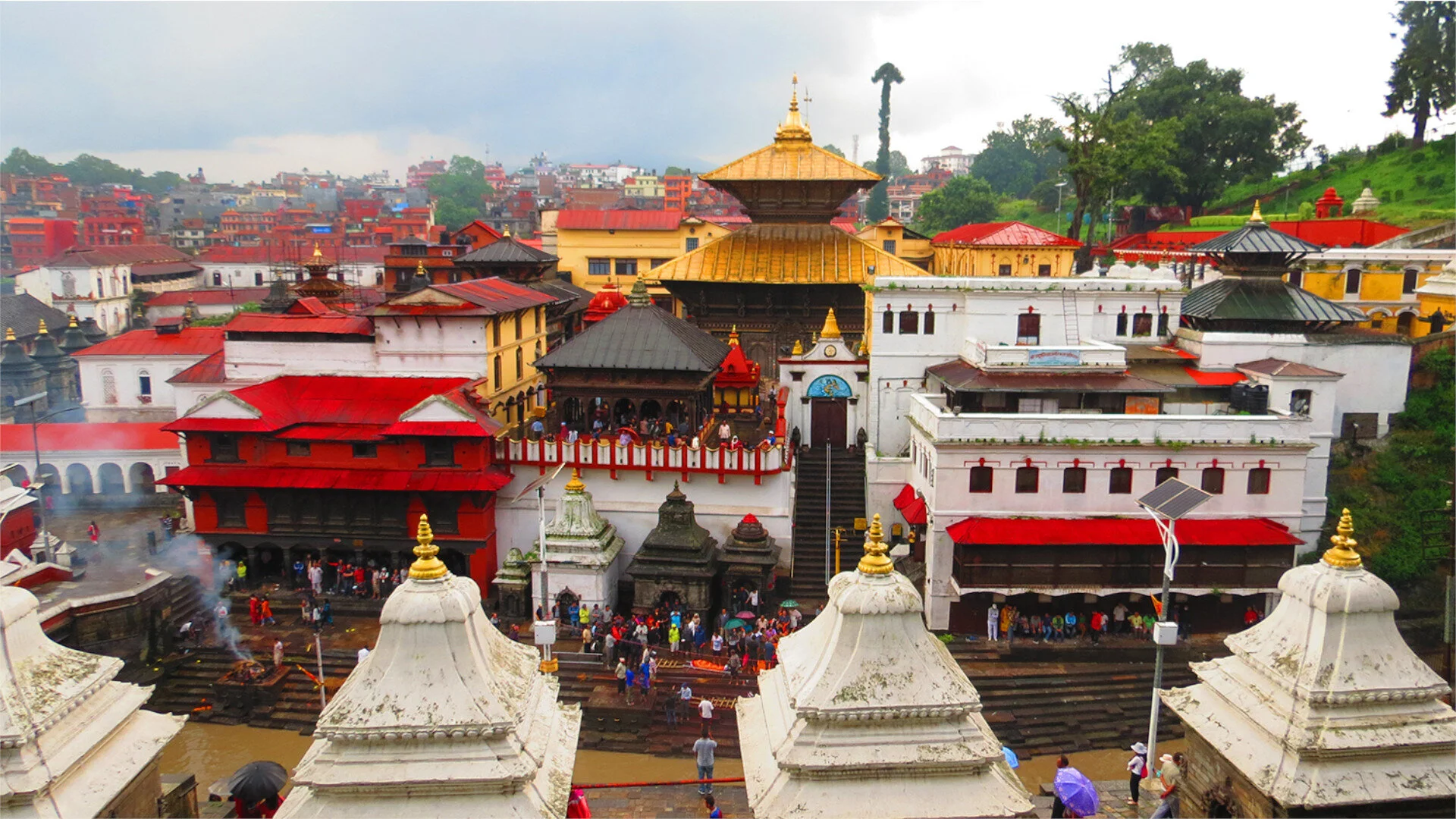
UNESCO World Heritage: Pashupatinath
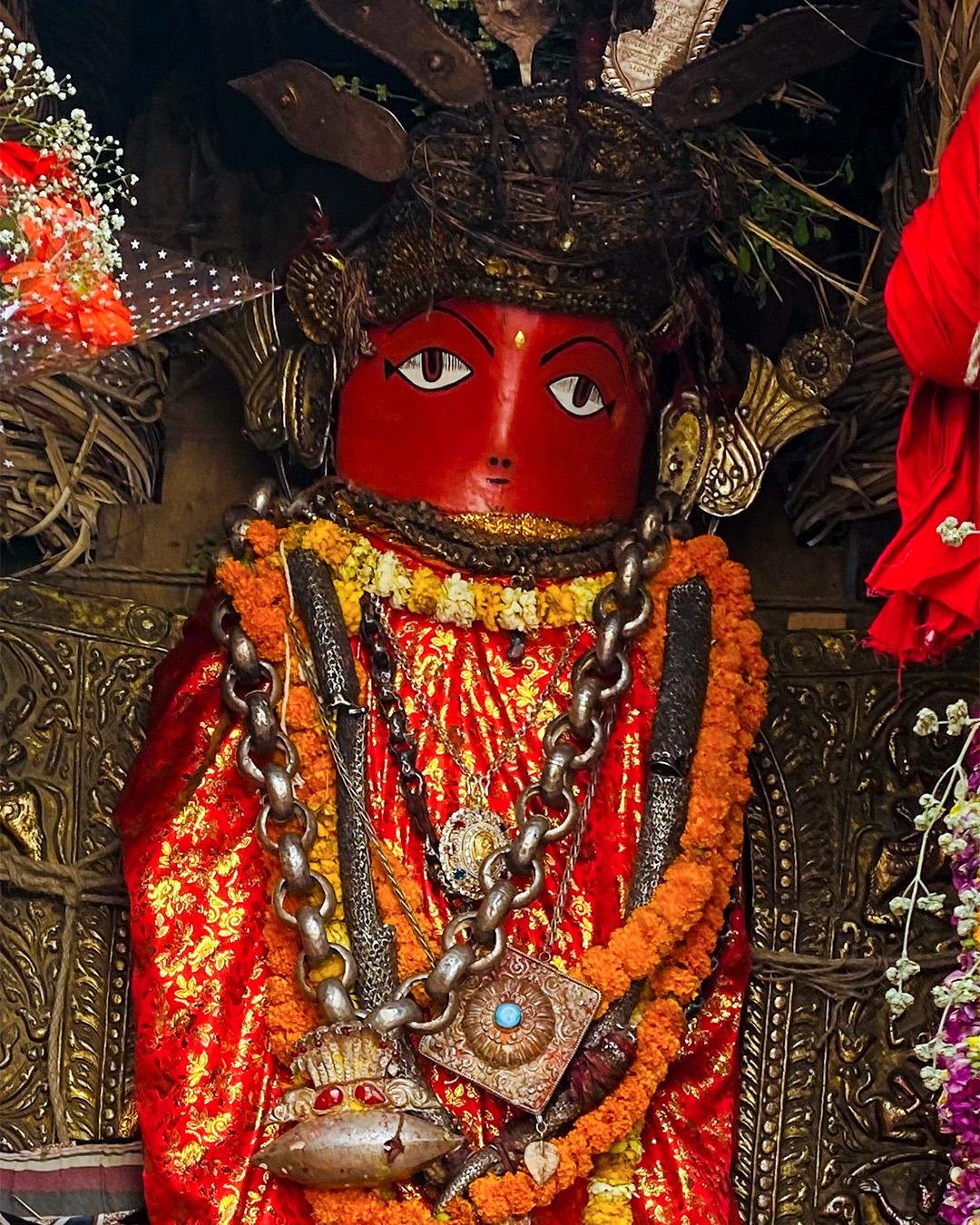
Being the most important Hindu shrine, the site receives a huge number of pilgrims travelling from all around the world to take blessings of Pashupati and bathe in the holy waters of the Bagmati. Be it an occasion, celebration or a basic Saturday, this site is overwhelmed with worshippers of Lord Shiva. It is highly recommended to visit the temple during the morning and evening aratis.
The site was inscribed into the list of UNESCO World Heritage in 1979 AD. It span’s a total area of 246 hectors which encompass, the temples, ghats and monuments. The site is one to hundreds of sacred rituals performed by the priests every day.
Legend has it, Manjusri after draining the Nagardha (Kathmandu Valley) established a beautiful Slesamantaka Forest near Guhyesvari for the services of Swayambhu and Guhyesvari. As the forest grew dense and beings began populating the great forest. It was then Krakucchanda Buddha visited the valley. One fine day he was near the Slesamantaka forest and saw Brahma, Visnu and Mahesvara who had manifested themselves in the form of a deer and lived in the forest. The place was since then called Mrgasthali from that day on.
In time Brahma, Visnu and Mahesvara agreed to leave their deer from in the forest and go back to abodes. During when, Mahesvara (Shiva) left his deer form at the bank of the Vagmati(Bagmati), as he manifested as a light that pervaded through seven worlds upwards from Earth and seven worlds downwards from hell. Lord Brahma went upwards to cross the light of Mahadeva, which had extended beyond seven worlds from the earth whereas Lord Visnu did the same in the downward direction. The place from where Visnu departed towards hell is known as Visnugupta. Similarly, the place from which Mahadeva left his deer from into light is known as Pashupati.
The given text has been phrased from the Chronicles of Daniel Wright, which were translated from the Nepal Vamshawali and is the first mention of the site of Pashupati. The true origin of the temple complex has been debated and a definite conclusion even till this day has not been made. According to the Nepal Vamshawali, the temple is said of have been built by King Dharmadatta, “During his rule, King Dharmadatta built the temple of Pasupatinatha with a large linga, following the advice of astrologers and wise panditas. He performed the consecration ritual, offered valuable goods, and pleased the god. To the northwest of Pashupati, he built a caitya as the abode of all the gods and decorated it with accompanying deities. He named it Dharmadatta Caitya, observed vows day and night, and established the dharma.” (Bajracharya & Michaels,2016, p.14)
In the time it is believed that the original temple collapsed and it was rediscovered during the era of Ne Muni. “This Raja, by name Bhuktamana, reigned 88 years and Pashupati was discovered in his reign.” ( Wright,1877, 108) Following the trail, it seems that Gopala King Bhuktamana had rebuilt the temple of Pashupati but it again had collapsed to be rebuilt during the rule of Somavamsi Kings, “His son, King Pasupresadeva, 4th generation. This king settled the valley with the people of four castes. The temple of the linga of Pashupatinatha, which had been built earlier by the Gopala Kings, was ruined. In the year 1234 of the Kaligata Era, he rebuilt it into a five-storey temple adorned with golden roofs, a pinnacle (Gajura) and a jewel on its top. Since this day, the temple of Pasupatinatha became taller, and people could pay darsana to it from far away.” (Bajracharya & Michaels, 2016 Pg. 35)
The temple was later revised into 2 stories and various Lichhavi and Malla Kings offered golden roofs and built various sites and monuments around the main temple. The current temple complex features a multitude of shrines, dharamsala's and temples. The site was inscribed into the list of UNESCO World Heritage in 1979 AD. It span’s a total area of 246 hectors which encompass, the temples, ghats and monuments. The site is one to hundreds of sacred rituals performed by the priests every day.
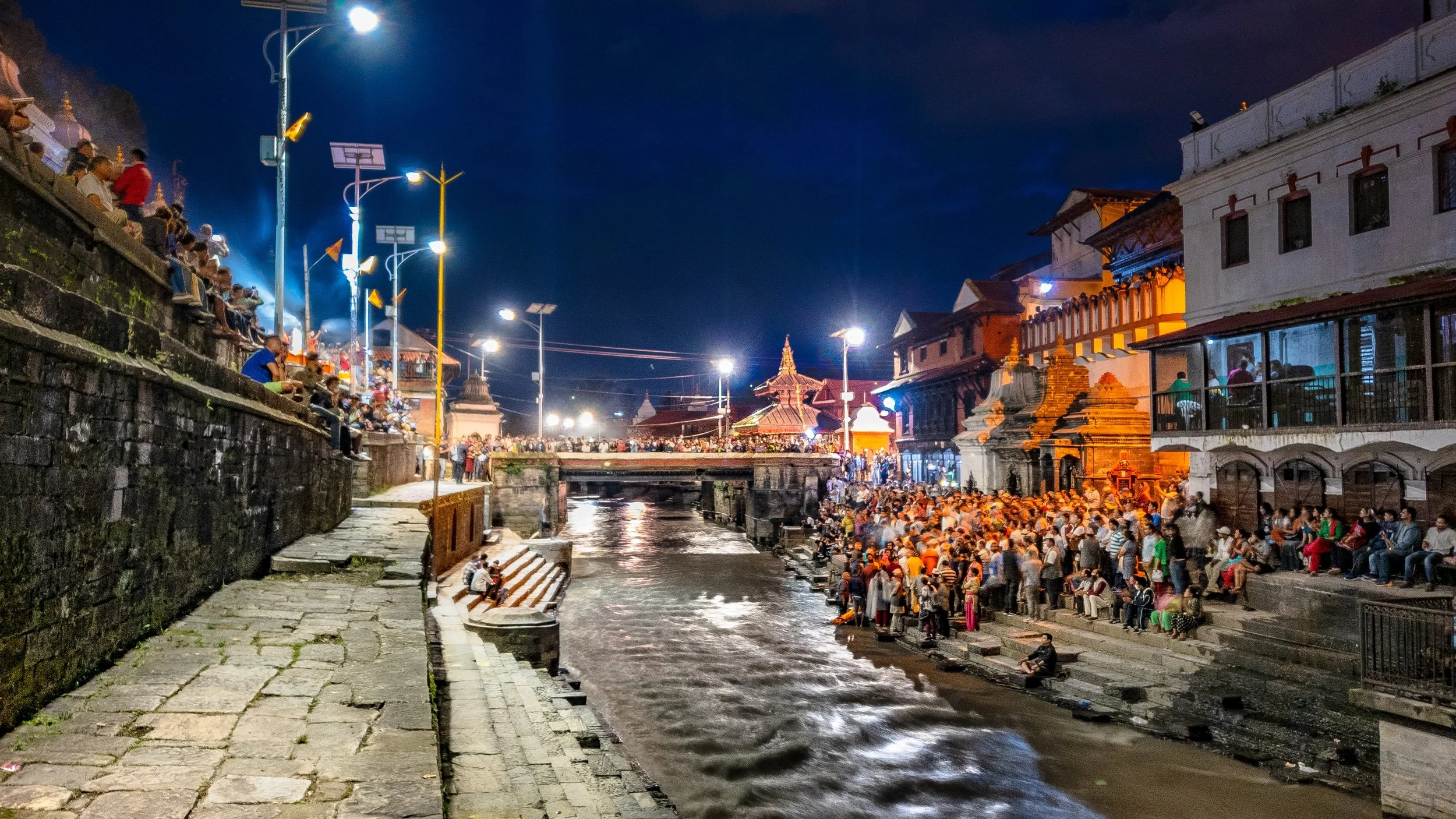
Being the most important Hindu shrine, the site receives a huge number of pilgrims traveling from all around the world to take blessings of Pashupati and bathe in the holy waters of the Bagmati(Bagmati). Looking from atop the bridge, near the Ghat its a surreal experience which is shared by multiple visitors as they witness the final rites before cremation, and the openness of death. Besides to which individuals are bathing in the same waters where the ashes are poured. It is a spectacle which has become a sort of attraction in the area, which for many is a time of great reflection of one's life, actions and virtues.
The history of the region might be vague, but the believes and values the site of Pashupati portrays is not. It stands as a beacon of light, uniting the world through its history, symbolism, religious importance and architecture.
POPULAR ITINERARIES
SIMILAR POSTS
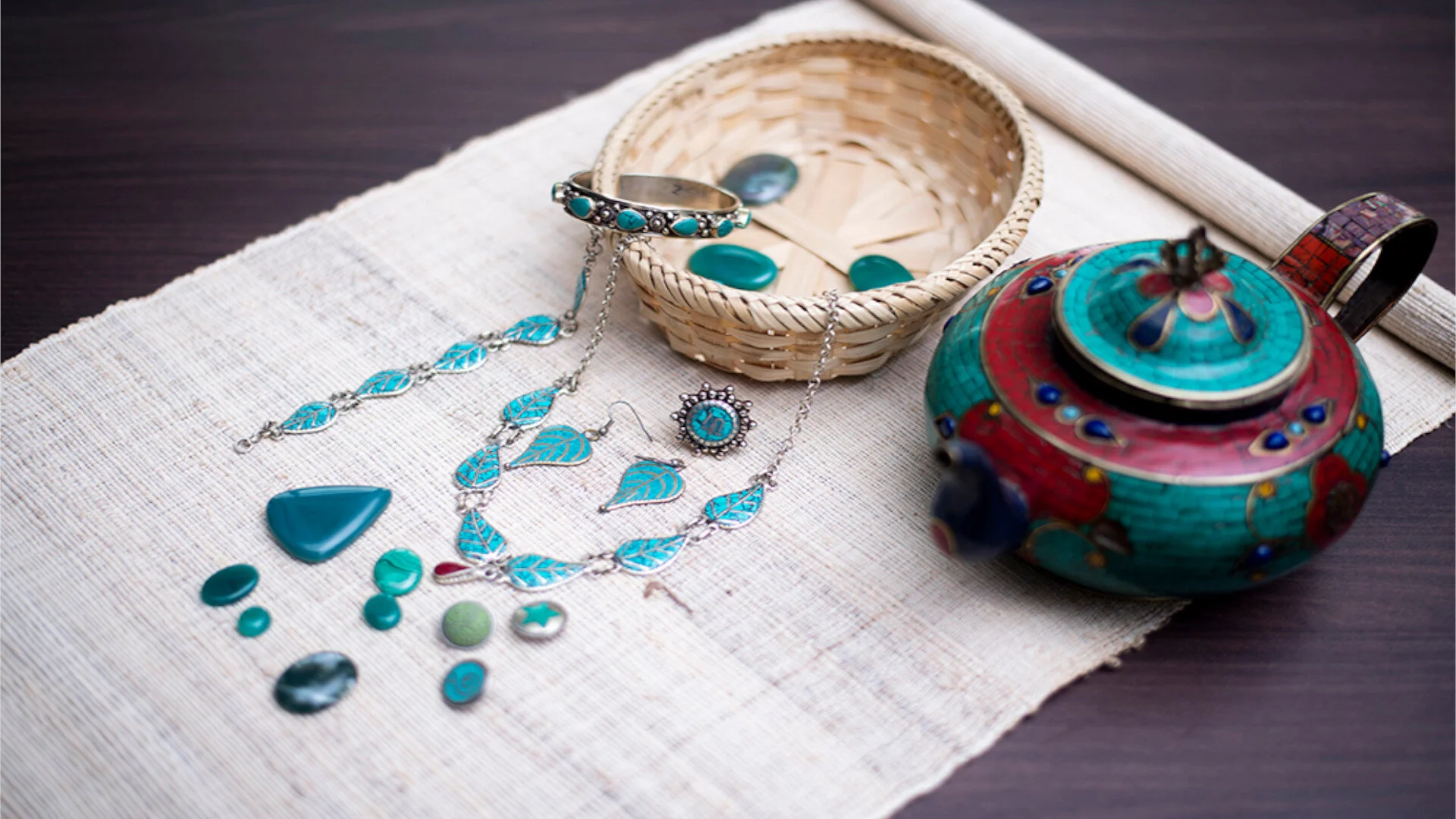
Great Souvenirs to Take Back Home This 2020
Take home the best and the popular Nepali souvenirs as a memory to remember the visit to the Himalayan country, Nepal. After each visit to Nepal, every tourist carries back these popular souvenirs as memory and gifts to family and friends.
Nepal, a country where one can find diverse culture and traditions, is a world in itself. Lying along the southern slope of the Himalayas, the country is not only enriched with exquisite floras and faunas upholding a harmonious relationship, but also with numerous culture tradition dialects and people of all walks of life. From the magnificent snow-clad mountains in the north to the humongous plains of the Terai, one can find extreme serenity admiring the complexity of natural beauty the country beholds. The country has so much to offer which can be a sweetener to your family, friends or yourself as a remembrance. Various relics that depict the country and its culture makes anyone not go back home empty-handed.
Anything That’s Dhaka
The eccentric piece of clothing i.e. Dhaka has an all-pervading influence in the culture and traditions of the people living in Nepal and has been reckoned as the artefact of honour and culture of the nation. The Dhaka cloth is very well-liked and admired by the locals along with visitors which has led the textile to be affirmative when it comes to export. Moreover, the handwoven fabric from organic cotton yarns has successfully arrested the curiosity and the attention of the tourists. Nowadays, Dhaka is being used to make various goods and accessories such as shirts, shawls, scarves, purses, bags, hats for men and sarees for women by utilizing numerous vibrant and ranges of colors to make it look more alluring and attractive. The peculiar style and noteworthy quality can be sublime to the taste of the tourists which could be a good souvenir to take back home.
Buddhist Prayer Flags
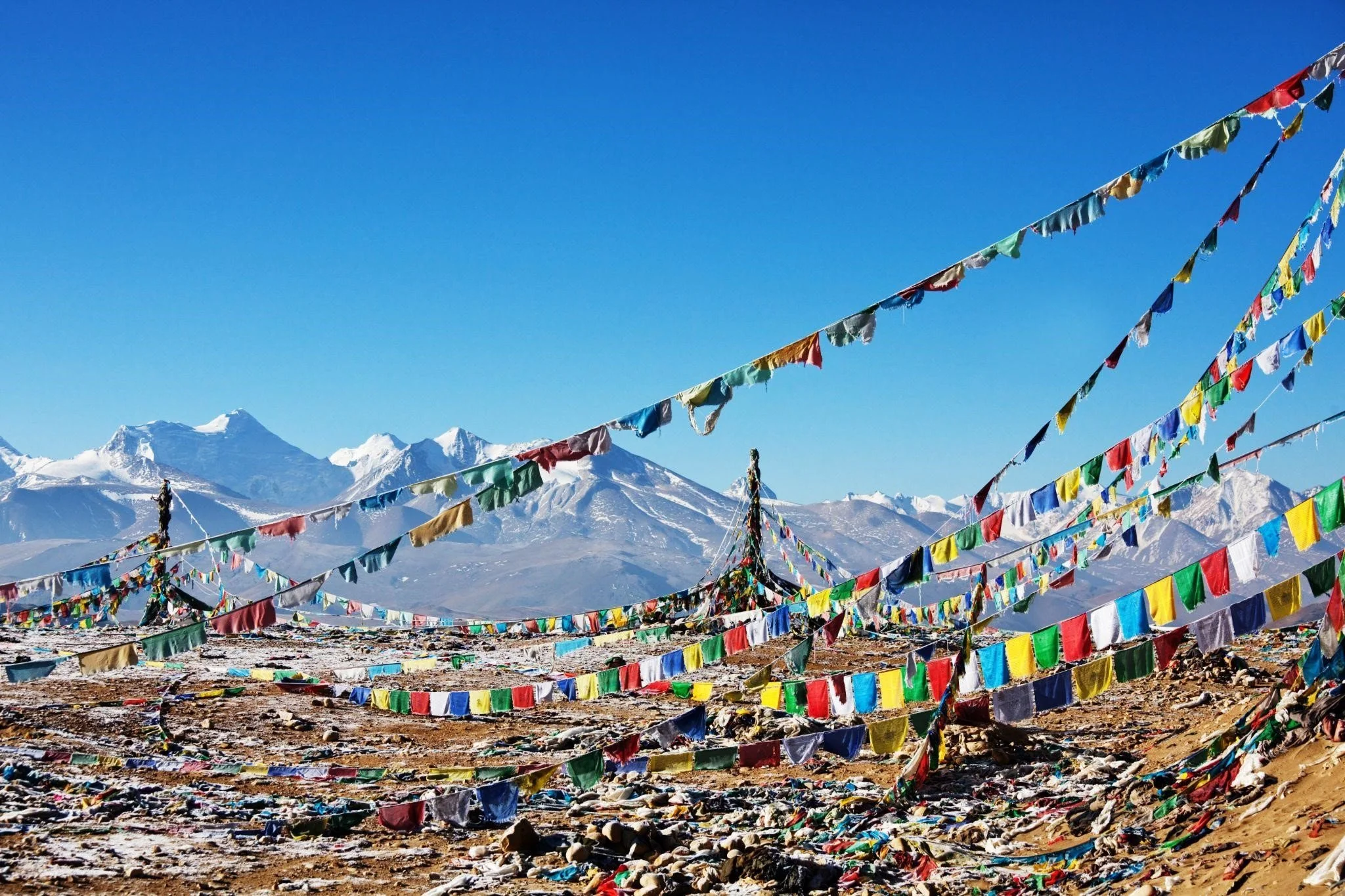
“The most eye-catching and homestyle memento is no doubt those decorative Buddhist prayer flags which endorse the concept of peace, empathy, warmth and wisdom. The simplicity and the beauty itself is the key excuse for tourists to take them back home,” says the reporter, Juliyana Shah, from Tourism Mail, ensuring the aesthetic along with its importance. “They are more than just a piece of art, they give you ethereal and intangible triumph which is something you would love to share and give to someone you want to make happy.” Buddhist prayer flags might not be extravagant but they have deep spiritual significance and make for thoughtful souvenirs.
Singing Bowls
The artistic hand-hammered antique allows oneself to cherish the plentiful euphony produced by it which can be used for healing and meditative gains. Singing bowls are one of the most delicate and pleasant pieces that are available here in Nepal. These metallic bowls make calming and reassuring sounds which take anyone to their euphoric state. There are some benefits of it and one being that it gives clarity to the mind, body, soul and intuition. Highly beautified and well-thought bowls have a small wooden stick that works as an accessory for us to knead the rim of the bowl in a circular way to create the soothing chime.
Lokta Paper
Made out of rice husks, rice paper is a very popular textile that is patently available in the markets of Nepal. Also known as “Nepali Paper”, it is often used as a base for various art paintings and documents paper. The country is a huge producer of rice paper and has managed to make its place in foreign markets. Many items are being produced with the help of rice paper such as journals, lanterns, albums, diaries and many more. Rice paper has flourished itself in the tourism domain.
Khukuri (Gurkha Knives)
Both used as a tool and a weapon, Khukuri is the national armour as it represents the galore of the country. “One notable thing is that tourists are very fascinated towards Khukuri,” Dipchandra Kalika says. “The sole reason behind this interest maybe because they see these knives on sale which symbolizes as a token of bravery which perhaps is a rare case in the western countries. Another excuse would be because they find it fancy as the knives we have here are differently structured or have a distinct recurved blade.” With the opinion of Khukuri being a new concept when it comes to craftsmanship, he concludes by saying that despite the ravishing design, this makes a thoughtful souvenir from the country itself to its visitors.
SIMILAR POSTS
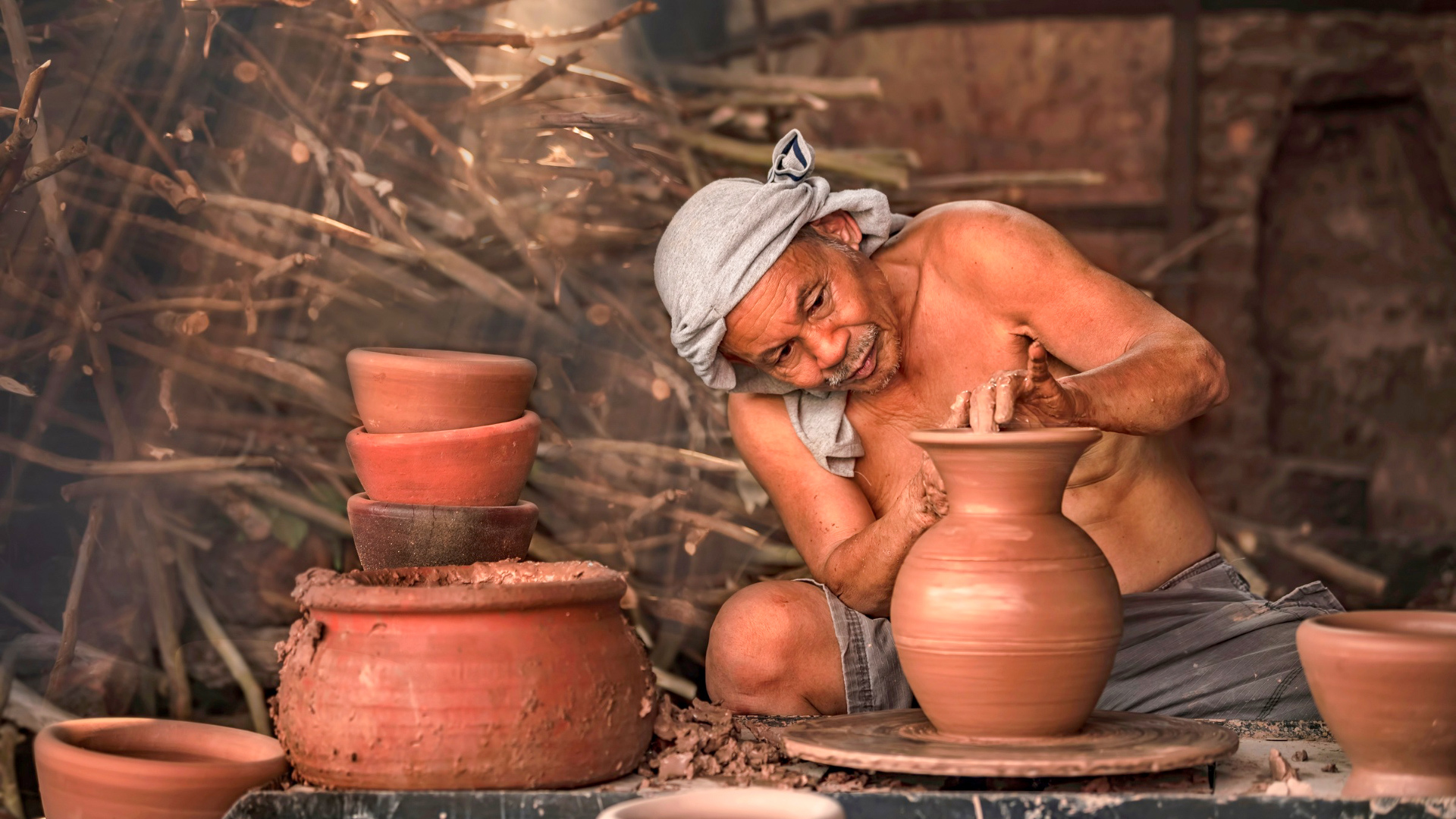
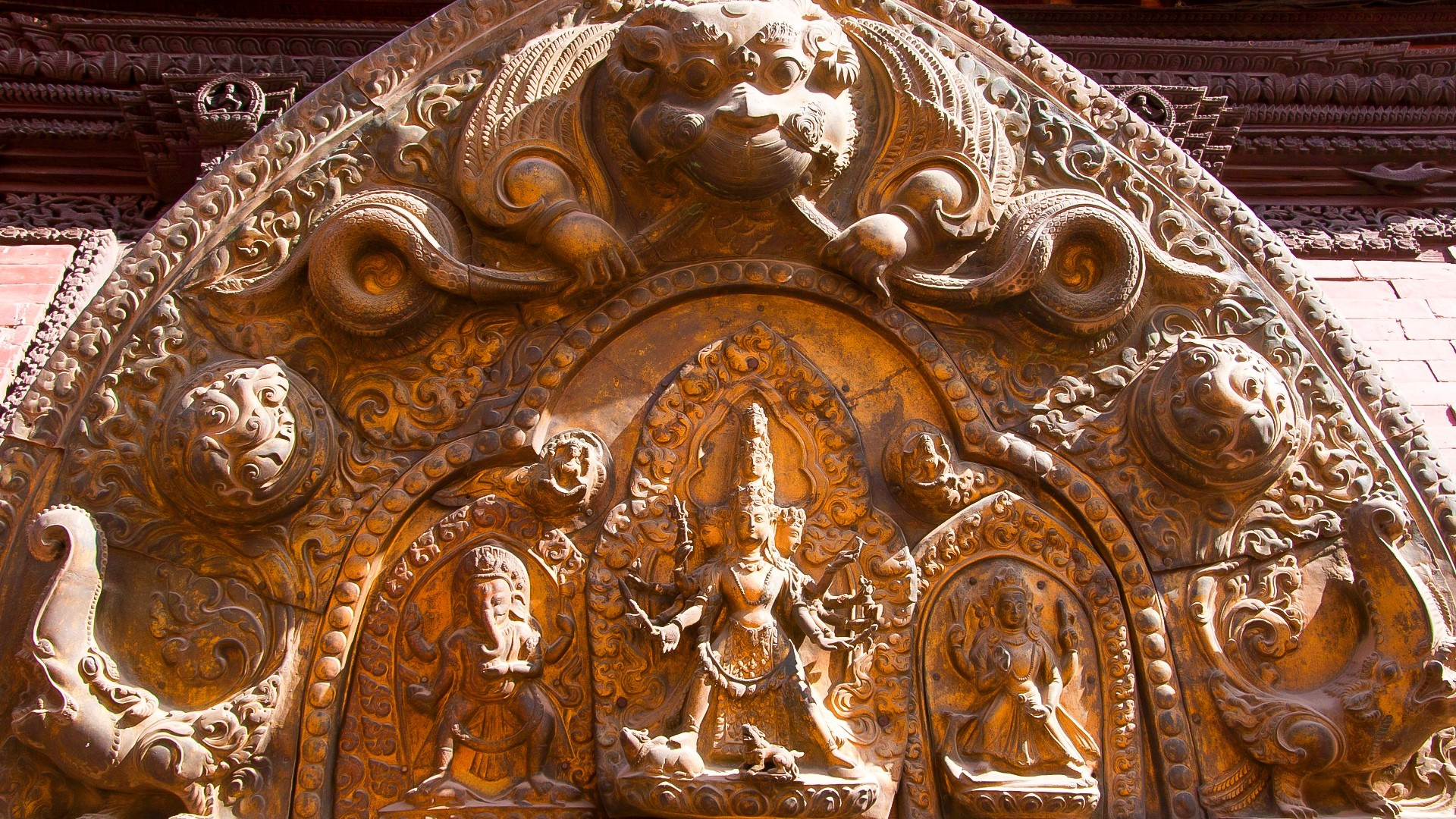
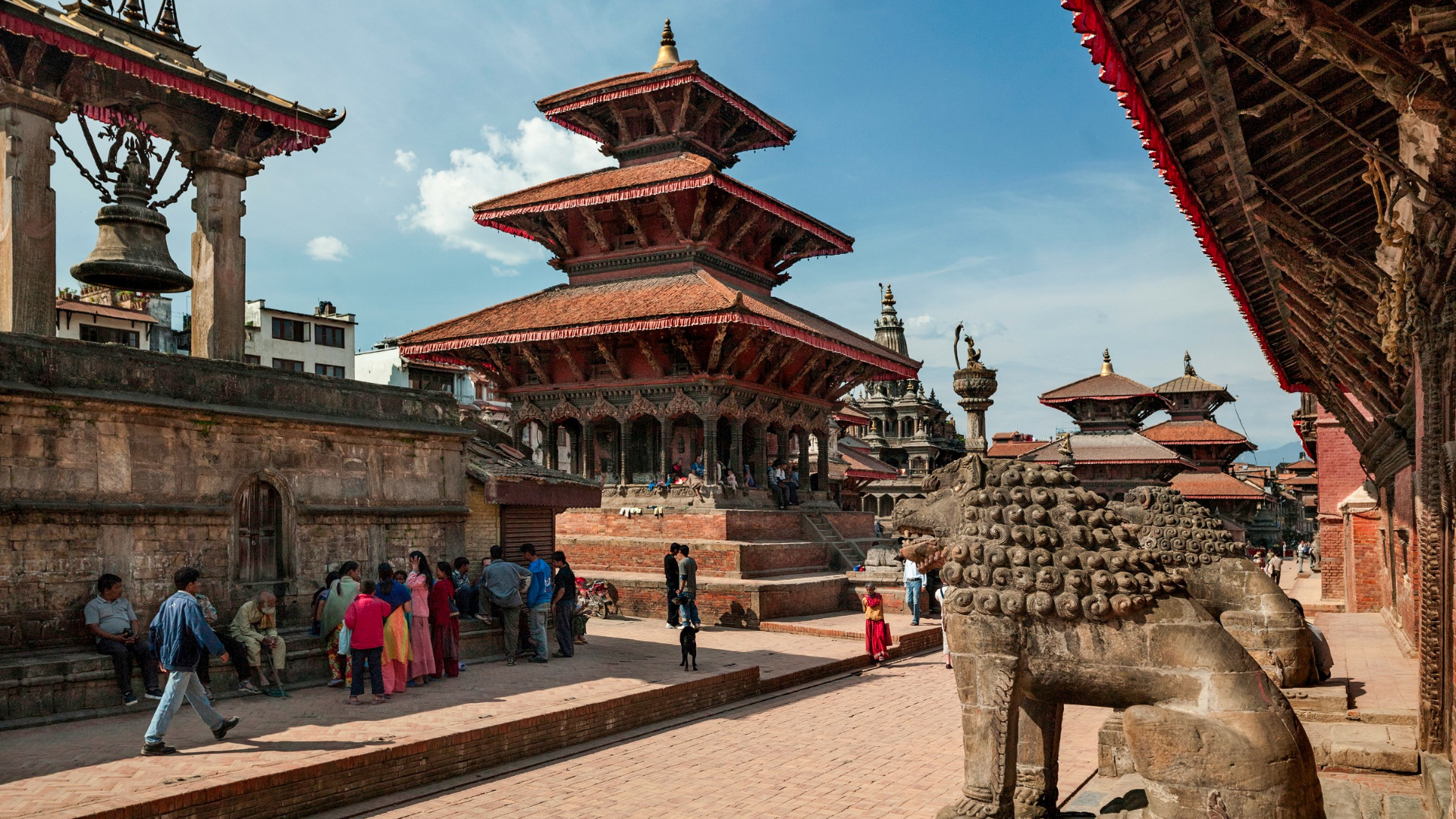


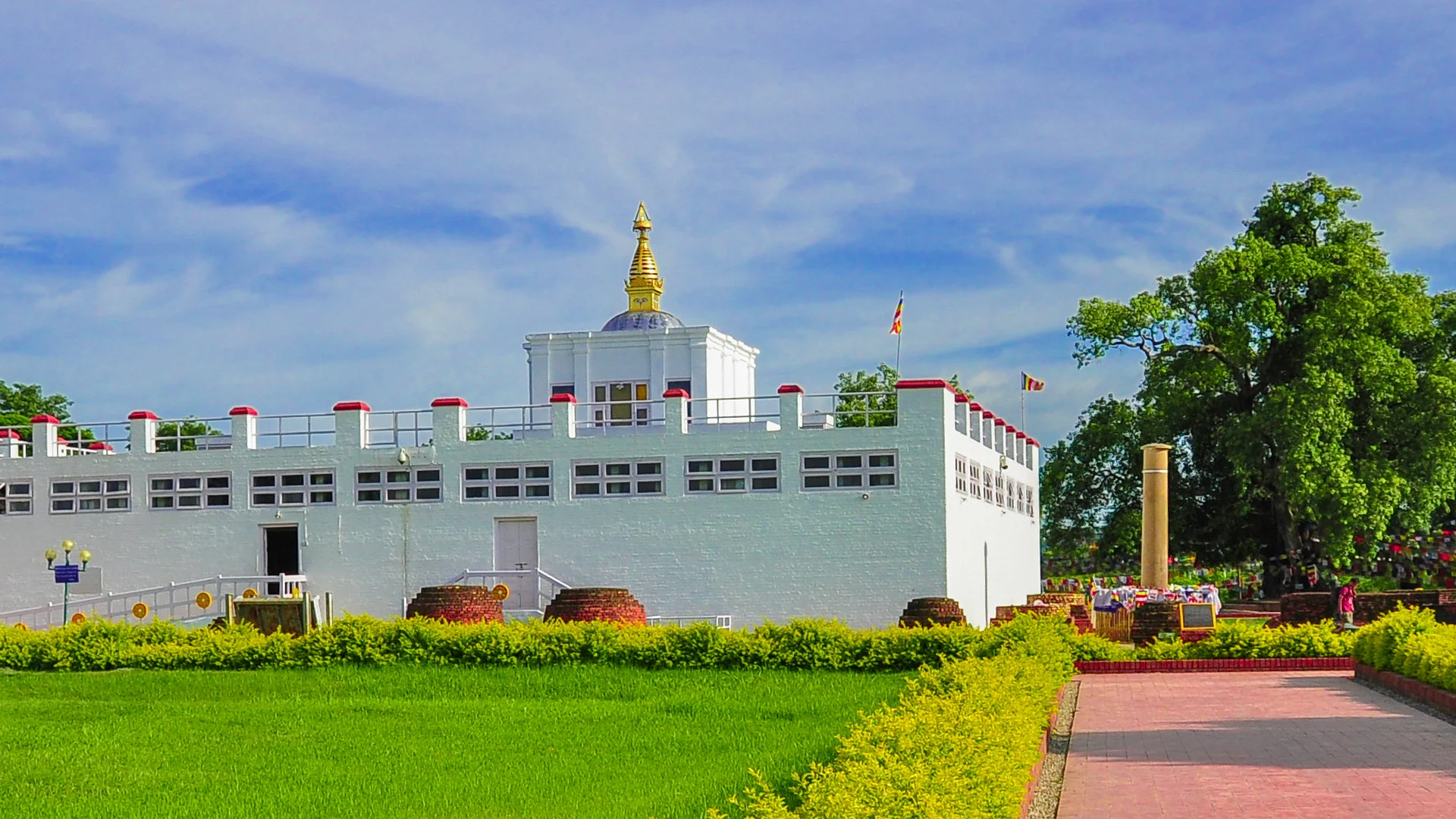
UNESCO World Heritage: Lumbini
A famous place of pilgrimage and one of the must-visit sites in Nepal is popular among Buddhists with its monasteries, pagodas, and museum. The birthplace of Lord Buddha is a 10-hour drive and 35 minutes by flight from Kathmandu.
In the southern plans of the republic of Nepal, lies one of the most sacred pilgrimage sites to the followers of Buddhism. Commonly known as Lumbini is the birthplace of Siddhartha Gautama who achieved enlightenment and became the Buddha and founded the religion of Buddhism.
The name Lumbini means “the lovely” in history lied southwest of the oligarchic republic of Koilya kingdom of the clan of Shakya. According to the findings of Tara Nanda Mishra published in the journal Ancient Nepal, “ Lumbini Devi also spelt as Rummindei or Rupandevi ( Beautiful Lady), was the queen of King Suddhodhana, who was the King of Devadaha, which was also the capital city and the administrative headquarter of the Koilya republican stat. On the request of his queen, King Anjana made a beautiful garden on the bank of Telar (oil) river. Thus the place had been named after his queen, Lumbini. According to the Jataka story, Lumbini during the time of Lord Buddha has been described as a big Sal garden which was jointly owned by Sakyas of Kapilvastu and the Koiyas of Atthakantha places it near Devadahha Nigrama. Buddha Charita of Asvaghosa describes Lumbini as “ Gay like the garden of Chaitra Ratha with trees of every kind.”
The site of current Lumbini in history had been lost to time, up until the discovery of the Ashoka Pillar. King Asoka of Magadha was a famous Emperor who had visited the site in 249 BC. He was accompanied by Upagupta who is believed to have been his teacher. The validation of the site to be the birthplace of Lord Buddha was provided by the inscription on the Asoka Pillar which reads, “ Here the Buddha Sakyamuni was born” and “Here Bhagwan was born at the Lumbini Village”. Further validation was provided by the accounts of the visits of Fa-Hian a Chinese traveller who had visited the village in 5th century AD. And Seng-Tsai a Yueh- Chih monk who visited the site in 3rd-4th century AD.
In modern history, the site of Lumbini was discovered in 1896 AD, in a joint expedition of Gen.Khadga Shumsher and Dr A. Fuhrer. The first excavation of the Mayadevi Temple was done in 1898 AD, by P.C Mukherjee along with the excavation of some stupas on the southern flank and a few temples in the south-west flank.
The site was inscribed to the UNESCO’s List of World Heritage in 1997 AD. After the visit of the Secretary-General of United Nations U Thant, in April of 1967 AD. He proposed the development of Lumbini into a major centre of pilgrimage. Which was followed by a UNDP consultant mission in December 1969, which led to a report that established the basis of planning around Lumbini. The Kenzo Tange Master Plan for Lumbini began in 1972 and was finalized and approved in 1978 AD.
The plan covers an area of 5x5 miles with a central square mile being the Sacred Garden within which is the UNESCO World Heritage Property. Of the Master Plan, the 1x3 miles area which includes three zones: New Lumbini Village, Cultural/Monastic Zone and the Sacred Garden- are part of the Lumbini Project Area.
Present-day Lumbini would not have been a reality if not for the efforts of various scholars, archaeologists who helped discover and preserve the originality of the location. The current site of Lumbini is bordered by a large monastic zone which is only home to monasteries. The zone is prohibited of construction of any shops, hotels or restaurants. The zone has been divided into eastern and western monastic zones, the eastern site features Theravadin monasteries whereas the western site features Mahayana and Vajrayana monasteries. The sites are separated by a long water-filled canal, with a series of brick arch bridges joining the two sides along the length. The holy site of Lumbini has well-preserved sites of ancient monasteries, a sacred Bodhi tree, an ancient bath pond, the Ashokan pillar and the Mayadevi Temple which is believed to be the site of the birth of Siddhartha Gautama.
With the existing domestic airport being upgraded to an international airport, Lumbini is bound to receive a rush of new visitors made accessible by the upgrade. The site is a 10-hour drive from Kathmandu whereas a 30-minute drive from Bhairahawa. By air, the site is 35 minutes from Tribhuwan International Airport whereas from Pokhara 20 minutes.
With the upcoming Visit Nepal Year 2020, all fingers are crossed for the operation of the new international airport which would allow more pilgrims and visitors to witness the history and majesty of the holy site.
SIMILAR POSTS
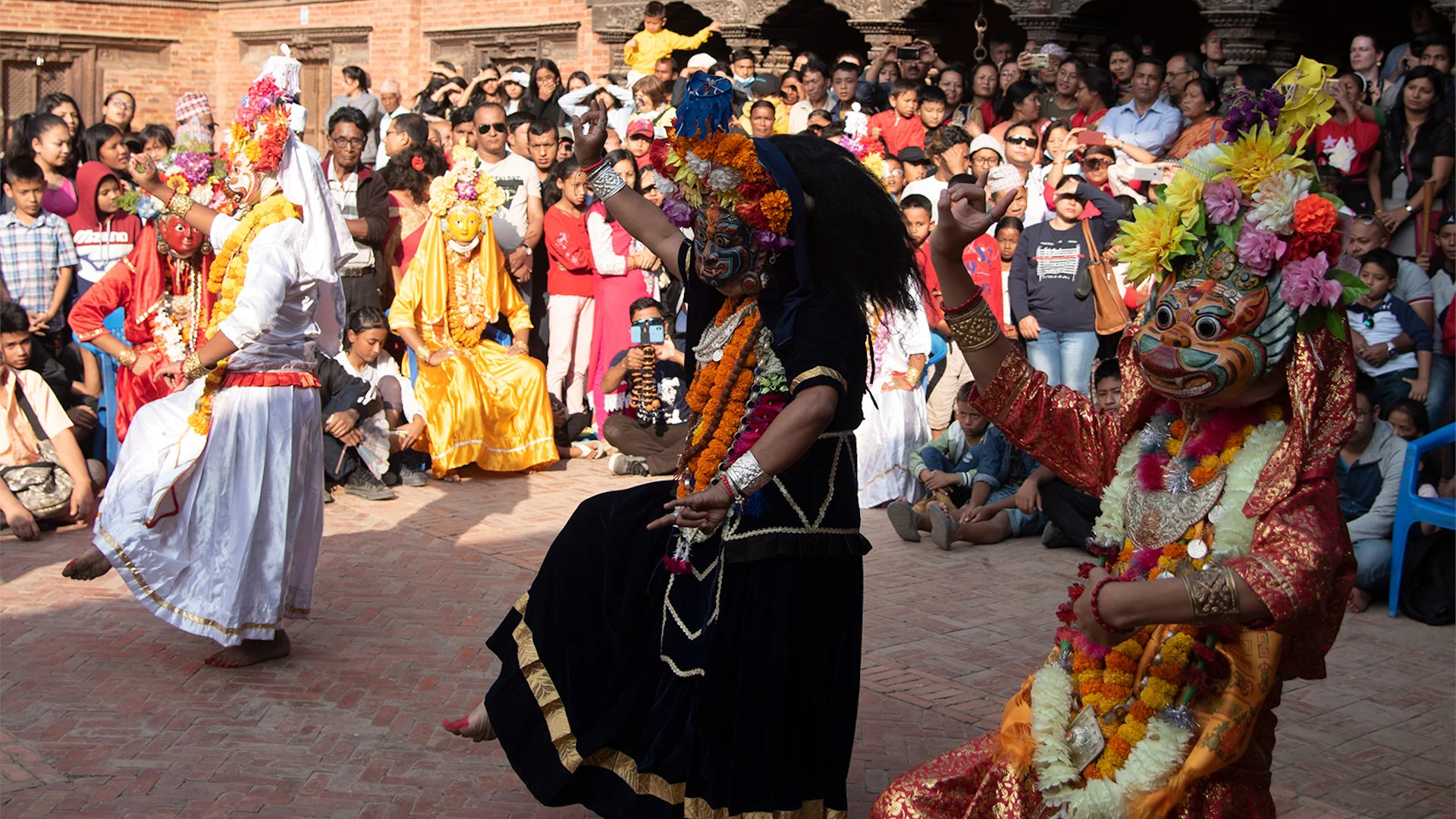
Ga: Pyakhan: The Dance of The Asta Matrika’s
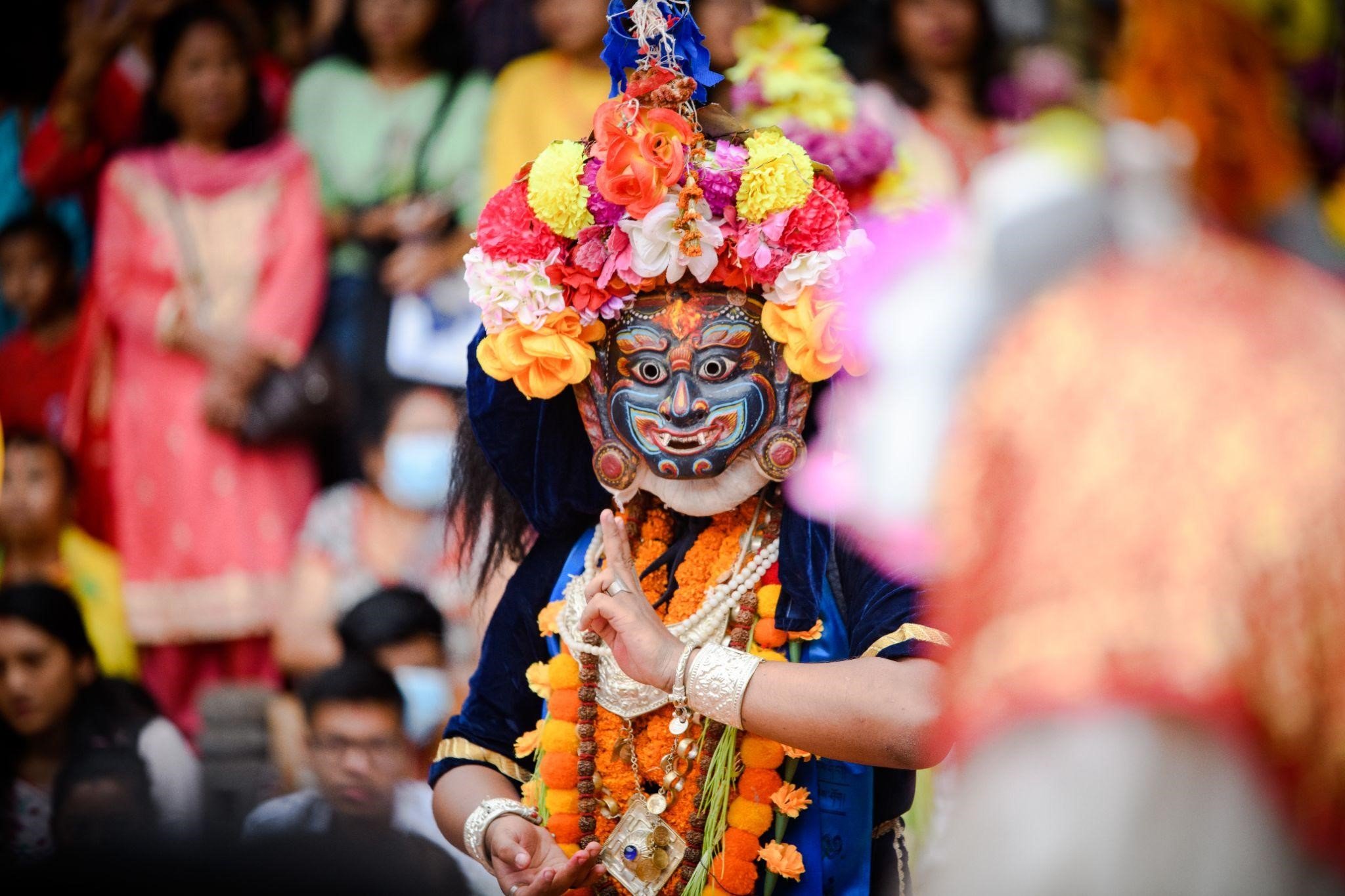
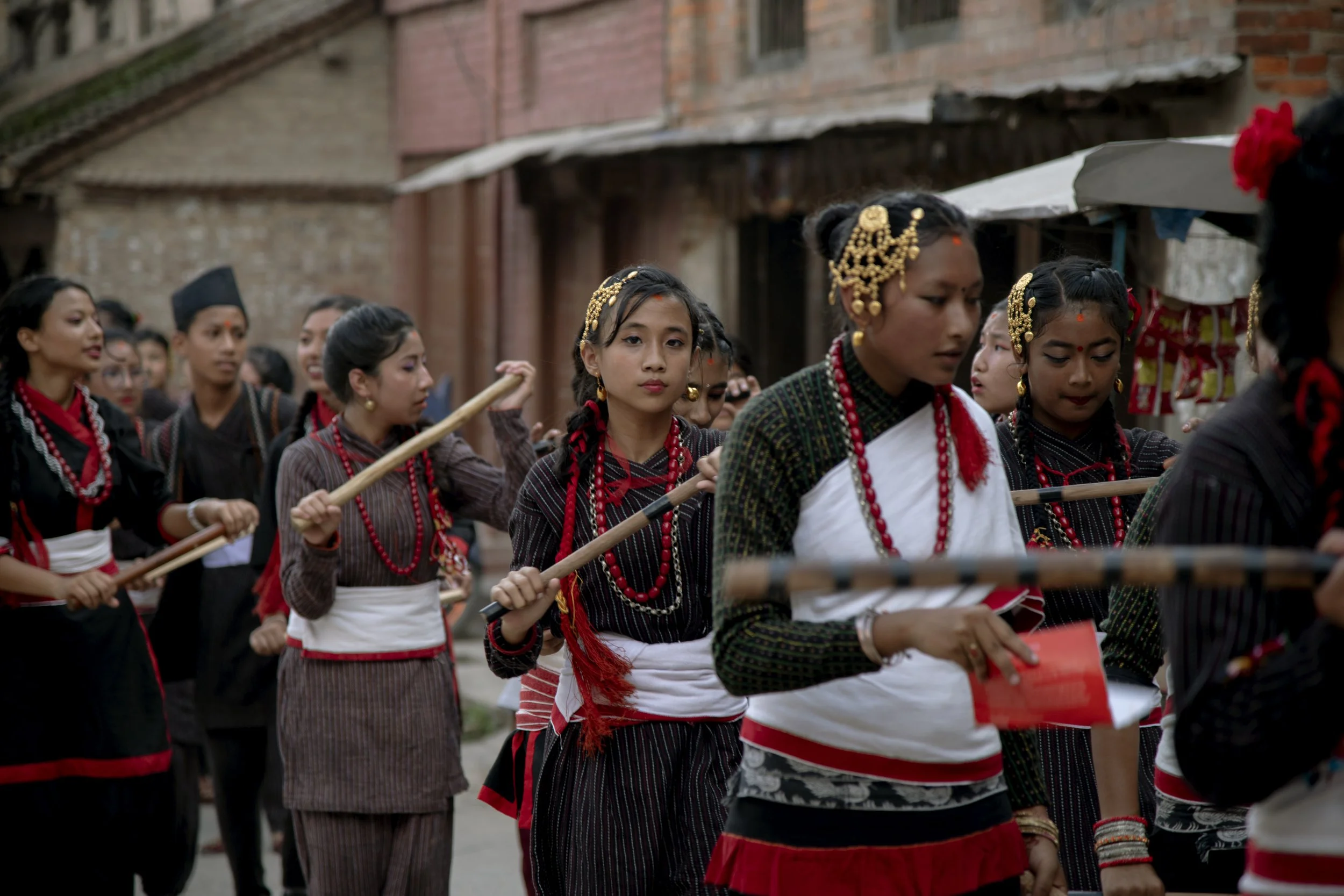
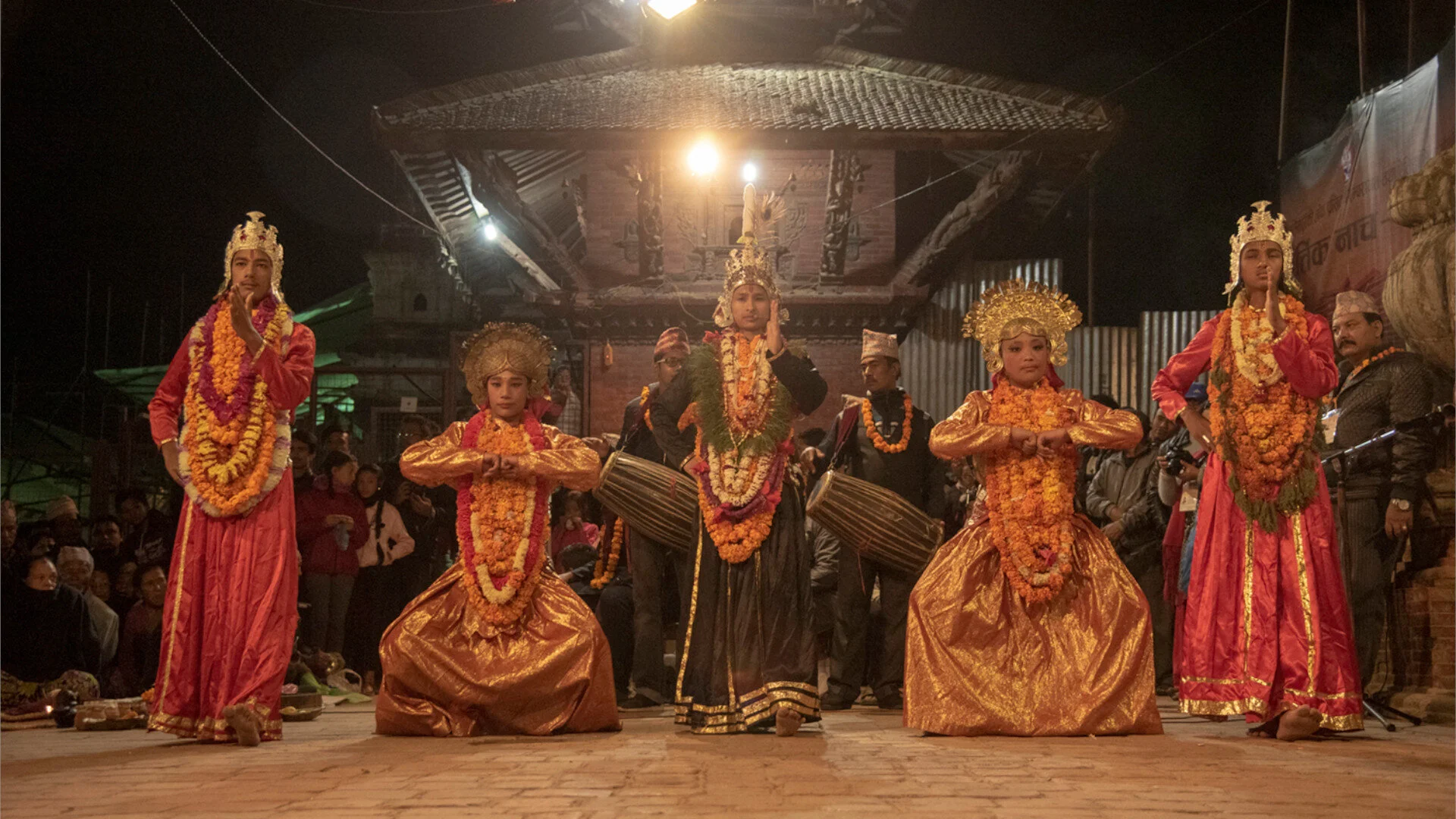
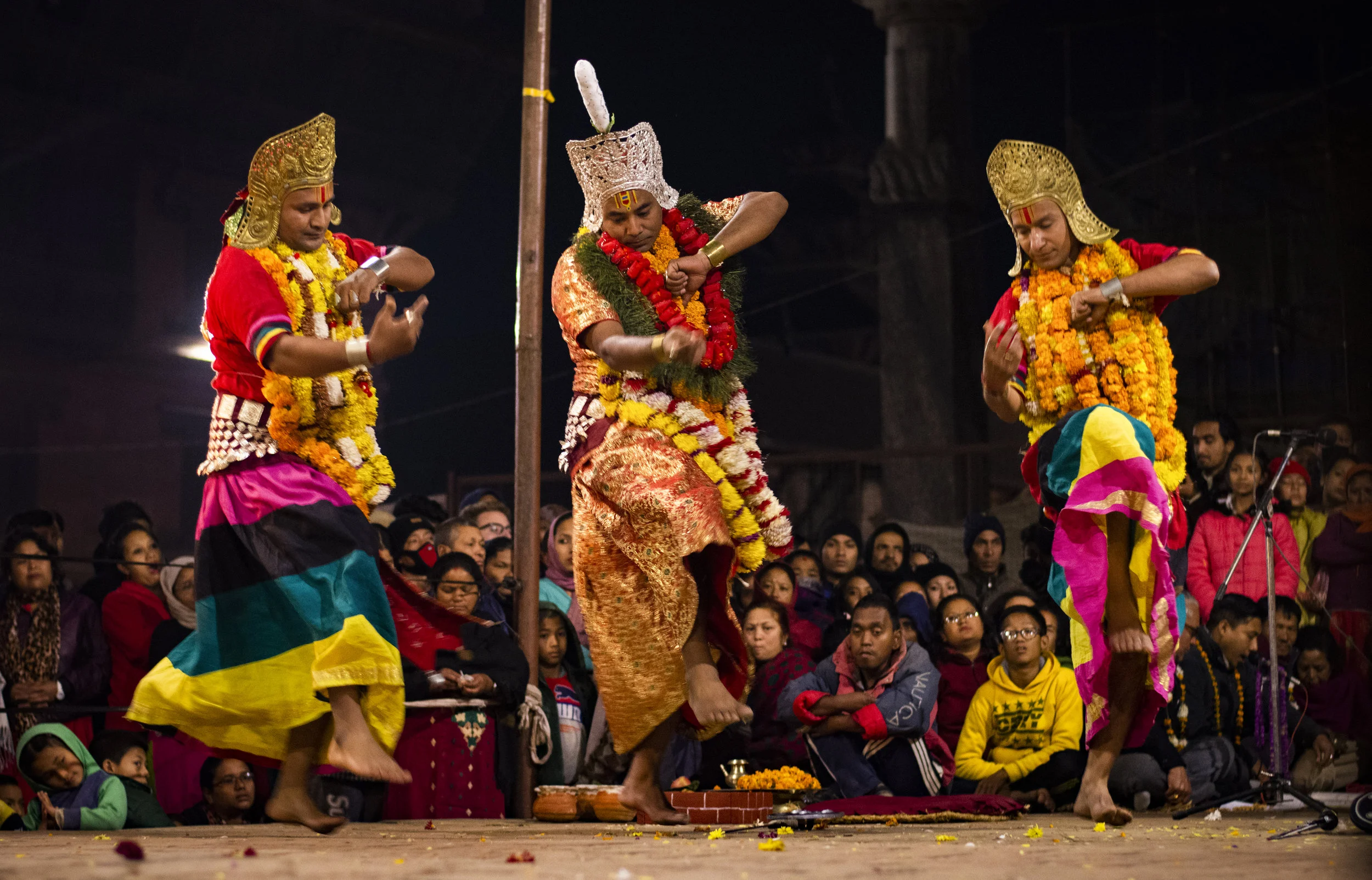
Ga: Pyakhan in Patan(Asta Matrika Dance) is popular among the locals of Patan. The dance of Eight Mother Goddesses, deities of Hindus, is performed by male Buddhist dance during the Nepalese biggest Dashain festival. The dance is staged in the royal court of Mulchowk, inside the Patan Durbar Square of Lalitpur. It is believed that the dance is performed as a worship of the deities to bring the prosperity and fortune to the people.
350 years ago King Sri Nivasa Malla as he sat down by the window of his palace at Patan Dubar Square is believed to have noticed something peculiar. On a starry night he began hearing the tranquil melody of pauju ( Anklets) slowly approaching, and from a distance he saw a group of individuals dancing towards the palace. As he sat in wonder, who they might be? As they approached close, he could not fathom the beauty that his sights beholds. The group which displayed a beautiful dance was no other than the Asta Matrika’s ( Eight Mother Goddesses). Who danced there way into the court of Mul Chowk. King Sri Nivasa Malla, ran to the court to take blessings and witness their divinity but as he reached the palace square the Matrika’s had already ascended.
The “Gaan Pyakhan” is staged in the royal court of Mulchowk, inside Patan Durbar Square, Kartik Dabali and Nakabail Tol. “Gaan” translates from Newari as “Group” and “Pyakhan” translates to “dance”. The dance begins from the night of Ghatsthapana and is brought to a close during the night of Ekadashi.
According to legends, the King’s priests advised him to incorporate the newar pantheon so that they might not take offence. Thus, the dance features thirteen deities, eight mother goddesses ( Brahmani, Mahesvari, Bal Kumari, Vaishnavi, Varahi, Indrayani, Mahakali and Mahalaxmi), and five newar patron deities (Bhairav, Simhini, Vyagrihi, Lord Ganesh and Lord Kumar).
The goddesses are embodied by select individuals who have observed sacred rights and measures of purity. The performers first visit the shrine of Vajrasattva and take on the threefold refuge—Buddha, Dharma and Sangha. After which they take blessings from their teacher and present an offering. After all the performers have completed the ritual, the musicians play the opening tune following which the teacher instructs them in the dance in front of the temple of Nrityeshwara, the Lord of Dance. They then observe Upasadha (fasting) for a complete day and engage in meditation.
The Gaan Pyakha stands out from other masked dances of Kathmandu Valley in terms of the individuals who perform the dance. Most masked dances are performed by subjected lower castes of the society whereas the Gaan Pyakha is performed by the highest order of Buddhist castes (Bajracharya and Shakya).
It is a tradition passed down through generations, an art form first learned through observation of their grandparents and parents. Traditionally the next generation starts from the age of eight which is still continued to this date; to later be initiated by the chief priest and taught the ancient form of “Charya Nritya”, an ancient tantric form of spiritual meditation where the performer visualizes himself as the deity. It is symbolized by dresses with the color of the deity and various ornaments. The final piece is the mask itself, created in the image of the deity. The masks themselves have minute symbolic details in relation to the deity.
It is believed that the dance of Asta Matrikas is performed to remove various obstacles—the eight great fears (Water, Lions, Fire, Snakes, Elephants, Thieves, False Imprisonment and Ghosts). The worship of the deities is thought to bring prosperity and fortune to the king and his people.
The inception of the Asta Matrikas in the pantheon of the Gods and Goddesses of Nepal Valley(Kathmandu, Patan and Bhaktapur) has multiple origins. One of the many legends associated is how the Asta Matrika’s were the guardians of the mother of Avalokitesvara Karunamaya also known as Rato Matsyendranath. He was brought from Kamakhya,Orissa by King Naradeva, Acharya Banudhata and Ratnakar Jyapu after the Nepal Valley faced a severe drought. Her mother the Queen refused to give away her son and after he was brought to the valley by a form of trickery. She followed and brought her guardians and an army. Knowing the immediate threat to the valley by her rage, Banudhata cast a spell trapping the her in the tree which stands tall at Lagankhel, Patan. After which nothing is known of the Matrikas but it is believed that they choose to stay in the valley to guard their Queen.
Times have changed since the inception of the Gaan Pyakhan; the Malla kings were overthrown by the Shah's but the tradition still continued. However, as the modern winds swept in, it became harder to sustain such archaic traditions. After the fall of the monarchy, many such cultural dances faced near extinction, as the King always bore the cost.
SIMILAR POSTS
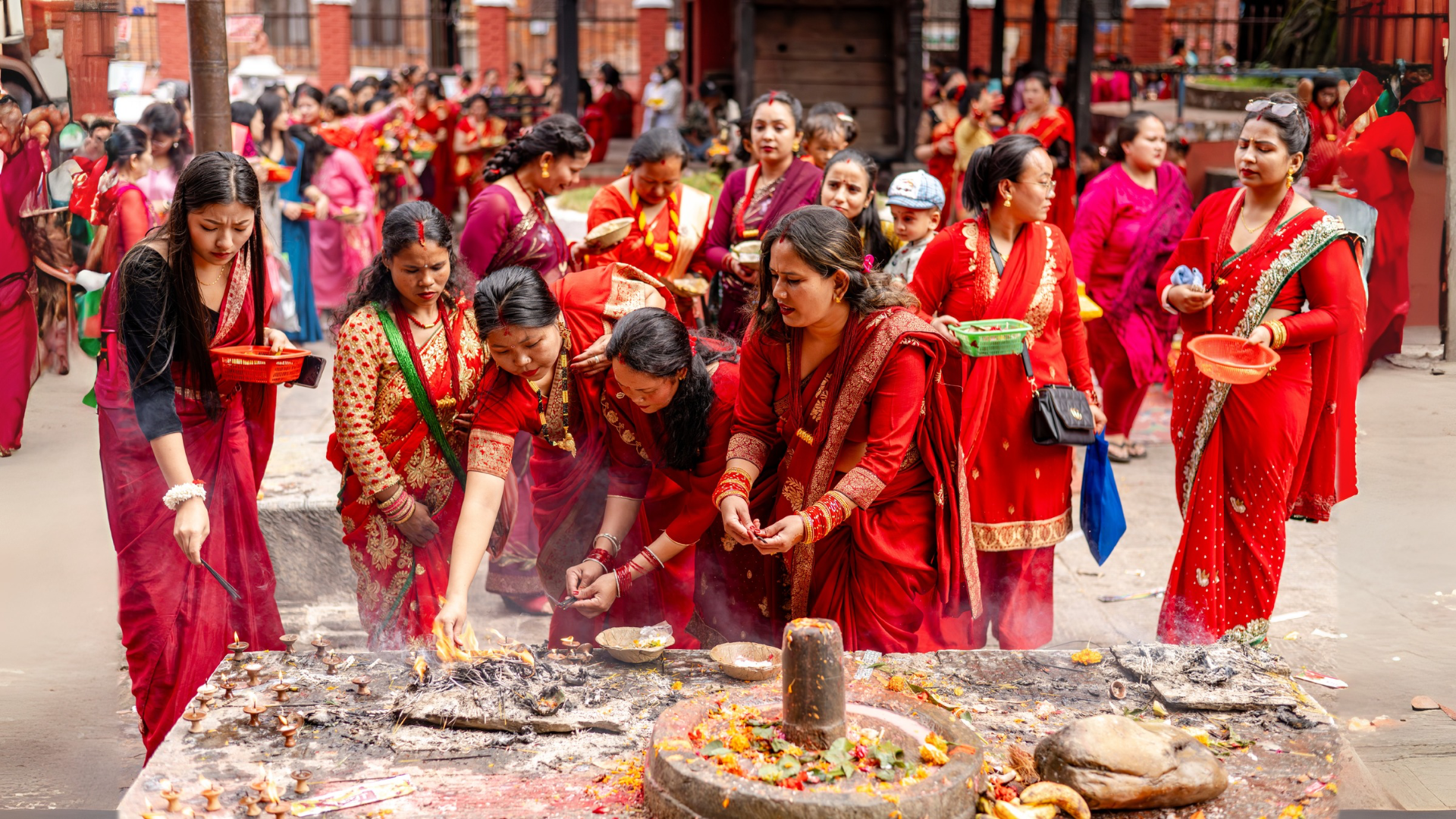
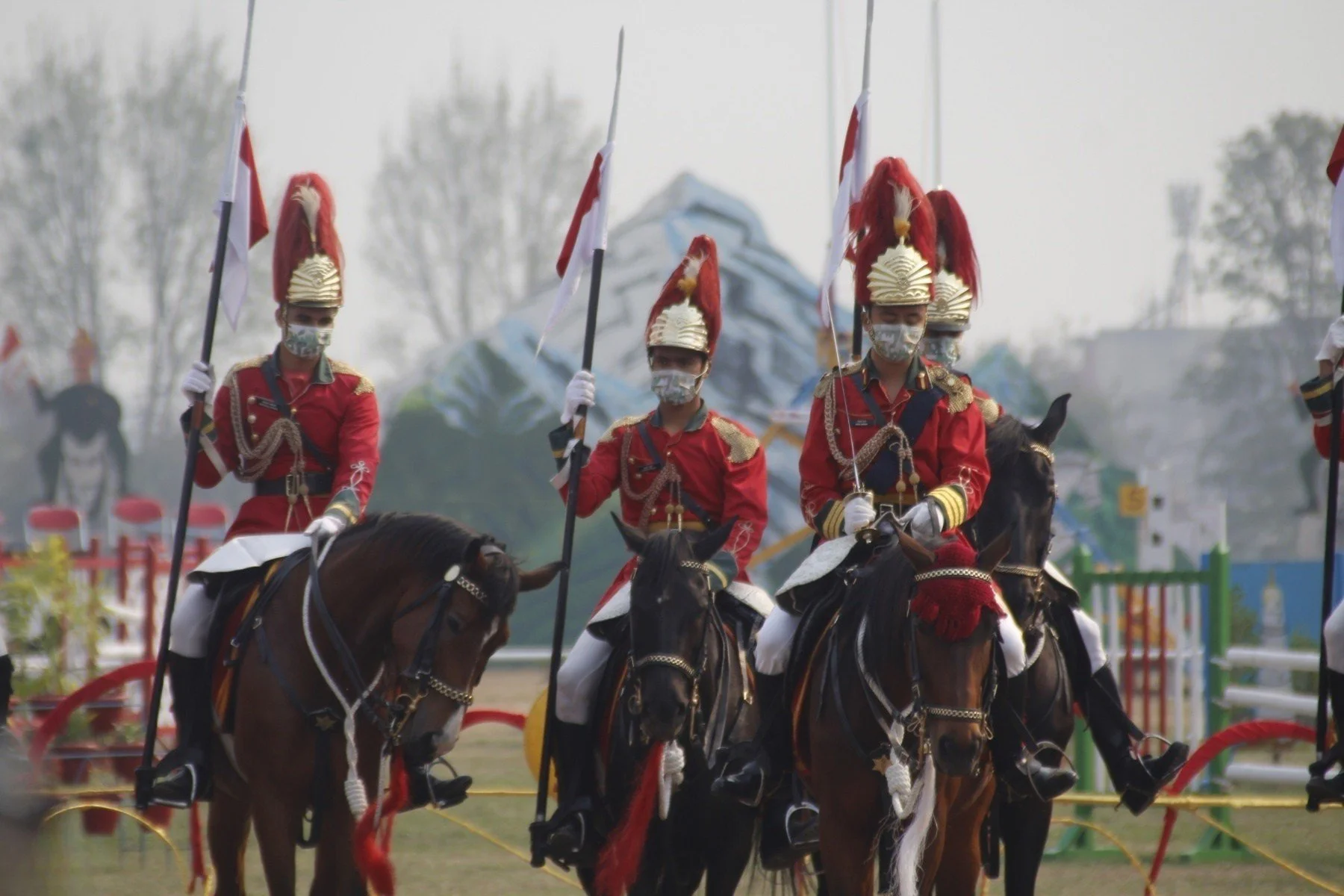

The Tales of Sikali Festival
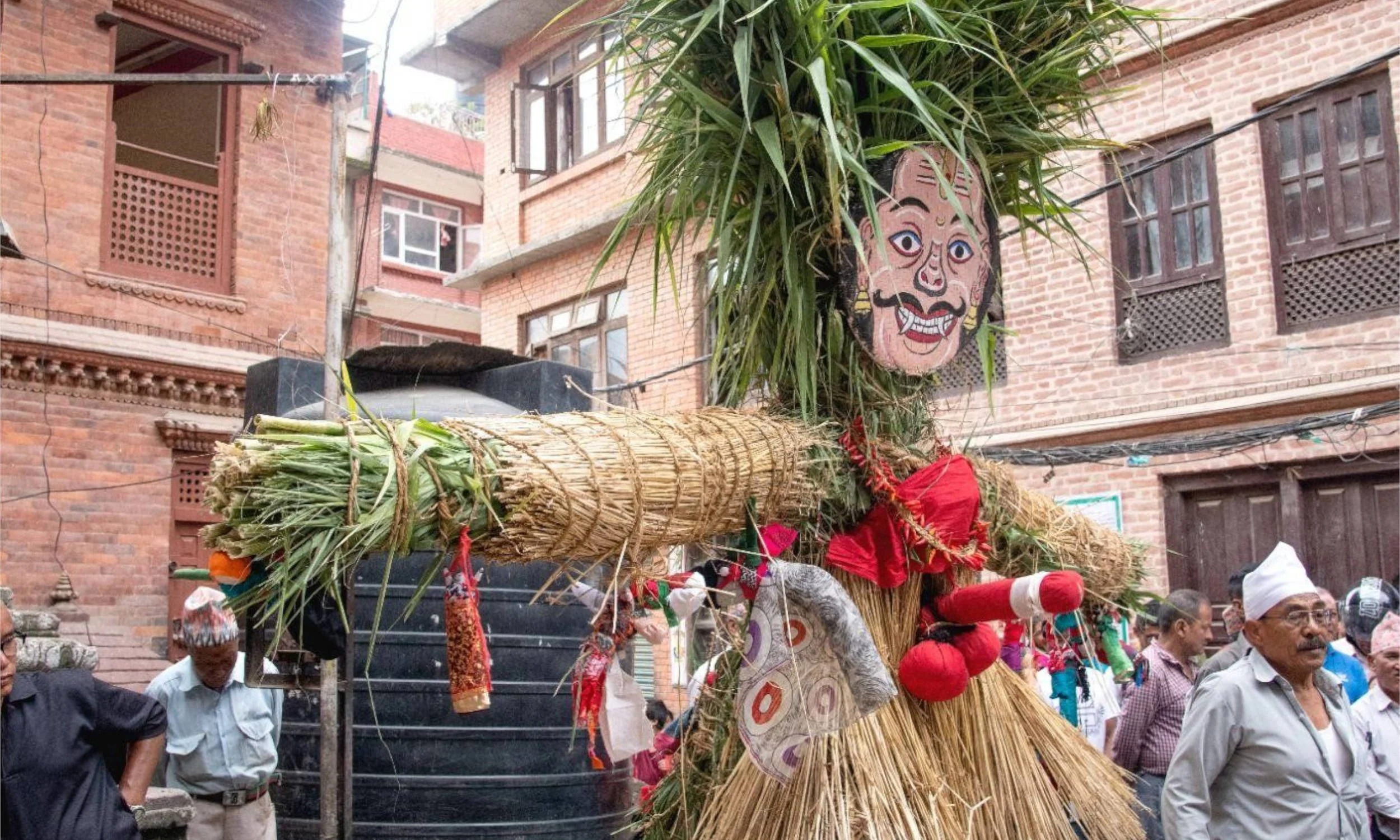
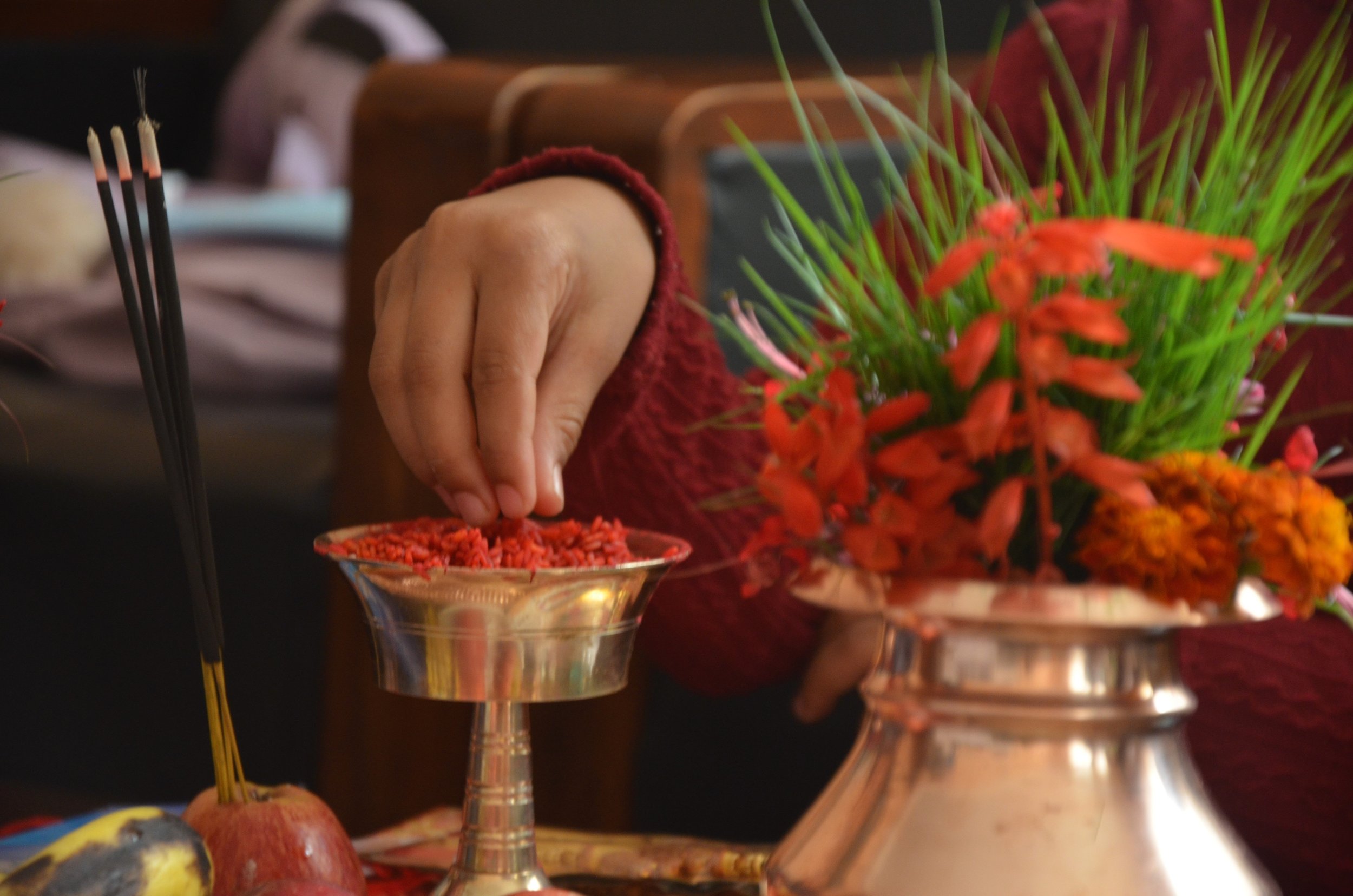
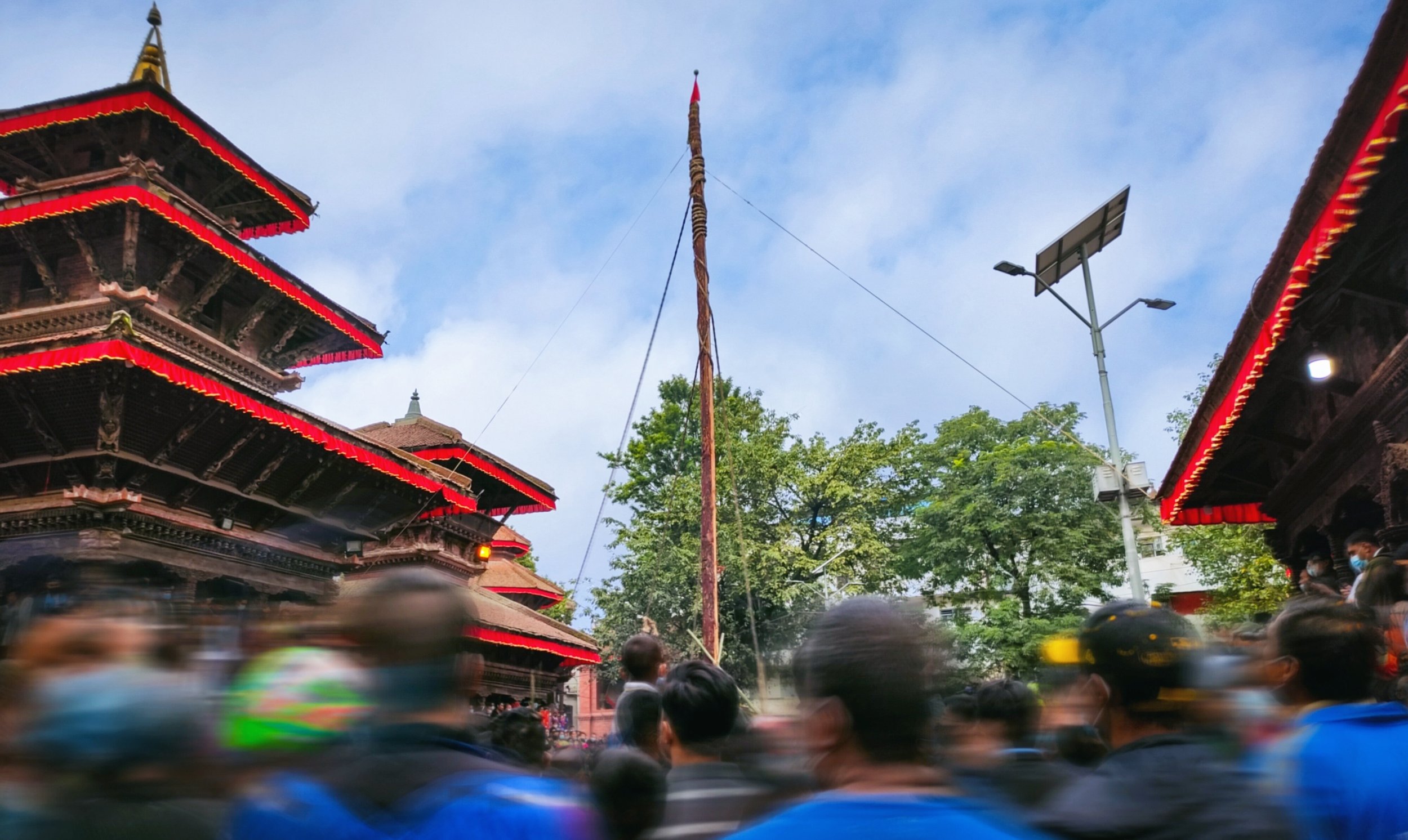
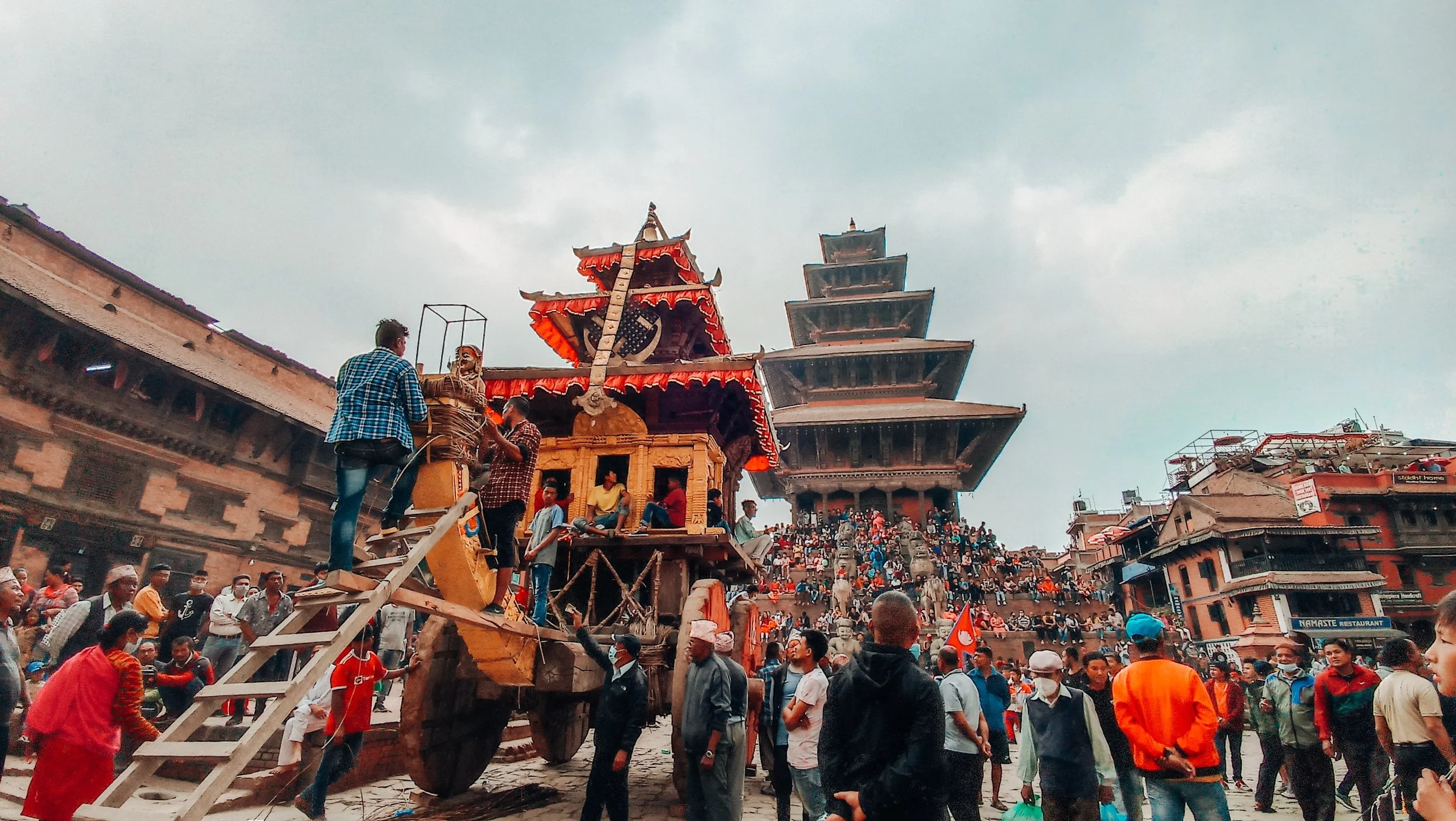
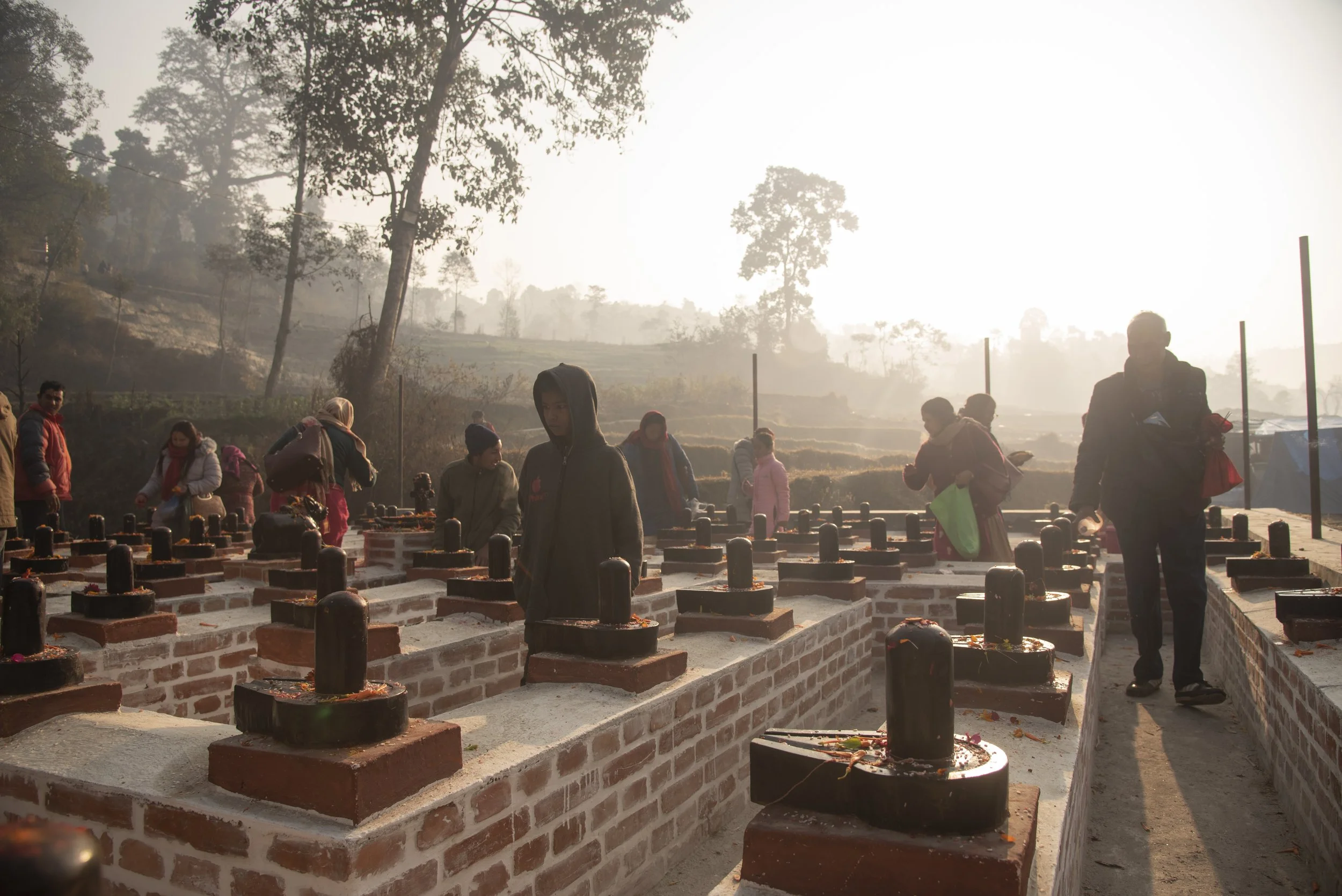
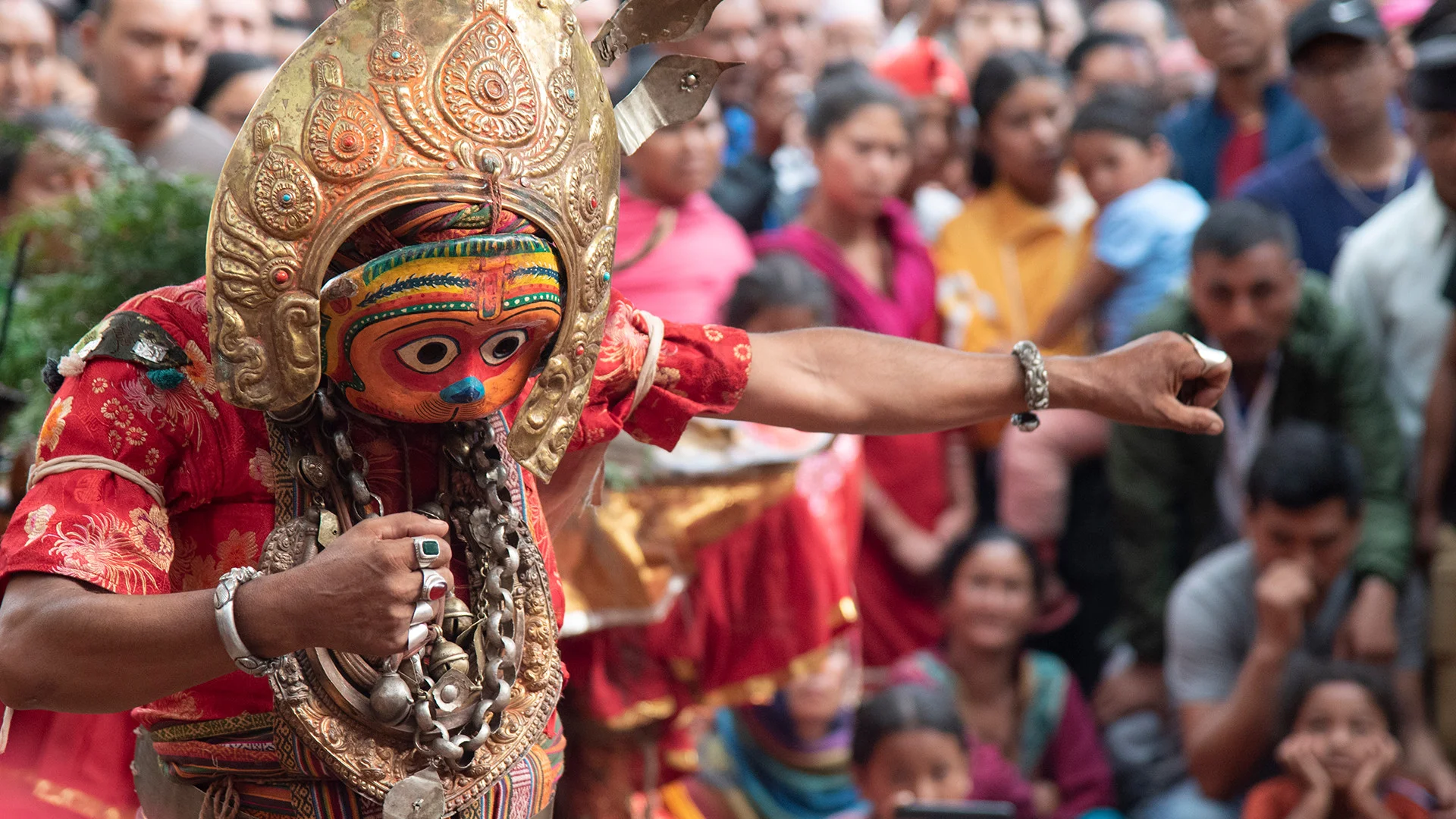
While the entire nation prepares for the celebration of the biggest festival Dashain, local of Khokana village located to the south of Lalitpur gears up for the festival of Rudrayani known as Sikali Jatra. Festival is celebrated by a section of the ethnic Newari community with a skit presentation in a form of archaic storytelling with traditional music and individuals dressed in a godly attire adorned with the masks of deities and demons.
As the entire nation prepares for the grand celebration of Dashain, the village of Khokana located south of Lalitpur gears up for the festival of Rudrayani. Popularly known as “Sikali Jatra”, the celebration trumps even the great festival of Dashain. The citizens of this once great kingdom celebrate the Sikali Jatra instead of Dashain.
A celebration of a total of five days, which begins from Ghatasthapana and concludes on the day of Fulpati. The celebration is centered around the patron deity of the town of Khokhana, the goddess Rudrayani commonly known as Maheshvari. She is believed to be the Shakti of Lord Mahes(Shiva) also known as Maheswar. She is also a form of goddess Parvati is known by many names such as Rudrayani, Shankari, Shivani and Mahesi which are derived from the names of Lord Shiva Rudra, Shiv, Shankar and Mahesh.
The festival and the cultural dance depicted during the day of Fulpati is believed to be linked with the origin of the city of Khokhana. The city is believed to have been founded by King Amar Malla during the 15th century of the Medieval Malla Era. The Malla during their reign established various temples which were dedicated to the Matrika’s (Mother Goddesses), to protect there individual cities for various epidemics, illnesses and to protect their kingdom. The temples of the Asta Matrika’s were placed in eight cardinal directions on the border of each kingdom.
The goddess Rudrayani in the Newar pantheon is worshipped as one of the Matrika’s. It is believed that the town of Khokana came into existence after the establishment of the temple. King Amar Malla had migrated the Maharjan’s and Dangol’s who resided in Pachali Bhairav to the Khokhana for catering and maintaining the temple. During the foundation of the Kingdom, the city was known to be as Jitapur.
The current name of Khokana is derived from the Newari words, “Kho:” which means to weep and “Kana” means to tell. Legend has it that once, a Maharjan priest of Pachali Bhairav of Kathmandu fainted due to high cold fever. After which the Vaidya feeling his cold body pronounced him dead and thus he was taken to the bank of Bagmati to be cremated. His body was accompanied by his wife who was to place in the pyre as “Sati”.
When the pyre was just alighted, a heavy storm broke which caused huge rains to occur which caused the people who had gathered during the cremation and arrangements to run to shelter leaving the pyre. As the pyre burned, the priest became conscious. The people of the community didn’t allow him and his wife to enter the city as they feared a bad omen. The couple then ran weeping all the way and settled in Kudesh; (Ku meaning Bad and Desh meaning country) which is believed to have been the north-west of present Khokana. It is said that the Goddess Sikali Devi blessed them and a new settlement was established. After a while, the people from the opposite bank of the river began harassing them and for their safety, they shifted towards high ground east of Kudesh. This settlement started by the weeping couple is believed to be the origin of Khokana. Today the place known as Kudesh is a ruin and due to the lack of archaeological expedition, this place has been lost to time.
During the festival of Sikali, on the final day which aligns with Fulpati, a special skit is performed by the elders of the community. The skit is presented in a form of archaic storytelling with traditional music and individuals dressed in godly attire adorned with the masks of the deities and demons. The day before which, the deities are taken to the temple of Sikali in avid fanfare, which gathers a huge crowd to witness the spectacle and take blessings of the deities.
Due to the strict norms and regulations of the community, and a lack of research the festival is prone to lose much of its heritage with the passing generation. With all the knowledge of the rites and process in the minds of the Thakali (Eldest) and the norms forbidding the young to directly participate. The great festival of Rudrayani, which holds huge cultural values is slowly facing the same faith as many masked dances in the valley.
Currently the Sikali Jatra is celebrated twice in the lunar cycle, first during Gai Jatra after which in the five days of Dashain which begins from Gathasthapana and ends on Fulpati.
SIMILAR POSTS
Places to fathom this Tihar
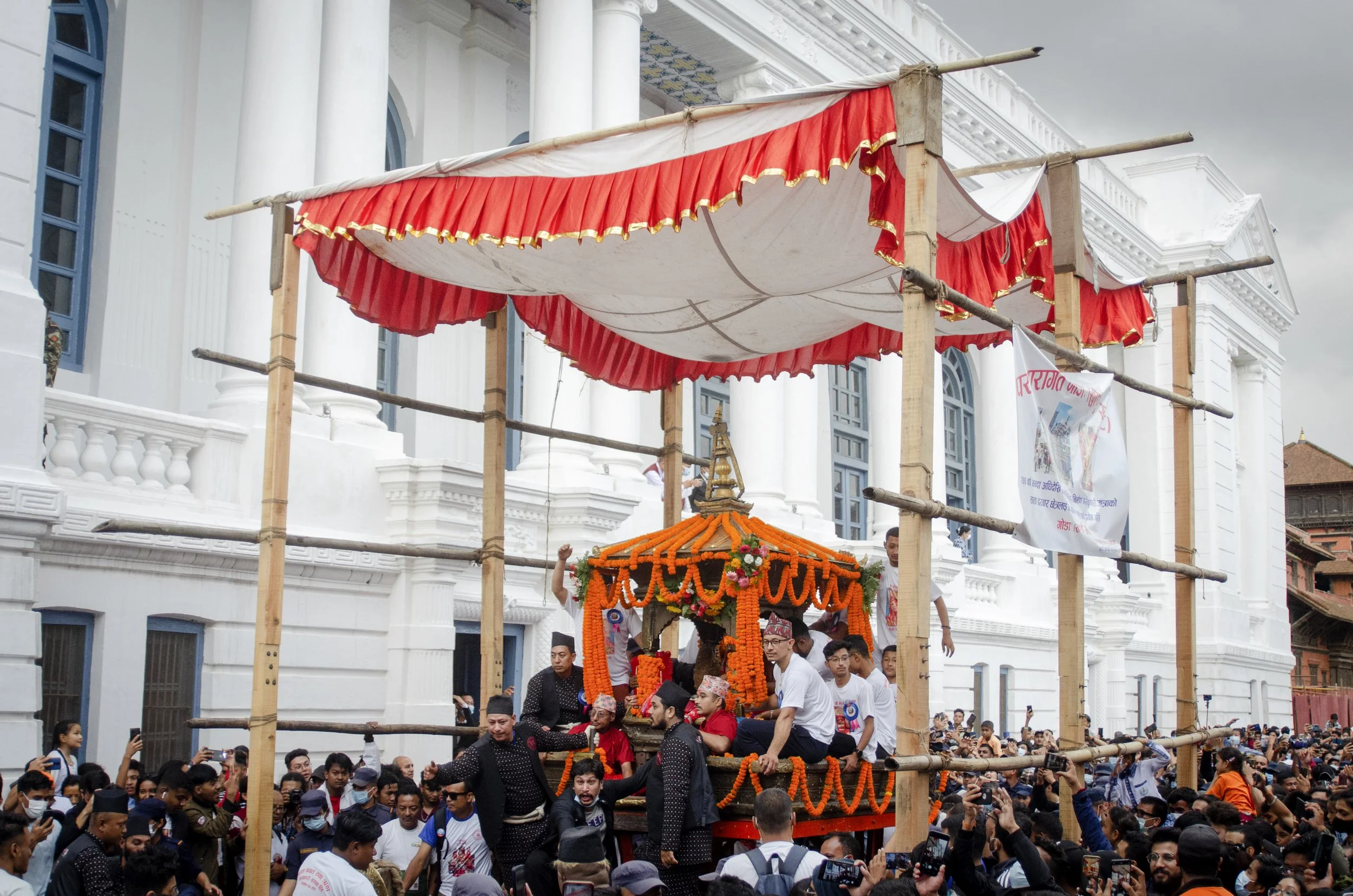
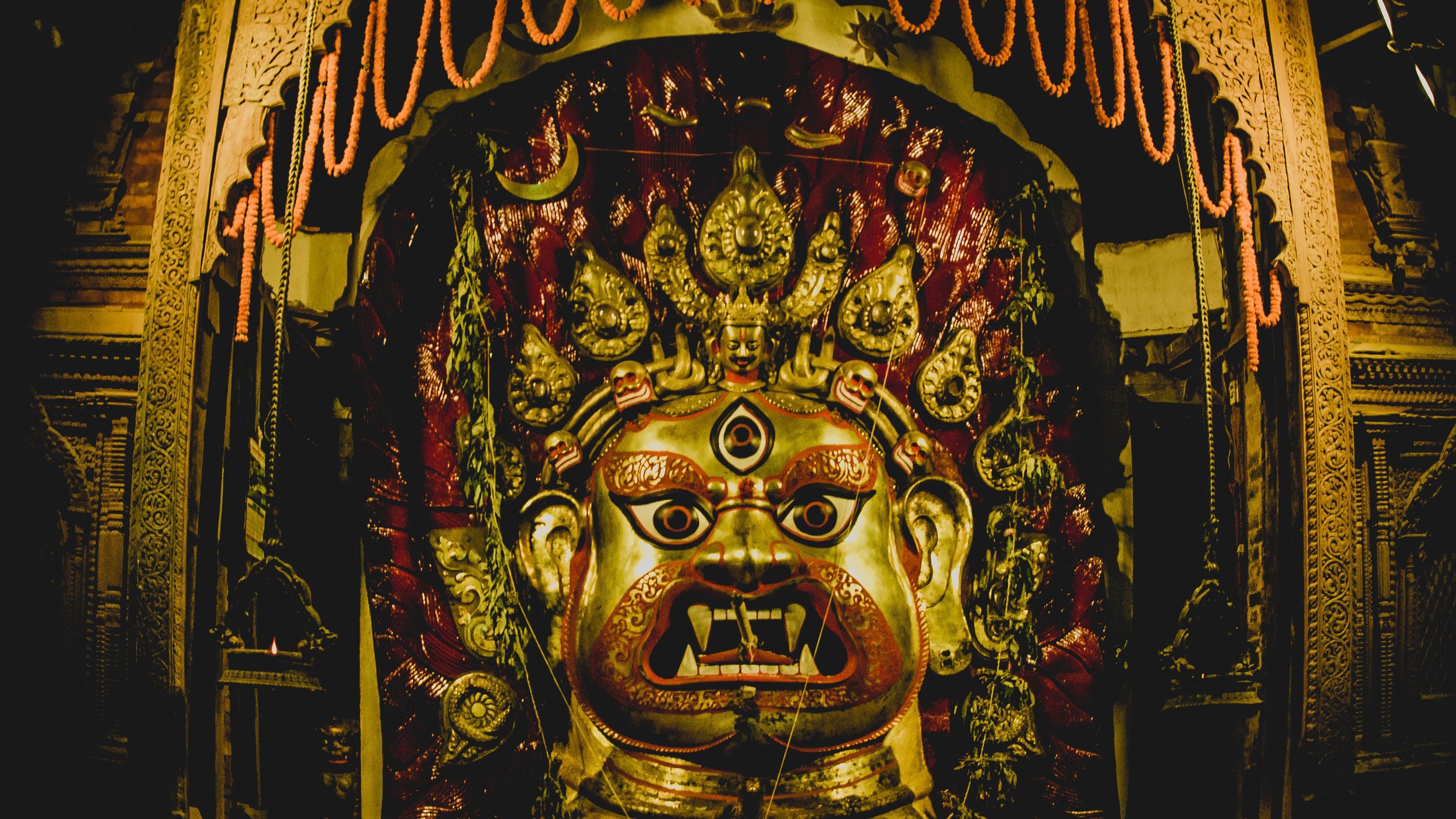
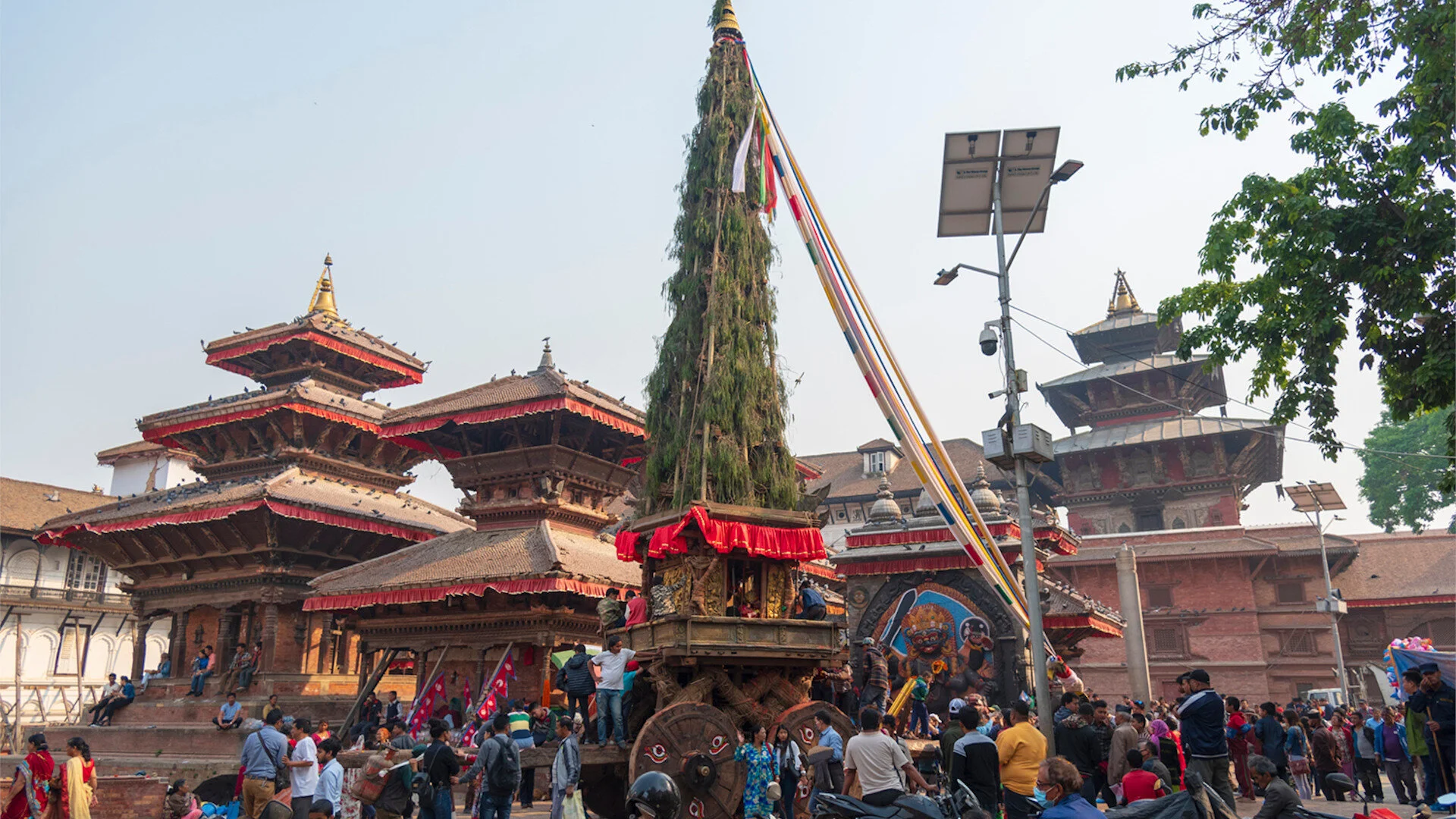
Tihar festival or the festival of Lights is Nepals' second-biggest festival after the Dashain festival. Tihar is considered to be one of the most fun-filled and celebrated festivals in Nepal. And, the festival falls under the best tourist season with the fantastic weather. One can take a tour of the Kathmandu valley and witness the majesty of the city during Tihar.
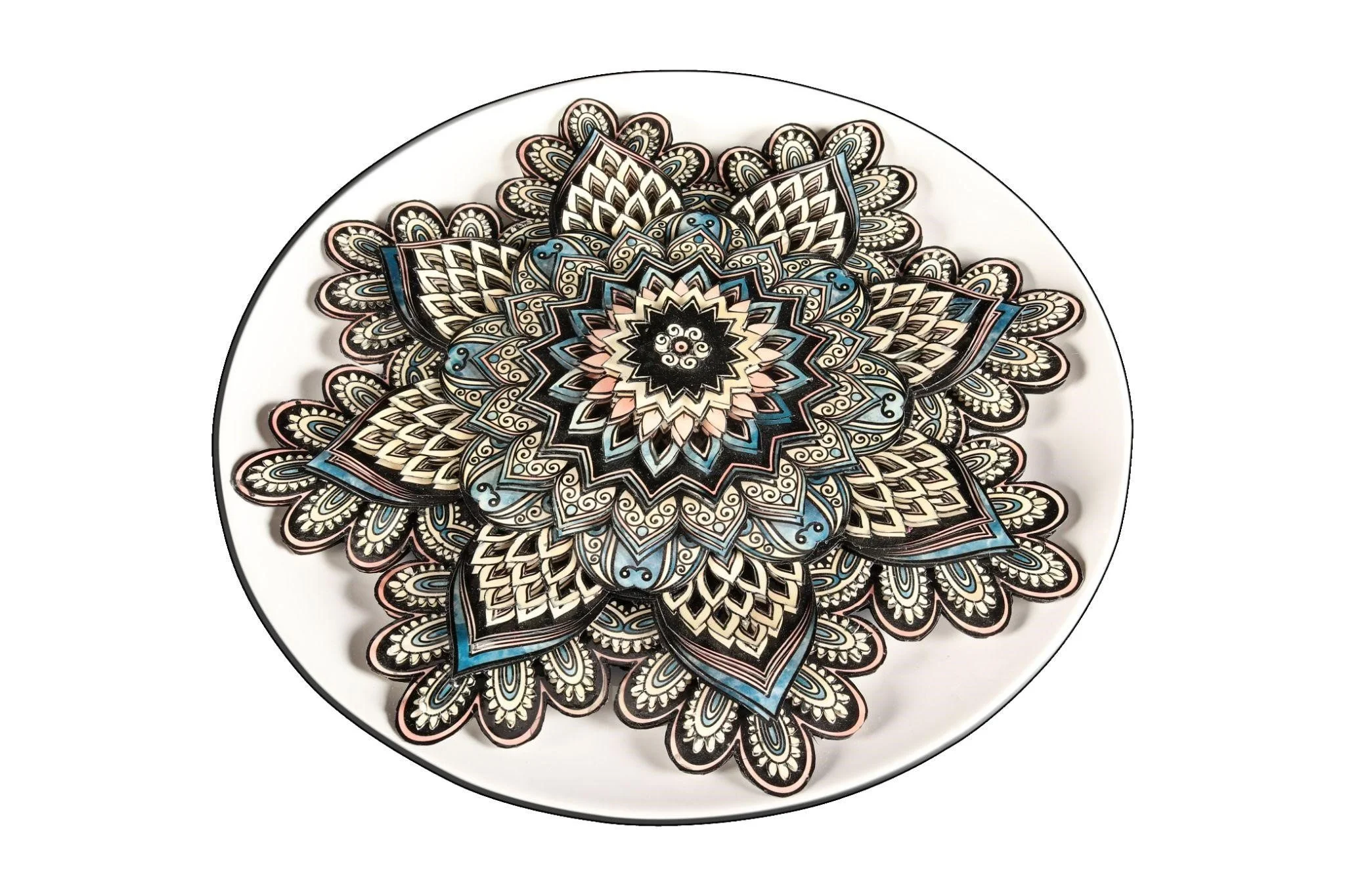
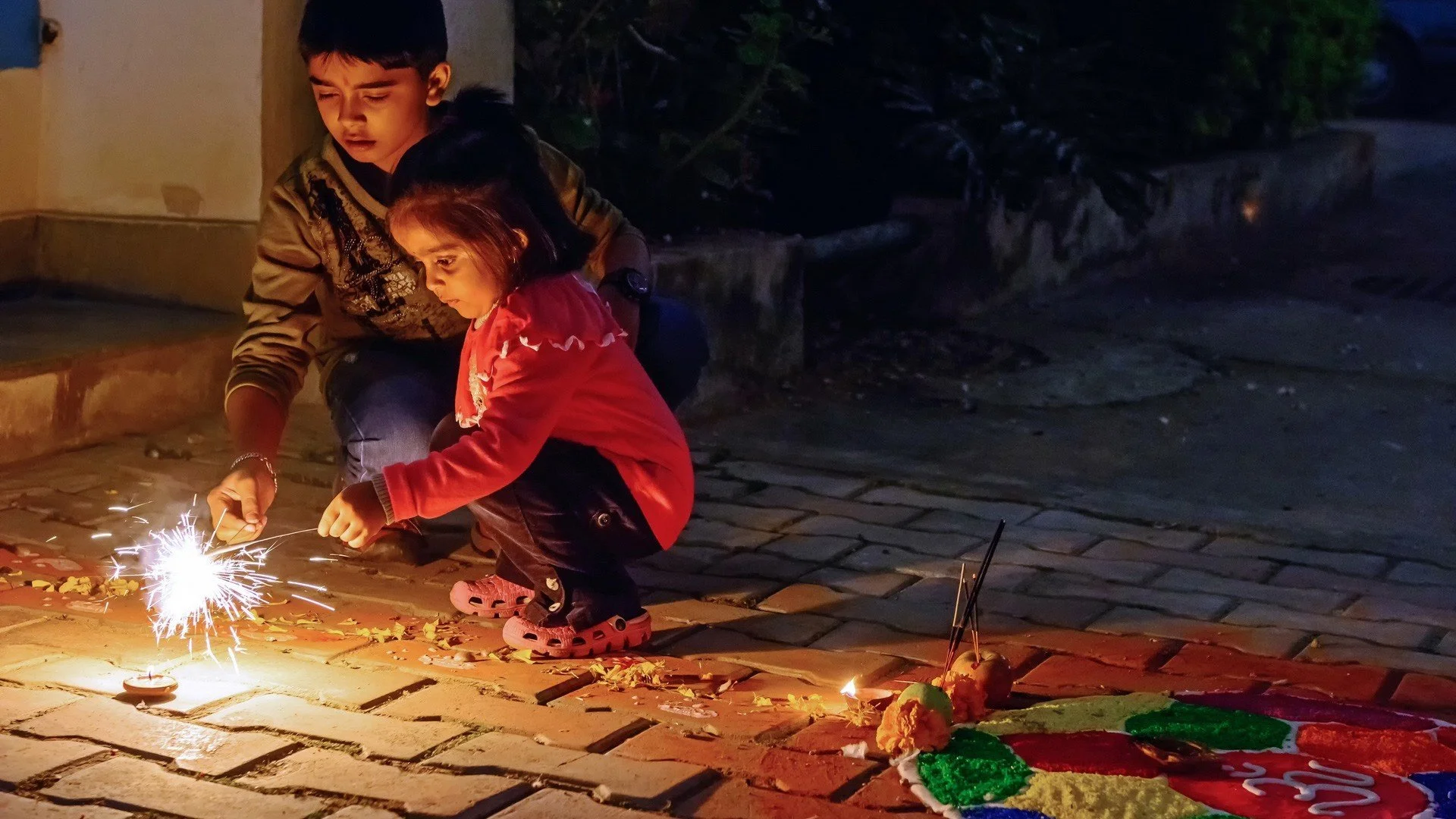
Tihar is also known as Deepawali or Yamapanchak, which is celebrated for a total of five days according to Hindu mythology. Tihar in Newari is known as Swonti which directly follows after Dashain (Mo:ni) and is celebrated in avid fan fair. During when the animals and birds such as crows, cows and dogs are worshipped as avatars of the gods. Households create beautiful Rangoli’s (Mandala) at the porch of homes and light Diyo (Oil Lamps) to welcome the Goddess Laxmi who is believed to be the Goddess of wealth and prosperity.
The five major days of Tihar are Kaag Tihar during when the crow and ravens are worshipped and provided offerings of dishes placed at the roof of homes. Devotees believe that the offerings help avert grief and death in their homes. During the second day, the dogs are worshipped and offered garlands, tika and delicacies acknowledging and cherishing the bond and relation between dogs and humans. The third day is known as Gai Tihar and Laxmi Puja. During the morning of this day, devotees worship the cow (Gai) which signifies prosperity and wealth in Hinduism. In the evening the Goddess Laxmi, the Goddess of wealth is worshipped and thanked for the blessings and benefits bestowed onto the families by offering Diyo (Oil Lamps) in all gateways to the home such as the doors and windows to welcome prosperity and well-being. The fourth day is known as Govardhan Puja, during which the Ox is worshipped according to core Hindu Doctrine. The followers of the sect of Vaishnavism (Lord Vishnu) worship abound of cow dung (Gover) whereas the Newar community on the night celebrate Mha Puja (Self Worship).
The final day of Tihar is known as Bhai Tika or Kija Puja in Newari. It is observed by the sisters applying tika to the forehead of their brothers and placing sacred oil on their forehead and wishing long life and thanking them. According to Hindu Mythology, it is believed that Yamaraj (God of Death), visited his sister Goddess Yamuna on this day. She applied the auspicious tika on his forehead, garlanded him and offered delicacies. Before departing, Yamaraj gave a special gift as a token of his affection and in return Goddess, Yamuna gave him a lovely gift which she had made with her own hands.
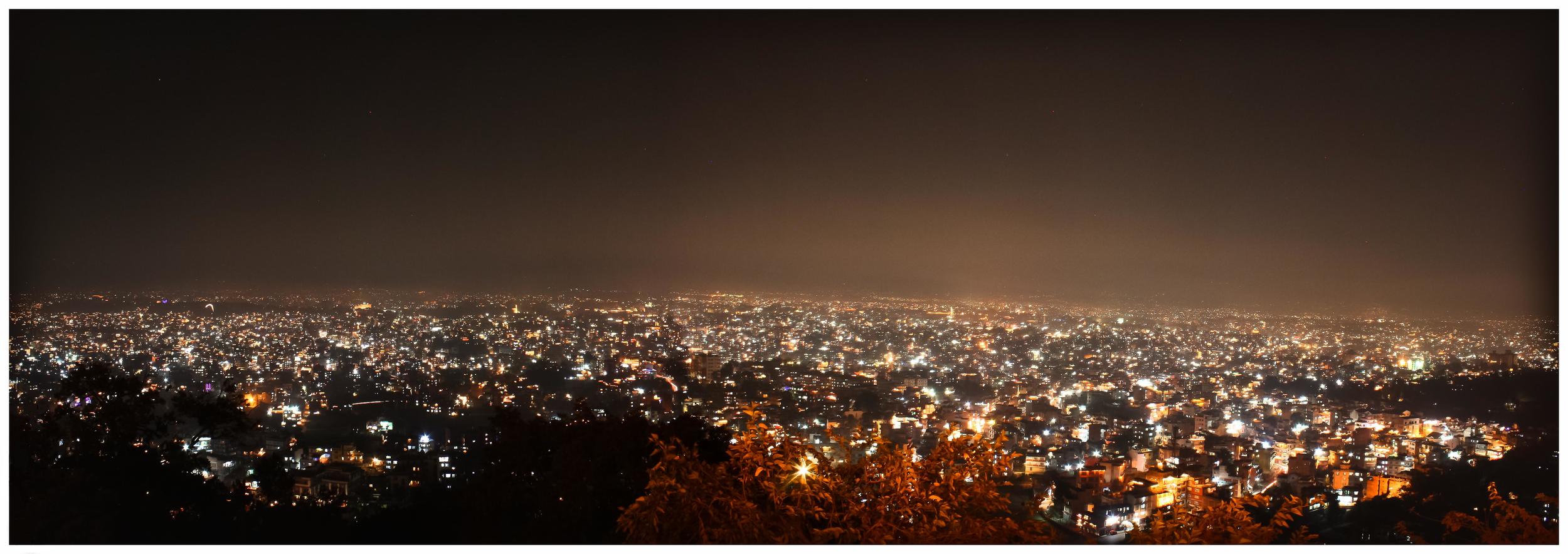
The festivities of Tihar holds many memories for the citizens of Nepal. The festival of lights sees the nation light up with festive lights and the sounds of children playing deusi and bhailo just brights up even the darkest days. Especially in the urban centres like Kathmandu Valley, the majesty of the festival of lights turns the city into an avid display of lights all around. With string lights hanging from the exterior of homes, to do's (butter lamps) placed in and around the houses the totality of the lights in display creates a scene to fathom.
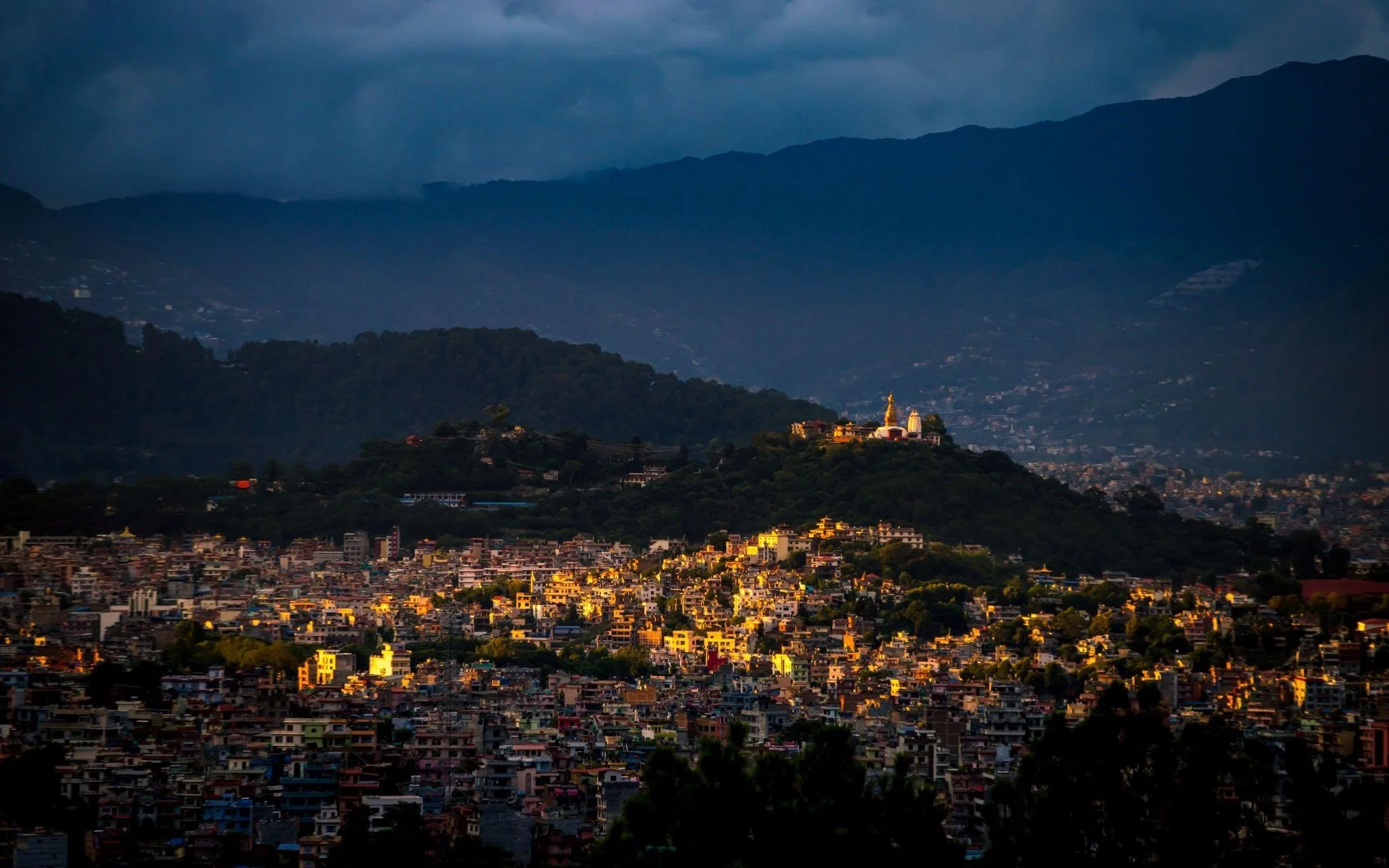
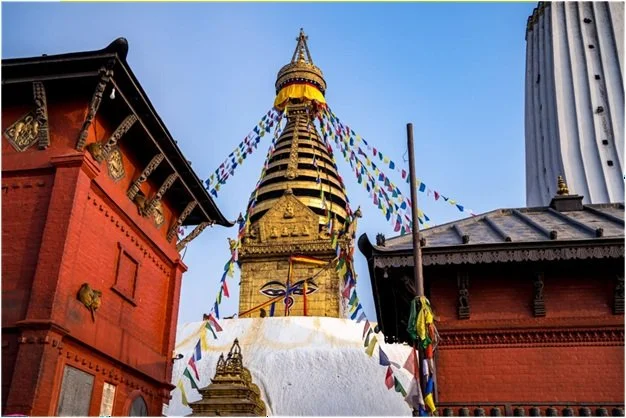
1. A View of Kathmandu from Swayambhunath
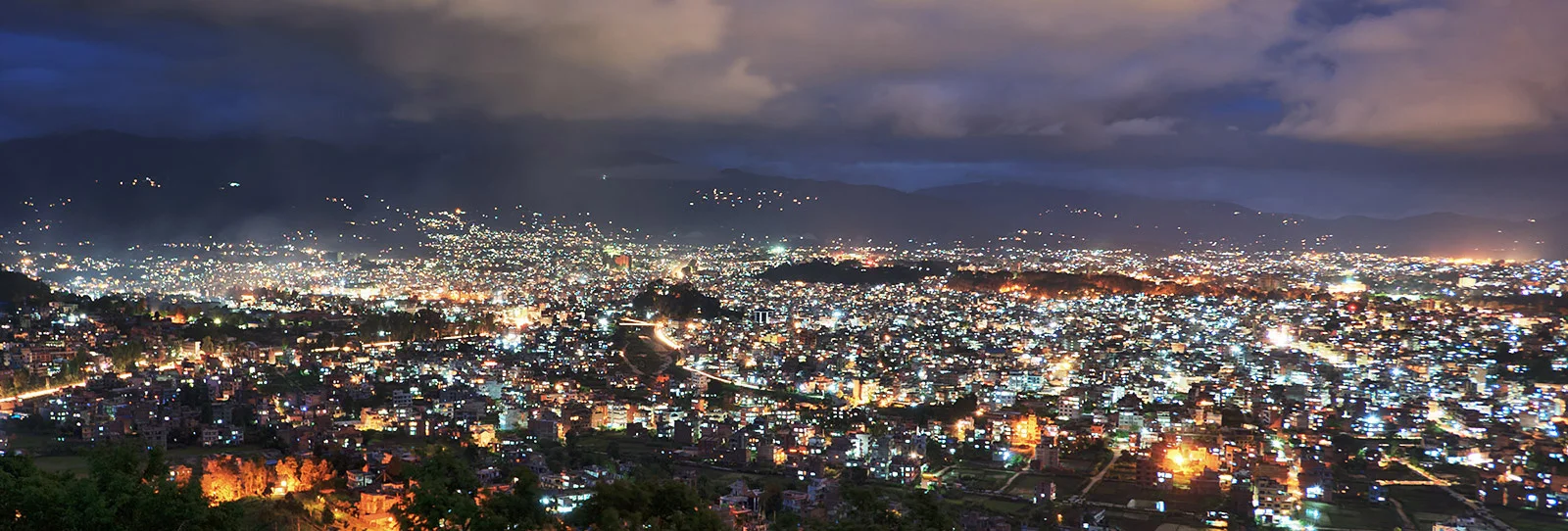
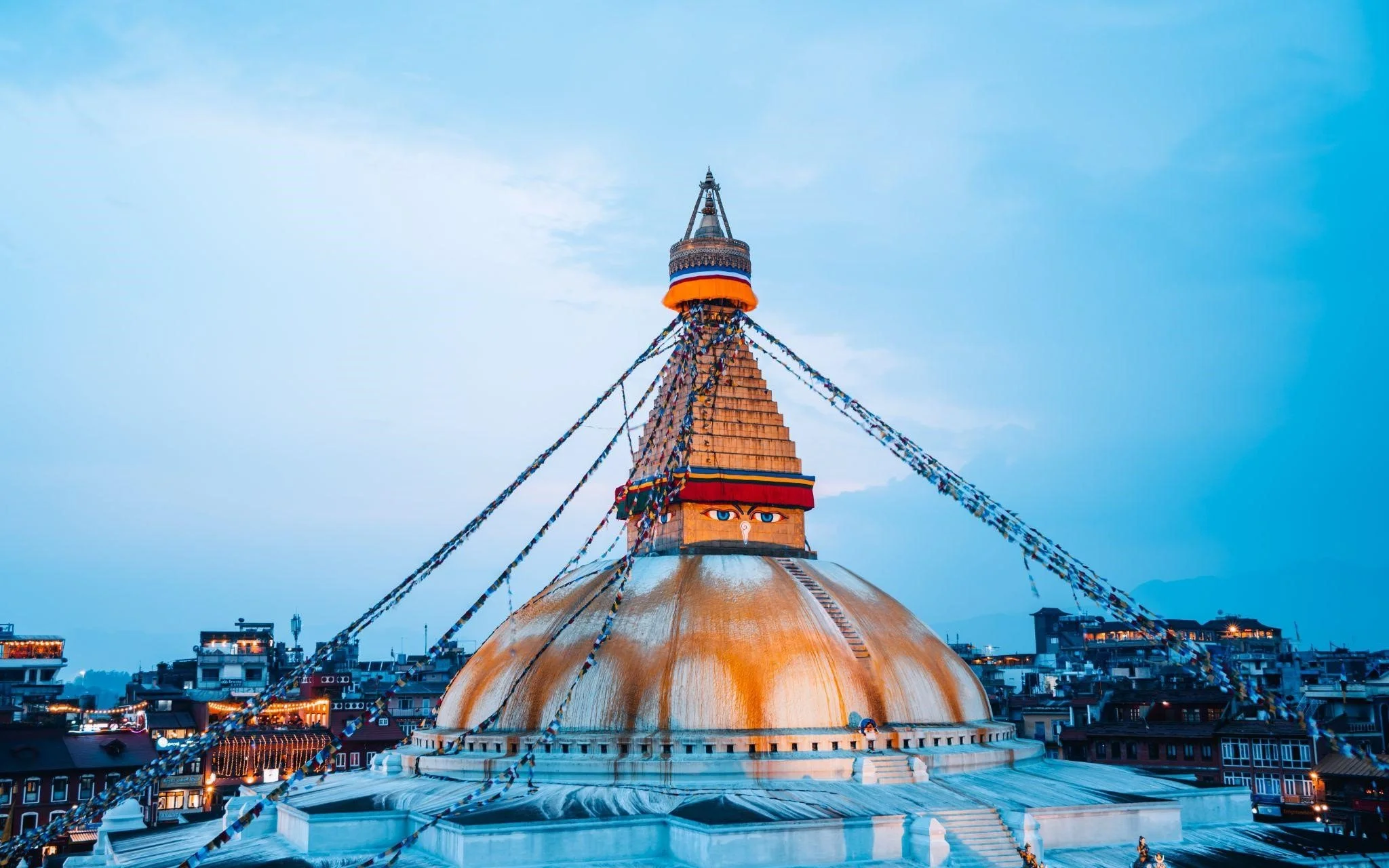
The stupa perched at the hill of Padmagiri is a beautiful destination to overlook the valley of Kathmandu and witness the majesty of the city during Tihar. The place offers a beautiful panoramic view of the city which you can enjoy with a cup of tea. As the sun sets the city lights up in all its glory and you get to witness the beauty of the valley.
It is believed that at the ending years of Dwapar Yuga, an Acharya named Santikar who is also known as Sant-Sri saw that the Kali Yuga was approaching, during which mankind would be utterly sinful. So, he covered the light of Swayambhu with stone and built a chaitya and temple over it. Entangled with this same legend is another fascinating the legend, it is believed that Sant Shri who built the chaitya also built 5 rooms surrounding the chaitya named after the 4 elements and one the soul called Santipur, where he locked himself and stayed in the state of divine meditation. He thus entered a mystic state, achieving immortality and vowed to stay in the room and emerge when the valley of Kathmandu truly needed him.
2. The pond of Pim Bahal
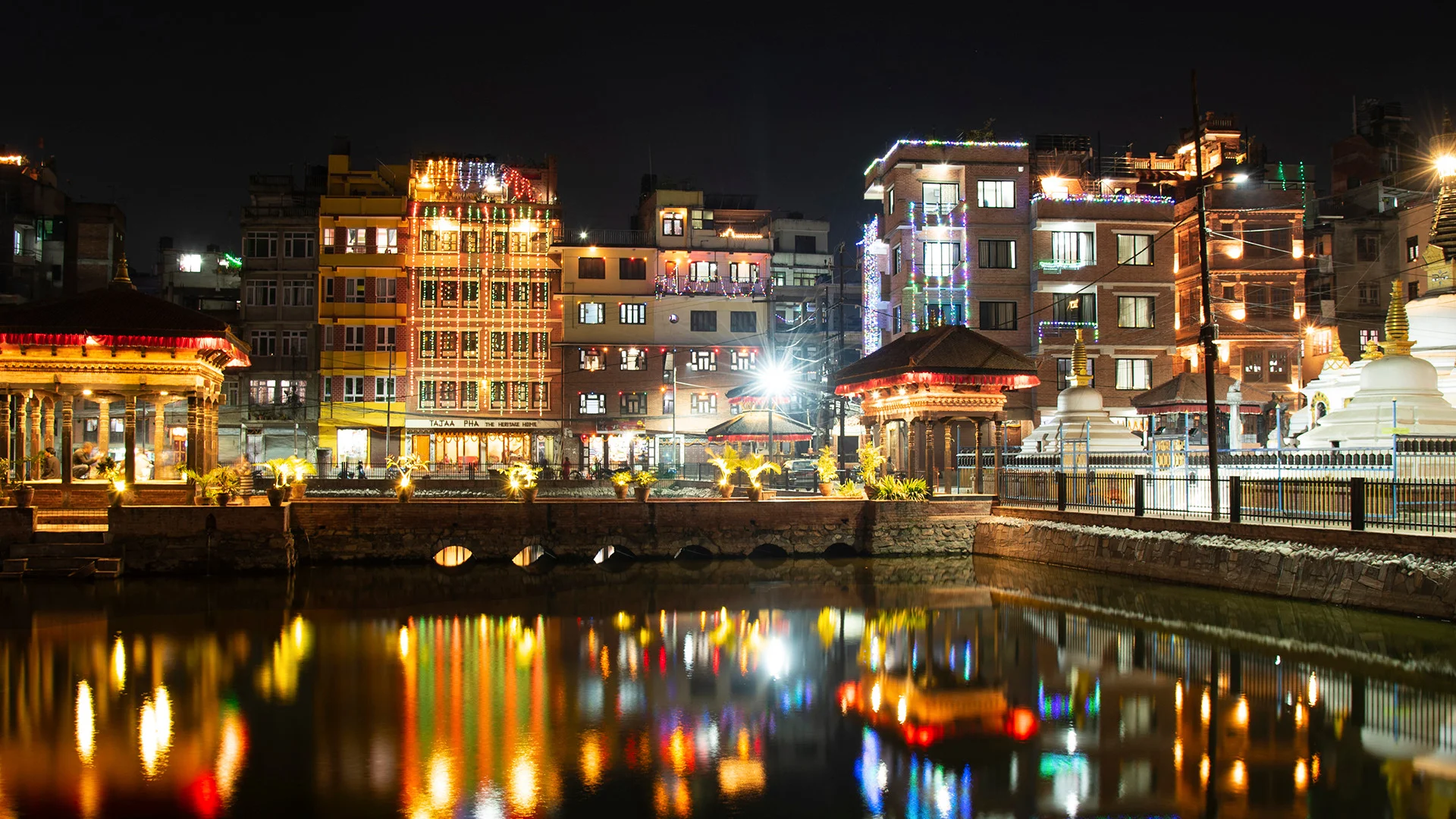
The pond of Pim Bahal which is locally known as the Jag Maru Puku ( Pond without a foundation) is a treat hidden inside the beautiful city of Patan ( Lalitpur). Located on the way to Patan Durbar Square, the pond saw great community effort in restoring the pond to its original state after the great earthquake of 2015. The beautiful reflections of the lights of the homes surrounding the pond bring forth a new dimension during the festive season of Tihar. One can enjoy a great stroll at Patan Durbar Square and take a brief walk to the pond, which features several pati’s (Resting Spots) and catch their breath while being surrounded by its cultural magnificence.
3. A Stroll in New Road
The heart of all trade in the city of Kathmandu, the street of New Road during the festive season of Tihar turns into a beautiful display of lights for one to fathom. Stopping at New Road gate and talking a walk through the streets to Kathmandu Durbar Square, is a definite treat to the eyes with all the beautiful dangling lights form homes with the sounds of children playing deusi and bhailo.
4. A Drive in Kathmandu
If you have a rented vehicle then talking a drive through Kathmandu is a must in Tihar. The festivities lighten up the traffic and a drive around the city is a great way to witness the magnanimous display of lights around the city.
5. The Town of Kirtipur
The town of Kirtipur perched at the eastern hill lock is a town rich with Newar culture and heritage. It also offers a beautiful panoramic view of the city of Lalitpur and Kathmandu which are bound to have you tantalized during Tihar. One can experience a great day strolling around the city and experiencing Newari hospitality to the finest and be treated to a beautiful view of the city in the late evening hours.
SIMILAR POSTS
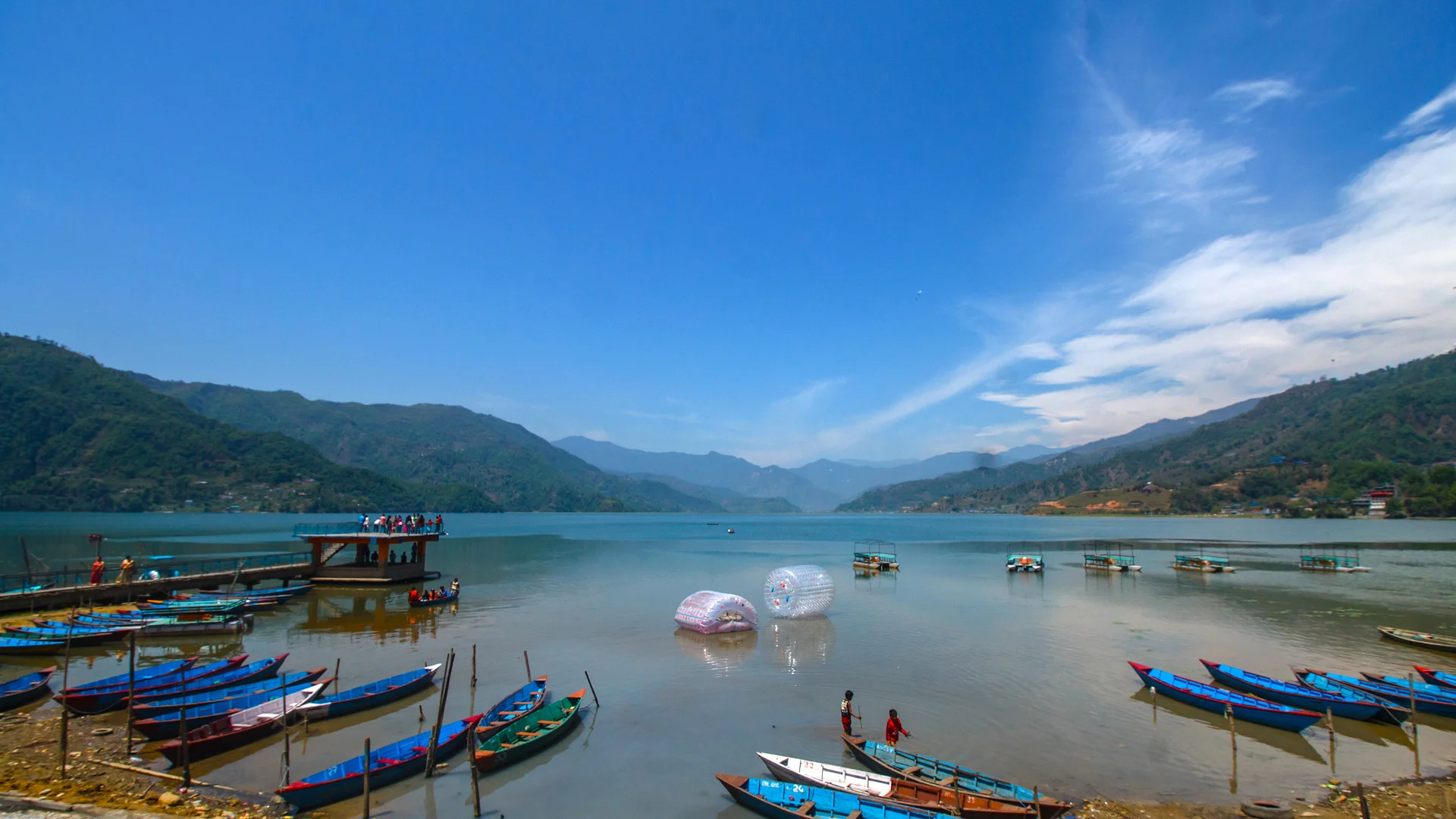
Destination Pokhara
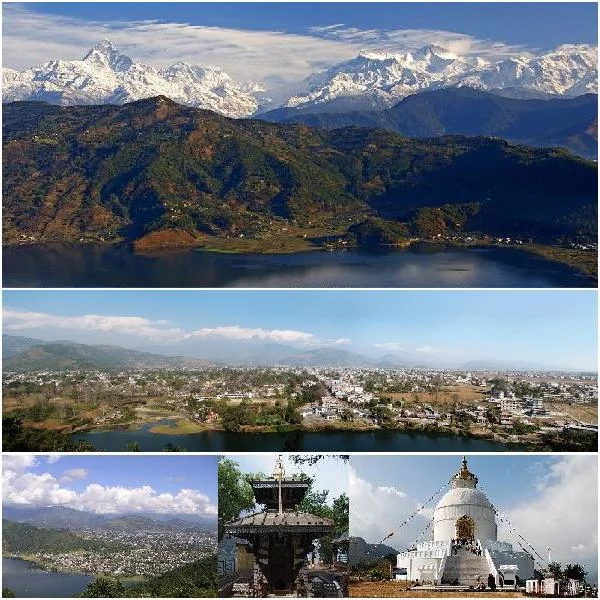
Pokhara city, the getaway to the Annapurna circuit allows you to experience magnificent scenery, culture, and traditions. The city has established itself as a tourist hub and as one of the must-visit destinations in Nepal. An ideal place to partake in fun activities such as sightseeing, paragliding, ultra-light, para hawking, canoeing, hiking and sky diving.
Popular Activities in Pokhara
Sight Seeing
Paragliding
Ultra Light
Para Hawking
Canoeing
Hikinh
Sky Diving
Popular Places in Pokhara
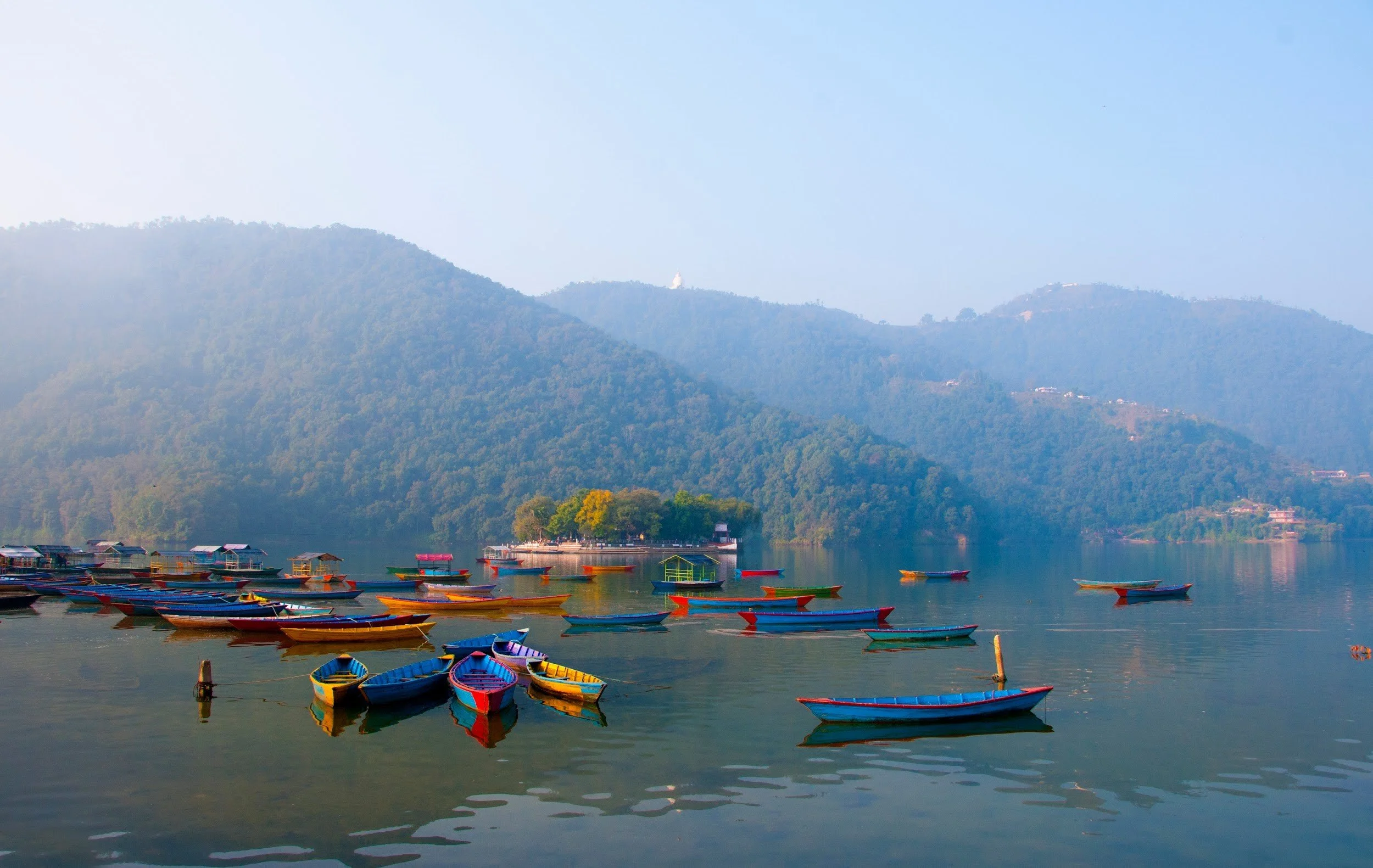
Fewa Lake
Barahi Madir(Temple)
Sarangkot
Kali Mandir
Kanchi Baraha Madir(Temple)
Bindyabasini Mandir(Temple)
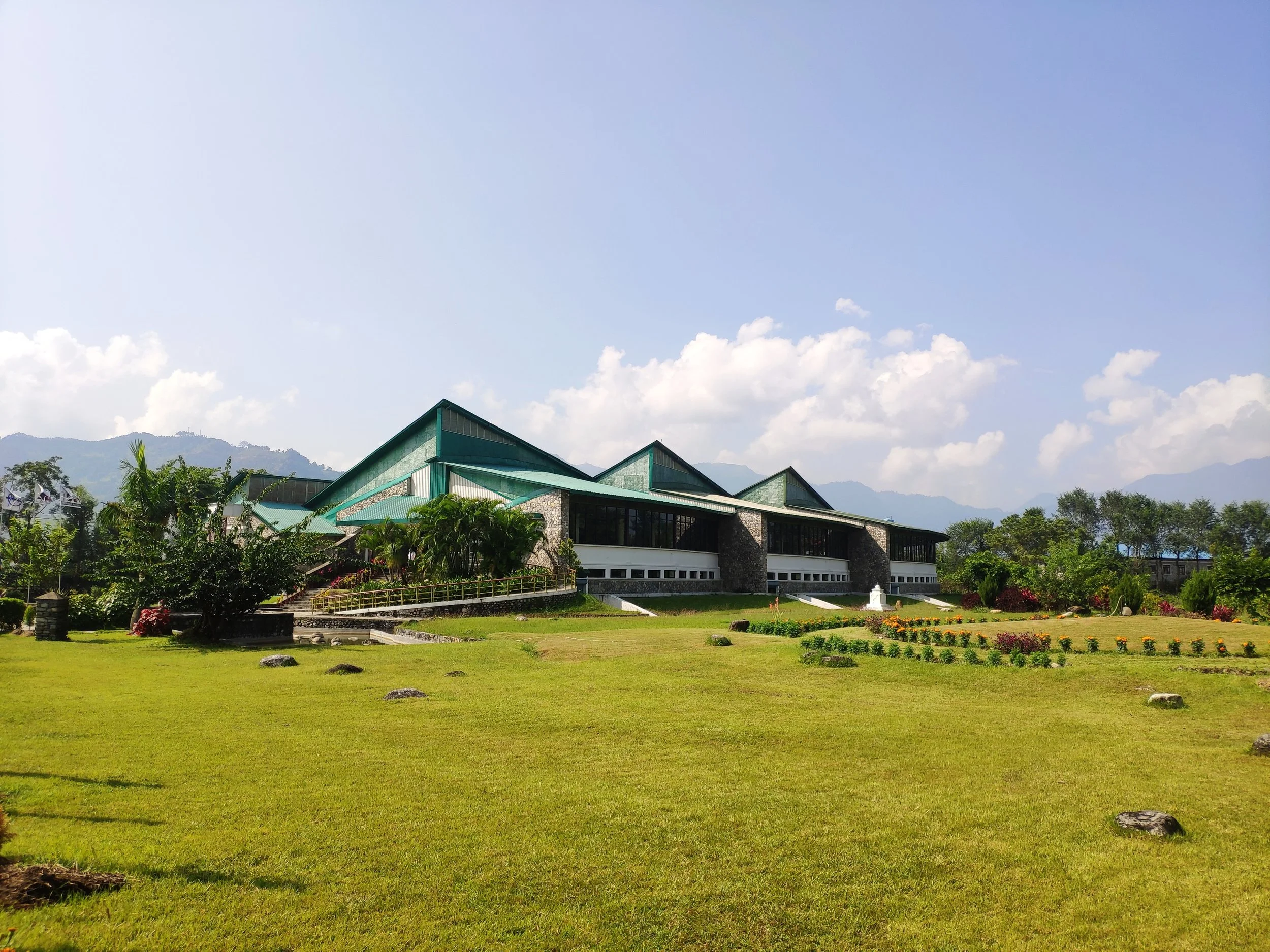
Mountaineering Museum
Gupteshwor Mahadev cave
Pokhara is a land of mysticism, spectacular sceneries, adventure filled activities, and a foodie’s wonderland. The city is an ideal place to partake in fun activities such as: sight seeing, paragliding, ultra light, para hawking, canoeing, hiking and sky diving.
The city has established itself as a tourist hub and as a must visit destination in Nepal. With a whole host of fun activities, you can indulge in, beautiful landscape and amenities, it is bound to fill your mobile phone with pictures of beautiful memories with your friends and family.
Arranging a holiday trip in Pokhara during Dashain can be a bit tricky. If you choose to travel by bus then it is recommended to book your trip in advance. Pokhara, being a tourist hub, is not as affected by the festivities as other cities, but brace yourself for closed shutters, and empty streets on the main days. While you are there especially if you are travelling in your personal vehicle, you may also want to put together a picnic by the lakeside.
The getaway to the Annapurna circuit gives you an opportunity to experience magnificent scenery, culture and traditions. Here you can experience best of both worlds.
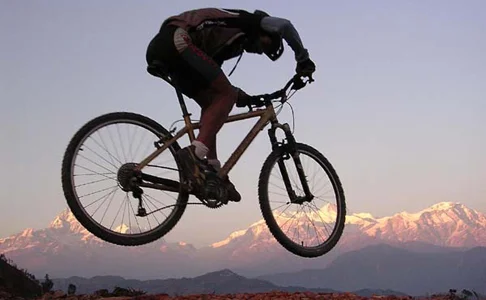
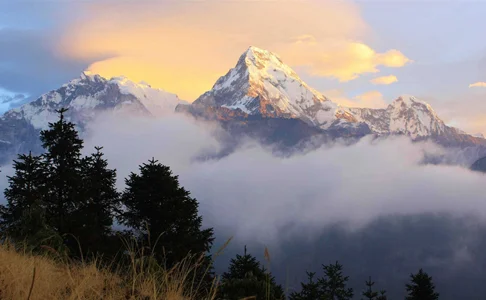
If you are searching for solace, then hire a bicycle and make your way to Pame. Lying on the outskirts of Pokhara, this part of town gives you a sense of resonance with nature. The ride gets thrilling with the highs and lows of the road, and if you’re with your friends, there is bound to be laughter and joy during the trip. Begnas Lake is another beautiful sight to behold. The scenic view of the immaculately calm lake surrounded by lush greenery and gazed down by the Himalayan peaks is a perfect description of paradise. Another place you can easily get the striking views of the Annapurna range from here. The way to the top can be considered a small hiking experience.
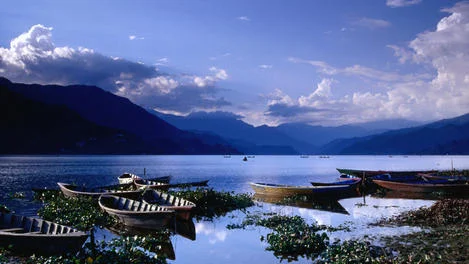
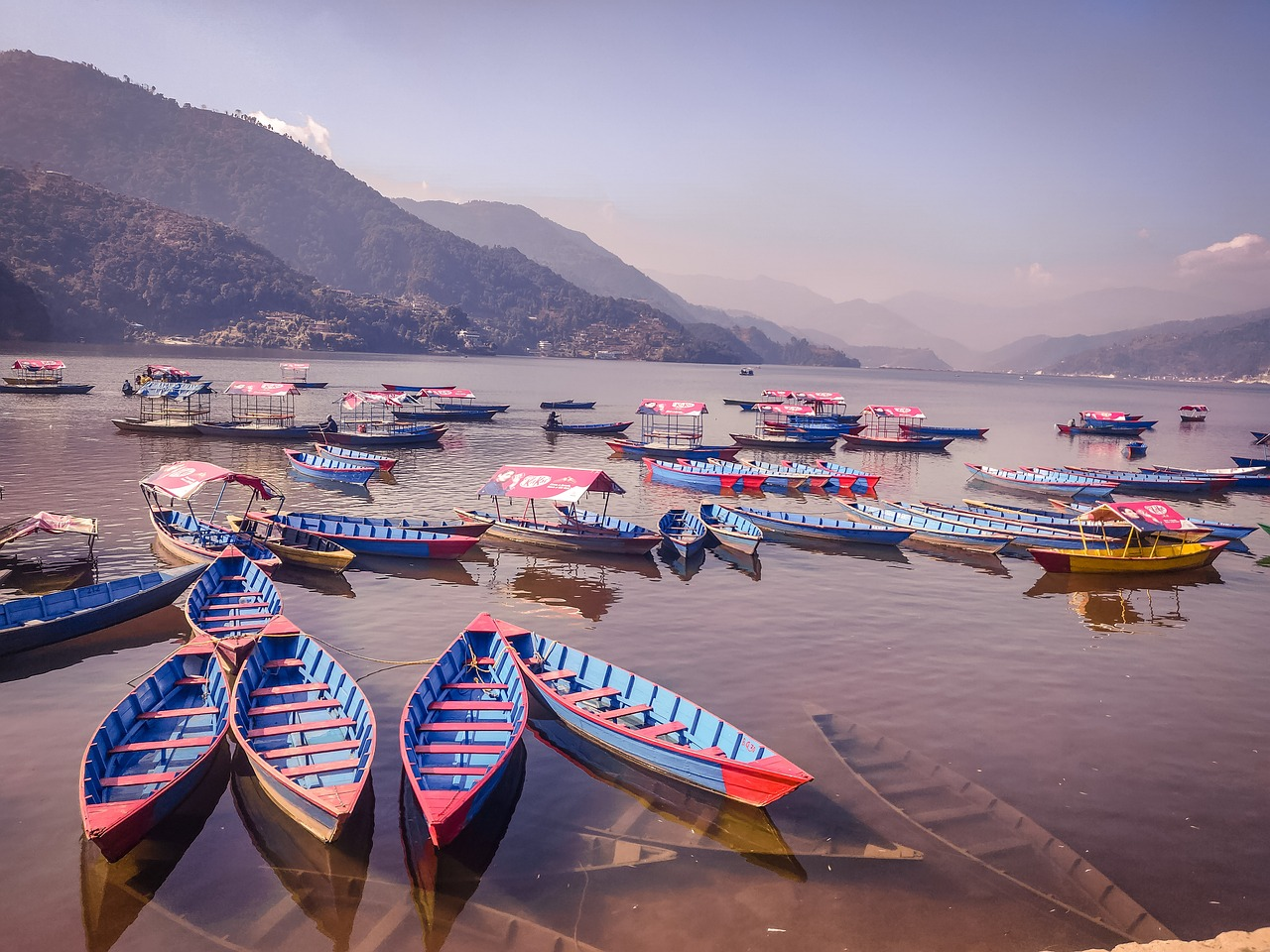
A delightful evening during the golden hour, with the majestic Himalayas reflected upon the Fewa lake in the background of the setting sun, is truly a sight to behold. A trip to Pokhara is also never complete without witnessing the Sun rise atop the hills of Sarangkot.
Pokhara which is also known as the "city of lakes," is full of cultural and natural heritages as well. The old bazaar of Pokhara has many peculiar alleys and courtyards. The hanging beads, local handicrafts and cultural attires will draw anyone’s attention. They are worth a visit if you want souvenirs! At the least hire your own boat and visit the beautifully nestled temple of Barahi temple in the middle of the Phewa Lake.
The village of Lumle has been declared a Poetry village and indeed the journey there has poetic elements to it. It is also a religious hotspot with many historical temples like Kali Mandir and Kanchi Baraha Temple.
You can indulge yourself in the absolute calmness of the place and pray for the prosperity of your loved ones. Bindyabasini temple is another monumental temple in Pokhara located within the serenity of a lake.
The International Mountaineering Museum of Pokhara explores the past and present situation of mountaineering in Slovakia, Japan and Nepal. The museum features an excellent collection of flora and fauna. It’s a place for learning and having fun if you are academically inclined, or interested in historical details.
The mysterious Gupteshwor Mahadev cave has an eerie but peaceful atmosphere. Similarly, Mahendra cave has several stalactites and stalagmites and a statue of Lord Shiva. After experiencing all the fun things mentioned above during daytime, you can rest for a while in anticipation of a equally exciting Pokhara night life awaits you.
Aasma Aryal