

An Experience of a Lifetime
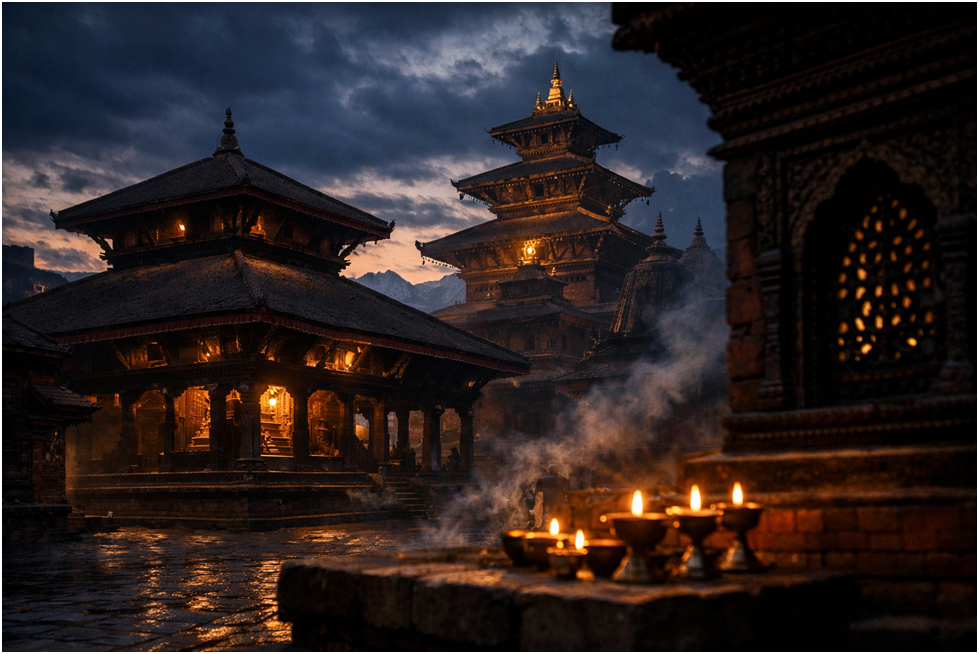
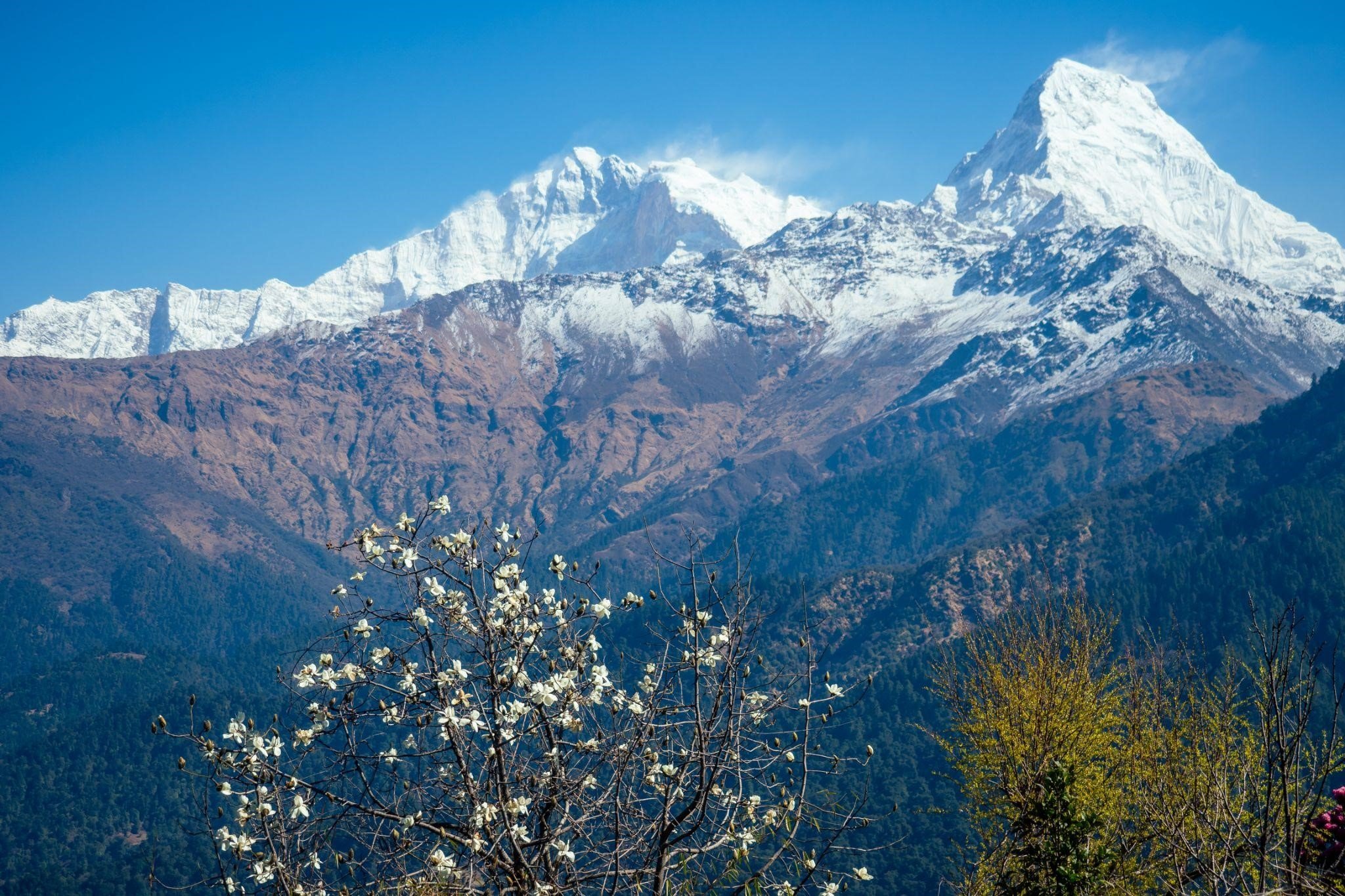
Welcome to the land dubbed the abode of the Gods, where once in mystic lures the Gods once roamed with the people. Welcome to the land of cultural diversity, majestic Himalayas, where the magic of the ancient world still resonates in every corner. And, welcome to the homes of a kind and warm people who are always keen to share their world.
If you are a wanderer who has stumbled upon this small but majestic nation that I call home, I write this to you. I have a smile on my face and my hands are put together as I greet you “Namaste”. I thank you for choosing to travel to this very glorious nation, which has much to offer.
With Visit Nepal Year around the corner, this initiative is a momentous campaign to draw you travelers to this beautiful nation. Being born and having lived in Nepal for most of my life, exploring, encountering and experiencing the culture, cuisine, tradition and thrills of this nation, I can say this, “ Your hunger for something new shall be fulfilled, your search for adrenaline shall be quenched with a side of great hospitality, diverse cuisine, majestic landscape, and beautiful people.” The campaign of Visit Nepal Year has been anxiously awaited by the people of Nepal. As we await, to share with you all our love, culture, tradition and festivals. We await to welcome you to our homes, share our delightful cuisine, and make merry with you in our festivities.
Being a student of sociology, a fanatic of history, photography and having travelled to various parts of Nepal for my studies. I feel as if I can’t sum up the beauty of this nation in one article, as our diversity and ethnicity is home to treasures that one can explore for their entire life. During my studies, I have stumbled upon may great writers and artists, who choose to do their study in Nepal and the magic of the Himalayas, the love of the people make them choose Nepal as their new abode. It always bewildered me, meeting such individuals and I always asked, “Why?”
To which I was once told, “Nepal is a heaven, not just because of the lush landscape but because of the people. In the greatest of adversities, the people of Nepal choose to smile. They share with you their home, their food and all, and before you know it you are a part of the family.”
There is so much to explore in Nepal, some things that aren’t listed in that travel book you are holding. Everyone sees the temples, the monuments, the lakes but true intangible experiences are going to be an amalgam of sharing moments with the people. Thus, I strongly suggest learning a few words and phrases, as you are going to be replied with a beautiful smile.
To you my dear wanderers I welcome you to the land dubbed the abode of the Gods, where once in mystic lures the Gods once roamed with the people. I welcome you to the land of great cultural diversity, majestic Himalayas, where the magic of the ancient world still resonates in every corner.
I welcome you to Nepal. May your travelers be blessed, your search full filled, your diary and mind filled with memories of great adventures and experiences and your camera’s filled with moments that you shall fathom for the rest of your lives.
An op-ed of living in Nepal by Shreyashka Vikram Raj Maharjan
Popular Itineraries
Similar Posts


The Legend of Majipa
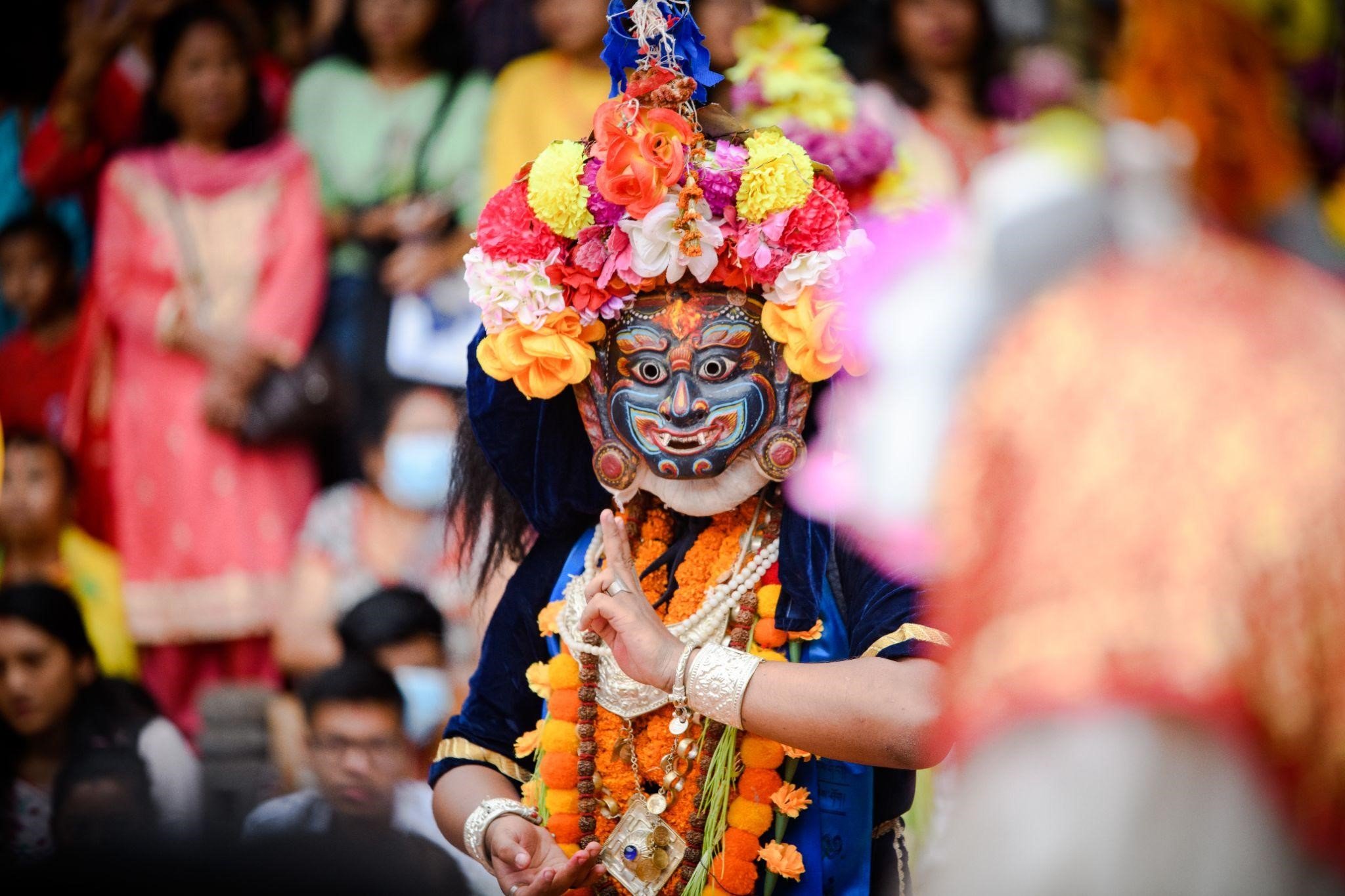
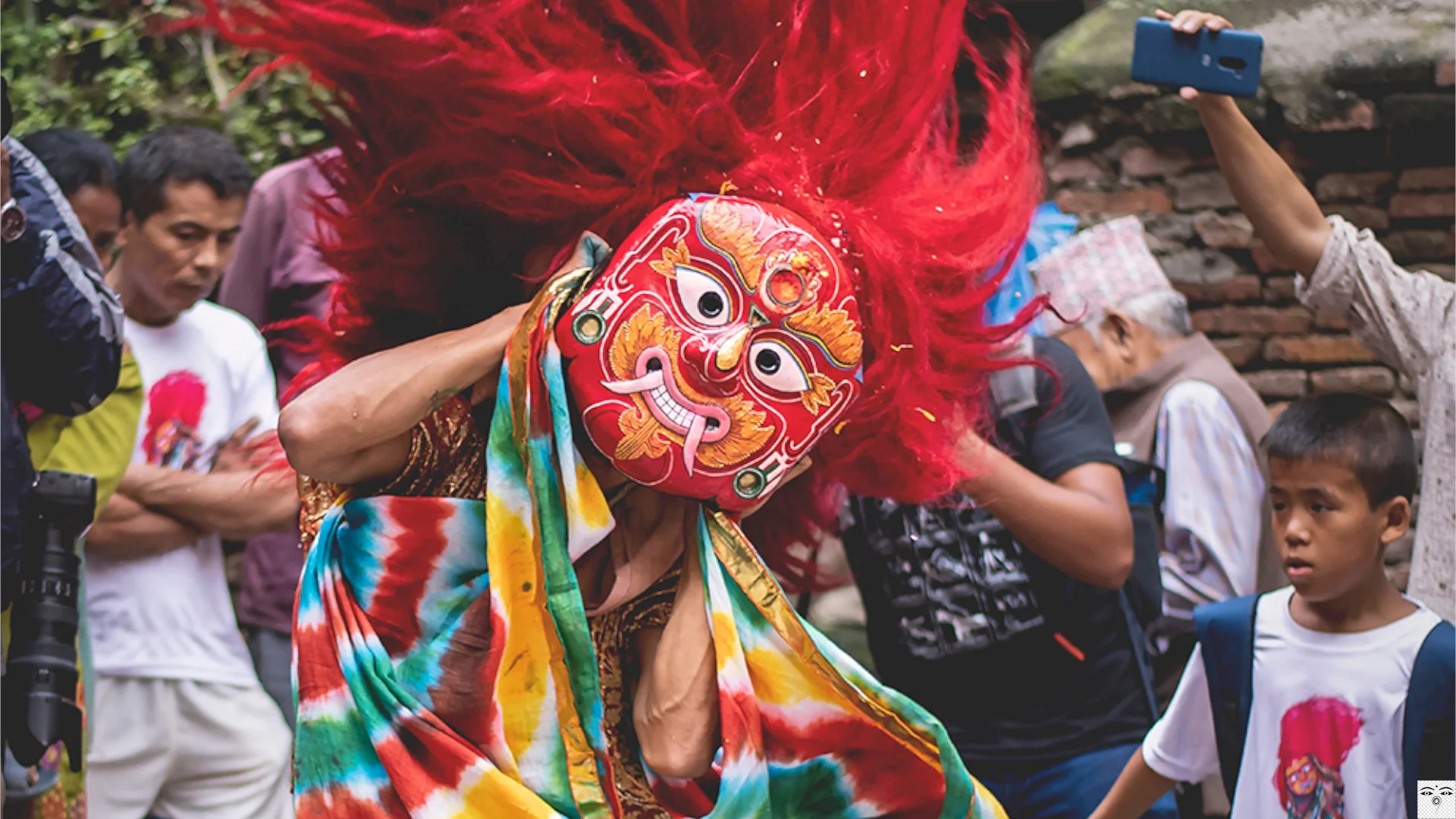
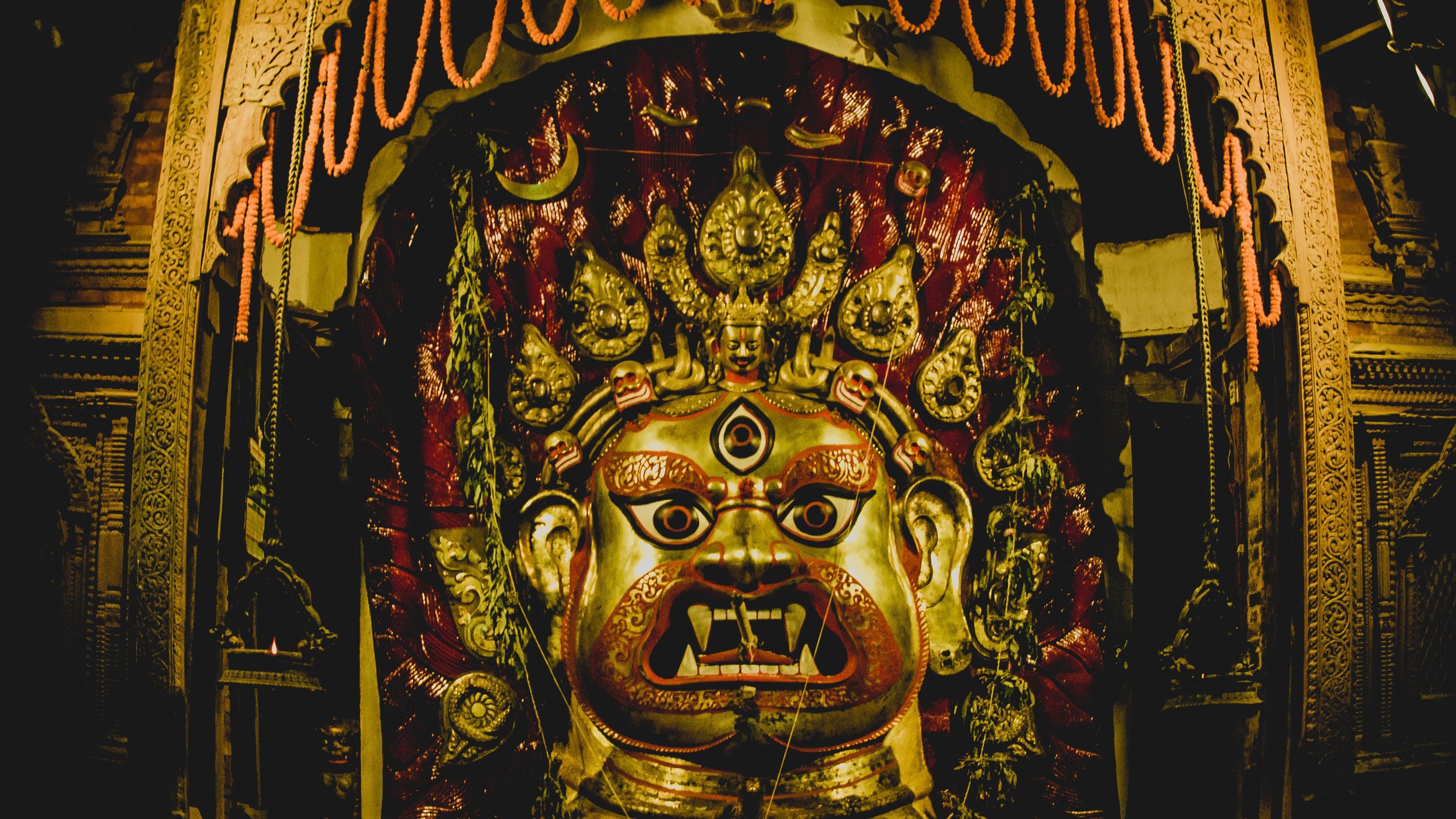
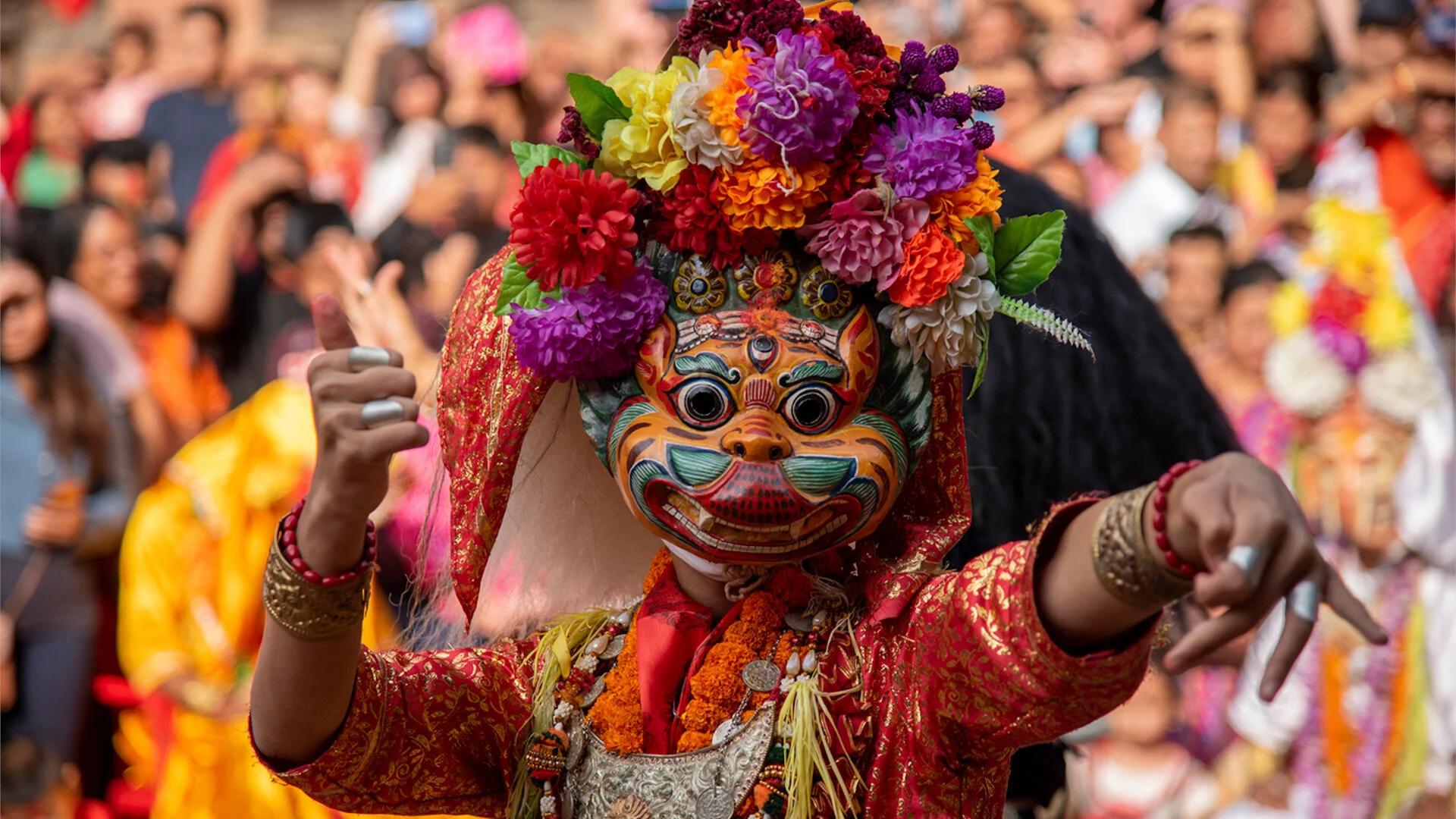
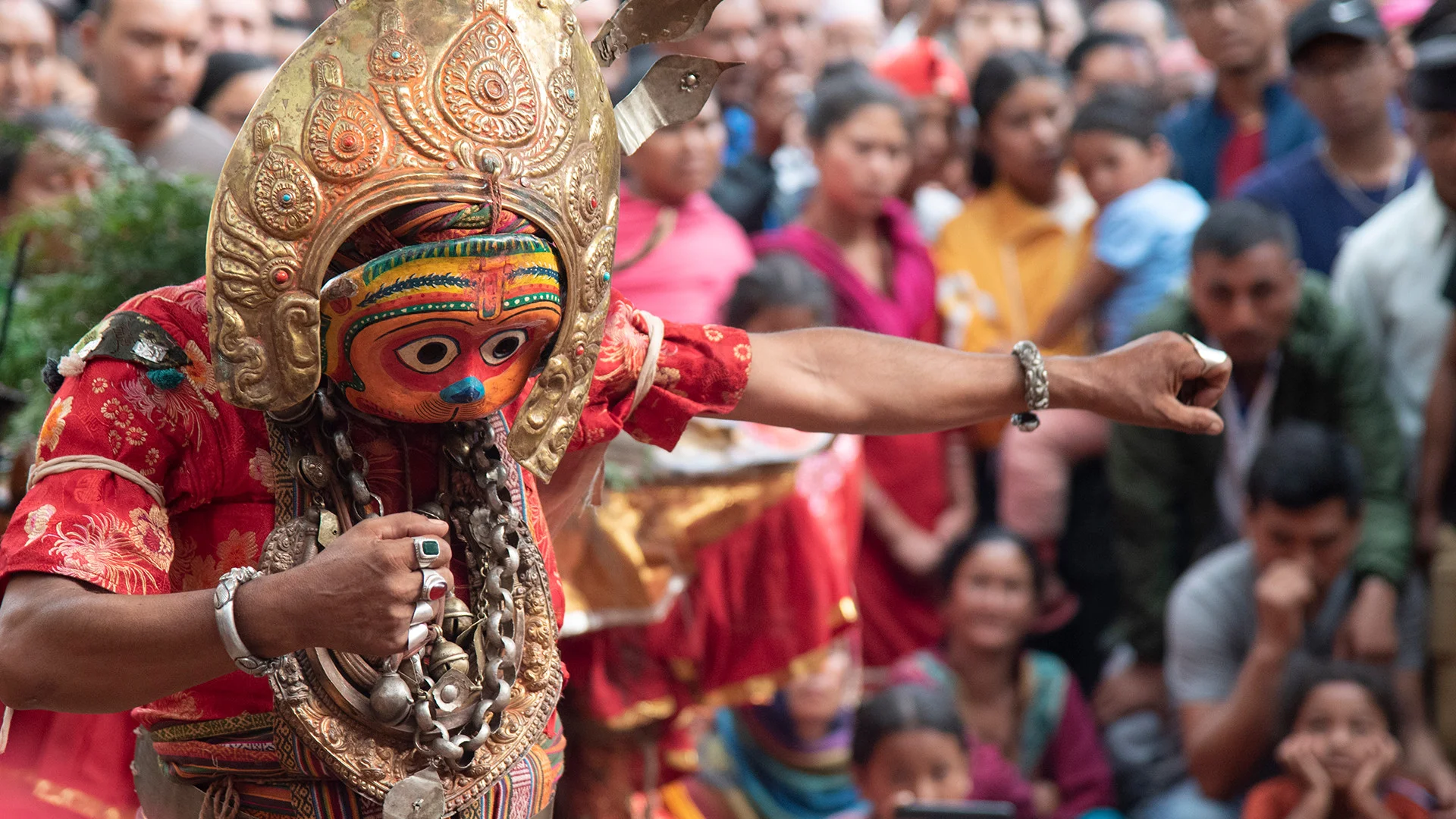
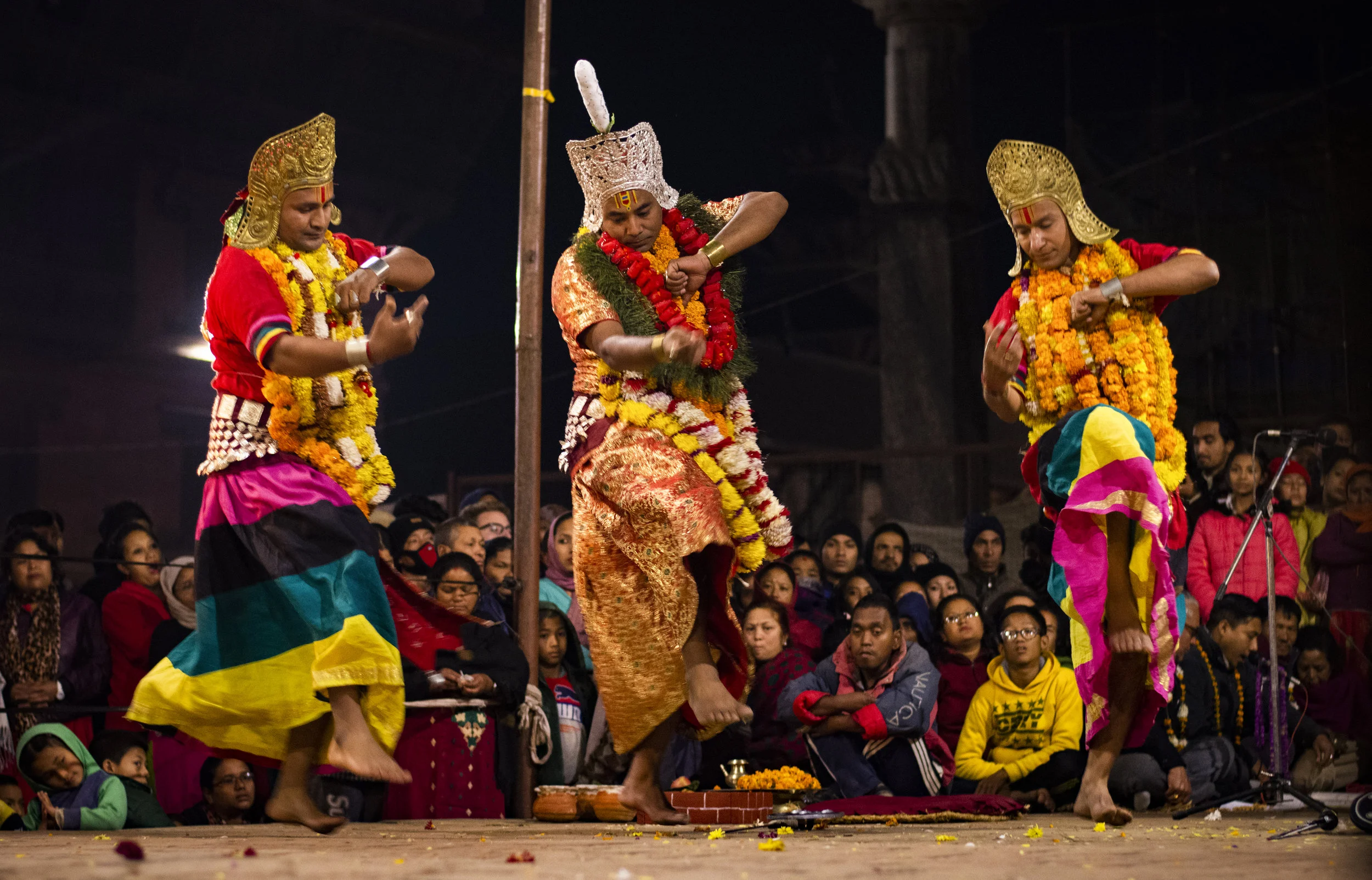
Majipa Lakhey in Newar mythology is the protective deity of all children in the Valley. During the annual festival of Indra Jatra, the dance of Majipa Lakhey is performed by the clan of Ranjitkars of Kathmandu with a traditional drum (Dhime) and a pair of Bhusya (pair of cymbals) with straps to fasten around the wrists. Devotees during the dance performance try to manage a touch the Lakhey’s rich display to take the blessings.
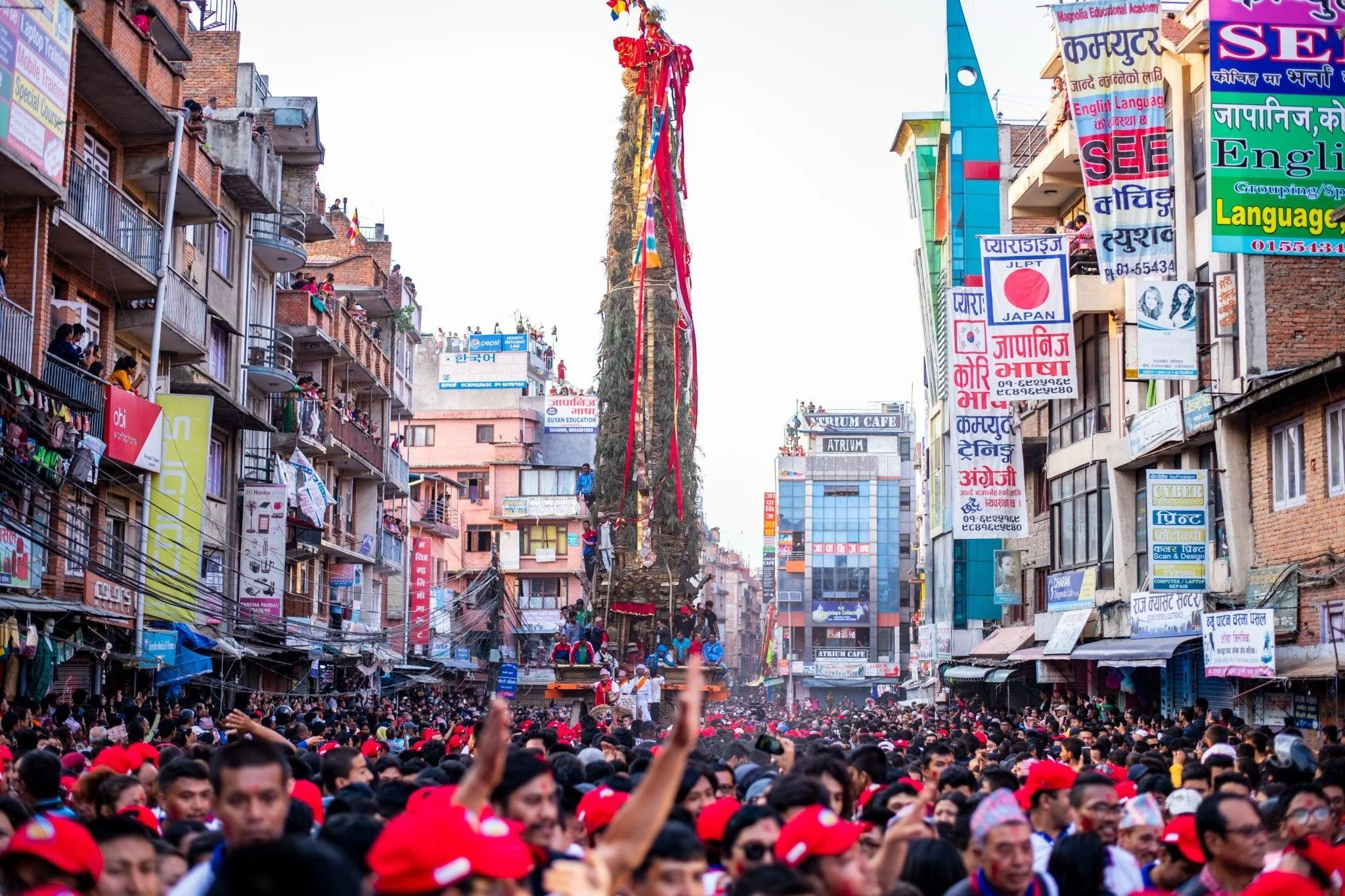
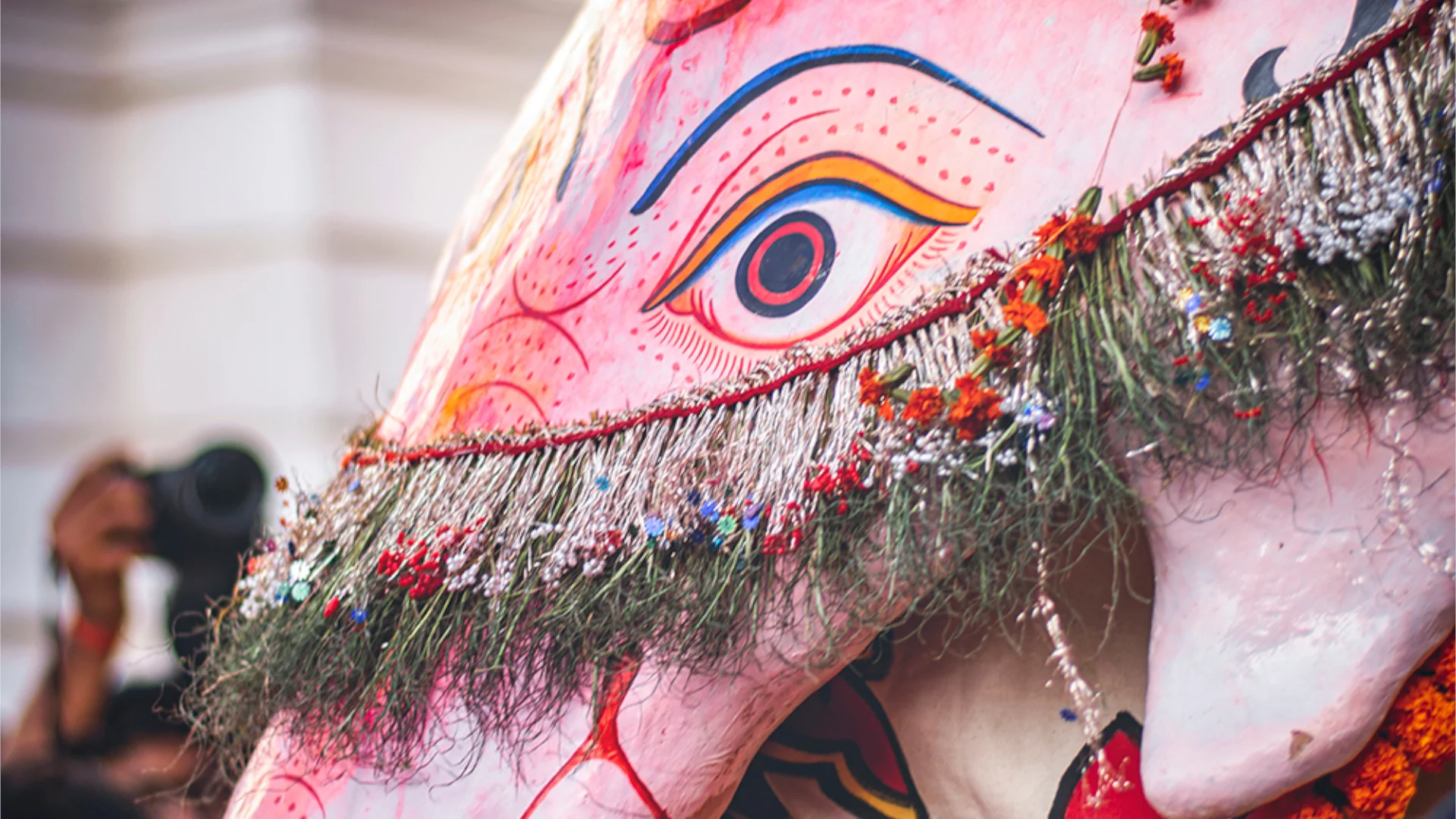
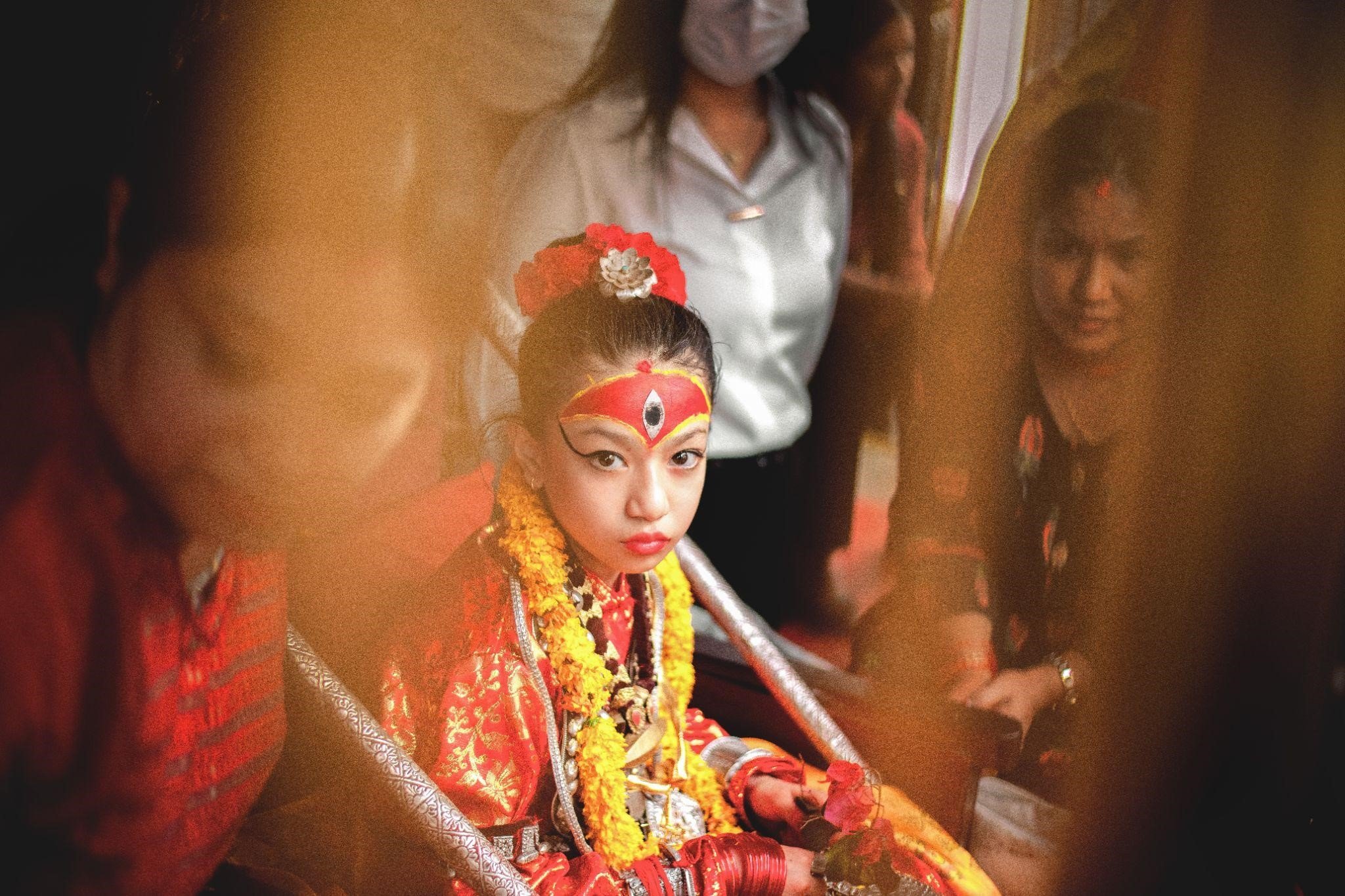
The celebration of Yenya Punhi, commonly known as Indra Jatra is an amalgamation of numerous festivities.From the dance of Phulakisi ( Indra’s White Elephant), to the chariot procession of the Living Goddess Kumari, along with Lord Ganesh and Bhairav. The spectacular eight days of Indra Jatra, brings together elements from all over the valley of Kathmandu in the unique celebration dedicated to Lord Indra.
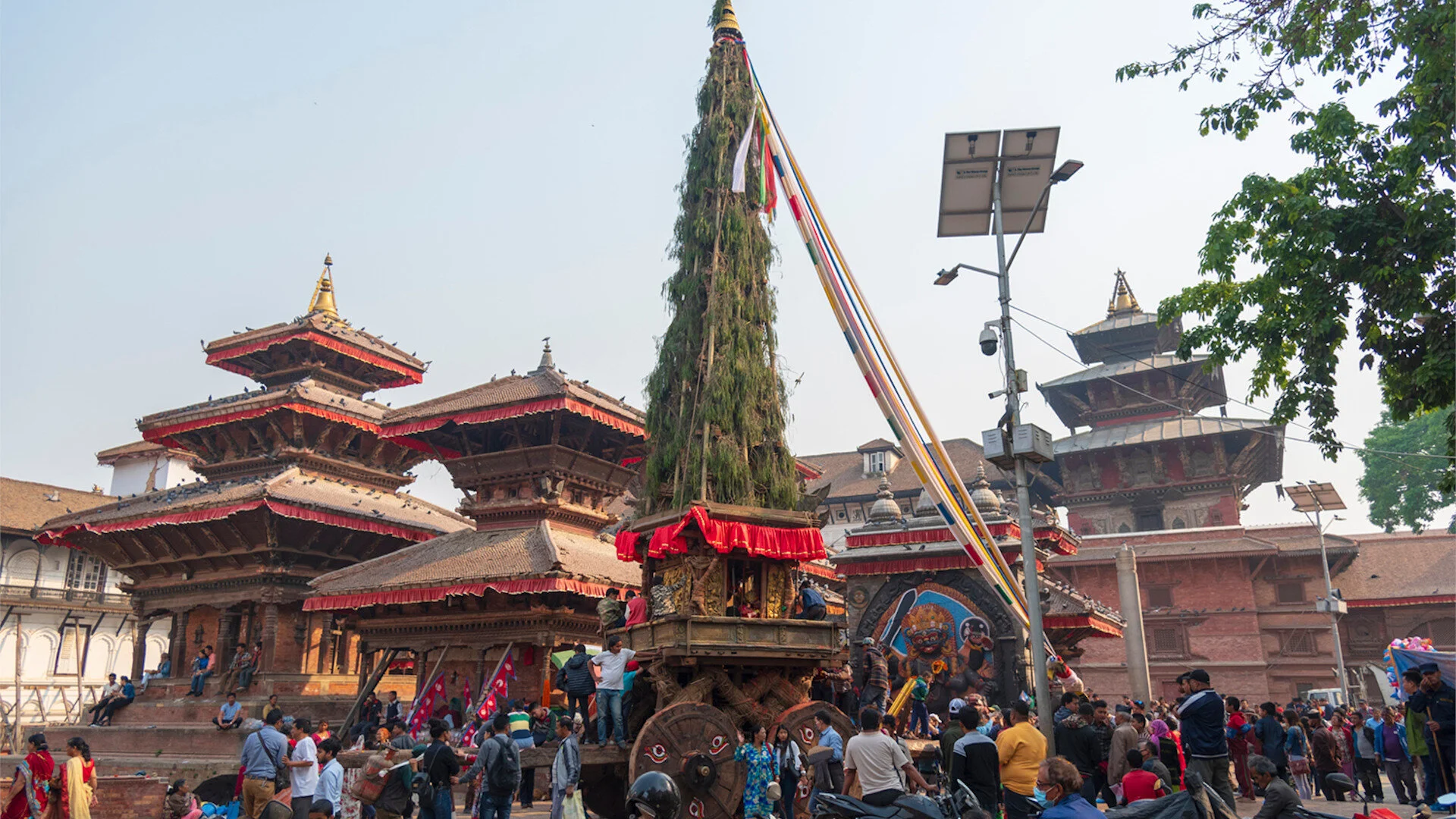
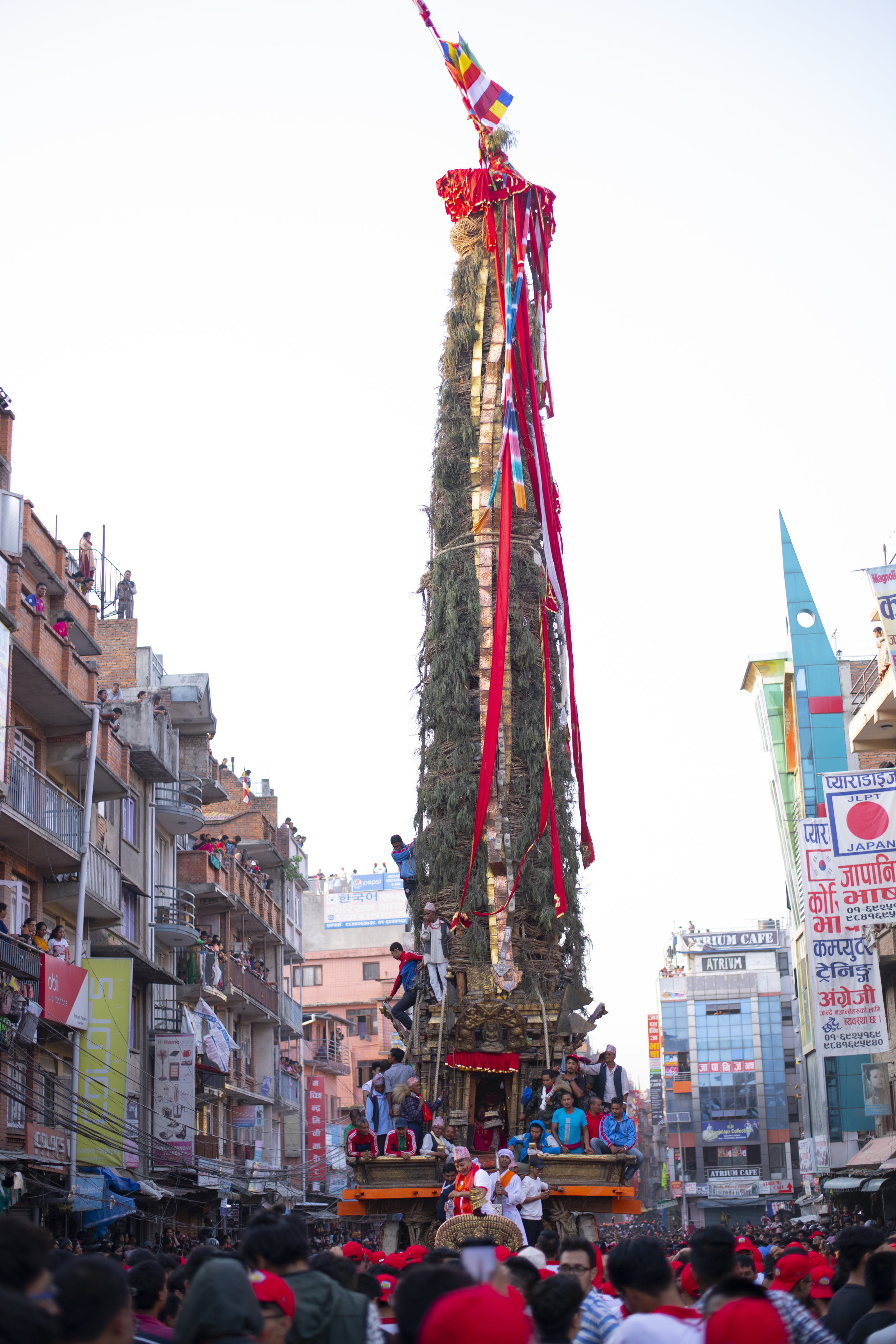
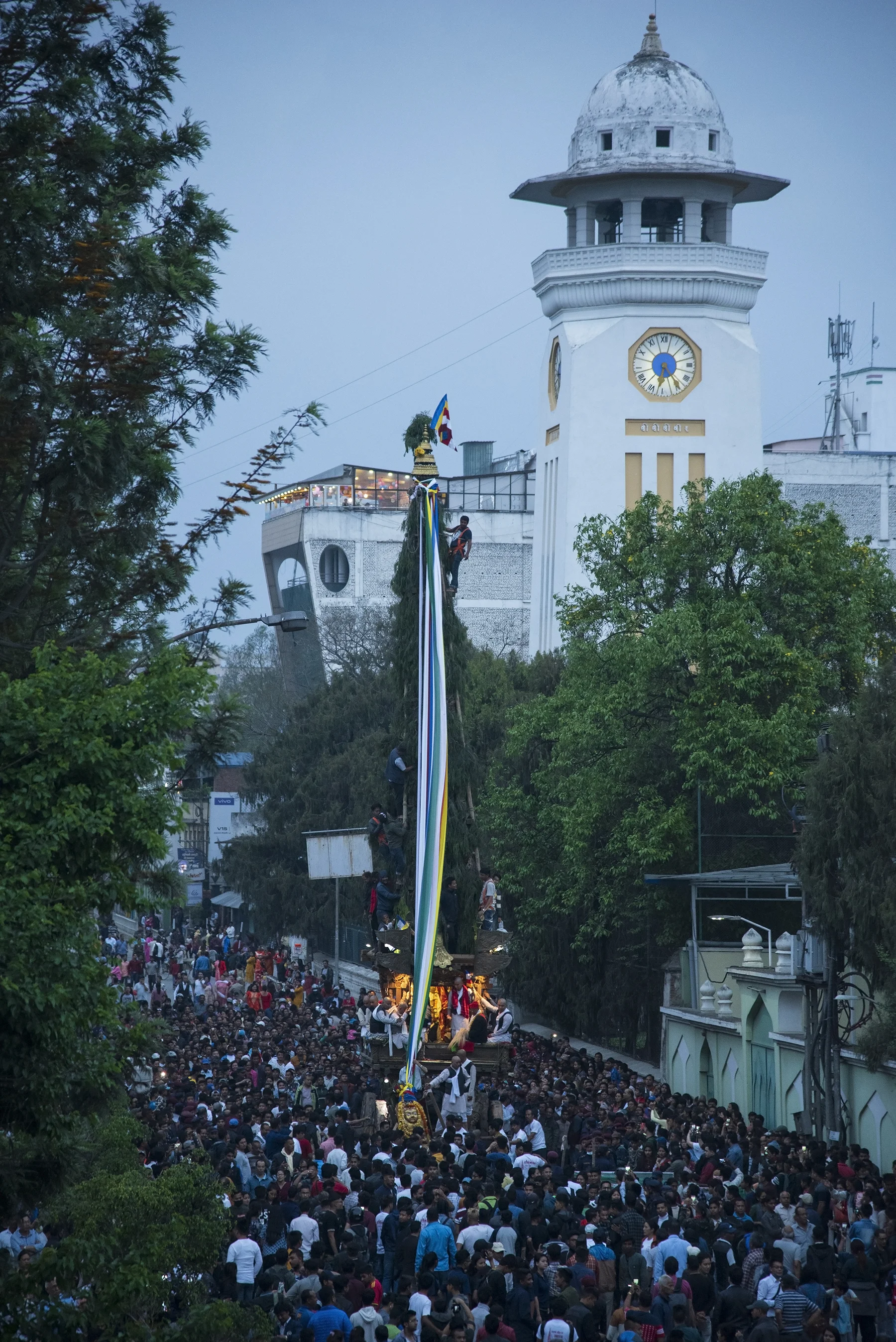
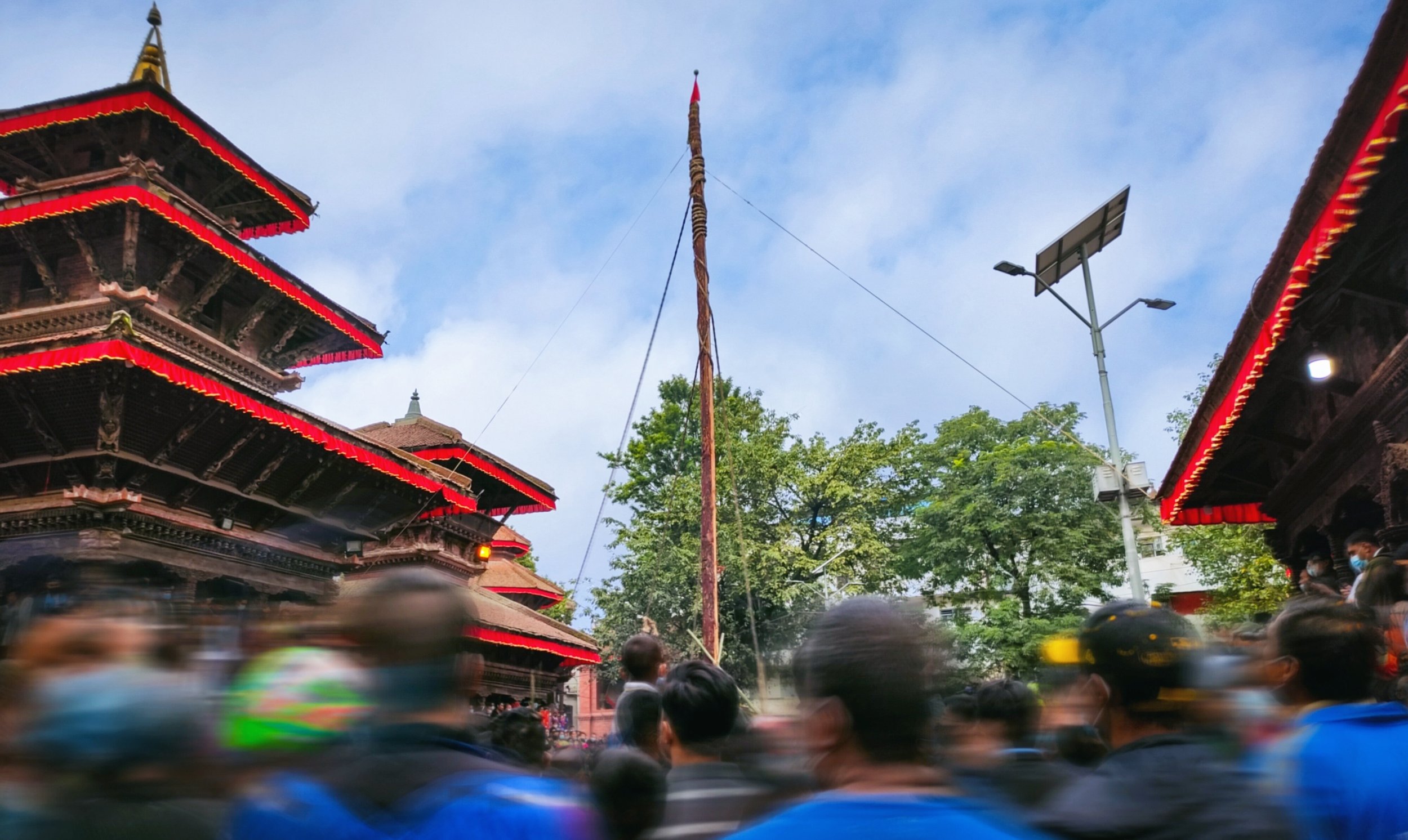
Among such great celebrations is the festival of Majipa Lakhey, commonly known as the peace loving Lord Bhairav. As the Indra Dhoj ( Pole of Indra) is erected at Hamuan Dhoka Square, which marks the beginning of Yenya Punhi, the night before an which an auspicious puja is done to evoke the spirit of Majipa Lakhey. The next day the mask of Majipa Lakhey is adorned by a devotee and thus begins the dance of Majipa Lakehy.
In the folklore of the Newar Deities passed on from ages, Lakhey’s are normally considered demon’s who terrorize the people with ill activities. They are normally associated with destruction of farms, stealing children and terrorizing and frightening the citizens. But Majipa Lakhey is the antonym of what we consider a traditional Lakhey. The tales of Majipa Lakhey has been passed down from generations to generations, and with every passing age the love for the deity grows. It is believed that the Lakhey had fallen in love with a girl known as Majipa. Thus, the Lakhey took the form of a human and entered the then Valley Kingdom of Nepal to see his beloved. Majipa later on discovered that the man who she was in love with is a Lakhey, and warned the locals and thus the Lakhey was captured and taken into the Kings Court. The then King after deliberation and careful thought, then made a proposal to the Lakhey, that he will grant him a place in the city if he vows to preserve and protect the children of his kingdom from other demons and participate in the annual Yenya Punhi. The Lakhey agreed to the terms and is believed to have been given residence in the locality of Majipa.
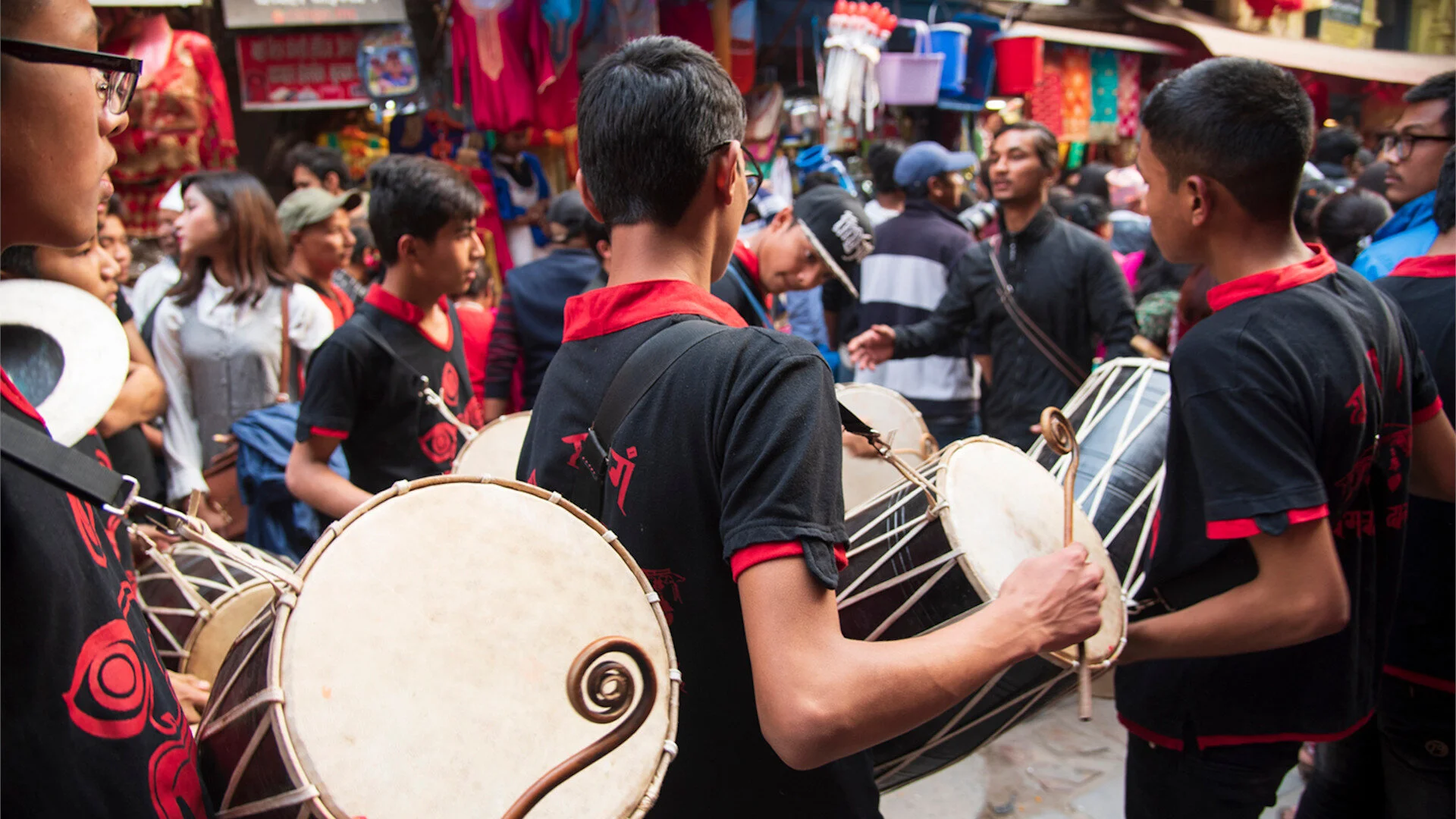
Thus during in the annual Indra Jatra, the dance of Majipa Lakhey is performed by the clan of Ranjitkars of Kathmandu. The dance of Majipa Lakhey is quite unique, unlike other traditional dances which have an essence of Chariya Nritya ( Buddhist Dance Form), or a Bol and Bhaka ( Lyrics recited with Music). The dance of Majipa Lakhey during Indra Jatra features a traditional drum (Dhime) and a pair of Bhusya (pair of cymblas) with straps to fasten around the wrists. The instruments are normally played by the youth of the Ranjitkar clan as well. The Ranjitkars of Majipa tole state that, one does not require to train for the dance of Majipa. It is something that we all have inherited in our genes.
The customary costume of the Lakhey, constitutes of a glorious mask with stunning Abir( Traditional name for red colour). The costume features a traditional red bhoto( blouse)with golden embroidery and a full length skirt. The signature of the Majipa Lakhey is the piece of cloth that is wrapped around and inside the Lakhey’s costume. Coloured in the shades of the rainbow, the cloths ends are griped by the Majipa Lakhey during the dance. This leads to a beautiful display such as of the spreading of the feathers of the peacock. This is normally what the flocks of photographers gathered are normally there to photograph.
During the dance, the Lakhey grips the cloth between his figures and during the dance, the cloth ( dyed with lines of the rainbow) creates a image of wings. Which in association with the sound of the Ghanta ( Bells) worn as a belt bring forth a majestic scene. The dance of Majipa has another interesting character, locally known as Jyalicha( Teasing Child), the muse of Majipa Lakhey. The two in an avid display of cat and mouse tease each other during the dance, chasing in an attempt to capture the child or trick the Lakhey.
The Majipa Lakhey is worshipped by all, devotees try to manage a touch in between the Lakhey’s rich display to take blessings. The dance of Majipa during the Yenja Punhi begins from Majipa Tole, which is taken around the old city routes of Kathmandu. During the main day of Indra Jatra, Majipa Lakhey entertains the crowds of devotees and worshippers who flock to the Durbar Square for the blessings of the Kumari and to witness the chariot festival.
Text By: Shreyashka Vikram Raj Maharjan & Photographed By: Suraj Patrabansha
SIMILAR POSTS
Must have stick foods in Kathmandu
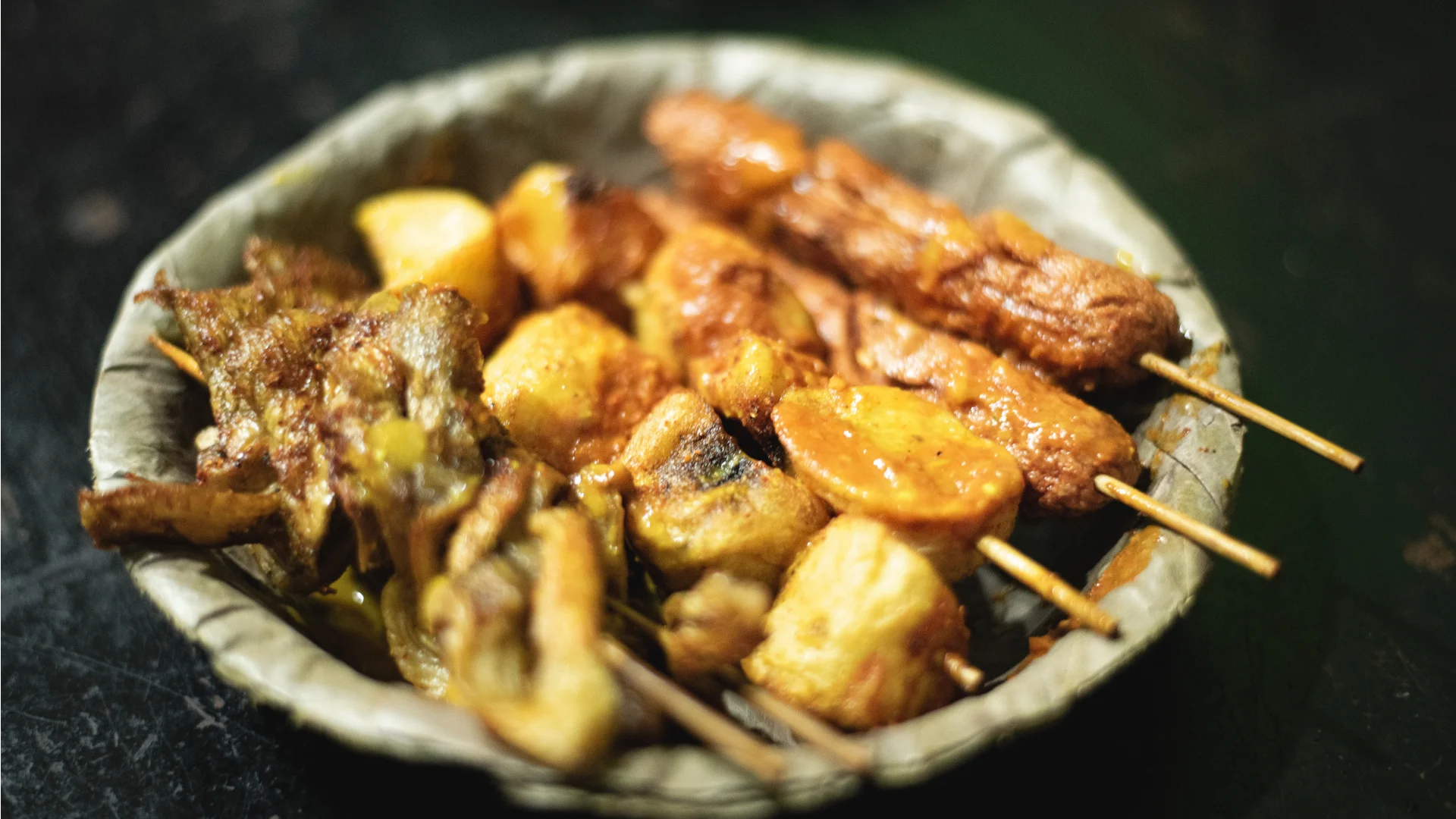
Local food stalls popularity at the corners of almost every street in Kathmandu with mouthwatering dishes are growing among the people of all ages. We can see carts and moving stalls surrounded by people, especially during the evenings. Groups gathering surrounding stalls in joy while eating stick foods served in a traditional taste is an evening scene seen these days in the streets of Kathmandu.
Spicy Moist Aloo (Potatoes)
Masala Mushroom
Spicy Tofu
Sausage Stick
As college students living in the city area with limited amount pocket money, we usually look around for booming 'stick food house' enterprises for our foodie adventures. Our country is culturally rich in local cuisines and while walking across the streets of Baneshwor, Nakhipot, Jhamsikhel and Mangal bazar the culture is reflected on the spicy and delicious stick foods delicacies served with a traditional touch.
However, we aren't the only ones who enjoy these mouthwatering dishes. People of all ages, with family and friends come to enjoy the delicacies. Along with the dish, the blend of spicy Achaar motivates people to come regularly for stick foods like we do!
As college students, we are famished with hunger after long and dire lectures. The best option for us is to visit a stick food restaurant for the easy, convenient and fast food service. Also, sipping cold drinks makes the food even more appetizing!
We can see the popularity of stick foods in recent years and many carts and moving stalls are surrounded by people especially during the evenings. We don't even have to look far as the local stick food stalls are found at the corner of almost every street. It's always a joy when you stumble upon the flavorful and exciting food choices.
Similarly, in our hunger hunt adventures, we usually end up going to the N.P.P food service located near Damkal road between Pulchowk and Jawalakhel. My friend who is a fellow N.P.P enthusiast says, 'They serve great food at reasonable prices. The food is mouthwatering and very quick service. Another best thing about the place is the sauce. When the spicy and non-spicy Achaar (Sauce) are mixed with the food, it is absolutely yummy.'
Another acquaintance of mine however has a contradicting opinion, 'Though there is a downside to consuming stick foods as a little stomach ache is a possibility as it's a 'gastronomical delicacies'. But I don't mind the price I pay as long as I can eat tempting and delightful dishes.'
Other famous stick food houses of the valley are:
1. Little Kathmandu Stick Food, Mid Baneshwor
2. Bajra Chinese Stick Food & Burger House, New Road
3. Chinese Stick Food & Cafe, Naxal
And if you want to spice up your taste buds while truly embracing the local life of the valley, here are some of the must have stick foods:
Aloo
Spicy and moist Aloo (Potatoes) is one of the most enjoyed delicacies of our country. Aloo is loved by both the vegetarians and non-vegetarians. This stick food is found mainly in the streets of Kathmandu and Lalitpur. The most common and popular vegetable is an absolute favorite of both children and adults. Aloo never fails to be in the diet of any Nepali.
Mushroom
The blend of crispy and soft mushroom with flavorful masala is the best experience of having this dish at a stick food house.
Tofu
Tofu can be the most enjoyed delicacy for the vegetarians. This savory and crunchy dish with spices is loved and is a favorite of stick food lovers.
Sausages
Meat items like sausages on a stick have always been the preferable dish amongst the Nepalese crowd. It is the go-to snack for any occasion. The thought of fried and spicy sausages with 'masala' in itself is a mouth- watering experience.
Text By: Aasma Aryal & Photographed by Suraj Patrabansha
SIMILAR POSTS
The Festival of Indra
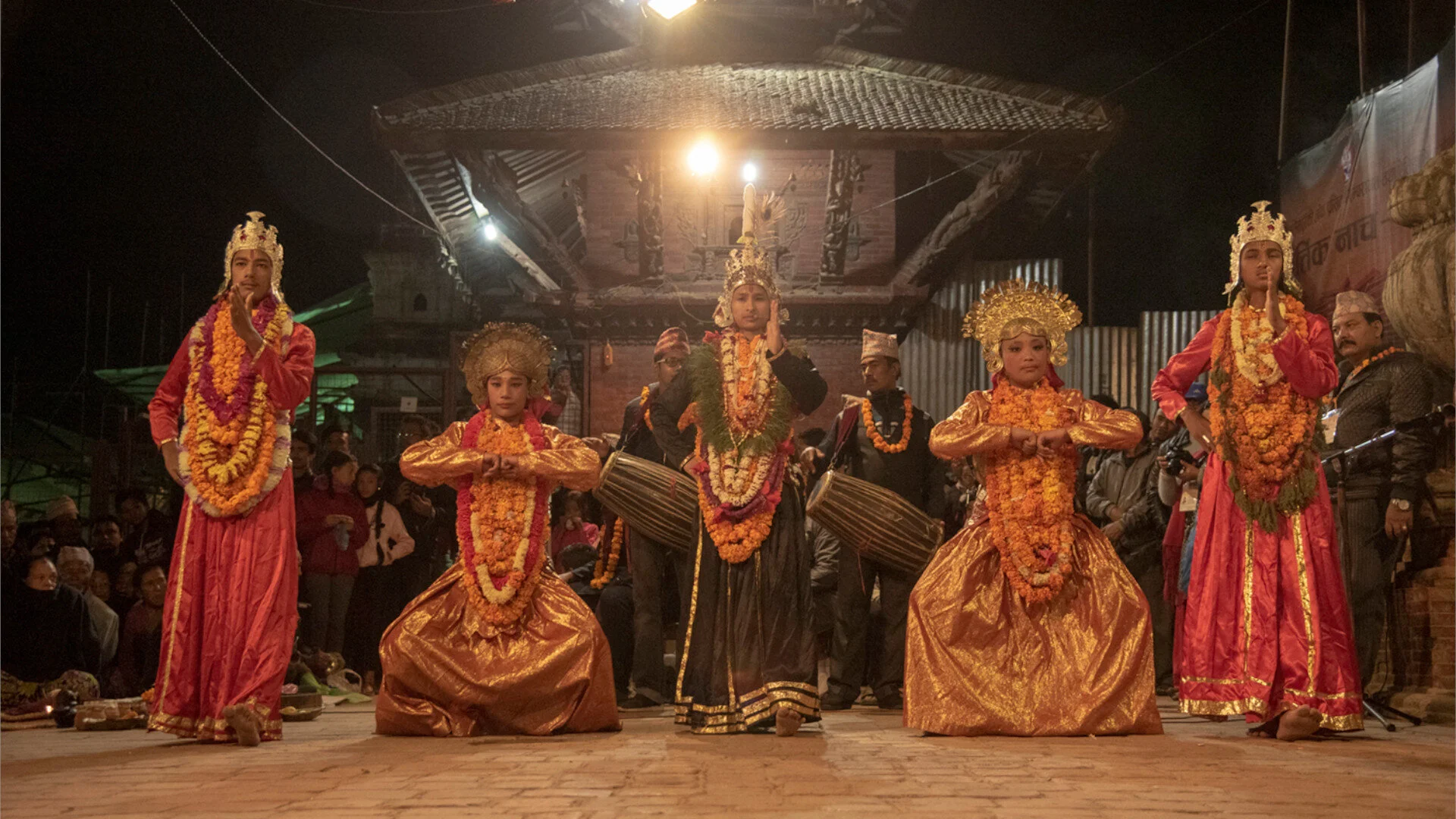
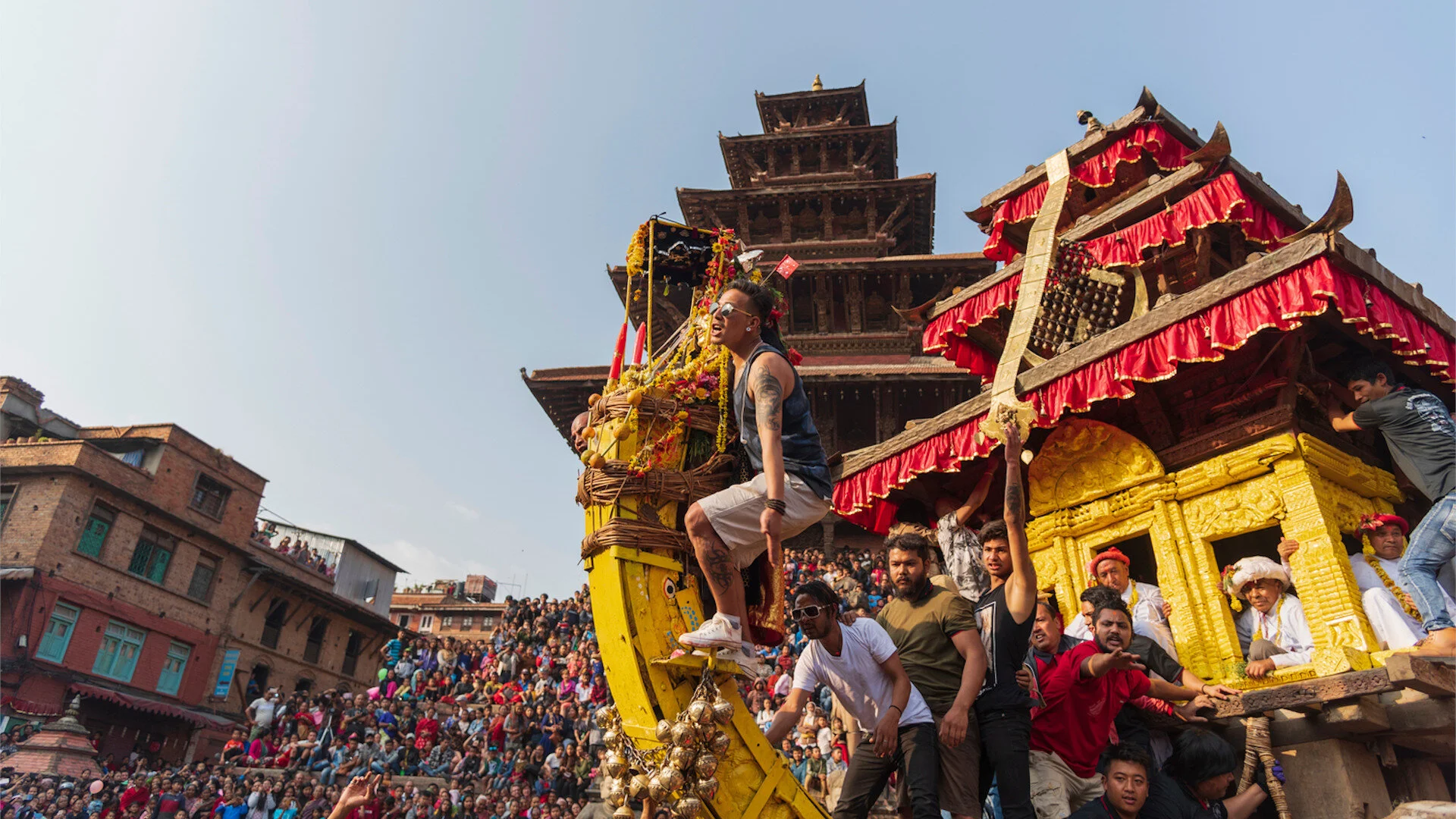
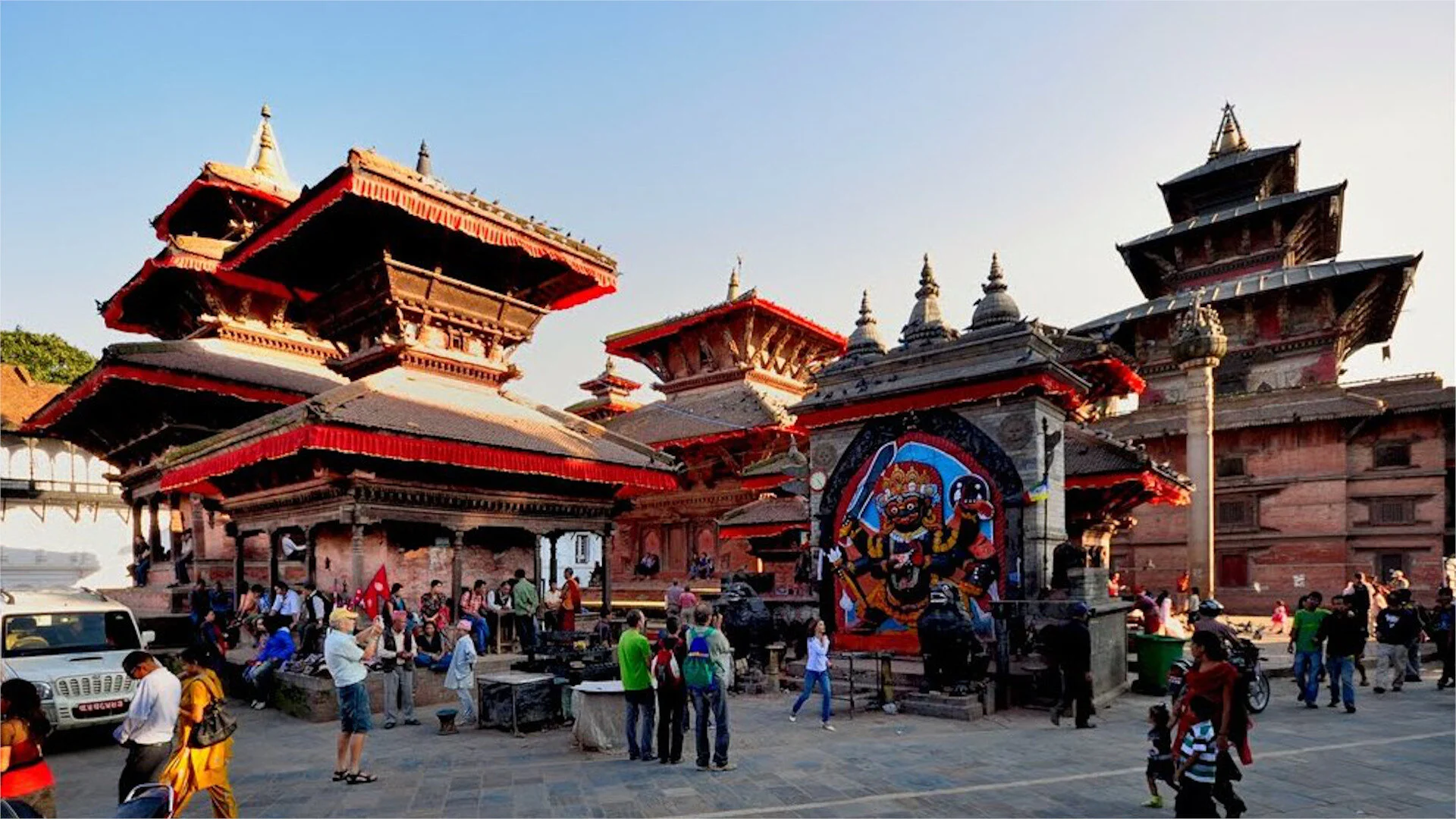
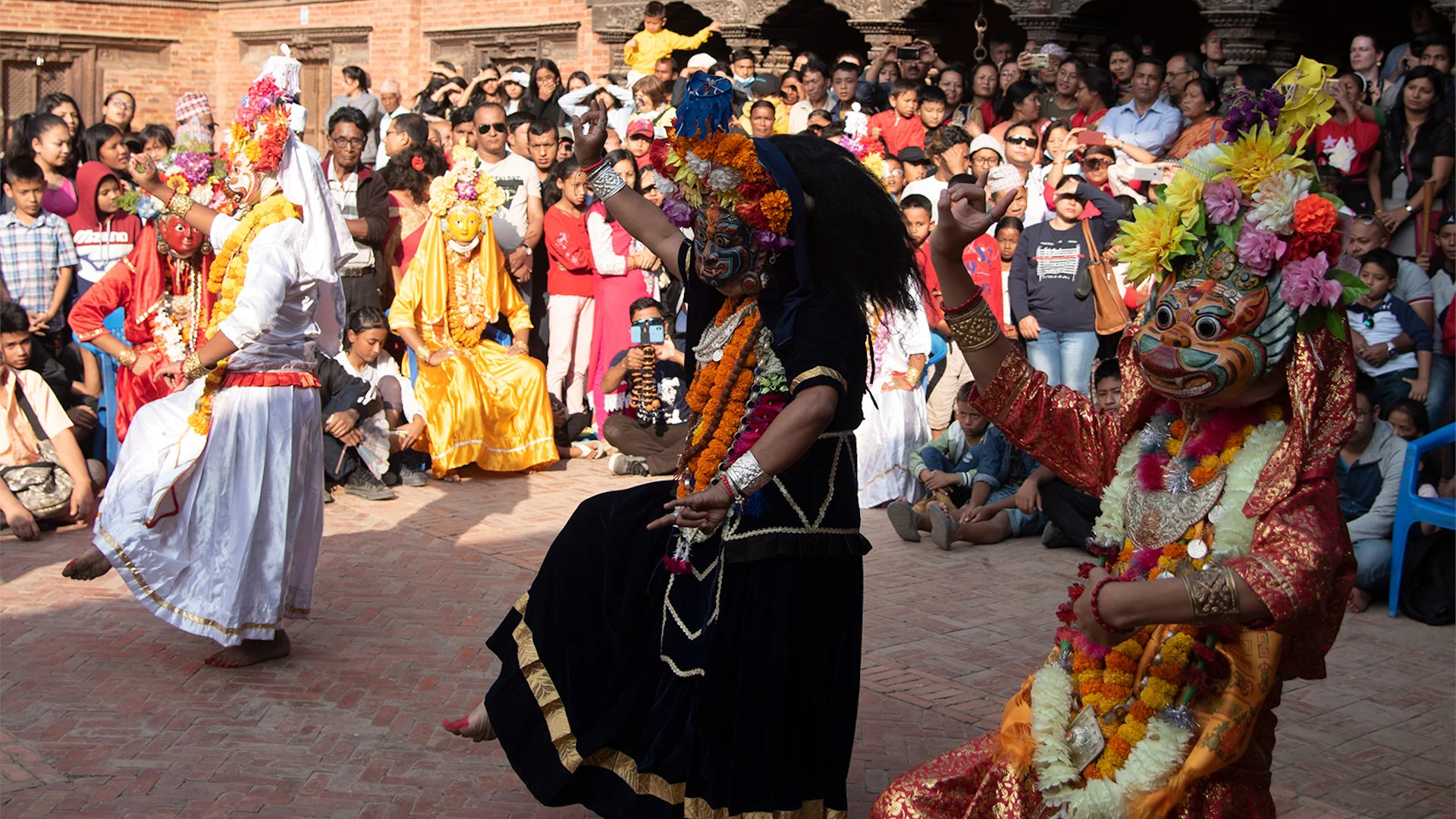
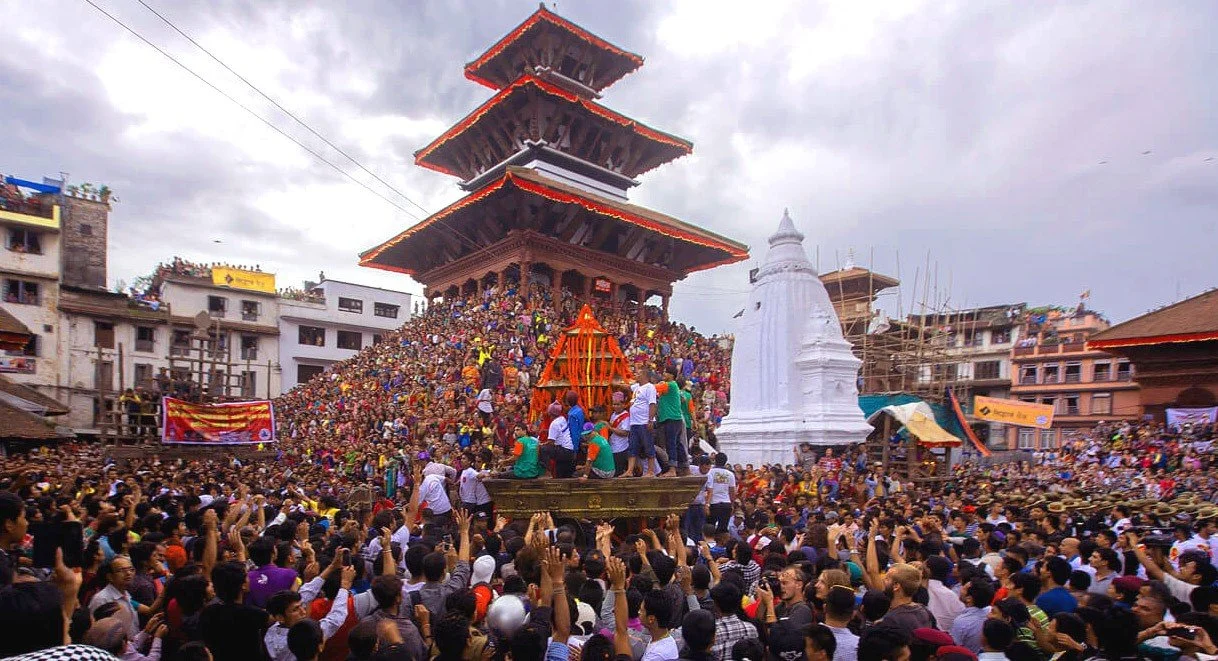
Indra Jatra, one of the highly celebrated street festival in Nepal marks beginning of the festival season and the beginning of a tourist season in Nepal. The festival is celebrated in the oldest town Basantapur Durbar Square or Hanuman Dhoka in Kathmandu by the local community with huge arrangements. The chariot of Kumari, the Living Goddess, is taken out in procession through the streets. People wear masks of various goddess and exhibit by dancing in the streets on music played with traditional musical instruments.
Indra Jatra
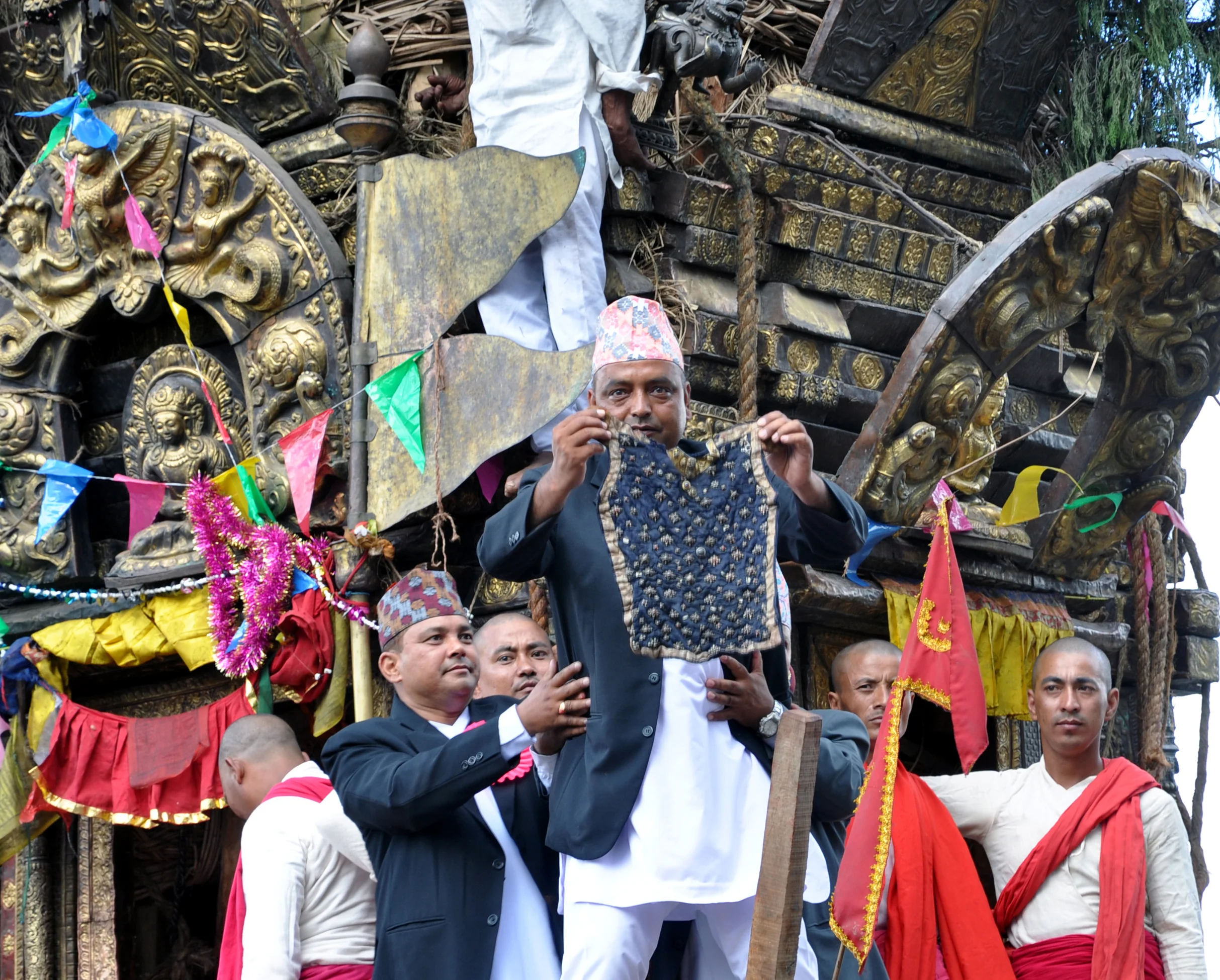
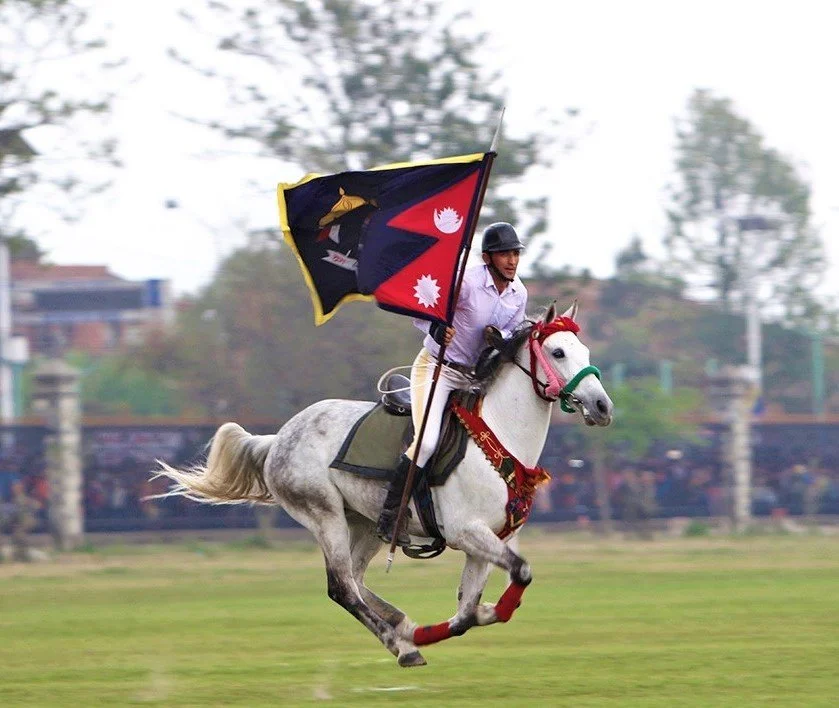
With the sound of the marching band, amid the busy hustle of the morning crowd at Basantapur Durbar Square. A group of revellers slowly gathers. As the band plays its final salute, the rope tied to the yahsi(Pole), the revellers muster their strength and in a great cheer, and as the yahsi makes its ascend three muskets are raised high, the Gurkha Paltan fires the aerial salute commencing the festival of Indra.
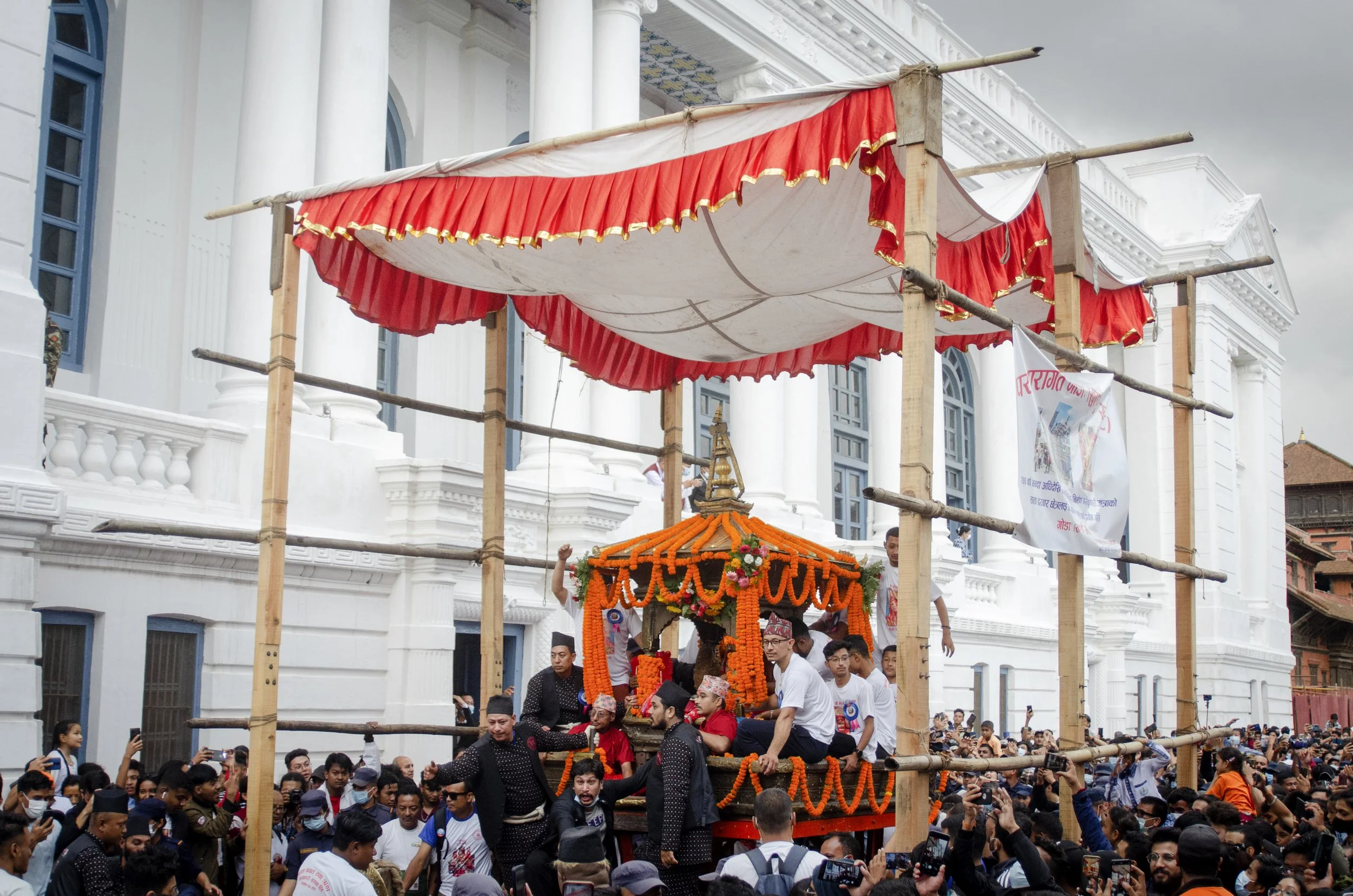
Regarded as the biggest festival of the then Kingdom of Nepal Valley, the true origin of the festivals are still debated. But this festival is believed to be founded during the Lichhavi Era by King Gunakamadeva, the founder of the city of Kantipur (Kathamandu). The celebration of Indra Jatra is made of three different series of rituals: Kumari Jatra, Indra Jatra and Bhairava Jatra. Each have their own legends and ceremonial components but as a whole, turn the centre of Basantapur Durbar Square into a grand affair. The square is a sight to behold from the break of dawn till midnight, as the chariots of Kumari, Ganesh and Bhairava make there way through the inner city of Kathmandu. Every street comes to life with masked dances, merry music during the eight days of festivities.
According to legends, it is believed that the mother of Lord Indra required a Parijat( a white flower) to perform a ritual. For which Lord Indra descended to earth in search of the flower. He disguised himself as a commoner and while trying to take the flower out of the lawn of a Jyapu(Farmer). He caught Lord Indra and held him captive blaming him of trying to steal. Lord Indra was imprisoned and not allowed to go back to heaven.
The mother of Indra grew worry some as her son hadn’t returned from Earth. Phul Khusi(The Vahan of Indra) descended upon Earth to find his master and wondered around the streets of Kathmandu. During when a great festival was occurring in the Kathmandu and after hours of searching, Phul Khusi found Lord Indra. Phul Khusi took the news to heaven after which, his mother descended from heaven to free her son. She requested the villagers to release her son, but didn’t heed to her words. Only after Lord Indra reveled his true form. The mother of Indra made a promise to the villagers to give in return a final rainfall for their harvest to prosper and she would lead them to the gateway to heaven.
Accepting the conditions the villagers freed Lord Indra and let him go with his mother, a group of villagers followed them to the outskirts of Kathmandu to find the doorway to heaven. But Lord Indra’s mother tricked the villagers by putting forth a large mist which left the villagers confused and in dismay as Lord Indra and his mother went to heaven. To commemorate this event, during the celebration of Indra, a Dagi (Procession) takes the same path every single year. “The circumambulation of the city is performed in order to reach heaven in the Dagi’s footsteps to meet the dead relatives. The families scatter grain by the wayside so that they would not forget the way home. One finished, they throw what remains of there offerings in a place called Bhuta Satta, near Kasthamandap, and wash their faces at Maru Hiti fountain. Afterwards, they either return home or go to bathe in Indra’s Pond ( Yamki Da), which is located on a hill 12 kilometers west of Kathmandu.
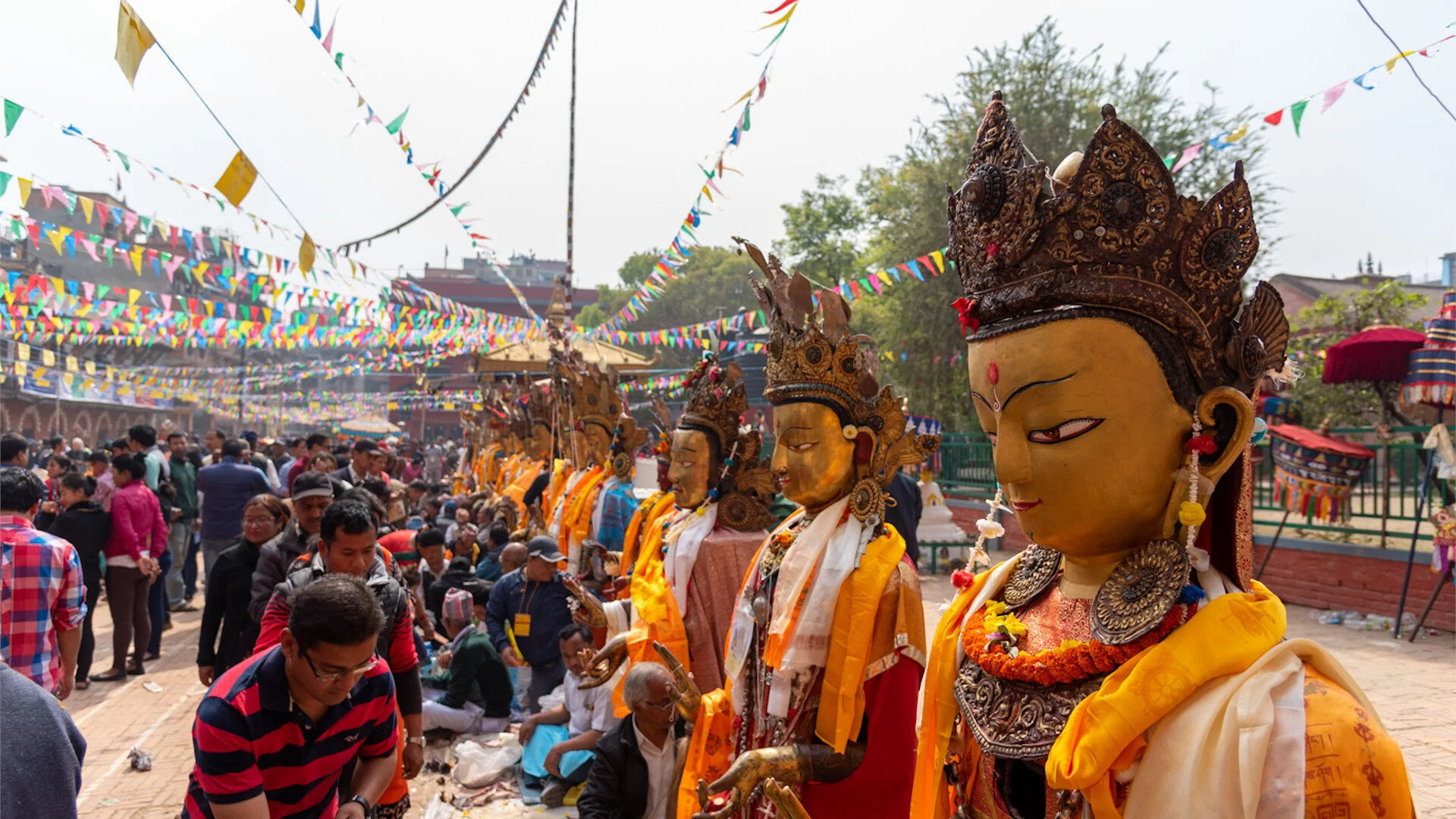
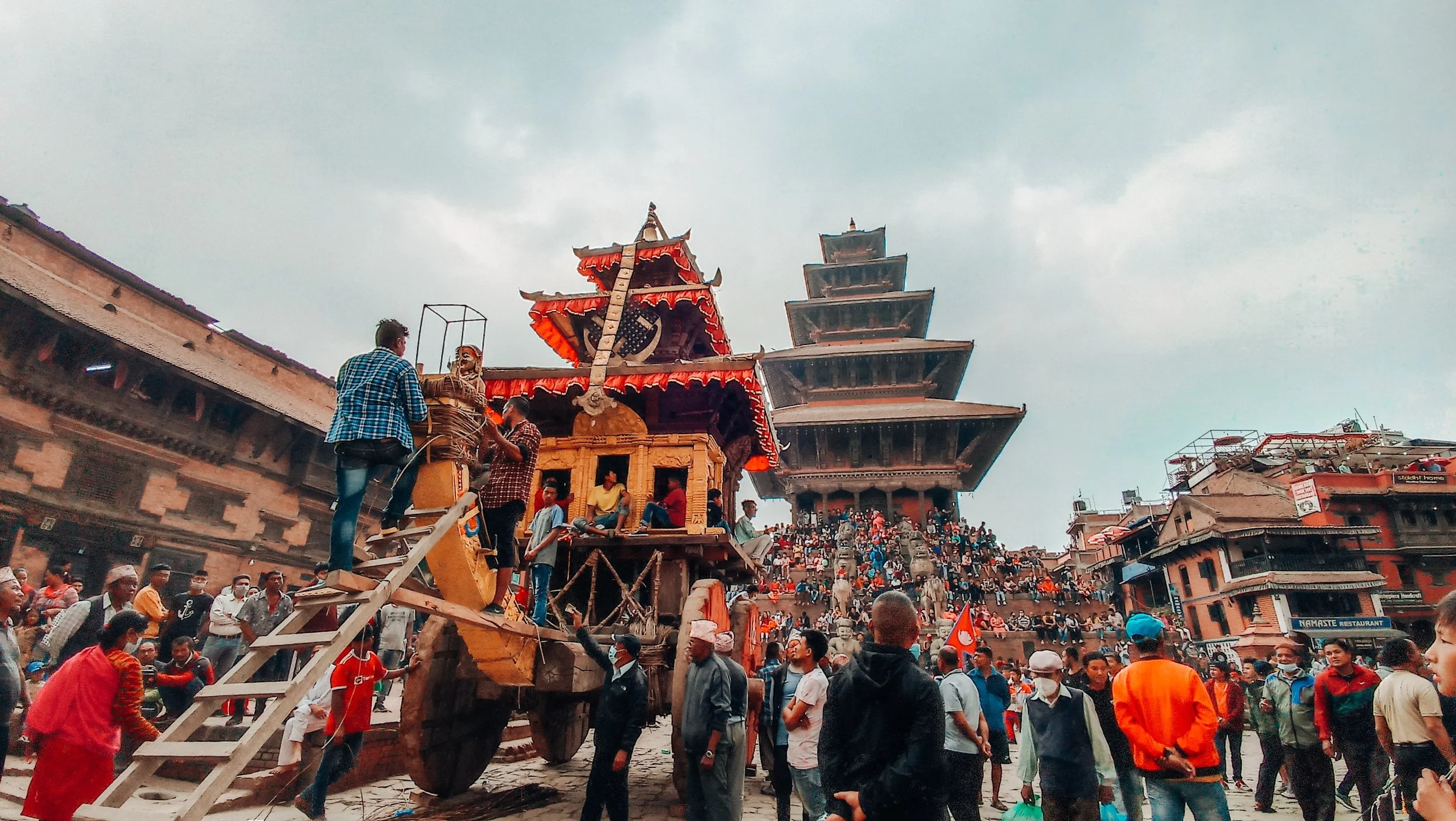
The festival of Indra Jatra is a feast to all senses, the air is scented with the smell of incense, and the sound of drums and traditional instruments tranquil once ears. For the eyes, one can behold the procession of Living Goddess Kumari along with Lord Ganesh and Lord Bhairav. The chariot is pulled for three consecutive days. The first day is known as Kwaneya during when the chariot makes its way from Basantapur, Maru, Chikanmugal, Jasidewal, Lagan, Bhimsensthan, Baru and ends at Basantapur. The second day is known as Yenya Punhi on which the chariot procession begins from Basantapur to Pyaphal, Nyata, Tengal, Nhyaokha, Nhaikan Tol, Asan, Kel Tol, Indra Chowk, Makhan and ends at Basantapur. The final day of the procession is known as Nanichaya, the chariot is pulled by revellers from Basantapur to Pyaphal, Yatkha, Nyata, Kilagal, Bhedsing, Indra Chowk, Makhan and ends at Basantapur.
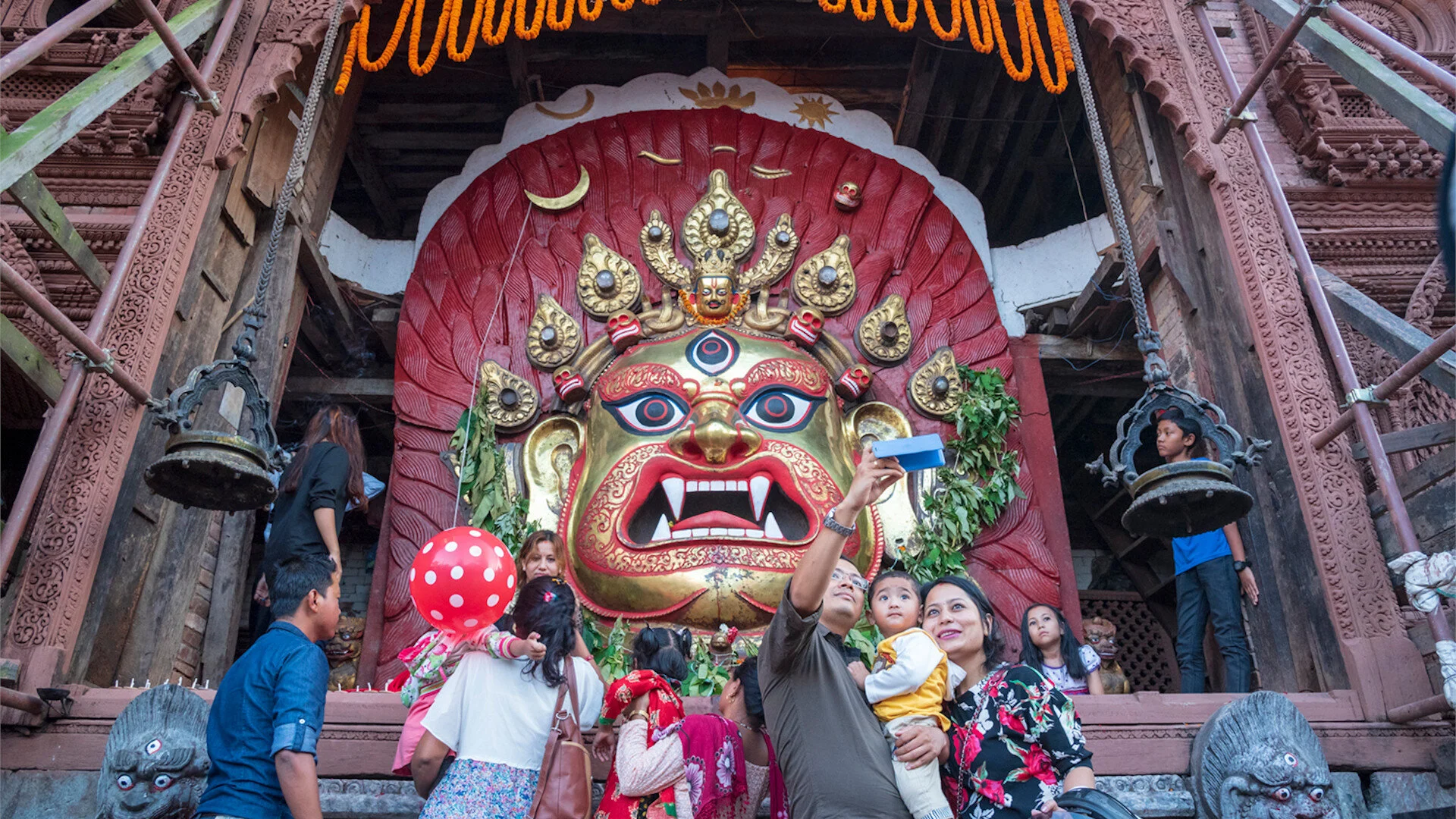
During the festival of Indra, various idols and masks of goddess are taken out of their normal abode to be exhibited to the people. The most prominent of which are the Sweta Bhairab mask and the idol of Akash Bhairab. Similarly an image of Indra is displayed at Maru and Indra Chowk. Various forms of dances such as of Lakhe Aju, Mahakali Naach, Halchowk Bhairab, Phul Khushi, Devi Kyakhan are performed on specific days and nights of the festival.
SIMILAR POSTS
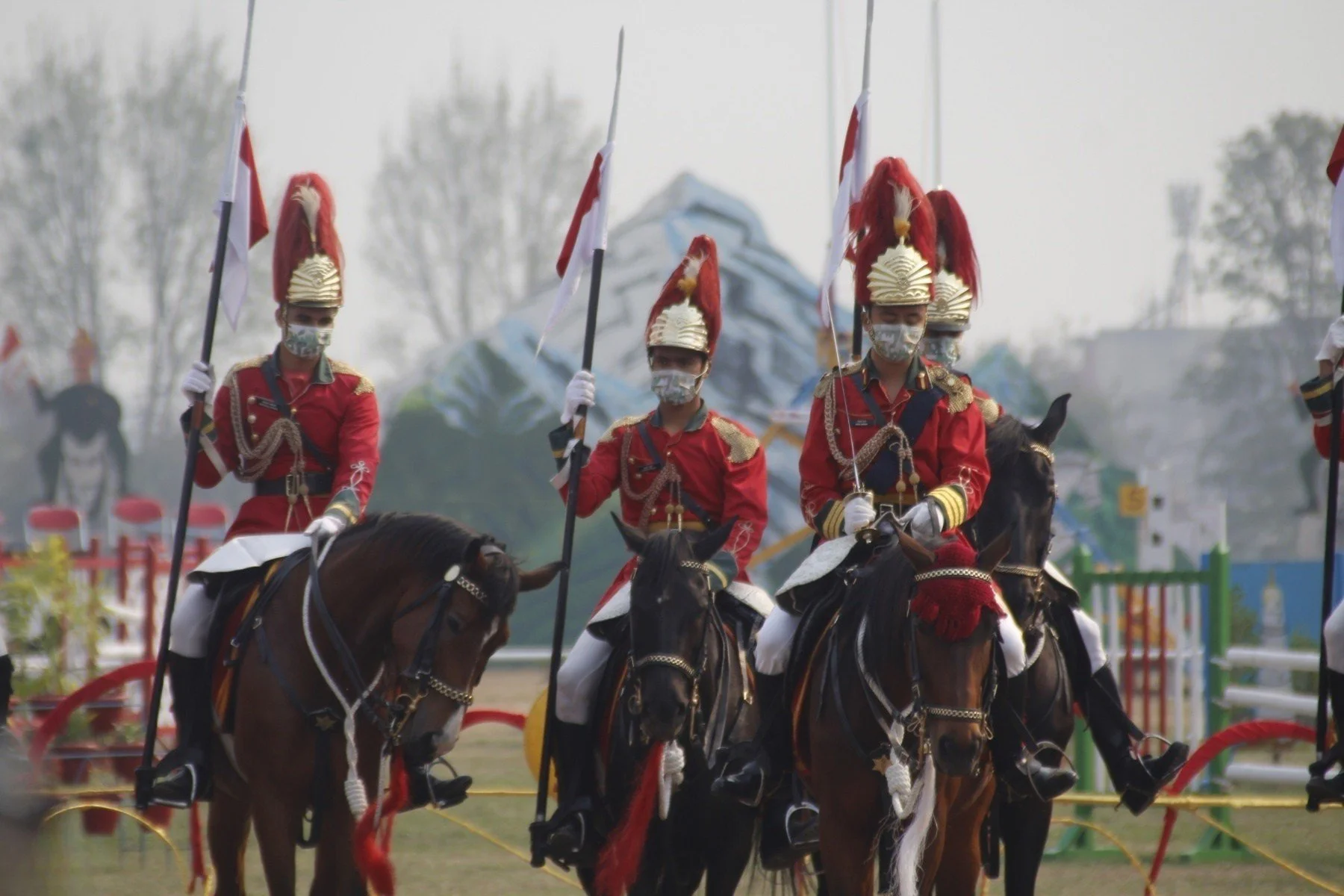
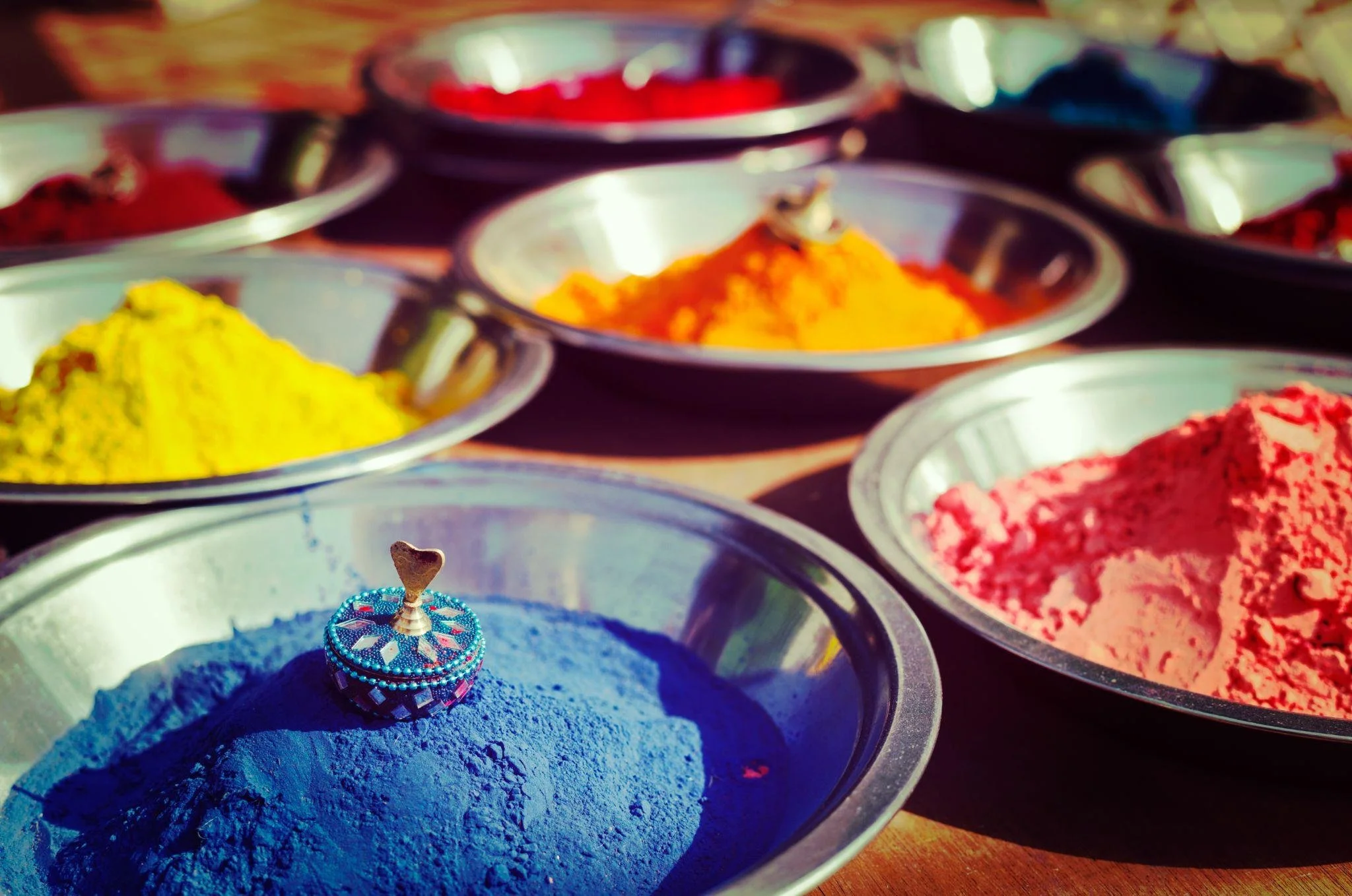
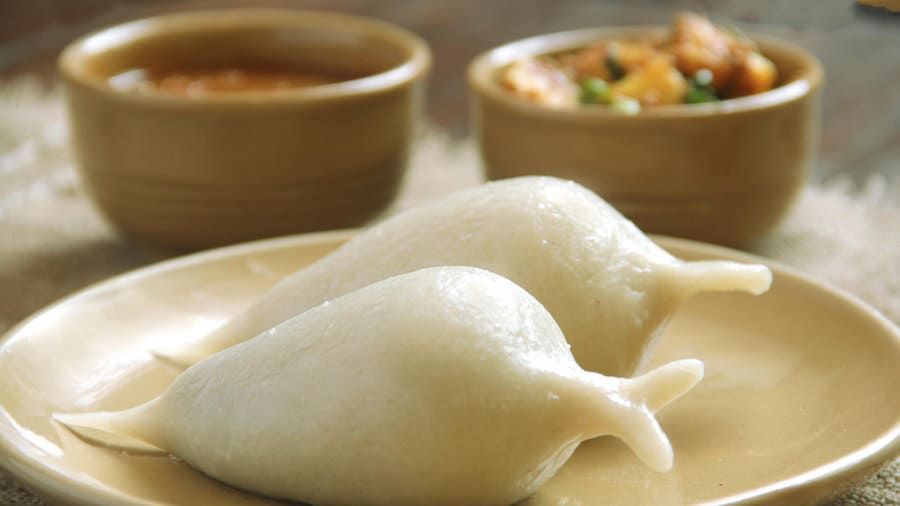
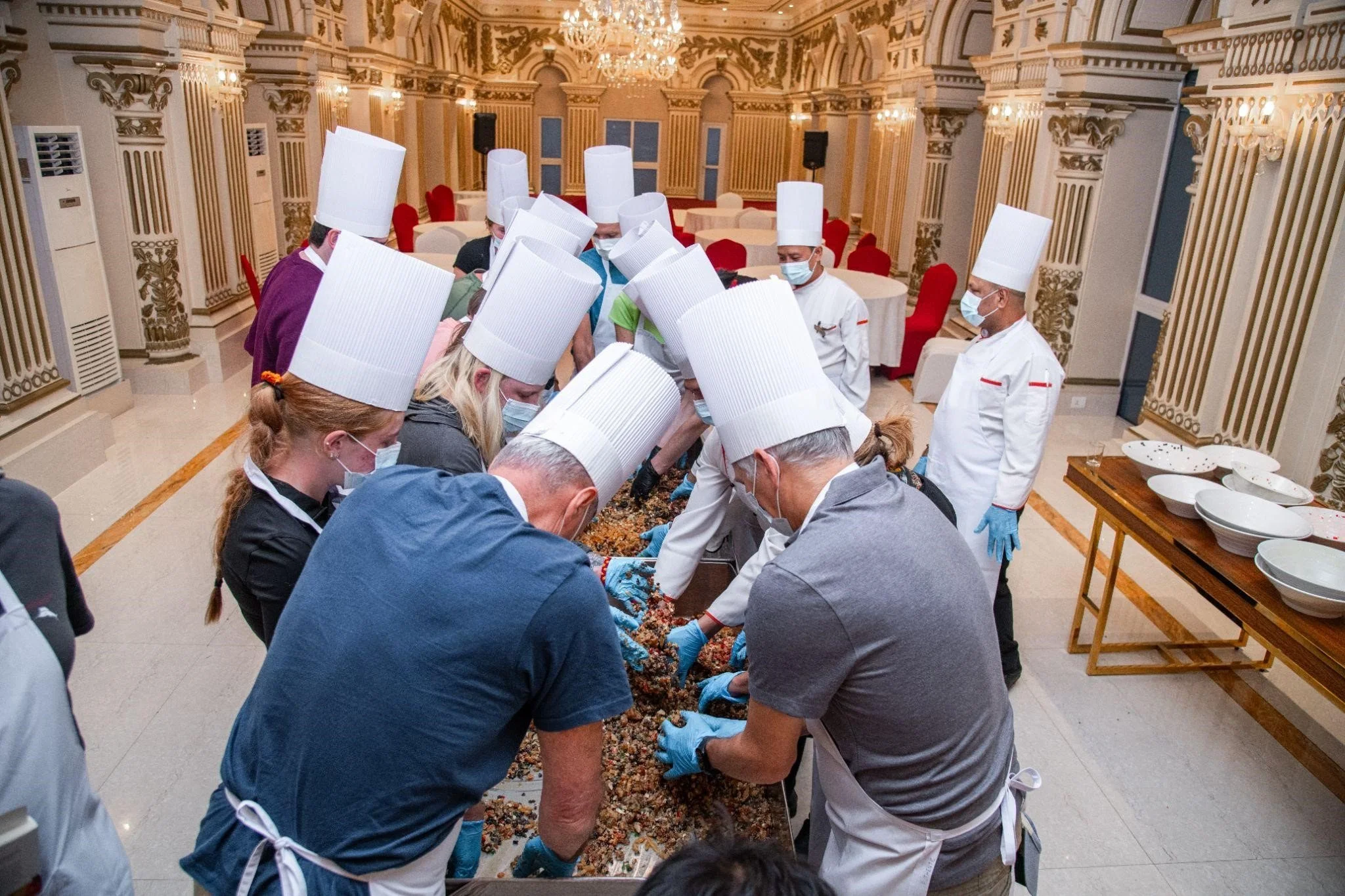

The Tales of Gatha Muga
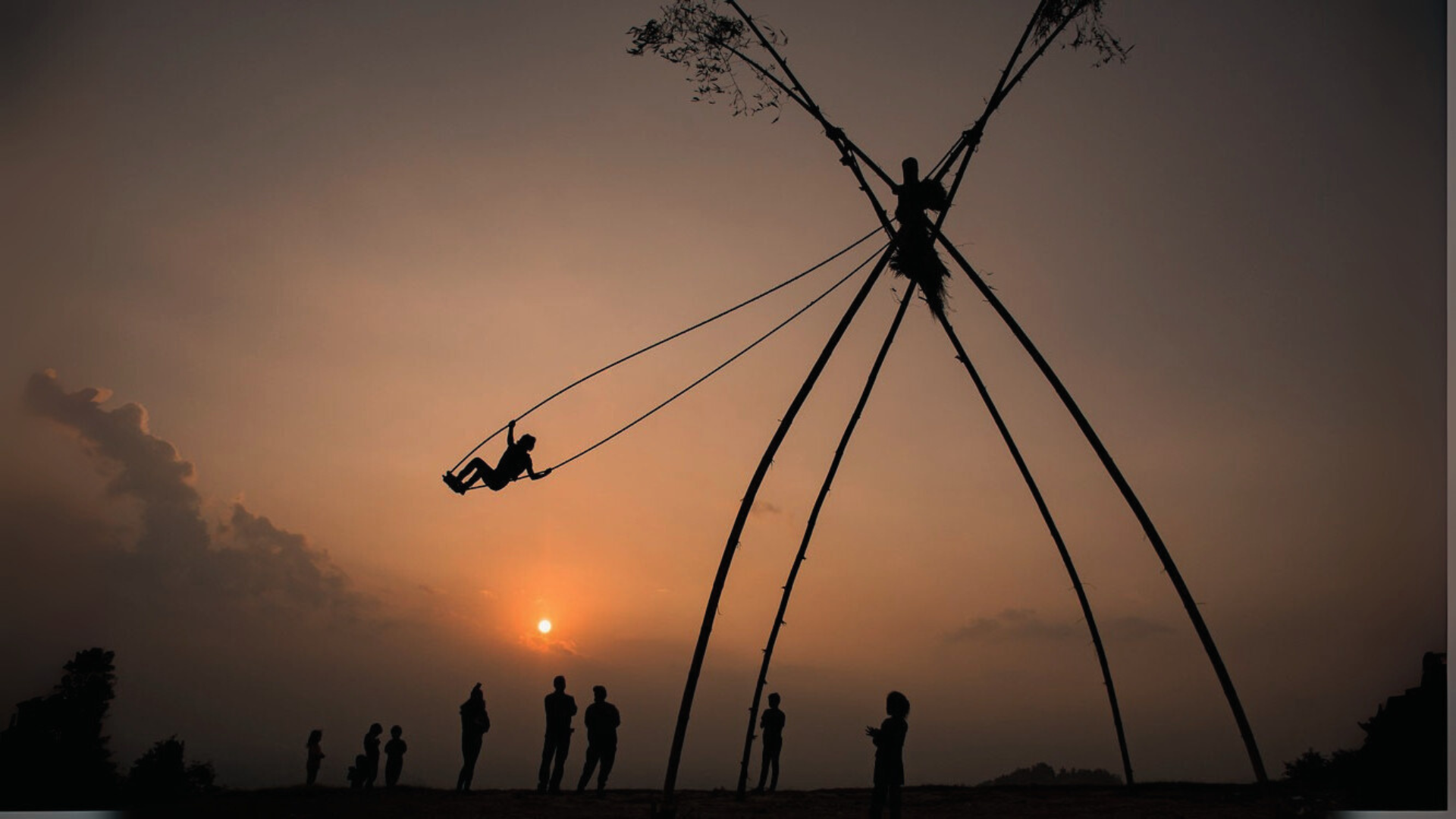
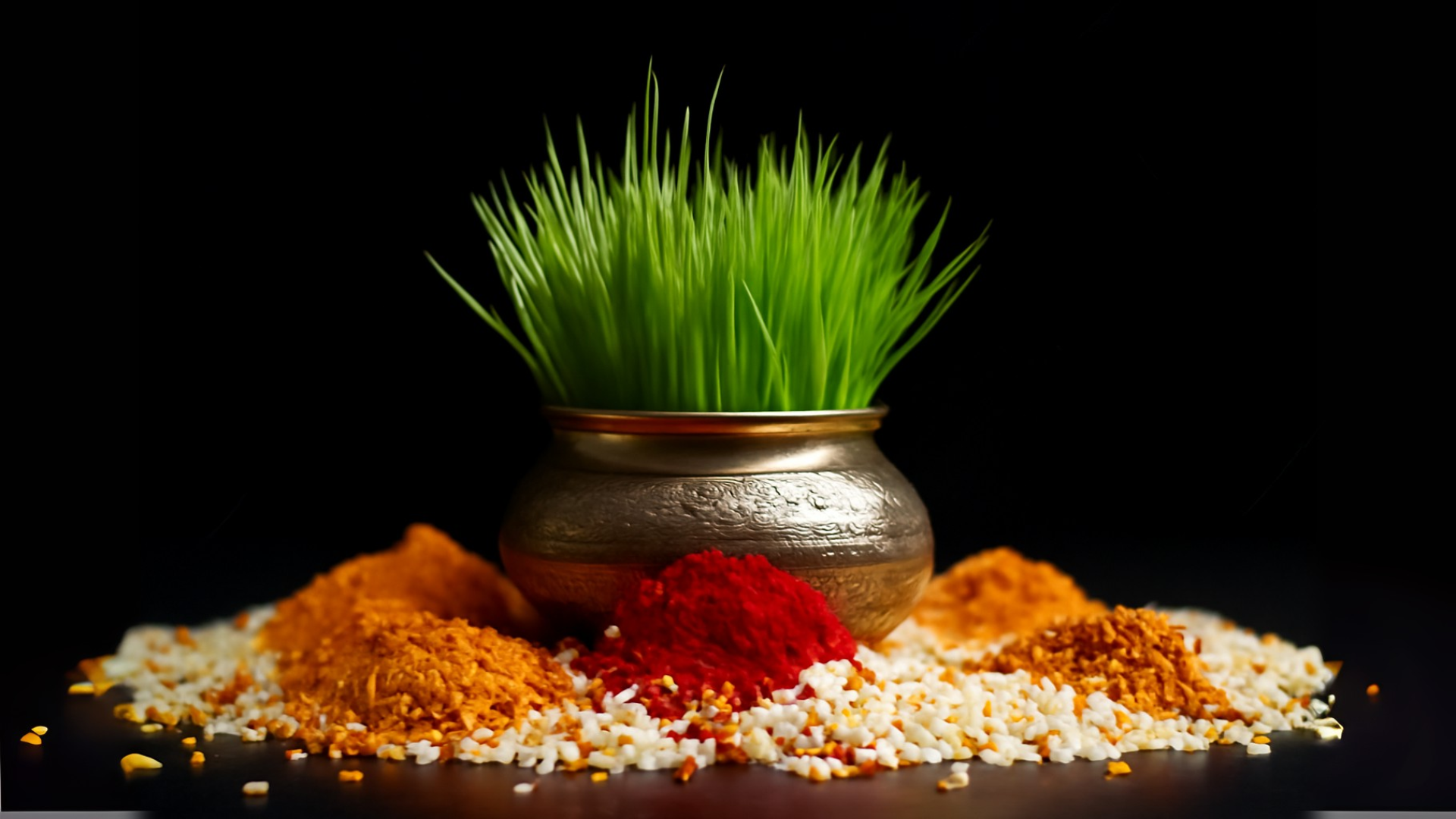
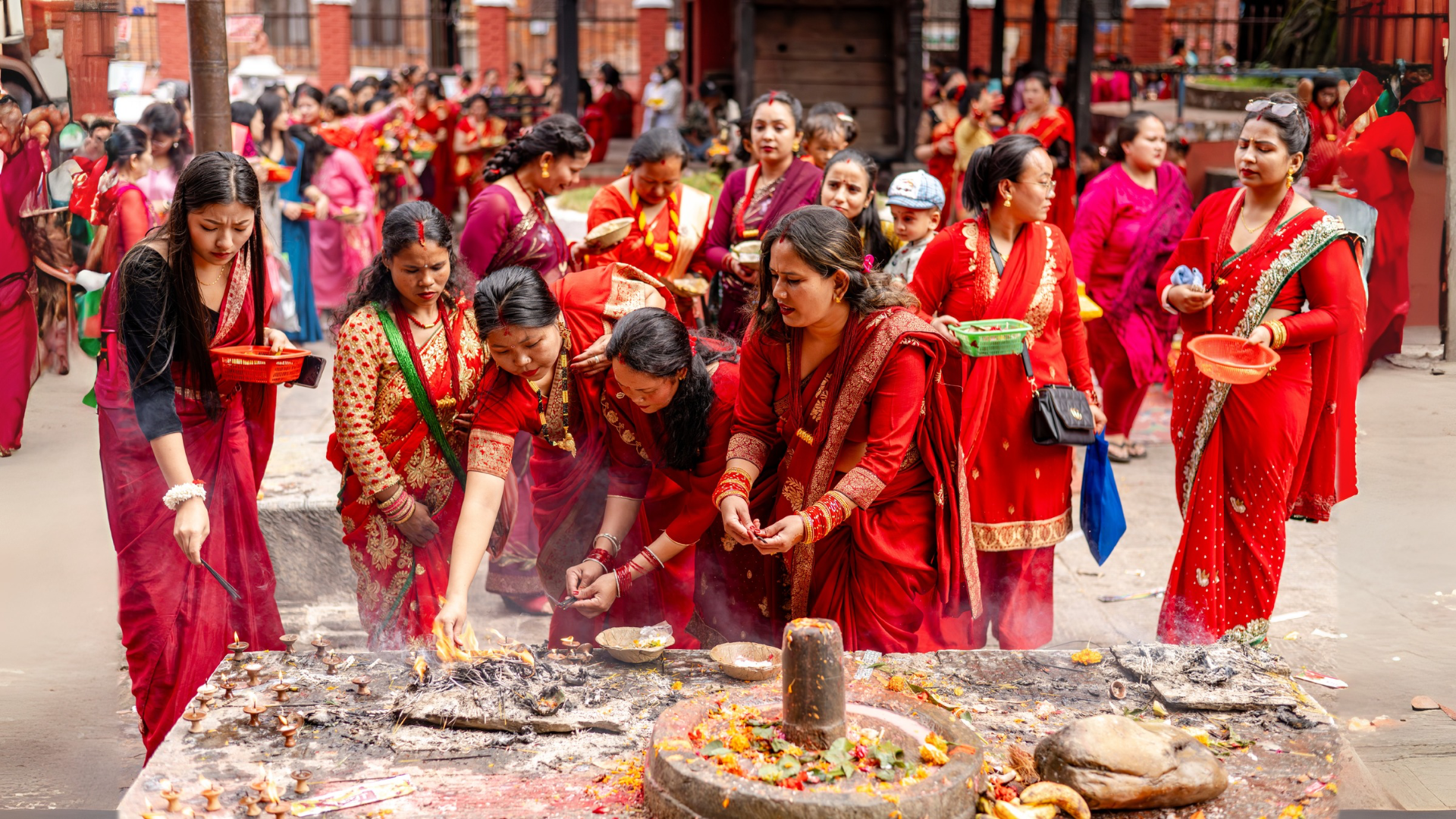
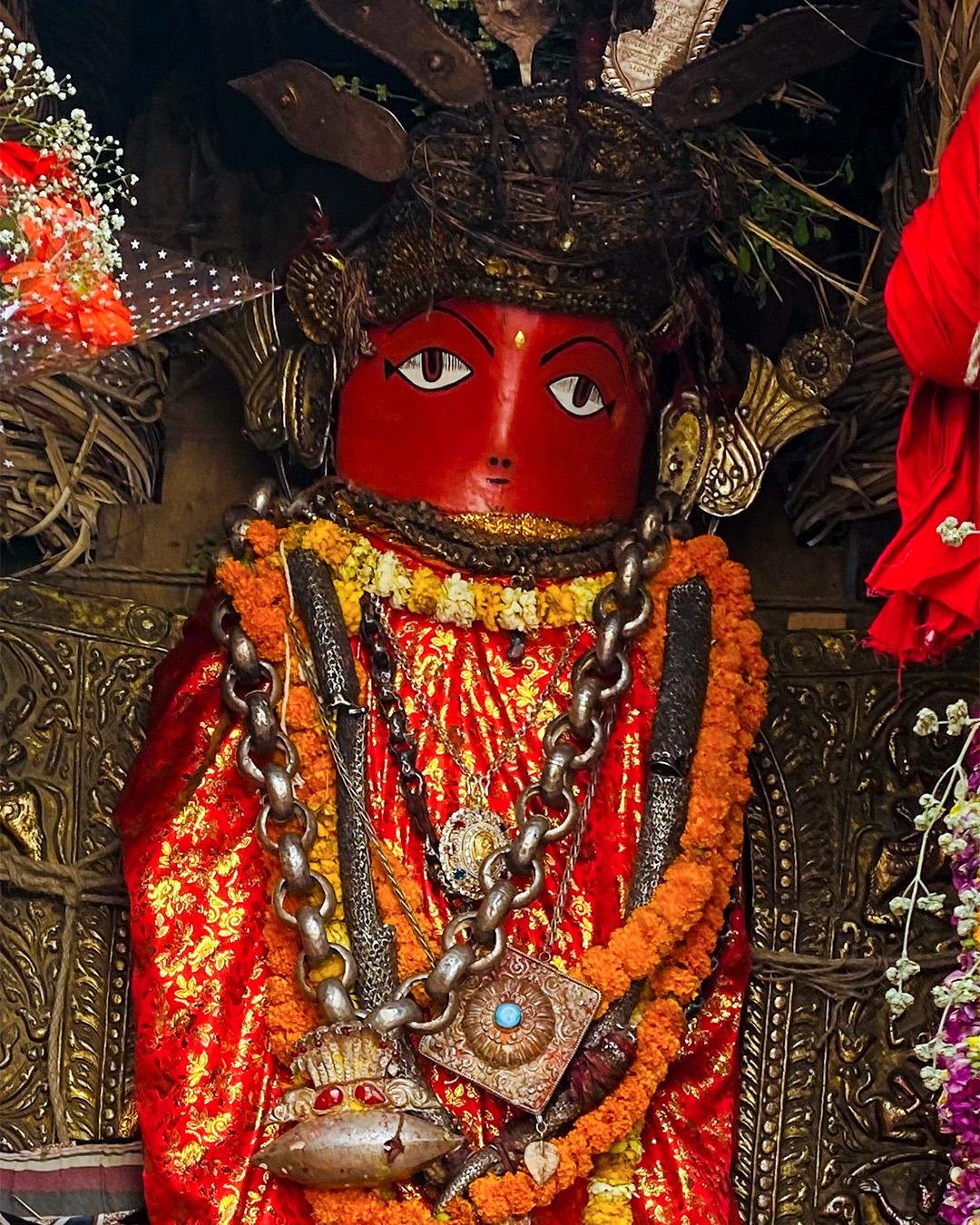
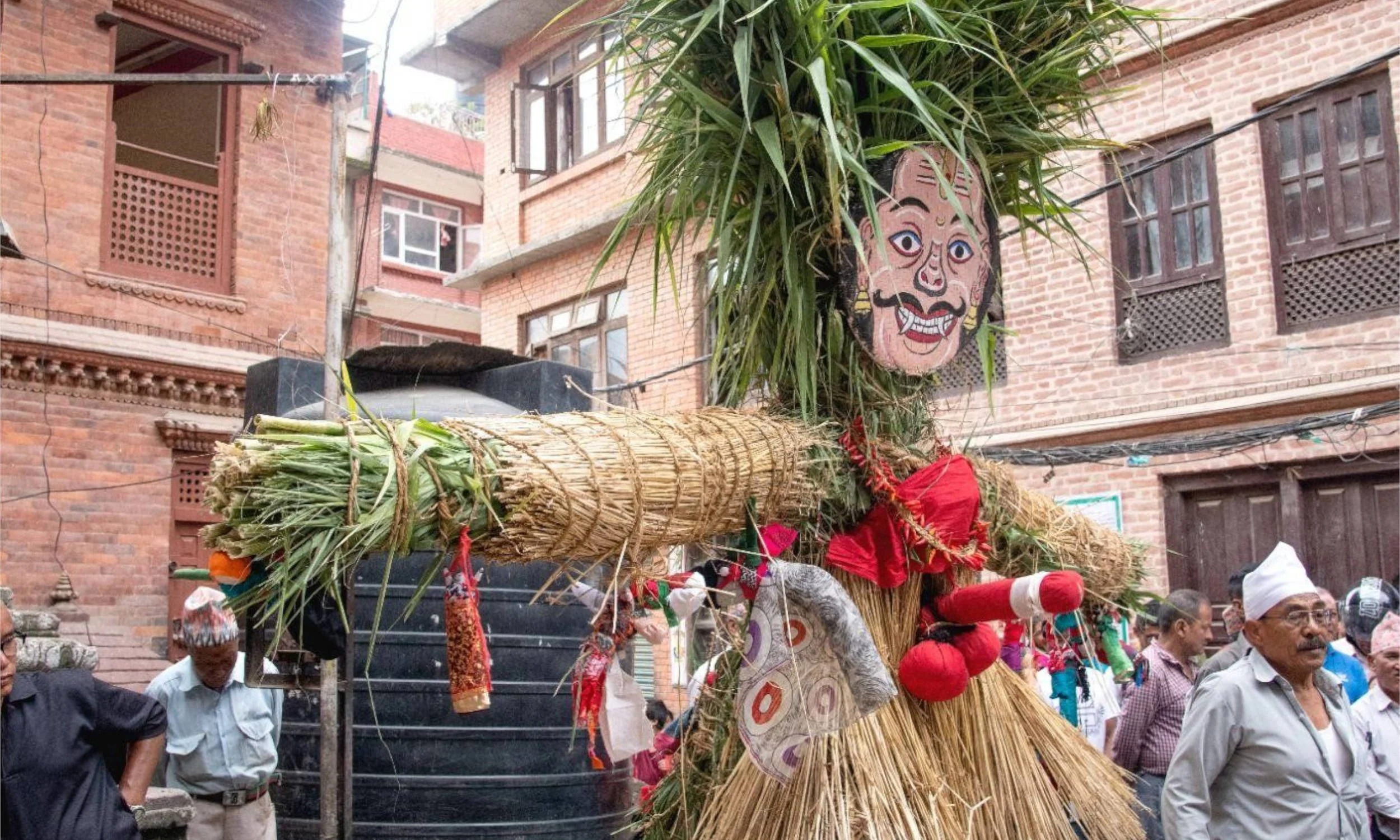
A unique festival celebrated by the Newar communities in Nepal, Gatha-Muga or Gathe-Mangal is an ancient festival celebrated to chase away the evil spirit and usher the good fortune every year on Shrawan Shukla Chaturdashi of the lunar calendar.
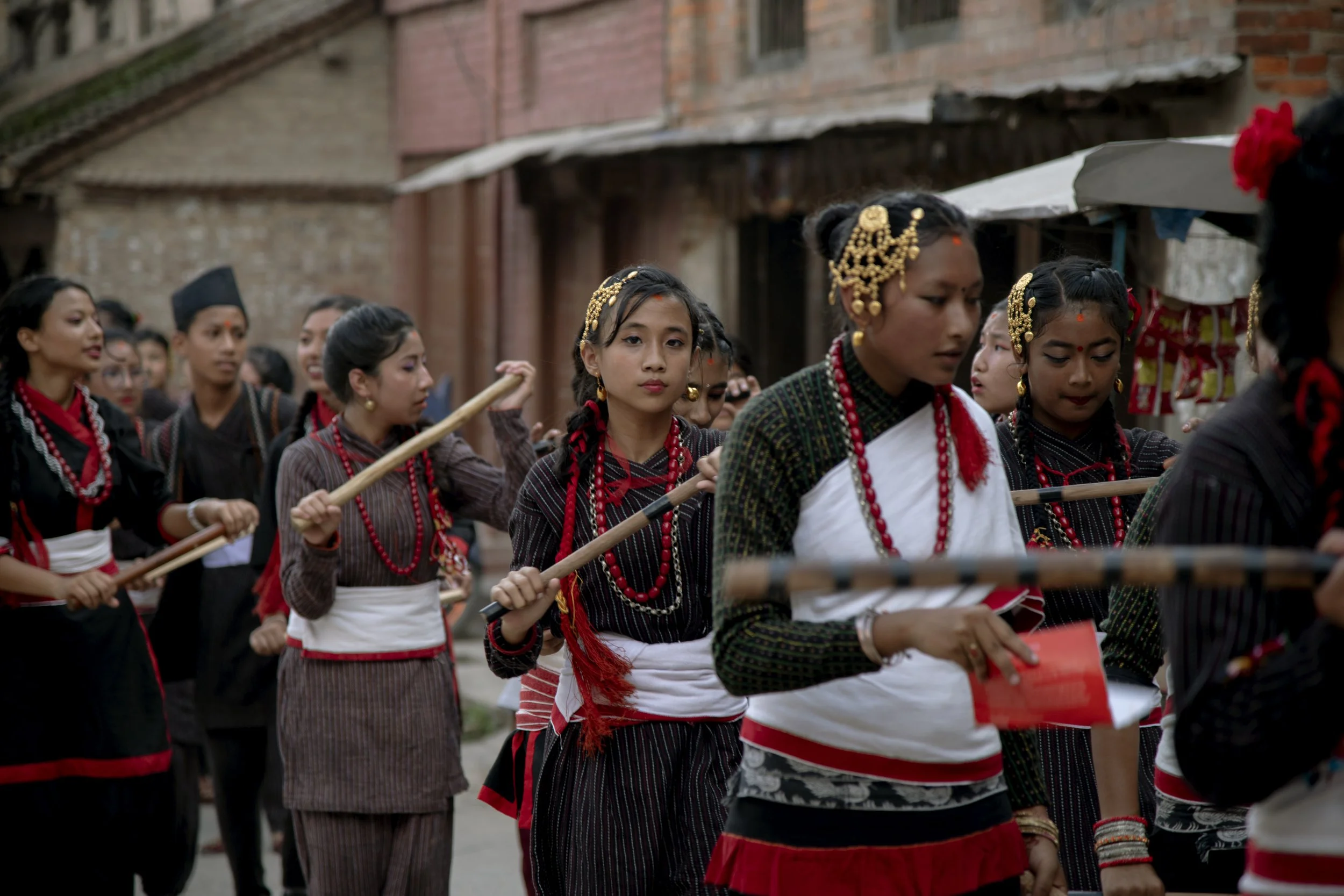
On Shrawan Shukla Chaturdashi of the lunar calendar, a unique festival is celebrated by the Newar community. The festival has many names, but in the common tongue is known as Ghantakarna, but various Newar settlements call it with a different name. In the city of Bhaktapur, it is called Gatha Muga, whereas in Kathmandu and Lalitpur it's called Gathe-Mangal.
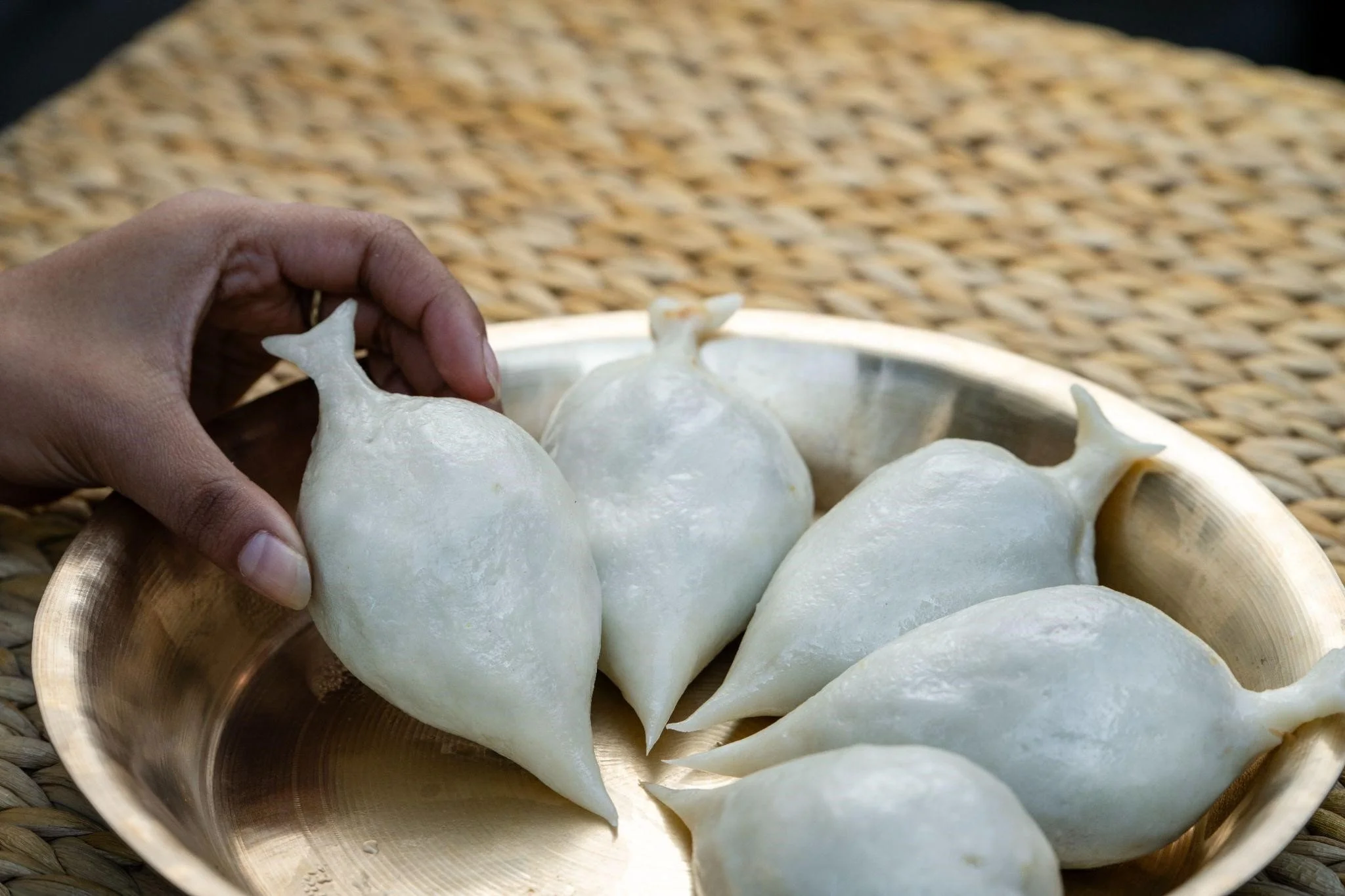
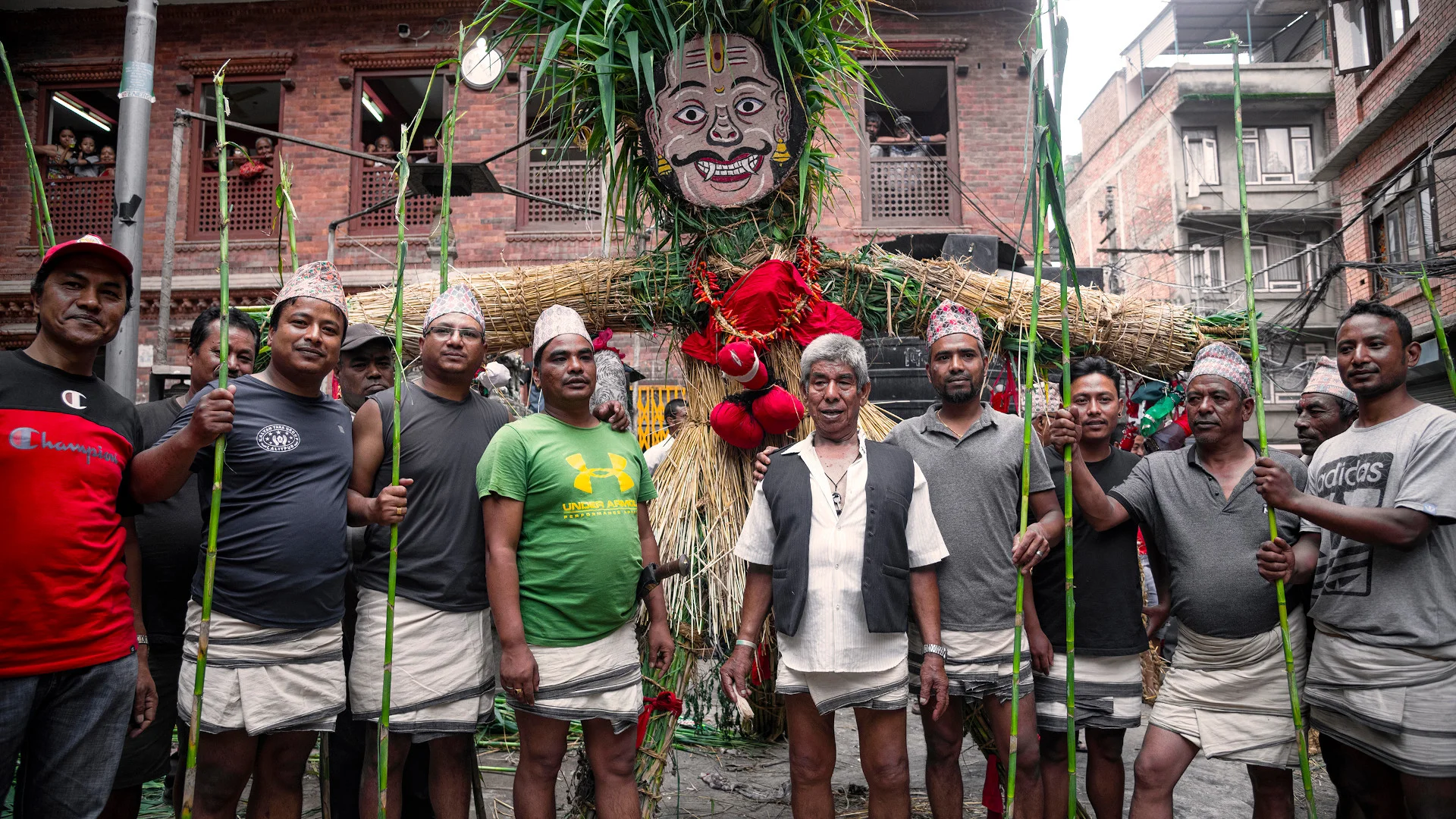
Each name aspired from a different legend which shared closer bonds with certain religions. The commonly used name of Ghantakarna refers to an ancient South Asian Raksasa (demon) who according to Mary Anderson, “Was so corrupt that he vilified the gods themselves, defiled and destroyed homes and fields, roaming the land, stealing children, maiming the weak, killing and devouring his captives. His depraved sexual orgies and unspeakable excesses with his countless wives horrified the pious people”(1971,72). Locally Ghanta refers to bells whereas Karna is ears thus during the festival effigies of the demon Ghantakarna are made out of bundles of straws from the old harvest and large ears are named from either leaves or local sieves( nanglo’s).
In Bhaktapur however, the festival is known from a completely different name and has a different legend associated with it. “Gatha Muga: was a man who believed in karma, and not in the power of gods. He loved the poor people and sat at the crossroads where he took money from the rich to give to the poor. If the rich people refused to give money to him for this purpose, he would kill them. He also lived without concern about pollution. As he lay dying he hung bells on his ears, so as not to hear the gods’ names called out. After his death, as he was not associated with any religion, no one was willing to cremate him, and his body was left at a crossroad. But then people joined together to donate money for his cremation, and they called a low caste man to perform it. Many people followed this procession because he had always protected the ordinary people.” Levy,1990, p.520
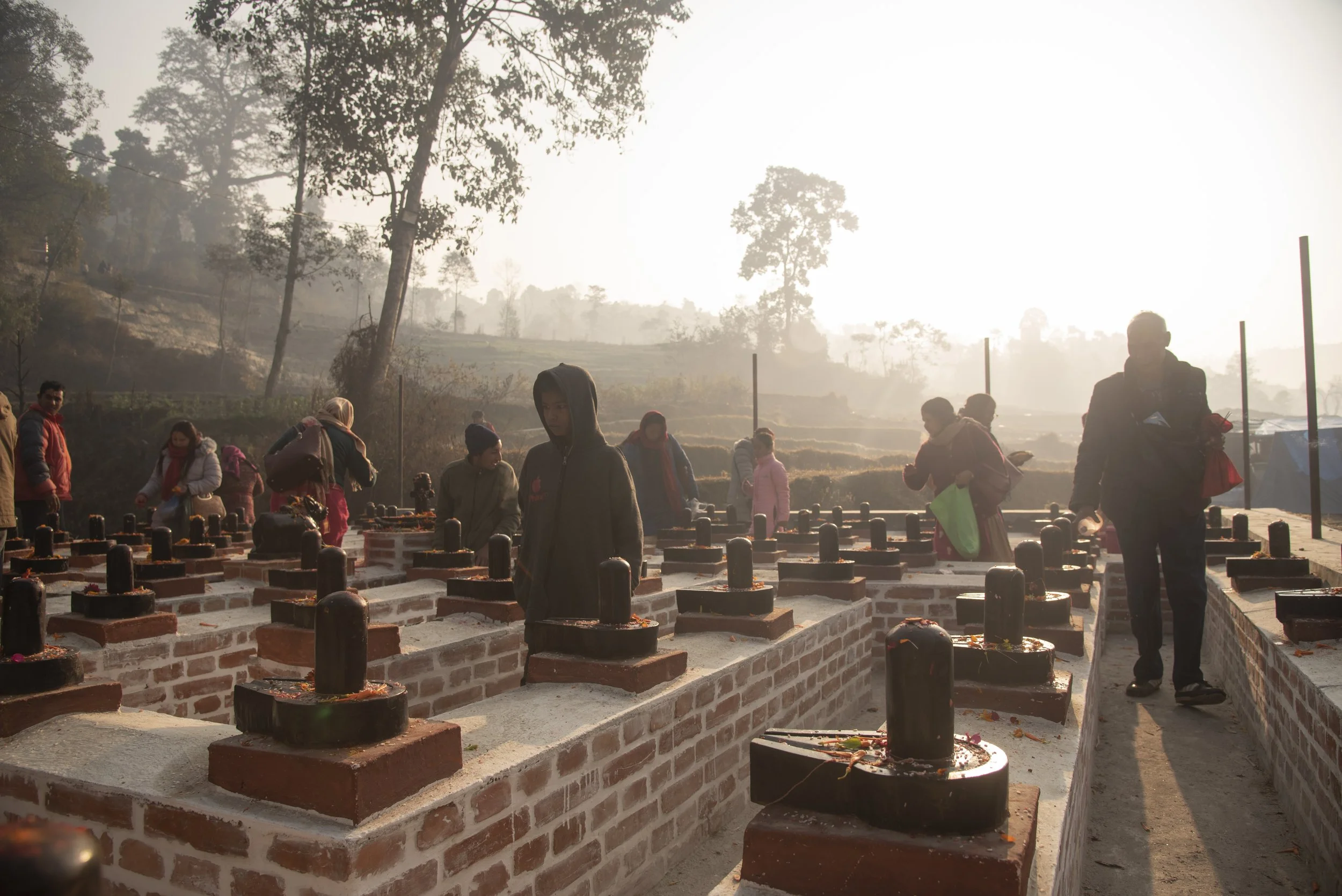
Personally photographing this festival, I have to say the most elaborate festivities are done in Bhaktapur. Where the effigies of Gatha Muga at times tower higher than eight feet, with great attention to detail. Each neighborhood constructs own representation and at times, it’s like a competition for the size, complexity, and elegance. Primarily made of bundles of straws it is masked and painted with fangs. Some go even further to dress the effigies, but none miss placing bells on the ears and placing a phallus, and two circular fruits representing testicles. Many historians and scholars have stated how the festivities and its representations were used to make the people aware of sex education. Such can be seen in the tudals (struts) as well, as during that era there was no form of formal education and due to the conservative nature, parents normally didn’t pass the knowledge to their children. Thus festivals were used as a medium to make the younger generation aware of the elements of reproduction.
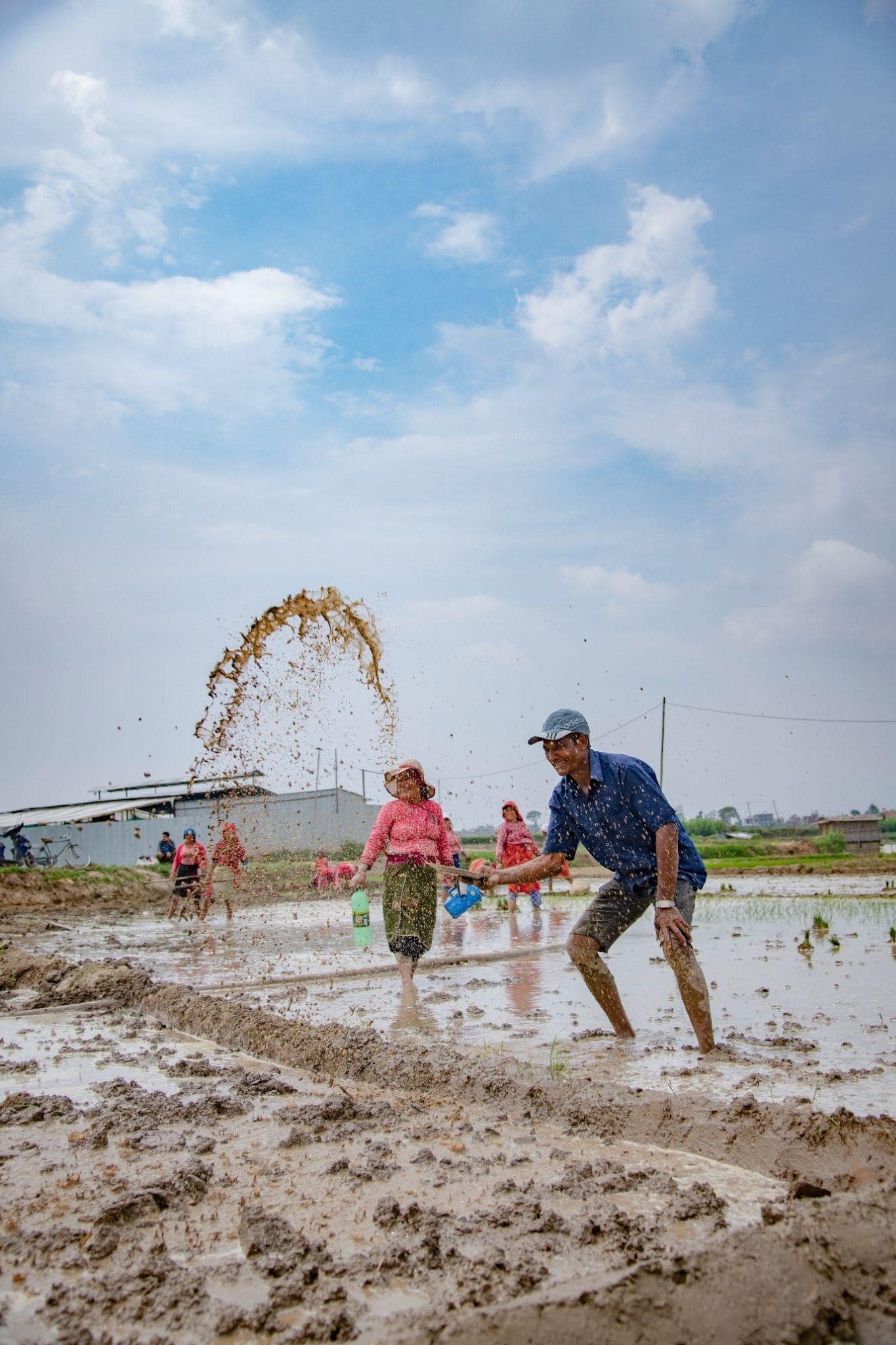
In the cities of Kathmandu and Lalitpur, the common legend which even I grew up associating with the festival is of how the farmers during the season of the plantation, took help from the evil spirits and demons to plant their fields. A task which took farmer days was completed by the demons in a matter of hours. The demons needed a lot of food and the farmers realized that they would not be able them throughout the year. Demons began becoming hungry and wreaked havoc, destroying houses, stealing children and destroying farms. Thus, the farmers had enough and collectively chased the ghosts down to the river and they were never seen again. During this day, I remember huge iron nails being hammered down in the main door of our old house. The years and years of nails accumulated had now become a huge hump. Thus, to symbolize the day it is believed that Gathe Mangal is celebrated.
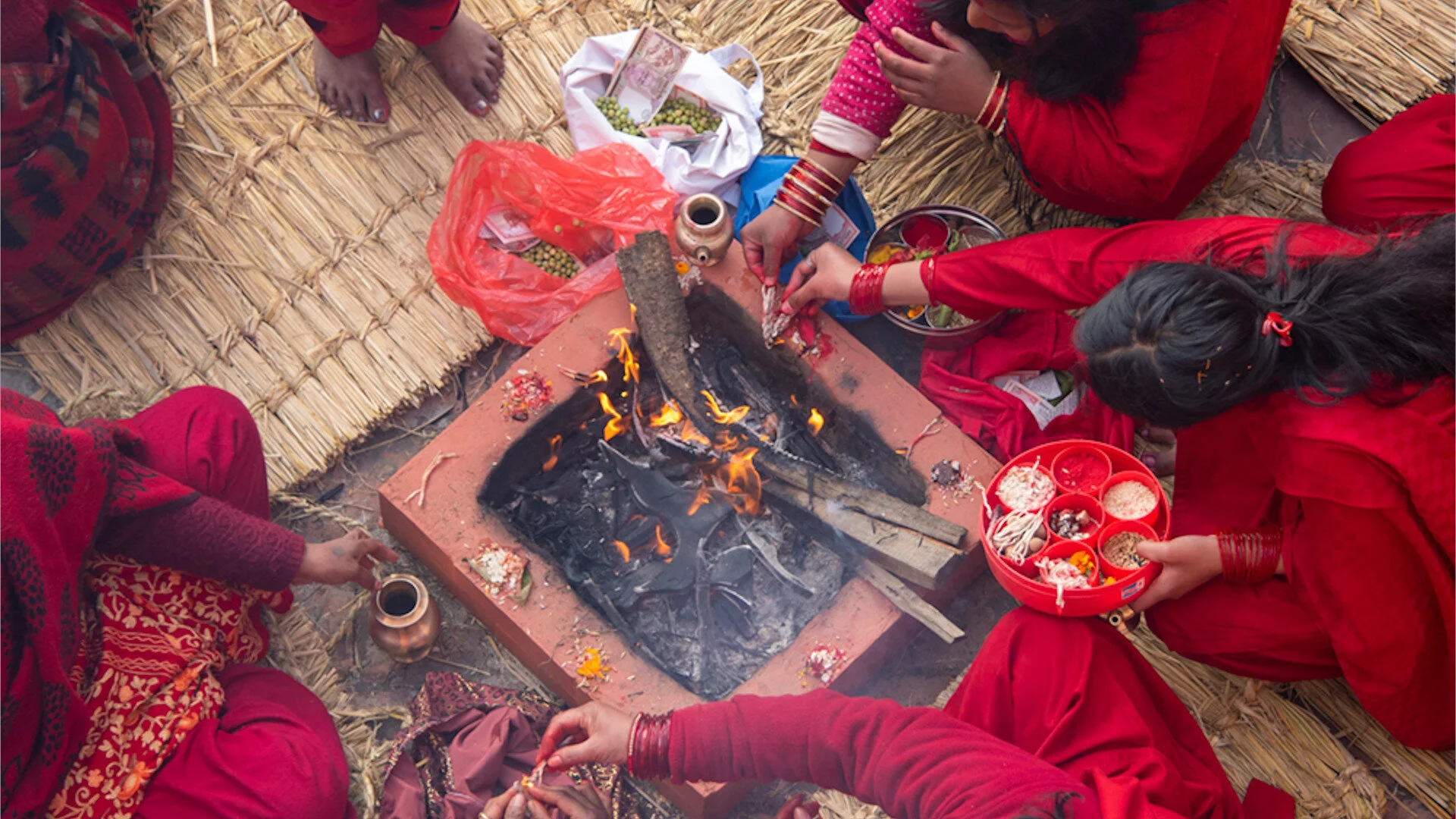
The legends surrounding the festival of Ghatakarna might differ in various settlements but the end of these brightly painted is the same in all. It is known as Bha Kayegu which refers to processions accompanied by shouting victorious phrases. As the sun sets, these effigies are dragged, beaten and taken to the nearest river to have them burnt. Procession goers wash their faces and eyes in the river for purification and bundles of straws are burnt in the crossroads to purify it of evil spirits and demons. In some neighborhoods, a communal feast is prepared to celebrate the day.
SIMILAR POSTS

A Guide to Newari Desserts to Get You Sorted
Here are some of the must-try Nepalese Newari sweets while you visit Nepal. Most common Newari delights which are available as a dessert, at breakfast, in the afternoon tea snacks or after dinner. And, the traditional sweets enjoyed during celebrations and festivals or along with Newari cuisine.
Jeri
Anarsaa
Festive Peda
Laddu
Ainthe Mari
Khajuri (Flaky Fried Cookies)
Cashew Burfi
Gulaab Jamun or Lal Mohan
Rasbari
Doodh-Bari (Milk Patties in Pistachio Cream)
Gud-Paak
Gulmari Sweets (crunchy glazed and shaped like a thin noodle)
You can call them desserts but they are mighty adaptive. The confections can be enjoyed at breakfast, as an afternoon tea snack or after dinner. The traditional mithais are enjoyed especially during celebrations and festivities and along with the wonderful array of Newari cuisine, the confections have their own charms. The confections are made from a wide variety of ingredients, including milk, fruits, vegetables, flours, grains and beans, nuts and seeds.
Now let’s dive into these sweet treats, shall we?
1. Jeri
Jeri, also known as Jalebi, is one of the most common delights in Nepal. These pretzel-shaped or rather free-shaped loops dipped in saffron syrup are to die for, and they taste even more heavenly when freshly made. The aromatic and succulent sugar heaven of jeri loses its crispness when left till the next day but worry not, they are are still wonderfully delicious. Traditionally, jeri is pared with a soft Nepali bread called Swaari.
2. Anarsaa
Anarsaa rotis are hand-stretched old fashioned sweet rice patties that resemble cookies, large ones. The crispy texture comes from the rice flour while the poppy seeds add a nutty flavour. Once fried they are stacked up so that the clarified butter is drained properly.
3. Festive Peda
Now pedas come in different shapes and sizes. Pedas are simple milk fudge made with whole milk, sugar, green cardamom powder and decorated with chopped pistachios. You can find these sweets made with other major ingredients such as khuwa, malai, kaju. paneer and saffron. Prashad or offering pedas can be found made simple and separately for festivals.
4. Laddu
Laddus are the most well-known sweets in the market. When it comes to talking traditional sweet, none are as quickly recognized as laddus. The most common laddus we see and find are motichoor laddus--golden yellow, granular and round festive treat made from chickpea flour droplets and sugar syrup. To make this sweet, there are a few steps involved. First, the chickpea flour is made into a batter. Then, using a flat perforated spatula (jhanjar), the batter is dropped into hot oil to form tiny pearl-like droplets (boondi). These droplets are fried, then soaked in saffron-cardamom syrup, and rolled into round balls. The sweet is very time-consuming and requires considerable skill and experience, but the savory result is rewarding.
5. Ainthe Mari
This is one of the most popular traditional Newari Mari sweets and is a variation of Laakha-Mari bread. They are flaky-crunchy textured delicious cookie-bread. The dough is hand-rolled and shaped into beautiful designs. They are deep-fried and glazed with a light icing to create a translucent satin finish.
6. Khajuri (Flaky Fried Cookies)
These are delicious buttery traditional cookies, that are very popular in Nepal. The khajuri dough is prepared with flour, sugar and clarified butter. The dough is rolled into a ball first, then shaped into small and round, slightly curved patties (like small bowls). The base of the cookie is pressed by a wooden khajuri press, creating a vertically lined design. It is then fried in clarified butter until crisp. The impression made by the khajuri press remains in the cookies after it is fried.
7. Cashew Burfi
These are one of the most delicious diamond shape burfi, highly popular during Tihar and Bhai Tika, made from pure ground cashew nuts, sugar, flavouring and garnished with silver varak paper. Almond-Coconut Burfi is an alternative flavour, made from blanched almond and ground coconut, and topped with sliced almond and pistachios. You can taste bits of ground almond in every bite.
8. Gulaab Jamun or Lal Mohan
Gulaab Jamun, also called Lal Mohan, are round fried dumplings soaked in saffron-cardamom syrup. They resemble small reddish-brown plums and have a soft, spongy texture. They are one of the most popular sweets for any celebration.
9. Rasbari
Rasbaris are lighter alternatives to Gulab Jamuns. Prepared in similar ways as gulab jamuns, rasbaris are soft cottage cheese or chhana cheese balls soaked in cardamom syrup. For less of a bite and more of the syrup, this sweet is hugely popular among children and equally delightful for adults.
10. Doodh-Bari (Milk Patties in Pistachio Cream)
An exceptionally flavorful, dairy-rich dessert of cheese patties soaked in thickened milk, delicately flavoured with cardamom and saffron and garnished with pistachios. Doodh-baris are exceptional choices for the sweet yet savoury dessert to sweeten your day.
11. Gud-Paak
This visually appealing, rich and a traditional favourite sweet dish is made from flour, edible gum, brown sugar, khuwaa, and chopped assorted nuts. It is an absolutely delicious sweet dish that melts in your mouth.
12. Gulmari Sweets (crunchy glazed and shaped like a thin noodle)
Gulmari is a combination of rice flour, urad beans flour, clarified butter and sugar. The gulmari batter is first shaped into thin noodles, then deep-fried and glazed. There is an assortment of mari sweets and treats that you can find and could be your new favourites such as Fini, Chimti (flaky bread specially made during Dashain, Tihar, and other religious festivals), Triangular Flaky Nimki or one of the many variations of Nimki itself.
POPULAR ITINERARIES
SIMILAR POSTS

Mataya: A Journey of Light
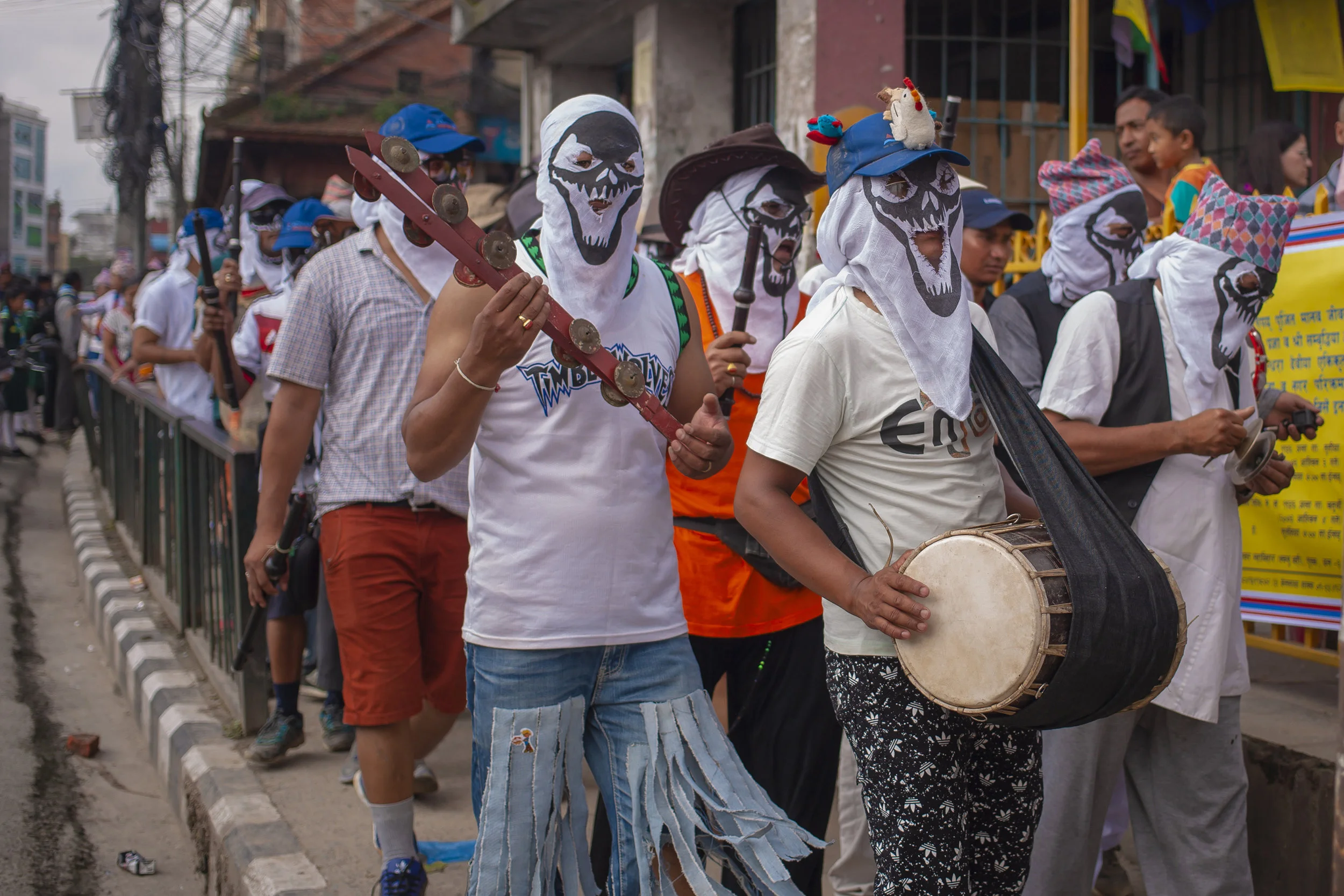
The festival of Mataya is one of the most important festivals in the Newar community in Patan. A unique Buddhist festival, during when men and women in a comical attire carrying candles and torches, traditional musicians playing merry rhythms walk to almost all the temples, stupas and monasteries in and around the old city of Lalitpur.
It was a very early morning, and my mother woke me up to show me something magnificent. I was still half asleep as she pulled me out of bed and took me to the lachi(Square) at Pulchowk. As we reached the square, I remember a huge crowd had amassed. For a child I couldn’t conjure up why they had gathered.
A few moments later, still sleepy I heard an unfamiliar sound approaching towards us. It was the sounds of paujus (anklets). As the beautiful steps got closer the traditional tunes of dheme drumed in the distance. In a split second, I saw this long procession heading towards us. I wasn’t asleep anymore I was wide wake with excitement. I saw these gentlemen clad in daura and women in the traditional Haku Patasi( Newari Dress) and what followed had me smiling and laughing. Men and women dressed up in my then, little vocabulary weird and funny. Men with masks, some dressed as women,some as gods and some in a crazy mix of all. I asked my mother, “ What is this?” and she looked at me and said, this is Mataya. The next thing I remember I saw this man running towards me who had this crazy mask on, and I being the child ran as fast as I could.
The festival of Mataya also known as Neyaku Jatra, is one of the most important festivals in the Newar community in Patan. Mata in Newari means light and ya means a scared journey. Celebrated normally in the month of August in the Gregorian calendar. It is celebrated the day after, the auspicious festival of Gai Jatra. This year Matya shall be celebrated on 17th of August 2019. It is believed that the festival of Mataya was established the Lichhavi King Gunakamadeva, who is also believed to have been the King who founded the city of Kantipur( Kathmandu).(Wright, 1877, 155)
The festival of Mataya is a unique Buddhist festival, during when individuals walk to almost all the temples, stupas and monasteries in and around the old city of Lalitpur. The festival every year amasses an attendance of thousands with individuals carrying candles and torches, traditional musicians playing merry rhythms and men and women who dress in comical attire.
According to Min Bahadur Shakya, Director- Nagarjuna Institute of Exact Methods,” The preparation for Mataya begins on the first day of Gunla. After mid-night on this day a group of hundred people with nava bajan( traditional Newari instrument) gather and follow the exact path that they are to follow on the day of Mataya. They don’t finish the whole route on a single go, but gather every night for the upcoming days and mark the shrines and courtyards with vermilion, husked rice and coins as they pass by. This event is called Bogiwonegu(To Give Offering). During the day of Matya individuals gather at the lead locality from where Matya is to begin and start their journey. They walk the entire route in one day, and some choose to make the journey bare foot. They offer their prayers at the shrines marked and present offerings.”
Members of family stay show their support by offering them refreshments and various communities place stalls to offer water and refreshments to the attendees. It is roughly estimated that the devotees visit 1400, 1500 local and private shrines during Matya.
According to a local legend, it is believed that once Sakya Muni Gautam was in deep penance to attain Nirvana when the jealous Maras came to distract him. They had disguised themselves in various forms and some were in the form of fierce looking demons while some were beautiful damsels. They tried to tempt the muni but he overcame the Maras and achieved Nirvana. It is also believed that the Maras later came to Lord Buddha and confessed their sins and worshiped the lord.
For this years edition of Mataya, it is being organized by Haku Bahal Tole which is west from the cross roads of Patan Durbar Square. The festival shall normally begins before the crack of dawn at around 4 AM and make their way to the shrines marked during Bogiwonegu. It is a beautiful sight to behold, with merry music, comical dancers, and the energy is exhilarating.
SIMILAR POSTS
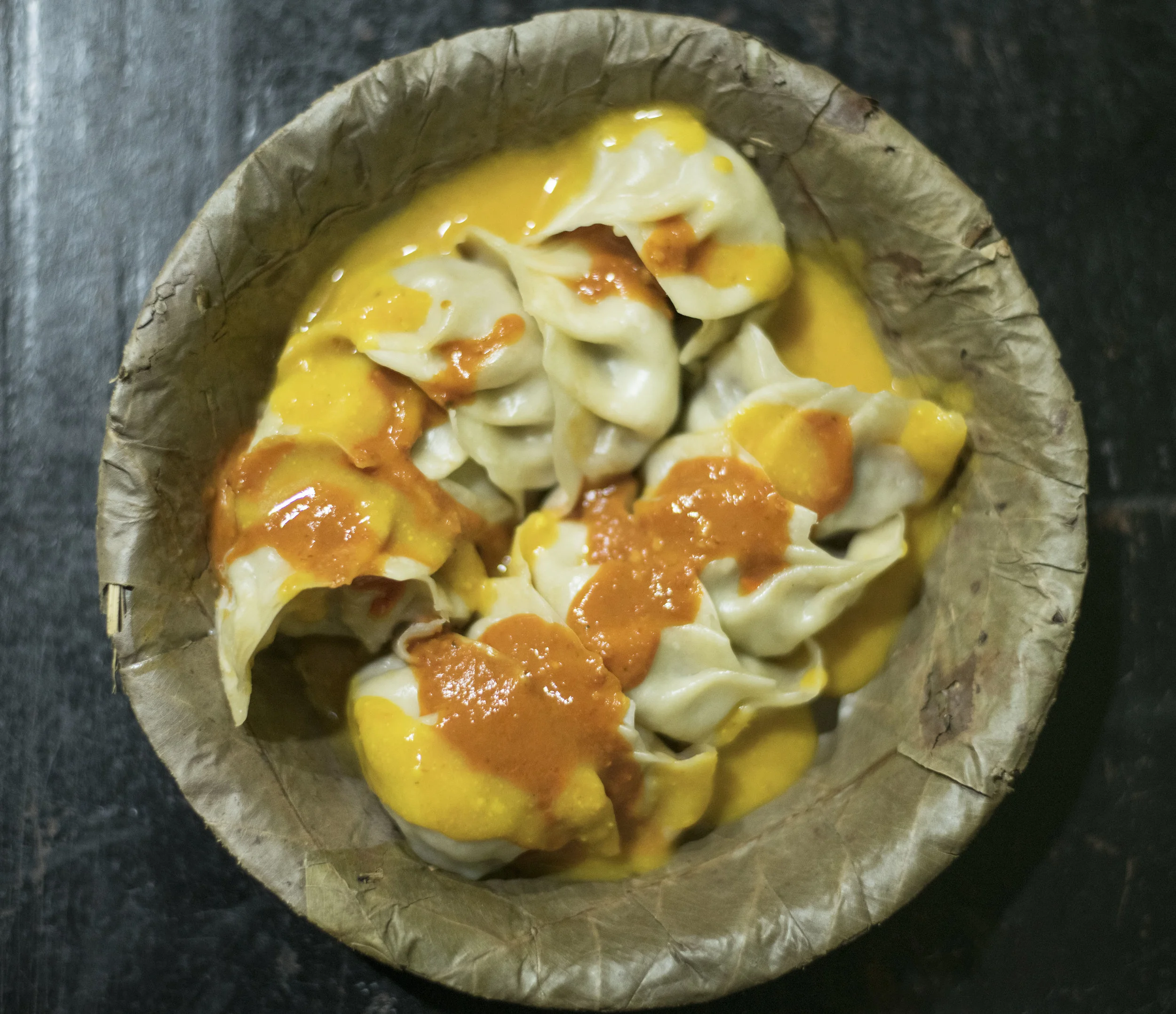
5 Must-Have Street Foods in Nepal
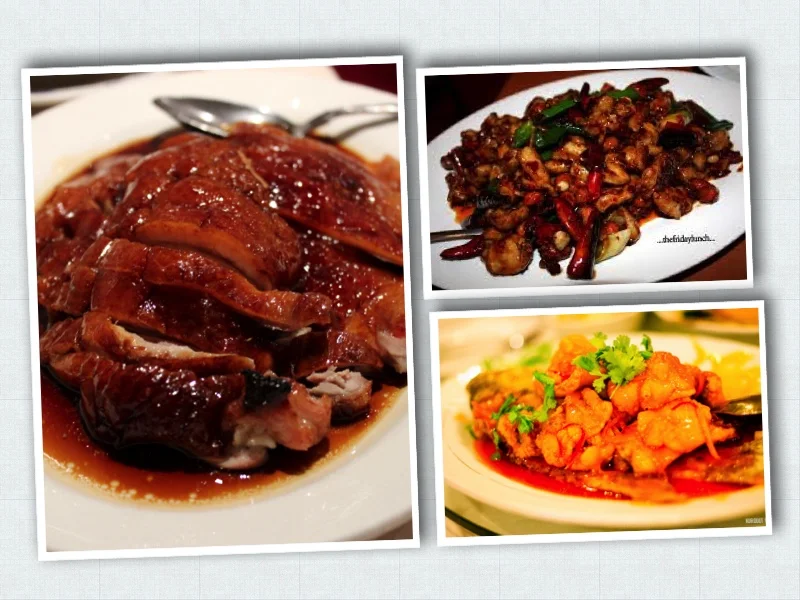
Apart from all the different eateries, the street-food scene in Nepal is equally exciting and astounding. The delicacies of the street food in Nepal is already a common delight for the people of the country. Mouthwatering food stalls in every corner of the street have been famous among the tourist and people of the country.
Mo:Mo
Pani Puri & Chatpate
Bara, Malpuwa & Aloo Chop
Samosa
Lassi
Trying new food at places and stations you hadn’t previously tried is an adventure in itself. It is exciting, interesting, satisfying and well its food! Nepal has a lot of eateries (khaja ghar, bhatti, restaurants) around every corner of almost every city. Each with their own style and taste even in ridiculously same dishes and that in itself is the charm that is held.
Apart from all the different eateries, the street-food scene in Nepal is equally exciting and astounding. If you’re ever traveling around the valley and away, make sure to try as many different stalls as you can. The delicacies of the street food in Nepal is already a common delight for the people of the country, but let’s see what street foods never fail to catch the eye.
Precious Mo:Mo
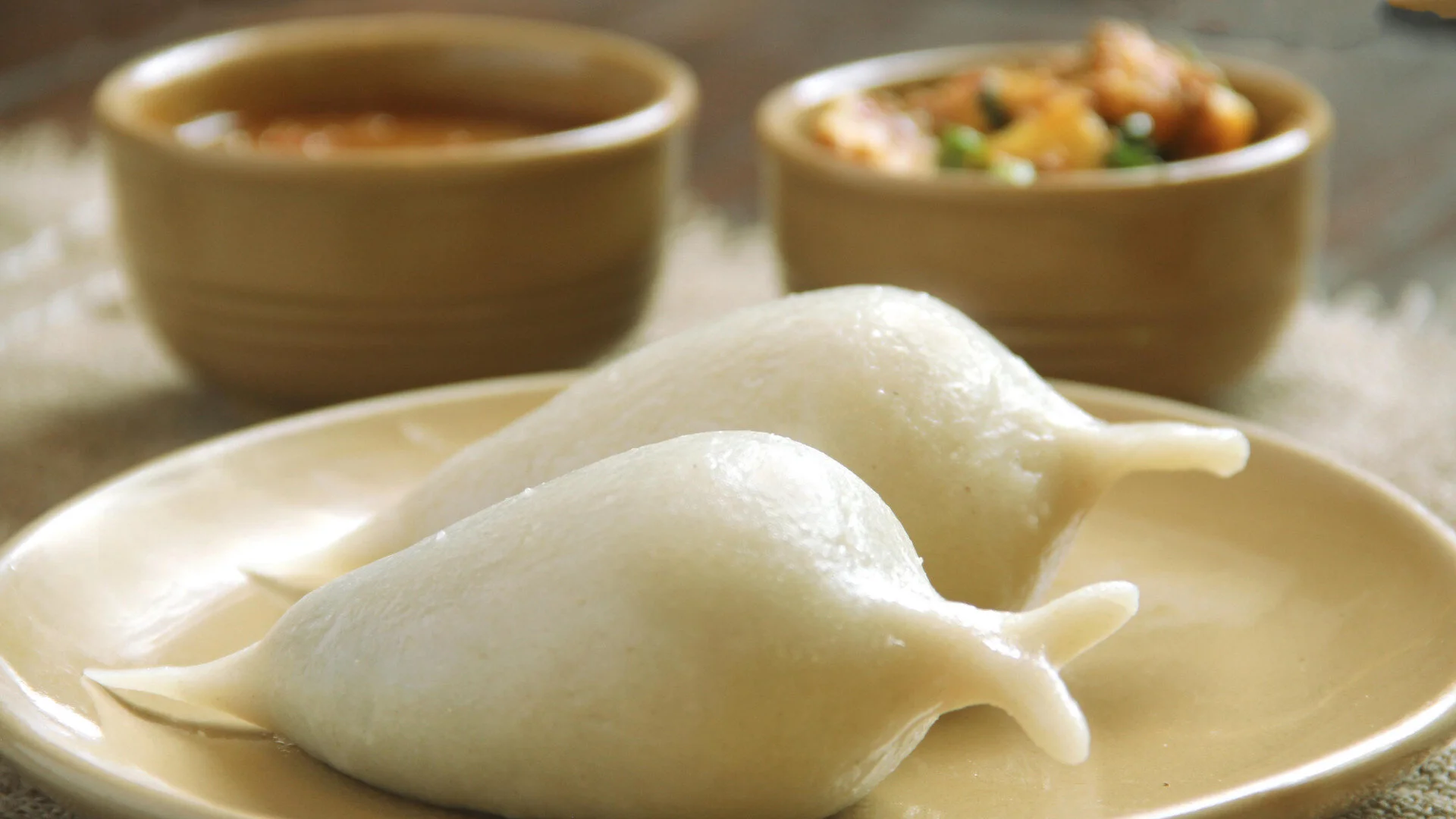
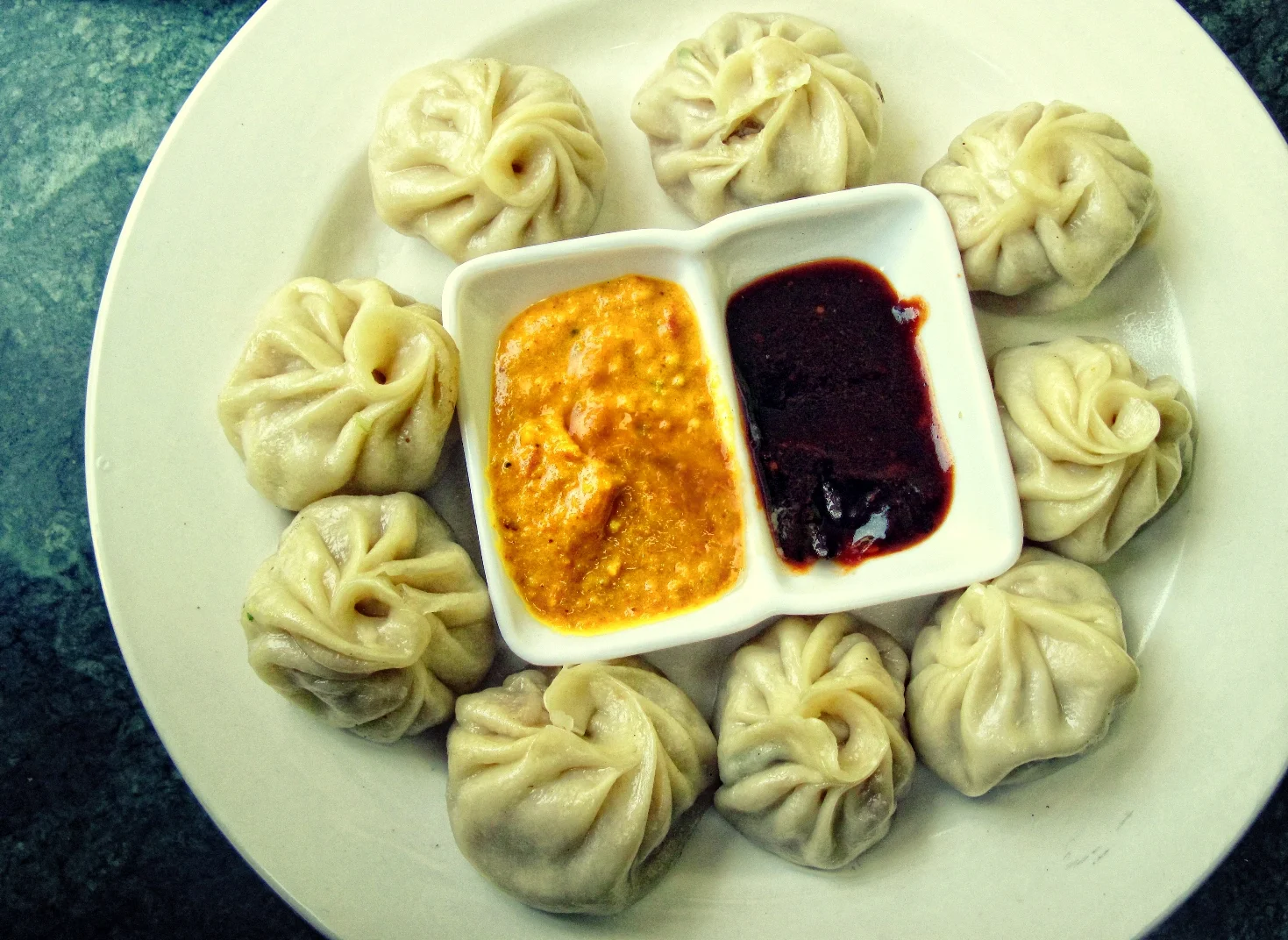
This isn’t a surprise, is it? Mo;mos are hands down the most popular eats in the country. You can find them anywhere and I mean ANYWHERE! This fast food can be found in many stalls set up around different locations and if you’re ever on a food hunt, I doubt you would miss this. The charm is in the achaar that compliments the mo:mos and adds a whole new dimension to the taste. Put simply, you couldn’t possibly pass on an opportunity to try this dish.
Pani Puri and Chatpate
Pani puris are already famous. Like the beloved mo:mo this treat needs no introduction. Maybe the most popular street food, pani puri and chatpate can be found in all the major places that you can think of and the best part is that the guys that sell them tend to move from one place to the next, almost like ice cream trucks in the Western world. The spice brings everyone towards it and it doesn’t really fail to bring fun moments.
Bara, Malpuwa and Aloo Chops
If you are moving around Patan or through any Newar community, bara and malpuwas are very popular. While bara is a savoury treat which is majorly eaten during festivals and celebrations, it has since become flexible as a street treat as well. Malpuwas go the sweet-savoury way and are wonderful treats to satisfy your sweet tooth. Aloo Chops are impressively popular fast food, amusingly as early morning treats to some. The thin potato patties rolled around in batter and deep-fried is a much-loved treat indeed.
Samosa
Samosas are already a popular treat in India and in Nepal. This popular treat can be found even in the most aloof courtyards you can think of. Like all the dishes in this list, samosas can taste different depending on the place that you have it in, so its a mystery what kind of new taste you might get to indulge in.
Lassi
The Narayan Chowk lassi grows in popularity every single day. If you are making your way through the capital on a humid day, chances are you are going to stop for a sweet, cold glass of lassi. A nice glass of lassi can be the perfect end to your food tour if you have been trying out new tastes in the valley.
SIMILAR POSTS
Seeking adrenaline in Nepal. Part 2
Nepal is a country where there are adventurous destinations and most beautiful cultural heritage full of temples, rivers, and magnificent mountains. Whether you want to see the beauty or you want to make an unforgettable moment by experiencing the breathtaking adventure activities of Nepal.
If you are looking for ways to conquer your fear or just want to do something crazy for your adrenaline kicks in, the high lands of our country can help you achieve this goal. It is an adventure playground for thrill seekers and adrenaline junkies. For all you risk takers and brave hearts, our country excels in adventure tourism and here's some of the adrenaline arousing activities in our country:
Crossing a suspension bridge
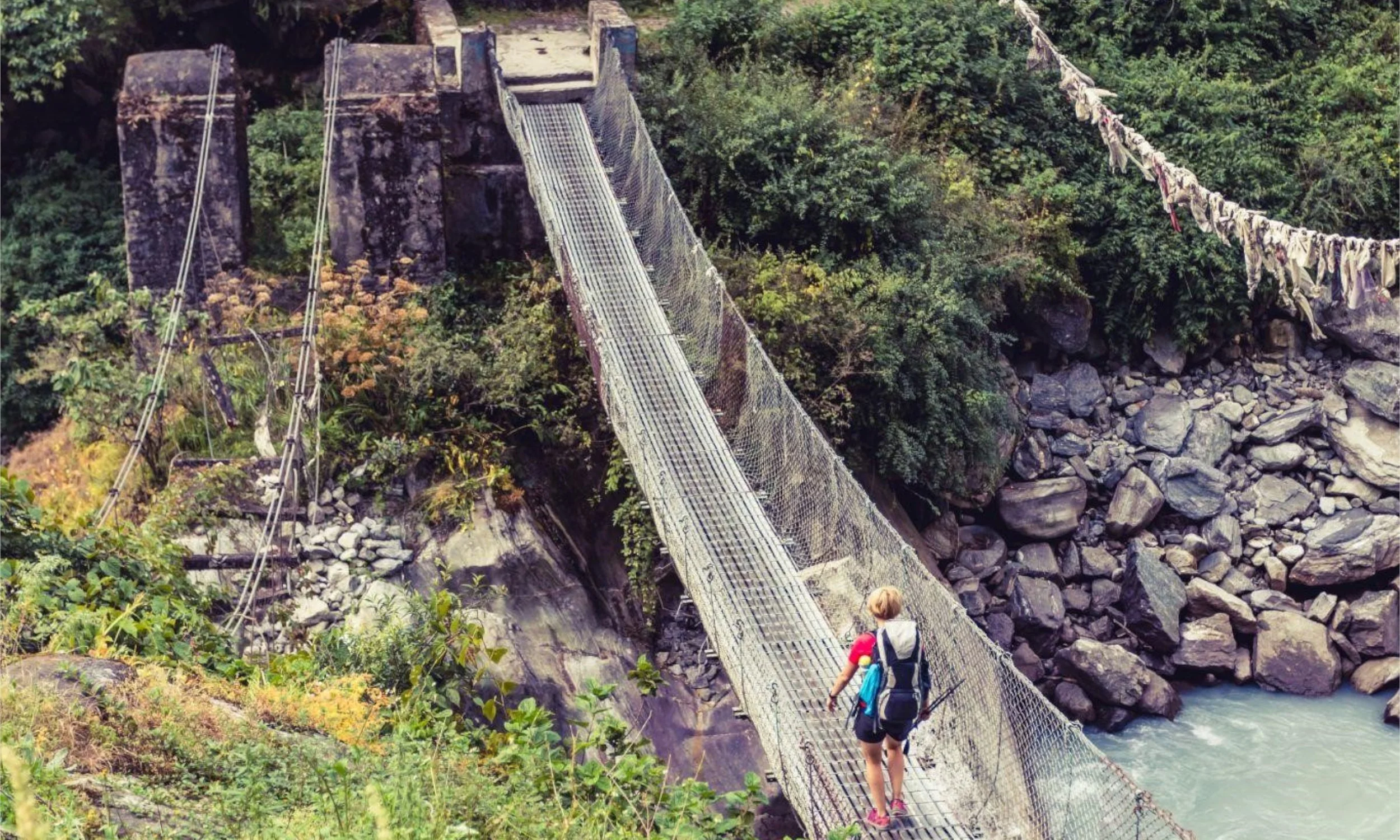
- For people who are scared of heights, walking in a suspension bridge can be a nightmare. The longest suspension bridge can be found in Kusma, which is a small town only a couple of hours outside of Pokhara. The walk through the bridge is scary and it becomes a never-ending journey as the bridge is 344 meters long and 135 meters high. The view of Kali Gandaki below can make your head spin and your heart can race uncontrollably.
- However, you can experience different kind of thrill on a suspension in the Himalayas. The Edmund Hillary suspension bridge, located in the Himalayas is 160 meters high. It may not be as long as the one in Kusma but as the porters pass you while crossing the bridge, the large hauls that they carry can make it very bouncy. Also, if mules and yak are walking beside you, get ready to experience mini heart attack!
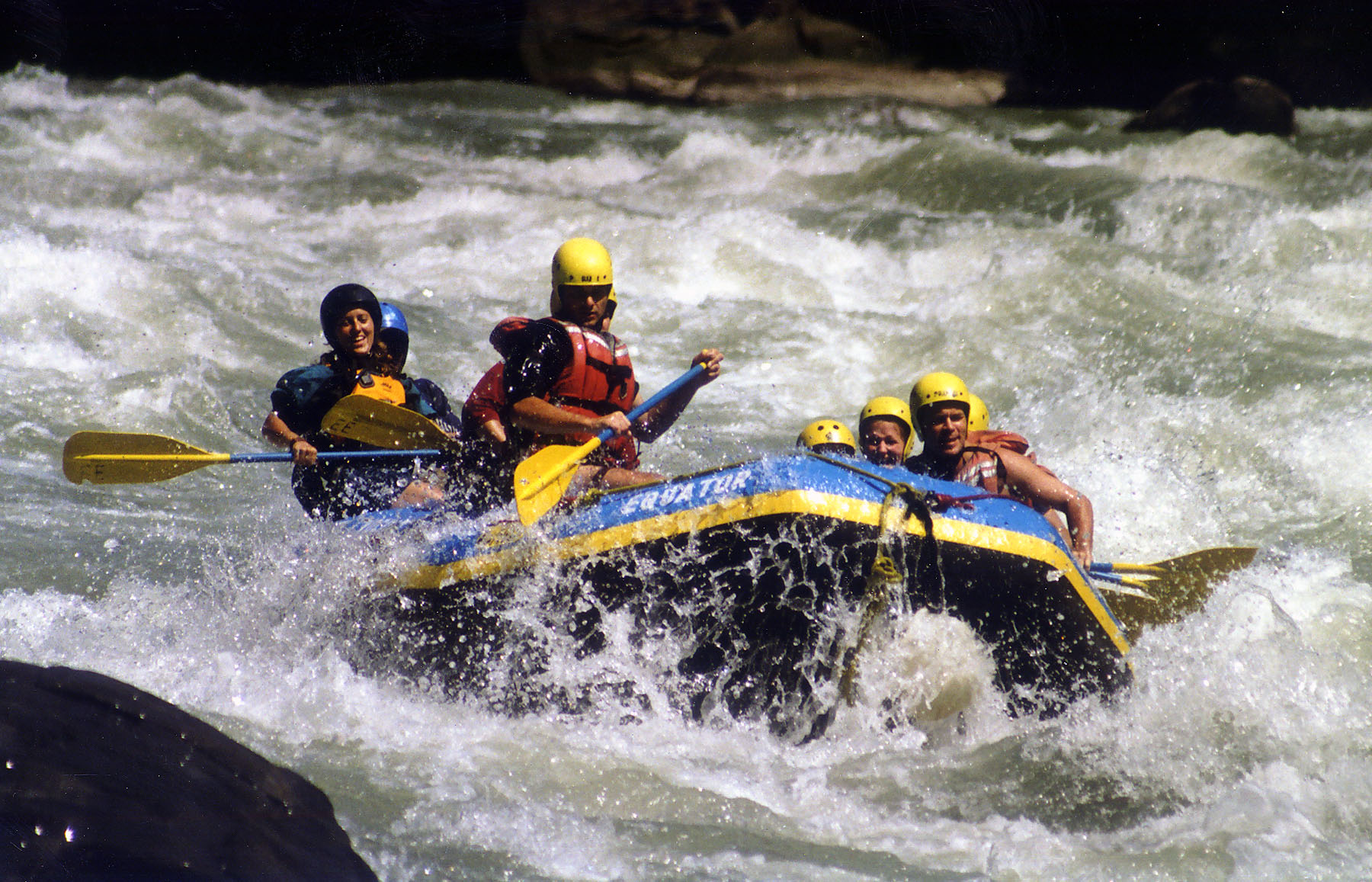
River rafting down the Bhote Koshi River
- Bhote Koshi is the most popular whitewater rafting destination in Nepal. The upper section of this river features class V rapids and this has been the main attraction for skilled kayakers while its lower sections and their class III rapids are mostly preferred by the new-bies who are exploring their rafting skills. Along with this, Bhote Koshi also provides mind blowing views of the enchanting waterfalls, lush green jungles and ancient villages.
Canyoning
- Canyoning can be a bold adventure choice to experience the thrills of nature in the wild. Imagine the level of adrenaline rush you experience while descending down streams on a rope and jumping down to spotless pools from canyon walls. You can get a special package of canyoning along with hiking, trekking with other thrilling adventures. Canyoning sites are available at Marsyandi, Kakani, Sunkoshi, Kulekhani, Sundarijal, Bhotekoshi.
Waterfall Ice Climbing
- As Nepal has eight of the highest peaks of the world, it's no wonder many mountaineers have come here to explore and get a taste of their own adventures. What better way to arouse their adrenaline then by ice climbing?
- If you choose to literally push yourself to the limit by battling extreme altitudes, taking on the toughest icefall and jagged peaks, then this mind blowing experience is just the thing for you. While climbing this incredibly frozen water, you get to witness amazing landscapes which are completely different to experience. You can try ice climbing in places like Thame, Annapurna, Langtang valley.
Ultra light flying
- This adventure can be pretty similar to mountain flights but with extra chills! The microlight aircraft helps you fly through the clouds with the wind on your face and with a view of the unhindered mountain peaks. It's an experience of a lifetime with the feeling of freefalling in the mountains. If you cannot contain the excitement anymore, Pokhara airport is calling you!
Parahawking
- Parahawking can best be described as paragliding with falconry. You can actually fly with birds of prey! Parahawking combines the modern technique of paragliding capturing a bird's natural instinct. You get to explore the jungles through the eyes of this bird.
- During the flight, the passenger regularly place small chucks of meat on their hand for the bird to refuel. This is a unique adventure which deals with conservation and eco- tourism and gives the opportunity to interact with the birds of prey while experiencing the Himalaya from the sky. Paragliding and Parahawking can be experienced together in Pokhara.
Heli Skiing
- Nepal offers an excellent location for heli- skiing activities with amazing height of the Himalayas as the helicopter drops you off at the start of your run with the longest distance starting at 5,000 meters above sea level.
- Your adventure begins as you make your own tracks through the beautiful powdered snow while praising the forest scenery and mountains views on your way down. You can try heli skiing in the Makalu, Dhaulagiri, Kangchenjunga, Everest and the Dolpo regions.
Jungle safari
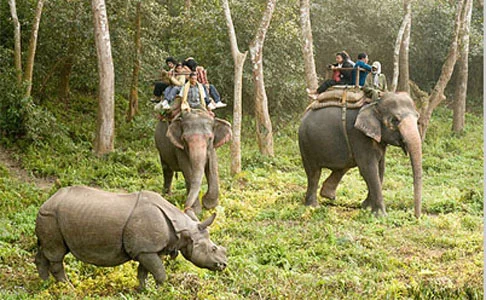
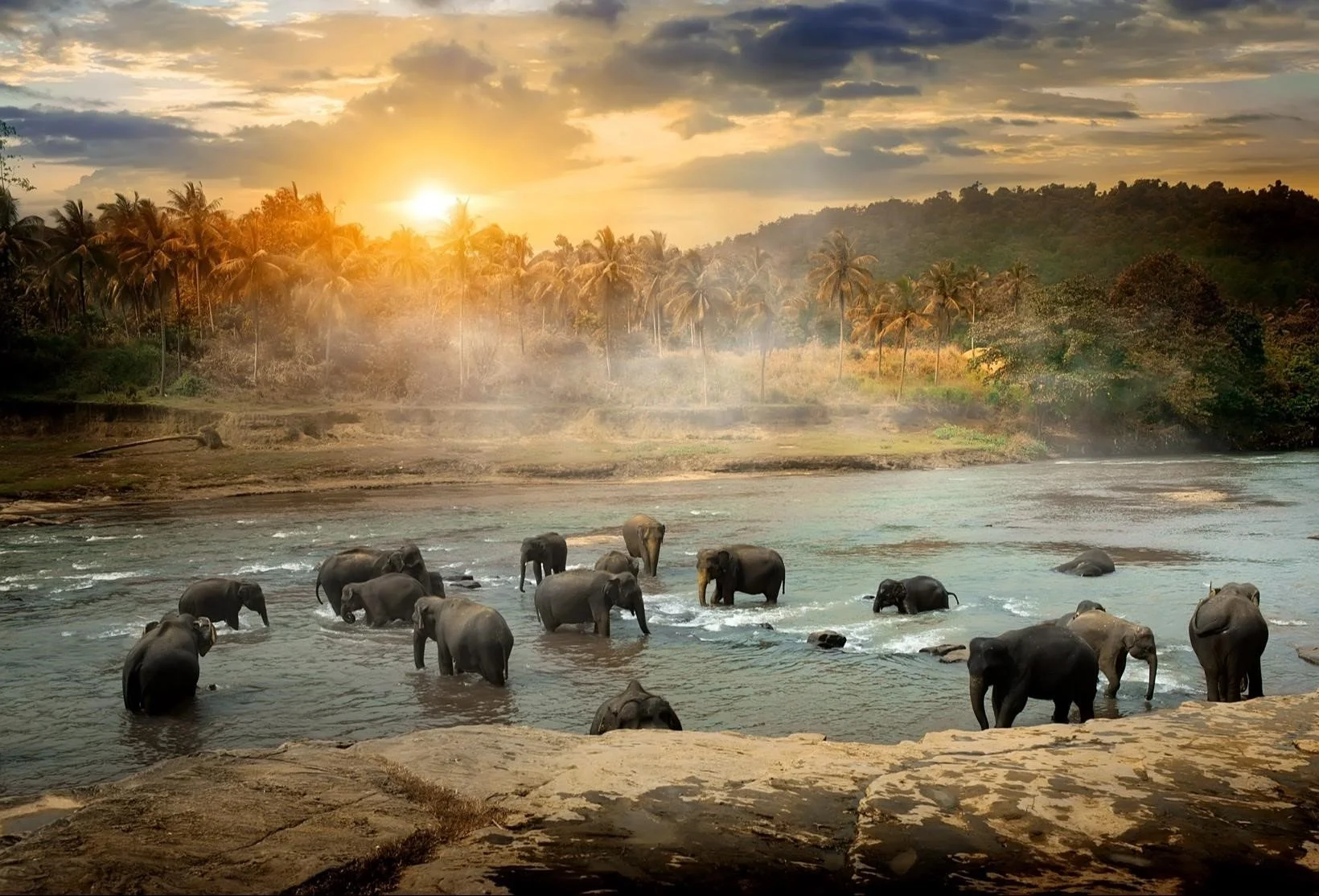
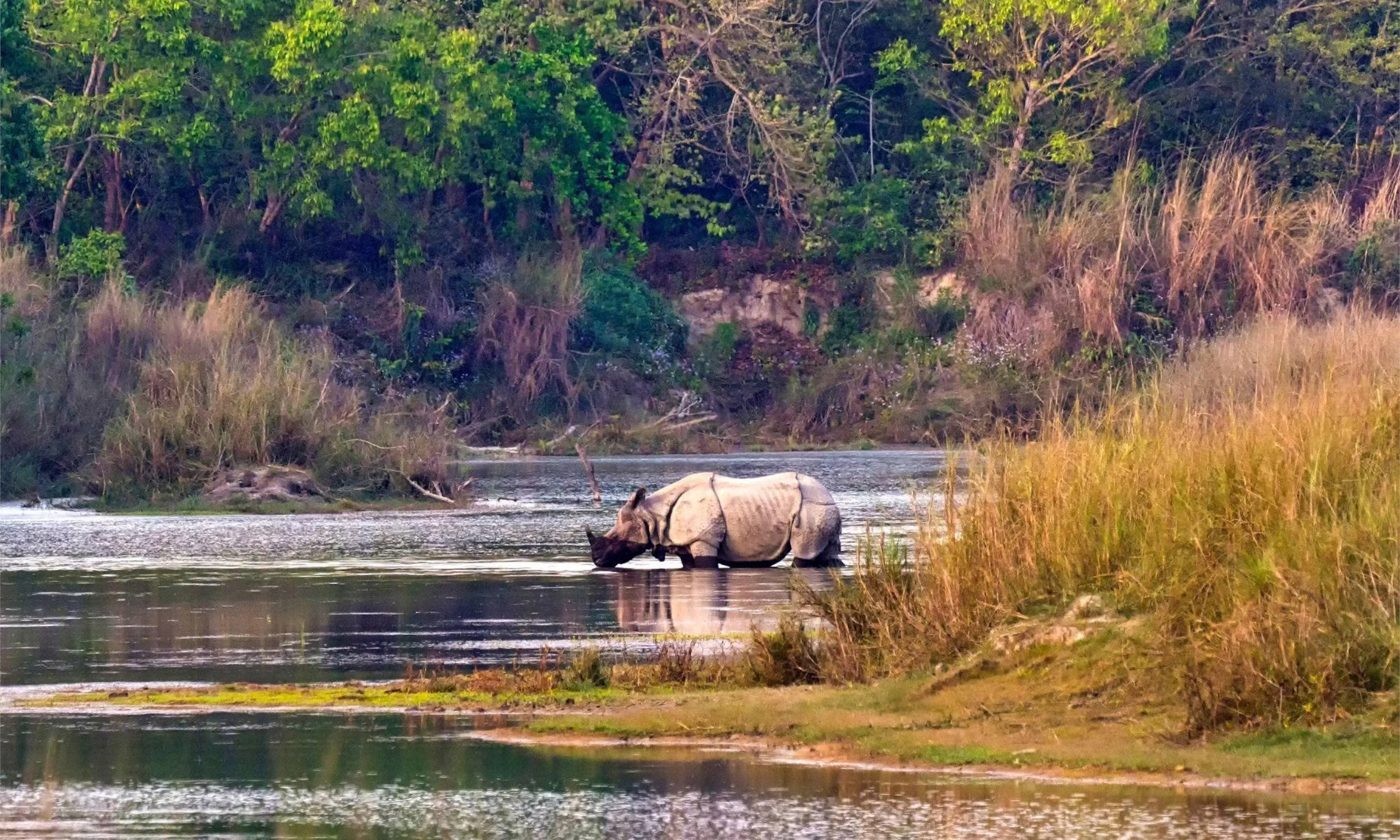
- The Himalayan region is famous for mountaineering but we cannot forget the plains. You can go on a Jungle safari and observe magnificent creatures in their natural habitat. Chitwan and Bardiya national park can be the perfect place to enjoy and relax in the tropical climate and greenery if you are a lover of wilderness.
Similar Posts


Seeking adrenaline in Nepal
Mountains have been a highlight for adventure seekers since the beginning of tourism in Nepal. Every year thousands of visitors come to Nepal to take a journey to the mountains. And, to conquer the fear or to do something crazy when the adrenaline kicks in, the high lands of our country excels in adventure tourism and some of the adrenaline arousing activities.
While going through our social media sites, we occasionally stumble upon that friend who takes the concept of adventure to the next level. Their profile is covered with images of skydiving missions, rough camping trips, rock climbing etc. Such daring adventures have a lot of risk but because we have a thirst to experience adrenaline rush, it drives us to seek more thrilling adventures, despite of being scared out of our wits.
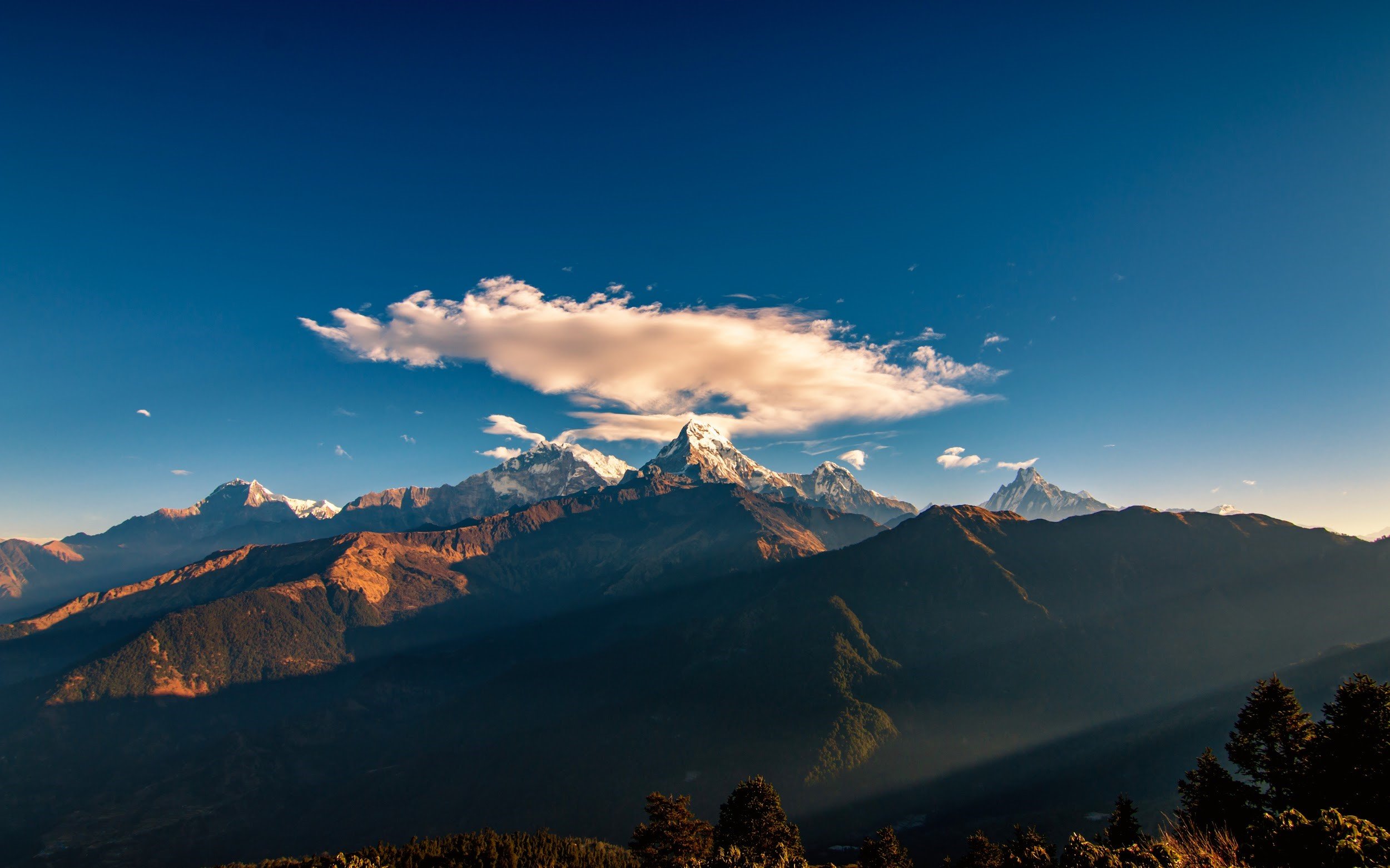
The holy mountains have been a highlight for adventure seekers as long we can remember. A journey to Annapurna, Everest and other massifs can exceed anyone's expectation as the amount of beauty and serenity it holds is indescribable by words. As our country is gifted by the mountainous terrain and the river flowing system from the glaciers; many extreme adventure sports came into being.
If you are looking for ways to conquer your fear or just want to do something crazy for your adrenaline kicks in, the high lands of our country can help you achieve this goal. It is an adventure playground for thrill seekers and adrenaline junkies. For all you risk takers and brave hearts, our country excels in adventure tourism and here's some of the adrenaline arousing activities in our country:
You can fly like a bird through ZipLining
- If you are someone who wants to experience the feeling of euphoria, you can try the famous zipline of Nepal. As our country has the steepest, longest and the fastest zipline in the world, grab the opportunity of a thrill ride. The best part of the zip flyer is the take off. As soon as the door swings open you go flying down a hill which is so steep that you can't even see the ground you are headed to. Imagine jumping towards the unknown! If you are lucky, you can experience the breathtaking views of Annapurna on a clear day as the wind hits your face.
Go Bungee Jumping
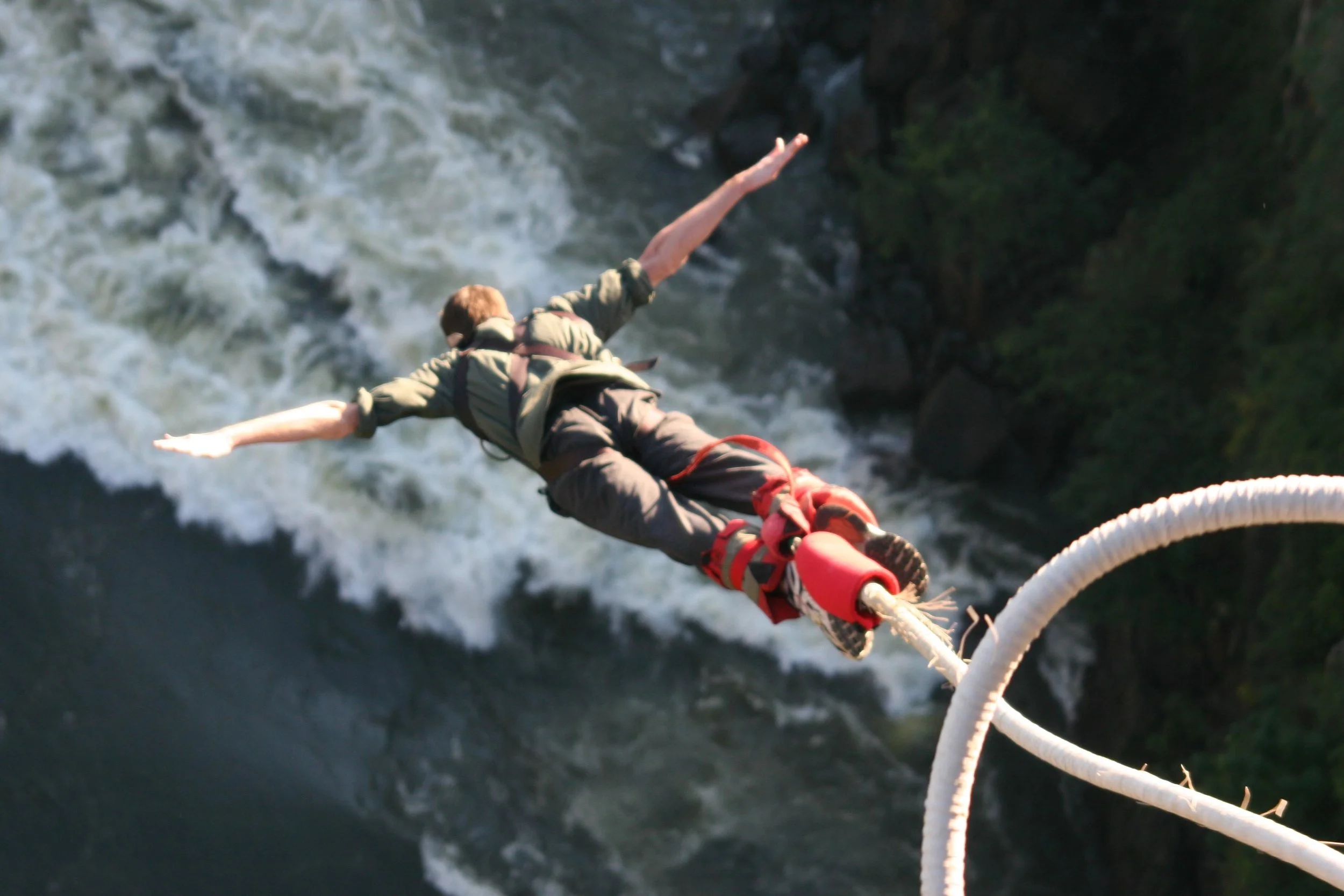
- The Last Resort proudly claims to be the 9th highest bungee jump in the world. Your fall is from 160 meters and you feel the rush of adrenaline as soon as you freefall. The air and the falling into nothingness can make you feel free. It's absurd to risk your life like that, but when you just 'let go,' it is an insanely amazing feeling.
Go Paragliding
- There's something exciting about running of a mountain with only a piece of fabric and strings attached to you. In Pokhara, you can experience an unforgettable paraglide flight. Once you fly high over the valley in the presence of the mighty Annapurna, you feel like you have reached paradise.
Mountain biking
- Nepal has a lot of uphill division and if you are a fairly experienced rider, mountain biking can be an excellent choice of adventure for you. Annapurna Circuit is considered to be the one of the most popular trekking destinations in the world where you can experience both hiking and biking. You can bike from Muktinath through the Mustang region for a satisfying combination of jaw dropping scenery, cultural delights and get indulged in one of the deepest gorges of the planet.
Kayaking
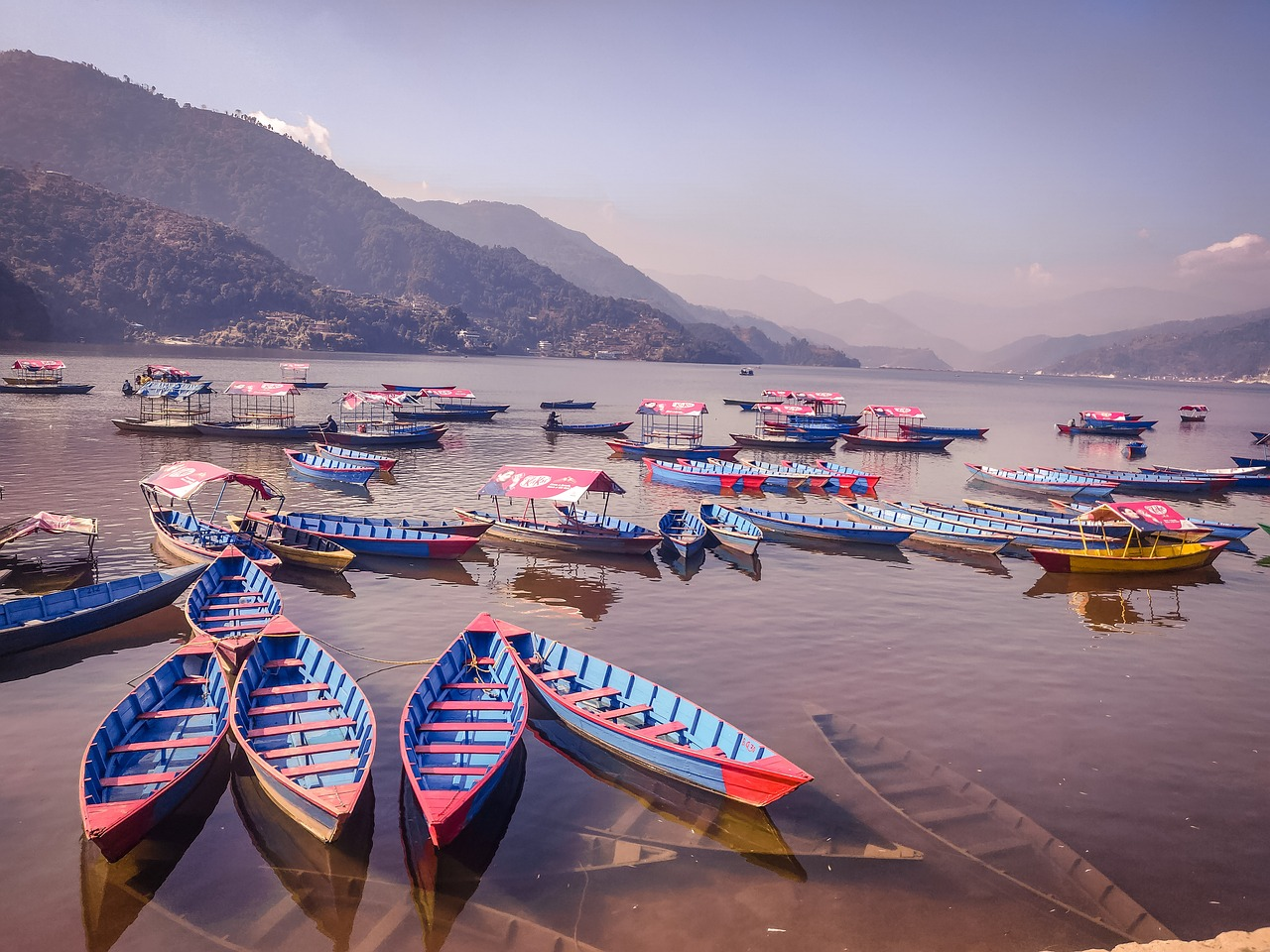
- Kayaking in The Lower Seti River can be the best place to dive into to get the best experience of river rafting and kayaking. Even for the newbies, kayaking can be done smoothly as it does have any major obstacle. The kayaking expedition begins at the captivating Phewa Lake and ends close to Chitwan National Park. The Lower Seti River trail has been known to be completely safe for any sort of water sports.
Rock Climbing
- Rock climbing is another adventure that can attract all kinds of adrenaline junkies from the world. Nepal can be one of the best destinations for rock climbing as has a perfect combination of rock climbing experience with exceptional natural beauty.
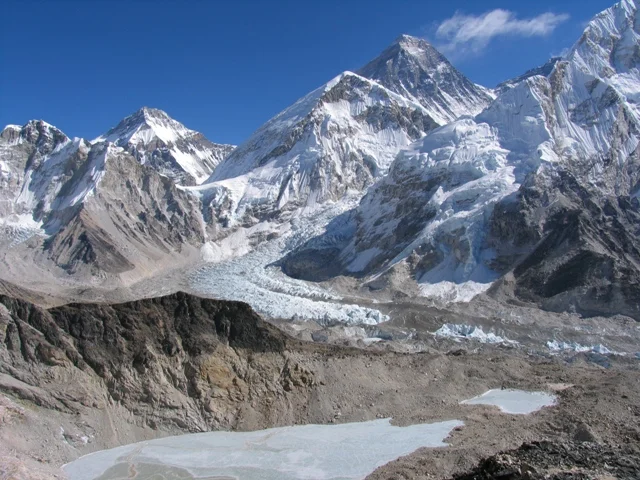
Trekking to Everest Base Camp
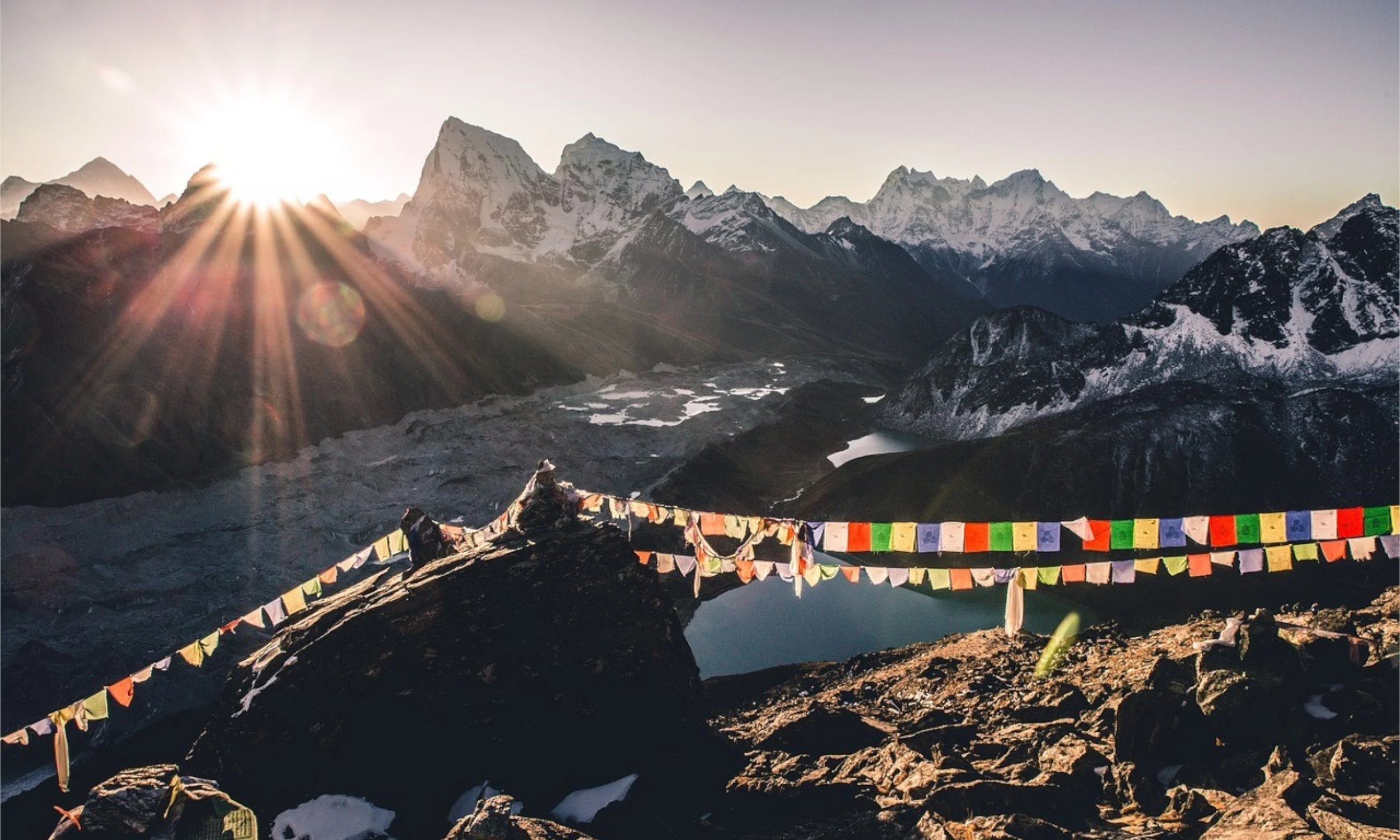
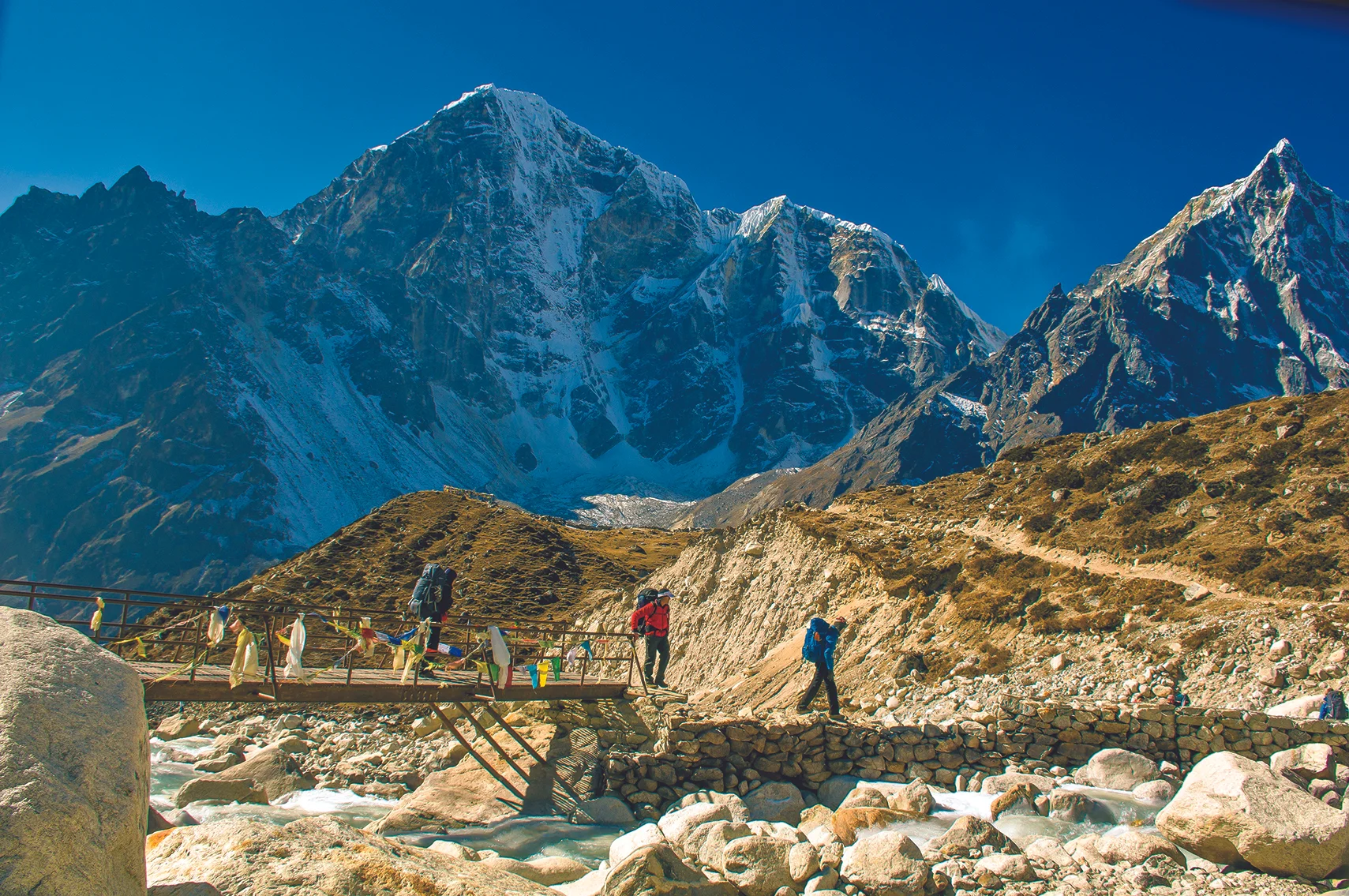
- There can only be a handful of voyages that can give you the thrill that you get while trekking to Everest base camp. This embodiment has attracted adventure enthusiasts ever since the 1920s. For those who can never think about stepping the giant Mt. Everest, this adventure can be a more practical solution. While venturing through this region, you can experience countless museums, days which are charged by beautiful colors, old world monasteries and swing bridges (scary!). Even during the nighttime, you can light up bon fire and have conservations with other fellow travelers.
Take a flight to Luka airport
- Lukla is considered to be the 'most dangerous airport of the world' and hearing this fact in itself can give us chills. The entire process of flying into Lukla can arouse intense heart throbbing experience. The flight takes place only when the weather is clear and it has the capacity to hold only 12 to 14 seats.
- This adventure is pretty challenging as you fly straight into the mountain as you land in Lukla and you fly off a cliff during takeoff. Normal runways are 1,829 meters long but the runway of Lukla is merely 527 meters. This makes the flight extremely dangerous as it has a short length to cover. The runway is on a steep gradient to ensure that planes slow down in time while landing and gain enough speed for takeoff.
Similar Posts
A Tranquil Escape: Trekking In Nepal
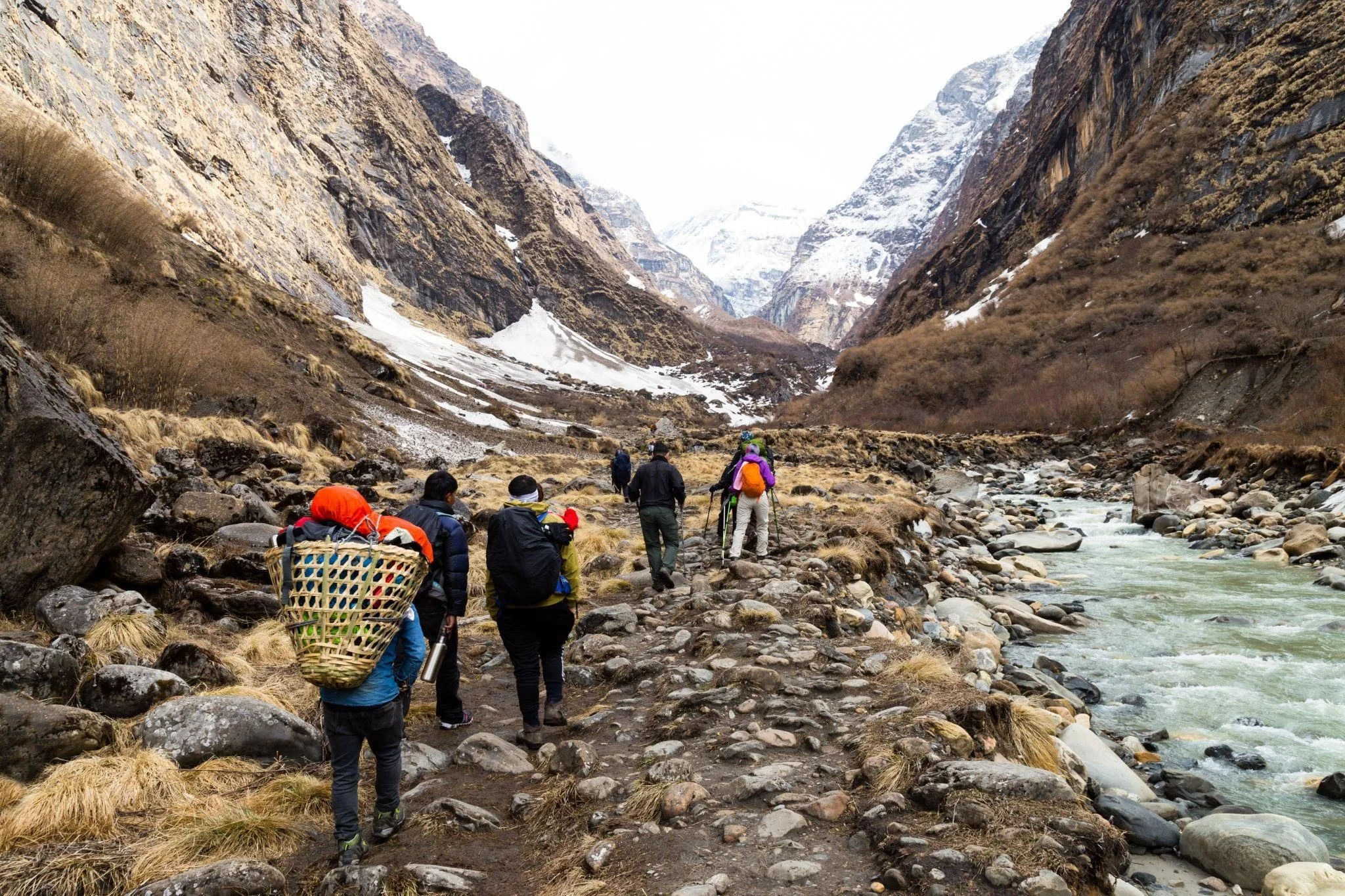
If you are planning to trek in Nepal but don't know where and when is the best to plan a trek in Nepal or wondering to visit Nepal to make an enjoyable and memorable trip with your loved ones. There are numerous popular trek destinations and various activities in Nepal for solo to a group of families and friends from all over the world.
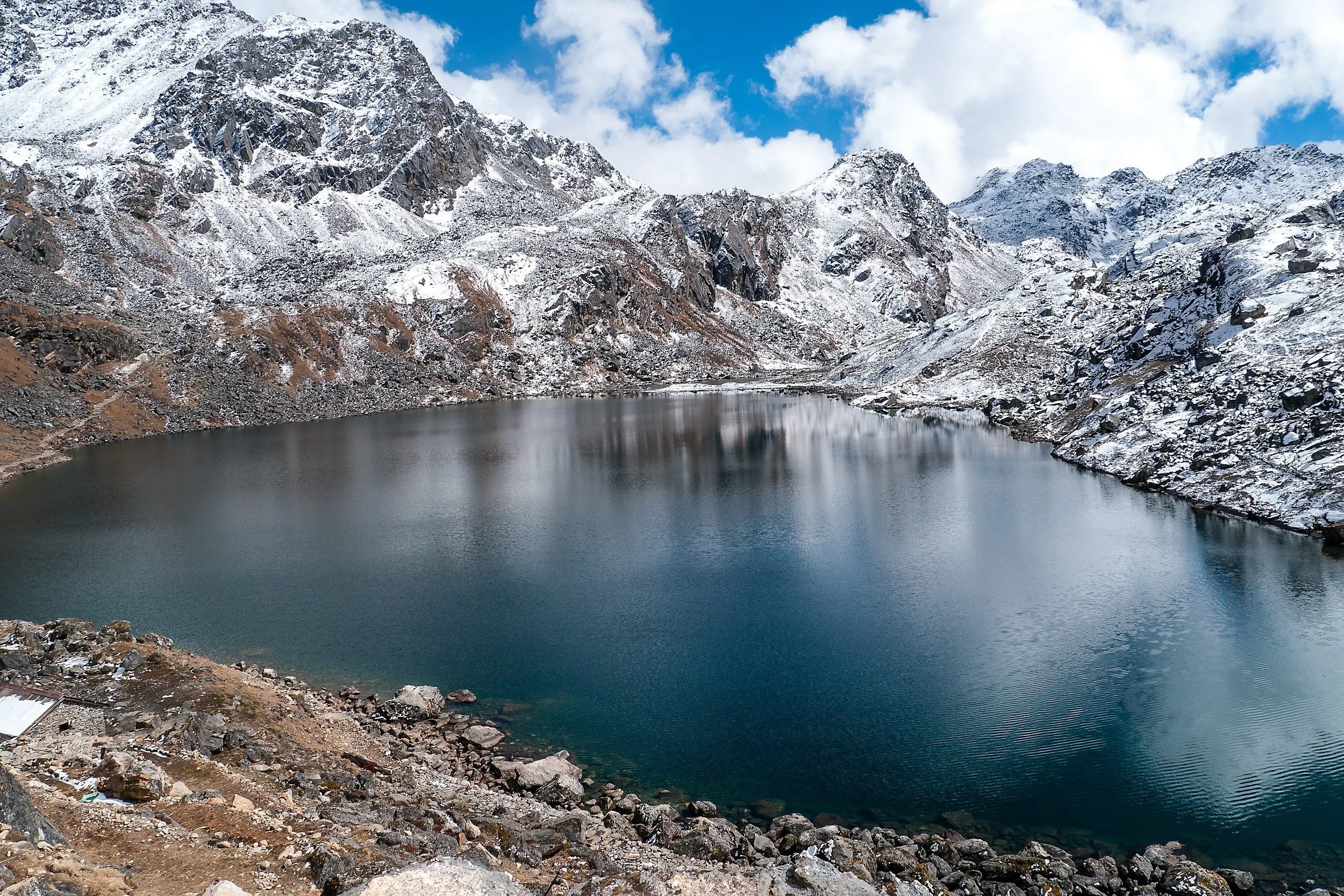
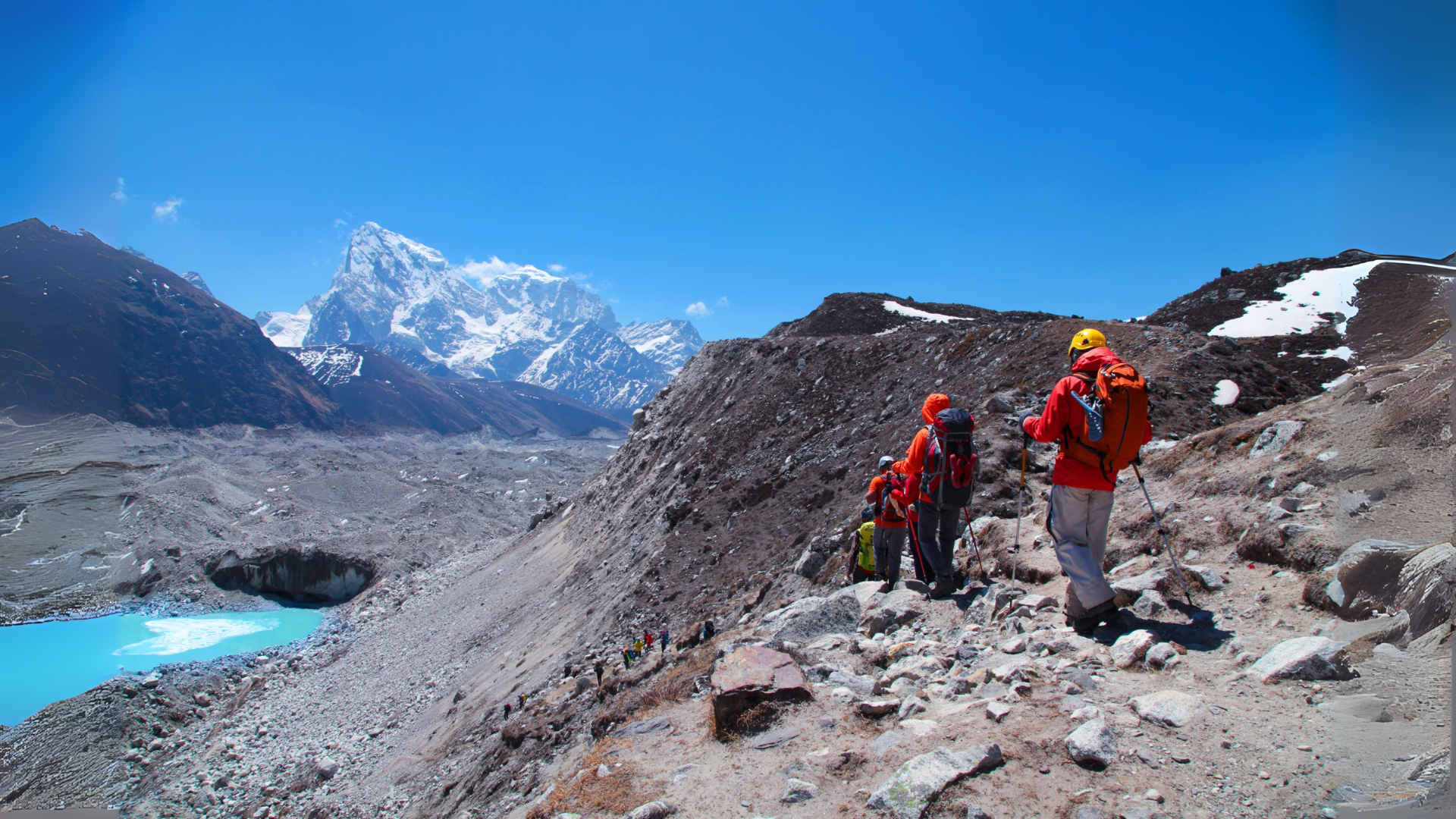
There are numerous trekking routes to venture upon this high land and it is known as the 'Great Himalaya Trails.' It is an immense trail system that covers areas of Nepal from Humla and Darchula which lies in the west to Kanchenjunga in the east.
Trekking in Nepal is found to be completely different than that of mid 1960s. Only a few trekkers visited Nepal as a part of expedition group. But now, situation has completely changed and with the facility of accommodation with food and lodging facilities, trekkers from all around the world are encouraged to visit our country.
The three major trekking areas and the easily accessible ones are Langtang, Everest and the Annapurna regions. Amongst three, Annapurna and Langtang have an advantage as they can be reached through road connections. The Great Himalaya Trails has substantial amount of information on other hiking regions which can be easily accessible on domestic flights. Kanchenjunga, Dolpo, Makalu and Far West are some grounds covered by flights. However, this is just the starting of the journey and it takes several days of trekking to reach higher mountain areas from the local centers of population and administration.
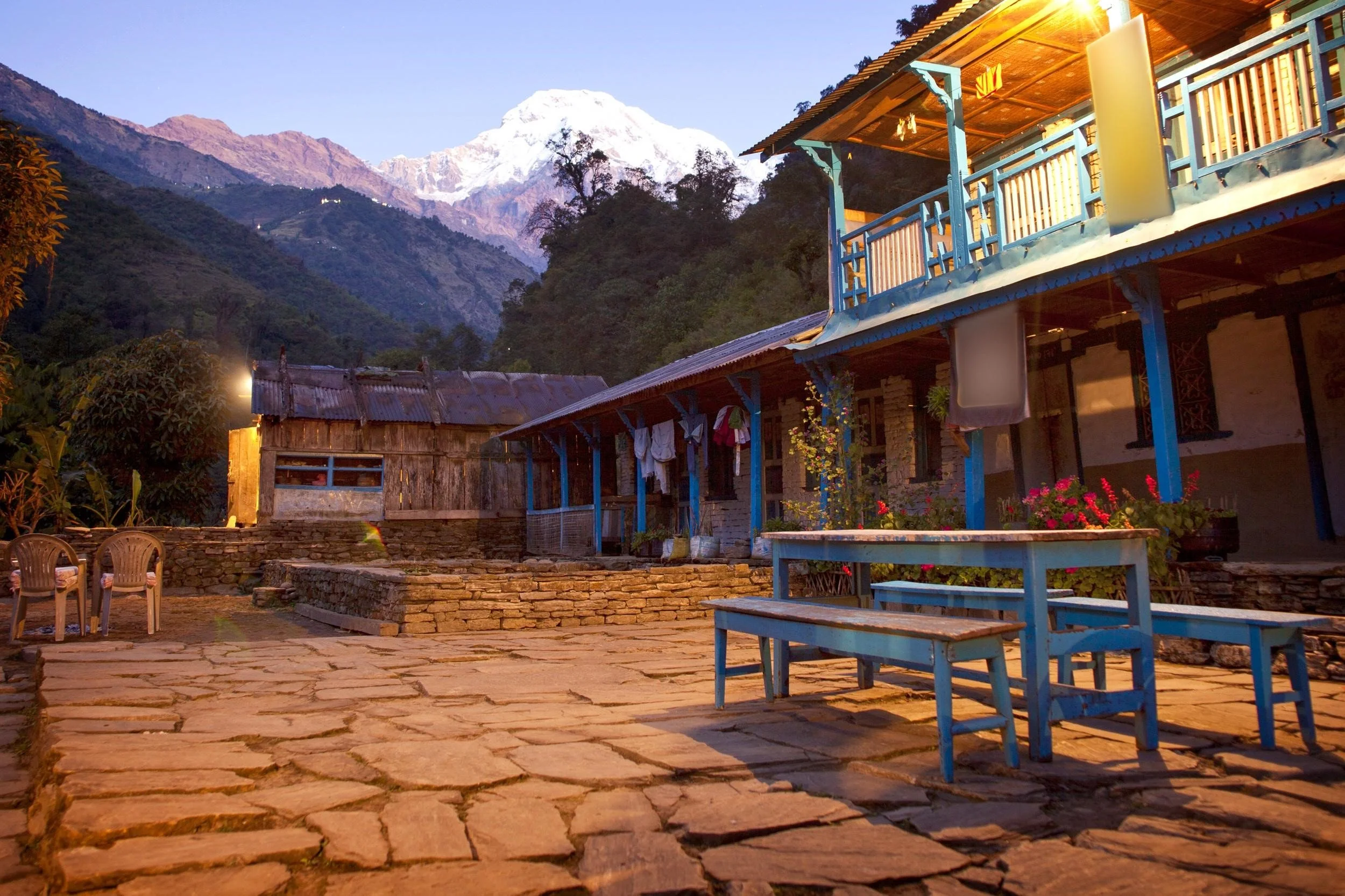
Domestic flights usually occur early morning and two domestic flights are required to reach the starting destination of the trek. The popular trek areas in Everest, Manaslu, Annapurna and Kanchenjunga are able to provide lodge with better accommodation. Similarly, the west of Annapurna is the less visited trekking route and they may not have proper lodging facility; but they most definitely have camping style trek support.
Mustang trek has become of the most popular and common trekking destination among the visitors and travelers. It is famous for international as well as national tourists. Mustang Trekking is a superb trekking route in the Western Nepal as it takes tourists to the hinterlands of the western region of Nepal. Previously, Mustang Trekking was restricted for expedition and the land was alienated from the travelers. But now, it is be swarming with visitors and has become a major tourist hub.
Along with this, Manaslu Circuit Trek is another famous trekking route. It has successfully attracted the intended tourists and adventure seekers. Many come here for the purpose of hiking and trekking. They get full experience of the serene beauty of high lands. Nepal has captured the imagination of the entire world with its unsurpassed beauty.
The southern areas of Nepal are usually preferred to trek as they receive higher level of precipitation. We can find climate variations as some routes along the Great Himalaya Trails lie in the rain shadow. These dry lands on the north fall on the leeward side of mountains. The places that fall under it are Mustang to the north of Annapurna with Manaslu and Dolpo to the north of Dhaulagiri.
Post monsoon season can be a great time for trekking as the weather tends to be clearer. Winter can be good but the trekkers have a disadvantage as this season has shorter days. Spring season can also be affected by the seasonal rain and snow storms. Summer season does not last long and it is quickly followed by the monsoon season. Thus, no season is perfect for trekking purpose and the trekkers have to make though decision about which kind of season is most desirable for them.
- Here are few of the refreshment activities that you can try on the Himalayas:
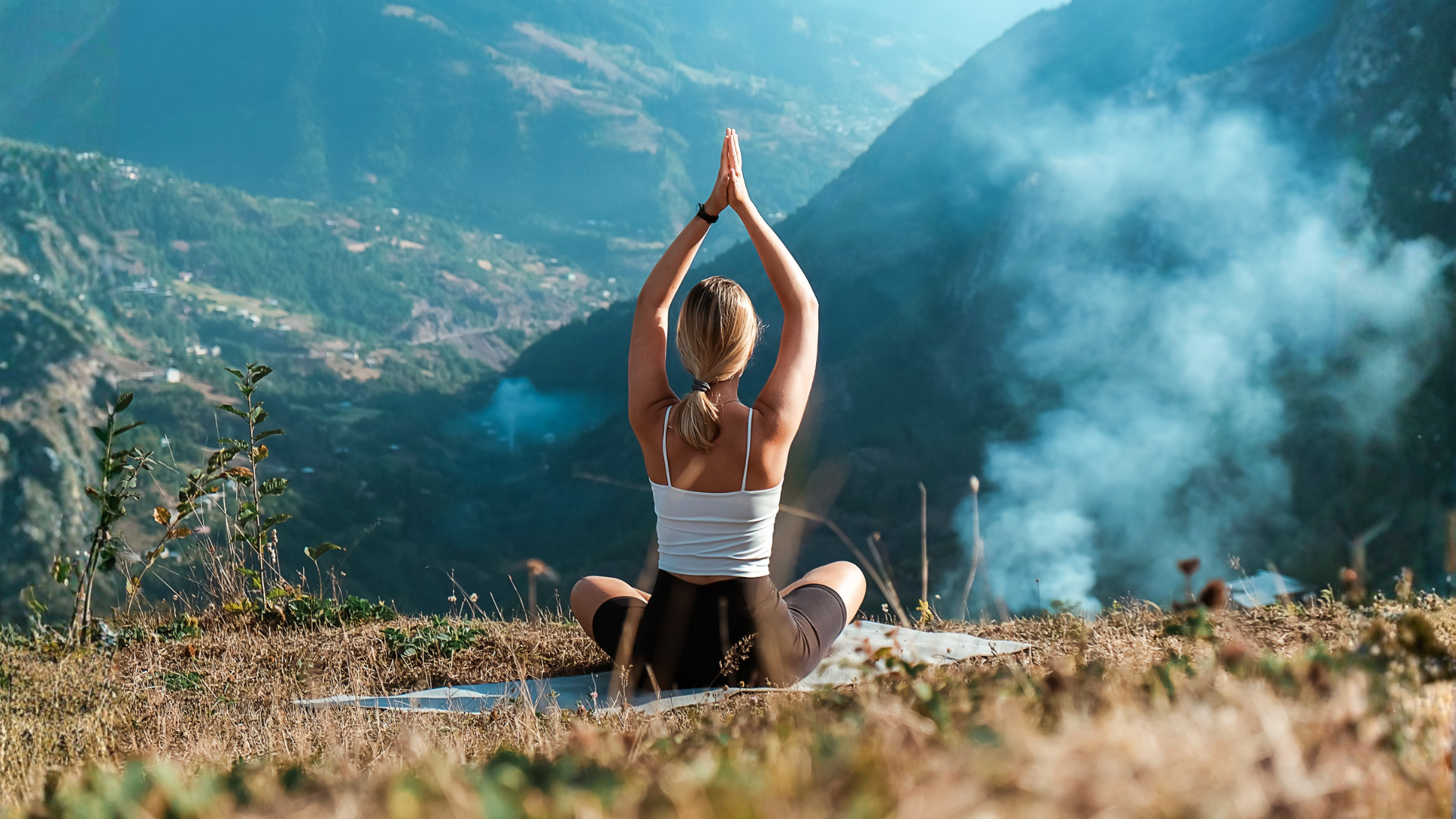
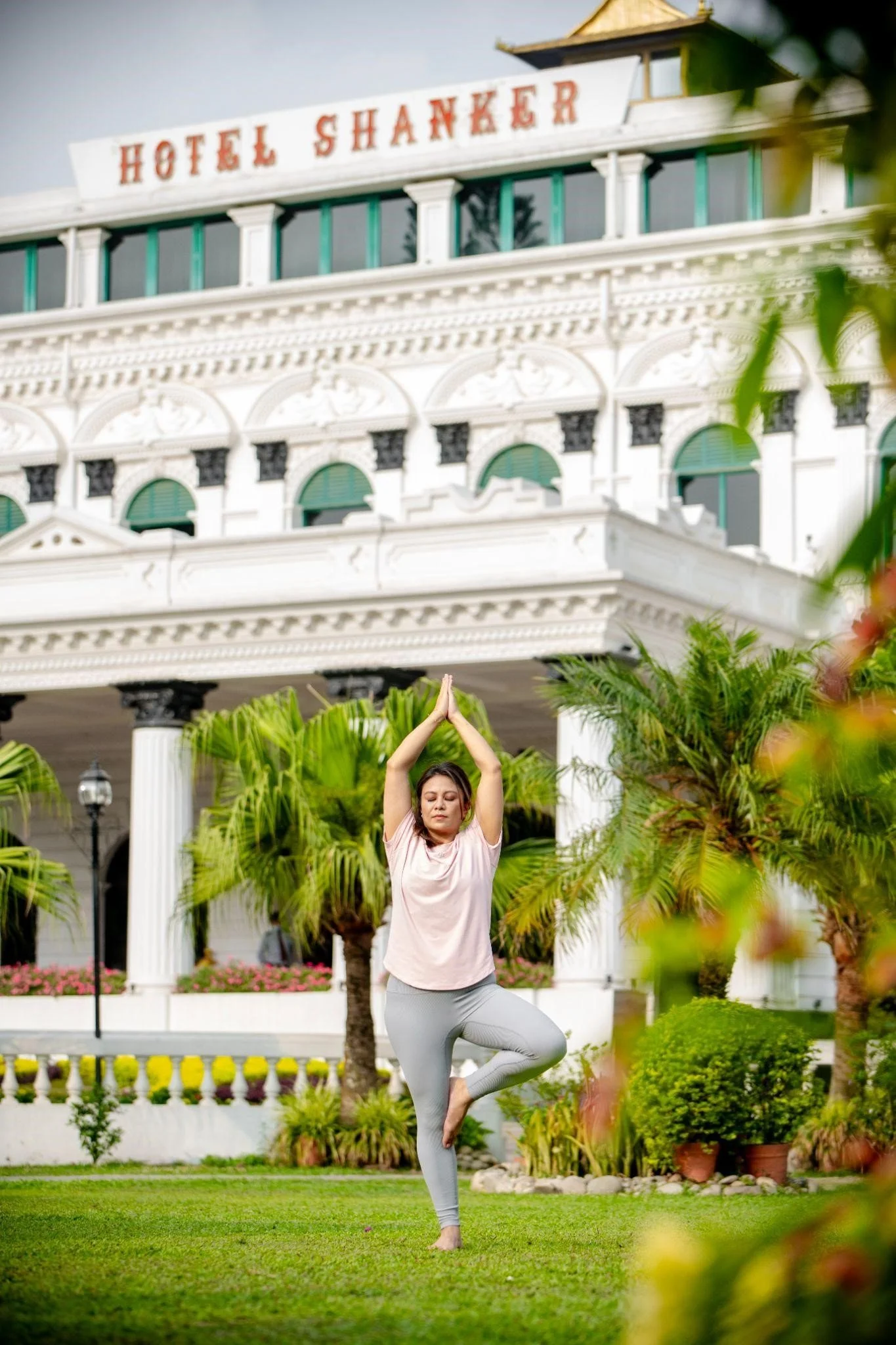
- Yoga and meditation – As dramatic as it sounds to climb to the top for meditation; yoga is a stress reliever and you can relax peacefully in a calm environment.
- Indulge yourself with nature – Flora and fauna found in abundance in the mountains and you can carry your camera and explore this rich land. Who knows, you may even stumble upon a Yeti! You can immerse yourself in the lakes, rivers and lowest gorges.
- Mountain biking - You may want to test your physical limit by taking a mountain bike up to the high lands. As the trail is diverse, you can bike on a clean bumpy road to bumpy rough trails. You will enjoy delightful greenery and elevated mountains in the backdrop.
- Everest Skydive?! – As crazy as it sounds, you can have the best spine chilling adventure with the combination of the highest peak of the world and mind blowing sport of skydiving. You can get view of the Everest region with stupendous mountain views and the Sherpa settlement below makes this experience a lifetime achievement.
- Take mountain flights – You can choose to fly close to the Himalayas to get an unbelievable scenic view of this tremendous chain of snow covered mountains.
- Shopping! – Who does not like doing good old shopping? Astounding handicrafts items of excellent craftsmanship are found in the Himalayas. You can get souvenirs for you and your loved ones. Items like thangkas, pashmina, carpets, jewelry, prayer wheels, stone carvings etc. has great cultural significance.
- Faith healing – You can explore the mysticism of the animalistic of Himalayan culture. The process involves honoring the earth and respecting the spirit which is believed to reside in all of us.
- Mingle with the locals – Nepalese are considered to be the friendliest of the lot and you can always socialize with them. You can feel their optimism, simple yet powerful spirit and get a taste of their genuine warmth. A simple gesture of 'Namaste' can lead to great friendships with unforgettable memories.
The trekkers can be enthusiastic about the idea of solo trek with their own schedule and convenience. But do you want to risk the unknown and get stranded in a situation with a major storm, temperature of at possibly 5,000 m and zero visibility? Thus if you want to avoid the risk, it is advisable to you travel with a group of trekkers for support and guidance.
Similar Posts
The Magic of Boudhanath
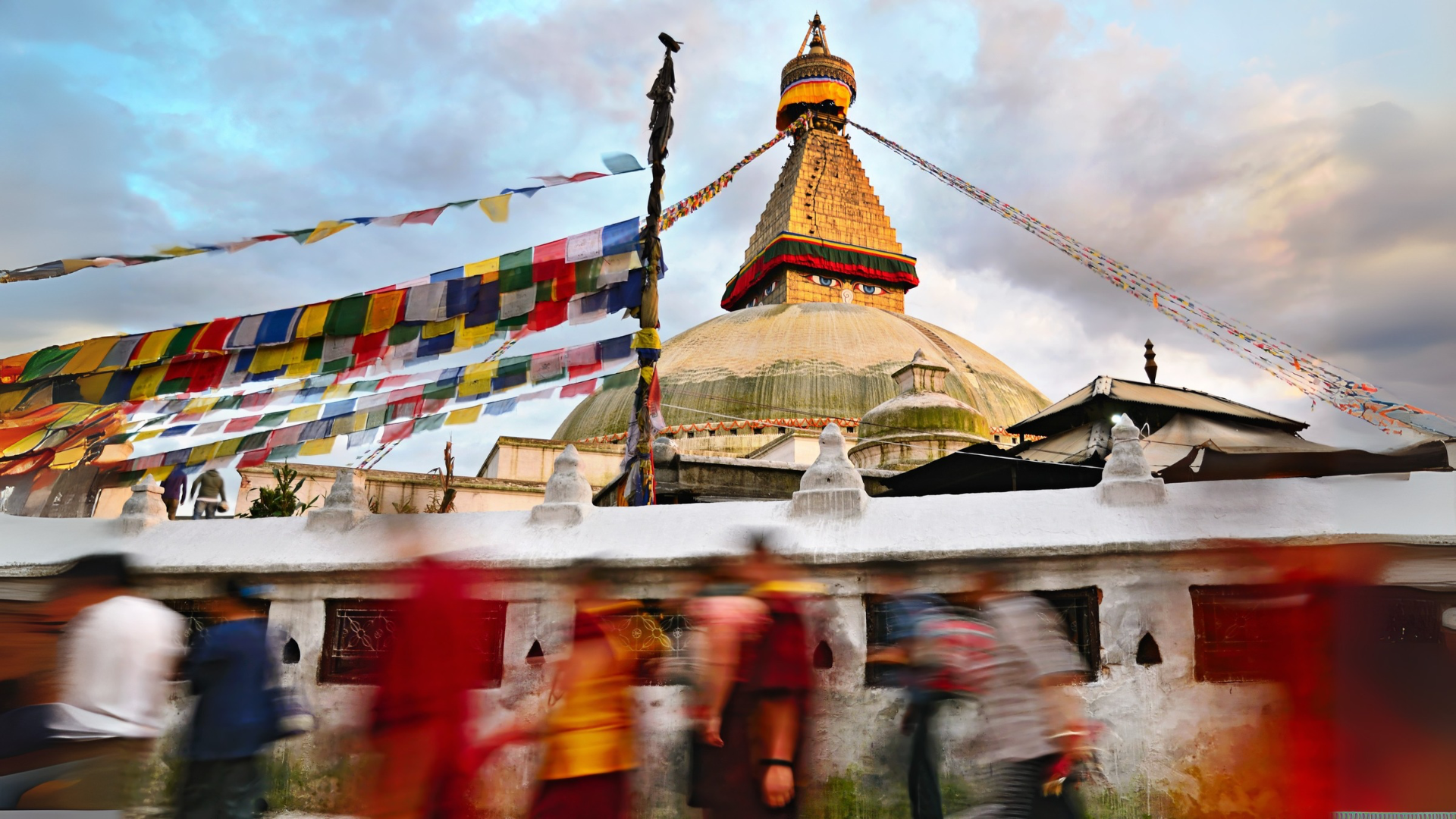
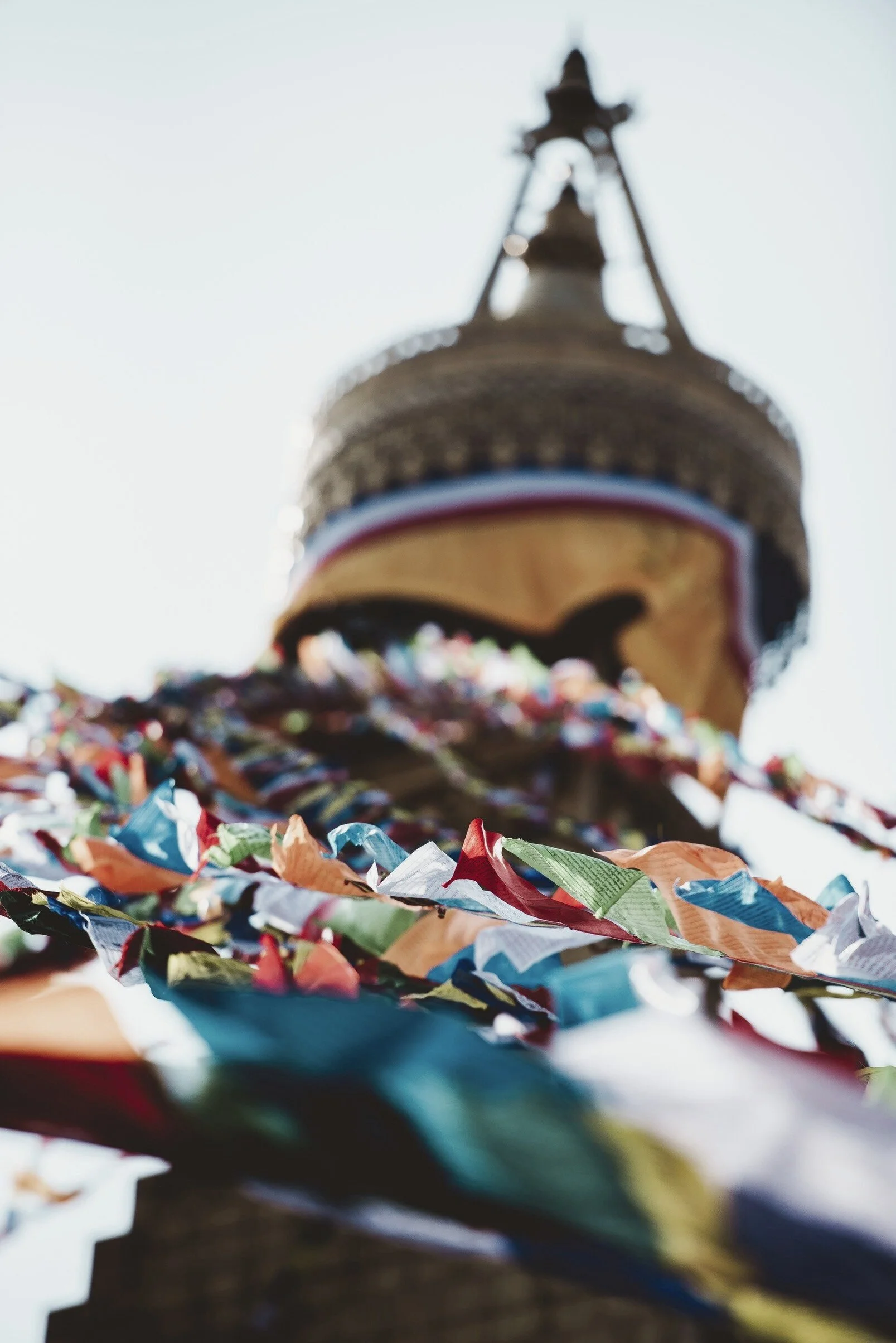
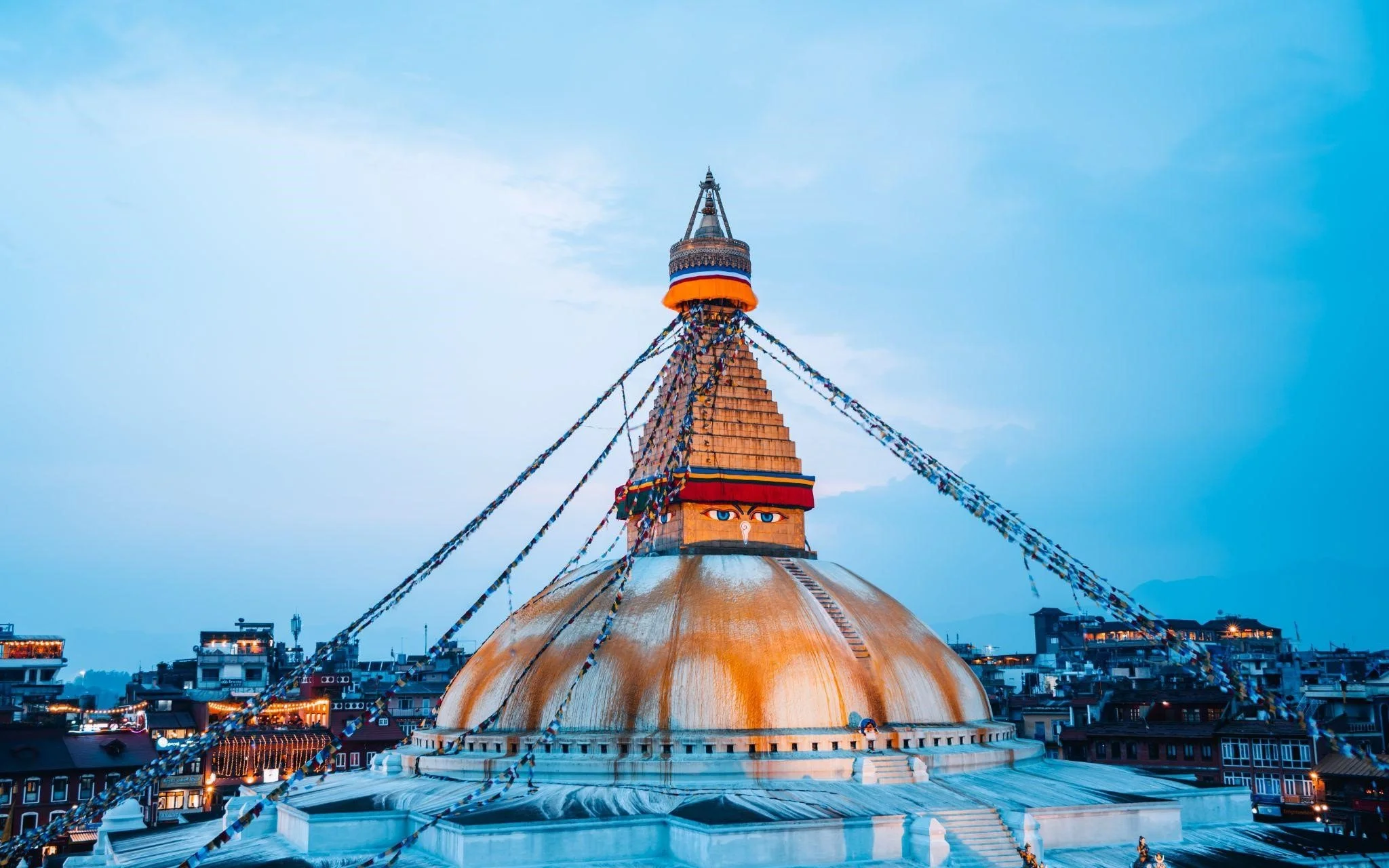
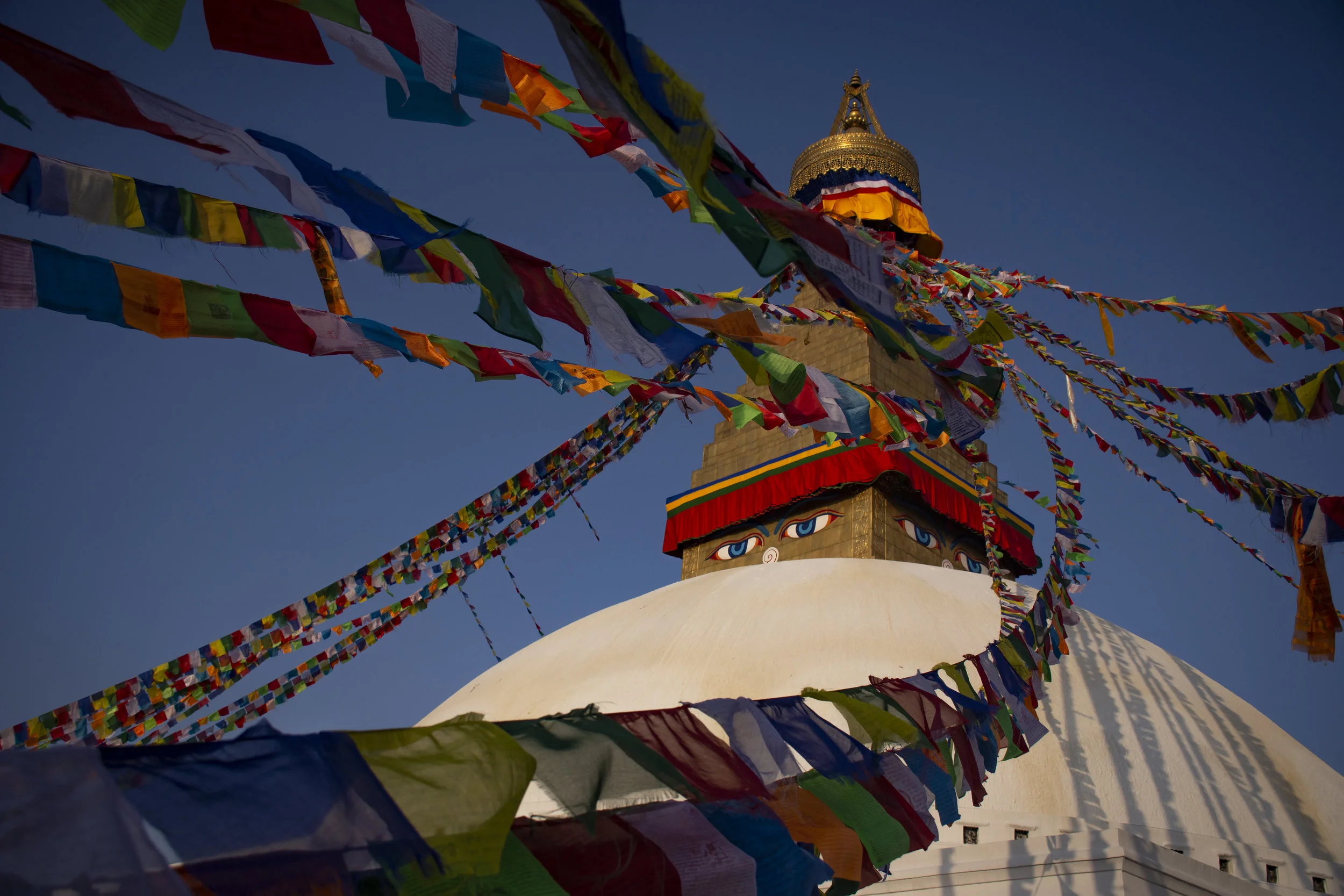
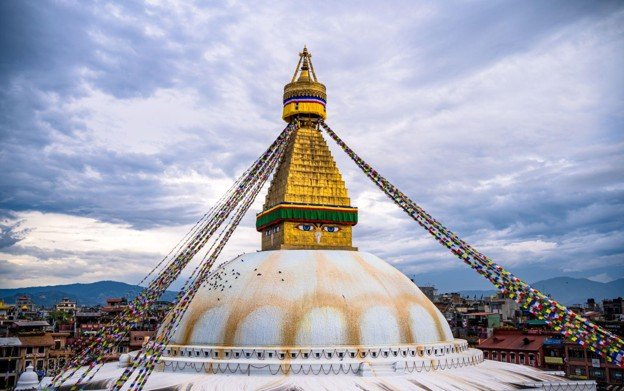
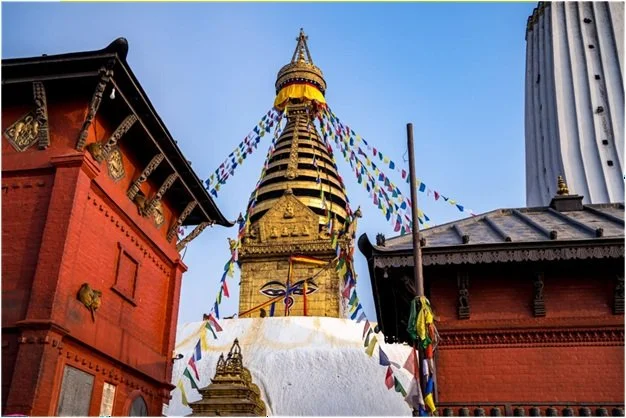
We have heard the origin of Swayambhunath Temple atop the hill of Kathmandu. Similarly, like a Swayambhunath, Boudhanath which is one of the largest stupas of its kind and another pilgrimage to the Hindu and Buddhist all over the world. Many of us are still unknown to the origin of 36-meters sky high stupa, Boudhanath yet.
Shreyashka Vikram Raj Maharjan
Entering the premises of Boudhanath, at times feels as if I magically transitioned into an other worldly dimension. As I sat down, by the bench, I couldn’t but help but question, what makes Boudhanathso magical?
The sites and sounds at this tiny mescocosm, has a tint of serenity. From the melodious chants, to the aroma of incense, one can’t help but close their eyes and just escape in the magic. When a site amazes me, the first thing I do is photograph everything that gives the place life. The monuments, people, relics and buildings. Resting my camera atop the table, scrolled through the catches of the day. I looked up how the place was in ancient times, the pictures that came up made me wish I had H.G Well’s time machine.
The second thing on my list is looking up the history and seeking the masters who gave this its transcendent magic. Flipping through my archives of chronicles, I found the most accurate writings of the creation of Boudhanath in the pages of the “History of Kings of Nepal” compiled by Daniel Wright. As the legend go, King Vikrama-Kesari found that the shrine of his forefathers the Narayana fountain suddenly went dry. He was at dismay and grieved at the loss of the memorial of his forefathers and thus to find a malady he went to Buddha Nil-kantha for advice. “ The deity told him to consult the astrologers. He did so, and after some deliberation they said that it required a sacrifice of a human being possessed of the thirty-two attributes. The raja resolved to obey these directions; but thinking that to sacrifice a subject would be a sin, and to kill his own son, who possessed all the requisite attributes, would be cruel, he determined to be himself the victim. He therefore called his so Bhup-Kesari and ordered hum to kill, without looking at his face, a certain man, whom on the fourth day after that, he should find lying covered over on the fountain. The price, going there on the appointed day, in accordance with his father’s commands, and not knowing who the person was, cut off his head. Blood rushed out of the dhara, and the crocodile on the fountain turned back his head that he might not see a parricide. The son then went to wash his hands in the Ikshumati river, and was surprised to see swarms of worms floating in the water. On returning to his house, he heard a great noise of people shouting out that the price had killed his father. The prince then silently performed his father;s funeral ceremonies, and making over charge of the government to his mother, he went to Mani Jogini to expiate the sin of parricide. Seeing him very forlorn, the Jogini informed him that he could expiate his crime by building a large Buddhist temple, two miles in circumference, and having four circles of gods. The spot for the temple would be indicated by the perching of a kulang (crane) which would take it’s flight from the mountain. The bird accordingly alighted, the spot for the temple was marked out, and the work begun.” - Wright, 1877, 99-100
The stupa of Boudhanath is also called the “Stupa of a million due drops” as during the construction of the temple a great drought had over shadowed the Nepal Valley and the workmen made the bricks for the temple collecting water from dew. They also according to the legends, soaked their cloth in the streams wrang out the moisture. It is said, “When the bricks were being made, Barahi Devi to test their strength, came in the shape of a sow and trod on them. This visit being repeated the Raja inquired who she was and the Devi, acceding to his prayer, disclosed herself in her true form. The Raja to show his gratitude, placed her image at the entrance of the Buddhist temple which contained all the deities.” - Wright, 1877, 100-101
After finishing the temple, the Prince presented himself to Mani Jogini. She was well pleased with him for having punctually carried out the directions which she had given for building the temple, and said. “You have been cleansed from sin, and your grandfather who got the tree of riches and expended them in charity will again appear in the world, when three thousand years of the Kali Yuga have passed away, and he will change the era, when will then be known as Vikram Sambat, or the era of Vikramaditya.”
When hearing the legends today, they might sound out of place but that’s the beauty of time and lineage. It is a testament of how out of darkness comes light and that is what the stupa of Boudhanath is. It has been the centre of faith of not just the natives of this valley but also to travelling pilgrims who view the stupa with great veneration and hold it close to their heart. It is the same faith and devotion that lead to the stupa to be rebuilt the quickest among the the monuments that were affected by the 2015 earthquake.
The city around the stupa of Boudhanath might have changed. The traditional houses now, towers of steel and concrete, the streets leading to Boudhanath now paved with asphalt. But the stupa, which has withstood the test of time is still a remarkable example of faith and devotion.
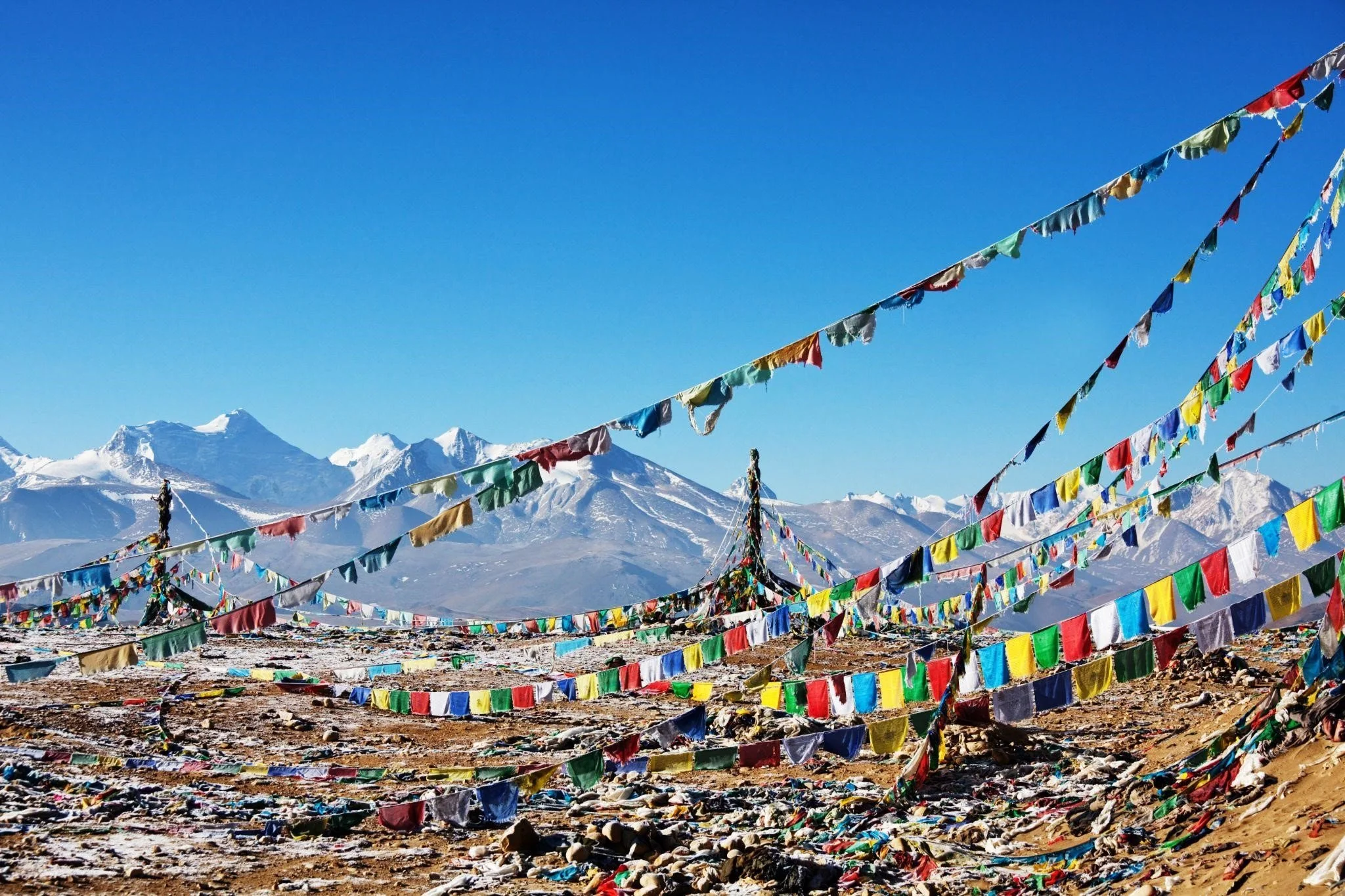
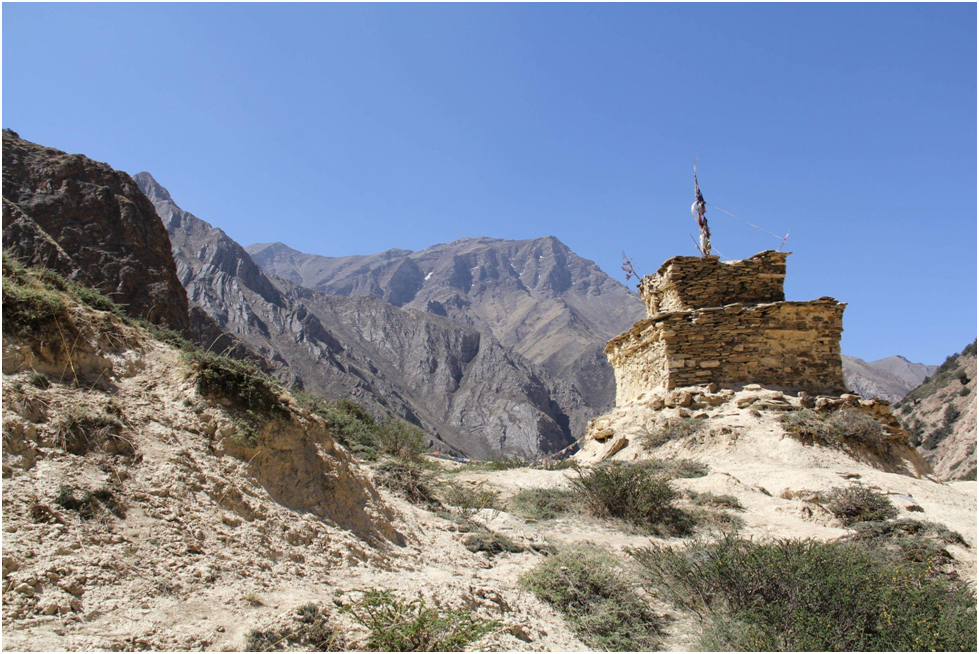
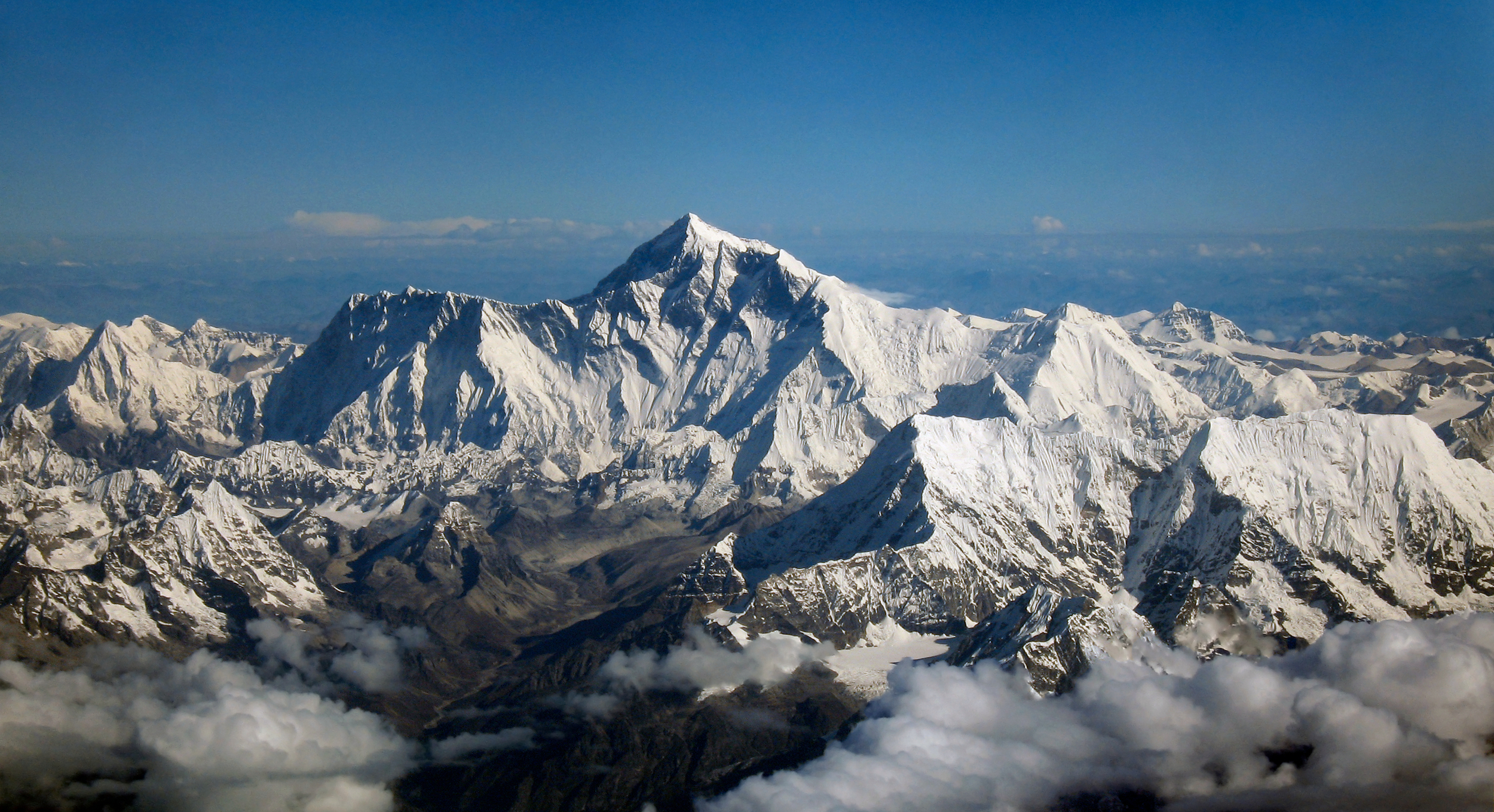
This trek is specially designed to reach the Everest Base Camp including Kala Pattar which is the best view point to view the sunrise over the high Himalayas including the Mt. Everest. This trek requires 13 days.
USD 1515 PER PERSON -- TWIN ROOM SHARING BASIS