

Nepal, a country where one can find diverse culture and traditions, is a world in itself. Lying along the southern slope of the Himalayas, the country is not only enriched with exquisite floras and faunas upholding a harmonious relationship, but also with numerous culture tradition dialects and people of all walks of life. From the magnificent snow-clad mountains in the north to the humongous plains of the Terai, one can find extreme serenity admiring the complexity of natural beauty the country beholds. The country has so much to offer which can be a sweetener to your family, friends or yourself as a remembrance. Various relics that depict the country and its culture makes anyone not go back home empty-handed.
Anything That’s Dhaka
The eccentric piece of clothing i.e. Dhaka has an all-pervading influence in the culture and traditions of the people living in Nepal and has been reckoned as the artefact of honour and culture of the nation. The Dhaka cloth is very well-liked and admired by the locals along with visitors which has led the textile to be affirmative when it comes to export. Moreover, the handwoven fabric from organic cotton yarns has successfully arrested the curiosity and the attention of the tourists. Nowadays, Dhaka is being used to make various goods and accessories such as shirts, shawls, scarves, purses, bags, hats for men and sarees for women by utilizing numerous vibrant and ranges of colors to make it look more alluring and attractive. The peculiar style and noteworthy quality can be sublime to the taste of the tourists which could be a good souvenir to take back home.
Buddhist Prayer Flags
“The most eye-catching and homestyle memento is no doubt those decorative Buddhist prayer flags which endorse the concept of peace, empathy, warmth and wisdom. The simplicity and the beauty itself is the key excuse for tourists to take them back home,” says the reporter, Juliyana Shah, from Tourism Mail, ensuring the aesthetic along with its importance. “They are more than just a piece of art, they give you ethereal and intangible triumph which is something you would love to share and give to someone you want to make happy.” Buddhist prayer flags might not be extravagant but they have deep spiritual significance and make for thoughtful souvenirs.
Singing Bowls
The artistic hand-hammered antique allows oneself to cherish the plentiful euphony produced by it which can be used for healing and meditative gains. Singing bowls are one of the most delicate and pleasant pieces that are available here in Nepal. These metallic bowls make calming and reassuring sounds which take anyone to their euphoric state. There are some benefits of it and one being that it gives clarity to the mind, body, soul and intuition. Highly beautified and well-thought bowls have a small wooden stick that works as an accessory for us to knead the rim of the bowl in a circular way to create the soothing chime.
Lokta Paper
Made out of rice husks, rice paper is a very popular textile that is patently available in the markets of Nepal. Also known as “Nepali Paper”, it is often used as a base for various art paintings and documents paper. The country is a huge producer of rice paper and has managed to make its place in foreign markets. Many items are being produced with the help of rice paper such as journals, lanterns, albums, diaries and many more. Rice paper has flourished itself in the tourism domain.
Khukuri (Gurkha Knives)
Both used as a tool and a weapon, Khukuri is the national armour as it represents the galore of the country. “One notable thing is that tourists are very fascinated towards Khukuri,” Dipchandra Kalika says. “The sole reason behind this interest maybe because they see these knives on sale which symbolizes as a token of bravery which perhaps is a rare case in the western countries. Another excuse would be because they find it fancy as the knives we have here are differently structured or have a distinct recurved blade.” With the opinion of Khukuri being a new concept when it comes to craftsmanship, he concludes by saying that despite the ravishing design, this makes a thoughtful souvenir from the country itself to its visitors.
SIMILAR POSTS
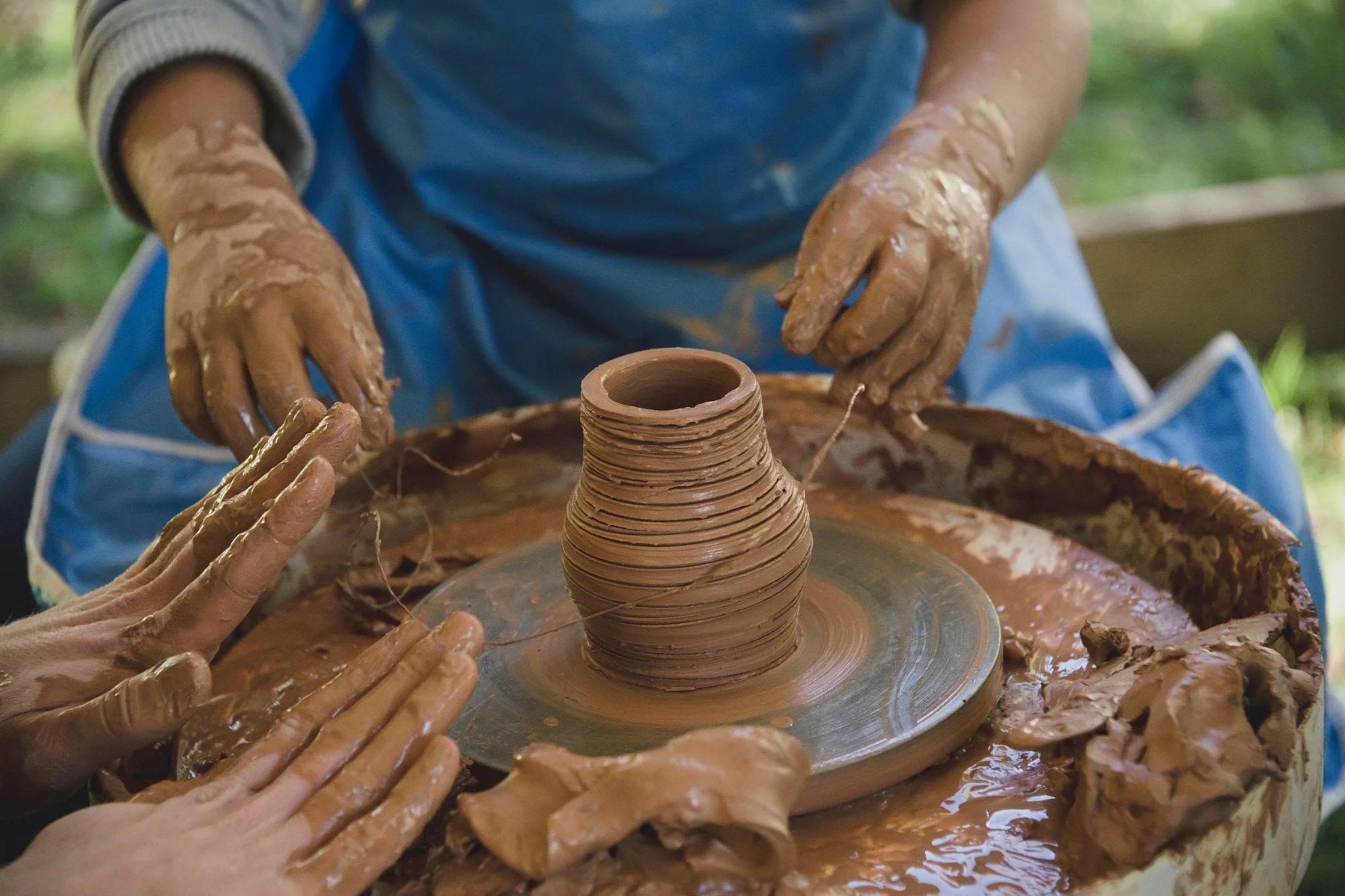
Every handcrafted piece begins with a story. Explore the centuries-old pottery traditions of Patan, where clay, creativity, and culture come together.
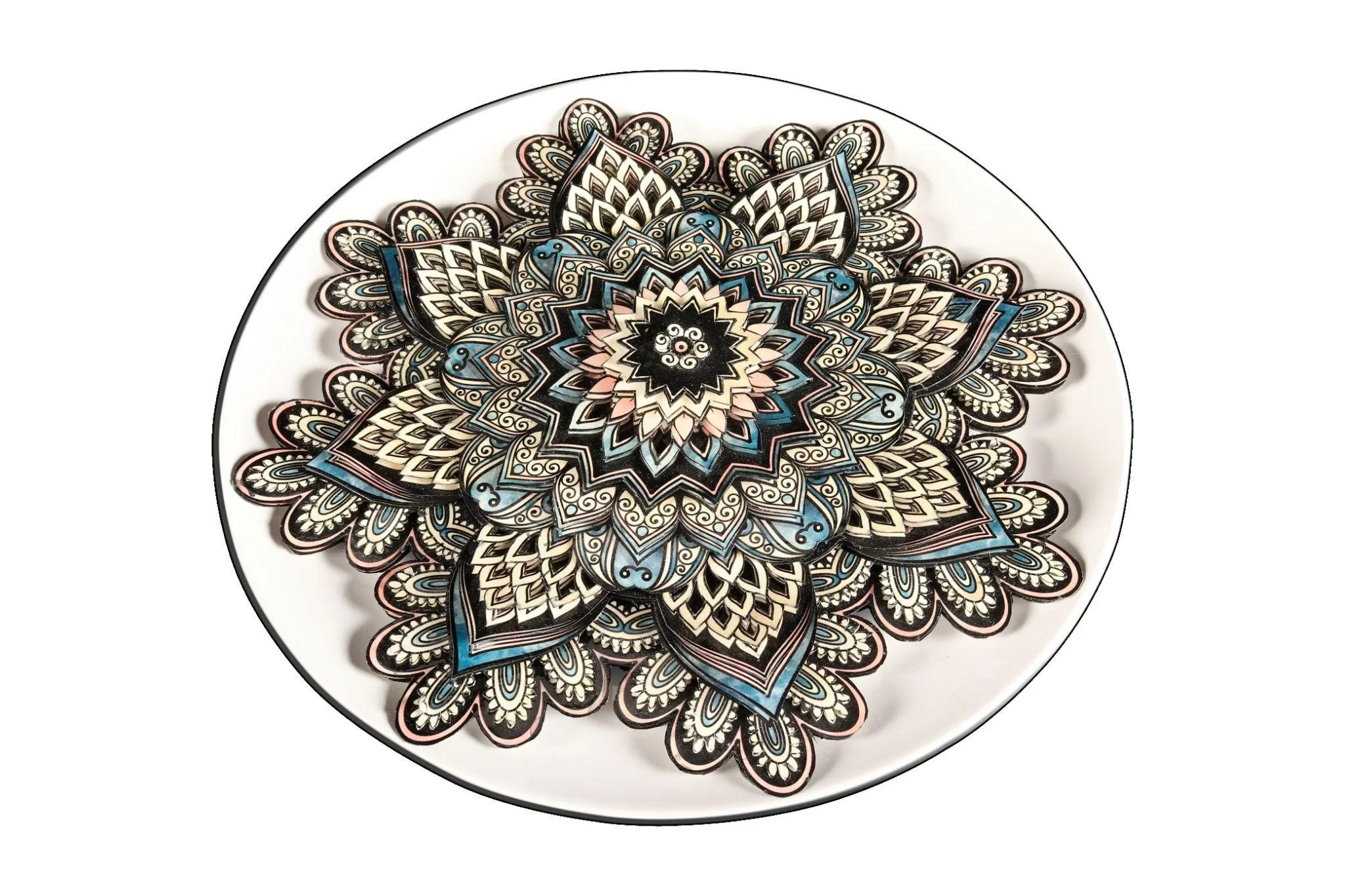
Exploring mandalas in Kathmandu reveals a quiet side of the city, shaped by faith, art, and tradition.
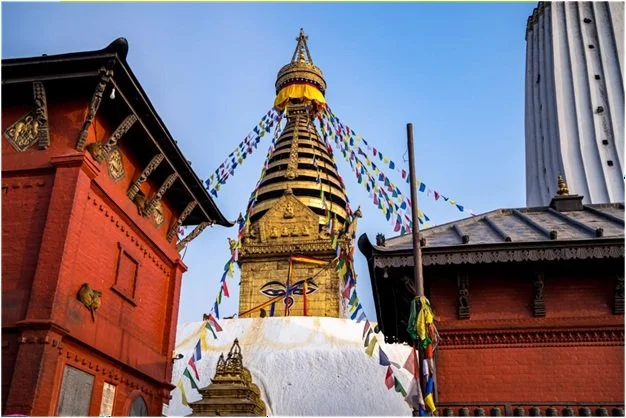
Swayambhunath is not just a destination, it’s an experience of Kathmandu’s spiritual and everyday life.

The golden Bajra at Swayambhunath Stupa in Kathmandu, a timeless guardian symbolizing strength, enlightenment, and divine protection in Nepal’s sacred traditions.” This sacred object, with its rich mythology and spiritual significance, stands firm as a reminder of the intertwined Hindu and Buddhist beliefs that continue to shape Nepal’s cultural landscape. Whether at the entrance of a temple, adorning stupas, or held during ritual practices, the Bajra represents a powerful force that connects the earthly realm with the divine.

Kathmandu is a living canvas where spirituality and art meet at every corner. Among its countless expressions of faith and culture, mandalas stand as one of the most profound. These intricate circular patterns, seen in temples, monasteries, thangkas (sacred paintings), and even everyday rituals, carry deep symbolic meanings that go far beyond decoration. They are maps of the universe, pathways to meditation, and reflections of Nepal’s spiritual heart.

Tucked between temple courtyards and winding alleys, Kathmandu reveals a quiet artistry that rewards those who linger. While its bustling streets may seem chaotic at first glance, a slower pace unveils a world shaped by human hands woven, carved, molded, and brushed with care.

In the old cities of the Kathmandu Valley, temples don’t just sit in place. They shape it. Palaces don’t just preserve history. They continue it. These structures were not built simply to impress. They were built to last, to breathe, and to hold meaning through time.

Step into the Durbar Squares of Patan, Bhaktapur, or Kathmandu, and you are no longer just in a historic city. You’re inside a living Tantric body. Where shrines rise not just at the center, but at every turn, every step, every breath. These cities were not built with symmetry alone, they were built with intention. And their intention is to awaken.

Nestled within the historic Kathmandu Durbar Square, the Taleju Temple stands as a testament to Nepal’s rich tapestry of history, spirituality, and architectural brilliance. Dedicated to Taleju Bhawani, the royal goddess of the Malla dynasty, this 16th-century edifice is not just a place of worship but a symbol of the nation’s enduring cultural heritage.

In the heart of a city known for its vibrant streets and bustling markets, there’s a quieter side to life, a place where time slows down and the air feels a little lighter. At Hotel Shanker, the pool is more than just a place to swim. It’s a space to pause, reflect, and find a little calm in the middle of it all.

Every moment in Nepal is a story woven in tradition. Witness centuries-old rituals, vibrant festivals, and warm hospitality that make this land truly unique.

Nepal is a land of breathtaking mountains, vibrant festivals, and rich cultural heritage. But beyond its natural beauty and age-old traditions lies a fascinating story told through the hands of its artisans. From intricately woven fabrics to masterfully carved wooden sculptures, the crafts of Nepal embody the heart and soul of its people.

Kathmandu, Nepal’s vibrant capital, offers a range of places to stay, but if you’re seeking luxury, history, and exceptional service, Hotel Shanker stands out as the ideal option. Let’s explore why Hotel Shanker should be your top pick for a luxurious stay in the heart of Kathmandu.

Kirtipur, located on a ridge above Kathmandu Valley, attracts visitors looking for a unique combination of history, culture, and beautiful vistas. This ancient Newar hamlet said to be one of the valley's oldest settlements, provides a look into Nepal's rich legacy that begs to be explored.

Nepal, a landlocked country nestled in the Himalayas, boasts more than just breathtaking mountain vistas. It's a nation where ancient traditions interweave with modern life, creating a captivating tapestry of heritage. From magnificent temples that stand as testaments to bygone eras to vibrant festivals that celebrate life's cycles, Nepal's rich history and culture come alive for every visitor.

The historic city of Bhaktapur, Nepal, can be found in the Kathmandu Valley. It is recognized as a UNESCO World Heritage site because of its magnificent architecture, lively customs, and rich cultural legacy. Bhaktapur provides a wealth of attractions just waiting to be discovered by visitors from other countries looking for a genuine Nepalese experience.

Nepal, often lauded for its majestic peaks and timeless temples, boasts another treasure: the ancient art of Thangka painting. These vibrant, intricately detailed narratives on cloth transcend mere decoration; they are windows into the country's rich cultural tapestry, spiritual beliefs, and artistic legacy. But beyond the stunning visuals lies a hidden world, accessible only through the brushstrokes and stories of the artists themselves. Let’s hear an amazing story of a renowned Thangka artist in Kathmandu.

Nepal, renowned for its stunning mountain landscapes, rich culture, and warm hospitality, has also emerged as a hidden gem for astrophotographers. The Himalayan nation offers a unique opportunity to capture the celestial wonders amidst its breathtaking scenery. In this article, we will explore some of the best astro photography destinations in Nepal, where you can capture the beauty of the night sky against the backdrop of the majestic mountains.

Amidst the majestic Himalayan peaks, where ancient traditions thrive and culture weaves the very fabric of life, Nepal's woodcrafting emerges as a testament to the country's rich artisanal heritage. In the heart of this vibrant nation, skilled woodworkers, steeped in tradition, transform humble pieces of wood into intricate masterpieces. In this feature article, we embark on a journey into the world of Nepali woodcrafting, exploring its deep-rooted history, masterful craftsmanship, and its enduring significance in modern times.

In the heart of the Himalayas, where the serene beauty of nature meets the rich tapestry of culture, Nepal's pottery tradition stands as a testament to the craftsmanship and heritage of its people. From the bustling streets of Kathmandu to the remote villages nestled in the mountains, pottery in Nepal is not just an art form; it's a way of life. In this feature article, we embark on a journey to explore the pottery culture of Nepal, delving into its history, significance, and the artisans who keep this ancient craft alive.

While Pokhara may be celebrated for its breathtaking natural beauty, it's evident that its museums are equally enchanting. These cultural and historical gems offer a profound understanding of the city's past, its people, and their enduring traditions.
Whether you're a mountaineer seeking inspiration, a history enthusiast interested in Gurkha valor, a culture lover eager to explore ethnic diversity, or a nature enthusiast enchanted by butterflies, Pokhara's museums have something unique and captivating to offer. So, the next time you find yourself in this Nepali paradise, take a break from the usual tourist activities and embark on a journey of discovery through the city's remarkable museums. Your experience will be a richer and more fulfilling one, and you'll leave with a deeper appreciation for Pokhara's multifaceted heritage.

The Taleju Temple in Kathmandu, Nepal, is a captivating blend of Newar and pagoda-style architecture. With a rich history dating back to the 12th century, its intricate wooden carvings, gilded roofs, and religious significance attract pilgrims and art enthusiasts. Conservation efforts preserve this UNESCO World Heritage Site as a cultural treasure.

Discover the rich world of traditional pottery in Nepal, where skilled artisans shape clay into exquisite masterpieces. From terracotta pottery in Bhaktapur to black pottery in Thimi, and the fusion of Pashmina and ceramic art in Pokhara, each form showcases the artistic legacy and cultural heritage of Nepal's pottery tradition.

In the lap of the majestic Himalayas, Nepal is a country renowned for its rich cultural heritage and exquisite craftsmanship. The artisanal traditions that have been passed down through generations in this landlocked nation are a testament to the ingenuity and skill of its people. With a deep-rooted connection to the country's history, the craftsmanship of Nepal stands as a beacon of cultural significance, reflecting the unique identity and artistic prowess of its diverse communities.

Once you step foot in this timeless sanctuary, you are immediately enveloped by an atmosphere that resonates with the echoes of centuries past. The air is thick with the whispers of ancient tales and the weight of historical significance. Each intricate architectural marvel, meticulously crafted by skilled artisans of yesteryears, holds within it a saga waiting to be unraveled.

Newar culture in Nepal's Kathmandu Valley is a vibrant tapestry of artistic excellence, syncretic religions, festivals, and a unique socioeconomic structure. Challenges and preservation efforts are vital to safeguard this rich heritage and promote a deeper understanding and appreciation of its contributions to global cultural diversity.

Nestled amidst the majestic Himalayas, Eastern Nepal beckons adventurers and wanderers alike with its unparalleled beauty and rich cultural tapestry. This enchanting region, often overshadowed by its western counterpart, holds a treasure trove of hidden gems waiting to be discovered by intrepid travelers.

Whether you're looking to connect with your spiritual side, immerse yourself in Nepali culture, or simply take in the beauty of this breathtaking region, the Pashupatinath area has something for everyone. So sit back, relax, and let us be your guide as we explore the best that this unique corner of Nepal has to offer.

Discover the World Peace Pagoda, a stunning example of traditional Buddhist architecture located in Pokhara, Nepal. Built in 1973, this shimmering white pagoda offers panoramic views of Pokhara and the surrounding mountains. Come and immerse yourself in the peace and harmony of this iconic symbol of hope.
A glimpse into the sacred world of Nepali Thangka paintings, where every detail tells a story of faith, tradition, and timeless artistry.