

Celebrate Dashain in Kathmandu: A Traveler’s Guide to Nepal’s Grand Festival
Dashain is Nepal’s biggest and most anticipated festival, celebrated with grandeur and joy throughout the country. As the longest and most significant Hindu festival, Dashain marks a time of family reunions, joyous celebrations, and cultural traditions. If you’re planning to visit Nepal during this vibrant period, you’re in for an experience like no other! Here’s how to make the most of your Dashain celebrations in Kathmandu and why staying at Hotel Shanker can enhance your festive experience.
Dashain is Nepal’s biggest and most anticipated festival, celebrated with grandeur and joy throughout the country. As the longest and most significant Hindu festival, Dashain marks a time of family reunions, joyous celebrations, and cultural traditions. If you’re planning to visit Nepal during this vibrant period, you’re in for an experience like no other! Here’s how to make the most of your Dashain celebrations in Kathmandu and why staying at Hotel Shanker can enhance your festive experience.
What is Dashain? A Celebration of Victory and Renewal
Dashain, also known as Vijaya Dashami, is celebrated to commemorate the victory of good over evil. The festival, which lasts for 15 days, honors the goddess Durga and her triumph over the demon Mahishasura. Families come together to offer prayers, fly kites, enjoy special feasts, and participate in traditional rituals. Every house is cleaned and decorated, symbolizing a fresh start and a prosperous year ahead.
For travelers, Dashain offers a unique opportunity to witness the rich cultural heritage of Nepal and experience the warm hospitality of its people.
Top Dashain Experiences in Kathmandu
If you’re visiting Kathmandu during Dashain, there are several cultural experiences and activities you shouldn’t miss. Here are some highlights to include in your itinerary:
1. Attend the Tika Ceremony
One of the most iconic parts of Dashain is the Tika ceremony, where elders place a mixture of rice, yogurt, and vermilion on the foreheads of younger family members. This blessing is believed to bring good fortune and protection. Guests at Hotel Shanker can arrange to witness or even participate in this sacred ritual, offering a deeper understanding of Nepali traditions.
2. Fly Kites from the Rooftop
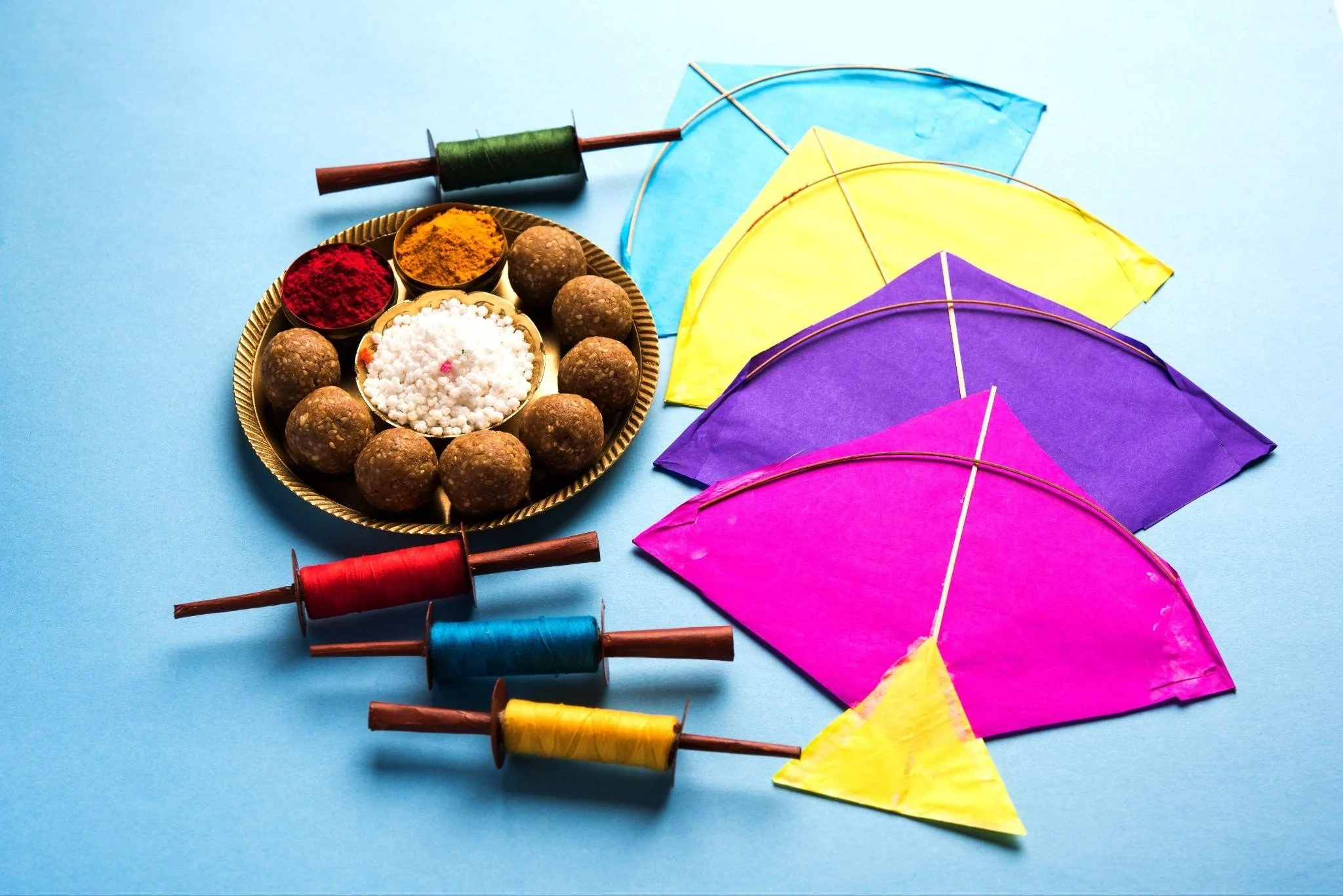
Dashain is synonymous with kite flying. Locals take to rooftops and open fields to fly colorful kites, which symbolize freedom and joy. You can join in the fun by flying kites from the scenic rooftop of Hotel Shanker, enjoying panoramic views of the Kathmandu Valley.
3. Explore the Decorated Temples
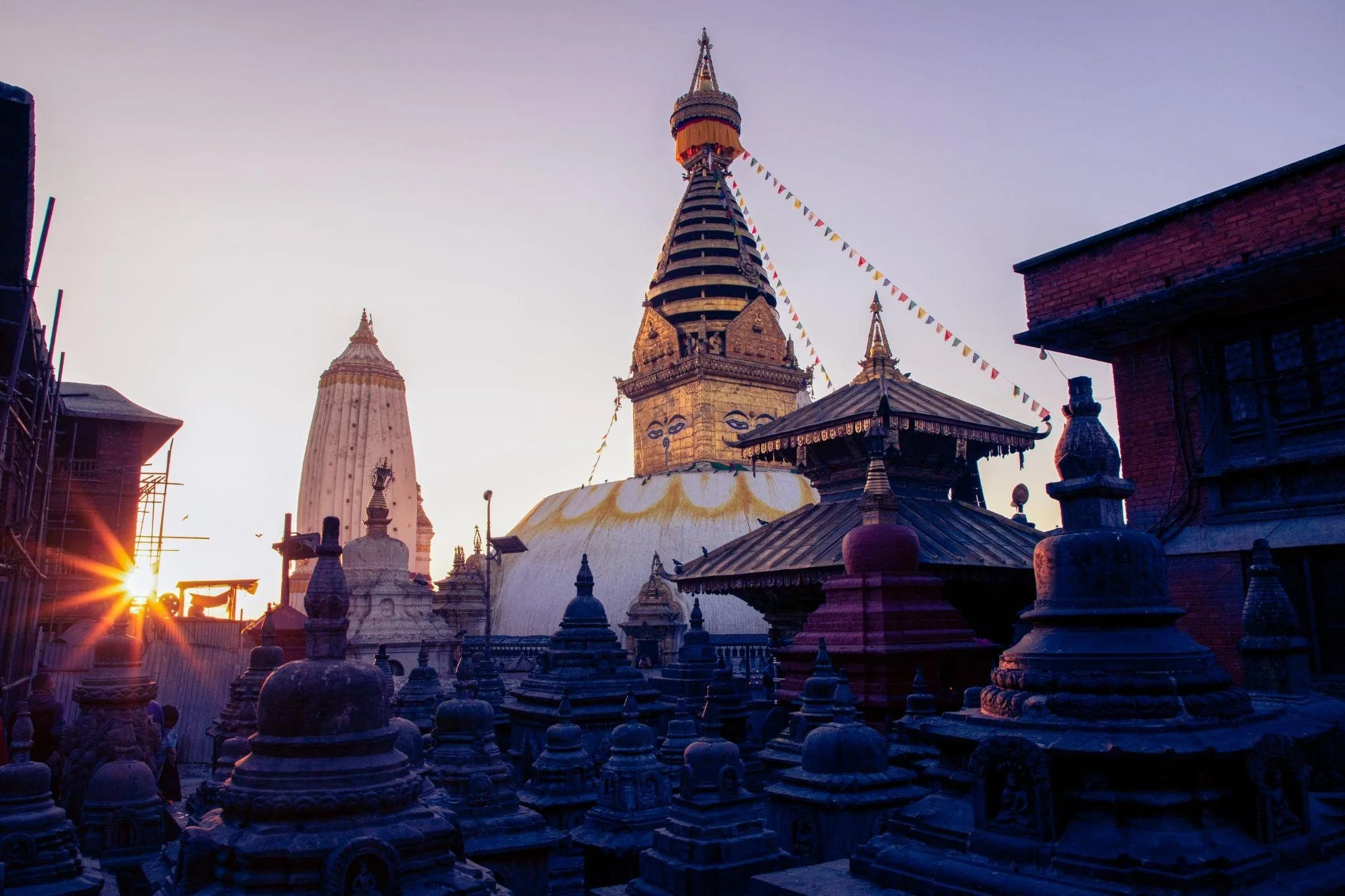
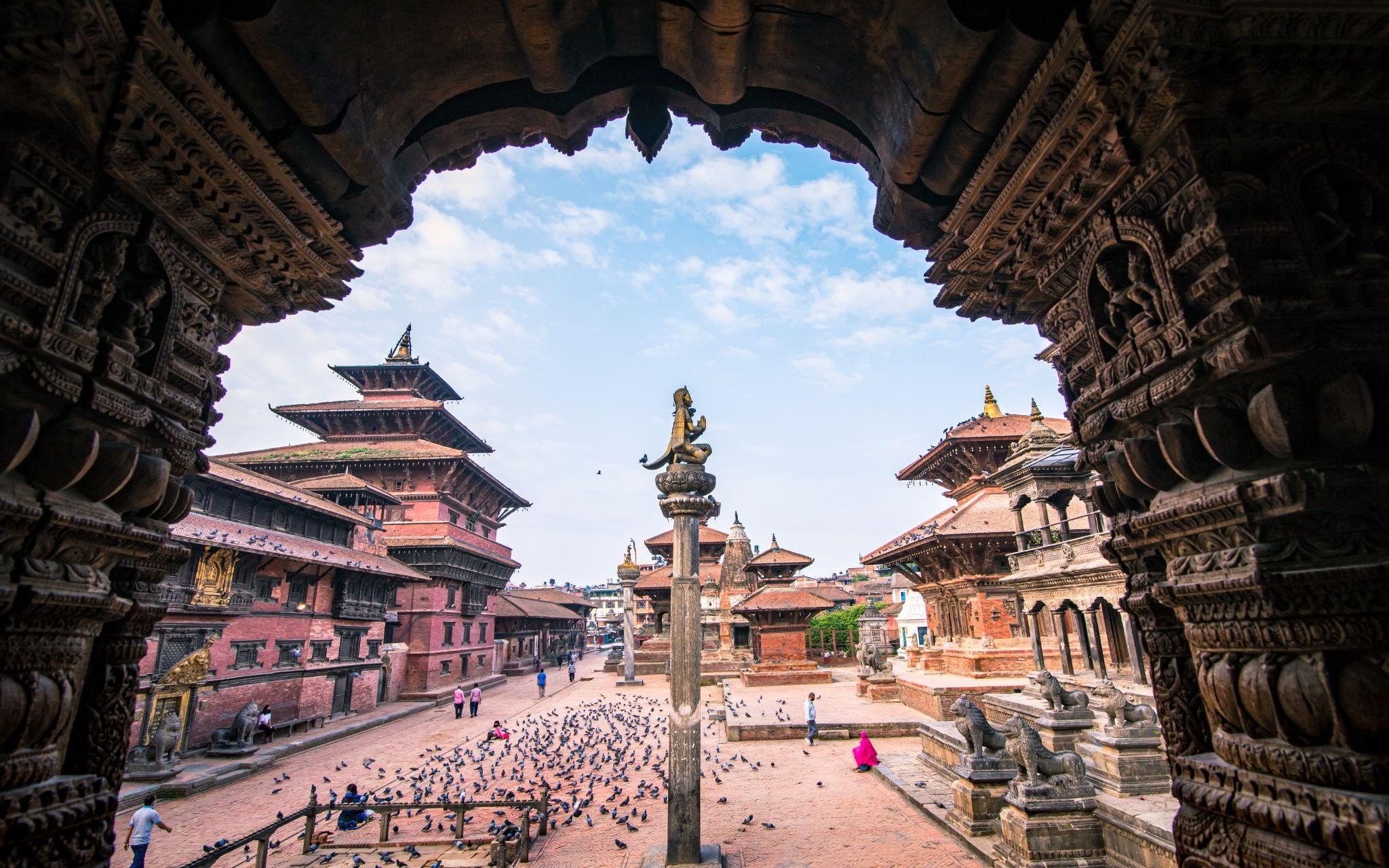
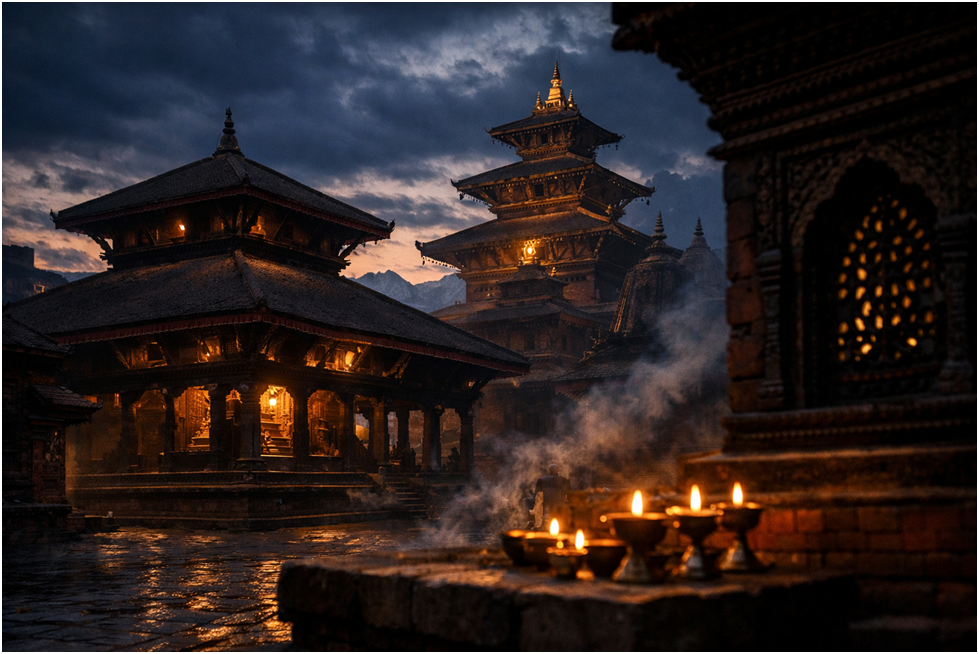
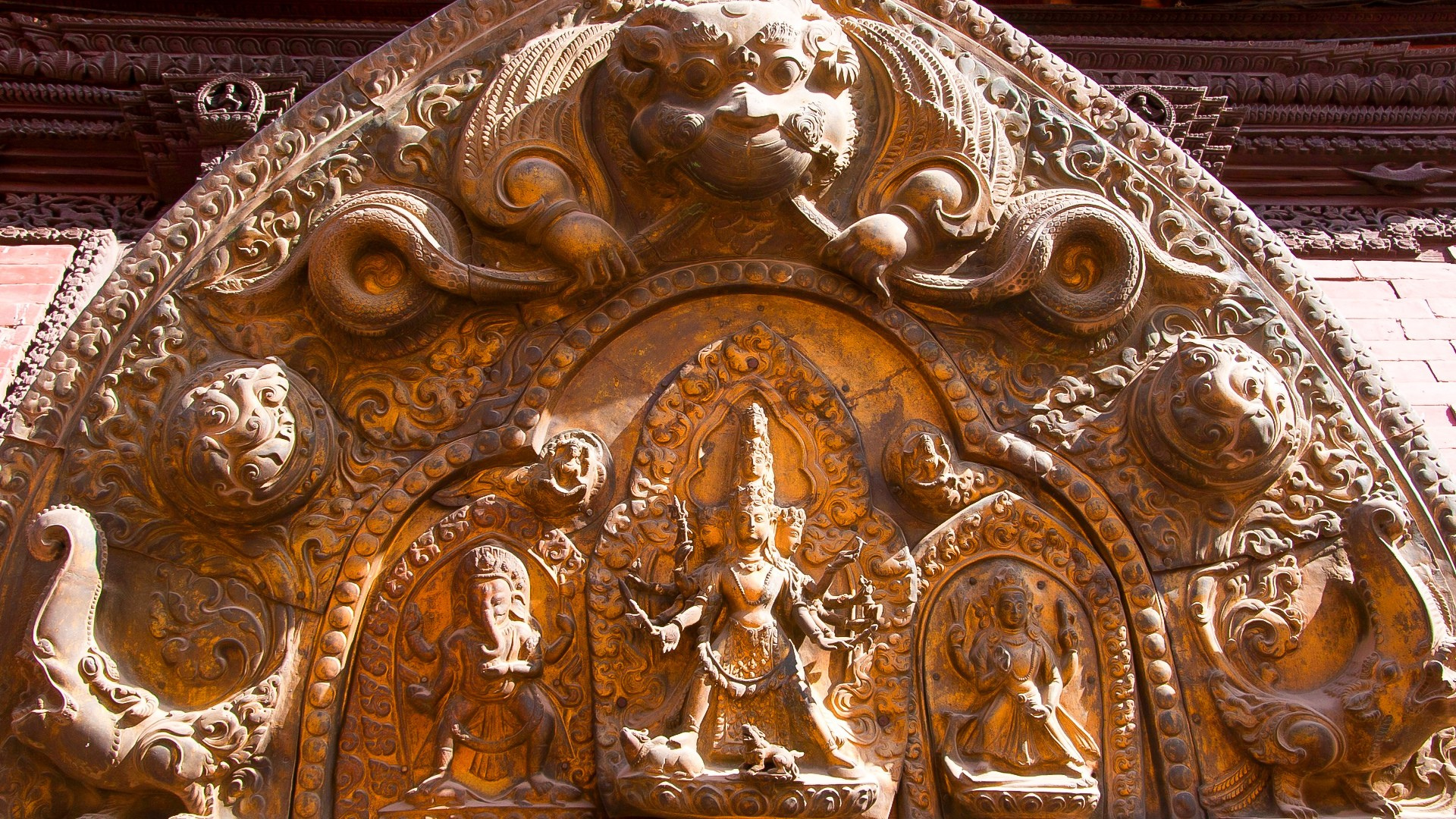
During Dashain, temples and shrines are adorned with beautiful flowers and lights. Visit Durbar Square and the Swayambhunath Stupa (Monkey Temple) to see the temples come alive with festivities. Participate in rituals, offer prayers, and soak in the spiritual atmosphere.
4. Indulge in Festive Feasts
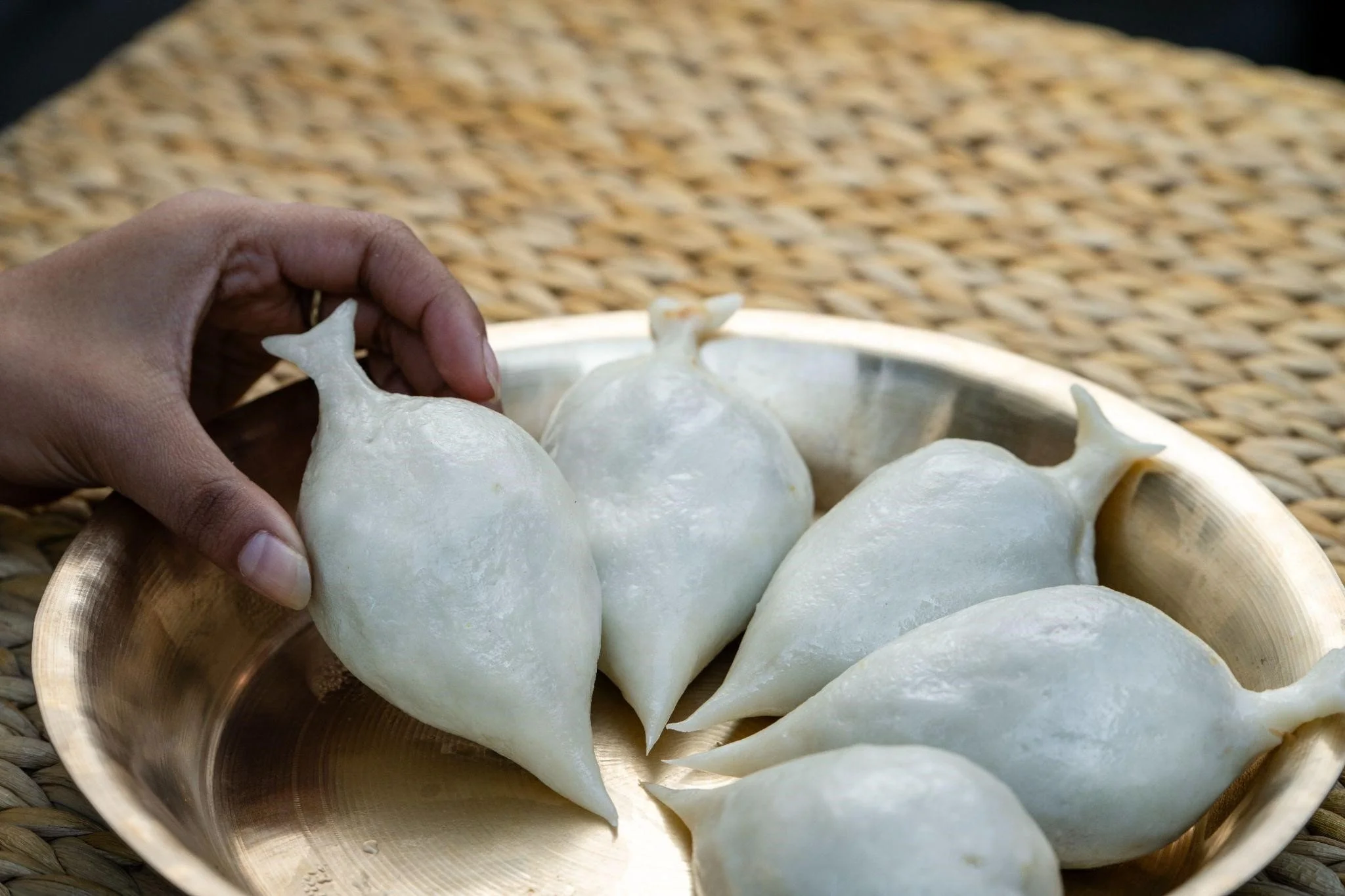
Dashain is also about food! Traditional dishes like mutton curry, sel roti (a type of rice flour bread), and yomari (sweet dumplings) are prepared in every household. At Hotel Shanker, the chefs offer a special Dashain menu featuring these delicacies, giving guests a chance to taste authentic Nepali cuisine in a luxurious setting.
Why Stay at Hotel Shanker During Dashain?
Staying at Hotel Shanker during the Dashain festival is not just about comfort and luxury; it’s about being at the heart of the celebrations. Here’s why Hotel Shanker is the ideal choice for travelers looking to immerse themselves in the Dashain festivities:
● Prime Location: Located in the heart of Kathmandu, Hotel Shanker is just a stone’s throw away from the city’s most iconic cultural landmarks, making it easy for guests to explore the vibrant streets and temples during the festival.
● Cultural Programs: Hotel Shanker hosts special cultural programs during Dashain, including traditional music and dance performances, allowing guests to experience Nepali culture up close.
● Special Dashain Packages: Take advantage of our exclusive Dashain packages, which include complimentary traditional meals, guided tours to nearby temples, and participation in Dashain rituals.
● Family-Friendly Atmosphere: Dashain is all about family, and Hotel Shanker’s warm, welcoming atmosphere ensures that guests of all ages feel at home.
Tips for Travelers Visiting Kathmandu During Dashain
1. Plan Ahead: Dashain is the busiest time of the year in Nepal. Make sure to book your accommodations and flights early, as hotels and transportation fill up quickly.
2. Respect Local Customs: Remember that Dashain is a deeply religious and cultural festival for Nepalis. Dress modestly when visiting temples and participate respectfully in any rituals.
3. Enjoy the Festivities, But Be Cautious: The streets can get crowded, especially in major marketplaces and temples. Keep your belongings secure and avoid traveling alone late at night.
4. Capture the Moments: Dashain is a photographer’s dream. From vibrant decorations to joyful celebrations, there’s plenty to capture. Just be mindful of personal space and seek permission before photographing ceremonies or individuals.
Book Your Dashain Experience at Hotel Shanker Today
Experience the grandeur and spirit of Dashain in Kathmandu while enjoying the luxury and comfort of Hotel Shanker. Whether you’re here to immerse yourself in the cultural festivities or just want to relax in a serene environment, our hotel offers the perfect blend of tradition and modernity.
Contact us today to book your Dashain stay and take advantage of our exclusive festive packages!
POPULAR ITINERARIES
SIMILAR POSTS
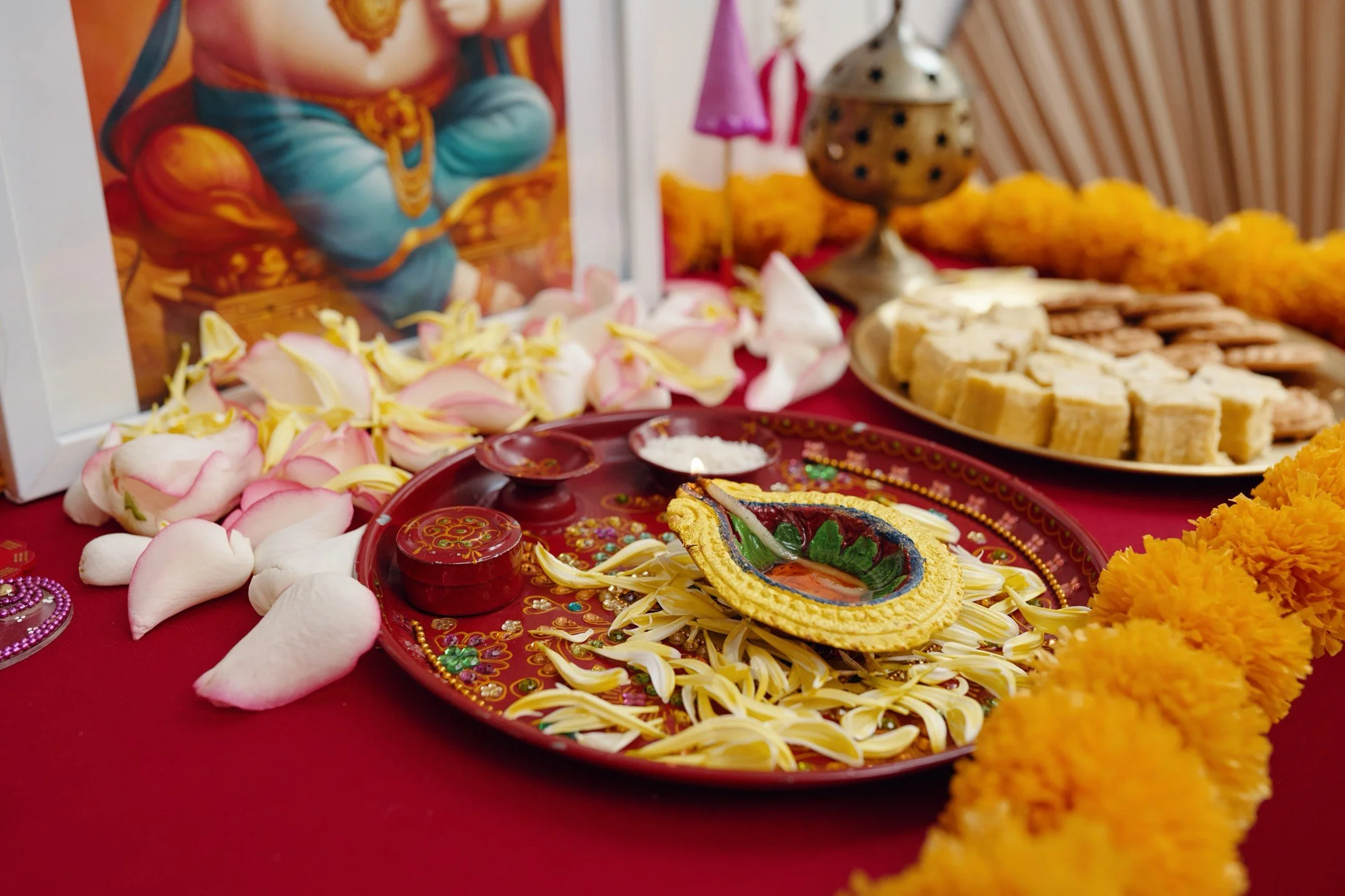

Immerse in the Culture: Experience the Thrill of Indra Jatra
Indra Jatra, celebrated in honor of the god Indra, the King of Heaven and Rain, is a festival that has captured the heart of Kathmandu for centuries. Legend has it that Indra descended to Earth to collect a specific flower for his mother, only to be captured by locals who didn’t recognize him. Upon realizing his divine identity, they released him, and to honor the event, the festival of Indra Jatra was born.
During your stay at the elegant Hotel Shanker, immerse yourself in one of Kathmandu’s most captivating cultural events—Indra Jatra. This dynamic festival, brimming with ancient rituals, colorful processions, and joyful celebrations, just wrapped up this week, leaving behind a city buzzing with excitement and awe.
A Celebration Steeped in Legend
Indra Jatra, celebrated in honor of the god Indra, the King of Heaven and Rain, is a festival that has captured the heart of Kathmandu for centuries. Legend has it that Indra descended to Earth to collect a specific flower for his mother, only to be captured by locals who didn’t recognize him. Upon realizing his divine identity, they released him, and to honor the event, the festival of Indra Jatra was born.
A Week-Long Extravaganza
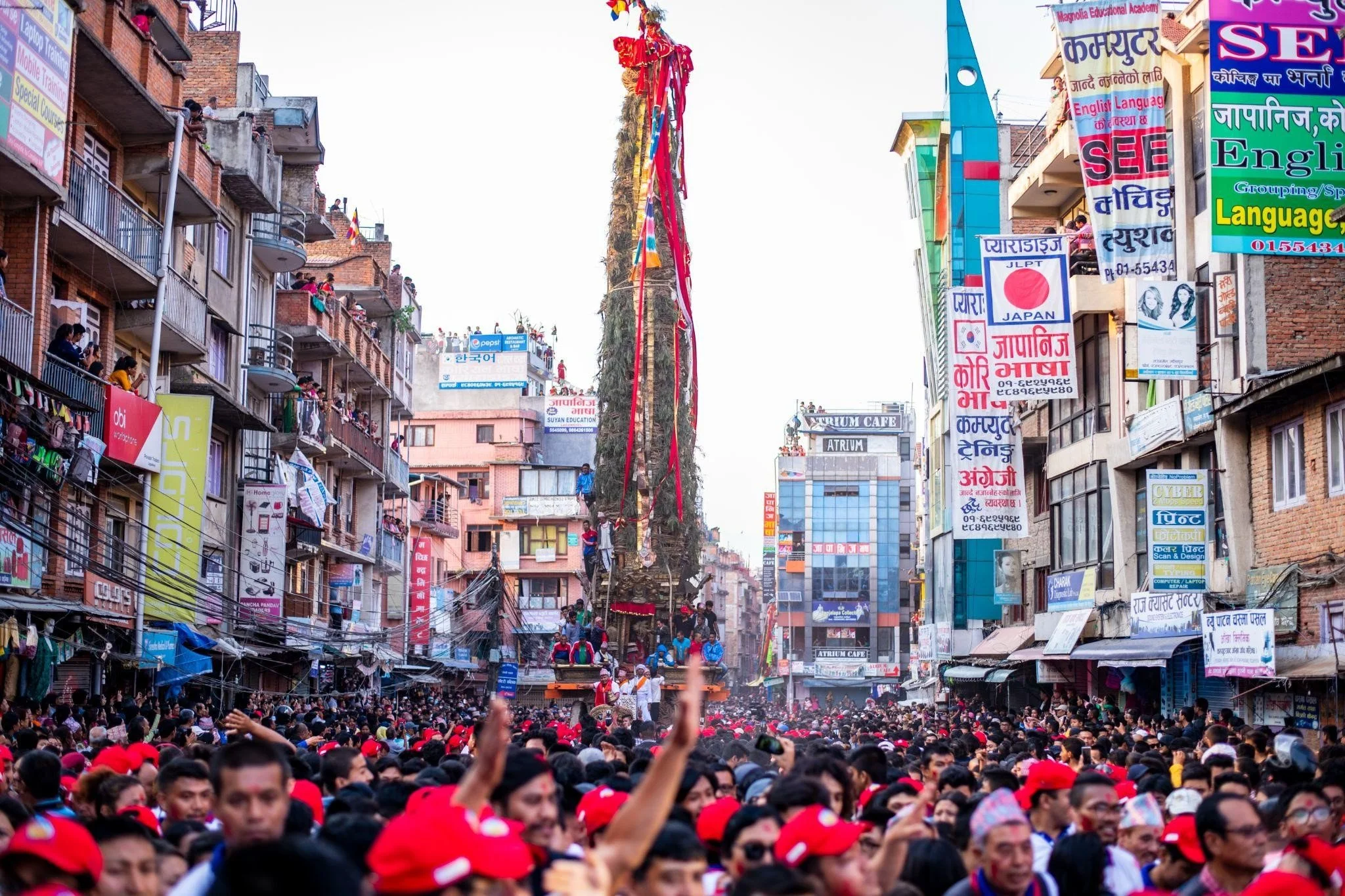
Stretching over eight days, Indra Jatra is a vivid celebration that takes over the streets of Kathmandu. This year’s festivities, culminating just this week, were no exception. The center of attention was Basantapur Durbar Square, a UNESCO World Heritage Site, where thousands of locals and tourists alike gathered to witness the lively events unfold.
Kumari: The Living Goddess
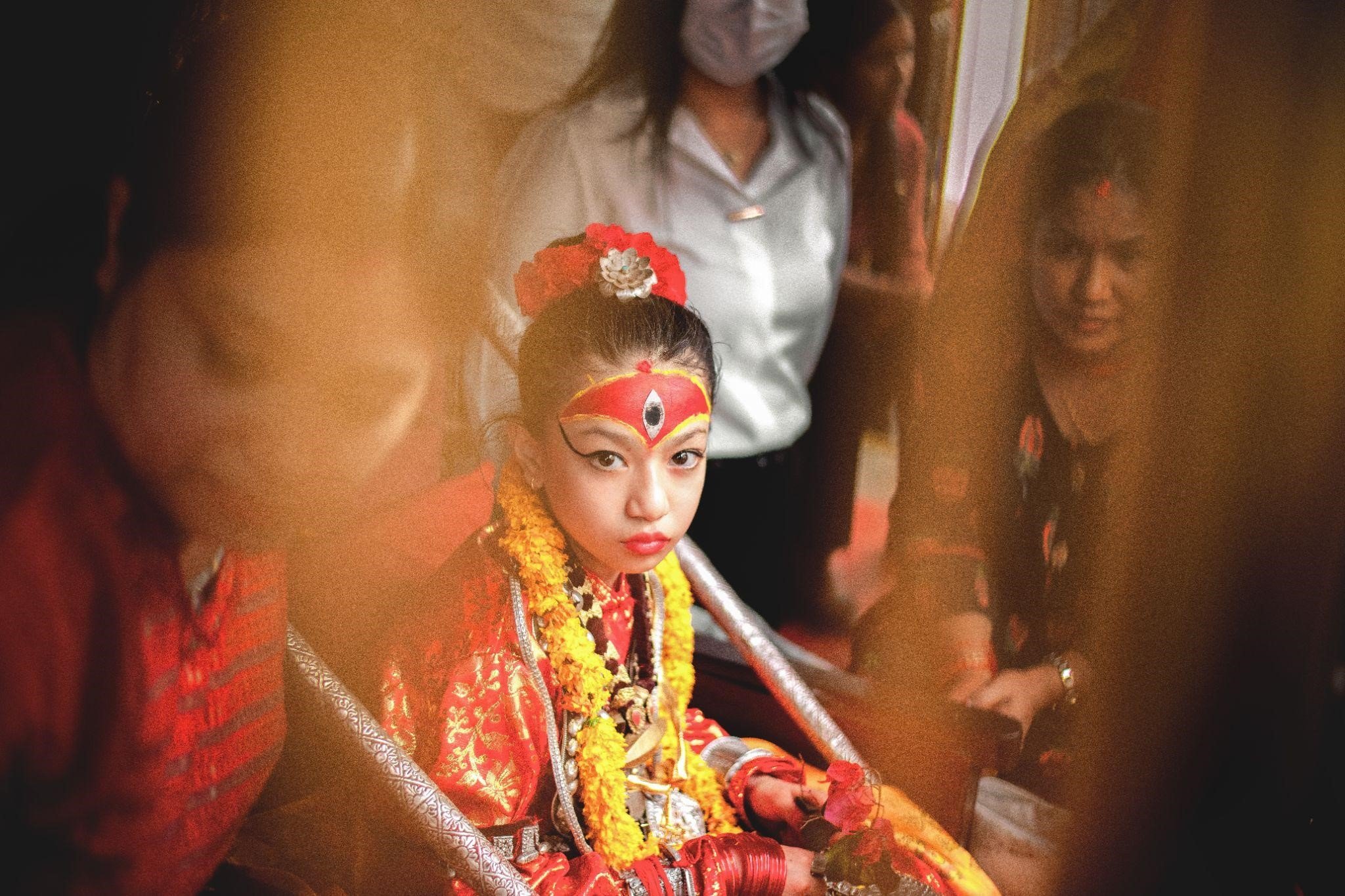
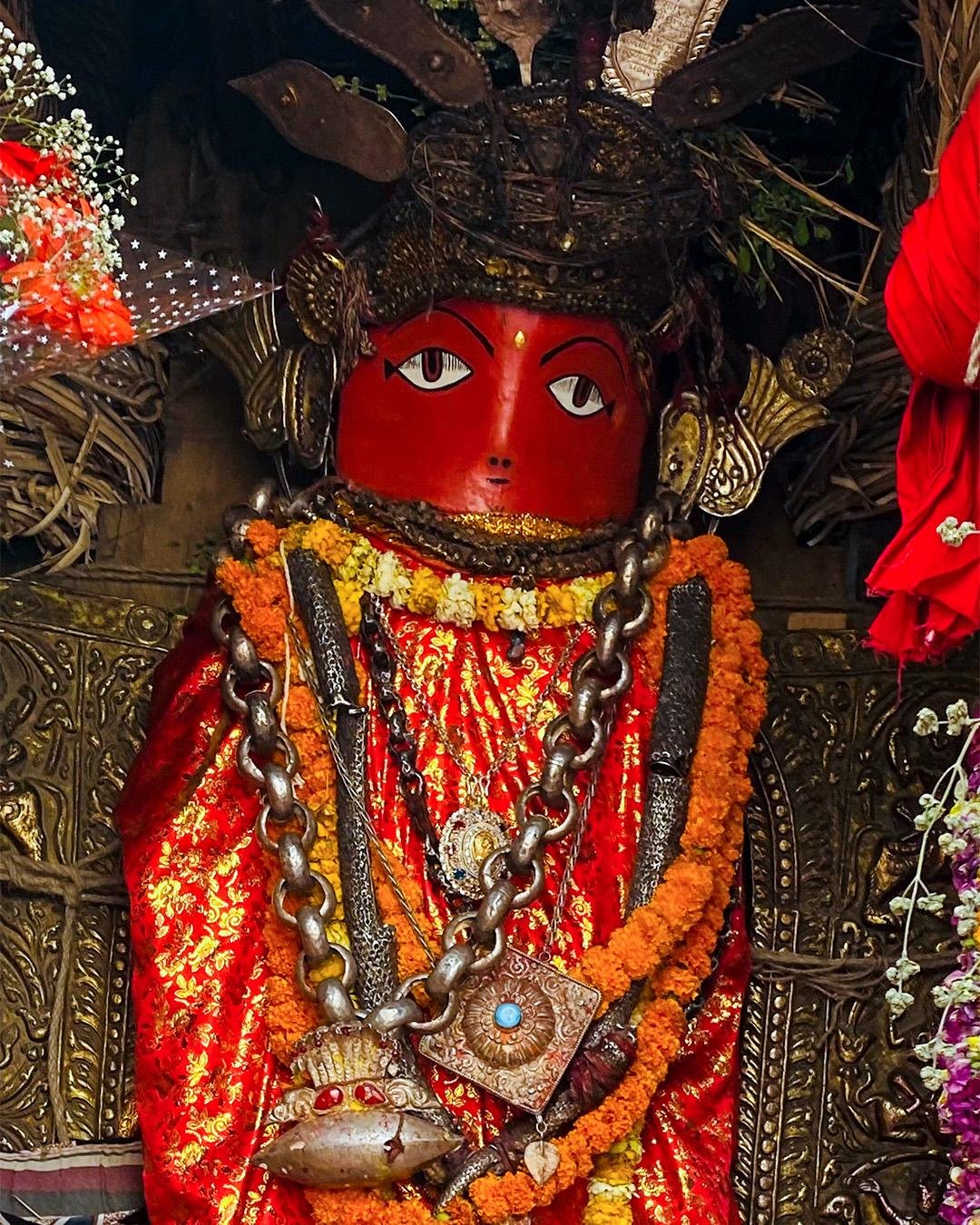
One of the most anticipated highlights of Indra Jatra is the chariot procession of the Kumari, the Living Goddess. This year, the Kumari, draped in her vibrant red robes, was paraded through the streets of Kathmandu on her intricately designed chariot, accompanied by the deities Ganesh and Bhairab. The sight of the Kumari, with her serene expression, mesmerized onlookers, offering a glimpse into Nepal's deep-rooted spiritual traditions.
Lakhey Dance: A Fierce Spectacle
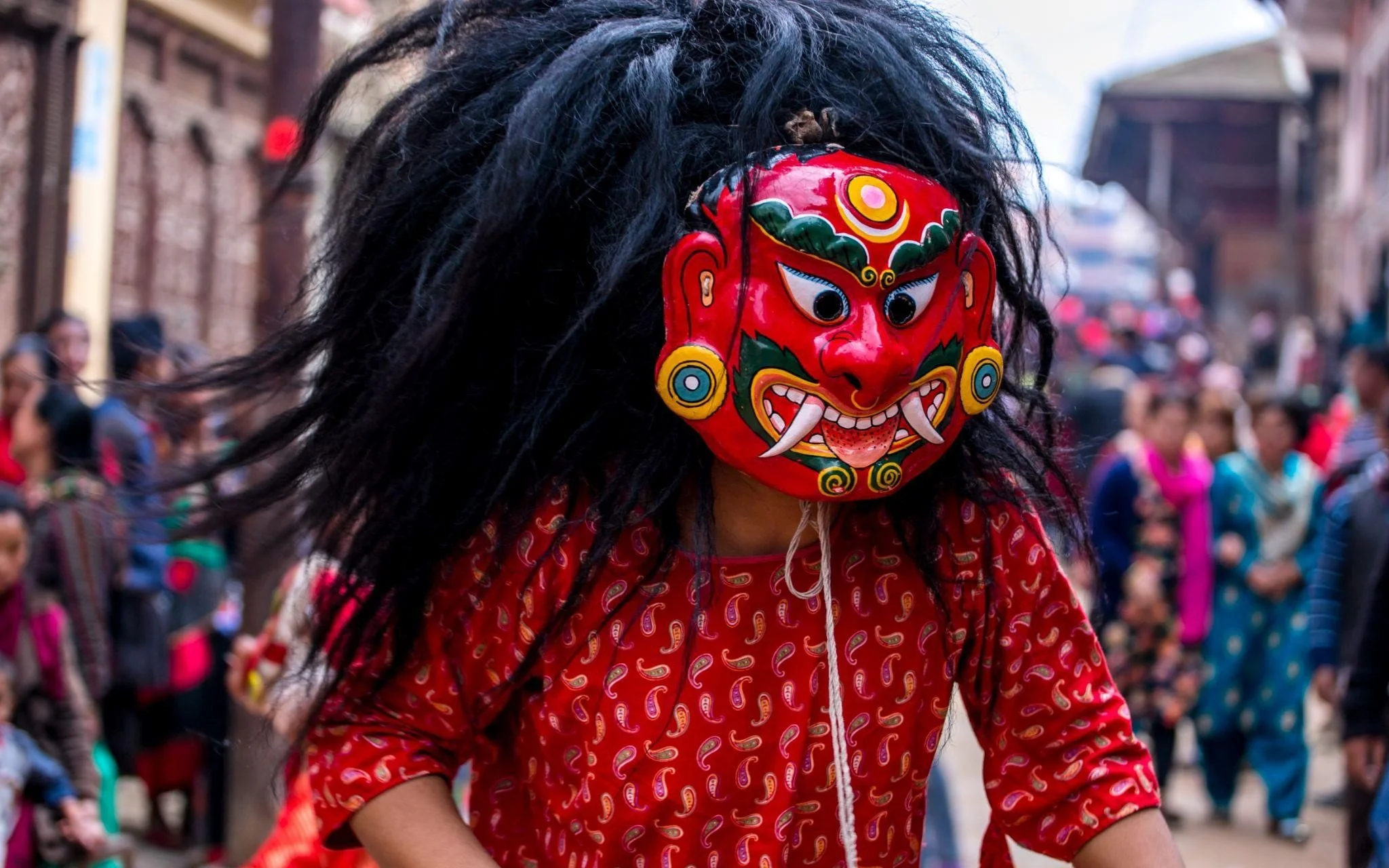
No Indra Jatra celebration is complete without the captivating Lakhey dance, a traditional masked dance said to ward off evil spirits. This year’s performance was as thrilling as ever, with dancers dressed as the Lakhey demon, leaping and twirling with ferocious energy through the streets. The rhythmic beat of drums filled the air, drawing spectators into the hypnotic movements of the performers.
Devotion and Tradition at Every Corner
Throughout the festival, the streets of Kathmandu were alive with offerings to Indra and various other deities. From the display of Bhairab's fierce face, with crowds lining up to receive blessings from this terrifying form of Lord Shiva, to the long-standing tradition of erecting a tall ceremonial pole, the festival was a visual and spiritual feast.
A Blend of Old and New
While the festival is deeply rooted in tradition, modern elements are increasingly woven into the celebrations. This year, vibrant lights and decorations illuminated the streets of Basantapur Durbar Square, enhancing the already electric atmosphere. Locals dressed in traditional attire, and many visitors took the opportunity to blend in, donning kurtas and saris to partake in the celebration.
Why You Can’t Miss It
Indra Jatra is not just a festival; it's an experience that pulls you into the rhythm of Kathmandu’s vibrant culture. With its mix of religious devotion, lively parades, and community spirit, it’s a festival that transcends time. And while this year's festivities have just ended, the memories of the vibrant chariot processions, Lakhey dances, and offerings linger in the minds of those who witnessed it.
If you find yourself in Kathmandu next year, don’t miss your chance to witness this breathtaking spectacle firsthand. Stay at Hotel Shanker, where luxury meets history, and step outside into a city alive with culture, just waiting to welcome you into the heart of one of Nepal’s most enchanting festivals.
POPULAR ITINERARIES
SIMILAR POSTS

Buba ko Mukh Herne Din
Buba ko Mukh Herne Din is a day dedicated to honoring the unsung heroes of our lives, fathers. It's a day to express gratitude for their unwavering love, support, and guidance. This tradition, deeply rooted in Nepalese culture, celebrates fathers' invaluable role in shaping our lives.
Celebrating Buba ko Mukh Herne Din: Honoring the Unsung Heroes of Our Lives - Fathers
Buba ko Mukh Herne Din is a special day dedicated to honoring the unsung heroes of our lives, our fathers. This day is deeply rooted in Nepalese culture and is a beautiful tradition to express gratitude for the unwavering love, support, and guidance that fathers provide. It celebrates the invaluable role that fathers play in shaping our lives and nurturing our growth.
The Role of Fathers: Silent Pillars of Strength
Fathers are often the silent pillars of our families, epitomizing strength, resilience, and unconditional love. Their influence is immeasurable—from teaching us how to ride a bike to imparting crucial life lessons. Fathers are the ones who guide us on the importance of hard work, perseverance, and integrity, shaping our character and values in profound ways.
Reflecting on the Sacrifices of Fathers
On Buba ko Mukh Herne Din, let us take a moment to reflect on the countless sacrifices our fathers have made for us. The sleepless nights, unwavering support during our struggles, and the unconditional love they have showered upon us are just a few examples of their selfless dedication. Fathers are often the quiet heroes, whose efforts may go unnoticed but whose impact is deeply felt.
Traditions of Buba ko Mukh Herne Din: Honoring Fathers with Gratitude
One of the most cherished traditions of Buba ko Mukh Herne Din is honoring fathers with gifts and heartfelt expressions of gratitude. Simple gestures like a handwritten letter or a homemade card can mean the world to them, showing appreciation for their love and support. This day is about more than just material gifts; it’s about expressing the gratitude that often goes unspoken.
Creating Cherished Memories with Fathers
Beyond the gifts, Buba ko Mukh Herne Din is also an opportunity to spend quality time with our fathers. Whether it’s a family outing, a meaningful conversation, or just being present in their lives, these moments are invaluable. Creating new memories and reliving old ones strengthens the bond between fathers and their children, making this day truly special.
Remembering Fathers Who Are No Longer With Us
For those who have lost their fathers, Buba ko Mukh Herne Din can be a bittersweet day. It’s a time to remember the love, guidance, and invaluable lessons they provided. Cherishing the memories they left behind keeps their legacy alive, and this day serves as a poignant reminder of their lasting impact.
Honoring Fathers on Buba ko Mukh Herne Din
Buba ko Mukh Herne Din is more than just a day—it’s a heartfelt celebration of the incredible fathers in our lives. It’s a time to express gratitude for their unwavering love, support, and guidance. Let us honor their sacrifices, cherish their presence, and make this day truly special for them.
How do you celebrate Buba ko Mukh Herne Din? Share your special moments with us in the comments below or join us at Hotel Shanker for a family gathering to honor this beautiful tradition.
POPULAR ITINERARIES
SIMILAR POSTS

Janai Purnima: A Sacred Thread of Tradition
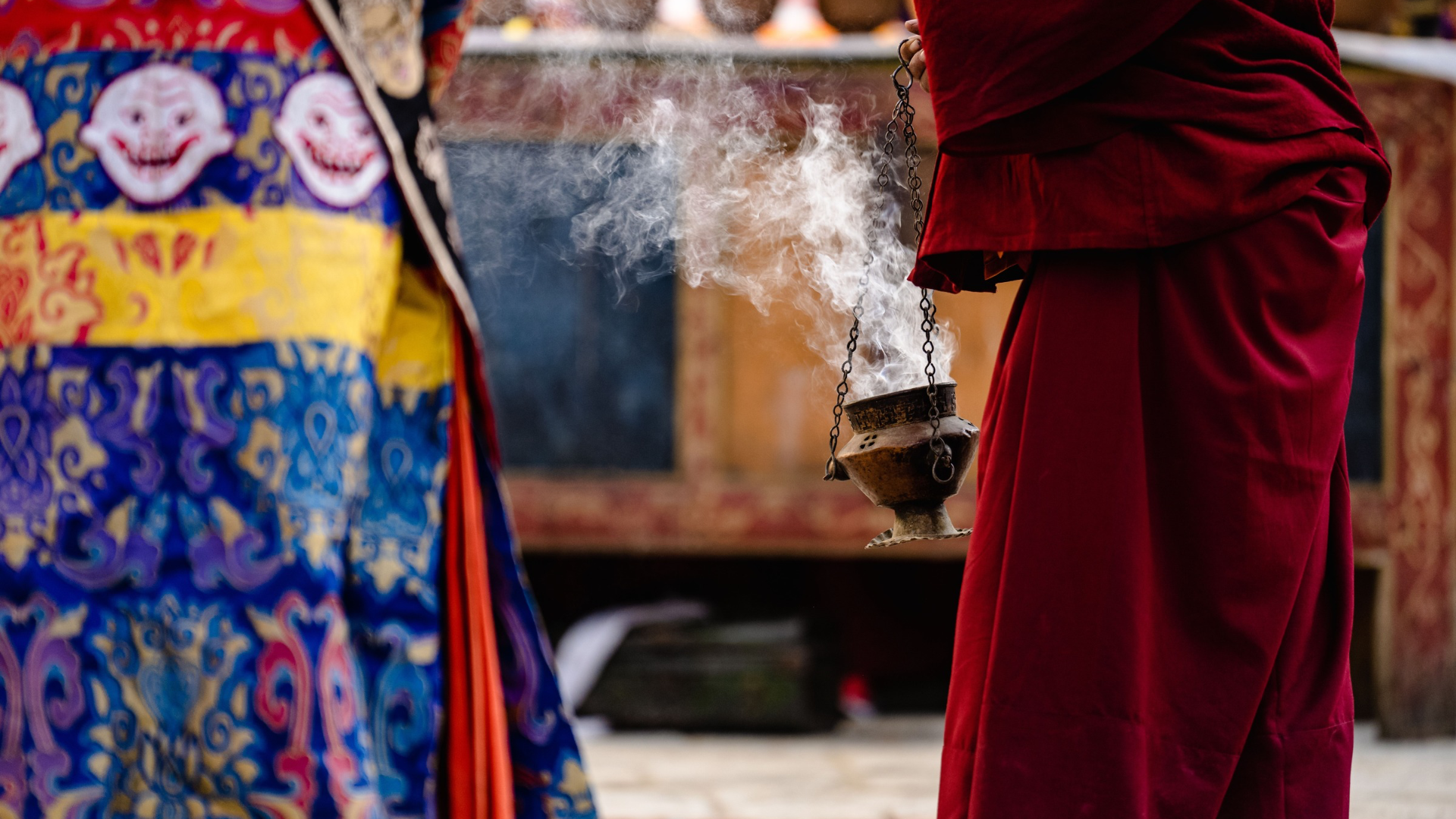
Janai Purnima, a significant Hindu festival celebrated in Nepal, marks the day of renewing the sacred thread (janai) worn by men. This thread symbolizes purity and religious commitment and is believed to protect the wearer from evil forces and bestow blessings. The festival is also known as "Raksha Bandhan" in some parts of Nepal, where sisters tie a protective thread (rakhi) on their brothers' wrists.
Janai Purnima, a significant Hindu festival celebrated in Nepal, marks the day of renewing the sacred thread (janai) worn by men. This thread symbolizes purity and religious commitment and is believed to protect the wearer from evil forces and bestow blessings. The festival is also known as "Raksha Bandhan" in some parts of Nepal, where sisters tie a protective thread (rakhi) on their brothers' wrists.
The Significance of the Sacred Thread
The janai, a cotton or silk thread, is tied around a male Hindu's right shoulder and left waist. It is believed to represent the three fundamental duties of a Hindu: dharma (righteousness), artha (wealth), and kama (pleasure). The thread is considered a spiritual connection between the individual and the divine. It is believed to purify the body, mind, and soul and provide protection from negative influences.
The Rituals of Janai Purnima
The celebration of Janai Purnima typically involves a series of rituals. On the day of the festival, men who wear the janai take a bath in a sacred river or pond to cleanse themselves. They then offer prayers to the deities associated with the festival, such as Lord Vishnu and Lord Shiva. The janai is replaced with a new one, which a Brahmin priest ties. The ceremony is accompanied by chanting of mantras and hymns.
The Cultural Significance of Janai Purnima
Janai Purnima is not only a religious festival but also a cultural event. Families have to come together and strengthen their bonds. The festival is celebrated with great enthusiasm and joy, especially in rural areas. People prepare traditional delicacies, decorate their homes, and participate in various cultural activities. The festival also serves as a reminder of the importance of upholding Hindu traditions and values.
Janai Purnima and Raksha Bandhan
In some regions of Nepal, Janai Purnima is also celebrated as Raksha Bandhan. On this day, sisters tie a rakhi, a colorful thread, on their brothers' wrists. The rakhi is a symbol of protection and love. Brothers, in turn, promise to protect their sisters and fulfill their wishes. This tradition strengthens the bond between siblings and promotes harmony within families.
In conclusion, Janai Purnima is a significant festival in Nepal that celebrates the sacred thread and its spiritual significance. It is a time for religious renewal, family bonding, and cultural expression. The festival serves as a reminder of the importance of upholding Hindu traditions and values.
POPULAR ITINERARIES
SIMILAR POSTS

Monsoon Melodies: Explore the Rhythmic Beauty of Nepal
Though the Himalayas are often associated with Nepal, the country's real attraction is in the rainy season. Monsoon Nepal is a symphony of glowing waterfalls, green valleys, and a strong cultural process that awakens with the rain. Forget the postcard-perfect images of snow-capped peaks. Here's a closer look at what you can expect during this special and sometimes overlooked time of year for travel.
Though the Himalayas are often associated with Nepal, the country's real attraction is in the rainy season. Monsoon Nepal is a symphony of glowing waterfalls, green valleys, and a strong cultural process that awakens with the rain. Forget the postcard-perfect images of snow-capped peaks. Here's a closer look at what you can expect during this special and sometimes overlooked time of year for travel:
A Symphony of the Senses: Beyond the Visual
While the monsoon undoubtedly transforms Nepal's landscape into a breathtaking tapestry of emerald greens, the true magic lies in the sensory experience. The rhythmic drumming of raindrops on rooftops creates a calming soundtrack, while the earthy scent of freshly washed soil fills the air. Witnessing the dramatic cloud formations and the cleansing power of the rain awakens a sense of awe and rejuvenation.
Beyond the Crowds: Explore Hidden Gems
Monsoon offers a reprieve from the usual tourist throngs. Popular trekking routes become less crowded, allowing you to connect with the serenity of the Himalayas truly. This is the perfect time to explore lesser-known gems like the Mardi Himal Trek, offering stunning panoramic views without the usual crowds.
Nature's Power on Display: Witnessing the Majesty of Waterfalls
The monsoon season transforms Nepal's waterfalls into cascading giants. Witnessing the raw power and beauty of these natural wonders is an unforgettable experience. Whether it's the majestic fall of the Muktinath waterfall or the cascading tiers of the Chhimkeshwari waterfall, the monsoon breathes life into these natural wonders.
Cultural Immersion: Festivals Washed Clean
Nepal's vibrant culture comes alive during the monsoon. The sowing festival of Asar Panchami, where farmers celebrate with traditional dances and delicious food, becomes a joyous spectacle. Witnessing these celebrations offers a deeper understanding of the country's soul and its deep connection with nature.
A Culinary Adventure: Seasonal Delights
Monsoon brings a bounty of fresh local produce, reflected in Nepal's delectable cuisine. Sample dishes like Gundruk, a fermented green leafy vegetable soup, perfect for a cozy monsoon evening. Steaming bowls of Dhindo, a traditional Nepali dish made from cornmeal, are another must-try. Don't forget to indulge in seasonal fruits like juicy mangoes and plump litchis.
Challenges and Rewards: Embracing the Monsoon Spirit
Monsoon travel comes with its own set of challenges. Landslides and slippery trails might require itinerary adjustments. Embrace the slower pace of life during this season and enjoy leisurely afternoons sipping hot tea while watching the rain. Pack light rain gear, waterproof boots, and a flexible attitude – these are your most essential travel companions during the monsoon.
A Different Kind of Adventure: Explore the Heart of Nepal
Monsoon Nepal is not just about the rain; it's about experiencing the heart of the country. Witnessing the agricultural rhythm of life, the vibrant cultural celebrations, and the raw power of nature creates a unique and unforgettable travel experience. So, ditch the stereotypical tourist itinerary and embrace the monsoon melody. You might just discover a side of Nepal that will leave a lasting impression.
POPULAR ITINERARIES
SIMILAR POSTS

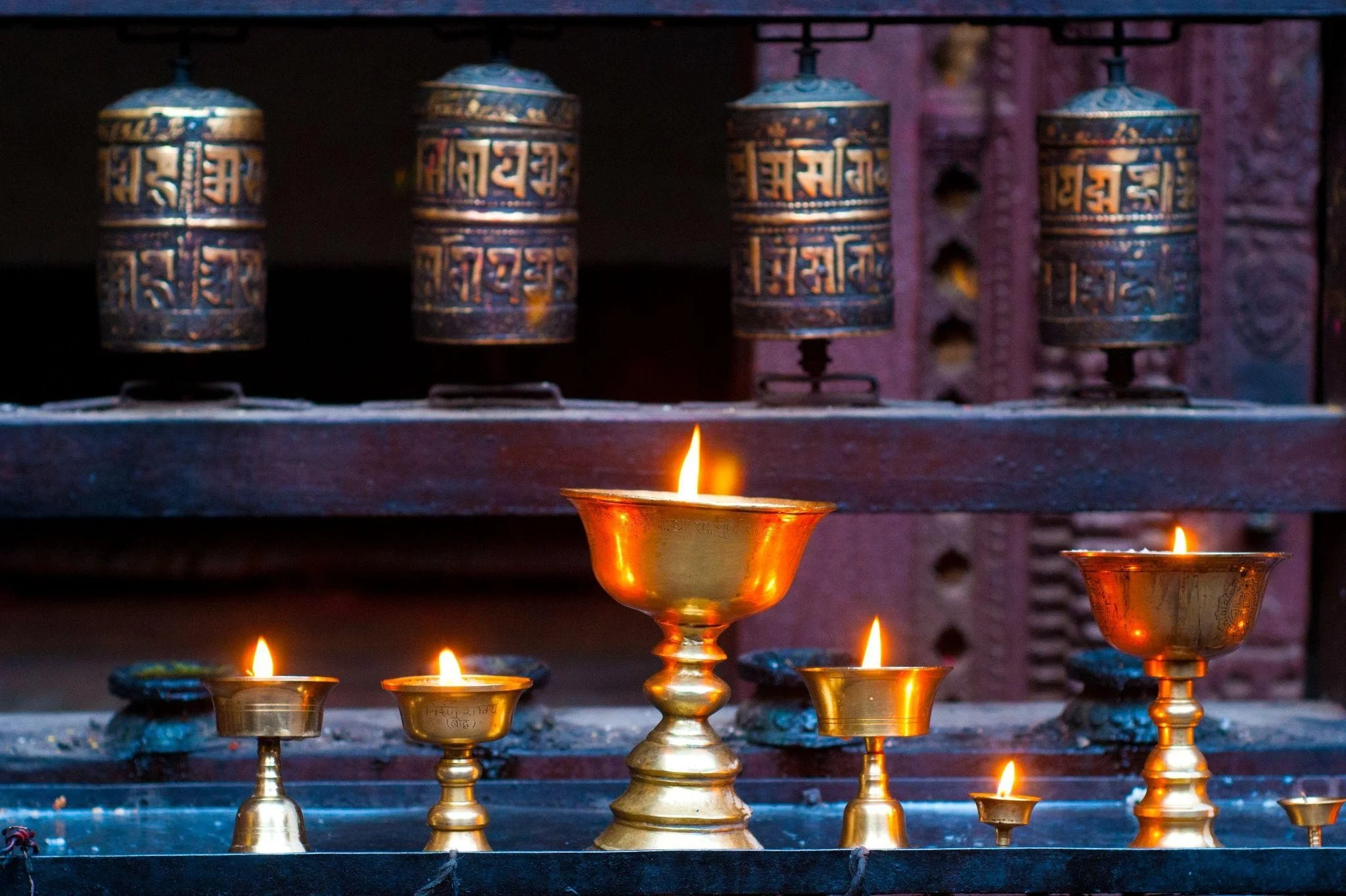
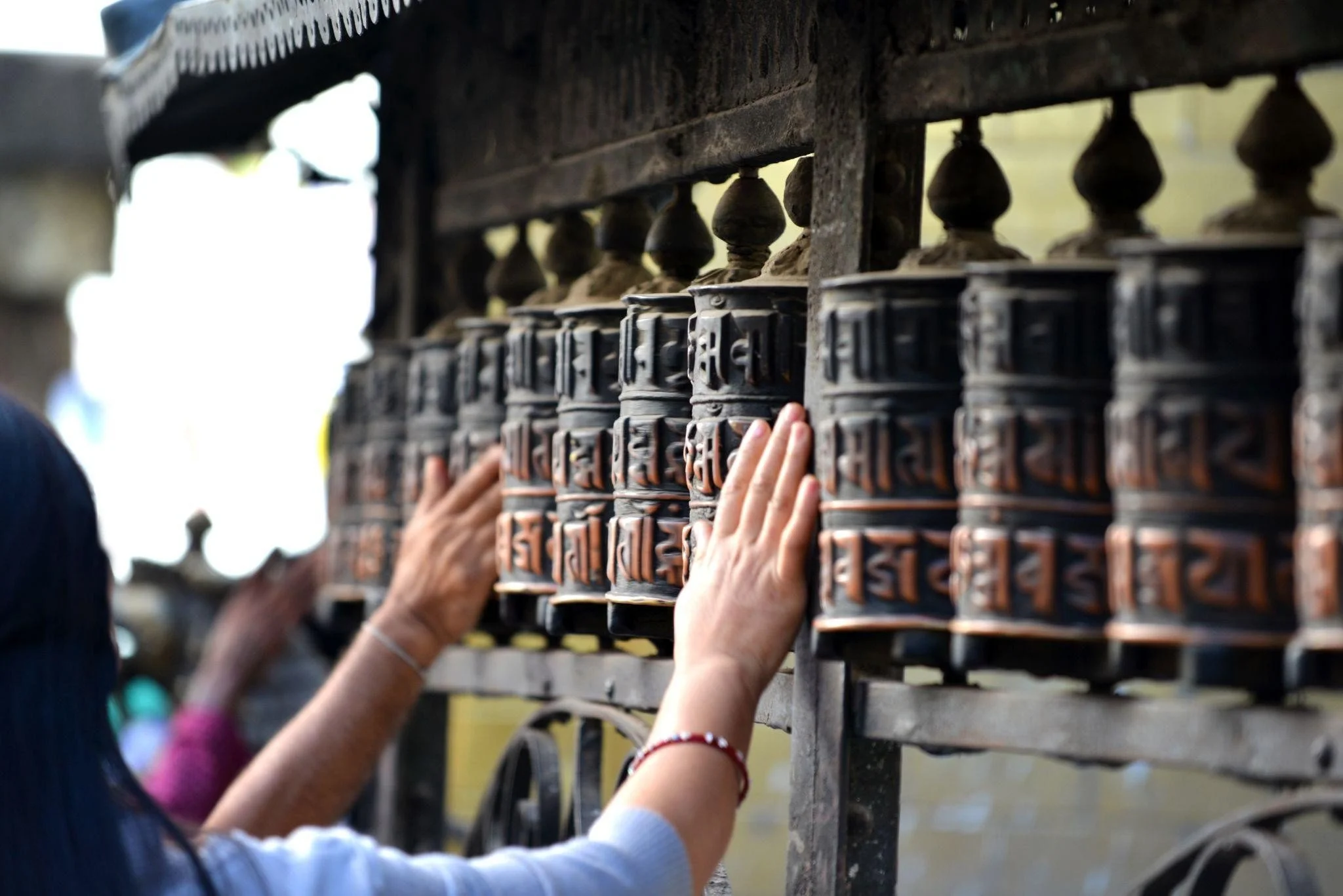
UNESCO World Heritage: Swayambhu Nath
"In Satya Yuga, Bipaswi Buddha came from a city known by the name of Bandhumati; and having taken up his abode on the mountain to the west of Nag Hrad(Kathmandu Valley) sowed a lotus-seed in the tank, on the day of the full moon in the month of Chait. The lotus seed that had been sown brought forth a lotus flower, in the middle of which Swayambhu (who had come from Aknisht Bhuban) appeared in the form of light, on the day of the full moon in Aswin." Wright 1877: 77-78
"In Satya Yuga, Bipaswi Buddha came from a city known by the name of Bandhumati; and having taken up his abode on the mountain to the west of Nag Hrad(Kathmandu Valley) sowed a lotus-seed in the tank, on the day of the full moon in the month of Chait. The lotus seed that had been sown brought forth a lotus flower, in the middle of which Swayambhu (who had come from Aknisht Bhuban) appeared in the form of light, on the day of the full moon in Aswin." Wright 1877: 77-78
Most of the historic chronicles have the lotus seed that brought light be marked as the beginning of the history of the Kathmandu Valley. The light of Swayambhu was inaccessible till the age of Treta Yuga, when Bodhistva Manjushri came from Mahachin(China) and drained the lake from the pass at Kotwal(The place where Bagmati passes out of the Valley) with other passes drawn at Chobar. With the valley drained, Bodhistva Manjuri made the valley inhabitable and the light of Swayambhu accessible to its worshippers.
The shrine of Swayambhu, the dome stupa with eyes of the enlightenment and the pinnacle was built only in the Kali Yuga. Before which it is believed that at the summit of Padma (Padma- Giri Hill; the mountain upon which Swayambhu stands) the place where the shrine is today was a great beam of light that penetrated heaven and even the depths of hell.
"The Kali Yuga, in which mankind would be utterly sinful, was approaching. He (Sant-sri) therefore covered the Swayambhu light with a stone, and built a chaitya and temple over it. He then built five rooms named Basupur, Agnipur, Bayupur, Nagpur and Santipur in the last which he lived, absorbed in devout meditation." Wright 1877:84
It is believed in local legends that even till this date Sant-sri, is in devout meditation in Santipur and shall emerge to protect the valley in times of grave danger. I remember the first time I climbed the steps to the top of Padma-Giri, as I took the last step with deep breaths. The shrine of Swayambhu was a sight to behold, view it form any perspective you wish.
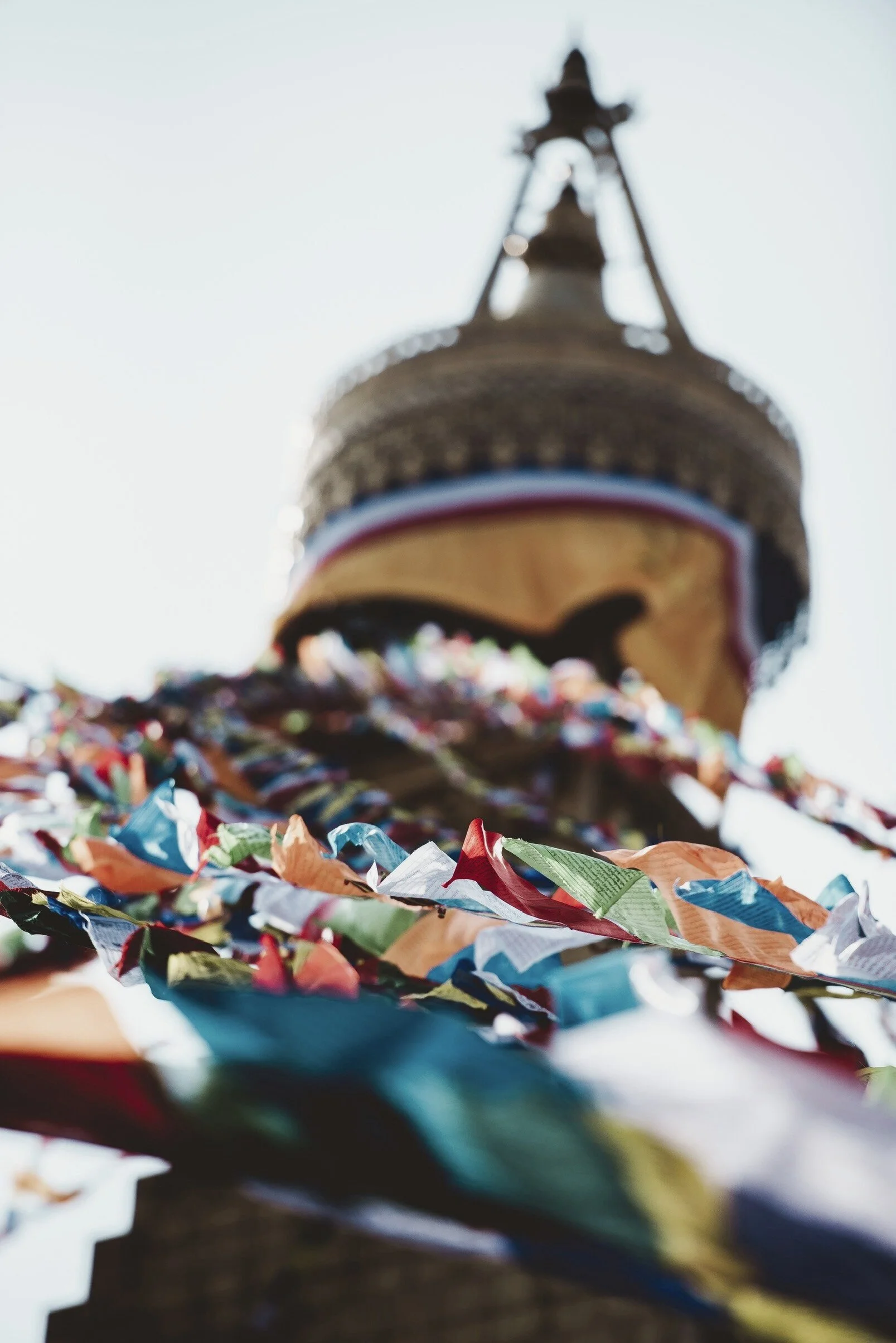
Architecturally it is a phenomena, the dome base atop which a cubical structure painted with the eyes of Shakya-Muni (Lord Buddha) in all four direction shielded by the pentagonal Torana with symbolic engravings. Above the Toranas are thirteen tiers crowned by a Gajur, now imagine a time lapse of its creation? Symbolically the base dome represents the world; the eyes of Shakya-Muni represent the status of enlightenment free from all bonds of the world. The thirteen tiers of the pinnacle symbolize thirteen stages of spiritual realizations to the enlightenment.
Spiritually as a native Newar it is the center of all our devotion and from the perspective of a sociologist, a beautiful lineage of history which has become the epicenter of Newar culture.
Today, the shrine of Swayambhu is known as Swayambhu-Nath or The Monkey Temple and is a major tourist attraction of Kathmandu Valley. Riddled with numerous shrines of Bodhistva's, Lichavi chaitya and stupas, mists of incents and chants of prayer. The Padma-Giri is a hill of spiritual awakening, the light of Swayambhu ever since history began has been a beacon of enlightenment attracting its seekers to the valley, even till this date many take great journeys to find sanctum in its light.
During the 2015 earthquake, the principal stupa didn’t suffer major damage but the surrounded chaityas, shikharas and temples along with living residents of the priests suffered major damage. The most notable difference was not seeing the two Shikharas built by Late King Pratap Malla in 1668 AD. Flanking the principal stupa, Late King Pratap Malla had built the two Shikharas with Agam Devtas within them along with which he placed a Bajra( Thunderbolt) in the Dharmadhatu mandala in front of Akshobhya Buddha. Having them being fully restored with other shrines and chaityas repaired, the area of Swayambhu was one of the very first UNESCO sites to reach a full restoration state.
For it may withstand many quakes to come, shall the eyes of enlightenment forever bring peace to its beholders. For may it always be a sanctum for its seekers and the light of Swayambhu always shine.
Hashtags: #Swayambhu #KathmanduValley #NewarCulture #BuddhistHeritage #EnlightenmentJourney #UNESCOSites #NepalEarthquake2015
POPULAR ITINERARIES
SIMILAR POSTS

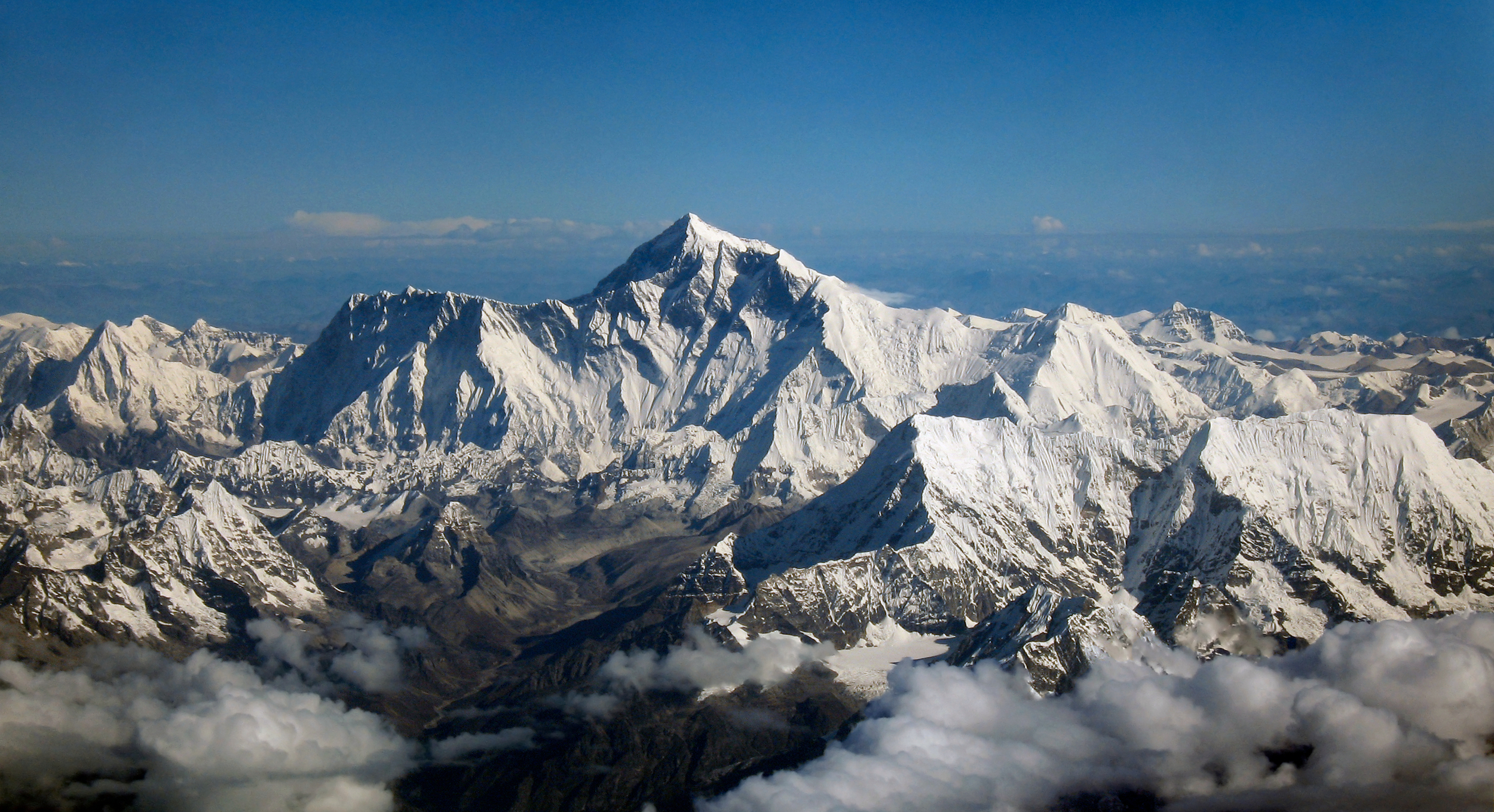
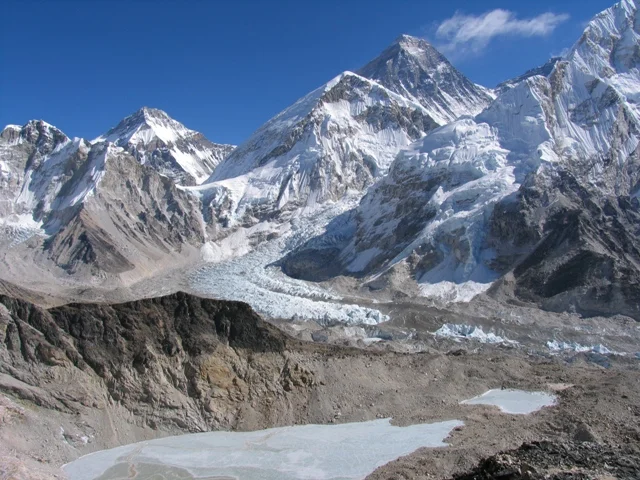
This trek is specially designed to reach the Everest Base Camp including Kala Pattar which is the best view point to view the sunrise over the high Himalayas including the Mt. Everest. This trek requires 13 days.
USD 1515 PER PERSON -- TWIN ROOM SHARING BASIS