

Best Cultural Experiences Near Hotel Shanker
Step beyond the ordinary and discover the rich culture, history, and traditions that make Kathmandu unforgettable.
Kathmandu is a city where every street has a story to tell. Staying in the heart of Lazimpat places visitors within easy reach of some of the capital's most fascinating cultural landmarks, historic neighborhoods, and spiritual sites. Whether you're visiting for a few days or planning a longer stay, exploring the cultural experiences near Hotel Shanker offers a wonderful introduction to Nepal's rich heritage.
One of the closest attractions is the Narayanhiti Palace Museum, located just a short walk away. Once the residence of Nepal's royal family, the palace has been transformed into a museum that offers insight into the country's modern history. Visitors can explore grand halls, ceremonial rooms, and exhibits that reflect Nepal's royal legacy and political transformation.
A few minutes away lies the Garden of Dreams, a beautifully restored neo-classical garden that provides a peaceful escape from the city's lively streets. With elegant pavilions, fountains, and landscaped gardens, it is a perfect place to unwind while appreciating one of Kathmandu's most charming historical spaces.
Just beyond the Garden of Dreams is Thamel, Kathmandu's vibrant tourist district. While known for its cafés, restaurants, and shops, Thamel also offers a glimpse into the city's cultural character. Narrow streets are lined with handicraft stores, traditional art galleries, bookstores, and local vendors selling handmade souvenirs, making it an enjoyable place to experience everyday life while supporting local artisans.
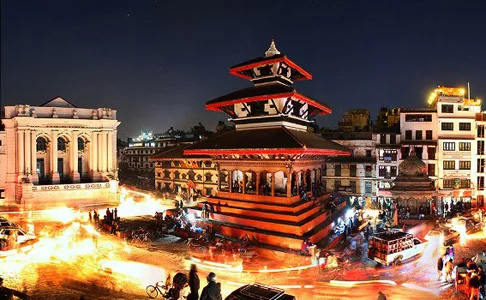
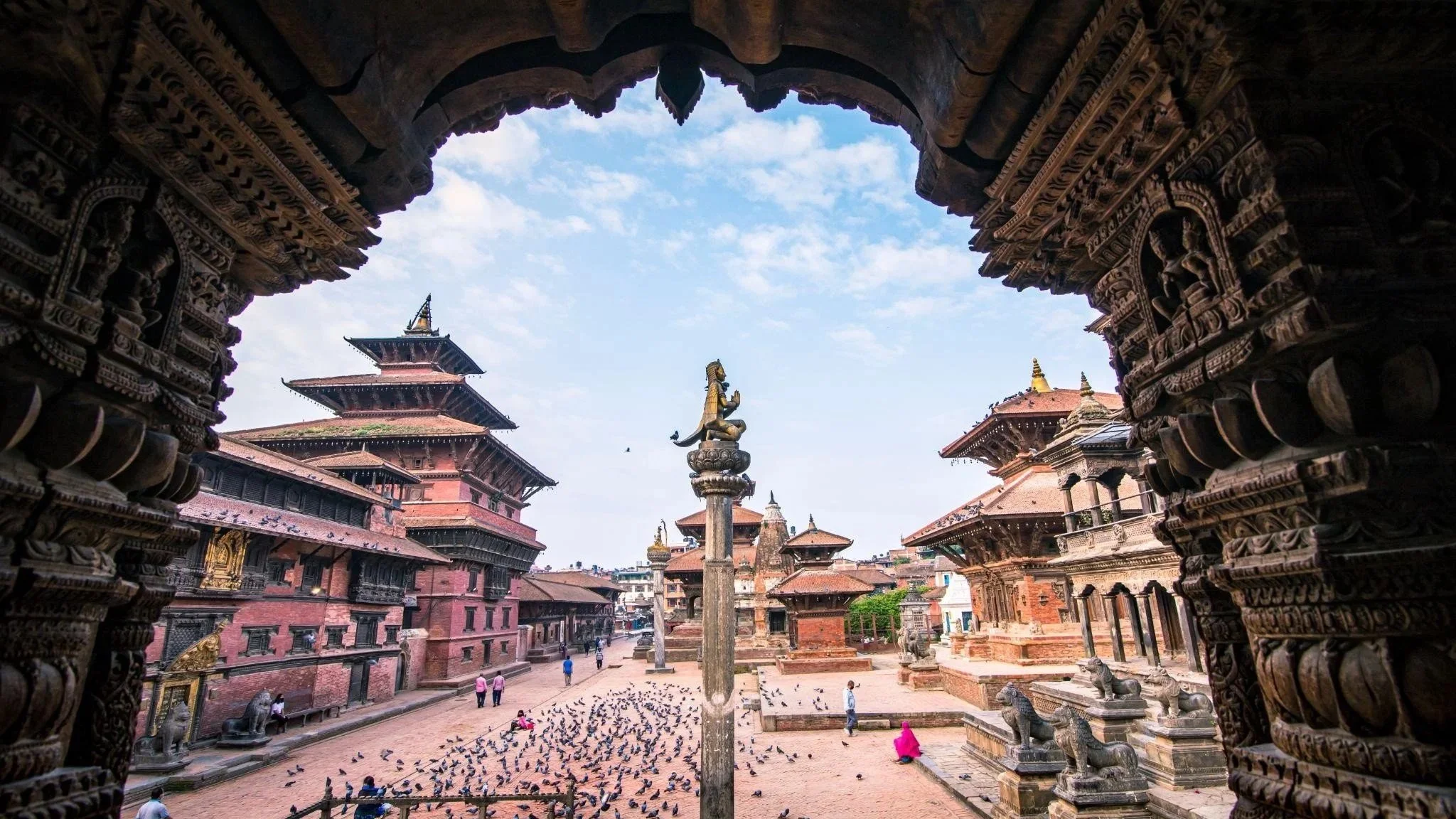
For those interested in Nepal's ancient history, Kathmandu Durbar Square is only a short drive away. This UNESCO World Heritage Site has served as the city's cultural and political center for centuries. Visitors can admire intricately carved temples, historic palaces, and traditional courtyards while witnessing religious rituals that continue to be practiced today. Every corner of the square reflects the remarkable craftsmanship and living traditions of the Kathmandu Valley.
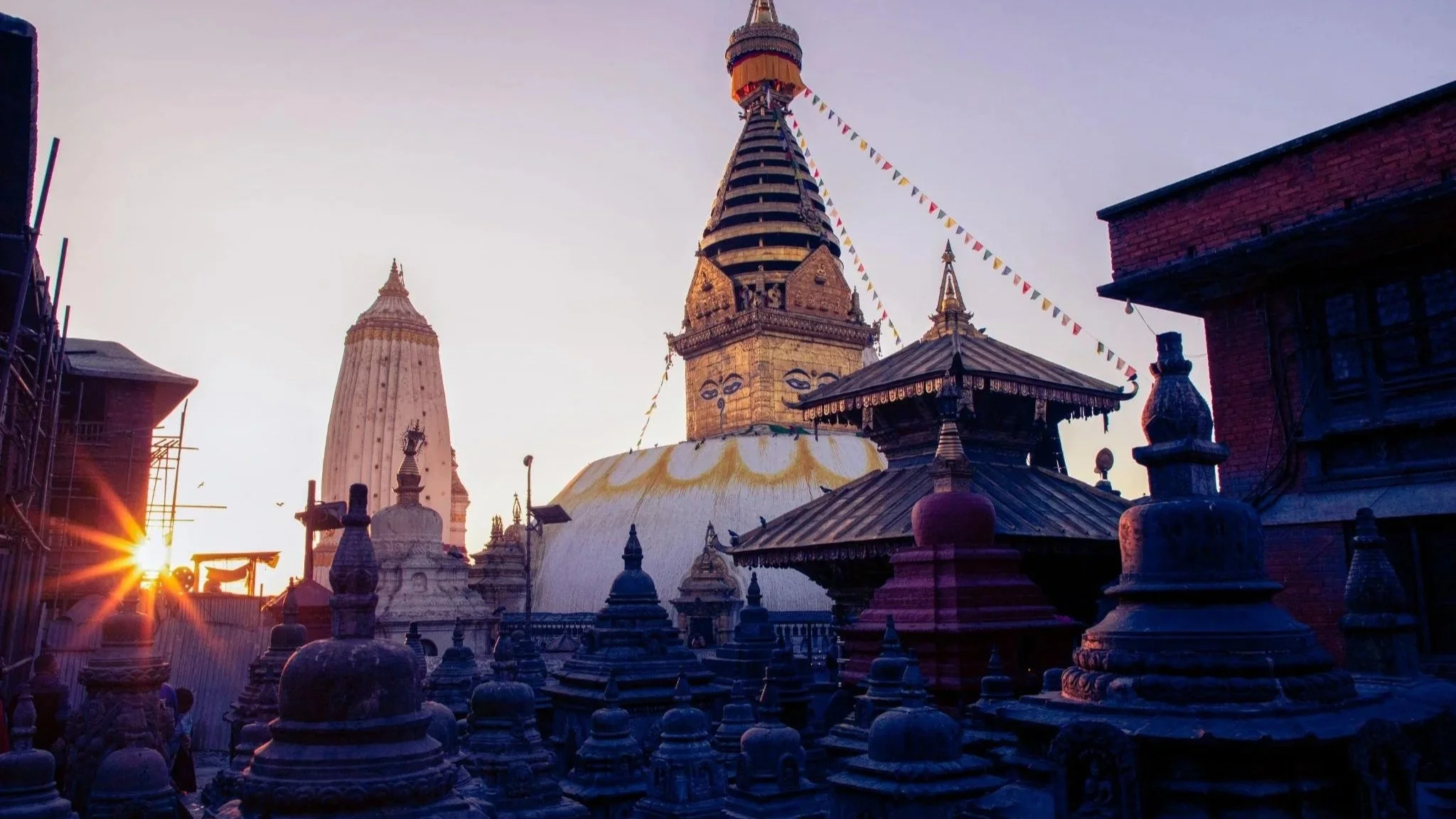
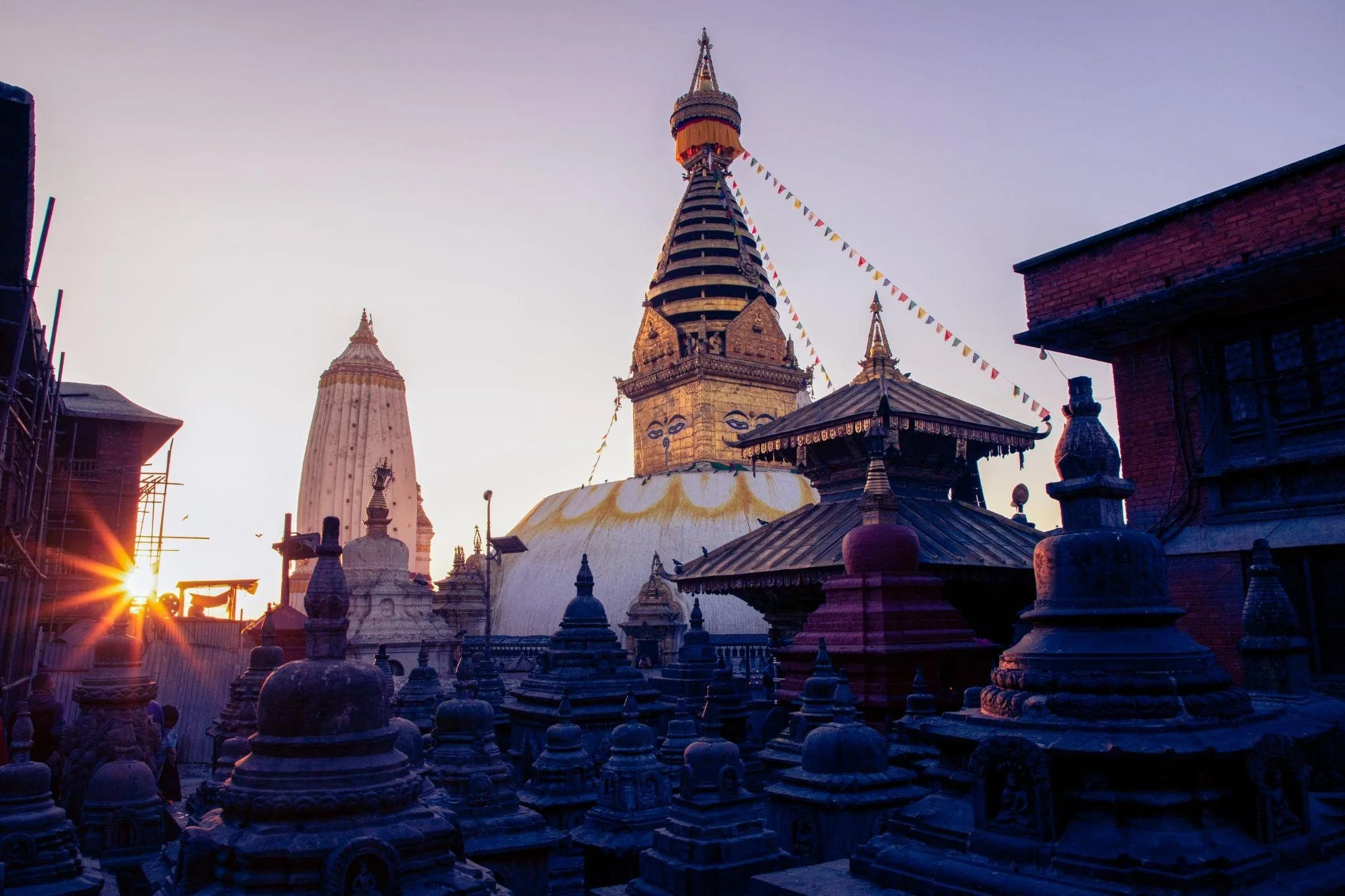
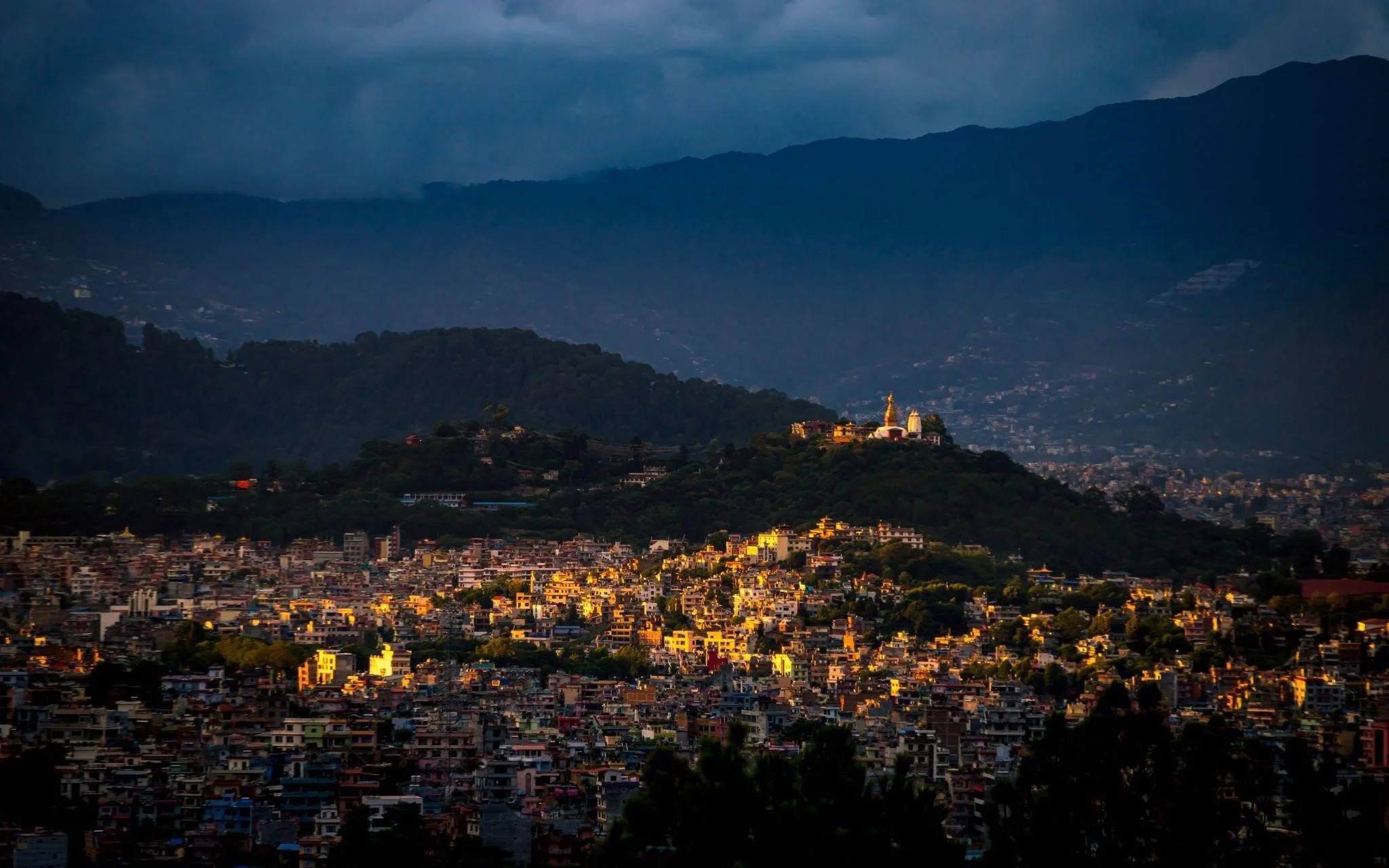
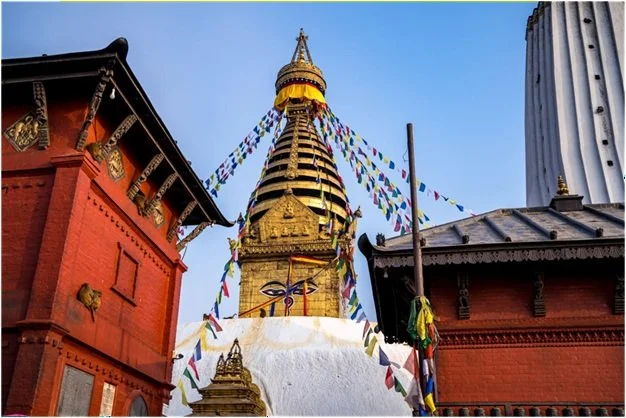
Another unforgettable cultural experience is a visit to Swayambhunath Stupa, one of Nepal's oldest and most sacred Buddhist monuments. Perched on a hill overlooking the valley, the stupa welcomes visitors with colorful prayer flags, spinning prayer wheels, and panoramic views of Kathmandu. The peaceful atmosphere makes it a rewarding destination for both cultural exploration and quiet reflection.
A little farther east stands Boudhanath Stupa, one of the largest Buddhist stupas in the world. Throughout the day, pilgrims circle the stupa while chanting prayers and spinning prayer wheels, creating a calm and spiritual environment. Nearby monasteries, cafés, and traditional shops allow visitors to spend time learning about Tibetan Buddhist culture and local traditions.
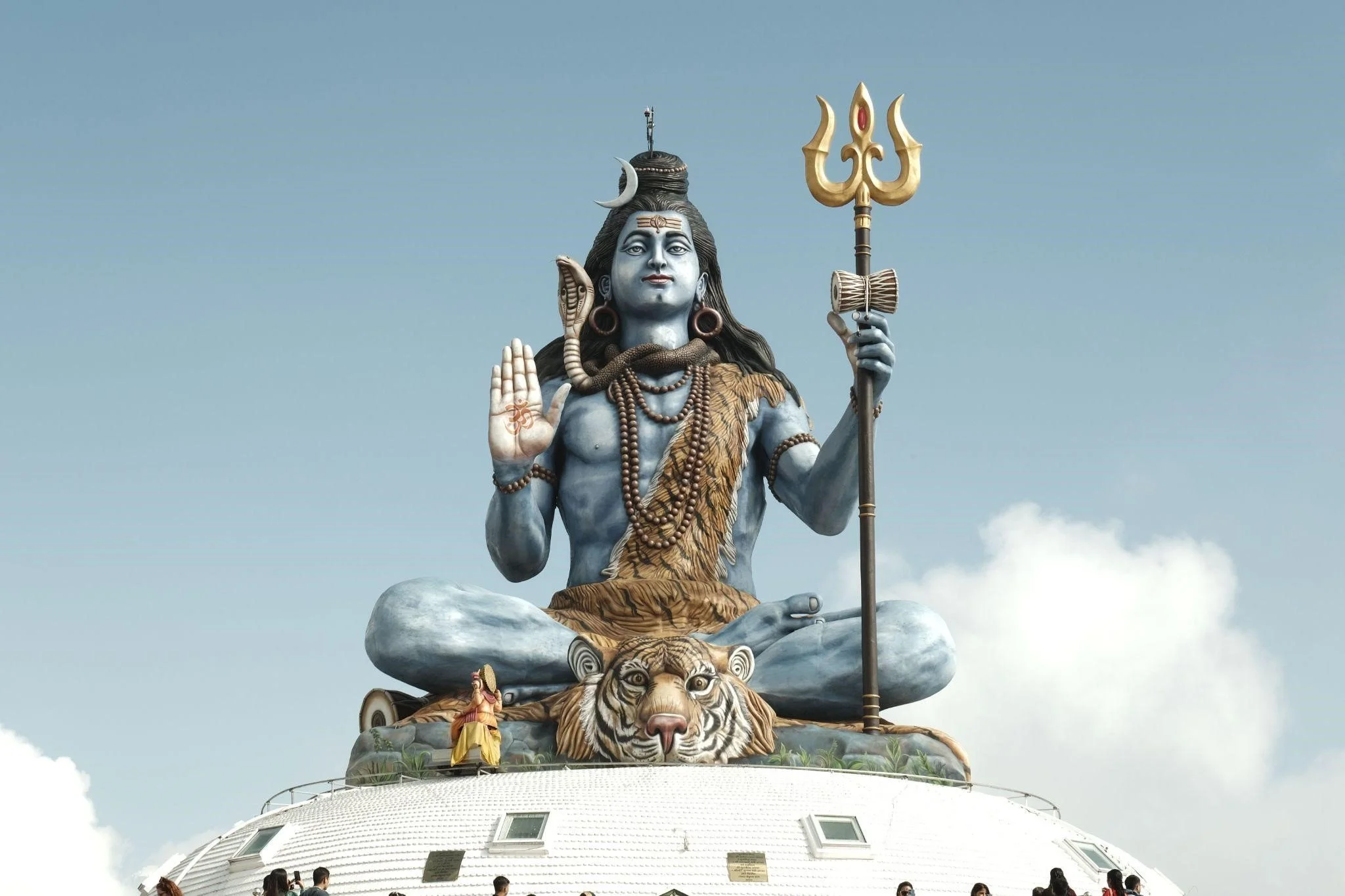
No cultural journey through Kathmandu is complete without visiting Pashupatinath Temple, one of the most sacred Hindu temples dedicated to Lord Shiva. Situated along the banks of the Bagmati River, the temple complex is a place of worship, spirituality, and centuries-old rituals. Visitors can observe traditional ceremonies, admire the temple's architecture, and gain a deeper understanding of Nepal's religious heritage while respecting the customs of this sacred site.
Exploring these landmarks offers more than memorable photographs, it provides a deeper connection to Nepal's history, faith, art, and daily life. From royal palaces and peaceful gardens to ancient temples and bustling neighborhoods, each destination reveals a different side of Kathmandu's vibrant cultural identity.
With many of these attractions just a short walk or drive away, Hotel Shanker serves as a convenient starting point for discovering the city's timeless heritage. Whether you're interested in history, architecture, spirituality, or local culture, you'll find some of Kathmandu's most rewarding experiences right around the corner.
POPULAR ITINERARIES
SIMILAR POSTS


24 Hours in Kathmandu: A Perfect One-Day Itinerary
Make every hour count. Explore the best of Kathmandu in just 24 hours with our curated one-day itinerary.
Kathmandu is a city where ancient traditions meet everyday life, making it possible to experience its rich culture even in just one day. From sacred temples and bustling markets to peaceful gardens and authentic local cuisine, every hour offers something memorable. If you have 24 hours in Nepal's capital, here's how to make the most of your visit.
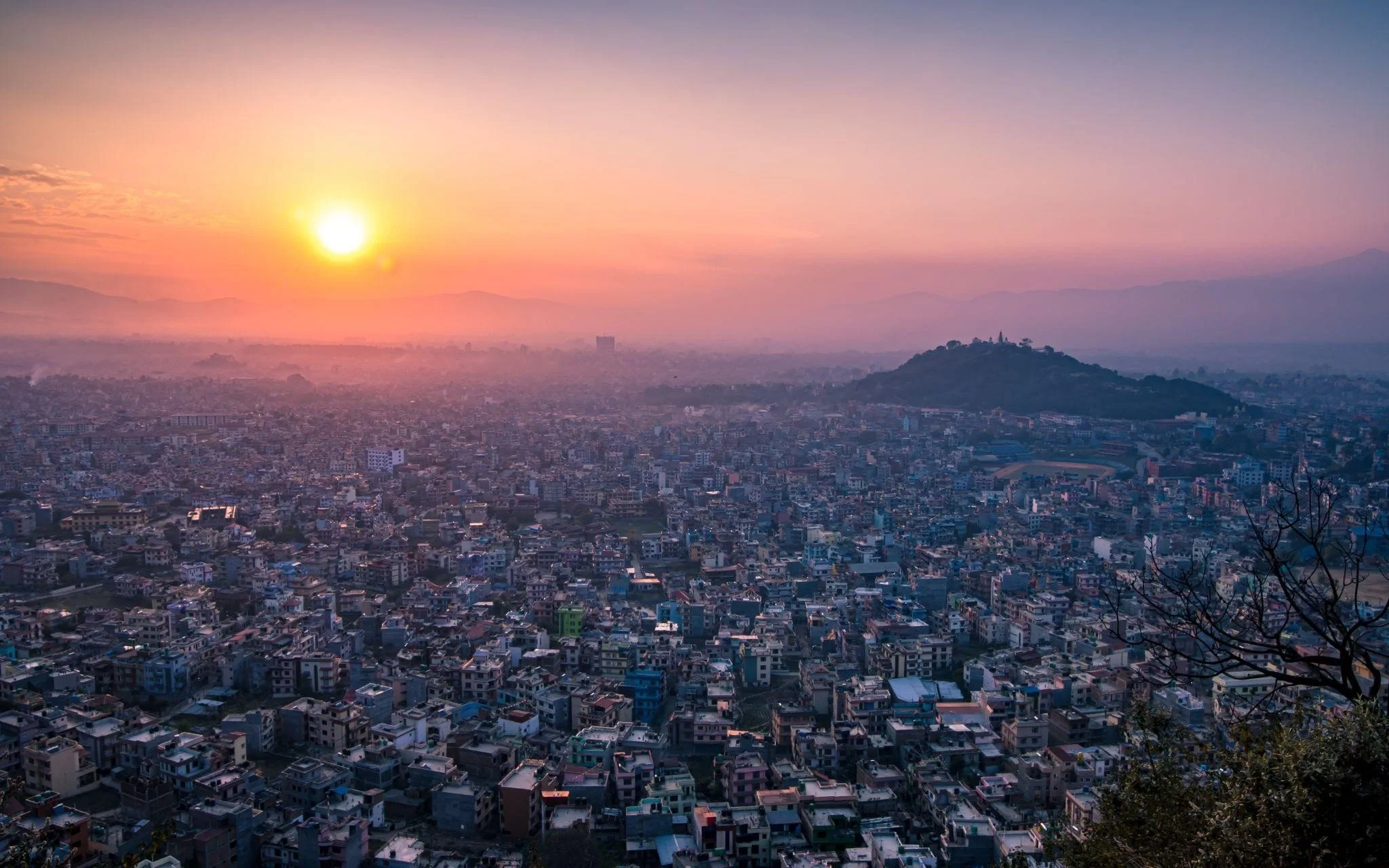
Start your morning with a visit to Swayambhunath Stupa, one of Kathmandu's oldest and most iconic landmarks. Arriving early allows you to enjoy the peaceful atmosphere, panoramic views of the city, and the sight of devotees spinning prayer wheels as the city slowly awakens.
Afterward, head to Kathmandu Durbar Square, a UNESCO World Heritage Site filled with historic temples, courtyards, and palaces. Take time to admire the intricate wood carvings, observe local life, and explore the centuries-old architecture that reflects Kathmandu's cultural heritage.
For lunch, enjoy authentic Nepalese cuisine at a local restaurant before strolling through the lively streets of Thamel. Known for its handicraft shops, cafés, bookstores, and vibrant atmosphere, Thamel is the perfect place to pick up souvenirs and experience the city's energetic charm.
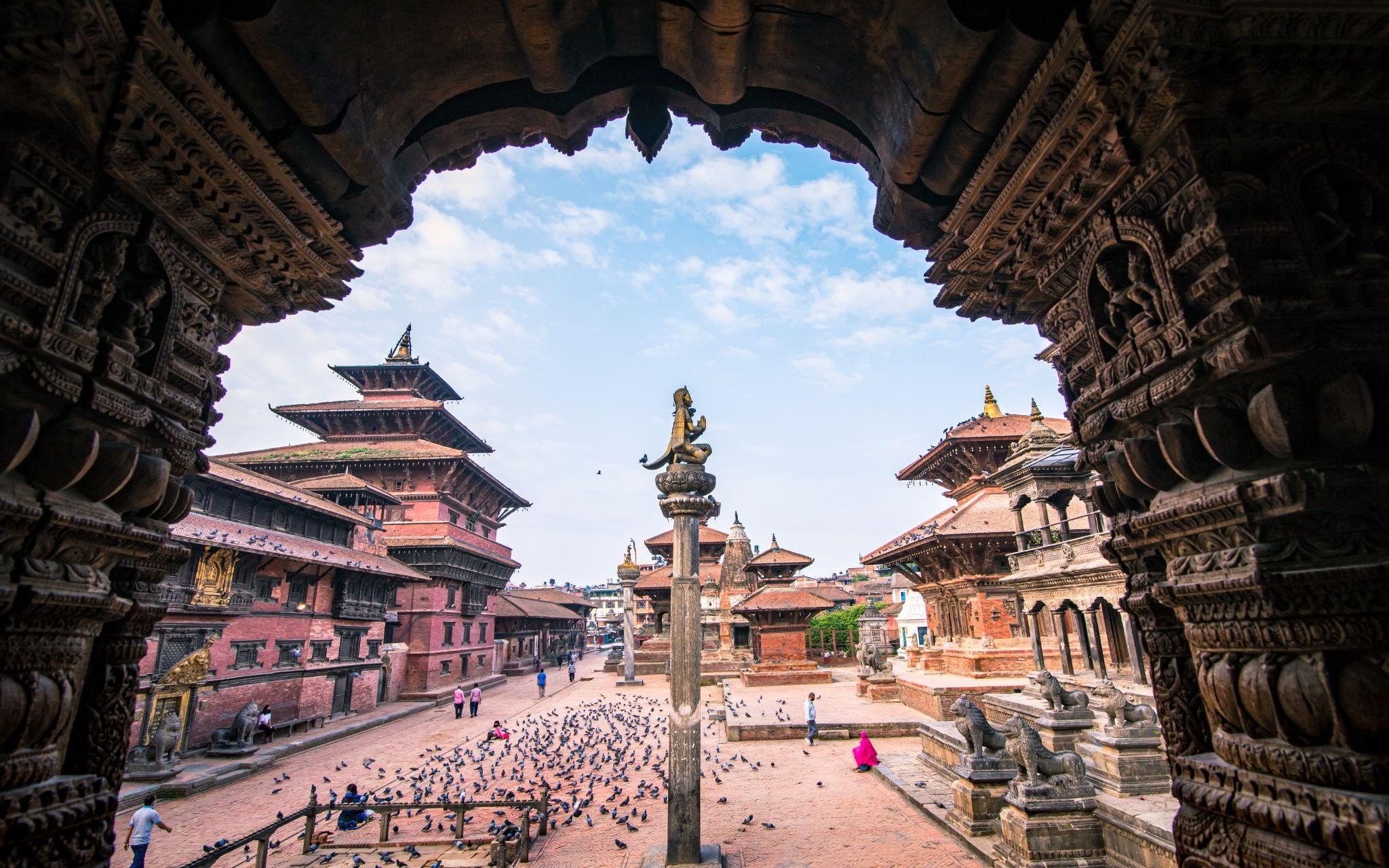
In the afternoon, take a short drive to Patan Durbar Square, another UNESCO World Heritage Site renowned for its exquisite Newari architecture and rich artistic heritage. Wander through its historic courtyards, admire centuries-old temples, and visit the Patan Museum to discover traditional metalwork, wood carving, and sacred art that have flourished in the Kathmandu Valley for generations.
As evening approaches, visit Boudhanath Stupa, where locals and pilgrims gather to walk around the sacred monument while chanting prayers. Watching the stupa glow under the evening sky is a memorable way to experience Kathmandu's spiritual side before ending your day with a traditional Nepalese dinner.
While one day is only enough to scratch the surface, Kathmandu has a way of leaving a lasting impression. Its timeless heritage, welcoming culture, and vibrant atmosphere invite visitors to return and discover even more of Nepal's remarkable capital.
POPULAR ITINERARIES
SIMILAR POSTS

Kathmandu’s Oldest Stories: The Legends Behind the Valley’s Ancient Temples
Kathmandu is more than temples; it is a city of living legends.
From the mysterious Taleju Temple to the story of Kasthamandap and the Living Kumari, these ancient spaces carry myths that have shaped the Valley for centuries. Dates tell history, but stories give it meaning.
Discover the legends that still breathe through Kathmandu’s timeless temples.
Kathmandu is not only a city of temples, it is a city of stories.
Walk through Durbar Square, glance up at tiered pagoda roofs, or pause beneath intricately carved wooden windows, and you are standing inside centuries of belief. Historians can give you dates and dynasties. Architects can explain proportions and wood joinery. But what truly endures in the Valley are the legends because stories are magnetic. People remember myths long after they forget timelines.
Here are three of Kathmandu’s oldest and most powerful stories, the legends that still breathe through its ancient temples.
Taleju Temple: The Goddess Who Walked Among Kings
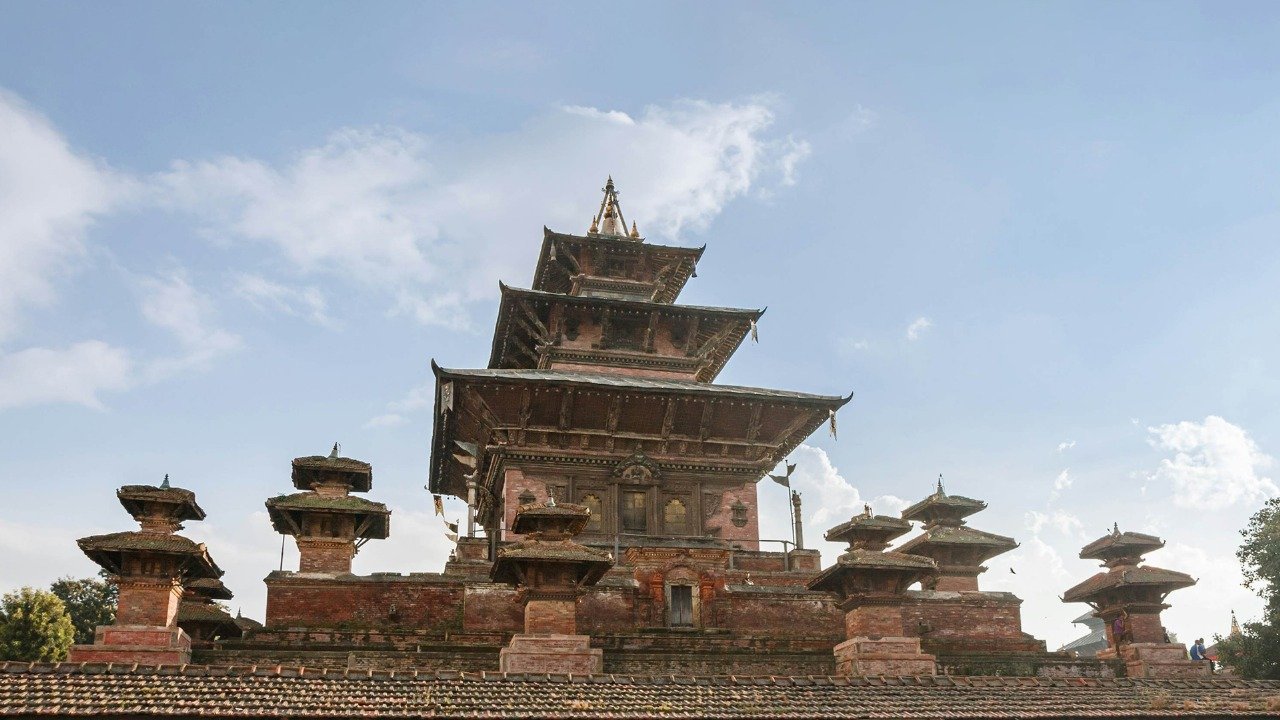
Taleju Temple rises above Hanuman Dhoka Durbar Square, majestic and guarded. Built in 1564 by King Mahendra Malla, it remains closed to the public for most of the year, opening only during Dashain.
Yet the temple’s true power lies not in its origin story.
According to legend, the goddess Taleju Bhawani once appeared nightly before King Trailokya Malla. She would visit him in secret and play dice in the palace. The king was warned never to reveal her presence. Divine favor depended on discretion.
But curiosity intervened. The queen followed the king one night and saw the goddess. Feeling betrayed, Taleju vanished. Before leaving, she declared she would return not as a vision, but in the form of a living goddess.
This legend transformed Taleju from a royal deity into a presence woven into Kathmandu’s spiritual life. Historically, the temple strengthened the divine authority of the Malla kings. Culturally, it anchored the city’s identity. Myth gave it intimacy, a story of trust, secrecy, and divine withdrawal.
When people look at Taleju Temple today, they do not only see architecture. They remember a goddess who once walked the palace halls.
Kasthamandap: The Pavilion of a Single Tree
The name “Kathmandu” itself is believed to come from Kasthamandap derived from the Sanskrit words Kastha (wood) and mandap (pavilion).
The original structure, said to have been built in the 12th century, carried a remarkable legend: it was constructed from the timber of a single tree. Whether literally true or symbolically told, the idea captures the imagination of an entire temple rising from one living trunk.
Kasthamandap stood in Basantapur as a civic and spiritual center for centuries. It represented unity, craftsmanship, and continuity. Some oral traditions claimed the wood carried protective energy over the city. Others believed the structure was spiritually blessed.
When the 2015 earthquake destroyed it, the loss felt heavier than the collapse of timber. For many, it symbolized a rupture in the city’s rhythm as if something ancient and protective had been shaken loose.
Reconstruction efforts have since sought to restore it using traditional techniques and materials. Yet the emotional impact of its fall revealed something deeper: Kasthamandap was never just a building. It was the origin. It was the city's name.
And that is why its story endures.
The Kumari: The Living Goddess of the Valley
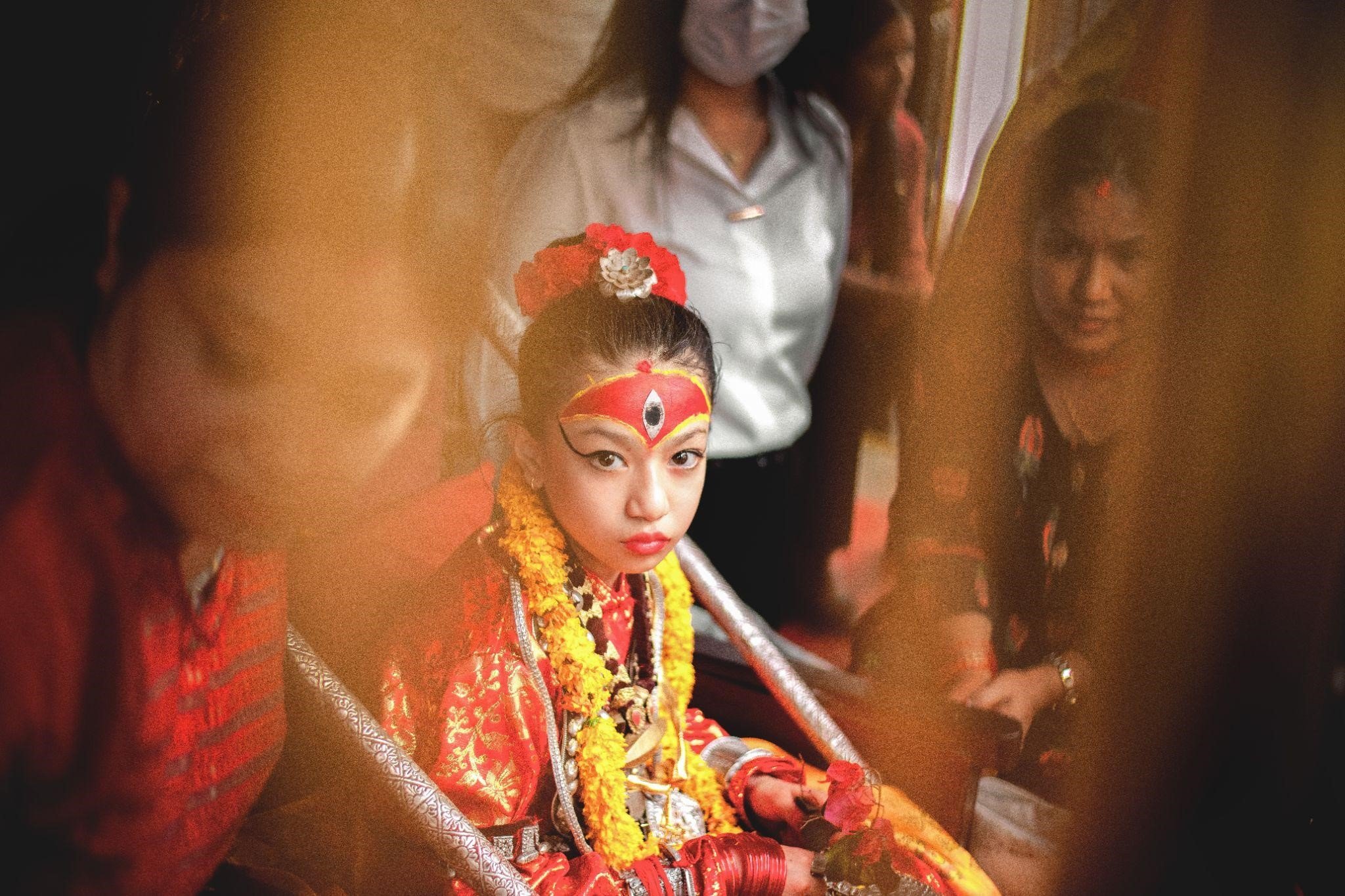
The promise of Taleju’s return, according to tradition, lives on through the Kumari the Living Goddess of Kathmandu.
Chosen from the Shakya clan of the Newar community, a young prepubescent girl is selected to embody the goddess. The selection process follows strict traditional criteria, rooted in ritual, symbolism, and cultural continuity. Once chosen, she resides in the Kumari Ghar in Durbar Square, appearing at festivals and special ceremonies.
Historically, Nepal’s kings sought her blessing before important state decisions. Even today, her presence carries immense cultural and spiritual significance.
Myths surrounding the Kumari add layers of mystique. Stories speak of tests of fearlessness and divine signs. Whether embellished over time or faithfully preserved, these narratives elevate her from a child to a symbol of sacred embodiment.
Perhaps the most poignant aspect of the tradition is its impermanence. When the Kumari reaches puberty, the goddess is believed to leave her body, and she returns to ordinary life.
Few traditions capture the intersection of divinity and humanity so vividly. The Kumari reminds the Valley that the sacred is not distant; it can reside, briefly and mysteriously, among the living.
Why Myths Matter More Than Dates
Kathmandu’s temples are architectural masterpieces. Their tiered roofs, brickwork, and wood carvings speak of extraordinary craftsmanship. But what gives them emotional permanence are the stories.
Dates tell us when something was built. Myths tell us why it matters.
A goddess playing dice with a king. A temple carved from a single tree. A child worshipped as divine. These narratives transform physical spaces into living memory.
In a valley shaped by earthquakes, dynasties, and rapid modern change, stories become anchors. They preserve meaning when structures fall and regimes shift. They allow each generation to inherit not just monuments, but imagination.
Kathmandu’s oldest temples are not silent. They carry whispers of devotion, mystery, reverence, and resilience.
And as long as those stories are told, the Valley’s ancient spirit will remain very much alive.
POPULAR ITINERARIES
SIMILAR POSTS

Guardians of the Temples: The Story and Significance of the Bajra in Nepal
The golden Bajra at Swayambhunath Stupa in Kathmandu, a timeless guardian symbolizing strength, enlightenment, and divine protection in Nepal’s sacred traditions.” This sacred object, with its rich mythology and spiritual significance, stands firm as a reminder of the intertwined Hindu and Buddhist beliefs that continue to shape Nepal’s cultural landscape. Whether at the entrance of a temple, adorning stupas, or held during ritual practices, the Bajra represents a powerful force that connects the earthly realm with the divine.
When walking through the courtyards of temples and stupas in Nepal, one object stands out: the Bajra, also known as Vajra. Shining in bronze, brass, or gilded gold, it is often placed at the entrance of sacred spaces, on altars, or in the hands of deities. To many visitors, it looks like an ornate ritual object. But for the people of Nepal, the Bajra carries layers of mythology, symbolism, and spiritual meaning that connect the earthly world to divine power.
What is the Bajra?
The Bajra (Sanskrit: Vajra) literally translates to “thunderbolt” or “diamond.” In Hindu and Buddhist traditions, it represents both the irresistible force of thunder and the indestructibility of a diamond.
• In Hindu mythology, the Bajra is the weapon of Indra, the king of gods and lord of rain and storms.
• In Buddhism, particularly Vajrayana (Tantric Buddhism), the Bajra symbolizes unyielding strength, enlightenment, and the ultimate truth. It is often paired with the Ghanta (bell), representing the harmony of wisdom and compassion.
Physically, a Bajra is crafted with a central sphere flanked by symmetrical prongs, some with two, others with four or more. The design itself embodies balance, unity, and cosmic order.
Mythological Origins
The mythology of the Bajra goes back thousands of years:
• The Hindu Legend: According to ancient texts, the Bajra was fashioned from the bones of sage Dadhichi, who sacrificed himself so that the gods could create a weapon powerful enough for Indra to defeat the demon Vritra. The Bajra thus came to symbolize sacrifice, protection, and the triumph of good over evil.
• The Buddhist Symbolism: In Vajrayana Buddhism, the Bajra represents the indestructible nature of truth and enlightenment. Just as lightning can split rocks, the Bajra cuts through ignorance and illusion.
This dual mythology gives the Bajra a unique role in Nepal, where Hinduism and Buddhism co-exist and intertwine in everyday life.
Where to Find the Bajra in Nepal
Travelers will encounter the Bajra in many forms across Nepal’s sacred architecture:
At Stupas: The grand stupas of Swayambhunath and Boudhanath feature massive Bajras placed at their bases, symbolizing the spiritual strength that guards the monument.
In Temples: Many Hindu temples, especially those dedicated to Indra or Shiva, display Bajras at the gates or near shrines.
In Rituals: Monks and priests use hand-held Bajras during pujas and tantric practices, pairing them with bells for meditative chants.
As Decorative Symbols: You’ll also spot smaller Bajras engraved into doorways, pillars, and even prayer wheels as a mark of divine presence.
Symbolism Beyond Myth
The Bajra is not just a relic of mythology, it speaks to deeper philosophies:
• Indestructibility: Like a diamond, truth and enlightenment are eternal.
• Power: Like a thunderbolt, spiritual energy can transform lives instantly.
• Protection: Placed at temple entrances, the Bajra acts as a guardian against negative forces.
• Balance: Its symmetrical design teaches harmony between opposites such as wisdom and compassion, strength and humility.
Why the Bajra Matters Today
For locals, the Bajra remains a living symbol. During festivals like Indra Jatra, it reminds devotees of protection and divine energy. For pilgrims at stupas, it is an invitation to meditate on truth and resilience. And for travelers, it is a glimpse into how myth and spirituality seamlessly merge in Nepal’s cultural landscape.
The Bajra is more than an ornament. It is a guardian, a teacher, and a storyteller. To see a Bajra in Nepal is to stand in the presence of centuries-old beliefs that continue to shape the way of life in the Kathmandu Valley and beyond.
Travel Tip: Next time you visit Swayambhunath or Boudhanath, pause before the massive Bajra at the entrance. Notice its weight, balance, and symbolism. It is not just metal, it is the embodiment of Nepal’s sacred guardianship.
The Bajra reminds us that while storms may shake the world, truth and enlightenment remain unbreakable. In Nepal’s temples and stupas, this symbol stands firm as a guardian of the spiritual path.
POPULAR ITINERARIES
SIMILAR POSTS

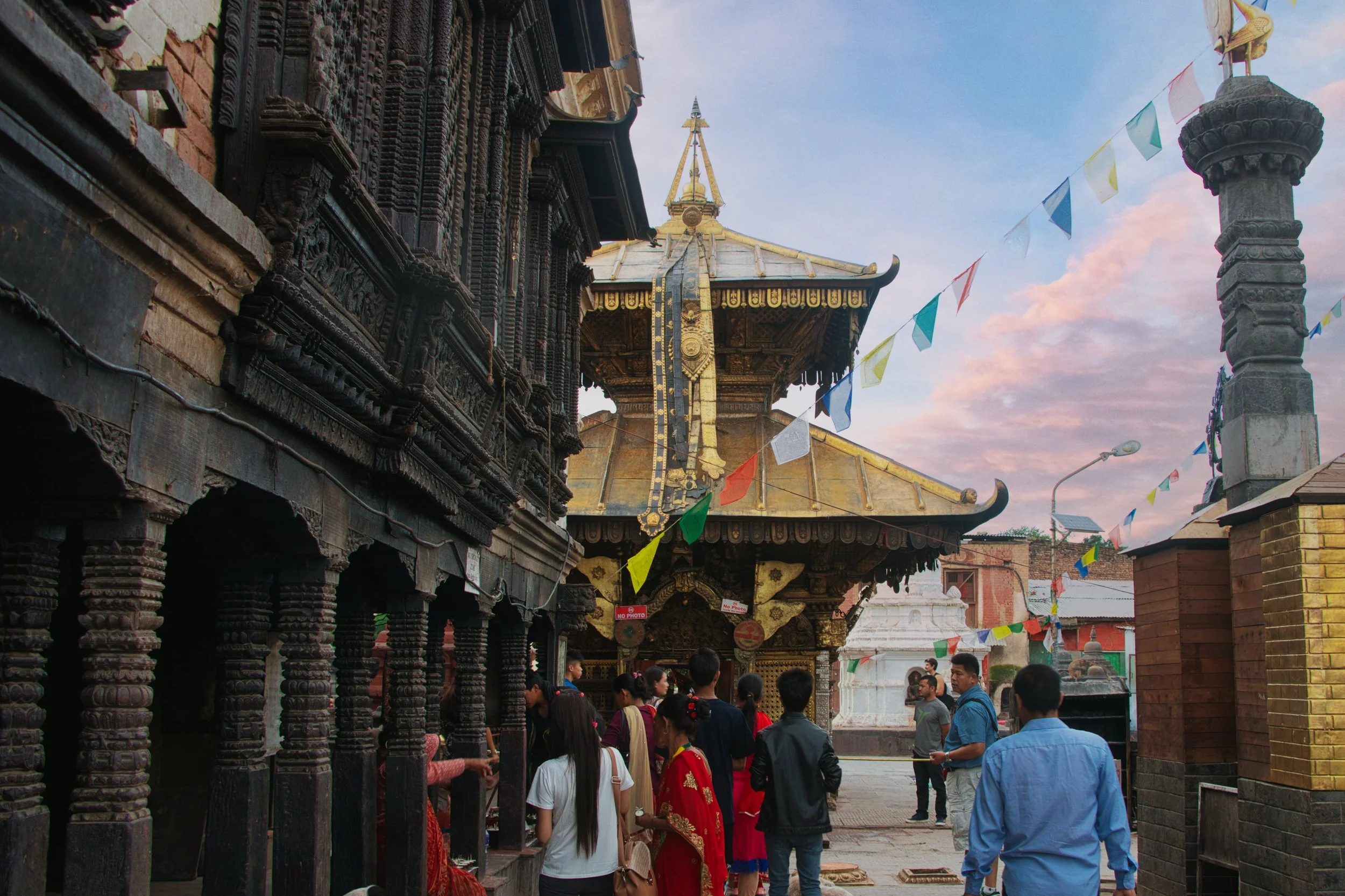
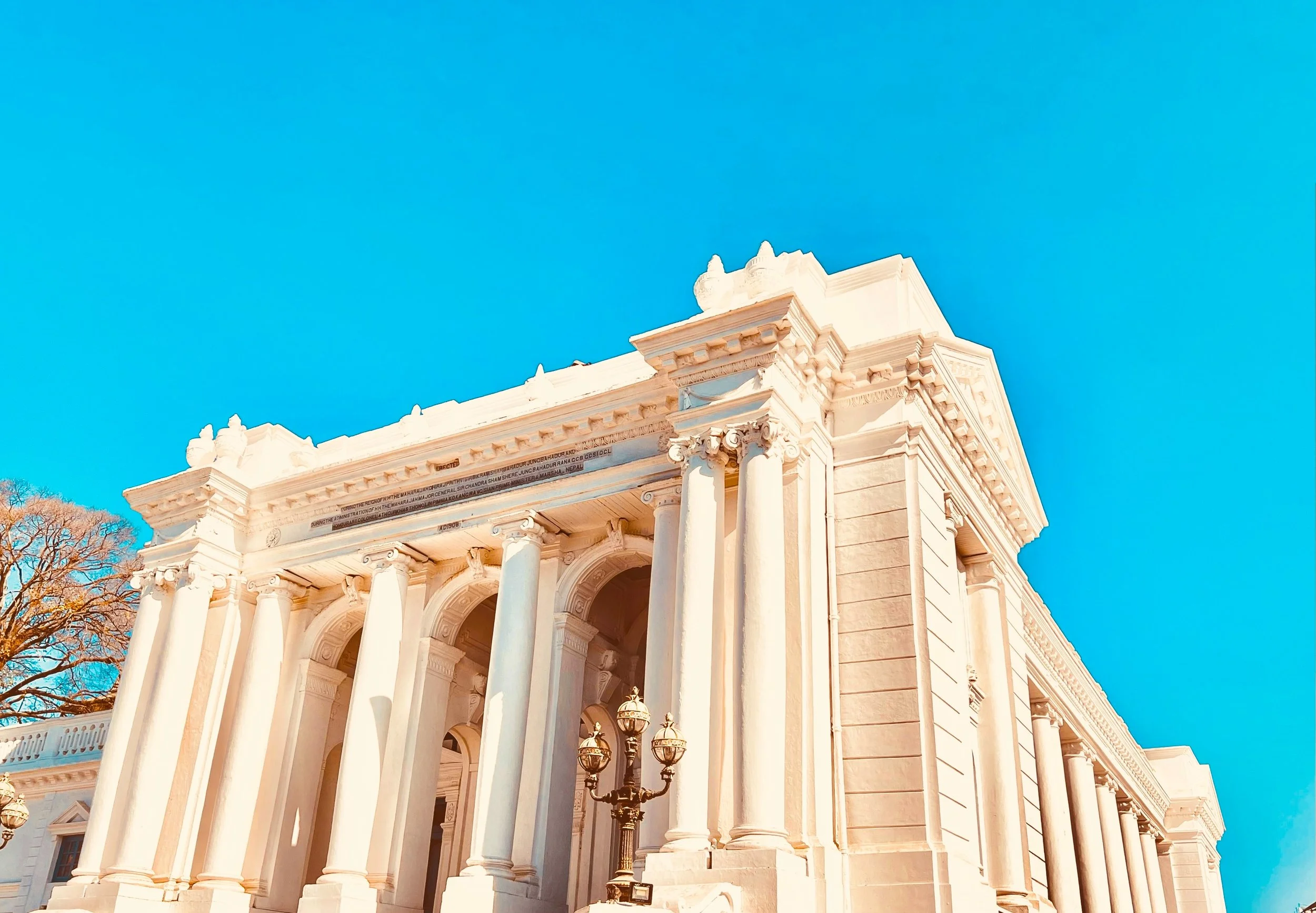
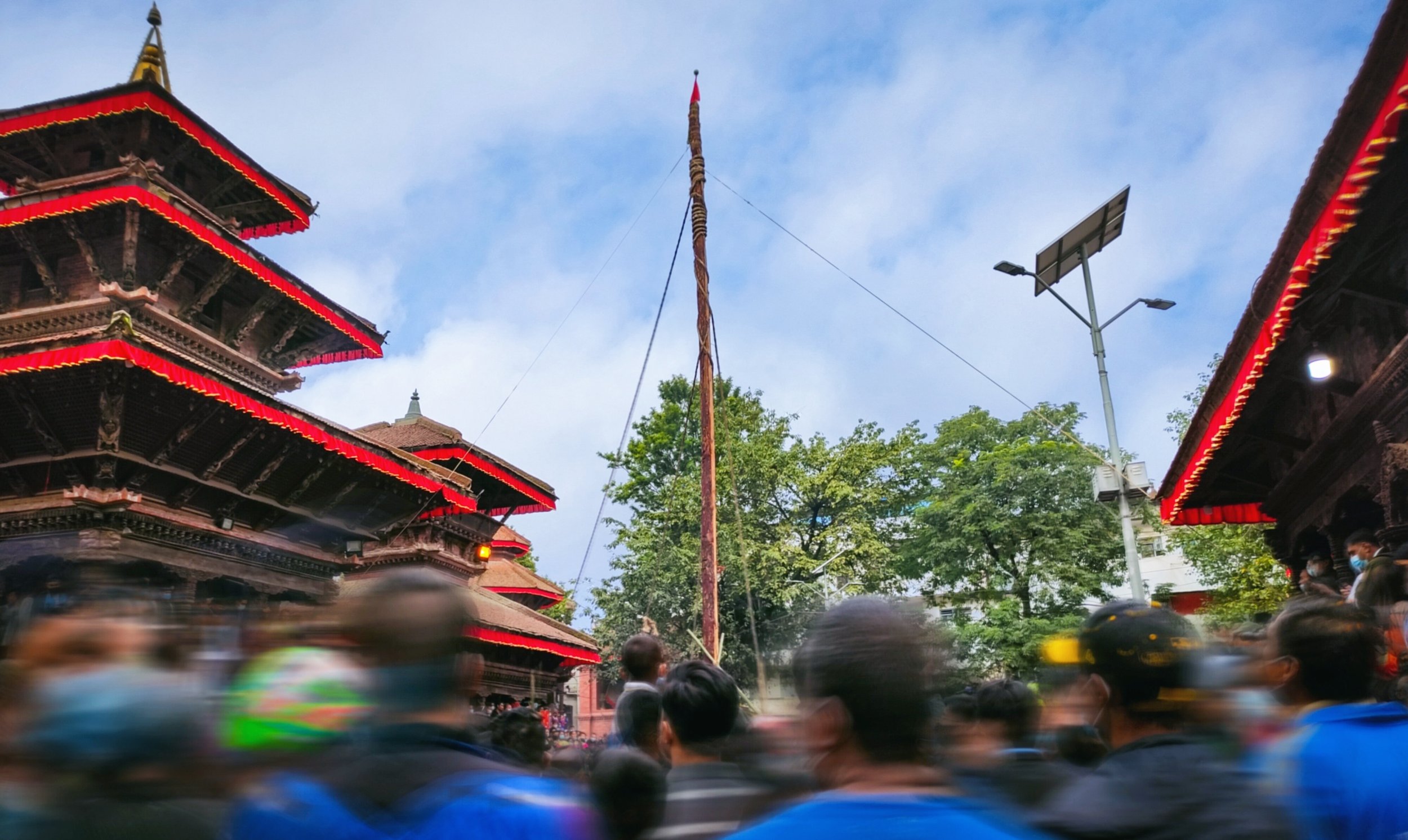
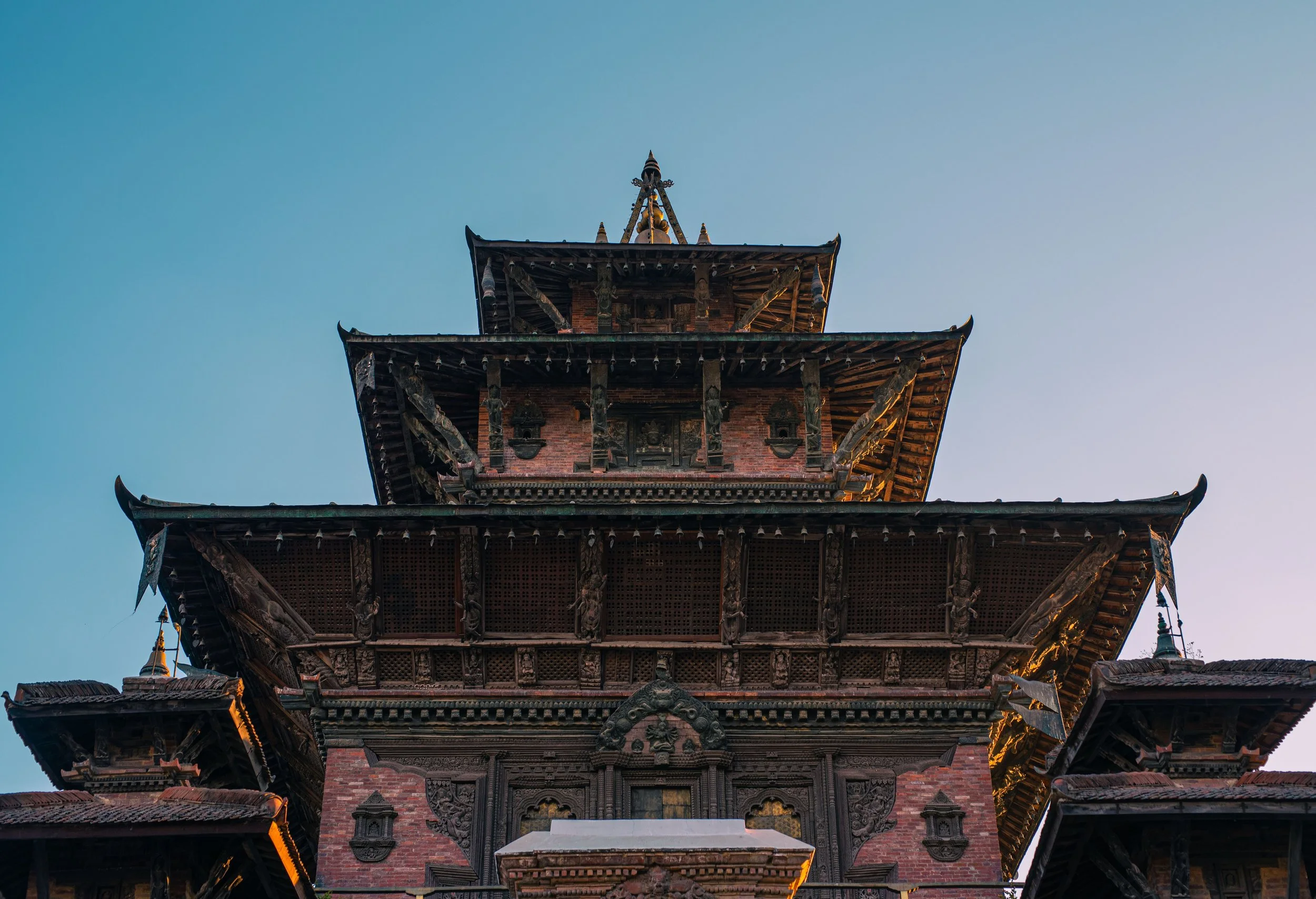

More Than Stone: What Temples and Palaces Can Teach the Modern World
In the old cities of the Kathmandu Valley, temples don’t just sit in place. They shape it. Palaces don’t just preserve history. They continue it. These structures were not built simply to impress. They were built to last, to breathe, and to hold meaning through time.
In the old cities of the Kathmandu Valley, temples don’t just sit in place. They shape it. Palaces don’t just preserve history. They continue it. These structures were not built simply to impress. They were built to last, to breathe, and to hold meaning through time.
Their lessons go far beyond architecture. In fact, they might be exactly what the modern world has forgotten.
Space is Not Just for Use, It’s for Experience
In traditional architecture, rooms were not measured by square footage but by how they felt. Some opened into light. Others offered cool shade at midday. Spaces existed not just to function, but to shift one’s state of being. To create silence, pause, and focus.
Today’s cities often crowd out stillness. But old temples and palaces remind us that space can create attention, not distraction. And beauty can be quiet.
Ritual Built into the Everyday
Temples and palaces weren’t designed apart from life. They were embedded in it. A corridor’s alignment with the rising sun, a step’s echo in a courtyard, the low threshold that asks you to bow your head — these weren’t decorative. They were intentional. They reminded people, gently, of presence.
Even without understanding the rituals, visitors often feel something in these places. A calm that doesn’t need explaining.
The Power of Craft, Not Speed
A carved window that took weeks. A doorway designed to hold light just so. These weren’t shortcuts. They were acts of care. The kind of care rarely found in mass production.
In a world that values efficiency, old buildings remind us of another kind of value. Devotion to detail, even if no one notices at first glance.
Age is Not Decay, It’s Depth
Modern thinking often sees age as a flaw. A thing to repair, repaint, or erase. But temples and palaces wear their age openly. The weathered stone, the softened edges, the soot-darkened walls they are not broken. They are full.
Time doesn’t erode these places. It completes them.
They Were Built for Humans, Not Just for Power
Despite their scale, there’s something deeply human about these spaces. The proportions are gentle. The materials familiar. A palace could be grand and still feel like a home. A temple could feel sacred and still welcome you to sit.
There is dignity here, not from height or spectacle, but from balance.
A Quiet Inheritance
We walk through these places as visitors, but they are not museums. They are inheritances. Of attention. Of slowness. Of grace.
In Kathmandu, this architecture is not just memory. It is a living texture. It slows you down without asking, teaches you without speaking, and offers something softer in a world that often forgets to look up.
POPULAR ITINERARIES
SIMILAR POSTS
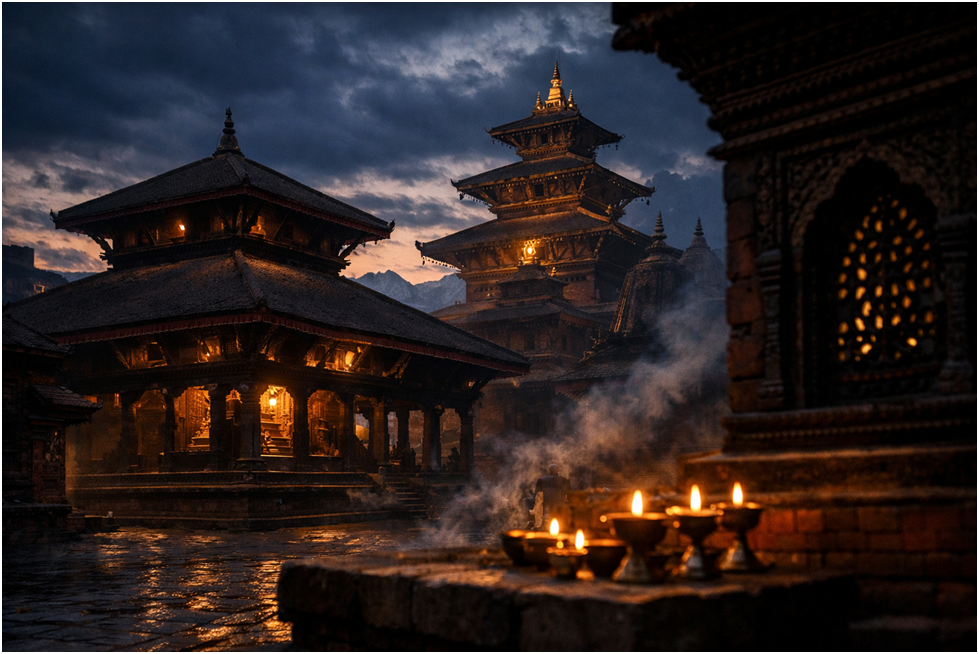
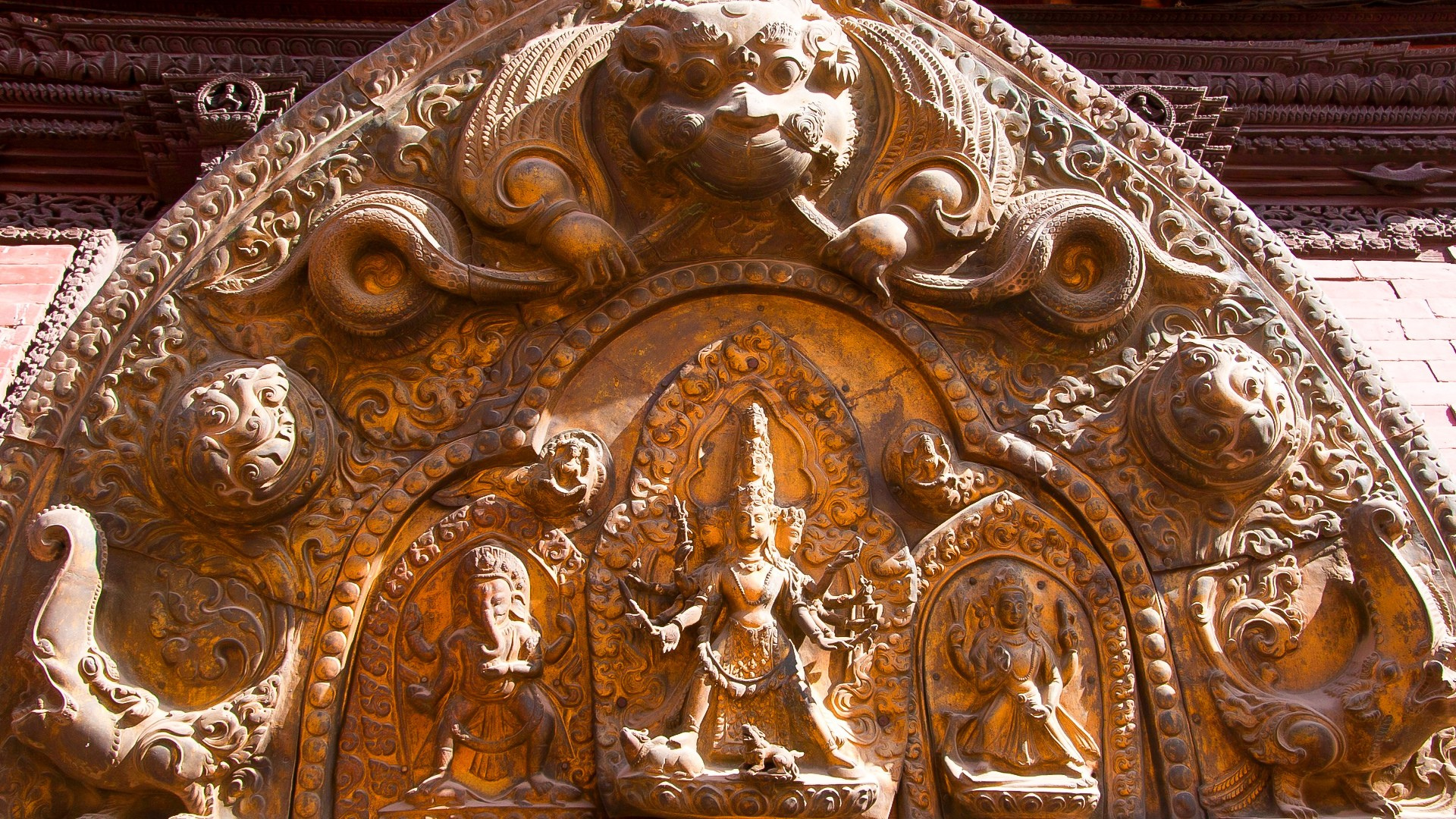
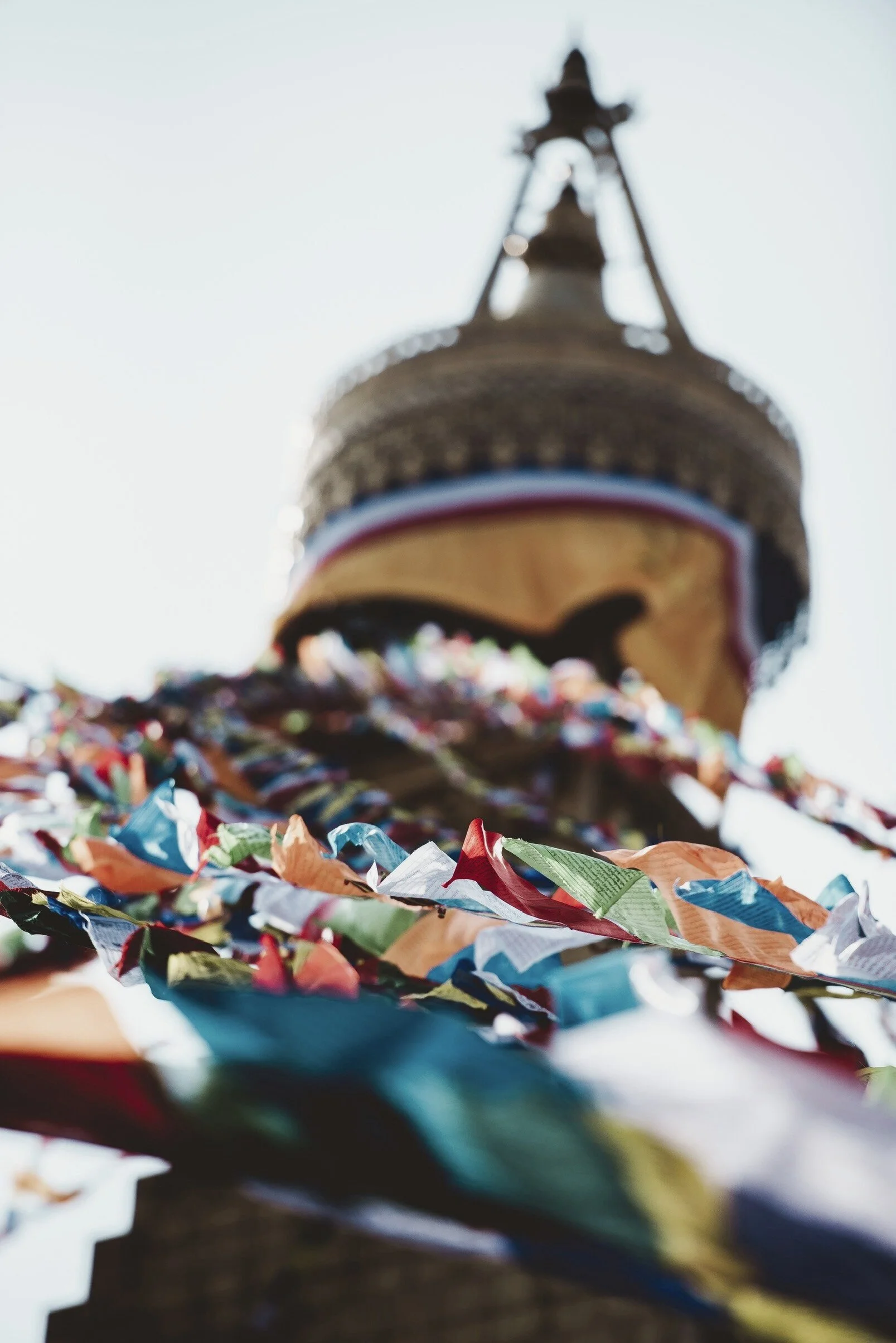
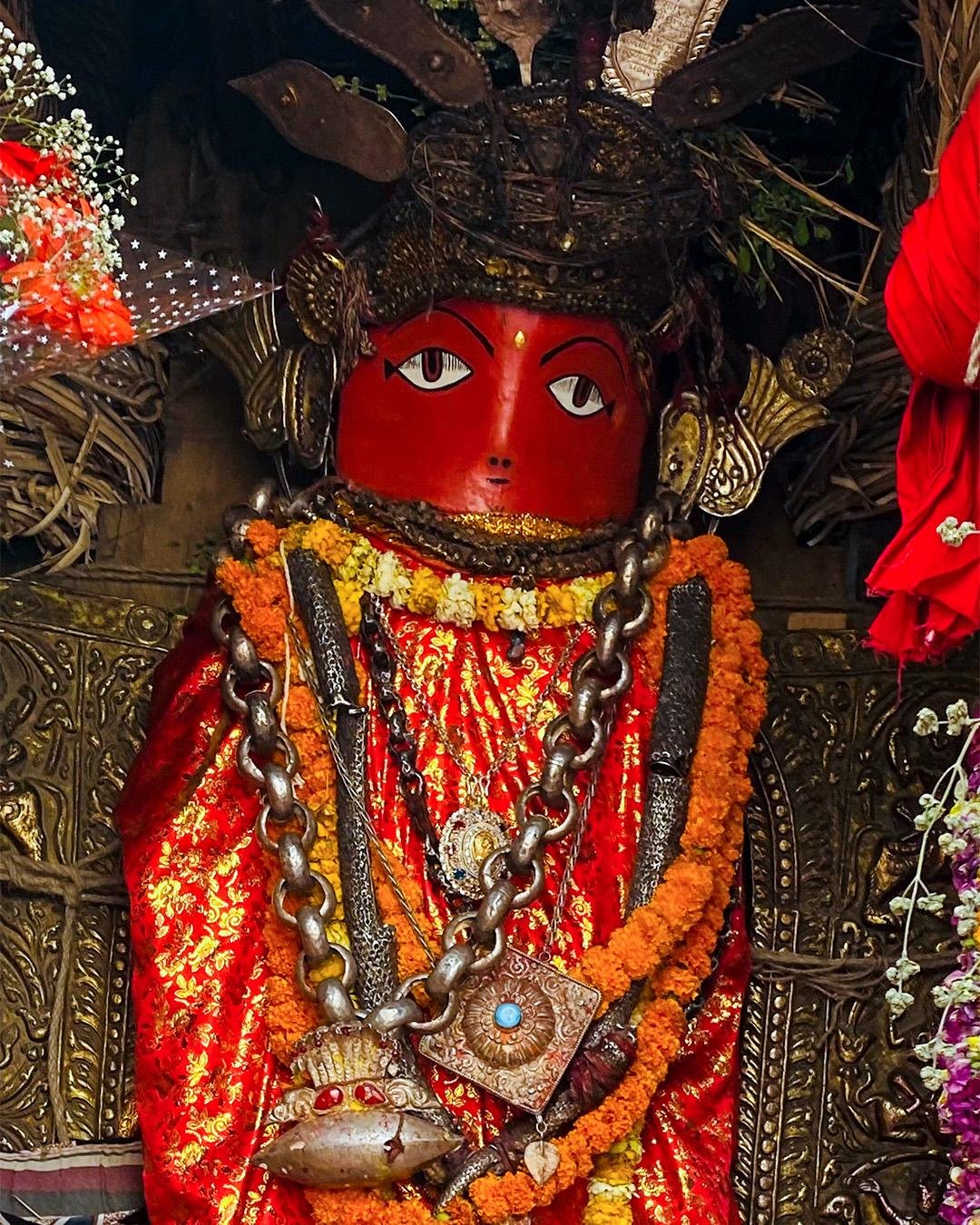

Walking Through the History of Kathmandu
Kathmandu is a place that holds its history close. Every corner, every alley, every old building has a story to tell. It’s a city that rewards slow walks and curious minds.
A City Built on Stories
Kathmandu is a place that holds its history close. Every corner, every alley, every old building has a story to tell. It’s a city that rewards slow walks and curious minds.
If you’re staying at Hotel Shanker, you’re already in a place with its own history. But beyond its gates, the streets of Kathmandu have even more to share. Here are a few places where the past still lives, just a short walk or drive from the hotel.
Ason Bazaar: Where the City Still Breathes
Start your day in Ason Bazaar, one of the oldest markets in Kathmandu. Here, the air is thick with the smell of spices, fresh vegetables, and incense. Narrow lanes twist through old brick buildings, their windows carved with care.
Pause at the Annapurna Temple, a small but sacred spot dedicated to the goddess of abundance. You’ll often find locals stopping to light incense or offer flowers as the market buzzes around them.
Indra Chowk: Where Life Crosses Paths
From Ason, walk toward Indra Chowk, a busy crossroads that has been a meeting point for traders and travelers for centuries.
Take a moment at the Seto Machhindranath Temple, a quieter corner where butter lamps flicker and the smell of marigolds fills the air. It’s a reminder that even in the busiest parts of the city, there is space for quiet reflection.
Basantapur: The Heart of Old Kathmandu
From Indra Chowk, follow the winding lanes to Basantapur, a place known for its tall, wooden pagodas and carved windows.
Look for the Kaathe Swayambhu Stupa, a small but important shrine that echoes the larger stupa on the hill. It’s a good place to pause, take a breath, and watch the city move around you.
Itumbaha Courtyard: A Hidden Gem
Just a short walk from the main squares, Itumbaha is a quiet, hidden courtyard that feels like a step back in time. Built in the 14th century, this Buddhist monastery still holds its original charm, with intricate wood carvings and a peaceful, lived-in atmosphere.
Narayanhiti Palace Museum: A Look at Recent History
End your walk at the Narayanhiti Palace Museum, just a short drive from Hotel Shanker. Once home to Nepal’s kings, this palace is now a museum that offers a glimpse into the country’s recent past.
Walk through the grand halls, past crystal chandeliers and state rooms, and imagine the moments of history that unfolded here.
Coming Back to Quiet
After a day spent moving through the city’s history, coming back to Hotel Shanker feels like a welcome pause. The cool halls, the quiet gardens, and the soft light in the windows offer a different kind of history—a quieter, more personal one.
POPULAR ITINERARIES
SIMILAR POSTS

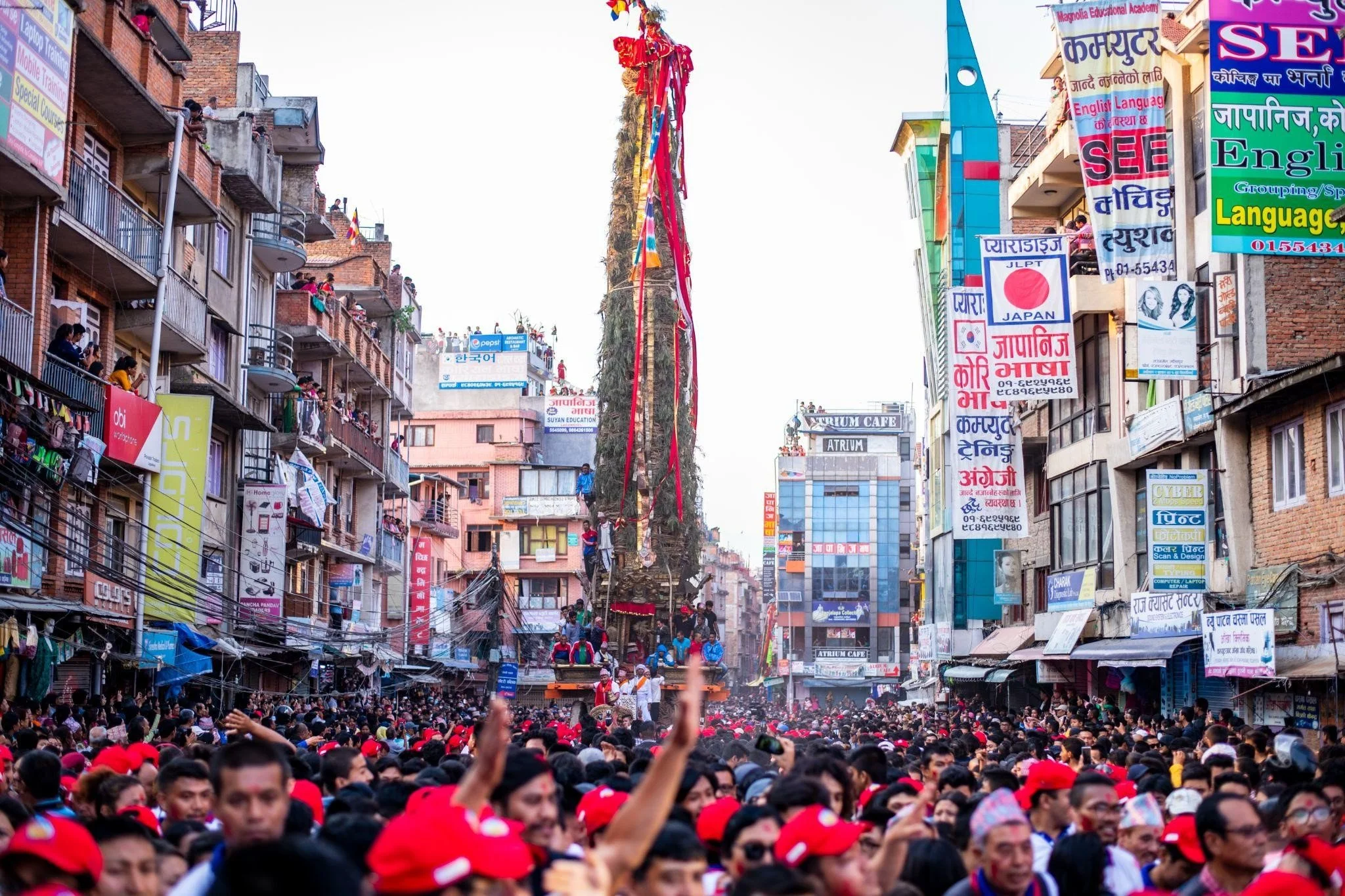
Rato Machhindranath Jatra: A Festival That Moves With the City
Every spring, as the air begins to warm and the days grow longer, the city of Patan prepares for a celebration unlike any other. Rato Machhindranath Jatra is one of the oldest and most respected festivals in Nepal. Its roots go back more than a thousand years, and its meaning still feels just as strong today.
An Ancient Celebration in the Heart of the Valley
Every spring, as the air begins to warm and the days grow longer, the city of Patan prepares for a celebration unlike any other. Rato Machhindranath Jatra is one of the oldest and most respected festivals in Nepal. Its roots go back more than a thousand years, and its meaning still feels just as strong today.
This isn’t a festival that happens on a stage or behind closed doors. It happens right in the middle of the streets. The entire city becomes part of it. People don’t just watch—they walk alongside it. They help pull the ropes, offer prayers, and tell stories to the younger ones who are seeing it for the first time.
The Story Behind the Festival
At the center of the Jatra is the deity Rato Machhindranath, believed to be the bringer of rain and protector of the valley. According to legend, there was once a time when no rain fell, and famine spread across the land. The people prayed and asked for help. When they brought the deity to the valley, the rains returned, and life began to grow again.
Since then, the people of Patan and Kathmandu have honored this gift by building a tall wooden chariot each year, placing the image of Rato Machhindranath inside, and pulling it through the city. The chariot is made entirely by hand using traditional tools and techniques passed down through generations. Each part of it has meaning. Each gesture during the procession carries memory.
A City in Motion
The procession itself is slow and careful. It can take several weeks for the chariot to complete its journey, moving from Pulchowk through the narrow streets and open squares of Patan. Along the way, communities gather to offer flowers, light lamps, and pay their respects. Musicians play traditional instruments. Children laugh and chase one another. Elders sit quietly and watch.
This is not a performance. It is daily life, paused for something sacred.
For Locals and Visitors Alike
For someone seeing the Jatra for the first time, it can feel overwhelming in the most beautiful way. There is so much to take in—the sounds, the colors, the energy of the people. But more than that, there’s a feeling of being part of something that has existed long before and will continue long after.
Visitors staying at Hotel Shanker during this time are in a special position. You can experience the liveliness of the festival by day, and return by evening to a space filled with calm. The hotel’s location offers easy access to the heart of the valley, yet its gardens, quiet halls, and graceful rooms provide a contrast that feels deeply welcome after a day spent amidst the celebration.
Why the Festival Still Matters Today
In today’s fast-moving world, where traditions often fade or change, Rato Machhindranath Jatra remains grounded. It’s not just about religion. It’s about community. It’s about remembering what it means to come together for something shared—something old, and yet still alive.
The Jatra reminds us that belief doesn’t always live in temples. Sometimes, it lives in the hands that pull the chariot ropes. In the feet that walk the route. In the voices that call out to friends from the rooftops. It lives in moments that are not rushed, but carried forward—slowly, with care.
A Festival to Witness, A Place to Rest
At Hotel Shanker, we believe in the value of these moments. We know that every guest who walks through our doors carries stories, just as this city does. That’s why we offer a space where you can not only rest, but reflect. A stay here during the Jatra isn’t just convenient—it’s meaningful.
You return not only to luxury, but to something that understands the rhythm of the valley. Something that holds history, just like the festival outside its gates.
POPULAR ITINERARIES
SIMILAR POSTS

Five Places to Visit in Kathmandu Before the Monsoon Arrives
Whether you’re a first-time visitor or a returning soul, here’s a curated five-stop itinerary, best enjoyed at an unhurried pace—with each journey beginning and ending in the quiet elegance of Hotel Shanker.
As Kathmandu begins to warm and the skies still hold their clarity, late spring and early summer reveal the valley in its gentlest light. Before the monsoon clouds roll in and the streets soften under seasonal rain, there’s a golden window—a time for walking, wandering, and witnessing the city’s timeless beauty.
Whether you’re a first-time visitor or a returning soul, here’s a curated five-stop itinerary, best enjoyed at an unhurried pace—with each journey beginning and ending in the quiet elegance of Hotel Shanker.
1. Patan Durbar Square – Where Craft Lives in Stone and Bronze
Start your morning in Lalitpur, just a short drive from the hotel. Patan Durbar Square is not just a UNESCO site—it’s a living museum of Newa architecture, temples, courtyards, and intricate metalwork still shaped by hand.
Wander through the golden windows, enter ancient palace chambers, and visit artisan studios tucked inside alleys. Mornings here are quieter, and the sun on the red brick is particularly poetic before noon.
Tip: Stop by the Patan Museum café for a peaceful coffee break surrounded by history.
2. Garden of Dreams – A Midday Retreat
By midday, retreat into the shaded elegance of the Garden of Dreams, just a short stroll from Thamel and only minutes from Hotel Shanker. With neoclassical pavilions, koi ponds, and manicured greenery, it’s an oasis meant for rest and reflection.
Settle into a bench, journal, read—or simply listen to the soft hum of the city fading beyond the garden walls.
Tip: The onsite Kaiser Café offers light meals and shaded verandas for lunch.
3. Swayambhunath – A View with Soul
As the day leans into afternoon, ascend to Swayambhunath Stupa, also known as the Monkey Temple. Perched on a hilltop overlooking the Kathmandu Valley, this spiritual site offers one of the best panoramic views before monsoon haze sets in.
Climb slowly. Spin the prayer wheels. Let the wind carry the sound of mantras as prayer flags flutter above the rooftops.
Tip: Visit before golden hour for softer light and fewer crowds.
4. Boudhanath – Circles of Stillness
As evening approaches, visit Boudhanath Stupa—one of the largest and most revered in the world. Walk clockwise around the stupa with locals, monks, and pilgrims. The rhythmic motion, flickering butter lamps, and slow swirl of incense create an atmosphere of deep presence.
This is where the day begins to quiet.
Tip: Head to a rooftop café for tea as the stupa glows under soft lantern light.
5. Return to Calm: Hotel Shanker at Dusk
After a day of exploration, there’s nothing more comforting than returning to a place that feels like an embrace. At Hotel Shanker, twilight takes on a special stillness. The pool reflects the last of the light, the garden cools, and the scent of lemongrass might greet you in the lobby.
Whether you retreat to your heritage room, unwind with an evening drink, or take a moment beneath the palace arches—you’re not just ending a day. You’re continuing a story.
The Season to Wander
Kathmandu before the monsoon is a city caught in golden light. It is warm, but not heavy. Alive, but not rushed. This is the season to trace old pathways, seek quiet corners, and let the city show you its more poetic face.
And there’s no better place to begin—or return—than a palace built for rest.
Hotel Shanker. A stay with a story.
POPULAR ITINERARIES
SIMILAR POSTS
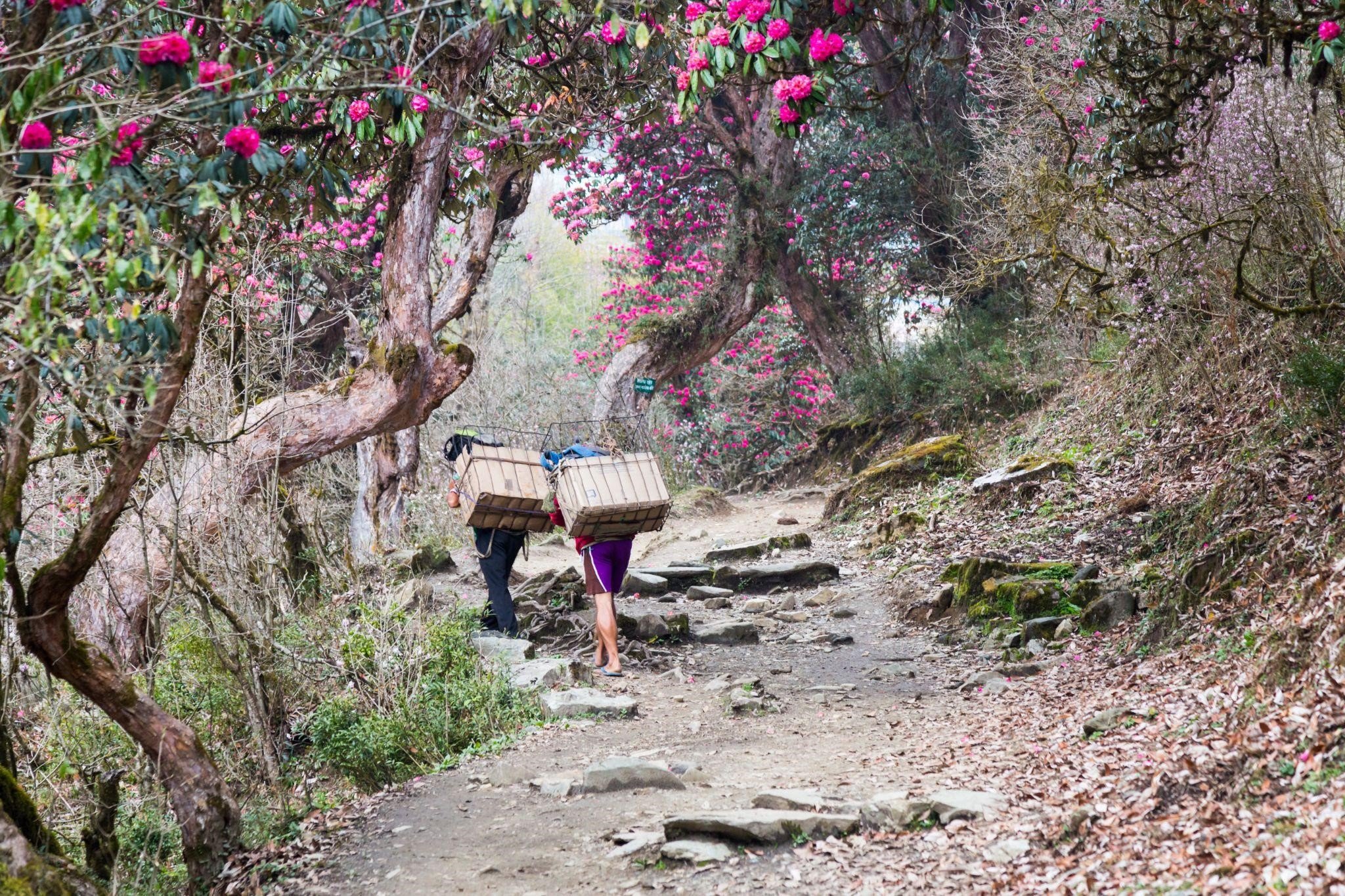

A Palace for Summer: How to Stay Cool in Kathmandu’s Warmer Months
As the sun climbs higher and the rhythm of Kathmandu slows with the season, a certain kind of traveler seeks more than air-conditioned interiors. They seek calm. Shade. Stillness.
At Hotel Shanker, summer is not something to escape from—it’s something to experience differently. Within these palace walls, the warmth of the season is softened by space, design, and the quiet dignity of a place that was built to breathe.
The Architecture of Ease
Long before the invention of modern cooling systems, palaces like Shanker were designed with purpose. High ceilings, wide corridors, and thick stone walls naturally temper the heat, allowing rooms to remain airy and pleasant even during Kathmandu’s warmest afternoons.
Courtyards and arched verandas invite breezes through the property. Windows are placed not just for light, but for circulation. In a city that often hums with heat, Hotel Shanker offers a spatial exhale—a cool pause between journeys.
Mornings in the Garden
Before the city stirs, our gardens are already alive. Sunlight dapples through ancient trees as birdsong floats across iron tables and trimmed hedges. Guests sip tea slowly, leaf through newspapers, or simply watch the day begin.
It is a ritual in stillness—a reminder that summer mornings can be savored, not rushed.
Afternoons That Ask Less of You
As the day grows warmer, retreat becomes rhythm. Wide hallways stay shaded and quiet. Rooms glow with natural light softened by wooden blinds. Whether you’re resting after temple visits or working from a peaceful corner, there’s a gentle dignity to slowing down here.
And for those seeking refreshment: a chilled welcome drink, hand towels infused with lemongrass, or a dip in the serene outdoor pool, surrounded by greenery that absorbs the sun before it reaches you.
Evenings That Glow, Not Glare
When the light begins to fade, Hotel Shanker takes on a new kind of warmth. Garden lamps flicker on. The pool reflects a softer sky. Dining tables are set beneath trees or inside intimate corners, where candlelight plays on polished wood and conversation feels unhurried.
This is not just dinner. It is repose. A way of closing the day with grace.
Designed for Seasons, Built for Stories
Summer at Hotel Shanker is not an inconvenience to be managed—it is an atmosphere to be embraced. Here, heritage is not frozen in time. It adapts, responds, and continues to host with thoughtful ease.
To stay with us in summer is to experience the rare blend of architectural intelligence, quiet hospitality, and the beauty of letting the season unfold at its own pace.
Coolness isn’t just a temperature, it’s a way of being.
And some places have known this all along.
POPULAR ITINERARIES
SIMILAR POSTS

The Quiet Majesty of Hotel Shanker: A Palace for the Present
Hotel Shanker is not simply a luxury hotel. It is a timeless estate, a retreat that lives in the present while holding hands with the past. The grandeur is there—make no mistake—but it doesn’t shout. It lingers, breathes, and waits to be noticed.
In a city where stories rise from every temple spire and every turning alley, there stands a palace that doesn’t compete with the noise. It doesn’t ask to be looked at—but it’s impossible not to feel its presence.
Hotel Shanker is not simply a luxury hotel. It is a timeless estate, a retreat that lives in the present while holding hands with the past. The grandeur is there—make no mistake—but it doesn’t shout. It lingers, breathes, and waits to be noticed.
A Legacy Not Just Preserved, But Lived
Built in 1894 as the private residence of a powerful Rana noble, the building was conceived as a palace—not just in scale, but in soul. Its neoclassical architecture, Italian marbles, intricately carved wooden columns, and arched walkways once hosted royalty and foreign emissaries.
Today, these same halls welcome travellers from across the world—not to replicate the past, but to offer them something it rarely does anymore: presence.
You don’t just stay at Hotel Shanker. You settle into it.
Like an old chair that remembers your shape. Like light that already knows the corner it will land on.
Where Time Slows, And You Notice
Step through its carved wooden doors and you’ll feel the difference instantly.
Not because there’s spectacle—but because there isn’t.
There’s no rush here. The gardens don’t bloom for attention, yet they do. The service doesn’t try to impress, yet it lingers long after. And the rooms—sun-warmed and silent—don’t need to be filtered to feel remarkable.
It is this effortless stillness that defines the Shanker experience. In a world where luxury has become synonymous with excess, Hotel Shanker redefines it as space, dignity, and thoughtful restraint.
Kathmandu Outside, Stillness Within
Step outside and you’re in the heart of Kathmandu—minutes from Durbar Square, Thamel’s maze-like streets, and the spiritual rhythm of Pashupatinath. But within these grounds, something rare happens.
The chaos softens. The noise drops its shoulders.
Hotel Shanker becomes not just a break from the city—but a recalibration.
You begin to hear again—your thoughts, your breath, the quiet rustle of trees against old brick. You begin to feel your own pace. It’s not what you escape to; it’s what you return to.
Not Just Heritage. Harmony.
There’s something rare about places that evolve without erasing themselves. Hotel Shanker has added modern comfort, but never at the cost of its character. Its pool sits quietly under the shadow of ancient trees. Its corridors still carry the weight of hand-polished wood and soft echoes of movement.
Each detail, from the placement of a candle to the feel of a doorknob, tells you something: someone thought about this. Someone thought about you.
And in this, the palace has not become a relic—it has become a home. A home where history isn’t put behind glass, but folded into your stay.
A Stay That Doesn’t Ask You to Perform
What makes Hotel Shanker truly rare is not its age, or architecture, or accolades.
It’s the fact that here, you don’t need to be anyone but yourself.
You’re not asked to admire. You’re not expected to be impressed.
You’re simply received, in the most dignified way hospitality can offer—without spectacle, but with soul.
Hotel Shanker is not a place you look at—it’s a place you feel.
It holds space for your thoughts, slows down your days, and gently reminds you that true luxury has nothing to prove.
POPULAR ITINERARIES
SIMILAR POSTS

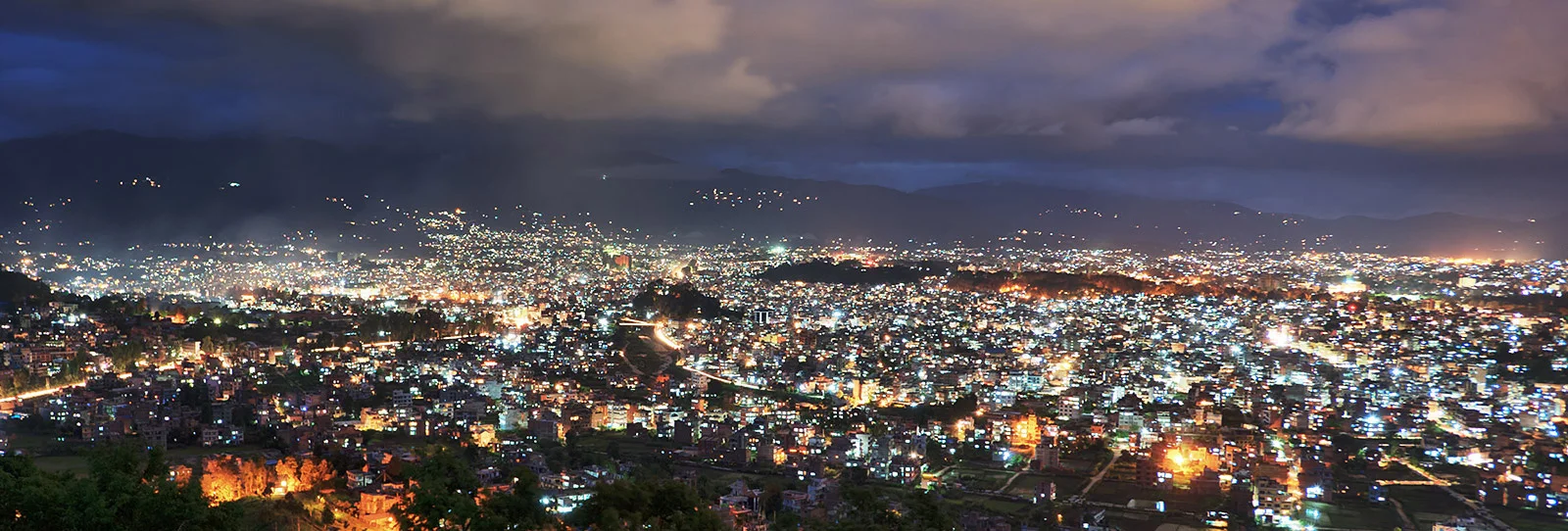
Kathmandu by Night: The Best Places to Experience the City After Dark
Kathmandu may be known for its temples and cultural heritage, but as the sun sets, the city transforms into a lively and enchanting destination. Whether you’re looking for a peaceful spiritual experience, a vibrant nightlife scene, or a cozy heritage retreat, Kathmandu at night has something for everyone. Here’s a quick guide to the best places to experience the city after dark.
Kathmandu may be known for its temples and cultural heritage, but as the sun sets, the city transforms into a lively and enchanting destination. Whether you’re looking for a peaceful spiritual experience, a vibrant nightlife scene, or a cozy heritage retreat, Kathmandu at night has something for everyone. Here’s a quick guide to the best places to experience the city after dark.
1. Boudhanath Stupa: A Spiritual Glow in the Night
One of Nepal’s most iconic Buddhist sites, Boudhanath Stupa, takes on a magical ambiance in the evening. The golden stupa, illuminated under the night sky, is surrounded by monks chanting mantras and pilgrims spinning prayer wheels. The nearby rooftop cafes provide the perfect spot to soak in the peaceful energy with a cup of traditional butter tea.
Best time to visit: 6 PM – 9 PM for a quiet, meditative experience.
2. Thamel: The Heartbeat of Kathmandu’s Nightlife
Thamel is the go-to place for those looking for a lively atmosphere after dark. Packed with bars, restaurants, and live music venues, it’s where locals and travelers come together to unwind. Popular spots like Purple Haze Rock Bar and Reggae Bar offer fantastic live performances, while cozy cafes like OR2K provide a laid-back setting for drinks and conversations.
Best time to visit: 7 PM – midnight for the full nightlife experience.
3. Pashupatinath Temple: The Evening Aarti Ceremony
For a deeply spiritual experience, head to Pashupatinath Temple during the evening aarti (ritual prayer ceremony). The mesmerizing sight of priests chanting Vedic hymns, ringing bells, and offering flames to the Bagmati River is a must-see. This ritual creates a mystical atmosphere that leaves a lasting impression on visitors.
Best time to visit: 6:30 PM – 8 PM (Aarti starts around 7 PM).
4. Durbar Marg: Fine Dining & Luxury Evenings
For a more upscale evening, Durbar Marg is home to some of Kathmandu’s finest restaurants and lounges. From international cuisine to stylish cocktail bars, this area is perfect for a relaxed yet sophisticated night out. Venues like Mezze by Roadhouse and Trisara offer great ambiance, delicious food, and craft cocktails.
Best time to visit: 7 PM – 11 PM for a refined dining experience.
5. Kunti Bar at Hotel Shanker: A Heritage Cocktail Experience
For those who prefer a more exclusive and intimate night out, Kunti Bar at Hotel Shanker is a hidden gem. Offering a mix of classic and signature cocktails, the bar blends old-world charm with modern mixology. Its heritage ambiance and refined atmosphere make it a perfect place to unwind with a drink in hand.
Best time to visit: 6 PM – 11 PM for a relaxed, elegant evening.
6. Swayambhunath (Monkey Temple): Night Views of Kathmandu
For stunning panoramic views of Kathmandu, head to Swayambhunath Stupa at night. The city lights twinkling below, combined with the peaceful energy of this ancient site, create a surreal experience. It’s a quieter alternative to the city’s busier nightlife spots.
Best time to visit: 7 PM – 9 PM for breathtaking night views.
Conclusion: The Magic of Kathmandu After Dark
Whether you’re exploring sacred sites, enjoying live music, or sipping a cocktail in a historic setting, Kathmandu offers a diverse range of night experiences. For a perfect blend of heritage and luxury, Hotel Shanker provides the ideal base, ensuring comfort and elegance after a night of adventure in the city.
📍 Book your stay and experience Kathmandu by night in style.
POPULAR ITINERARIES
SIMILAR POSTS

The Rich Traditions of Nepal: A Guide for First-Time Visitors
Every moment in Nepal is a story woven in tradition. Witness centuries-old rituals, vibrant festivals, and warm hospitality that make this land truly unique.
Introduction: A Land of Living Traditions
Nepal is a country where ancient traditions thrive amidst modern life. From vibrant festivals and spiritual rituals to warm hospitality and artistic heritage, Nepal’s culture is deeply immersive. If you're visiting for the first time, here’s a quick guide to Nepal’s rich traditions that will make your trip even more meaningful.
1. Festivals: Nepal’s Cultural Heartbeat
Nepal is known as the “Land of Festivals”, with celebrations happening year-round.
● Dashain (Sep/Oct) – Nepal’s biggest Hindu festival, symbolizing the victory of good over evil.
● Tihar (Oct/Nov) – The festival of lights, similar to Diwali, celebrating animals, family, and prosperity.
● Holi (March) – The festival of colors, celebrated with vibrant powders and joyful gatherings.
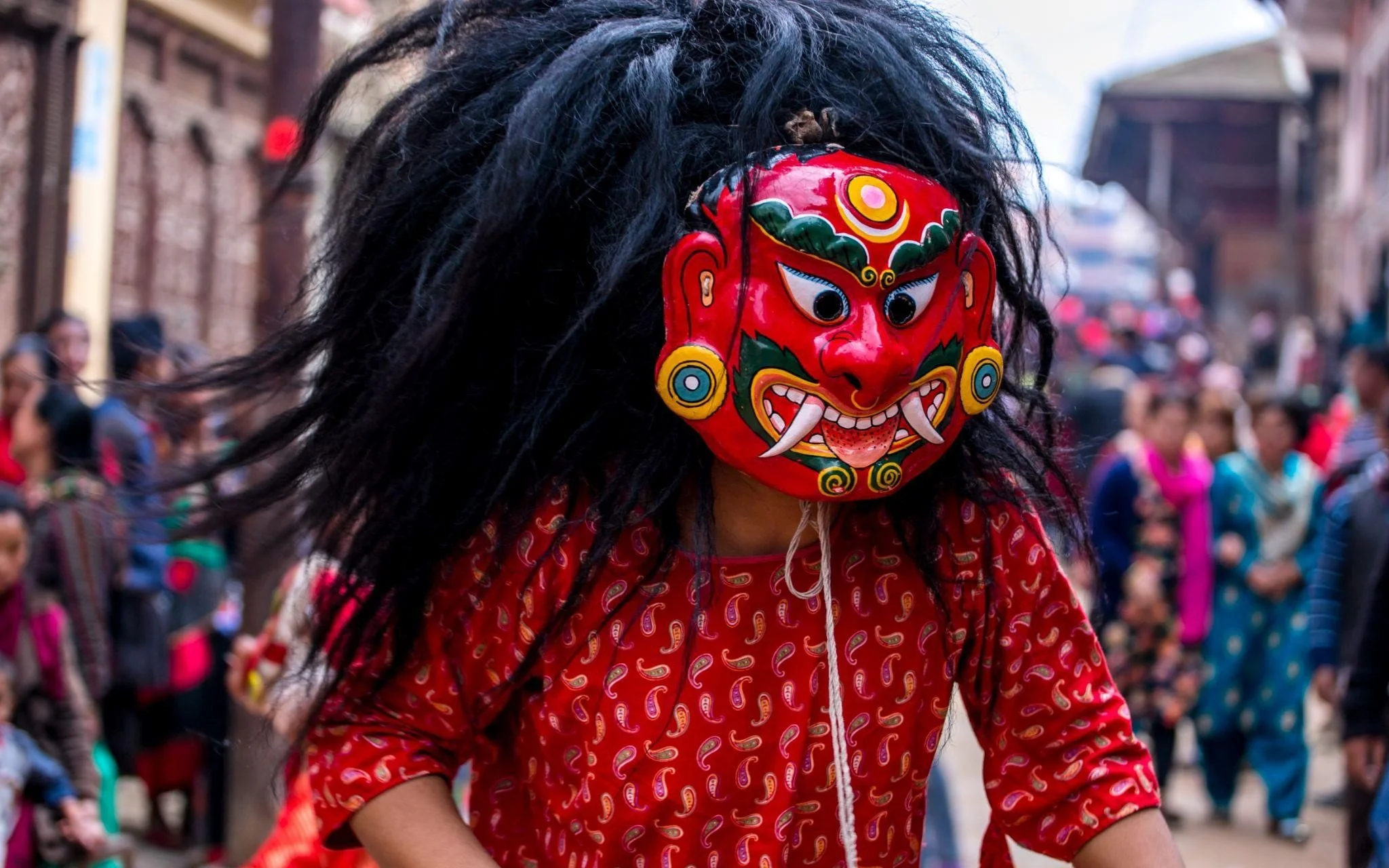
● Indra Jatra (Sep) – Kathmandu’s grand street festival featuring masked dances and chariot processions.
Tip: If visiting during a festival, immerse yourself in the celebrations with respect and curiosity.
2. Spiritual Traditions & Rituals
Nepal is a sacred land where Hindu and Buddhist traditions coexist.
● Morning Temple Rituals – Locals offer prayers, light incense, and ring bells at dawn.
● Kora (Stupa Walks) – Pilgrims walk around stupas like Boudhanath, spinning prayer wheels.
● Cremation Rituals at Pashupatinath – A deep spiritual practice along the Bagmati River.
● The Living Goddess (Kumari) – A revered young girl, seen at Kumari Ghar in Kathmandu Durbar Square.
Tip: Dress modestly and follow local customs when visiting religious sites.
3. Nepali Hospitality: More Than Just a Welcome
Nepali culture values “Atithi Devo Bhava” (Guest is God). Expect warm hospitality wherever you go.
● Tika & Garland Welcome – A red tika on the forehead and flower garland symbolize blessings.
● Tea Culture – A cup of chiya (milk tea) is a must in every home and shop.
● Dal Bhat Tradition – The beloved Nepali meal of rice, lentils, and side dishes fuels locals daily.
Tip: If invited into a home, accept tea and food—it’s a sign of respect and warmth.
4. Art, Crafts & Heritage Architecture
Nepal’s artistic legacy is found in its temples, palaces, and handicrafts.
● Patan Durbar Square – A masterpiece of Newari architecture.
● Bhaktapur’s Pottery Square – Home to centuries-old pottery-making traditions.
● Thangka Paintings – Intricate Buddhist art used for meditation.
● Handwoven Dhaka Fabric – Nepal’s traditional textile, often made into shawls and caps.
Tip: Support local artisans by buying authentic, handmade crafts.
5. Traditional Attire & Symbols
● Daura Suruwal & Dhaka Topi (Men) – Nepal’s national dress for men.
● Gunyu Cholo & Sari (Women) – Worn during festivals and special occasions.
● Sindoor & Bangles – Symbols of marriage in Hindu culture.
Tip: You can rent or buy traditional outfits for cultural events or photos.
6. Newari Traditions: A Unique Cultural Experience
The Newar community, Kathmandu’s indigenous people, have preserved Nepal’s oldest traditions.
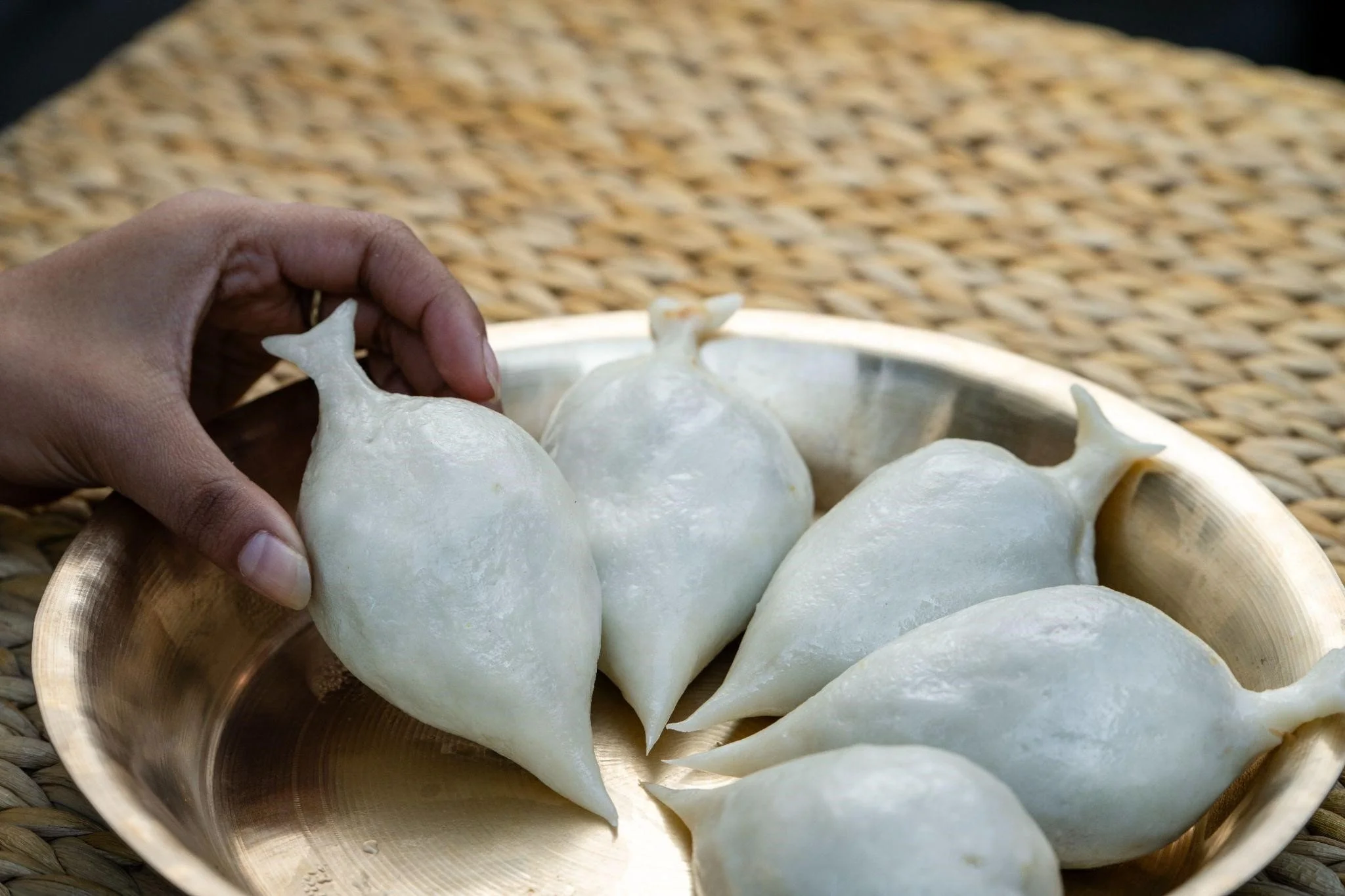
● Newari Feasts – Dishes like Yomari (sweet dumplings) and Newari Khaja Set are must-tries.
● Jatras (Street Festivals) – Indra Jatra and Bisket Jatra feature grand chariot processions.
Tip: If you’re in Kathmandu during a Newari festival, don’t miss the street celebrations.
Conclusion: A Journey into Nepal’s Soul
Nepal’s traditions add depth and meaning to any visit. Whether you’re exploring heritage sites, joining local festivals, or experiencing Nepali hospitality, every moment is steeped in culture.
For a heritage-rich stay, Hotel Shanker offers the perfect blend of history and luxury, placing you close to Kathmandu’s cultural wonders.
📍 Book your stay today and explore Nepal’s living traditions.
POPULAR ITINERARIES
SIMILAR POSTS
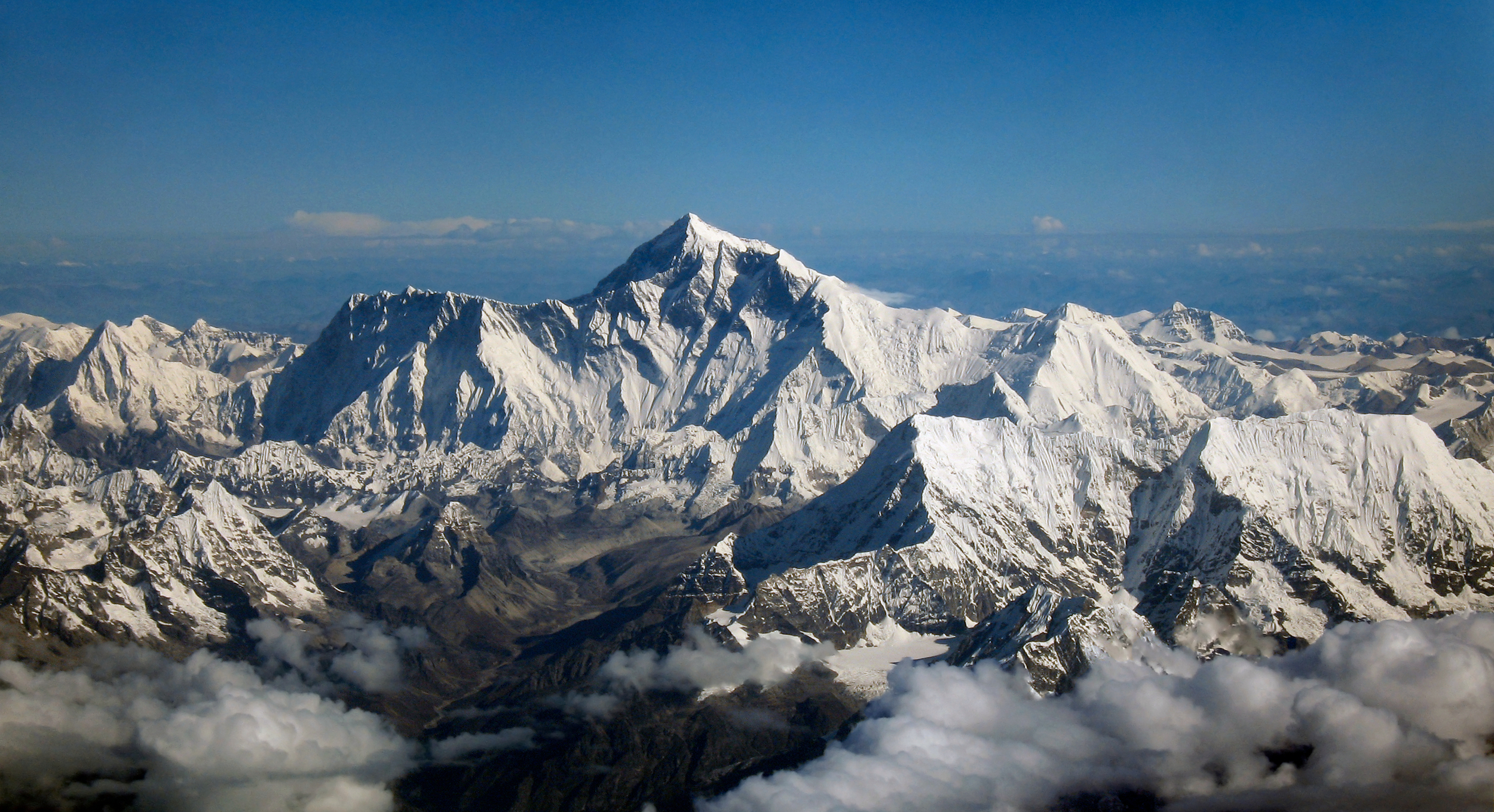
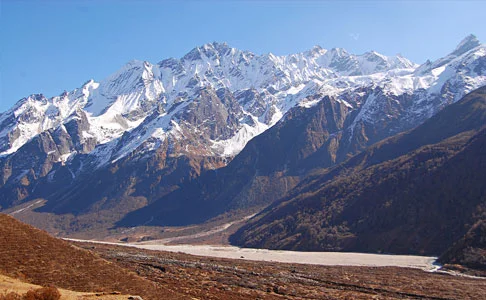
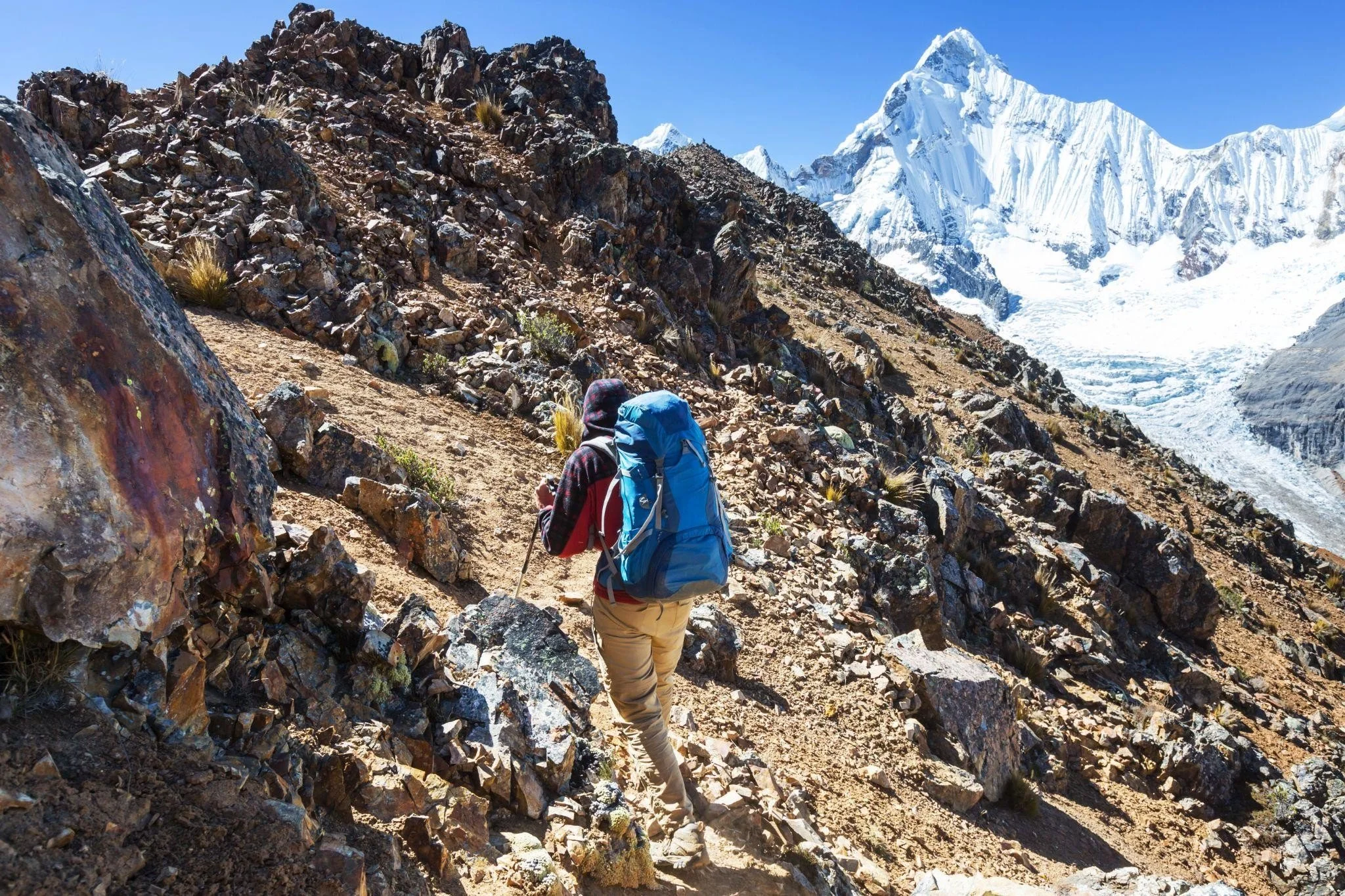
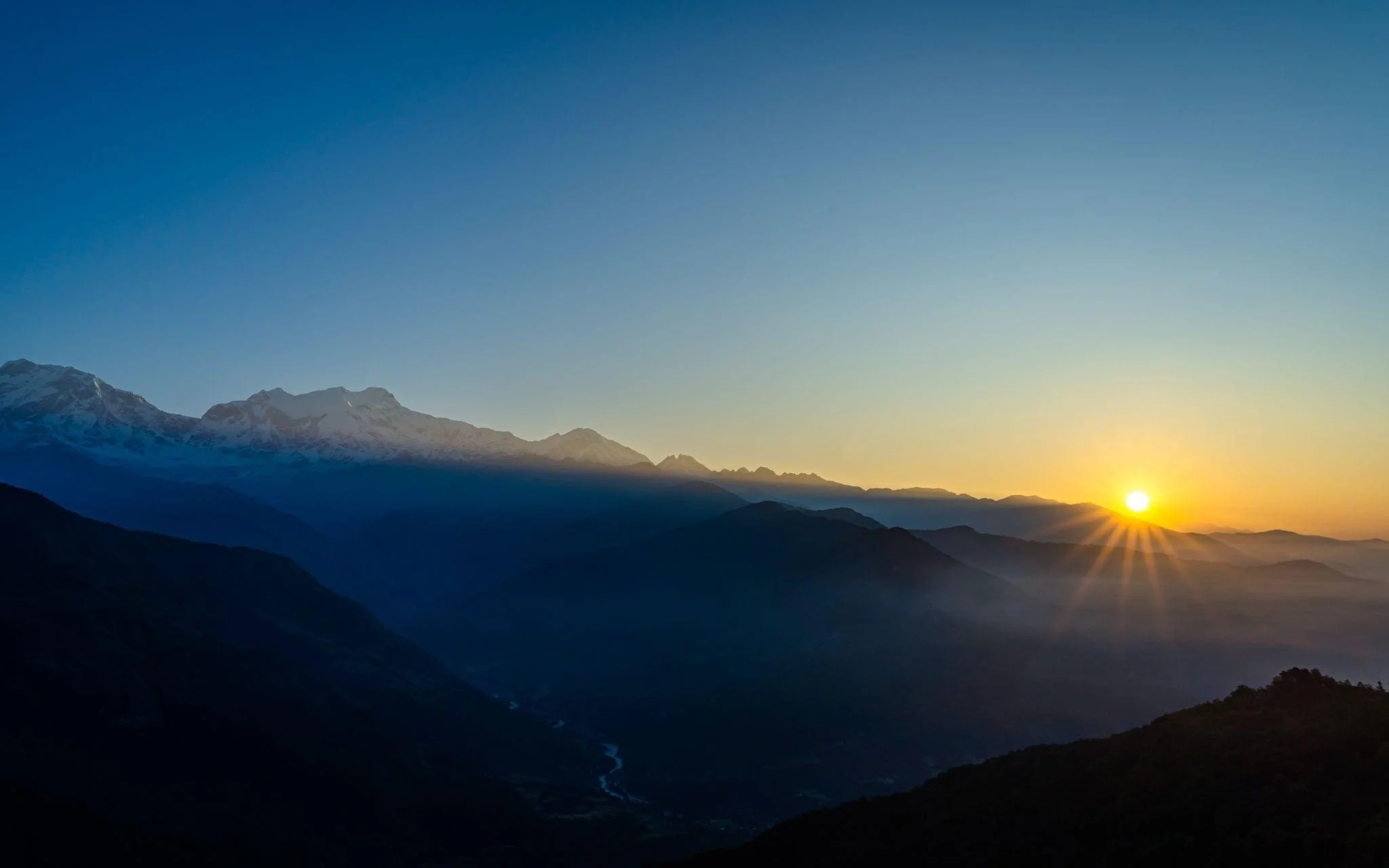
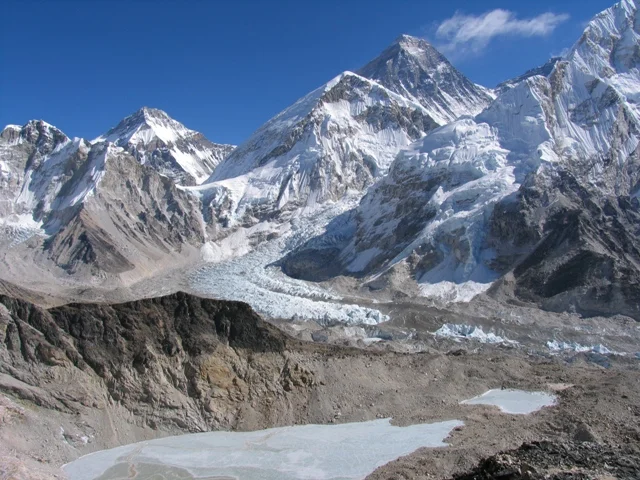
This trek is specially designed to reach the Everest Base Camp including Kala Pattar which is the best view point to view the sunrise over the high Himalayas including the Mt. Everest. This trek requires 13 days.
USD 1515 PER PERSON -- TWIN ROOM SHARING BASIS