

Dashain: The Festival of Triumph and Blessings A Deep Dive into Nepal’s Most Celebrated Festival
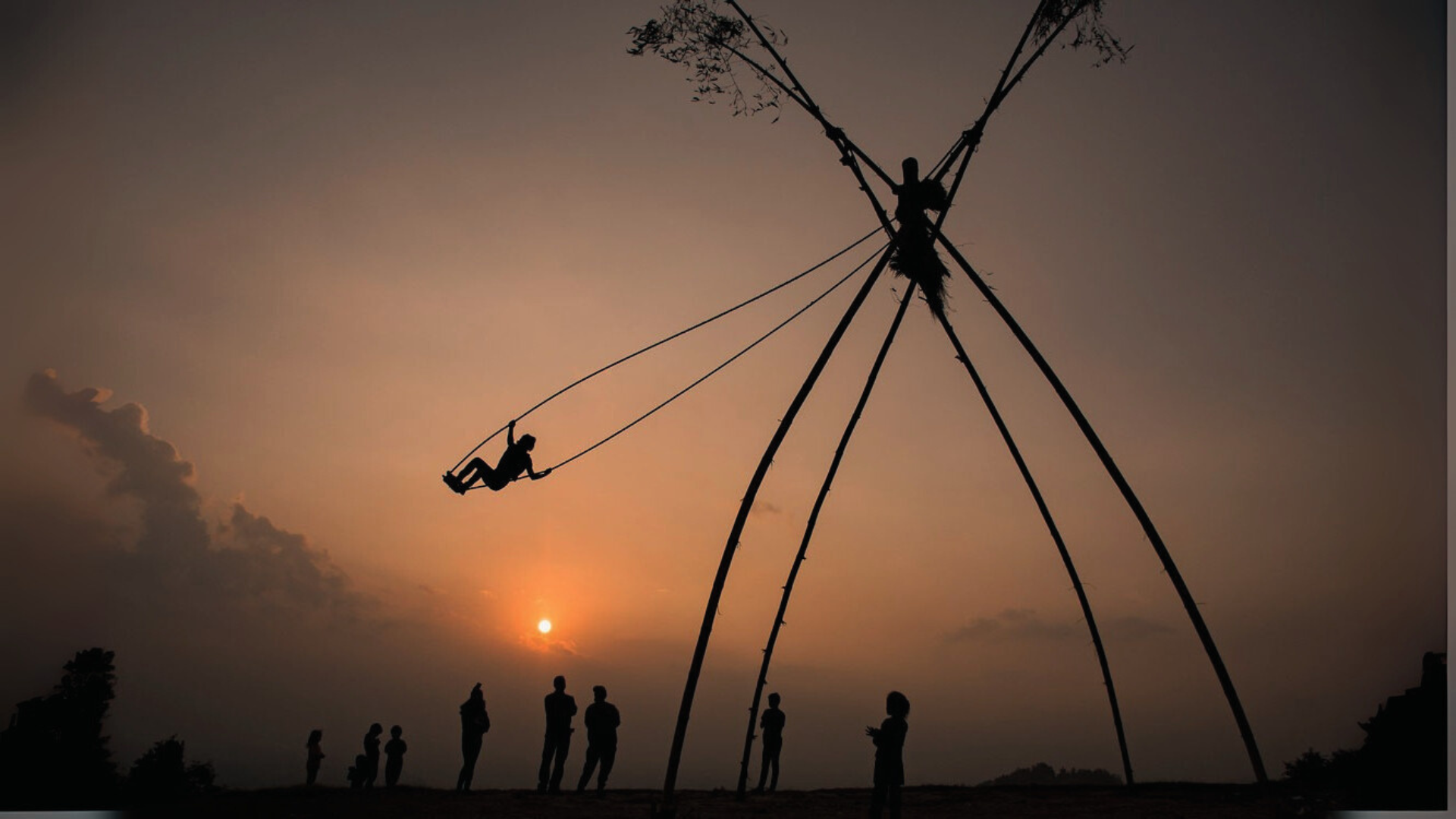
Dashain: A time of triumph, blessings, and the joyous spirit of togetherness. As families gather to honor traditions and celebrate the victory of good over evil, the festival brings moments of joy, reflection, and cultural pride. Let the swings of Dashain carry you into a new season of prosperity and unity.
Dashain, the longest and most celebrated festival in Nepal, holds immense cultural and spiritual significance. It is a time when families reunite, and people across the country celebrate the victory of good over evil, honor their elders, and seek divine blessings for prosperity and protection. This festival, which spans over 15 days, is a testament to Nepal’s rich traditions, values, and devotion. In this blog, we will explore the profound meaning behind Dashain, the traditions that define it, and the joy it brings to millions of Nepalese families.
What is Dashain?
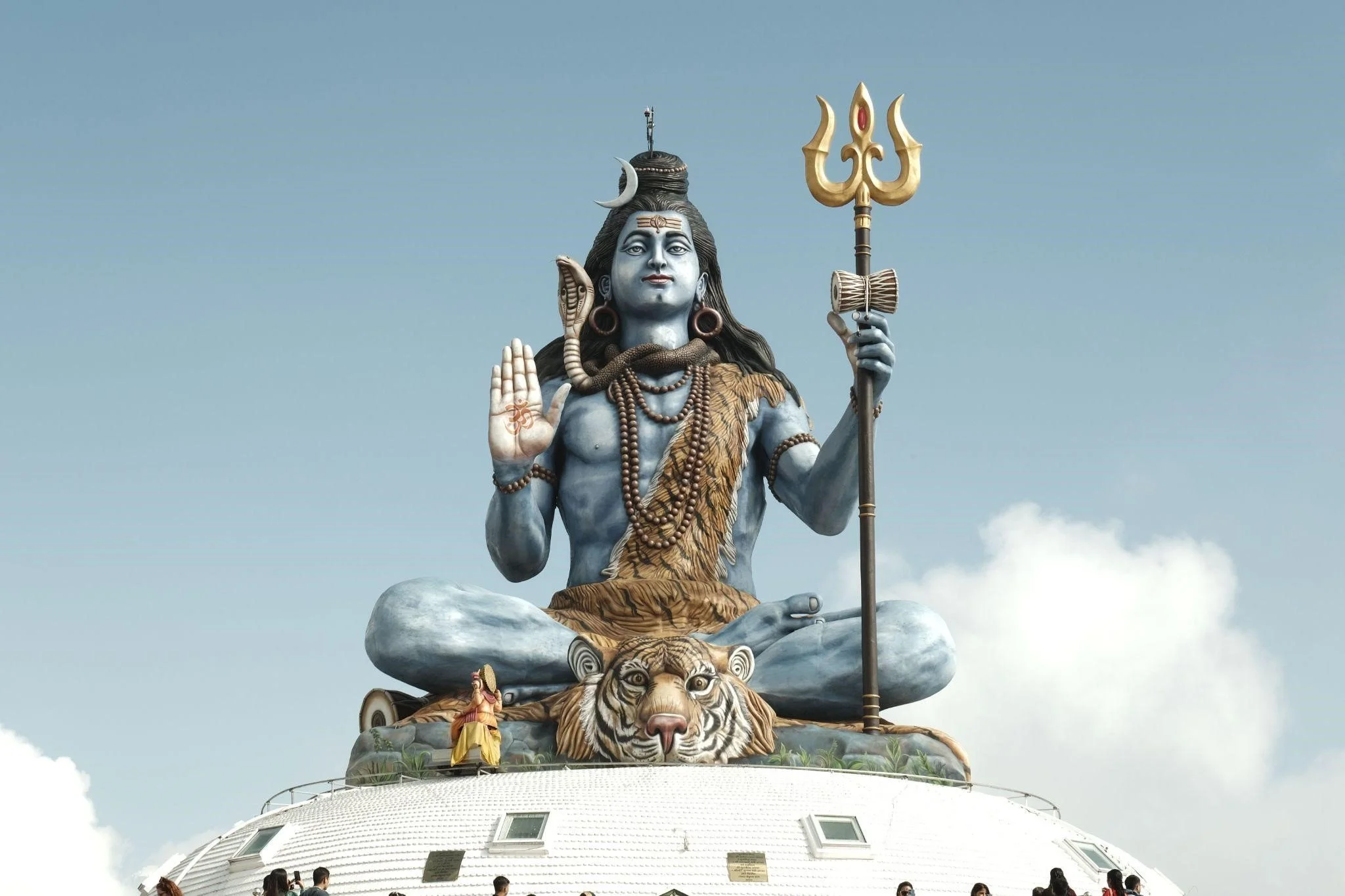
Dashain is a major Hindu festival in Nepal that commemorates the victory of Goddess Durga over the demon king Mahishasura, symbolizing the triumph of good over evil. It is also a celebration of the victory of Lord Ram over the demon king Ravana, as depicted in the Ramayana. Dashain falls during the lunar month of Ashvin (usually in September or October) and marks the beginning of the harvest season. The festival lasts for 15 days, with each day having its own unique significance and rituals.
The Spiritual and Cultural Significance of Dashain
Dashain is not just a religious observance; it is a cultural event that strengthens family bonds and fosters unity in the community. The spiritual essence of Dashain lies in the worship of Goddess Durga and other deities. The festival symbolizes the victory of light over darkness, hope over despair, and good over evil.
The 15-day festival can be broken down into several key phases, each of which holds particular spiritual and cultural significance. From the first day, Ghatasthapana, when the kalash (sacred pot) is placed, to the final day, Vijaya Dashami, when blessings are given, Dashain is a time of reflection, prayer, and renewal.
Key Rituals and Traditions of Dashain
The rituals and traditions associated with Dashain are an essential part of the celebration. Each family and region may have its own unique ways of observing the festival, but the following rituals are common throughout Nepal.
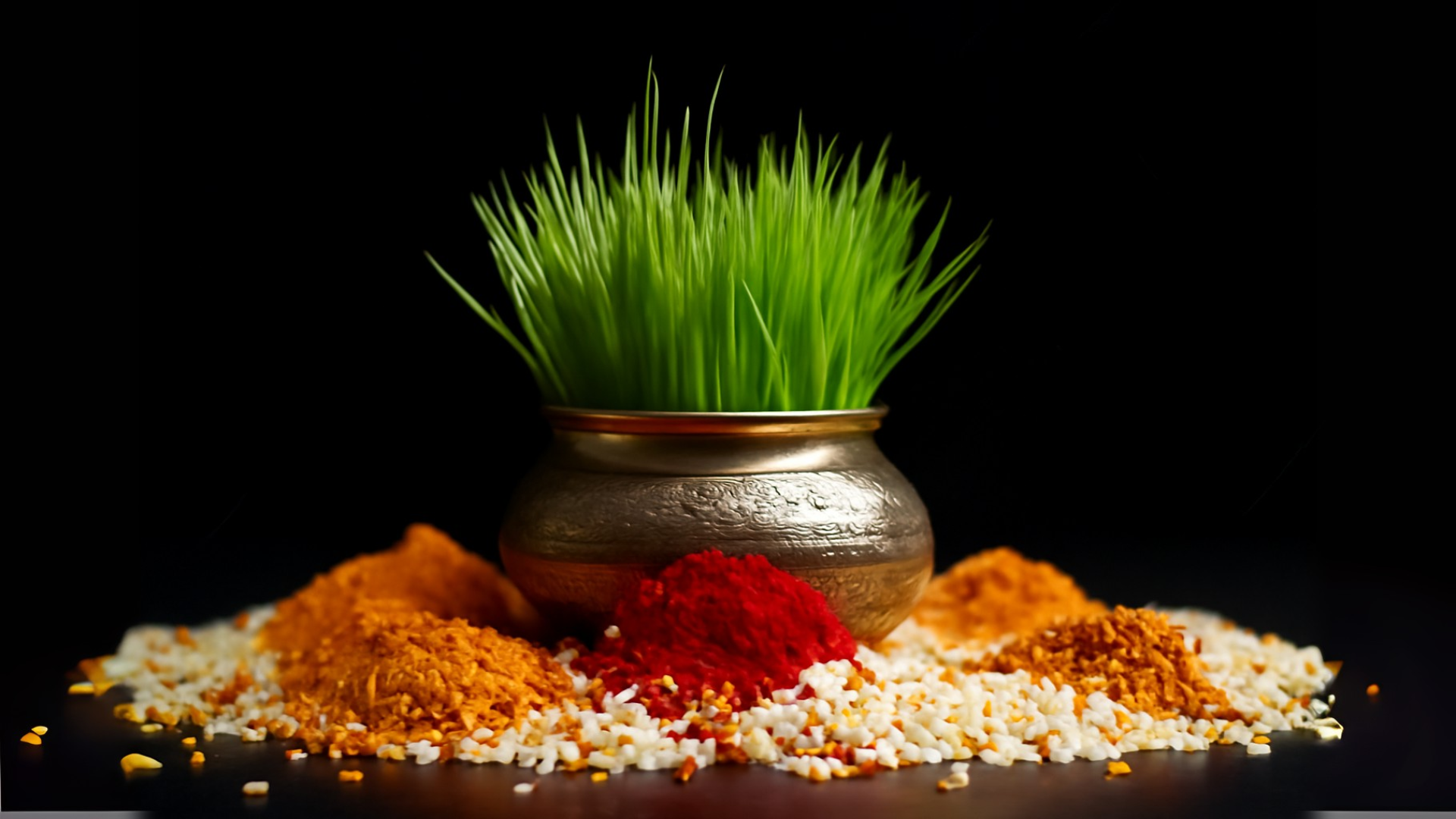
Ghatasthapana: As mentioned earlier, the festival begins with Ghatasthapana, where a sacred vessel (kalash) is placed, and barley or wheat seeds are sown. These sprouts, called Jamara, are nurtured over the festival days and symbolize prosperity and spiritual growth.
The Worship of Goddess Durga: During the festival, Goddess Durga is worshipped for her strength, power, and protection. Devotees offer prayers, recite mantras, and perform rituals to seek her blessings for peace, success, and victory.
Tika and Jamara: The highlight of Dashain comes on Vijaya Dashami, the tenth day of the festival, when people receive Tika (a mixture of yogurt, rice, and vermilion) and Jamara (barley sprouts) from their elders. This marks the moment when blessings are exchanged, and the younger generation seeks the guidance and protection of their elders. The Tika is placed on the forehead, and the Jamara is tied around the wrist as a symbol of strength and protection.
Animal Sacrifices: In many regions of Nepal, animal sacrifices, particularly of goats, buffaloes, and chickens, are made during Dashain as offerings to Goddess Durga. The sacrificial act symbolizes the removal of evil and a plea for divine blessings. This practice, however, has become a subject of debate, and many people now choose to celebrate Dashain without the animal sacrifice, focusing instead on other forms of worship.
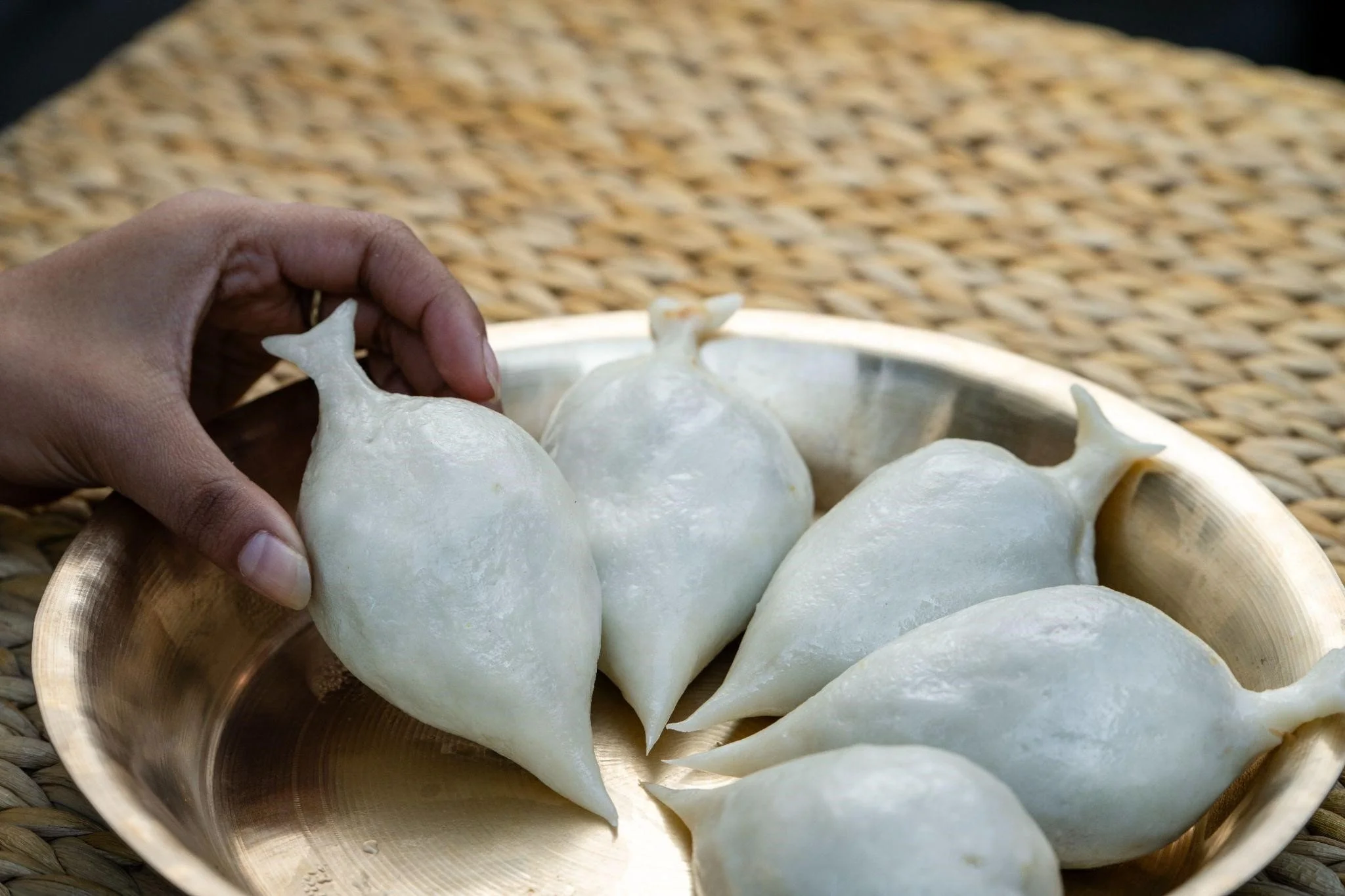
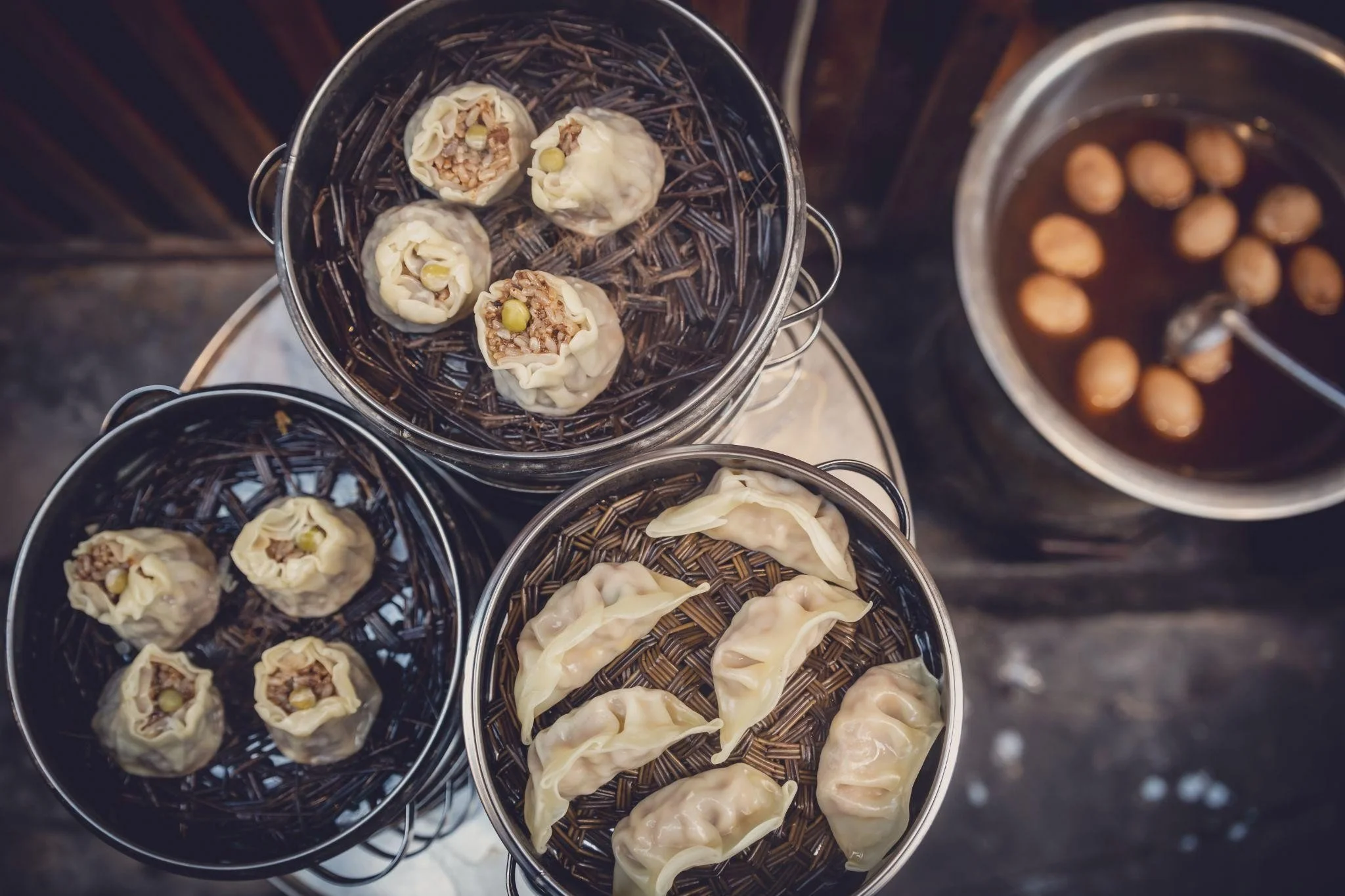
Family Reunions and Feasts: Dashain is also a time for family reunions. People travel from all corners of the world to be with their families during the festival. The occasion is marked by large family gatherings, where traditional food such as sel roti (a sweet rice doughnut), momo (dumplings), and soup are served. The entire festival revolves around the joy of being with loved ones, sharing meals, and celebrating together.
The Role of Dashain in Nepalese Identity
For many Nepalese people, Dashain is more than just a festival. It is a deep-rooted tradition that connects them to their heritage, ancestors, and spiritual practices. The festival fosters a sense of unity and collective identity, not only among family members but also within communities. During Dashain, people of all ages, social classes, and backgrounds come together in the spirit of celebration and reverence.
Dashain also has a significant role in preserving Nepalese culture. It is a time when people reflect on their cultural values, renew their spiritual commitments, and pass down customs to the younger generation. The passing of Tika and Jamara from elders to younger family members is symbolic of the continuity of traditions and family bonds.
Dashain’s Influence Beyond Nepal
While Dashain is primarily a Nepali festival, its significance extends beyond the borders of Nepal. With a large Nepali diaspora living in countries such as India, the United States, the United Kingdom, and the Middle East, Dashain is celebrated by Nepalese communities worldwide. The festival serves as an opportunity for Nepalese people to reconnect with their roots, celebrate their shared heritage, and unite with fellow countrymen. Many international organizations and embassies hold special Dashain events to bring Nepalese people together during this festive season.
Dashain in the Modern Era
In the modern age, while the core values of Dashain remain unchanged, the way it is celebrated has evolved. Technology, social media, and global connectivity have influenced the way people observe the festival. Many families now celebrate Dashain virtually, exchanging blessings and Tika through video calls and social media platforms. However, despite these changes, the essence of the festival honoring family, seeking blessings, and celebrating good over evil remains intact.
Conclusion
Dashain is a festival that transcends religious and cultural boundaries, uniting people in the spirit of togetherness, reflection, and renewal. It is a celebration of life, of family, of faith, and of victory over adversity. The festival not only holds spiritual significance but also represents the cultural identity and shared history of Nepalese people, both in Nepal and abroad.
As you celebrate Dashain, take a moment to reflect on its deeper meanings. Honor your elders, cherish your family, and seek the blessings of Goddess Durga. May this Dashain bring joy, prosperity, and victory into your life.
POPULAR ITINERARIES
SIMILAR POSTS

Ghatasthapana: A Time-Honored Tradition that Marks the Start of Dashain. Understanding Its Spiritual and Cultural Significance
On Ghatasthapana, the sacred ritual of welcoming Goddess Durga begins the journey of Dashain. As the kalash is placed and barley sprouts grow, it marks a time for spiritual growth, prosperity, and family unity. A celebration of divine blessings and the hope for a fruitful year ahead.
Dashain, the grandest festival in Nepal, is a celebration of victory, family, and divine blessings. Every year, millions of Nepalese families come together to celebrate this vibrant and culturally rich festival. But before the celebrations can truly begin, the ritual of Ghatasthapana marks the start of this spiritual journey. Celebrated with devotion and reverence, Ghatasthapana is the cornerstone of Dashain, a time-honored tradition that has been passed down through generations.
In this article, we explore the profound significance, the cultural rituals, and the spiritual essence of Ghatasthapana, giving you a deeper understanding of why this ritual is so important to the Dashain festival.
What is Ghatasthapana?
Ghatasthapana is the first day of Dashain, which falls on the Saptami (the seventh day) of the festival, typically two days before the start of the actual Dashain celebrations. The word “Ghatasthapana” is derived from two Sanskrit words: “Ghat” meaning ‘vessel’ and “Sthapana” meaning ‘establishment or placement’. During this day, a sacred vessel or kalash (a brass or clay pot) is placed in the home, symbolizing the arrival of Goddess Durga, who is believed to protect the household from evil forces.
The Spiritual Significance of Ghatasthapana
Ghatasthapana holds immense spiritual importance. It is believed that on this day, Goddess Durga, symbolizing power, protection, and victory over evil arrives to bless the worshippers. The kalash, filled with holy water, is placed on a bed of barley or wheat seeds, which are planted and sprouted over the next few days. These sprouts are called Jamara and are considered sacred.
The Rituals and Ceremony of Ghatasthapana
The ritual of Ghatasthapana is performed with great care and reverence in every household, especially in rural areas. The ceremony begins with the cleaning and decorating of the worship space. A kalash is placed on a clean platform, typically in the northeast corner of the house, symbolizing a divine presence.
After the placement of the kalash, wheat or barley seeds are sown around it. The seeds are watered and cared for over the course of the festival, growing into Jamara, which is used in later rituals. The process of sowing the seeds represents the beginning of the spiritual growth that will culminate in the final blessings of Dashain. It is said that the growth of the Jamara represents the growth of the devotee’s prosperity and strength.
Families then offer prayers to Goddess Durga, reciting mantras and requesting her protection and blessings. The atmosphere is filled with devotion as families pray for peace, good health, and success in their lives.
Cultural Meaning of Ghatasthapana
Beyond its spiritual significance, Ghatasthapana is a reflection of the cultural heritage and deep-rooted traditions that define Nepali life. The ritual of planting seeds and waiting for them to grow teaches patience, faith, and hope. The act of setting up a kalash also symbolizes the welcoming of a new year in the Nepali lunar calendar.
This ritual is not only a spiritual occasion but also a time for families to come together and reconnect with their cultural roots. The festival brings families closer, allowing for an exchange of blessings, stories, and customs.
Ghatasthapana’s Role in the Dashain Festival
While Dashain is celebrated for ten days, Ghatasthapana marks the beginning of the auspicious time, initiating the family’s spiritual journey toward the final day of Vijaya Dashami, when blessings from elders are received. During the days following Ghatasthapana, families celebrate by worshiping the Goddess Durga, offering sacrifices, and sharing meals.
The Jamara, which grows during these days, is used on the Nawami (ninth day) for the ritual of Tika, where the elders bless the younger members of the family with a mixture of yogurt, rice, and vermilion. The Jamara is a symbol of the goddess’s blessings, and it is an important part of the blessings exchange during Dashain.
The Importance of Ghatasthapana for Nepalese Identity
For Nepalese people, Ghatasthapana is not just a religious ritual it is a celebration of identity and tradition. It holds a deeper cultural and emotional significance, as it reaffirms their connection to the land, family, and faith. It marks the moment when the whole country begins to prepare for one of the most significant and joyous times of the year. The act of celebrating Ghatasthapana connects individuals with a shared cultural heritage, and it is a moment to reflect on past blessings and hope for a prosperous future.
Conclusion: A Timeless Tradition
Ghatasthapana is a crucial part of the Dashain festival, a day where families come together to honor the divine and celebrate the arrival of prosperity, blessings, and protection. The spiritual, cultural, and emotional significance of this ritual makes it an essential tradition for Nepalese people, and its importance only continues to grow with each passing year.
As you celebrate Ghatasthapana this year, take a moment to reflect on its deep cultural meanings, and honor the blessings it brings to your family and home. Let this time-honored tradition be a reminder of the spiritual growth, cultural pride, and love that unite us all as we step into the joyful and auspicious days of Dashain.
POPULAR ITINERARIES
SIMILAR POSTS

Guardians of the Temples: The Story and Significance of the Bajra in Nepal
The golden Bajra at Swayambhunath Stupa in Kathmandu, a timeless guardian symbolizing strength, enlightenment, and divine protection in Nepal’s sacred traditions.” This sacred object, with its rich mythology and spiritual significance, stands firm as a reminder of the intertwined Hindu and Buddhist beliefs that continue to shape Nepal’s cultural landscape. Whether at the entrance of a temple, adorning stupas, or held during ritual practices, the Bajra represents a powerful force that connects the earthly realm with the divine.
When walking through the courtyards of temples and stupas in Nepal, one object stands out: the Bajra, also known as Vajra. Shining in bronze, brass, or gilded gold, it is often placed at the entrance of sacred spaces, on altars, or in the hands of deities. To many visitors, it looks like an ornate ritual object. But for the people of Nepal, the Bajra carries layers of mythology, symbolism, and spiritual meaning that connect the earthly world to divine power.
What is the Bajra?
The Bajra (Sanskrit: Vajra) literally translates to “thunderbolt” or “diamond.” In Hindu and Buddhist traditions, it represents both the irresistible force of thunder and the indestructibility of a diamond.
• In Hindu mythology, the Bajra is the weapon of Indra, the king of gods and lord of rain and storms.
• In Buddhism, particularly Vajrayana (Tantric Buddhism), the Bajra symbolizes unyielding strength, enlightenment, and the ultimate truth. It is often paired with the Ghanta (bell), representing the harmony of wisdom and compassion.
Physically, a Bajra is crafted with a central sphere flanked by symmetrical prongs, some with two, others with four or more. The design itself embodies balance, unity, and cosmic order.
Mythological Origins
The mythology of the Bajra goes back thousands of years:
• The Hindu Legend: According to ancient texts, the Bajra was fashioned from the bones of sage Dadhichi, who sacrificed himself so that the gods could create a weapon powerful enough for Indra to defeat the demon Vritra. The Bajra thus came to symbolize sacrifice, protection, and the triumph of good over evil.
• The Buddhist Symbolism: In Vajrayana Buddhism, the Bajra represents the indestructible nature of truth and enlightenment. Just as lightning can split rocks, the Bajra cuts through ignorance and illusion.
This dual mythology gives the Bajra a unique role in Nepal, where Hinduism and Buddhism co-exist and intertwine in everyday life.
Where to Find the Bajra in Nepal
Travelers will encounter the Bajra in many forms across Nepal’s sacred architecture:
At Stupas: The grand stupas of Swayambhunath and Boudhanath feature massive Bajras placed at their bases, symbolizing the spiritual strength that guards the monument.
In Temples: Many Hindu temples, especially those dedicated to Indra or Shiva, display Bajras at the gates or near shrines.
In Rituals: Monks and priests use hand-held Bajras during pujas and tantric practices, pairing them with bells for meditative chants.
As Decorative Symbols: You’ll also spot smaller Bajras engraved into doorways, pillars, and even prayer wheels as a mark of divine presence.
Symbolism Beyond Myth
The Bajra is not just a relic of mythology, it speaks to deeper philosophies:
• Indestructibility: Like a diamond, truth and enlightenment are eternal.
• Power: Like a thunderbolt, spiritual energy can transform lives instantly.
• Protection: Placed at temple entrances, the Bajra acts as a guardian against negative forces.
• Balance: Its symmetrical design teaches harmony between opposites such as wisdom and compassion, strength and humility.
Why the Bajra Matters Today
For locals, the Bajra remains a living symbol. During festivals like Indra Jatra, it reminds devotees of protection and divine energy. For pilgrims at stupas, it is an invitation to meditate on truth and resilience. And for travelers, it is a glimpse into how myth and spirituality seamlessly merge in Nepal’s cultural landscape.
The Bajra is more than an ornament. It is a guardian, a teacher, and a storyteller. To see a Bajra in Nepal is to stand in the presence of centuries-old beliefs that continue to shape the way of life in the Kathmandu Valley and beyond.
Travel Tip: Next time you visit Swayambhunath or Boudhanath, pause before the massive Bajra at the entrance. Notice its weight, balance, and symbolism. It is not just metal, it is the embodiment of Nepal’s sacred guardianship.
The Bajra reminds us that while storms may shake the world, truth and enlightenment remain unbreakable. In Nepal’s temples and stupas, this symbol stands firm as a guardian of the spiritual path.
POPULAR ITINERARIES
SIMILAR POSTS


The Mandalas of Kathmandu: Symbolism Behind the Intricate Patterns in Art and Temples
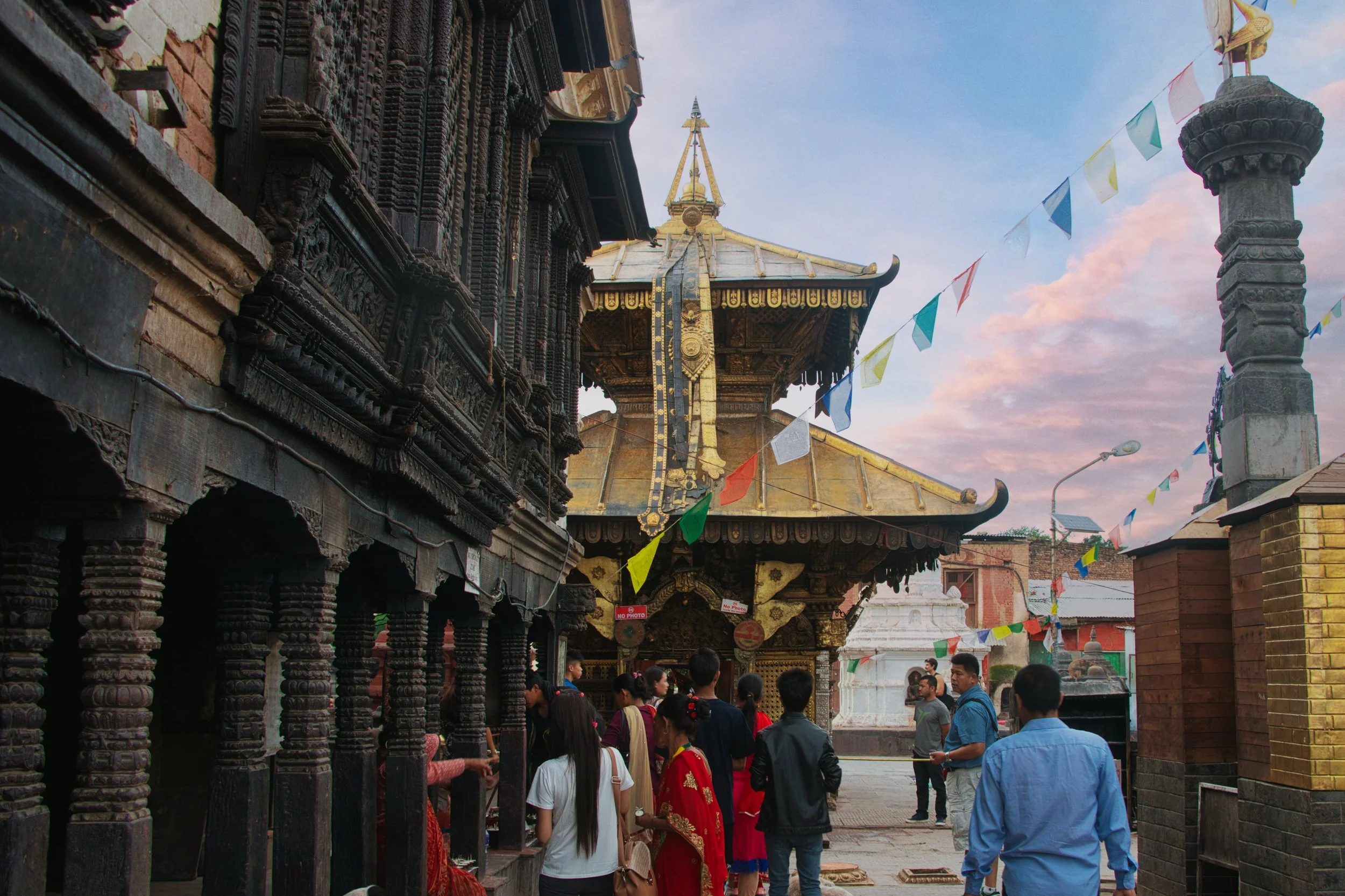
Kathmandu is a living canvas where spirituality and art meet at every corner. Among its countless expressions of faith and culture, mandalas stand as one of the most profound. These intricate circular patterns, seen in temples, monasteries, thangkas (sacred paintings), and even everyday rituals, carry deep symbolic meanings that go far beyond decoration. They are maps of the universe, pathways to meditation, and reflections of Nepal’s spiritual heart.
Kathmandu is a living canvas where spirituality and art meet at every corner. Among its countless expressions of faith and culture, mandalas stand as one of the most profound. These intricate circular patterns, seen in temples, monasteries, thangkas (sacred paintings), and even everyday rituals, carry deep symbolic meanings that go far beyond decoration. They are maps of the universe, pathways to meditation, and reflections of Nepal’s spiritual heart.
What is a Mandala?
The word mandala comes from Sanskrit, meaning “circle.” At its core, a mandala represents wholeness, balance, and the interconnectedness of all life. In both Hindu and Buddhist traditions, it is a symbolic diagram of the cosmos, showing how the physical and spiritual worlds align.
In Kathmandu, mandalas are not abstract concepts. They are painted, carved, and even walked upon during religious practices. Each line, color, and motif is carefully designed to guide the mind toward clarity and inner peace.
Mandalas in Temples and Monasteries
Walk through the courtyards of Kathmandu’s stupas and shrines, and you will see mandalas everywhere:
● On Stupas: The structure of stupas like Swayambhunath or Boudhanath themselves represent three-dimensional mandalas, symbolizing the universe and the path to enlightenment.
● On Doors and Windows: Carved wooden mandalas frame temple entrances, reminding devotees of spiritual protection as they enter sacred spaces.
● In Prayer Halls: Monks use intricate sand mandalas during rituals, painstakingly creating them grain by grain, only to sweep them away, symbolizing impermanence.
Colors and Patterns: What They Mean
Every mandala element carries symbolic meaning:
● Circles: Unity, eternity, and the cycle of life.
● Squares: The earthly world, stability, and grounding.
● Lotus Petals: Purity, spiritual awakening.
● Colors: Each shade has a purpose:
○ White: Peace and knowledge
○ Red: Power and passion
○ Blue: Protection and wisdom
○ Green: Growth and harmony
○ Yellow: Enlightenment
Together, they create a visual meditation, leading the eye and the mind towards the center, which often symbolizes enlightenment.
Mandalas in Everyday Spiritual Life
For the people of Kathmandu, mandalas are not just seen in temples, they are woven into daily rituals:
● During festivals like Tihar, colorful mandalas (rangolis) made of rice, flowers, and powders welcome gods and guests into homes.
● In meditation practice, locals and monks visualize mandalas to focus their thoughts and deepen mindfulness.
● Even in traditional Newar art, mandalas appear in paubha paintings and architectural details, connecting art to spiritual meaning.
A Symbol that Speaks Beyond Borders
What makes mandalas so captivating is their universality. Whether you are a pilgrim, an artist, or a traveler, these patterns invite you to pause, reflect, and reconnect. In Kathmandu, they remind us that spirituality is not just practiced, it is lived and seen in the very design of the city.
Final Thought
The mandalas of Kathmandu are more than patterns; they are sacred blueprints of life itself. To stand before one, whether on a temple wall or drawn in colored sand, is to glimpse the harmony between chaos and order, the earthly and the divine.
Kathmandu invites every visitor not only to see mandalas but to feel them: a spiritual map guiding us toward balance, beauty, and inner peace.
POPULAR ITINERARIES
SIMILAR POSTS
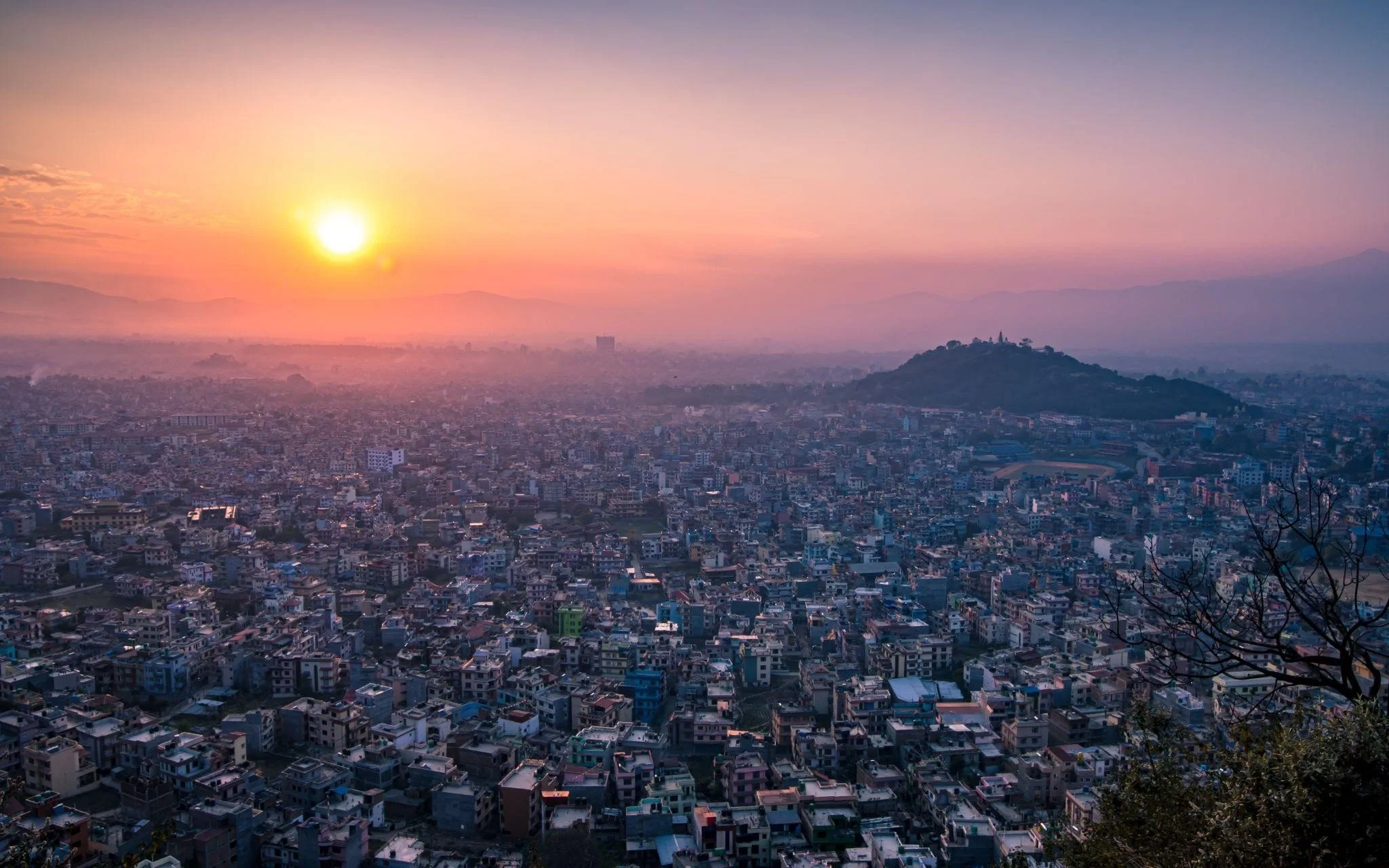

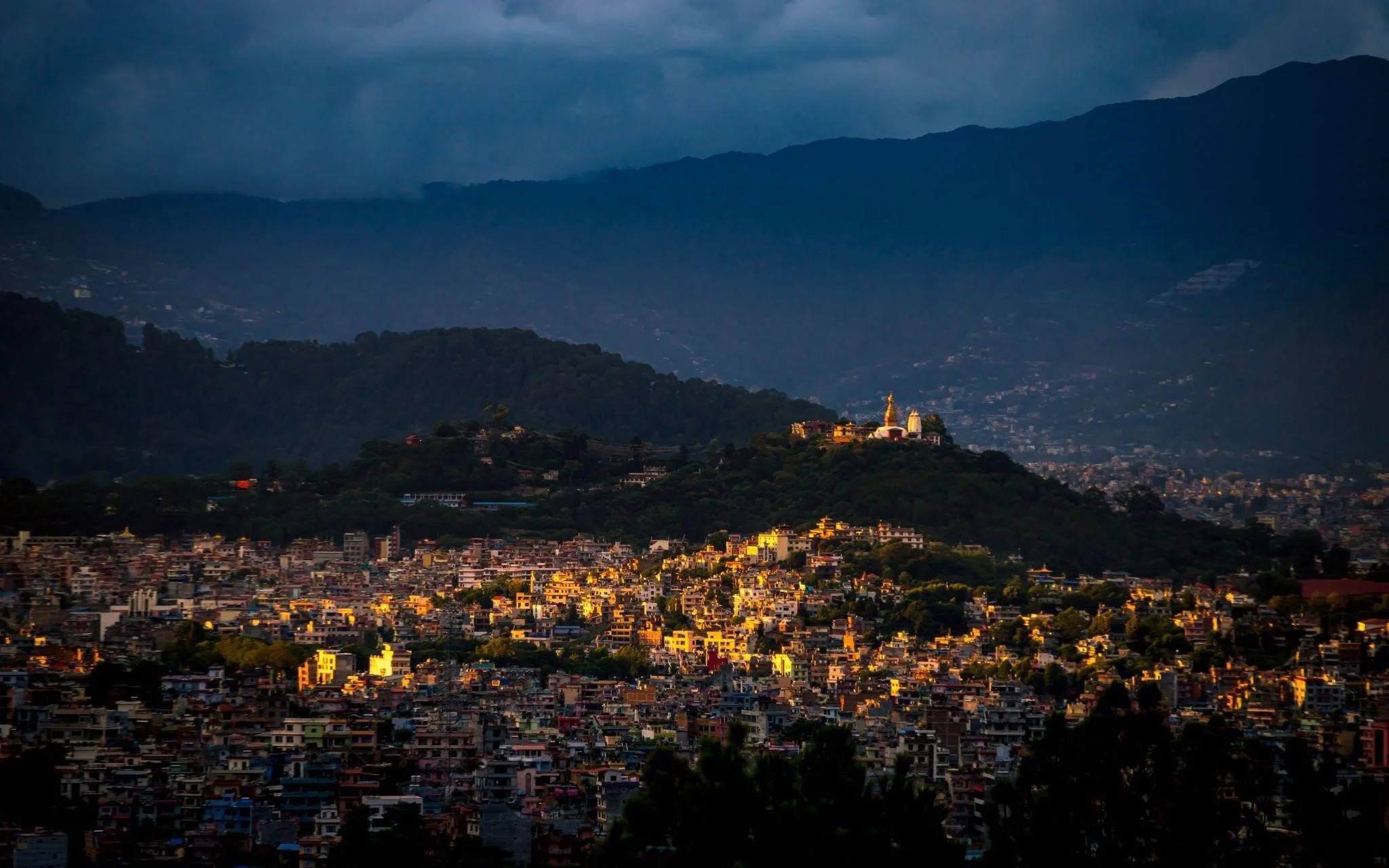
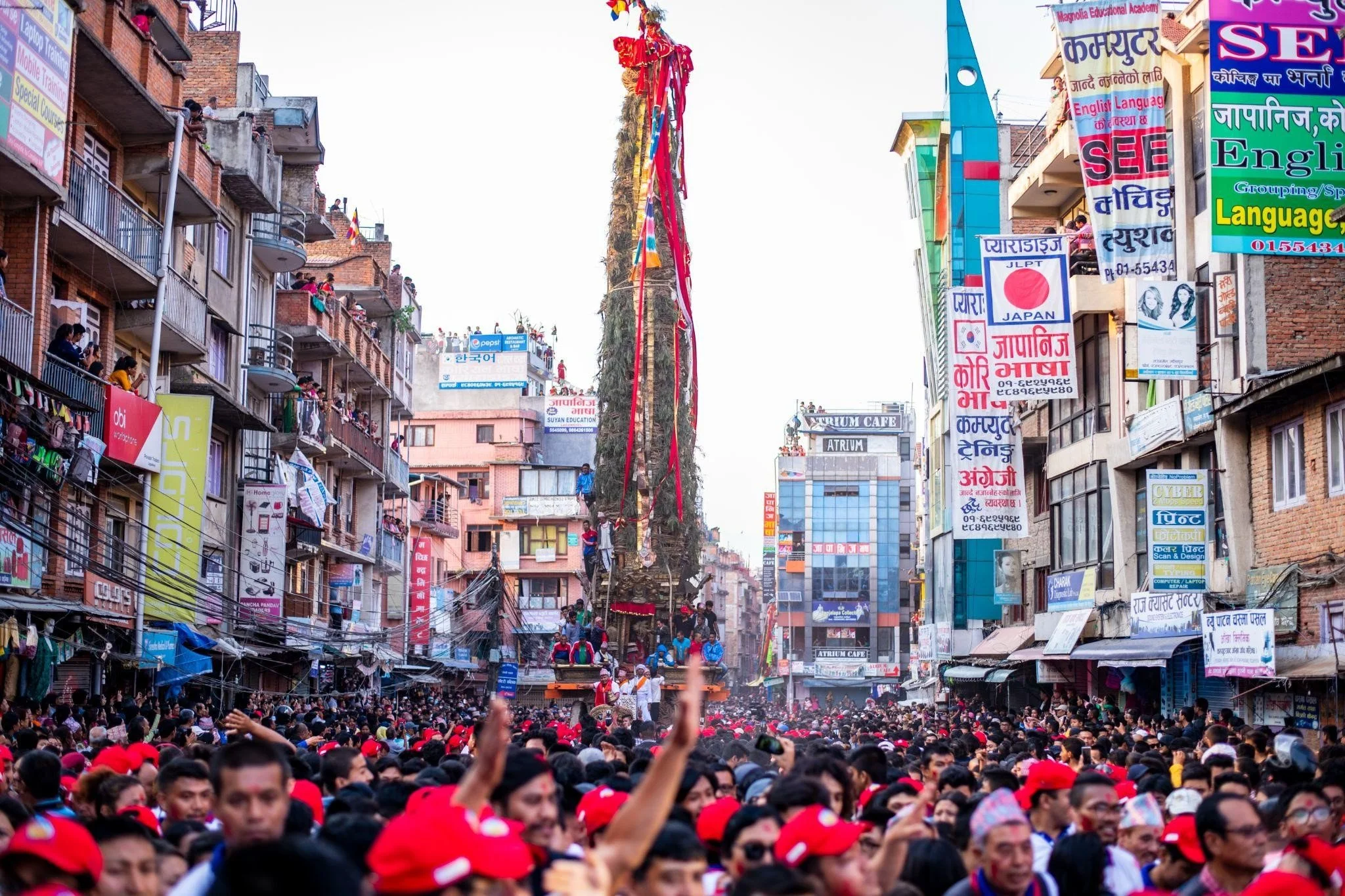

The Spiritual Journey Through Kathmandu: Discovering Its Sacred Landmarks
Kathmandu, Nepal’s bustling capital, is a city of deep spiritual roots, rich traditions, and vibrant culture. For centuries, pilgrims, travelers, and those on a spiritual quest have flocked to this sacred city to visit its temples, monasteries, and landmarks. Kathmandu’s spiritual journey is more than just about its history it’s about the connection between its people, their traditions, and a higher sense of divinity. Come with us as we explore some of Kathmandu’s most revered sacred sites and dive into the essence of what makes this city a spiritual sanctuary.
Kathmandu, Nepal’s bustling capital, is a city of deep spiritual roots, rich traditions, and vibrant culture. For centuries, pilgrims, travelers, and those on a spiritual quest have flocked to this sacred city to visit its temples, monasteries, and landmarks. Kathmandu’s spiritual journey is more than just about its history it’s about the connection between its people, their traditions, and a higher sense of divinity. Come with us as we explore some of Kathmandu’s most revered sacred sites and dive into the essence of what makes this city a spiritual sanctuary.
Swayambhunath: The Monkey Temple
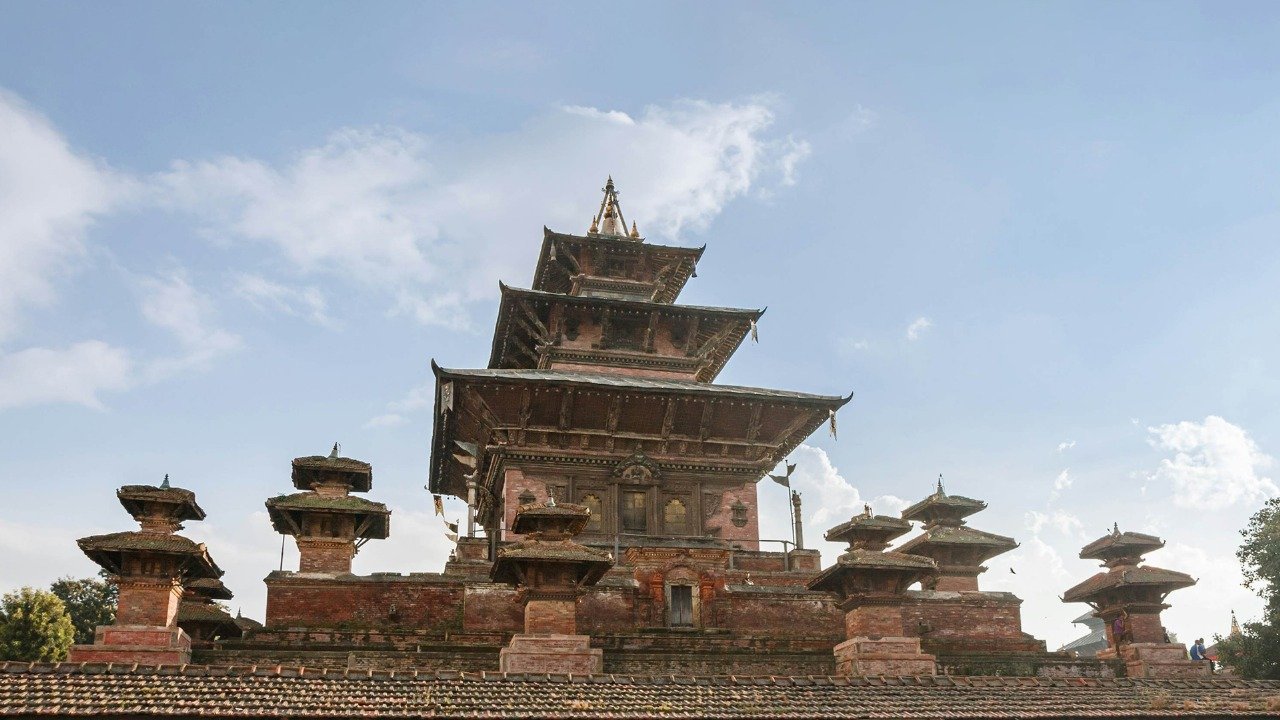
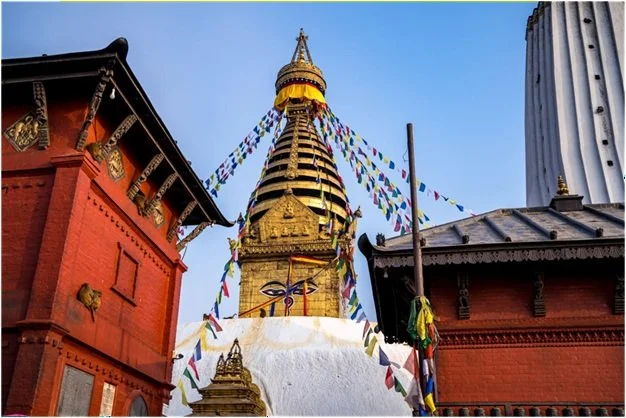
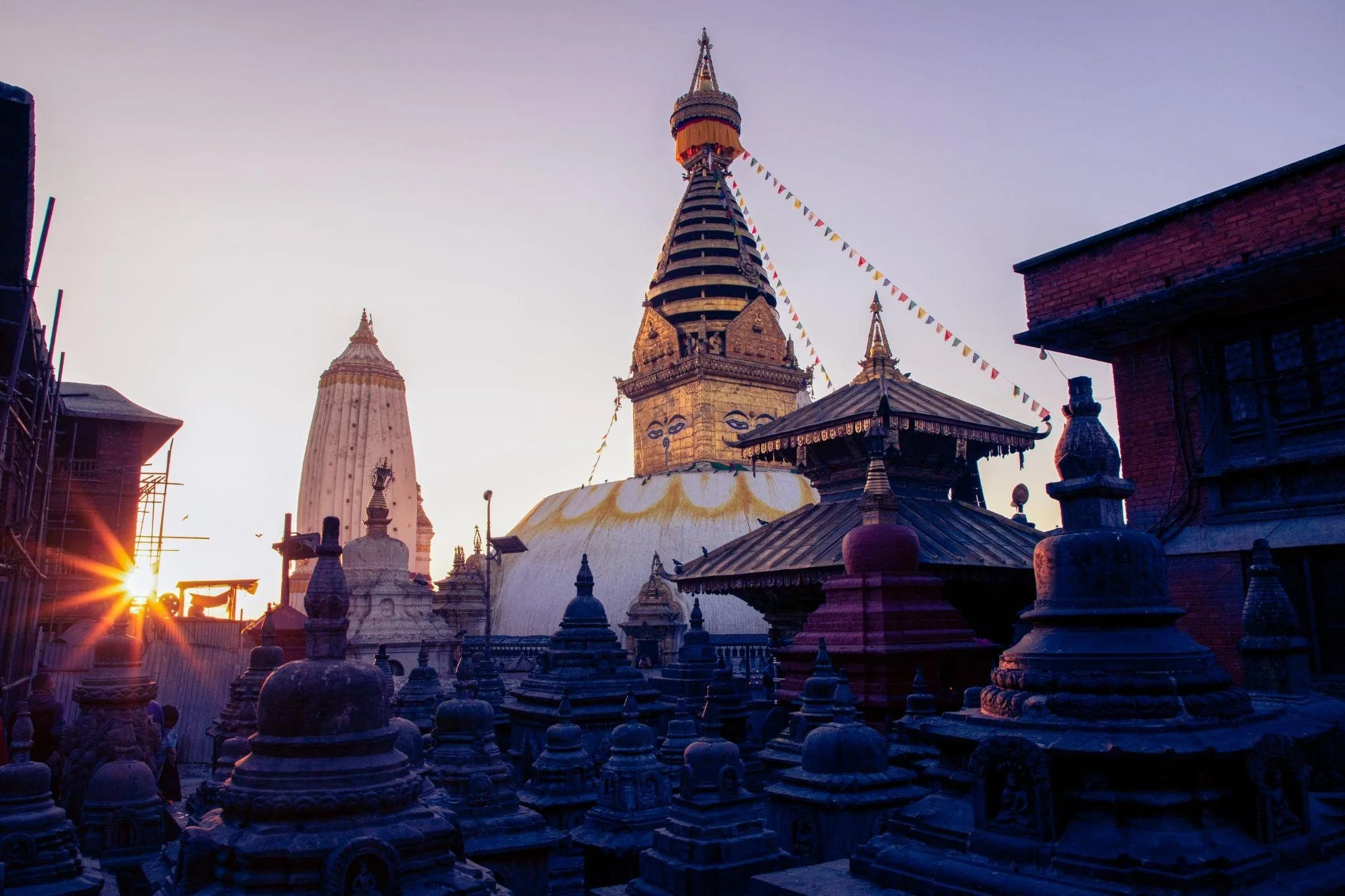
One of Kathmandu’s most famous and revered landmarks, Swayambhunath, also known as the Monkey Temple, offers a unique spiritual experience. Sitting atop a hill, this ancient stupa declared a UNESCO World Heritage site is dedicated to the Buddha. Its golden spire, with the all-seeing eyes of Buddha, radiates wisdom and compassion.
With roots in Tibetan Buddhism, this site is believed to be over 2,000 years old, and countless pilgrims visit to pray for enlightenment and inner peace. The surrounding monkeys, said to protect the temple, add a touch of magic to the place. From the hilltop, visitors are treated to breathtaking views of Kathmandu, making the visit both a spiritual and visual delight.
As local monk Khenpo Tenzin puts it, “Swayambhunath is the heart of Kathmandu, not only for its stunning beauty but because it represents the unity of all spiritual paths. It’s a place for reflection, meditation, and connection with the divine.”
Pashupatinath: A Sacred Cremation Site
Pashupatinath, one of the holiest Hindu temples in the world, is a must-see for anyone visiting Kathmandu. Set along the banks of the Bagmati River, this temple is dedicated to Lord Shiva, the god of destruction and renewal. While the intricate architecture of the temple is impressive, it’s the cremation ghats along the river that lend Pashupatinath its profound spiritual significance.
For Hindus, cremation at Pashupatinath is believed to free the soul from the cycle of rebirth. The ghats are places of both grief and reverence, where families honor their loved ones through sacred rituals. Visitors often witness the poignant Hindu funeral rites, which form a vital part of the city’s spiritual rhythm.
Lakshmi Devi, a local woman, shared her thoughts: “Pashupatinath isn’t just a temple; it’s where life and death are bound in a sacred dance. It reminds us that life is short, and we must seek peace while we have the chance.”
Boudhanath Stupa: A Tibetan Buddhist Center
Boudhanath Stupa, one of the largest in Nepal, is a central pilgrimage spot for Tibetan Buddhists. Its massive mandala design is a representation of the universe, and the stupa’s all-seeing eyes watch over the entire world.
The area around Boudhanath is a hub of Tibetan culture and spirituality, with monasteries and refugee settlements scattered nearby. Pilgrims flock here to walk around the stupa, chant mantras, and meditate. The rhythmic turning of prayer wheels and the scent of incense fill the air, creating an atmosphere of peace and reverence.
Tenzin Phuntsok, a local Tibetan monk, reflects: “Boudhanath is the heart of our Tibetan community. It’s more than a place of worship it’s a sanctuary where we find peace, healing, and strength. Every turn around the stupa brings us closer to enlightenment.”
Kopan Monastery: A Place for Quiet Reflection
For those seeking quiet reflection and meditation, Kopan Monastery, on the outskirts of Kathmandu, provides a tranquil retreat. Known for its teachings in Tibetan Buddhism, Kopan attracts spiritual seekers from all over the world with its peaceful atmosphere and stunning views of the Himalayas.
Visitors come to learn about compassion, mindfulness, and the true nature of the mind, often under the guidance of Lama Zopa Rinpoche, the monastery’s spiritual leader. It’s a place where both locals and foreigners gather to deepen their practice of Tibetan Buddhism and engage in personal growth.
Dawa Sherpa, a former student of the monastery, shared, “Kopan taught me the true meaning of compassion. It’s not just a place to escape the world it’s where you learn to engage with it in a peaceful and meaningful way.”
Kathmandu’s Spiritual Heartbeat
Kathmandu’s spiritual landscape is a harmonious blend of Hindu and Buddhist traditions, coexisting throughout the city. From the lively streets around Pashupatinath to the quiet courtyards of Swayambhunath, spirituality pulses through every corner of the city. Locals view these sacred sites as not just places of worship, but as part of their collective identity and spiritual journey.
In Kathmandu, the sacred is woven into everyday life. Pilgrims, monks, and locals alike visit these sites to seek blessings, find peace, and connect with something larger than themselves. Whether you’re a traveler or a seeker, exploring the sacred landmarks of Kathmandu offers a rare opportunity to witness Nepal’s living traditions and experience the soul of the city.
POPULAR ITINERARIES
SIMILAR POSTS

Teej in Nepal: A Festival of Love, Devotion, and Unbreakable Bond
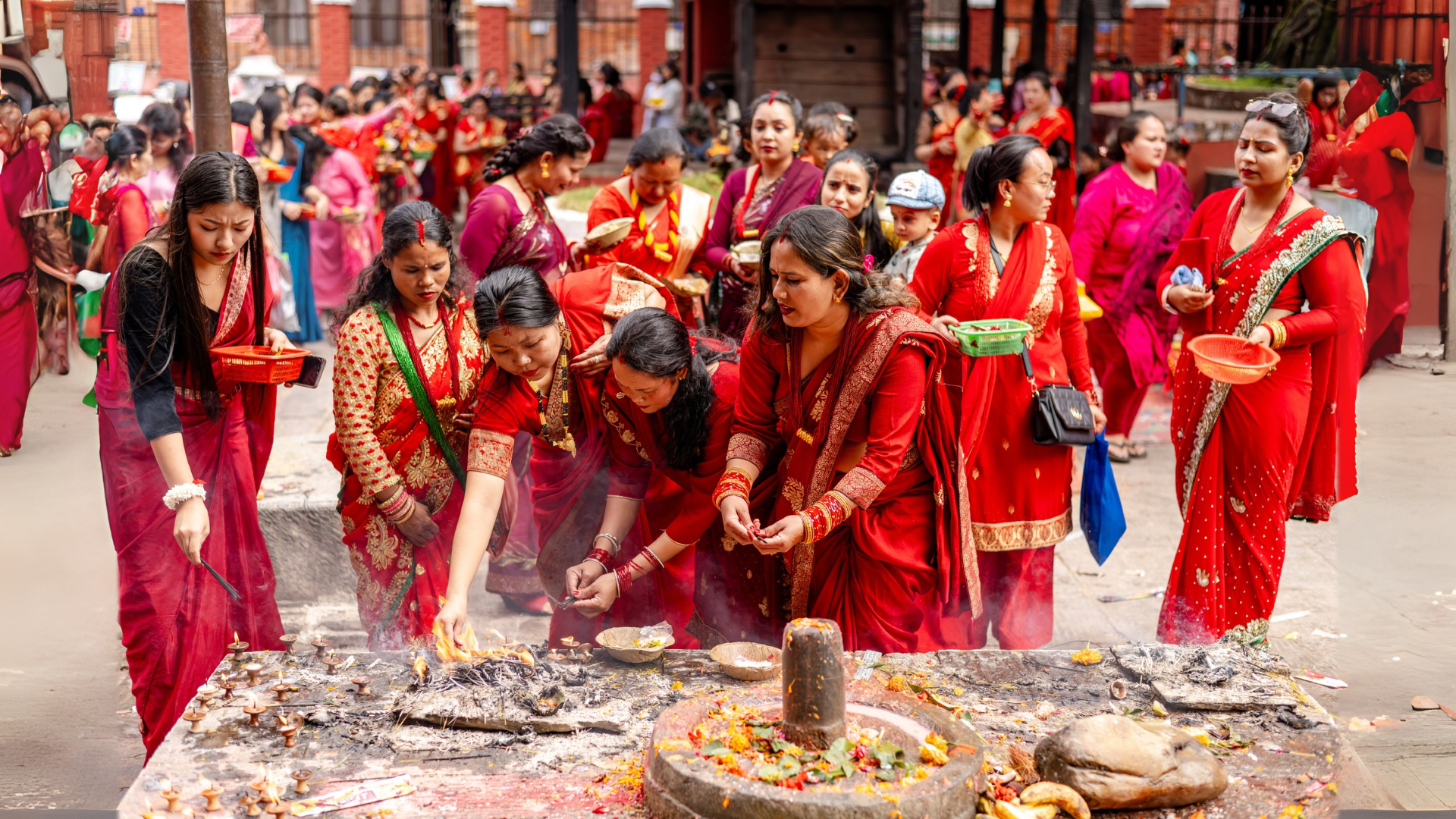
As the monsoon rains sweep across Nepal, the streets of Kathmandu transform into a vibrant sea of red. Women gather in unity to celebrate Teej, a festival that celebrates love, devotion, and resilience. This cherished tradition, marked by fasting, singing, and dancing, holds profound spiritual and cultural significance. But what makes Teej truly special? Let’s dive into the heart of this festival and explore its origins, rituals, and the enduring spirit of womanhood.
As the monsoon rains sweep across Nepal, the streets of Kathmandu transform into a vibrant sea of red. Women gather in unity to celebrate Teej, a festival that celebrates love, devotion, and resilience. This cherished tradition, marked by fasting, singing, and dancing, holds profound spiritual and cultural significance. But what makes Teej truly special? Let’s dive into the heart of this festival and explore its origins, rituals, and the enduring spirit of womanhood.
The Essence of Teej: Why is it Celebrated?
Teej is a festival that honors Goddess Parvati and her sacred union with Lord Shiva. For Hindu women, it is a day of devotion and prayer, seeking blessings for their husbands’ long lives and prosperity. The festival is also a time for unmarried women to pray for a good and loving life partner, with the belief that their prayers during Teej will guide them toward a happy and fulfilling marriage.
At its core, Teej is much more than just a religious observance; it is a celebration of spiritual strength, resilience, and unbreakable bonds. Women come together to share the joy of sisterhood, to celebrate love and commitment, and to express their gratitude for the support and companionship they receive in their relationships.
The Story Behind Teej: A Legend of Love and Devotion
Teej’s origins are steeped in the legend of Goddess Parvati and her devotion to Lord Shiva. According to Hindu mythology, Parvati spent years in intense meditation and fasting to win the heart of Lord Shiva, who had previously rejected her. Her determination and patience eventually led to their divine union, which is celebrated each year during Teej.
The story symbolizes not just love, but sacrifice, patience, and the power of unwavering faith. Women observing Teej follow in Parvati’s footsteps, fasting and praying for marital harmony, happiness, and strength. In doing so, they honor the enduring power of love, commitment, and devotion.
How Teej is Celebrated: Rituals, Songs, and Sisterhood
Teej celebrations span several days, with each day carrying its own significance and traditions:
● Dar Khane Din (The Feast Day): On the eve of the fast, women gather for a grand feast, indulging in delicious traditional foods and spending time with family and friends. This joyous occasion is filled with music, dance, and laughter, creating a festive atmosphere that is both uplifting and heartfelt.
● Nirjala Brata (The Day of Fasting): The next day, women begin their fast, often without food or water. It is a time for spiritual reflection, devotion, and prayers, especially at temples like Pashupatinath in Kathmandu. Dressed in stunning red saris and adorned with gold jewelry, women visit sacred shrines, singing folk songs and performing traditional dances in honor of Lord Shiva and Goddess Parvati.
● Celebration of Sisterhood: Throughout the festival, women connect with one another, sharing stories, blessings, and laughter. Teej is not just about personal devotion but also about celebrating sisterhood and the strength that comes from the collective energy of women coming together in unity.
The Vibrant Spirit of Teej: A Festival that Transcends Time
Teej is a reminder of the enduring values of love, faith, and resilience that have been celebrated for centuries. It is a festival that transcends religious and cultural boundaries, connecting generations of women who share in its beauty and power. Whether observed in the bustling streets of Kathmandu or within the warmth of family homes, Teej continues to be a beacon of hope, strength, and joy for women across Nepal.
Conclusion: A Celebration of Love and Resilience
Teej is more than just a festival; it is a timeless tradition that embodies the spirit of love, devotion, and strength. It is a day to honor the powerful connection between women and their families, to celebrate the richness of Nepali culture, and to renew one’s faith in the power of love and resilience. As Nepal comes alive with the colors, songs, and dances of Teej, the festival remains a symbol of the unbreakable bonds that hold us together — in devotion, love, and sisterhood.
POPULAR ITINERARIES
SIMILAR POSTS

Nepalese Buddhism: Understanding the Philosophy and Practices of Tibetan Monks
Nepal, nestled between the grandeur of the Himalayas and the deep spirituality that runs through its veins, has long been a hub for Buddhist practices and philosophy. As one of the primary Buddhist destinations in the world, Nepal is home to a rich tradition of Tibetan Buddhism. The monasteries, particularly in the Kathmandu Valley and areas such as Pokhara, offer a unique opportunity for travelers to connect with the teachings of Tibetan monks, engage in meditation, and learn about a spiritual tradition that spans centuries.
Nepal, nestled between the grandeur of the Himalayas and the deep spirituality that runs through its veins, has long been a hub for Buddhist practices and philosophy. As one of the primary Buddhist destinations in the world, Nepal is home to a rich tradition of Tibetan Buddhism. The monasteries, particularly in the Kathmandu Valley and areas such as Pokhara, offer a unique opportunity for travelers to connect with the teachings of Tibetan monks, engage in meditation, and learn about a spiritual tradition that spans centuries.
What is Tibetan Buddhism?
Tibetan Buddhism is a school of Buddhism that originated in Tibet and incorporates elements of Mahayana Buddhism and Vajrayana Buddhism. It is deeply intertwined with the culture and spirituality of Tibet, as well as the Himalayan regions of Nepal and Bhutan. The philosophy behind Tibetan Buddhism revolves around the pursuit of enlightenment through the cultivation of wisdom, compassion, and meditation.
At the core of Tibetan Buddhist philosophy is the belief in the cycle of samsara, or the cycle of birth, death, and rebirth. The ultimate goal of Tibetan Buddhism is to transcend samsara and attain nirvana, a state of perfect peace and freedom from suffering. Tibetan Buddhists believe that through meditation, ethical living, and understanding the true nature of reality, one can break free from the cycle of suffering.
Central to the Tibetan Buddhist worldview is the concept of bodhicitta, which means the intention to achieve enlightenment for the benefit of all beings. Tibetan Buddhists strive to cultivate bodhicitta by practicing compassion, wisdom, and mindfulness in their daily lives.
Tibetan Buddhist Practices
Tibetan Buddhism is known for its rich and varied spiritual practices. Some of the key practices include:
Meditation (Dhyana)
Meditation is at the heart of Tibetan Buddhism. There are various types of meditation practices that monks and practitioners engage in, such as shamatha (calm-abiding meditation) and vipassana (insight meditation). These meditative techniques aim to cultivate mindfulness, awareness, and inner peace.
Mantras and Chanting
Chanting mantras sacred words or phrases repeated during meditation holds a central role in Tibetan Buddhism. Mantras are believed to invoke blessings, protection, and wisdom. One of the most famous mantras is the Om Mani Padme Hum, which symbolizes compassion and the wish to relieve suffering.
Rituals and Offerings
Tibetan monks conduct rituals that involve offerings, prayers, and the use of sacred objects like prayer flags, prayer wheels, and bells. These rituals are meant to create positive energy, purify negative karma, and invoke the blessings of the Buddhas and Bodhisattvas.
Vajrayana Buddhism
Tibetan Buddhism incorporates Vajrayana, the “diamond vehicle,” which emphasizes tantric practices. This includes visualization techniques, symbolic gestures (mudras), and the use of sacred texts and teachings to accelerate the path to enlightenment. These teachings are often passed on directly from a lama (spiritual teacher) to a disciple.Deity Worship
Tibetan Buddhism has a rich pantheon of deities, bodhisattvas, and spiritual figures. These figures are revered as manifestations of enlightened qualities. One of the most prominent figures in Tibetan Buddhism is Avalokiteshvara, the bodhisattva of compassion, often depicted with many arms to symbolize the willingness to assist all beings.
Connecting with Tibetan Monks in Nepal
For travelers interested in learning more about Tibetan Buddhism, Nepal offers an array of opportunities to connect with Tibetan monks and immerse themselves in Buddhist teachings. Nepal has a long-standing Tibetan Buddhist tradition, with many Tibetan monasteries scattered across the Kathmandu Valley, especially in areas like Boudhanath and Swayambhunath.
Here are some ways to connect with Tibetan monks and their teachings:
Stay at a Monastery
Many Tibetan monasteries in Nepal offer guest programs, allowing travelers to stay and engage with the monks. This experience typically includes participating in morning prayers, attending teachings, and observing the daily routines of the monks. Monasteries such as Kopan Monastery, located just outside Kathmandu, offer meditation retreats and Buddhist study programs for those seeking an immersive experience.Take a Meditation Course
Several monasteries in Nepal, like the Samye Monastery and Kopan Monastery, offer courses on meditation, mindfulness, and Buddhist philosophy. These retreats provide the perfect environment for travelers to deepen their meditation practice while learning from experienced Tibetan monks. Participants can expect to meditate in peaceful surroundings, receive teachings on Buddhist philosophy, and gain insights into the Tibetan way of life.Engage in the Local Community
Many Tibetan monks in Nepal are involved in the local community, offering guidance, teachings, and even social support to local residents and fellow travelers. Visitors can join in discussions, attend public teachings, or simply engage in meaningful conversations with the monks. This interaction provides valuable insight into the daily practices and mindset of the monks.Join in Rituals and Prayers
For those interested in Tibetan rituals and chanting, many monasteries in Nepal welcome visitors to observe or even participate in prayer ceremonies. Attending a ritual at a Tibetan monastery, especially during special occasions or festivals, offers a unique chance to witness the sacred rituals firsthand and experience the profound spiritual atmosphere.Volunteer and Serve
Some monasteries in Nepal invite travelers to volunteer their time in exchange for room and board. Volunteering in a Tibetan Buddhist monastery can be a meaningful way to learn more about the spiritual practices while contributing to the community. Whether helping with daily chores or assisting in teaching, these volunteer programs allow travelers to engage deeply with the monks’ way of life.
The Monastic Way of Life
Living as a Tibetan monk is a life of simplicity, discipline, and devotion. Monks live in communities dedicated to meditation, study, and service to others. A typical day for a Tibetan monk in Nepal includes early morning prayers, meditation sessions, communal meals, and study time. Monks dedicate their lives to understanding the nature of reality, cultivating compassion, and sharing their wisdom with others. Visitors often find that spending time with monks can be a humbling and enriching experience, as it offers a window into a life focused on spiritual practice and service.
Conclusion
Tibetan Buddhism in Nepal is a path to discovering not just a new way of thinking, but a new way of being. Whether you are a spiritual seeker, an adventurer, or someone simply looking to deepen your understanding of the world, connecting with Tibetan monks in Nepal offers an opportunity for profound growth and learning. With their teachings rooted in compassion, mindfulness, and the pursuit of enlightenment, Tibetan monks provide travelers with the tools to embark on their own journey toward spiritual fulfillment.
As you explore Nepal’s monasteries and interact with its monks, you will not only gain a deeper understanding of Tibetan Buddhism but also a greater sense of inner peace and connection to the world around you.
POPULAR ITINERARIES
SIMILAR POSTS

The Healing Traditions of Kathmandu: From Singing Bowls to Ayurvedic Spas
Kathmandu is not just a city of temples and heritage it is also a sanctuary for the mind, body, and soul. Nestled between the Himalayas and centuries of cultural wisdom, the valley has quietly nurtured healing traditions that go far beyond the conventional spa experience. Whether you’re seeking to realign your energy, detoxify your body, or simply slow down, Kathmandu offers a rich tapestry of wellness practices rooted in ancient Nepalese, Tibetan, and Ayurvedic traditions.
Kathmandu is not just a city of temples and heritage it is also a sanctuary for the mind, body, and soul. Nestled between the Himalayas and centuries of cultural wisdom, the valley has quietly nurtured healing traditions that go far beyond the conventional spa experience. Whether you’re seeking to realign your energy, detoxify your body, or simply slow down, Kathmandu offers a rich tapestry of wellness practices rooted in ancient Nepalese, Tibetan, and Ayurvedic traditions.
1. The Resonance of Singing Bowls
The hauntingly beautiful sound of Tibetan singing bowls is more than just music it’s medicine. This ancient practice uses handcrafted metal bowls to produce deep, resonant vibrations that can help release tension, improve focus, and promote emotional clarity. Sound healing sessions, often held in serene studios or even temple courtyards, are designed to rebalance your body’s natural energy flow. It’s a deeply meditative experience where sound becomes a bridge between the physical and spiritual realms.
2. Reiki Energy Healing
For those seeking subtle yet powerful transformation, Reiki a Japanese technique for stress reduction and energy balancing has found a natural home in Kathmandu. Many practitioners here blend Reiki with local spiritual practices, creating sessions that feel uniquely rooted in Nepal’s mindful way of life. Whether it’s a gentle hands-on treatment or a guided meditation, Reiki helps dissolve emotional blockages and invites a deep sense of inner calm.
3. Ayurvedic Therapies and Spas
Ayurveda, the 5,000-year-old science of life, is woven into Nepal’s cultural heritage. Kathmandu is home to specialist wellness centers and boutique spas offering authentic Ayurvedic treatments everything from Abhyanga (full-body oil massage) to Shirodhara (a soothing stream of warm oil poured over the forehead to calm the mind). These therapies not only nourish the body but also work on detoxifying and balancing the doshas Vata, Pitta, and Kapha.
4. Herbal Oils and Massages
In the heart of the valley, small family-run wellness centers prepare their own herbal oils, infused with locally sourced ingredients such as jatamansi, camphor, lemongrass, and mustard. Massages using these oils don’t just ease muscle tension they improve circulation, strengthen the immune system, and leave a lingering sense of warmth. Many visitors find that the healing is as much in the therapist’s skilled hands as in the oils themselves.
5. The Comfort of Herbal Teas
In Kathmandu, tea is more than a drink it’s a ritual of care. From soothing chamomile and mint to blends rich with turmeric, ginger, and tulsi, herbal teas are crafted not only for flavor but for their health benefits. You’ll find them in wellness cafés, yoga retreats, and even within hotel lounges perfect after a rejuvenating treatment or a day of exploring the city’s vibrant streets.
Why Kathmandu is a Wellness Destination
What sets Kathmandu apart as a wellness destination is its authenticity. Here, healing is not a passing trend it is a living tradition. These practices are seamlessly integrated into daily life, offering travelers an opportunity to experience wellness in its purest form, surrounded by Himalayan serenity and cultural depth.
For guests staying at Hotel Shanker, Kathmandu’s healing experiences are never far away whether it’s a short stroll to a sound healing studio, a curated spa session arranged through our concierge, or simply a moment of stillness in our heritage gardens with a cup of herbal tea in hand.
Wellness Travel Nepal is not about escape it’s about return. Return to balance, return to stillness, return to yourself. And Kathmandu, with its deep-rooted healing traditions, is the perfect place to begin that journey.
POPULAR ITINERARIES
SIMILAR POSTS

Rakshyabandhan in Nepal: Tradition, Meaning, and Celebrations
Every year during the bright full moon of Shrawan or Bhadra (August), Nepal celebrates Rakshyabandhan, a festival deeply rooted in tradition, spirituality, and familial bonds. Known as “Janai Purnima” in many communities, this auspicious day carries multiple layers of meaning—uniting brothers and sisters in a vow of love and protection while also marking spiritual purification rituals for devotees across the country.
Every year during the bright full moon of Shrawan or Bhadra (August), Nepal celebrates Rakshyabandhan, a festival deeply rooted in tradition, spirituality, and familial bonds. Known as “Janai Purnima” in many communities, this auspicious day carries multiple layers of meaning—uniting brothers and sisters in a vow of love and protection while also marking spiritual purification rituals for devotees across the country.
The Story Behind Rakshyabandhan
The origins of Rakshyabandhan are tied to Hindu mythology, where stories of protection, devotion, and sacred promises have been passed down for generations. One of the most popular legends speaks of Lord Krishna and Draupadi. When Krishna injured his finger during a battle, Draupadi tore a piece of her saree and tied it around his wound. Touched by her gesture, Krishna vowed to protect her in times of need. This selfless act is believed to have inspired the tradition of tying a “rakhi” or sacred thread as a bond of love and protection.
In Nepal, Rakshyabandhan also coincides with Janai Purnima, when men who follow Vedic rituals change their sacred thread (“Janai”) after a holy bath in rivers, signifying purification and renewal of vows to live a righteous life.
Why We Celebrate Rakshyabandhan
Rakshyabandhan is more than a ritual—it’s a celebration of trust, unity, and familial affection. Sisters tie a protective thread (rakhi or raksha dhago) around their brothers’ wrists, offering prayers for their well-being and happiness. In return, brothers pledge lifelong protection and shower their sisters with blessings and gifts.
In Nepal, this festival expands beyond blood relations. Families, friends, and even spiritual gurus share the sacred thread, symbolizing harmony and goodwill among all beings.
Rituals and Festive Celebrations in Nepal
Rakshyabandhan begins early in the morning with families visiting rivers or ponds for a holy dip. Priests chant mantras and tie protective threads on the wrists of devotees, symbolizing divine blessings and safety from negative energies.
Later in the day, households gather for the rakhi ceremony, where sisters prepare sweets, fruits, and ceremonial plates decorated with tika, flowers, and raksha dhago. The day is filled with laughter, shared meals, and heartfelt memories, reinforcing the importance of relationships in Nepali culture.
The Spirit of Togetherness at Hotel Shanker
At Hotel Shanker, we cherish Nepal’s rich cultural traditions that bring families closer. Rakshyabandhan is a reminder that bonds of love and protection are treasures to be celebrated. Whether you are visiting Kathmandu during this festive season or sharing the day with loved ones, our heritage ambiance provides the perfect setting for meaningful family gatherings.
As you celebrate Rakshyabandhan in Nepal, let the sacred thread be a reminder of the eternal ties that connect hearts, families, and traditions.
POPULAR ITINERARIES
SIMILAR POSTS

A City You Can’t Navigate by GPS
You open Google Maps in Kathmandu, and it looks promising enough winding lines, blinking dots, the polite confidence of a blue arrow showing you the way. You set off, trusting your digital guide, only to find yourself standing in front of a wall where a road should be. Or a temple courtyard. Or a dead-end crammed with motorbikes and an unexpected wedding procession.
Kathmandu: Where maps mislead, but people guide you home
You open Google Maps in Kathmandu, and it looks promising enough winding lines, blinking dots, the polite confidence of a blue arrow showing you the way. You set off, trusting your digital guide, only to find yourself standing in front of a wall where a road should be. Or a temple courtyard. Or a dead-end crammed with motorbikes and an unexpected wedding procession.
Welcome to Kathmandu. A city that doesn’t just confuse GPS it quietly resists it.
Where Roads Have Names… But Nobody Uses Them
Ask a local for directions, and you’ll rarely hear street names. Instead, it’ll go something like this:
“Go straight past the old peepal tree, turn left after the momo shop with the blue shutters, and when you see the temple with the golden roof, ask again.”
In Kathmandu, navigation isn’t about grids or coordinates. It’s a living language of landmarks, a shared understanding of where things are, based on memory, not maps. Sometimes the landmark is a shop that’s been closed for years, but everyone still refers to it. Sometimes it’s a tree, a gate, a statue with no plaque
.
And somehow… It works.
Google Maps Can’t Keep Up And That’s Kind of Perfect
Digital maps try their best. But Kathmandu’s streets aren’t obedient. Alleys narrow or disappear after festivals. New roads are carved during construction, only to vanish again. What looks like a road may be a private courtyard for afternoon tea.
Even locals laugh at Google’s suggestions. You follow the line, and it leads you into a monastery. Or a vegetable market. Or right through someone’s living room, if you’re not careful.
But that’s Kathmandu’s charm. The city wasn’t built to be browsed on a screen. It was built for walking, asking, discovering and sometimes, delightfully, for getting a little lost.
The Art of Asking for Directions
There’s an unspoken etiquette to it. You approach someone with a slight bow of your head, perhaps a soft “I’m looking for this place”.
They might frown, think for a second, gesture with a handwave that covers three directions at once, and say something that sounds impossibly vague. You follow, half-trusting, half-curious.
And more often than not, you find what you’re looking for or something better.
Because in Kathmandu, asking for directions isn’t just practical. It’s a conversation starter. A human GPS moment that turns strangers into guides, and an unfamiliar alley into part of your story.
When Getting Lost is the Whole Point
The best moments in Kathmandu don’t happen on the fastest route. They happen when you take the wrong turn and find a hidden courtyard where a family is stringing marigolds. Or a tiny tea shop where the owner still makes chiya over charcoal. Or a centuries-old stupa tucked between apartment blocks.
This is a city where getting lost is part of the design. Where wandering off-course feels less like a mistake and more like an invitation.
Final Thought: Let the City Show You the Way
Kathmandu doesn’t want you to follow a line on a map. It wants you to look up, ask around, and let curiosity lead the way.
So go ahead and open your GPS if you must. But when it inevitably leads you astray, smile. That’s when you know you’ve truly arrived.
Because some cities are better drawn in conversations than on screens. And Kathmandu is one of them.
POPULAR ITINERARIES
SIMILAR POSTS

Nepali Storytelling Traditions You’ve Probably Never Heard Of
Before stories were written down, they lived in voices sung, spoken, and carried across generations. In Nepal, storytelling has always been more than a pastime. It is a way of keeping memories alive, of teaching, celebrating, and belonging.
Beyond city museums and formal stages, the art of storytelling still thrives in quiet homes, village gatherings, and festivals. Here are some of the lesser-known traditions that continue to echo in the Nepali way of life.
Songs, voices, and stories woven into the everyday
Before stories were written down, they lived in voices sung, spoken, and carried across generations. In Nepal, storytelling has always been more than a pastime. It is a way of keeping memories alive, of teaching, celebrating, and belonging.
Beyond city museums and formal stages, the art of storytelling still thrives in quiet homes, village gatherings, and festivals. Here are some of the lesser-known traditions that continue to echo in the Nepali way of life.
Tamang Selo: Stories That Dance
The sound comes first a pulse of drumbeats, a lively strum of music. Tamang Selo is more than a folk song; it is a living story. Known as the signature music of the Tamang community, it blends humor, longing, social tales, and village lore, all woven into verses set to the beat of the damphu drum.
These songs aren’t just for entertainment. They capture the everyday love found and lost, journeys taken, hardships faced told in a way that invites people to dance, sing along, and remember.
In the hills around Kathmandu and beyond, gatherings where Tamang Selo is sung become living archives of community memory.
Rural Folktales Carried in Memory, Shared in Gathering
Across Nepal’s villages, storytelling often finds its voice by the hearth or in the soft hush of evening gatherings. These are the lok katha rural folktales that travel from elder to child, passed down through generations.
They speak of clever animals, mysterious spirits, brave villagers, or moral lessons wrapped in humor and wit. Never bound to paper, these stories shift slightly with every telling, shaped by the voice of the storyteller and the ears of the listener.
In many homes, especially during the monsoon or after harvest, these tales offer more than entertainment. They build bonds, spark imagination, and preserve local wisdom that might otherwise fade away.
Oral Histories in Festivals When the Whole Village Listens
In Nepal, some stories are told not with words alone, but through dance, song, and ritual woven into the fabric of festivals and communal gatherings.
● Ghatu: Among the Gurung and Magar communities, this traditional song-dance tells epic tales of love, war, and ancient kings. Performed by young girls, often in trance-like states, it’s a blend of song, movement, and communal memory.
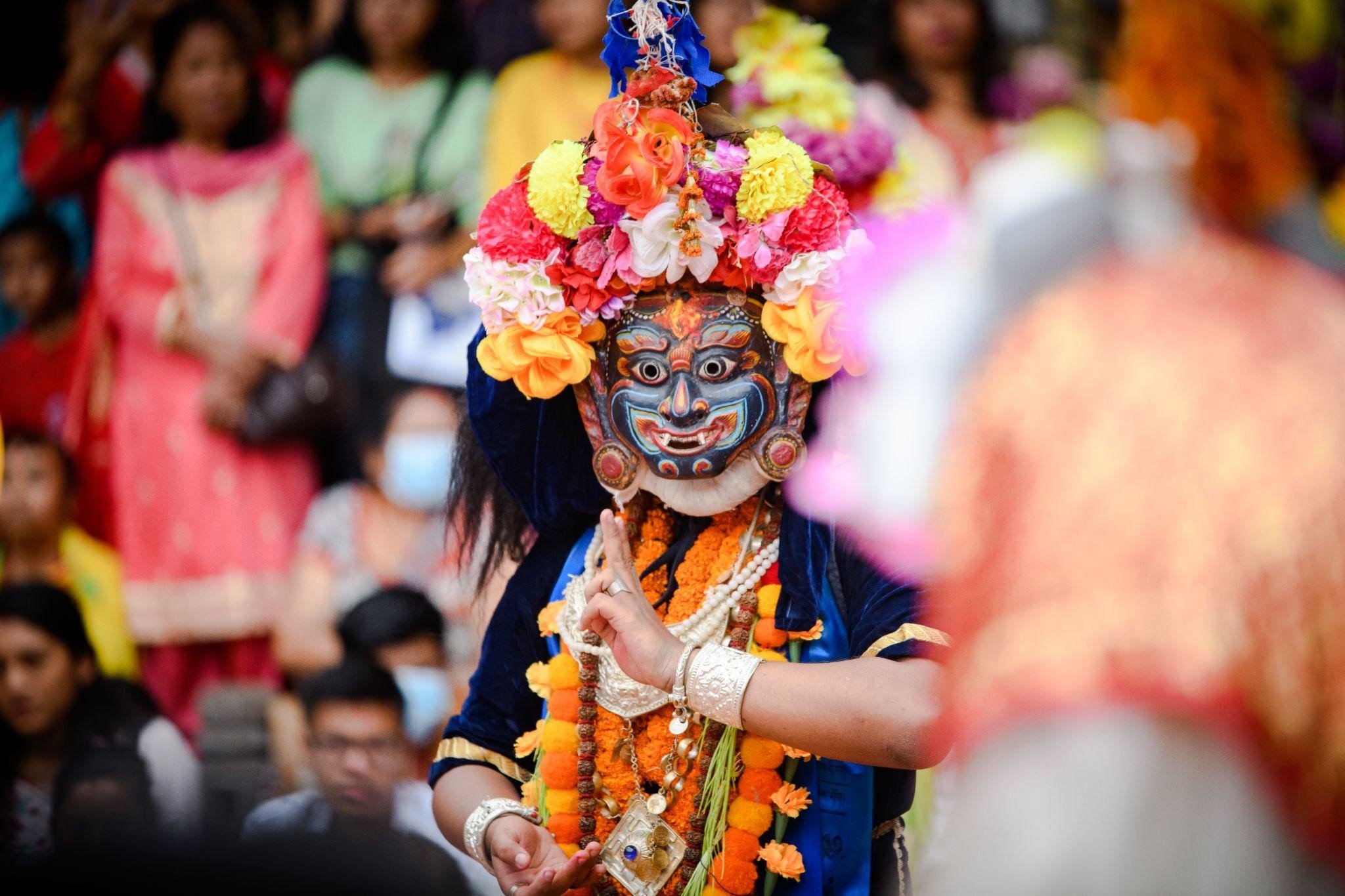
● Kartik Naach: Held annually in Patan’s Durbar Square, this masked dance retells stories from Hindu mythology through music and stylized choreography, turning public spaces into storytelling stages.
● Balan: Common in parts of western Nepal, Balan blends devotional songs with recitations of mythological tales, performed during religious ceremonies and festivals. It’s part prayer, part storytelling, and all tradition.
These festivals aren’t just celebrations. They are living narratives ways communities pass on stories of their gods, heroes, and shared past.
Final Thought
Storytelling in Nepal doesn’t always come wrapped in books or performed on grand stages. Often, it is found in songs echoing from village homes, tales shared under starlit skies, or ancient rituals danced out in temple squares.
POPULAR ITINERARIES
SIMILAR POSTS

Kathmandu for the Quiet Traveler: Where to Go When You Don’t Want the Usual
Not every traveler comes to Kathmandu for the bustle. Some come for the pauses the in-between spaces that escape guidebooks and algorithms. For these quiet travelers, Kathmandu offers a different map. One of book cafés hidden behind prayer flags, sunlit courtyards free of selfies, hilltop temples with no soundtrack but the wind.
An anti-itinerary for those seeking silence, poetry, and the stillness between footsteps
Not every traveler comes to Kathmandu for the bustle. Some come for the pauses the in-between spaces that escape guidebooks and algorithms. For these quiet travelers, Kathmandu offers a different map. One of book cafés hidden behind prayer flags, sunlit courtyards free of selfies, hilltop temples with no soundtrack but the wind.
If you crave solitude over spectacle, handwritten signs over neon lights, and time to breathe rather than check off a list, this guide is for you.
Here’s where to go in Kathmandu when you don’t want the usual.
1. Hidden Book Cafés and Teahouses with Time
Step away from the crowded cafés and find corners where time slows down. In neighborhoods like Jhamsikhel, Naxal, or Sanepa, you’ll find places with creaky floors, handwritten menus, and shelves full of poetry or philosophy.
Some are built around small libraries. Others open into gardens where the only noise is birdsong or distant chimes. Order a pot of masala tea or a pour-over, and stay as long as you like. No one rushes you here in fact, most people are reading, writing, or simply watching the rain.
2. Hill Walks with No Tour Buses
Kathmandu Valley is encircled by hills that hold some of the gentlest trails for reflective walking. Skip the popular hikes and try routes like:
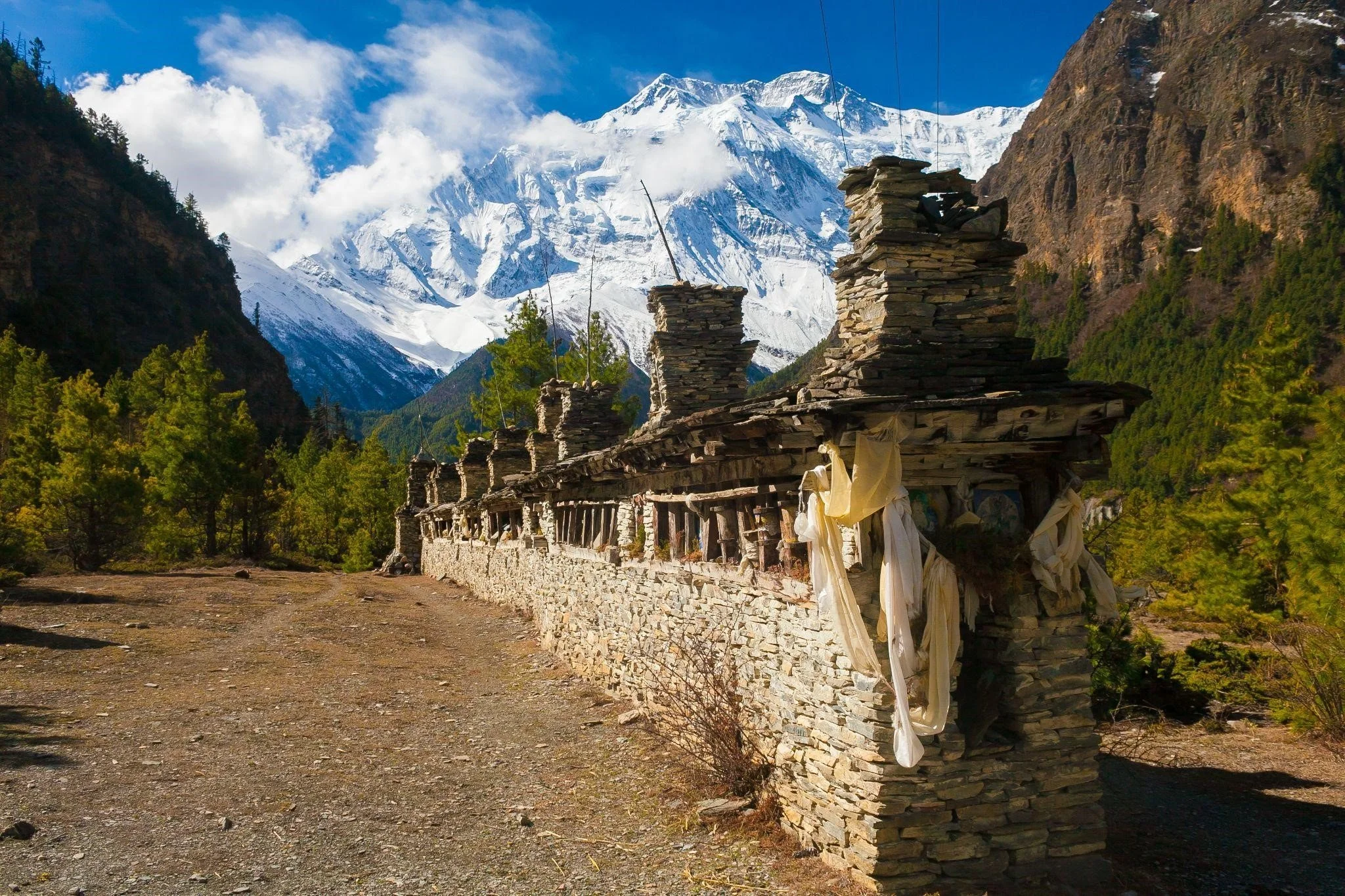
● Kopan to Budhanilkantha: A peaceful forest trail that passes monasteries, prayer walls, and local homes, with wide valley views and few hikers.
● Tarebhir Trail near Gokarna: A shaded, lesser-known route popular with local walkers, ideal for early morning solitude.
● Pharping Ridges: South of the city, these trails wind through pine forests and old hermit caves, used for centuries as places of retreat.
Bring a notebook, walk slowly, and let the quiet rearrange your thoughts.
3. Forgotten Courtyards and Old Stone Steps
Kathmandu is full of hidden courtyards tucked behind Newar homes, temples, or quiet lanes where you’ll hear the echo of your own footsteps. These are places not designed for tourism, but for living.
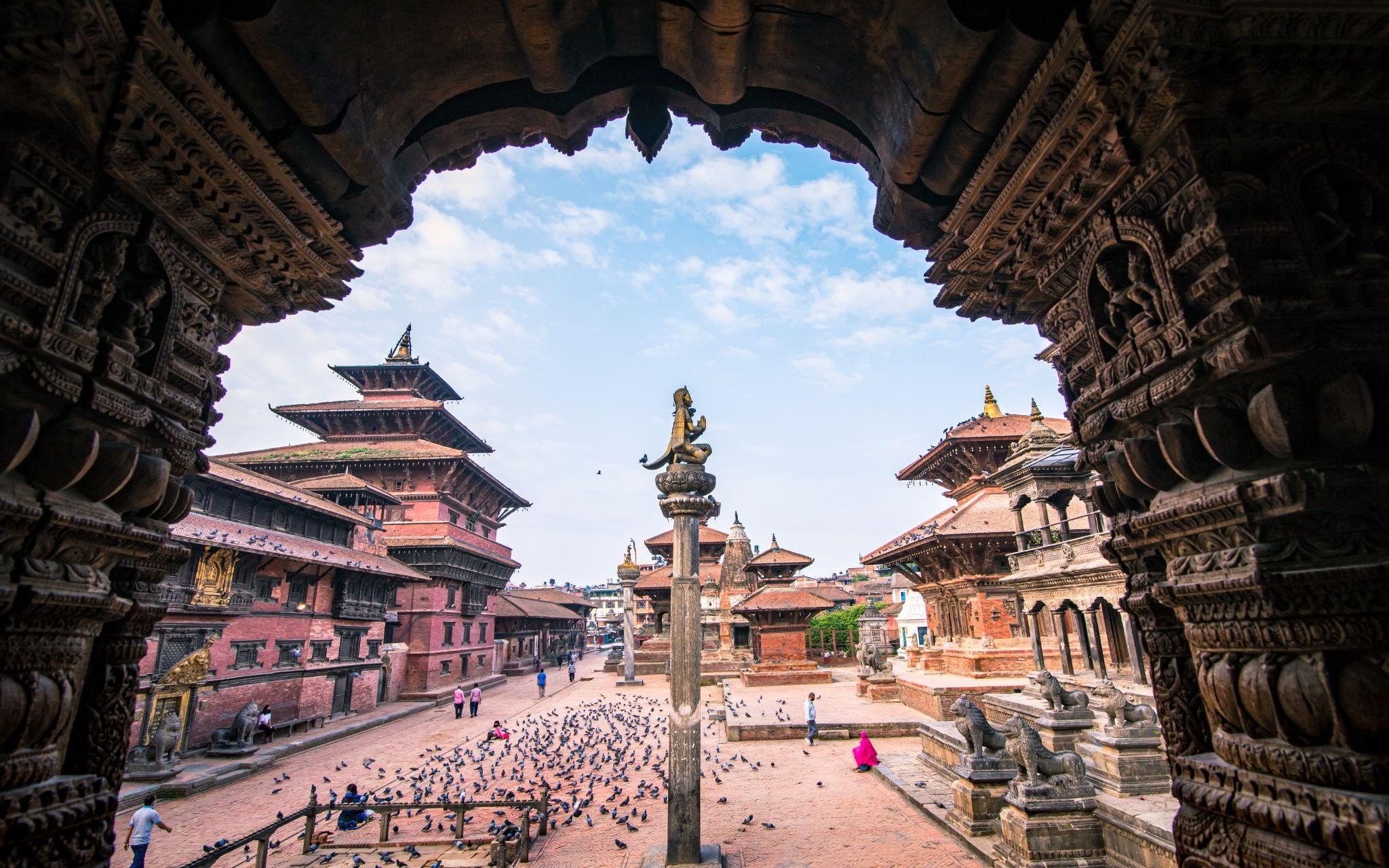
Wander around Patan’s inner lanes or Bhaktapur’s alleys just after sunrise. You’ll find stone chaityas with moss-covered bases, pigeons fluttering between roofs, and elders sitting silently beneath peepal trees. Some of these spaces have remained unchanged for centuries still, sacred, and strangely cinematic.
If you’re lucky, you may even find a quiet well or communal tap still in use, a brief reminder of slower, water-drawn mornings.
4. Libraries, Archives, and Shelves of Dusty Wisdom
Kathmandu has libraries not just for scholars, but for those who find calm in turning pages. From old government archives to indie cultural spaces, you’ll find shelves filled with history, literature, and silence.
Explore:
● Small local libraries inside old community halls
● Tibetan Buddhist libraries near Boudha or Swayambhu
● Cultural centers in Patan that offer rare books, poetry readings, or quiet rooms to write
You don’t need a membership just curiosity and respect for the space.
5. Gardens, Cloisters, and Monastery Grounds
While most tourists visit the big stupas and monasteries, the real sanctuaries lie in the smaller grounds places where monks tend plants, sweep floors, or meditate beneath Bodhi trees.
Some monastery gardens are open to the public, especially during early hours. Sit on a bench, breathe with the sound of prayer flags fluttering, and observe life unfolding without fanfare.
And if rain begins to fall even better. Monsoon mornings are Kathmandu’s best-kept secret.
Final Thought
Kathmandu is often described in noise horns, chants, markets, construction. But it also hums with quiet. You just have to look for it.
This is a city that rewards the slow traveler. The one who walks without checking their phone. Who pauses at temple thresholds. Who finds poetry in peeling paint and solace in stray dogs sleeping by the road.
So if you came here seeking peace, you didn’t come to the wrong place. You simply need to listen more softly.
POPULAR ITINERARIES
SIMILAR POSTS
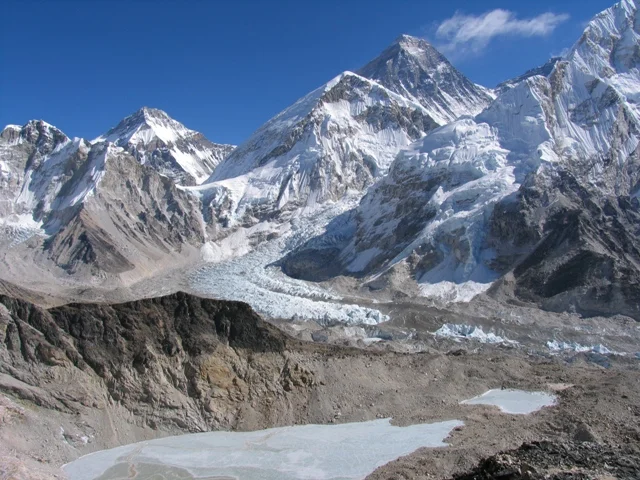
This trek is specially designed to reach the Everest Base Camp including Kala Pattar which is the best view point to view the sunrise over the high Himalayas including the Mt. Everest. This trek requires 13 days.
USD 1515 PER PERSON -- TWIN ROOM SHARING BASIS