

Handmade in the Himalayas: Where to Find Kathmandu’s Best Artisan Goods
Tucked between temple courtyards and winding alleys, Kathmandu reveals a quiet artistry that rewards those who linger. While its bustling streets may seem chaotic at first glance, a slower pace unveils a world shaped by human hands woven, carved, molded, and brushed with care.
Tucked between temple courtyards and winding alleys, Kathmandu reveals a quiet artistry that rewards those who linger. While its bustling streets may seem chaotic at first glance, a slower pace unveils a world shaped by human hands woven, carved, molded, and brushed with care.
This is a city where craftsmanship still breathes. If you’re drawn to the scent of wood shavings, the rhythm of a loom, or the glint of hammered bronze, this guide is your invitation to explore Kathmandu’s artisan soul, especially in the soft pause of the monsoon season.
Textiles That Tell Stories
Begin in the tucked-away boutiques of Thamel, the quiet lanes of Kupondole, or even the emerging studios of Patan, where looms still echo across courtyards. Here, textiles are more than garments they are stories of lineage, patience, and hand-spun dedication.
From naturally dyed cottons to handwoven Dhaka patterns and soft yak-wool blends, you’ll find fabrics that feel as meaningful as they are beautiful. These are crafted slowly, often under the guidance of master weavers passing down their knowledge across generations.
The Carver’s Hand
Kathmandu Valley’s woodwork is a silent marvel. While its grandeur is seen on ancient temples and palaces, smaller works meant for daily life or interior spaces are found in the city’s artisan districts.
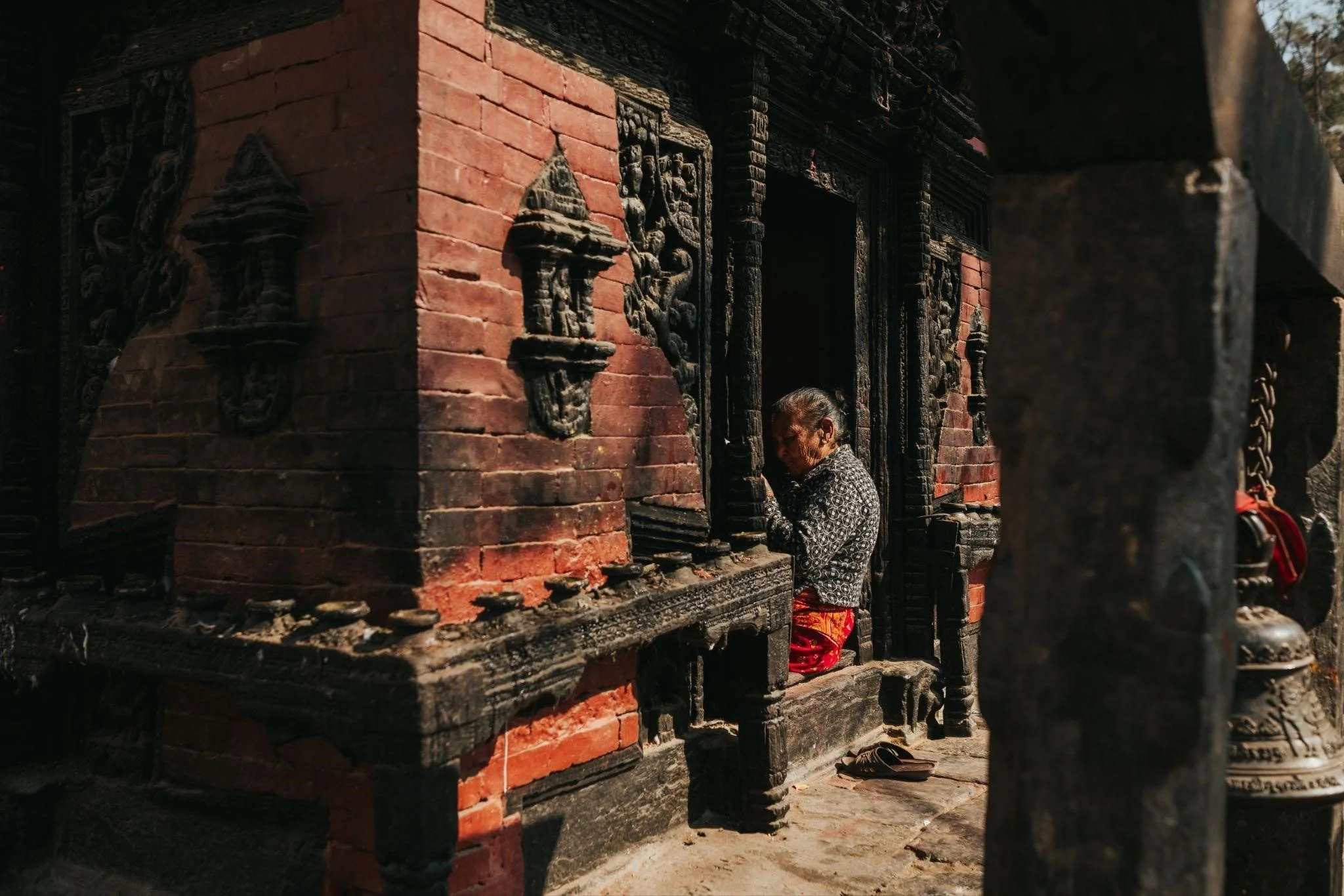
Walk through Patan’s older quarters or Bhaktapur’s heritage zones and you’ll hear the soft rhythm of chisels shaping sal and teak into windows, doors, or sacred symbols. During the rains, doorways shelter drying carvings, their details catching the light between clouds.
Metalwork and Ritual Craft
Brass, bronze, silver, and copper come to life in the hands of Kathmandu’s metal artisans. Whether it’s a singing bowl with perfect resonance or a delicately embossed butter lamp, these pieces are born through fire, forge, and focus.
Patan remains one of the valley’s strongest hubs for this craft, with many workshops quietly operating in historic lanes. In areas surrounding Boudhanath, artisans with Tibetan heritage continue the tradition of ritual object-making, often using methods untouched by time.
Quiet Studios and Hidden Galleries
For those who prefer introspective spaces to bustling markets, Kathmandu’s independent studios offer a more contemplative way to engage with local creativity. Some are housed in restored heritage buildings, others in artist-run cafés or small garden spaces all worth discovering.
From abstract paintings inspired by the mountains to minimalist ceramic ware, these works reflect a modern Nepali voice that’s deeply rooted yet unafraid to evolve. Exhibitions may be spontaneous, and artists often welcome thoughtful conversation over commerce.
Final Thought
Kathmandu’s beauty lies not only in what you see, but in how you see it. The best artisan goods here are not mass-produced souvenirs, but quiet objects with a sense of place. They’re found through curiosity, patience, and the willingness to step off the main road.
So take your time. Let the rain slow your steps. Let the city speak softly. And carry home a piece of the Himalayas handmade, heart-held.
POPULAR ITINERARIES
SIMILAR POSTS


What Rain Brings: A Local’s Guide to Kathmandu’s Monsoon Mood
When the monsoon arrives in Kathmandu, it does not rush. It rolls in gently, sometimes with the scent of soaked earth before the first drop even falls. For visitors, this season may feel quiet or unpredictable. But for those who call this valley home, rain is not a disruption it’s a rhythm. A part of daily life. A welcome pause.
When the monsoon arrives in Kathmandu, it does not rush. It rolls in gently, sometimes with the scent of soaked earth before the first drop even falls. For visitors, this season may feel quiet or unpredictable. But for those who call this valley home, rain is not a disruption it’s a rhythm. A part of daily life. A welcome pause.
At Hotel Shanker, where heritage arches meet garden green, you’ll find yourself not escaping the weather, but feeling it differently. Here’s a local lens on how Kathmandu embraces its monsoon.
Spirituality Soaked in Silence
In the rain, temples feel even more sacred. Pashupatinath’s golden rooftops shimmer wetly; prayer flags hang heavy and still. Worship continues, but with less noise fewer tourists, more quiet footsteps. Locals light incense, offer flowers, and sit longer, watching water trail down stone idols that have seen centuries of monsoons.
Many Kathmandu dwellers believe the rain cleanses the air, the body, and even the mind. There’s a stillness in these moments, especially early mornings, when the city feels like it’s wrapped in something older and wiser than time.
Food That Warms the Soul
Monsoon brings out a deep craving for warmth and Nepali kitchens respond beautifully.
You’ll find locals enjoying:
● Steamed momo with hot chutney
● Thukpa, a Tibetan noodle soup
● Aalu tama, fermented bamboo shoots with potato and black-eyed peas
● Fried snacks like pakoda and samosas with strong, milky chiya
Most families turn inward cooking slow meals, sharing conversations over gas stoves, and keeping traditions alive with every ladle. In homes and heritage restaurants alike, monsoon menus lean into comfort, spice, and steam.
Life Moves Slower, and That’s the Point
Kathmandu doesn’t stop during monsoon. But it softens.
Shops open late. Traffic flows slower. People linger under canopies, watch the clouds, and chat over tea. Children play in puddles; older folks pull their shawls tighter and smile. This season teaches a different pace one that asks less of you and offers more if you listen.
Hotel Shanker, with its quiet corridors and rain-fed gardens, becomes a place to reflect this rhythm. Guests sip tea under covered patios, walk barefoot in wet grass, or simply enjoy the sound of rain through tall windows.
What to Do, Where to Go
If you’re here during the rains, lean in not away. A few local suggestions:
Visit a monastery in the early morning mist like Kopan or White Gumba
Explore the Patan Museum wooden windows, terracotta tiles, and centuries of stories
Wander through Asan after rain, when the air is clean and colors brighter
Order hot sel roti from a street vendor and enjoy it with chiya as locals do
Spend time inside reading, writing, or simply being still in a space like Hotel Shanker
Final Thoughts
Monsoon is not just a season it’s a mood. A mirror. A kind of return.
For those who slow down enough to feel it, Kathmandu during the rains is more intimate, more fragrant, and more human. As the clouds pass low over palace roofs and the city breathes deeper, you might just discover that this quieter version of the valley is the one that stays with you longest.
POPULAR ITINERARIES
SIMILAR POSTS

Savoring Kathmandu: A Culinary Trail for First-Time Visitors
Kathmandu is not just a gateway to the Himalayas. It’s a city that feeds your senses. For first-time visitors, the flavors here offer a warm and welcoming glimpse into Nepal’s soul. From rooftop restaurants to quiet neighborhood stalls, every meal has something to say.
Kathmandu is not just a gateway to the Himalayas. It’s a city that feeds your senses. For first-time visitors, the flavors here offer a warm and welcoming glimpse into Nepal’s soul. From rooftop restaurants to quiet neighborhood stalls, every meal has something to say.
Start Your Day the Local Way
Begin your morning with sel roti and milk tea. This lightly sweet, crispy rice doughnut pairs beautifully with a hot cup of spiced tea. You might find it in a small stall tucked into an alley, where locals stop for a quick bite before their day begins.
Another simple favorite is chiura (flattened rice) served with buff sukuti (dried meat) or curried potatoes. It’s hearty, flavorful, and loved across generations.
Midday Meals with Meaning
Lunchtime in Kathmandu is often slow, generous, and shared. The traditional Nepali thali is a must-try. A round metal plate brings together steamed rice, lentils, vegetables, pickles, and a meat or vegetarian curry. Each part balances the other, creating a meal that’s filling and satisfying.
In heritage areas, especially around old squares, Newari dishes bring deeper regional flavor. Look for sets that include spicy chhoila, bara, and aloo tama. The ingredients are simple, but the cooking methods hold centuries of tradition.
Street Snacks and Afternoon Bites
As the sun dips lower, Kathmandu’s street snacks come to life. Try chatpate, a tangy mix of puffed rice, peanuts, and raw onions tossed in chili and lemon. It’s crunchy, spicy, and addictive.
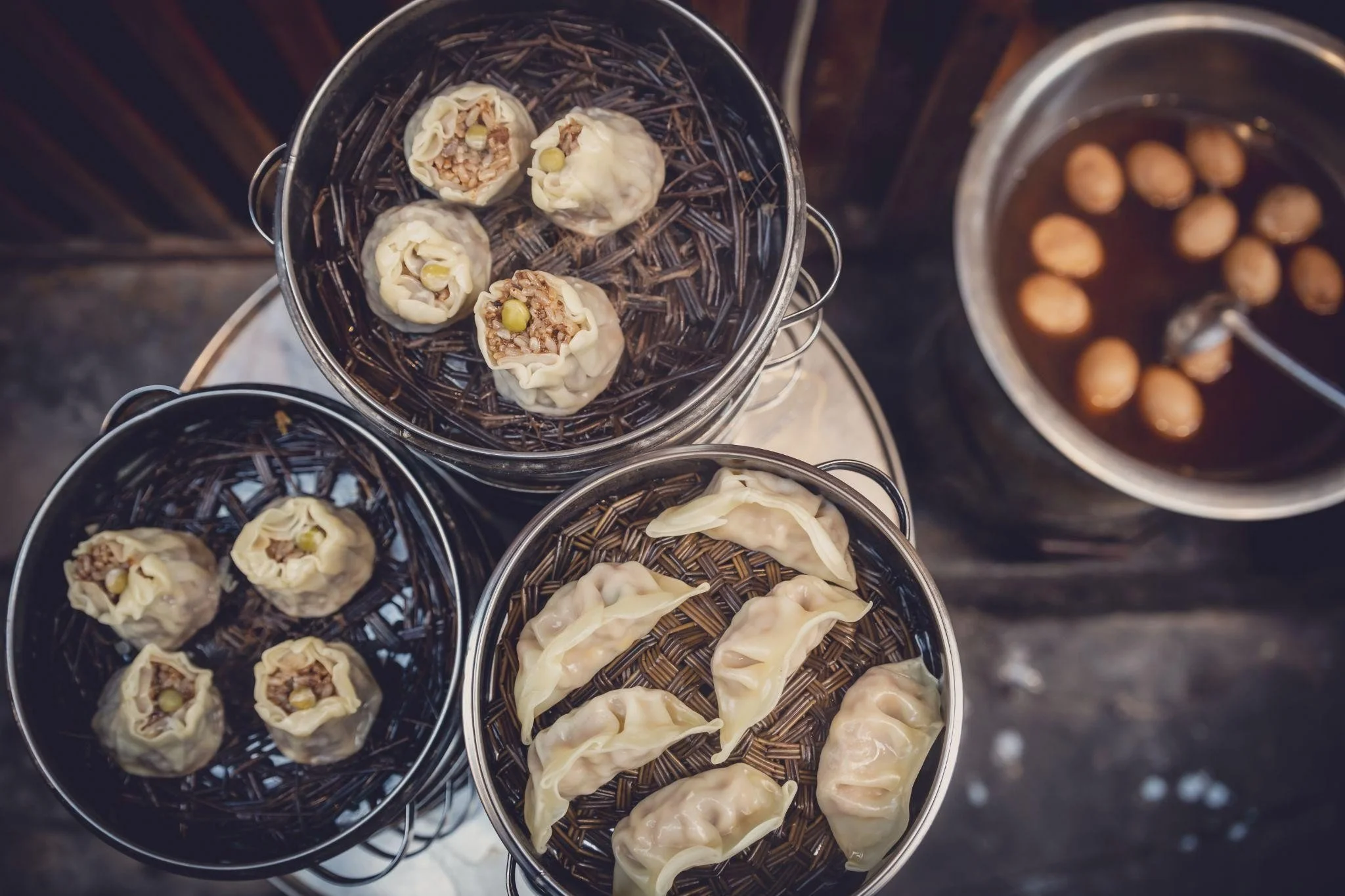
And of course, momos. These steamed dumplings are everywhere. Whether filled with vegetables, buff, or paneer, they’re always served hot and with a fiery tomato-based achar.
Evening Dining and Rooftop Views
Dinner in Kathmandu is often a chance to relax and look out over the city. Rooftop restaurants offer peaceful views of temple spires, local rooftops, and the rhythm of the streets below.
Here, you might try grilled trout flavored with local herbs or a bowl of warm thukpa. The menu often mixes comfort with elegance, and many places are known as much for their setting as their food.
A Sweet Finish
No culinary trail in Kathmandu is complete without juju dhau. This creamy, thick yogurt comes from Bhaktapur and is a local treasure. Or end with a quiet cup of masala chiya, best enjoyed slowly.
For the Curious Palate
Kathmandu’s food journey isn’t just about trying something new. It’s about how meals are shared, how they’re prepared with care, and how taste is tied to tradition. For those arriving for the first time, it’s an easy way to connect—to the city, its people, and its quiet warmth.
Once you’ve eaten here, you’ll carry the taste long after you leave.
POPULAR ITINERARIES
SIMILAR POSTS

More Than Stone: What Temples and Palaces Can Teach the Modern World
In the old cities of the Kathmandu Valley, temples don’t just sit in place. They shape it. Palaces don’t just preserve history. They continue it. These structures were not built simply to impress. They were built to last, to breathe, and to hold meaning through time.
In the old cities of the Kathmandu Valley, temples don’t just sit in place. They shape it. Palaces don’t just preserve history. They continue it. These structures were not built simply to impress. They were built to last, to breathe, and to hold meaning through time.
Their lessons go far beyond architecture. In fact, they might be exactly what the modern world has forgotten.
Space is Not Just for Use, It’s for Experience
In traditional architecture, rooms were not measured by square footage but by how they felt. Some opened into light. Others offered cool shade at midday. Spaces existed not just to function, but to shift one’s state of being. To create silence, pause, and focus.
Today’s cities often crowd out stillness. But old temples and palaces remind us that space can create attention, not distraction. And beauty can be quiet.
Ritual Built into the Everyday
Temples and palaces weren’t designed apart from life. They were embedded in it. A corridor’s alignment with the rising sun, a step’s echo in a courtyard, the low threshold that asks you to bow your head — these weren’t decorative. They were intentional. They reminded people, gently, of presence.
Even without understanding the rituals, visitors often feel something in these places. A calm that doesn’t need explaining.
The Power of Craft, Not Speed
A carved window that took weeks. A doorway designed to hold light just so. These weren’t shortcuts. They were acts of care. The kind of care rarely found in mass production.
In a world that values efficiency, old buildings remind us of another kind of value. Devotion to detail, even if no one notices at first glance.
Age is Not Decay, It’s Depth
Modern thinking often sees age as a flaw. A thing to repair, repaint, or erase. But temples and palaces wear their age openly. The weathered stone, the softened edges, the soot-darkened walls they are not broken. They are full.
Time doesn’t erode these places. It completes them.
They Were Built for Humans, Not Just for Power
Despite their scale, there’s something deeply human about these spaces. The proportions are gentle. The materials familiar. A palace could be grand and still feel like a home. A temple could feel sacred and still welcome you to sit.
There is dignity here, not from height or spectacle, but from balance.
A Quiet Inheritance
We walk through these places as visitors, but they are not museums. They are inheritances. Of attention. Of slowness. Of grace.
In Kathmandu, this architecture is not just memory. It is a living texture. It slows you down without asking, teaches you without speaking, and offers something softer in a world that often forgets to look up.
POPULAR ITINERARIES
SIMILAR POSTS


The Sacred Body of the Valley: Living Tantra in Kathmandu, Patan & Bhaktapur
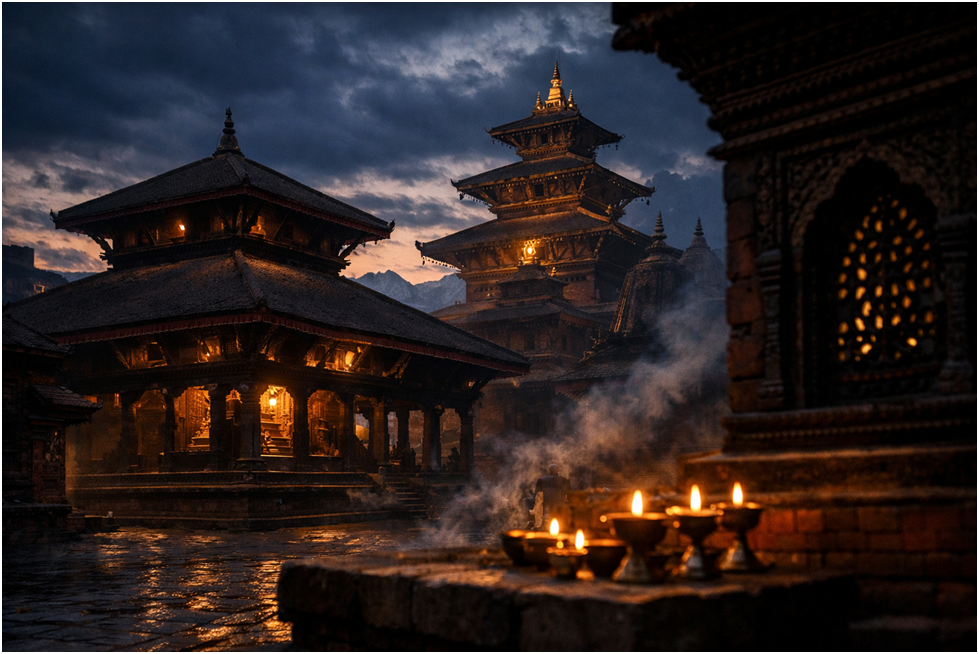
Step into the Durbar Squares of Patan, Bhaktapur, or Kathmandu, and you are no longer just in a historic city. You’re inside a living Tantric body. Where shrines rise not just at the center, but at every turn, every step, every breath. These cities were not built with symmetry alone, they were built with intention. And their intention is to awaken.
You don’t enter the sacred in Kathmandu you walk through it.
Step into the Durbar Squares of Patan, Bhaktapur, or Kathmandu, and you are no longer just in a historic city. You’re inside a living Tantric body. Where shrines rise not just at the center, but at every turn, every step, every breath. These cities were not built with symmetry alone, they were built with intention. And their intention is to awaken.
A City That Breathes in Symbols
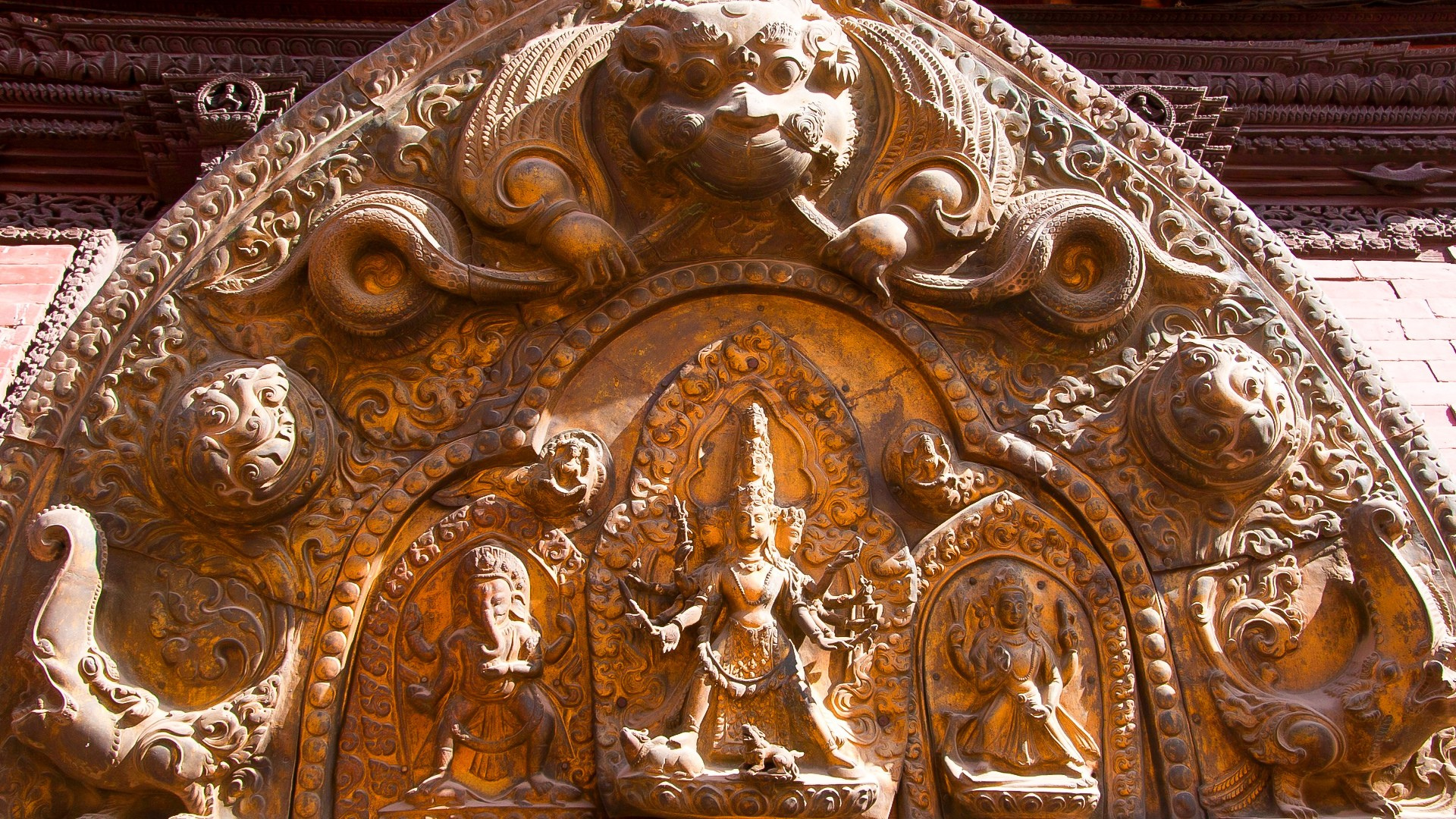
Here, the spiritual doesn’t exist apart from the physical. It is the physical. Every strut carved with fire-bearing deities, every lion at the base of a stairway, every miniature shrine hidden behind a street-side arch they’re not just ornament. They are gateways, markers in a larger energy map.
In the tantric worldview, the body is a microcosm of the universe. The same is true for these cities.
They function like mandalas: layered, directional, balanced. Each corner, each node, has meaning. And unlike monuments sealed off in reverence, these spaces are lived in, passed through, knelt before. Children play beside Bhairavs. Women place marigolds at stone altars on their way to buy lentils. The sacred breathes with the street.
Patan Durbar Square: The Heart That Feels Everything
Of the three, Patan hums the softest but its frequency is deep. Temples rise close together, like a cluster of thoughts around stillness. From the golden roof of Hiranya Varna Mahavihar to the tantric geometry of Krishna Mandir, the square draws you inward. You may not understand every symbol, but you’ll feel the weight of alignment the sense that something here is placed exactly where it needs to be.
Walk slow. Let your gaze rise and fall. You’re not observing; you’re participating.
Bhaktapur Durbar Square: The Spine of Fierceness and Devotion
In Bhaktapur, the energy shifts stronger, more pronounced. The statues of Ugrachandi and Ugrabhairav at the palace gate don’t invite you in gently. They announce the sacred. Here, the tantric body is not subtle. It demands engagement.
Every few meters, a shrine. Every turn, a temple. It’s easy to get lost and maybe you’re meant to. Bhaktapur doesn’t hand you answers. It tests your presence. The city speaks in festivals, in masked dances, in sudden encounters with divinity in the most unassuming corners.
Kathmandu Durbar Square: The Face and the Voice
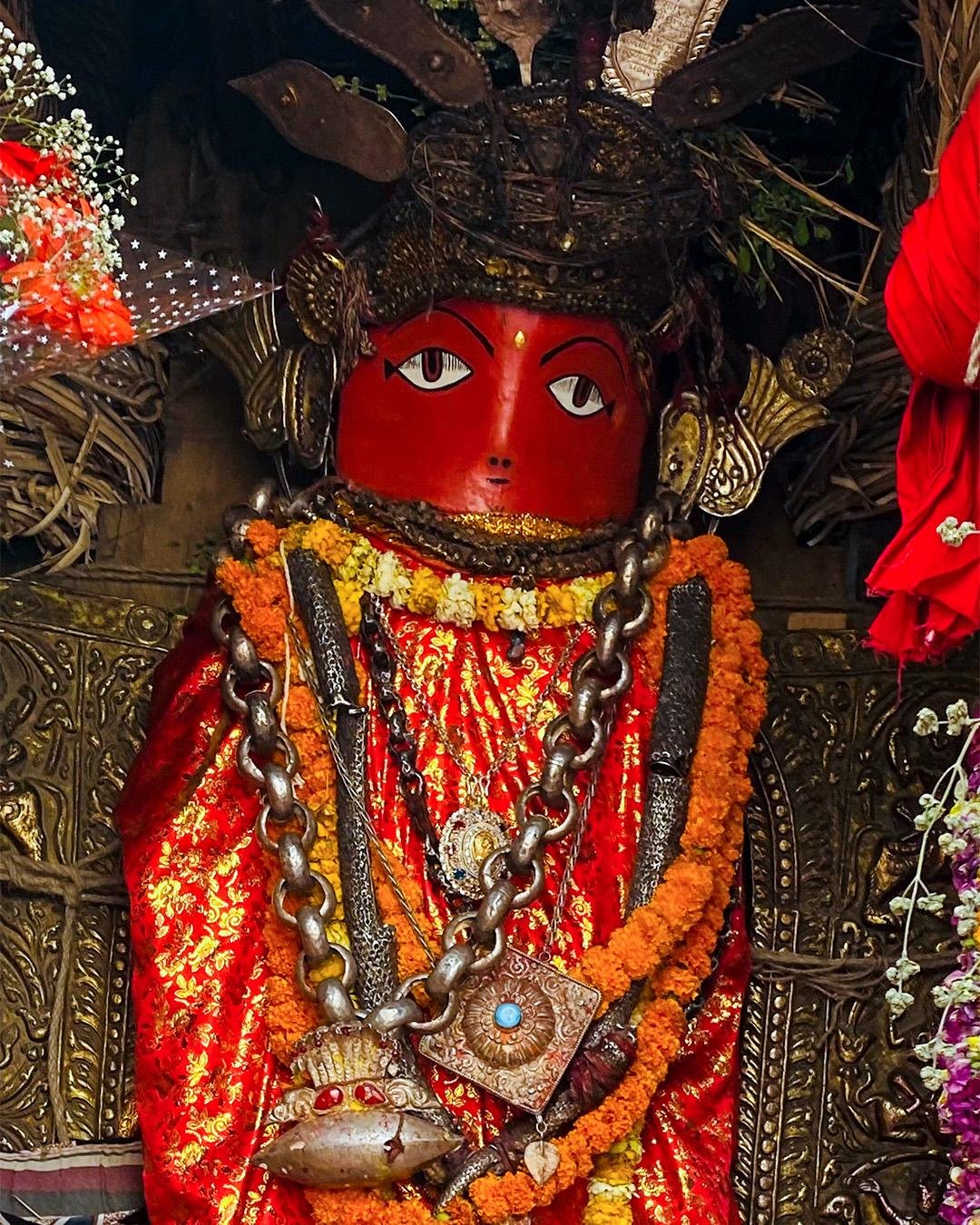
Kathmandu’s square is louder. More human. It pulses. And at its heart sits Kaal Bhairav, black-stone protector and truth-teller. Stand before him long enough and the rest of the square fades.
Here, tantric energy is woven into the rhythm of life Indra Jatra, Kumari processions, the temple of the living goddess. The square doesn’t separate the spiritual from the social. It shows you what happens when they’re never apart to begin with.
Not a Monument. A Mandala.
These cities were not built to be admired. They were built to be used. Walked. Circled. Sat within. Their tantric power is not in what they say it’s in what they do to the body moving through them.
You leave not with photos, but with something rearranged.
Every Step a Ritual, Every Corner a Gate
The Durbar Squares of the Kathmandu Valley aren’t just beautiful they are active fields of spiritual architecture. Still powerful. Still inhabited. Still offering anyone who walks with attention the chance to feel more awake, more grounded, more real.
Not because you entered a temple.
But because the whole city is one.
POPULAR ITINERARIES
SIMILAR POSTS

Taleju Temple: The Sacred Heart of Kathmandu’s Spiritual Legacy
Nestled within the historic Kathmandu Durbar Square, the Taleju Temple stands as a testament to Nepal’s rich tapestry of history, spirituality, and architectural brilliance. Dedicated to Taleju Bhawani, the royal goddess of the Malla dynasty, this 16th-century edifice is not just a place of worship but a symbol of the nation’s enduring cultural heritage.
Nestled within the historic Kathmandu Durbar Square, the Taleju Temple stands as a testament to Nepal’s rich tapestry of history, spirituality, and architectural brilliance. Dedicated to Taleju Bhawani, the royal goddess of the Malla dynasty, this 16th-century edifice is not just a place of worship but a symbol of the nation’s enduring cultural heritage.
A Glimpse into History
Commissioned in 1564 by King Mahendra Malla, the Taleju Temple was constructed to honor Taleju Bhawani, the tutelary deity believed to have guided and protected the Malla kings. Legend has it that the goddess appeared to the king in a dream, instructing him to build a temple in her honor. This divine encounter underscores the deep spiritual connection between the Malla rulers and their patron goddess.
Architectural Marvel
Standing at an impressive height of 35 meters, the Taleju Temple is a masterpiece of Newar architecture. Its unique design is said to resemble a yantra—a mystical diagram symbolizing the universe—reflecting the temple’s spiritual significance. The temple’s multi-tiered pagoda structure is adorned with intricate carvings, gilded roofs, and ornate windows, showcasing the exceptional craftsmanship of the era.
Surrounding the main temple are 12 miniature temples, each representing the months of the year, emphasizing the temple’s cosmic symbolism. The temple’s four main entrances are guarded by stone lions, adding to its majestic presence.
Spiritual Significance
Taleju Bhawani is revered as a manifestation of the fierce goddess Durga. Her worship was central to the Malla kings, who considered her their royal deity. The temple’s sanctum houses shrines dedicated to both Taleju Bhawani and Kumari Devi, the living goddess of Kathmandu. This association underscores the temple’s pivotal role in the spiritual life of the valley.
Access to the temple is highly restricted. It opens to the public only once a year during the Dashain festival, allowing devotees to pay homage to the goddess. This exclusivity adds to the temple’s mystique and sanctity.
Legends and Lore
The Taleju Temple is steeped in legends that enrich its spiritual aura. One such tale speaks of the goddess appearing in the form of a bee during the temple’s dedication ceremony, symbolizing her divine presence and blessing. Another legend narrates the story of King Jaya Prakash Malla, who played dice with the goddess in the temple’s sanctum, highlighting the intimate bond between the deity and her devotees.
Preservation and Legacy
Despite the ravages of time and natural calamities, including the 2015 earthquake, the Taleju Temple has retained its grandeur. Restoration efforts have been undertaken to preserve its structural integrity and artistic heritage. Today, the temple stands not only as a place of worship but also as a symbol of Nepal’s resilience and commitment to preserving its cultural landmarks.
Visiting the Taleju Temple
While the temple’s inner sanctum is accessible only during the Dashain festival, visitors can admire its architectural splendor from the outside year-round. Situated within the UNESCO World Heritage Site of Kathmandu Durbar Square, the temple is surrounded by other historical edifices, making it a focal point for those interested in Nepal’s rich history and culture.
Final Reflection
The Taleju Temple is more than just an architectural wonder; it is a living testament to Nepal’s spiritual depth, historical richness, and artistic excellence. For those seeking to understand the soul of Kathmandu, a visit to this sacred site offers a profound glimpse into the city’s enduring legacy.
POPULAR ITINERARIES
SIMILAR POSTS

The Quiet Lanes of Water – Poolside Peace at Hotel Shanker
In the heart of a city known for its vibrant streets and bustling markets, there’s a quieter side to life, a place where time slows down and the air feels a little lighter. At Hotel Shanker, the pool is more than just a place to swim. It’s a space to pause, reflect, and find a little calm in the middle of it all.
A Place to Pause
In the heart of a city known for its vibrant streets and bustling markets, there’s a quieter side to life, a place where time slows down and the air feels a little lighter. At Hotel Shanker, the pool is more than just a place to swim. It’s a space to pause, reflect, and find a little calm in the middle of it all.
Morning Calm
Mornings by the pool at Hotel Shanker have a special kind of quiet. The sun rises slowly, casting long, soft shadows across the water. The air is cool, the garden alive with the sounds of birds, and the surface of the pool perfectly still, reflecting the early light.
There’s a sense of promise in these early hours, a feeling that the day is yours to shape. A quiet swim, a warm cup of tea, and a few slow breaths before the city fully wakes up. For a moment, the only sound is the gentle ripple of water as you take a slow lap, letting your mind drift with each stroke.
Afternoons in the Sun
As the sun climbs higher, the pool comes to life. The water glistens, catching the light at every angle. Laughter echoes from nearby tables, the clinking of glasses mixing with the sound of splashing. The garden adds a touch of green, with leaves rustling in the warm breeze.
This is the time for long, unhurried lunches, cool drinks, and conversations that stretch into the afternoon. A good book, a shady corner, and the gentle warmth of the sun on your skin. The hours move slowly here, each moment unfolding without rush.
Evening Reflections
As the day winds down, the pool takes on a different kind of calm. The light softens, turning the water a deep, rich blue. The air cools, the shadows lengthen, and the sounds of the city fade into the background.
This is a time for quiet reflections, a time to let the day settle in your mind. The surface of the water holds the last of the daylight, a mirror for the sky above. It’s a place to sit back, sip a cool drink, and watch as the lights of the hotel begin to glow, casting a warm, welcoming glow over the water.
A Different Kind of Stillness
There’s a special kind of peace in the quiet lanes of water. A stillness that feels different from the rest of the city. It’s the feeling of cool water on warm skin, the soft sound of footsteps on wet tiles, the gentle rise and fall of the surface as the breeze moves through the garden.
At Hotel Shanker, the pool is a place to linger. It’s a place to slow down, to drift without a plan, to let your thoughts wander as the water moves gently around you. It’s a small corner of calm in a busy city, a reminder that sometimes the best moments are the quiet ones.
Finding Your Place by the Water
Whether you’re an early riser looking for a moment of quiet before the day begins, a sun-seeker in search of warmth, or a night owl drawn to the cool, reflective surface of the evening pool, there’s a place for you here.
At Hotel Shanker, the water is more than a feature. It’s a feeling, a moment, a memory in the making. It’s a place where time slows down, where the noise of the city fades, and where you can find a little peace in the middle of it all.
POPULAR ITINERARIES
SIMILAR POSTS

Walking Through the History of Kathmandu
Kathmandu is a place that holds its history close. Every corner, every alley, every old building has a story to tell. It’s a city that rewards slow walks and curious minds.
A City Built on Stories
Kathmandu is a place that holds its history close. Every corner, every alley, every old building has a story to tell. It’s a city that rewards slow walks and curious minds.
If you’re staying at Hotel Shanker, you’re already in a place with its own history. But beyond its gates, the streets of Kathmandu have even more to share. Here are a few places where the past still lives, just a short walk or drive from the hotel.
Ason Bazaar: Where the City Still Breathes
Start your day in Ason Bazaar, one of the oldest markets in Kathmandu. Here, the air is thick with the smell of spices, fresh vegetables, and incense. Narrow lanes twist through old brick buildings, their windows carved with care.
Pause at the Annapurna Temple, a small but sacred spot dedicated to the goddess of abundance. You’ll often find locals stopping to light incense or offer flowers as the market buzzes around them.
Indra Chowk: Where Life Crosses Paths
From Ason, walk toward Indra Chowk, a busy crossroads that has been a meeting point for traders and travelers for centuries.
Take a moment at the Seto Machhindranath Temple, a quieter corner where butter lamps flicker and the smell of marigolds fills the air. It’s a reminder that even in the busiest parts of the city, there is space for quiet reflection.
Basantapur: The Heart of Old Kathmandu
From Indra Chowk, follow the winding lanes to Basantapur, a place known for its tall, wooden pagodas and carved windows.
Look for the Kaathe Swayambhu Stupa, a small but important shrine that echoes the larger stupa on the hill. It’s a good place to pause, take a breath, and watch the city move around you.
Itumbaha Courtyard: A Hidden Gem
Just a short walk from the main squares, Itumbaha is a quiet, hidden courtyard that feels like a step back in time. Built in the 14th century, this Buddhist monastery still holds its original charm, with intricate wood carvings and a peaceful, lived-in atmosphere.
Narayanhiti Palace Museum: A Look at Recent History
End your walk at the Narayanhiti Palace Museum, just a short drive from Hotel Shanker. Once home to Nepal’s kings, this palace is now a museum that offers a glimpse into the country’s recent past.
Walk through the grand halls, past crystal chandeliers and state rooms, and imagine the moments of history that unfolded here.
Coming Back to Quiet
After a day spent moving through the city’s history, coming back to Hotel Shanker feels like a welcome pause. The cool halls, the quiet gardens, and the soft light in the windows offer a different kind of history—a quieter, more personal one.
POPULAR ITINERARIES
SIMILAR POSTS

Rato Machhindranath Jatra: A Festival That Moves With the City
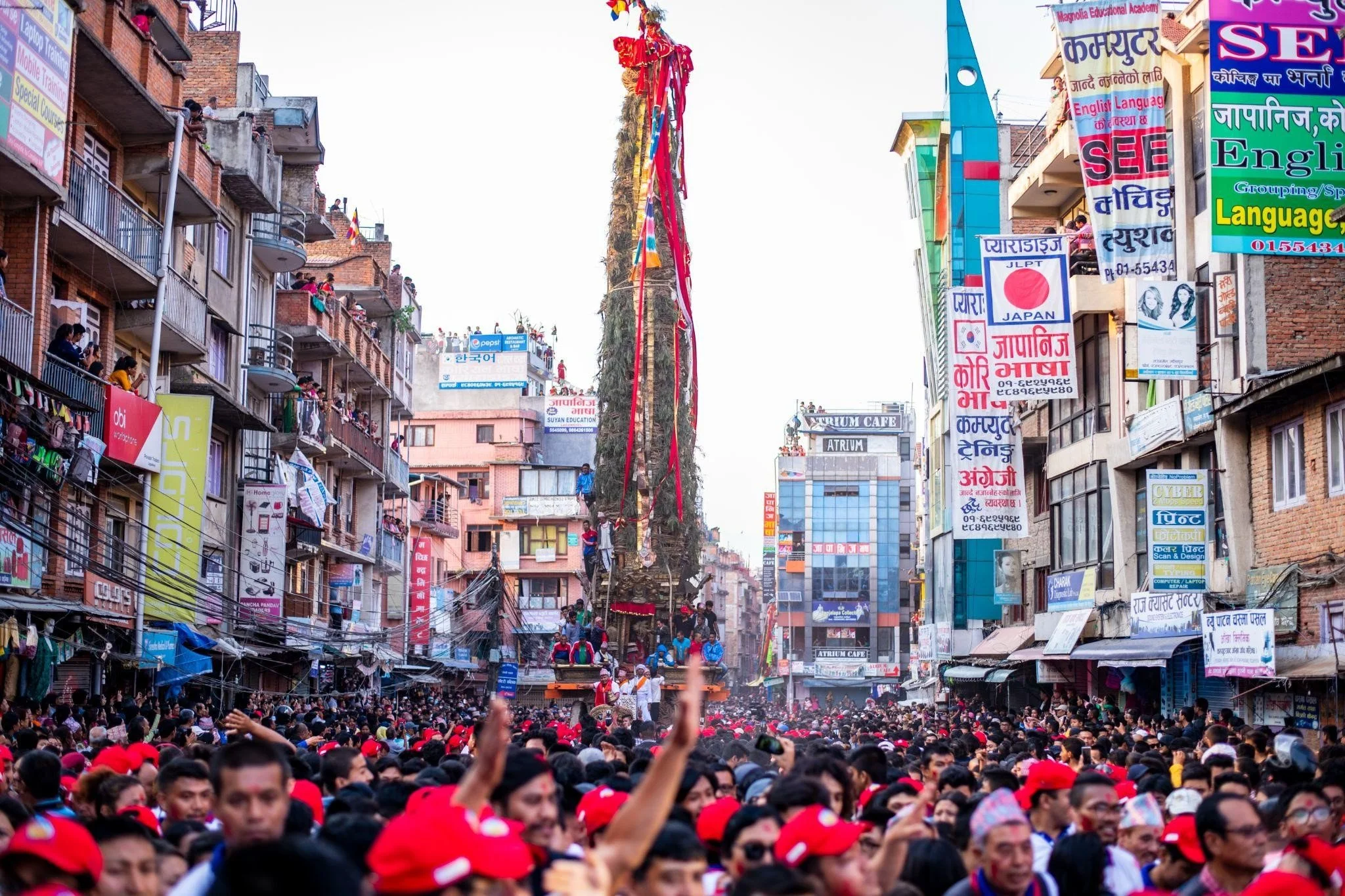
Every spring, as the air begins to warm and the days grow longer, the city of Patan prepares for a celebration unlike any other. Rato Machhindranath Jatra is one of the oldest and most respected festivals in Nepal. Its roots go back more than a thousand years, and its meaning still feels just as strong today.
An Ancient Celebration in the Heart of the Valley
Every spring, as the air begins to warm and the days grow longer, the city of Patan prepares for a celebration unlike any other. Rato Machhindranath Jatra is one of the oldest and most respected festivals in Nepal. Its roots go back more than a thousand years, and its meaning still feels just as strong today.
This isn’t a festival that happens on a stage or behind closed doors. It happens right in the middle of the streets. The entire city becomes part of it. People don’t just watch—they walk alongside it. They help pull the ropes, offer prayers, and tell stories to the younger ones who are seeing it for the first time.
The Story Behind the Festival
At the center of the Jatra is the deity Rato Machhindranath, believed to be the bringer of rain and protector of the valley. According to legend, there was once a time when no rain fell, and famine spread across the land. The people prayed and asked for help. When they brought the deity to the valley, the rains returned, and life began to grow again.
Since then, the people of Patan and Kathmandu have honored this gift by building a tall wooden chariot each year, placing the image of Rato Machhindranath inside, and pulling it through the city. The chariot is made entirely by hand using traditional tools and techniques passed down through generations. Each part of it has meaning. Each gesture during the procession carries memory.
A City in Motion
The procession itself is slow and careful. It can take several weeks for the chariot to complete its journey, moving from Pulchowk through the narrow streets and open squares of Patan. Along the way, communities gather to offer flowers, light lamps, and pay their respects. Musicians play traditional instruments. Children laugh and chase one another. Elders sit quietly and watch.
This is not a performance. It is daily life, paused for something sacred.
For Locals and Visitors Alike
For someone seeing the Jatra for the first time, it can feel overwhelming in the most beautiful way. There is so much to take in—the sounds, the colors, the energy of the people. But more than that, there’s a feeling of being part of something that has existed long before and will continue long after.
Visitors staying at Hotel Shanker during this time are in a special position. You can experience the liveliness of the festival by day, and return by evening to a space filled with calm. The hotel’s location offers easy access to the heart of the valley, yet its gardens, quiet halls, and graceful rooms provide a contrast that feels deeply welcome after a day spent amidst the celebration.
Why the Festival Still Matters Today
In today’s fast-moving world, where traditions often fade or change, Rato Machhindranath Jatra remains grounded. It’s not just about religion. It’s about community. It’s about remembering what it means to come together for something shared—something old, and yet still alive.
The Jatra reminds us that belief doesn’t always live in temples. Sometimes, it lives in the hands that pull the chariot ropes. In the feet that walk the route. In the voices that call out to friends from the rooftops. It lives in moments that are not rushed, but carried forward—slowly, with care.
A Festival to Witness, A Place to Rest
At Hotel Shanker, we believe in the value of these moments. We know that every guest who walks through our doors carries stories, just as this city does. That’s why we offer a space where you can not only rest, but reflect. A stay here during the Jatra isn’t just convenient—it’s meaningful.
You return not only to luxury, but to something that understands the rhythm of the valley. Something that holds history, just like the festival outside its gates.
POPULAR ITINERARIES
SIMILAR POSTS
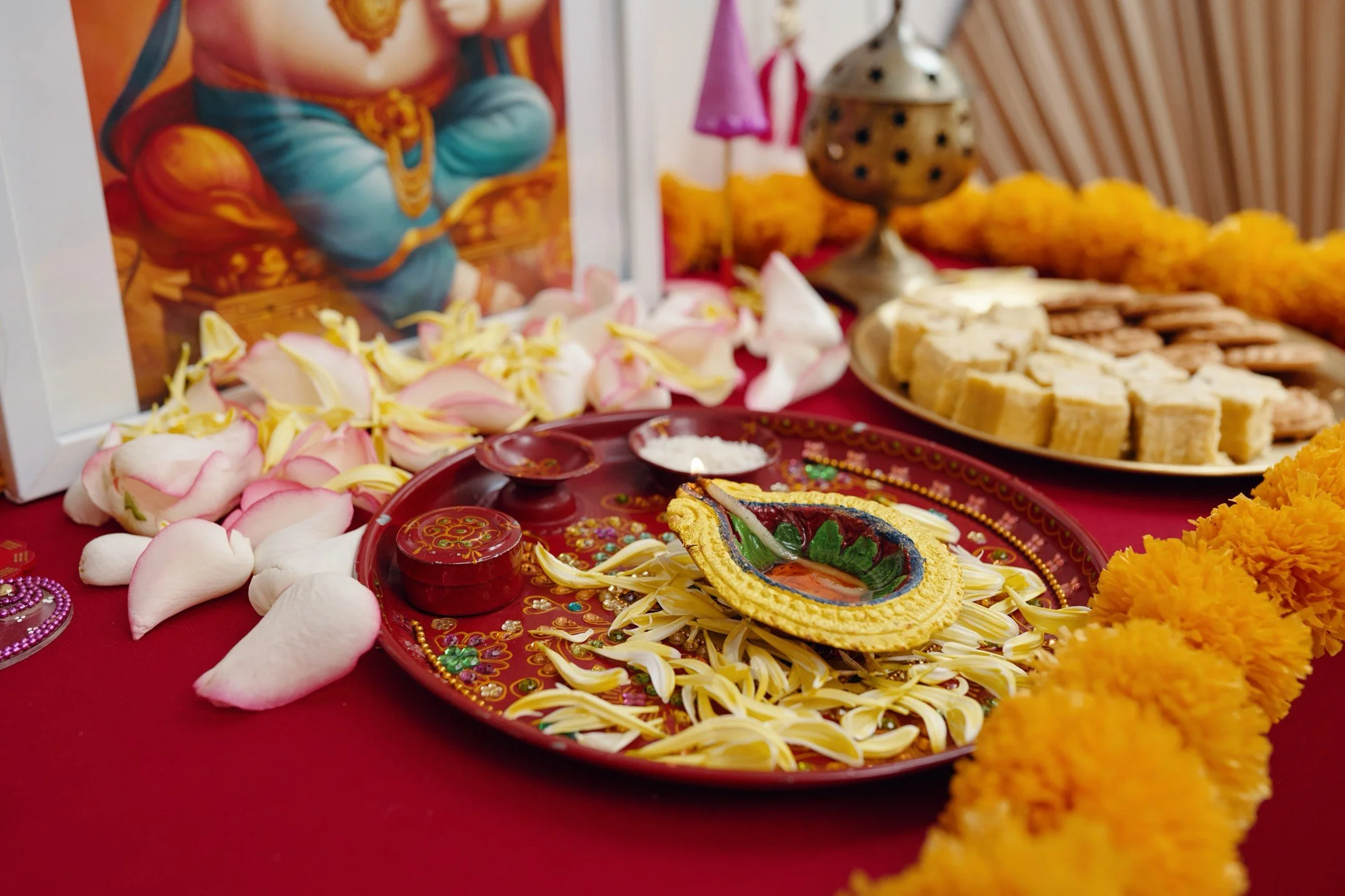

Five Experiences That Make Your Stay at Hotel Shanker Unforgettable
At Hotel Shanker, memory is shaped not just by architecture, but by emotion. The light in the garden at dusk. The sound of footsteps on century-old marble. The grace of service that arrives before you ask.
There are hotels that offer a place to sleep—and then there are hotels that stay with you, long after you’ve left.
At Hotel Shanker, memory is shaped not just by architecture, but by emotion. The light in the garden at dusk. The sound of footsteps on century-old marble. The grace of service that arrives before you ask.
Here are five moments—quiet, beautiful, and intentional—that make a stay at Hotel Shanker more than just accommodation. They make it an experience.
1. A Garden Morning That Doesn’t Rush You
Before the city begins to stir, the gardens at Hotel Shanker are already alive—with birdsong, filtered sunlight, and a sense of peace that can’t be staged.
Guests begin their day not with urgency, but with stillness. A cup of Nepali tea. A newspaper. The scent of fresh leaves. This is not just breakfast outdoors—it’s a ritual in ease.
Why it matters: It reminds you that slow starts are often the most meaningful.
2. A Room That Holds History—Without Demanding It
Step into your room and you’ll feel it immediately: space, air, quiet. The high ceilings. The aged wood. The softness of light on vintage textures.
You’re not in a recreated version of the past—you’re inside it. But never overwhelmed. Hotel Shanker’s rooms are designed to be lived in, not just admired.
Why it matters: It’s where comfort meets character—and both are entirely real.
3. Afternoon by the Pool, Under Palace Shadows
The pool at Hotel Shanker isn’t just a place to cool off. It’s framed by trees, architecture, and the feeling of being tucked away from the city just beyond the gate.
Time slows down here. Books get finished. Thoughts get quiet. You can hear the leaves.
Why it matters: It’s your moment of retreat—refreshing, quiet, and yours alone.
4. A Walk Through History—Without a Guidebook
From the carved doors to the grand staircase, the hotel itself is a living museum. But one you move through, not tiptoe around.
Each hallway, arch, and detail invites you to notice—how the past still lives here, gently and beautifully.
Why it matters: It offers what no modern hotel can—depth without pretense.
5. Dusk That Settles Like a Story Ending
Evenings at Hotel Shanker aren’t loud. They’re warm. Subtle. The garden lamps begin to glow, the pool mirrors the last of the sky, and conversations soften around candlelit tables.
Whether you choose a quiet dinner or a solitary moment under the trees, dusk here doesn’t ask anything of you. It just holds you in place.
Why it matters: You end the day exactly the way it should be ended—unrushed, content, and surrounded by grace.
A Stay That’s Measured in Moments, Not Nights
At Hotel Shanker, luxury isn’t loud. It doesn’t need to be. It lives in the spaces between—the morning calm, the thoughtful gesture, the feeling that everything has been considered.
What makes a stay unforgettable?
Not grand gestures.
Just the right ones.
POPULAR ITINERARIES
SIMILAR POSTS

Five Places to Visit in Kathmandu Before the Monsoon Arrives
Whether you’re a first-time visitor or a returning soul, here’s a curated five-stop itinerary, best enjoyed at an unhurried pace—with each journey beginning and ending in the quiet elegance of Hotel Shanker.
As Kathmandu begins to warm and the skies still hold their clarity, late spring and early summer reveal the valley in its gentlest light. Before the monsoon clouds roll in and the streets soften under seasonal rain, there’s a golden window—a time for walking, wandering, and witnessing the city’s timeless beauty.
Whether you’re a first-time visitor or a returning soul, here’s a curated five-stop itinerary, best enjoyed at an unhurried pace—with each journey beginning and ending in the quiet elegance of Hotel Shanker.
1. Patan Durbar Square – Where Craft Lives in Stone and Bronze
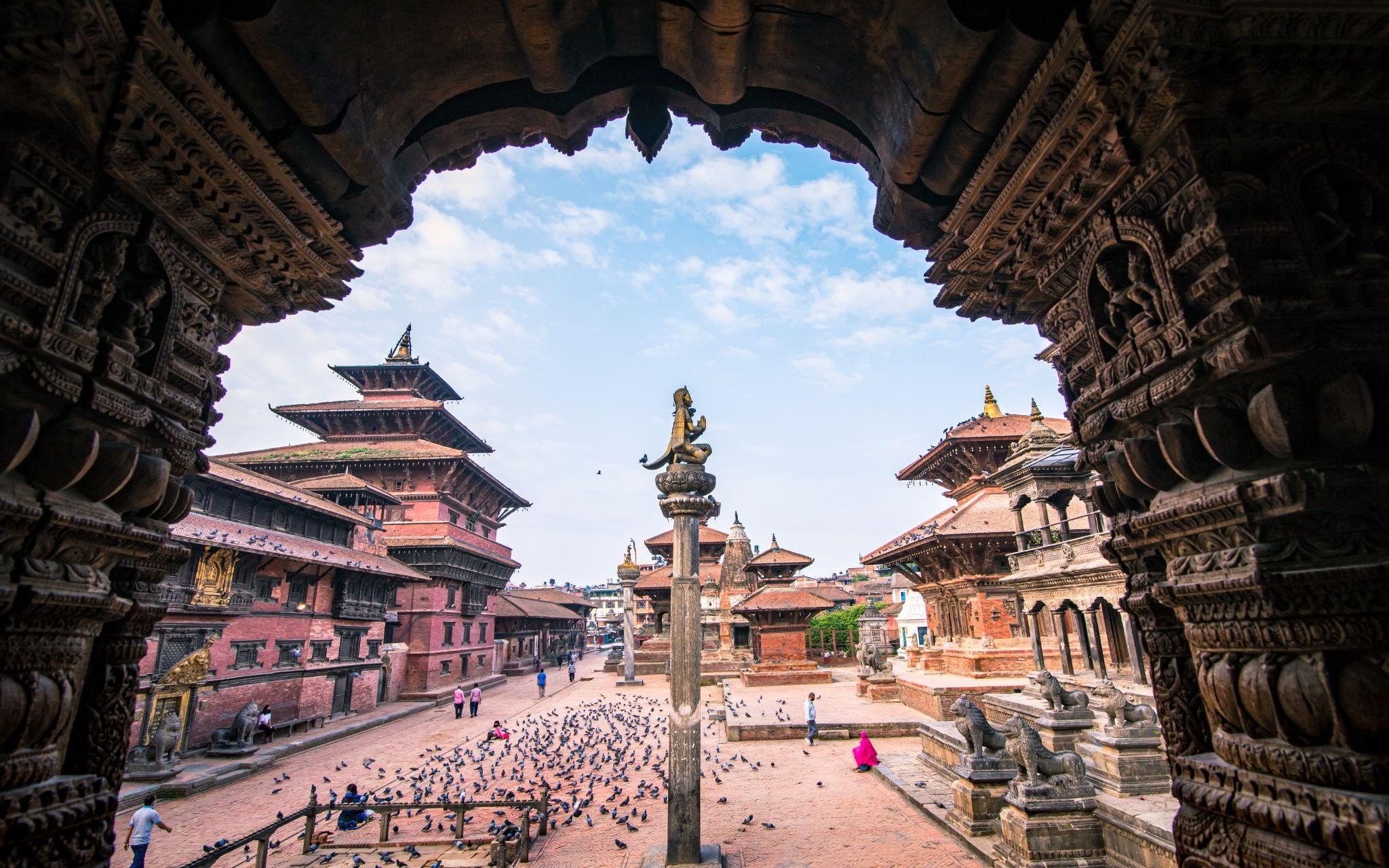
Start your morning in Lalitpur, just a short drive from the hotel. Patan Durbar Square is not just a UNESCO site—it’s a living museum of Newa architecture, temples, courtyards, and intricate metalwork still shaped by hand.
Wander through the golden windows, enter ancient palace chambers, and visit artisan studios tucked inside alleys. Mornings here are quieter, and the sun on the red brick is particularly poetic before noon.
Tip: Stop by the Patan Museum café for a peaceful coffee break surrounded by history.
2. Garden of Dreams – A Midday Retreat
By midday, retreat into the shaded elegance of the Garden of Dreams, just a short stroll from Thamel and only minutes from Hotel Shanker. With neoclassical pavilions, koi ponds, and manicured greenery, it’s an oasis meant for rest and reflection.
Settle into a bench, journal, read—or simply listen to the soft hum of the city fading beyond the garden walls.
Tip: The onsite Kaiser Café offers light meals and shaded verandas for lunch.
3. Swayambhunath – A View with Soul
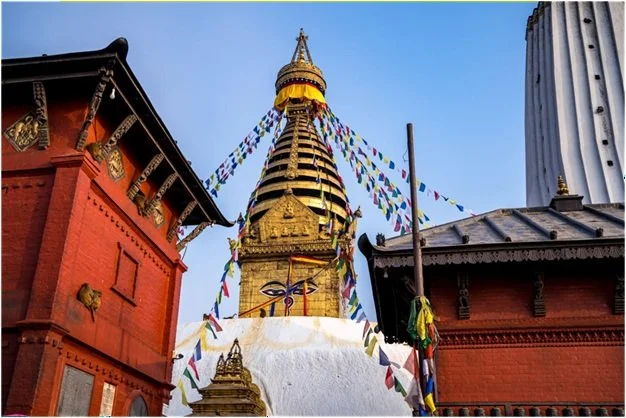
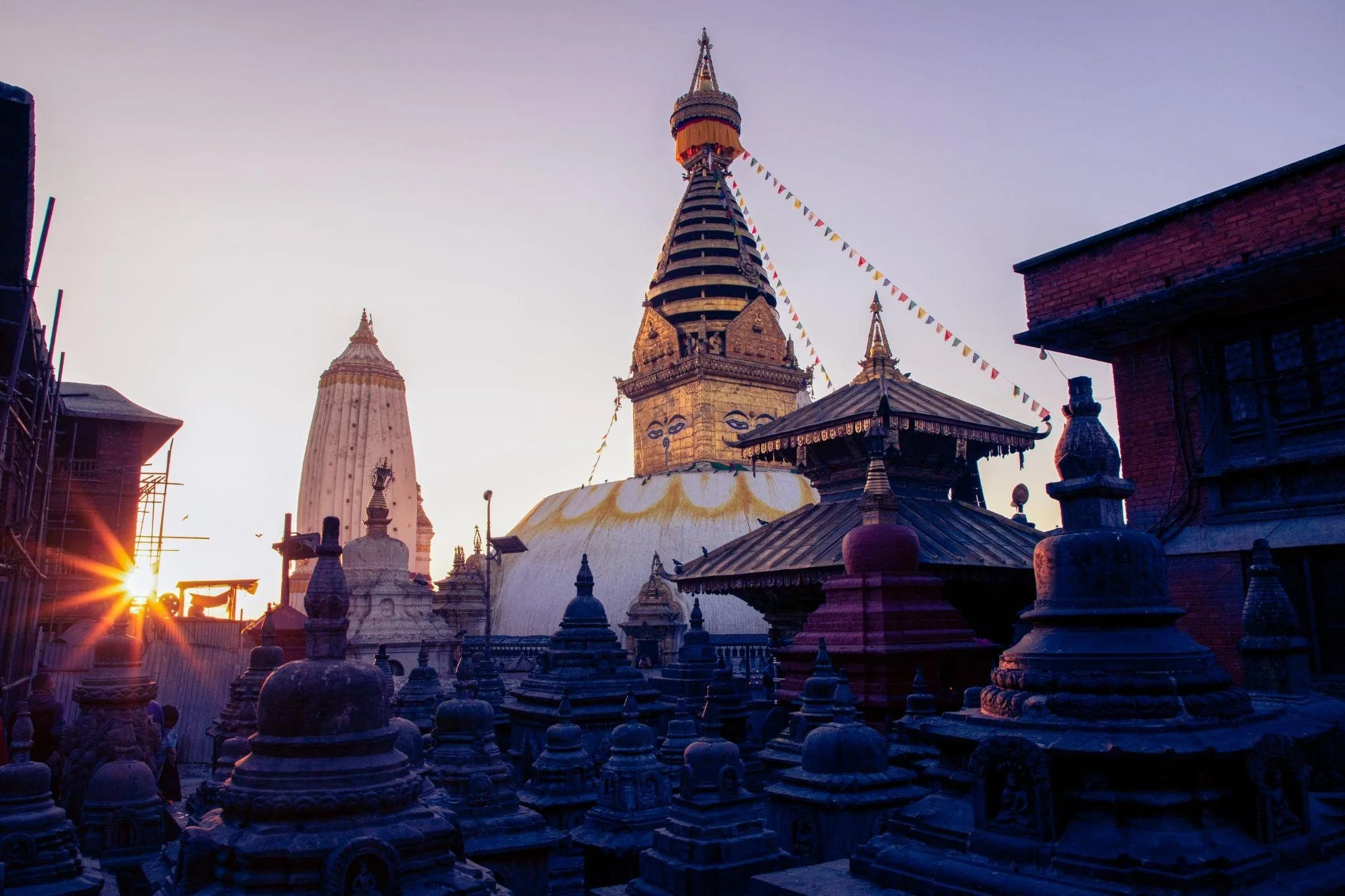
As the day leans into afternoon, ascend to Swayambhunath Stupa, also known as the Monkey Temple. Perched on a hilltop overlooking the Kathmandu Valley, this spiritual site offers one of the best panoramic views before monsoon haze sets in.
Climb slowly. Spin the prayer wheels. Let the wind carry the sound of mantras as prayer flags flutter above the rooftops.
Tip: Visit before golden hour for softer light and fewer crowds.
4. Boudhanath – Circles of Stillness
As evening approaches, visit Boudhanath Stupa—one of the largest and most revered in the world. Walk clockwise around the stupa with locals, monks, and pilgrims. The rhythmic motion, flickering butter lamps, and slow swirl of incense create an atmosphere of deep presence.
This is where the day begins to quiet.
Tip: Head to a rooftop café for tea as the stupa glows under soft lantern light.
5. Return to Calm: Hotel Shanker at Dusk
After a day of exploration, there’s nothing more comforting than returning to a place that feels like an embrace. At Hotel Shanker, twilight takes on a special stillness. The pool reflects the last of the light, the garden cools, and the scent of lemongrass might greet you in the lobby.
Whether you retreat to your heritage room, unwind with an evening drink, or take a moment beneath the palace arches—you’re not just ending a day. You’re continuing a story.
The Season to Wander
Kathmandu before the monsoon is a city caught in golden light. It is warm, but not heavy. Alive, but not rushed. This is the season to trace old pathways, seek quiet corners, and let the city show you its more poetic face.
And there’s no better place to begin—or return—than a palace built for rest.
Hotel Shanker. A stay with a story.
POPULAR ITINERARIES
SIMILAR POSTS
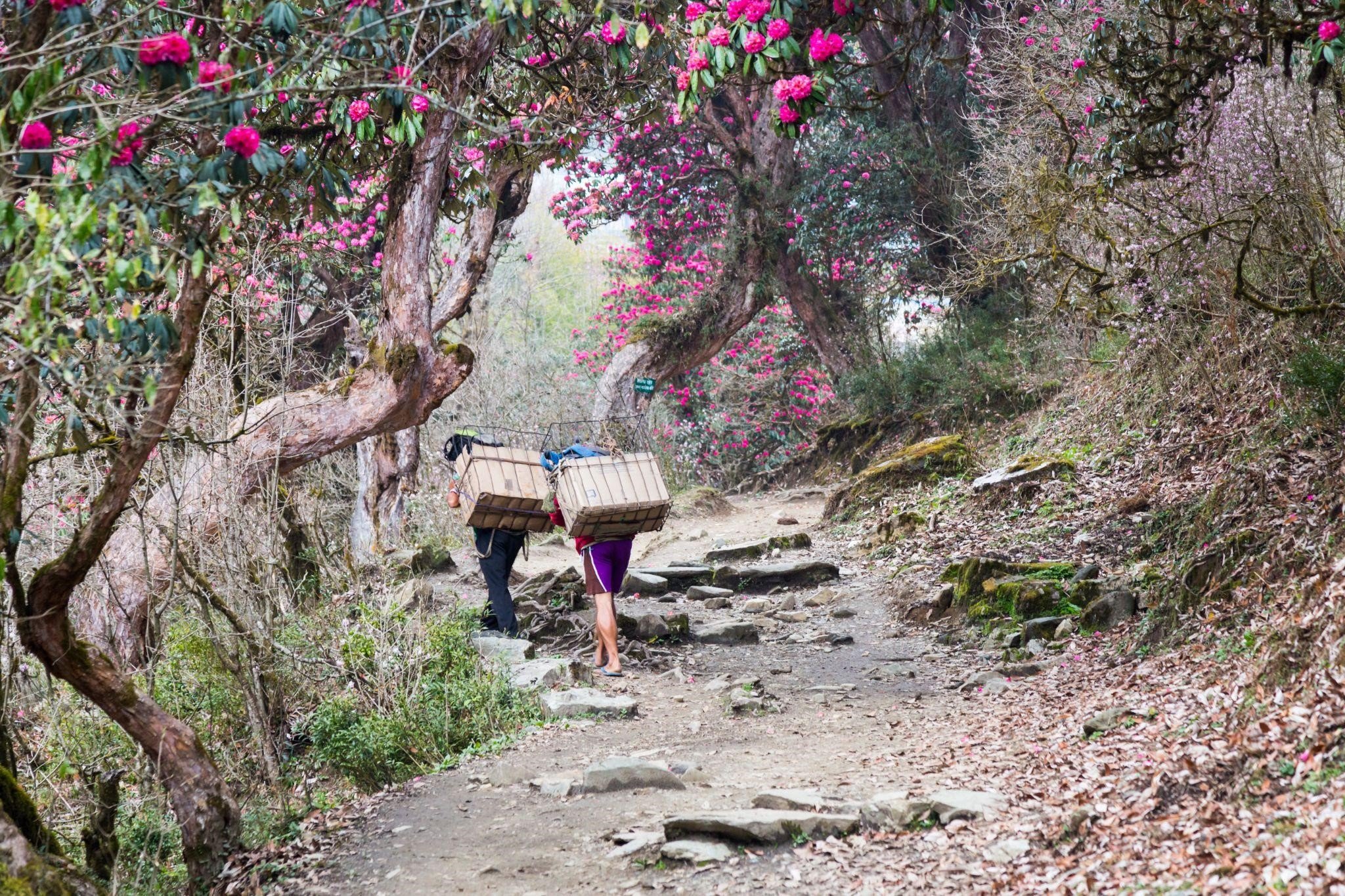

A Palace for Summer: How to Stay Cool in Kathmandu’s Warmer Months
As the sun climbs higher and the rhythm of Kathmandu slows with the season, a certain kind of traveler seeks more than air-conditioned interiors. They seek calm. Shade. Stillness.
At Hotel Shanker, summer is not something to escape from—it’s something to experience differently. Within these palace walls, the warmth of the season is softened by space, design, and the quiet dignity of a place that was built to breathe.
The Architecture of Ease
Long before the invention of modern cooling systems, palaces like Shanker were designed with purpose. High ceilings, wide corridors, and thick stone walls naturally temper the heat, allowing rooms to remain airy and pleasant even during Kathmandu’s warmest afternoons.
Courtyards and arched verandas invite breezes through the property. Windows are placed not just for light, but for circulation. In a city that often hums with heat, Hotel Shanker offers a spatial exhale—a cool pause between journeys.
Mornings in the Garden
Before the city stirs, our gardens are already alive. Sunlight dapples through ancient trees as birdsong floats across iron tables and trimmed hedges. Guests sip tea slowly, leaf through newspapers, or simply watch the day begin.
It is a ritual in stillness—a reminder that summer mornings can be savored, not rushed.
Afternoons That Ask Less of You
As the day grows warmer, retreat becomes rhythm. Wide hallways stay shaded and quiet. Rooms glow with natural light softened by wooden blinds. Whether you’re resting after temple visits or working from a peaceful corner, there’s a gentle dignity to slowing down here.
And for those seeking refreshment: a chilled welcome drink, hand towels infused with lemongrass, or a dip in the serene outdoor pool, surrounded by greenery that absorbs the sun before it reaches you.
Evenings That Glow, Not Glare
When the light begins to fade, Hotel Shanker takes on a new kind of warmth. Garden lamps flicker on. The pool reflects a softer sky. Dining tables are set beneath trees or inside intimate corners, where candlelight plays on polished wood and conversation feels unhurried.
This is not just dinner. It is repose. A way of closing the day with grace.
Designed for Seasons, Built for Stories
Summer at Hotel Shanker is not an inconvenience to be managed—it is an atmosphere to be embraced. Here, heritage is not frozen in time. It adapts, responds, and continues to host with thoughtful ease.
To stay with us in summer is to experience the rare blend of architectural intelligence, quiet hospitality, and the beauty of letting the season unfold at its own pace.
Coolness isn’t just a temperature, it’s a way of being.
And some places have known this all along.
POPULAR ITINERARIES
SIMILAR POSTS
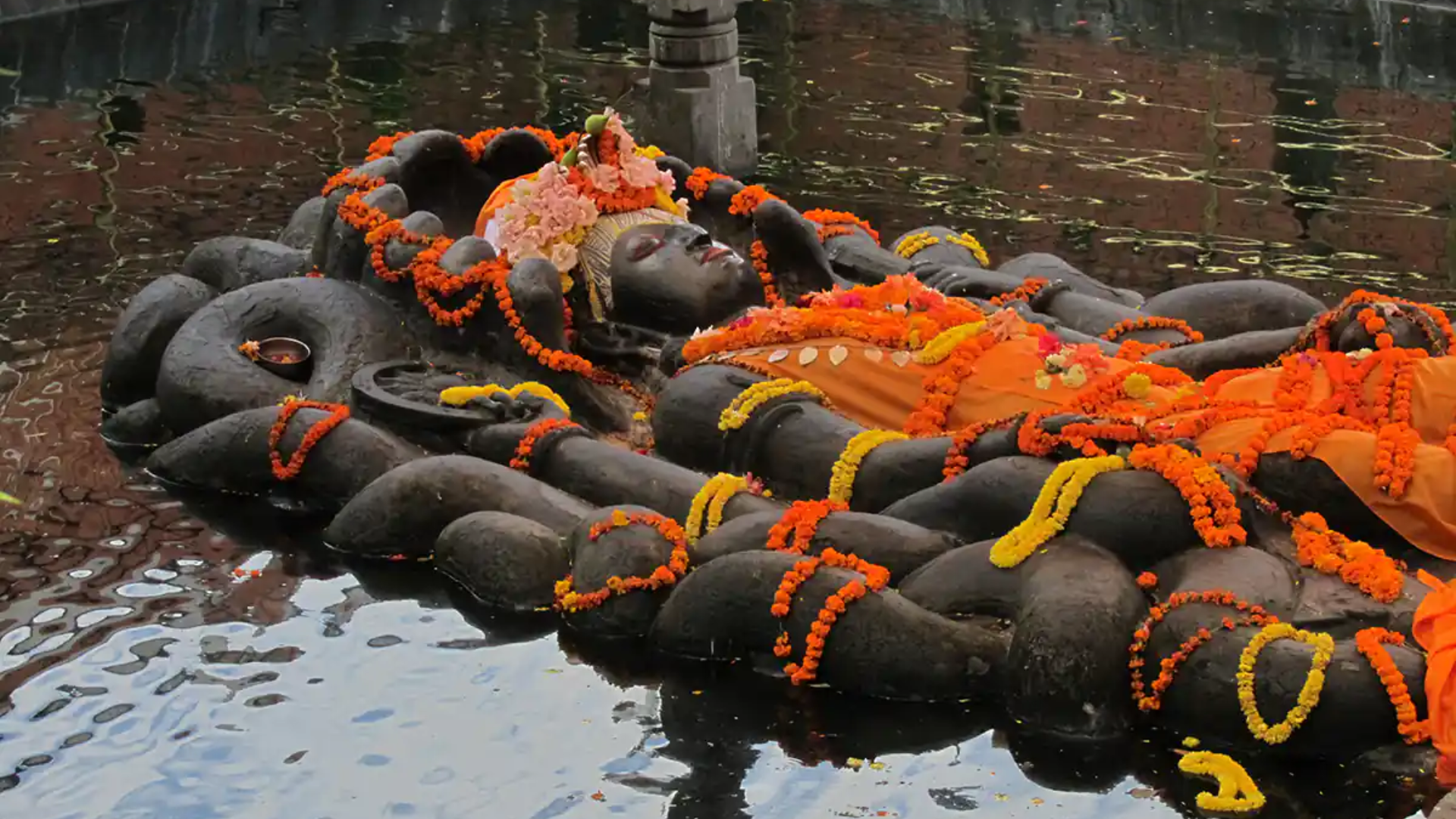
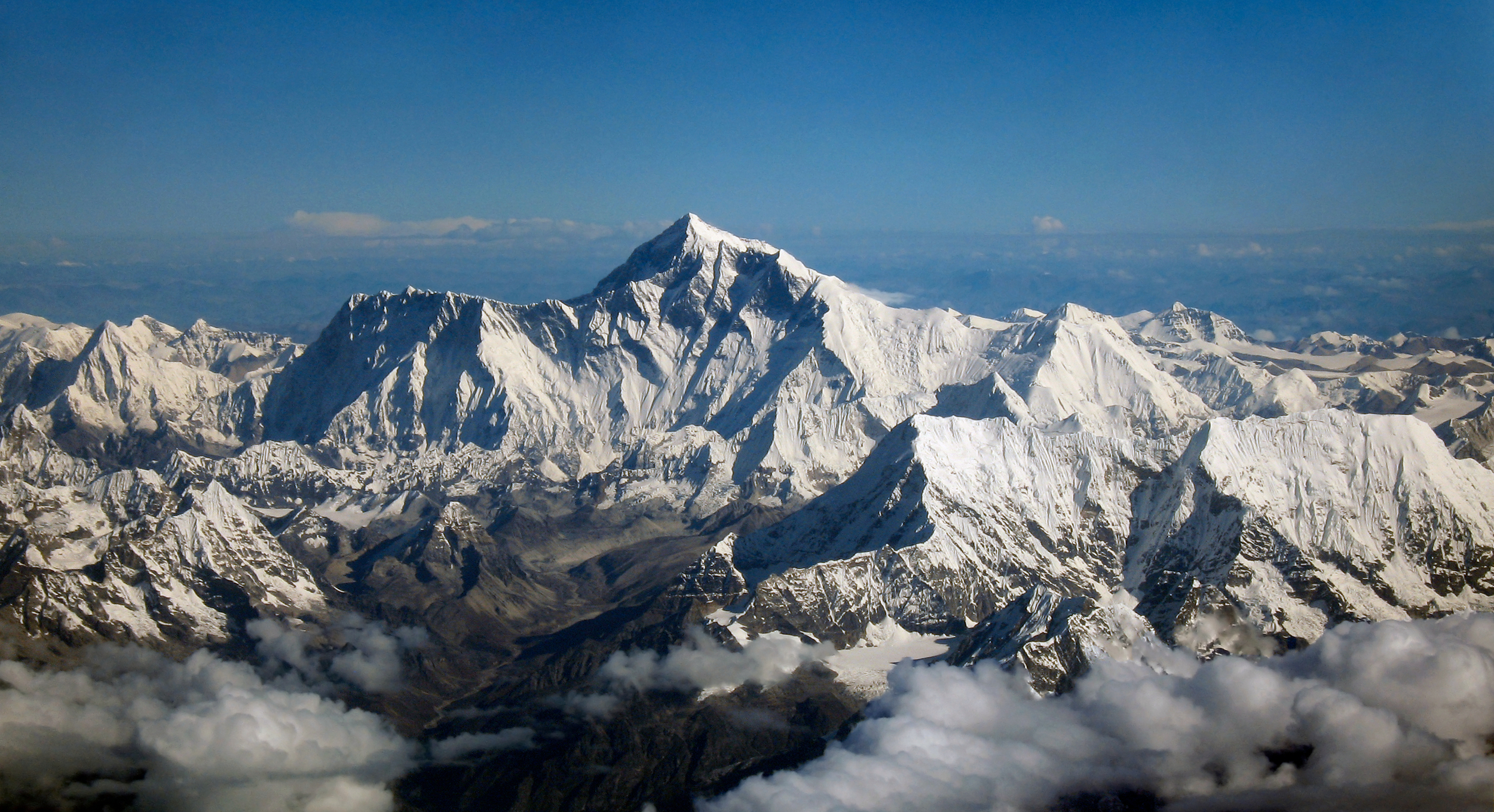
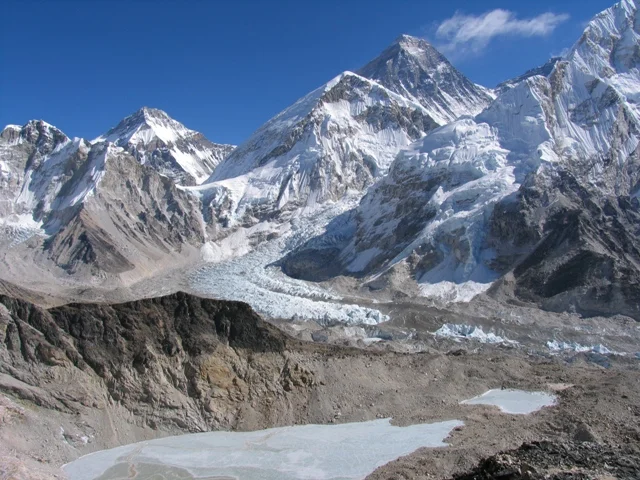
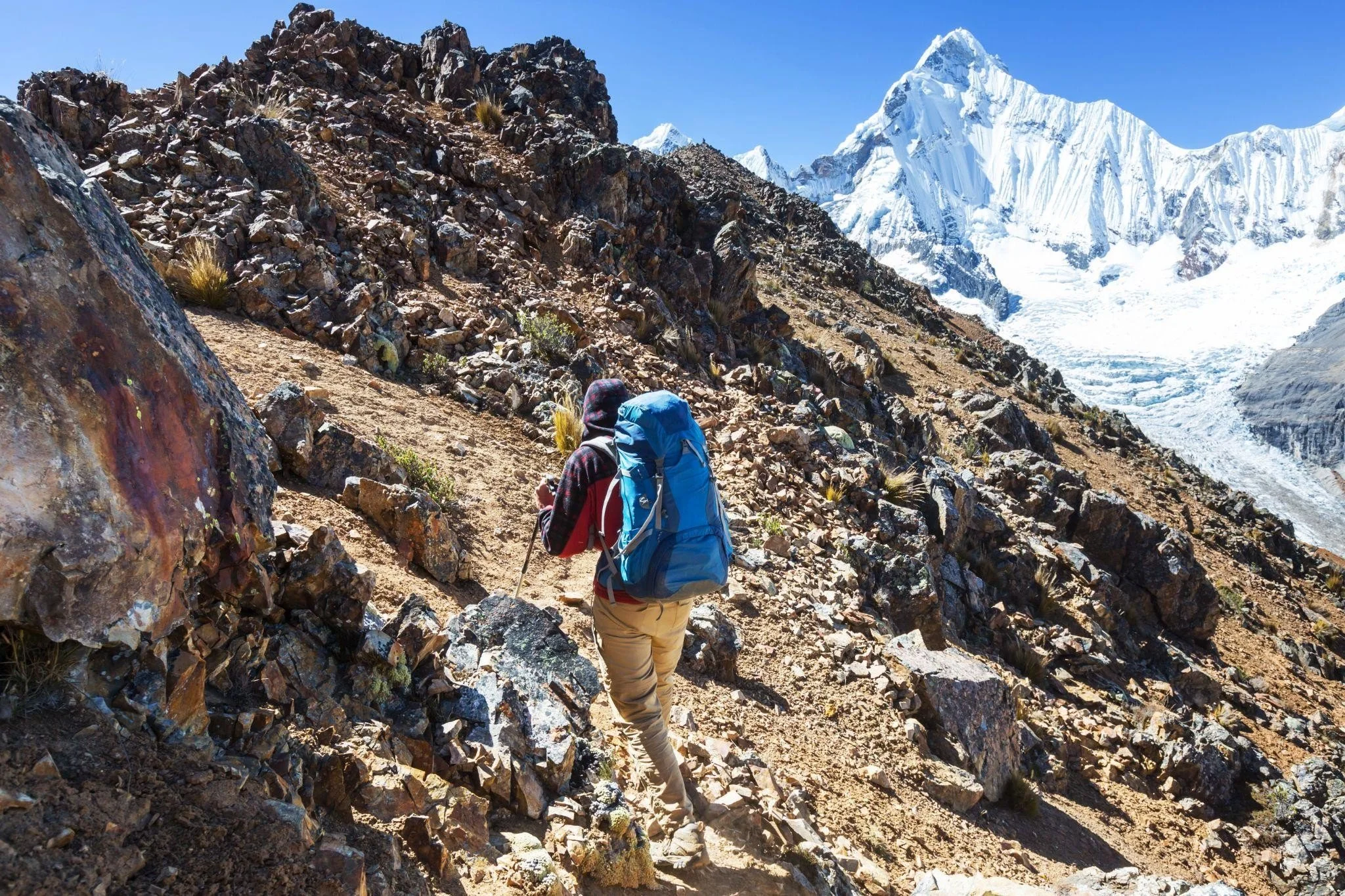
This trek is specially designed to reach the Everest Base Camp including Kala Pattar which is the best view point to view the sunrise over the high Himalayas including the Mt. Everest. This trek requires 13 days.
USD 1515 PER PERSON -- TWIN ROOM SHARING BASIS