
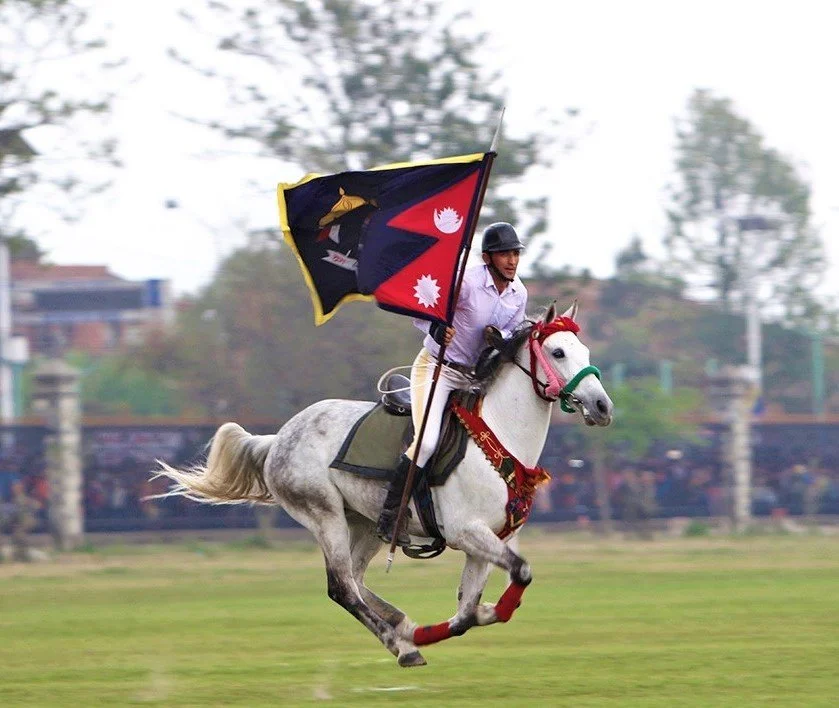
Immersion in Culture: Experience the Excitement of Ghode Jatra
During your stay at the luxurious Hotel Shanker, be sure to experience the vibrant cultural tapestry of Nepal. One unmissable event is the Ghode Jatra, a pulsating horse festival that unfolds every year in Kathmandu, typically around mid-March to early April.
During your stay at the luxurious Hotel Shanker, be sure to experience the vibrant cultural tapestry of Nepal. One unmissable event is the Ghode Jatra, a pulsating horse festival that unfolds every year in Kathmandu, typically around mid-March to early April.
A Celebration Steeped in History
Ghode Jatra, which translates to "Horse Parade" in English, boasts a rich history. Legends abound, with some suggesting it originated as a way to appease a demon terrorizing the city. Locals would gather and offer animal sacrifices until a wise tantric saint intervened. He captured the demon and, in celebration of this victory, a grand procession with horses was held, marking the birth of the Ghode Jatra tradition.
A Day of Revelry
Declared a public holiday in Kathmandu, Ghode Jatra is a day of immense excitement. The heart of the festivities lies in Tundikhel, a vast open ground near the hotel. Here, the Nepal Army takes center stage, organizing a spectacular horse parade. Witness a captivating display of horsemanship as skilled riders showcase their equestrian prowess.
Beyond the Parade: A Kaleidoscope of Culture
The festivities extend far beyond the parade ground. The indigenous Newari community, the original inhabitants of the Kathmandu Valley, celebrate with traditional feasts in their homes. The air fills with the aroma of delectable delicacies as families gather to mark this auspicious occasion.
A Glimpse into Local Deities
Ghode Jatra also coincides with the chariot processions of several revered deities. Look out for the idols of Goddesses Lumaldi, Bhadrakali, and Kankeshwari, along with Lord Bhairav, being paraded through the city. This unique blend of military prowess and religious devotion paints a mesmerizing picture of Nepali culture.
A Festival for Everyone
The energy during Ghode Jatra is infectious. The streets teem with enthusiastic crowds, all eager to soak in the spectacle. Traditional music fills the air, adding to the festive atmosphere. Don't be surprised if you're invited to join in the merriment – Nepalis are known for their warm hospitality.
Step Back in Time
Ghode Jatra is more than just a horse parade; it's a portal to Nepal's vibrant history and culture. Witnessing this unique festival is an experience that will stay with you long after your visit. So, during your stay in Nepal, don't miss the chance to be a part of this electrifying spectacle!
POPULAR ITINERARIES

SIMILAR POSTS

A Land Steeped in Tradition: Unveiling the Enchanting Heritage of Nepal
Nepal, a landlocked country nestled in the Himalayas, boasts more than just breathtaking mountain vistas. It's a nation where ancient traditions interweave with modern life, creating a captivating tapestry of heritage. From magnificent temples that stand as testaments to bygone eras to vibrant festivals that celebrate life's cycles, Nepal's rich history and culture come alive for every visitor.
Nepal, a landlocked country nestled in the Himalayas, boasts more than just breathtaking mountain vistas. It's a nation where ancient traditions interweave with modern life, creating a captivating tapestry of heritage. From magnificent temples that stand as testaments to bygone eras to vibrant festivals that celebrate life's cycles, Nepal's rich history and culture come alive for every visitor.
A Walk-Through Time: The Kathmandu Valley's Architectural Marvels
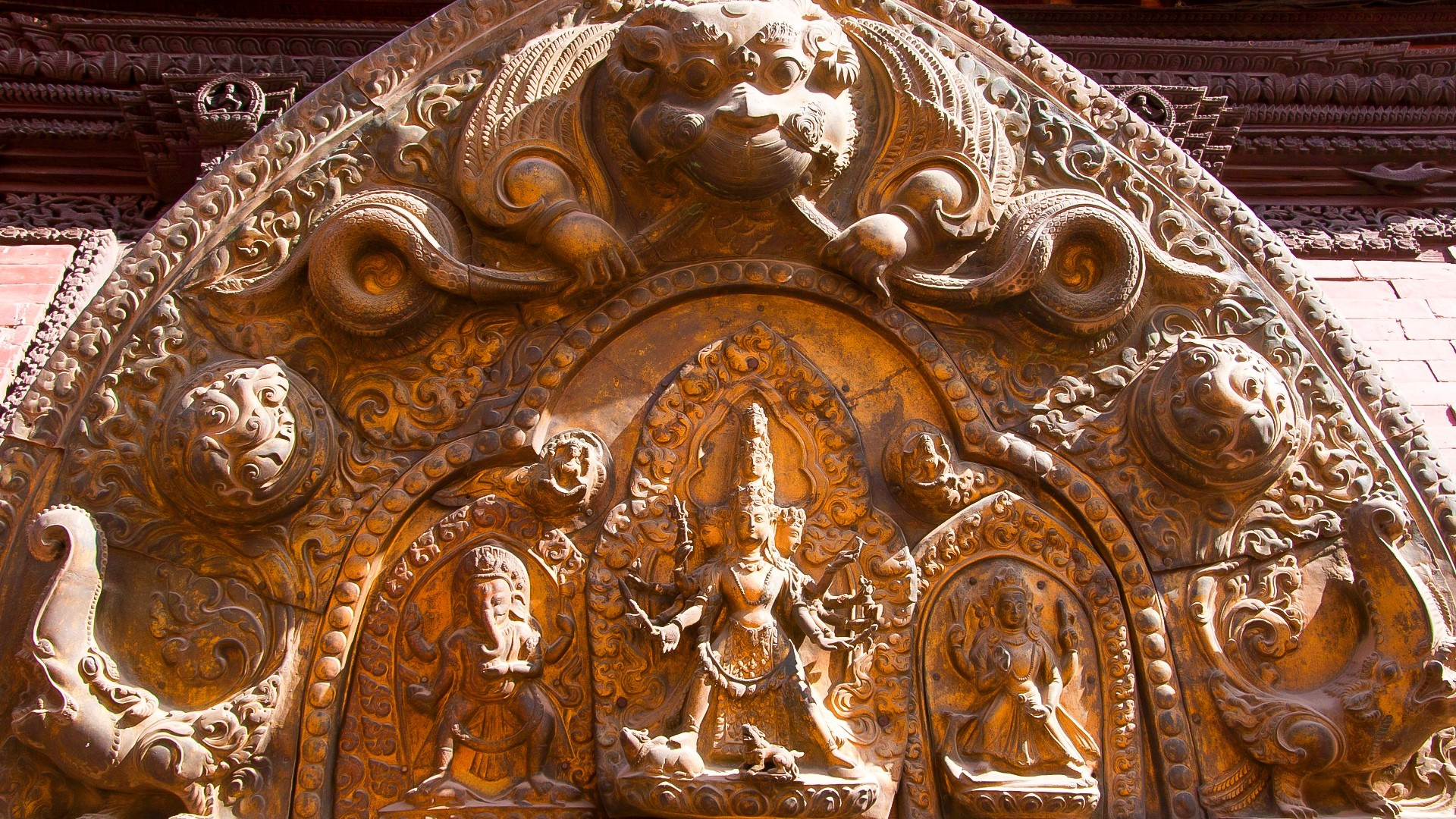
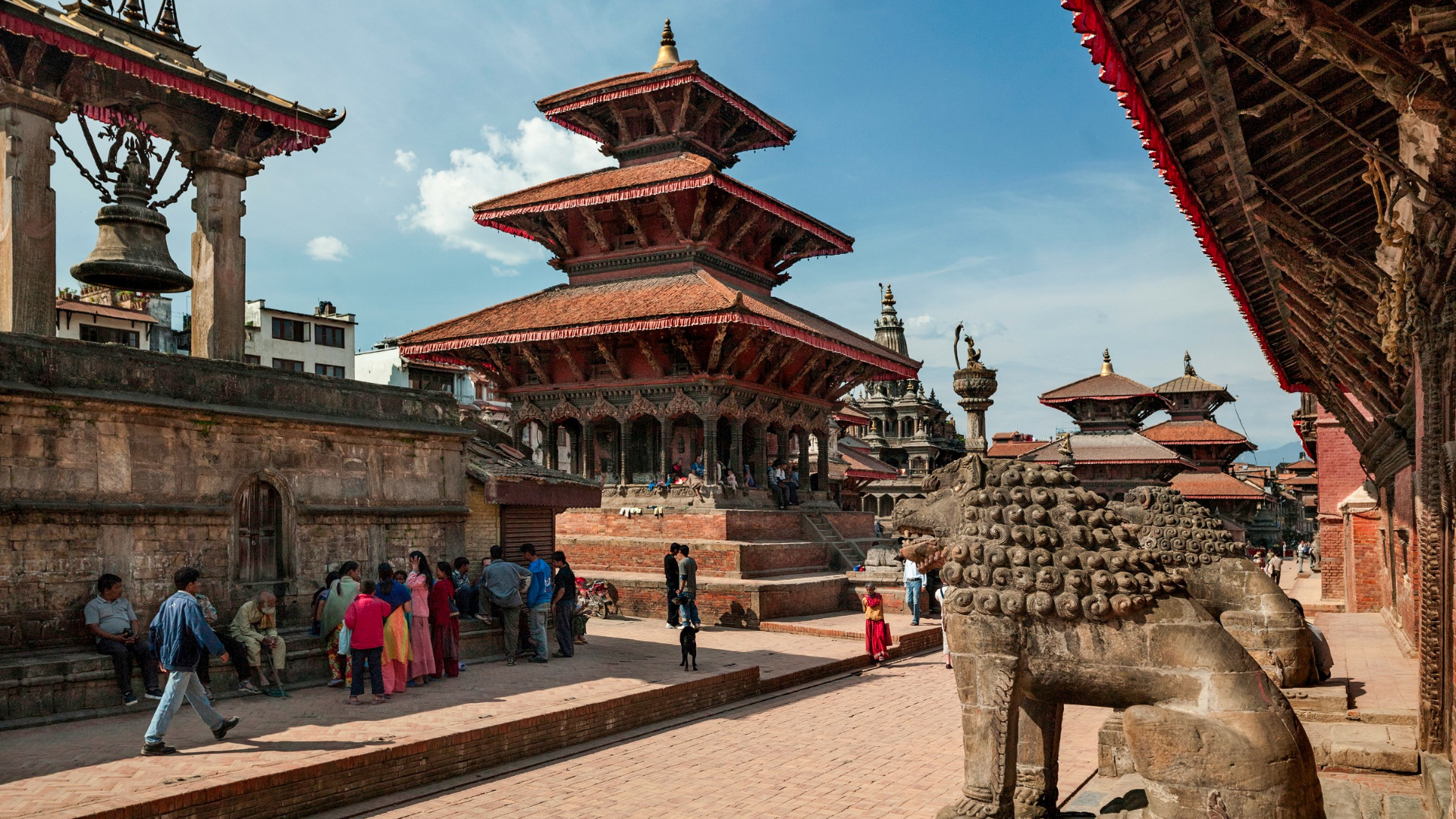
Kathmandu Valley, the historical and cultural heart of Nepal, is a treasure trove for heritage enthusiasts. Designated a UNESCO World Heritage Site, the valley is dotted with architectural wonders that speak volumes about Nepal's artistic legacy. Immerse yourself in the grandeur of the Durbar Squares – Kathmandu, Patan, and Bhaktapur. Each square boasts intricately carved temples, majestic palaces, and serene courtyards, transporting you back to the time of Nepal's ancient kingdoms.
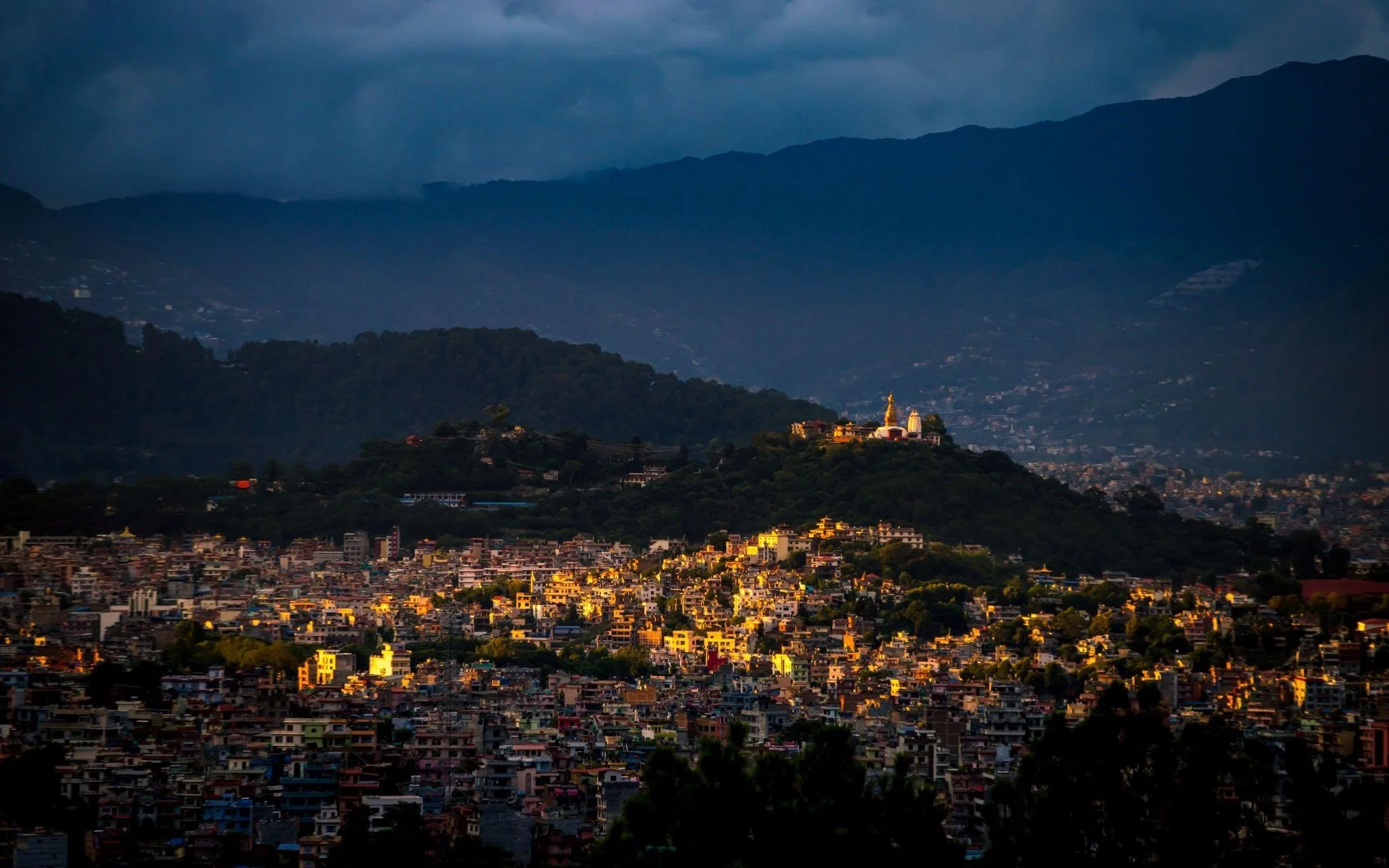
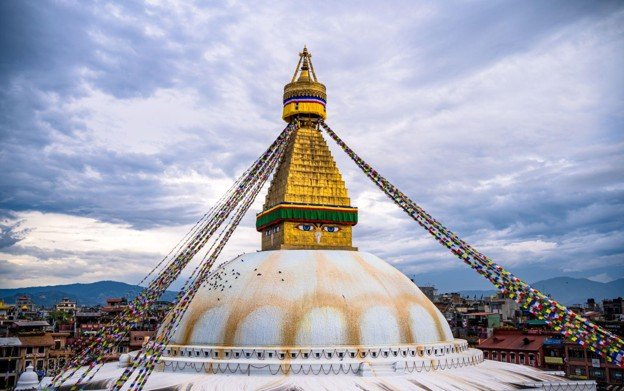
As you wander through these squares, be sure to marvel at the architectural marvel of Swayambhunath, also known as the "Monkey Temple." Perched atop a hill overlooking the city, this ancient Buddhist stupa offers panoramic views and a glimpse into the deep-rooted spiritual beliefs of Nepal. Don't miss Boudhanath Stupa, one of the largest stupas in the world, a center of Tibetan Buddhist pilgrimage. Witness the hypnotic sight of prayer wheels spinning and colorful prayer flags fluttering in the breeze, creating a truly serene atmosphere.
Beyond the Monuments: A Living Heritage
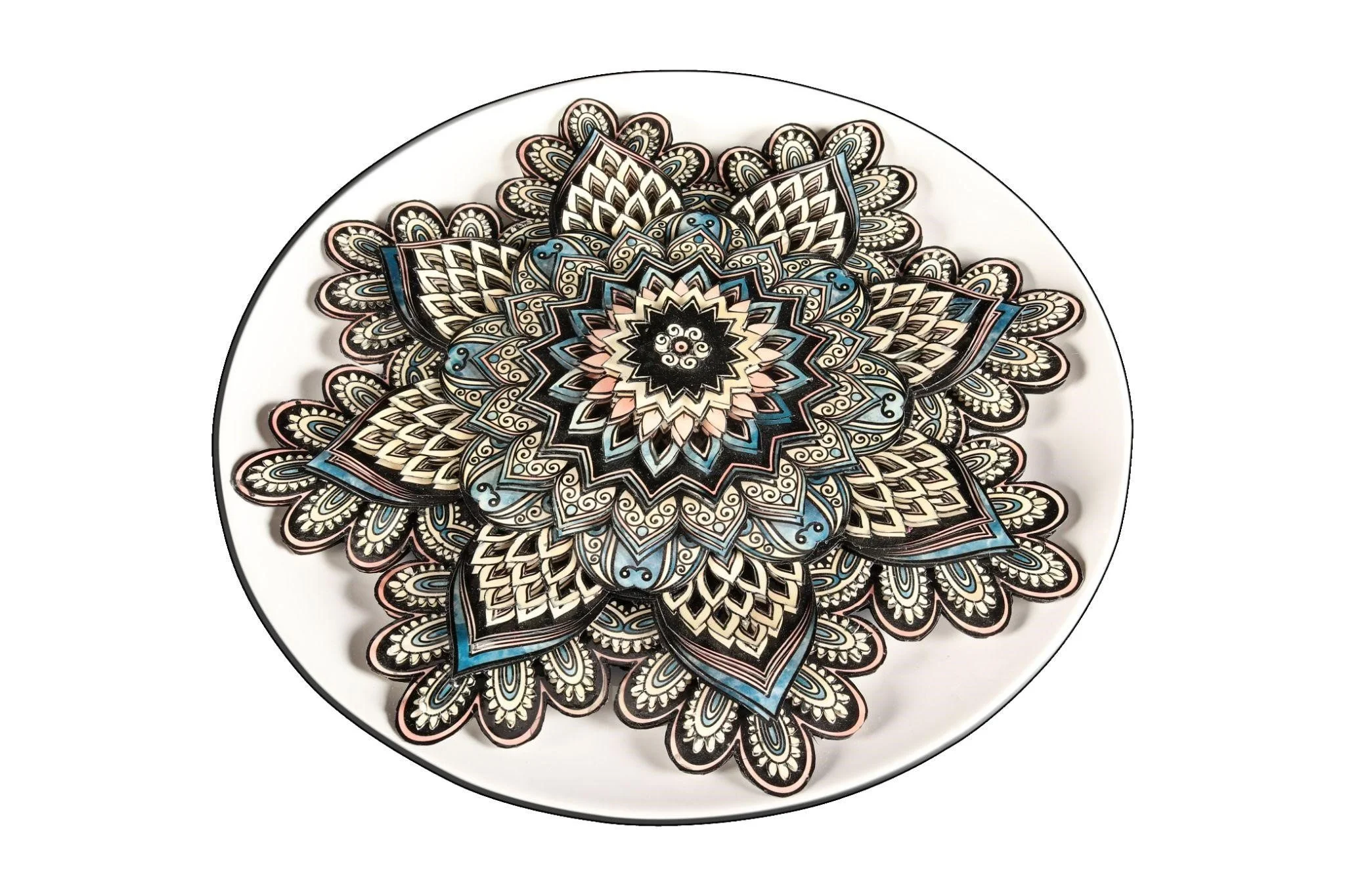
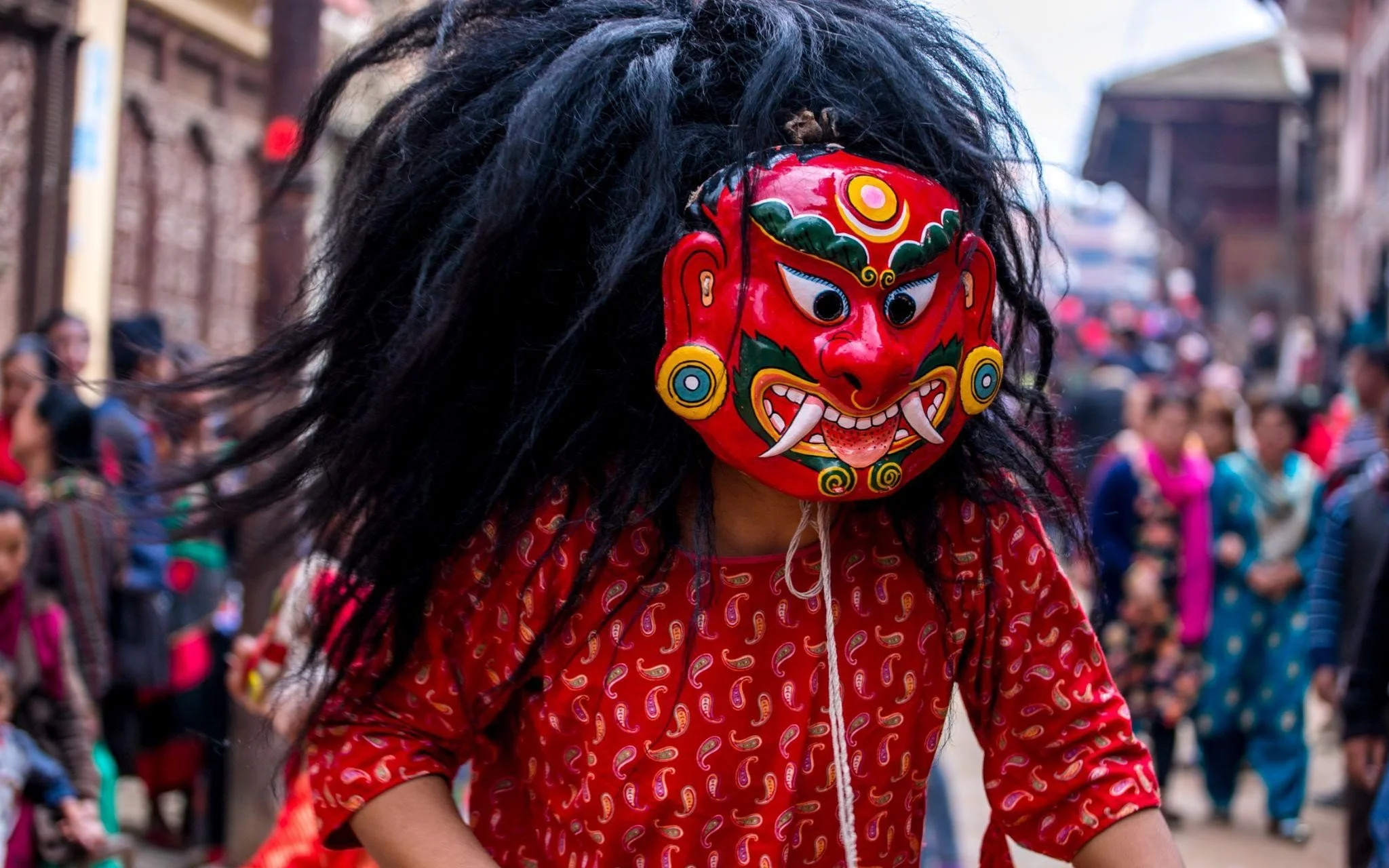
Nepal's heritage extends far beyond its magnificent monuments. It thrives in the vibrant tapestry of its diverse ethnicities, each with their own unique customs, languages, and attire. Witness the captivating masked dances of the Tamang people, a vibrant display of cultural expression. Immerse yourself in the artistic brilliance of the Newari community, renowned for their intricate woodwork and metalwork. Explore the fascinating world of Thangka paintings, a unique art form from Tibetan Buddhism, where intricate mandalas and deities come alive on cloth.
A Culinary Journey Through Time
Nepali cuisine is an essential part of the country's heritage. Savor the rich flavors of Dal Bhat, a hearty lentil soup paired with rice, a staple dish that has sustained generations. Embark on a culinary adventure by exploring regional specialties like Momos, steamed dumplings filled with meat or vegetables, or the popular stir-fry dish called Sekuwa. For a truly immersive experience, consider participating in a cooking class and learning the secrets behind these traditional dishes.
Festivals: A Celebration of Life's Rich Tapestry
Nepal comes alive during its numerous festivals, vibrant celebrations that reflect the country's deep-rooted traditions and spiritual beliefs. Witness the grandeur of Dashain, the longest and most important festival in Nepal, a two-week-long celebration that honors Durga Puja, the victory of good over evil. Immerse yourself in the joyous chaos of Holi, the festival of colors, where streets are filled with revelers throwing colored powder and water, symbolizing the triumph of good over evil and the arrival of spring.
Unveiling Nepal's Heritage with Local Expertise
Planning your exploration of Nepal's heritage can be overwhelming. But worry not! Partner with local experts to create a personalized itinerary that caters to your interests. Knowledgeable guides can bring the stories of Nepal to life, providing insights into the history, culture, and significance of each heritage site and festival you encounter.
Nepal: Where the Past Comes Alive
Nepal is a land where the past seamlessly blends with the present. As you delve into its heritage, you'll discover a country steeped in tradition, where ancient customs are practiced with devotion, and magnificent monuments stand as testaments to a rich artistic legacy. Let your journey through Nepal's heritage be an unforgettable experience, one that enriches your understanding of this remarkable country and leaves you with memories that will last a lifetime.
POPULAR ITINERARIES
SIMILAR POSTS


Celebrate Life with Colors
Kathmandu comes alive in a riot of colors during Holi, the exuberant Hindu festival also known as the Festival of Colors. As a guest at Hotel Shanker, you have the unique opportunity to witness and even participate in this joyous celebration. But Holi is more than just throwing colored powder around.
Kathmandu comes alive in a riot of colors during Holi, the exuberant Hindu festival also known as the Festival of Colors. As a guest at Hotel Shanker, you have the unique opportunity to witness and even participate in this joyous celebration. But Holi is more than just throwing colored powder around.
One of the most popular and entertaining events in Kathmandu throughout the months of February and March is Holi. Splashing colors and nicely throwing water balloons, however with friends and family, is a great method for everyone in Nepal to have fun. Due of its popularity as a location for Holi celebrations in Kathmandu, the Basantapur Durbar area hosts a carnival on Holi day. Not all of them come here to party; the others are happy to be with their families or in gated communities. In order to see the grandeur of the event on the streets, many travelers choose to travel to Nepal around this period. The people who live in the mountainous regions also like Holi, therefore even the Terai region hosts smaller-scale celebrations of this holiday.
Here's a glimpse into the heart of this vibrant festival:
The Legend Behind the Colors
Holi commemorates the triumph of good over evil, as depicted in the legend of Krishna and the demon Putana. According to the story, Putana disguised herself as a caregiver to poison Krishna. But Krishna, recognizing her evil intent, playfully smeared colors on her face. Holi signifies the victory of good and the playful spirit of life.
The Ritual of Bonfire (Holika Dahan)
The festivities begin a night before Holi with Holika Dahan, the bonfire ritual. People gather around bonfires, symbolizing the burning of Putana and negativity. Crackling flames illuminate the night sky, casting an ethereal glow over the city.
The Day of Colors (Rangwali Holi)
The main event unfolds on the day of Holi, Rangwali Holi. Streets transform into a kaleidoscope of colors as people playfully chase each other, throwing colored powder (gulal) and water balloons filled with colored water. Laughter and joy fill the air as inhibitions melt away. Hotel Shanker can help you acquire safe and eco-friendly colors for a memorable experience.
The Significance of Colors
Each color in the vibrant palette of Holi holds a special meaning:
● Red symbolizes love and prosperity.
● Blue represents Krishna, the divine prankster.
● Green signifies new beginnings and spring.
● Yellow reflects the optimism and energy of life.
Beyond the Colors: Traditions and Delights
Holi is not just about the colors; it's a celebration of community and togetherness. Families and friends gather to share sweets like Gujiya and drink refreshing Thandai, a special Holi beverage. Traditional music fills the air, and some people even break into impromptu dance routines.
Embrace the Spirit of Holi
Holi is a celebration of life, joy, and the triumph of good over evil. While the vibrant colors are a visual treat, the true essence lies in the spirit of togetherness and the shedding of inhibitions.
POPULAR ITINERARIES
SIMILAR POSTS

Explore the Spirit of Ramadan: A Guide for Respectful Travelers
As you embark on your adventure to Nepal, it's important to be mindful of cultural practices and celebrations. Ramadan, the holiest month in Islam observed by many Nepalese citizens, brings a unique atmosphere to the country. This blog aims to provide a basic understanding of Ramadan and guide you in navigating your travels during this time.
As you embark on your adventure to Nepal, it's important to be mindful of cultural practices and celebrations. Ramadan, the holiest month in Islam observed by many Nepalese citizens, brings a unique atmosphere to the country. This blog aims to provide a basic understanding of Ramadan and guide you in navigating your travels during this time.
A Month of Spiritual Focus:
During Ramadan, Muslims dedicate themselves to prayer, fasting, and acts of charity. Fasting involves abstaining from food and drink from sunrise to sunset. While Nepal caters to visitors of all faiths, being aware of this practice fosters a respectful and enriching experience for everyone.
Exploring Nepal with Sensitivity:
● Cultural Immersion: Many historical and cultural sites in Kathmandu, like Durbar Square and Swayambhunath, remain open for exploration throughout Ramadan.
● Community Spirit: Ramadan is also a time for increased charitable acts and community gatherings. Witnessing these celebrations allows a glimpse into the unique cultural aspects of this holy month.
Enhancing Your Travel Experience:
Understanding and respecting local customs like those observed during Ramadan enriches your travel experience. You can still:
● Explore the vibrant city: Kathmandu's bustling markets and bazaars offer a dynamic atmosphere.
● Visit historical sites: Immerse yourself in Nepal's rich history by exploring ancient temples and monuments.
● Embark on exciting adventures: Nepal's diverse landscape offers opportunities for trekking, white-water rafting, and other thrilling activities.
Nepal's cultural tapestry is remarkably rich. Let's embrace the spirit of understanding and celebrate the unique aspects of this beautiful country.
POPULAR ITINERARIES
SIMILAR POSTS
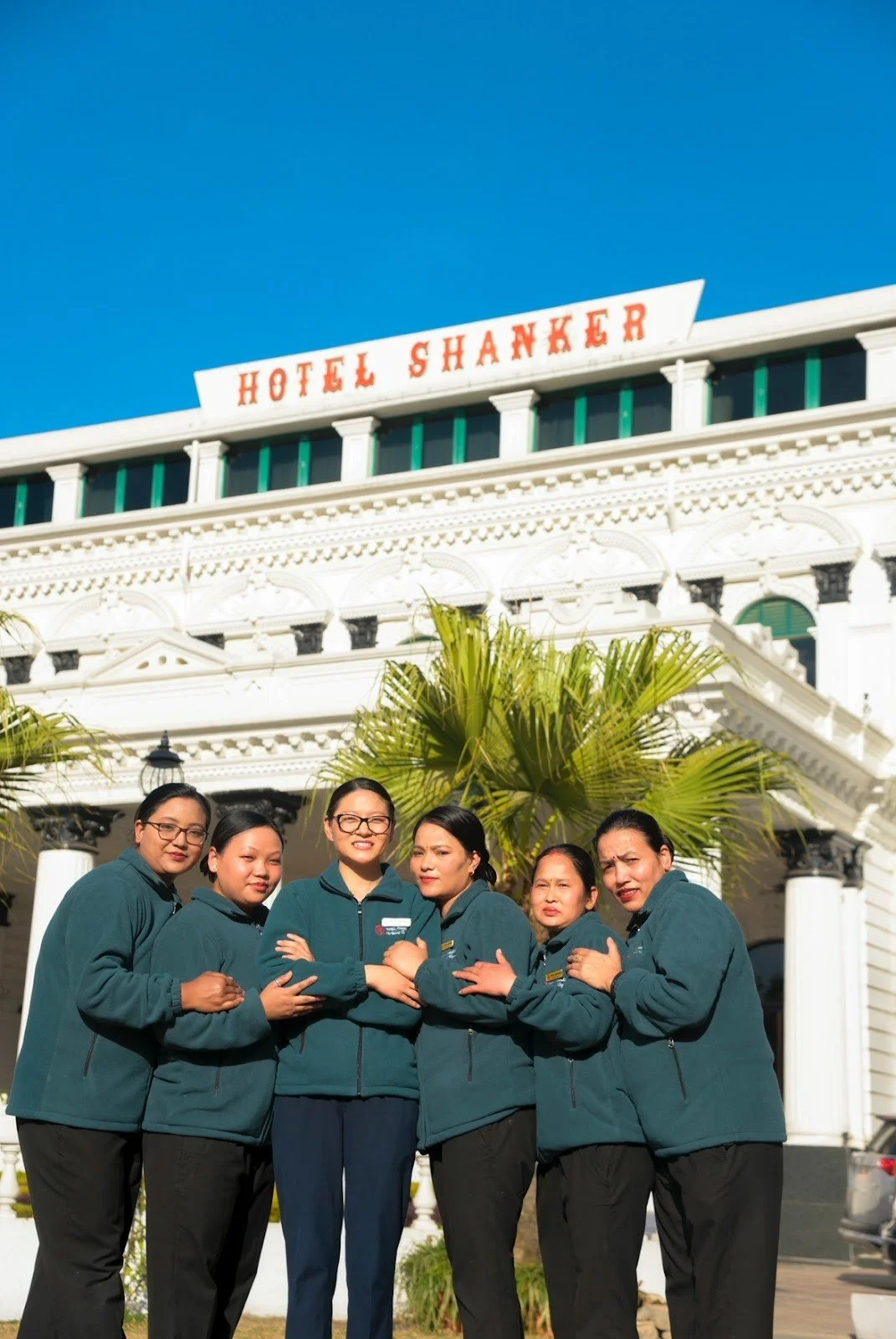
Celebrate Women's Day: Nari Dibas in Nepal
Similar to several other nations worldwide, Nepal also observes International Women's Day on March 8th each year. This day, called "Nari Dibas" in Nepali, is very important in terms of culture, politics, and society in that country of mountains. It draws attention to the obstacles still facing women in Nepal while also serving as a reminder of the strides made in the direction of gender equality.
Similar to several other nations worldwide, Nepal also observes International Women's Day on March 8th each year. This day, called "Nari Dibas" in Nepali, is very important in terms of culture, politics, and society in that country of mountains. It draws attention to the obstacles still facing women in Nepal while also serving as a reminder of the strides made in the direction of gender equality.
Nepal has a long history of valuing women, with deeply ingrained traditions and practices that celebrate femininity. Though they are revered in their culture, Nepalese women have historically experienced a variety of types of oppression and discrimination. International Women's Day offers a chance to consider these problems and push for reform.
One of the key focuses of Nari Dibas in Nepal is to empower women economically. Nepal is a country where a significant portion of the population lives in rural areas, and women in these communities often face barriers to accessing education and economic opportunities. Organizations and initiatives across the country use Women's Day as a platform to promote entrepreneurship among women, provide vocational training, and support women-led businesses. These efforts not only contribute to women's economic independence but also play a crucial role in reducing poverty and empowering entire communities.
In addition to economic empowerment, Nari Dibas in Nepal also highlights the importance of education for girls. Despite progress in recent years, there are still disparities in access to education between boys and girls, particularly in rural areas. International Women's Day serves as a reminder of the need to invest in girls' education, ensure equal access to schooling, and eliminate barriers such as child marriage and gender-based violence that hinder girls' educational opportunities.
Moreover, Women's Day in Nepal serves as a platform to address pressing issues such as gender-based violence and discrimination. Despite legal protections and increased awareness, gender-based violence remains a significant problem in Nepal. Women's rights organizations, activists, and civil society groups use this day to organize rallies, seminars, and workshops to raise awareness about gender-based violence, advocate for legal reforms, and provide support services for survivors.
Nari Dibas is also an occasion to celebrate the achievements and contributions of Nepalese women in various fields, including politics, science, arts, and sports. Nepal has made significant strides in recent years in terms of women's political representation, with more women holding positions of leadership and decision-making power. International Women's Day provides an opportunity to recognize and celebrate these achievements while also inspiring future generations of women to pursue their dreams and aspirations.
Furthermore, Women's Day celebrations in Nepal often include cultural events, performances, and exhibitions that showcase women's talents and creativity. From traditional dances to contemporary art exhibitions, these events celebrate the diversity and strength of Nepalese women while also challenging stereotypes and gender norms.
As foreigners, it is essential to understand the unique challenges faced by Nepali women and to support their efforts to achieve gender equality. By learning about the issues and supporting organizations we can help create a more equitable and just world for all.
In conclusion, Nari Dibas in Nepal is a day of reflection, celebration, and activism. It serves as a reminder of the progress made towards gender equality while also highlighting the work that still needs to be done. By empowering women economically, promoting education and awareness, addressing gender-based violence, and celebrating women's achievements, Nepal continues to move closer to realizing the vision of a more equitable and inclusive society.
POPULAR ITINERARIES
SIMILAR POSTS

Discover Bhaktapur: 10 Must-Do Experiences for Foreigner
The historic city of Bhaktapur, Nepal, can be found in the Kathmandu Valley. It is recognized as a UNESCO World Heritage site because of its magnificent architecture, lively customs, and rich cultural legacy. Bhaktapur provides a wealth of attractions just waiting to be discovered by visitors from other countries looking for a genuine Nepalese experience.
The historic city of Bhaktapur, Nepal, can be found in the Kathmandu Valley. It is recognized as a UNESCO World Heritage site because of its magnificent architecture, lively customs, and rich cultural legacy. Bhaktapur provides a wealth of attractions just waiting to be discovered by visitors from other countries looking for a genuine Nepalese experience. Here are ten things that visitors from outside Bhaktapur really must do, including strolling through alleyways that date back hundreds of years and enjoying authentic Newari cuisine:
1. Explore Durbar Square: Take in the ancient atmosphere of Durbar Square as you start your trip to Bhaktapur. Admire the elaborately carved temples, regal residences, and historic courtyards that represent the city's rich history. Nyatapola Temple, a five-story pagoda with beautiful wood carvings and figures, is a must-see.
2. Take a tour of the Bhaktapur Durbar Square Museum to learn more about the history and culture of Bhaktapur. The museum, which is housed in the old palace structure, has an intriguing collection of objects, paintings, and sculptures that shed light on the artistic and regal past of the city.
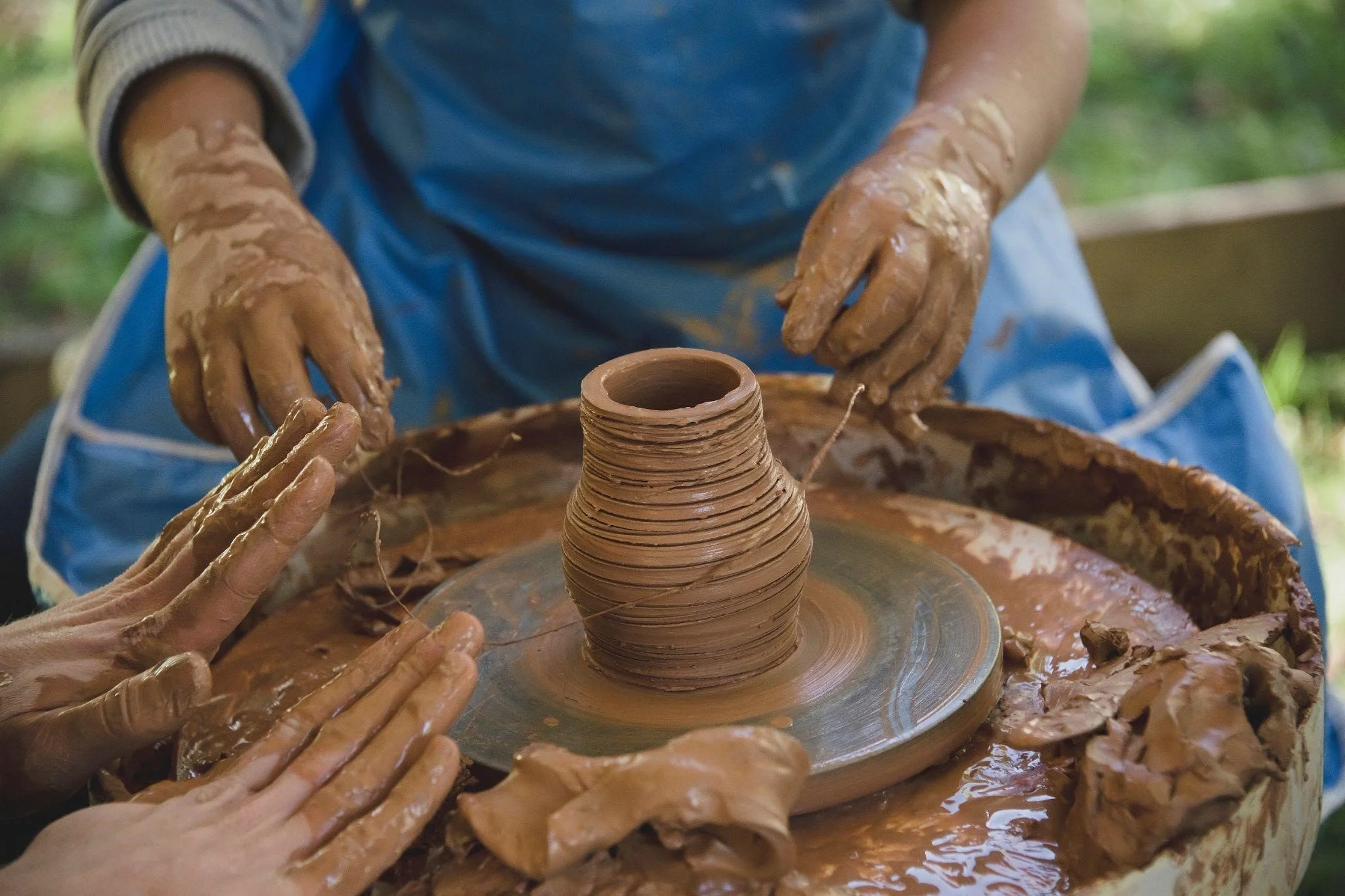
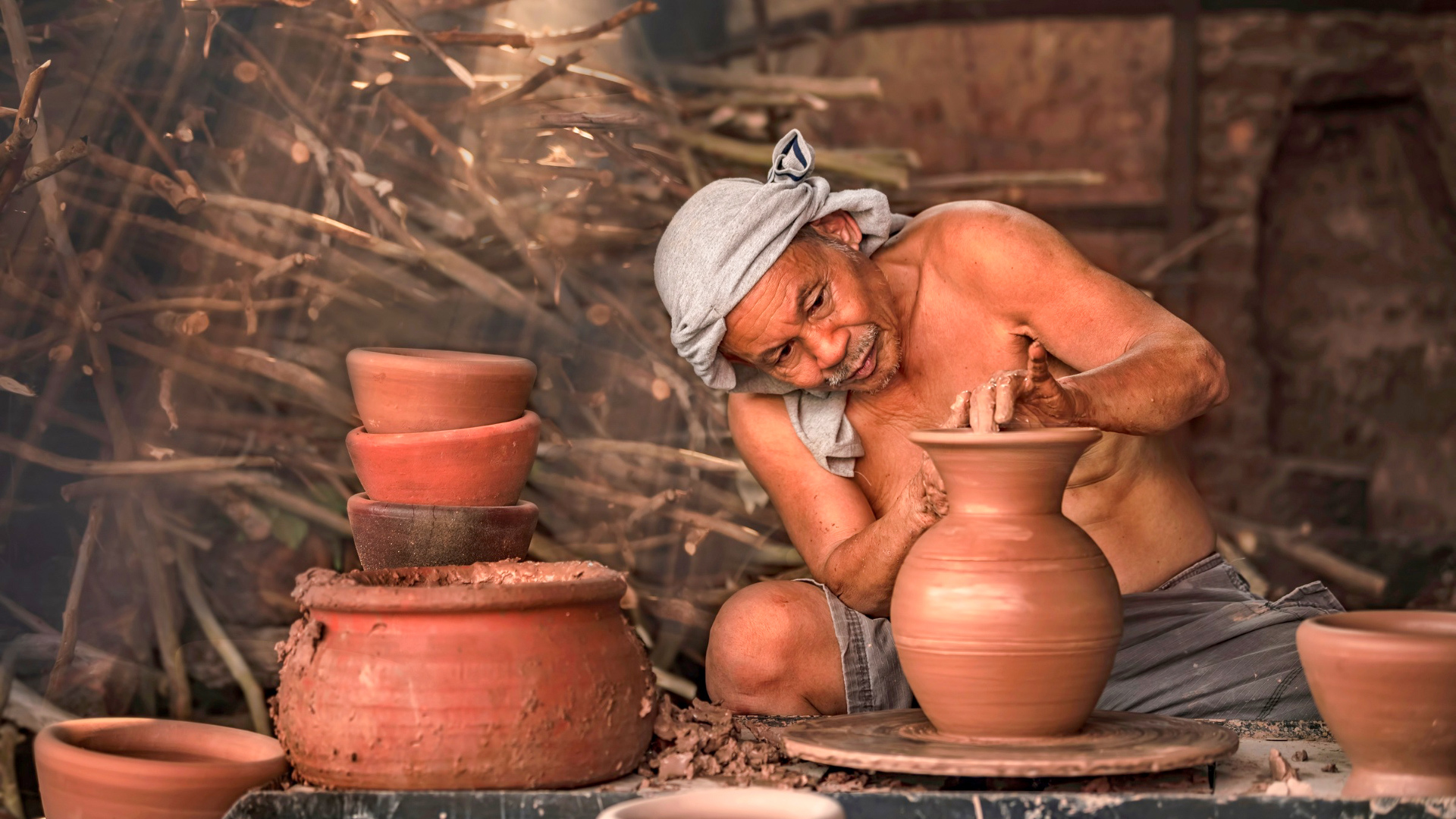
3. Witness Pottery Making at Pottery Square: Visit Pottery Square to immerse yourself in the heart of Bhaktapur's artisanal heritage, as regional artisans display their talents in the art of pottery making. Observe how they expertly shape clay into a variety of forms, maintaining traditional methods that have been passed down through the years.
4. Take a Class on Traditional Newari Cooking: Take a traditional Newari cooking class to start your culinary journey. Taste the tastes of Newari cuisine directly from the source as you study the craft of making traditional meals like "bara," "Chatamari," and "Yomari" under the direction of skilled chefs.
5. Climb the Vatsala Temple for Panoramic Views: Ascend to the summit of the Vatsala Temple for stunning vistas of Bhaktapur and the surrounding Himalayan terrain. Located atop a hill with a stunning view of Durbar Square, this viewpoint provides an unmatched insight into the architectural magnificence of the city.
6. Wander Around Taumadhi Square's Narrow Streets: Explore Taumadhi Square's winding lanes, which are home to historic residences, busy market booths, and old temples. Enjoy strolls at your leisure, converse with the amiable inhabitants, and lose yourself in Bhaktapur's timeless beauty and traditional atmosphere.
7. Find Undiscovered Treasures at Siddha Pokhari: Take a break from the bustle of the city and head to Siddha Pokhari's serene environs. This historic pond provides a tranquil haven where you may rest and regenerate amidst breathtaking scenery, all encircled by thick vegetation and covered pavilions.
8. Purchase Handmade Memorabilia: Wander around Bhaktapur's vibrant marketplaces and quaint boutiques to find an abundance of homemade mementos. You may purchase one-of-a-kind souvenirs to remember your stay, ranging from magnificent ceramics and linens to delicately carved wooden masks.
9. Experience a Traditional Newari Feast: Visit one of Bhaktapur's traditional Newari eateries to savor a meal fit for a king or queen. Taste a wide range of regional specialties presented with antique brass cutlery, and experience the genuine tastes of Newari cooking in a charming environment.
10. Take in Traditional Festivals and Festivities: Attend traditional festivals and festivities to fully immerse yourself in Bhaktapur's dynamic cultural scene. These celebrations provide an insight into the city's rich religious and cultural traditions, from the vibrant Bisket Jatra celebrations to the serious Gai Jatra rites.
To sum up, Bhaktapur is a fascinating combination of history, culture, and real experiences that will captivate tourists from other countries. Explore historic temples, indulge in regional specialties, or become fully immersed in local customs—Bhaktapur offers a unique experience that will transport you to the core of Nepal's cultural legacy.
POPULAR ITINERARIES
SIMILAR POSTS
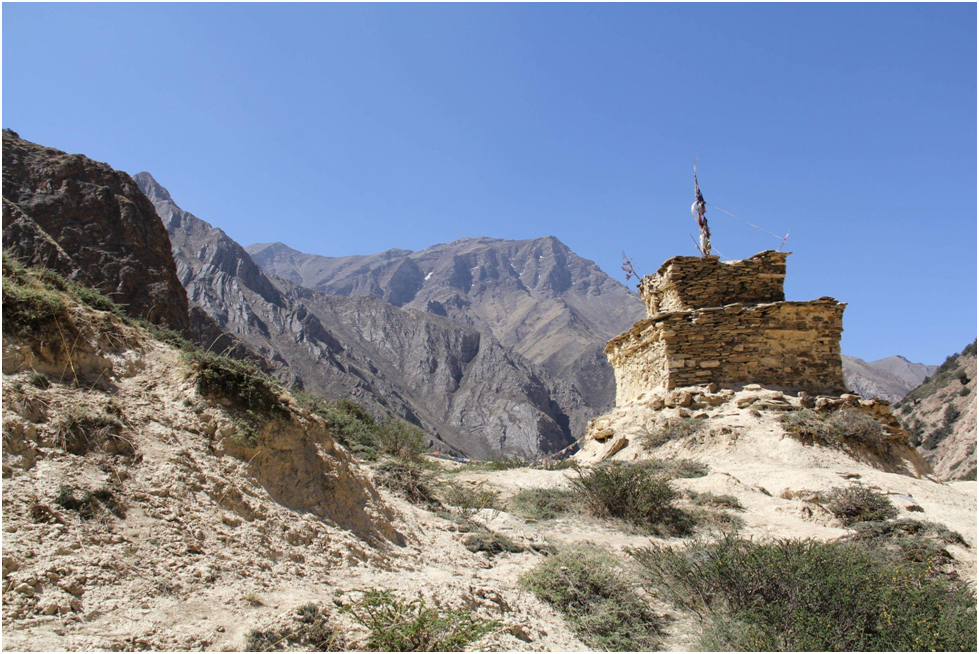
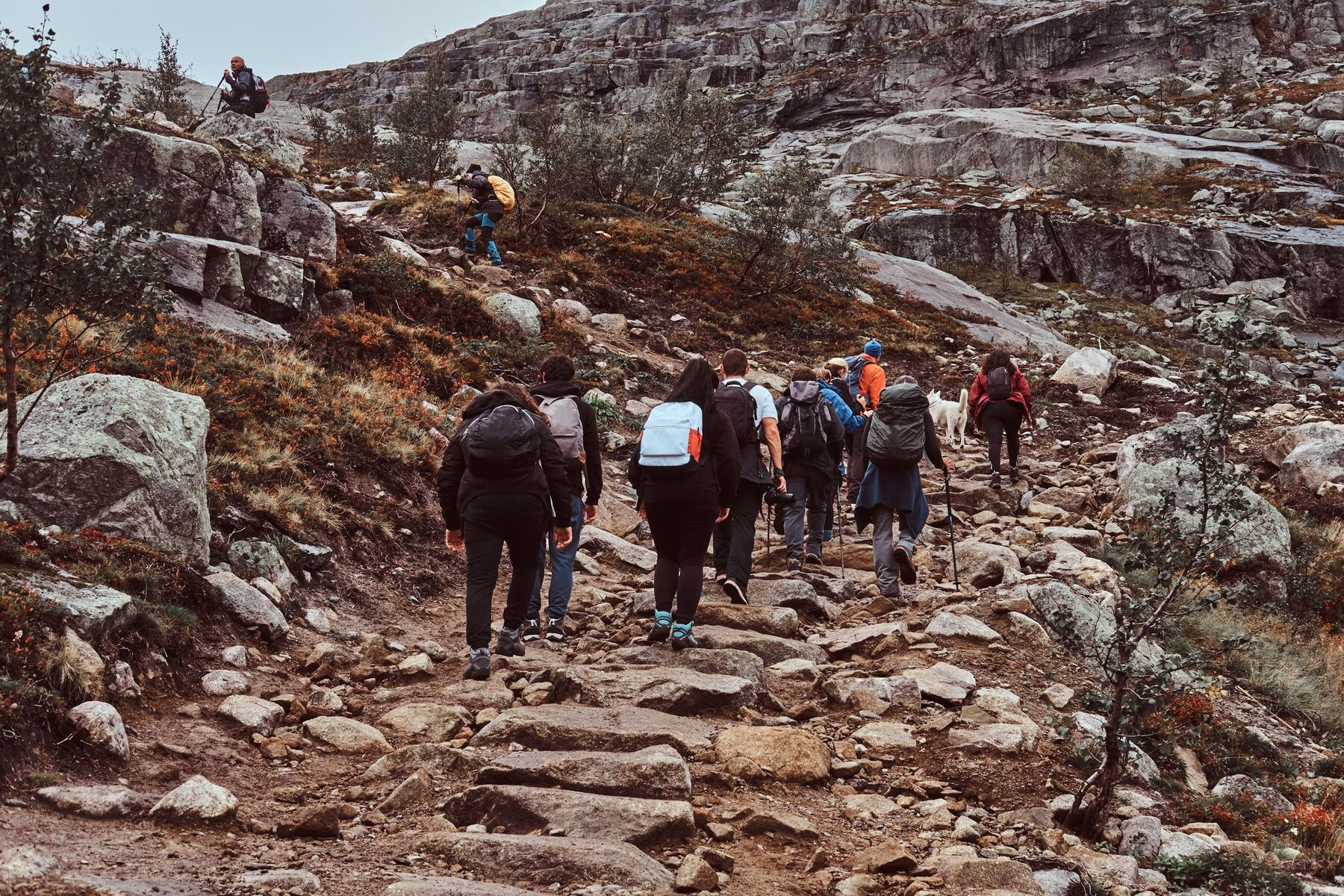
Reaching Nepal's Hidden Peaks and Trekking Nirvana
Forget about the masses of visitors climbing up Everest Base Camp while carrying selfie sticks. Get rid of the expensive teahouses and prepackaged itineraries. On Nepal's lesser-known peaks, where breathtaking scenery unfolds, privacy is absolute, and genuine village interactions capture your memory.
Forget about the masses of visitors climbing up Everest Base Camp while carrying selfie sticks. Get rid of the expensive teahouses and prepackaged itineraries. On Nepal's lesser-known peaks, where breathtaking scenery unfolds, privacy is absolute, and genuine village interactions capture your memory.
Manaslu Circuit
Climbers are drawn to the towering Manaslu, the eighth-highest mountain in the world, by its natural beauty and rustic appeal. The 17-day Manaslu Circuit is a challenging but rewarding journey that travels through a variety of environments, from high mountains with breathtaking views to green valleys covered in wildflowers. Picture Manaslu's snow-capped summit, mist around its beautiful peak, and the only sounds disturbing the quiet are the singing birds and the echoes of yak bells. Explore historic trade routes, come across beautiful cities spared from modernization, and become involved in the straightforward yet meaningful lives of the inhabitants. The Manaslu Circuit contains many high passes that rise beyond 5,000 meters, so be warned—it's not for the faint of heart.
Three Passes Trek
Put on your boots and set out on the renowned Three Passes Trek if you enjoy testing your physical and mental boundaries. This 18-day journey will test your determination with jaw-dropping views of the Himalayas, bitterly cold winds, and exhilarating climbs over three high passes (Kongma La, Cho La, and Renjo La), all of which are over 5,000 meters in elevation. Navigating through glacier valleys and seeing avalanches crash down in the distance will humble you before the overwhelming power of nature. Gokyo Lake is a sacred pilgrimage destination with captivating blue waters. Although this hike requires planning and respect, completing those passes and reaching the top of every vista will surely rank among your most memorable adventure travel experiences.
Beyond the Trek: Authentic Connections
The true magic of these off-the-beaten-path hikes lies not just in the breathtaking scenery, but in the people you meet. Stay in traditional teahouses run by local families, sharing stories and laughter over steaming cups of chai. Participate in a yak cheese-making demonstration, learning about age-old traditions passed down through generations. Offer a prayer at a hidden monastery nestled amidst the mountains, experiencing the deep spirituality that permeates Nepali culture. Remember, you're not just a tourist; you're a welcomed guest, a chance for cultural exchange and genuine human connection.
Setting out on these solo hikes calls for careful preparation and ethical behavior. Employ knowledgeable local guides who are familiar with the area and can guarantee your safety. Consider your influence on the environment, dispose of all garbage properly, and show consideration for the delicate ecosystems you pass through.
So enjoy the adventure and avoid the crowds. Allow Nepal's undiscovered peaks to reveal their mysteries, test your soul, and create lifelong memories. The true attraction of trekking is found in the route itself, as each step brings you closer to the essence of this amazing nation and its people, rather than merely climbing to the top.
POPULAR ITINERARIES
SIMILAR POSTS
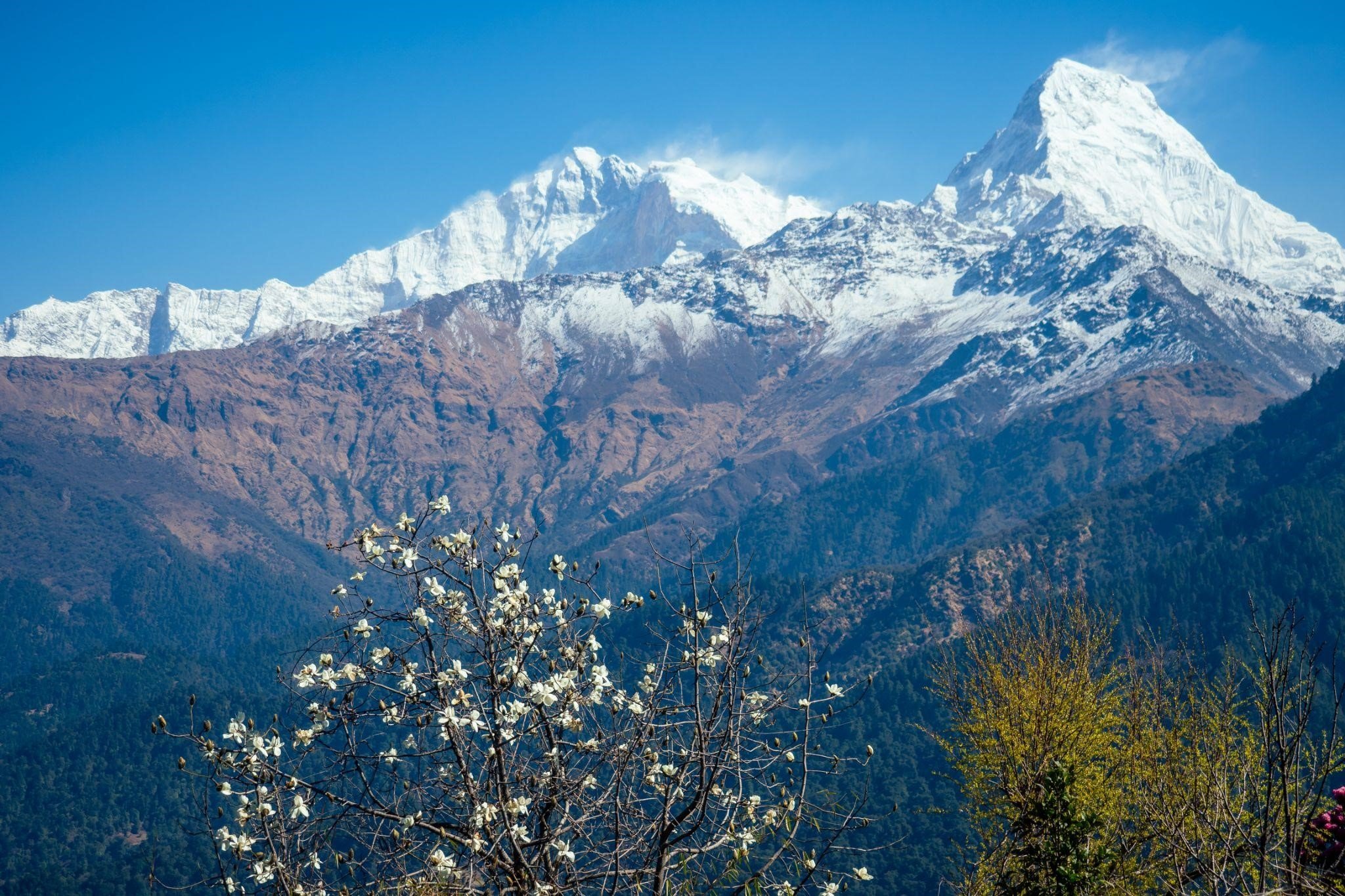
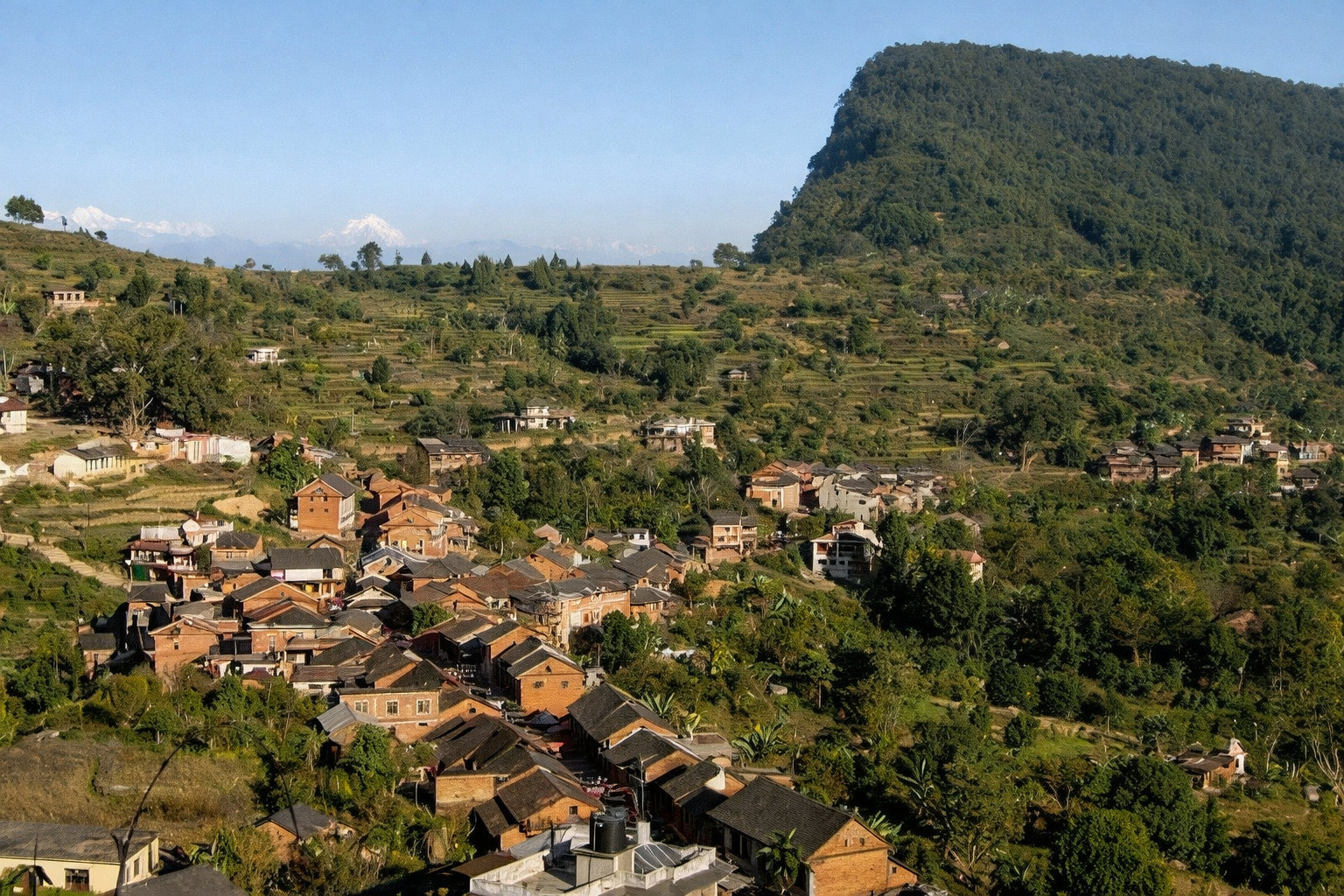

The Soul of Thangka Painting with a Local Artist
Nepal, often lauded for its majestic peaks and timeless temples, boasts another treasure: the ancient art of Thangka painting. These vibrant, intricately detailed narratives on cloth transcend mere decoration; they are windows into the country's rich cultural tapestry, spiritual beliefs, and artistic legacy. But beyond the stunning visuals lies a hidden world, accessible only through the brushstrokes and stories of the artists themselves. Let’s hear an amazing story of a renowned Thangka artist in Kathmandu.
Nepal, often lauded for its majestic peaks and timeless temples, boasts another treasure: the ancient art of Thangka painting. These vibrant, intricately detailed narratives on cloth transcend mere decoration; they are windows into the country's rich cultural tapestry, spiritual beliefs, and artistic legacy. But beyond the stunning visuals lies a hidden world, accessible only through the brushstrokes and stories of the artists themselves. Let’s hear an amazing story of a renowned Thangka artist in Kathmandu.
Stepping into the studio feels like entering a sanctuary. The air hums with the quiet focus of creation, filled with the delicate scent of incense and the gentle rasp of sandpaper smoothing wooden frames. Sunlight spills through windows, illuminating walls adorned with colorful Thangkas in various stages of completion.
The artist's journey began in his childhood village, captivated by the Thangka painters he observed. Years of dedicated apprenticeship honed his skills, and today, his creations grace prestigious collections worldwide. Yet, for the artist, Thangka painting is more than just a profession; it's a spiritual calling.
"Each Thangka," he explains, "is a prayer, an offering to the divine. It's not just about the colors or the details; it's about capturing the essence, the story behind the image."
He picks up a partially finished Thangka depicting the serene face of Buddha Shakyamuni. Every brushstroke carries a purpose, a connection to the divine."
As the artist demonstrates the meticulous process, using natural pigments mixed with water and meticulously applied on canvas, he shares stories passed down through generations. He reveals the symbolism embedded in every element, from the lotus flower representing purity to the intricate mandalas symbolizing the universe. It's a captivating blend of history, mythology, and personal devotion woven onto the canvas.
But Thangka painting is not just about preserving tradition; it's also evolving. The artist incorporates contemporary elements, like using acrylic paints alongside traditional ones, to cater to a wider audience. He also conducts workshops, nurturing the next generation of Thangka artists, ensuring this legacy lives on.
Thangka painting; it's a journey into the heart of Nepali culture. It's a reminder that sometimes, the most authentic experiences are found beyond the usual tourist trail, nestled in the studios of passionate individuals, who share their souls through their art.
So, how can you experience the magic of Thangka painting on your Nepal adventure?
● Seek out artist workshops: Immerse yourself in the creative process by participating in a Thangka painting workshop. Learn the basic techniques, symbolism, and stories behind the art form, creating your own miniature Thangka as a cherished souvenir.
● Visit Thangka galleries: Kathmandu boasts several renowned galleries showcasing a diverse collection of Thangkas, both traditional and contemporary. Admire the intricate details, learn about different styles, and perhaps even invest in a unique piece to take home.
● Interact with local artists: Talk with Thangka artists you encounter in their studios or at markets. Ask about their inspiration, the stories behind their creations, and the challenges they face. You'll gain invaluable insights into their lives and the art form's significance.
Thangka painting is more than just art; it's a living tradition, a cultural narrative woven into the fabric of Nepal. By seeking out authentic experiences and connecting with local artists like Amrit, you'll discover a deeper understanding of this fascinating country and its people, leaving you with memories that resonate long after your journey ends.
POPULAR ITINERARIES
SIMILAR POSTS

A Sweet Celebration of Life in Newari Birthdays
In the vibrant tapestry of Newari culture, one tradition stands out with its unique blend of sweetness and symbolism: the Yomari mala. This garland, woven from the beloved steamed dumplings called Yomari, isn't just a decorative delight; it's a powerful symbol of growth, prosperity, and blessings showered upon the celebrant.
In the vibrant tapestry of Newari culture, one tradition stands out with its unique blend of sweetness and symbolism: the Yomari mala. This garland, woven from the beloved steamed dumplings called Yomari, isn't just a decorative delight; it's a powerful symbol of growth, prosperity, and blessings showered upon the celebrant.
Yomari's Magical Metamorphosis:
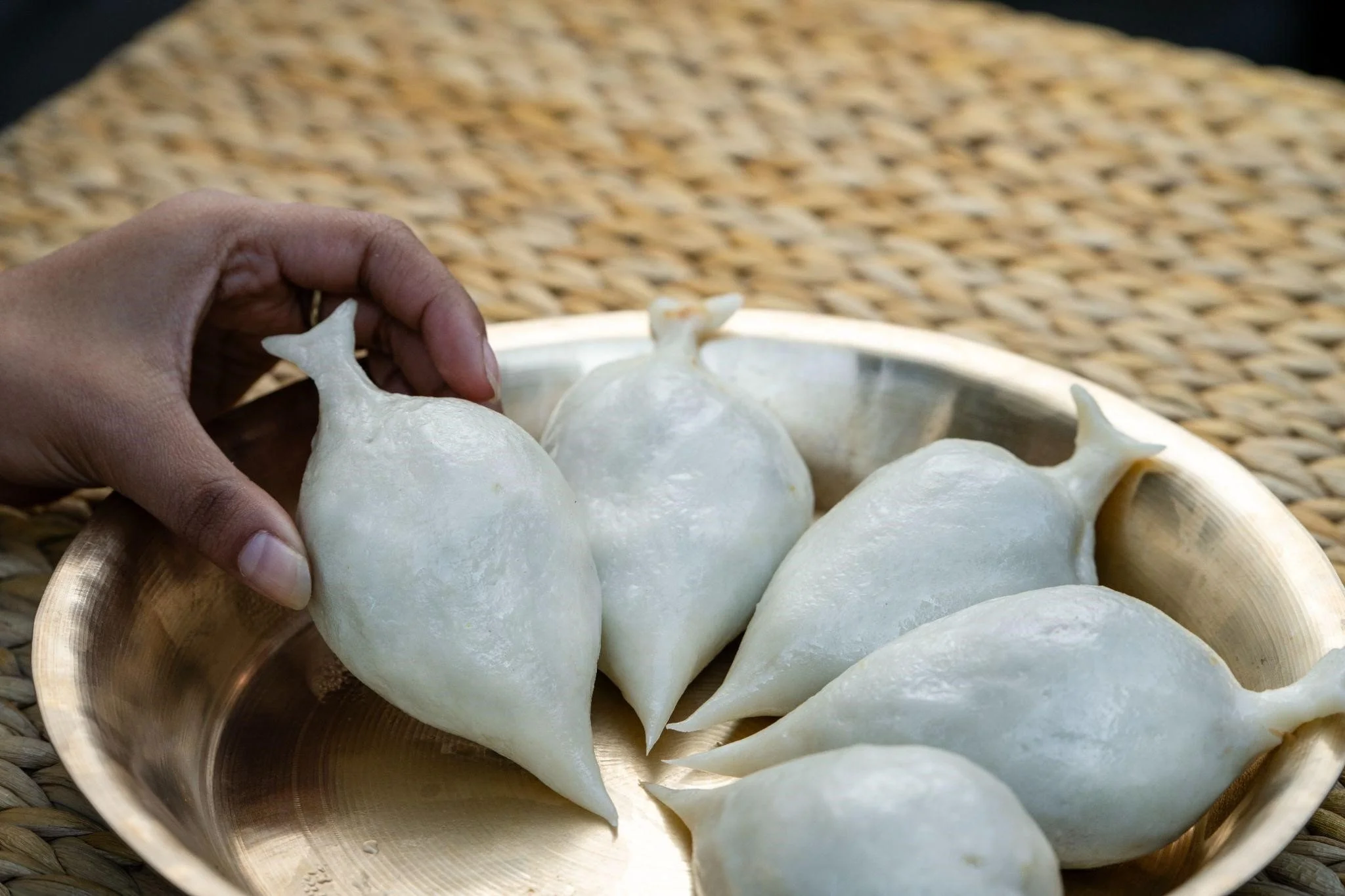
Yomari itself carries significant meaning. These delicious parcels of rice flour filled with molasses or jaggery hold within them the essence of nourishment and fertility. The act of shaping the dough, carefully pinching it closed to mimic the form of a human head, becomes a symbolic prayer for life and well-being.
From Dumpling to Garland:
On the occasion of a birthday, especially at even-numbered milestones like 2, 4, 6, 8, and 12, Yomari undergoes a further transformation. These individual blessings are strung together, often in multiples of nine, to form a mala – a garland representing abundance and wholeness. The Yomari mala becomes a tangible manifestation of the community's love and wishes for the celebrant's journey ahead.
Beyond Sweetness: Layers of Meaning:
The number of Yomari strung on the mala is not coincidental. Nine, a highly auspicious number in Newari culture, signifies completion, longevity, and good fortune. As the celebrant wears the mala, they receive not just the sweetness of the Yomari but also the collective blessings of their family and community.
A Tradition Enduring Generations:
The Yomari mala tradition transcends time and connects generations. Grandmothers teach daughters the art of Yomari making, passing down not just a culinary skill but also a cultural legacy. As families gather to celebrate a birthday, the act of stringing the Yomari mala becomes a shared experience, strengthening bonds and rekindling cherished memories.
A Taste of Hope:
In a world that often seeks instant gratification, the Yomari mala stands as a reminder of the importance of slowness, care, and community. Each delicate stitch holding the Yomari together whispers a promise of enduring love and support. And as the sweet treat melts on the tongue, it leaves behind a taste of hope, a belief that life's journey, much like the Yomari mala, can be woven with blessings and joy.
POPULAR ITINERARIES
SIMILAR POSTS
Kayaking on the Karnali River
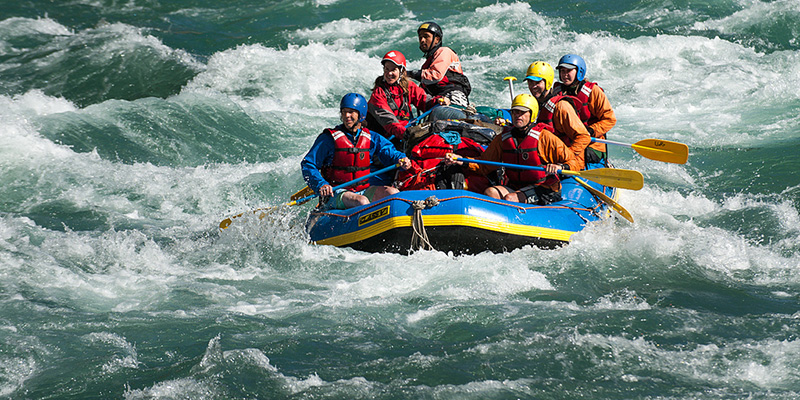
For the fearless kayaker seeking an adventure beyond the ordinary, look no further than the mighty Karnali River in Nepal. Forget crowded tourist trails and conquer a different beast—a churning torrent of glacial-fed water carving its way through the heart of the Himalayas. Kayaking the Karnali is not just a whitewater thrill ride; it's a pilgrimage to the soul of Nepal, a journey through ancient canyons, remote villages, and landscapes untouched by time.
Kayaking the Karnali River, Nepal's Untamed Jewel
For the fearless kayaker seeking an adventure beyond the ordinary, look no further than the mighty Karnali River in Nepal. Forget crowded tourist trails and conquer a different beast—a churning torrent of glacial-fed water carving its way through the heart of the Himalayas. Kayaking the Karnali is not just a whitewater thrill ride; it's a pilgrimage to the soul of Nepal, a journey through ancient canyons, remote villages, and landscapes untouched by time.
Born of Legends:
The Karnali roars into existence near Mount Kailash, the mythical abode of Hindu and Buddhist deities. Its waters flow through gorges so deep they block out the sun, past snow-capped peaks reflecting in its surface, and through lush jungles teeming with exotic wildlife. This isn't a tamed river subdued by dams or regulations; it's a force of nature unchanged for millennia, challenging and rewarding you in equal measure.
Whitewater Symphony:
For skilled kayakers, the Karnali offers a symphony of whitewater. From thrilling Class IV rapids like "The Washing Machine" to serene stretches flanked by vibrant rhododendron forests, the river tests your technique and keeps you constantly engaged. Each day brings new challenges, each rapid a puzzle to solve with your paddle and body. But conquer a particularly intense section, and the feeling of accomplishment washes over you like the spray of the river itself.
Beyond the Adrenaline Rush:
The Karnali isn't just about testing your limits; it's about embracing the rhythm of Nepali life. Spend your evenings camped on pristine sandbars under star-studded skies, sharing stories and laughter with your fellow paddlers. Visit remote villages where time seems to stand still, and witness the warmth and hospitality of the local people. Learn about their ancient traditions, rooted in reverence for the river that sustains them.
A Journey of Discovery:
Kayaking the Karnali is more than just a physical challenge; it's a journey of self-discovery. You'll push your physical and mental limits, navigate uncertainty, and learn to trust your instincts and equipment. You'll return from this expedition not just with adrenaline-pumping memories but with a renewed sense of respect for nature and a deeper understanding of yourself.
Practical Tips for Your Karnali Odyssey:
Timing: The best time to kayak the Karnali is during the spring (March-April) or autumn (October-November) when the water levels are manageable.
Experience: The Karnali is not for beginners. You should have strong whitewater paddling skills and experience navigating complex rapids.
Guides and Permits: It's highly recommended to kayak the Karnali with experienced guides who understand the river and can obtain the necessary permits.
Respect the River: Remember, the Karnali is a natural wonder, not a playground. Be responsible and minimize your impact on the environment.
The Call of the Wild:
The Karnali River doesn't whisper; it roars. It calls to the adventurer within, promising an experience that will stay etched in your memory long after the rapids have calmed. So, if you're ready to test your limits, discover the unspoiled beauty of Nepal, and create stories that will make your friends jealous, pack your kayak and answer the call of the Karnali. It's waiting, untamed and majestic, to lead you on an unforgettable whitewater odyssey.
POPULAR ITINERARIES
SIMILAR POSTS

Beyond Temples and Momos - Explore a Bustling Art Scene
With its historic temples, lively culture, and breathtaking landscape, Kathmandu, tucked away at the base of the Himalayas, has enthralled tourists for generations. But a vibrant and varied art community is thriving outside of the customary stomping areas, just waiting for intrepid individuals to explore it. There is no denying Kathmandu's strong creative culture, which is evidenced by the colorful street paintings that line back alleyways and the modern galleries hidden away in old squares.
With its historic temples, lively culture, and breathtaking landscape, Kathmandu, tucked away at the base of the Himalayas, has enthralled tourists for generations. But, a vibrant and varied art community is thriving outside of the customary stomping areas, just waiting for intrepid individuals to explore it. There is no denying Kathmandu's strong creative culture, which is evidenced by the colorful street paintings that line back alleyways and the modern galleries hidden away in old squares.
A Canvas Reborn:
The days when elaborate temple carvings and traditional Thangka paintings were the main forms of creative expression in Kathmandu are long gone. A new generation of artists is emerging today, willing to push the envelope, explore new mediums, and capture the spirit of a Nepal that is changing quickly. Galleries such as Artudio and Siddhartha Art Gallery display provocative modern art, ranging from playful abstract pieces to moving social criticism.
Streets as Studios:
When you go beyond the gallery walls, you can see Kathmandu's streets brimming with creative energy. Building facades are adorned with vibrant paintings created by well-known local painters like Rabindra Shrestha and Amrit Purna Rai, which turn otherwise ordinary areas into outdoor museums. These murals invite onlookers to participate in verbal conversations by weaving together stories about Nepali culture, mythology, and environmental issues.
Creative Communities:
The creative energy of Kathmandu flourishes in both group projects and solo initiatives. Samvara and Bhasa Bhavana, two artist-run venues, offer forums for discussion, experimentation, and workshops. Aspiring artists and well-known artists mix here, creating relationships and fostering the city's creative future.
Traditional Meets Modern:
Without honoring the deeply ingrained traditional craftsmanship that still serves as an inspiration to and impacts current artists, the creative tapestry of Kathmandu would be incomplete. The city's creative landscape is enhanced by layers of texture and history via the use of woodcarvings, complex metalwork, and vivid fabrics. Experiencing the vibrant marketplaces and visiting workshops in places like Patan Durbar Square provides an insight into the rich legacy that feeds Kathmandu's creative spirit.
Art Beyond the Canvas:
The creative energy of Kathmandu is not limited to visual arts. The city's music is alive and well, ranging from the eerie sounds of traditional Sitar playing to the upbeat beats of modern Nepali rock bands. Spoken word artists and storytellers may showcase their skills at poetry readings and open mic events. Discovering the hidden cafés and cultural hotspots of Kathmandu offers a wealth of artistic expression just waiting to be found.
Experiencing the Vibe:
Taking part in the Kathmandu art scene is not only about crossing things off a list. It's about connecting with artists, letting yourself be amazed by the unexpected, and fully immersing yourself in the creative atmosphere. Explore tucked-away galleries and secret passageways while following the pulse of the city's cultural scene.
So, skip the conventional tourist route and immerse yourself in the vibrant core of Kathmandu's artistic community. You could come across a work of undiscovered art, a hidden gem, or an idea for your next creative endeavor.
POPULAR ITINERARIES
SIMILAR POSTS
Glamping in the Annapurna Region: Luxury Under the Himalayas
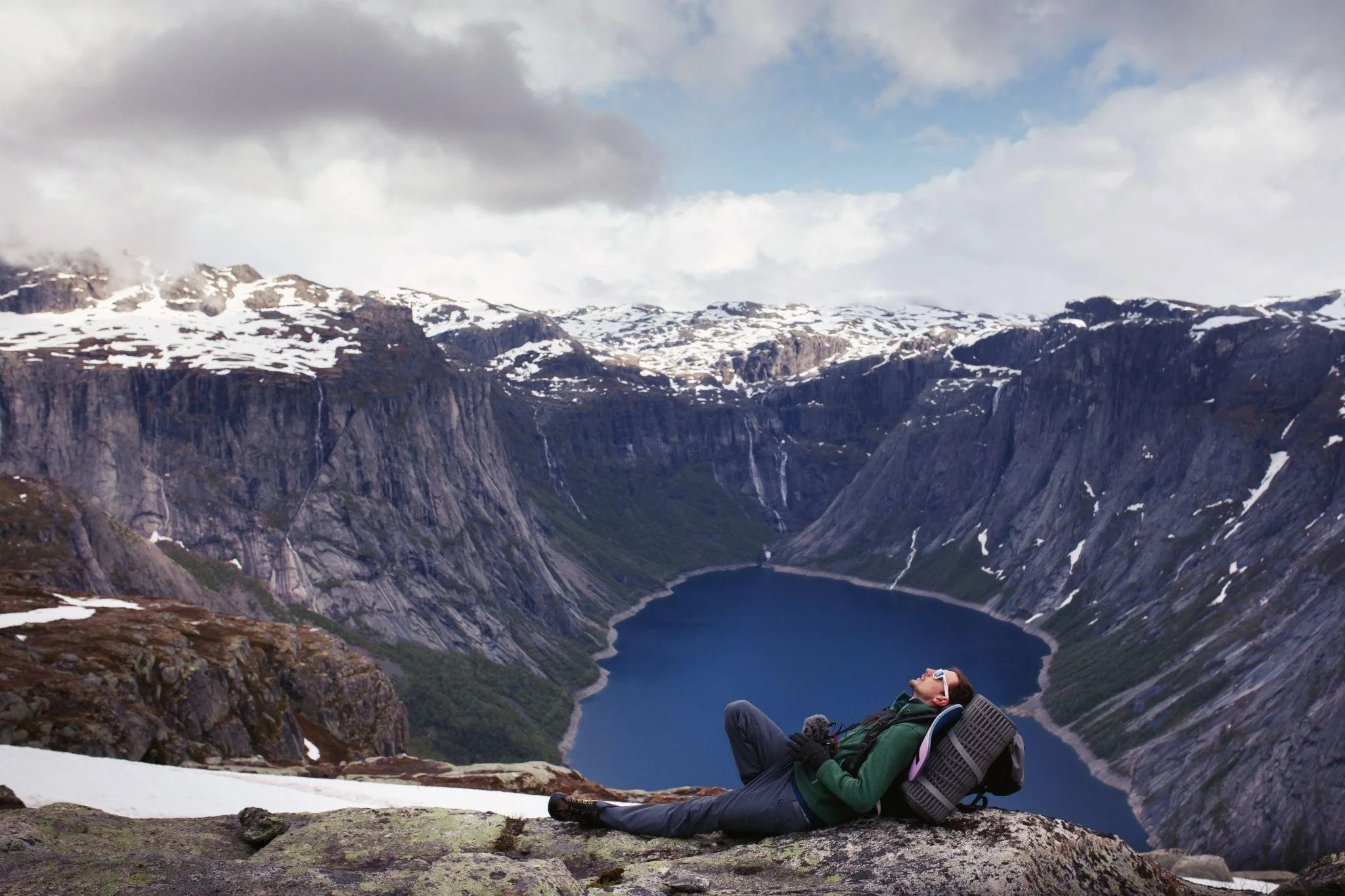
Experience the ultimate blend of luxury and adventure in the 𝗔𝗻𝗻𝗮𝗽𝘂𝗿𝗻𝗮 𝗿𝗲𝗴𝗶𝗼𝗻 𝘄𝗶𝘁𝗵 𝗚𝗹𝗮𝗺𝗽𝗶𝗻𝗴 – camping featuring private tents, en-suite bathrooms, and hot tubs against the stunning Himalayan backdrop. Trek through rhododendron forests and picturesque villages, all while minimizing environmental impact through sustainable practices.
Move over, Everest Base Camp. There's a new kind of adventure calling to discerning travelers in Nepal: Glamping in the Annapurna Region. Ditch the crowded teahouses and rustic lodges, and embrace the ultimate blend of comfort and adventure under the majestic gaze of the Annapurna massif. Imagine waking up to the golden light of sunrise painting the snow-capped peaks, sipping your morning coffee from the plush comfort of your private tent, and enjoying en-suite bathrooms and even hot tubs after a day of exploring breathtaking landscapes. Yes, glamping in the Annapurna Region is all this and more.
Beyond the Ordinary Trek:
Glamping isn't just about creature comforts; it's about experiencing the Himalayas in a whole new way. Imagine trekking through rhododendron forests and charming Gurung villages, knowing that at the end of the day, a luxurious haven awaits. Forget lugging heavy backpacks or roughing it in basic accommodations. Glamping allows you to fully immerse yourself in the beauty and adventure of the region without sacrificing your well-being.
Uniquely Tailored Experiences:
Several reputable companies offer glamping packages along the Annapurna Circuit, catering to different budgets and preferences. Choose from a fully supported trek with guides and porters setting up your camp each night, or opt for a more independent glamping experience where you carry your gear and pitch your tent (with the help of the knowledgeable staff, of course!). Some glamping companies even offer unique add-ons like private yoga sessions, gourmet meals prepared by local chefs, and stargazing under the crystal-clear night sky.
Starry Nights and Epic Sunrises:
One of the most magical aspects of glamping in the Annapurna Region is the unparalleled connection with nature. Imagine gazing at a sky ablaze with a million stars, free from light pollution. Wake up to the gentle chirping of birds and the first rays of sunlight illuminating the majestic peaks. With minimal light and noise, you'll experience the raw beauty of the Himalayas in a way that traditional trekking often doesn't allow.
More Than Just Comfort:
While relaxation and rejuvenation are key aspects of glamping, it's important to remember that you're still in the heart of the Annapurna Sanctuary. Each day offers countless opportunities for adventure. Hike to breathtaking viewpoints, explore hidden waterfalls, and immerse yourself in the vibrant culture of the local villages. Glamping provides a luxurious base camp for your explorations, allowing you to push your limits by day and unwind in unparalleled comfort by night.
A Sustainable Approach:
Responsible tourism is paramount, and the glamping companies operating in the Annapurna Region take great care to minimize their environmental impact. They use eco-friendly tents and amenities, source local produce, and work closely with the communities to ensure a sustainable and positive impact on the region.
Glamping in the Annapurna Region is more than just a trendy travel experience; it's a unique opportunity to reconnect with nature, immerse yourself in a breathtaking landscape, and discover the magic of Nepal luxuriously and sustainably. So, pack your sense of adventure, your love for the outdoors, and your appreciation for comfort, and embark on an unforgettable glamping journey under the watchful gaze of the mighty Himalayas.
POPULAR ITINERARIES
SIMILAR POSTS
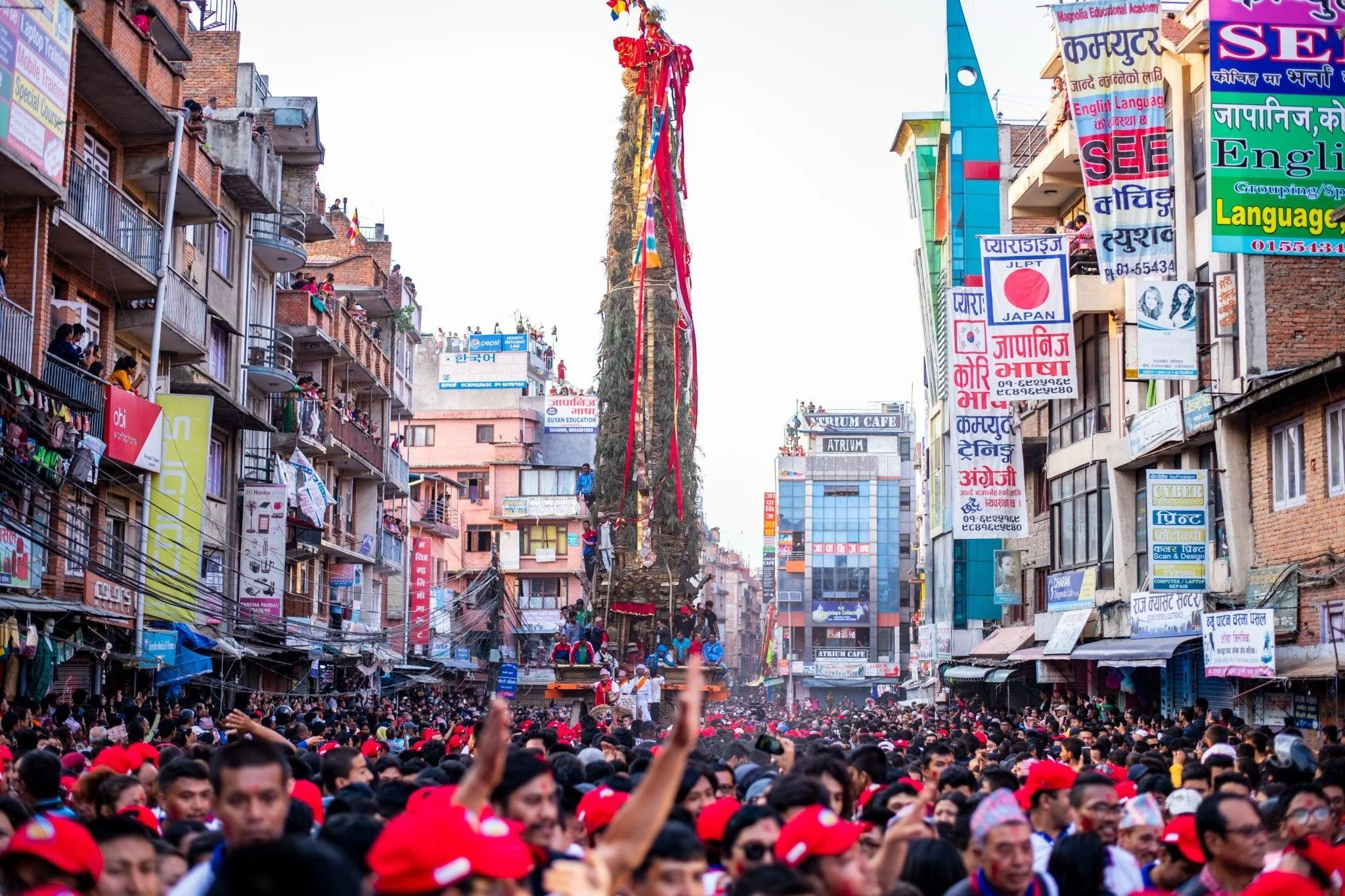
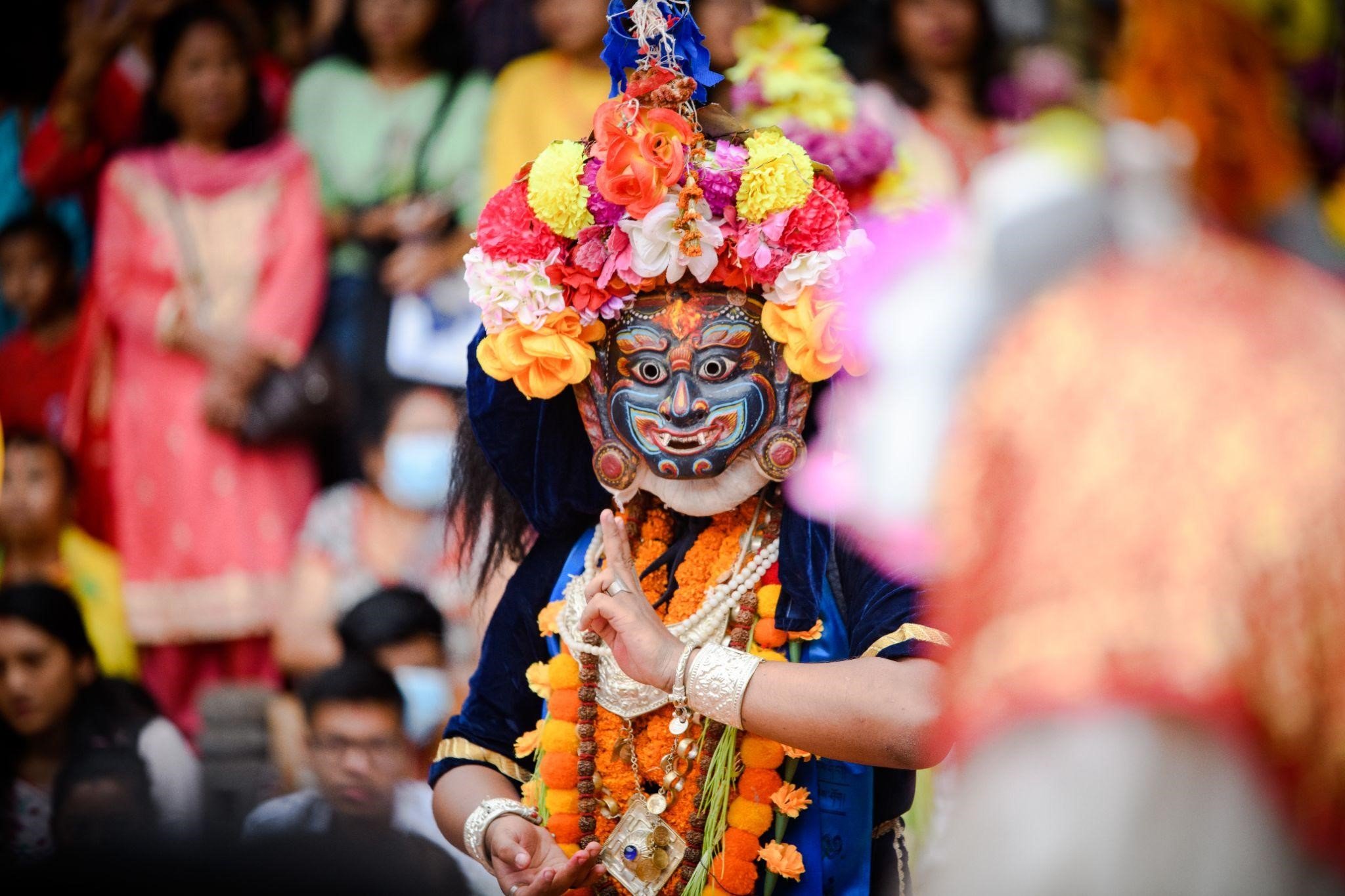
Indra Jatra is one of Kathmandu Valley’s most iconic festivals, where ancient traditions, sacred rituals, and vibrant celebrations come together. Through chariot processions, masked dances, and cultural performances, it showcases the living heritage of Nepal.