
The Legacy of Mandalas: Spiritual Art in Kathmandu
In Kathmandu Valley, mandalas are more than just beautiful patterns. They are a form of spiritual art that carries deep meaning and tradition. You will often see them in temples, monasteries, and even small shops, quietly reflecting a part of Nepal’s cultural and religious life.
A mandala is usually made in a circular shape, filled with detailed patterns that represent balance, harmony, and the universe. Each line, color, and design has a purpose. For many people, creating or observing a mandala is a way to focus the mind and connect with something deeper.
While walking through places like Kathmandu, Patan, or Bhaktapur, you may come across artists carefully painting mandalas by hand. The process takes time, patience, and a lot of concentration. Some mandalas are also made using colored sand, especially in monasteries, where monks spend hours or even days creating them.
One of the most interesting parts of mandala art is that some of them are not meant to last forever. Sand mandalas, for example, are often destroyed after completion. This represents the idea that everything in life is temporary, teaching a lesson about change and letting go.
Mandalas are closely connected to both Buddhist and Hindu traditions. They are used during meditation, rituals, and spiritual practices. For locals, they are not just decorative pieces but a meaningful part of daily life and belief.
For travelers, discovering mandalas in Kathmandu can feel like stepping into a quieter, more thoughtful side of the city. Whether seen in a temple wall, a monastery floor, or an artist’s workspace, each mandala tells a story through its design.
The legacy of mandalas in Kathmandu is not only about art but also about meaning, patience, and tradition. It invites you to slow down, observe closely, and appreciate the details that often go unnoticed in everyday life.
POPULAR ITINERARIES
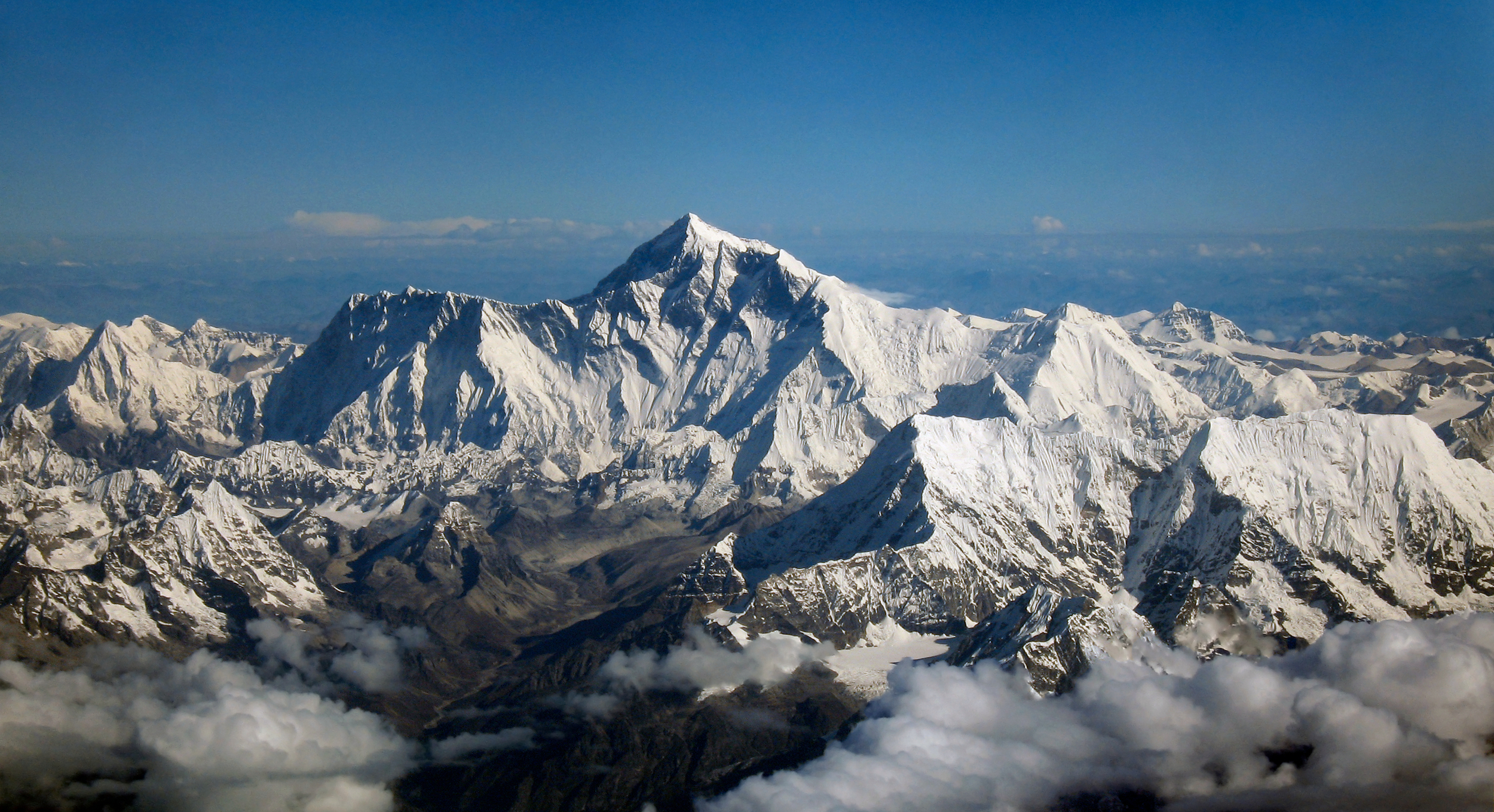
Mountain Flight Details: Early morning trip to Mt. Everest and surrounding mountains - Approx. 1 hour flight via Buddha Air OR Yeti Air (choice available) - Stunning views of mountains in Nepal - View video on Youtube of mountain flight in Nepal - Mountain Flight Cost: INR 11000/USD 250
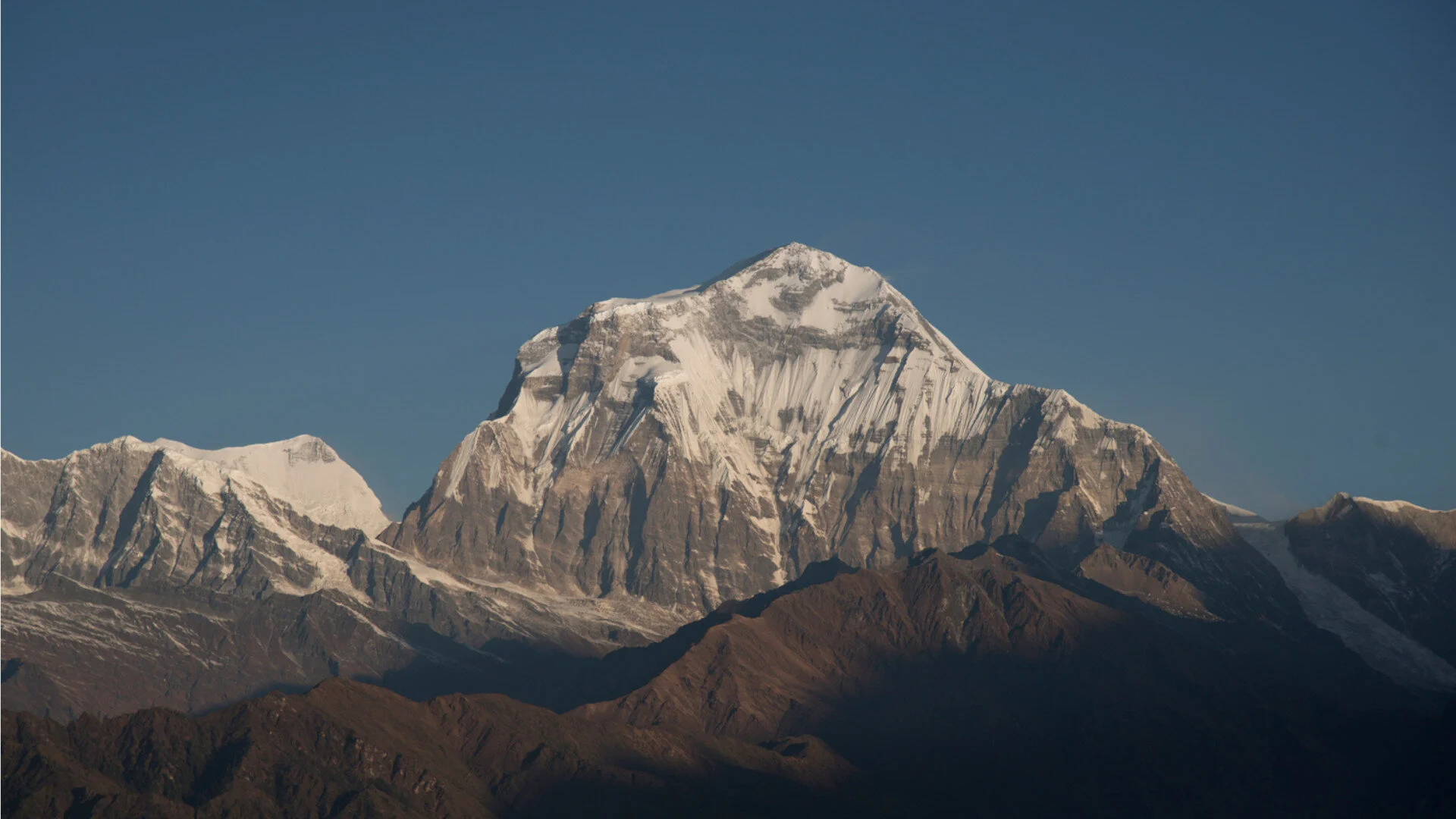
Mt. Dhaulagiri is the seventh highest mountain in the world and one of the challenging yet exhilarating adventure destinations in Nepal. The trek circling Mt. Dhaulagiri takes you through the beautiful villages, clean rivers, lush landscapes, thick forests, hidden valleys, glaciers, and mountain ranges.
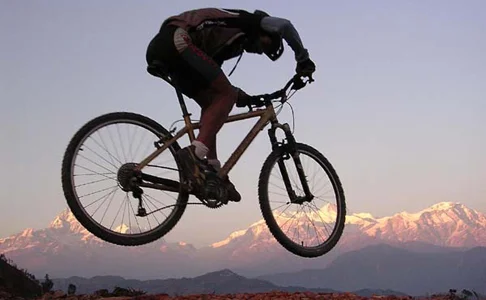
Our highest priorities in all our Nepal biking trips are safety, quality and enjoyment. You will ride on these wild and challenging trails through some of the most stunning scenic and cultural landscapes in the world. With the stunning backdrop of the Himalayan ranges, the extreme valleys and old forests of the rugged middle hills, the charming terraced fields and bright smiles in the timeless villages, you will remember this journey for its unique beauty as well as its challenging mountain biking terrain.
Pricing: Please choose among the various options available and we'll get back to you with a package that suits you best -- along with a quote.
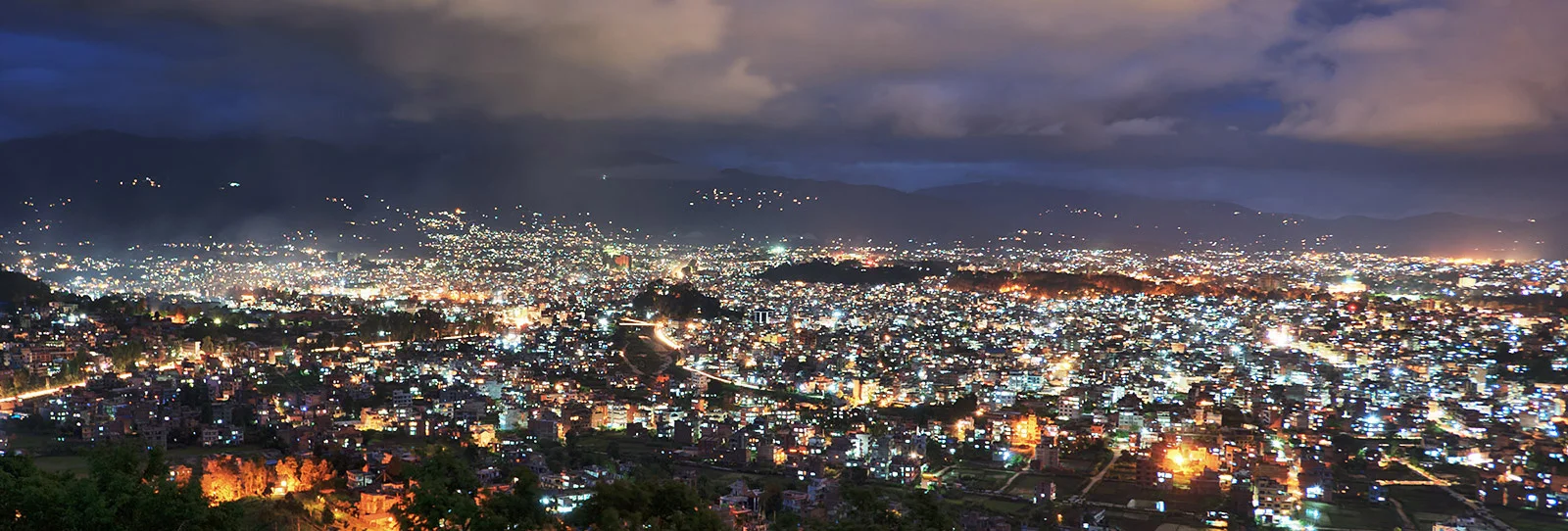
Minimum 3 Nights Stay Kathmandu Sightseeing Package( 3 Nights/4 Days): Includes: Airport Pick Up & Drop Off, Daily Breakfast Buffet, All tours and transfers in an air conditioned coach
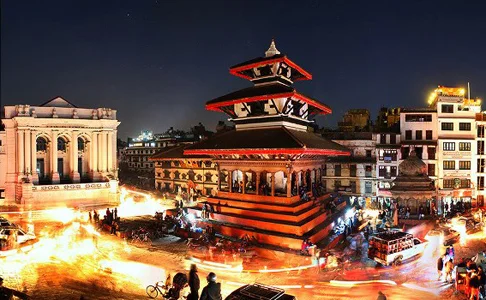
- Full day tour of Kathmandu City Swayambhunath Stupa and Patan City
- Approx 5-6 hours (split in two sessions)
- Morning: Walking tour of Kathmandu Durbar Square through (Ason) spice Market/vegetable markets
- Evening: Visit Patan Durbar Square
USD 80 PER CAR
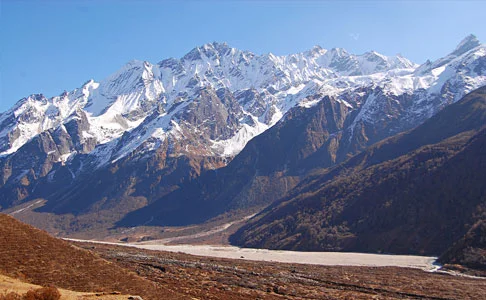
The Langtang Valley is surrounded by many high peaks of great appeal. The eminent British mountaineer Bill Tilman described it as the "most beautiful valley in the world". The Langtang Valley is also known as the treasure house of Alpine plants. The whole valley is covered with flowers during the summer.
The Lantang Valley Trek is not only offers magnificent views of Langtang Lirung (7,234m), Ganesh Himal (7,406m) and other high mountain peaks, but also provides insight into the varied ethnic lifestyles of the Tamangs and Sherpas, inhabitants of this area who share closer cultural ties with the Tibetan people.
SIMILAR POSTS

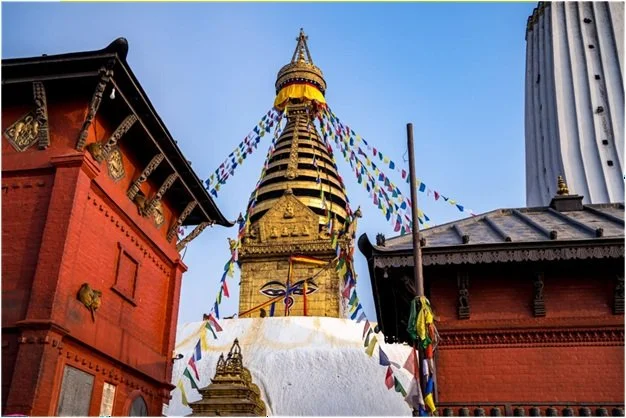
Swayambhunath is not just a destination, it’s an experience of Kathmandu’s spiritual and everyday life.

The golden Bajra at Swayambhunath Stupa in Kathmandu, a timeless guardian symbolizing strength, enlightenment, and divine protection in Nepal’s sacred traditions.” This sacred object, with its rich mythology and spiritual significance, stands firm as a reminder of the intertwined Hindu and Buddhist beliefs that continue to shape Nepal’s cultural landscape. Whether at the entrance of a temple, adorning stupas, or held during ritual practices, the Bajra represents a powerful force that connects the earthly realm with the divine.
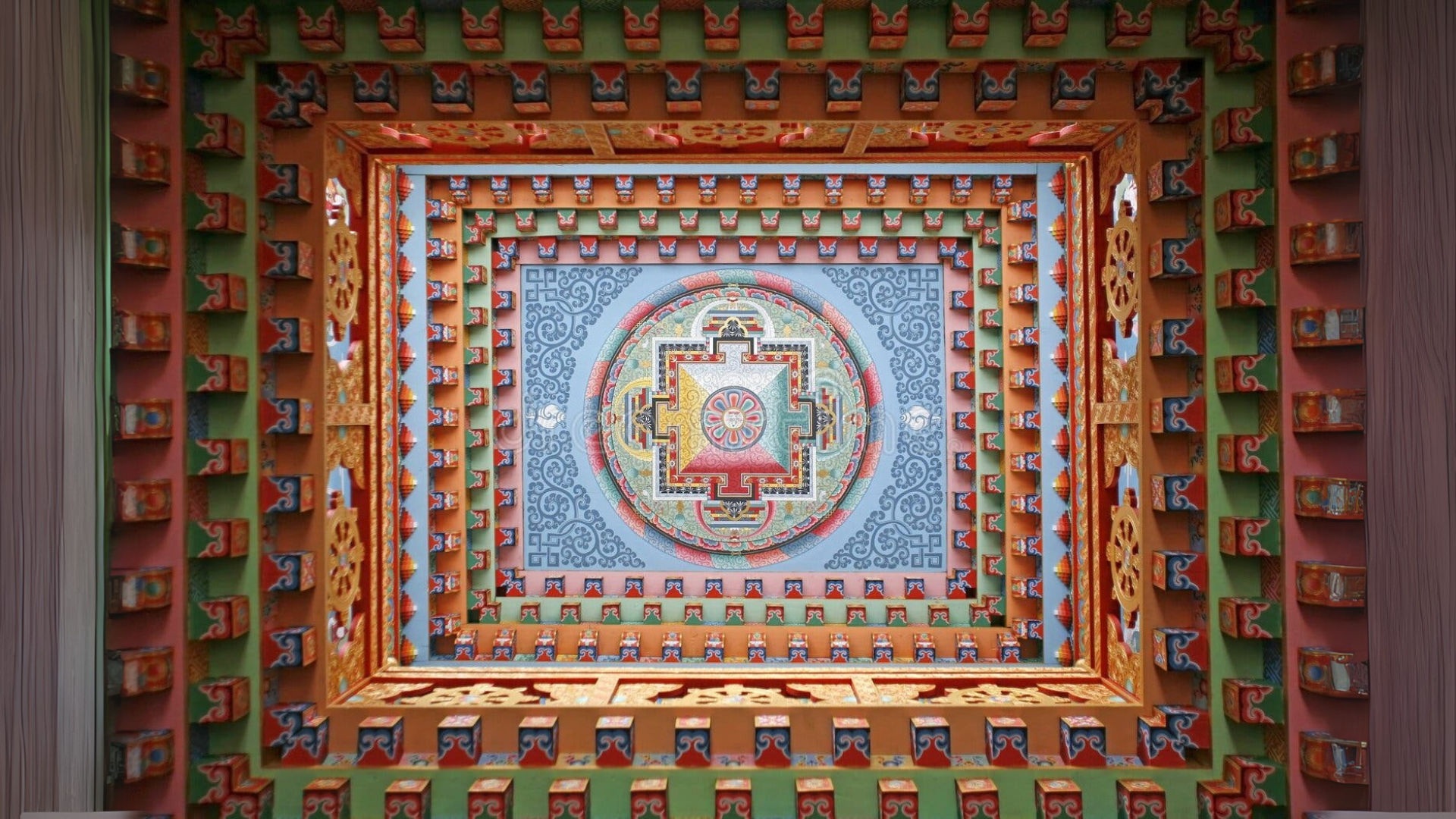
Kathmandu is a living canvas where spirituality and art meet at every corner. Among its countless expressions of faith and culture, mandalas stand as one of the most profound. These intricate circular patterns, seen in temples, monasteries, thangkas (sacred paintings), and even everyday rituals, carry deep symbolic meanings that go far beyond decoration. They are maps of the universe, pathways to meditation, and reflections of Nepal’s spiritual heart.
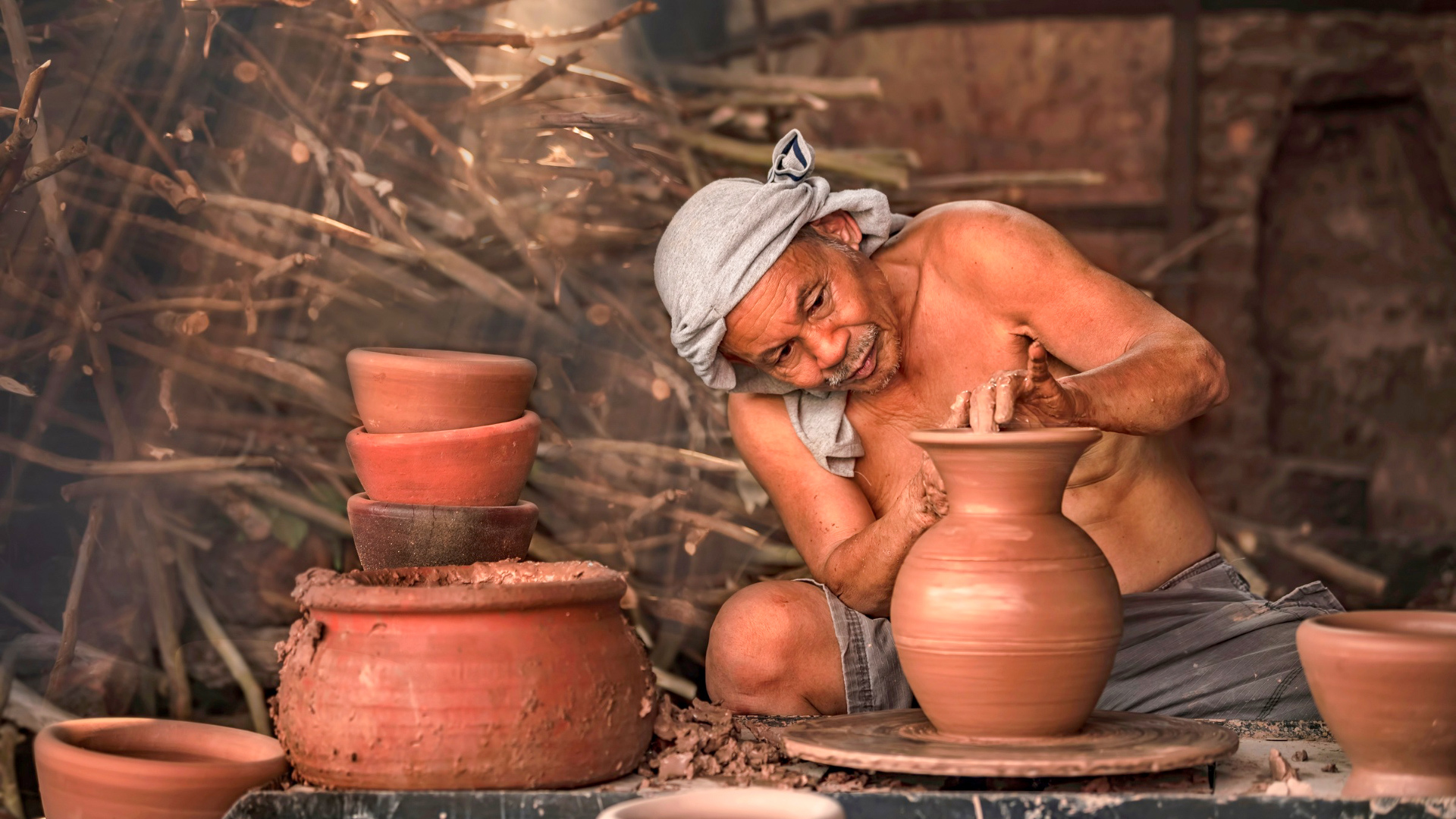
Tucked between temple courtyards and winding alleys, Kathmandu reveals a quiet artistry that rewards those who linger. While its bustling streets may seem chaotic at first glance, a slower pace unveils a world shaped by human hands woven, carved, molded, and brushed with care.
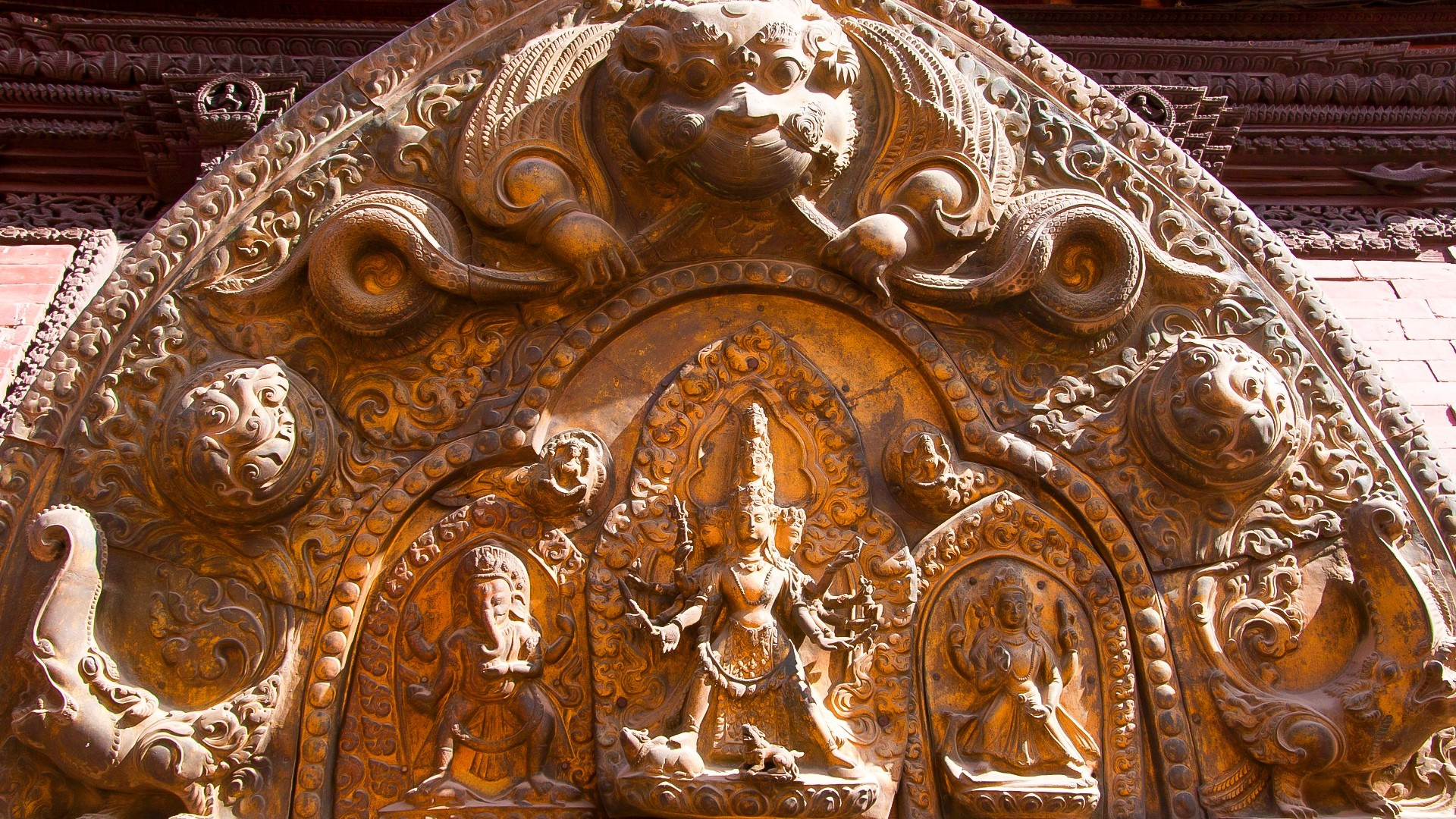
In the old cities of the Kathmandu Valley, temples don’t just sit in place. They shape it. Palaces don’t just preserve history. They continue it. These structures were not built simply to impress. They were built to last, to breathe, and to hold meaning through time.
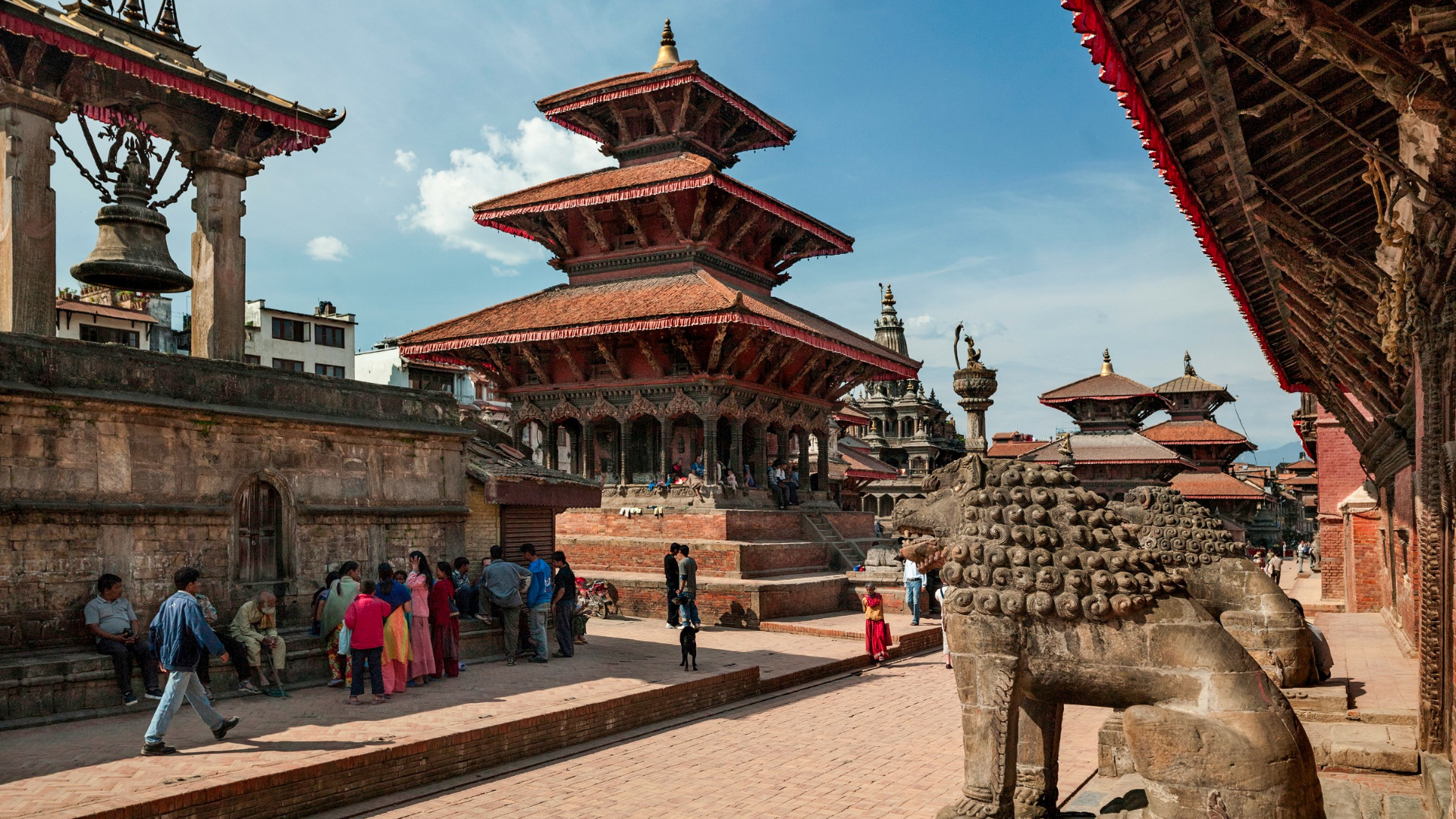
Step into the Durbar Squares of Patan, Bhaktapur, or Kathmandu, and you are no longer just in a historic city. You’re inside a living Tantric body. Where shrines rise not just at the center, but at every turn, every step, every breath. These cities were not built with symmetry alone, they were built with intention. And their intention is to awaken.
This trek is specially designed to reach the Everest Base Camp including Kala Pattar which is the best view point to view the sunrise over the high Himalayas including the Mt. Everest. This trek requires 13 days.
USD 1515 PER PERSON -- TWIN ROOM SHARING BASIS