
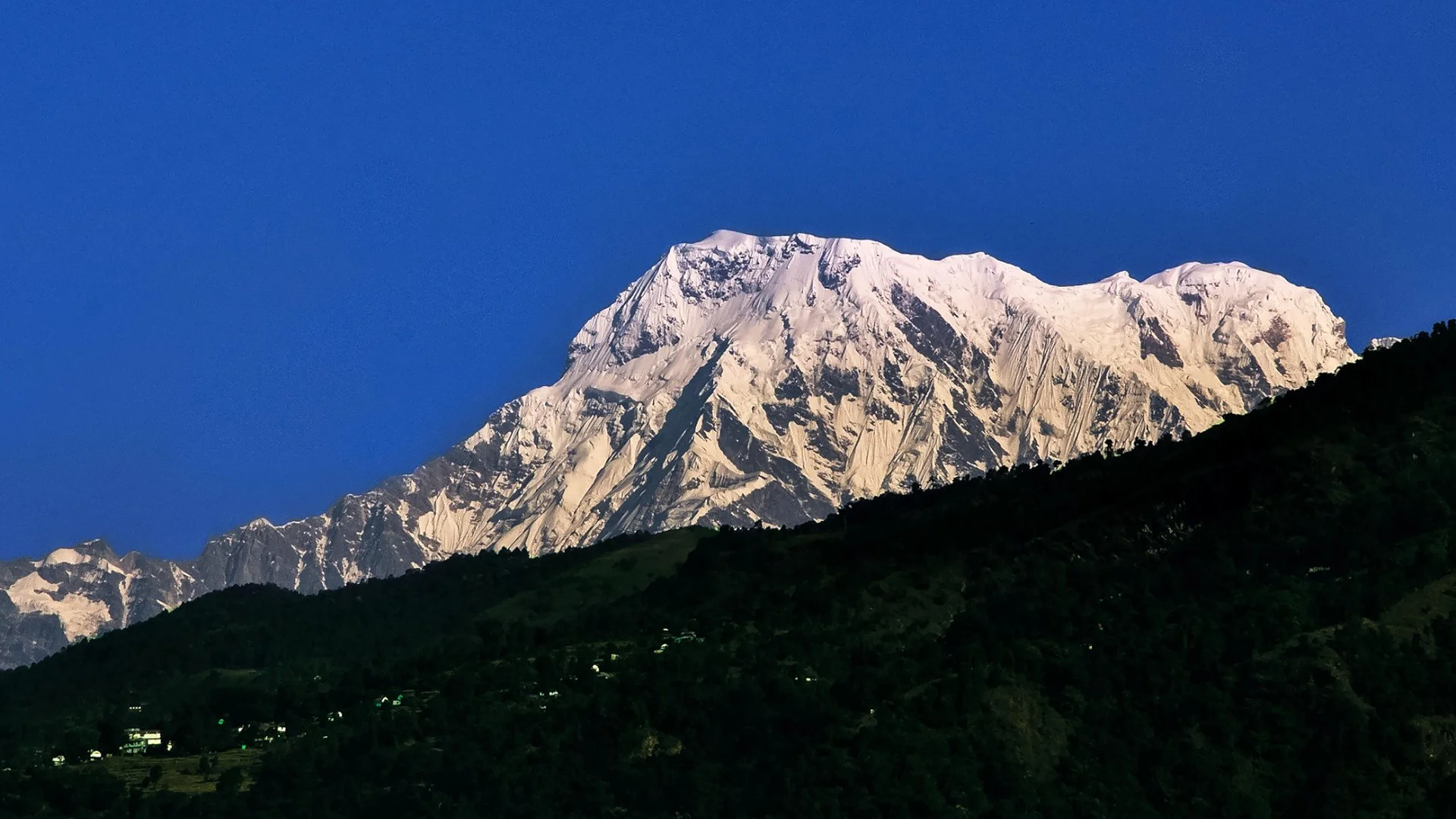
Revisiting Nepal
Ever since Nepal opened its doors to the outside travelers, it became a beacon to escape the world. The journey for the tourism industry has been turbulent, but nothing was as surprising as the pandemic. Now that the old and the new have fused to create a contemporary normal, it's time to revisit Nepal and once again escape into serenity.
This small but humble nation for years has been an escape to countless tired souls. An adventure into the wilderness of its diverse ecosystem has quenched the thirst of many wanderers. The open hearts of the people have welcome travelers into their homes, given them the utmost hospitality and made sure they always felt welcomed.
The pandemic hit this nation hard. The damage was not just the loss of life but also an economic crisis. We did not anticipate to close our doors, but we had no choice. Prior to the C-19 pandemic, tourism contributed 10 % in the annual GDP of the nation. Indirectly its impact in uplifting livelihood of Nepalese was even greater. But in 2020, the year when we were to give the world a lifetime experience the contribution to the GDP came down to 5%.
Tourism supported over a million jobs in Nepal, the indirect figures are even larger. The pandemic crippled their livelihood by taking away income that supported them and their family. Many businesses were shuttered as it became impossible to cope with the mounting debt. The stress and troubles were greatly amplified during this period.
The span of almost two years felt like a decade because time moved slow. The people could no longer attend to their jobs, which is equal to saying that they could not tend to their guests. On 24th September 2021, the joy for the tourism industry was immense. Tourists fully vaccinated 14 days before arrival do not require quarantine and are eligible for visa on arrival. The procedure for entry was again updated on 4th October 2021, which gave more precise details.
Click Here: To View COVID-19 Status Update Page by Nepal Tourism Board
Slowly but steadily, life is coming back to normal. But it is not the same due to multiple factors. The C-19 stress left a scar that would take a very long time to heal. The danger is still out there, and one must take precautions to not get infected. Even though the situation is better, it isn't the best, and we all have to deal with the new normal a step at a time.
Now that Nepal is open- visit us!
This country has so much to offer, and the people shall ensure that you experience the best of everything during your stay. Some amenities will take time to fully open, but the basic is ready for your arrival.
One can choose from a long list of treks and adventures. You can bask in the eternal glory of the Himalayas or explore the vast wilderness of the Terai region. A plethora of cultural experiences awaits you in the ancient cities of Kathmandu, Lalitpur and Bhaktapur. Indulge yourself in a tranquil and artistic experience absorbing the beautiful architecture, art and masonry.
At the end of your trip consider taking with you something made by the people. You'll take with you the memories of people, who regardless of their circumstances, made sure to take care of you. In frame and memory shall be the image of tranquillity - the high snowy mountains, the silent yet riveting outback, and lush wilderness.
Once will never be enough when it comes to exploring Nepal. Choose to revisit us, and take on challenges and absorb something new every time. We are here, and we are ready!
POPULAR ITINERARIES
SIMILAR POSTS

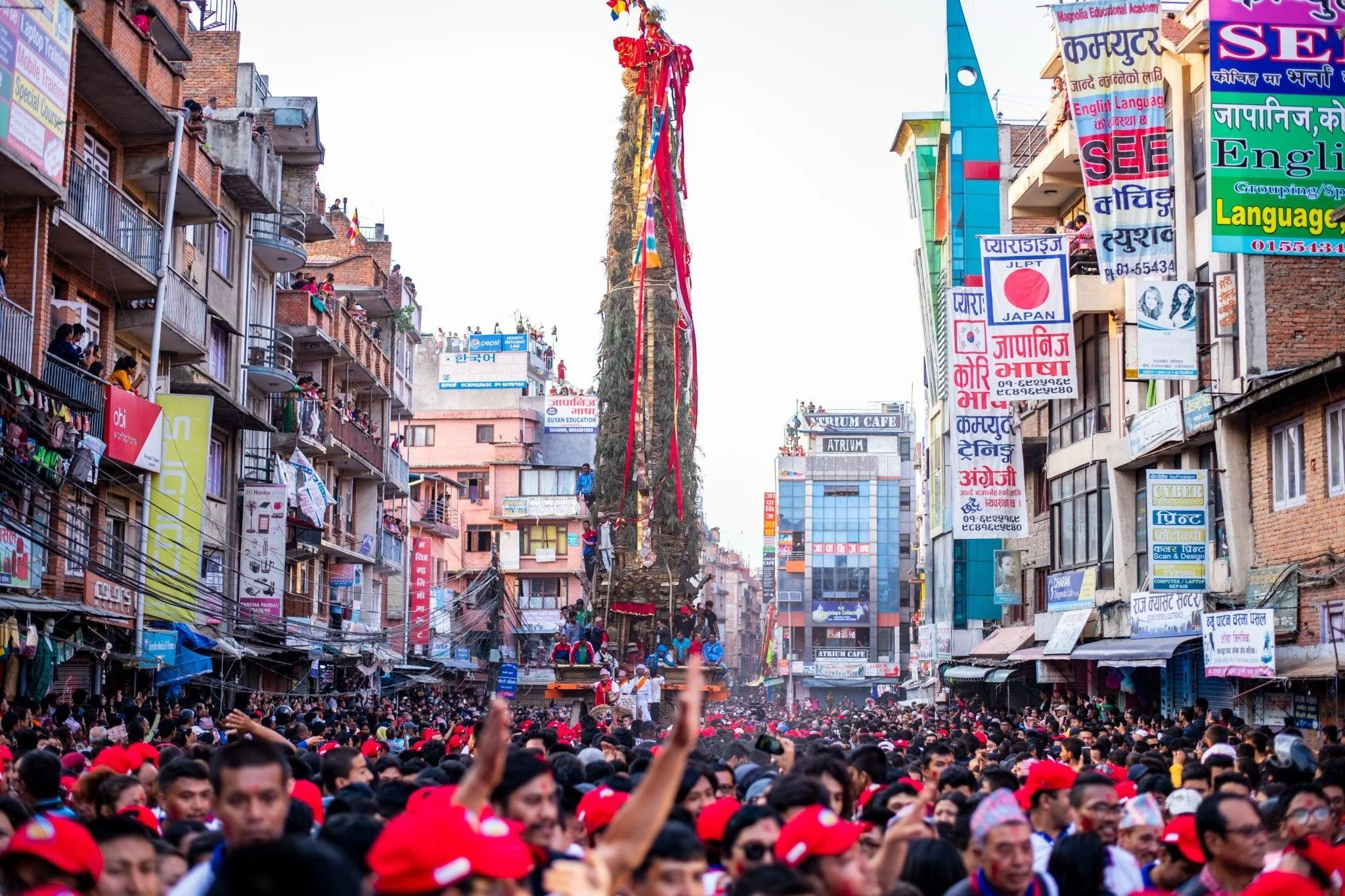
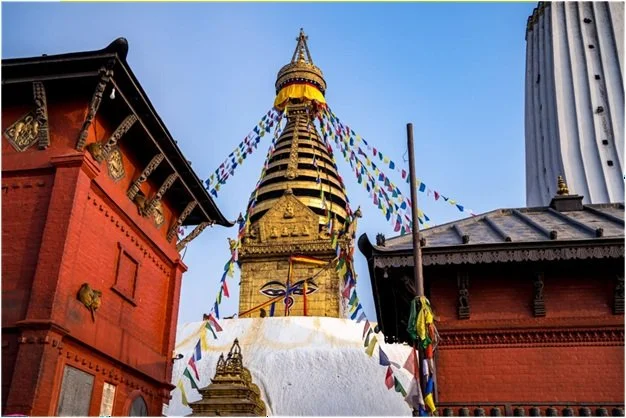
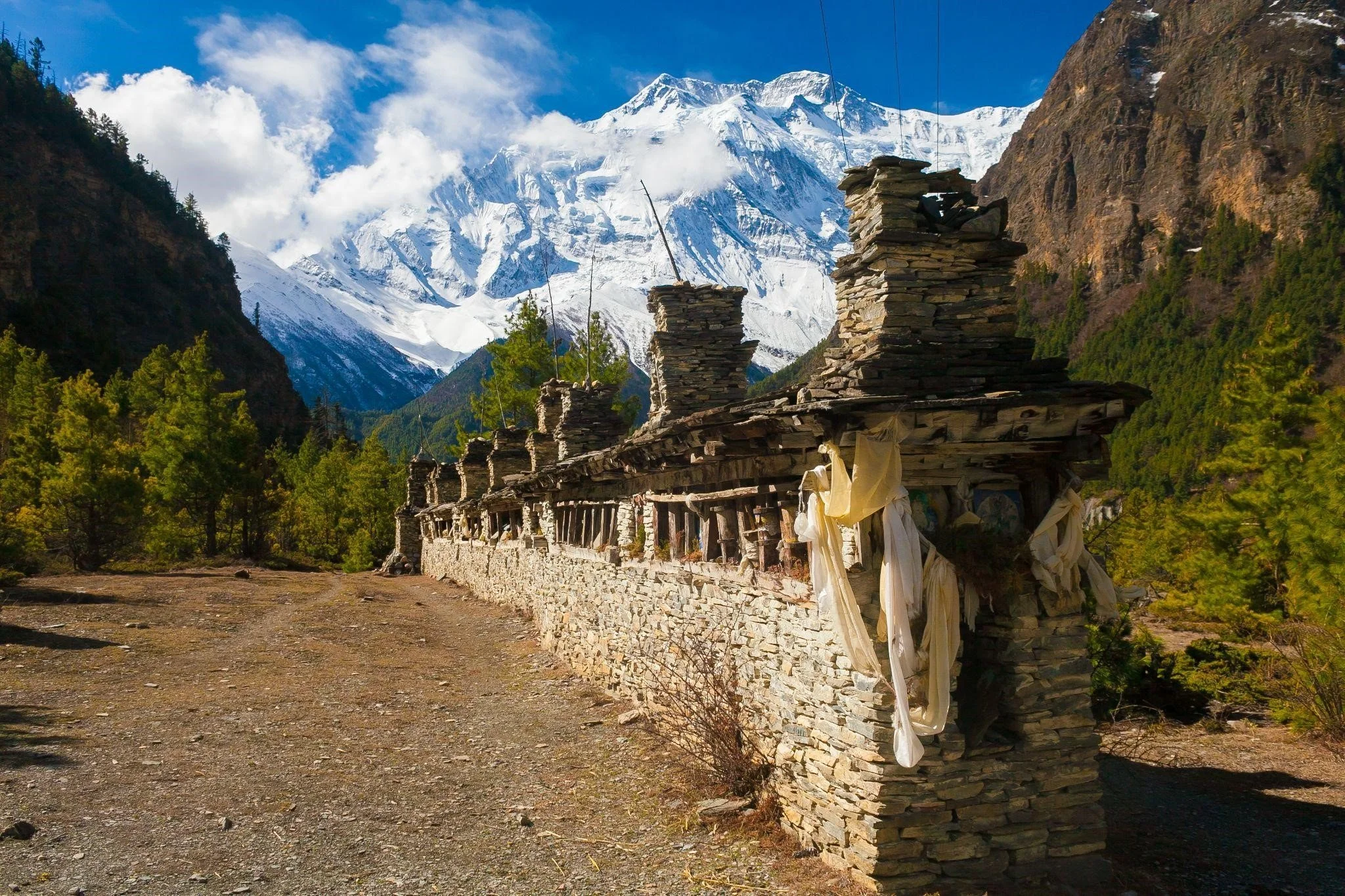
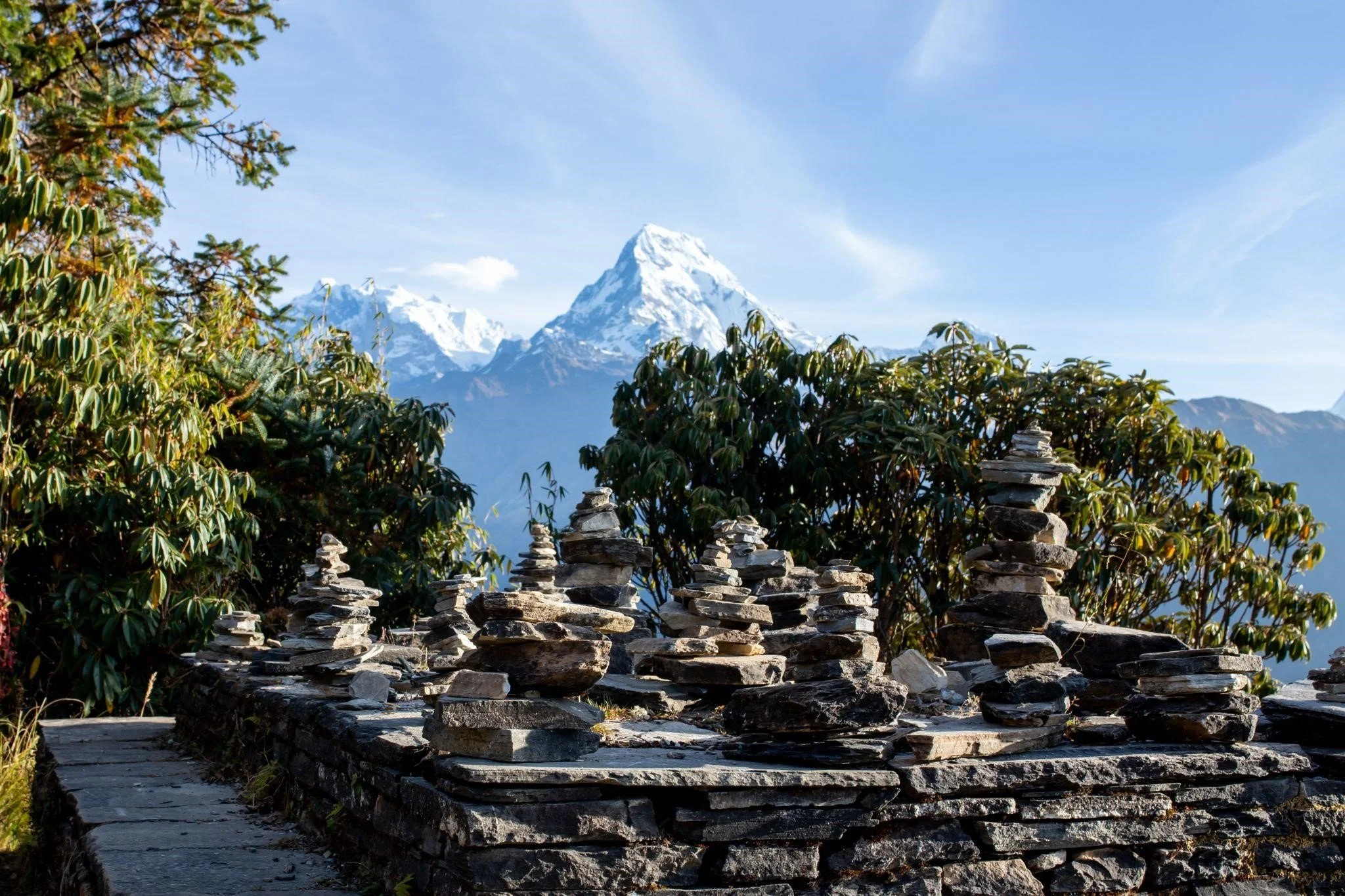
Autumn Trails
Nepal is a country that holds immaculate landscapes with endless options to experience. Autumn comes with the luxury of being one of the most favorable times to pack the bags and carry your adventurous impulses.
The season of autumn (Mid-September to Mid-November) is trekking season in Nepal. The skies are generally clear with a brisk breeze and low to no rainfall. The trail can feel a bit congested due to the heavy traffic of trekkers. Apart from which, it's a heavenly experience.
Lower Mustang Trek
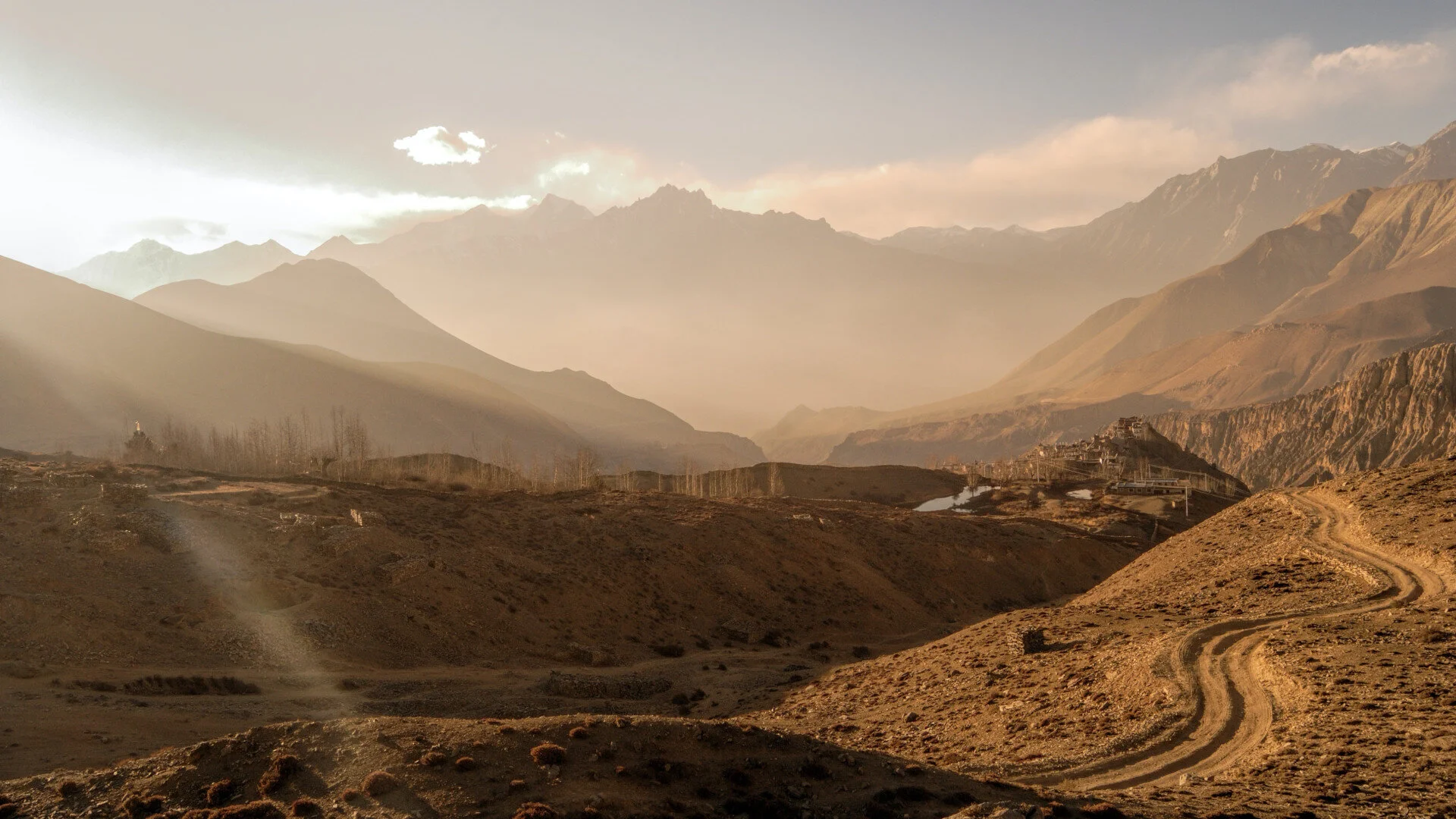
The Lower Mustang is abundant with a blend of the majestic mountain range, rocky Tibetan Plateau, and terrace farming vegetation that complement the peaceful yet stirring lifestyle of the people. Colourful Buddhist prayer flags run across this beautiful vale where the old meets the new in a rugged landscape. The Lower Mustang trek features tantalizing views, numerous religious sites and beautiful smiles. This 9-day trial is perfect if you're looking for an easy yet adventurous experience.
On your 30-minute flight from Pokhara to Jomsom, your window seat will allow you to experience the stunning view of the Kali Gandaki gorge. The scene at the airport of Jomsom will be just a teaser for the adventurer in you. The sight ahead is better, beautiful and breathtaking!
The city of Jomsom is fascinating. Here you will witness the graceful mountain range that seems to hug the city. There is no corner where you won't take a sigh looking at the gorgeous mountains. The next stop is the pristine stone village of Marpha, also known as the apple capital of Nepal. The walk from Jomsom to Marpha is a total of two hours. For your next stop, the trials will lead you to the magical Kagbeni village situated on the cliff of Kali Gandaki. As you follow along the trail, in a 3-4 hours walk, you'll reach Jharkot to explore this ancient village, take a detour off the Red Gompa, and visit the Muktinath Temple. Your trial ends with a quick adventure through the beautiful Buddhist Bon Lupra village, visiting the ancient Bonpo Monastery.
Ghandruk - Landruk Trek
This trek in the lower side of Annapurna is simple and allows one to unearth various jewels of this region. From the indigenous lifestyle of the local Gurung community to the miraculous rhododendron forests- it offers more for less.
Your trek starts from Phedi Khola, in the southern outskirts of Pokhara, as you walk through the enchanted forest of rhododendron trees under the pristine mountain view to reach Pothana and then the enticing village of Dhampus. The lively teahouses there will welcome you to rest for the night before continuing on your second trek. As you make it to Landruk, get lost among the harmonious lifestyle of the Gurung villages in between the panoramic view of the mountain range. The trails again pass through more villages until you reach the largest Gurung settlement of the region, Ghandruk. The breathtaking view of the houses, alpine lakes and fields blending into the green blankets of hills blending into the magnificent snowcapped mountains will undoubtedly serve you with a worth-the-while experience.
Dhampus Trek
The tranquil Gurung village of Dhampus is a sublime weekend getaway that offers an elegant view of the Annapurna mountain range.
With a 3 hour drive from Pokhara to Phedi reiver, your trekking venture will start. In only 3 hours, the trail along the forests will lead you to the peaceful Gurung settlements of the beautiful village of Dhampus.
After an overnight stay here, your morning shall begin with a heavenly view of sunrise reflecting the mountains.You can spend the day exploring the pristine surroundings and lifestyle of the people, away from the crowding city. You can also trek to the Sarangkot village to admire the scenery. You can start your trek back to Pokhara the very same day or the next, concluding your short but graceful visit to Dhampus.
POPULAR ITINERARIES
SIMILAR POSTS
Elements of Indra Jatra - Part II
The spectacle of Indra Jatra is an experience of a lifetime. It isn't just a tradition but a heritage of the Newar culture and its people.An amalgam of various traditions, it is a period of great joy and devotion.
The assimilation of Indra into Yenya is still regarded as a great mystery. He is revered as the King of heaven, god of rain and worshipped by the clans of Kshatriya warriors. His banner is known as Indra Dhwoja, and historically it is hoisted in his honour.
The local legend goes as follows. A man was apprehended while trying to steal a flower in the yard of a farmer. He was tied to a pole by the people and hoisted high for all to see. During the festival, the locals witnessed a white elephant dancing out on the street. A few days later, a woman appealed to the people to let her son go. After seeing his mother, Lord Indra removed his human disguise, and the locals were in awe. She told them that he came to Earth on her request to collect a sacred flower, which she required for a ritual.
As a reward for releasing her son, she vowed to provide the last rainfall before autumn for the crops to prosper every year. She also promised to show them the way to heaven. The people followed them to find the entrance. After a certain distance, the duo conjured a thick fog and disappeared.
A god of the Vedic era, Indra Jatra may be one of the last grand celebrations which include him. A common assumption is of Hindus trying to make sense of an animistic (worship of nature and animals) tradition after their arrival into this valley.
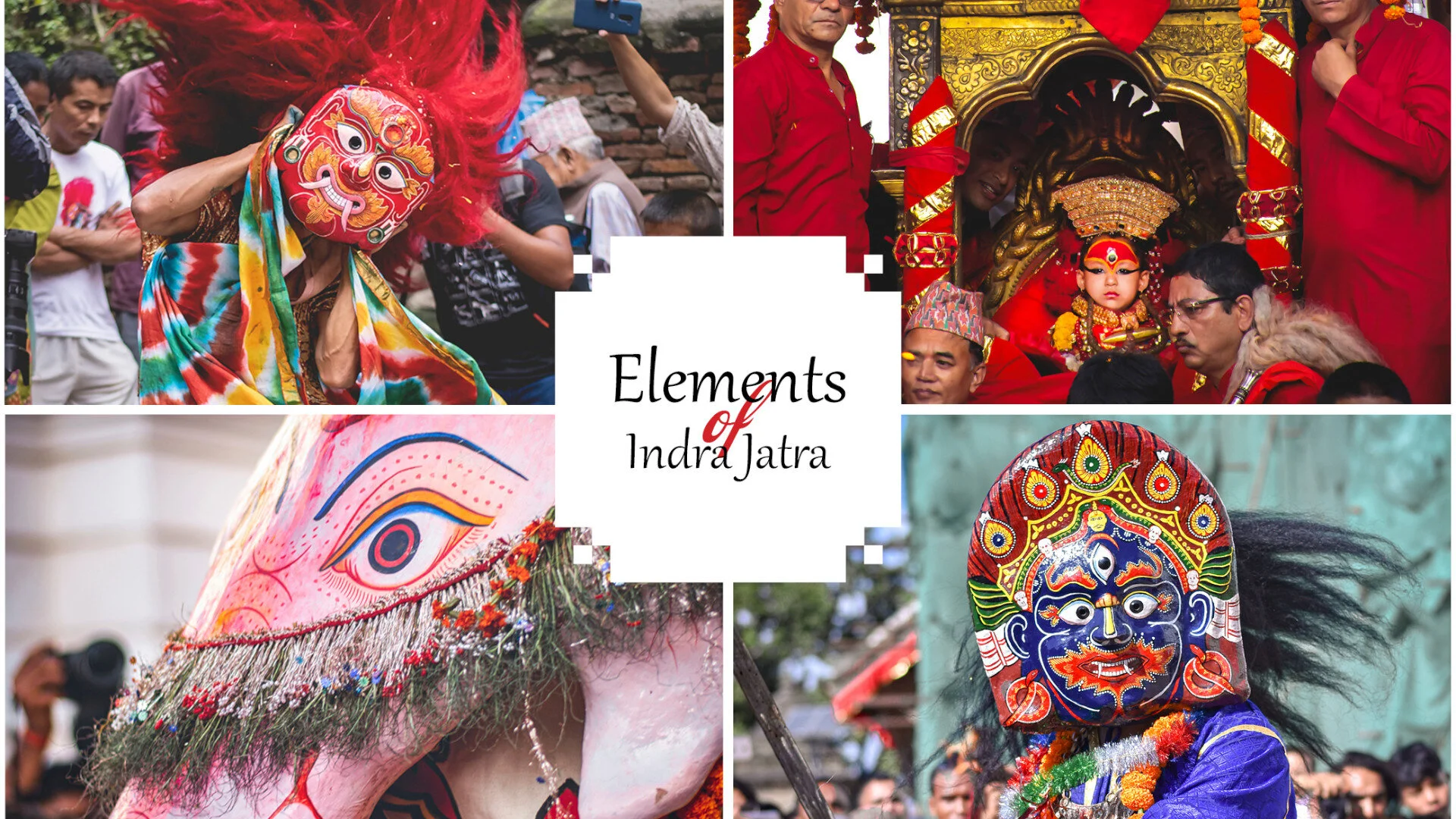
During the festival, an effigy of Airavata - the white elephant of Indra dances in the streets and courtyards of Kathmandu. In Newari, it is called Pulu Kisi. Pulu means a torch, and Kisi means an elephant in Nepal Bhasa (Newari).
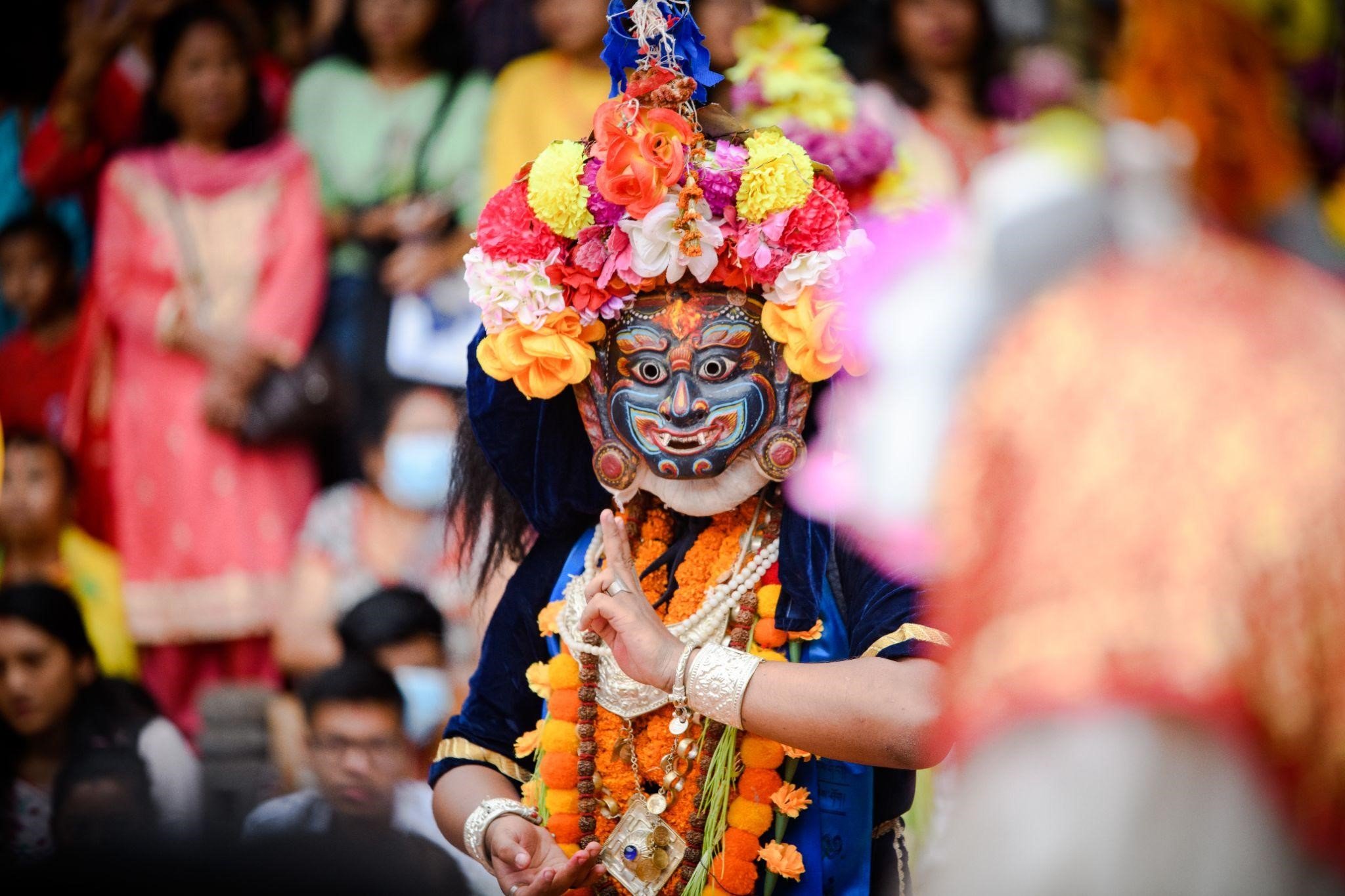
Another free dancing character is Majipa Lakhe, traditionally known as Santa Bhairab or Bhoot (Tibetian) Bhairab. The legend, in brief, is how he was the servant of a goddess brought from Tingri, a vast plain in Tibet. Once there was no rainfall in the valley for quite some time. The acaju's (priests) deduced an animal sacrifice is required. They also needed a goddess. They suggested visiting Tingri, the land of the giants and bring their goddess. The only problem is, the giants ate men, and no man ever dared to step foot on that plain.
The acaju's had no choice, they left for Tingri, and once they arrived, they chanted a spell that made them invisible. They found the goddess and told her of the dire situation. She agreed to visit the valley. One their way back, one night, the acaju's heard tigers roar in the jungle and the sound of bells. They were frightened and ran to the feet of the goddess. She asked them why they were scared?
What abomination rings the sound of bells in the middle of nowhere? To which the goddess replied, it's a Lakhe, my servant. He is a frightening creature. But as long as I am here, he will not hurt you. The acaju's expressed their concerns about how he might cause trouble in the valley. He will not harm anyone, told the goddess. She instructed the acaju's to keep him outside the city.
They arrived in the valley, and the King bowed to her. She gave him her sword and special instructions, after which it rained. Meanwhile, the Lakhe had become all friendly with the people- drinking, playing and making merry. Seeing the sight, the goddess told the King, the Lakhe will represent me in this valley. Since then, the locals began referring to him as Shanta Bahairav, Shanta meaning peaceful.
The final attribute is of the living goddess. The great King Jayaprakasha Malla of Kantipur introduced this tradition. He took the worship of a Kumari even further by sanctioning it by the state, building a palace home and commencing a chariot festival. Two living gods- Bhairab and Ganesh accompany the goddess.
Today, the chariots are the centrepiece of the festival, along with various traditional dances such as Dee Pyakhan, Swa Bhaku (Halchowk) and Mahakali Pyakhan. The citizens of Kathmandu also take part in pilgrimages in memory of their ancestors.
POPULAR ITINERARIES
SIMILAR POSTS
Elements of Indra Jatra
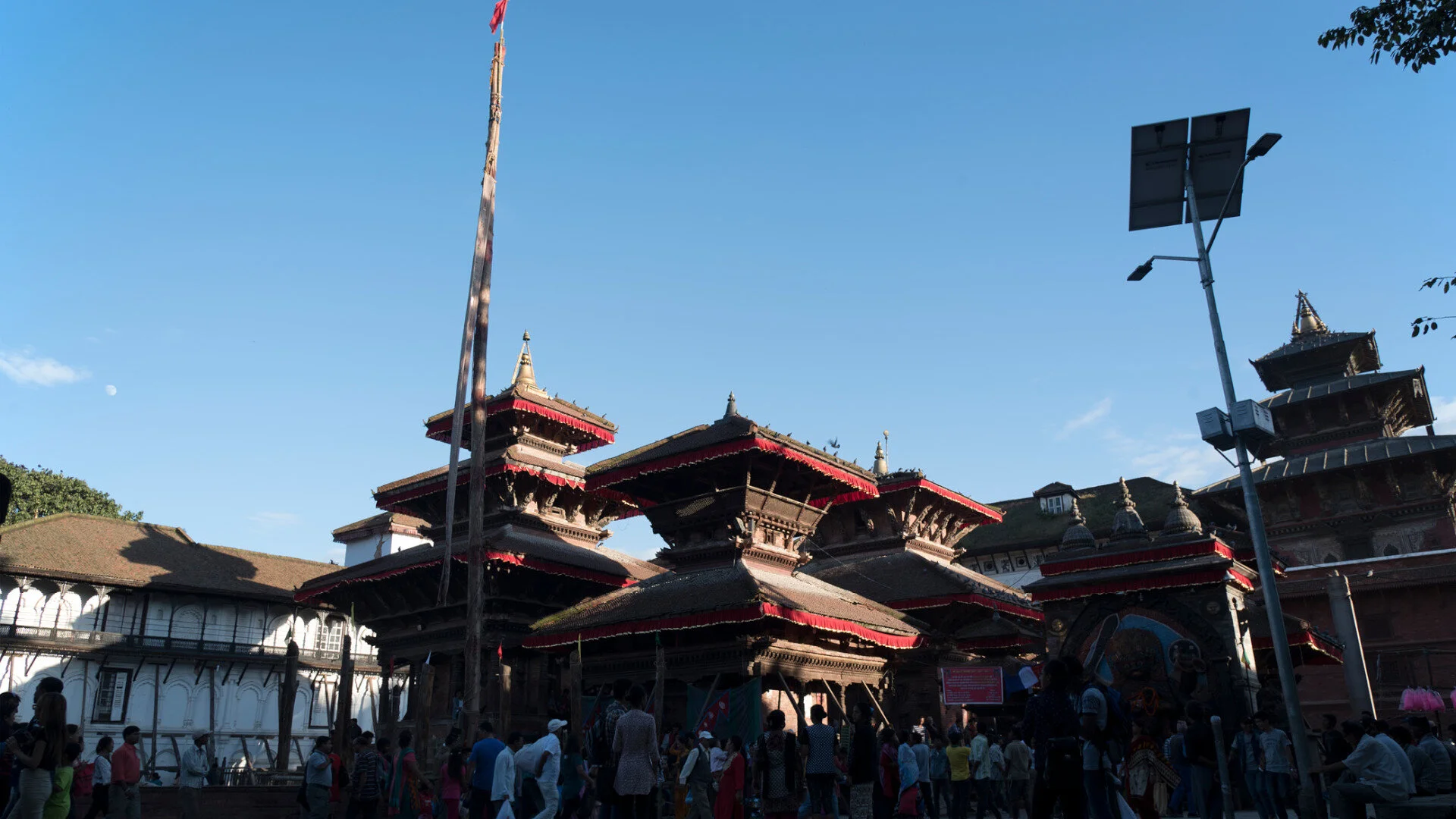
The festival of Indra Jatra is a grand amalgam of traditions. This day is the biggest festival for the Newar community of Kathmandu. Its sister cities also have their methods to mark the day. The elements of which all-together help create a vibrant atmosphere and pompous flare.
The festival of Indra Jatra is the biggest for the citizens of Kathmandu. In its neighbouring cities, it is marked differently. You must be wondering why? The answer is simple, Indra Jatra is an amalgam of centuries of traditions. It features remnants from as far back as pre Lichhavi era. Over time, multiple dynasties ruled this valley - each contributed an element to this festival.
In Nepal Bhasa, the language of the Newars, this day is called Yenya Punhi. It is the full moon day of the Newar month of Yanla, which in Nepali is called Bhadra Purnima.
The Newar calendar is lunisolar, and every full moon has its symbolism and cultural rituals. For example, the full moon of the month Thila is Yamari Punhi. Its equal in the western world is the Harvest Moon. The Newars mark Yamari Punhi as the end of the harvest and offer the first grains to Annapurna Devi. They also present a traditional sweet with molasses filling known as Yamari.
To understand what Indra Jatra means, one must de-construct its various elements to see the meaning of the whole.
Let us start with the ceremonial pole known as Yoshi in Newari and Lingo in Nepali. Renowned Nepalese historian Babu Ram Acharya in his article, ‘Indra Jatra’ (Vide Himbat Sanskriti No.2), wrote of similarities between the ceremonial hoisting of the Maypole in Europe with the Yoshi.
The Maypole is a similar high pole raised in May in Europe. Its origin is Pagan (Ethnic religions of Europe before Christianity). The celebration of Mayday is to welcome spring. The colourful ribbons wrapped in the pole symbolise spring and warmth.
In Nepal, the Yoshi symbolises the turning of the season from Barsha (Rainy) to Autumn. It is the first layer of the festival.
For an agricultural and pastoral society, the seasons play a huge role. The ancients could have devised this mechanism to inform the people.
Just as in the Mayday festival, the pole is in the centre of the celebration. Its erection marks the beginning and its fall, the end of the festivity. Indra Jatra begins with the hoisting of the pole on the 12th day of the bright fortnight.
It is taken down on the 4th day of the dark fortnight of Yanla.
In the Lichhavi Era came the second attribute. In a dream, King Gunakamadeva was instructed to create a new city north of his present kingdom. He was requested to centre it around the ancient temple of Kanteswara, at the junction of Bagmati and Vishnumati rivers. The vicinity where the renowned sage Ne Muni performed various austerities. Kanteswara is one of the most revered Newar deities. He is called Aju Dya (Eldest God) in Newari and Aakash Bhairab in Nepali. The scared river junction in front of the temple is now a street.
As instructed, the King merged the existing villages of Koligram (Yambhu) and Dakshin Koligram (Yengal) and defeated rulers of various petty states and created his new city. He also established a beautiful stone spout gilded in gold, Lu Hiti (Gold- dhara/ Sundhara). It featured an intricate water-management system, royal canals (Rajkulos) channelled river water to the spout. He named the city Suvarna Pranali Kantipur. Here, Suvarna means golden; Pranali means system. Kantipur is a mixture of two words - Kanti, meaning beautiful and pur, means place.
To celebrate the momentous occasion, he initiated a festival known as Yenya. The word is a mixture of Yen- the Newari name of the city and Ya- celebration. It is also called the celebration inside the town.
It is possible King Gunakamadeva’s celebration overlapped the change of seasons, and the two elements became one.
In the next part of this article, we call look into the arrival of Indra.
POPULAR ITINERARIES
SIMILAR POSTS
Exploring Panauti
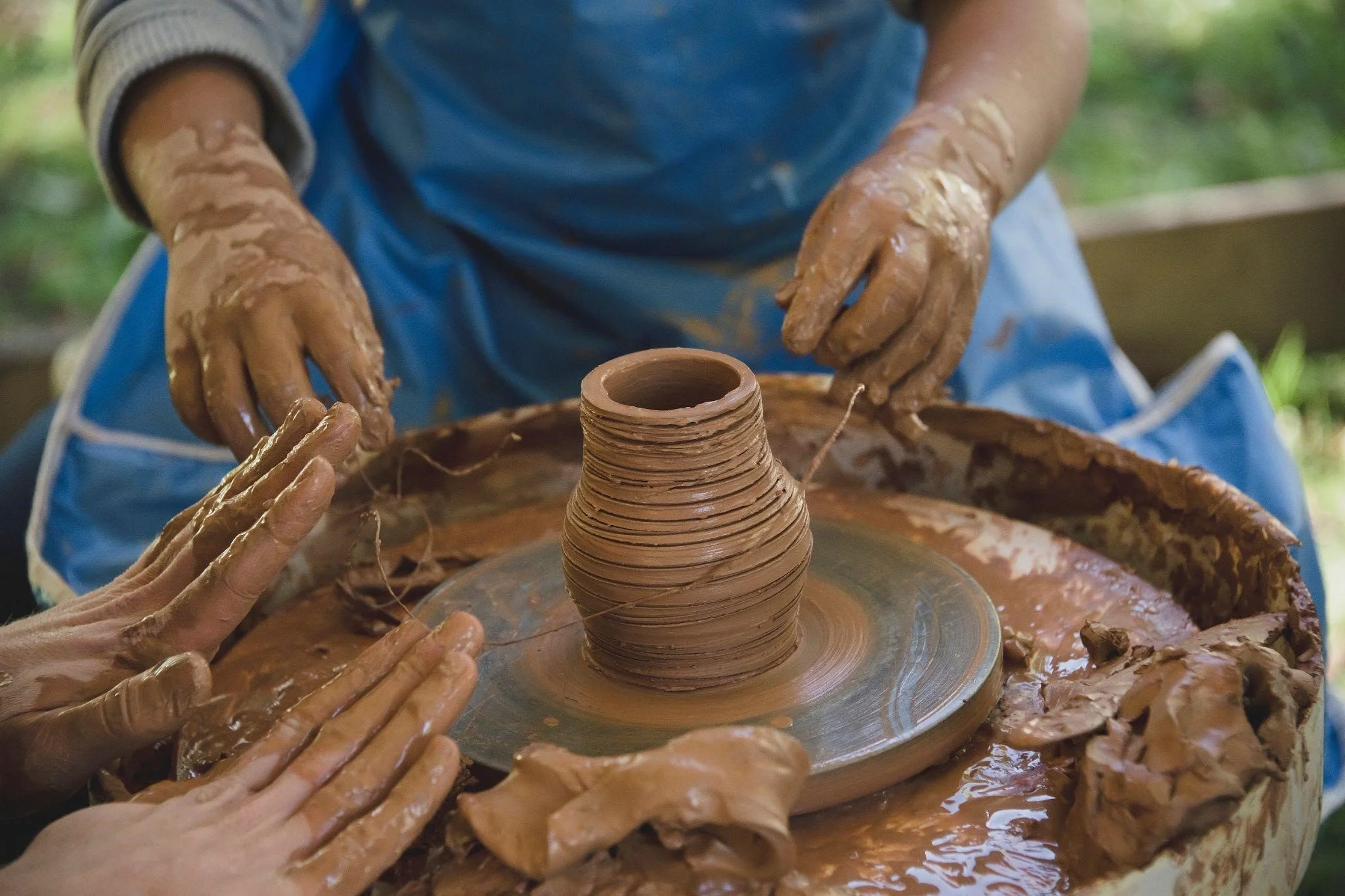
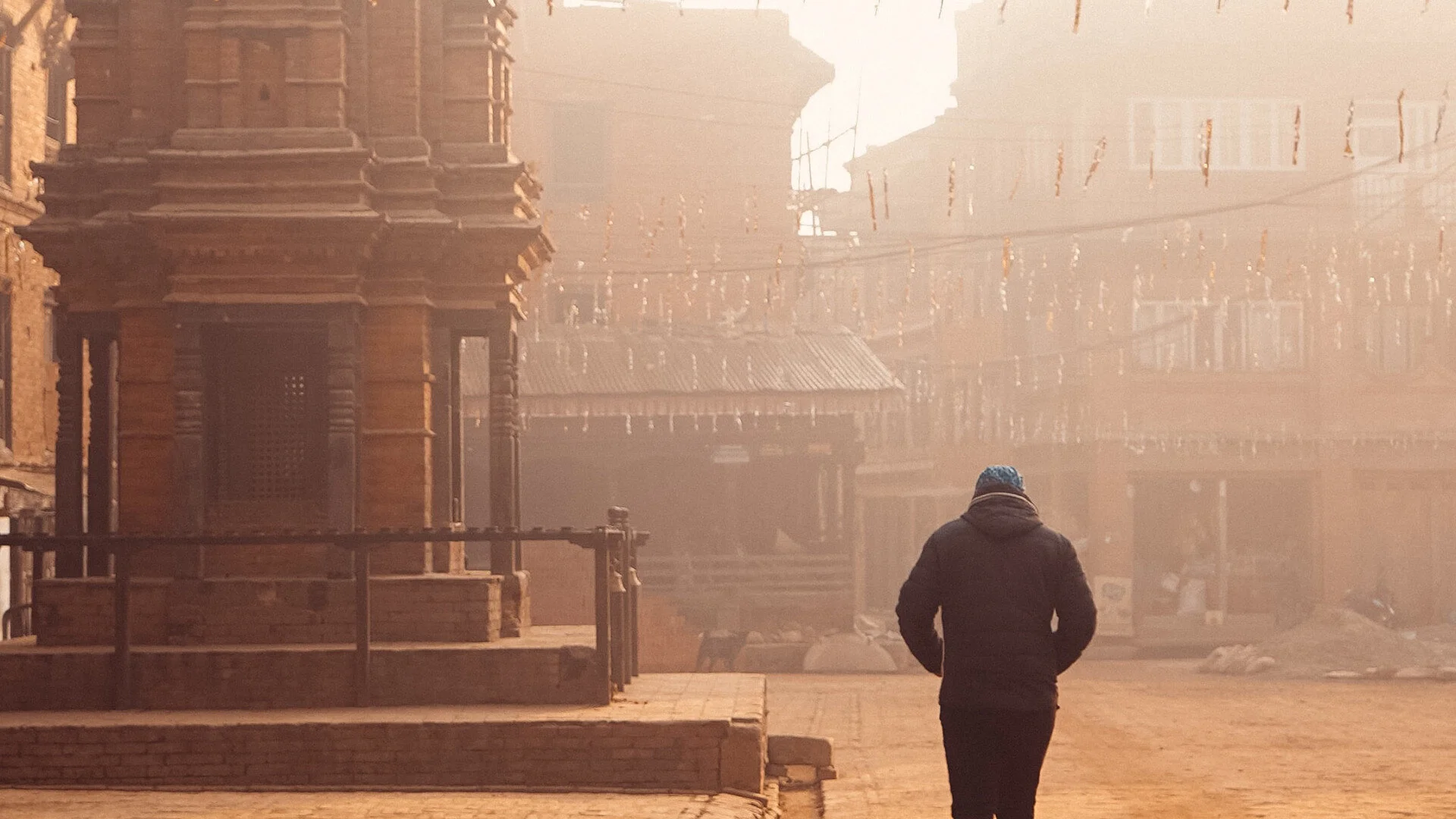
The city of Panauti is an arcane wonder. The roads that lead to it feel like a time tunnel taking the traveller back centuries. The culture, heritage, architecture and traditions of the bygone era still stand tall in this city. Dubbed the last remnant of a traditional Newar township- Panauti is an escape to the past.
A Newar city- traditional houses, bricked roads, dark wood frames, the sound of bells and the smell of incents. These cities have seen the rise and fall of great empires. Time flies by everywhere but inside the city. Situated about 30 kilometres southeast of Kathmandu is Panauti, a city that dates back to the 13th century or before. Bright green farms at the outskirts of the valley and the sacred Punyamati and Roshi rivers encompass this city.
A 17th-century temple dedicated to Brahmayani lies at the edge. The path from it leads to a suspension bridge across the Punyamati river. It is as though the bridge is a time travel tunnel leading you to a city that has survived its cultural essence through the austerity of time.
Origin of the city
“This younger brother (Ananda Malla,) being very generous and wise, gave up the sovereignty over the two cities, and having invoked Annapurna Devi from Kasi founded a city of 12,000 houses which he named Bhaktapur(Bhatgaon) and included sixty small village in his territory.After this, the Raja having obtained the favour and directions of Chandeswari, founded seven towns; viz. Banepur (Banepa) near Chandeswari Pitha, Panavati (Panauti), near the Pragaga Tirtha of Nepal, celebrated in the Shastras on the site where Panchala-des formerly stood, Nala, near Nala Bhagavati, Dhaukhle near Narayana; Khapu near Dhaneswari, Chaukot near the residence of Chankora Rishi; Sanga near Nasika Pitha.” - Wright 1877: 163
King Bhupatindra Malla presented this state as dowry to his sister in the 17th century.
Temples and Monuments
This town was a state with its kingship in the Malla era. It features a lyakhu (Durbar) in the centre. Today, in the central vicinity, the city boasts a beautiful museum (Panauti Museum). The space features numerous artefacts found in the town. The town is also an open-air museum. It features more than 40 temples, open squares and various other heritages.
The tallest temple in Panauti is of Indreshwar. The elders speak of how the linga (a monolithic idol symbolised as Lord Shiva) was created by Lord Indra. The construction of the temple dates back to the 1200s. This three-storied pagoda is rich in wood carving and ancient artefacts that warmly sit beneath its warm and peaceful atmosphere. Various smaller temples surround the main temple.
Towards the south of the city lies Unmatta Bhairab Temple. It is a one-storied temple with three human figures in its three windows representing the King, a saint, and devotees of the deity. A temple dedicated to god Naryan, the preserver, is also found in this area.
Festivals and Dances
Panauti Jatra, is the most symbolic in the city. It is held every year from the tenth day of the bright fortnight of Jestha and continues till the full moon- Panauti Punhi/ Jya Punhi. The chief gods and goddesses of the town are placed on palanquins and brought to the lyakhu. The chariot festival commences during the evening of the first day. The procession features unique chariots- an open roof chariot, pagoda chariot and a peculiar cross bamboo construction with a structure similar to a birdhouse, is placed in the centre.
As the city is a sound amalgam of both Hinduism and Buddhism, the people celebrate majority of the festivals alike their neighbouring cities.
Panauti Today
Today, Panauti still stands with its cultural and historical pride flourishing through its streets, houses, and temples. It is a real-life reflection of how the Kathmandu Valley used to look decades ago.
The lost lustre of this town is slowly but steadily returning. Post the construction of the Arniko Highway and the end of salt trading in the mid-20th-century economic stagnation plagued the city. Once a prominent hub between the trade route between India and Tibet, the cities glory came from commerce and hospitality.
Local and state efforts have allowed the same spirit to rekindle in the town. The growth of infrastructure for hospitality and tourism is breathing life back into this beautiful arcane city.
POPULAR ITINERARIES
SIMILAR POSTS


Unheard Trails of Nepal - Part II
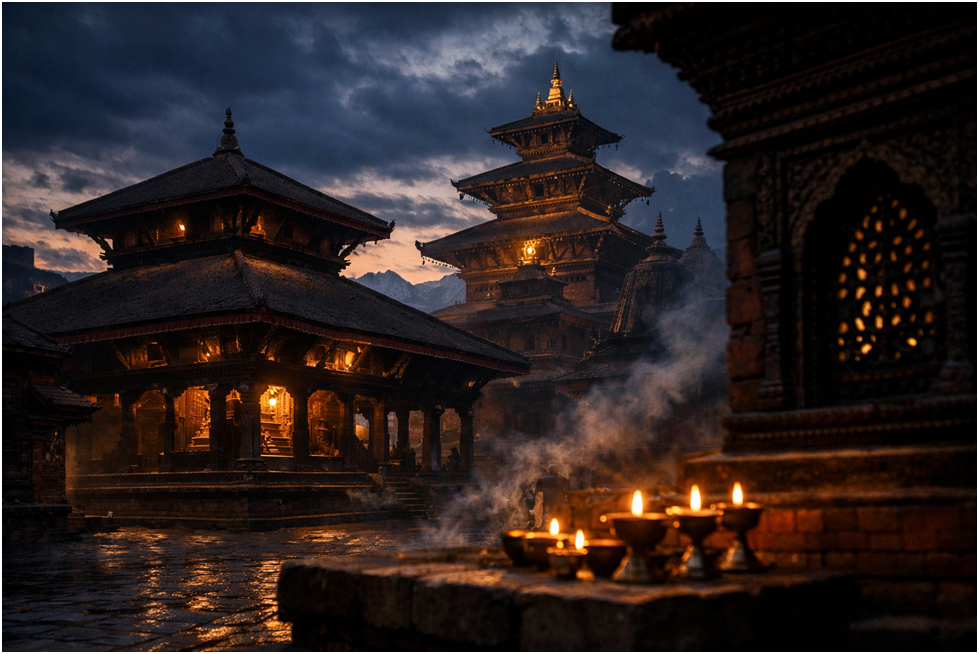
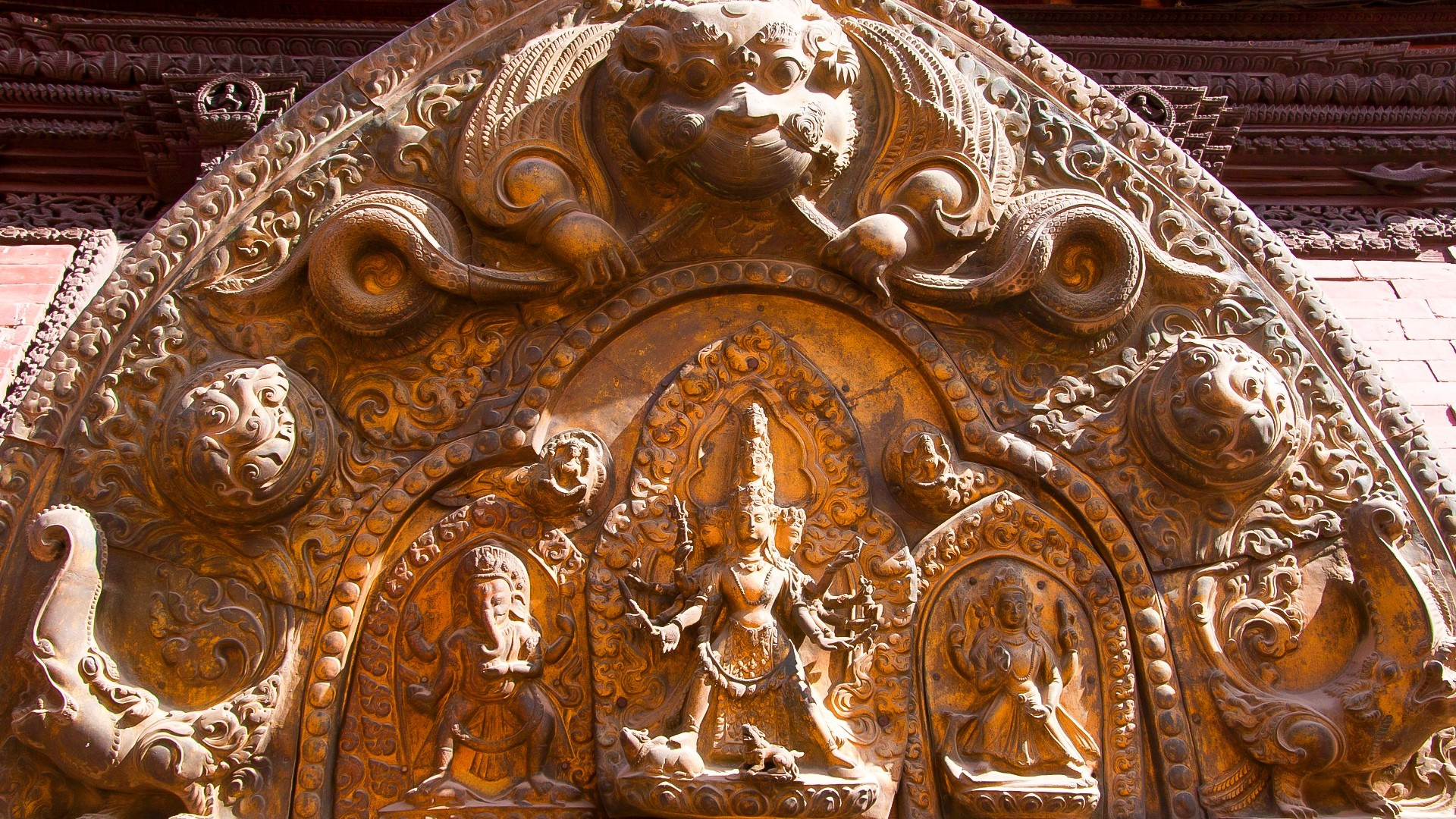
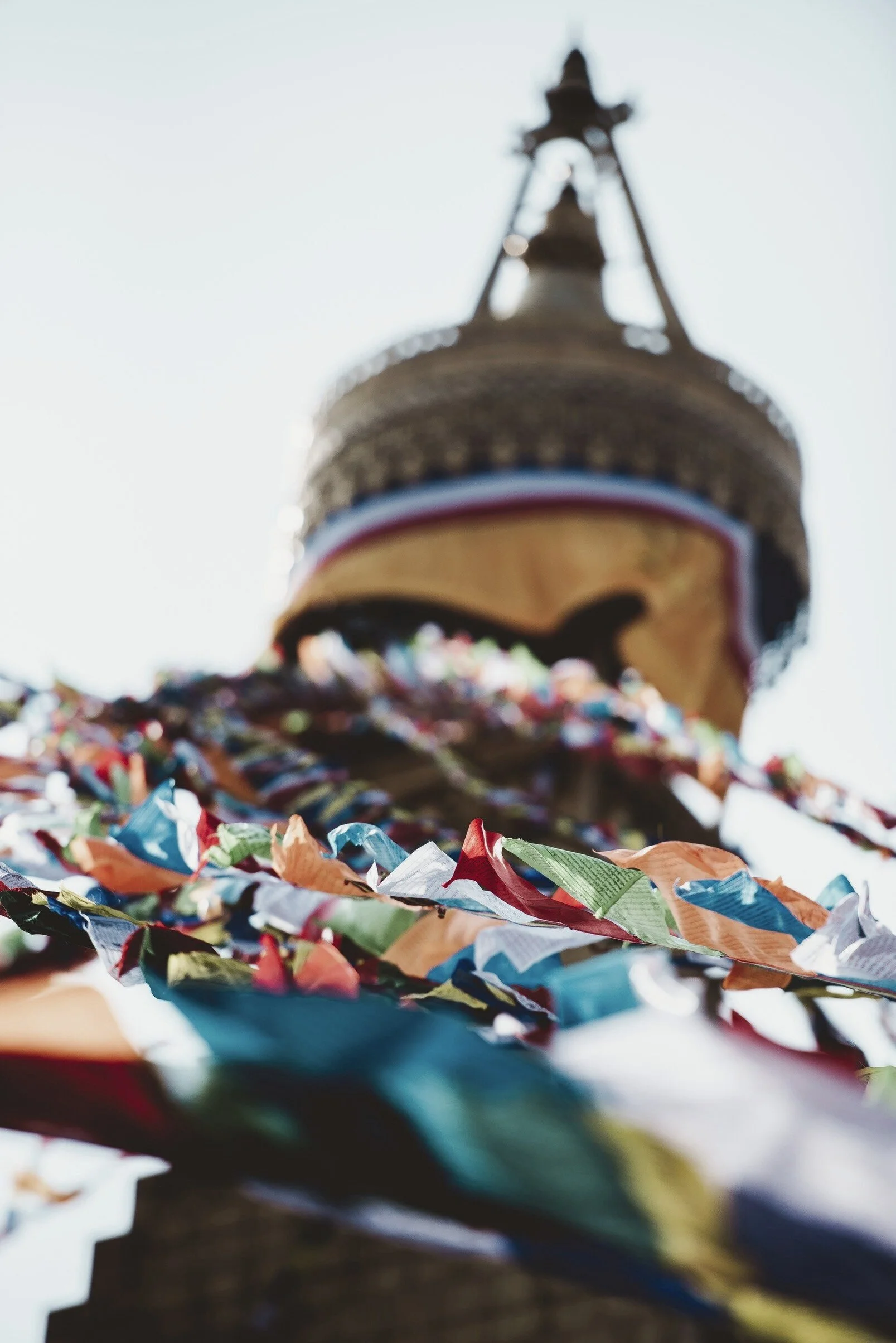
Nature lays at its best when it is hidden, and it is up to the seekers to explore its hidden yonder. There are tens and hundreds of latent routes which lurk under the mountains, lost among the hills with some of the most heavenly sceneries carrying magical moments.
Over the years, tourism has become the backbone of this nation. For various remote regions of Nepal, it has helped sustain livelihood and uplift the communities. Amongst the treks mentioned below, the trail of Millennium was a government effort that recognised the tourism potential of the region of Syangja and Tanahun.
The region of Sikles, which fell under the shadow of the neighbouring popular trails of Annapurna, is a heavenly getaway that deserves more attention. The Limi valley region is a treasure, but the unavailability of basic infrastructure hampered the tourism potential.
Overall, these trails, even though unheard, have strong potential due to the natural treasures.
Millennium Trek
The Millennium Trekking trail covers the southeast part of Pokhara and the Northeast part of Walling Bazaar, exploring more than 30 different villages of the Syangja and Tanahun district.
It is a trial that takes 11 days to conquer, starting with the stunning views of Trishuli and Marsyangdi Rivers. It is a rich trail that runs through tranquil natural elements and scenic villages. It offers a chance to experience the diversity of communities in a heterogeneous landscape. Splendid views of mountains such as Mount Kanjirowa to Mount Ganesh, along with magnificent sunrise and sunset, are the best perks.
The trail features an abundant amount of flora and fauna species. Some of the major attraction of this trail includes a series of natural wonders like waterfalls, the Millenium cave, multiple ancient religious sites, monasteries, temples like Dhorbarahi Temple.
It is the perfect cup-of-tea trek for just anyone looking for an excuse to take a break and explore the diversity of nature and the culture of the people.
Sikles and Kaphuche Trek
Sikles and Kaphuche Trek offers the most heavenly mixture of pristine mountain views, crystal clear lake waters, and the exquisite lifestyle of the Gurung Community.
It is a moderate 4-day trek at the least and is generous with breathtaking experiences. It starts with a 3-hour drive from the city of Pokhara to the magical mountain village of Sikles, passing through the charming rhododendron forests, hilly terrain which offers a panoramic view of Mt. Annapurna, Mt. Macchaucchre, Mt. Lamjung with a line of other peaks.
Sikles is one of the largest settlements of the indigenous Gurung community. A chance to witness the traditional lifestyle coupled with great hospitality and scenic views is an experience of a lifetime.
The trials then lead to the immaculate beauty of the Kaphuche Lake, the only glacial lake of Nepal that lives at an altitude below 4000 meters. The clear blue waters of this majestic lake are surrounded by snowy mountains, with continuous avalanches of snow falling to the lake from February to April, as though it is a place straight out of paradise.
Limi Valley Trek
The Limi Valley Trekking Trial lies in the Humla region of Nepal. This remote land comprises jagged barren mountains which blend into snowy mountains. It is also the heart of the mystical culture of Tibetan Buddhists.
This adventurous trail takes on a trial of 20 days, following the emerald green waters of the Karnali River to a series of lost Tibetan villages of the region. The trek starts at Simikot, the headquarter of Humla that stands as a gateway to the peaks walling the Tibetan border. The Trial will lead you to Yalbang village, the home to the beautiful historic Namkha Khung Dzone Monastery. Crossing rivers and suspension bridges through the semi-barren rocky landscape, nature offers a unique scenic view of the mountains over the wide-open land.
From one arcane village to another, one gets to experience the lifestyle of the Tibetan Buddhists of this region. The Limi Valley Trek is an out-of-this-world experience to take on.
POPULAR ITINERARIES
SIMILAR POSTS
Unheard Trials of Nepal - Part I
Nepal is the motherland of adventure. A humble nation, small yet surprisingly vast in opportunities for thrill-seeking and escaping the bustle of the modern world. The Himalayas, a marvel of nature, offer countless hidden trails which have fallen in the shadows of popular paths. These trails are unique and beautiful, with a chance to see Nepal from a different perspective.
Nepal holds hundreds of trails and routes leading to its majestic wonders, some of which have gained international popularity through time and numerous expeditions. Whereas some trails lay hidden under the mountains and forests. They hold various arcane treasures such as traditional villages, lush pasture and beautiful smiles. The process of discovery is a captivating adventure.
Royal Trek
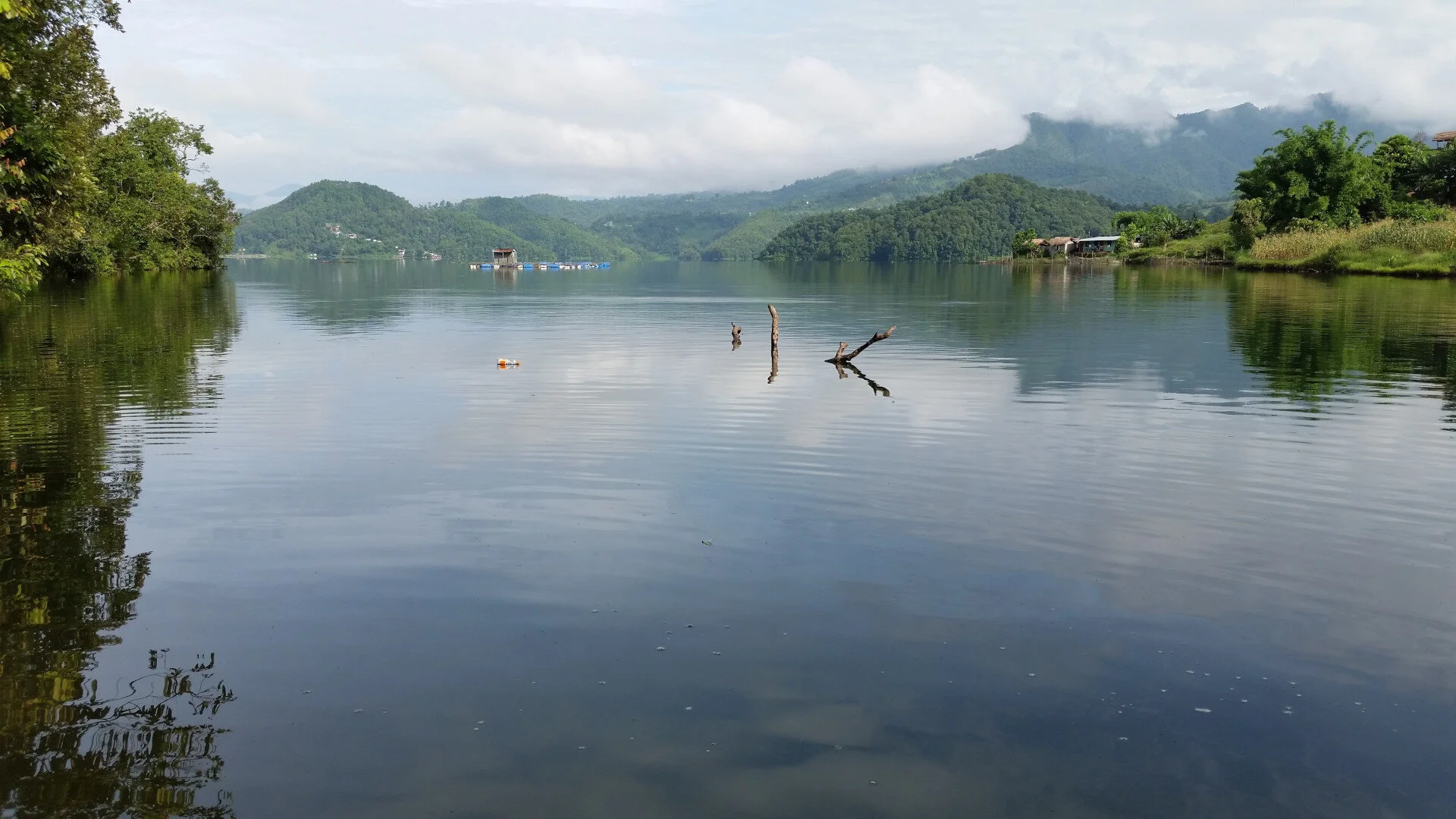
The Royal trek starts at the stunning city of Pokhara, also known as lakeside and ends at the beautiful Begnas Lake. In 1980, Prince Charles, Prince of Wales, with his 90 men, walked this trail. Post which, this pathway became a non-strenuous option to explore the Annapurna region.
It is an easy 4-day trek through the terrace farms and forests of Northern Pokhara. It is a short path that runs across the foothills of the Annapurna range with the scenic view of Mount Annapurna, Dhaulagiri, Manaslu, Langtang, and many more. The convenient and graceful trail will lead you to charming Gurung villages. Here, you will get to discover old traditions that have been kept alive by the people. The trial ends with a stunning view of Begnas Lake.
October to November and March to June are best to take this path in the Annapurna foothills. As the skies are clear, you get to witness the panoramic mountain view.
Guerilla Trek
The nation experienced a civil war that lasted for more than ten years. The Guerilla Trek follows the trails taken by the revolutionaries during their fight. Today, it is one of many remains of a long lost decade of turmoil in Nepal.
The Guerilla Trek is a 17-day trekking trail that begins from the city of Beni Bazar at Myagdi district and ends at Sulphur, Rukkum District. This ‘road not taken’ pathway offers the unique experience of exploring multi-culture and multi-ethnic lifestyles of the people of this region along with the magnificent view of the hilly terrains, fields, and the Dhaulagiri Himalayan range to the east and Api, Saipal mountains to the west. The trials continue through the forests and fields of Dhorpatan Hunting Reserve. This path comprises rare encounters and places that shine out of the spotlight with nature’s allure and a series of waterfalls, caves, rivers, lakes such as Kamala Daha and Solar Daha.
The trail is best from March to May and September to December.
Manjushree Trail
The Manjushree Trail circles the Kathmandu Valley through adventures in semi-urban paths exploring the hidden spark of the Kathmandu Valley.
The trail gets its name from the Boddhisatva Manushree, credited for draining the Nagdaha and creating Manjupatana, the first city in the new land. Over the years, various other cities came into existence in this valley, such as Kantipur, Lalitpur, and Bhaktapur.
The trek lasts for 12 days. During the adventure, one gets to experience the unseen lives of rural parts of this valley and natural elements. It starts in the Hattiban area leading to the uphill climbs of Deurali Bhanjyang, Chandragiri, Chitlang Bhanjyang, Naubise, and many more.
The trail touches the breath of the highest hills that hug the valley. Some of the treks features are natural yonder, mesmerizing warm hospitality of the people, scenic waterfalls, and a view of the valley.
The expedition ends at Hattiban after multiple stops that lead to the forests of Godawari. Every stop hills carry their significance and spread out the magic of nature blended with the green lifestyle of the local people outside the crowded city.
In the next part of this article, we shall look into the trails of Sikles, Limi Valley and the Millennium trek.
POPULAR ITINERARIES
SIMILAR POSTS
Exploring Mardi - Part II
A book is only as great as the adventures of the writer. Nepal offers countless opportunities to tell stories from another world. Amongst such wondrous trails is Mardi Himal Trek. While walking through the paths, one gets to take their imagination up through breathtaking scenes and witness the surreal beauty of the Himalayas.
In the first part of this article, we briefly looked into a few facts about the Mardi Himal Trek. Whereas in this article, we shall look into the itinerary in brief.
What can I experience in this trek?
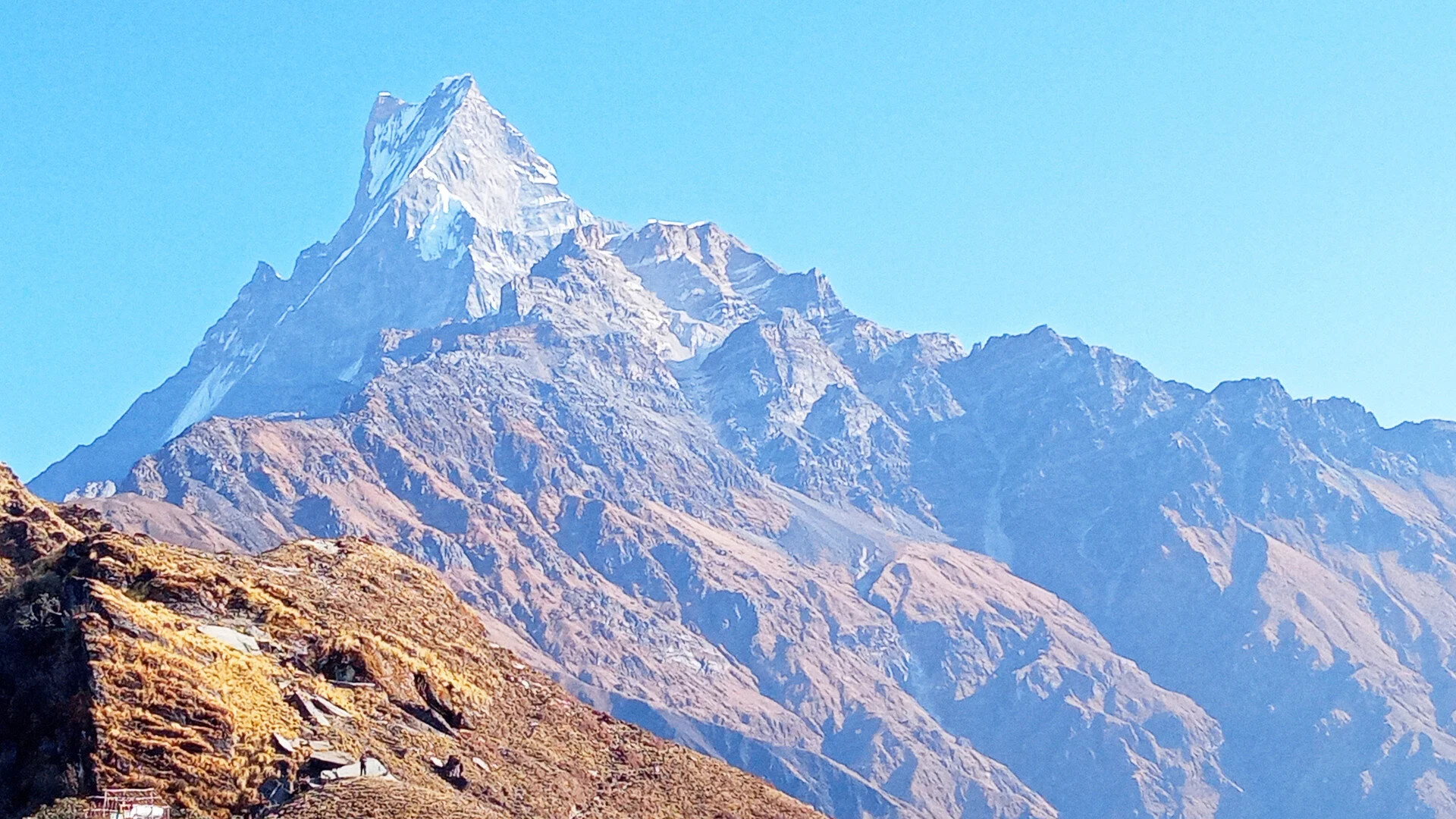
The journey begins in the temperate zone with lush grooves and rhododendron hills. The scenery gradually changes to sub-alpine when you make the ascent from Low Camp to High Camp. A short hike from here to Mardi Himal Base Camp takes you to the alpine zone with an uninterrupted panorama of the Annapurna mountains and a close-up encounter with Mt Machhapuchre.
The itinerary
Day 1: Drive to Kande and Trek to Deurali
Maximum elevation for the day: 2200m above sea level
Trekking time: 4 hours
Difficulty: Easy
Day 2: Trek to Low camp
Maximum elevation for the day: 2900m above sea level
Trekking time: 7 hours
Difficulty: Moderate
Day 3: Trek to High Camp
Maximum elevation for the day: 3585m above sea level
Trekking time: 5-6 hours
Difficulty: Moderate
Day 4: Hike to Mardi Himal Base Camp and return to Middle Camp
Maximum elevation for the day: 4500 m above sea level
Trekking Time: 3 hours
Difficulty: Easy
Day 5: Trek to Siding Village from Middle Camp
Maximum elevation for the day: 3200m above sea level
Trekking time: 6 hours
Difficulty: Moderate
Day 6: Trek to Lumre and back to Pokhara
Maximum elevation for the day: 1750m
Trekking time: 3 hours
Drive time: 2 hours
Difficulty: Easy
What should I pack?
In general, trekkers should travel light. The maximum elevation for this trek is 4500m, meaning you shall require a warm jacket for the hike to Mardi Himal Base Camp. You should wear light clothes during the walk and have a windcheater or jacket with you at all times.
If you are travelling during Autumn or winter, warm clothes are a must. During spring, the days are relatively warmer. But the winds help cool you down. A windcheater over light clothing is the optimum recommendation.
A raincoat, along with a rain cover for your bag, is suggested. You should wear either hiking boots or comfortable sports shoes. If you plan to visit this region during pre-monsoon or monsoon, make sure to tuck and cover yourself well. The forests shall be full of mosquitos and leeches. Also, pack a warm cap and gloves with you as the alpine region is always cold.
Don't forget your sunscreen and sunglasses.
Do I need to be very fit for this trek?
The Mardi Himal Trek is moderate. Travellers do not require peak physical fitness but should have a good walking experience. As the trek features a gradual increase in elevation, AMS (Acute Mountain Sickness) is unlikely. But, if you feel the following symptoms, please inform your trekking guide and take appropriate measures.
Symptoms at 3000-5000m
1. Tingling Sensation
2. Headache
3. Fatigue
4. Nausea
5. Difficulty breathing
6. Stuffy ears
Appropriate measures include the following:
1. Do not panic.
2. Descend to a lower altitude immediately. If you feel like you cannot walk, request assistance.
3. If you have medication for AMS, consume it post consultation with your trekking guide.
Before booking your trek, please consult your doctor and get a basic assessment of your health. It shall help ensure you have a pleasant experience with minimal issues during the journey.
Also, note the following, altitude sickness is common, and you can overcome it easily. Whatever the case, please do not panic. Mental health is as important as physical health.
Should I explore Pokhara & Kathmandu?
Yes, of course, a cup of your favourite beverage beside the Fewa lake is a great experience. Indulge in a tour of the valley, which can be facilitated at a reasonable rate by the hotel. If you wish to entertain yourself around these cities without a guide or agent, please be careful of pesky street hawkers and scam guides.
We hope you have a great trek and a pleasant experience in Nepal!
POPULAR ITINERARIES
SIMILAR POSTS
Exploring Mardi - Part I
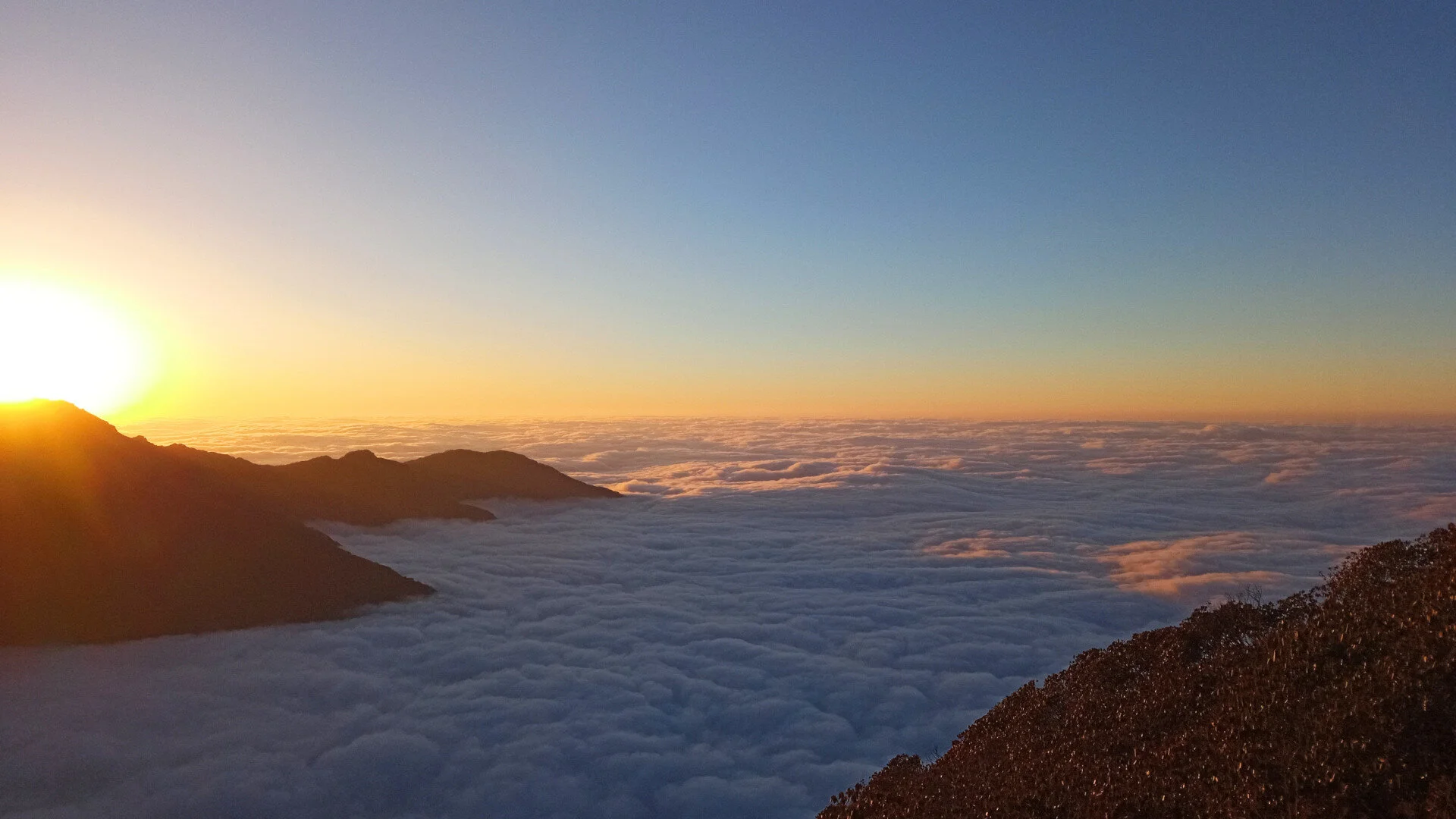
Amongst the numerous trails of Annapurna Conservation Area, the Mardi Trek is gaining popularity. The diverse terrain and splendid views make this trip worth the walk. It is a brisk trek that allows you to experience the lower regions of ACA and stand face to face with the majestic peak of Mt Machhapuchre at Mardi Base Camp.
The Annapurna Conservation Area (ACA) is home to numerous legendary treks. ACA treks allow a traveller to experience various ecosystems. Amongst the trails, the Annapurna Base Camp Trek, Poon Hill Trek and Sikles Eco Tour are the most popular in the non-restricted zone. Whereas in the restricted, Upper Mustang Trek, Nar-Phu Valley Trek, Tilicho Trek are the most popular.
The route in focus, Mardi Himal Trek, falls in the non-restricted area of Annapurna. A Non-Nepalese trekker does not require special permission to visit this area. S/he may experience the beauty of this region with just a TIMS (Trekkers Information Management System) card.
This trek is categorized as moderate, meaning the altitude gain and peak altitude is nominal. Anyone with minimal trekking experience completes the trip without any difficulty. But, we recommend the challenger to be of sound health.
When is the right time to trek?
In Nepal, Spring and Autumn is prime trekking season. The skies are clear with light to minimal rainfall. Autumn (Mid-September to Mid-November) is best for Mardi Himal Trek.
During other months such as December - February, the climate is colder and potential high snowfall may not allow you to trek above High Camp. Whereas during pre-monsoon ( Mid-May to Mid-July) and monsoon (Mid-July to Mid-September), chances of rain and clouding are high. The forest area shall be full of leeches and mosquitos.
Spring (Mid-March to Mid-May) is also a great time to trek this region. Temperature is nominal, and winds are light, allowing you to have a beautiful walk. The plant life will be blossoming: amplifying the atmosphere.
How do I start?
Once you have landed at TIA (Tribhuvan International Airport), you can either choose to experience a bit of the capital (Kathmandu) for a few days or get a connecting flight to Pokhara. The distance between Pokhara and Kathmandu is 200 KM. You can opt to take a bus instead of a flight as well. Your available options are either local or deluxe buses.
Deluxe buses leave every morning at 7 AM from Sorakhute Bus Station in Kathmandu. You may either book a ticket beforehand or arrive an hour early, pay and embark directly at the terminal. We recommend these buses as they have air conditioning. The travel time ranges between 7-8 hours, with stops for lunch and snacks at good quality rest stops.
You can skip all of the hassles by contacting the front desk officer at the hotel. S/he shall do their best to arrange these services for you. They can also develop a proper itinerary to experience Mardi Himal at a reasonable rate.
How long is the trek?
Mardi Himal Trek can be completed in 5-6 days, excluding travel time to Pokhara from Kathmandu.
What is the highest altitude during this trek?
The trek begins at 2200m from Deurali with moderate gains. A trekker shall not require added days for acclimatization. The highest elevation is at Mardi Himal Base Camp, which is at 4500m.
Is this trek a circuit?
It depends on your itinerary! While descending from High Camp, you can either come all day down to Low Camp or take an alternate route from Middle Camp to Siding Village and trek down to Lumre. Whereas, from Low Camp, retrace your steps to Kokar and then to Deurali completing the circuit.
Where can I get my TIMS card?
Nepal Tourism Board provides the TIMS card. You may acquire your permit either at the central office in Kathmandu or at their regional office in Pokhara.
Do I require added payments to enter certain areas?
You are not required to pay any entrance fees or monument fees in this trekking route.
The next article shall feature a brief itinerary for this trek
POPULAR ITINERARIES
SIMILAR POSTS
What is Gunla Dharma?
During the month of Gunla, Newar Buddhists pay homage to various Buddhist sites around the valley. It lasts for a month and features numerous activities such as prayers, pilgrimages and rites. Traditional ensembles perform musical acts in monastic complexes and temple premises. It is a spectacle like no other.
The inhabitants of this valley follow two traditional calendars. The first is known as Bikram Sambat (B.S), and the second is Nepal Sambat (N.S). The N.S calendar is also known as the Newar calendar incepted in the 9th century A.D.
As per chronicles and valley history, the new calendar marks the turn of an era. The shift was the righteous act of a man known as Shankadar Sakwa, a merchant who paid all debt of this valley. His deed was so profound that the state rulers, Mallas, initiated a new calendar. Nepal Sambat is a lunar arrangement that features 12 months, one of which is known as Gunla. The full moon is Gun Punhi.
It holds special importance for the Newar Buddhist households (Shakya & Bajracharya). During this month, each family, on a suitable date, performs numerous acts of charity. They (Newar Buddhists) restrain from consuming meat, fish and eggs for a month. They embark on a special pilgrimage to Kwa Bahal and Svayambhu. They as per their capacity perform numerous austerities and give alms.
Non-Buddhist Newar households only mark some of the events.
So what exactly is Gunla Dharma?
Dharma is a religious process. It features many activities and austerities, which include pilgrimages, prayers, meditation, giving of alms and others. Gunla Dharma is one month dedicated to providing the utmost reverence to Shakyamuni Buddha. This month is a holy month for Newar Buddhists.
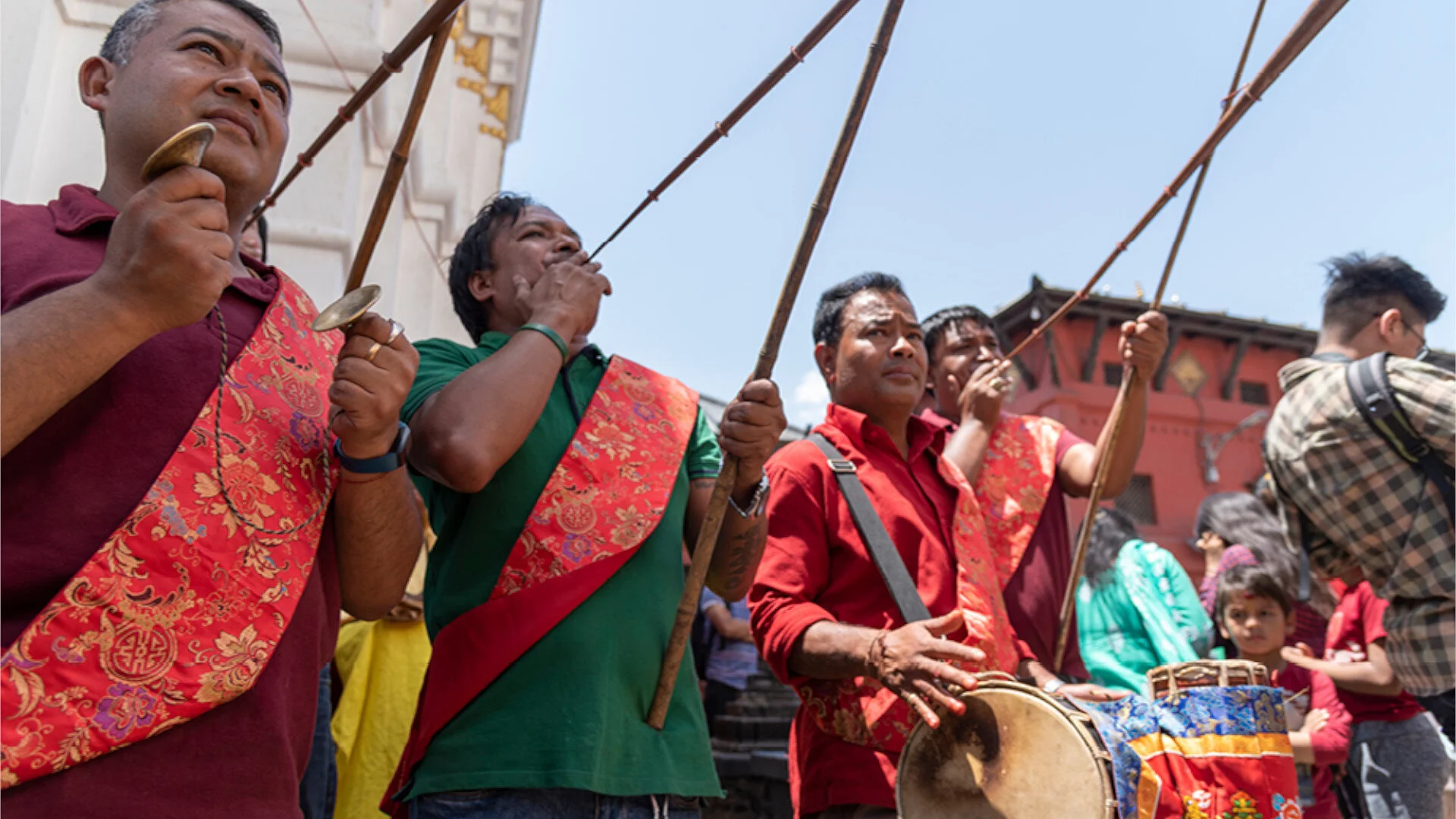
On the first day of Gunla, devotees and musicians gather at a designated block in Lalitpur at 3 A.M and make ready for a grand procession. It is known as bogiwanegu. Devotees chant Buddhist hymns, and the musicians play an ensemble known as Naubaja. They head towards numerous Buddhist monasteries along a prescribed route.
The special alms for this month is locally known as Satu, wheat grain toasted and ground. It is offered to Shakyamuni Buddha by devotees. Whereas on the days of Pancha Daan, Buddhists offer five summer gifts: wheat grains (raw), unhusked rice grains, salt, money and fruits.
Vala is also known as Sringabheri, is till a week before Matayah. During Vala, devotees take daily walks to Buddhist sites. Matayah, however, is a full-day pilgrimage to all Buddhist landmarks of Lalitpur. This tradition (Matyah) is unique to the city and principalities of Lalitpur. Those who do not wish to partake in Matyah but have recently lost a family member visit the 4 stupas of Lalitpur at mid-night before Matayah.
Click here to read about Matyah
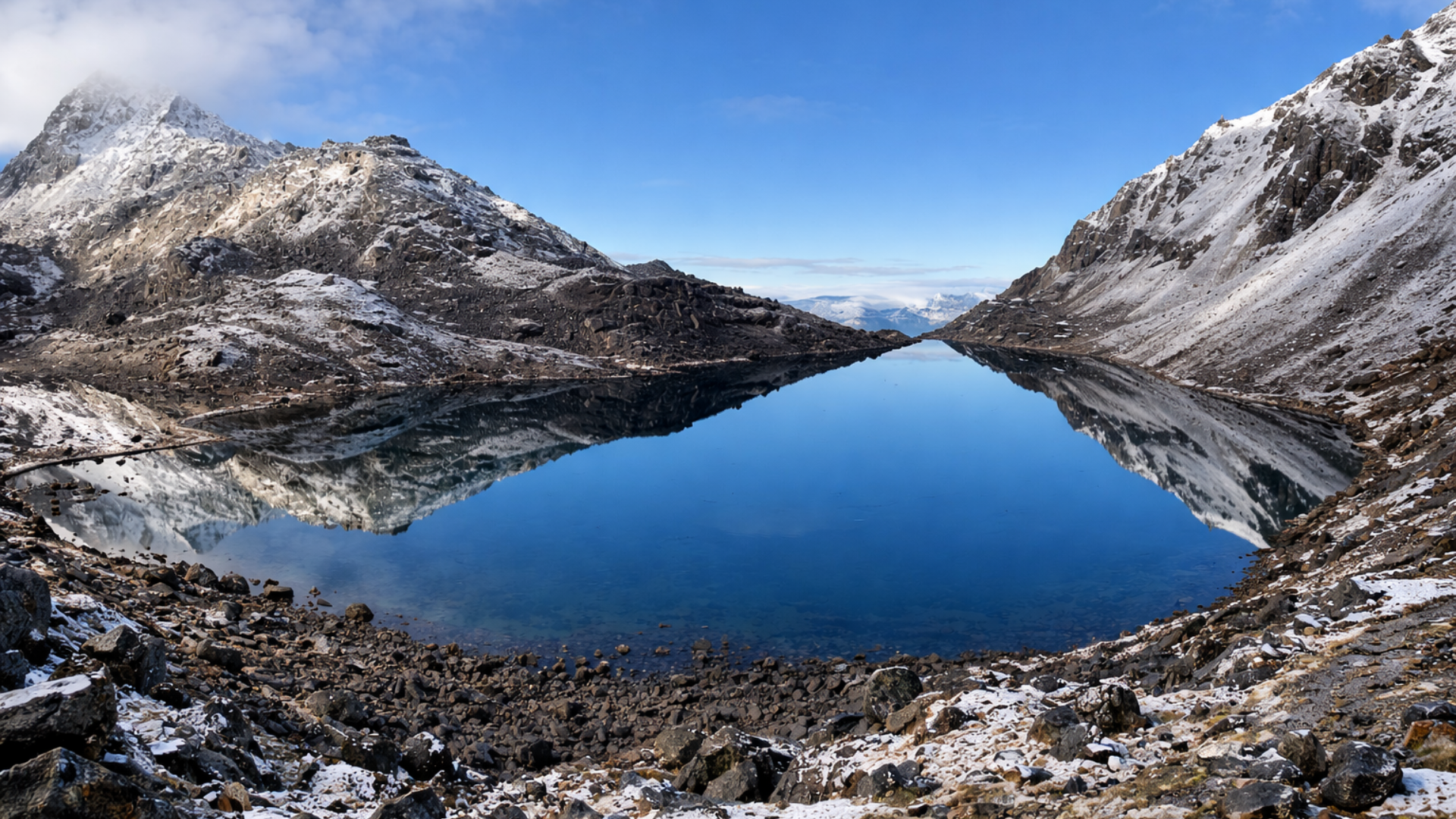
Another such pilgrimage is to Gosaikunda. This tradition is centuries old, where a family member of a grieving house embarks on a trek to this lake. They must reach it on Gun Punhi, which in Nepali is Janai Purnima. The elders speak of how taking this pilgrimage will assist the ascent of the recently departed to heaven.
The next day of Gun Punhi is Saparu, an important Newar event. Newar Buddhists visit the ample Bahah and Bahil’s of their city and present alms in earthen bowls. The offerings presented are as per the economic capacity of the giving family.
One of the last activities of Gunla is the Pancha Dan of Kathmandu. This occasion falls on Juga Charhe, which is three days before Nepali Fathers Day.
For this entire month, master musicians create an ensemble called Naubaja. They play various numbers in the bahah’s and bahil’s of their city. They also perform a grand orchestra at Buddhist monuments such as Svayambhu. Their plethora of instruments, when played together, create a performance that renders the audience speechless.
POPULAR ITINERARIES
SIMILAR POSTS
The Beginning of Newar Festivities
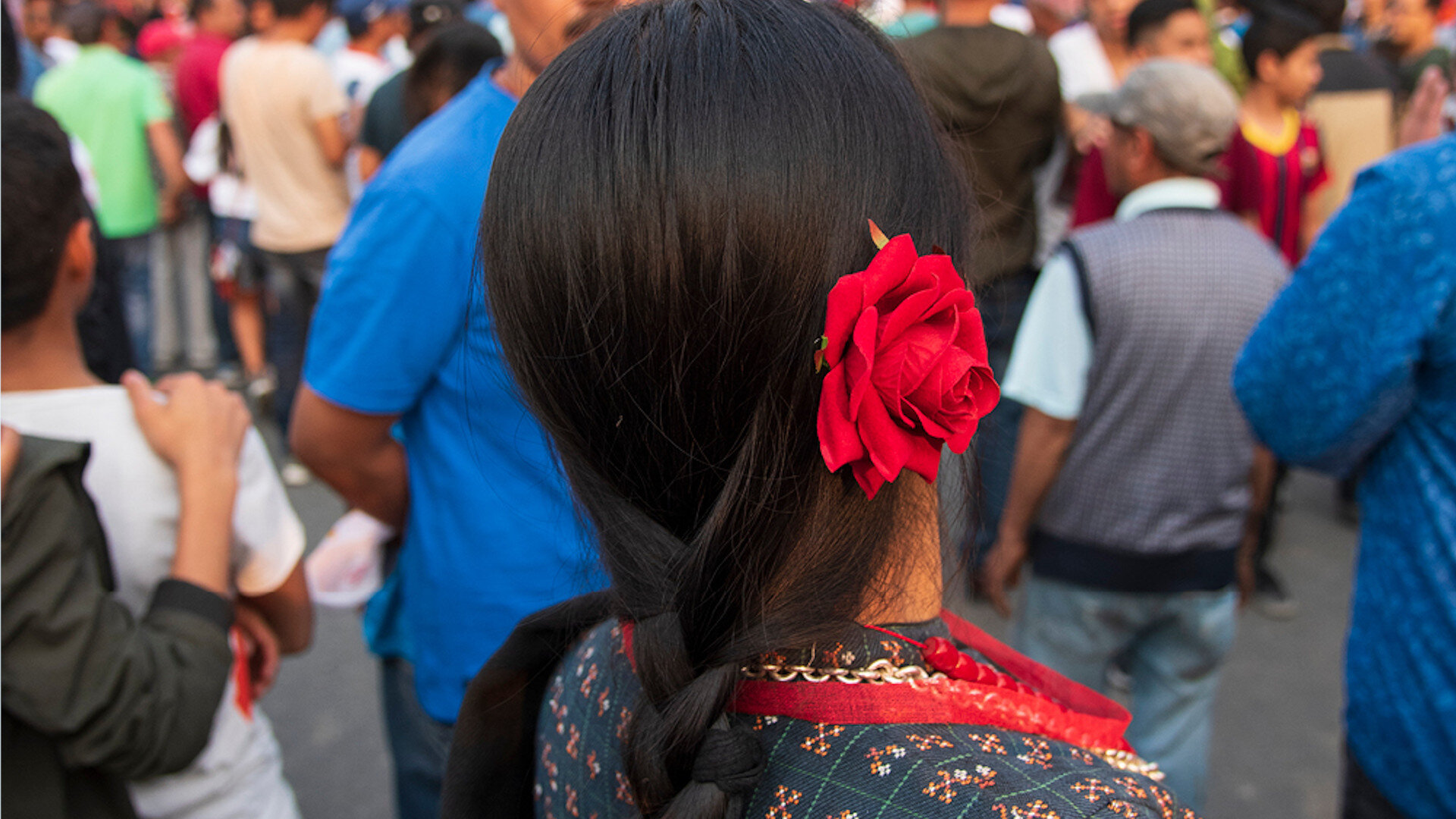
The festive season for the Newar community has arrived. The day of Gathe Mangal is the first of the festive calendar, which shall come to an end before the next plantation season. Newars, native inhabitants of Kathmandu valley, shall rejoice and make merry during this period paying homage to numerous gods and goddesses.
A common question arises from the non-Newar community, why do Newars have so many festivals? We have been presented with this question many times. The answer requires us to indulge the other in numerous tales and stories.
In short, the Newars, native inhabitants of the valley, are a community with diversity. Our culture developed through migration. Our ancestors chose to call this place home, detaching themselves from their place of origin due to numerous factors.
We brought with us our old culture. We continued the traditions in our new home and added to it elements from other cultures. Over time through cross-cultural mingling and communal unity, our new identity was born, Newars.
As we distanced ourselves from the patterns of our old tradition, we could filter it, meaning remove what was unimportant and add new elements to it. It is why some celebrations might seem similar such as Dashain and Tihar. Newars developed their new methodology of celebrating these landmark occasions, which became our tradition and heritage.
Isolation is also a crucial factor. Given the Himalayas are hard to reach due to the harsh topography, our culture was isolated, allowing it to preserve its core. This isolation is also the reason why the Himalayas are Shangri-La. The ancestors of many Newars had fled from their native homeland in a bygone era to escape war and evil. Thus, numerous old traditions such as the Kumari, which were once practised all over Ancient India, survived and prospered.
This diversity within our community, along with stark economic growth, allowed us to spend our time and money lavishly on celebrations. Let us not forget, temples don’t fall out of trees. We built these monumental heritages due to our economic might. Given god is all: the creator, preserver and destroyer, we made sure to please the plentiful gods to ensure our well-being.
We developed various practices to remove evil from our society and ensure social stability. The success of which allowed Newars to reach pinnacles unmatched. The status of Newars today is defined by one phrase, what goes up will eventually come down.
As part of this cultural mechanism developed to create social harmony, Gathe Muga Chare also known as Gathe Mangal is marked as the first day of the festive calendar. This day in brief, features ritualistic processes to remove evil from the society. Evil in the form of plagues, spirits and demons are attached to the scarecrow which was used for the plantation season.
Click Here: To read the tales of Gathe Muga
Post which, numerous festivals keep the social current flowing. The month of Gunla features pilgrimages to fords (holy places near water) and Buddhist heritages. After which is the period of Gunhu Punhi. The inhabitants pay homage to their ancestors and those who recently departed from this mortal world. Amongst the many activities, Saparu, also known as Gai Jatra, is the highlight. It is marked with avid fanfare and is a non-tangible heritage of this valley. In Lalitpur, Mataya, a pilgrimage takes place on the final day. Individuals who recently lost a family member embark on this journey.
Click Here: To read more about Mataya: The Festival of Light
Pancha Daan commences in all three cities: Kathmandu, Patan and Bhaktapur, and its sister principalities (Banepa and Panauti). During this occasion, effigies of Dipankar Buddha, along with other champions of Buddhism, are displayed by Buddhist householders.
In a short few months after Pancha Dan, the festival of Indra commences. Post which, the grand festivities of Monhi and Swanti (Dashain and Tihar) begin.
Click here: To learn more about Newar festivities
In short, these occasions play a role in stabilising society and developing communal harmony. They help renew our faith in the chief deities and allow us to unite.
POPULAR ITINERARIES
SIMILAR POSTS
A Friendly Demon: Mi Pwa Lakhey
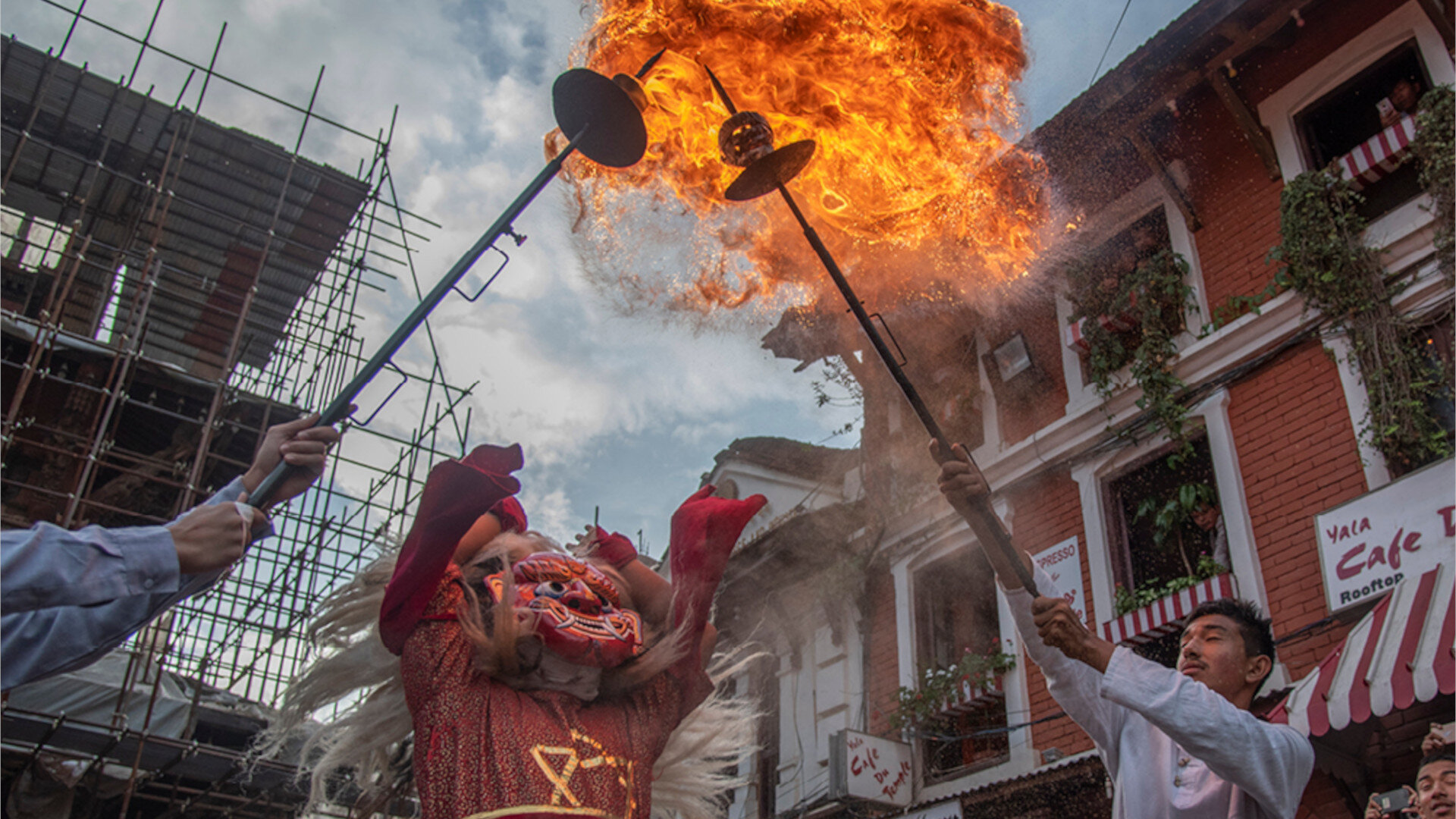
While roaming around Patan Durbar Square, if you stumble upon a creature creating ghastly fireballs, don't be alarmed. He is a friendly Lakhey who the locals call Mi Pwa Lakhey. Mi Pwa in Newari means balls of fire and Lakhey, a helpful demon.
Every year in Patan, post the harvest season, an ensemble performs a unique dance. It features a terrifying face which is locally known as Lakhey. This creature dances to a merry tune played by musicians clad in traditional attire. It roams around the old routes of the city, creating ghastly fireballs, which is a spectacle that sends a bolt down one's spine.
Lakhey's, as per valley lore, are friendly demons who protect the people from evil. Majipa Lakhey and Mi Pwa Lakhey are amongst the most popular in this valley.
You are bound to stumble upon this mystical creature known as Lakhey, especially during the cultural season. It holds an important place in various cultures all over Nepal. This Lakhey, however, is peculiar. Unlike its various renditions, it seems to have this ability to conjure fireballs. He does so in crossroads, cultural centres and open squares.
You might be wondering, why?
The harvest season is a cultural break. The inhabitants are hard at work in their farms to ensure a good harvest. Once the paddy plantation is complete, the tradition of Gathe Mangal is marked. During this day, communities (twah) throw scarecrows at their nearest crossroads. The elders speak of a bygone era when the locals channelled spirits and demons from the dark dimension to aid them during plantation. They allowed the entities to possess them. With their dark strength, they would complete large batches of work in record time. But once they turn demonic, they would require a lot of food as the evil within them would always be hungry.
If unable to control the demon within them, they would go rampant pillaging.
Thus, during Gathe Mangal, the evil is removed from the body and trapped into the scarecrow. Once the transfer is complete, the individual wears a ring made of iron so that the evil may not enter their body again. The scarecrow is then dragged to the river bank and then burnt. This process releases them back to the dark dimension.
But, not all transfers are successful. Some spirits and demons either escape the scarecrow or cleverly leave the human body before the transfer. They linger in the town, causing trouble when the opportunity arrives.
Our Lakhey comes to the rescue.
The music attracts the evil entities, and its fireball destroys them. The Lakhey conducts this feat numerous times and for multiple days to cleanse the township.
This tradition once had disappeared from Patan. But what is good will always return.
This particular Lakhey dance features two main characters; the Mi Pwa Lakhey and an annoyer. Dressed in green, carrying broken branches in both hands, it does what it does best, annoy the Lakhey. A chase ensues, the annoyer runs desperately. The local kids also partake in teasing the Lakhey. They also run as fast as possible.
This game of cat and mouse livens up the atmosphere.
A team of local volunteers assists the Lakhey. Two individuals hold flaming torches, which the Lakhey utilises to create the fiery spectacle. Musicians clad in traditional attire follow the Lakhey providing a merry tune of encouragement.
This event falls during the week of Gathe Mangal. Before the team begins its route, they perform a special ritual in the cortex of Nriteshwor, the god of dance and drama. The performance comes to an end in Mangal Bazar of Patan Durbar Square.
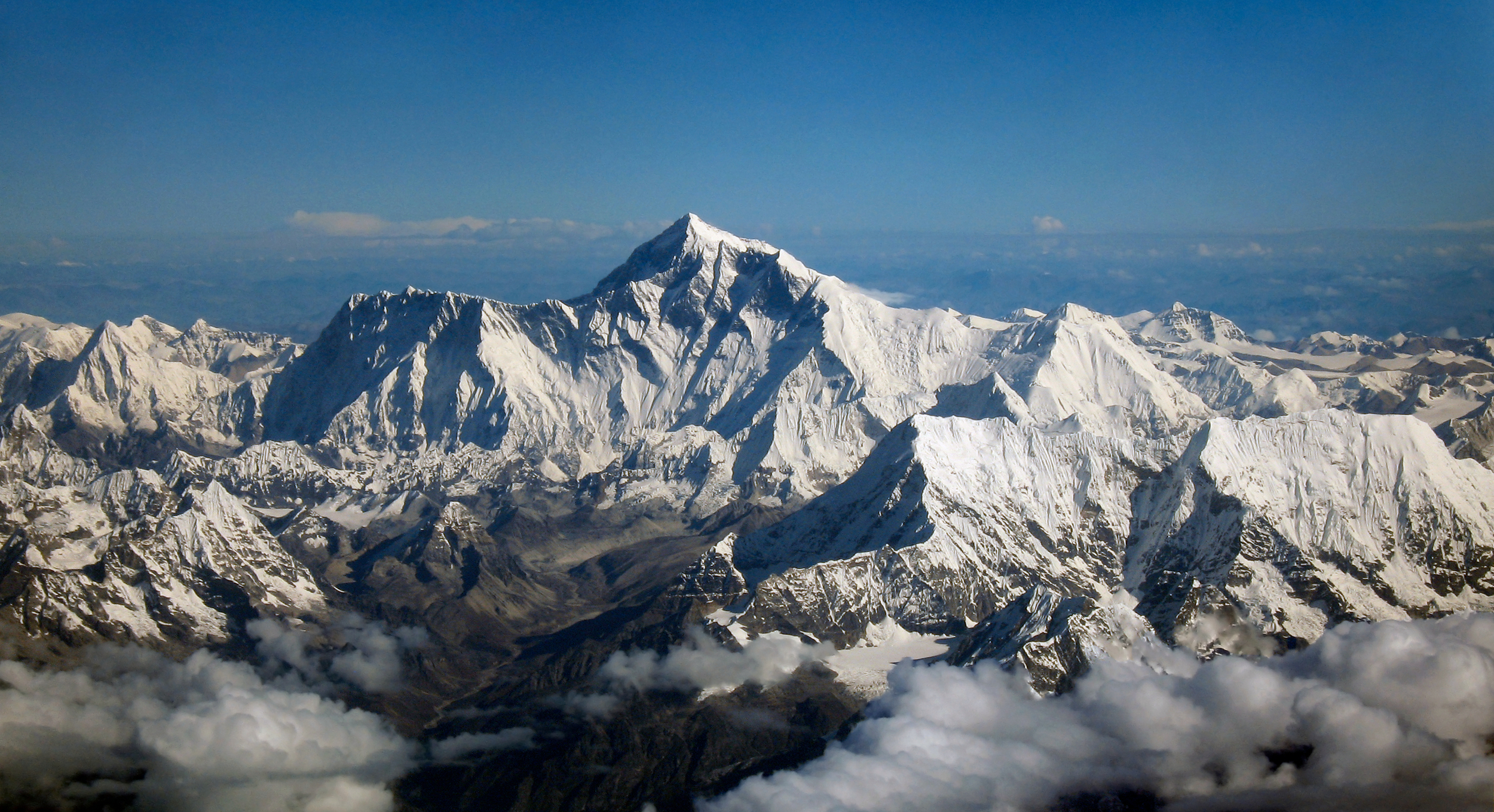
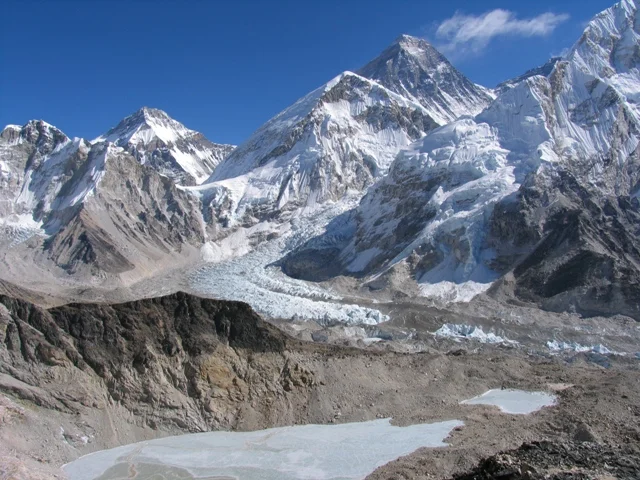
This trek is specially designed to reach the Everest Base Camp including Kala Pattar which is the best view point to view the sunrise over the high Himalayas including the Mt. Everest. This trek requires 13 days.
USD 1515 PER PERSON -- TWIN ROOM SHARING BASIS