

Ring in the New Year with Tradition: A Guide to Dhaka Topi, Food & Festivities
As spring paints Nepal in vibrant hues, a unique cultural celebration takes center stage – Nepali New Year, also known as Bikram Samwat. This joyous occasion, falling around mid-April, marks the beginning of a fresh year based on the lunisolar calendar.
As spring paints Nepal in vibrant hues, a unique cultural celebration takes center stage – Nepali New Year, also known as Bikram Samwat. This joyous occasion, falling around mid-April, marks the beginning of a fresh year based on the lunisolar calendar.
A Time for Tradition and Transformation
Nepali New Year is more than just a change in the calendar; it's a time for families and communities to come together, reflect on the past year, and usher in new beginnings with blessings and festivities. The celebrations are vibrant and diverse, reflecting Nepal's rich tapestry of ethnicities.
One unique tradition associated with Nepali New Year is Dhaka Topi Day, observed on the first day of the new year. The Dhaka topi, a handcrafted Nepali cap, is a symbol of national pride. On this day, people wear the Dhaka topi with their finest daura suruwal (men's traditional attire) and participate in cultural programs and street parades. Consider incorporating the Dhaka topi into your experience - it's a wonderful way to connect with the local culture.
Festive Delights Await
Indulge in the culinary tapestry of Nepal. Restaurants across the country will be serving up an array of traditional dishes. Savor the delicate flavors of kwati (a lentil soup), momos (steamed dumplings with savory fillings), sel roti (a ring-shaped fried bread), and a delectable spread of curries and regional specialties. These dishes, bursting with fresh, local ingredients, are a delightful way to experience the essence of Nepali cuisine.
Celebrating with Cultural Flair
Throughout your stay, immerse yourself in the cultural tapestry of Nepal. Witness traditional folk dance performances featuring vibrant costumes and energetic routines. Learn about the significance of the marigold flower, a symbol of new beginnings and prosperity, which adorns doorways and public spaces during this time.
Step Back in Time: Explore Nepal's Rich Heritage
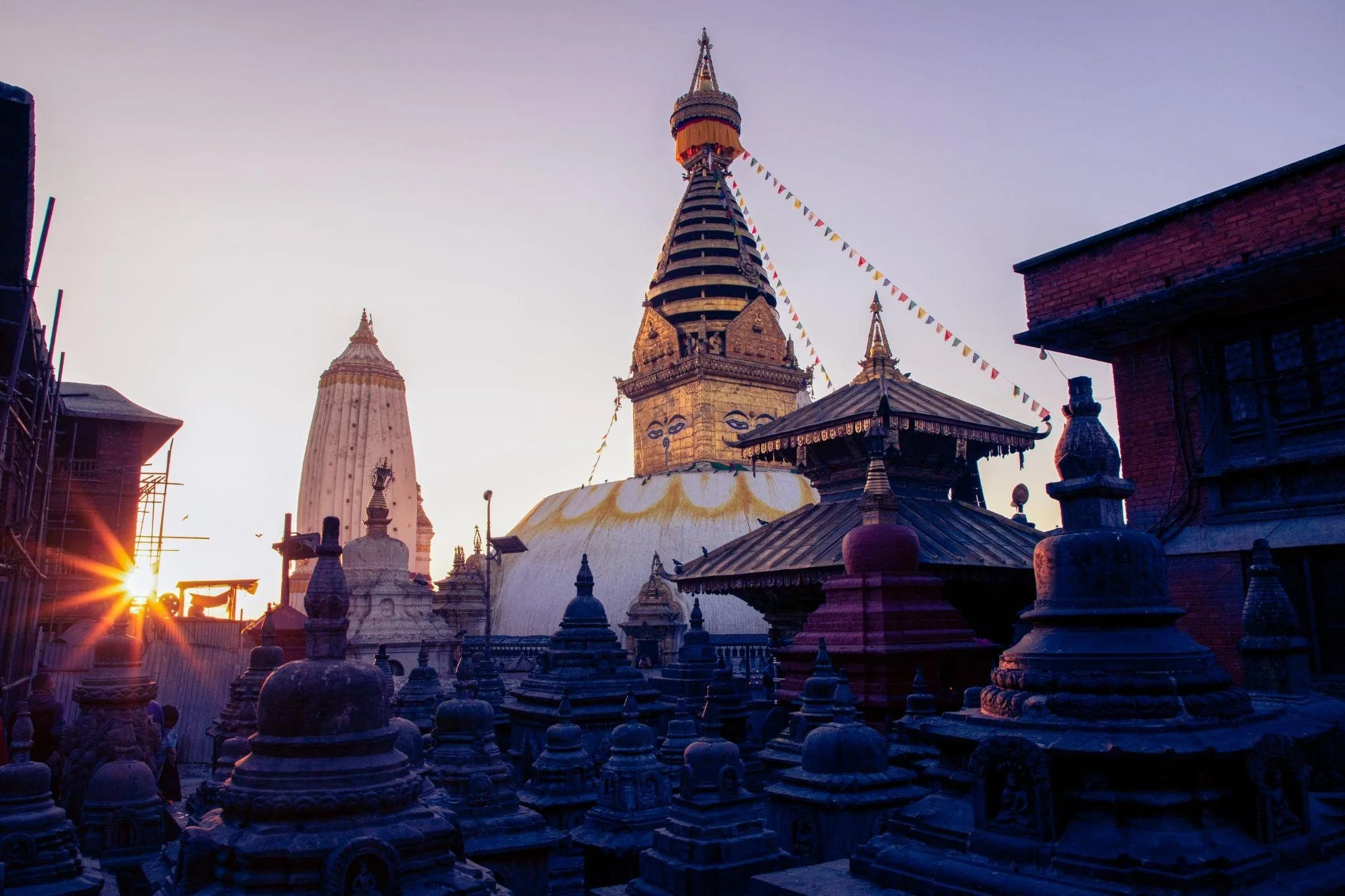
Nepal boasts a wealth of historical and cultural treasures. Embark on a guided tour of Kathmandu Durbar Square, a UNESCO World Heritage Site showcasing ancient temples and palaces. Witness the grandeur of Swayambhunath, the iconic Monkey Temple, perched atop a hill overlooking the city. These excursions, steeped in history and local legends, offer a fascinating glimpse into Nepal's rich past.
A Time for Renewal and Rejuvenation
Nepali New Year is a time for personal renewal as well. Treat yourself to a rejuvenating spa experience at one of Nepal's many spas, designed to restore balance and promote well-being.
Celebrating with Us: A Unique Nepali New Year Experience
Nepal comes alive during Nepali New Year. Immerse yourself in the vibrant traditions, savor the delectable cuisine, and witness captivating cultural performances. Embrace the spirit of this joyous occasion and create lasting memories in the heart of Nepal.
POPULAR ITINERARIES
SIMILAR POSTS

Immersion in Culture: Experience the Excitement of Ghode Jatra
During your stay at the luxurious Hotel Shanker, be sure to experience the vibrant cultural tapestry of Nepal. One unmissable event is the Ghode Jatra, a pulsating horse festival that unfolds every year in Kathmandu, typically around mid-March to early April.
During your stay at the luxurious Hotel Shanker, be sure to experience the vibrant cultural tapestry of Nepal. One unmissable event is the Ghode Jatra, a pulsating horse festival that unfolds every year in Kathmandu, typically around mid-March to early April.
A Celebration Steeped in History
Ghode Jatra, which translates to "Horse Parade" in English, boasts a rich history. Legends abound, with some suggesting it originated as a way to appease a demon terrorizing the city. Locals would gather and offer animal sacrifices until a wise tantric saint intervened. He captured the demon and, in celebration of this victory, a grand procession with horses was held, marking the birth of the Ghode Jatra tradition.
A Day of Revelry
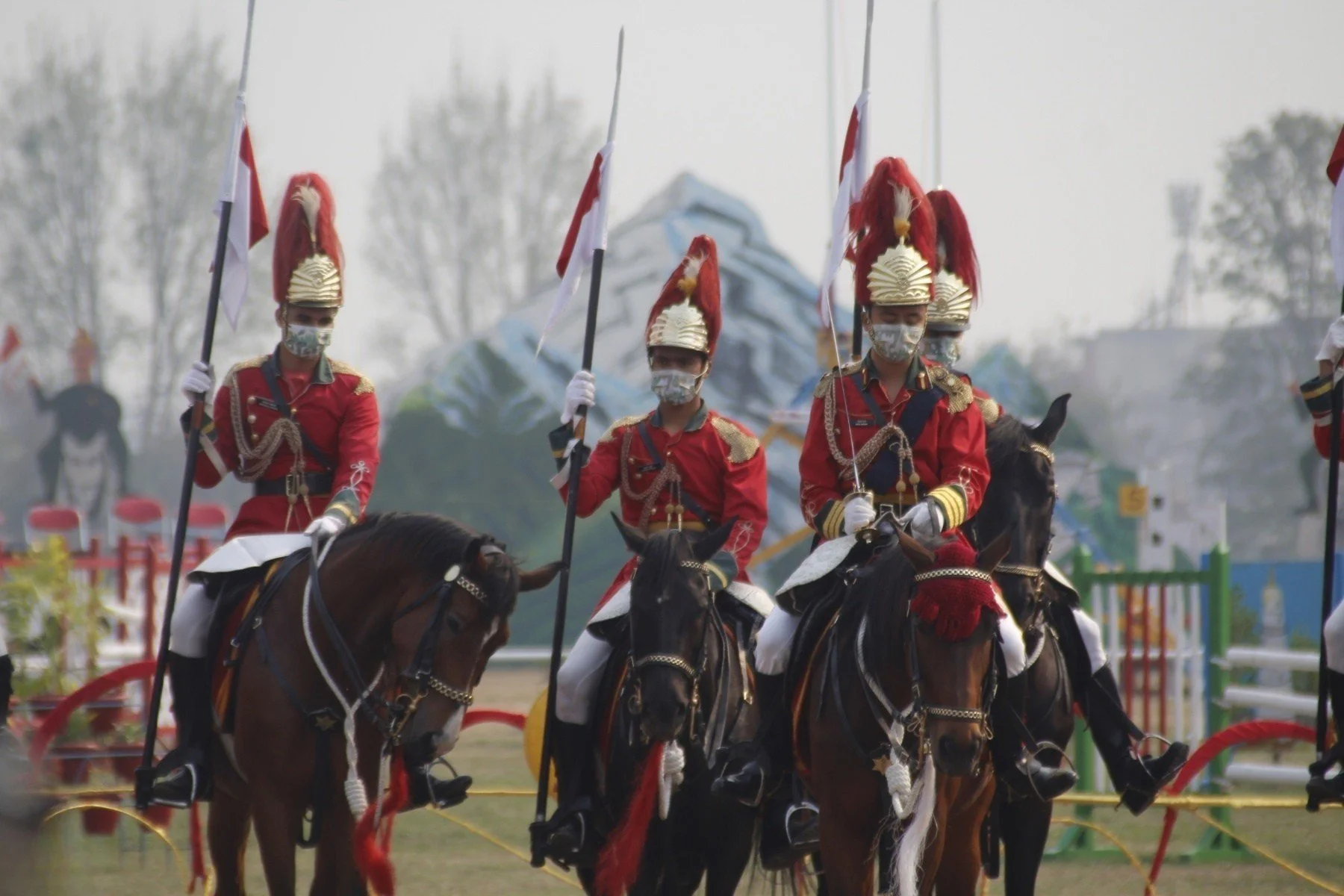
Declared a public holiday in Kathmandu, Ghode Jatra is a day of immense excitement. The heart of the festivities lies in Tundikhel, a vast open ground near the hotel. Here, the Nepal Army takes center stage, organizing a spectacular horse parade. Witness a captivating display of horsemanship as skilled riders showcase their equestrian prowess.
Beyond the Parade: A Kaleidoscope of Culture
The festivities extend far beyond the parade ground. The indigenous Newari community, the original inhabitants of the Kathmandu Valley, celebrate with traditional feasts in their homes. The air fills with the aroma of delectable delicacies as families gather to mark this auspicious occasion.
A Glimpse into Local Deities
Ghode Jatra also coincides with the chariot processions of several revered deities. Look out for the idols of Goddesses Lumaldi, Bhadrakali, and Kankeshwari, along with Lord Bhairav, being paraded through the city. This unique blend of military prowess and religious devotion paints a mesmerizing picture of Nepali culture.
A Festival for Everyone
The energy during Ghode Jatra is infectious. The streets teem with enthusiastic crowds, all eager to soak in the spectacle. Traditional music fills the air, adding to the festive atmosphere. Don't be surprised if you're invited to join in the merriment – Nepalis are known for their warm hospitality.
Step Back in Time
Ghode Jatra is more than just a horse parade; it's a portal to Nepal's vibrant history and culture. Witnessing this unique festival is an experience that will stay with you long after your visit. So, during your stay in Nepal, don't miss the chance to be a part of this electrifying spectacle!
POPULAR ITINERARIES
SIMILAR POSTS

A Land Steeped in Tradition: Unveiling the Enchanting Heritage of Nepal
Nepal, a landlocked country nestled in the Himalayas, boasts more than just breathtaking mountain vistas. It's a nation where ancient traditions interweave with modern life, creating a captivating tapestry of heritage. From magnificent temples that stand as testaments to bygone eras to vibrant festivals that celebrate life's cycles, Nepal's rich history and culture come alive for every visitor.
Nepal, a landlocked country nestled in the Himalayas, boasts more than just breathtaking mountain vistas. It's a nation where ancient traditions interweave with modern life, creating a captivating tapestry of heritage. From magnificent temples that stand as testaments to bygone eras to vibrant festivals that celebrate life's cycles, Nepal's rich history and culture come alive for every visitor.
A Walk-Through Time: The Kathmandu Valley's Architectural Marvels
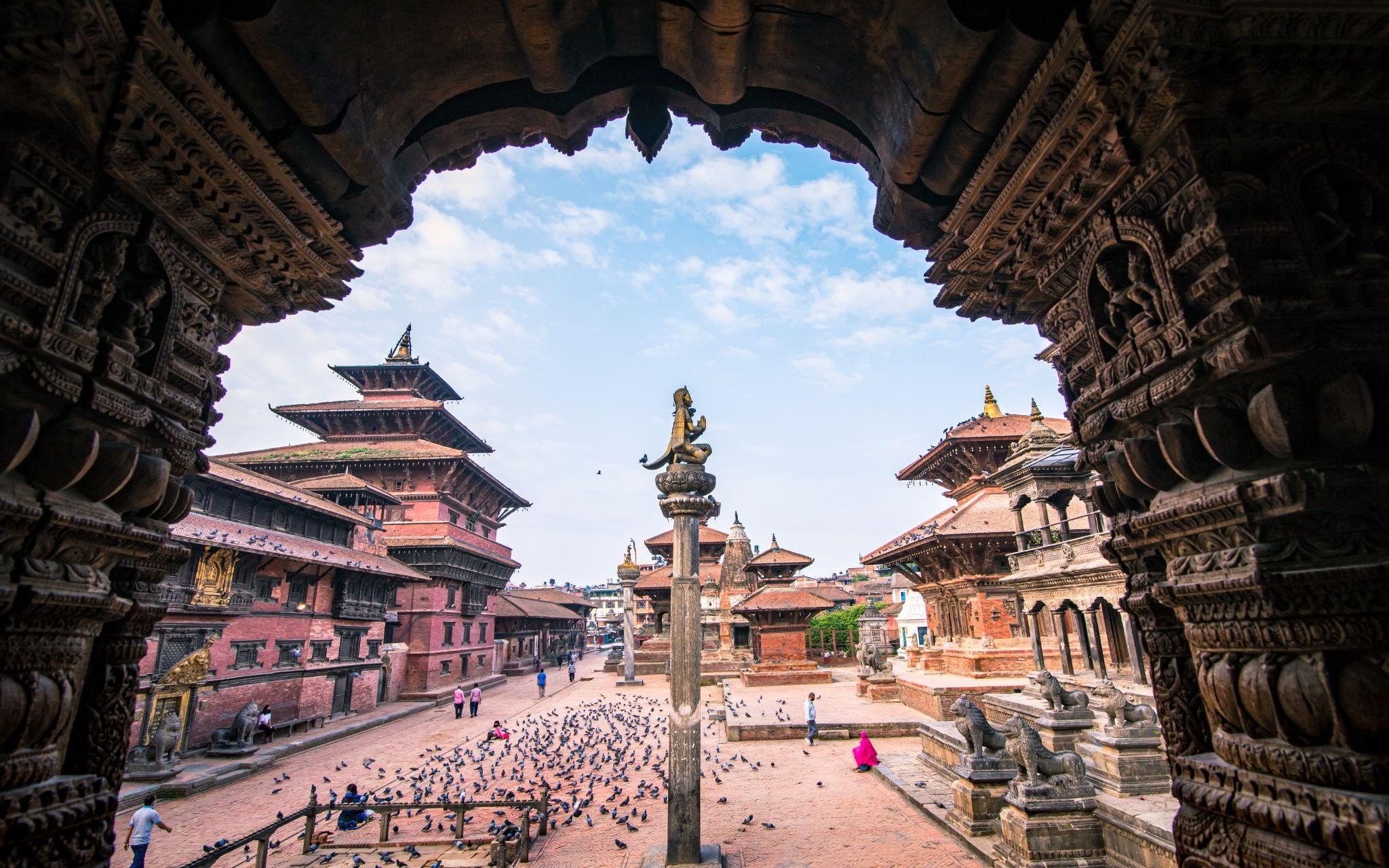
Kathmandu Valley, the historical and cultural heart of Nepal, is a treasure trove for heritage enthusiasts. Designated a UNESCO World Heritage Site, the valley is dotted with architectural wonders that speak volumes about Nepal's artistic legacy. Immerse yourself in the grandeur of the Durbar Squares – Kathmandu, Patan, and Bhaktapur. Each square boasts intricately carved temples, majestic palaces, and serene courtyards, transporting you back to the time of Nepal's ancient kingdoms.
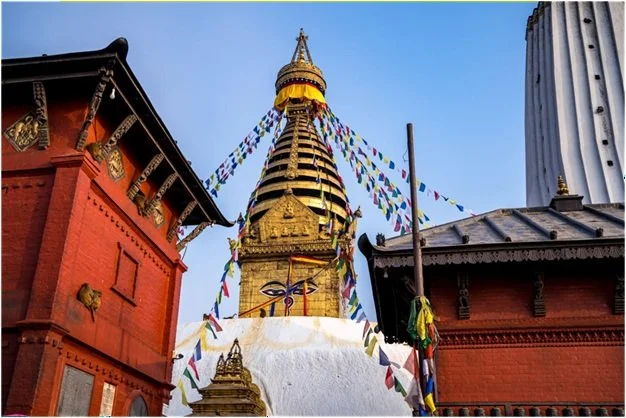
As you wander through these squares, be sure to marvel at the architectural marvel of Swayambhunath, also known as the "Monkey Temple." Perched atop a hill overlooking the city, this ancient Buddhist stupa offers panoramic views and a glimpse into the deep-rooted spiritual beliefs of Nepal. Don't miss Boudhanath Stupa, one of the largest stupas in the world, a center of Tibetan Buddhist pilgrimage. Witness the hypnotic sight of prayer wheels spinning and colorful prayer flags fluttering in the breeze, creating a truly serene atmosphere.
Beyond the Monuments: A Living Heritage
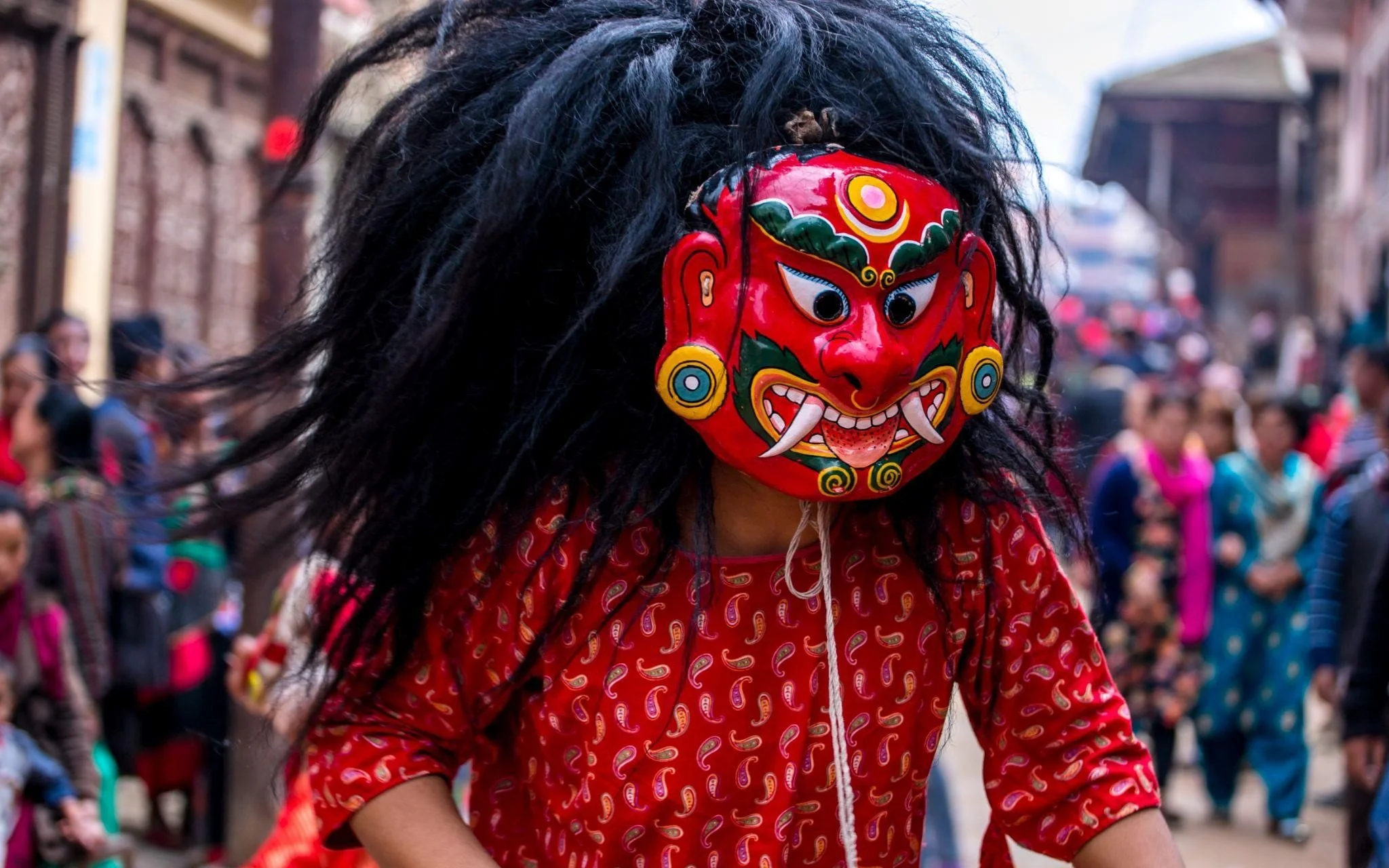
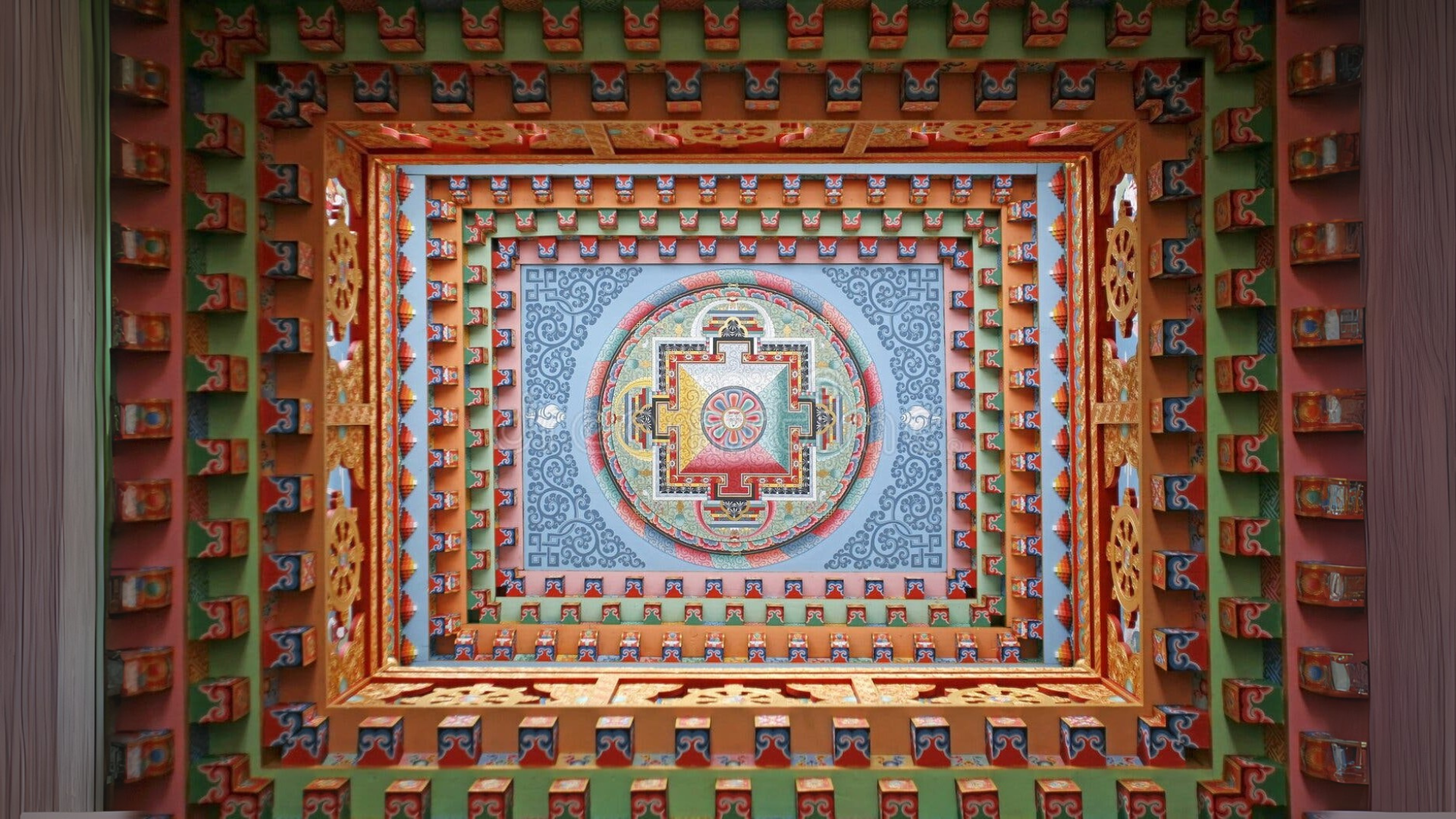
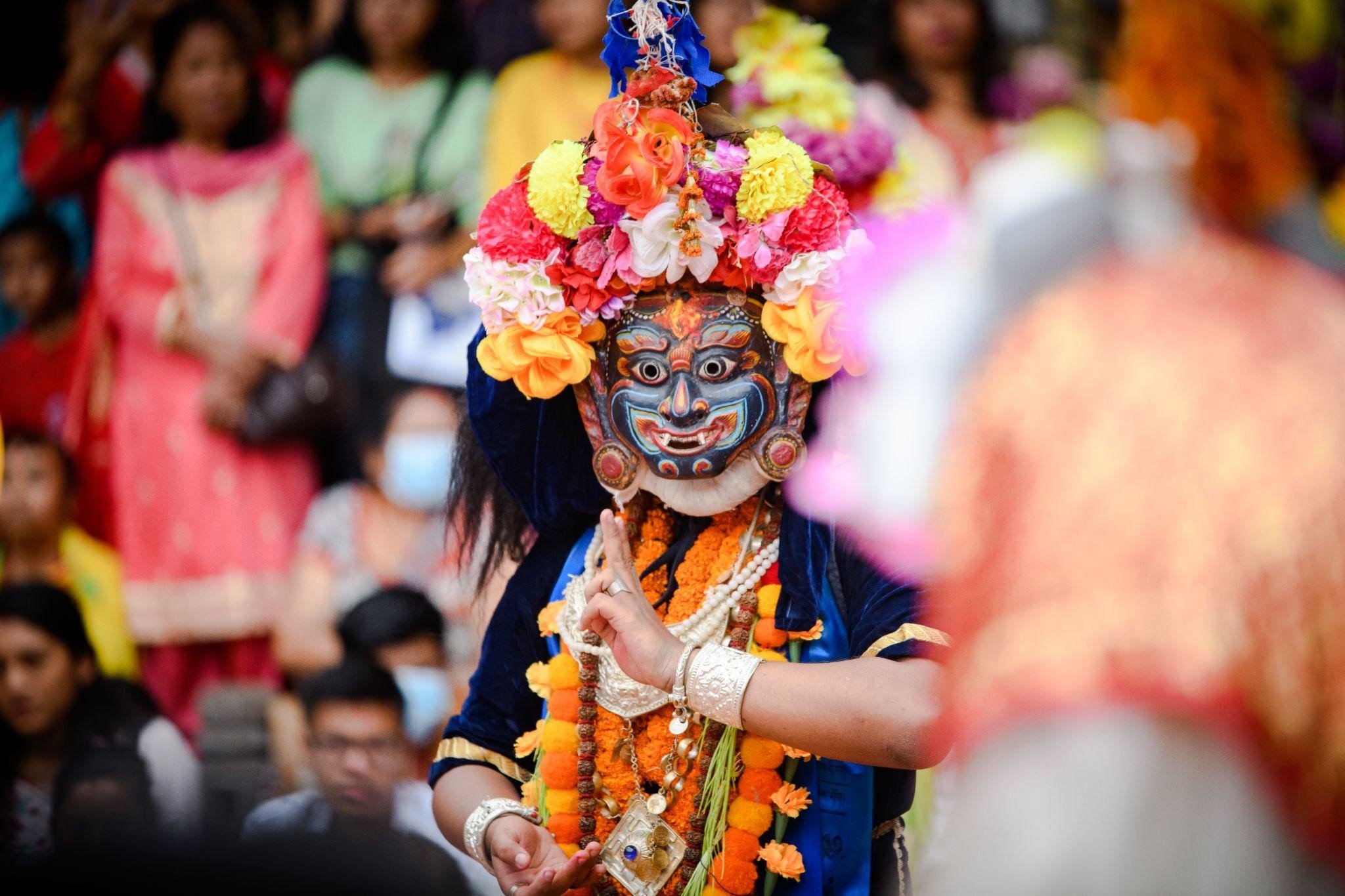
Nepal's heritage extends far beyond its magnificent monuments. It thrives in the vibrant tapestry of its diverse ethnicities, each with their own unique customs, languages, and attire. Witness the captivating masked dances of the Tamang people, a vibrant display of cultural expression. Immerse yourself in the artistic brilliance of the Newari community, renowned for their intricate woodwork and metalwork. Explore the fascinating world of Thangka paintings, a unique art form from Tibetan Buddhism, where intricate mandalas and deities come alive on cloth.
A Culinary Journey Through Time
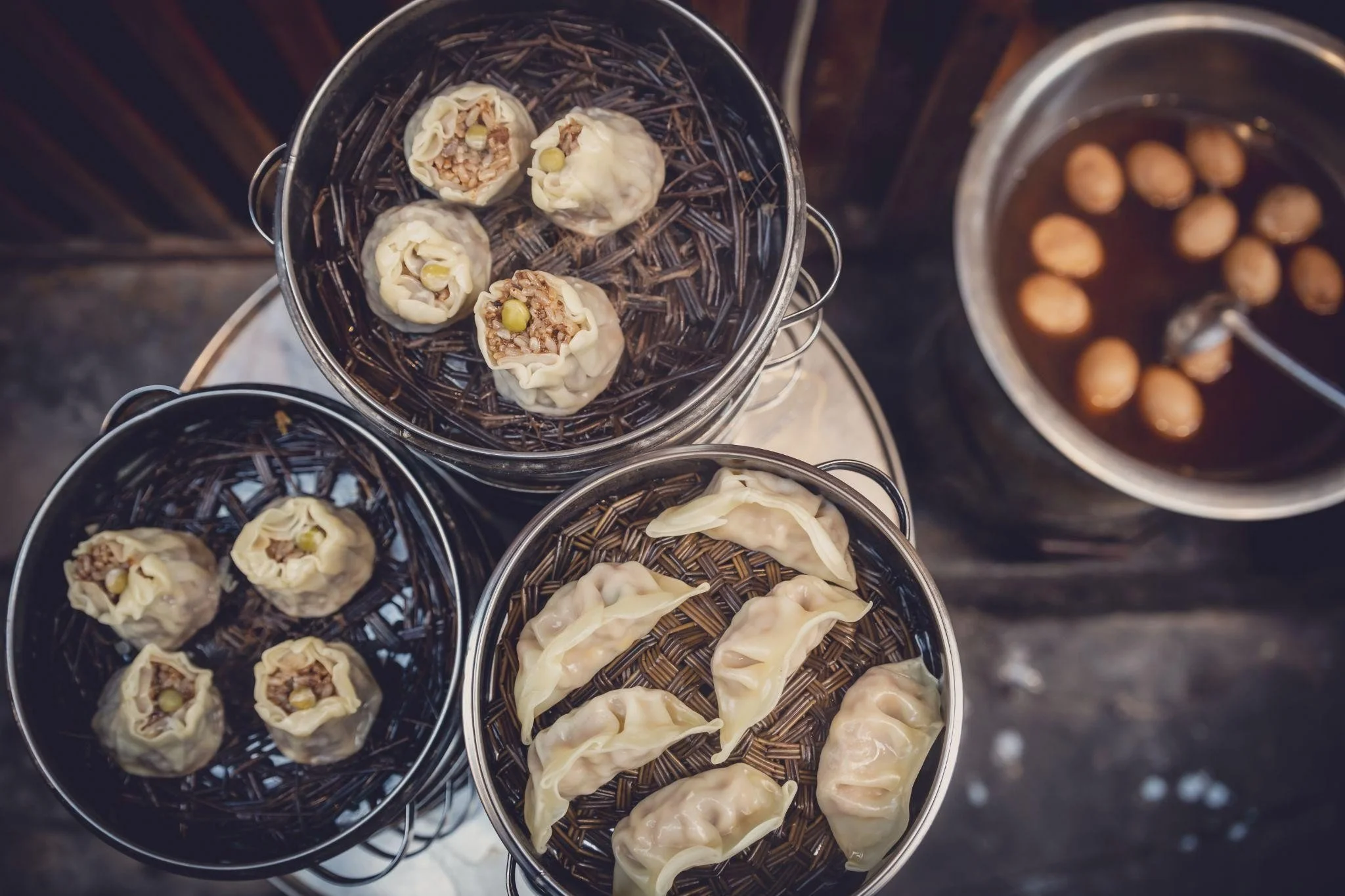
Nepali cuisine is an essential part of the country's heritage. Savor the rich flavors of Dal Bhat, a hearty lentil soup paired with rice, a staple dish that has sustained generations. Embark on a culinary adventure by exploring regional specialties like Momos, steamed dumplings filled with meat or vegetables, or the popular stir-fry dish called Sekuwa. For a truly immersive experience, consider participating in a cooking class and learning the secrets behind these traditional dishes.
Festivals: A Celebration of Life's Rich Tapestry
Nepal comes alive during its numerous festivals, vibrant celebrations that reflect the country's deep-rooted traditions and spiritual beliefs. Witness the grandeur of Dashain, the longest and most important festival in Nepal, a two-week-long celebration that honors Durga Puja, the victory of good over evil. Immerse yourself in the joyous chaos of Holi, the festival of colors, where streets are filled with revelers throwing colored powder and water, symbolizing the triumph of good over evil and the arrival of spring.
Unveiling Nepal's Heritage with Local Expertise
Planning your exploration of Nepal's heritage can be overwhelming. But worry not! Partner with local experts to create a personalized itinerary that caters to your interests. Knowledgeable guides can bring the stories of Nepal to life, providing insights into the history, culture, and significance of each heritage site and festival you encounter.
Nepal: Where the Past Comes Alive
Nepal is a land where the past seamlessly blends with the present. As you delve into its heritage, you'll discover a country steeped in tradition, where ancient customs are practiced with devotion, and magnificent monuments stand as testaments to a rich artistic legacy. Let your journey through Nepal's heritage be an unforgettable experience, one that enriches your understanding of this remarkable country and leaves you with memories that will last a lifetime.
POPULAR ITINERARIES
SIMILAR POSTS


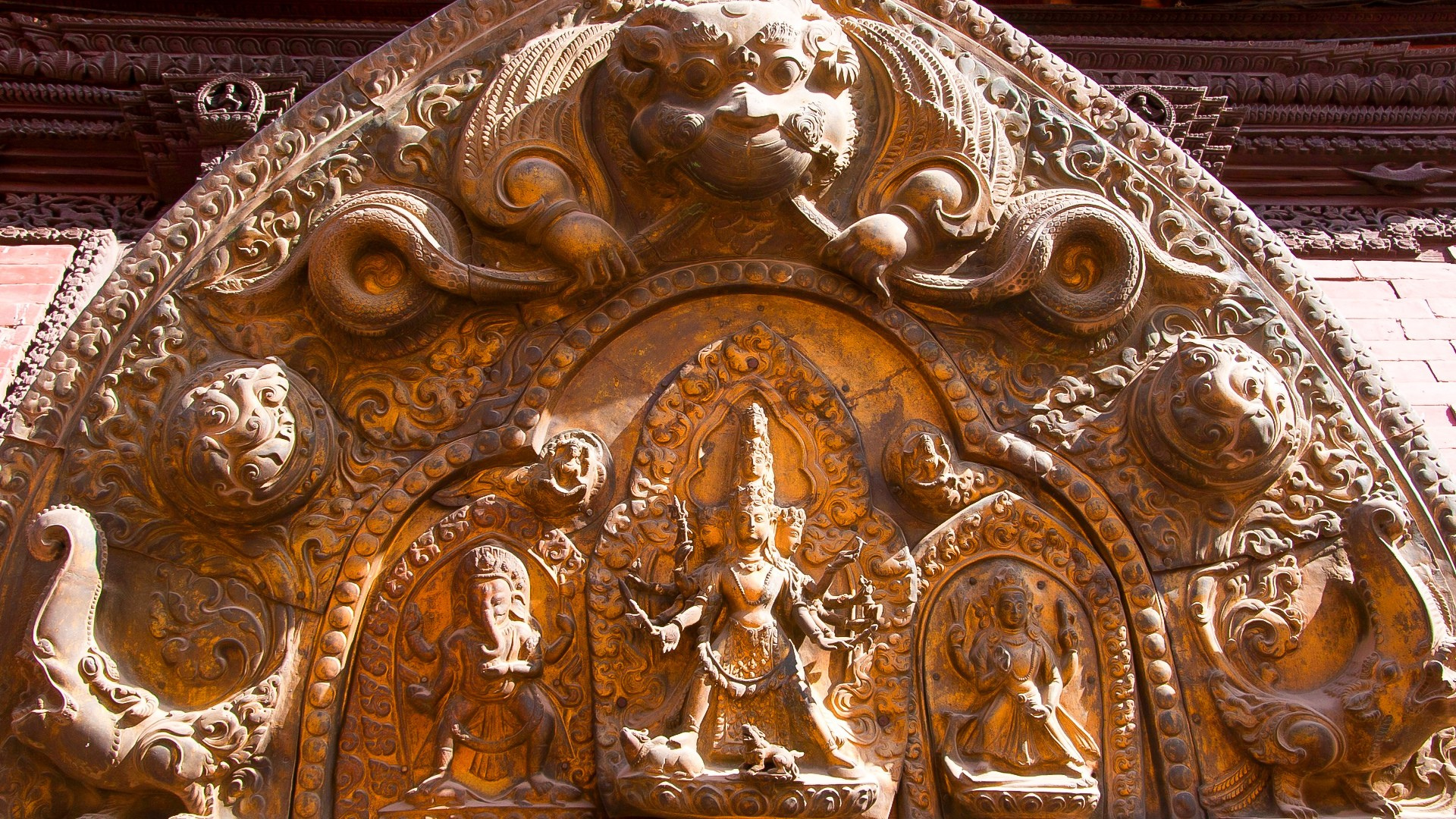
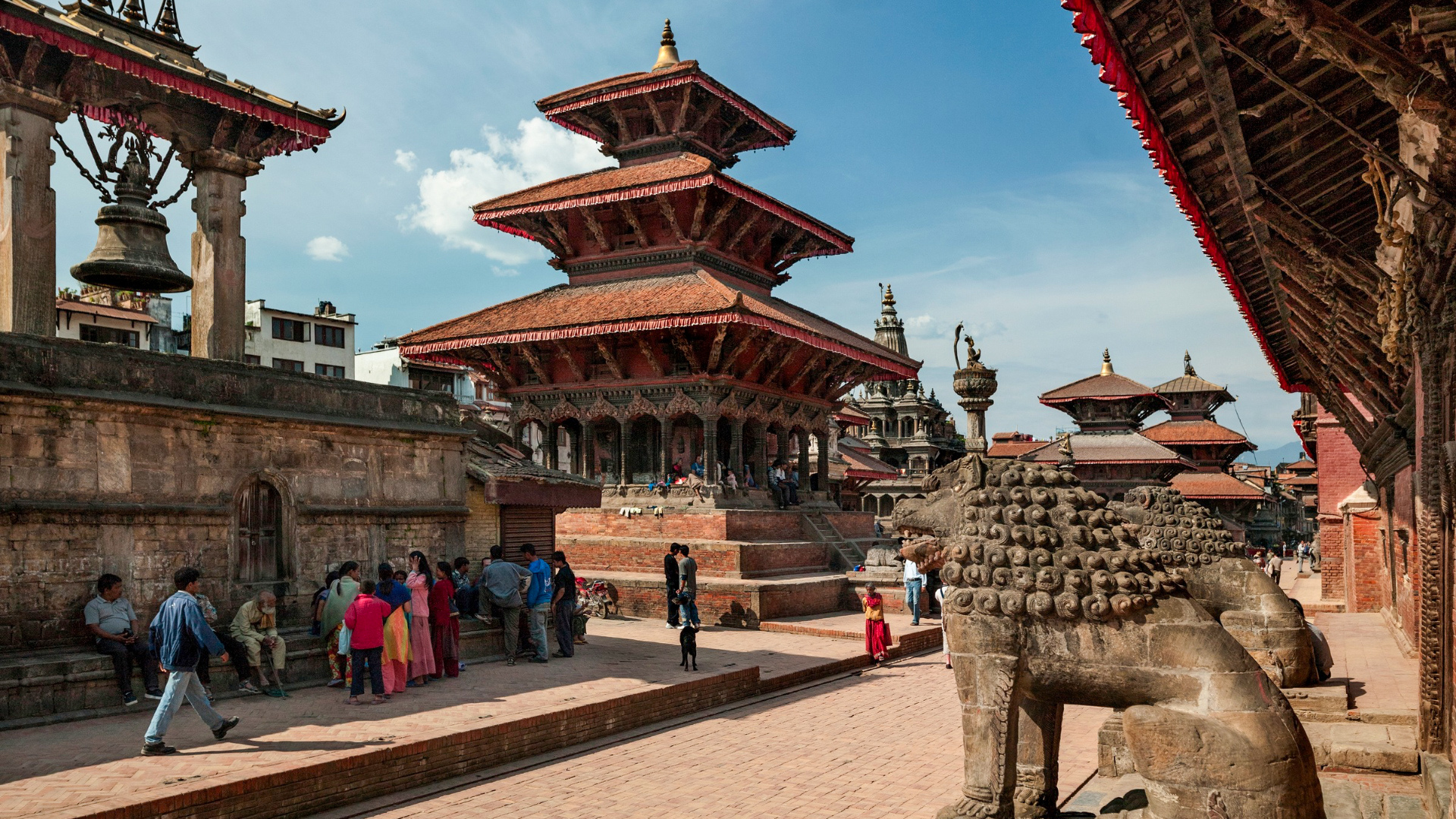

Celebrate Life with Colors
Kathmandu comes alive in a riot of colors during Holi, the exuberant Hindu festival also known as the Festival of Colors. As a guest at Hotel Shanker, you have the unique opportunity to witness and even participate in this joyous celebration. But Holi is more than just throwing colored powder around.
Kathmandu comes alive in a riot of colors during Holi, the exuberant Hindu festival also known as the Festival of Colors. As a guest at Hotel Shanker, you have the unique opportunity to witness and even participate in this joyous celebration. But Holi is more than just throwing colored powder around.
One of the most popular and entertaining events in Kathmandu throughout the months of February and March is Holi. Splashing colors and nicely throwing water balloons, however with friends and family, is a great method for everyone in Nepal to have fun. Due of its popularity as a location for Holi celebrations in Kathmandu, the Basantapur Durbar area hosts a carnival on Holi day. Not all of them come here to party; the others are happy to be with their families or in gated communities. In order to see the grandeur of the event on the streets, many travelers choose to travel to Nepal around this period. The people who live in the mountainous regions also like Holi, therefore even the Terai region hosts smaller-scale celebrations of this holiday.
Here's a glimpse into the heart of this vibrant festival:
The Legend Behind the Colors
Holi commemorates the triumph of good over evil, as depicted in the legend of Krishna and the demon Putana. According to the story, Putana disguised herself as a caregiver to poison Krishna. But Krishna, recognizing her evil intent, playfully smeared colors on her face. Holi signifies the victory of good and the playful spirit of life.
The Ritual of Bonfire (Holika Dahan)
The festivities begin a night before Holi with Holika Dahan, the bonfire ritual. People gather around bonfires, symbolizing the burning of Putana and negativity. Crackling flames illuminate the night sky, casting an ethereal glow over the city.
The Day of Colors (Rangwali Holi)
The main event unfolds on the day of Holi, Rangwali Holi. Streets transform into a kaleidoscope of colors as people playfully chase each other, throwing colored powder (gulal) and water balloons filled with colored water. Laughter and joy fill the air as inhibitions melt away. Hotel Shanker can help you acquire safe and eco-friendly colors for a memorable experience.
The Significance of Colors
Each color in the vibrant palette of Holi holds a special meaning:
● Red symbolizes love and prosperity.
● Blue represents Krishna, the divine prankster.
● Green signifies new beginnings and spring.
● Yellow reflects the optimism and energy of life.
Beyond the Colors: Traditions and Delights
Holi is not just about the colors; it's a celebration of community and togetherness. Families and friends gather to share sweets like Gujiya and drink refreshing Thandai, a special Holi beverage. Traditional music fills the air, and some people even break into impromptu dance routines.
Embrace the Spirit of Holi
Holi is a celebration of life, joy, and the triumph of good over evil. While the vibrant colors are a visual treat, the true essence lies in the spirit of togetherness and the shedding of inhibitions.
POPULAR ITINERARIES
SIMILAR POSTS
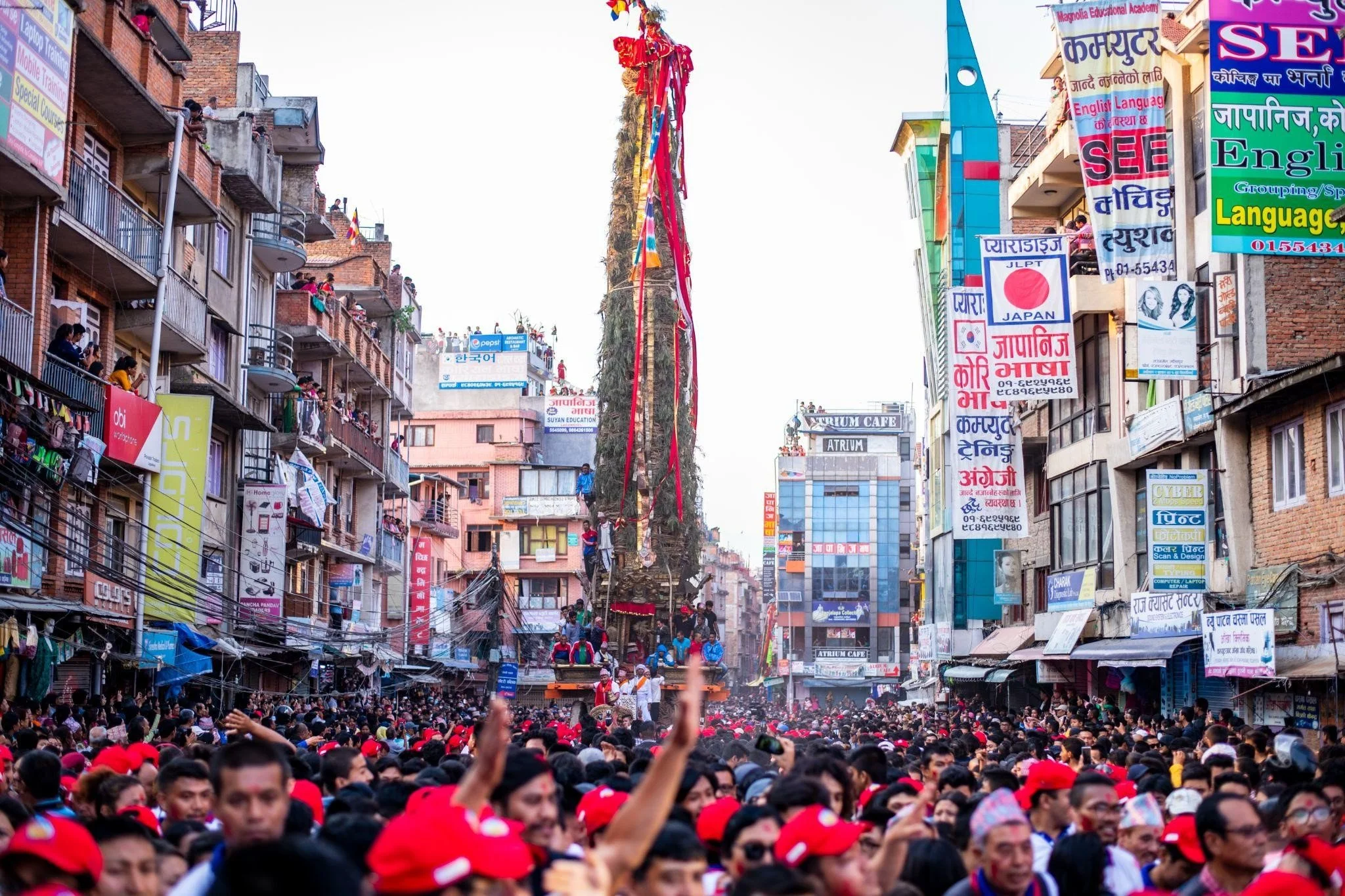
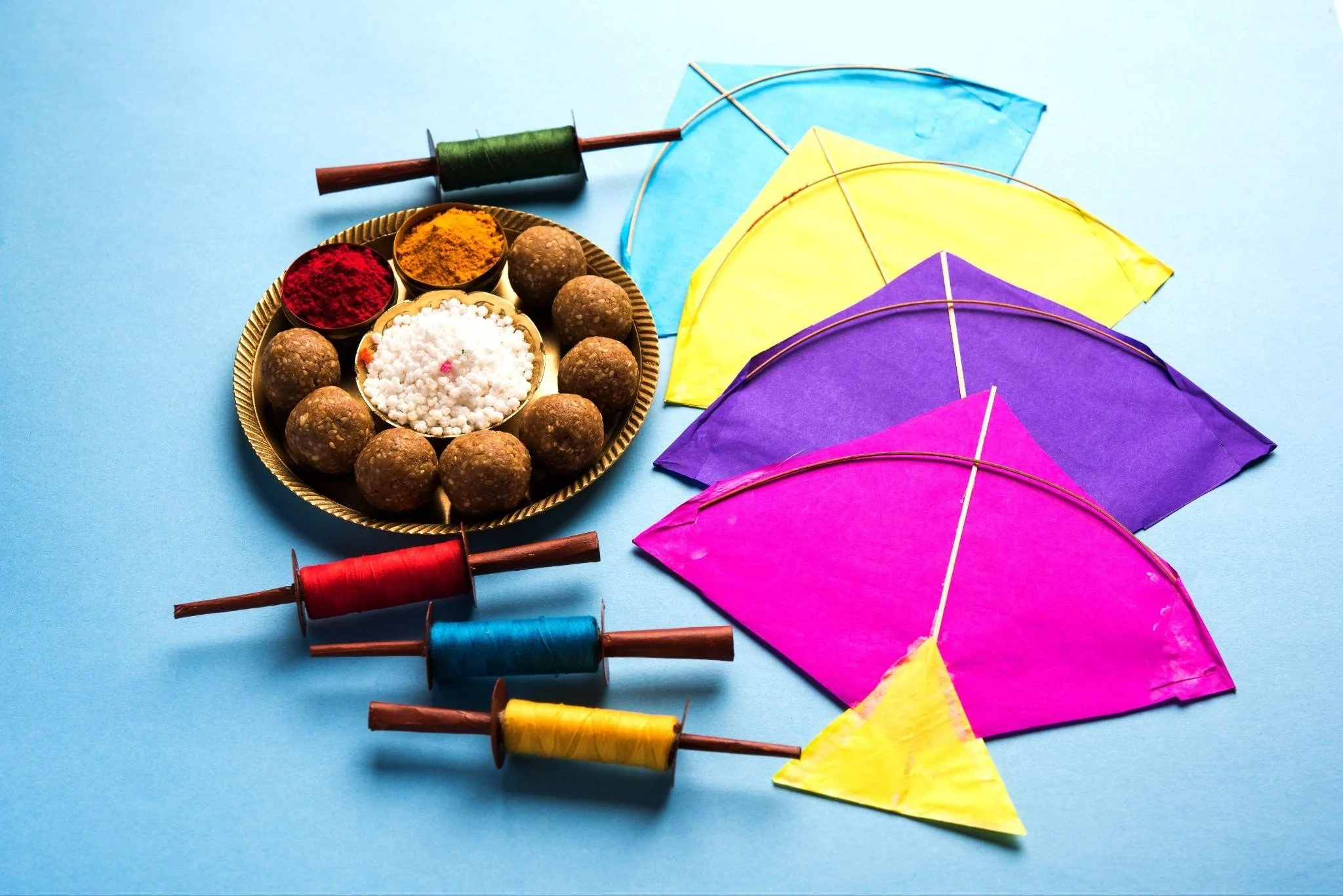

Explore the Spirit of Ramadan: A Guide for Respectful Travelers
As you embark on your adventure to Nepal, it's important to be mindful of cultural practices and celebrations. Ramadan, the holiest month in Islam observed by many Nepalese citizens, brings a unique atmosphere to the country. This blog aims to provide a basic understanding of Ramadan and guide you in navigating your travels during this time.
As you embark on your adventure to Nepal, it's important to be mindful of cultural practices and celebrations. Ramadan, the holiest month in Islam observed by many Nepalese citizens, brings a unique atmosphere to the country. This blog aims to provide a basic understanding of Ramadan and guide you in navigating your travels during this time.
A Month of Spiritual Focus:
During Ramadan, Muslims dedicate themselves to prayer, fasting, and acts of charity. Fasting involves abstaining from food and drink from sunrise to sunset. While Nepal caters to visitors of all faiths, being aware of this practice fosters a respectful and enriching experience for everyone.
Exploring Nepal with Sensitivity:
● Cultural Immersion: Many historical and cultural sites in Kathmandu, like Durbar Square and Swayambhunath, remain open for exploration throughout Ramadan.
● Community Spirit: Ramadan is also a time for increased charitable acts and community gatherings. Witnessing these celebrations allows a glimpse into the unique cultural aspects of this holy month.
Enhancing Your Travel Experience:
Understanding and respecting local customs like those observed during Ramadan enriches your travel experience. You can still:
● Explore the vibrant city: Kathmandu's bustling markets and bazaars offer a dynamic atmosphere.
● Visit historical sites: Immerse yourself in Nepal's rich history by exploring ancient temples and monuments.
● Embark on exciting adventures: Nepal's diverse landscape offers opportunities for trekking, white-water rafting, and other thrilling activities.
Nepal's cultural tapestry is remarkably rich. Let's embrace the spirit of understanding and celebrate the unique aspects of this beautiful country.
POPULAR ITINERARIES
SIMILAR POSTS

Celebrate Women's Day: Nari Dibas in Nepal
Similar to several other nations worldwide, Nepal also observes International Women's Day on March 8th each year. This day, called "Nari Dibas" in Nepali, is very important in terms of culture, politics, and society in that country of mountains. It draws attention to the obstacles still facing women in Nepal while also serving as a reminder of the strides made in the direction of gender equality.
Similar to several other nations worldwide, Nepal also observes International Women's Day on March 8th each year. This day, called "Nari Dibas" in Nepali, is very important in terms of culture, politics, and society in that country of mountains. It draws attention to the obstacles still facing women in Nepal while also serving as a reminder of the strides made in the direction of gender equality.
Nepal has a long history of valuing women, with deeply ingrained traditions and practices that celebrate femininity. Though they are revered in their culture, Nepalese women have historically experienced a variety of types of oppression and discrimination. International Women's Day offers a chance to consider these problems and push for reform.
One of the key focuses of Nari Dibas in Nepal is to empower women economically. Nepal is a country where a significant portion of the population lives in rural areas, and women in these communities often face barriers to accessing education and economic opportunities. Organizations and initiatives across the country use Women's Day as a platform to promote entrepreneurship among women, provide vocational training, and support women-led businesses. These efforts not only contribute to women's economic independence but also play a crucial role in reducing poverty and empowering entire communities.
In addition to economic empowerment, Nari Dibas in Nepal also highlights the importance of education for girls. Despite progress in recent years, there are still disparities in access to education between boys and girls, particularly in rural areas. International Women's Day serves as a reminder of the need to invest in girls' education, ensure equal access to schooling, and eliminate barriers such as child marriage and gender-based violence that hinder girls' educational opportunities.
Moreover, Women's Day in Nepal serves as a platform to address pressing issues such as gender-based violence and discrimination. Despite legal protections and increased awareness, gender-based violence remains a significant problem in Nepal. Women's rights organizations, activists, and civil society groups use this day to organize rallies, seminars, and workshops to raise awareness about gender-based violence, advocate for legal reforms, and provide support services for survivors.
Nari Dibas is also an occasion to celebrate the achievements and contributions of Nepalese women in various fields, including politics, science, arts, and sports. Nepal has made significant strides in recent years in terms of women's political representation, with more women holding positions of leadership and decision-making power. International Women's Day provides an opportunity to recognize and celebrate these achievements while also inspiring future generations of women to pursue their dreams and aspirations.
Furthermore, Women's Day celebrations in Nepal often include cultural events, performances, and exhibitions that showcase women's talents and creativity. From traditional dances to contemporary art exhibitions, these events celebrate the diversity and strength of Nepalese women while also challenging stereotypes and gender norms.
As foreigners, it is essential to understand the unique challenges faced by Nepali women and to support their efforts to achieve gender equality. By learning about the issues and supporting organizations we can help create a more equitable and just world for all.
In conclusion, Nari Dibas in Nepal is a day of reflection, celebration, and activism. It serves as a reminder of the progress made towards gender equality while also highlighting the work that still needs to be done. By empowering women economically, promoting education and awareness, addressing gender-based violence, and celebrating women's achievements, Nepal continues to move closer to realizing the vision of a more equitable and inclusive society.
POPULAR ITINERARIES
SIMILAR POSTS

Discover Bhaktapur: 10 Must-Do Experiences for Foreigner
The historic city of Bhaktapur, Nepal, can be found in the Kathmandu Valley. It is recognized as a UNESCO World Heritage site because of its magnificent architecture, lively customs, and rich cultural legacy. Bhaktapur provides a wealth of attractions just waiting to be discovered by visitors from other countries looking for a genuine Nepalese experience.
The historic city of Bhaktapur, Nepal, can be found in the Kathmandu Valley. It is recognized as a UNESCO World Heritage site because of its magnificent architecture, lively customs, and rich cultural legacy. Bhaktapur provides a wealth of attractions just waiting to be discovered by visitors from other countries looking for a genuine Nepalese experience. Here are ten things that visitors from outside Bhaktapur really must do, including strolling through alleyways that date back hundreds of years and enjoying authentic Newari cuisine:
1. Explore Durbar Square: Take in the ancient atmosphere of Durbar Square as you start your trip to Bhaktapur. Admire the elaborately carved temples, regal residences, and historic courtyards that represent the city's rich history. Nyatapola Temple, a five-story pagoda with beautiful wood carvings and figures, is a must-see.
2. Take a tour of the Bhaktapur Durbar Square Museum to learn more about the history and culture of Bhaktapur. The museum, which is housed in the old palace structure, has an intriguing collection of objects, paintings, and sculptures that shed light on the artistic and regal past of the city.
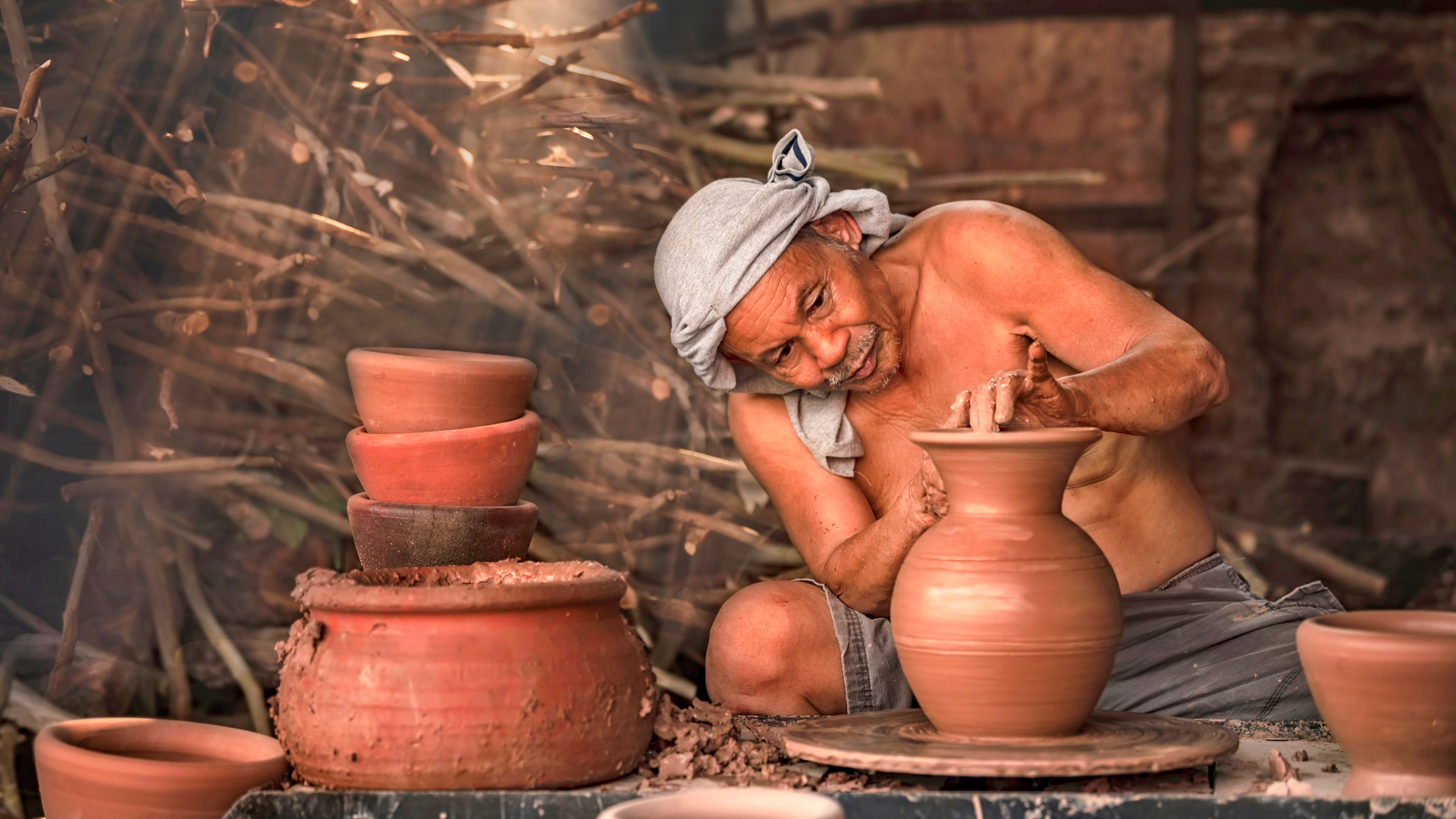
3. Witness Pottery Making at Pottery Square: Visit Pottery Square to immerse yourself in the heart of Bhaktapur's artisanal heritage, as regional artisans display their talents in the art of pottery making. Observe how they expertly shape clay into a variety of forms, maintaining traditional methods that have been passed down through the years.
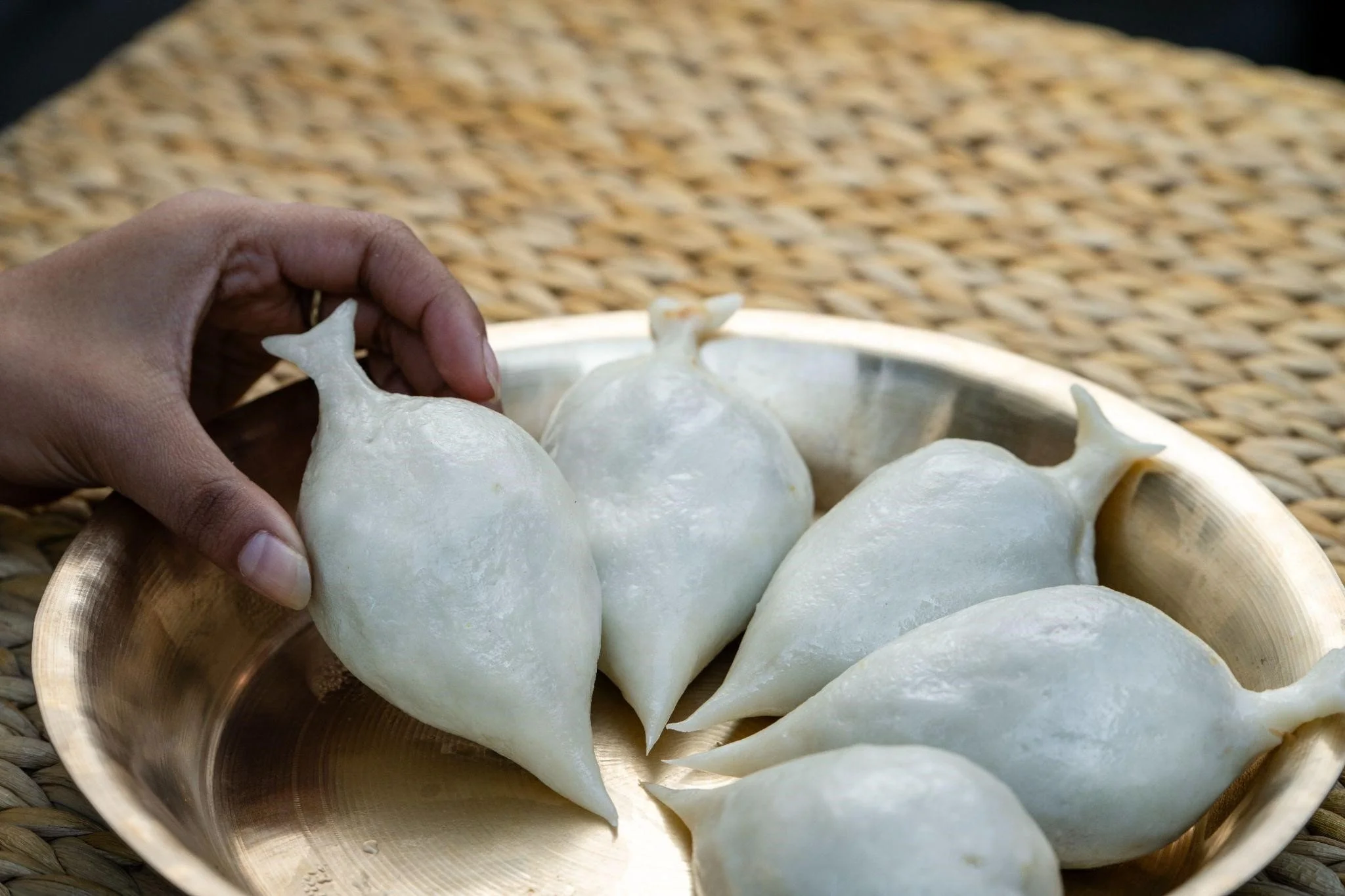
4. Take a Class on Traditional Newari Cooking: Take a traditional Newari cooking class to start your culinary journey. Taste the tastes of Newari cuisine directly from the source as you study the craft of making traditional meals like "bara," "Chatamari," and "Yomari" under the direction of skilled chefs.
5. Climb the Vatsala Temple for Panoramic Views: Ascend to the summit of the Vatsala Temple for stunning vistas of Bhaktapur and the surrounding Himalayan terrain. Located atop a hill with a stunning view of Durbar Square, this viewpoint provides an unmatched insight into the architectural magnificence of the city.
6. Wander Around Taumadhi Square's Narrow Streets: Explore Taumadhi Square's winding lanes, which are home to historic residences, busy market booths, and old temples. Enjoy strolls at your leisure, converse with the amiable inhabitants, and lose yourself in Bhaktapur's timeless beauty and traditional atmosphere.
7. Find Undiscovered Treasures at Siddha Pokhari: Take a break from the bustle of the city and head to Siddha Pokhari's serene environs. This historic pond provides a tranquil haven where you may rest and regenerate amidst breathtaking scenery, all encircled by thick vegetation and covered pavilions.
8. Purchase Handmade Memorabilia: Wander around Bhaktapur's vibrant marketplaces and quaint boutiques to find an abundance of homemade mementos. You may purchase one-of-a-kind souvenirs to remember your stay, ranging from magnificent ceramics and linens to delicately carved wooden masks.
9. Experience a Traditional Newari Feast: Visit one of Bhaktapur's traditional Newari eateries to savor a meal fit for a king or queen. Taste a wide range of regional specialties presented with antique brass cutlery, and experience the genuine tastes of Newari cooking in a charming environment.
10. Take in Traditional Festivals and Festivities: Attend traditional festivals and festivities to fully immerse yourself in Bhaktapur's dynamic cultural scene. These celebrations provide an insight into the city's rich religious and cultural traditions, from the vibrant Bisket Jatra celebrations to the serious Gai Jatra rites.
To sum up, Bhaktapur is a fascinating combination of history, culture, and real experiences that will captivate tourists from other countries. Explore historic temples, indulge in regional specialties, or become fully immersed in local customs—Bhaktapur offers a unique experience that will transport you to the core of Nepal's cultural legacy.
POPULAR ITINERARIES
SIMILAR POSTS

Beyond Temples and Momos - Explore a Bustling Art Scene
With its historic temples, lively culture, and breathtaking landscape, Kathmandu, tucked away at the base of the Himalayas, has enthralled tourists for generations. But a vibrant and varied art community is thriving outside of the customary stomping areas, just waiting for intrepid individuals to explore it. There is no denying Kathmandu's strong creative culture, which is evidenced by the colorful street paintings that line back alleyways and the modern galleries hidden away in old squares.
With its historic temples, lively culture, and breathtaking landscape, Kathmandu, tucked away at the base of the Himalayas, has enthralled tourists for generations. But, a vibrant and varied art community is thriving outside of the customary stomping areas, just waiting for intrepid individuals to explore it. There is no denying Kathmandu's strong creative culture, which is evidenced by the colorful street paintings that line back alleyways and the modern galleries hidden away in old squares.
A Canvas Reborn:
The days when elaborate temple carvings and traditional Thangka paintings were the main forms of creative expression in Kathmandu are long gone. A new generation of artists is emerging today, willing to push the envelope, explore new mediums, and capture the spirit of a Nepal that is changing quickly. Galleries such as Artudio and Siddhartha Art Gallery display provocative modern art, ranging from playful abstract pieces to moving social criticism.
Streets as Studios:
When you go beyond the gallery walls, you can see Kathmandu's streets brimming with creative energy. Building facades are adorned with vibrant paintings created by well-known local painters like Rabindra Shrestha and Amrit Purna Rai, which turn otherwise ordinary areas into outdoor museums. These murals invite onlookers to participate in verbal conversations by weaving together stories about Nepali culture, mythology, and environmental issues.
Creative Communities:
The creative energy of Kathmandu flourishes in both group projects and solo initiatives. Samvara and Bhasa Bhavana, two artist-run venues, offer forums for discussion, experimentation, and workshops. Aspiring artists and well-known artists mix here, creating relationships and fostering the city's creative future.
Traditional Meets Modern:
Without honoring the deeply ingrained traditional craftsmanship that still serves as an inspiration to and impacts current artists, the creative tapestry of Kathmandu would be incomplete. The city's creative landscape is enhanced by layers of texture and history via the use of woodcarvings, complex metalwork, and vivid fabrics. Experiencing the vibrant marketplaces and visiting workshops in places like Patan Durbar Square provides an insight into the rich legacy that feeds Kathmandu's creative spirit.
Art Beyond the Canvas:
The creative energy of Kathmandu is not limited to visual arts. The city's music is alive and well, ranging from the eerie sounds of traditional Sitar playing to the upbeat beats of modern Nepali rock bands. Spoken word artists and storytellers may showcase their skills at poetry readings and open mic events. Discovering the hidden cafés and cultural hotspots of Kathmandu offers a wealth of artistic expression just waiting to be found.
Experiencing the Vibe:
Taking part in the Kathmandu art scene is not only about crossing things off a list. It's about connecting with artists, letting yourself be amazed by the unexpected, and fully immersing yourself in the creative atmosphere. Explore tucked-away galleries and secret passageways while following the pulse of the city's cultural scene.
So, skip the conventional tourist route and immerse yourself in the vibrant core of Kathmandu's artistic community. You could come across a work of undiscovered art, a hidden gem, or an idea for your next creative endeavor.
POPULAR ITINERARIES
SIMILAR POSTS

Glamping in the Annapurna Region: Luxury Under the Himalayas
Experience the ultimate blend of luxury and adventure in the 𝗔𝗻𝗻𝗮𝗽𝘂𝗿𝗻𝗮 𝗿𝗲𝗴𝗶𝗼𝗻 𝘄𝗶𝘁𝗵 𝗚𝗹𝗮𝗺𝗽𝗶𝗻𝗴 – camping featuring private tents, en-suite bathrooms, and hot tubs against the stunning Himalayan backdrop. Trek through rhododendron forests and picturesque villages, all while minimizing environmental impact through sustainable practices.
Move over, Everest Base Camp. There's a new kind of adventure calling to discerning travelers in Nepal: Glamping in the Annapurna Region. Ditch the crowded teahouses and rustic lodges, and embrace the ultimate blend of comfort and adventure under the majestic gaze of the Annapurna massif. Imagine waking up to the golden light of sunrise painting the snow-capped peaks, sipping your morning coffee from the plush comfort of your private tent, and enjoying en-suite bathrooms and even hot tubs after a day of exploring breathtaking landscapes. Yes, glamping in the Annapurna Region is all this and more.
Beyond the Ordinary Trek:
Glamping isn't just about creature comforts; it's about experiencing the Himalayas in a whole new way. Imagine trekking through rhododendron forests and charming Gurung villages, knowing that at the end of the day, a luxurious haven awaits. Forget lugging heavy backpacks or roughing it in basic accommodations. Glamping allows you to fully immerse yourself in the beauty and adventure of the region without sacrificing your well-being.
Uniquely Tailored Experiences:
Several reputable companies offer glamping packages along the Annapurna Circuit, catering to different budgets and preferences. Choose from a fully supported trek with guides and porters setting up your camp each night, or opt for a more independent glamping experience where you carry your gear and pitch your tent (with the help of the knowledgeable staff, of course!). Some glamping companies even offer unique add-ons like private yoga sessions, gourmet meals prepared by local chefs, and stargazing under the crystal-clear night sky.
Starry Nights and Epic Sunrises:
One of the most magical aspects of glamping in the Annapurna Region is the unparalleled connection with nature. Imagine gazing at a sky ablaze with a million stars, free from light pollution. Wake up to the gentle chirping of birds and the first rays of sunlight illuminating the majestic peaks. With minimal light and noise, you'll experience the raw beauty of the Himalayas in a way that traditional trekking often doesn't allow.
More Than Just Comfort:
While relaxation and rejuvenation are key aspects of glamping, it's important to remember that you're still in the heart of the Annapurna Sanctuary. Each day offers countless opportunities for adventure. Hike to breathtaking viewpoints, explore hidden waterfalls, and immerse yourself in the vibrant culture of the local villages. Glamping provides a luxurious base camp for your explorations, allowing you to push your limits by day and unwind in unparalleled comfort by night.
A Sustainable Approach:
Responsible tourism is paramount, and the glamping companies operating in the Annapurna Region take great care to minimize their environmental impact. They use eco-friendly tents and amenities, source local produce, and work closely with the communities to ensure a sustainable and positive impact on the region.
Glamping in the Annapurna Region is more than just a trendy travel experience; it's a unique opportunity to reconnect with nature, immerse yourself in a breathtaking landscape, and discover the magic of Nepal luxuriously and sustainably. So, pack your sense of adventure, your love for the outdoors, and your appreciation for comfort, and embark on an unforgettable glamping journey under the watchful gaze of the mighty Himalayas.
POPULAR ITINERARIES
SIMILAR POSTS

The Challenges of Annapurna Circuit: Trekking through Nature's Triumphs and Trials
Nestled in the heart of the Himalayas, the Annapurna Circuit is a legendary trekking route that has drawn adventurers, nature enthusiasts, and seekers of solitude for decades. This awe-inspiring journey promises breathtaking vistas, cultural encounters, and a profound connection with the mountains. However, it is not without its challenges, both physical and logistical. In this article, we will explore the trials and tribulations of trekking the Annapurna Circuit, a path that tests the limits of endurance and rewards with unparalleled natural beauty.
The Annapurna Circuit is a renowned trekking trail that circumnavigates the Annapurna Massif in Nepal, offering trekkers an opportunity to experience diverse landscapes, from lush subtropical forests to arid alpine deserts. The circuit passes through picturesque villages inhabited by diverse ethnic communities, providing a unique cultural immersion along with the natural beauty.
Challenges of Altitude: Acclimatization
One of the most formidable challenges of the Annapurna Circuit is dealing with high altitudes. As trekkers ascend through the rugged terrain, they encounter altitudes exceeding 5,000 meters (16,500 feet) at Thorong La Pass, the highest point on the circuit.
Altitude sickness is a real concern, and it's crucial to acclimatize properly. Rushing the ascent can lead to symptoms like headaches, nausea, and dizziness. Trekkers are advised to take rest days, stay well-hydrated, and listen to their bodies to minimize the risks associated with altitude.
Weather Woes: The Monsoon Season
The Annapurna Circuit has distinct trekking seasons, with the most popular being spring (March to May) and autumn (September to November). However, the monsoon season, from June to August, poses a significant challenge.
During the monsoon, heavy rainfall can make the trails slippery and prone to landslides. The lush greenery is offset by leech-infested forests, and frequent cloud cover can obscure the otherwise breathtaking mountain views. Trekkers must exercise caution and be prepared for the added difficulties of trekking during the monsoon.
Physical Endurance: Long Days on the Trail
Trekking the Annapurna Circuit is physically demanding. Days can be long and strenuous, with steep ascents and descents. The circuit typically takes around 15 to 20 days to complete, depending on one's pace and the chosen route.
Long hours of walking can be tough on the body, especially for those not accustomed to such exertion. It's essential to be in good physical condition and undertake appropriate training before embarking on this trek.
Lodging and Facilities: Basic Amenities
While trekking in the Annapurna region has become more accessible over the years, it's important to note that accommodations and facilities along the trail can be quite basic. Teahouses, which provide lodging and meals, may not offer the comforts of urban hotels. Trekkers should be prepared for shared rooms, limited hot water, and simple meals.
Additionally, amenities like Wi-Fi and electricity may not be consistently available in all villages, making it essential to disconnect from the digital world and embrace the simplicity of mountain living.
Cultural and Language Barriers
The Annapurna Circuit is not just about trekking; it's an opportunity to engage with the local communities that call these remote mountains home. However, cultural and language differences can pose challenges.
Many villagers along the circuit speak their native languages and dialects, which can make communication challenging for non-Nepali speakers. Learning a few basic Nepali phrases can go a long way in fostering connections and understanding local customs.
Permits and Regulations: Navigating the Red Tape
Trekking in the Annapurna region requires trekkers to obtain permits, which vary based on the specific route and duration. Navigating the permit process can be a bit complex, with multiple checkpoints and fees to consider.
Additionally, trekkers are expected to follow environmental regulations, such as carrying out their waste and not disturbing the natural habitat. Understanding and adhering to these regulations is essential for responsible trekking in the region.
Triumphs Amidst Trials
The Annapurna Circuit is not a trek for the faint-hearted, but its challenges are what make the journey so rewarding. The physical exertion, the altitude, and the unpredictable weather all combine to create a test of one's mettle. However, it is within these trials that trekkers find triumphs.
The sense of accomplishment when reaching Thorong La Pass, the camaraderie formed with fellow trekkers, and the unparalleled beauty of the Annapurna range are experiences that stay with trekkers for a lifetime. The challenges of the Annapurna Circuit are not obstacles but stepping stones to an adventure of a lifetime, where nature's grandeur meets the resilience of the human spirit.
POPULAR ITINERARIES
SIMILAR POSTS

Tales of Harati Ajima: The Guardian Goddess and Her Enduring Legends
In the mystical and culturally rich land of Nepal, where legends intertwine with everyday life, one deity holds a special place in the hearts of the people - Harati Ajima. She is the guardian goddess of Swayambhunath, a revered stupa that crowns the Kathmandu Valley. In this article, we will delve into the captivating tales of Harati Ajima, exploring her history, significance, and the enduring legends that have made her an integral part of Nepal's religious and cultural tapestry.
Harati Ajima, also known as Ajima or Hariti, is a prominent deity in Nepali and Tibetan Buddhism. Her name translates to "Mother of the Serpent," and she is often depicted as a fierce goddess with multiple arms, clutching a child and a serpent. She is a protector of children and a guardian of the Swayambhunath Stupa, one of Nepal's most sacred and iconic religious sites.
Devotees believe that Harati Ajima safeguards the stupa and its surroundings from malevolent spirits and negative influences. She is revered for her maternal and protective qualities, and her blessings are sought by those seeking fertility, the well-being of children, and protection from harm.
The Legend of Harati Ajima: From Demoness to Protector
The tale of Harati Ajima's transformation from a demoness to a benevolent goddess is a captivating one. According to legend, Harati was once a fearsome demoness who terrorized the Kathmandu Valley. She had a penchant for abducting and devouring the children of the local townsfolk, causing immense grief and sorrow.
The people of the valley were desperate, and they appealed to Lord Buddha for help. Moved by their suffering, Buddha devised a plan to tame Harati. He disguised himself as a Brahmin and approached Harati, presenting her with a vision of a wondrous palace filled with a vast array of beautiful children.
Harati, drawn by the illusion, expressed her desire to possess such a palace. Buddha then revealed the truth and explained the pain and anguish she had inflicted on others. Touched by his compassion and wisdom, Harati repented and vowed to protect children instead of harming them.
This transformation marked a turning point, and Harati Ajima became the guardian deity of children and a symbol of maternal love and protection.
Harati Jatra: Celebrating the Goddess
Each year, the people of Kathmandu celebrate Harati Jatra, a vibrant and joyous festival dedicated to Harati Ajima. This festival, which typically falls in August or September, is a grand spectacle that includes processions, music, dances, and vibrant rituals.
The highlight of Harati Jatra is the Kumari Jatra, a procession led by the living goddess Kumari, who is considered Harati Ajima's representative during the festival. The Kumari, adorned in resplendent traditional attire, leads a colorful procession through the streets of Kathmandu, accompanied by other deities, dancers, and musicians.
Devotees and visitors alike participate in the festivities, seeking Harati Ajima's blessings for the well-being and protection of children. The festival serves as a reminder of the goddess's benevolence and her role in the lives of the Nepali people.
Harati Ajima and Swayambhunath: A Sacred Bond
Swayambhunath Stupa, often referred to as the "Monkey Temple" due to the playful monkeys that inhabit the area, is a UNESCO World Heritage Site and one of the most iconic landmarks in Nepal. It is perched atop a hill overlooking the Kathmandu Valley, offering panoramic views of the city and the Himalayas.
Harati Ajima's connection to Swayambhunath is profound. She is believed to reside at the stupa, where she continues to watch over and protect the site. Pilgrims and visitors to Swayambhunath pay their respects to Harati Ajima by offering prayers, incense, and small clay figurines representing children. These offerings are made at her shrine, located near the base of the stupa.
The Living Legacy: Harati Ajima Today
Harati Ajima's legacy endures in Nepal's cultural and religious traditions. Her benevolence and protective qualities make her a beloved deity, particularly among mothers and those seeking the well-being of their children.
Devotees continue to seek her blessings and protection, not only at Swayambhunath but also at other temples and shrines dedicated to her across Nepal. Her presence is a reminder of the power of transformation, compassion, and the enduring legacy of myths and legends in shaping Nepal's spiritual landscape.
In the heart of Nepal, amid the breathtaking landscapes of the Kathmandu Valley, Harati Ajima stands as a symbol of transformation and maternal protection. Her story, from demoness to guardian goddess, is a testament to the power of compassion and redemption. Harati Ajima's role in the lives of Nepali people is a reminder of the enduring significance of mythology and legends in shaping cultural and religious traditions.
As devotees and visitors alike continue to seek her blessings and celebrate her during the vibrant Harati Jatra, Harati Ajima's legacy remains woven into the fabric of Nepal's rich and diverse cultural tapestry. She is not just a deity but a symbol of hope, love, and protection for all, ensuring that her tales continue to inspire generations to come.
POPULAR ITINERARIES
SIMILAR POSTS

Historic Gadi Baithak of Basantapur: A Timeless Treasure
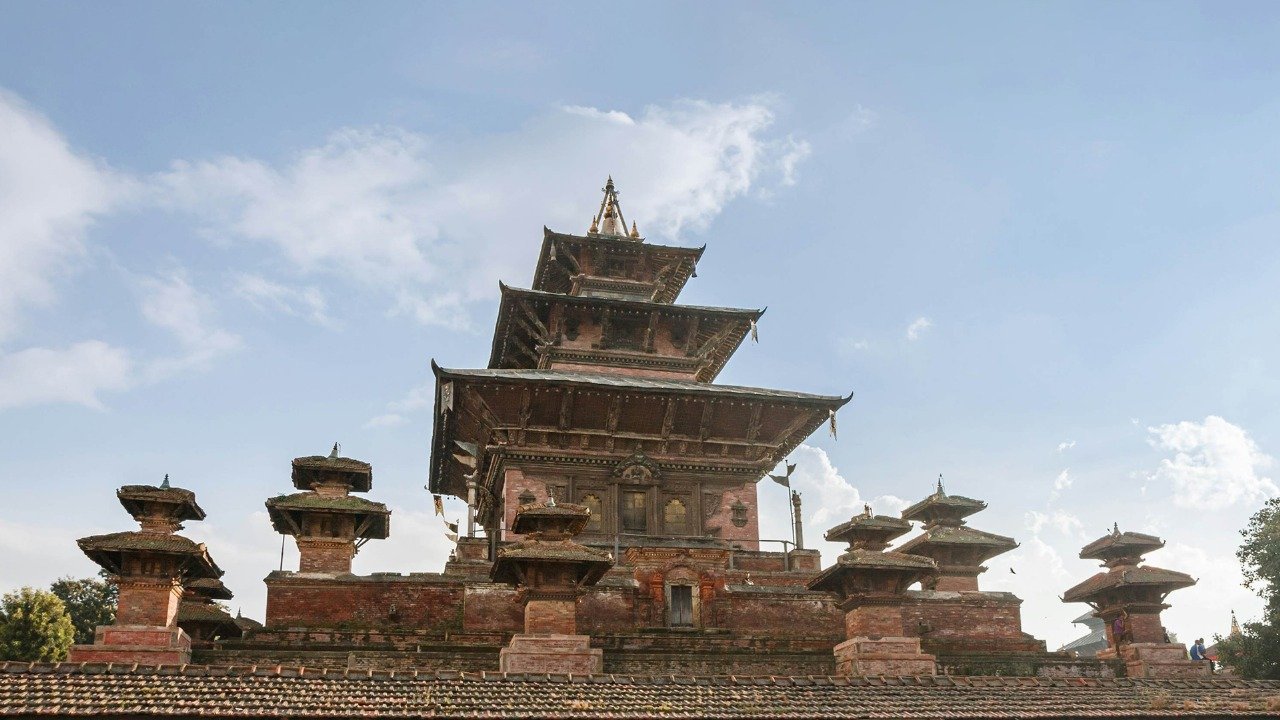
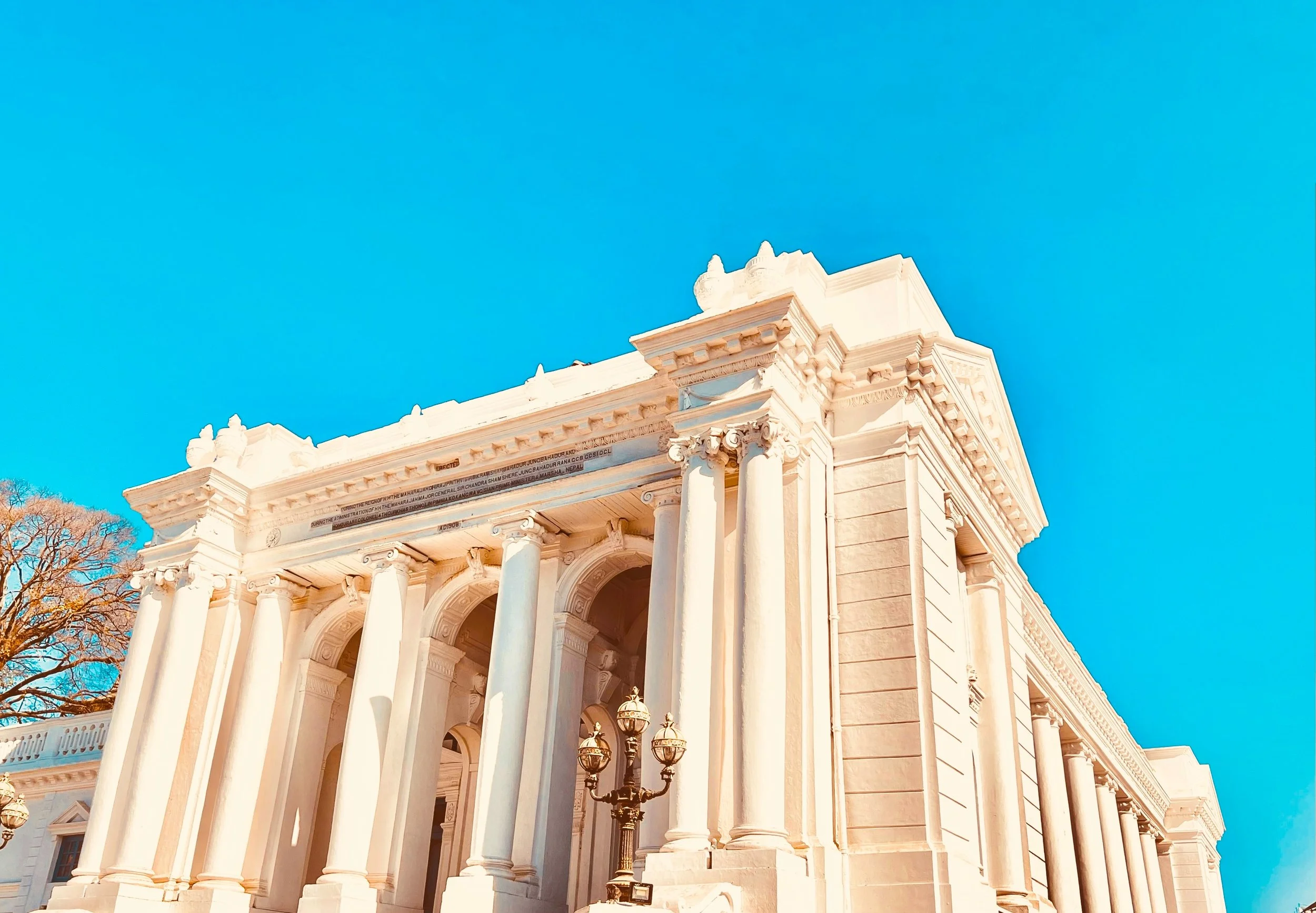
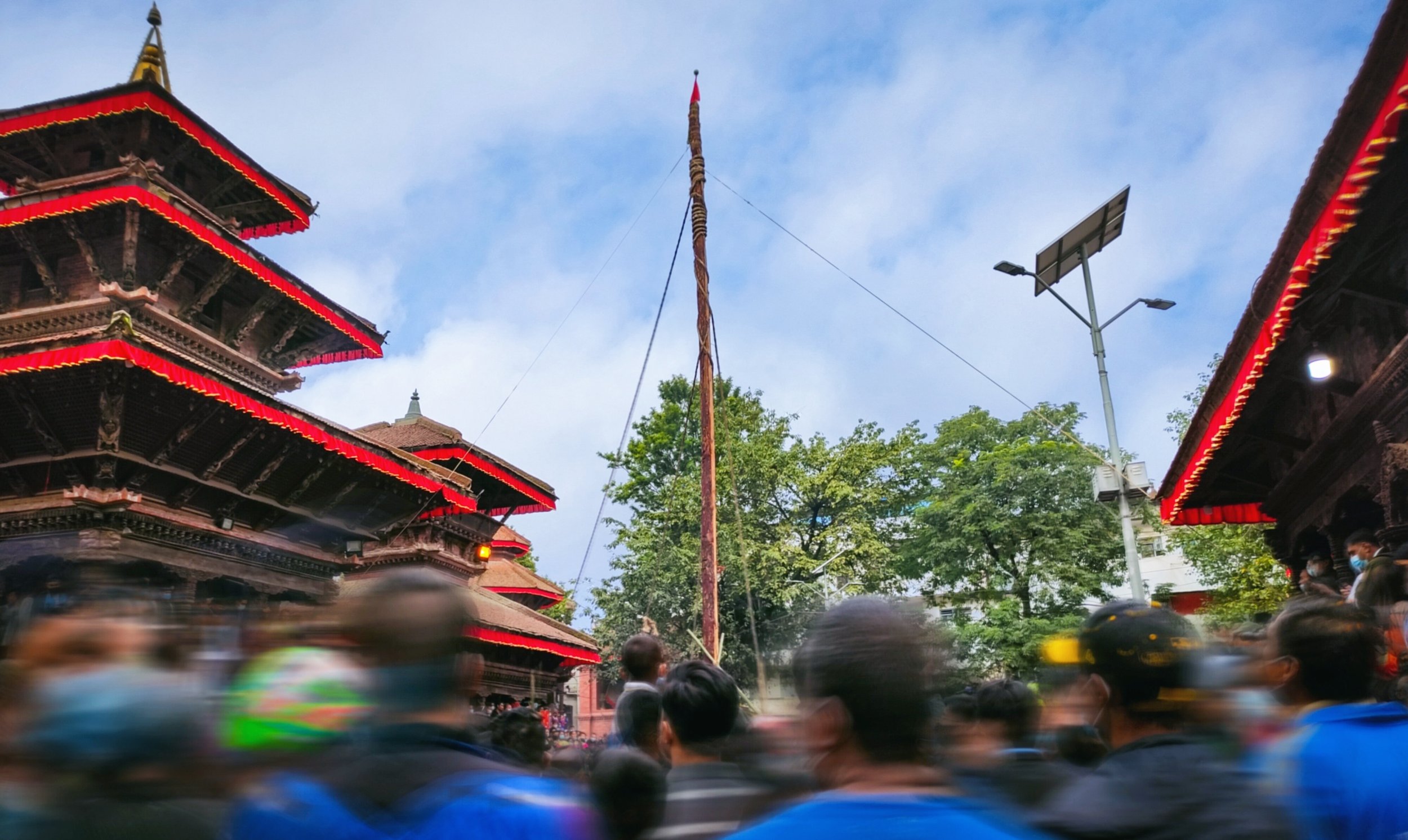
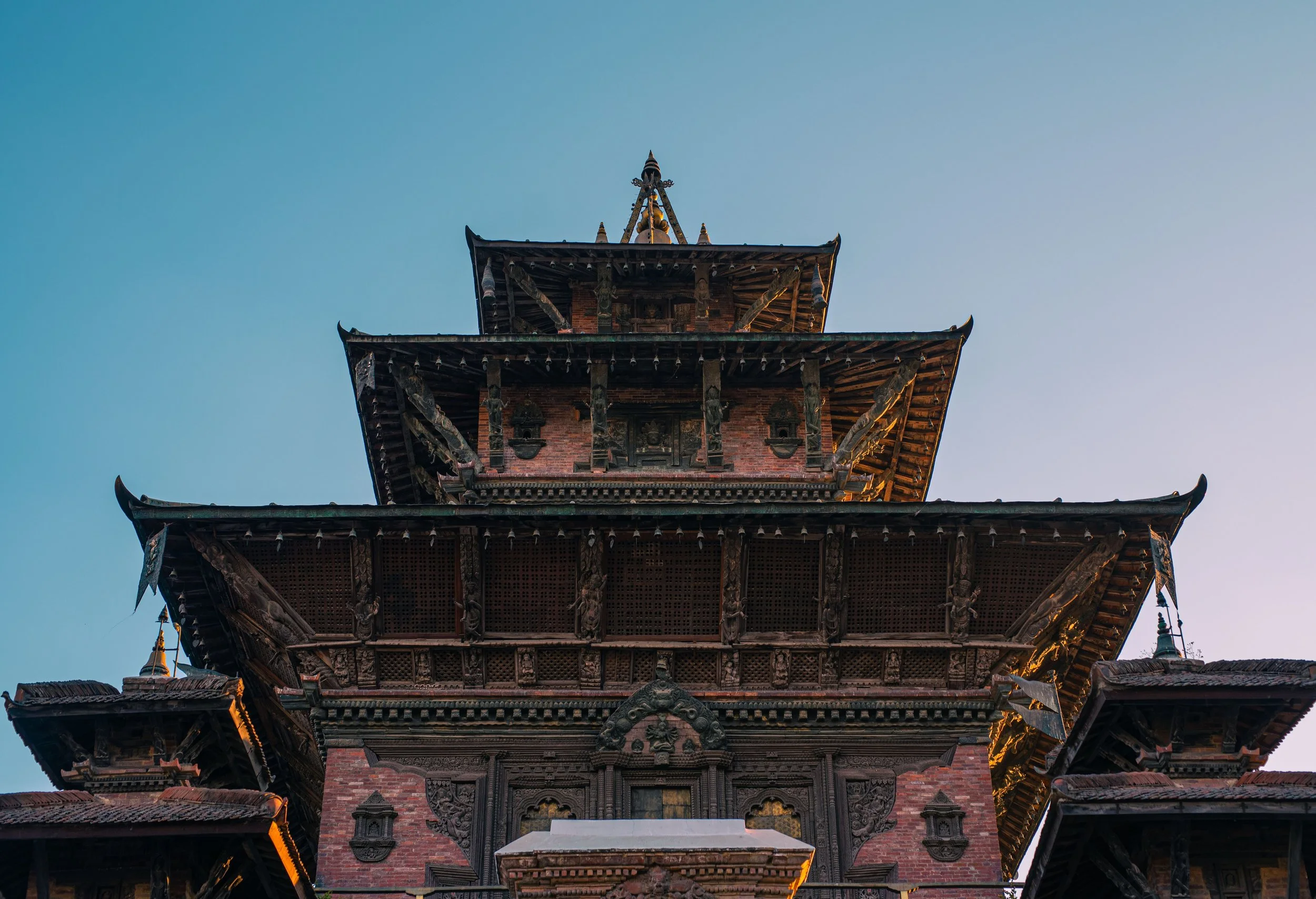
In the heart of Kathmandu's historic Basantapur Durbar Square stands a magnificent architectural gem that resonates with the grandeur of Nepal's royal past - the Gadi Baithak. This ornate palace, a testament to the craftsmanship of its time, showcases the rich history and cultural heritage of Nepal.
The Gadi Baithak, also known as the White Palace, is a captivating blend of architectural styles that reflect Nepal's diverse cultural influences. The palace, constructed during the early 20th century by Chandra Shumsher Jang Bahadur Rana in 1908, boasts a remarkable fusion of Newari, Mughal, and Tibetan architectural elements.
The most striking feature of the Gadi Baithak is its multi-tiered pagoda-style roof adorned with intricate wood carvings and golden embellishments. The façade of the palace is adorned with ornate windows and doorways, each showcasing the superb craftsmanship of the Newari artisans. The palace's fusion of aesthetics is a testament to Nepal's history as a crossroads of diverse cultures and artistic influences.
Historical Significance: A Royal Legacy
The Gadi Baithak has a storied history intertwined with the dynasties that ruled over Nepal. Originally constructed during the reign of Chandra Shumsher Jang Bahadur Rana in 1908, it served as a royal court where the king would hold audiences, make proclamations, and receive dignitaries and ambassadors. The palace also played a central role in hosting religious ceremonies and festivals.
One of the most significant events associated with the Gadi Baithak was the declaration of the abdication of King Gyanendra in 1950, marking the end of the Shah monarchy. This historic moment unfolded within the grand halls of the palace, making it a symbol of political change in Nepal.
Over the centuries, the Gadi Baithak has witnessed a transformation in its usage. From its origins as a royal court, it has evolved into a cultural center and an architectural treasure of Nepal. Today, it continues to serve as a venue for cultural events, exhibitions, and public gatherings.
The Gadi Baithak also houses a museum that showcases Nepal's royal history, traditional art, and artifacts from the Malla period. The museum provides visitors with insights into the rich cultural tapestry of Nepal and the artistic achievements of its people.
Basantapur Durbar Square: A Cultural and Historical Oasis
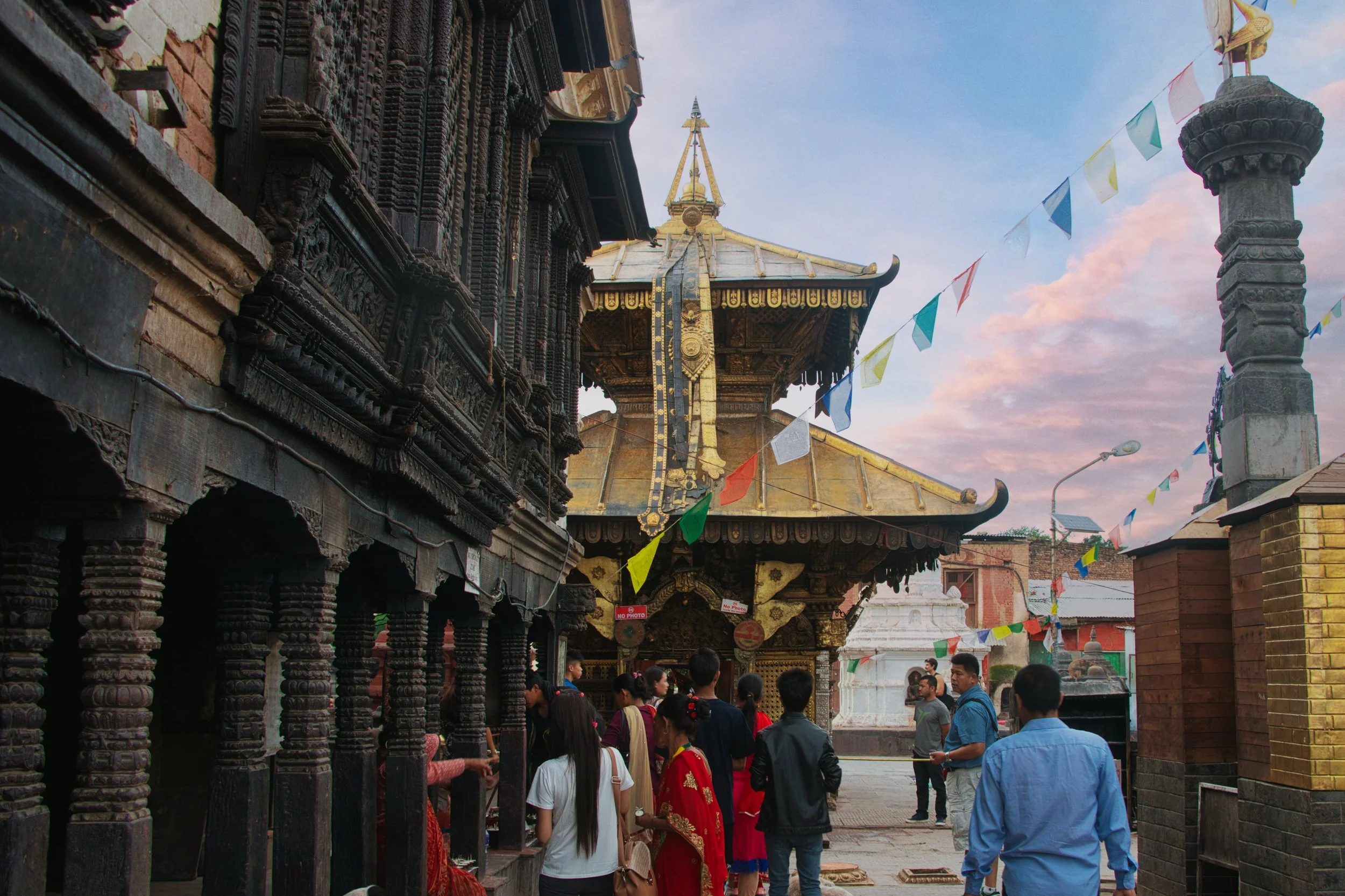
The Gadi Baithak is a pivotal component of the larger Basantapur Durbar Square, a UNESCO World Heritage Site that encompasses a rich collection of palaces, temples, and courtyards. The square itself is a vibrant cultural hub, a place where traditional festivals, rituals, and daily life converge.
Among the notable attractions within Basantapur Durbar Square is the Hanuman Dhoka Durbar, a palace complex that served as the royal residence for many centuries. Its intricately carved wooden balconies and courtyards offer a glimpse into the opulence of Nepal's past.
Additionally, the Kumari Ghar, or Kumari's Residence, is another highlight. It is the home of the Kumari, a living goddess, and visitors may catch a glimpse of her during scheduled appearances.
Preserving a Cultural Heritage
The Gadi Baithak, like many historic structures in Nepal, has faced challenges over the years due to earthquakes and the passage of time. However, concerted efforts have been made to preserve and restore this architectural treasure.
Various restoration projects, supported by both local and international organizations, have contributed to the ongoing maintenance and protection of the Gadi Baithak and other heritage sites in Basantapur Durbar Square. These efforts aim to ensure that these landmarks continue to stand as testaments to Nepal's rich cultural heritage and history.
The Gadi Baithak of Basantapur stands as a timeless testament to Nepal's rich history, architectural splendor, and cultural significance. Its fusion of diverse architectural styles and its role in Nepal's royal and political history make it a must-visit destination for travelers and history enthusiasts alike.
As visitors explore the grandeur of the Gadi Baithak within the historic Basantapur Durbar Square, they are transported to a bygone era, where the echoes of royal proclamations and the artistry of the Newari craftsmen continue to resonate. The preservation of such architectural treasures is not just a duty; it is a celebration of Nepal's cultural heritage and a bridge between the past and the present, ensuring that the legacy of the Gadi Baithak endures for generations to come.
POPULAR ITINERARIES
SIMILAR POSTS
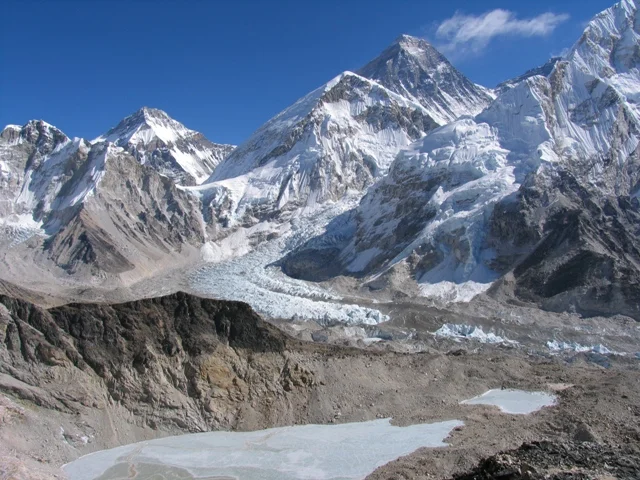
This trek is specially designed to reach the Everest Base Camp including Kala Pattar which is the best view point to view the sunrise over the high Himalayas including the Mt. Everest. This trek requires 13 days.
USD 1515 PER PERSON -- TWIN ROOM SHARING BASIS