

Bandipur: The Untold Charm of Nepal’s Hilltop Village
Bandipur: A Timeless Hilltop Haven – Discover the charm of Nepal’s hidden gem, where cobbled streets, vibrant culture, and breathtaking mountain views come together to create a peaceful escape from the ordinary.
Nestled between Kathmandu and Pokhara, Bandipur is a small hilltop town that feels like stepping back in time. With its stunning views, friendly people, and rich culture, it’s a place that surprises everyone who visits. A place so well appreciated that multiple songs were written about it’s beauty, vibe and culture.
A Beautiful Town
Bandipur is known for its cobbled streets, traditional Newari houses, and amazing views of the Himalayas. Walking around the town, you’ll notice the carved wooden windows, old-fashioned shops, and small cafés where you can enjoy a cup of tea while watching the sunset. The town has a peaceful charm that makes you want to slow down and just enjoy life.
Rich Culture
Bandipur houses the Newar, Gurung, and Magar people and their customs that make the town vibrant and energetic. Festivals are taking place with great enthusiasm, the production of local crafts has not been mechanized, and you can see practicing traditional arts, pottery, and weaving in lots of homes and shops. It is a nice place to get in touch with real Nepalese culture.
Wildlife and Nature
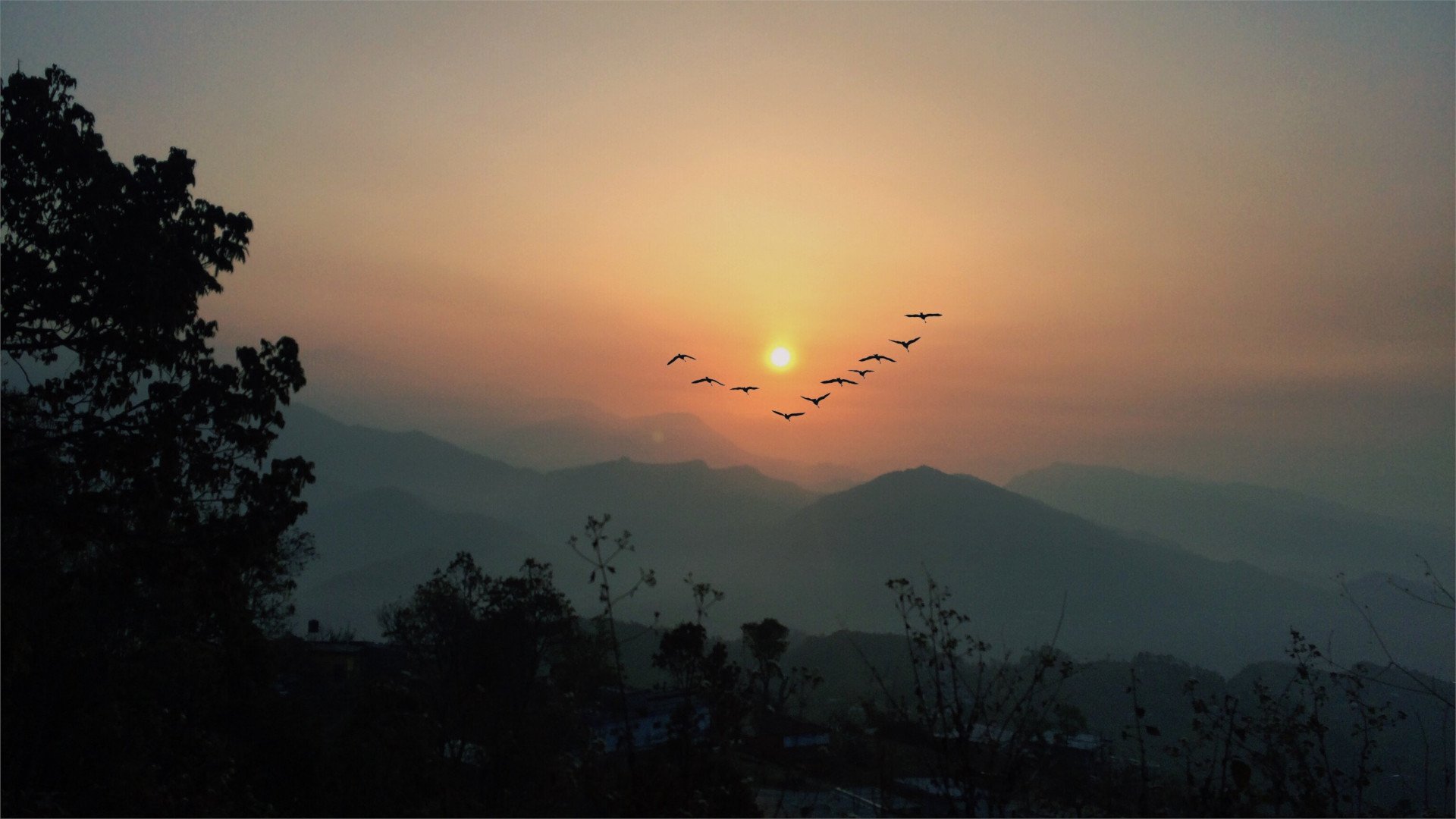
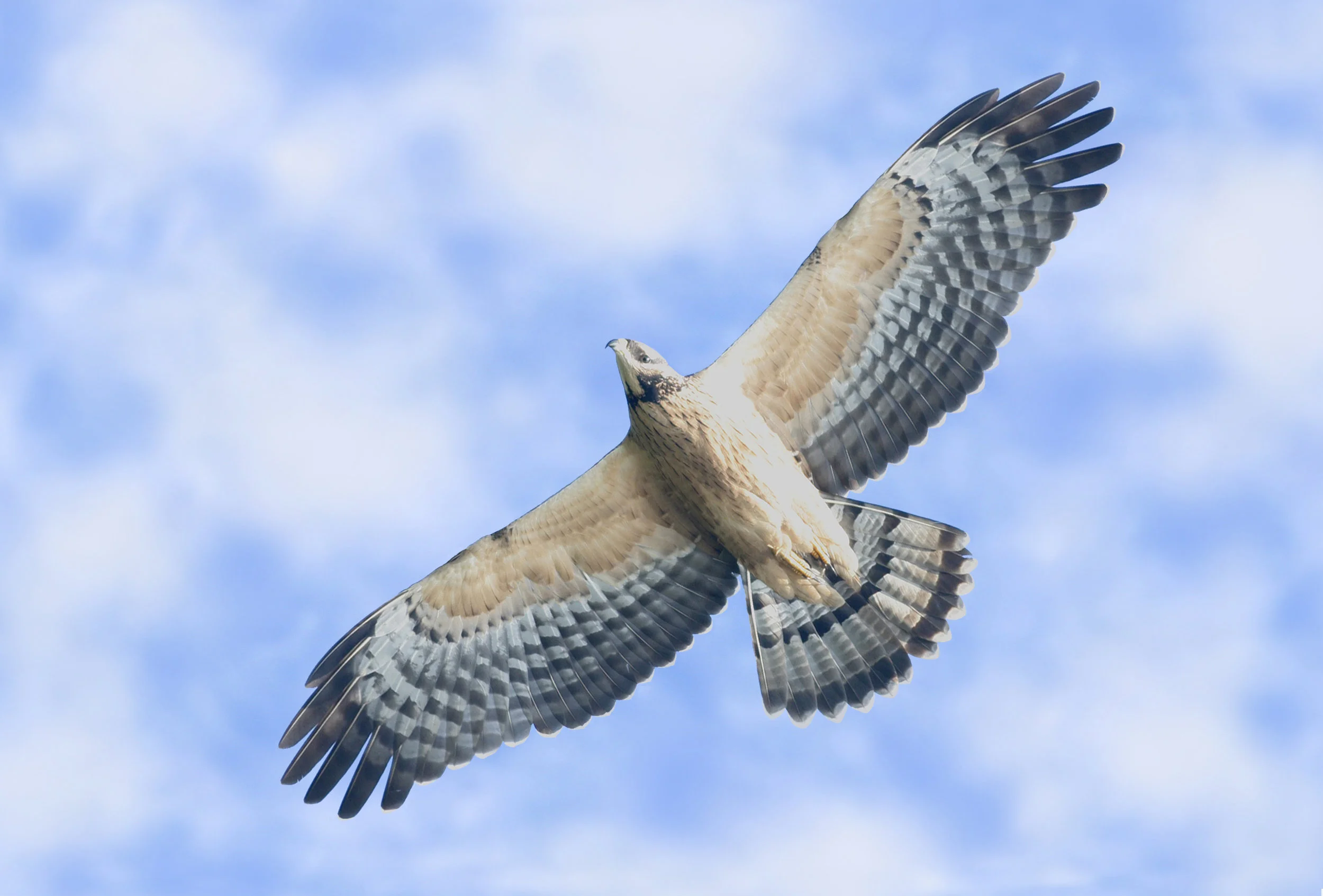
Bandipur is also surrounded by beautiful nature. The hills and forests nearby are home to monkeys, exotic birds, and sometimes even leopards. There are easy hiking trails that lead to viewpoints where you can see the Himalayas and the valleys below. Sunrises and sunsets here are magical—golden light over the mountains is a sight you won’t forget.
Why Visit Bandipur?
Bandipur, in contrast to noisy tourist destinations, is calm and lovely. You are free to roam, converse with locals, taste the traditional food, and feel as if you have uncovered a mysterious part of Nepal. Bandipur is there to remind you of the existence of the secret place through the only way of the sky changing color by simply sitting in a café, hiking nearby hills, or exploring the town.
Tips for Tourists;
The best time to visit Bandipur is from September to November, when the weather is clear and the skies are perfect for mountain views. Staying in homestays or guesthouses allows you to experience local life and hospitality and enjoy the local foods. Don’t miss walking around the town, hiking to nearby viewpoints, it’s all part of what makes Bandipur so special.
Bandipur is more than a small town preserved culturally, it’s a peaceful escape where nature, culture, and beautiful scenery come together. Whether you’re an adventurer, a culture enthusiast, or someone looking for calm and inspiration, Bandipur is a place that stays with you long after you leave, like a small elf town you might stumble during a fantasy adventure.
POPULAR ITINERARIES
SIMILAR POSTS
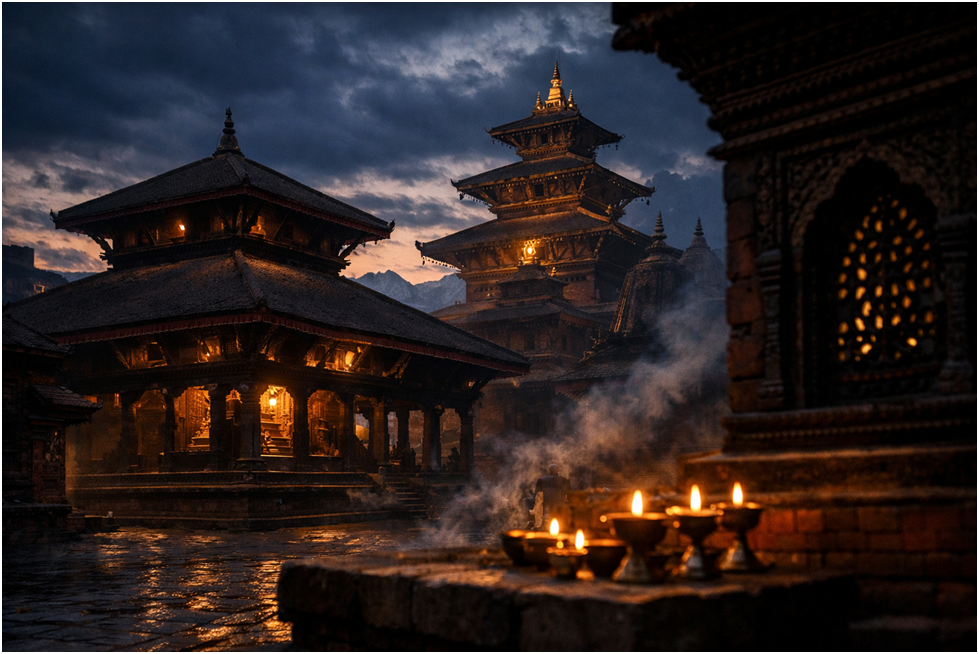

Guardians of the Temples: The Story and Significance of the Bajra in Nepal
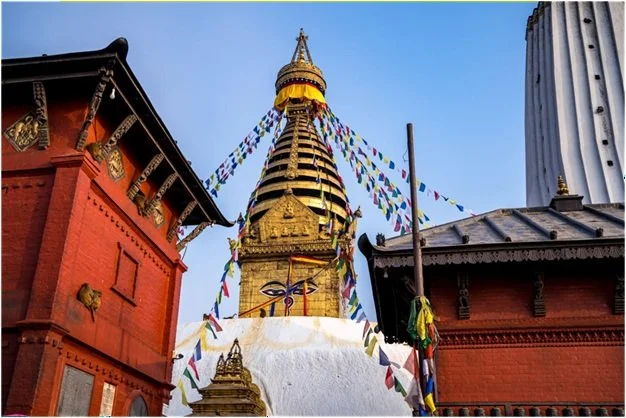
The golden Bajra at Swayambhunath Stupa in Kathmandu, a timeless guardian symbolizing strength, enlightenment, and divine protection in Nepal’s sacred traditions.” This sacred object, with its rich mythology and spiritual significance, stands firm as a reminder of the intertwined Hindu and Buddhist beliefs that continue to shape Nepal’s cultural landscape. Whether at the entrance of a temple, adorning stupas, or held during ritual practices, the Bajra represents a powerful force that connects the earthly realm with the divine.
When walking through the courtyards of temples and stupas in Nepal, one object stands out: the Bajra, also known as Vajra. Shining in bronze, brass, or gilded gold, it is often placed at the entrance of sacred spaces, on altars, or in the hands of deities. To many visitors, it looks like an ornate ritual object. But for the people of Nepal, the Bajra carries layers of mythology, symbolism, and spiritual meaning that connect the earthly world to divine power.
What is the Bajra?
The Bajra (Sanskrit: Vajra) literally translates to “thunderbolt” or “diamond.” In Hindu and Buddhist traditions, it represents both the irresistible force of thunder and the indestructibility of a diamond.
• In Hindu mythology, the Bajra is the weapon of Indra, the king of gods and lord of rain and storms.
• In Buddhism, particularly Vajrayana (Tantric Buddhism), the Bajra symbolizes unyielding strength, enlightenment, and the ultimate truth. It is often paired with the Ghanta (bell), representing the harmony of wisdom and compassion.
Physically, a Bajra is crafted with a central sphere flanked by symmetrical prongs, some with two, others with four or more. The design itself embodies balance, unity, and cosmic order.
Mythological Origins
The mythology of the Bajra goes back thousands of years:
• The Hindu Legend: According to ancient texts, the Bajra was fashioned from the bones of sage Dadhichi, who sacrificed himself so that the gods could create a weapon powerful enough for Indra to defeat the demon Vritra. The Bajra thus came to symbolize sacrifice, protection, and the triumph of good over evil.
• The Buddhist Symbolism: In Vajrayana Buddhism, the Bajra represents the indestructible nature of truth and enlightenment. Just as lightning can split rocks, the Bajra cuts through ignorance and illusion.
This dual mythology gives the Bajra a unique role in Nepal, where Hinduism and Buddhism co-exist and intertwine in everyday life.
Where to Find the Bajra in Nepal
Travelers will encounter the Bajra in many forms across Nepal’s sacred architecture:
At Stupas: The grand stupas of Swayambhunath and Boudhanath feature massive Bajras placed at their bases, symbolizing the spiritual strength that guards the monument.
In Temples: Many Hindu temples, especially those dedicated to Indra or Shiva, display Bajras at the gates or near shrines.
In Rituals: Monks and priests use hand-held Bajras during pujas and tantric practices, pairing them with bells for meditative chants.
As Decorative Symbols: You’ll also spot smaller Bajras engraved into doorways, pillars, and even prayer wheels as a mark of divine presence.
Symbolism Beyond Myth
The Bajra is not just a relic of mythology, it speaks to deeper philosophies:
• Indestructibility: Like a diamond, truth and enlightenment are eternal.
• Power: Like a thunderbolt, spiritual energy can transform lives instantly.
• Protection: Placed at temple entrances, the Bajra acts as a guardian against negative forces.
• Balance: Its symmetrical design teaches harmony between opposites such as wisdom and compassion, strength and humility.
Why the Bajra Matters Today
For locals, the Bajra remains a living symbol. During festivals like Indra Jatra, it reminds devotees of protection and divine energy. For pilgrims at stupas, it is an invitation to meditate on truth and resilience. And for travelers, it is a glimpse into how myth and spirituality seamlessly merge in Nepal’s cultural landscape.
The Bajra is more than an ornament. It is a guardian, a teacher, and a storyteller. To see a Bajra in Nepal is to stand in the presence of centuries-old beliefs that continue to shape the way of life in the Kathmandu Valley and beyond.
Travel Tip: Next time you visit Swayambhunath or Boudhanath, pause before the massive Bajra at the entrance. Notice its weight, balance, and symbolism. It is not just metal, it is the embodiment of Nepal’s sacred guardianship.
The Bajra reminds us that while storms may shake the world, truth and enlightenment remain unbreakable. In Nepal’s temples and stupas, this symbol stands firm as a guardian of the spiritual path.
POPULAR ITINERARIES
SIMILAR POSTS


A City You Can’t Navigate by GPS
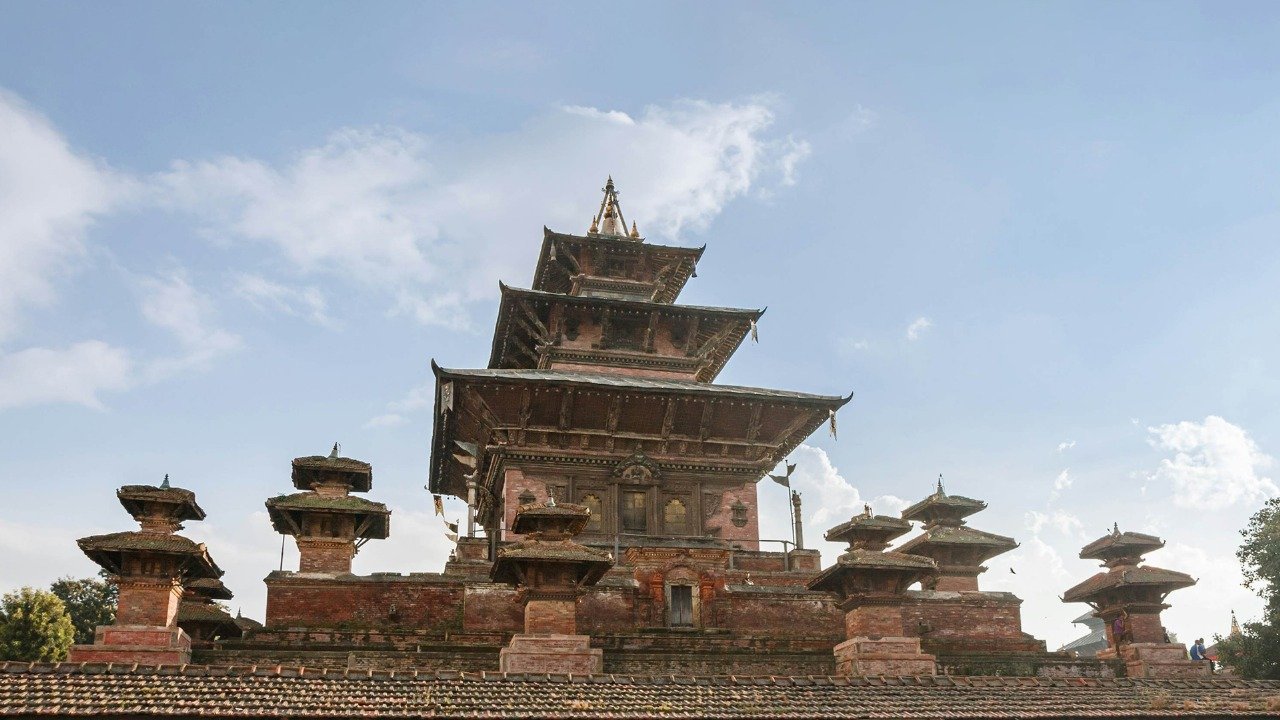
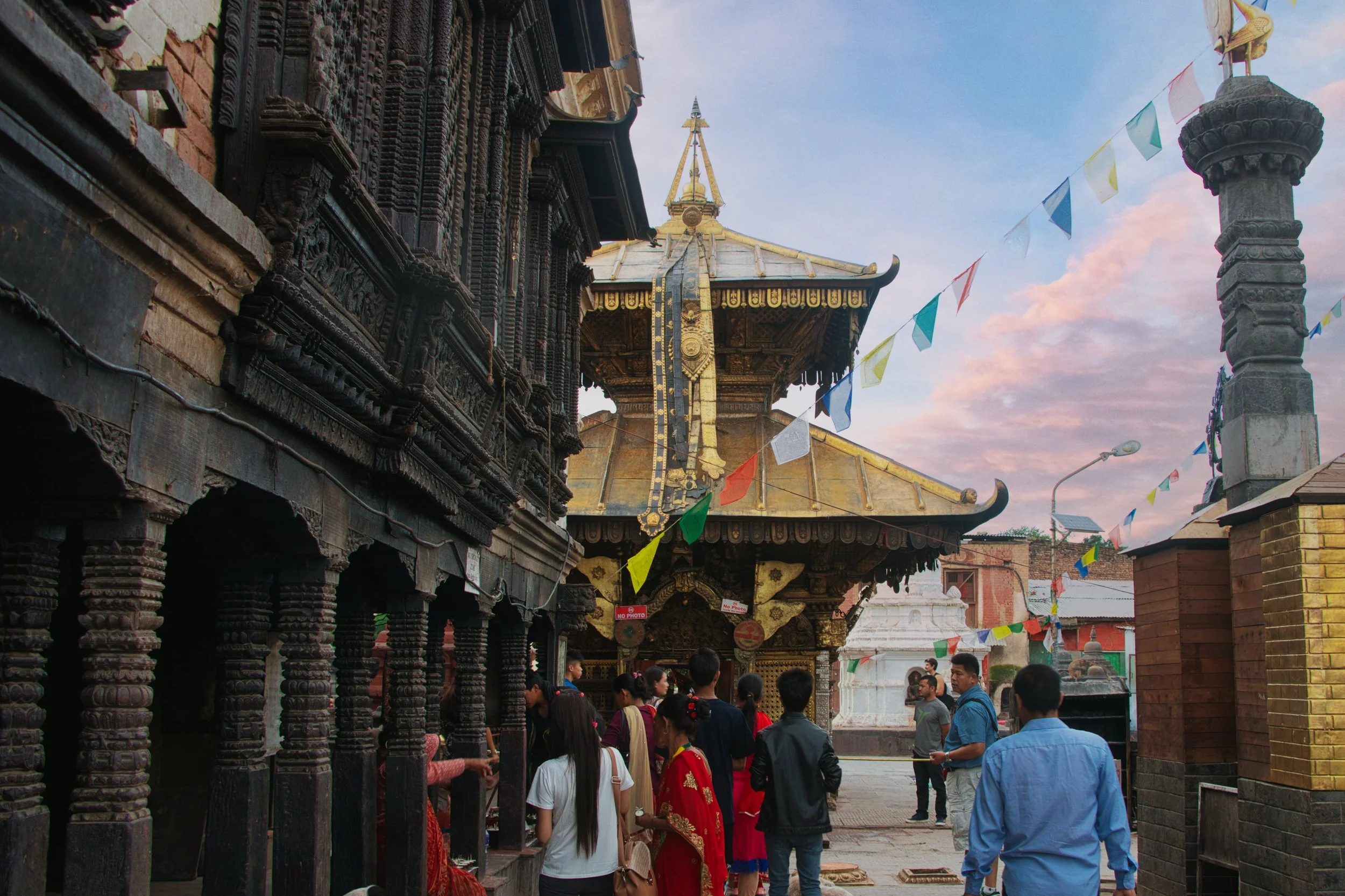
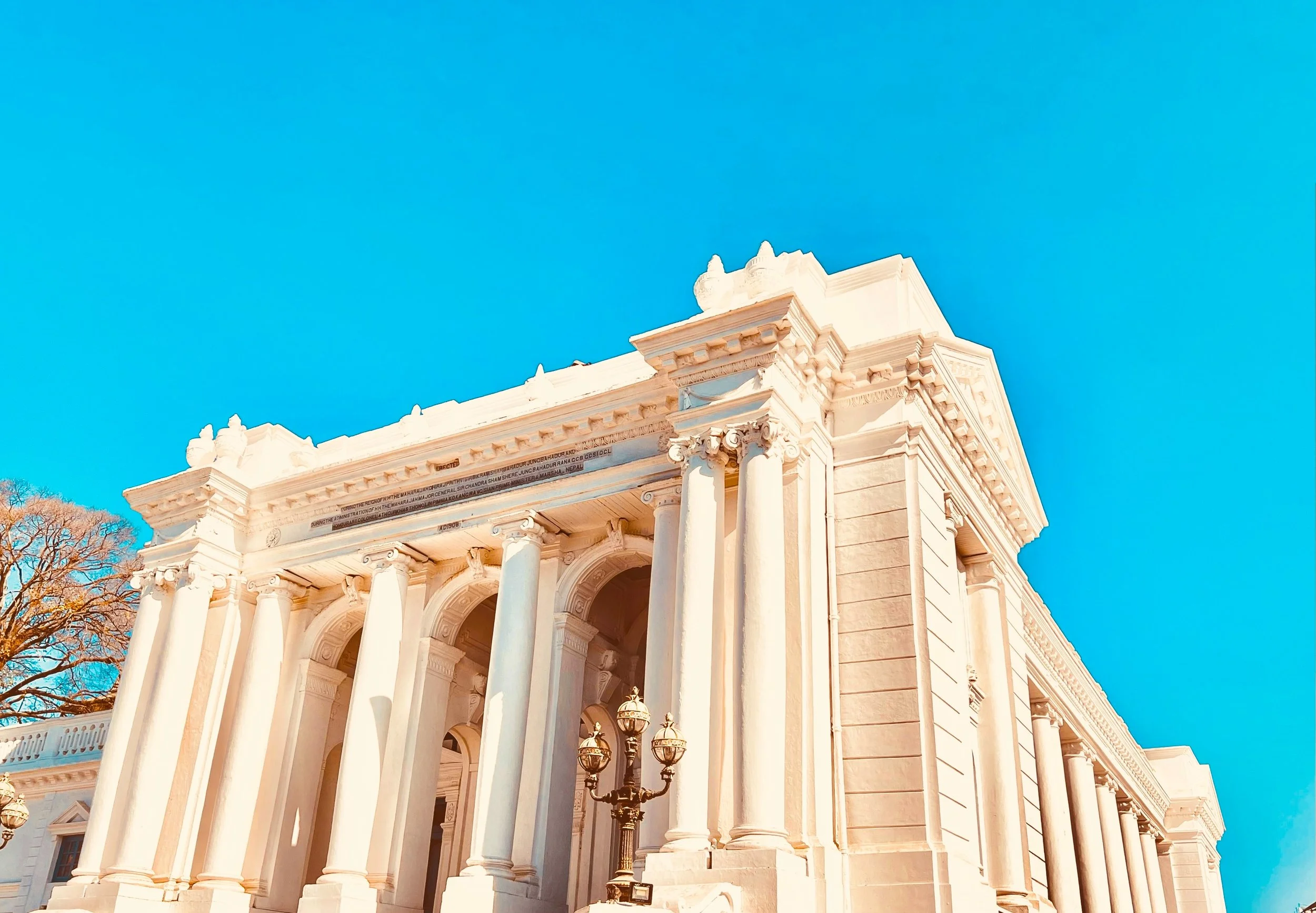
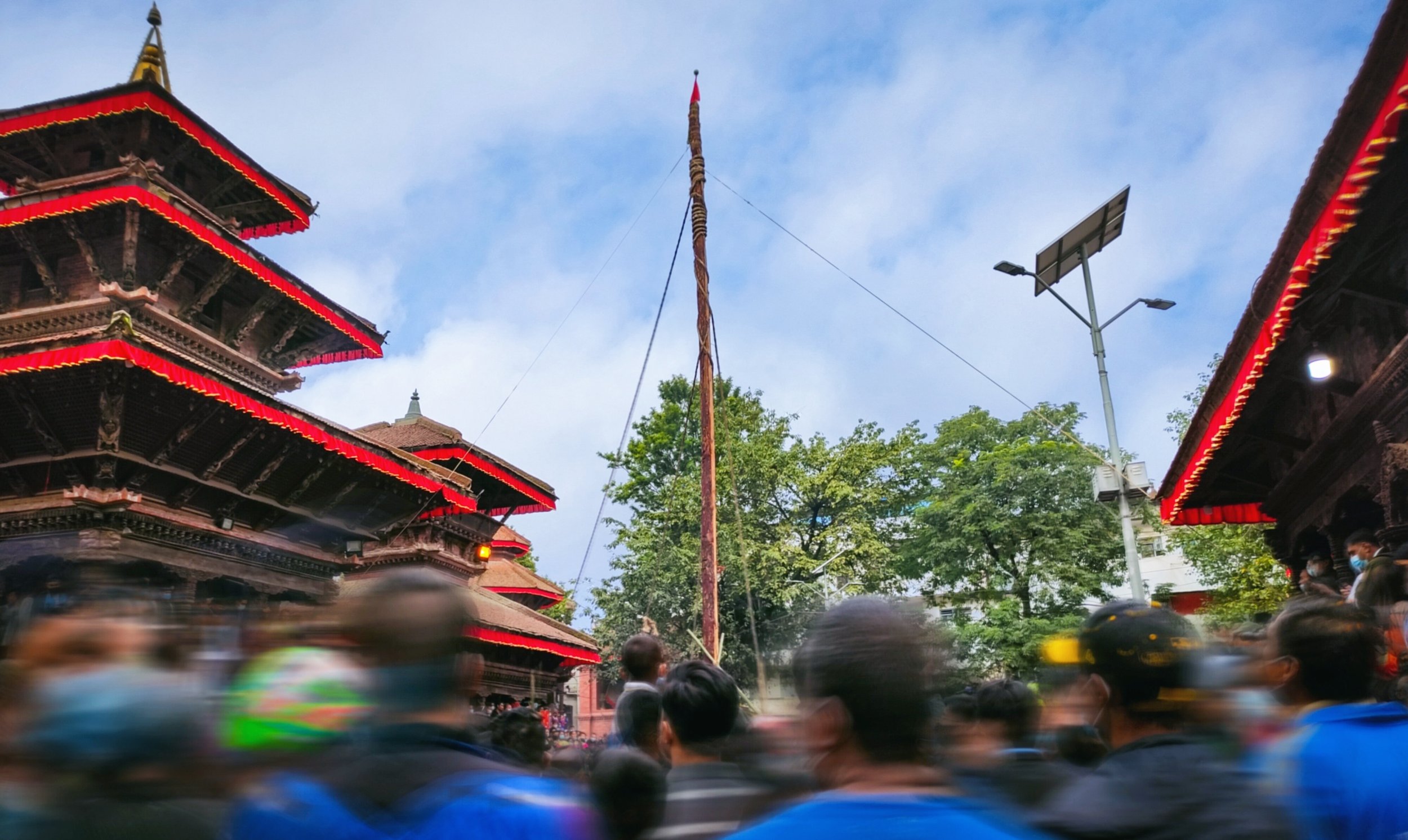
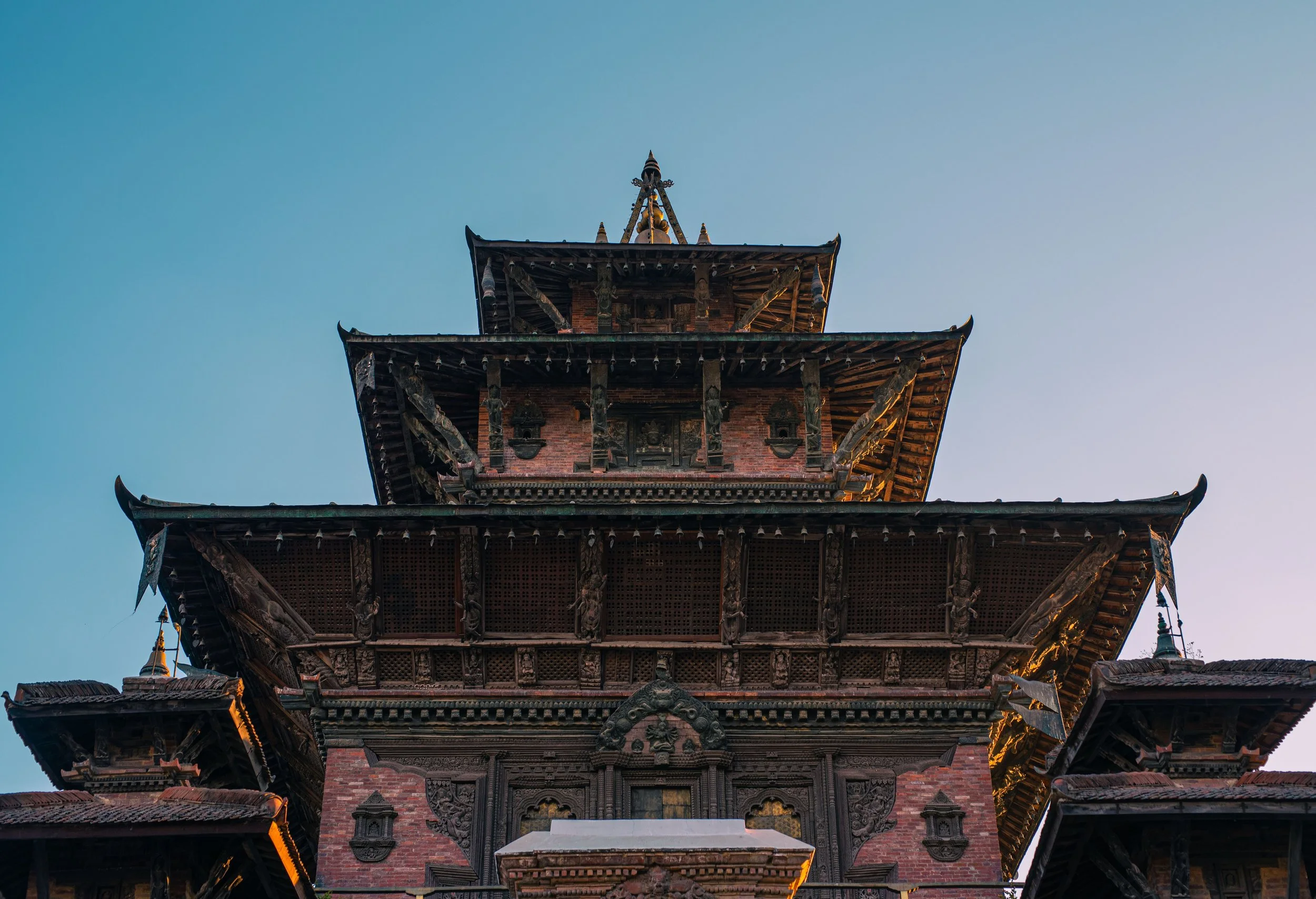
You open Google Maps in Kathmandu, and it looks promising enough winding lines, blinking dots, the polite confidence of a blue arrow showing you the way. You set off, trusting your digital guide, only to find yourself standing in front of a wall where a road should be. Or a temple courtyard. Or a dead-end crammed with motorbikes and an unexpected wedding procession.
Kathmandu: Where maps mislead, but people guide you home
You open Google Maps in Kathmandu, and it looks promising enough winding lines, blinking dots, the polite confidence of a blue arrow showing you the way. You set off, trusting your digital guide, only to find yourself standing in front of a wall where a road should be. Or a temple courtyard. Or a dead-end crammed with motorbikes and an unexpected wedding procession.
Welcome to Kathmandu. A city that doesn’t just confuse GPS it quietly resists it.
Where Roads Have Names… But Nobody Uses Them
Ask a local for directions, and you’ll rarely hear street names. Instead, it’ll go something like this:
“Go straight past the old peepal tree, turn left after the momo shop with the blue shutters, and when you see the temple with the golden roof, ask again.”
In Kathmandu, navigation isn’t about grids or coordinates. It’s a living language of landmarks, a shared understanding of where things are, based on memory, not maps. Sometimes the landmark is a shop that’s been closed for years, but everyone still refers to it. Sometimes it’s a tree, a gate, a statue with no plaque
.
And somehow… It works.
Google Maps Can’t Keep Up And That’s Kind of Perfect
Digital maps try their best. But Kathmandu’s streets aren’t obedient. Alleys narrow or disappear after festivals. New roads are carved during construction, only to vanish again. What looks like a road may be a private courtyard for afternoon tea.
Even locals laugh at Google’s suggestions. You follow the line, and it leads you into a monastery. Or a vegetable market. Or right through someone’s living room, if you’re not careful.
But that’s Kathmandu’s charm. The city wasn’t built to be browsed on a screen. It was built for walking, asking, discovering and sometimes, delightfully, for getting a little lost.
The Art of Asking for Directions
There’s an unspoken etiquette to it. You approach someone with a slight bow of your head, perhaps a soft “I’m looking for this place”.
They might frown, think for a second, gesture with a handwave that covers three directions at once, and say something that sounds impossibly vague. You follow, half-trusting, half-curious.
And more often than not, you find what you’re looking for or something better.
Because in Kathmandu, asking for directions isn’t just practical. It’s a conversation starter. A human GPS moment that turns strangers into guides, and an unfamiliar alley into part of your story.
When Getting Lost is the Whole Point
The best moments in Kathmandu don’t happen on the fastest route. They happen when you take the wrong turn and find a hidden courtyard where a family is stringing marigolds. Or a tiny tea shop where the owner still makes chiya over charcoal. Or a centuries-old stupa tucked between apartment blocks.
This is a city where getting lost is part of the design. Where wandering off-course feels less like a mistake and more like an invitation.
Final Thought: Let the City Show You the Way
Kathmandu doesn’t want you to follow a line on a map. It wants you to look up, ask around, and let curiosity lead the way.
So go ahead and open your GPS if you must. But when it inevitably leads you astray, smile. That’s when you know you’ve truly arrived.
Because some cities are better drawn in conversations than on screens. And Kathmandu is one of them.
POPULAR ITINERARIES
SIMILAR POSTS

More Than Stone: What Temples and Palaces Can Teach the Modern World
In the old cities of the Kathmandu Valley, temples don’t just sit in place. They shape it. Palaces don’t just preserve history. They continue it. These structures were not built simply to impress. They were built to last, to breathe, and to hold meaning through time.
In the old cities of the Kathmandu Valley, temples don’t just sit in place. They shape it. Palaces don’t just preserve history. They continue it. These structures were not built simply to impress. They were built to last, to breathe, and to hold meaning through time.
Their lessons go far beyond architecture. In fact, they might be exactly what the modern world has forgotten.
Space is Not Just for Use, It’s for Experience
In traditional architecture, rooms were not measured by square footage but by how they felt. Some opened into light. Others offered cool shade at midday. Spaces existed not just to function, but to shift one’s state of being. To create silence, pause, and focus.
Today’s cities often crowd out stillness. But old temples and palaces remind us that space can create attention, not distraction. And beauty can be quiet.
Ritual Built into the Everyday
Temples and palaces weren’t designed apart from life. They were embedded in it. A corridor’s alignment with the rising sun, a step’s echo in a courtyard, the low threshold that asks you to bow your head — these weren’t decorative. They were intentional. They reminded people, gently, of presence.
Even without understanding the rituals, visitors often feel something in these places. A calm that doesn’t need explaining.
The Power of Craft, Not Speed
A carved window that took weeks. A doorway designed to hold light just so. These weren’t shortcuts. They were acts of care. The kind of care rarely found in mass production.
In a world that values efficiency, old buildings remind us of another kind of value. Devotion to detail, even if no one notices at first glance.
Age is Not Decay, It’s Depth
Modern thinking often sees age as a flaw. A thing to repair, repaint, or erase. But temples and palaces wear their age openly. The weathered stone, the softened edges, the soot-darkened walls they are not broken. They are full.
Time doesn’t erode these places. It completes them.
They Were Built for Humans, Not Just for Power
Despite their scale, there’s something deeply human about these spaces. The proportions are gentle. The materials familiar. A palace could be grand and still feel like a home. A temple could feel sacred and still welcome you to sit.
There is dignity here, not from height or spectacle, but from balance.
A Quiet Inheritance
We walk through these places as visitors, but they are not museums. They are inheritances. Of attention. Of slowness. Of grace.
In Kathmandu, this architecture is not just memory. It is a living texture. It slows you down without asking, teaches you without speaking, and offers something softer in a world that often forgets to look up.
POPULAR ITINERARIES
SIMILAR POSTS
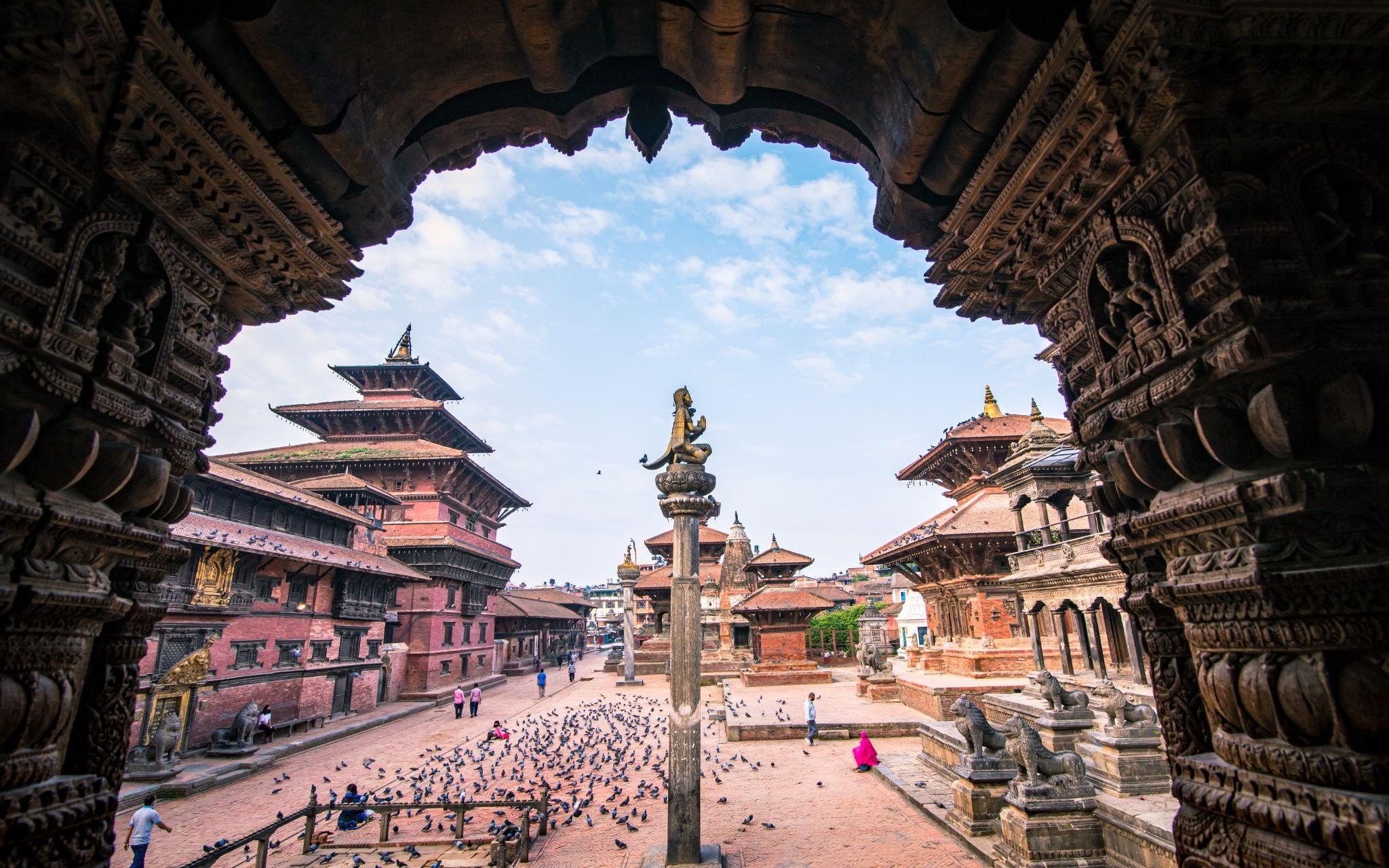
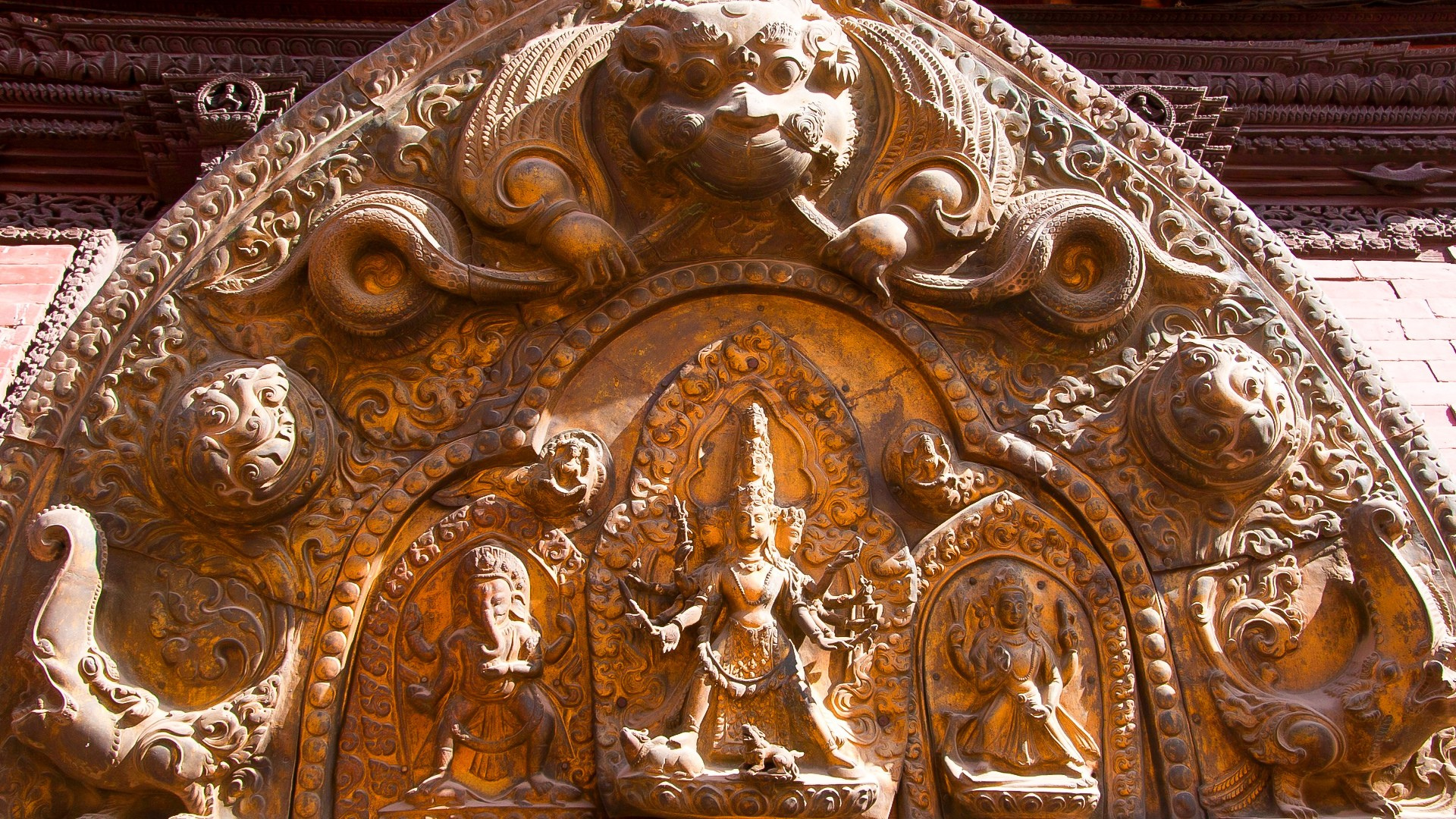
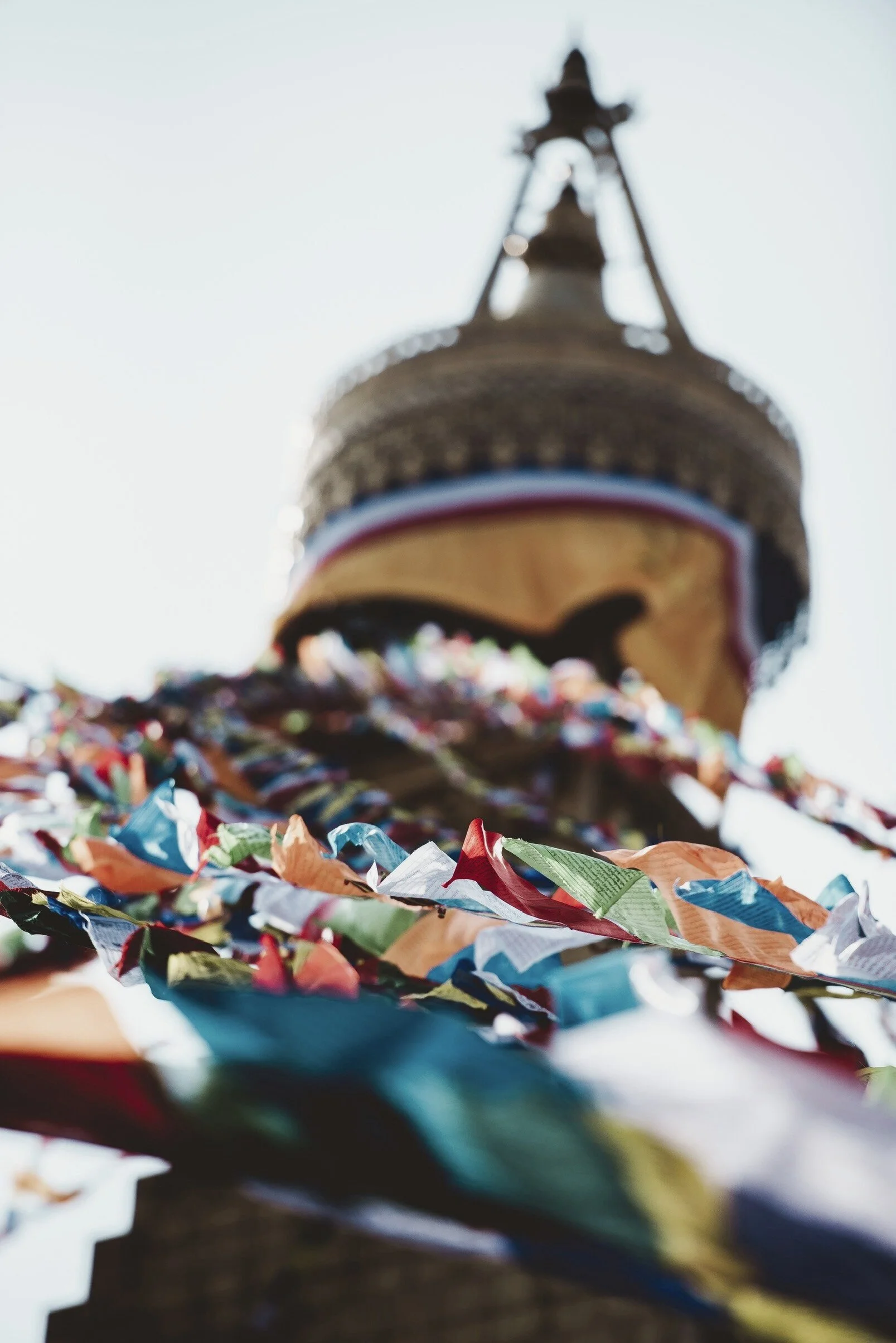
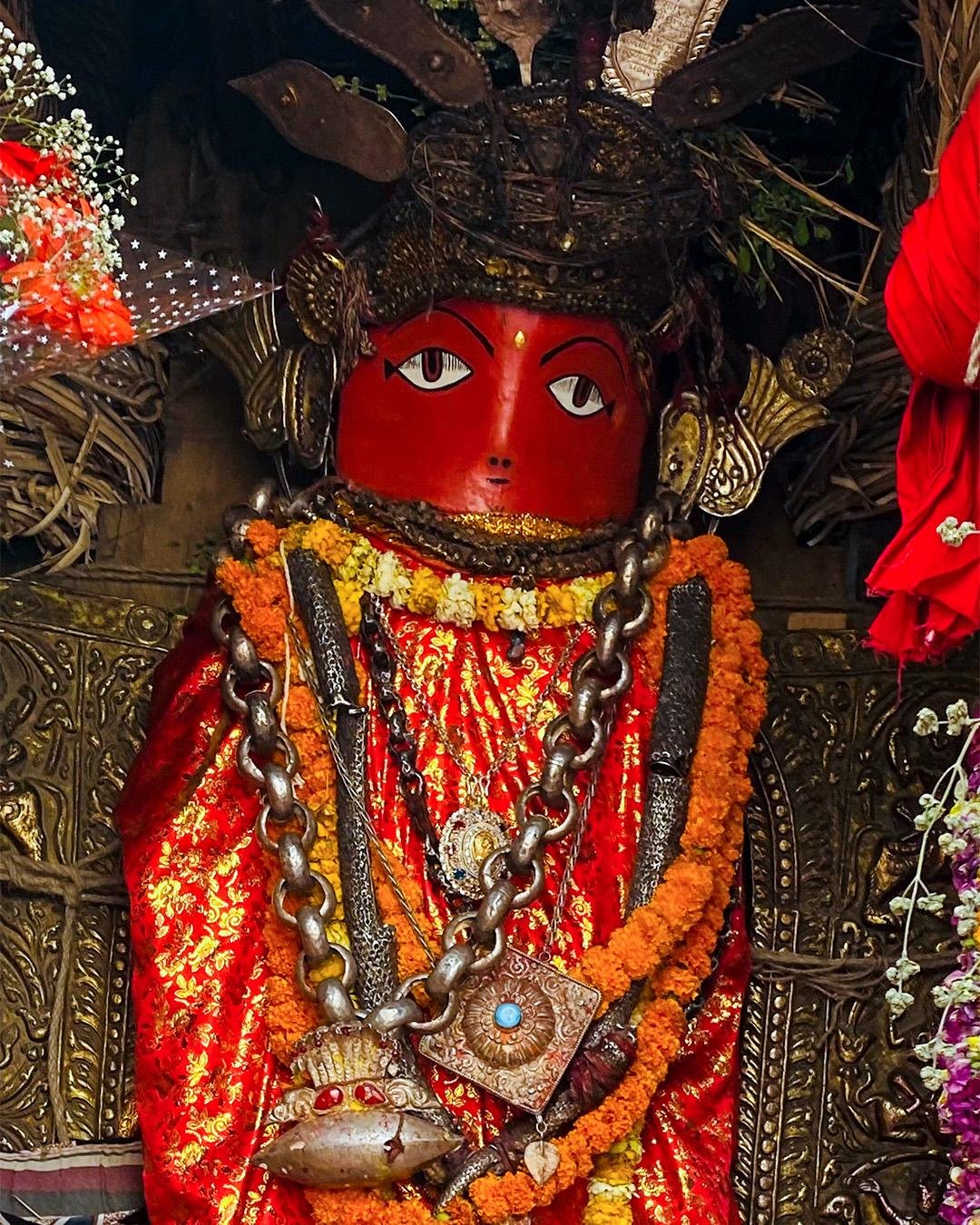

The Sacred Body of the Valley: Living Tantra in Kathmandu, Patan & Bhaktapur
Step into the Durbar Squares of Patan, Bhaktapur, or Kathmandu, and you are no longer just in a historic city. You’re inside a living Tantric body. Where shrines rise not just at the center, but at every turn, every step, every breath. These cities were not built with symmetry alone, they were built with intention. And their intention is to awaken.
You don’t enter the sacred in Kathmandu you walk through it.
Step into the Durbar Squares of Patan, Bhaktapur, or Kathmandu, and you are no longer just in a historic city. You’re inside a living Tantric body. Where shrines rise not just at the center, but at every turn, every step, every breath. These cities were not built with symmetry alone, they were built with intention. And their intention is to awaken.
A City That Breathes in Symbols
Here, the spiritual doesn’t exist apart from the physical. It is the physical. Every strut carved with fire-bearing deities, every lion at the base of a stairway, every miniature shrine hidden behind a street-side arch they’re not just ornament. They are gateways, markers in a larger energy map.
In the tantric worldview, the body is a microcosm of the universe. The same is true for these cities.
They function like mandalas: layered, directional, balanced. Each corner, each node, has meaning. And unlike monuments sealed off in reverence, these spaces are lived in, passed through, knelt before. Children play beside Bhairavs. Women place marigolds at stone altars on their way to buy lentils. The sacred breathes with the street.
Patan Durbar Square: The Heart That Feels Everything
Of the three, Patan hums the softest but its frequency is deep. Temples rise close together, like a cluster of thoughts around stillness. From the golden roof of Hiranya Varna Mahavihar to the tantric geometry of Krishna Mandir, the square draws you inward. You may not understand every symbol, but you’ll feel the weight of alignment the sense that something here is placed exactly where it needs to be.
Walk slow. Let your gaze rise and fall. You’re not observing; you’re participating.
Bhaktapur Durbar Square: The Spine of Fierceness and Devotion
In Bhaktapur, the energy shifts stronger, more pronounced. The statues of Ugrachandi and Ugrabhairav at the palace gate don’t invite you in gently. They announce the sacred. Here, the tantric body is not subtle. It demands engagement.
Every few meters, a shrine. Every turn, a temple. It’s easy to get lost and maybe you’re meant to. Bhaktapur doesn’t hand you answers. It tests your presence. The city speaks in festivals, in masked dances, in sudden encounters with divinity in the most unassuming corners.
Kathmandu Durbar Square: The Face and the Voice
Kathmandu’s square is louder. More human. It pulses. And at its heart sits Kaal Bhairav, black-stone protector and truth-teller. Stand before him long enough and the rest of the square fades.
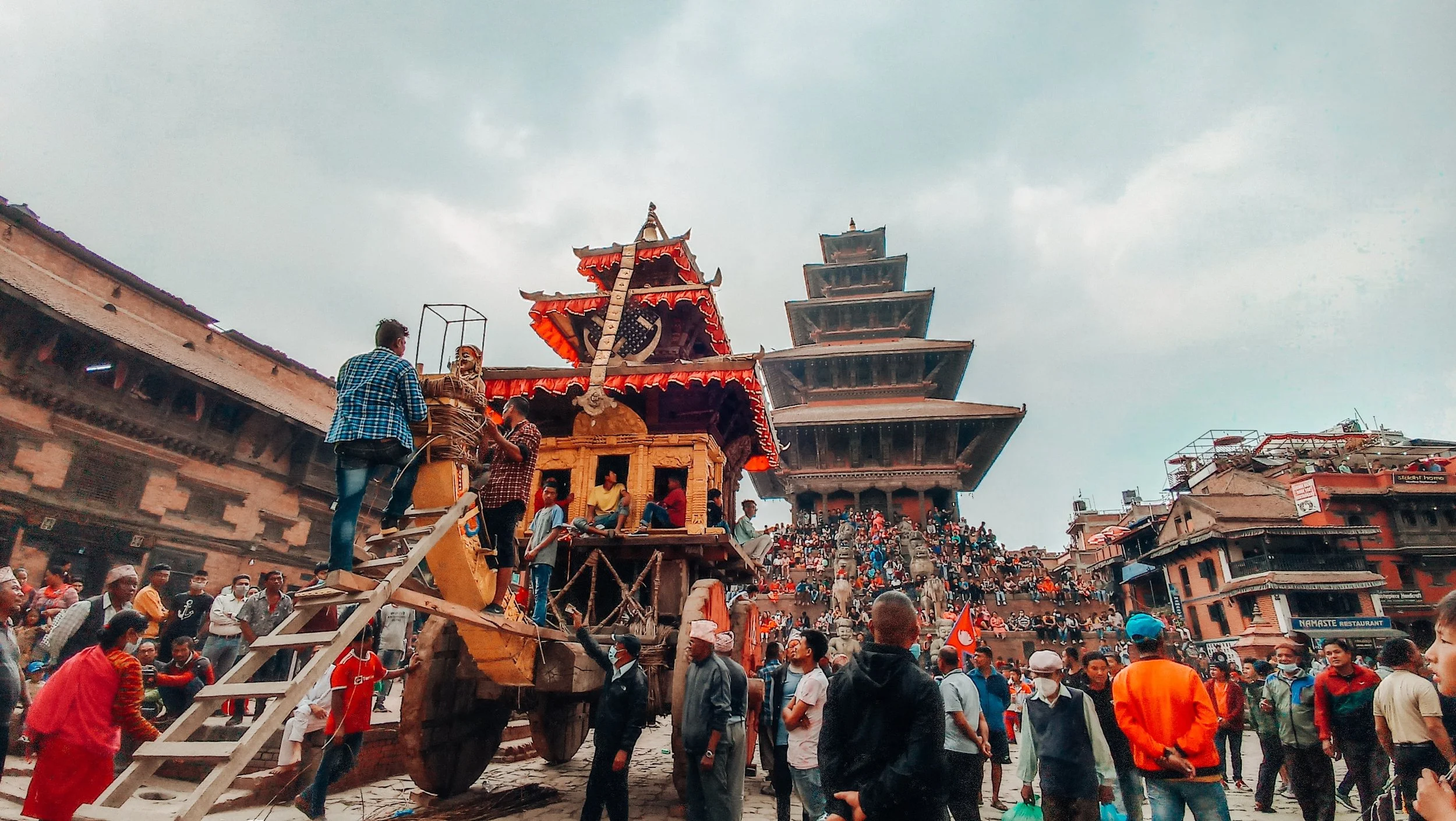
Here, tantric energy is woven into the rhythm of life Indra Jatra, Kumari processions, the temple of the living goddess. The square doesn’t separate the spiritual from the social. It shows you what happens when they’re never apart to begin with.
Not a Monument. A Mandala.
These cities were not built to be admired. They were built to be used. Walked. Circled. Sat within. Their tantric power is not in what they say it’s in what they do to the body moving through them.
You leave not with photos, but with something rearranged.
Every Step a Ritual, Every Corner a Gate
The Durbar Squares of the Kathmandu Valley aren’t just beautiful they are active fields of spiritual architecture. Still powerful. Still inhabited. Still offering anyone who walks with attention the chance to feel more awake, more grounded, more real.
Not because you entered a temple.
But because the whole city is one.
POPULAR ITINERARIES
SIMILAR POSTS

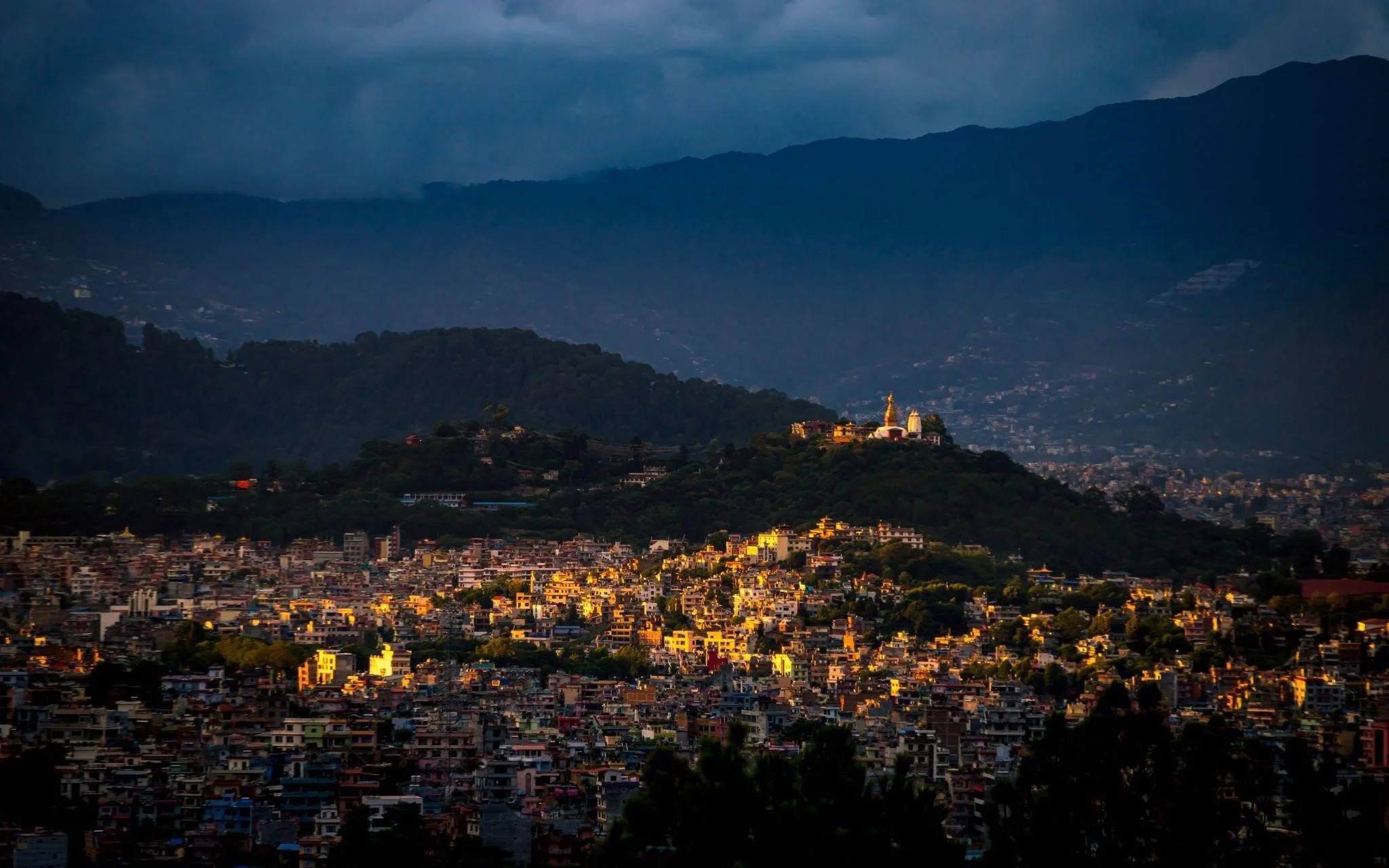

Taleju Temple: The Sacred Heart of Kathmandu’s Spiritual Legacy
Nestled within the historic Kathmandu Durbar Square, the Taleju Temple stands as a testament to Nepal’s rich tapestry of history, spirituality, and architectural brilliance. Dedicated to Taleju Bhawani, the royal goddess of the Malla dynasty, this 16th-century edifice is not just a place of worship but a symbol of the nation’s enduring cultural heritage.
Nestled within the historic Kathmandu Durbar Square, the Taleju Temple stands as a testament to Nepal’s rich tapestry of history, spirituality, and architectural brilliance. Dedicated to Taleju Bhawani, the royal goddess of the Malla dynasty, this 16th-century edifice is not just a place of worship but a symbol of the nation’s enduring cultural heritage.
A Glimpse into History
Commissioned in 1564 by King Mahendra Malla, the Taleju Temple was constructed to honor Taleju Bhawani, the tutelary deity believed to have guided and protected the Malla kings. Legend has it that the goddess appeared to the king in a dream, instructing him to build a temple in her honor. This divine encounter underscores the deep spiritual connection between the Malla rulers and their patron goddess.
Architectural Marvel
Standing at an impressive height of 35 meters, the Taleju Temple is a masterpiece of Newar architecture. Its unique design is said to resemble a yantra—a mystical diagram symbolizing the universe—reflecting the temple’s spiritual significance. The temple’s multi-tiered pagoda structure is adorned with intricate carvings, gilded roofs, and ornate windows, showcasing the exceptional craftsmanship of the era.
Surrounding the main temple are 12 miniature temples, each representing the months of the year, emphasizing the temple’s cosmic symbolism. The temple’s four main entrances are guarded by stone lions, adding to its majestic presence.
Spiritual Significance
Taleju Bhawani is revered as a manifestation of the fierce goddess Durga. Her worship was central to the Malla kings, who considered her their royal deity. The temple’s sanctum houses shrines dedicated to both Taleju Bhawani and Kumari Devi, the living goddess of Kathmandu. This association underscores the temple’s pivotal role in the spiritual life of the valley.
Access to the temple is highly restricted. It opens to the public only once a year during the Dashain festival, allowing devotees to pay homage to the goddess. This exclusivity adds to the temple’s mystique and sanctity.
Legends and Lore
The Taleju Temple is steeped in legends that enrich its spiritual aura. One such tale speaks of the goddess appearing in the form of a bee during the temple’s dedication ceremony, symbolizing her divine presence and blessing. Another legend narrates the story of King Jaya Prakash Malla, who played dice with the goddess in the temple’s sanctum, highlighting the intimate bond between the deity and her devotees.
Preservation and Legacy
Despite the ravages of time and natural calamities, including the 2015 earthquake, the Taleju Temple has retained its grandeur. Restoration efforts have been undertaken to preserve its structural integrity and artistic heritage. Today, the temple stands not only as a place of worship but also as a symbol of Nepal’s resilience and commitment to preserving its cultural landmarks.
Visiting the Taleju Temple
While the temple’s inner sanctum is accessible only during the Dashain festival, visitors can admire its architectural splendor from the outside year-round. Situated within the UNESCO World Heritage Site of Kathmandu Durbar Square, the temple is surrounded by other historical edifices, making it a focal point for those interested in Nepal’s rich history and culture.
Final Reflection
The Taleju Temple is more than just an architectural wonder; it is a living testament to Nepal’s spiritual depth, historical richness, and artistic excellence. For those seeking to understand the soul of Kathmandu, a visit to this sacred site offers a profound glimpse into the city’s enduring legacy.
POPULAR ITINERARIES
SIMILAR POSTS
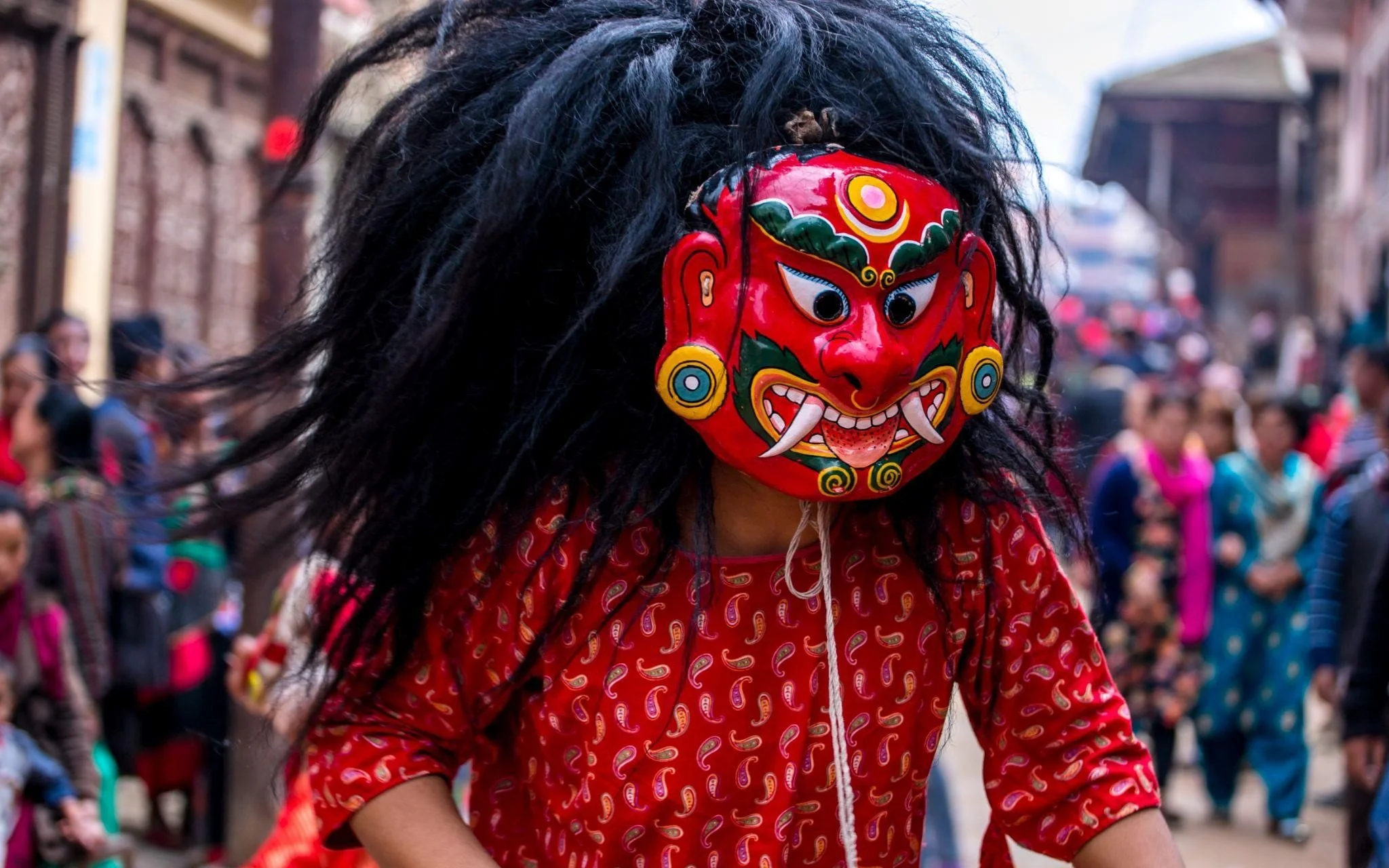
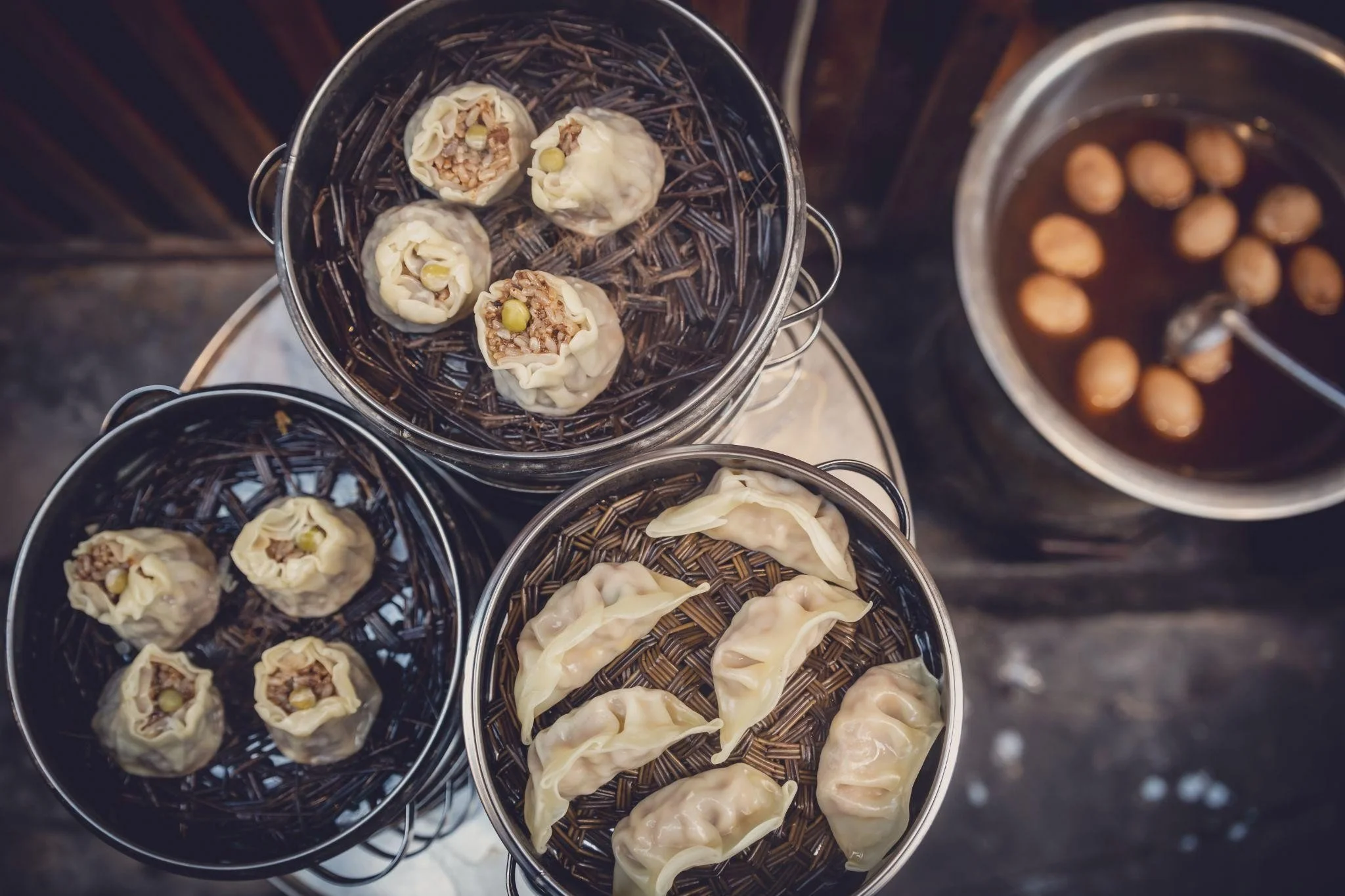

The Quiet Lanes of Water – Poolside Peace at Hotel Shanker
In the heart of a city known for its vibrant streets and bustling markets, there’s a quieter side to life, a place where time slows down and the air feels a little lighter. At Hotel Shanker, the pool is more than just a place to swim. It’s a space to pause, reflect, and find a little calm in the middle of it all.
A Place to Pause
In the heart of a city known for its vibrant streets and bustling markets, there’s a quieter side to life, a place where time slows down and the air feels a little lighter. At Hotel Shanker, the pool is more than just a place to swim. It’s a space to pause, reflect, and find a little calm in the middle of it all.
Morning Calm
Mornings by the pool at Hotel Shanker have a special kind of quiet. The sun rises slowly, casting long, soft shadows across the water. The air is cool, the garden alive with the sounds of birds, and the surface of the pool perfectly still, reflecting the early light.
There’s a sense of promise in these early hours, a feeling that the day is yours to shape. A quiet swim, a warm cup of tea, and a few slow breaths before the city fully wakes up. For a moment, the only sound is the gentle ripple of water as you take a slow lap, letting your mind drift with each stroke.
Afternoons in the Sun
As the sun climbs higher, the pool comes to life. The water glistens, catching the light at every angle. Laughter echoes from nearby tables, the clinking of glasses mixing with the sound of splashing. The garden adds a touch of green, with leaves rustling in the warm breeze.
This is the time for long, unhurried lunches, cool drinks, and conversations that stretch into the afternoon. A good book, a shady corner, and the gentle warmth of the sun on your skin. The hours move slowly here, each moment unfolding without rush.
Evening Reflections
As the day winds down, the pool takes on a different kind of calm. The light softens, turning the water a deep, rich blue. The air cools, the shadows lengthen, and the sounds of the city fade into the background.
This is a time for quiet reflections, a time to let the day settle in your mind. The surface of the water holds the last of the daylight, a mirror for the sky above. It’s a place to sit back, sip a cool drink, and watch as the lights of the hotel begin to glow, casting a warm, welcoming glow over the water.
A Different Kind of Stillness
There’s a special kind of peace in the quiet lanes of water. A stillness that feels different from the rest of the city. It’s the feeling of cool water on warm skin, the soft sound of footsteps on wet tiles, the gentle rise and fall of the surface as the breeze moves through the garden.
At Hotel Shanker, the pool is a place to linger. It’s a place to slow down, to drift without a plan, to let your thoughts wander as the water moves gently around you. It’s a small corner of calm in a busy city, a reminder that sometimes the best moments are the quiet ones.
Finding Your Place by the Water
Whether you’re an early riser looking for a moment of quiet before the day begins, a sun-seeker in search of warmth, or a night owl drawn to the cool, reflective surface of the evening pool, there’s a place for you here.
At Hotel Shanker, the water is more than a feature. It’s a feeling, a moment, a memory in the making. It’s a place where time slows down, where the noise of the city fades, and where you can find a little peace in the middle of it all.
POPULAR ITINERARIES
SIMILAR POSTS
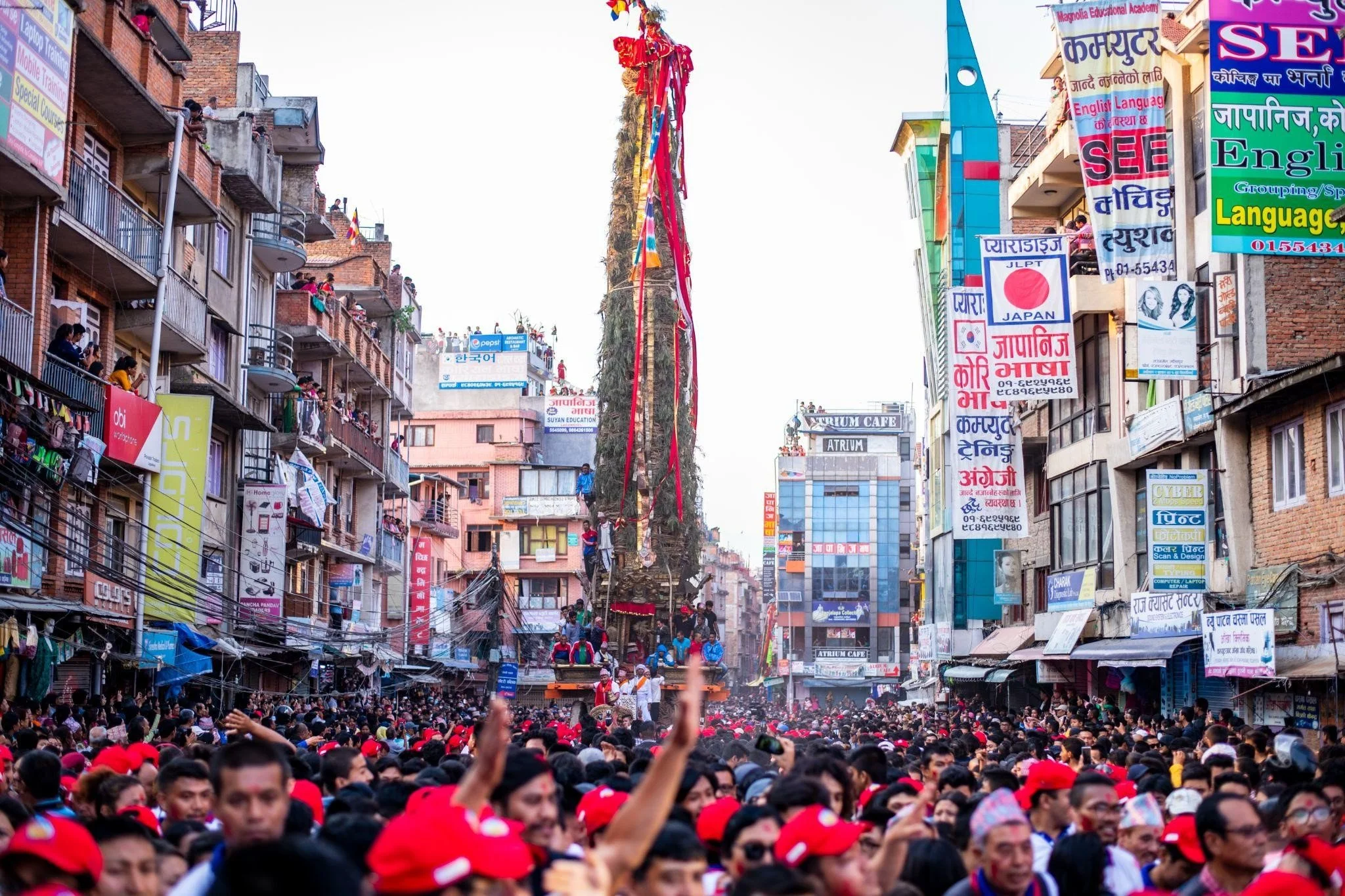

Walking Through the History of Kathmandu
Kathmandu is a place that holds its history close. Every corner, every alley, every old building has a story to tell. It’s a city that rewards slow walks and curious minds.
A City Built on Stories
Kathmandu is a place that holds its history close. Every corner, every alley, every old building has a story to tell. It’s a city that rewards slow walks and curious minds.
If you’re staying at Hotel Shanker, you’re already in a place with its own history. But beyond its gates, the streets of Kathmandu have even more to share. Here are a few places where the past still lives, just a short walk or drive from the hotel.
Ason Bazaar: Where the City Still Breathes
Start your day in Ason Bazaar, one of the oldest markets in Kathmandu. Here, the air is thick with the smell of spices, fresh vegetables, and incense. Narrow lanes twist through old brick buildings, their windows carved with care.
Pause at the Annapurna Temple, a small but sacred spot dedicated to the goddess of abundance. You’ll often find locals stopping to light incense or offer flowers as the market buzzes around them.
Indra Chowk: Where Life Crosses Paths
From Ason, walk toward Indra Chowk, a busy crossroads that has been a meeting point for traders and travelers for centuries.
Take a moment at the Seto Machhindranath Temple, a quieter corner where butter lamps flicker and the smell of marigolds fills the air. It’s a reminder that even in the busiest parts of the city, there is space for quiet reflection.
Basantapur: The Heart of Old Kathmandu
From Indra Chowk, follow the winding lanes to Basantapur, a place known for its tall, wooden pagodas and carved windows.
Look for the Kaathe Swayambhu Stupa, a small but important shrine that echoes the larger stupa on the hill. It’s a good place to pause, take a breath, and watch the city move around you.
Itumbaha Courtyard: A Hidden Gem
Just a short walk from the main squares, Itumbaha is a quiet, hidden courtyard that feels like a step back in time. Built in the 14th century, this Buddhist monastery still holds its original charm, with intricate wood carvings and a peaceful, lived-in atmosphere.
Narayanhiti Palace Museum: A Look at Recent History
End your walk at the Narayanhiti Palace Museum, just a short drive from Hotel Shanker. Once home to Nepal’s kings, this palace is now a museum that offers a glimpse into the country’s recent past.
Walk through the grand halls, past crystal chandeliers and state rooms, and imagine the moments of history that unfolded here.
Coming Back to Quiet
After a day spent moving through the city’s history, coming back to Hotel Shanker feels like a welcome pause. The cool halls, the quiet gardens, and the soft light in the windows offer a different kind of history—a quieter, more personal one.
POPULAR ITINERARIES
SIMILAR POSTS
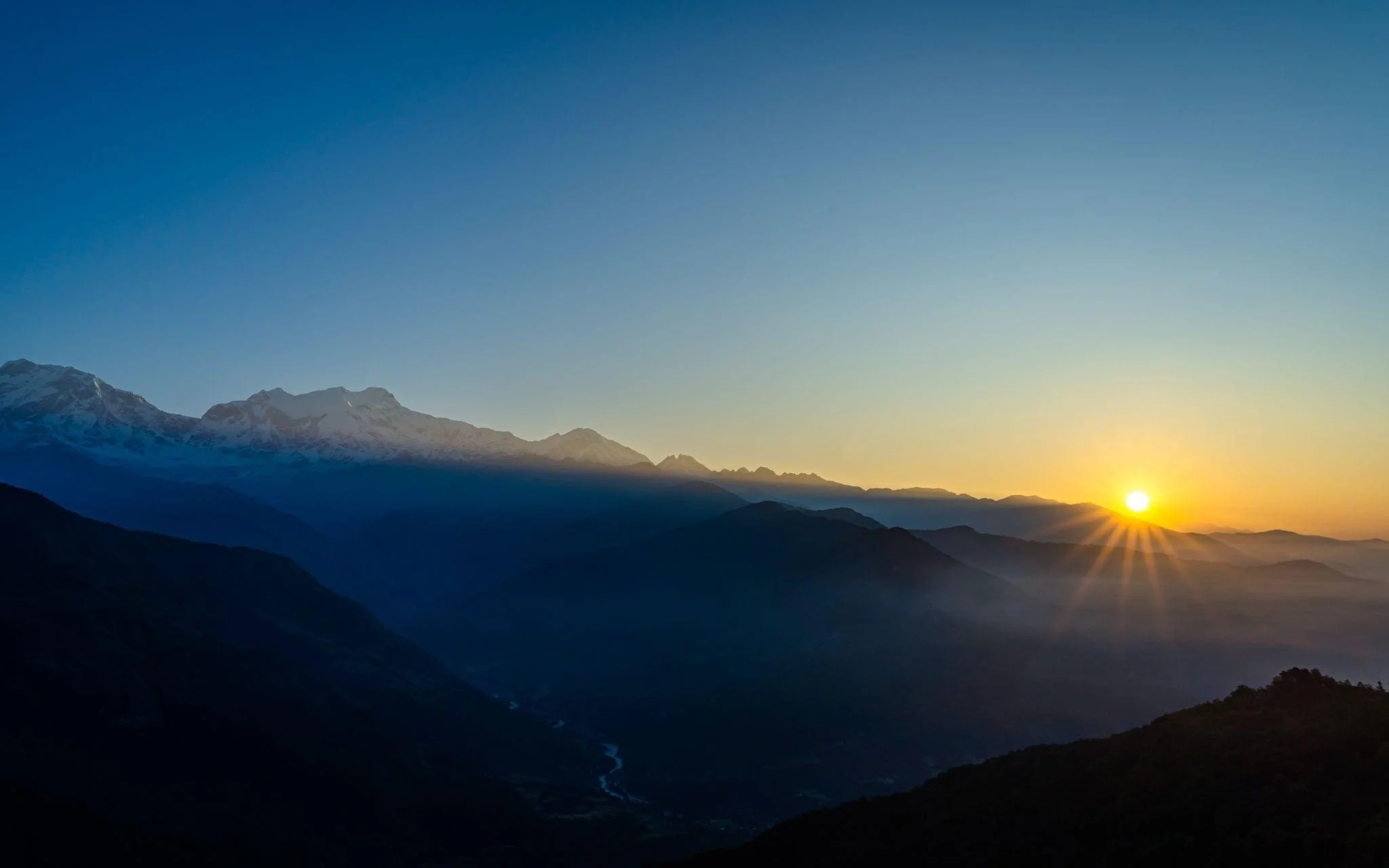

Five Places to Visit in Kathmandu Before the Monsoon Arrives
Whether you’re a first-time visitor or a returning soul, here’s a curated five-stop itinerary, best enjoyed at an unhurried pace—with each journey beginning and ending in the quiet elegance of Hotel Shanker.
As Kathmandu begins to warm and the skies still hold their clarity, late spring and early summer reveal the valley in its gentlest light. Before the monsoon clouds roll in and the streets soften under seasonal rain, there’s a golden window—a time for walking, wandering, and witnessing the city’s timeless beauty.
Whether you’re a first-time visitor or a returning soul, here’s a curated five-stop itinerary, best enjoyed at an unhurried pace—with each journey beginning and ending in the quiet elegance of Hotel Shanker.
1. Patan Durbar Square – Where Craft Lives in Stone and Bronze
Start your morning in Lalitpur, just a short drive from the hotel. Patan Durbar Square is not just a UNESCO site—it’s a living museum of Newa architecture, temples, courtyards, and intricate metalwork still shaped by hand.
Wander through the golden windows, enter ancient palace chambers, and visit artisan studios tucked inside alleys. Mornings here are quieter, and the sun on the red brick is particularly poetic before noon.
Tip: Stop by the Patan Museum café for a peaceful coffee break surrounded by history.
2. Garden of Dreams – A Midday Retreat
By midday, retreat into the shaded elegance of the Garden of Dreams, just a short stroll from Thamel and only minutes from Hotel Shanker. With neoclassical pavilions, koi ponds, and manicured greenery, it’s an oasis meant for rest and reflection.
Settle into a bench, journal, read—or simply listen to the soft hum of the city fading beyond the garden walls.
Tip: The onsite Kaiser Café offers light meals and shaded verandas for lunch.
3. Swayambhunath – A View with Soul
As the day leans into afternoon, ascend to Swayambhunath Stupa, also known as the Monkey Temple. Perched on a hilltop overlooking the Kathmandu Valley, this spiritual site offers one of the best panoramic views before monsoon haze sets in.
Climb slowly. Spin the prayer wheels. Let the wind carry the sound of mantras as prayer flags flutter above the rooftops.
Tip: Visit before golden hour for softer light and fewer crowds.
4. Boudhanath – Circles of Stillness
As evening approaches, visit Boudhanath Stupa—one of the largest and most revered in the world. Walk clockwise around the stupa with locals, monks, and pilgrims. The rhythmic motion, flickering butter lamps, and slow swirl of incense create an atmosphere of deep presence.
This is where the day begins to quiet.
Tip: Head to a rooftop café for tea as the stupa glows under soft lantern light.
5. Return to Calm: Hotel Shanker at Dusk
After a day of exploration, there’s nothing more comforting than returning to a place that feels like an embrace. At Hotel Shanker, twilight takes on a special stillness. The pool reflects the last of the light, the garden cools, and the scent of lemongrass might greet you in the lobby.
Whether you retreat to your heritage room, unwind with an evening drink, or take a moment beneath the palace arches—you’re not just ending a day. You’re continuing a story.
The Season to Wander
Kathmandu before the monsoon is a city caught in golden light. It is warm, but not heavy. Alive, but not rushed. This is the season to trace old pathways, seek quiet corners, and let the city show you its more poetic face.
And there’s no better place to begin—or return—than a palace built for rest.
Hotel Shanker. A stay with a story.
POPULAR ITINERARIES
SIMILAR POSTS
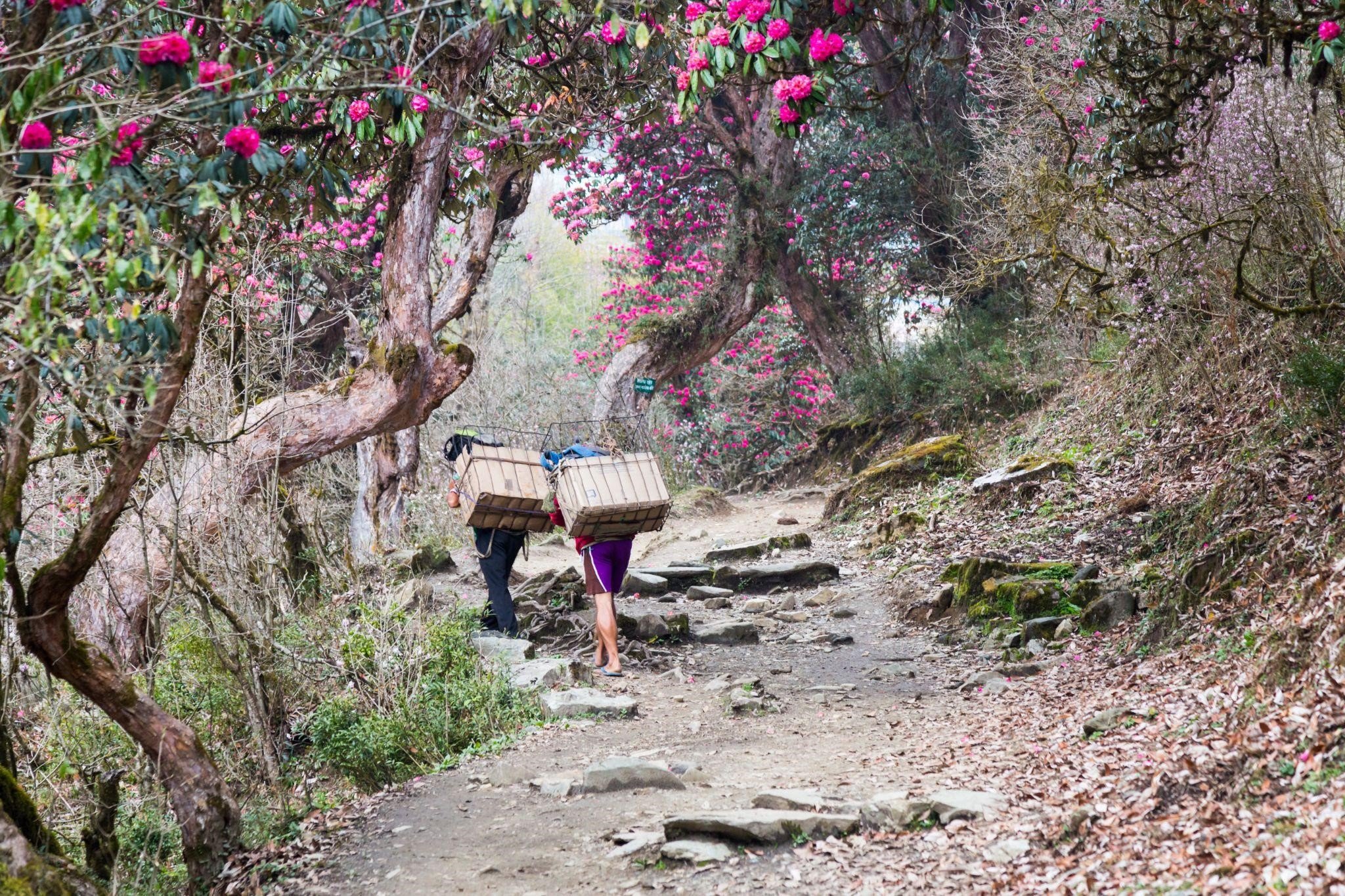

The Quiet Majesty of Hotel Shanker: A Palace for the Present
Hotel Shanker is not simply a luxury hotel. It is a timeless estate, a retreat that lives in the present while holding hands with the past. The grandeur is there—make no mistake—but it doesn’t shout. It lingers, breathes, and waits to be noticed.
In a city where stories rise from every temple spire and every turning alley, there stands a palace that doesn’t compete with the noise. It doesn’t ask to be looked at—but it’s impossible not to feel its presence.
Hotel Shanker is not simply a luxury hotel. It is a timeless estate, a retreat that lives in the present while holding hands with the past. The grandeur is there—make no mistake—but it doesn’t shout. It lingers, breathes, and waits to be noticed.
A Legacy Not Just Preserved, But Lived
Built in 1894 as the private residence of a powerful Rana noble, the building was conceived as a palace—not just in scale, but in soul. Its neoclassical architecture, Italian marbles, intricately carved wooden columns, and arched walkways once hosted royalty and foreign emissaries.
Today, these same halls welcome travellers from across the world—not to replicate the past, but to offer them something it rarely does anymore: presence.
You don’t just stay at Hotel Shanker. You settle into it.
Like an old chair that remembers your shape. Like light that already knows the corner it will land on.
Where Time Slows, And You Notice
Step through its carved wooden doors and you’ll feel the difference instantly.
Not because there’s spectacle—but because there isn’t.
There’s no rush here. The gardens don’t bloom for attention, yet they do. The service doesn’t try to impress, yet it lingers long after. And the rooms—sun-warmed and silent—don’t need to be filtered to feel remarkable.
It is this effortless stillness that defines the Shanker experience. In a world where luxury has become synonymous with excess, Hotel Shanker redefines it as space, dignity, and thoughtful restraint.
Kathmandu Outside, Stillness Within
Step outside and you’re in the heart of Kathmandu—minutes from Durbar Square, Thamel’s maze-like streets, and the spiritual rhythm of Pashupatinath. But within these grounds, something rare happens.
The chaos softens. The noise drops its shoulders.
Hotel Shanker becomes not just a break from the city—but a recalibration.
You begin to hear again—your thoughts, your breath, the quiet rustle of trees against old brick. You begin to feel your own pace. It’s not what you escape to; it’s what you return to.
Not Just Heritage. Harmony.
There’s something rare about places that evolve without erasing themselves. Hotel Shanker has added modern comfort, but never at the cost of its character. Its pool sits quietly under the shadow of ancient trees. Its corridors still carry the weight of hand-polished wood and soft echoes of movement.
Each detail, from the placement of a candle to the feel of a doorknob, tells you something: someone thought about this. Someone thought about you.
And in this, the palace has not become a relic—it has become a home. A home where history isn’t put behind glass, but folded into your stay.
A Stay That Doesn’t Ask You to Perform
What makes Hotel Shanker truly rare is not its age, or architecture, or accolades.
It’s the fact that here, you don’t need to be anyone but yourself.
You’re not asked to admire. You’re not expected to be impressed.
You’re simply received, in the most dignified way hospitality can offer—without spectacle, but with soul.
Hotel Shanker is not a place you look at—it’s a place you feel.
It holds space for your thoughts, slows down your days, and gently reminds you that true luxury has nothing to prove.
POPULAR ITINERARIES
SIMILAR POSTS

Spring Trekking Adventures in Nepal: A Season of Renewal and Exploration
For those seeking an unforgettable adventure, spring is the perfect time to trek Nepal’s legendary routes, offering clear skies, breathtaking scenery, and trails alive with culture and nature.
Winter in Nepal slows everything down. The mountains stand silent and still, their peaks buried under layers of snow. Villages tucked along the trails grow quieter as the cold air wraps around the valleys, and the trekking paths see fewer footprints. But as the seasons shift, spring breathes life back into the land.
The rivers swell with fresh snowmelt, the hillsides burst into vivid reds and pinks of rhododendrons, and the crisp mountain air carries the scent of blooming wildflowers. The stillness of winter gives way to movement—trekkers return to the trails, villages awaken, and the Himalayas unveil their most inviting and picturesque landscapes.
For those seeking an unforgettable adventure, spring is the perfect time to trek Nepal’s legendary routes, offering clear skies, breathtaking scenery, and trails alive with culture and nature.
Why Spring is the Best Time for Trekking in Nepal
• Nature in Full Bloom – The hills and forests transform into a colorful paradise, especially in rhododendron-filled regions like Ghorepani and Langtang.
• Ideal Weather – Mild temperatures during the day make trekking comfortable, while the crisp mountain air keeps the journey refreshing.
• Unobstructed Views – Spring offers some of the clearest mountain vistas, with towering peaks framed against deep blue skies.
• Wildlife at Its Best – As the warmth returns, Himalayan wildlife becomes more active, making it an excellent time for birdwatching and rare animal sightings.
• Festivals Along the Way – Trekkers often cross paths with Nepali spring festivals like Holi and Bisket Jatra, offering a glimpse into the local culture.
Best Spring Trekking Routes in Nepal
1. Everest Base Camp Trek (EBC) – The Ultimate Himalayan Journey
• Duration: 12–14 Days
• Difficulty: Moderate to Challenging
• Highlights:
• Majestic views of Mount Everest (8,848m), Nuptse, and Ama Dablam.
• Immersive experience in Sherpa villages, monasteries, and high-altitude landscapes.
• Suspension bridges, glaciers, and the legendary Kala Patthar viewpoint for a sunrise over Everest.
2. Annapurna Base Camp (ABC) Trek – A Classic Spring Wonderland
• Duration: 7–10 Days
• Difficulty: Moderate
• Highlights:
• Walk through forests in full bloom, with rhododendron petals carpeting the trails.
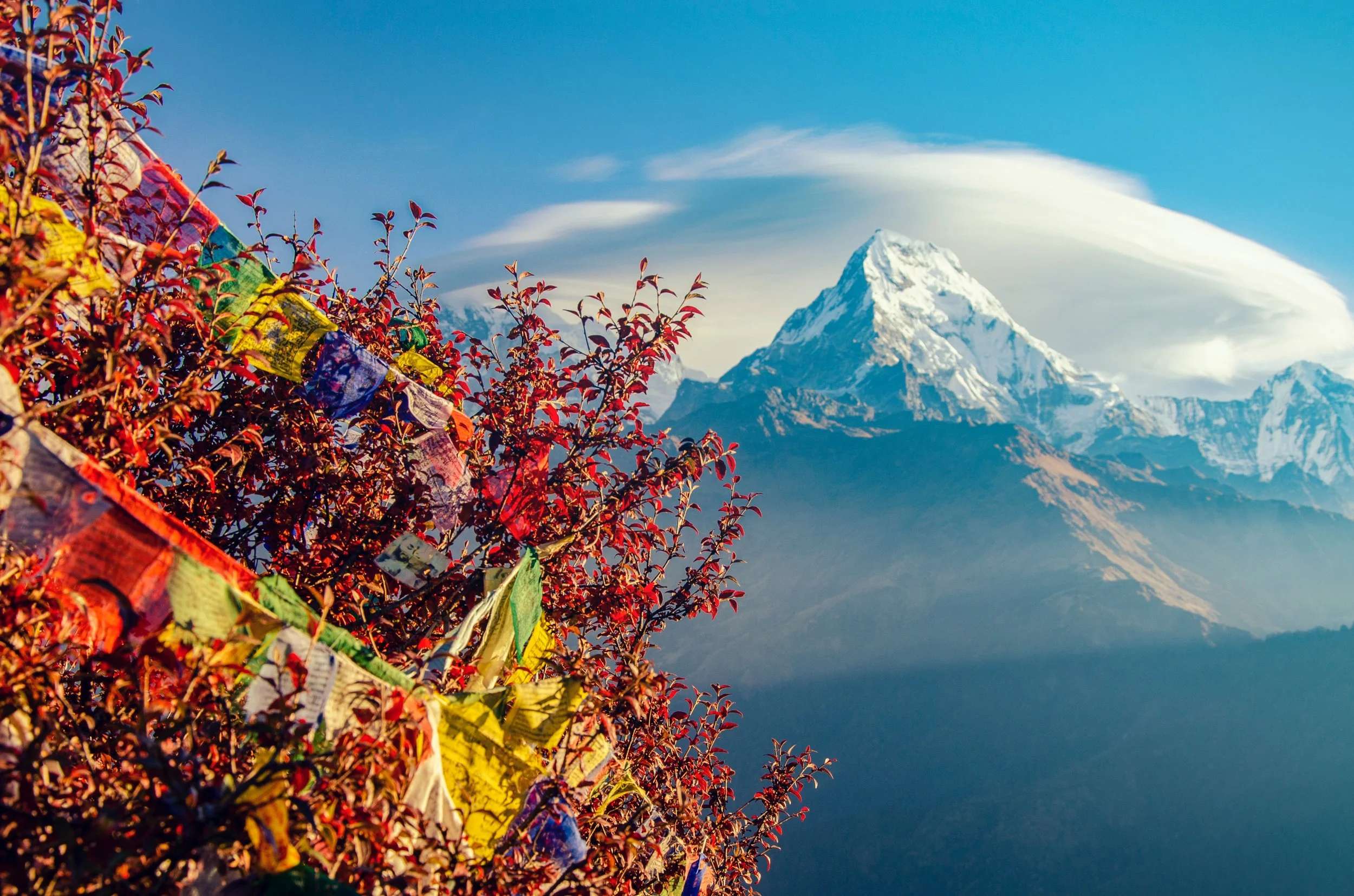
• Witness the sunrise over Annapurna I (8,091m) from Machhapuchhre Base Camp.
• Experience hot springs at Jhinu Danda, offering a perfect post-trek relaxation spot.
3. Ghorepani Poon Hill Trek – Short, Scenic, and Stunning
• Duration: 4–5 Days
• Difficulty: Easy to Moderate
• Highlights:
• Ideal for first-time trekkers and those looking for a shorter adventure.
• One of Nepal’s best panoramic sunrise views over Dhaulagiri and Annapurna.
• Trek through Magar and Gurung villages, surrounded by endless rhododendron forests.
4. Langtang Valley Trek – A Hidden Gem Near Kathmandu
• Duration: 7–8 Days
• Difficulty: Moderate
• Highlights:
• A perfect mix of Himalayan landscapes and Tibetan-influenced culture.
• Langtang National Park offers encounters with Himalayan wildlife and vibrant birdlife.
• Stunning views of Langtang Lirung (7,227m) and traditional villages untouched by modern tourism.
Trek by Day, Unwind in Luxury at Hotel Shanker
After days of trekking through the mountains, there is nothing better than returning to comfort and tranquility. At Hotel Shanker, we offer the perfect place to relax and rejuvenate before or after your Himalayan adventure.
• Spacious and elegantly designed rooms, ideal for unwinding after a trek.
• Lush gardens and a serene atmosphere, a contrast to the rugged mountain trails.
• Rejuvenating spa treatments, easing sore muscles and refreshing the body.
• A fine selection of Nepali and international cuisine, satisfying the appetite built on the trails.
Book Your Stay & Elevate Your Trekking Experience
Spring trekking in Nepal is an experience that stays with you forever. From the high-altitude paths of Everest to the rolling hills of Annapurna, the mountains are calling. And when the adventure ends, Hotel Shanker welcomes you back to luxury, warmth, and timeless elegance.
POPULAR ITINERARIES
SIMILAR POSTS
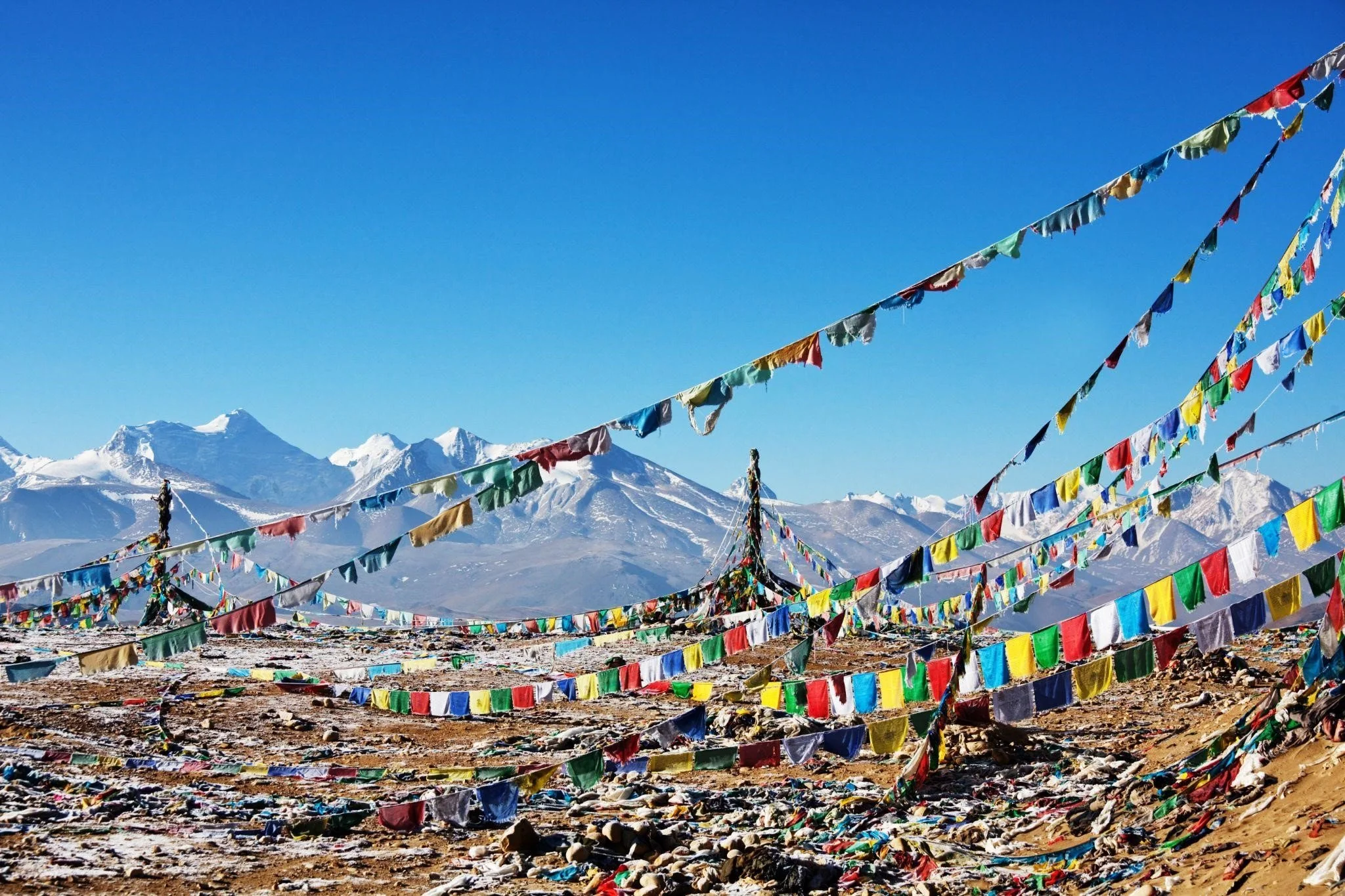
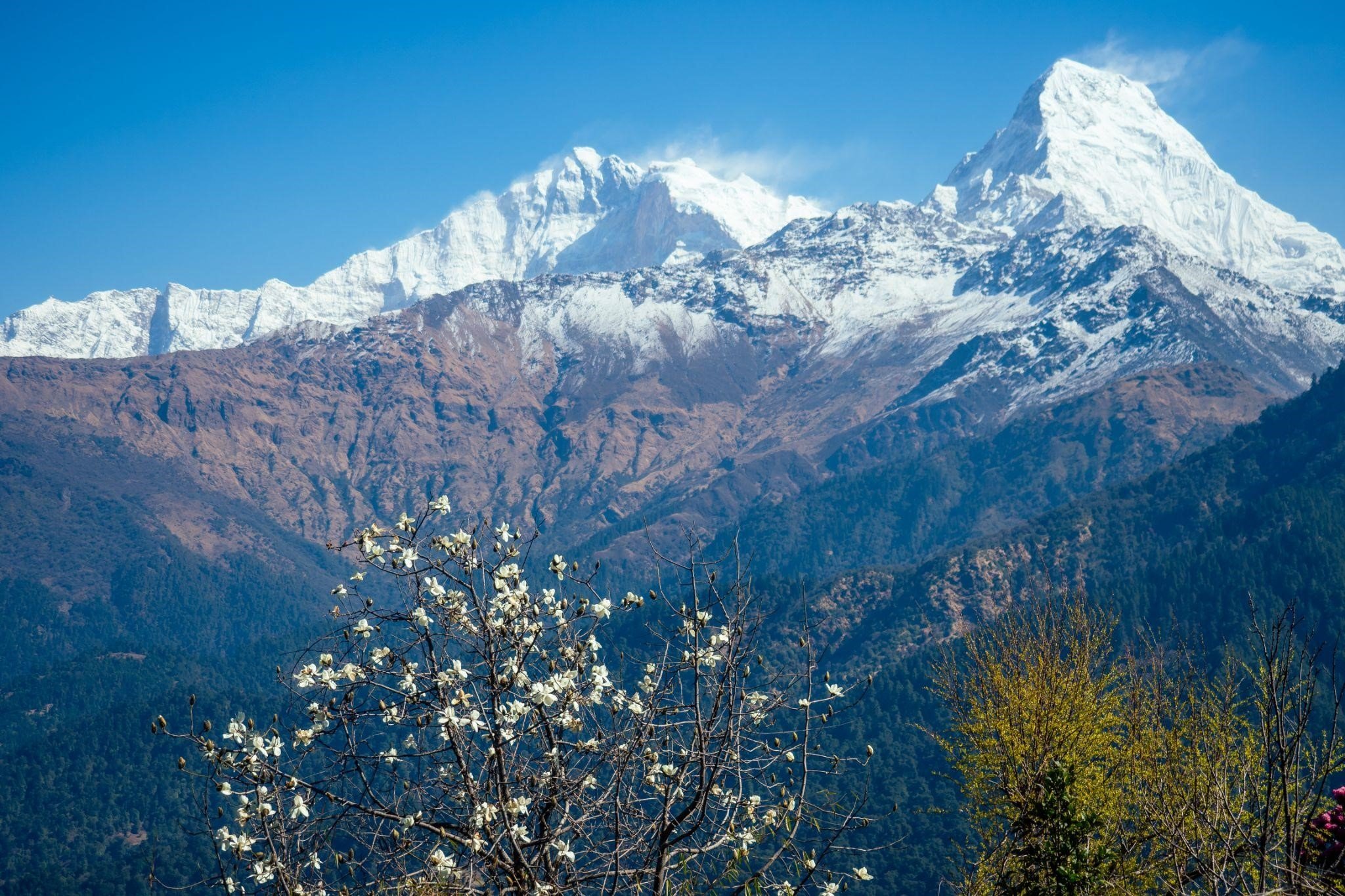

Wildlife Safaris and Birdwatching in Spring: Nepal’s Untamed Beauty Awaits
From the lush grasslands of Chitwan to the untamed wilderness of Bardia, Nepal’s national parks are teeming with rare wildlife, migratory birds, and breathtaking landscapes, offering an unforgettable adventure for every explorer.
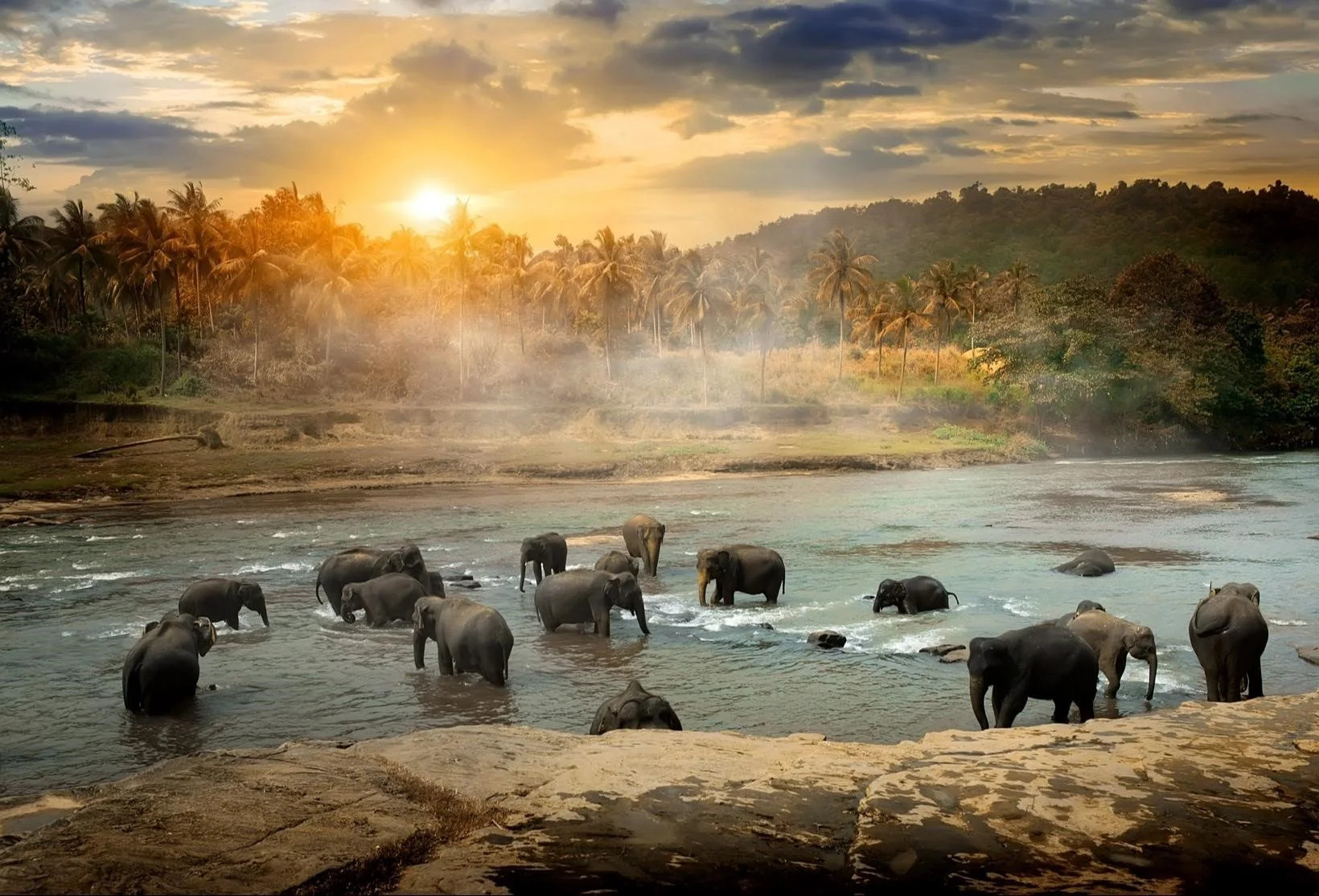
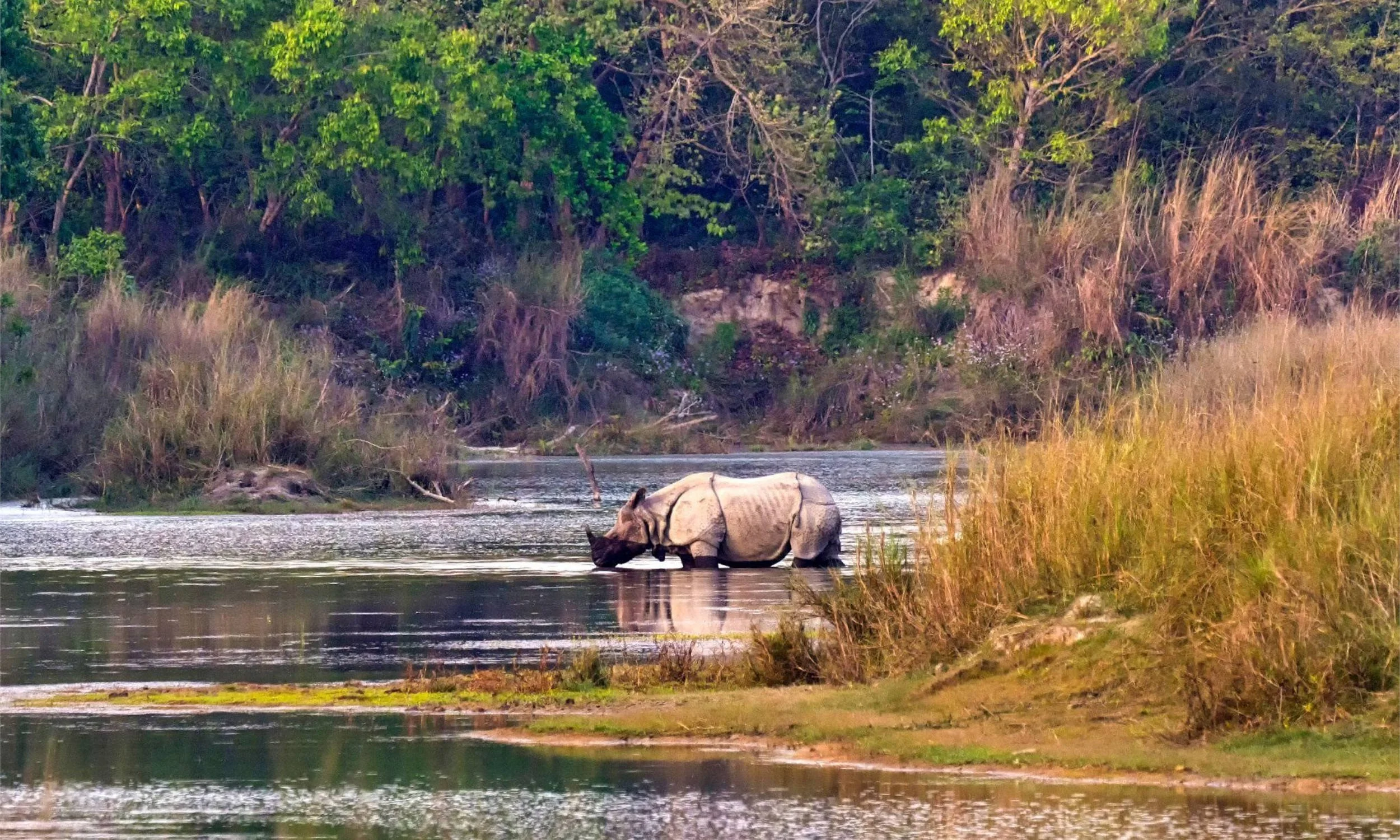
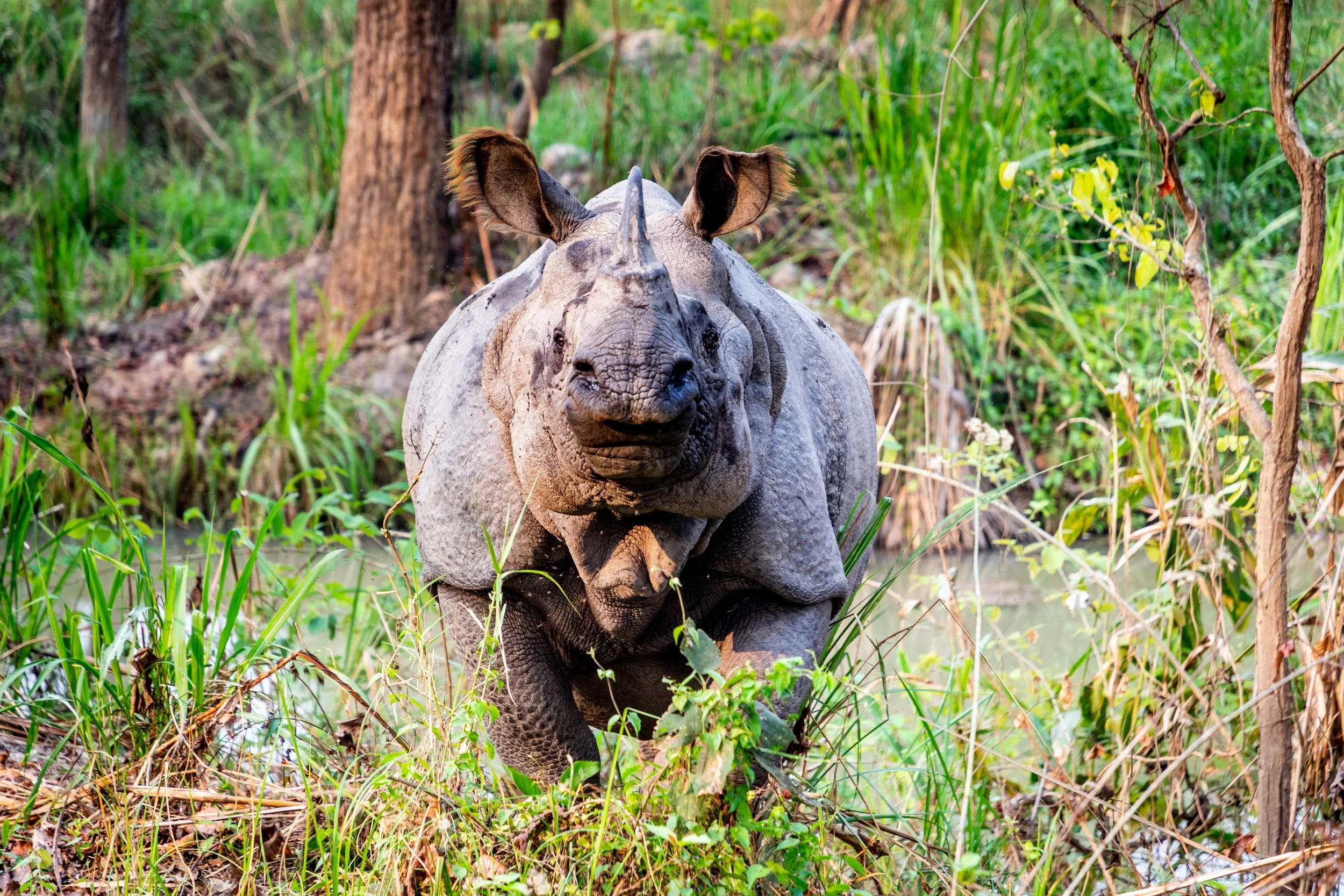
As winter fades, Nepal’s jungles, wetlands, and forests come alive with vibrant energy. The arrival of spring brings lush greenery, blooming flowers, and an abundance of wildlife activity, making it the perfect season for wildlife safaris and birdwatching. Whether it’s spotting a majestic Bengal tiger in the dense jungles or watching exotic birds soar across the wetlands, Nepal offers an unparalleled experience for nature lovers.
From the lush grasslands of Chitwan to the untamed wilderness of Bardia, Nepal’s national parks are teeming with rare wildlife, migratory birds, and breathtaking landscapes, offering an unforgettable adventure for every explorer.
Why Spring is the Best Time for Wildlife Safaris and Birdwatching
• Active Wildlife – With the onset of warmer weather, tigers, rhinos, and elephants emerge from deep forests to bask in the sun.
• Peak Birdwatching Season – Spring marks the arrival of migratory birds, adding a splash of color to Nepal’s diverse ecosystems.
• Lush Landscapes – The post-winter bloom transforms national parks into vibrant sanctuaries, enhancing visibility for wildlife spotting.
• Ideal Weather – Mild temperatures and clear skies make safari excursions and jungle walks comfortable and rewarding.
Top Destinations for Wildlife Safaris in Nepal
1. Chitwan National Park – A UNESCO World Heritage Site
• Best For: Spotting one-horned rhinoceroses, Bengal tigers, elephants, and crocodiles.
• Activities:
• Jeep safaris through grasslands and dense forests.
• Canoe rides along the Rapti River, where gharials and marsh mugger crocodiles bask in the sun.
• Guided jungle walks offering a closer look at Nepal’s diverse flora and fauna.
• Birdwatching Highlight: Home to over 500 species of birds, including the endangered Bengal florican and vibrant kingfishers.
2. Bardia National Park – Nepal’s Hidden Wilderness
• Best For: Remote and untouched safari experience, with high chances of spotting wild Bengal tigers.
• Activities:
• Full-day jungle safaris with expert naturalists.
• River excursions to see the rare Gangetic dolphins.
• Cultural encounters with the indigenous Tharu community.
• Birdwatching Highlight: Over 400 bird species, including great hornbills, paradise flycatchers, and eagles.
3. Koshi Tappu Wildlife Reserve – A Birdwatcher’s Paradise
• Best For: Wetland birdwatching and unique aquatic species.
• Activities:
• Boat safaris and marshland explorations.
• Guided birdwatching walks through riverside habitats.
• Photography tours capturing migratory birds in their natural setting.
• Birdwatching Highlight: Over 485 bird species, including swamp francolins, ibises, storks, and migratory waterfowls.
The Perfect End to a Wild Adventure – Stay at Hotel Shanker
After exploring Nepal’s breathtaking national parks, return to the heart of Kathmandu for a stay steeped in comfort and heritage. At Hotel Shanker, we offer the ideal retreat to unwind after days spent in the wild.
• Elegant rooms and tranquil ambiance, perfect for relaxation.
• A serene garden escape, a touch of nature in the city.
• Authentic Nepali and international cuisine, bringing flavors of the jungle to your plate.
• Easy access to Kathmandu’s cultural and historical landmarks, allowing you to complete your journey with a taste of Nepal’s rich heritage.
Book Your Stay & Experience Nepal’s Wild Beauty
Whether you’re drawn by the thrill of a Bengal tiger sighting or the peaceful melody of rare Himalayan birds, Nepal’s wilderness awaits. And when the adventure ends, Hotel Shanker welcomes you back with warmth, luxury, and a timeless experience.
POPULAR ITINERARIES
SIMILAR POSTS
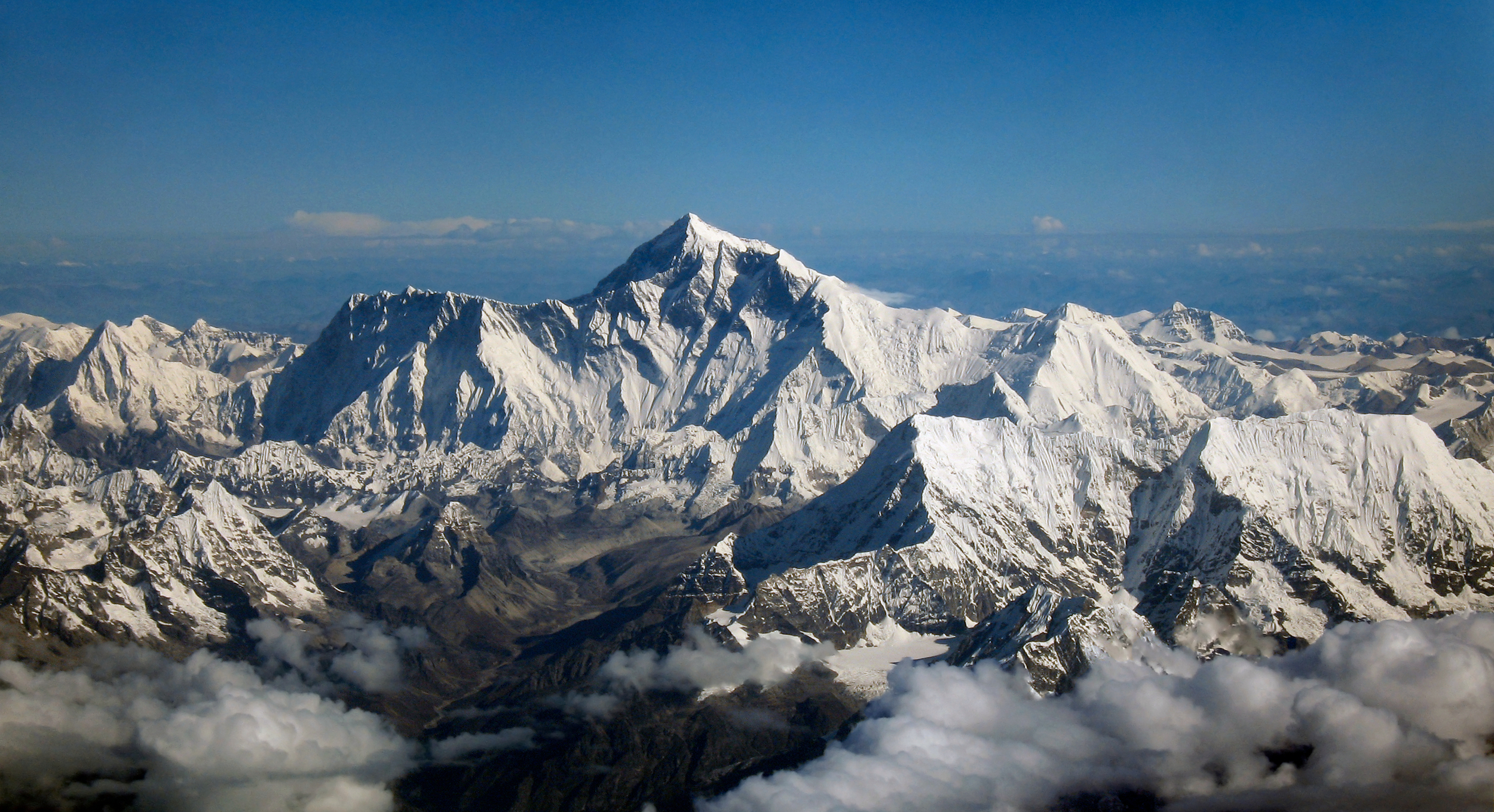
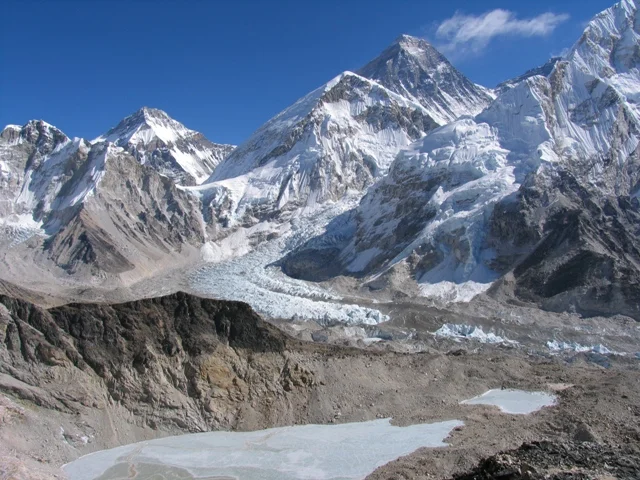
This trek is specially designed to reach the Everest Base Camp including Kala Pattar which is the best view point to view the sunrise over the high Himalayas including the Mt. Everest. This trek requires 13 days.
USD 1515 PER PERSON -- TWIN ROOM SHARING BASIS