

Kirtipur Heritage: A Journey Through History and Culture in Nepal
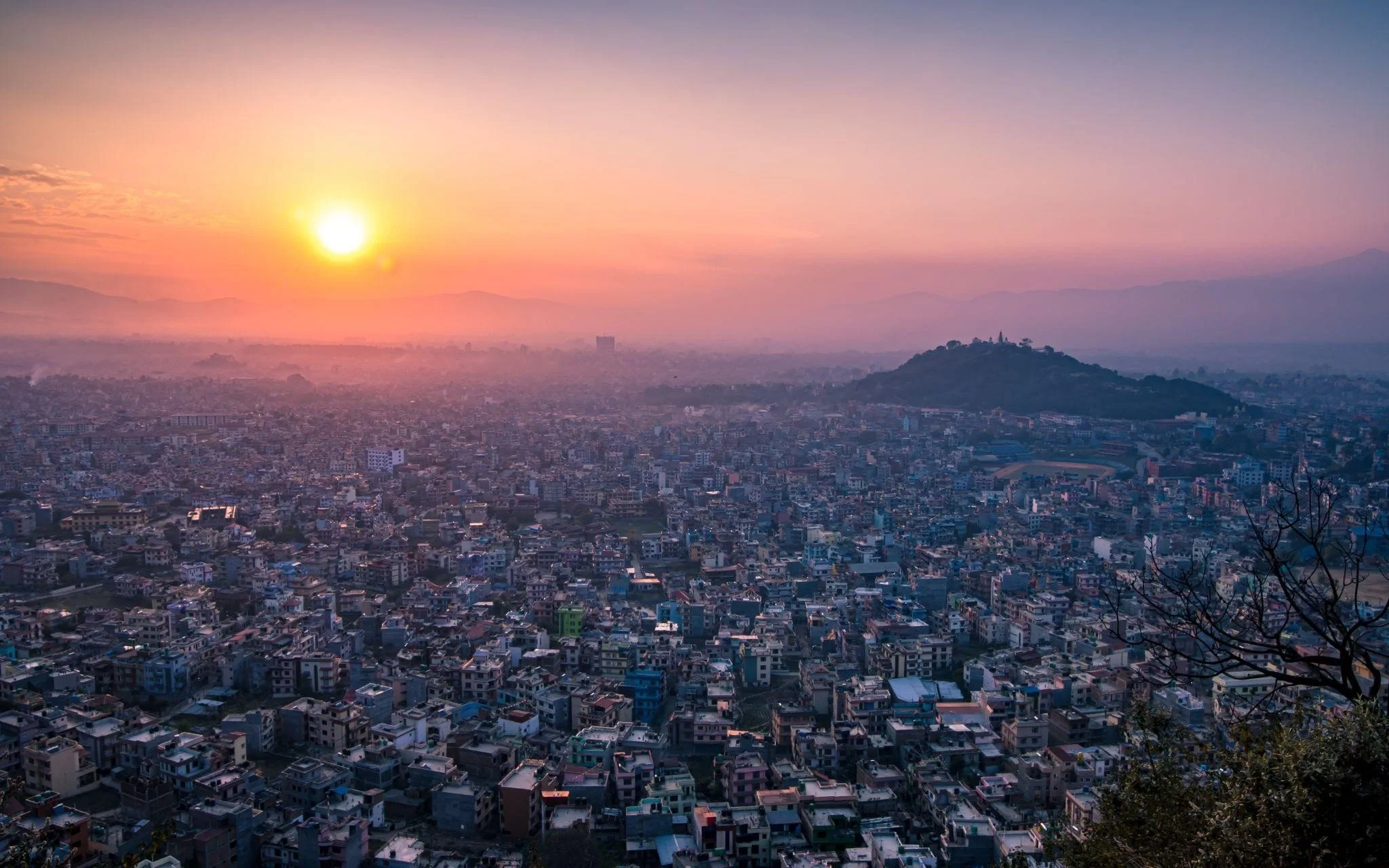
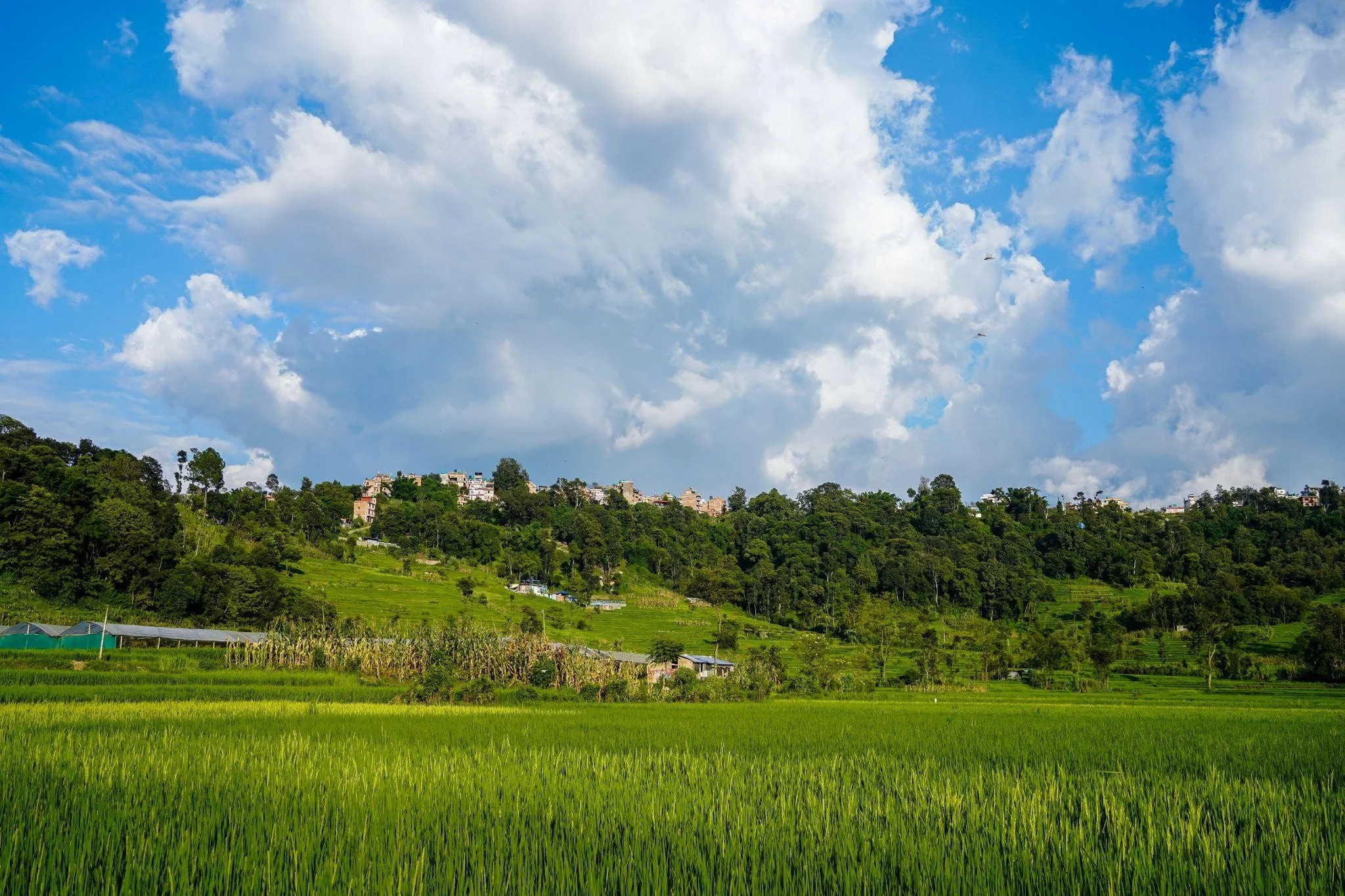
Kirtipur, located on a ridge above Kathmandu Valley, attracts visitors looking for a unique combination of history, culture, and beautiful vistas. This ancient Newar hamlet said to be one of the valley's oldest settlements, provides a look into Nepal's rich legacy that begs to be explored.
Kirtipur, located on a ridge above Kathmandu Valley, attracts visitors looking for a unique combination of history, culture, and beautiful vistas. This ancient Newar hamlet said to be one of the valley's oldest settlements, provides a look into Nepal's rich legacy that begs to be explored.
A Walk Through Time: Architectural Delights
Kirtipur's charm lies in its traditional Newar architecture. As you wander through the narrow, cobbled streets, red-brick houses with intricately carved wooden windows and tiled roofs line your path. These aren't mere houses; their' courtyards, intricately designed doorways, and hidden squares transport you back in time.
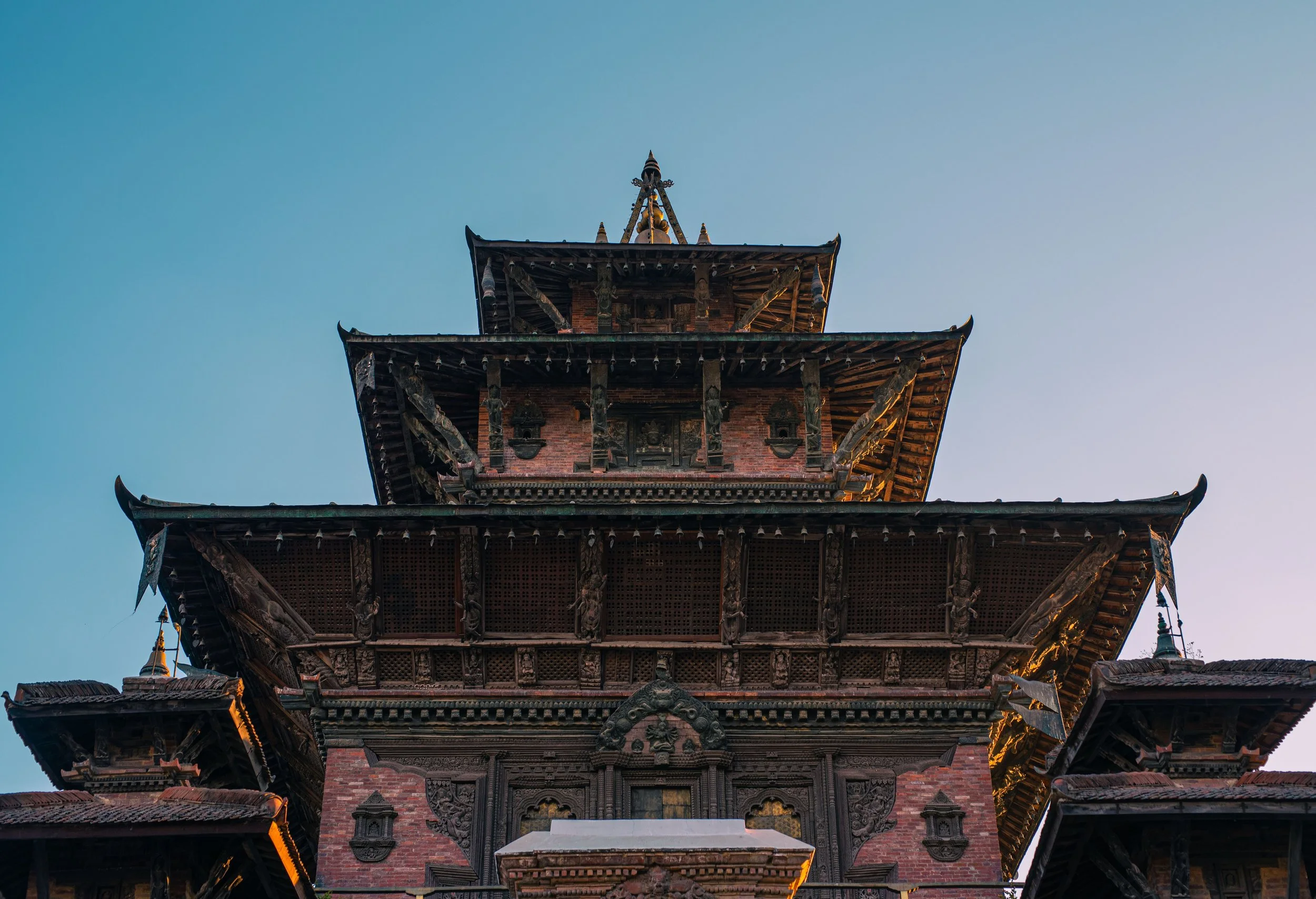
Don't miss the magnificent Chilanchoku Stupa, a captivating Buddhist monument believed to be built in the 8th century. As you climb the steps, take in the panoramic vistas of the valley below. The Bagh Bhairab Temple, a vibrant red structure adorned with fearsome statues, is another must-see. This 11th-century temple holds a unique place in Kirtipur's history. Look closely, and you'll see captured Gorkha weapons displayed on the roof - a reminder of the town's valiant resistance during the Nepal unification campaign.
Beyond the Temples: A Cultural Tapestry
Kirtipur is more than just stunning architecture. It's a vibrant community where the Newari culture thrives. The Newari people, the original inhabitants of the Kathmandu Valley, have a distinct culture evident in their language, dress, and traditions.
While exploring the town, watch for local artisans creating woodcarvings, metalwork, and traditional Newari Thangka paintings. Be sure to sample the local Newari cuisine, known for its rich flavors and unique spices. Yomari, a steamed rice dish filled with sweet or savory fillings, is a local favorite.
Festivals and Celebrations: Immerse Yourself in the Spirit
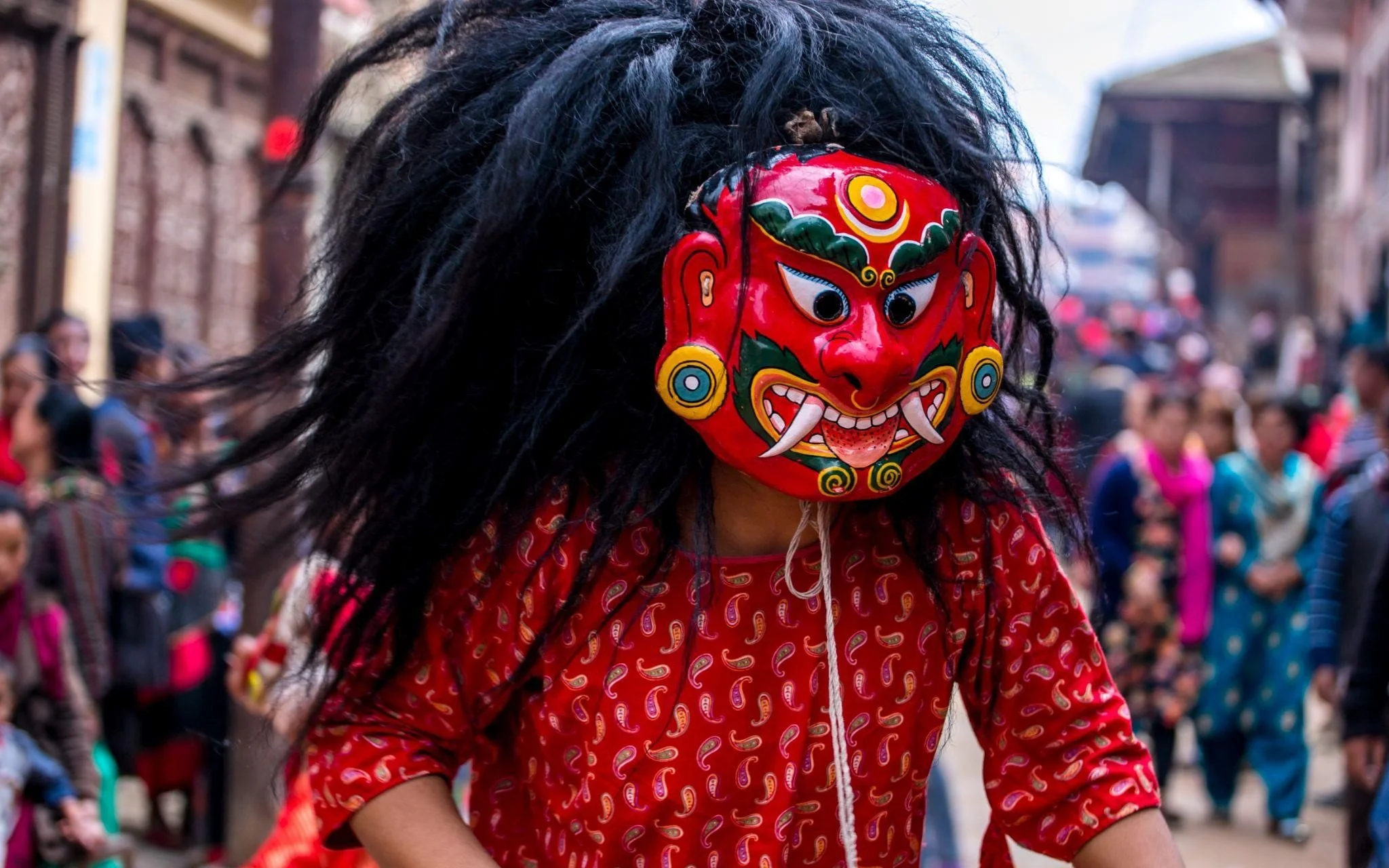
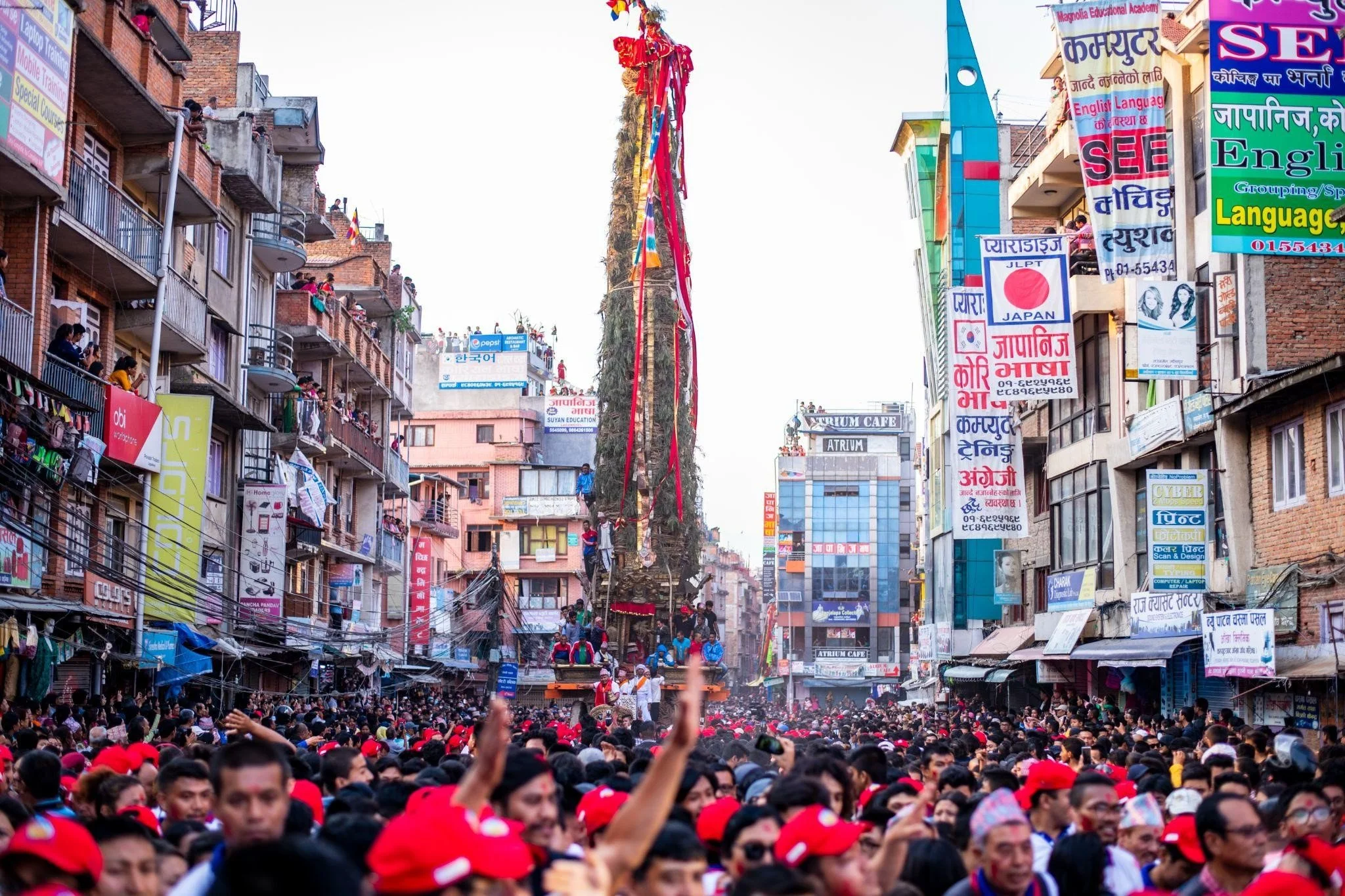
If you're fortunate enough to visit during a festival, Kirtipur comes alive with vibrant colors and joyous celebrations. The Indrayani Jatra in November and December, and the Bagh Bhairab Jatra in August, are particularly noteworthy. Witness elaborate chariot processions, masked dances, and traditional music that fill the air with a truly unforgettable energy.
A Haven for Nature Lovers
Kirtipur isn't just about historical and cultural exploration. Nature enthusiasts can find solace at Taudaha Lake, a haven for migratory birds during winter. You can also hike up to Manjushree Park, offering stunning views of the valley and a giant statue of Manjushree, the bodhisattva of wisdom.
Planning Your Visit to Kirtipur
Kirtipur is easily accessible from Kathmandu, making it a perfect day trip. Taxis and local buses are readily available. While exploring the town, comfortable shoes are recommended as you'll be doing a fair amount of walking. Additionally, be respectful of local customs and dress modestly when visiting temples.
Kirtipur: An Unforgettable Experience
A visit to Kirtipur is more than just sightseeing; it's a journey through Nepal's rich tapestry of history, culture, and natural beauty. From the captivating architecture to the vibrant festivals and welcoming locals, Kirtipur offers a unique and unforgettable experience for every traveler seeking to delve deeper into the heart of Nepal.
POPULAR ITINERARIES
SIMILAR POSTS


Nepal's Enchanting Embrace: 5 Must-Visit Destinations
Nepal, the landlocked wonder in the Himalayas, offers a unique blend of adventure, spirituality, and cultural immersion. From heart-pounding treks to soul-stirring temples, this captivating country promises an unforgettable experience. But with so much to see and do, where do you begin?
Nepal, the landlocked wonder in the Himalayas, offers a unique blend of adventure, spirituality, and cultural immersion. From heart-pounding treks to soul-stirring temples, this captivating country promises an unforgettable experience. But with so much to see and do, where do you begin?
Here are 5 must-visit destinations that will introduce you to the captivating essence of Nepal:
Kathmandu
Pokhara
Chitwan
Lumbini
Bhaktapur
Kathmandu: A Gateway to History and Adventure
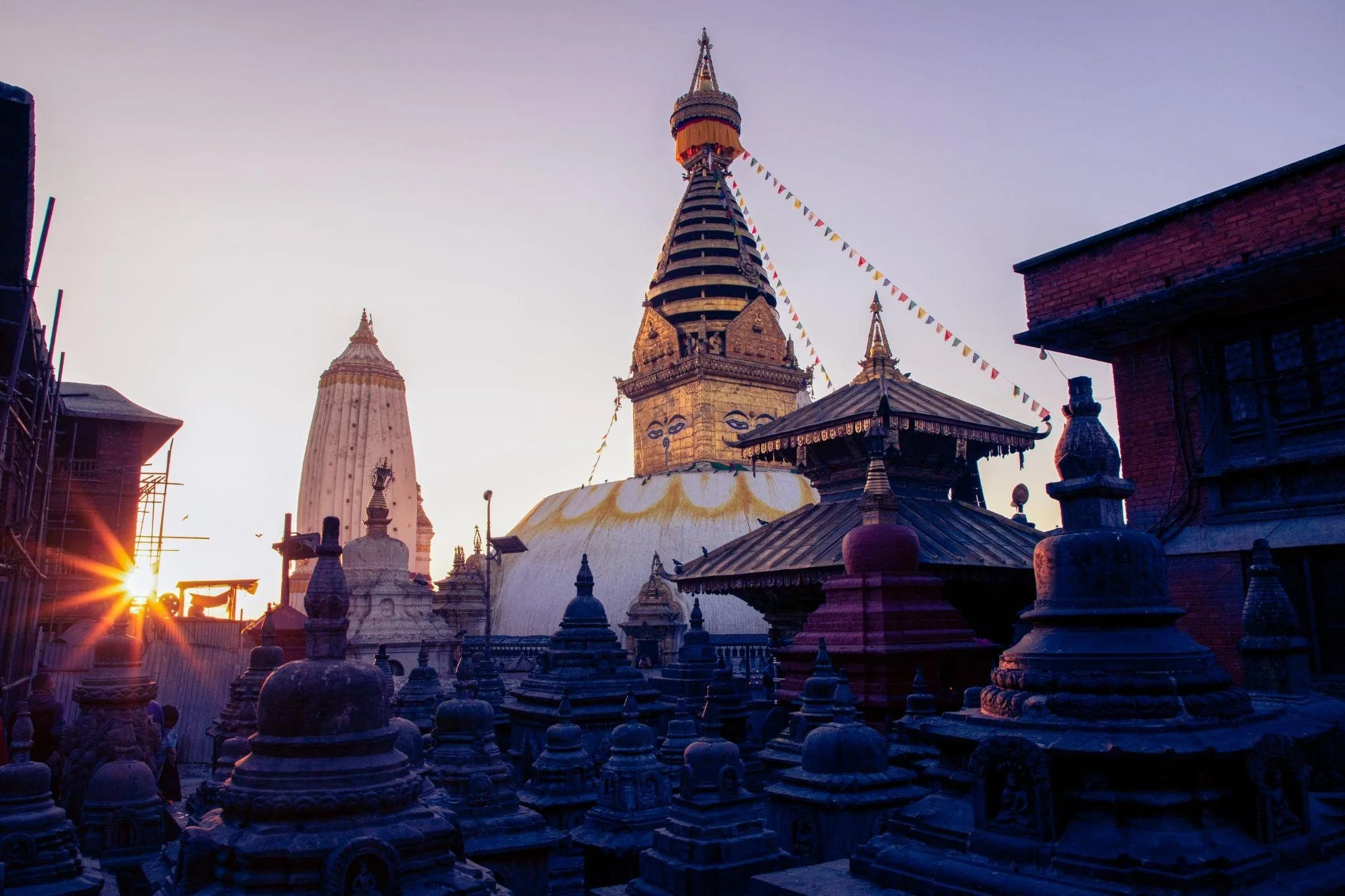
Kathmandu, the vibrant capital city, pulsates with energy. Explore the labyrinthine alleys of the ancient Durbar Squares, each a UNESCO World Heritage Site showcasing intricate temples and majestic palaces. Witness the serene beauty of Swayambhunath Stupa, the "Monkey Temple," perched atop a hill offering panoramic city views. Immerse yourself in the spiritual significance of Pashupatinath, a sacred Hindu pilgrimage site where life and death rituals unfold along the banks of the Bagmati River. For a taste of local life, wander through bustling Thamel, the tourist hub, where colorful shops and cafes beckon. Kathmandu is the perfect base for treks in the Himalayas, offering a vibrant pulse before and after your adventure.
Pokhara: Lakeside Serenity and Mountain Magic
Pokhara, nestled amidst breathtaking mountains and serene Phewa Lake, is a haven for relaxation and adventure. Glide across the tranquil waters of Phewa Lake on a colorful wooden boat, taking in the majestic reflection of the Annapurna range. For panoramic views of the Himalayas, hike to Sarangkot, a vantage point that ignites with the golden hues of sunrise. Pokhara is a trekker's paradise, offering access to treks like the Annapurna Base Camp and Poon Hill, renowned for their breathtaking scenery and diverse landscapes. Paragliding enthusiasts can experience the thrill of soaring above the Phewa Lake, while the adventurous can opt for white-water rafting on theTrishuli River. Pokhara's laid-back charm, coupled with its proximity to stunning mountains, makes it a must-visit for a truly rejuvenating experience.
Chitwan National Park: A Wildlife Spectacle
Step into a haven of diverse wildlife at Chitwan National Park, a UNESCO World Heritage Site. Embark on an exhilarating jeep safari through the verdant grasslands, spotting one-horned rhinos, majestic Bengal tigers, and a plethora of exotic birds. Explore the dense forests on elephant back, a unique opportunity to witness wildlife from a different perspective. Canoe down the Rapti River, keeping an eye out for crocodiles basking on the banks. Chitwan National Park offers a chance to witness the rich biodiversity of Nepal and experience the thrill of encountering these magnificent creatures in their natural habitat.
Lumbini: A Journey of Spiritual Awakening
Lumbini, the birthplace of Lord Buddha, is a pilgrimage site for Buddhists worldwide. Immerse yourself in the serene atmosphere of the Maya Devi Temple, believed to be the birthplace of Buddha. Explore the monasteries from various Buddhist traditions, each showcasing unique architectural styles. Stroll through the serene and peaceful Lumbini Garden, a haven of reflection and spiritual growth. Lumbini offers a chance to connect with the essence of Buddhism and experience the deep sense of peace that pervades this sacred place.
Bhaktapur: A Living Museum of Newari Culture
Bhaktapur, the "city of devotees," is a living museum showcasing the rich Newari culture. This ancient city, miraculously spared by the 2015 earthquake, boasts intricate woodcarvings, traditional brick houses with latticed windows, and imposing temples. Explore the Durbar Square, a UNESCO World Heritage Site, and marvel at the architectural grandeur of the Nyatapola Temple, the tallest pagoda in Nepal. Witness the vibrant Pottery Square, where skilled artisans handcraft exquisite pottery using age-old techniques. Bhaktapur offers a glimpse into Nepal's rich cultural heritage and provides a fascinating window into traditional Newari life.
These five destinations offer just a taste of the captivating experiences that await you in Nepal. From the bustling streets of Kathmandu to the serene beauty of Lumbini, each place offers a unique perspective on this remarkable country. So, pack your bags, embrace the spirit of adventure, and embark on a journey to discover the magic that awaits in Nepal.
POPULAR ITINERARIES
SIMILAR POSTS

10 Things You Must Try in Patan
A city of striking architecture, lively culture, and rich history, Patan is hidden away in the Kathmandu Valley. Often called Lalitpur, which translates to "City of Beauty," Patan offers a wealth of experiences waiting to be unearthed by visitors hoping to get a true sense of Nepal. These ten activities, ranging from seeing historic temples to hopping bazaars, will make your trip to Patan genuinely remarkable.
A city of striking architecture, lively culture, and rich history, Patan is hidden away in the Kathmandu Valley. Often called Lalitpur, which translates to "City of Beauty," Patan offers a wealth of experiences waiting to be unearthed by visitors hoping to get a true sense of Nepal. These ten activities, ranging from seeing historic temples to hopping bazaars, will make your trip to Patan genuinely remarkable.
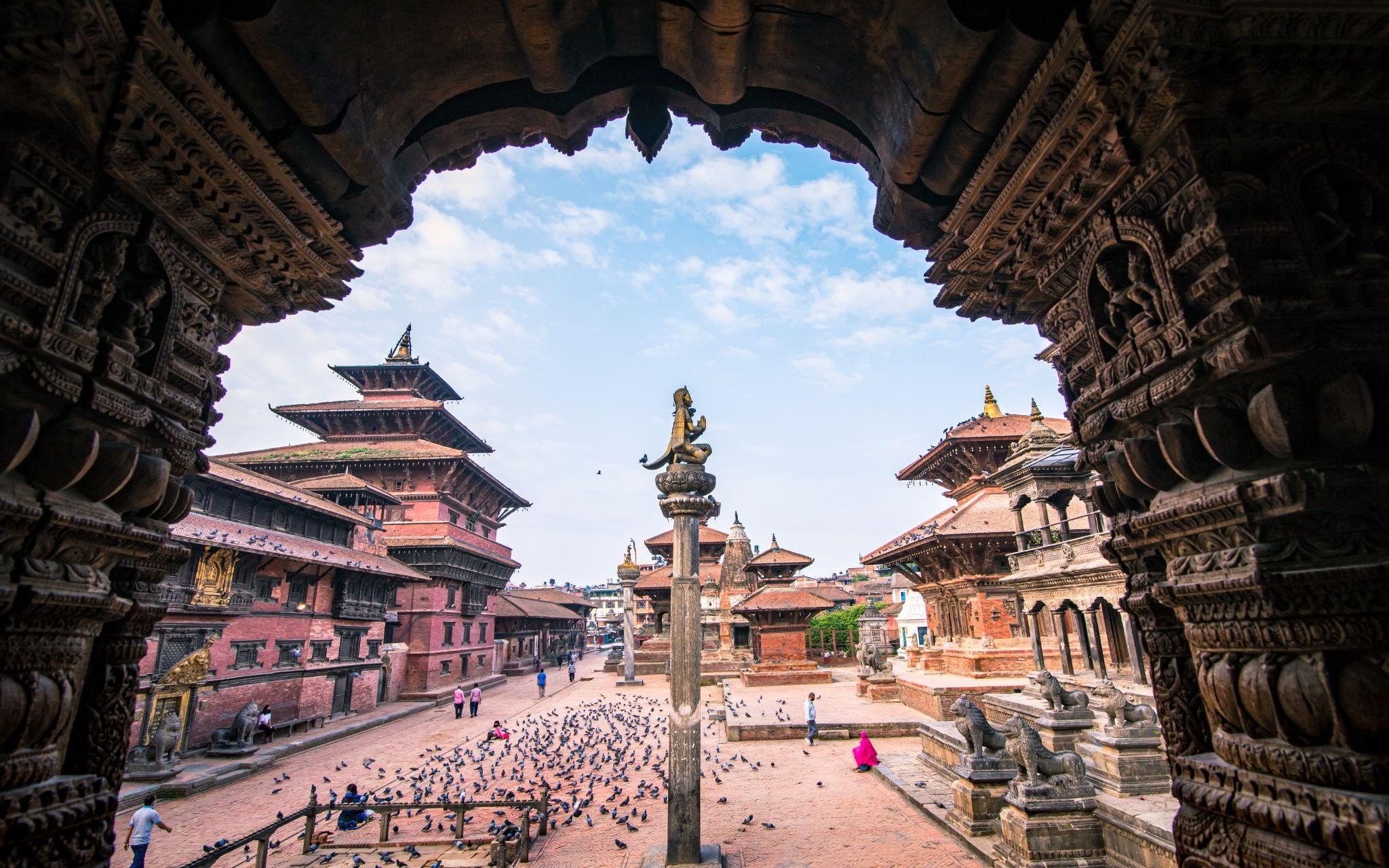
Patan Durbar Square: Begin your journey at the heart of Patan's cultural heritage, the Durbar Square. Marvel at the intricately carved wooden architecture of the temples, palaces, and courtyards that date back to the Malla dynasty. Don't miss the iconic Krishna Mandir, a masterpiece of Newari architecture adorned with exquisite stone carvings.
Patan Museum: Dive deeper into Patan's history and artistry at the Patan Museum, housed in the former palace of the Malla kings. Explore the museum's impressive collection of ancient sculptures, metalwork, and religious artifacts, providing insight into Nepal's rich artistic heritage.
Golden Temple (Hiranya Varna Mahavihar): Discover tranquility amidst the golden splendor of this Buddhist monastery, known for its ornate golden facade and serene courtyard. Take a moment to soak in the peaceful ambiance and admire the intricate metalwork and woodcarvings adorning the temple.
Mahaboudha Temple: Embark on a spiritual journey at the Mahaboudha Temple, also known as the "Temple of a Thousand Buddhas." This unique brick temple is adorned with miniature terracotta images of Buddha, each intricately crafted and imbued with centuries of history and reverence.
Patan's Living Heritage Walk: Immerse yourself in the daily life of Patan's residents with a guided walking tour of its traditional neighborhoods. Explore narrow alleyways lined with ancient houses, artisan workshops, and hidden courtyards, gaining insight into the city's living heritage and vibrant culture.
Patan's Artisan Workshops: Witness the age-old craftsmanship of Patan's artisans as they create intricate metalwork, pottery, and handwoven textiles. Visit local workshops and studios to observe artisans at work and perhaps even try your hand at traditional techniques under their guidance.
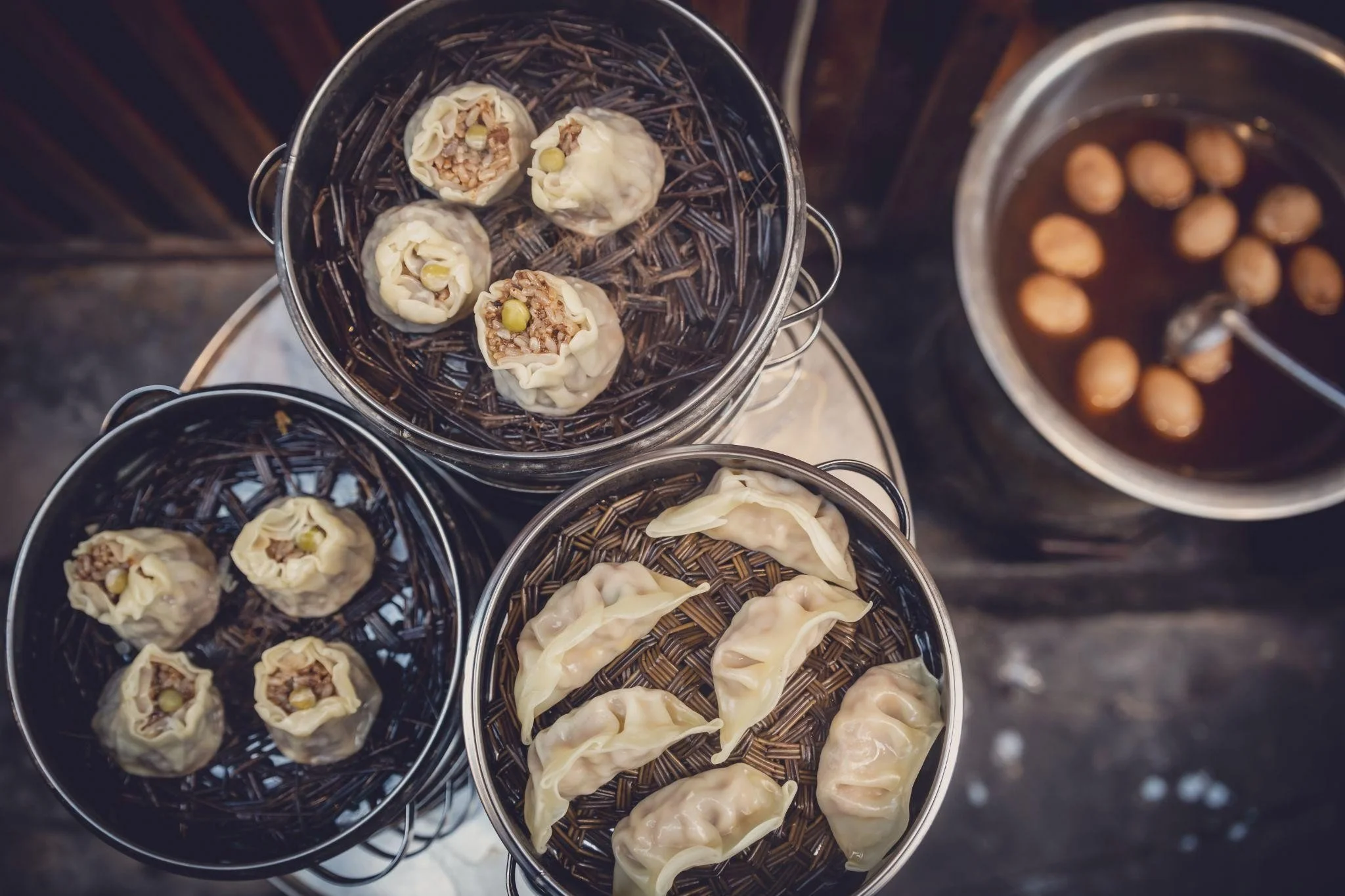
Patan's Culinary Delights: Indulge your taste buds with the flavors of Newari cuisine, renowned for its bold spices and unique flavors. Sample local delicacies such as momos (dumplings), bara (fried lentil patties), and yomari (sweet rice dumplings), savoring the culinary heritage of Patan.
Patan's Thangka Painting Schools: Delve into the world of Tibetan Buddhist art with a visit to one of Patan's Thangka painting schools. Marvel at the intricate details of these traditional scroll paintings depicting deities, mandalas, and religious motifs, and perhaps even enroll in a workshop to learn the ancient art form yourself.
Patan's Evening Aarti at Pimbahal Pond: Experience the spiritual fervor of Patan's evening aarti ceremony at Pimbahal Pond, where devotees gather to offer prayers and light oil lamps in homage to the gods. Witness the mesmerizing sight of flickering flames reflected on the tranquil waters, accompanied by the chanting of hymns and the ringing of bells.
Patan's Handicraft Markets: Conclude your journey with a visit to Patan's bustling handicraft markets, where you can shop for authentic souvenirs to commemorate your time in the city. Browse through a myriad of handcrafted goods, including pottery, jewelry, textiles, and intricately carved wooden souvenirs, each representing the artisanal heritage of Patan.
Patan is a city brimming with cultural treasures and immersive experiences that offer a glimpse into Nepal's rich heritage and traditions. Whether you're exploring ancient temples, interacting with local artisans, or savoring traditional cuisine, a visit to Patan promises to be a journey of discovery and enlightenment that will leave a lasting impression on your soul.
POPULAR ITINERARIES
SIMILAR POSTS

Discover Bhaktapur: 10 Must-Do Experiences for Foreigner
The historic city of Bhaktapur, Nepal, can be found in the Kathmandu Valley. It is recognized as a UNESCO World Heritage site because of its magnificent architecture, lively customs, and rich cultural legacy. Bhaktapur provides a wealth of attractions just waiting to be discovered by visitors from other countries looking for a genuine Nepalese experience.
The historic city of Bhaktapur, Nepal, can be found in the Kathmandu Valley. It is recognized as a UNESCO World Heritage site because of its magnificent architecture, lively customs, and rich cultural legacy. Bhaktapur provides a wealth of attractions just waiting to be discovered by visitors from other countries looking for a genuine Nepalese experience. Here are ten things that visitors from outside Bhaktapur really must do, including strolling through alleyways that date back hundreds of years and enjoying authentic Newari cuisine:
1. Explore Durbar Square: Take in the ancient atmosphere of Durbar Square as you start your trip to Bhaktapur. Admire the elaborately carved temples, regal residences, and historic courtyards that represent the city's rich history. Nyatapola Temple, a five-story pagoda with beautiful wood carvings and figures, is a must-see.
2. Take a tour of the Bhaktapur Durbar Square Museum to learn more about the history and culture of Bhaktapur. The museum, which is housed in the old palace structure, has an intriguing collection of objects, paintings, and sculptures that shed light on the artistic and regal past of the city.
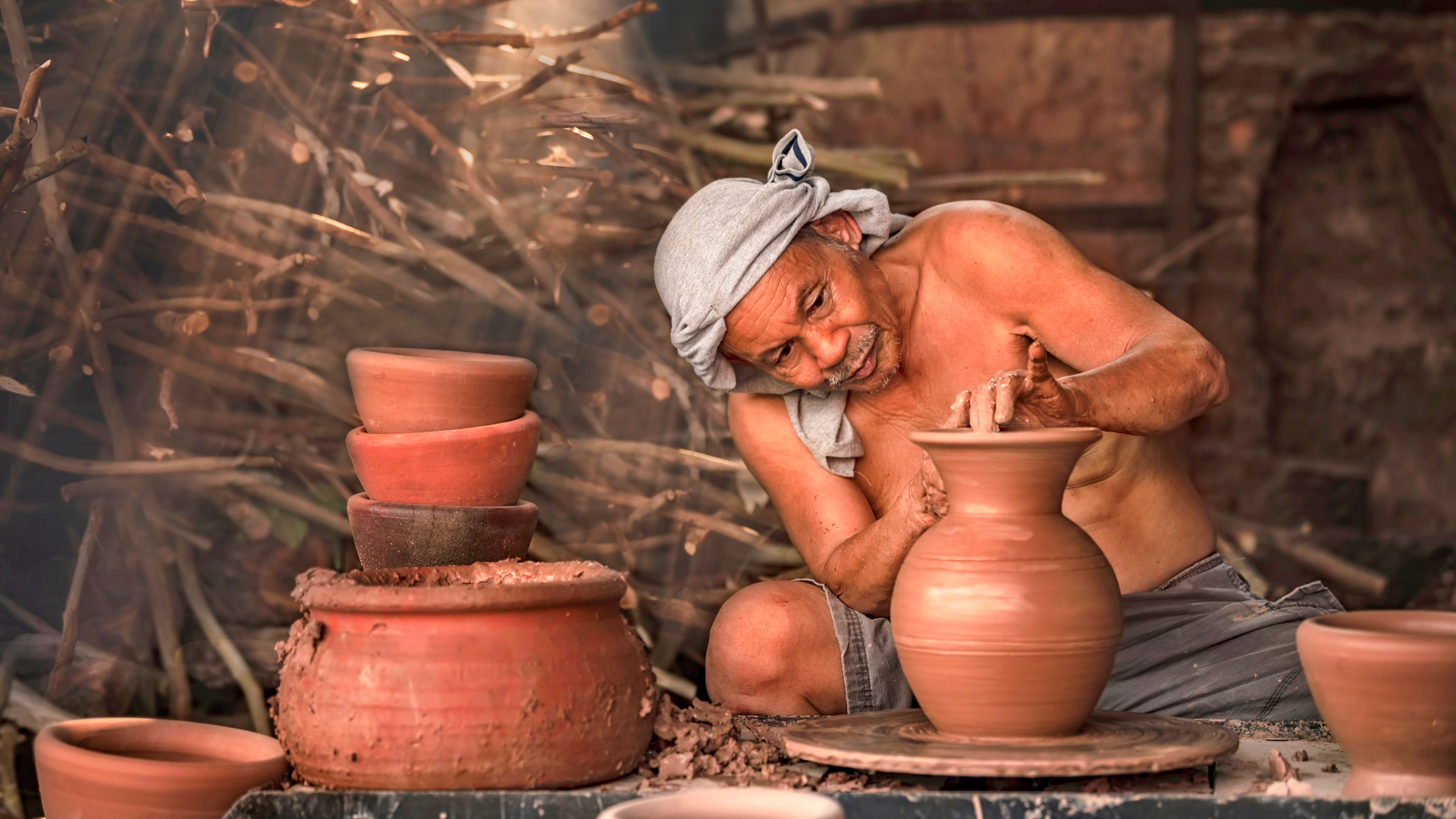
3. Witness Pottery Making at Pottery Square: Visit Pottery Square to immerse yourself in the heart of Bhaktapur's artisanal heritage, as regional artisans display their talents in the art of pottery making. Observe how they expertly shape clay into a variety of forms, maintaining traditional methods that have been passed down through the years.
4. Take a Class on Traditional Newari Cooking: Take a traditional Newari cooking class to start your culinary journey. Taste the tastes of Newari cuisine directly from the source as you study the craft of making traditional meals like "bara," "Chatamari," and "Yomari" under the direction of skilled chefs.
5. Climb the Vatsala Temple for Panoramic Views: Ascend to the summit of the Vatsala Temple for stunning vistas of Bhaktapur and the surrounding Himalayan terrain. Located atop a hill with a stunning view of Durbar Square, this viewpoint provides an unmatched insight into the architectural magnificence of the city.
6. Wander Around Taumadhi Square's Narrow Streets: Explore Taumadhi Square's winding lanes, which are home to historic residences, busy market booths, and old temples. Enjoy strolls at your leisure, converse with the amiable inhabitants, and lose yourself in Bhaktapur's timeless beauty and traditional atmosphere.
7. Find Undiscovered Treasures at Siddha Pokhari: Take a break from the bustle of the city and head to Siddha Pokhari's serene environs. This historic pond provides a tranquil haven where you may rest and regenerate amidst breathtaking scenery, all encircled by thick vegetation and covered pavilions.
8. Purchase Handmade Memorabilia: Wander around Bhaktapur's vibrant marketplaces and quaint boutiques to find an abundance of homemade mementos. You may purchase one-of-a-kind souvenirs to remember your stay, ranging from magnificent ceramics and linens to delicately carved wooden masks.
9. Experience a Traditional Newari Feast: Visit one of Bhaktapur's traditional Newari eateries to savor a meal fit for a king or queen. Taste a wide range of regional specialties presented with antique brass cutlery, and experience the genuine tastes of Newari cooking in a charming environment.
10. Take in Traditional Festivals and Festivities: Attend traditional festivals and festivities to fully immerse yourself in Bhaktapur's dynamic cultural scene. These celebrations provide an insight into the city's rich religious and cultural traditions, from the vibrant Bisket Jatra celebrations to the serious Gai Jatra rites.
To sum up, Bhaktapur is a fascinating combination of history, culture, and real experiences that will captivate tourists from other countries. Explore historic temples, indulge in regional specialties, or become fully immersed in local customs—Bhaktapur offers a unique experience that will transport you to the core of Nepal's cultural legacy.
POPULAR ITINERARIES
SIMILAR POSTS

Historic Gadi Baithak of Basantapur: A Timeless Treasure
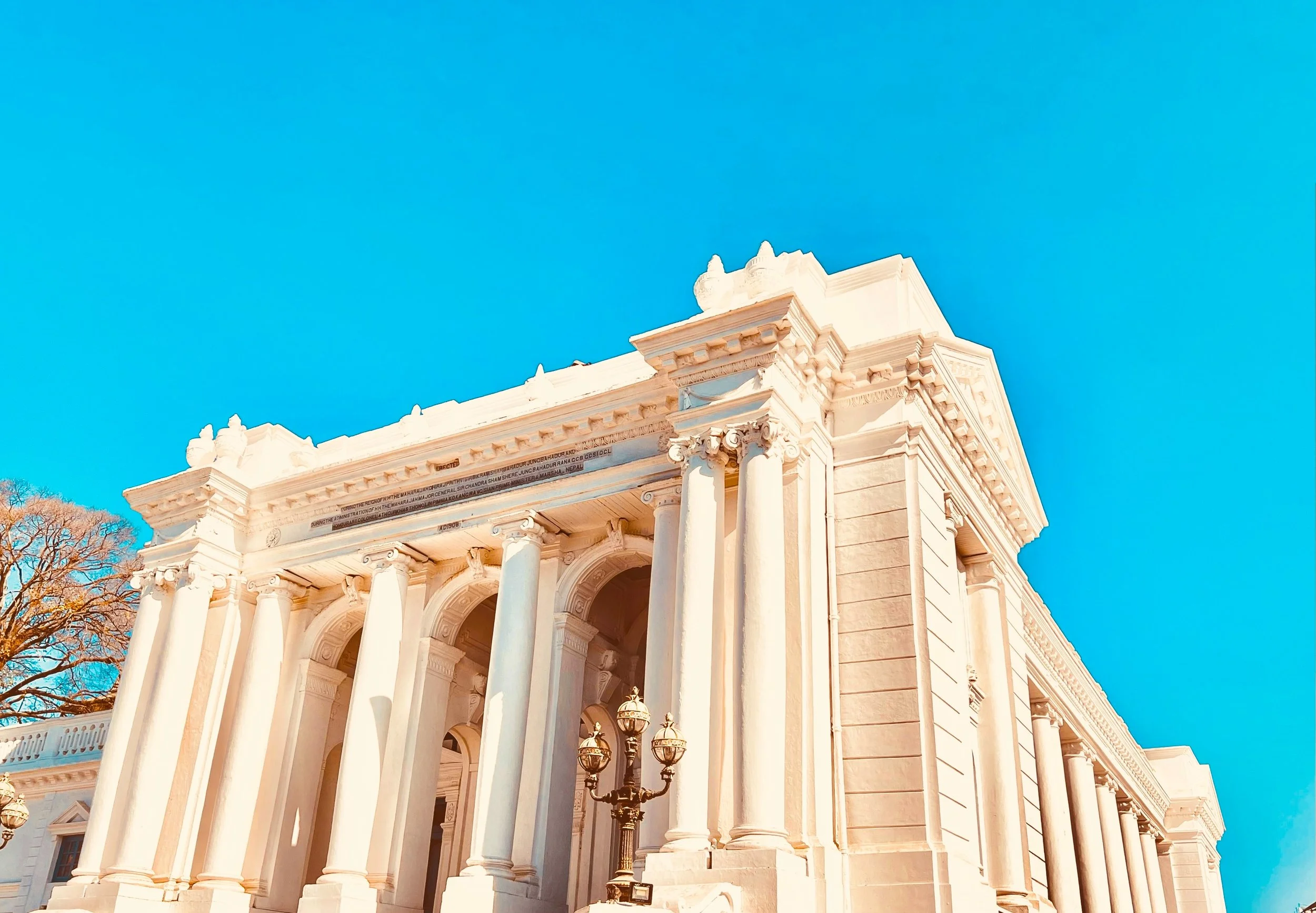
In the heart of Kathmandu's historic Basantapur Durbar Square stands a magnificent architectural gem that resonates with the grandeur of Nepal's royal past - the Gadi Baithak. This ornate palace, a testament to the craftsmanship of its time, showcases the rich history and cultural heritage of Nepal.
The Gadi Baithak, also known as the White Palace, is a captivating blend of architectural styles that reflect Nepal's diverse cultural influences. The palace, constructed during the early 20th century by Chandra Shumsher Jang Bahadur Rana in 1908, boasts a remarkable fusion of Newari, Mughal, and Tibetan architectural elements.
The most striking feature of the Gadi Baithak is its multi-tiered pagoda-style roof adorned with intricate wood carvings and golden embellishments. The façade of the palace is adorned with ornate windows and doorways, each showcasing the superb craftsmanship of the Newari artisans. The palace's fusion of aesthetics is a testament to Nepal's history as a crossroads of diverse cultures and artistic influences.
Historical Significance: A Royal Legacy
The Gadi Baithak has a storied history intertwined with the dynasties that ruled over Nepal. Originally constructed during the reign of Chandra Shumsher Jang Bahadur Rana in 1908, it served as a royal court where the king would hold audiences, make proclamations, and receive dignitaries and ambassadors. The palace also played a central role in hosting religious ceremonies and festivals.
One of the most significant events associated with the Gadi Baithak was the declaration of the abdication of King Gyanendra in 1950, marking the end of the Shah monarchy. This historic moment unfolded within the grand halls of the palace, making it a symbol of political change in Nepal.
Over the centuries, the Gadi Baithak has witnessed a transformation in its usage. From its origins as a royal court, it has evolved into a cultural center and an architectural treasure of Nepal. Today, it continues to serve as a venue for cultural events, exhibitions, and public gatherings.
The Gadi Baithak also houses a museum that showcases Nepal's royal history, traditional art, and artifacts from the Malla period. The museum provides visitors with insights into the rich cultural tapestry of Nepal and the artistic achievements of its people.
Basantapur Durbar Square: A Cultural and Historical Oasis
The Gadi Baithak is a pivotal component of the larger Basantapur Durbar Square, a UNESCO World Heritage Site that encompasses a rich collection of palaces, temples, and courtyards. The square itself is a vibrant cultural hub, a place where traditional festivals, rituals, and daily life converge.
Among the notable attractions within Basantapur Durbar Square is the Hanuman Dhoka Durbar, a palace complex that served as the royal residence for many centuries. Its intricately carved wooden balconies and courtyards offer a glimpse into the opulence of Nepal's past.
Additionally, the Kumari Ghar, or Kumari's Residence, is another highlight. It is the home of the Kumari, a living goddess, and visitors may catch a glimpse of her during scheduled appearances.
Preserving a Cultural Heritage
The Gadi Baithak, like many historic structures in Nepal, has faced challenges over the years due to earthquakes and the passage of time. However, concerted efforts have been made to preserve and restore this architectural treasure.
Various restoration projects, supported by both local and international organizations, have contributed to the ongoing maintenance and protection of the Gadi Baithak and other heritage sites in Basantapur Durbar Square. These efforts aim to ensure that these landmarks continue to stand as testaments to Nepal's rich cultural heritage and history.
The Gadi Baithak of Basantapur stands as a timeless testament to Nepal's rich history, architectural splendor, and cultural significance. Its fusion of diverse architectural styles and its role in Nepal's royal and political history make it a must-visit destination for travelers and history enthusiasts alike.
As visitors explore the grandeur of the Gadi Baithak within the historic Basantapur Durbar Square, they are transported to a bygone era, where the echoes of royal proclamations and the artistry of the Newari craftsmen continue to resonate. The preservation of such architectural treasures is not just a duty; it is a celebration of Nepal's cultural heritage and a bridge between the past and the present, ensuring that the legacy of the Gadi Baithak endures for generations to come.
POPULAR ITINERARIES
SIMILAR POSTS
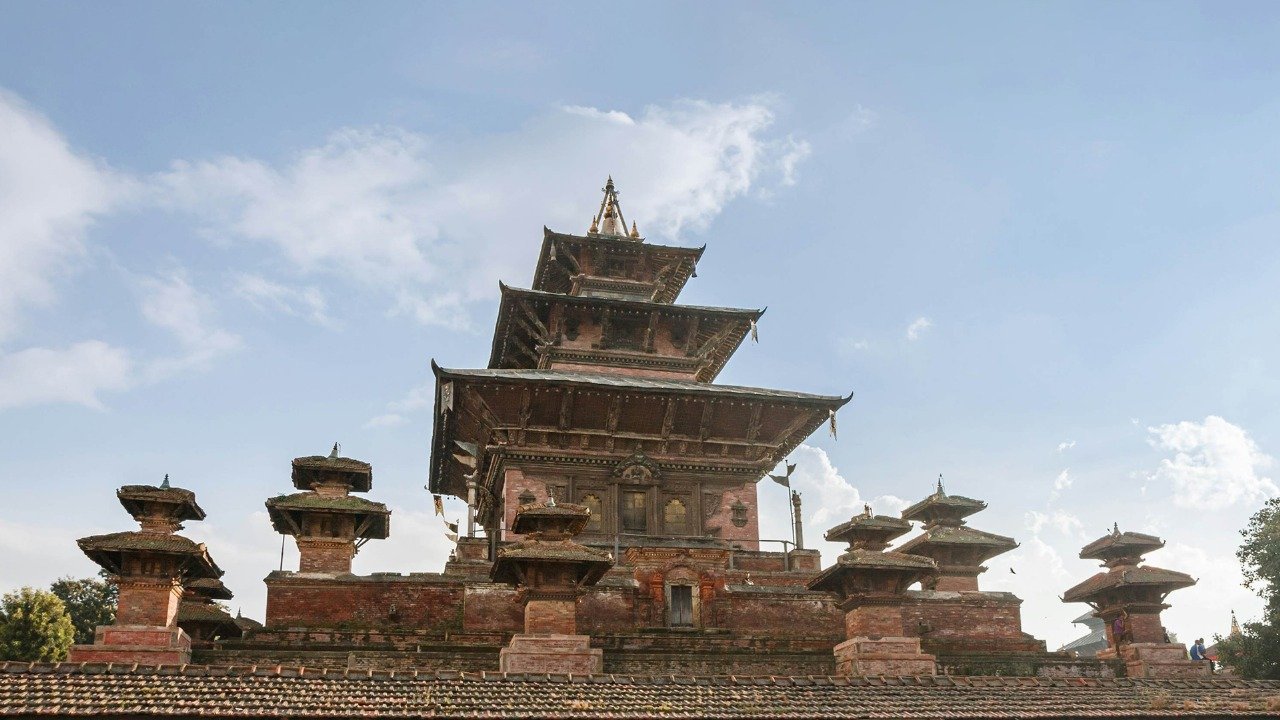

10 Things To Do In Bouddha
Nestled in the vibrant city of Kathmandu, Bouddha (also spelled Boudhanath) is a remarkable neighborhood that exudes a unique blend of spirituality, culture, and history. As one of the most sacred sites for Tibetan Buddhists and a thriving cultural hub, Bouddha offers a multitude of experiences that cater to both spiritual seekers and curious travelers. In this article, we will embark on a journey to explore 10 captivating things to do in Bouddha, starting with the star attraction, Bouddhanath.
Before we delve into the activities, let's touch upon the rich history of Bouddha. This ancient neighborhood has been a center of Tibetan Buddhism and culture in Nepal for centuries. Its history can be traced back to the 5th century when a stupa, believed to contain the relics of the Buddha himself, was constructed. Over time, Bouddhanath has evolved into a sacred pilgrimage site, attracting devotees from all corners of the world. Its significance extends beyond its spiritual allure, as it has also become a vibrant center for Tibetan refugees, monasteries, and a thriving community of artists and artisans.
The Star Attraction: Bouddhanath Stupa
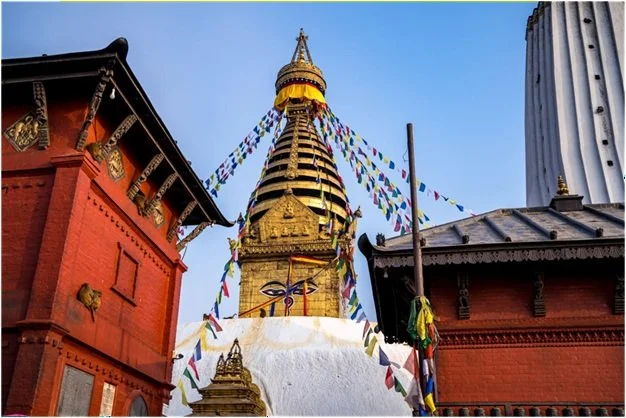
Bouddhanath Stupa, often referred to as the "Great Stupa," is the undisputed centerpiece of Bouddha and one of the most revered Buddhist stupas in the world. This colossal white dome, adorned with the watchful eyes of the Buddha, is an architectural masterpiece and a spiritual epicenter for Tibetan Buddhists.
Activity 1: Circumambulate the Stupa
As you step into Bouddha, your eyes will be drawn to the magnificence of the stupa. A ritual that should top your list is circumambulating the stupa. Join the pilgrims as they walk clockwise around the stupa, spinning prayer wheels and reciting mantras. The rhythmic sound of the spinning wheels and the scent of burning juniper incense create an atmosphere of profound spirituality.
Activity 2: Visit Monasteries and Gompas
Bouddha is home to numerous monasteries and gompas (Tibetan Buddhist temples), each with its unique charm and spiritual significance. Take your time to explore these tranquil sanctuaries, engage in meditation sessions, and gain insights into Tibetan Buddhism's philosophy and practices.
Activity 3: Explore the Shops and Souvenirs
Bouddha's narrow alleys are lined with shops selling Tibetan and Nepali handicrafts, thangka paintings, jewelry, and religious artifacts. It's an ideal place to pick up authentic souvenirs and immerse yourself in the local arts and crafts scene.
Activity 4: Savor Tibetan Cuisine
Indulge your taste buds in the rich and flavorful Tibetan cuisine available in Bouddha. Savor momo (dumplings), thukpa (noodle soup), and butter tea at local eateries. You can also find international cuisines that cater to various tastes.
Activity 5: Attend Puja Ceremonies
Participate in traditional Buddhist puja ceremonies held in Bouddha's monasteries. These spiritual gatherings are an opportunity to witness age-old rituals and receive blessings from resident monks.
Activity 6: Experience Tibetan Music and Dance
Many evenings in Bouddha come alive with cultural performances featuring traditional Tibetan music and dance. Check local event listings to catch these vibrant displays of Tibetan art and culture.
Activity 7: Yoga and Meditation Retreats
Bouddha's serene environment makes it an ideal place for yoga and meditation retreats. Join one of the many retreats held by experienced instructors and find your inner peace amidst the bustling city.
Activity 8: Attend Workshops and Art Exhibitions
Bouddha is home to a thriving community of artists and artisans. Attend workshops and art exhibitions to gain insights into traditional Tibetan art forms such as thangka painting, carpet weaving, and sculpture.
Activity 9: Capture the Moment
Photographers will find Bouddha a paradise for capturing stunning images. From the timeless architecture of the stupa to the colorful prayer flags fluttering in the wind, every corner of Bouddha offers photographic opportunities.
Activity 10: Visit Nearby Attractions
Bouddha's strategic location in the Kathmandu Valley allows for easy access to other cultural and historical attractions in the region. Explore nearby sites such as Swayambhunath Stupa (Monkey Temple), Pashupatinath Temple, and the historic city of Bhaktapur.
Bouddha is not merely a destination; it is a spiritual and cultural journey that offers a profound connection to Tibetan Buddhism and the timeless traditions of Nepal. The Great Stupa stands as a symbol of spirituality and unity, drawing people from all walks of life to its sacred grounds. Whether you seek spiritual enlightenment, cultural immersion, or simply a peaceful retreat within the bustling city of Kathmandu, Bouddha provides a tapestry of experiences that will leave an indelible mark on your heart and soul. As you explore its treasures, you'll find that Bouddha truly captures the essence of Nepal's spiritual and cultural heritage.
POPULAR ITINERARIES
SIMILAR POSTS

Capturing the Stars in the Himalayas
Nepal, renowned for its stunning mountain landscapes, rich culture, and warm hospitality, has also emerged as a hidden gem for astrophotographers. The Himalayan nation offers a unique opportunity to capture the celestial wonders amidst its breathtaking scenery. In this article, we will explore some of the best astro photography destinations in Nepal, where you can capture the beauty of the night sky against the backdrop of the majestic mountains.
Nepal, renowned for its stunning mountain landscapes, rich culture, and warm hospitality, has also emerged as a hidden gem for astrophotographers. The Himalayan nation offers a unique opportunity to capture the celestial wonders amidst its breathtaking scenery. In this article, we will explore some of the best astro photography destinations in Nepal, where you can capture the beauty of the night sky against the backdrop of the majestic mountains.
1. Sagarmatha National Park
Nestled in the heart of the Khumbu region, Sagarmatha National Park is home to the world's highest peak, Mount Everest. It's not only a paradise for trekkers but also for astrophotographers. The clear, unpolluted skies at high altitudes provide a canvas for capturing the Milky Way, constellations, and even the occasional shooting star. Gazing up at the starry sky with the silhouette of Everest and neighboring peaks is an experience that transcends words.
2. Annapurna Conservation Area
The Annapurna Conservation Area is another prime astro photography destination in Nepal. With its diverse terrain, including lush forests, terraced fields, and serene lakes, this region offers an array of compositions for night photography. The tranquil Phewa Lake in Pokhara, surrounded by the Annapurna Range, is a perfect spot for capturing reflections of the stars in the water.
3. Rara Lake
Rara Lake, located in the remote northwestern corner of Nepal, is the largest lake in the country and one of the least explored astro photography destinations. The serene and pristine surroundings make it an ideal location for capturing the night sky in all its glory. Away from the light pollution of urban areas, Rara Lake offers a chance to photograph the Milky Way in its full splendor.
4. Langtang National Park
Langtang National Park, with its rugged terrain and diverse flora and fauna, is a haven for astro photographers. The picturesque Langtang Valley, with its dramatic landscapes and high vantage points, provides ample opportunities to capture star trails and the interplay of light and shadow on the mountains during the night.
5. Gosaikunda Lake
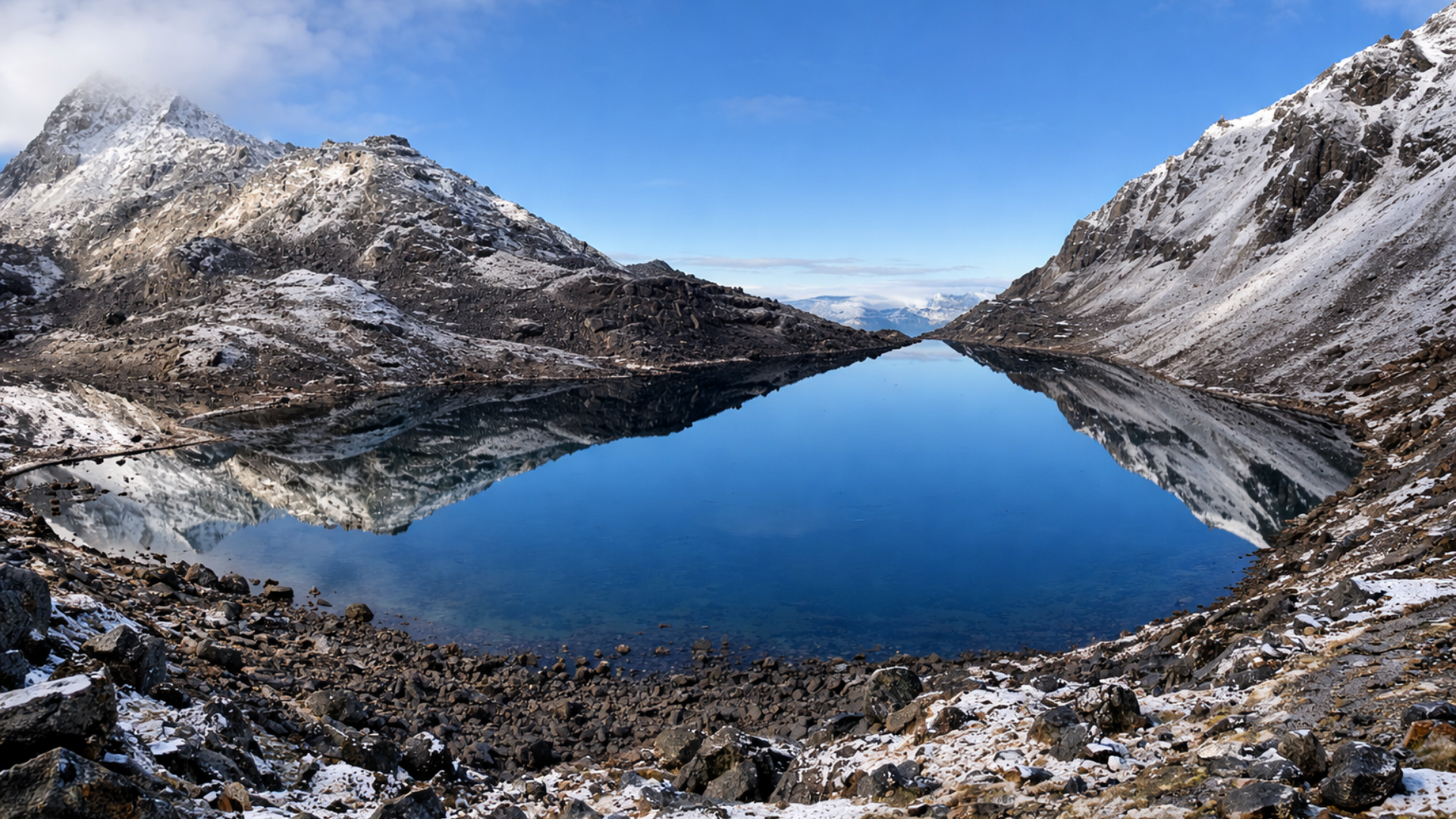
Located at an altitude of over 4,380 meters, Gosaikunda Lake is not just a pilgrimage site but also a remarkable astro photography destination. The high altitude and pristine environment make it an ideal place for capturing the night sky. The lake's calm waters mirror the stars above, creating stunning reflections that add depth to your astrophotography compositions.
6. Manang
Manang, a picturesque village on the Annapurna Circuit, is a strategic base for astrophotographers. The village's high altitude and minimal light pollution make it an excellent spot to capture the celestial wonders. The clear night skies here reveal intricate details of the Milky Way, making it a must-visit destination for avid astrophotographers.
7. Upper Mustang
Upper Mustang, a remote region bordering Tibet, offers a unique landscape for astro photography. The stark, arid terrain and ancient cave dwellings provide a surreal contrast to the night sky. The region's isolation ensures minimal light pollution, allowing you to capture stunning images of stars and galaxies.
Tips for Astro Photography in Nepal
Pack Proper Gear: Ensure you have a sturdy tripod, a fast lens with a wide aperture, and a remote shutter release to minimize camera shake during long exposures.
Check the Weather: Plan your trip during the dry season (October to April) when the skies are clear and the chances of capturing the stars are higher.
Acclimatize: If you're heading to high-altitude destinations like Everest Base Camp or Manang, take time to acclimatize to prevent altitude sickness.
Learn Astrophotography Techniques: Familiarize yourself with techniques such as long-exposure photography, stacking, and image processing to enhance the quality of your astrophotographs.
Respect the Environment: Practice responsible photography by leaving no trace and respecting the natural beauty of Nepal's landscapes.
Nepal's astro photography destinations offer a unique blend of natural beauty and celestial wonders. From the towering peaks of Sagarmatha National Park to the tranquil lakes of Annapurna, and the remote landscapes of Upper Mustang, there's a plethora of opportunities to capture the magic of the night sky. So, pack your camera gear, head to Nepal, and prepare to be mesmerized by the celestial symphony above the Himalayas. With a clear sky, a keen eye, and the right techniques, you'll create stunning astro photographs that will leave a lasting impression. Happy shooting!
POPULAR ITINERARIES
SIMILAR POSTS

Exploring Muktinath: A Spiritual Journey to the Himalayas
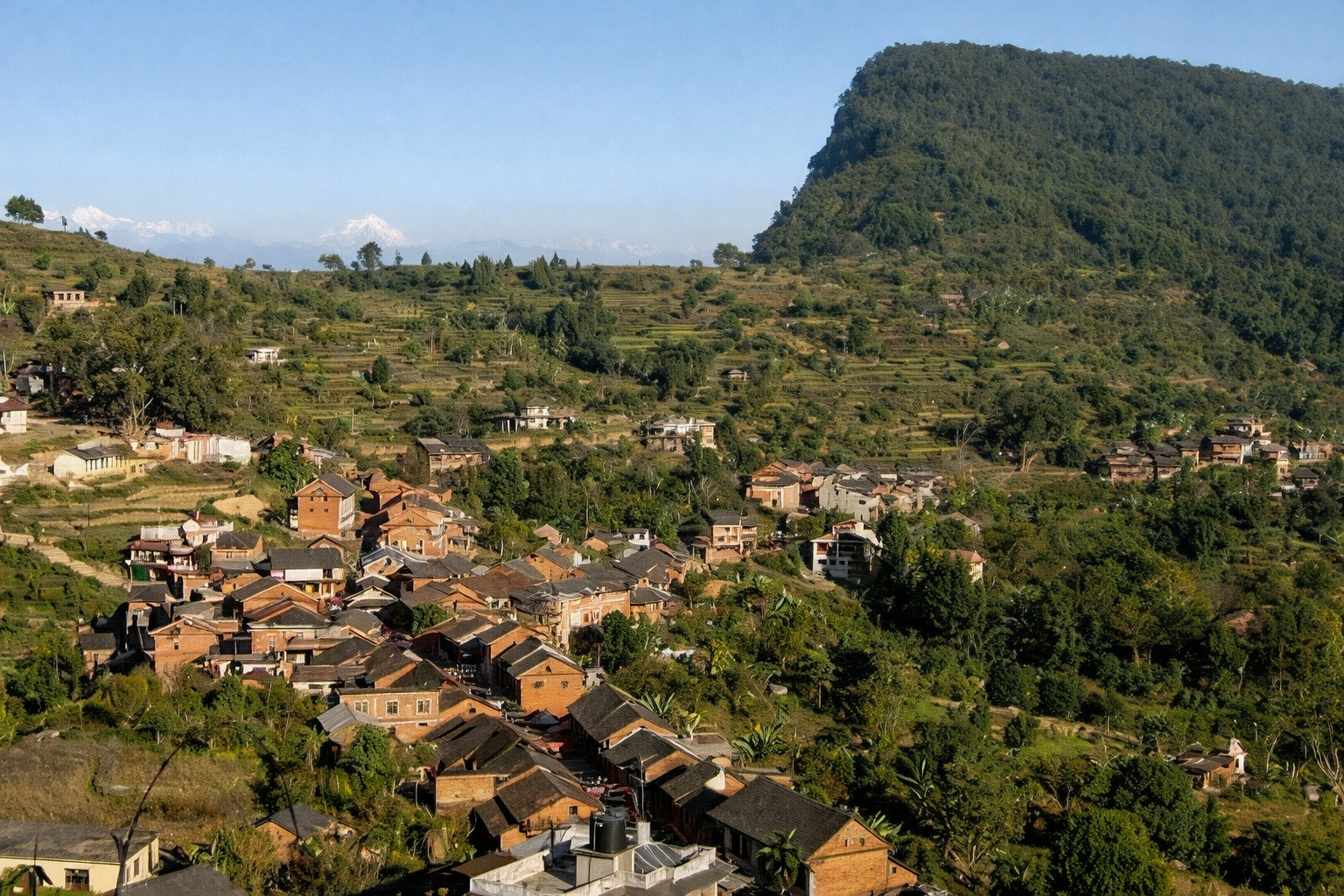
Muktinath's history dates back thousands of years, and it has been a revered pilgrimage site for Hindus and Buddhists since ancient times. For Hindus, it is one of the 108 sacred Vishnu temples known as "Divya Desams." The temple's main deity is Lord Vishnu, often depicted as "Muktinath" or "Chakrapani," holding a chakra (discus) in one hand and a conch shell in the other. Hindus believe that bathing in the holy waters of the Muktinath temple's 108 water spouts brings salvation and liberates them from the cycle of birth and rebirth.
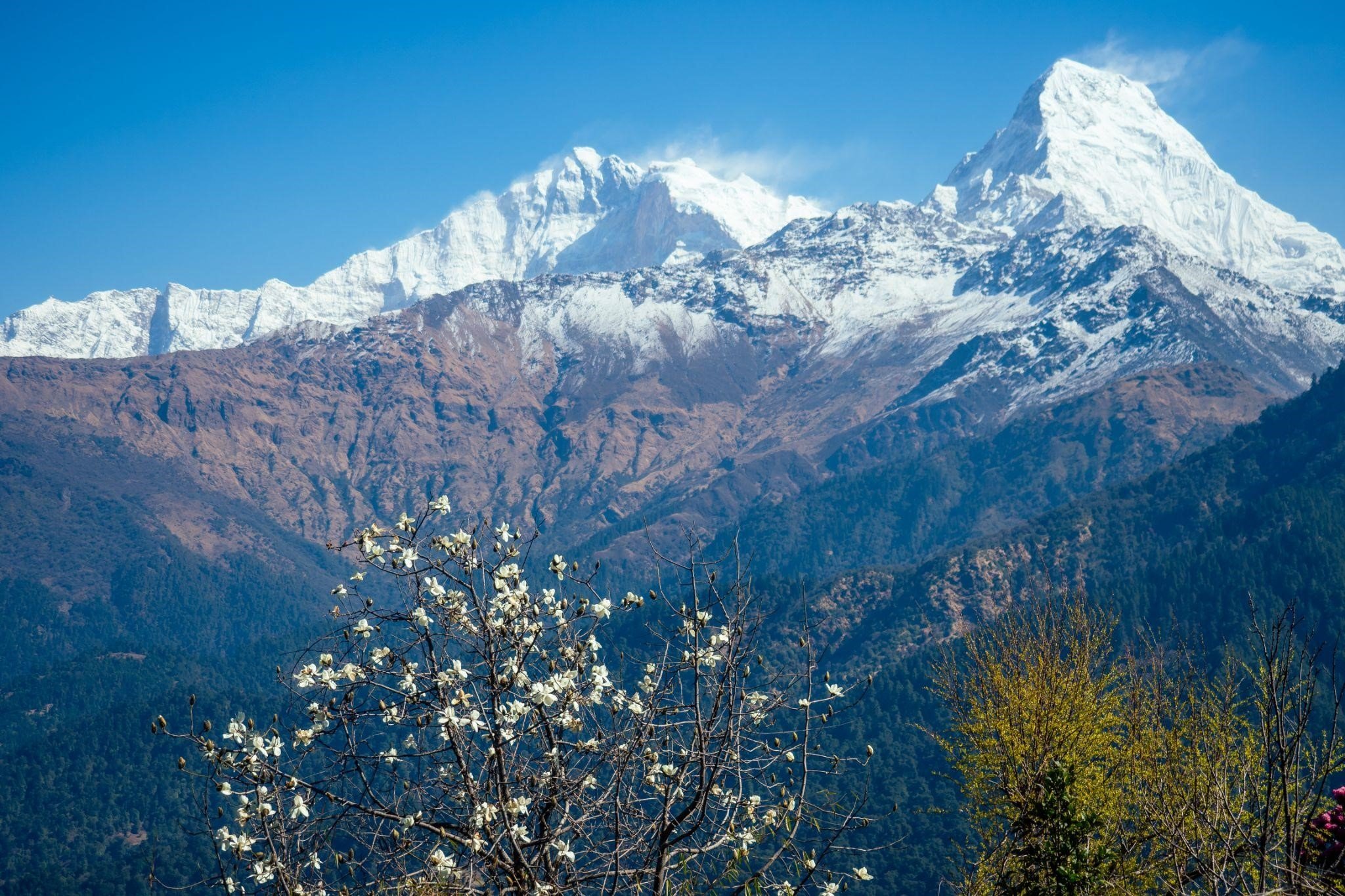
Welcome to the mystical land of Muktinath, a place of profound spiritual significance and breathtaking natural beauty. Nestled in the Annapurna mountain range of Nepal, Muktinath holds a unique place in the hearts of both Hindu and Buddhist pilgrims. The word "Muktinath" is derived from two Sanskrit words: "Mukti," meaning liberation or salvation, and "Nath," meaning lord. Thus, Muktinath is considered a place of ultimate liberation, attracting devotees from all walks of life.
Muktinath's history dates back thousands of years, and it has been a revered pilgrimage site for Hindus and Buddhists since ancient times. For Hindus, it is one of the 108 sacred Vishnu temples known as "Divya Desams." The temple's main deity is Lord Vishnu, often depicted as "Muktinath" or "Chakrapani," holding a chakra (discus) in one hand and a conch shell in the other. Hindus believe that bathing in the holy waters of the Muktinath temple's 108 water spouts brings salvation and liberates them from the cycle of birth and rebirth.
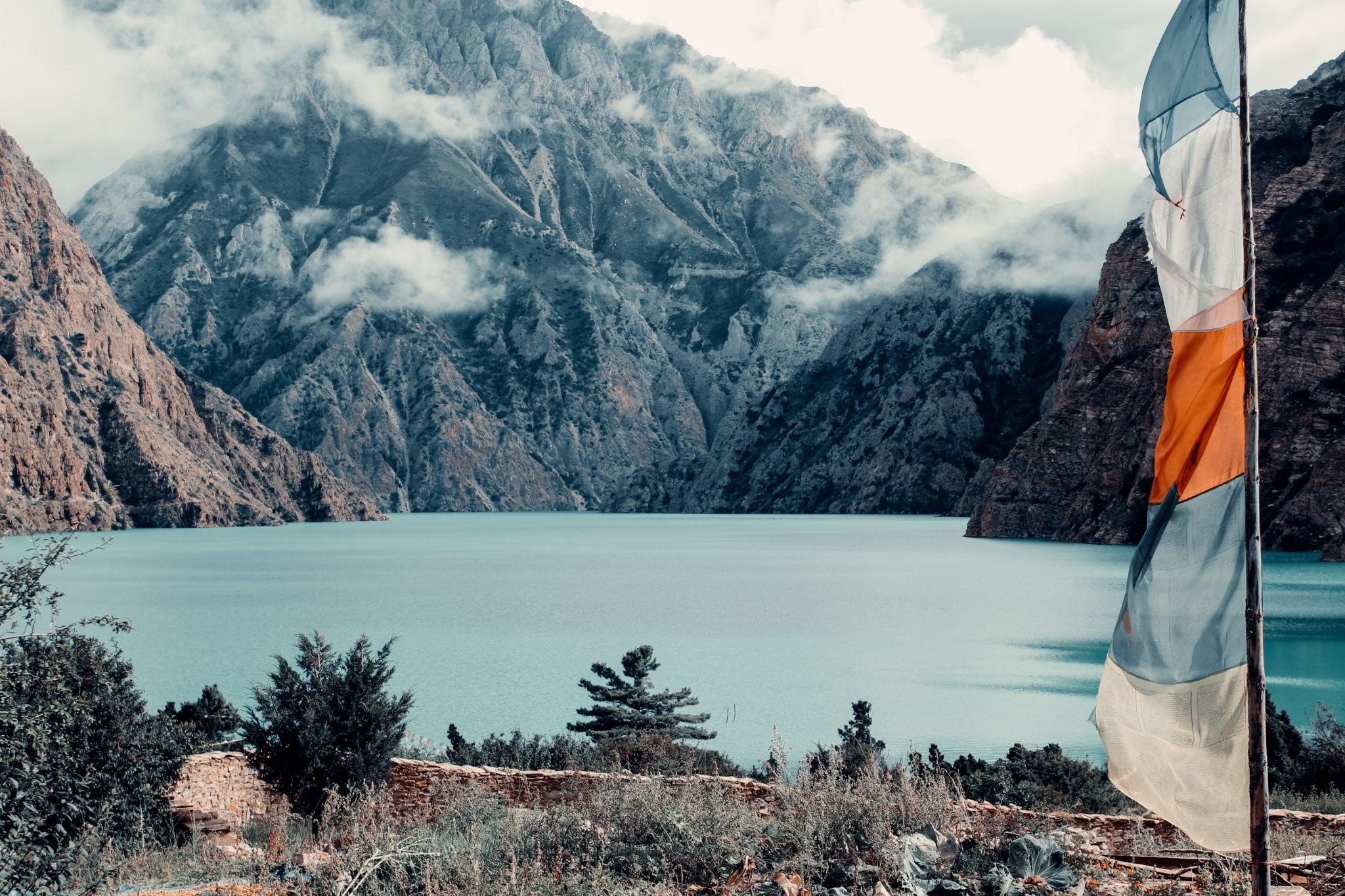
For Buddhists, Muktinath is equally significant as it is believed to be one of the 24 tantric places, where Guru Padmasambhava, also known as Guru Rinpoche, meditated during his journey to Tibet. The surrounding area is dotted with ancient monasteries, stupas, and prayer flags, providing a serene atmosphere for meditation and reflection.
Day 1: Arrival in Kathmandu
Welcome to Kathmandu, the capital city of Nepal. Upon arrival, check-in at your hotel and take some rest after your journey. In the evening, explore the vibrant Thamel neighborhood, filled with shops, restaurants, and cultural delights.
Day 2: Kathmandu Sightseeing
Visit the UNESCO World Heritage Sites of Kathmandu, including Swayambhunath (Monkey Temple), Pashupatinath Temple, and Boudhanath Stupa. Immerse yourself in the rich spiritual and cultural heritage of Nepal.
Day 3: Kathmandu to Pokhara
Travel to Pokhara, a picturesque city surrounded by the Annapurna and Dhaulagiri mountain ranges. Enjoy a boat ride on Phewa Lake and soak in the breathtaking views of the Himalayas.
Day 4: Pokhara to Muktinath
Take a scenic flight from Pokhara to Jomsom, a beautiful town in the Mustang region.
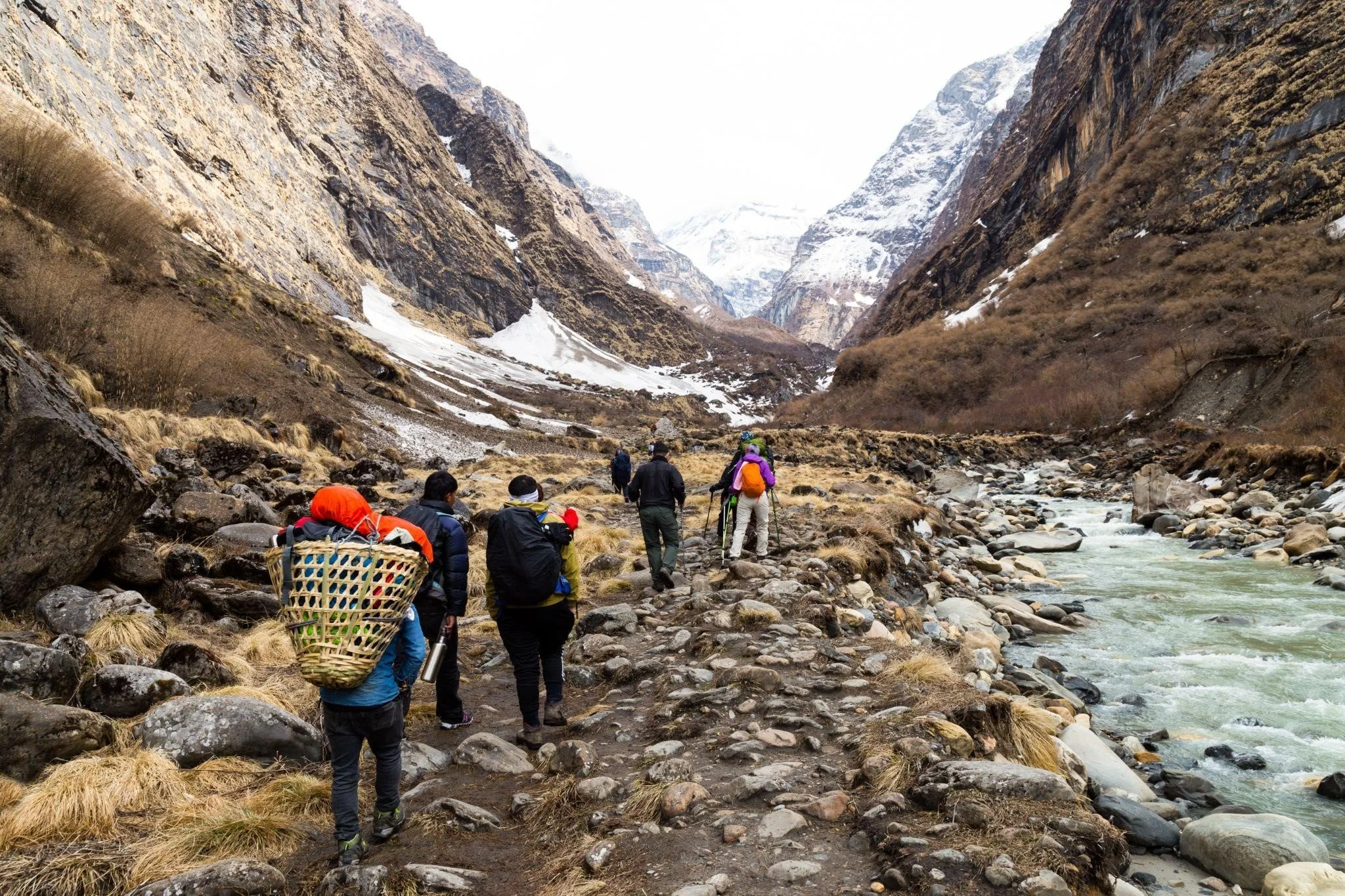
Begin the trek from Jomsom to Muktinath, passing through Kagbeni, a charming village with Tibetan influences.
Day 5: Muktinath Temple
Reach Muktinath and visit the sacred Muktinath Temple. Explore the temple complex, including the 108 water spouts and the eternal flame that is said to burn without any natural fuel.
Day 6: Excursion to the Stone Buddha Statue
Embark on an excursion to the newly constructed 35-foot-tall Stone Buddha Statue in the region.Learn about the significance of this magnificent statue and enjoy the panoramic views of the surrounding landscapes.
Day 7: Return to Pokhara
Trek back to Jomsom and take a flight back to Pokhara. Spend the rest of the day at leisure, exploring Pokhara's markets or indulging in adventure activities like paragliding or zip-lining.
Day 8: Pokhara to Kathmandu
Bid farewell to Pokhara and return to Kathmandu. Use this day for any last-minute shopping or additional sightseeing in the capital.
Day 9: Departure
Your spiritual journey to Muktinath concludes today. Transfer to the airport for your onward journey with cherished memories of the Himalayan adventure.
Please note that this is a general itinerary, and it can be customized according to your preferences, time constraints, and physical fitness. Muktinath offers an enriching experience for spiritual seekers and nature lovers alike, leaving an everlasting impression on the hearts of those who visit this sacred destination.
Do’s and Don’ts for Muktinath Journey
Dos:
Respect the Local Culture: Muktinath is a sacred place for both Hindus and Buddhists. Show respect for the local culture and religious practices. Dress modestly when visiting temples and monasteries, and remove your shoes before entering any religious site.
Seek Blessings with Humility: Whether you are a religious pilgrim or a curious traveler, approach the Muktinath Temple and other religious sites with a humble and open heart. Seek blessings and participate in rituals with sincerity.
Carry Essential Items: While trekking to Muktinath, ensure you have proper trekking gear, including sturdy hiking shoes, warm clothing, a hat, sunglasses, and sunscreen. Stay hydrated and carry water bottles and snacks during the trek.
Follow Trekking Guidelines: If you are trekking to Muktinath, hire a registered guide and follow designated trekking trails. Inform your guide or hotel about your travel plans for safety purposes.
Experience Local Cuisine: Taste the local Nepali and Tibetan cuisine, as it is an essential part of experiencing the culture. Try momos, thukpa, dal bhat, and other traditional dishes.
Carry Cash: While major towns might have ATMs, it's advisable to carry enough cash for your entire trip, as remote areas like Muktinath might have limited access to banking facilities.
Be Environmentally Conscious: Respect the natural beauty of the region by not littering. Carry a reusable water bottle and avoid single-use plastics.
Don'ts:
Avoid Disrespectful Behavior: Refrain from any behavior that may be considered disrespectful to the local culture, traditions, or religious sites. Avoid touching religious artifacts or statues without permission.
Don't Disturb Wildlife: The region around Muktinath is ecologically fragile. Avoid disturbing wildlife or their natural habitats during your trek.
Don't Use Drones: Using drones in the region may not only disturb the serene atmosphere but may also violate local regulations.
Respect Photography Restrictions: Some monasteries and temples might have photography restrictions. Always ask for permission before taking photographs of people or religious sites.
Avoid Alcohol and Substance Abuse: Muktinath is a spiritual place, and it is best to avoid alcohol and substance abuse during your visit. Such behavior is not only disrespectful but may also be unsafe during treks.
Don't Engage in Public Display of Affection: Nepali culture tends to be conservative regarding public displays of affection. Show respect for local customs by keeping such displays private.
Don't Ignore Altitude Precautions: If you're trekking to Muktinath, be mindful of altitude sickness. Acclimatize properly and seek medical attention if you experience any symptoms.
POPULAR ITINERARIES
SIMILAR POSTS

Nepal: Beyond The Himalayas
Welcome to Nepal, a land of enchantment and wonder, nestled in the lap of the majestic Himalayas. This small yet diverse country is a treasure trove of natural beauty, rich cultural heritage, and thrilling experiences that extend far beyond mountaineering. As a travel guide and tourism expert, with a PhD in tourism and hospitality, specializing in Nepal, I invite you to explore the many facets of this incredible nation.
Let's begin with some captivating facts and figures about Nepal. With a population of over 30 million, Nepal is known as the birthplace of Gautam Buddha, the founder of Buddhism. It is home to eight of the world's ten highest peaks, including Mount Everest, standing tall at 8,848 meters, making it a magnet for mountaineers and adventurers from around the globe. However, Nepal offers so much more than just towering mountains.
Prepare to be amazed as you venture into the diverse landscapes of Nepal. From the lush green valleys of Kathmandu and Pokhara to the dense forests of Chitwan and Bardia, Nepal's natural beauty is unparalleled. Explore the serene lakes, such as Phewa Lake in Pokhara or the iconic Rara Lake in the remote western region. These breathtaking water bodies offer a tranquil respite and stunning views that will leave you awe-inspired.
In addition to its awe-inspiring scenery, Nepal is a cultural melting pot. The capital city, Kathmandu, boasts an array of UNESCO World Heritage Sites, including the ancient Durbar Squares of Kathmandu, Bhaktapur, and Patan, which exhibit exquisite architecture and showcase the country's rich history. The vibrant city streets are lined with bustling markets, where you can immerse yourself in the local culture, savoring the aroma of traditional spices and handicrafts.
While trekking and mountaineering are undoubtedly popular activities in Nepal, there is so much more to experience. Embark on a thrilling wildlife safari in one of Nepal's national parks, such as Chitwan or Bardia, where you can spot rare species like the one-horned rhinoceros and the elusive Bengal tiger. Set out on an adventurous white-water rafting trip along the Trishuli or Seti rivers, navigating through thrilling rapids and enjoying the scenic beauty of the countryside.
For those seeking spiritual enlightenment, a visit to Lumbini, the birthplace of Lord Buddha, is a must. The tranquil surroundings and sacred sites in Lumbini provide an opportunity for introspection and inner peace. Explore the ancient monasteries and pay homage to the sacred Bodhi Tree, where Lord Buddha is said to have attained enlightenment.
Nepal is also a haven for adventure enthusiasts. Take to the skies and experience the thrill of paragliding in Pokhara, gliding over the picturesque landscape with the snow-capped peaks as your backdrop. Indulge in a heart-pounding bungee jump from one of the world's highest suspension bridges, located in the lush hills of Bhote Koshi. These adrenaline-pumping activities will leave you with memories that last a lifetime.
In conclusion, Nepal offers a myriad of experiences that extend far beyond its legendary Himalayan peaks. Whether you are seeking natural beauty, cultural immersion, spiritual enlightenment, or adventure, Nepal has it all. Let the charm of this enchanting nation capture your heart as you explore its diverse landscapes, immerse yourself in its rich heritage, and embark on thrilling adventures. Come, discover Nepal: Beyond the Himalayas.
Do's:
Respect the local customs and traditions. Nepalese people are warm and welcoming, so it's important to show appreciation for their culture.
Dress modestly, especially when visiting religious sites. Cover your shoulders and avoid wearing revealing clothing.
Try the delicious local cuisine, such as momo (dumplings), dal bhat (lentil soup with rice), and sel roti (sweet rice bread). The diverse flavors will delight your taste buds.
Stay hydratedand drink bottled or filtered water to avoid water-borne illnesses.
Engage with the local community and learn about their way of life. Participate in cultural activities, festivals, and interact with the locals to gain a deeper understanding of their traditions.
Bargain respectfully in local markets, as haggling is common. However, remember to be fair and not push the limits of negotiation.
Don'ts:
Don't disrespect religious sites or artifacts. Be mindful of your actions and follow any instructions or guidelines given by the authorities.
Avoid giving money or sweets to children on the streets. It is better to support local charities or organizations that work towards their welfare.
Don't consume tap water or eat raw vegetables and fruits without washing them thoroughly. This will help prevent foodborne illnesses.
Avoid public displays of affection, as Nepalese society is conservative in nature. Show respect for local customs and cultural norms.
Don't take photographs without permission, especially of people, as it may be considered intrusive or disrespectful in certain situations.
Refrain from buying or selling illegal or endangered wildlife products, as it contributes to the illegal wildlife trade and threatens biodiversity.
By following these do's and don'ts, you can ensure a respectful and enjoyable experience during your visit to Nepal. Embrace the beauty, diversity, and warmth of this captivating country as you go beyond the Himalayas and discover the true essence of Nepal.
POPULAR ITINERARIES
SIMILAR POSTS

Timeless Craftsmanship of Nepal: A Treasure of Cultural Significance
In the lap of the majestic Himalayas, Nepal is a country renowned for its rich cultural heritage and exquisite craftsmanship. The artisanal traditions that have been passed down through generations in this landlocked nation are a testament to the ingenuity and skill of its people. With a deep-rooted connection to the country's history, the craftsmanship of Nepal stands as a beacon of cultural significance, reflecting the unique identity and artistic prowess of its diverse communities.
In the lap of the majestic Himalayas, Nepal is a country renowned for its rich cultural heritage and exquisite craftsmanship. The artisanal traditions that have been passed down through generations in this landlocked nation are a testament to the ingenuity and skill of its people. With a deep-rooted connection to the country's history, the craftsmanship of Nepal stands as a beacon of cultural significance, reflecting the unique identity and artistic prowess of its diverse communities.
The history of Nepali craftsmanship is intertwined with the rich tapestry of the country's past. Dating back centuries, the art forms and techniques employed by Nepali artisans have evolved and flourished, embodying the country's cultural, religious, and socio-economic aspects. From the intricate woodwork seen in temples and palaces to the mesmerizing thangka paintings adorning monasteries, each craft carries with it a narrative of Nepal's past. The meticulous attention to detail and reverence for tradition displayed in these crafts make them not only objects of beauty but also living symbols of the nation's heritage.
The craftsmanship of Nepal encompasses a wide array of art forms, each with its unique characteristics and artistic merits. Let us explore a few prominent crafts that exemplify the rich cultural diversity of the country:
Woodcarving: Renowned for its exquisite detailing and ornate designs, Nepali woodcarving is a craft that has graced the country's architectural wonders for centuries. Intricately carved windows, doors, and pillars showcase the mastery of artisans, bringing life and elegance to palaces, monasteries, and traditional homes.
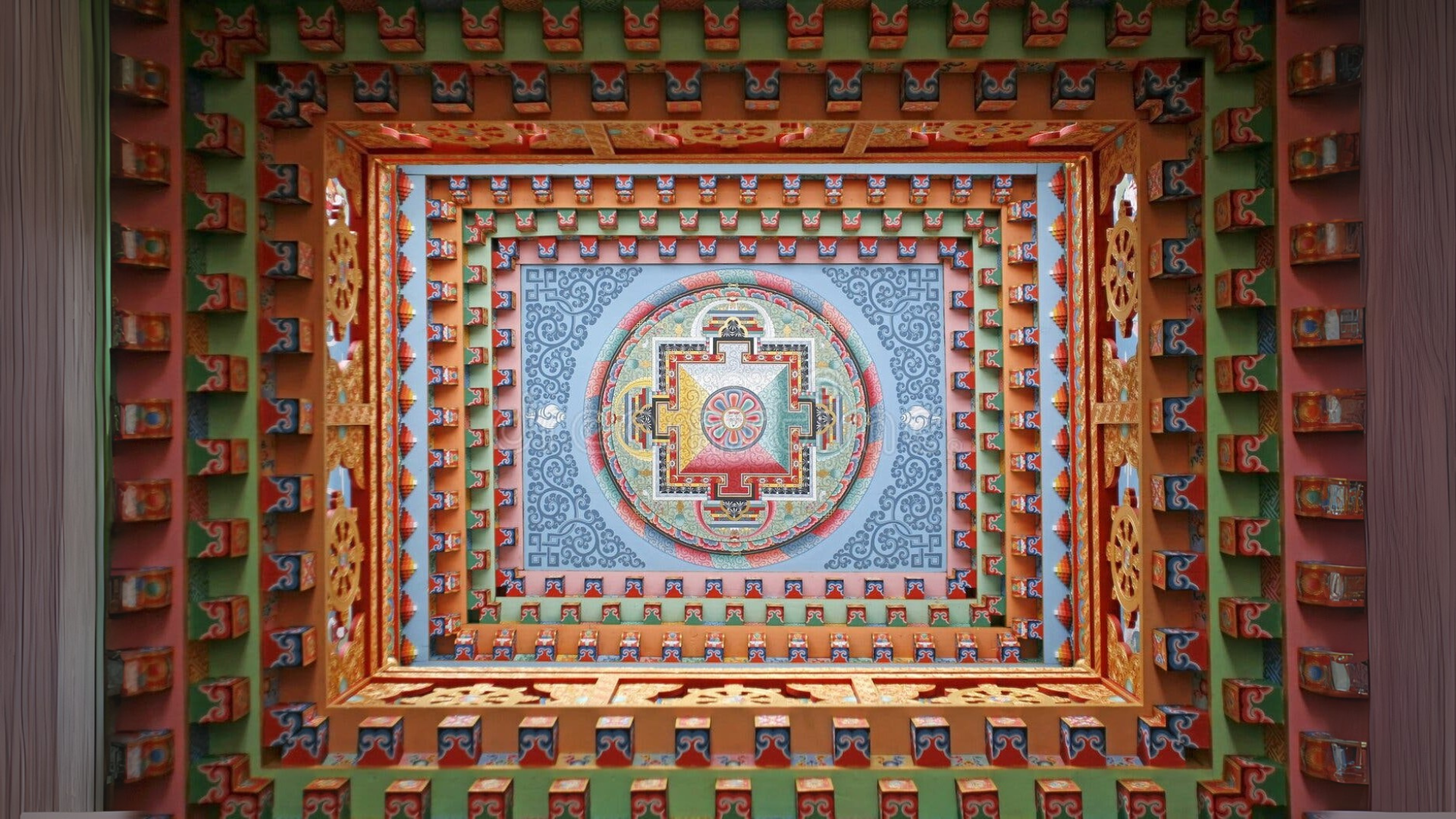
Thangka Painting: A form of religious art, thangka painting is a spiritual expression of the Buddhist and Hindu faiths. These intricate scroll paintings, usually depicting deities, mandalas, and religious narratives, require immense skill and precision. Thangkas serve not only as objects of devotion but also as sources of enlightenment and meditation.
Metalwork: Metalwork holds a significant place in the craftsmanship of Nepal, showcasing the meticulous skill and ingenuity of its artisans. With a history spanning centuries, the art of metalwork has left an indelible mark on Nepal's cultural landscape. From religious statues to intricately designed bells and ritual objects, Nepali metalwork exemplifies the fusion of artistic expression and spiritual devotion.
One of the most remarkable aspects of Nepali metalwork is the mastery of various techniques employed by artisans. Repoussé, a method in which metal sheets are shaped and embossed from the reverse side, creates captivating three-dimensional designs that adorn statues and temple doors. The art of casting enables artisans to produce intricate metal sculptures with remarkable precision and detail. Filigree, characterized by delicate threads of metal formed into decorative patterns, adds an ethereal touch to jewelry and ornamental objects.
The materials used in Nepali metalwork are carefully selected to ensure durability and aesthetic appeal. Copper, renowned for its malleability and corrosion resistance, is a favored choice among artisans. Bronze, an alloy of copper and tin, lends strength and a warm golden hue to sculptures and religious artifacts. Silver, highly valued for its luster, is often utilized for intricate filigree work, adding an element of luxury and refinement to the creations.
The craftsmanship of Nepal is not just an aesthetic expression but also a vital economic driver. The artisan communities, often belonging to marginalized groups, depend on their craft for their livelihood. By preserving and promoting these traditional crafts, Nepal can empower these communities, uplift their socio-economic status, and foster sustainable development.
Furthermore, the artistic traditions of Nepal have immense cultural value, acting as a bridge between generations and fostering a sense of pride and identity among Nepali people. Visitors to Nepal are captivated by the country's craftsmanship, which serves as a testament to its vibrant cultural heritage. The preservation and promotion of these crafts have the potential to drive tourism, attracting individuals from all corners of the globe who seek to immerse themselves in the country's art and culture.
The craftsmanship of Nepal, steeped in historical legacy and cultural significance, is a treasure that deserves our utmost admiration and appreciation. From the awe-inspiring woodcarvings to the enchanting thangka paintings and intricate metalwork, Nepal's artisans have created timeless masterpieces that transcend time and borders. By valuing and supporting the craftsmen and women who uphold these traditions, we can ensure the preservation of Nepal's cultural heritage for future generations. Let us embrace and celebrate the richness of Nepali craftsmanship, allowing it to shine as a beacon of artistic excellence and cultural pride in the global arena.
POPULAR ITINERARIES
SIMILAR POSTS


Basantapur Durbar Square: A Timeless Gem
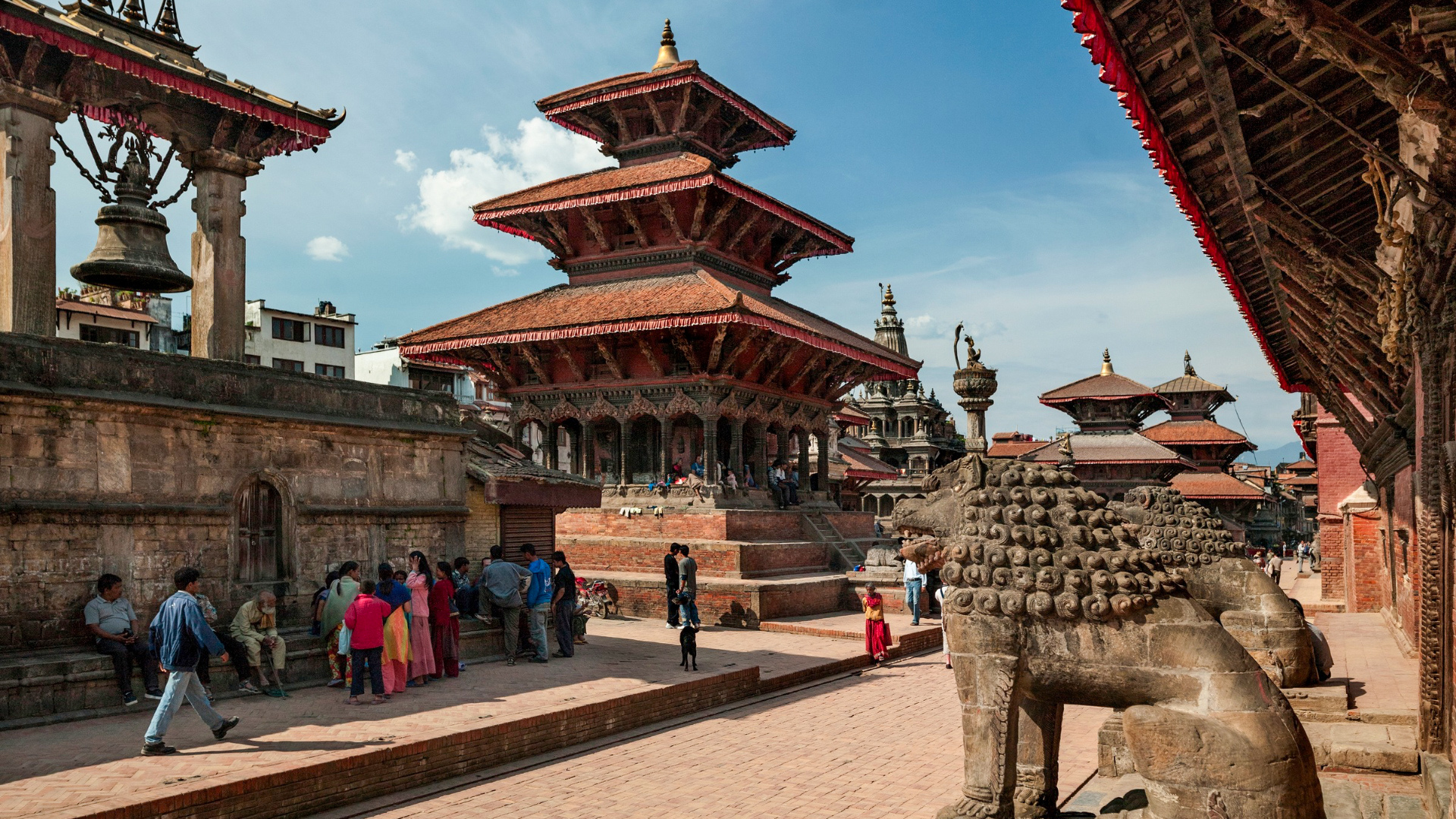
Once you step foot in this timeless sanctuary, you are immediately enveloped by an atmosphere that resonates with the echoes of centuries past. The air is thick with the whispers of ancient tales and the weight of historical significance. Each intricate architectural marvel, meticulously crafted by skilled artisans of yesteryears, holds within it a saga waiting to be unraveled.
Basantapur Durbar Square not only offers a feast for the senses but also a stage for vibrant festivals and cultural celebrations that ignite the soul. Time your visit to witness the ethereal spectacle of Indra Jatra, where the streets come alive with elaborate processions, resounding music, and elaborate dances, all in honor of the revered deity Indra. Immerse yourself in the intoxicating energy of Maha Shivaratri, as devotees pay homage to Lord Shiva through mesmerizing rituals and fervent devotion. These immersive experiences allow you to witness the very essence of Nepali culture, where spirituality and tradition intertwine in a captivating dance.
Immerse Yourself in Architectural Marvels:
Prepare to be mesmerized by the architectural splendor that surrounds you in Basantapur Durbar Square. This captivating square boasts an array of ancient palaces, courtyards, temples, and intricate stone carvings that reflect the rich artistic heritage of Nepal. Marvel at the awe-inspiring intricacies of the 55-window Palace, an architectural masterpiece showcasing exquisite craftsmanship. Visit the Taleju Temple, a sacred shrine dedicated to the goddess Taleju Bhawani, and soak in the spiritual ambiance that permeates the air.
Discover Living History:
Beyond its architectural grandeur, Basantapur Durbar Square is a living testament to Nepal's history and cultural heritage. The square has witnessed the rise and fall of dynasties and the unfolding of significant events. Take a moment to reflect upon the stories and legends that have shaped the nation. Engage with the locals, as they graciously share their knowledge and insights, providing you with a deeper understanding of Nepal's vibrant past and present.
Indulge in Culinary Delights:
No visit to Basantapur Durbar Square is complete without savoring the diverse flavors of Nepali cuisine. Treat your taste buds to a gastronomic adventure as you explore the numerous food stalls and local eateries surrounding the square. Sample the iconic momo, a delectable dumpling filled with a variety of savory fillings, or indulge in traditional Newari dishes like the mouthwatering samay baji, a platter of rice, lentils, beaten rice, and a selection of savory accompaniments. Allow the tantalizing aromas and vibrant flavors to transport you to the heart of Nepali culture.
Capture the Essence through Photography:
Basantapur Durbar Square presents an abundance of photogenic scenes that will captivate any shutterbug. From the ornate details of the palaces and temples to the colorful rituals and bustling markets, there are endless opportunities to capture the essence of Nepali culture through your lens. Whether you're a professional photographer or an enthusiastic amateur, allow the vibrant surroundings to inspire your creativity and document your journey in stunning visuals.
Support Local Artisans and Craftspeople:
Take a moment to appreciate the exquisite craftsmanship of the local artisans and craftspeople. Basantapur Durbar Square is a treasure trove of traditional arts and crafts, including woodwork, metalwork, pottery, and intricate hand-woven textiles. Explore the narrow alleys surrounding the square to discover hidden workshops and galleries where these skilled artisans bring their creations to life. By purchasing authentic Nepali handicrafts, you not only take home a unique memento but also support the local economy and contribute to the preservation of these age-old traditions.
Attend Cultural Workshops and Performances:
Engage in cultural workshops and performances that are often organized in Basantapur Durbar Square. Learn traditional art forms like Thangka painting or pottery-making from skilled local artisans who are eager to share their knowledge. Attend cultural performances such as traditional dance or music shows that showcase the rich heritage of Nepal. These interactive experiences provide a hands-on understanding of the artistic traditions and offer a chance to engage with the local community.
Basantapur Durbar Square is a captivating destination that offers a kaleidoscope of experiences for travelers and cultural enthusiasts alike. From its architectural splendor to its living history, from its culinary delights to its vibrant festivals, the square provides a multidimensional exploration of Nepal's rich cultural tapestry. As you embark on this remarkable journey, open your heart and mind to the diverse perspectives that Basantapur Durbar Square presents, and let the magic of Nepal envelop you.
POPULAR ITINERARIES
SIMILAR POSTS

The Rich Tapestry of Newar Culture
Newar culture in Nepal's Kathmandu Valley is a vibrant tapestry of artistic excellence, syncretic religions, festivals, and a unique socioeconomic structure. Challenges and preservation efforts are vital to safeguard this rich heritage and promote a deeper understanding and appreciation of its contributions to global cultural diversity.
The Newar community, nestled in the Kathmandu Valley of Nepal, boasts a vibrant cultural heritage that is a testament to their remarkable history and resilience. As an expert in Newar culture with a deep understanding garnered through academic qualifications in anthropology, it is my privilege to shed light on the multifaceted aspects of this captivating culture. By exploring various perspectives, we can gain a comprehensive understanding of the Newar culture and appreciate its uniqueness. Let us embark on a journey that uncovers the essence of the Newar people and their rich cultural tapestry.
Historical Context
The Newar culture thrives in the cradle of the Kathmandu Valley, where its origins can be traced back to the Licchavi and Malla periods, spanning several centuries. These ancient civilizations left an indelible mark on Newar culture, influencing its language, architecture, arts, rituals, and social structure. The amalgamation of indigenous traditions, Hinduism, Buddhism, and tantric practices has shaped the diverse and inclusive fabric of Newar society.
Artistic Excellence
Newar culture is renowned for its artistic excellence, prominently showcased in various forms such as wood and stone carving, metalwork, painting, pottery, and textile weaving. The intricate craftsmanship and attention to detail exemplify the Newar people's deep-rooted creativity and aesthetics. Traditional art forms like Paubha painting, clay idols, and woodcarvings are not only visually captivating but also imbued with spiritual and cultural significance.
Festivals and Rituals
Newar culture is synonymous with vibrant festivals and rituals that reflect a harmonious fusion of Hindu and Buddhist traditions. Celebrations like Bisket Jatra, Indra Jatra, and Gai Jatra provide a platform for communal bonding, spiritual rejuvenation, and cultural exchange. These festivities serve as a gateway to the Newar world, where ancient myths, legends, and religious beliefs come alive in vivid displays of music, dance, processions, and rituals.
Religious Syncretism
One of the distinguishing features of Newar culture is its religious syncretism, blending elements of Hinduism and Buddhism seamlessly. The historical interplay between these two religions has given rise to unique practices, such as the worship of both Hindu and Buddhist deities within the same household or temple. This coexistence not only symbolizes tolerance and inclusivity but also showcases the adaptability and open-mindedness of the Newar people.
Socioeconomic Structure
The Newar society has a distinct socioeconomic structure known as the "Shrestha" system. This hierarchical framework categorizes individuals into different occupational groups, each with its specific roles and responsibilities. While this system has faced criticism for perpetuating inequalities, it also highlights the specialized skills and interdependence among the various groups. Recognizing the contributions of each segment fosters social cohesion and ensures the preservation of traditional crafts and knowledge.
Challenges and Preservation Efforts
In the face of modernization, urbanization, and globalization, the Newar culture confronts challenges that threaten its preservation. The rapid urban development in the Kathmandu Valley poses a risk to historical architecture and cultural landmarks. Additionally, the younger generation's exposure to external influences brings forth the need to strike a balance between preserving traditions and embracing change.
To safeguard the Newar culture, concerted efforts are being made by local communities, scholars, and organizations. Initiatives such as cultural festivals, museums, documentation projects, and educational programs are vital in nurturing a sense of pride, awareness, and continuity. Moreover, encouraging the transmission of traditional knowledge from elders to the younger generation plays a pivotal role in maintaining the cultural fabric of the Newar community.
The Newar culture stands as a testament to the richness and resilience of Nepal's heritage. Its art, festivals, religious syncretism, and socioeconomic structure are all integral aspects that contribute to its unique identity. By exploring multiple perspectives, we gain a comprehensive understanding of the Newar culture and recognize the importance of its preservation.
As we navigate an increasingly interconnected world, it is crucial to appreciate and celebrate cultural diversity. Let us embrace the tapestry of the Newar culture, recognizing its invaluable contributions to our shared global heritage. Through preservation, support, and a deeper understanding, we can ensure the Newar culture thrives for generations to come.
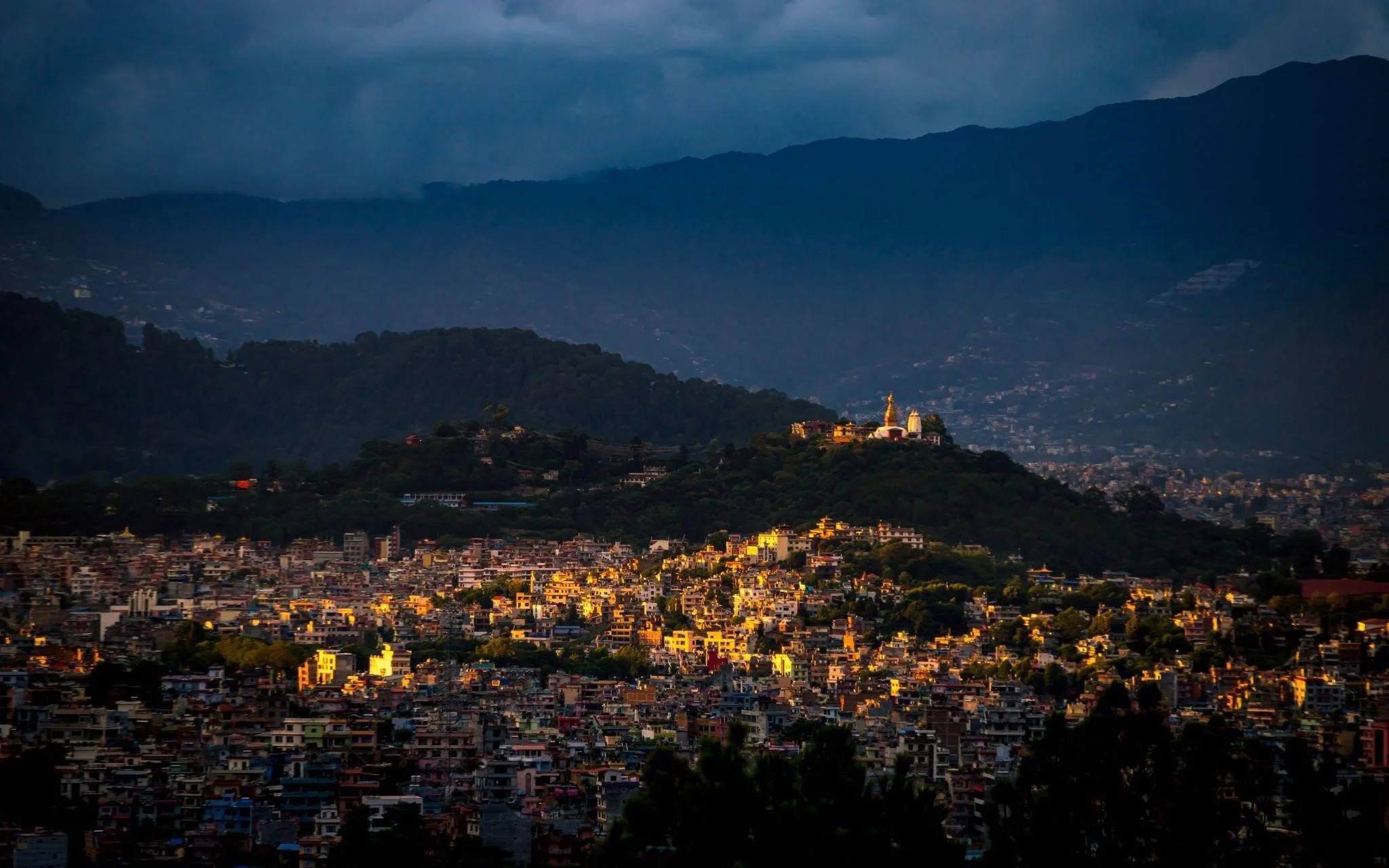
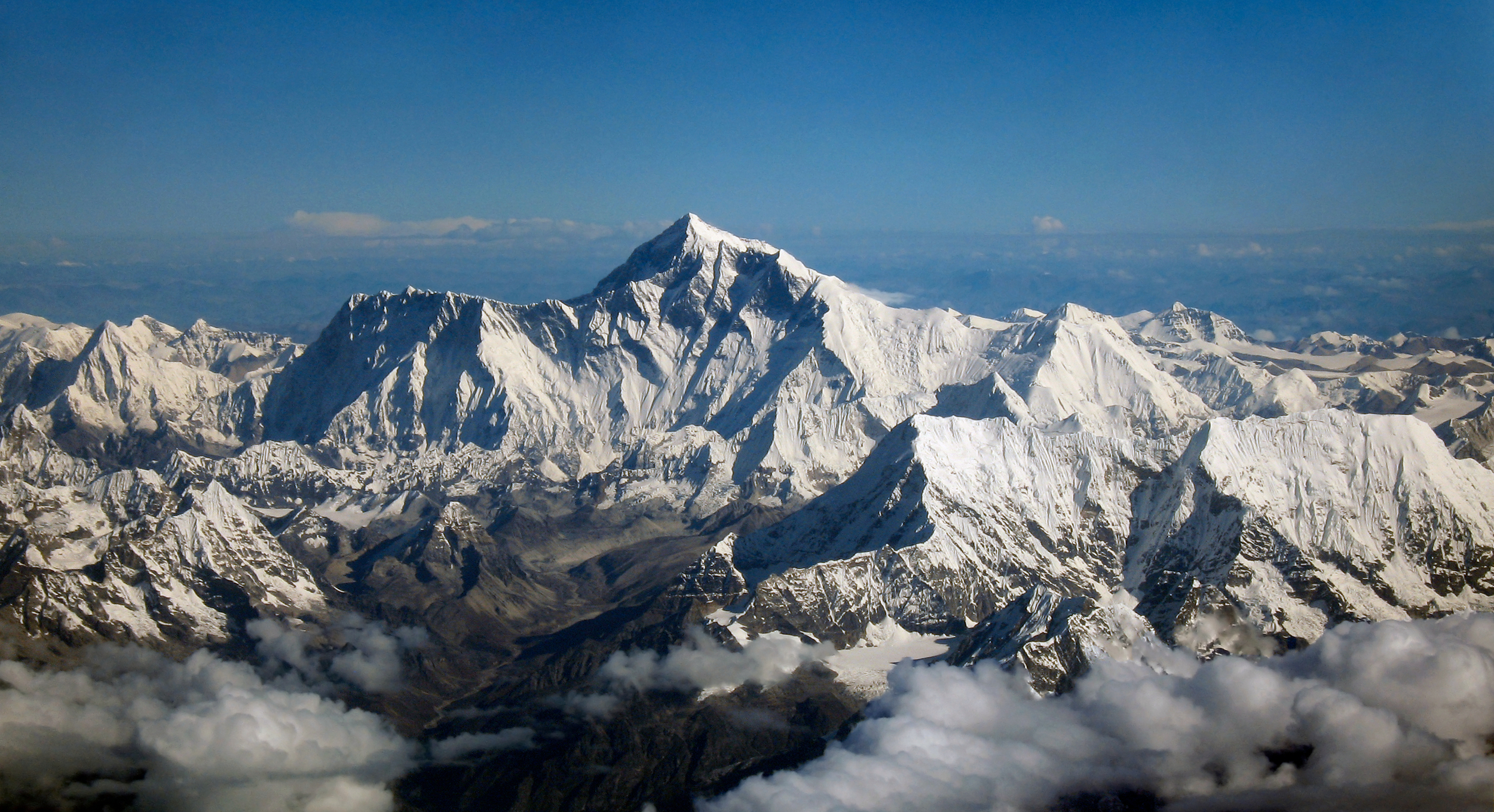
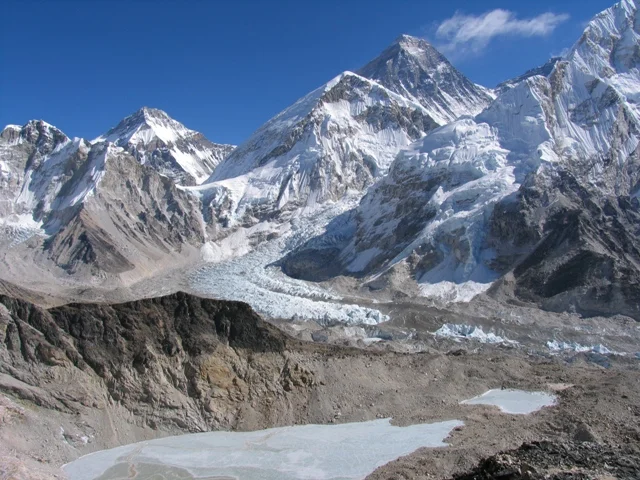
This trek is specially designed to reach the Everest Base Camp including Kala Pattar which is the best view point to view the sunrise over the high Himalayas including the Mt. Everest. This trek requires 13 days.
USD 1515 PER PERSON -- TWIN ROOM SHARING BASIS