
Exploring Panauti
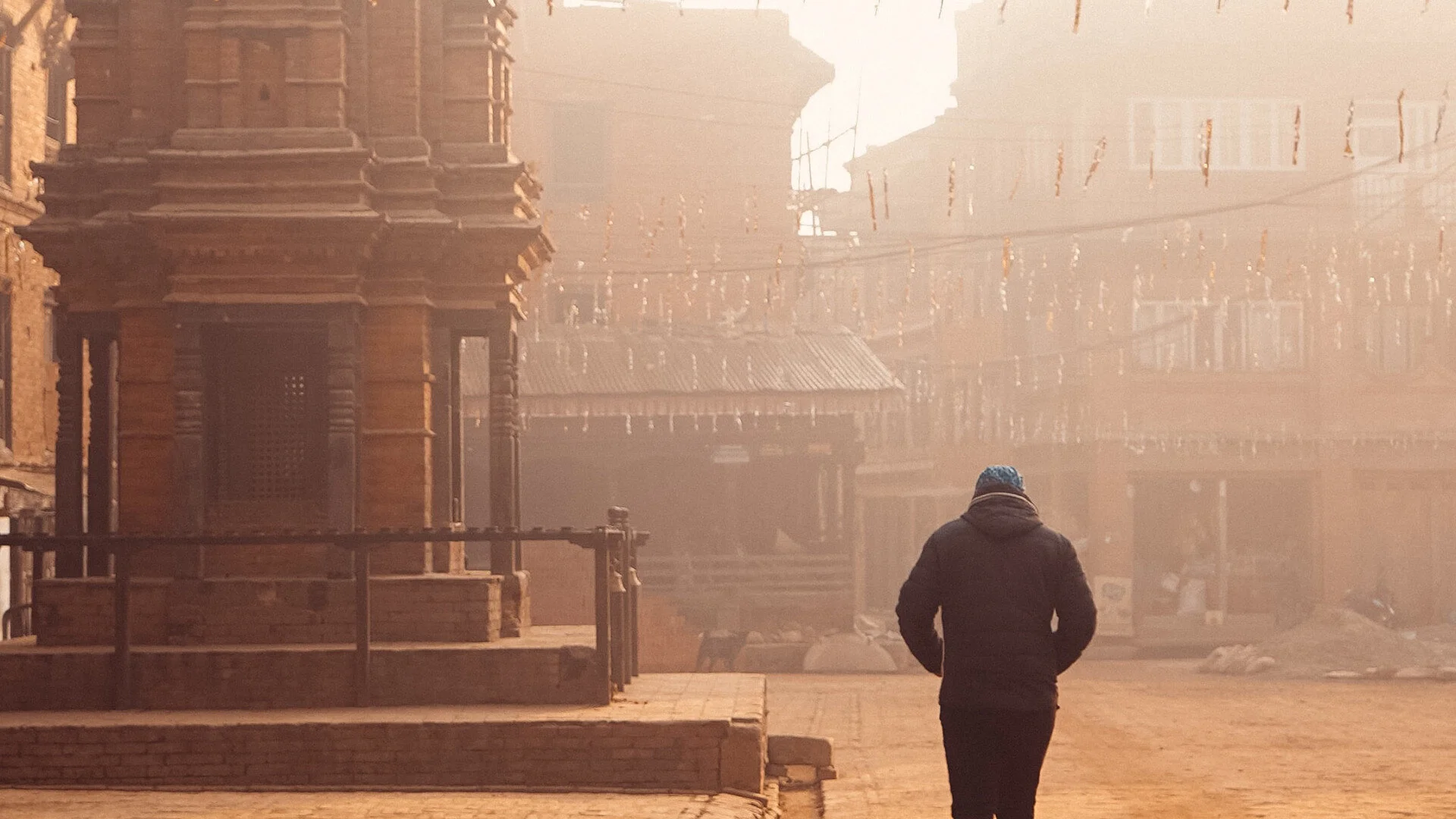
The city of Panauti is an arcane wonder. The roads that lead to it feel like a time tunnel taking the traveller back centuries. The culture, heritage, architecture and traditions of the bygone era still stand tall in this city. Dubbed the last remnant of a traditional Newar township- Panauti is an escape to the past.
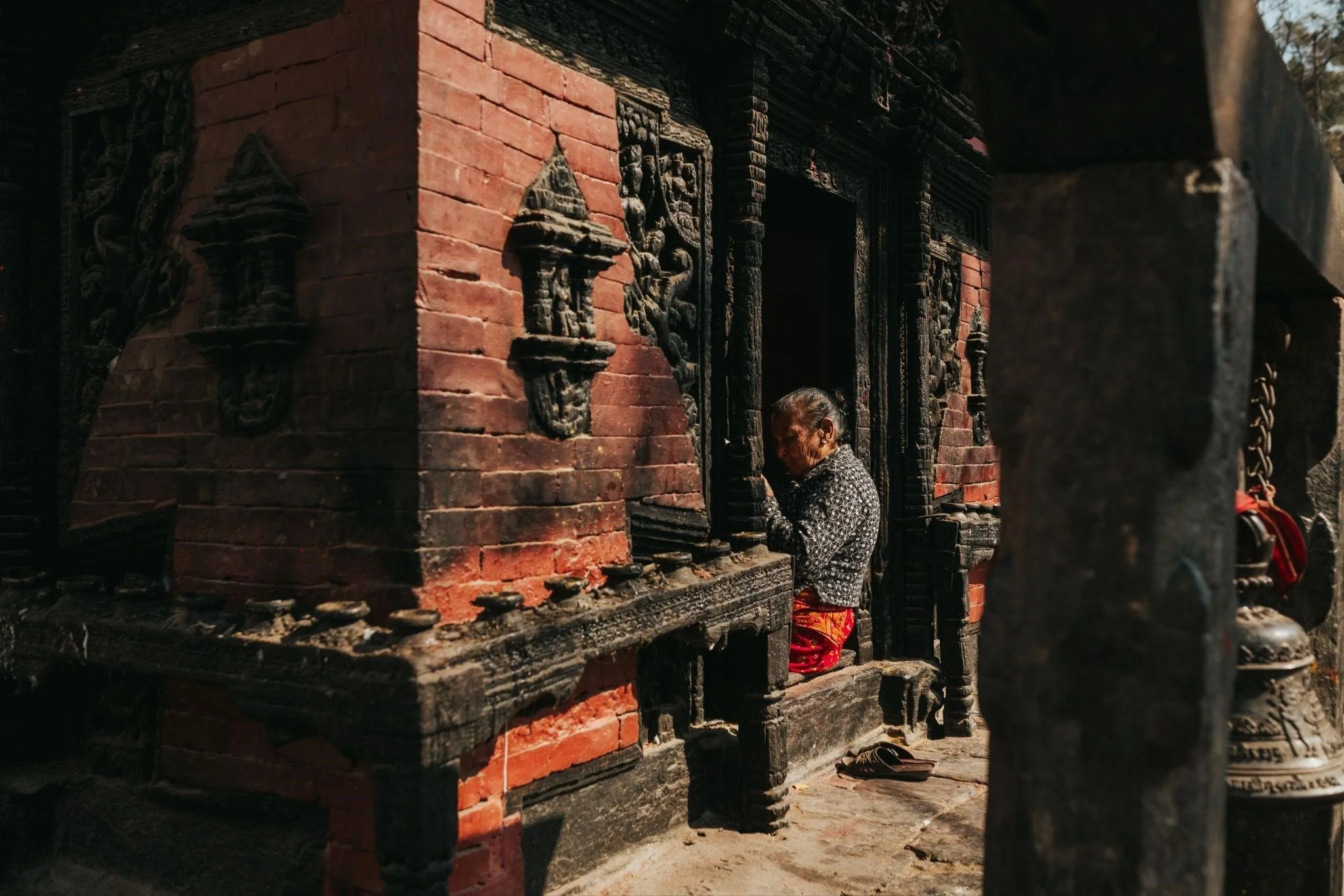
A Newar city- traditional houses, bricked roads, dark wood frames, the sound of bells and the smell of incents. These cities have seen the rise and fall of great empires. Time flies by everywhere but inside the city. Situated about 30 kilometres southeast of Kathmandu is Panauti, a city that dates back to the 13th century or before. Bright green farms at the outskirts of the valley and the sacred Punyamati and Roshi rivers encompass this city.
A 17th-century temple dedicated to Brahmayani lies at the edge. The path from it leads to a suspension bridge across the Punyamati river. It is as though the bridge is a time travel tunnel leading you to a city that has survived its cultural essence through the austerity of time.
Origin of the city
“This younger brother (Ananda Malla,) being very generous and wise, gave up the sovereignty over the two cities, and having invoked Annapurna Devi from Kasi founded a city of 12,000 houses which he named Bhaktapur(Bhatgaon) and included sixty small village in his territory.After this, the Raja having obtained the favour and directions of Chandeswari, founded seven towns; viz. Banepur (Banepa) near Chandeswari Pitha, Panavati (Panauti), near the Pragaga Tirtha of Nepal, celebrated in the Shastras on the site where Panchala-des formerly stood, Nala, near Nala Bhagavati, Dhaukhle near Narayana; Khapu near Dhaneswari, Chaukot near the residence of Chankora Rishi; Sanga near Nasika Pitha.” - Wright 1877: 163
King Bhupatindra Malla presented this state as dowry to his sister in the 17th century.
Temples and Monuments
This town was a state with its kingship in the Malla era. It features a lyakhu (Durbar) in the centre. Today, in the central vicinity, the city boasts a beautiful museum (Panauti Museum). The space features numerous artefacts found in the town. The town is also an open-air museum. It features more than 40 temples, open squares and various other heritages.
The tallest temple in Panauti is of Indreshwar. The elders speak of how the linga (a monolithic idol symbolised as Lord Shiva) was created by Lord Indra. The construction of the temple dates back to the 1200s. This three-storied pagoda is rich in wood carving and ancient artefacts that warmly sit beneath its warm and peaceful atmosphere. Various smaller temples surround the main temple.
Towards the south of the city lies Unmatta Bhairab Temple. It is a one-storied temple with three human figures in its three windows representing the King, a saint, and devotees of the deity. A temple dedicated to god Naryan, the preserver, is also found in this area.
Festivals and Dances
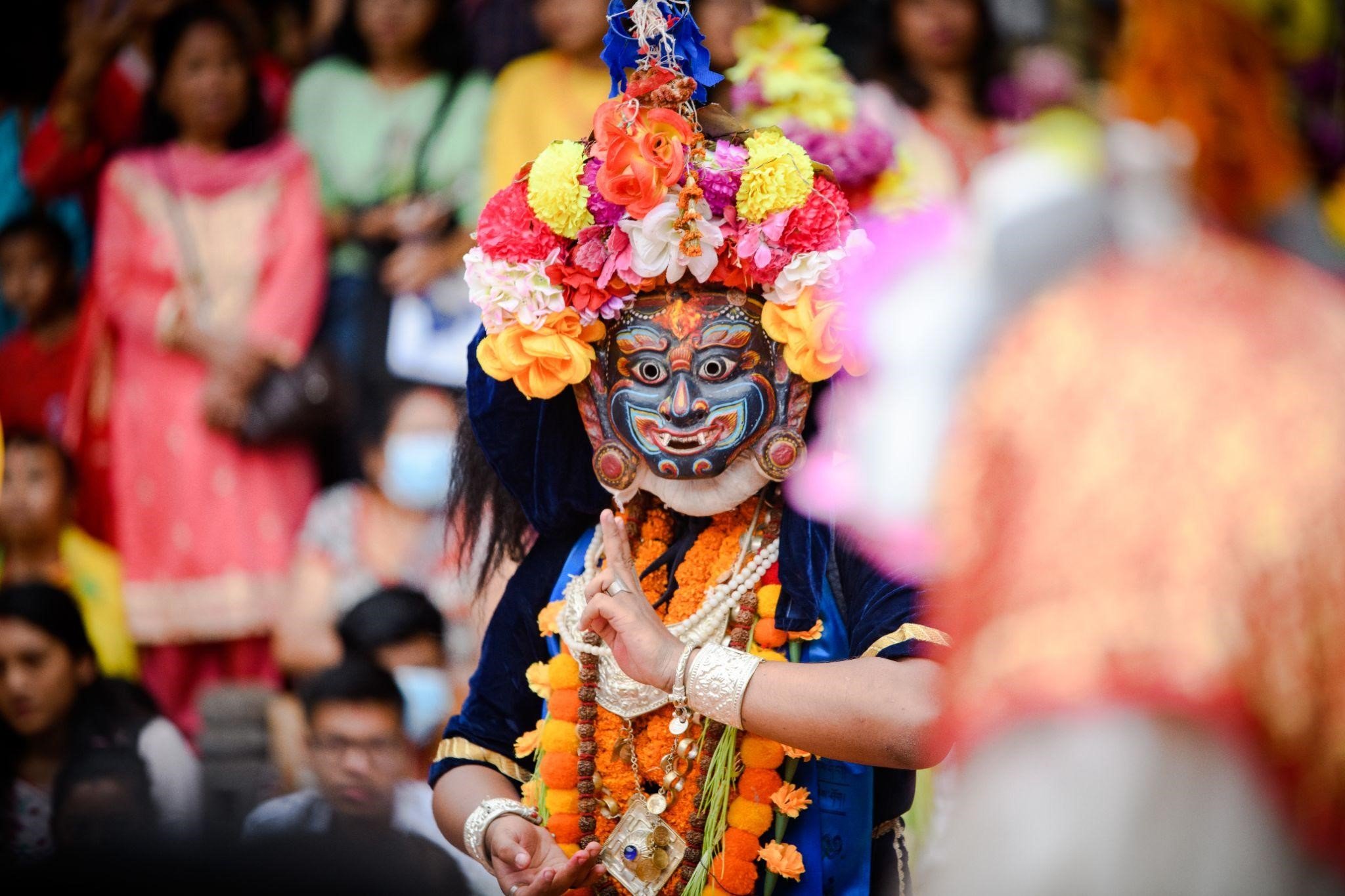
Panauti Jatra, is the most symbolic in the city. It is held every year from the tenth day of the bright fortnight of Jestha and continues till the full moon- Panauti Punhi/ Jya Punhi. The chief gods and goddesses of the town are placed on palanquins and brought to the lyakhu. The chariot festival commences during the evening of the first day. The procession features unique chariots- an open roof chariot, pagoda chariot and a peculiar cross bamboo construction with a structure similar to a birdhouse, is placed in the centre.
As the city is a sound amalgam of both Hinduism and Buddhism, the people celebrate majority of the festivals alike their neighbouring cities.
Panauti Today
Today, Panauti still stands with its cultural and historical pride flourishing through its streets, houses, and temples. It is a real-life reflection of how the Kathmandu Valley used to look decades ago.
The lost lustre of this town is slowly but steadily returning. Post the construction of the Arniko Highway and the end of salt trading in the mid-20th-century economic stagnation plagued the city. Once a prominent hub between the trade route between India and Tibet, the cities glory came from commerce and hospitality.
Local and state efforts have allowed the same spirit to rekindle in the town. The growth of infrastructure for hospitality and tourism is breathing life back into this beautiful arcane city.
POPULAR ITINERARIES
SIMILAR POSTS


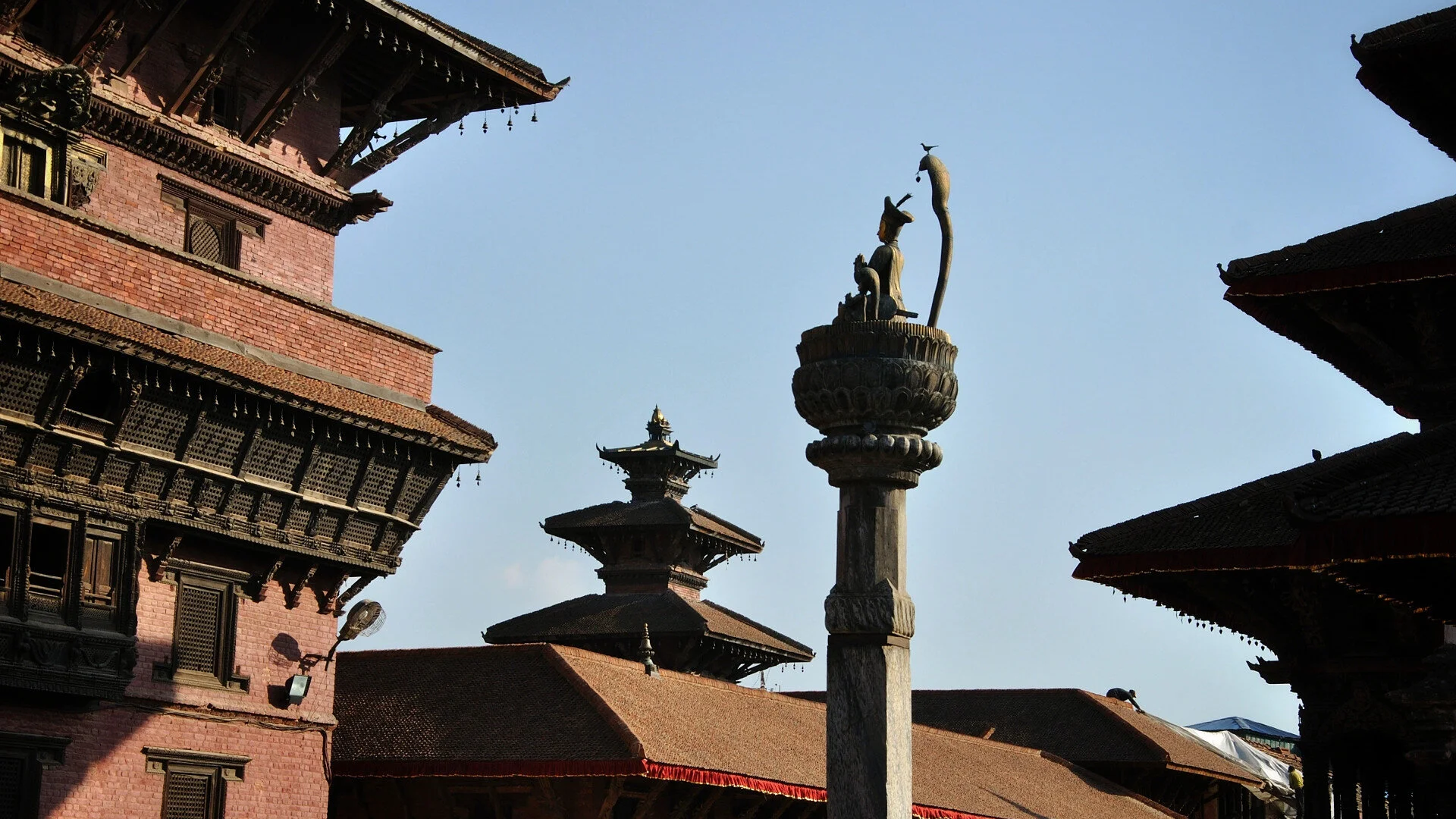
The Little Golden Bird of Prosperity - Part II
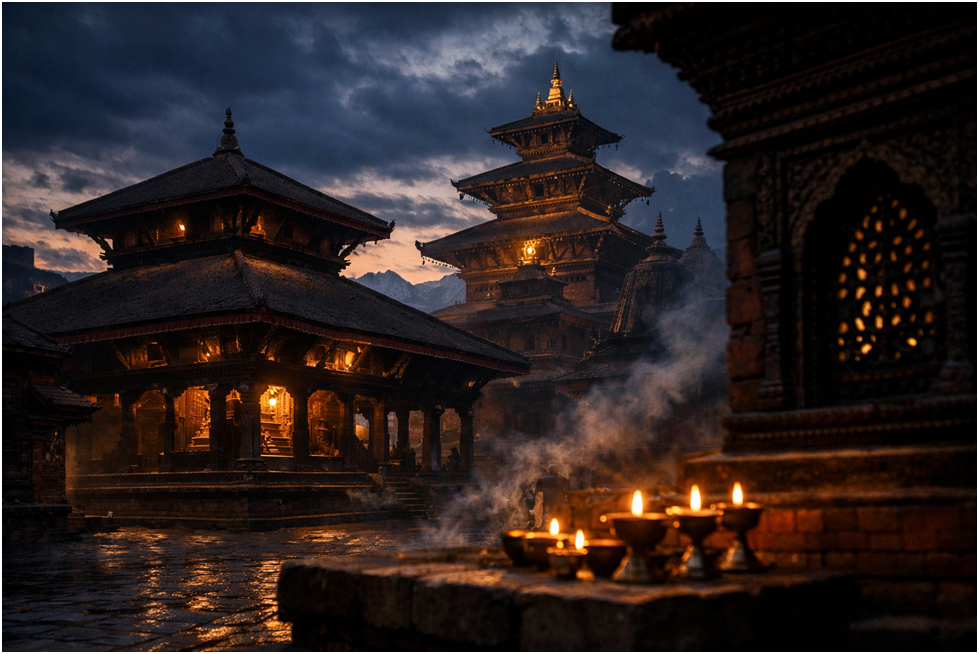
A tale that relates to Yog Narendra Malla, a 17th century Malla King who told his people that till the golden bird stays perched atop the serpent head, the elephants remain standing on the stairway, and the Gaurda doesn’t lay pearls as large as hen’s egg. Let his countrymen know that he is alive inside his Royal Palace.
After hearing Karkotaka, the wise elder accepted the serpents rewards graciously and acknowledged him. Karkotaka then took leave from Khokana and rushed back to his adobe he then drove out his wife.
In time, the wise elder became the richest man of his village. With the long life bestowed upon by the jewel, he also became the great, great, great grandfather of many children. But in time, he became tired of eating, sitting and sleeping; he began to feel his life was a burden.
One day he yearned to have an audience with his King. During the sitting, the elder presented King Yog Narendra Malla with the rare jewel of longevity. He wished for his King to live long and rule over his beloved country for many years. While presenting the precious gem, he told the story behind it and the mystery of the eight impossible things.
Accepting the present, the King thanked the elder and gave him many rewards.
Strengthened and empowered by the serpents jewel King Yog Narendra Malla ruled over his country wisely. He became the beloved King of his countrymen, who flourished in the city of art, dance, drama and music.
But as time went on the King began to ponder, “ A pity it is! My grandfather King Siddhi Narsingh Malla let go of worldly affairs and embarked as a holy saint. My father did the same. It is my turn now there is no use to live and rule the country all this time.” He remembered the words of the wise elder who had recommended him to imagine eight impossible things to pass away from this world.
Thus King Yog Narendra Malla conjured eight impossible things and proclaimed them. Amongst which the most prominent ones are as follows:
I. When the little golden bird atop the serpents head above my golden statue will fly away straight to heaven, let it be known to my countrymen their Kings' soul shall follow the golden bird in its heavenward flight.
II. For when the stone elephants erected on the stairway of Viswanath temple in front of the Royal Palace step down to the nearby three stone water spouts (Manga Hiti) and drink to their hearts’ content, let it be known King Yog Narendra Malla is no more on Earth.
III. For when the golden-winged Gaurda seated on the stone pillar opposite the Krishna Temple will lay two pearls as big as the hens’ egg, let it be known King Yog Narendra Malla is no more on Earth.
Till the golden bird stays perched atop the serpents head, the elephants remain standing on the stairway, and the Gaurda doesn’t lay pearls as large as hen’s egg. Let my countrymen know that King Yog Narendra Malla is alive inside his Royal Palace.
After proclaiming such impossible things, King Yog Narendra Malla disappeared from his royal palace. His whereabouts were unknown to his wife and daughters. The people of Lalitpur even till today believe that King Yog Narendra Malla is engaged in deep meditation somewhere inside the Royal Palace and he is alive and well.
Thus till recent times, all necessary comforts such as food, drinking water, smoking tobacco, bedding amongst others were prepared for the king daily and placed within the Royal Palace of Lalitpur (Now Patan Museum).
Even today the elders of Lalitpur who observe belief of the old oral traditions and sayings, look up to check if the little golden bird is still perched on the serpents’ head or has it flown away to heaven.
POPULAR ITINERARIES
SIMILAR POSTS
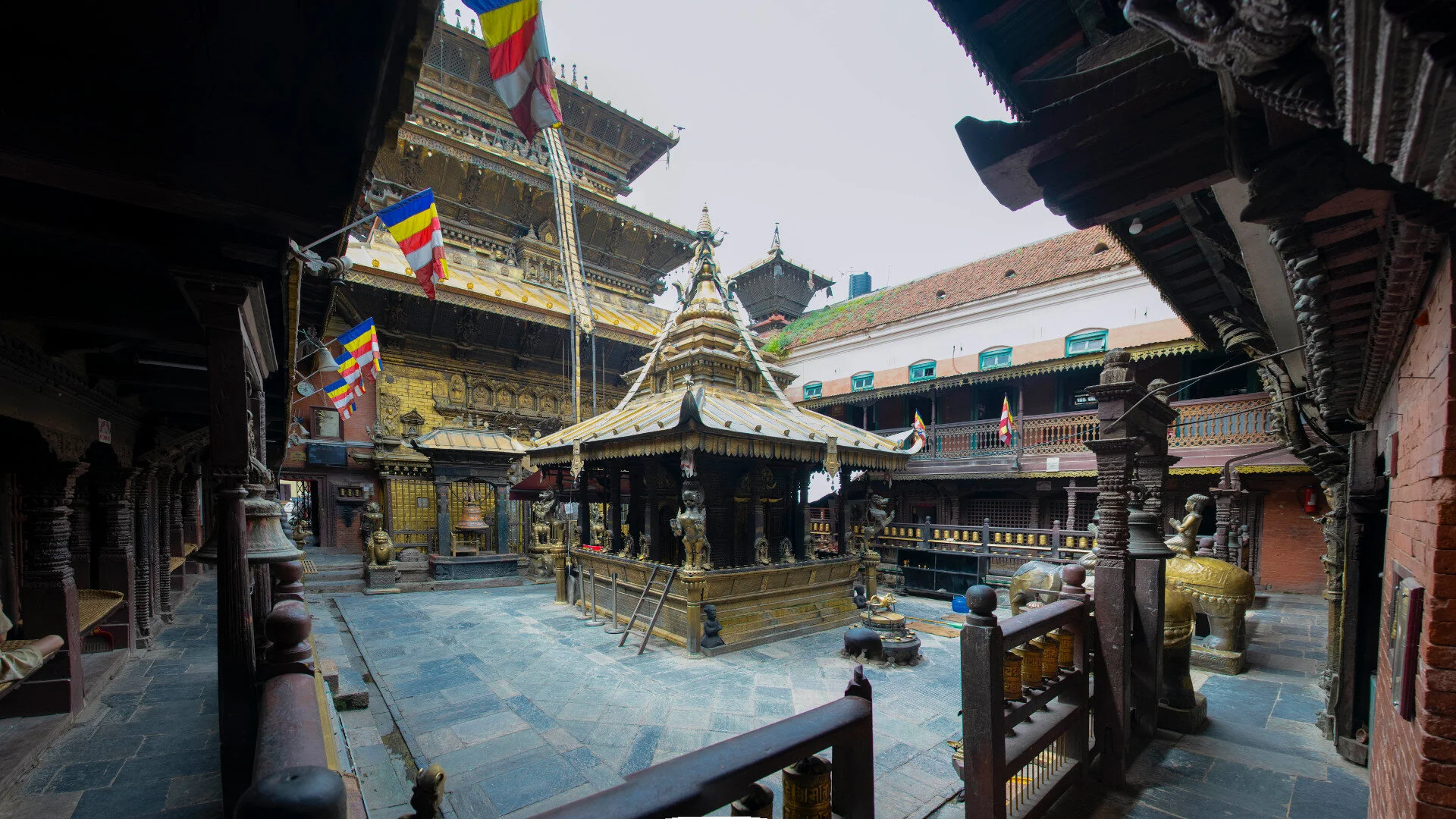
Sacred Spaces: Kwa Bahal
Let’s not go too far and stay close to the capital. Within the Kathmandu Valley, the Patan area is a popular hub for those seeking to admire history, art, and culture. Among the many significant places, there is one such gem just north of the Durbar Square--the Hiranya Varna Mahavihar, or The Golden Temple, as it’s informally called.
The one thing you learn when you travel across Nepal is that many places give you a feeling of home. You feel welcome and comfortable, and almost question how the setting can be so soothing. From the capital city to the farthest reaches within the border, many places hold both religious and cultural significance.
Let’s not go too far and stay close to the capital. Within the Kathmandu Valley, the Patan area is a popular hub for those seeking to admire history, art, and culture. Among the many significant places, there is one such gem just north of the Durbar Square--the Hiranya Varna Mahavihar, or The Golden Temple, as it’s informally called.
Origins
This unique Buddhist monastery founded in the 12th century by King Bhaskar Varma is a three-storey golden pagoda of Shakyamuni Buddha--locally known as Kwa Bahal. Bahal or Baha (Nepal Bhasa: बहाः) is a type of courtyard found amongst Newari communities and is the most dominant type in Newari Architecture. Baha is a Buddhist monastery and derives its name from the Sanskrit word Bihara, meaning joy or enchantment.
Generally, a family constructs the Baha where their descendants reside for generations. It is not only a unit of residence but also of kingship. The Hiranya Varna Mahavihar or Kwa Bahal houses Prajnaparamita.
Prajnaparamita means the perfection of transcendent wisdom in Mahayana Buddhism. It refers to the perfected ways of seeing the nature of reality, with references to sutras and personification of the concept of the Great Mother.
Kwa Bahal:
The Hiranya Varna Mahavihar--hiranya, meaning mouse-- gets its name from the myth of a golden mouse that chased cats. Before it grew to be called The Golden Temple, it was known as the Rat Temple as well.
The nickname Golden Temple came about through tourism rather than being made of pure gold. The temple gets its name from the gilded metal plates that cover most of its frontage, and most of the temple is polished brass.
This temple is among many arguably the most incredible temples in the world, and not merely another Buddhist temple in a city full of temples. This pagoda temple is tucked away in this quiet part of Patan and boasts an ornate interior and intricate metalwork and stone statues.
The unique architecture and the detailed carvings are always fascinating for both visiting tourists and locals. Although photography is not allowed, many tourists gather here, mostly with their guides and learn about the significance of this sacred monument.
The monastery adorns a golden facade with four gateways, a clock tower, and two lion sculptures. The lions sit at the eastern doorways with the signature of Krishnabir, the master stones man who sculpted the entrance with the cornice of Buddhist deities.
The eastern doorway leads to the central courtyard; shoes and leather articles are not allowed in the lower courtyard. The figure of two important Hindu deities, Vishnu and Shiva, is carved on the entrance doorway believed to safeguard this sacred place. When closed, the door also pictures a carved Bhairab, believed to protect the people from any bad happenings. Outside of winter, look for the tortoises hanging about the compound---these are the temple guardians.
Another door depicts the image of Buddha teaching the path of practising paramita to achieve Bodhisattva. The carvings on the entrance to the central courtyard depict the Gods of Three Yans---Sravakayana, Mahayana, and Vajrayana.
Inside, the temple is much larger than it appears. It is a getaway from the liveliness of Patan Durbar Square and the many alleys. Inside, with clean seating spaces, you can rest and listen to the Buddhist chanting that will give you goosebumps.
A smaller shrine containing a Swayambhu (self-risen) chaitya faces the main temple. There are statues of four Lokeshvaras (incarnations of Avalokiteshvara) and four monkeys holding fruits as offerings on each of the four corners of the courtyard. On the upper floor, lies a dedicated chapel to Avalokiteshvara with a wheel of life and Tibetan-style frescoes.
The main priest of the temple is a young 12-year old boy, who serves for a month before handing over the job to another young boy. Male children of that age are chosen as the Panchasheel is maintained at this age. The Panchasheel--doesn’t kill, tell lies, have corrupt thoughts, and drink or smoke. Children are suitable to don the mantle of such a role.
Going barefoot in temples is part of the culture, and it adds to the experience of visiting such sacred places. Even among the host of must-see architectural wonders and temples, this stunningly beautiful and serene piece of Nepal history, still, part of living Kathmandu, is a well worth visit.
POPULAR ITINERARIES
SIMILAR POSTS
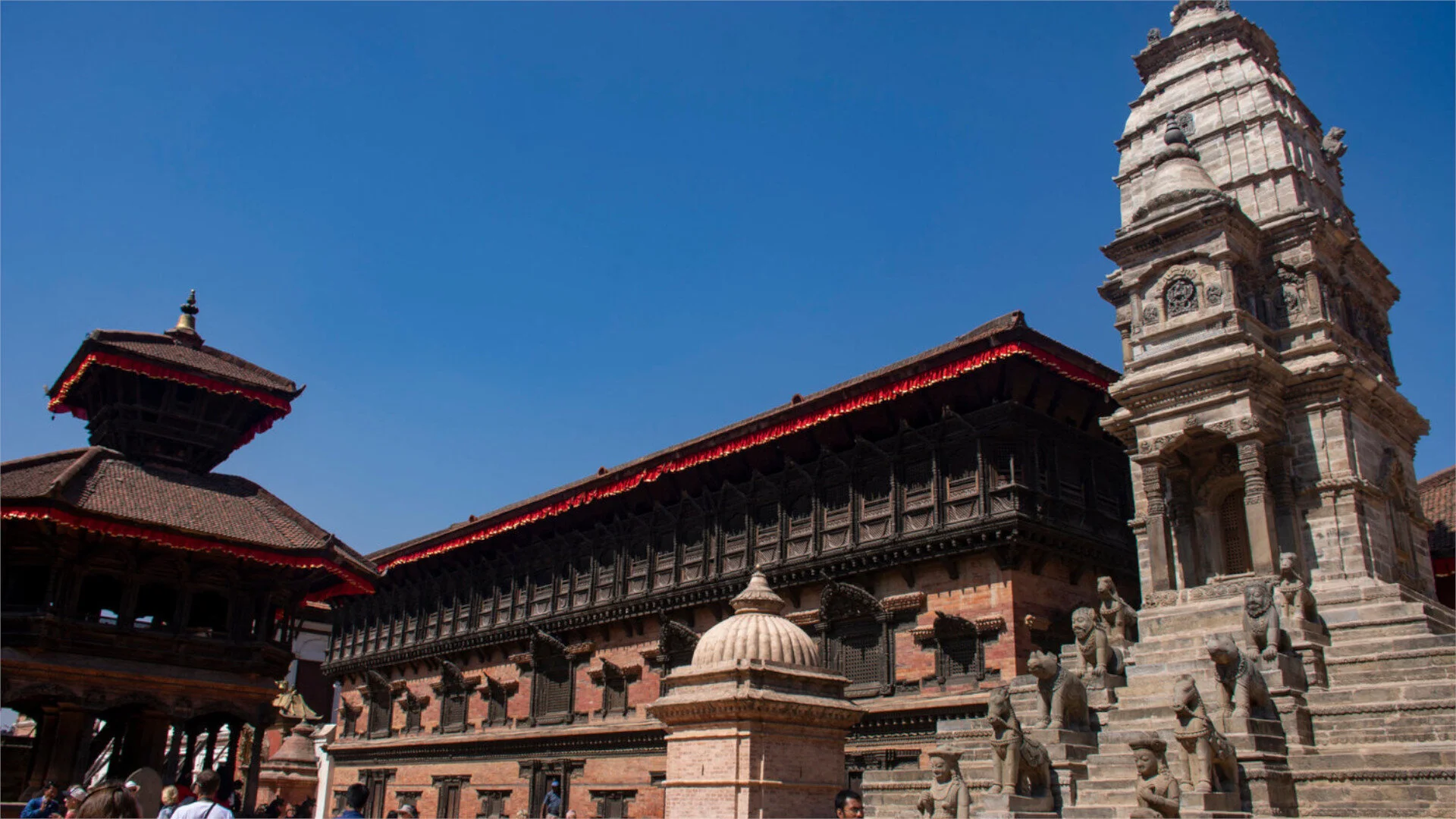
7 Things to do in Bhaktapur Durbar Square
7 Things to do while visiting the Bhaktapur Durbar Square in Bhaktapur, Nepal. Bhaktapur Durbar Square, a UNESCO World Heritage site is the heart of the ancient city of Bhaktapur built with centuries old rich architecture among its bricked temples, palaces and an antique culture in its lively streets.
Situated along the eastern edges of the valley, Bhaktapur Durbar square is like a get-out from the noisy and dusty roads of the city. The heart of the ancient city of Bhaktapur is built with centuries old rich architecture among its bricked temples, palaces and is a blessing when it comes to reflection of antique culture between its lively streets.
Admire the Artistic Streets
55 Window Palace
National Art Gallery
Siddha Pokhari
Look for Street Foods!
Dattatreya Mandir
The Peacock Shop
Not only being one of the world heritage sites of Kathmandu, it stands as a representation of Nepalese tradition and is inhabited by indigenous Newari people across the historical monuments that signify medieval age culture.
Entering inside this ancient land of wonders, here is a list of 7 things you can do here in Bhaktapur Durbar Square.
Admire the Artistic Streets
Just as you take a step in the graceful land of Bhaktapur Durbar Square, the rich, artistic streets will excite your curious spirit right away. Under the narrow roofs and through the busy gullies, as you walk down, the brightening feeling held among each of the shops and stores with the complimenting pop of colors and artistic pieces spread out to be sold will pass by you. It's hard not to stop by and look at these wonderful handmade artifacts that's hung all over the city, waiting to be sold as a piece of the skilled Nepalese artists and craftsmen. So, as you decide to visit Bhaktapur, make sure you take yourself to a nice little souvenir shopping across its streets.
55 Window Palace
Built in around the corner of the 15th century, the 55 Window Palace is a majorly highlighted architectural artifact of Bhaktapur Durbar Square. It was constructed by King Bhupatindra Malla for his Royal Family. The beautifully constructed palace overlooks the red and brown city of Bhaktapur through the large area it covers. As per the name, the 55 windows circle the top floor of the palace, creating a new form of treasure when it came to 15th century architecture. It has now been regarded as a national gallery when it comes to fine, rich ancient craftsmanship.
National Art Gallery
As you look around the Durbar square, you’ll notice about 3 museums right around the corner. Exploring these museums, you’ll get the opportunity to surf through the ancient art pieces, Buddhist Thangkas, palm-leaf manuscripts, wooden, metal and stone craftsmanship artifacts and a series of historical wonders from all over the hundreds of years. Starting from portraits of the Kings of Nepal to the rich manuscripts and paintings of time, the long list of artistic features of the city will absolutely astound you, and make you leave with a greater desire to know more about it.
Siddha Pokhari
This beautiful pond is situated in the outskirts of the durbar square as a perfect spot if you’re looking for an escape from the crowded, dusty city area. It is the kind of place where you’d love a nice stroll around the pond during the mornings or the evenings. You could also take in the calming chance to feed the school of fishes that run all over the pond. The beautiful moss-green color of the water as the afternoon sun hits its waves will definitely be the highlighting point of your visit in between the white and golden walls of the surrounding the it on the four sides.
Look for Street Foods!
Street foods being a part of every Nepali’s heart, Bhaktapur offers a series of delicious eateries around the edges and corners of its cheerful streets. Starting from the one and only special Juju Dhau, the sweet, satisfying taste of it gives in just enough flavor of what this intriguing city has in store for you. Similarly, the country’s favorite, Pani puri and Chatpates; Bhaktapur is also one of the most famous places that serves the best of those in the stalls placed all over. It also serves other absolutely compelling snacks such as Aloo-cha, mix bara, Newari snacks, kulfi and many more.
Dattatreya Mandir
As you dig deeper within the bustling streets of Bhaktapur Durbar Square, you’ll discover this large, old and sacred temple standing still. Dattatreya temple is another of the list of temples of Bhaktapur that holds a significant historic and religious value, is an artistic sanctuary with traditionally pleasing exteriors and interiors. It is believed that the entire three-storied temple is supposed to be constructed from the timber of a single tree. And because of that, it has been able to resist different natural calamities for centuries.
The Peacock Shop
Also known as a handmade Lokta Paper Factory and gift shop, hidden among the quiet corner of the Durbar Square lies this house of artistry. Bhaktapur is a home for a huge number of art and craft people whose entire lives depend on reflecting the artful quality of the city. Through the long history of generation, this Lokta paper has been making Nepali papers, turning them in different forms and selling them as gifts to the local people as well as the tourists. The entire artistic features of the durbar square are understood by the look of the hardworking, creative hands put in these kinds of factories. The kind of creativity that not only makes paper, but builds cities. Your perspective towards the truth of traditional art will totally change as you admire the worn out, yet beautiful behind the scene picture of the visionary contributions made by the local people in this particular Lokta paper factory.
POPULAR ITINERARIES
SIMILAR POSTS

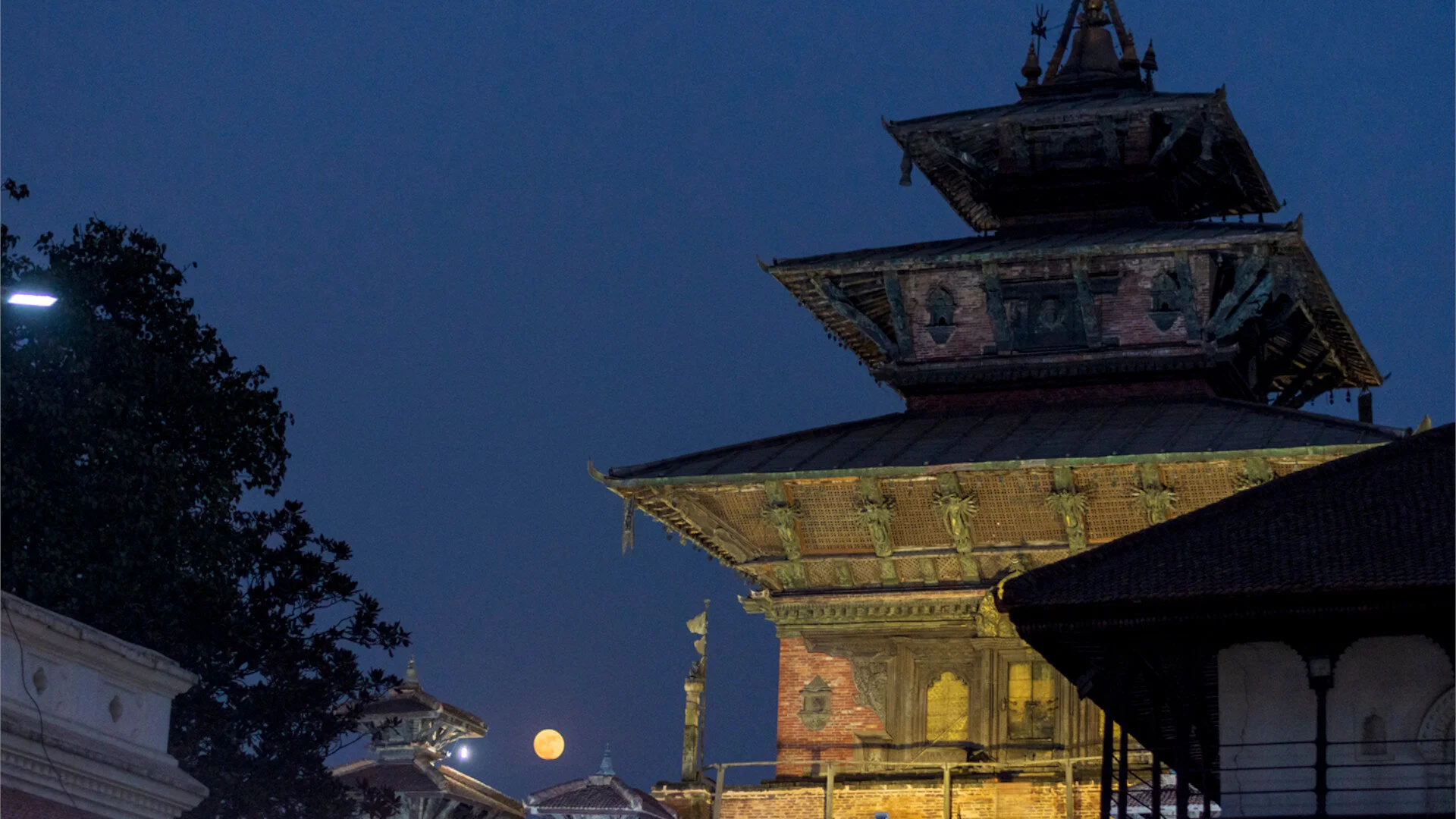
7 Things to do in Kathmandu Durbar Square
Things to do while visiting the Kathmandu Durbar Square in Kathmandu, Nepal. Kathmandu Durbar Square, also locally known as Basantapur is a UNESCO World Heritage site and an amalgam of the history of the Kathmandu.
One of the most iconic destinations one must visit during their trip to Nepal has to be Kathmandu Durbar Square. Locally known as Basantapur, the area today is a UNESCO World Heritage site and an amalgam of the history of Kathmandu. Featuring temples, monuments and architecture from the Ancient, Medival and Modern Era of Nepali History. At times, the site seems unreal due to the variety of facades in one place.
The best portrayal of this is at the crossroads of the Kumari house. With the iconic, European Baroque Architecture of Gaadi Baithak on the right and the beautiful Newar architecture of the Kumari house sit side to side.
Visit The Kumari House
Have Tea At Mama’s Tea Shop
A Selfie At Kaal Bhiarav
A Meal at Freak Street
Take Blessings at Jana Bahal
A Brisk Walk
Bypass The Street Hawkers
In this article, we collect the 7 things one must do, while visiting the Durbar Square area. The activities are a collective of activities which encompass, exploring history and activities which is profoundly loved by the people of Nepal.
Visit The Kumari House
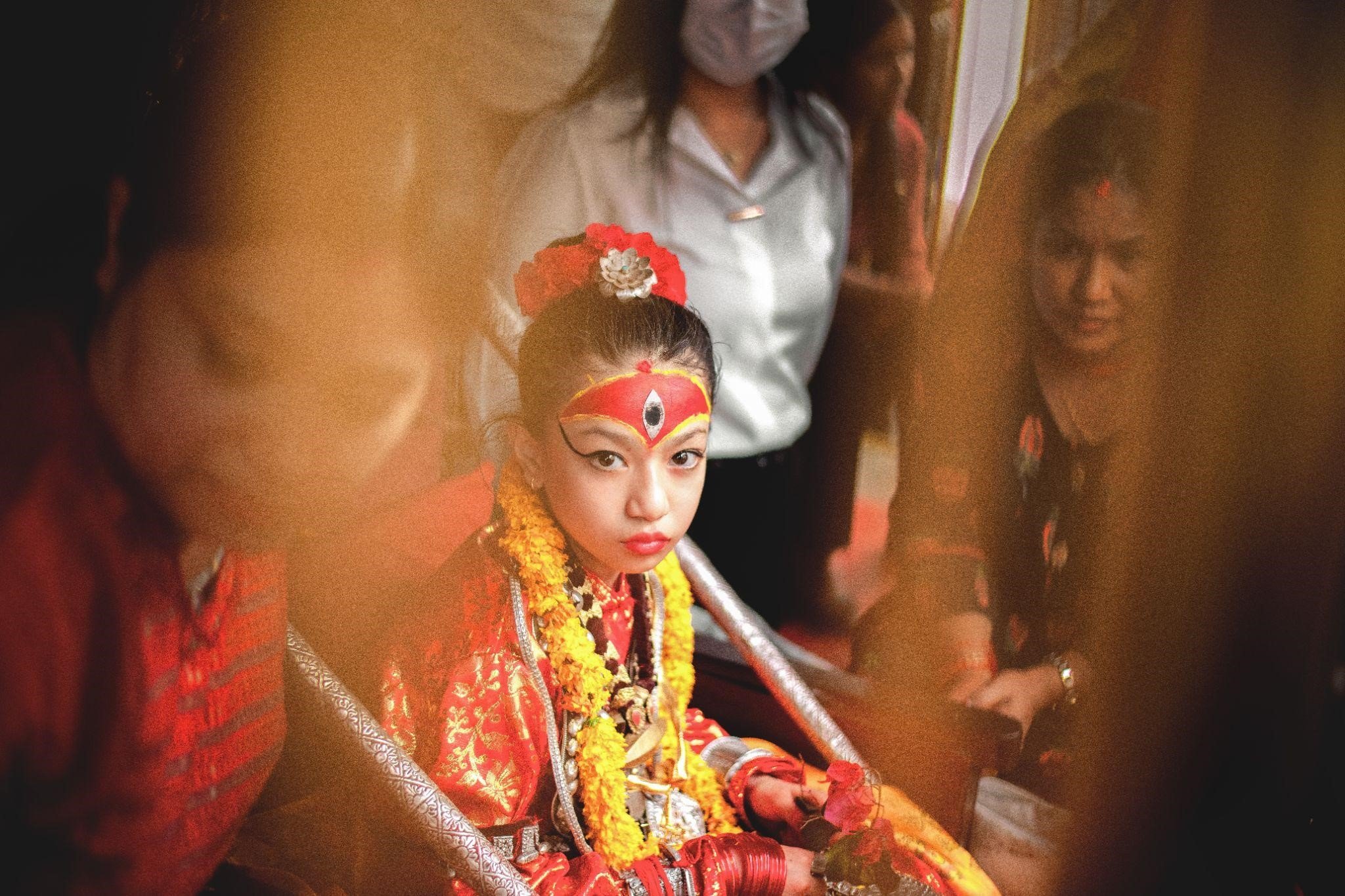
The Kumari house which lies opposite to the iconic white palace of Gaddi Baithak has stood tall since the Malla Era of Nepali History. It is home to the Living Goddess of Kathmandu, also known as the Royal Kumari. Apart from housing one of the most important deities of the Newar Pantheon, it also boasts one of the most amazing woodcrafts of the Newar people. The entrance of the Kumari House features a Thorana which features the depiction of Durga and Bhawani. The small narrow entrance opens to a beautiful square which at times feels like a gateway to the past.
If luck is on your side, as you upwards you shall get to witness the Living Goddess herself, looking down at her devotees.
Have Tea At Mama’s Tea Shop
We Nepalese can’t live or breadth without a cup of tea! Amidst all the cafe’s one can enjoy a good cup, the best way to experience the true Tea culture would be to have it at a small tea house, sitting in a stool by the curve, surrounded by the people and their activities. Mama’s Tea Shop is one of the most popular tea shops in Basantapur and it lies near Himalayan Java ( The Irony). One can look it up in Google Maps or ask anyone in the area, they shall greet you with a familiar smile and show you where it is.
One can enjoy a selection of 3 tea’s; Masala Milk, Black and Lemon. It’s a pay first establishment and you shall be seated well, in the Durbar Square itself and the tea shall be brought to you. The best time is during the evening, facing west one can enjoy a magnificent view while sipping a warm cup of tea.
A Selfie At Kaal Bhiarav
One of the most iconic stone carving in the Basantapur Durbar Square premises is of Kaal Bhairav. In short Kaal Bhairav stands for the Bhairav of time, and is revered by both Hindu’s and Buddhists. The exact history of the creation of the iconic stone culture is still debated but all agree that it is one of the most important depictions of Bhairav in the valley. Before you take a great picture, which shall serve as a memento make sure to take blessings.
A Meal at Freak Street
Popularized during the hippie era of the ’60s and ’70s in Nepal, Freak Street was and still is a popular hangout for the youth and eccentric. It is also home to a wide selection of traditional and fusion eateries and cafes. Make sure to enjoy a great meal at Freak Street, which is recommended during the weekend as it shall feature live music.
Take Blessings at Jana Bahal
Jana Bahal which lies in the outskirts of the Durbar Square is home to another important deity in the Newar Pantheon, which is locally known as Seto Macchindranath. The Bahal Square is centred by a two-story pagoda temple, housing the deity and is surrounded by chaitya’s and mandala’s dedicated by various families to the God’s.
A Brisk Walk
Well if you are living in Thamel, then your quite close to the core region of the Durbar Square. Fancy a morning stroll? The Durbar Square region in the mornings is completely different, less crowded, and in the morning golden hour, the temples have this magnificent glow to them. One can get to enjoy the local assortment of breakfast foods, the farmer’s market and beautiful experience.
Bypass The Street Hawkers
The one thing that every traveller in Basantapur has to do is well, bypass the Street Hawkers. The best-recommended way is with a beautiful smile and thanks you. At times it works but some are more persistent, during those times the best recommendation is to keep at your business and they get tired and just move away. It is not recommended to purchase from the street hawkers as the items they sell can be commonly found in the markets of Thamel or Basantapur at a much lower price.
POPULAR ITINERARIES
SIMILAR POSTS
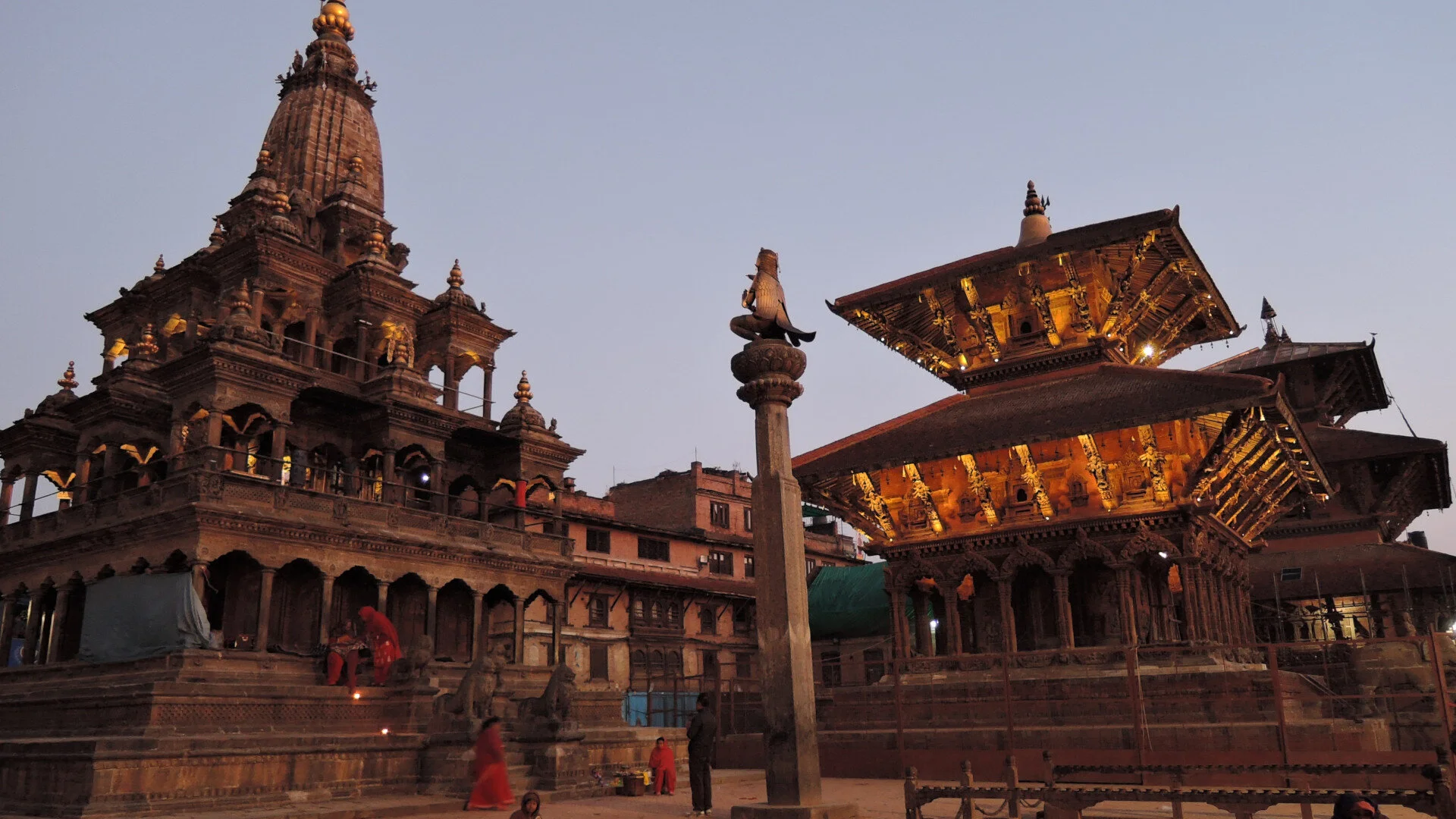
7 Things to do in Patan
Patan, the ancient city located to the Southeast of Kathmandu is popular for its fine arts, ancient Hindu Temples and Buddhist monuments. Patan Durbar Square, a must-visit UNESCO world heritage site in the heart of the city, is popular for its exquisitely carved ancient palaces, temples, and shrines.
There are places away from home that will definitely resonate a sense of warmth that make you feel like you belong. Speaking from experiencing a similar sense of being, Patan is one of those places. If you ever find yourself around Patan, there is a high chance you're going to be in a spin, quite literally because Patan is an artistic labyrinth. It is a vibrant place that artistically binds ancient and modern together. It is unique in existence from the other durbar squares with the numerous gullies that gives it its labyrinthine build. Now if you're going to be around, here are ten things you can do in Patan.
1. Durbar Square
Stating the obvious! Patan is famous for the Newari architecture that features intrinsic wood carvings and brick work. There are several important temples in the area and you can never get tired of the early morning bhajans and the warm lights in the evenings.
2. Patan Museum
Located within the Durbar Square, it is a peaceful and relaxing place with a little garden in the back. While ticketing prices differ, it also has a café inside that will offer you a nice escape from the city.
3. Gully Tour
There are a lot of gullies in Patan that you can end up getting lost. Don't worry though, it wouldn't be the most stressful situation. There are areas built for worship and come out into big beautiful squares after moving around quite a lot of these gullies. I could call them alleyways but that's not that fun now, is it? Truth be told, personally its quite fun getting lost for hours.
4. Morning Treats
Early mornings in Patan are quite satisfying. There are traditional sweet shops offer treats like jeri-swari, gwaramari, malpa that pair well with a nice warm cup of tea. All the shops are always welcoming and early morning walks around the square are a big plus.
5. Rudravarna Mahabihar
Visit the Rudravarna Mahabihar in Okubahal. You'll be treated to beautifully-carved metal statues and the carvings on the walls are a true workmanship. This 1500 year-old monastery is renowned for its art, craft and architecture.
6. Pimbahal Pond
If you've been moving around all day this pond is worth checking out. You can visit the temples during day and come down to this pond to relax and feed some ducks. It’s the perfect place to watch as locals pass by and also get a breath of air before getting on with your schedules.
7. Visit the Zoo
Visiting the zoo is ideal if you have kids with you. The cages and animal care is better than before but you'll love the bird exhibit. It's a good place to spend time with your kids but not really if you're not with kids, but it makes for one of the things to do when in Patan.
POPULAR ITINERARIES

Text By Siris Maharjan; Picture Courtesy: Tobias Federle
SIMILAR POSTS

UNESCO World Heritage: Pashupatinath
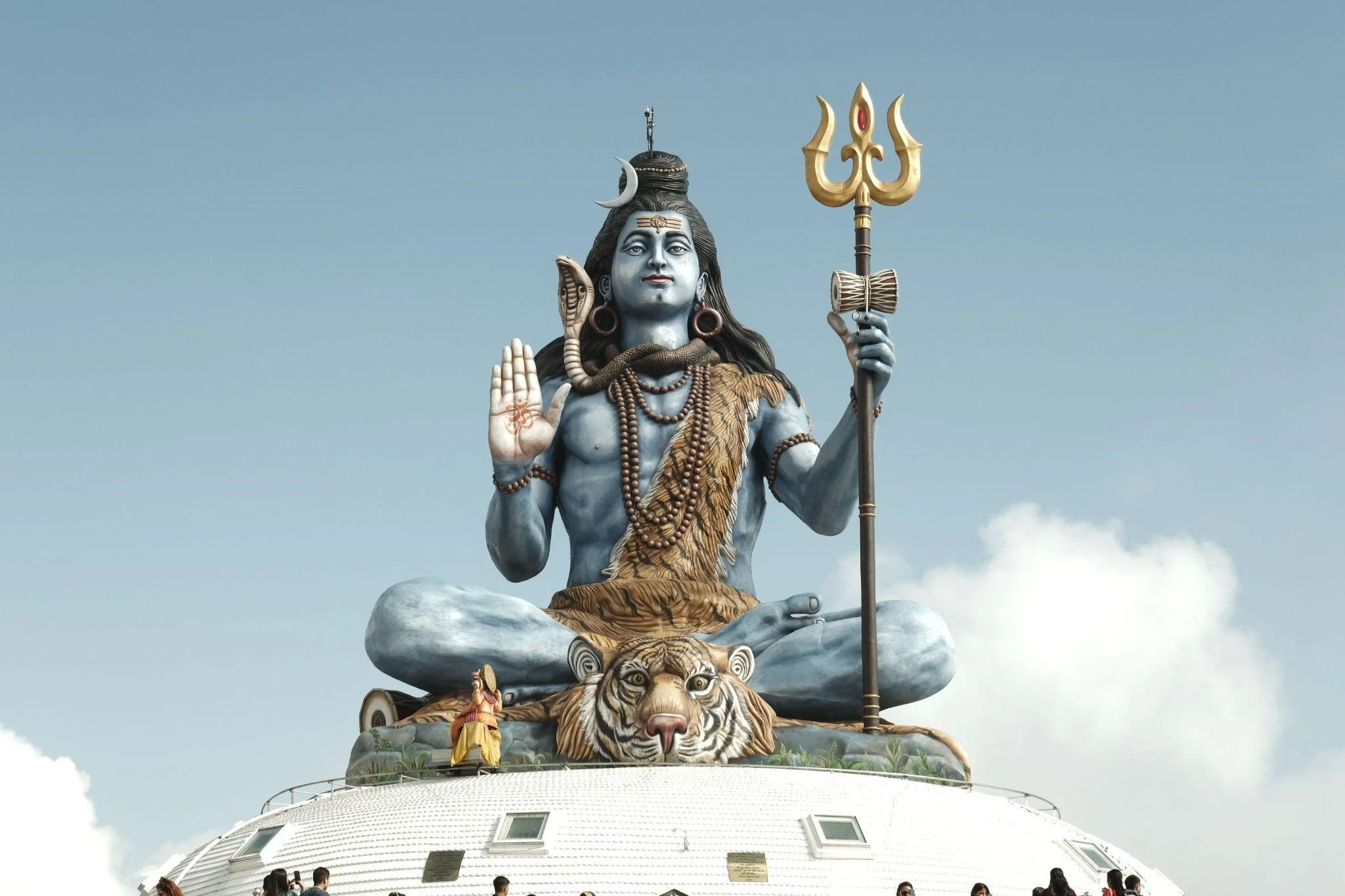
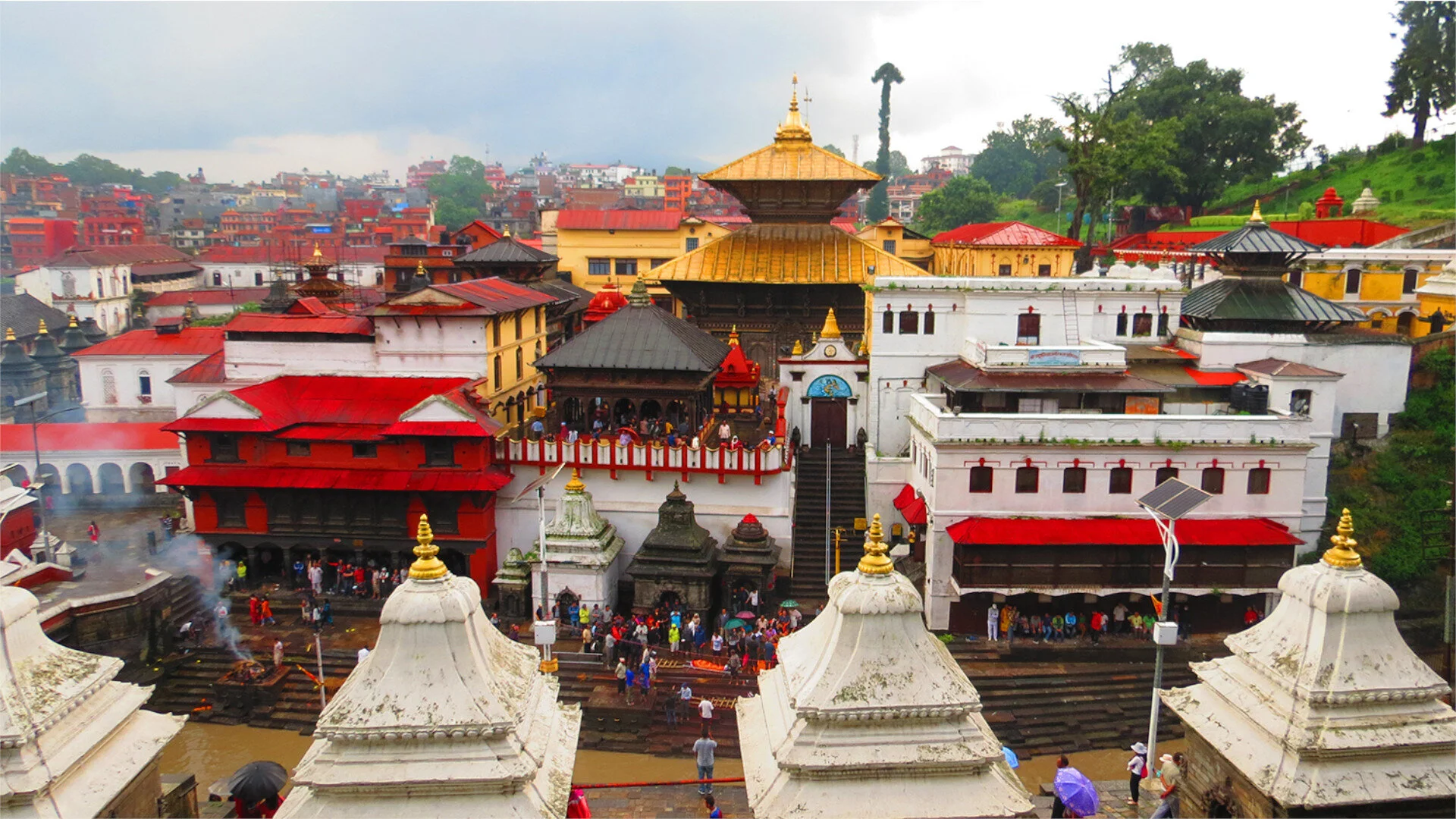
Being the most important Hindu shrine, the site receives a huge number of pilgrims travelling from all around the world to take blessings of Pashupati and bathe in the holy waters of the Bagmati. Be it an occasion, celebration or a basic Saturday, this site is overwhelmed with worshippers of Lord Shiva. It is highly recommended to visit the temple during the morning and evening aratis.
The site was inscribed into the list of UNESCO World Heritage in 1979 AD. It span’s a total area of 246 hectors which encompass, the temples, ghats and monuments. The site is one to hundreds of sacred rituals performed by the priests every day.
Legend has it, Manjusri after draining the Nagardha (Kathmandu Valley) established a beautiful Slesamantaka Forest near Guhyesvari for the services of Swayambhu and Guhyesvari. As the forest grew dense and beings began populating the great forest. It was then Krakucchanda Buddha visited the valley. One fine day he was near the Slesamantaka forest and saw Brahma, Visnu and Mahesvara who had manifested themselves in the form of a deer and lived in the forest. The place was since then called Mrgasthali from that day on.
In time Brahma, Visnu and Mahesvara agreed to leave their deer from in the forest and go back to abodes. During when, Mahesvara (Shiva) left his deer form at the bank of the Vagmati(Bagmati), as he manifested as a light that pervaded through seven worlds upwards from Earth and seven worlds downwards from hell. Lord Brahma went upwards to cross the light of Mahadeva, which had extended beyond seven worlds from the earth whereas Lord Visnu did the same in the downward direction. The place from where Visnu departed towards hell is known as Visnugupta. Similarly, the place from which Mahadeva left his deer from into light is known as Pashupati.
The given text has been phrased from the Chronicles of Daniel Wright, which were translated from the Nepal Vamshawali and is the first mention of the site of Pashupati. The true origin of the temple complex has been debated and a definite conclusion even till this day has not been made. According to the Nepal Vamshawali, the temple is said of have been built by King Dharmadatta, “During his rule, King Dharmadatta built the temple of Pasupatinatha with a large linga, following the advice of astrologers and wise panditas. He performed the consecration ritual, offered valuable goods, and pleased the god. To the northwest of Pashupati, he built a caitya as the abode of all the gods and decorated it with accompanying deities. He named it Dharmadatta Caitya, observed vows day and night, and established the dharma.” (Bajracharya & Michaels,2016, p.14)
In the time it is believed that the original temple collapsed and it was rediscovered during the era of Ne Muni. “This Raja, by name Bhuktamana, reigned 88 years and Pashupati was discovered in his reign.” ( Wright,1877, 108) Following the trail, it seems that Gopala King Bhuktamana had rebuilt the temple of Pashupati but it again had collapsed to be rebuilt during the rule of Somavamsi Kings, “His son, King Pasupresadeva, 4th generation. This king settled the valley with the people of four castes. The temple of the linga of Pashupatinatha, which had been built earlier by the Gopala Kings, was ruined. In the year 1234 of the Kaligata Era, he rebuilt it into a five-storey temple adorned with golden roofs, a pinnacle (Gajura) and a jewel on its top. Since this day, the temple of Pasupatinatha became taller, and people could pay darsana to it from far away.” (Bajracharya & Michaels, 2016 Pg. 35)
The temple was later revised into 2 stories and various Lichhavi and Malla Kings offered golden roofs and built various sites and monuments around the main temple. The current temple complex features a multitude of shrines, dharamsala's and temples. The site was inscribed into the list of UNESCO World Heritage in 1979 AD. It span’s a total area of 246 hectors which encompass, the temples, ghats and monuments. The site is one to hundreds of sacred rituals performed by the priests every day.
Being the most important Hindu shrine, the site receives a huge number of pilgrims traveling from all around the world to take blessings of Pashupati and bathe in the holy waters of the Bagmati(Bagmati). Looking from atop the bridge, near the Ghat its a surreal experience which is shared by multiple visitors as they witness the final rites before cremation, and the openness of death. Besides to which individuals are bathing in the same waters where the ashes are poured. It is a spectacle which has become a sort of attraction in the area, which for many is a time of great reflection of one's life, actions and virtues.
The history of the region might be vague, but the believes and values the site of Pashupati portrays is not. It stands as a beacon of light, uniting the world through its history, symbolism, religious importance and architecture.
POPULAR ITINERARIES
SIMILAR POSTS
UNESCO World Heritage: Lumbini
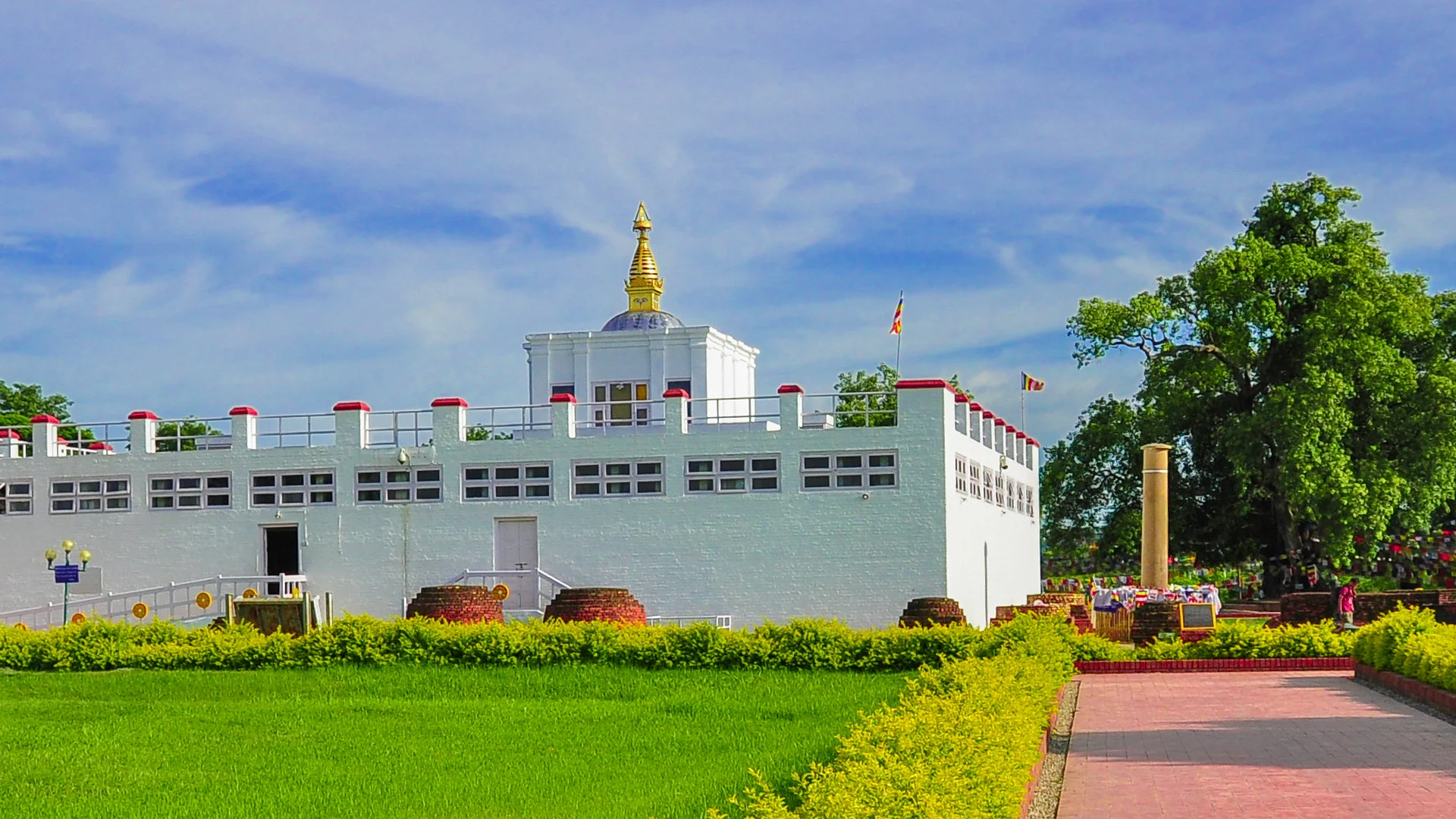
A famous place of pilgrimage and one of the must-visit sites in Nepal is popular among Buddhists with its monasteries, pagodas, and museum. The birthplace of Lord Buddha is a 10-hour drive and 35 minutes by flight from Kathmandu.
In the southern plans of the republic of Nepal, lies one of the most sacred pilgrimage sites to the followers of Buddhism. Commonly known as Lumbini is the birthplace of Siddhartha Gautama who achieved enlightenment and became the Buddha and founded the religion of Buddhism.
The name Lumbini means “the lovely” in history lied southwest of the oligarchic republic of Koilya kingdom of the clan of Shakya. According to the findings of Tara Nanda Mishra published in the journal Ancient Nepal, “ Lumbini Devi also spelt as Rummindei or Rupandevi ( Beautiful Lady), was the queen of King Suddhodhana, who was the King of Devadaha, which was also the capital city and the administrative headquarter of the Koilya republican stat. On the request of his queen, King Anjana made a beautiful garden on the bank of Telar (oil) river. Thus the place had been named after his queen, Lumbini. According to the Jataka story, Lumbini during the time of Lord Buddha has been described as a big Sal garden which was jointly owned by Sakyas of Kapilvastu and the Koiyas of Atthakantha places it near Devadahha Nigrama. Buddha Charita of Asvaghosa describes Lumbini as “ Gay like the garden of Chaitra Ratha with trees of every kind.”
The site of current Lumbini in history had been lost to time, up until the discovery of the Ashoka Pillar. King Asoka of Magadha was a famous Emperor who had visited the site in 249 BC. He was accompanied by Upagupta who is believed to have been his teacher. The validation of the site to be the birthplace of Lord Buddha was provided by the inscription on the Asoka Pillar which reads, “ Here the Buddha Sakyamuni was born” and “Here Bhagwan was born at the Lumbini Village”. Further validation was provided by the accounts of the visits of Fa-Hian a Chinese traveller who had visited the village in 5th century AD. And Seng-Tsai a Yueh- Chih monk who visited the site in 3rd-4th century AD.
In modern history, the site of Lumbini was discovered in 1896 AD, in a joint expedition of Gen.Khadga Shumsher and Dr A. Fuhrer. The first excavation of the Mayadevi Temple was done in 1898 AD, by P.C Mukherjee along with the excavation of some stupas on the southern flank and a few temples in the south-west flank.
The site was inscribed to the UNESCO’s List of World Heritage in 1997 AD. After the visit of the Secretary-General of United Nations U Thant, in April of 1967 AD. He proposed the development of Lumbini into a major centre of pilgrimage. Which was followed by a UNDP consultant mission in December 1969, which led to a report that established the basis of planning around Lumbini. The Kenzo Tange Master Plan for Lumbini began in 1972 and was finalized and approved in 1978 AD.
The plan covers an area of 5x5 miles with a central square mile being the Sacred Garden within which is the UNESCO World Heritage Property. Of the Master Plan, the 1x3 miles area which includes three zones: New Lumbini Village, Cultural/Monastic Zone and the Sacred Garden- are part of the Lumbini Project Area.
Present-day Lumbini would not have been a reality if not for the efforts of various scholars, archaeologists who helped discover and preserve the originality of the location. The current site of Lumbini is bordered by a large monastic zone which is only home to monasteries. The zone is prohibited of construction of any shops, hotels or restaurants. The zone has been divided into eastern and western monastic zones, the eastern site features Theravadin monasteries whereas the western site features Mahayana and Vajrayana monasteries. The sites are separated by a long water-filled canal, with a series of brick arch bridges joining the two sides along the length. The holy site of Lumbini has well-preserved sites of ancient monasteries, a sacred Bodhi tree, an ancient bath pond, the Ashokan pillar and the Mayadevi Temple which is believed to be the site of the birth of Siddhartha Gautama.
With the existing domestic airport being upgraded to an international airport, Lumbini is bound to receive a rush of new visitors made accessible by the upgrade. The site is a 10-hour drive from Kathmandu whereas a 30-minute drive from Bhairahawa. By air, the site is 35 minutes from Tribhuwan International Airport whereas from Pokhara 20 minutes.
With the upcoming Visit Nepal Year 2020, all fingers are crossed for the operation of the new international airport which would allow more pilgrims and visitors to witness the history and majesty of the holy site.
SIMILAR POSTS
The Magic of Boudhanath
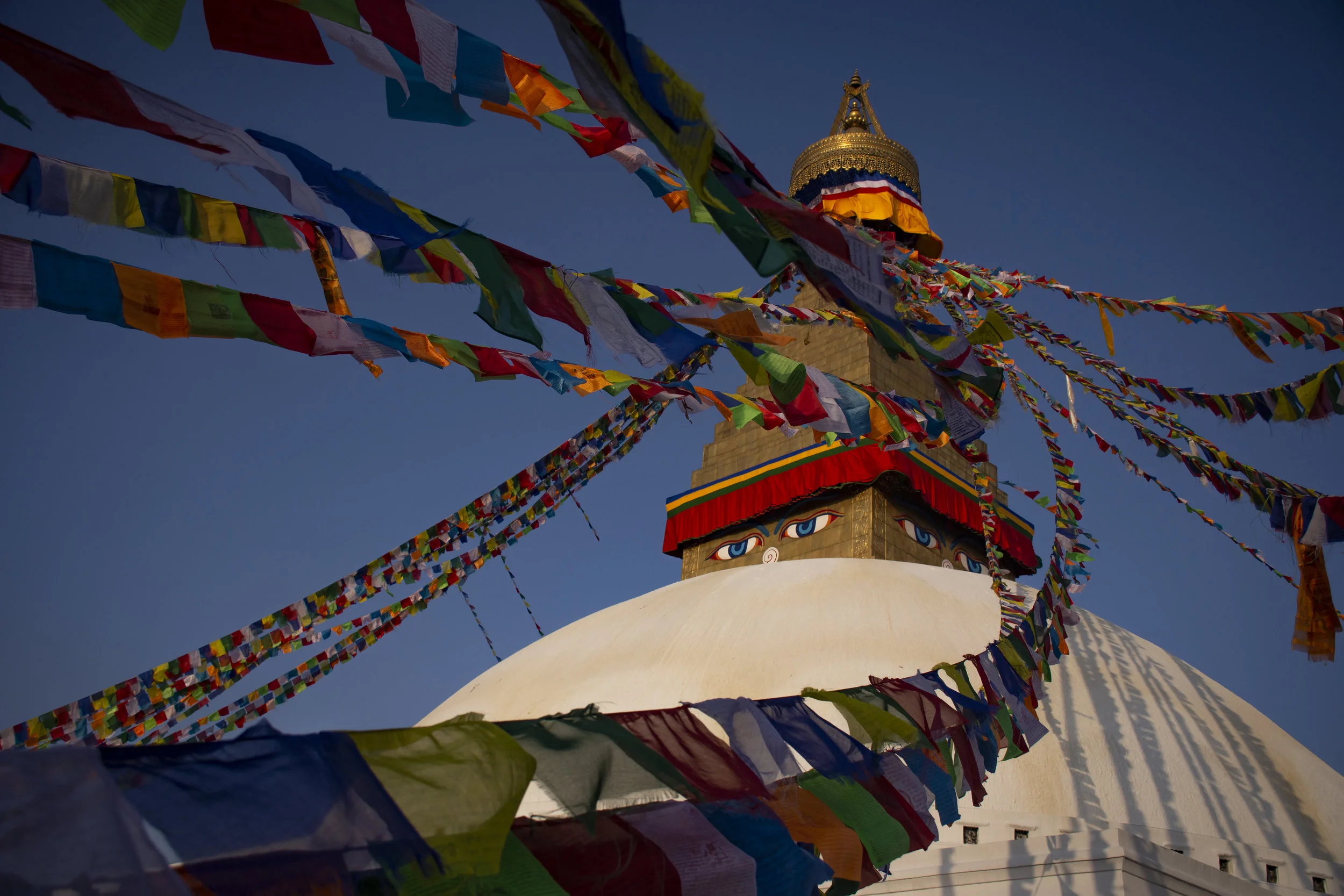
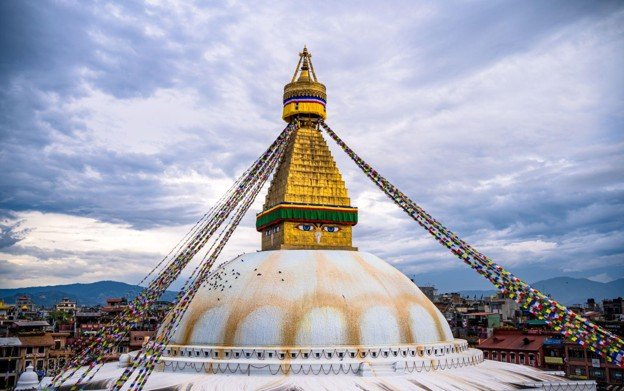
We have heard the origin of Swayambhunath Temple atop the hill of Kathmandu. Similarly, like a Swayambhunath, Boudhanath which is one of the largest stupas of its kind and another pilgrimage to the Hindu and Buddhist all over the world. Many of us are still unknown to the origin of 36-meters sky high stupa, Boudhanath yet.
Shreyashka Vikram Raj Maharjan
Entering the premises of Boudhanath, at times feels as if I magically transitioned into an other worldly dimension. As I sat down, by the bench, I couldn’t but help but question, what makes Boudhanathso magical?
The sites and sounds at this tiny mescocosm, has a tint of serenity. From the melodious chants, to the aroma of incense, one can’t help but close their eyes and just escape in the magic. When a site amazes me, the first thing I do is photograph everything that gives the place life. The monuments, people, relics and buildings. Resting my camera atop the table, scrolled through the catches of the day. I looked up how the place was in ancient times, the pictures that came up made me wish I had H.G Well’s time machine.
The second thing on my list is looking up the history and seeking the masters who gave this its transcendent magic. Flipping through my archives of chronicles, I found the most accurate writings of the creation of Boudhanath in the pages of the “History of Kings of Nepal” compiled by Daniel Wright. As the legend go, King Vikrama-Kesari found that the shrine of his forefathers the Narayana fountain suddenly went dry. He was at dismay and grieved at the loss of the memorial of his forefathers and thus to find a malady he went to Buddha Nil-kantha for advice. “ The deity told him to consult the astrologers. He did so, and after some deliberation they said that it required a sacrifice of a human being possessed of the thirty-two attributes. The raja resolved to obey these directions; but thinking that to sacrifice a subject would be a sin, and to kill his own son, who possessed all the requisite attributes, would be cruel, he determined to be himself the victim. He therefore called his so Bhup-Kesari and ordered hum to kill, without looking at his face, a certain man, whom on the fourth day after that, he should find lying covered over on the fountain. The price, going there on the appointed day, in accordance with his father’s commands, and not knowing who the person was, cut off his head. Blood rushed out of the dhara, and the crocodile on the fountain turned back his head that he might not see a parricide. The son then went to wash his hands in the Ikshumati river, and was surprised to see swarms of worms floating in the water. On returning to his house, he heard a great noise of people shouting out that the price had killed his father. The prince then silently performed his father;s funeral ceremonies, and making over charge of the government to his mother, he went to Mani Jogini to expiate the sin of parricide. Seeing him very forlorn, the Jogini informed him that he could expiate his crime by building a large Buddhist temple, two miles in circumference, and having four circles of gods. The spot for the temple would be indicated by the perching of a kulang (crane) which would take it’s flight from the mountain. The bird accordingly alighted, the spot for the temple was marked out, and the work begun.” - Wright, 1877, 99-100
The stupa of Boudhanath is also called the “Stupa of a million due drops” as during the construction of the temple a great drought had over shadowed the Nepal Valley and the workmen made the bricks for the temple collecting water from dew. They also according to the legends, soaked their cloth in the streams wrang out the moisture. It is said, “When the bricks were being made, Barahi Devi to test their strength, came in the shape of a sow and trod on them. This visit being repeated the Raja inquired who she was and the Devi, acceding to his prayer, disclosed herself in her true form. The Raja to show his gratitude, placed her image at the entrance of the Buddhist temple which contained all the deities.” - Wright, 1877, 100-101
After finishing the temple, the Prince presented himself to Mani Jogini. She was well pleased with him for having punctually carried out the directions which she had given for building the temple, and said. “You have been cleansed from sin, and your grandfather who got the tree of riches and expended them in charity will again appear in the world, when three thousand years of the Kali Yuga have passed away, and he will change the era, when will then be known as Vikram Sambat, or the era of Vikramaditya.”
When hearing the legends today, they might sound out of place but that’s the beauty of time and lineage. It is a testament of how out of darkness comes light and that is what the stupa of Boudhanath is. It has been the centre of faith of not just the natives of this valley but also to travelling pilgrims who view the stupa with great veneration and hold it close to their heart. It is the same faith and devotion that lead to the stupa to be rebuilt the quickest among the the monuments that were affected by the 2015 earthquake.
The city around the stupa of Boudhanath might have changed. The traditional houses now, towers of steel and concrete, the streets leading to Boudhanath now paved with asphalt. But the stupa, which has withstood the test of time is still a remarkable example of faith and devotion.
Similar Posts
Swayambhu: A Symbol of Buddhism
Legend continues as the same lotus-seed brought forth a lotus-flower and in the center was Swayambhu, who came from Aknisht Bhuban (Sacred Land) appeared in the form of light. In Treta Yuga, Manjusri came from Mahachin(China) and saw the light of Swayabhu, he then cut a passage through a mountain that drained ...
The Sacred Origins
Bipaswi Buddha came from a city named Bandhumati: and took abode on a mountain west of Nag Hrad(Ancient name of the valley when it was a lake). He sowed a lotus-seed in the Hrad on the full moon in the month of Chaitya. In honor of this a Mela is held on the mountain on the full moon on the month. Today its known as Gunla Festival(Newari Festival in Nepal) where it is believed one must visit the chaitya at least once. “Gunla Baja” is played every morning by the various tole’s(communities) around Swayambhu, People ascend the 365 and venerate shrine before returning home.
The legend continues as the same lotus -seed brought forth a lotus-flower and in the center was Swayambhu, who came from Aknisht Bhuban ( Sacred Land) appeared in the form of light. In Treta Yuga, Manjusri came from Mahachin(China) and saw the light of Swayambhu, he then cut a passage through a mountain that drained this ancient lake and thus emerged the valley of Kathmandu.
In today’s modern and skeptical world, one might find it hard to believe these mystical tales of faith and Gods. Kathmandu Valley is a sacred land where you are guided in every turn by a temple or a chaitya, “You are never alone” is a statement that fits right at home in the 3 sister states of Kathmandu, Lalitpur and Bhaktapur. But Swayabhu is center of all the Newars of the valley and is revered by not just people of faith but by everyone for its sheer beauty, design and architecture. When you look up to the shrine atop of the chaitya as you ascend the steps of a year, you feel a jolt go down your spine and goosebumps in your arms as you get charmed by the inscents, enormity and aura of this wonder.
The Origin of Swayambhu Shrine
At the ending years of Dwapar Yuga, an Acharya named Santikar who is also known as Sant-sri saw that the Kali Yuga was approaching, during which mankind would be utterly sinful. So, he covered the light of Swayambhu with a stone and built a chaitya and temple over it. Entangled with this same legend is another fascinating the legend, it is believed that Sant Shri who built the chaitya also built 5 rooms surrounding the chaitya named after the 4 elements and one the soul called Santipur, where he locked himself and stayed in the state of divine meditation. He thus entered a mystic state, achieving immorality and vowed to stay in the room and emerge when the valley of Kathmandu truly needed him.
Swayambhu Today
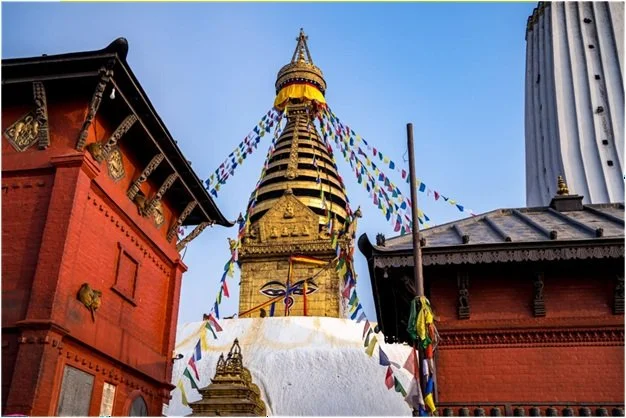
In Newar Buddhism it’s called Semgu, meaning "self-sprung” in Tibetan “Sublime Tress” , it is also known to many travelers as the monkey temple. Entering the periphery of the Swayambhu hill you will be greeted first by obviously monkeys allot of monkeys. The lush vegetation, high trees have created a rich habitat for them to live and amuse the locals Just don’t carry any food in your hand or in a bag, they are known to be quite mischievous sometimes stealing foods and drinks from the people and leaving many crying children stealing.
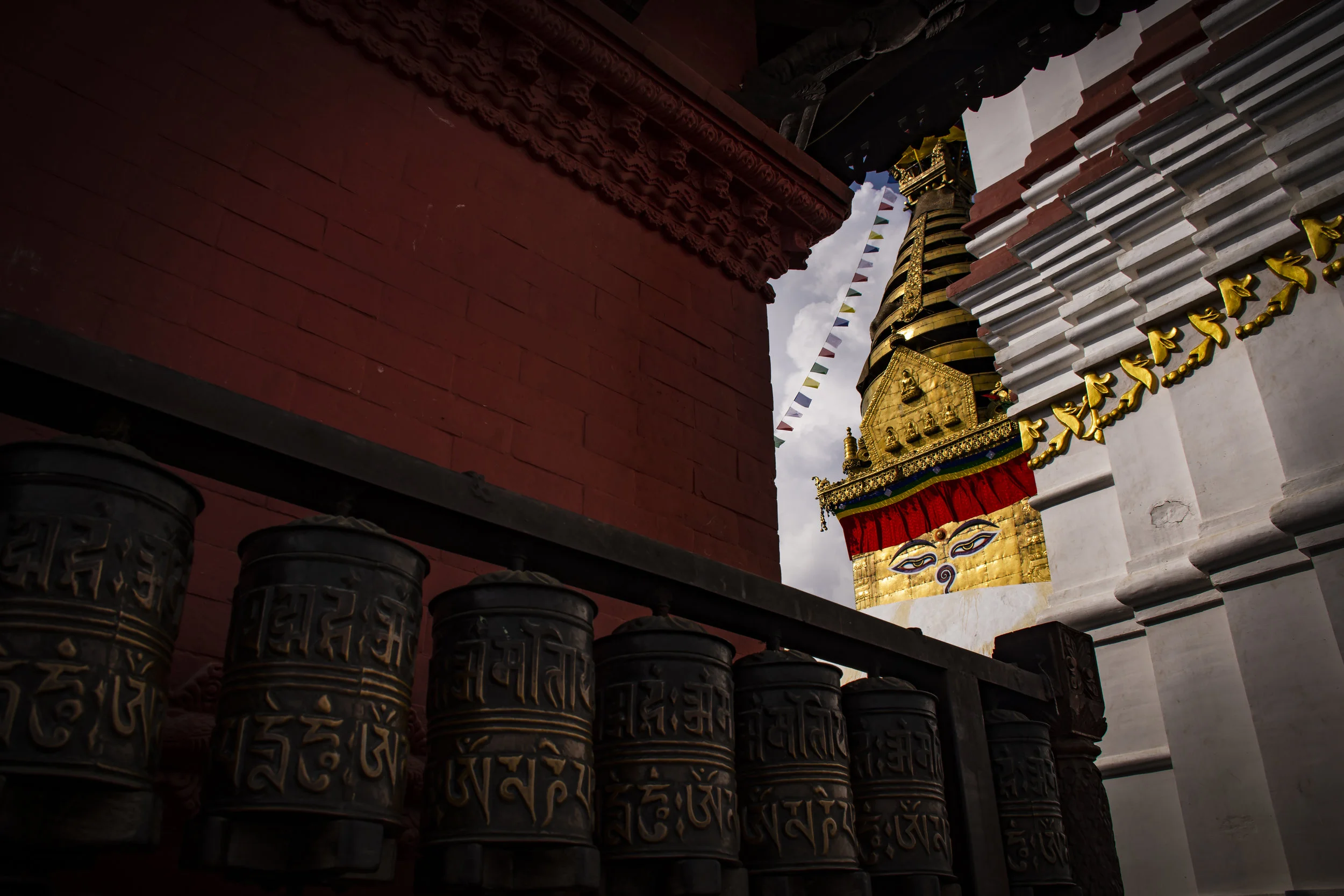
The base of the chaitya is rimmed with prayer wheels and the stupa is surrounded by many other temples and monasteries. The Harati Temple is on the north side of the shrine and there are two shikhara temples erected by Pratap Malla which collapsed during the earthquake of 2015. The Semi-peripheri is littered with souvenir shops and tea shops for the travelers and locals who enjoy there hours looking at the scenic view of the valley with there cup of tea.
As the eyes of Swayambhu, ever omnipresent watch over this city, one can only smile over the everlasting awe of this beautiful hill. One who has seen this beauty can never unseeing it and one can never again imagine the valley without it.
Hashtags: #MonkeyTemple #HeritageNepal #HeritageKathmandu #WorldHeritage #TimelessWonder #KathmanduValley #Nepal
POPULAR ITINERARIES
SIMILAR POSTS
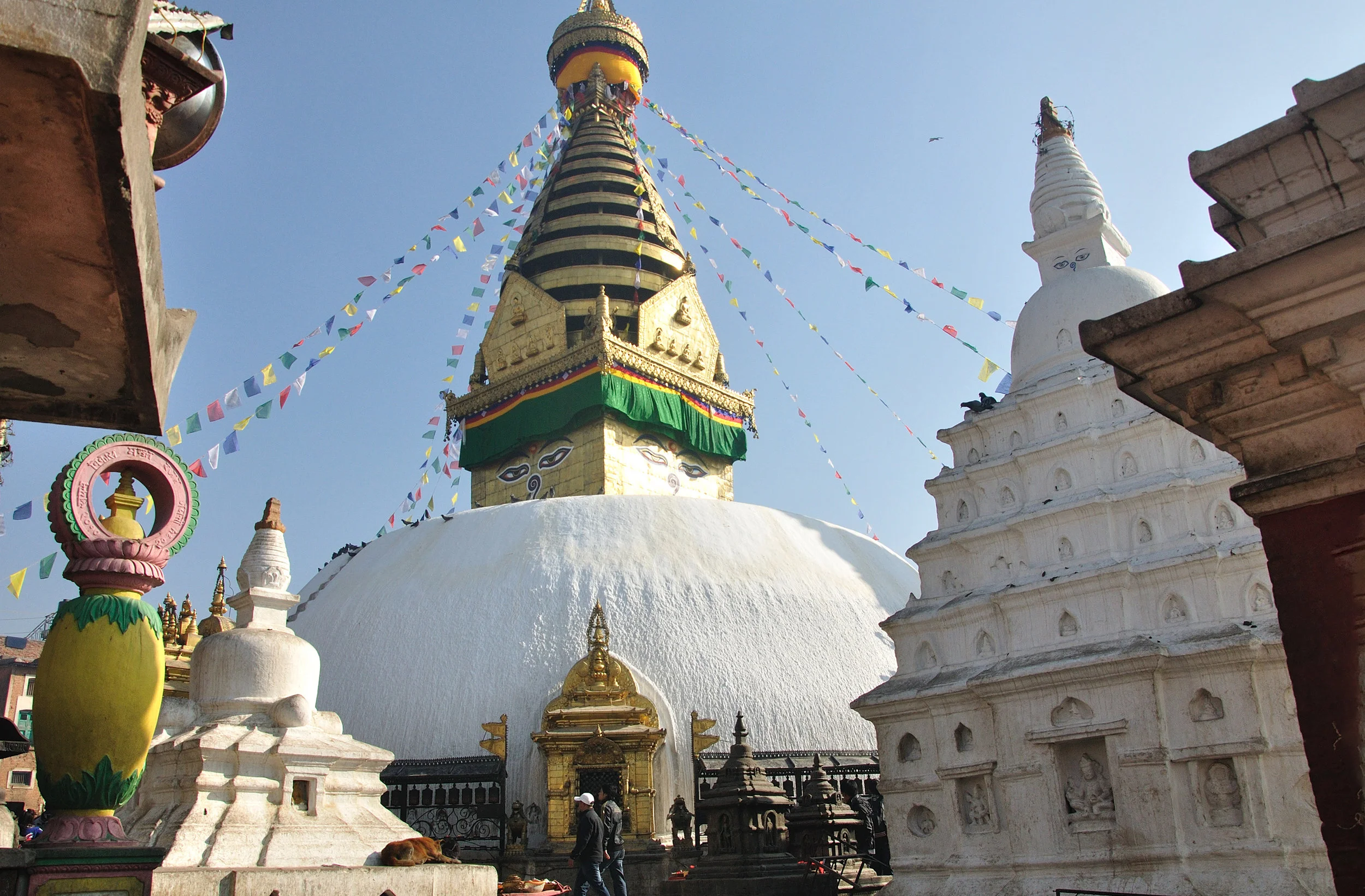
UNESCO World Heritage: Swayambhu Nath
"In Satya Yuga, Bipaswi Buddha came from a city known by the name of Bandhumati; and having taken up his abode on the mountain to the west of Nag Hrad(Kathmandu Valley) sowed a lotus-seed in the tank, on the day of the full moon in the month of Chait. The lotus seed that had been sown brought forth a lotus flower, in the middle of which Swayambhu (who had come from Aknisht Bhuban) appeared in the form of light, on the day of the full moon in Aswin." Wright 1877: 77-78
"In Satya Yuga, Bipaswi Buddha came from a city known by the name of Bandhumati; and having taken up his abode on the mountain to the west of Nag Hrad(Kathmandu Valley) sowed a lotus-seed in the tank, on the day of the full moon in the month of Chait. The lotus seed that had been sown brought forth a lotus flower, in the middle of which Swayambhu (who had come from Aknisht Bhuban) appeared in the form of light, on the day of the full moon in Aswin." Wright 1877: 77-78
Most of the historic chronicles have the lotus seed that brought light be marked as the beginning of the history of the Kathmandu Valley. The light of Swayambhu was inaccessible till the age of Treta Yuga, when Bodhistva Manjushri came from Mahachin(China) and drained the lake from the pass at Kotwal(The place where Bagmati passes out of the Valley) with other passes drawn at Chobar. With the valley drained, Bodhistva Manjuri made the valley inhabitable and the light of Swayambhu accessible to its worshippers.
The shrine of Swayambhu, the dome stupa with eyes of the enlightenment and the pinnacle was built only in the Kali Yuga. Before which it is believed that at the summit of Padma (Padma- Giri Hill; the mountain upon which Swayambhu stands) the place where the shrine is today was a great beam of light that penetrated heaven and even the depths of hell.
"The Kali Yuga, in which mankind would be utterly sinful, was approaching. He (Sant-sri) therefore covered the Swayambhu light with a stone, and built a chaitya and temple over it. He then built five rooms named Basupur, Agnipur, Bayupur, Nagpur and Santipur in the last which he lived, absorbed in devout meditation." Wright 1877:84
It is believed in local legends that even till this date Sant-sri, is in devout meditation in Santipur and shall emerge to protect the valley in times of grave danger. I remember the first time I climbed the steps to the top of Padma-Giri, as I took the last step with deep breaths. The shrine of Swayambhu was a sight to behold, view it form any perspective you wish.
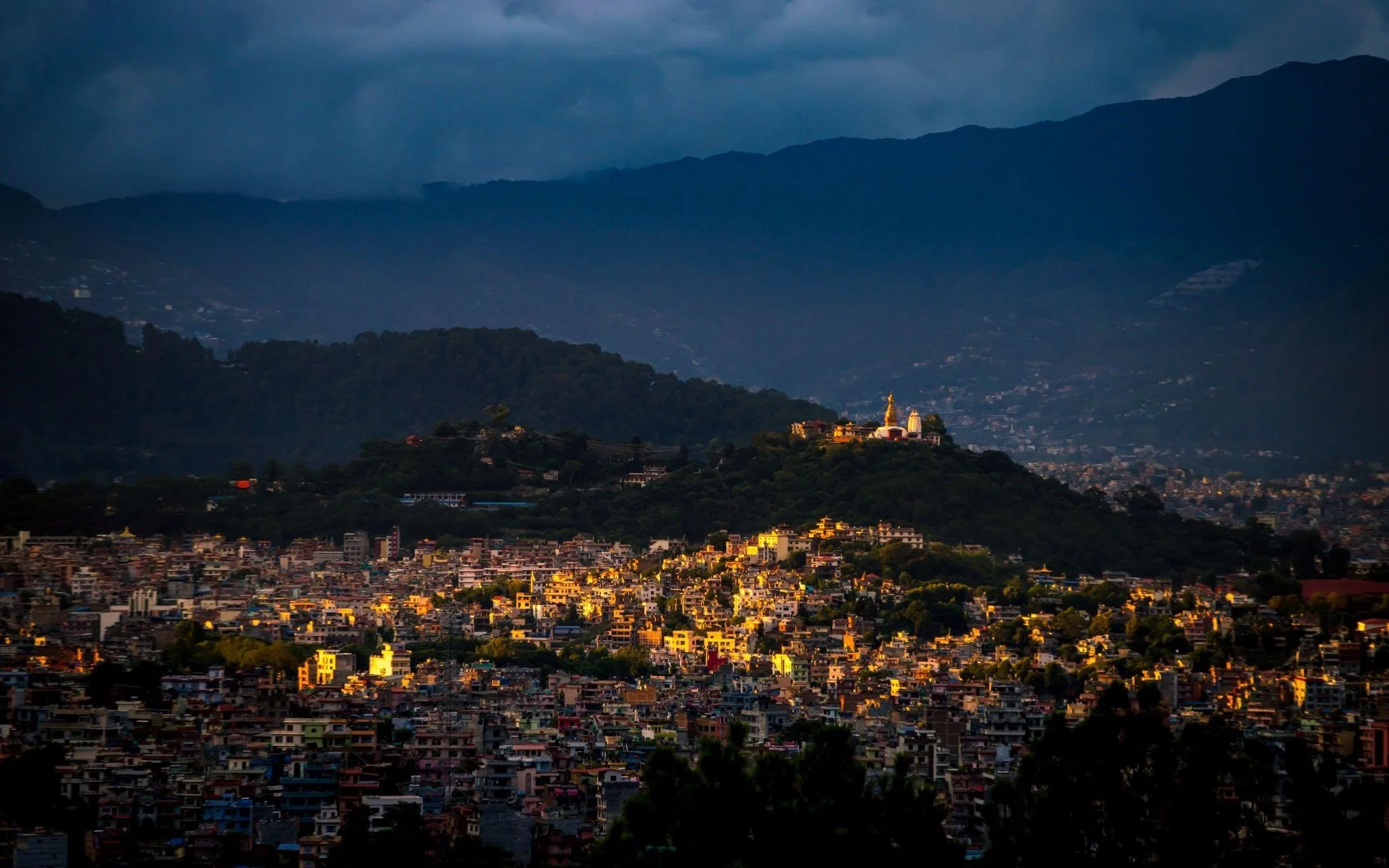
Architecturally it is a phenomena, the dome base atop which a cubical structure painted with the eyes of Shakya-Muni (Lord Buddha) in all four direction shielded by the pentagonal Torana with symbolic engravings. Above the Toranas are thirteen tiers crowned by a Gajur, now imagine a time lapse of its creation? Symbolically the base dome represents the world; the eyes of Shakya-Muni represent the status of enlightenment free from all bonds of the world. The thirteen tiers of the pinnacle symbolize thirteen stages of spiritual realizations to the enlightenment.
Spiritually as a native Newar it is the center of all our devotion and from the perspective of a sociologist, a beautiful lineage of history which has become the epicenter of Newar culture.
Today, the shrine of Swayambhu is known as Swayambhu-Nath or The Monkey Temple and is a major tourist attraction of Kathmandu Valley. Riddled with numerous shrines of Bodhistva's, Lichavi chaitya and stupas, mists of incents and chants of prayer. The Padma-Giri is a hill of spiritual awakening, the light of Swayambhu ever since history began has been a beacon of enlightenment attracting its seekers to the valley, even till this date many take great journeys to find sanctum in its light.
During the 2015 earthquake, the principal stupa didn’t suffer major damage but the surrounded chaityas, shikharas and temples along with living residents of the priests suffered major damage. The most notable difference was not seeing the two Shikharas built by Late King Pratap Malla in 1668 AD. Flanking the principal stupa, Late King Pratap Malla had built the two Shikharas with Agam Devtas within them along with which he placed a Bajra( Thunderbolt) in the Dharmadhatu mandala in front of Akshobhya Buddha. Having them being fully restored with other shrines and chaityas repaired, the area of Swayambhu was one of the very first UNESCO sites to reach a full restoration state.
For it may withstand many quakes to come, shall the eyes of enlightenment forever bring peace to its beholders. For may it always be a sanctum for its seekers and the light of Swayambhu always shine.
Hashtags: #Swayambhu #KathmanduValley #NewarCulture #BuddhistHeritage #EnlightenmentJourney #UNESCOSites #NepalEarthquake2015
POPULAR ITINERARIES
SIMILAR POSTS
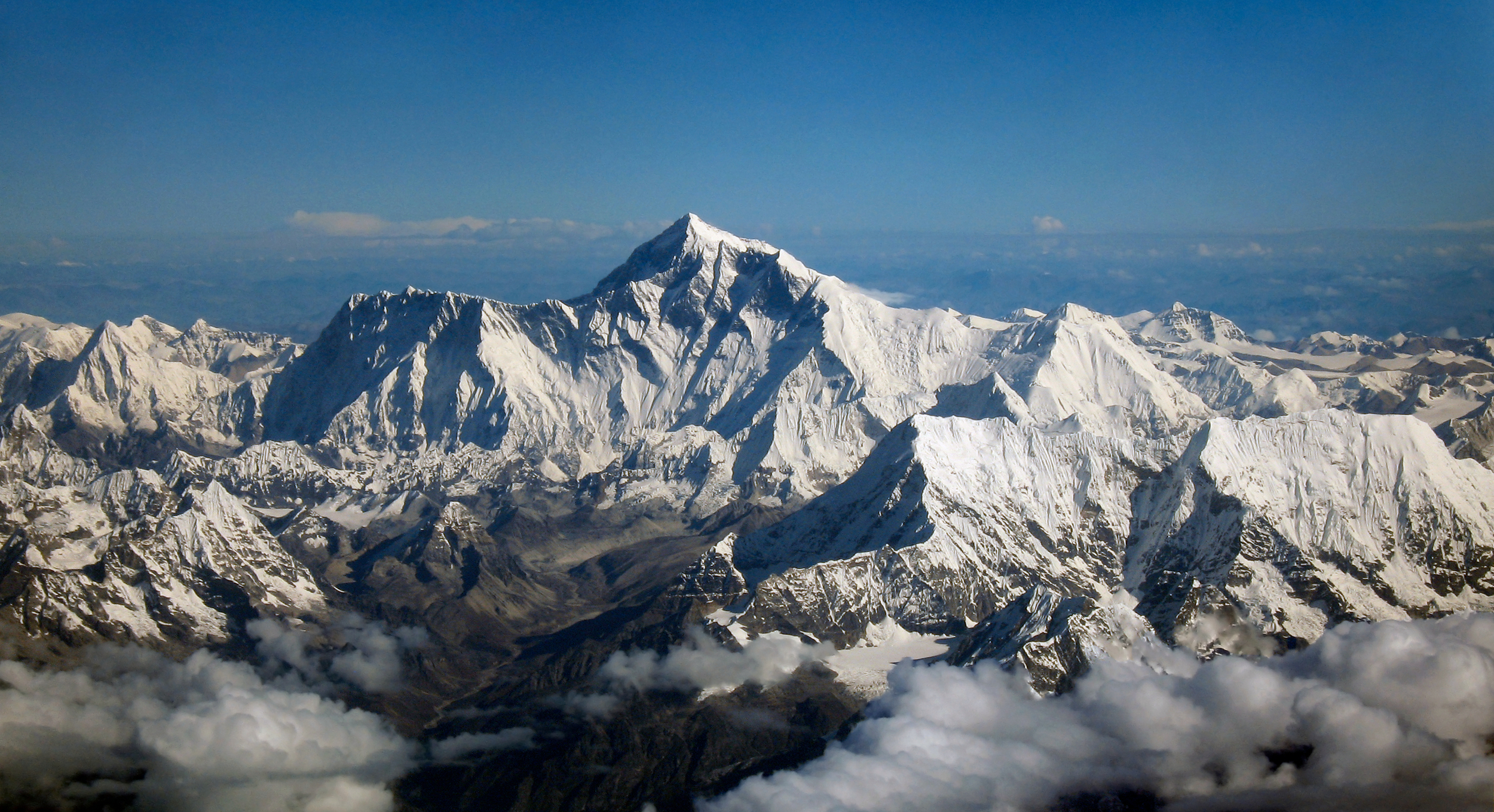
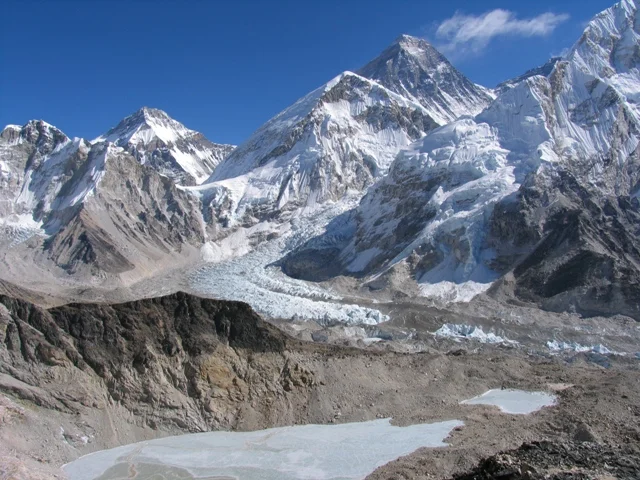
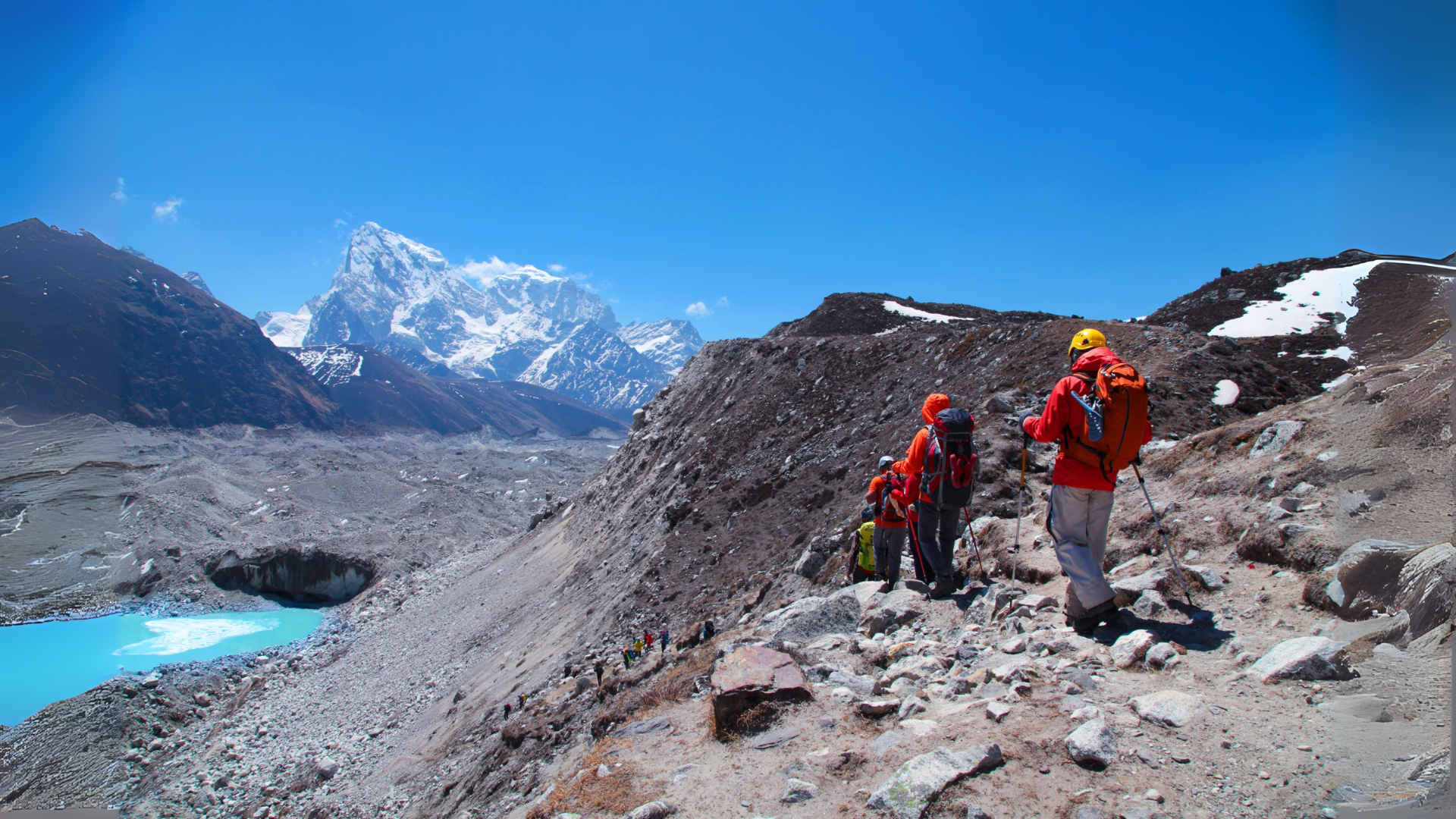
This trek is specially designed to reach the Everest Base Camp including Kala Pattar which is the best view point to view the sunrise over the high Himalayas including the Mt. Everest. This trek requires 13 days.
USD 1515 PER PERSON -- TWIN ROOM SHARING BASIS