
UNESCO World Heritage: Lumbini
In the southern plans of the republic of Nepal, lies one of the most sacred pilgrimage sites to the followers of Buddhism. Commonly known as Lumbini is the birthplace of Siddhartha Gautama who achieved enlightenment and became the Buddha and founded the religion of Buddhism.
The name Lumbini means “the lovely” in history lied southwest of the oligarchic republic of Koilya kingdom of the clan of Shakya. According to the findings of Tara Nanda Mishra published in the journal Ancient Nepal, “ Lumbini Devi also spelt as Rummindei or Rupandevi ( Beautiful Lady), was the queen of King Suddhodhana, who was the King of Devadaha, which was also the capital city and the administrative headquarter of the Koilya republican stat. On the request of his queen, King Anjana made a beautiful garden on the bank of Telar (oil) river. Thus the place had been named after his queen, Lumbini. According to the Jataka story, Lumbini during the time of Lord Buddha has been described as a big Sal garden which was jointly owned by Sakyas of Kapilvastu and the Koiyas of Atthakantha places it near Devadahha Nigrama. Buddha Charita of Asvaghosa describes Lumbini as “ Gay like the garden of Chaitra Ratha with trees of every kind.”
The site of current Lumbini in history had been lost to time, up until the discovery of the Ashoka Pillar. King Asoka of Magadha was a famous Emperor who had visited the site in 249 BC. He was accompanied by Upagupta who is believed to have been his teacher. The validation of the site to be the birthplace of Lord Buddha was provided by the inscription on the Asoka Pillar which reads, “ Here the Buddha Sakyamuni was born” and “Here Bhagwan was born at the Lumbini Village”. Further validation was provided by the accounts of the visits of Fa-Hian a Chinese traveller who had visited the village in 5th century AD. And Seng-Tsai a Yueh- Chih monk who visited the site in 3rd-4th century AD.
In modern history, the site of Lumbini was discovered in 1896 AD, in a joint expedition of Gen.Khadga Shumsher and Dr A. Fuhrer. The first excavation of the Mayadevi Temple was done in 1898 AD, by P.C Mukherjee along with the excavation of some stupas on the southern flank and a few temples in the south-west flank.
The site was inscribed to the UNESCO’s List of World Heritage in 1997 AD. After the visit of the Secretary-General of United Nations U Thant, in April of 1967 AD. He proposed the development of Lumbini into a major centre of pilgrimage. Which was followed by a UNDP consultant mission in December 1969, which led to a report that established the basis of planning around Lumbini. The Kenzo Tange Master Plan for Lumbini began in 1972 and was finalized and approved in 1978 AD.
The plan covers an area of 5x5 miles with a central square mile being the Sacred Garden within which is the UNESCO World Heritage Property. Of the Master Plan, the 1x3 miles area which includes three zones: New Lumbini Village, Cultural/Monastic Zone and the Sacred Garden- are part of the Lumbini Project Area.
Present-day Lumbini would not have been a reality if not for the efforts of various scholars, archaeologists who helped discover and preserve the originality of the location. The current site of Lumbini is bordered by a large monastic zone which is only home to monasteries. The zone is prohibited of construction of any shops, hotels or restaurants. The zone has been divided into eastern and western monastic zones, the eastern site features Theravadin monasteries whereas the western site features Mahayana and Vajrayana monasteries. The sites are separated by a long water-filled canal, with a series of brick arch bridges joining the two sides along the length. The holy site of Lumbini has well-preserved sites of ancient monasteries, a sacred Bodhi tree, an ancient bath pond, the Ashokan pillar and the Mayadevi Temple which is believed to be the site of the birth of Siddhartha Gautama.
With the existing domestic airport being upgraded to an international airport, Lumbini is bound to receive a rush of new visitors made accessible by the upgrade. The site is a 10-hour drive from Kathmandu whereas a 30-minute drive from Bhairahawa. By air, the site is 35 minutes from Tribhuwan International Airport whereas from Pokhara 20 minutes.
With the upcoming Visit Nepal Year 2020, all fingers are crossed for the operation of the new international airport which would allow more pilgrims and visitors to witness the history and majesty of the holy site.
SIMILAR POSTS

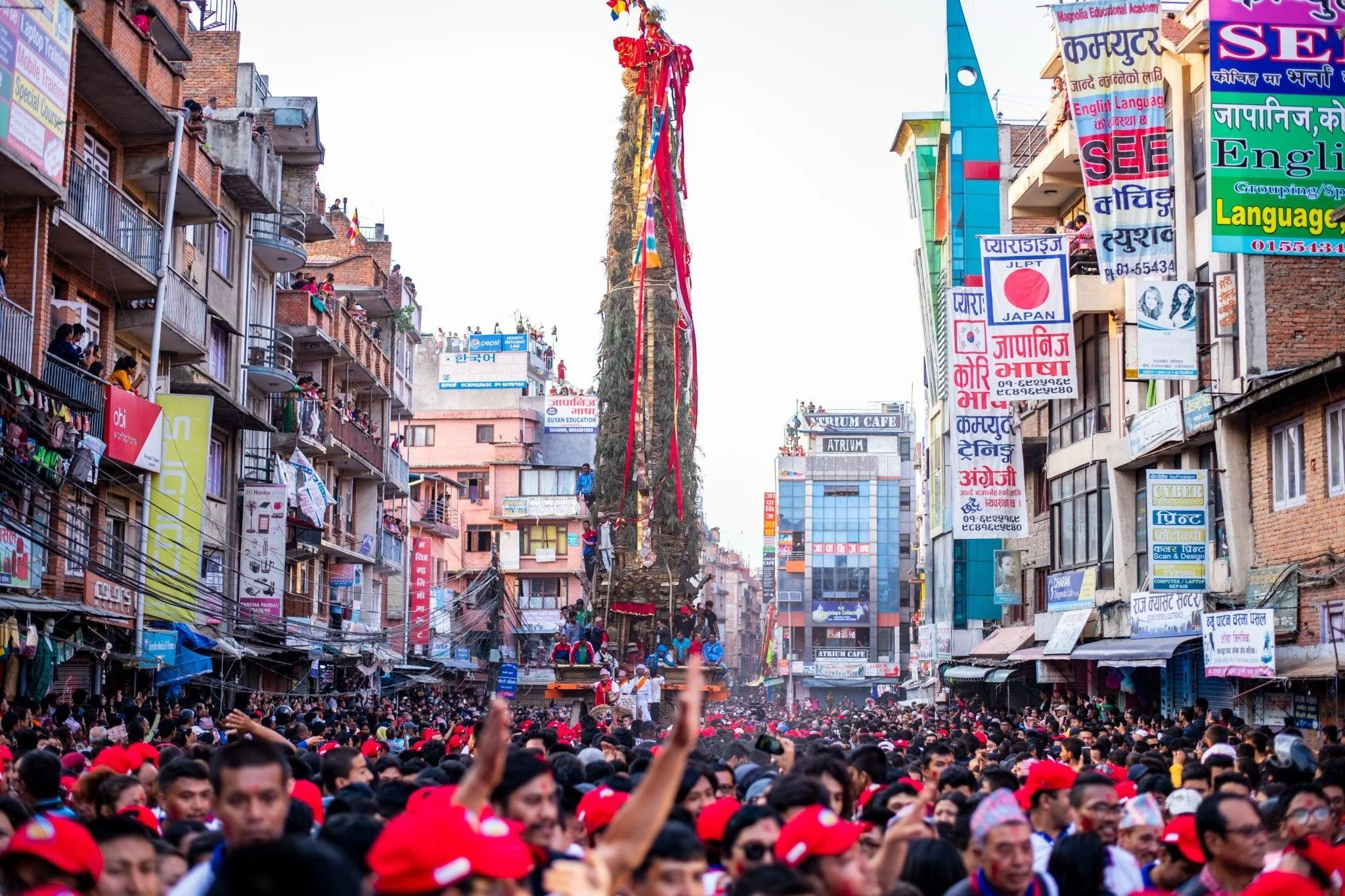
A journey through Rato Machindranath Jatra reveals how deeply tradition and community are connected in Kathmandu Valley.
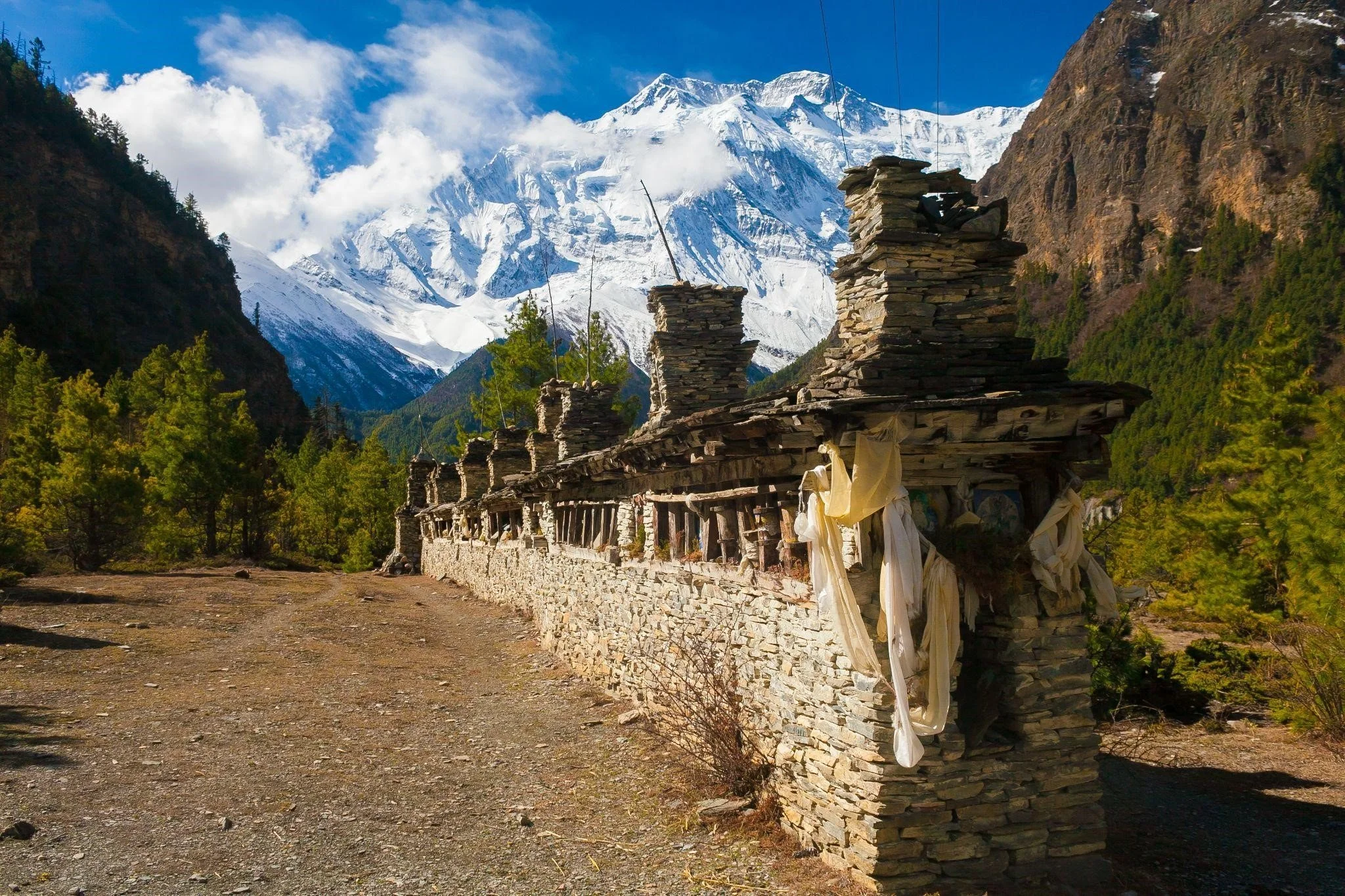
Step into the heart of the Himalayas on the Manaslu Trek, where snow-capped peaks, ancient villages, and prayer flags guide every step. A journey of endurance, culture, and breathtaking vistas awaits for those ready to explore Nepal’s hidden giant.
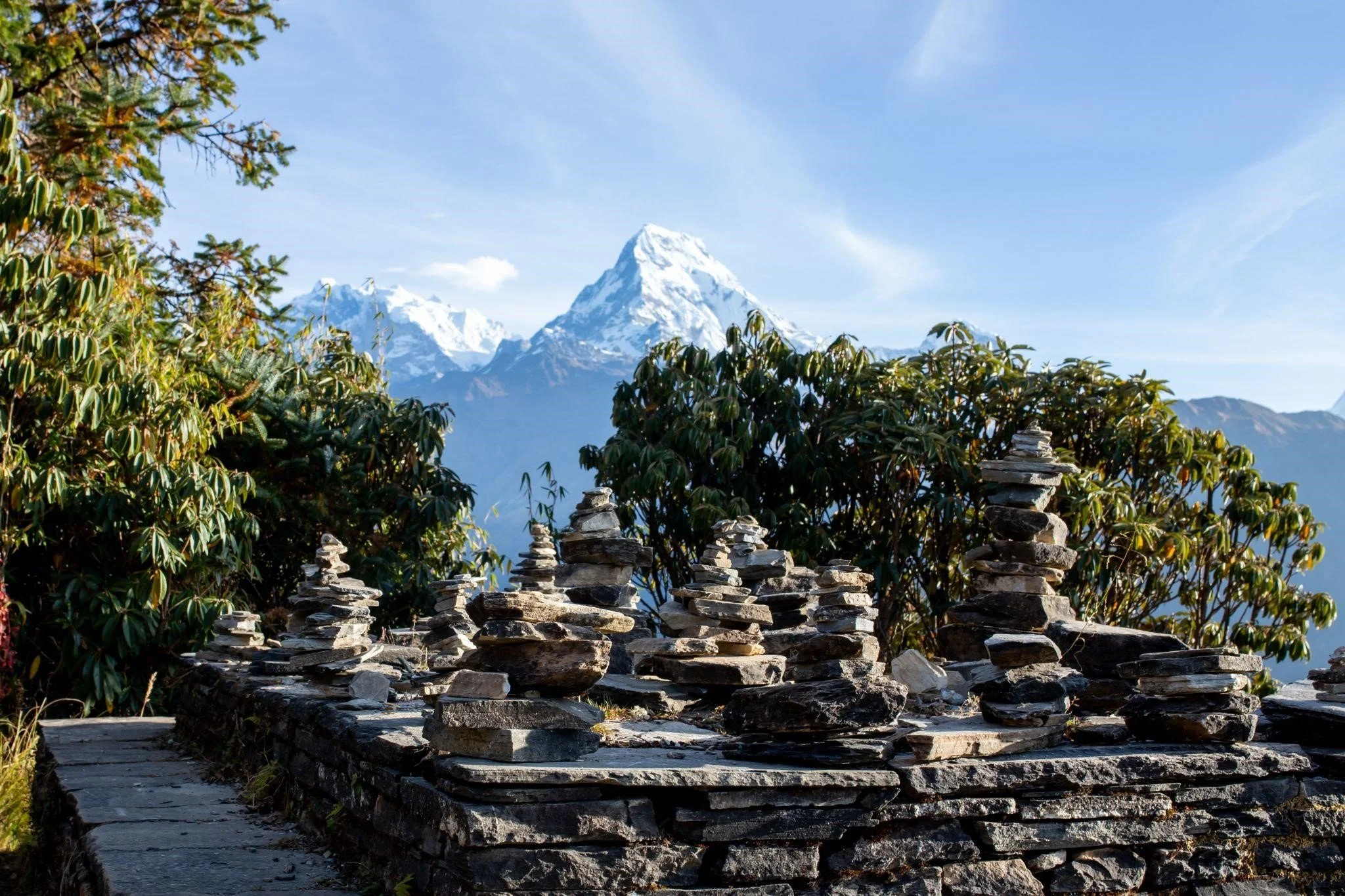
Rising above the hills at 3,210 meters, Poon Hill is where the mountains meet the sky. The trail from Ghorepani winds through rhododendron forests and quiet villages, revealing a journey that blends breathtaking views, local culture, and the kind of stillness only the Himalayas can offer.
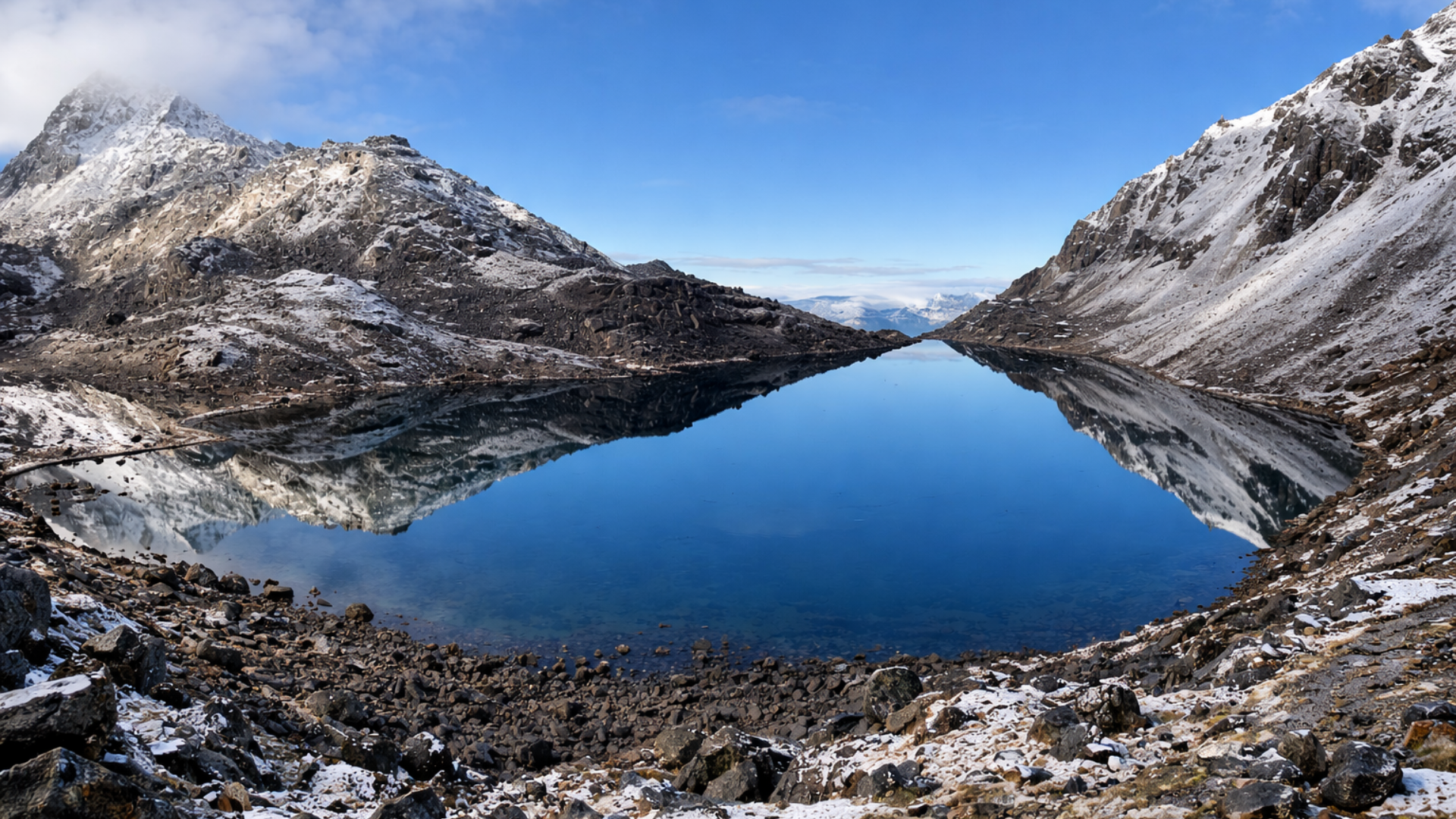
At 4,380 meters above sea level, Gosaikunda is more than a Himalayan lake. Born from the legend of Shiva’s sacrifice thousands of years ago, it remains a sacred pilgrimage site and an unforgettable trekking destination, where myth, mountain, and endurance meet in the thin alpine air.
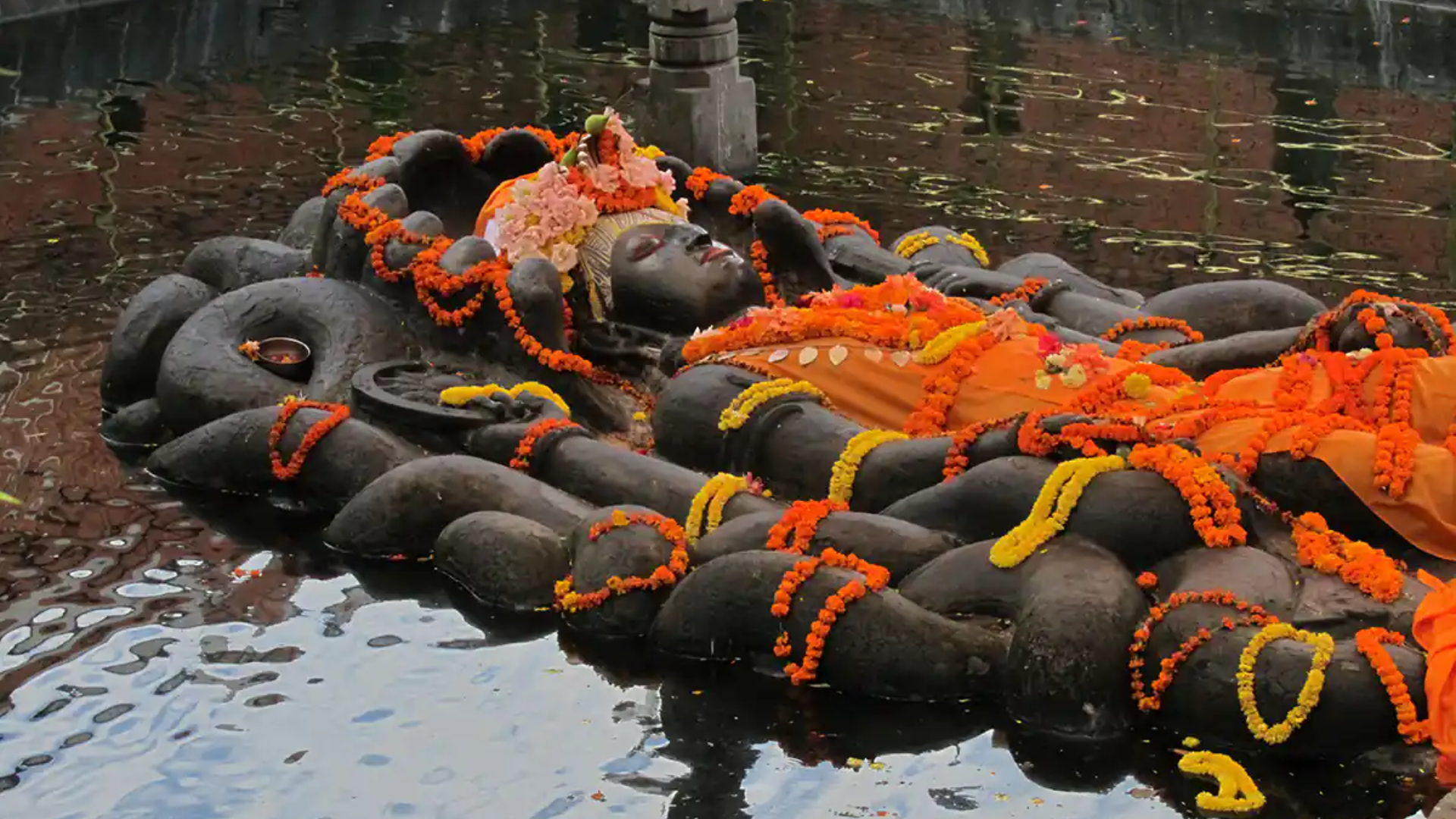
At Budhanilkantha, Lord Vishnu rests in cosmic sleep upon the serpent of infinity, dreaming worlds into existence. For centuries, a prophecy warned Nepal’s kings to stay away, reminding even monarchs that divine power stands above earthly rule.
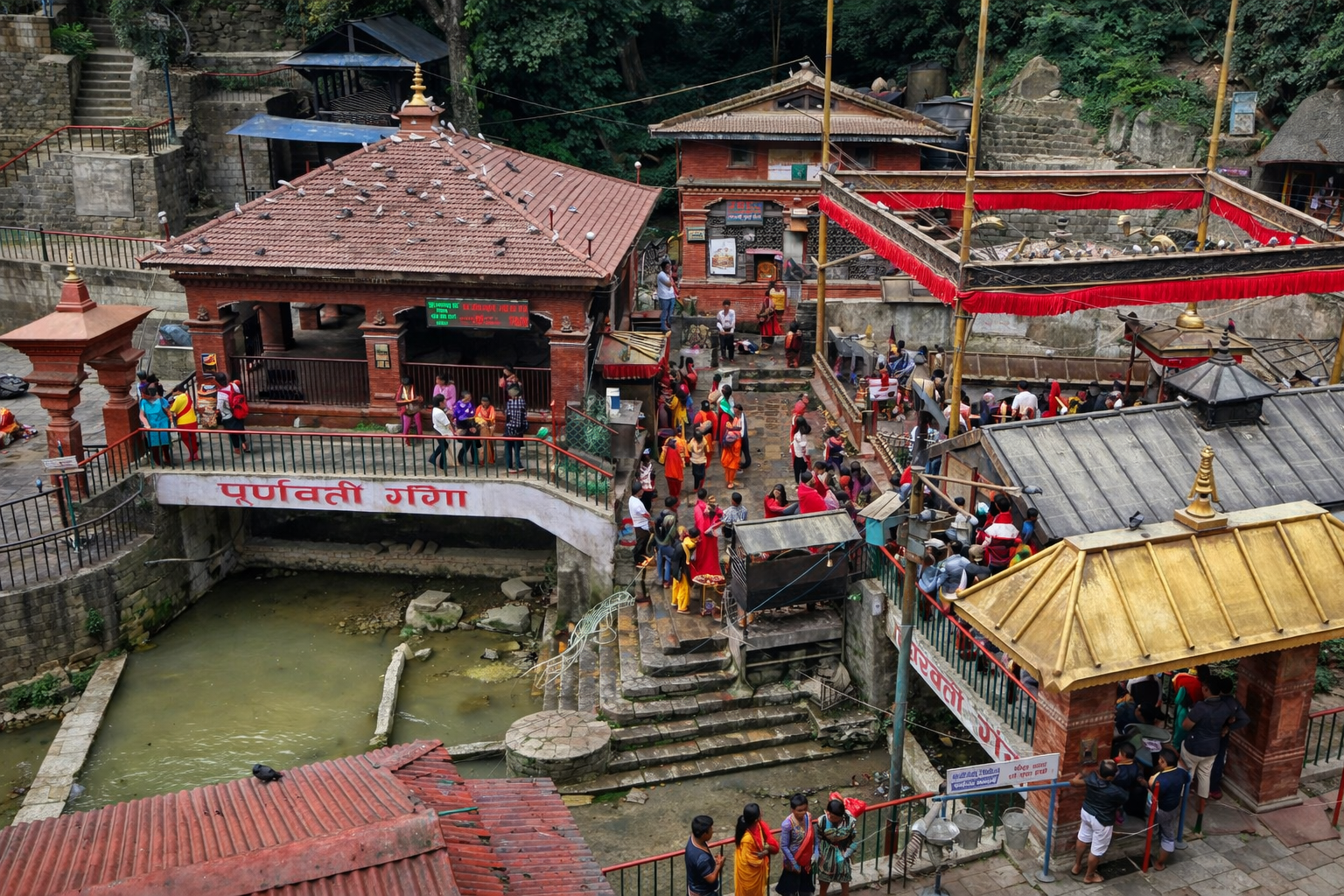
At the edge of Kathmandu, Dakshinkali stands as a sacred threshold of power and transformation.
Dedicated to Goddess Kali, the fierce force of protection and renewal, this temple is where devotion meets courage, and where surrender becomes strength.
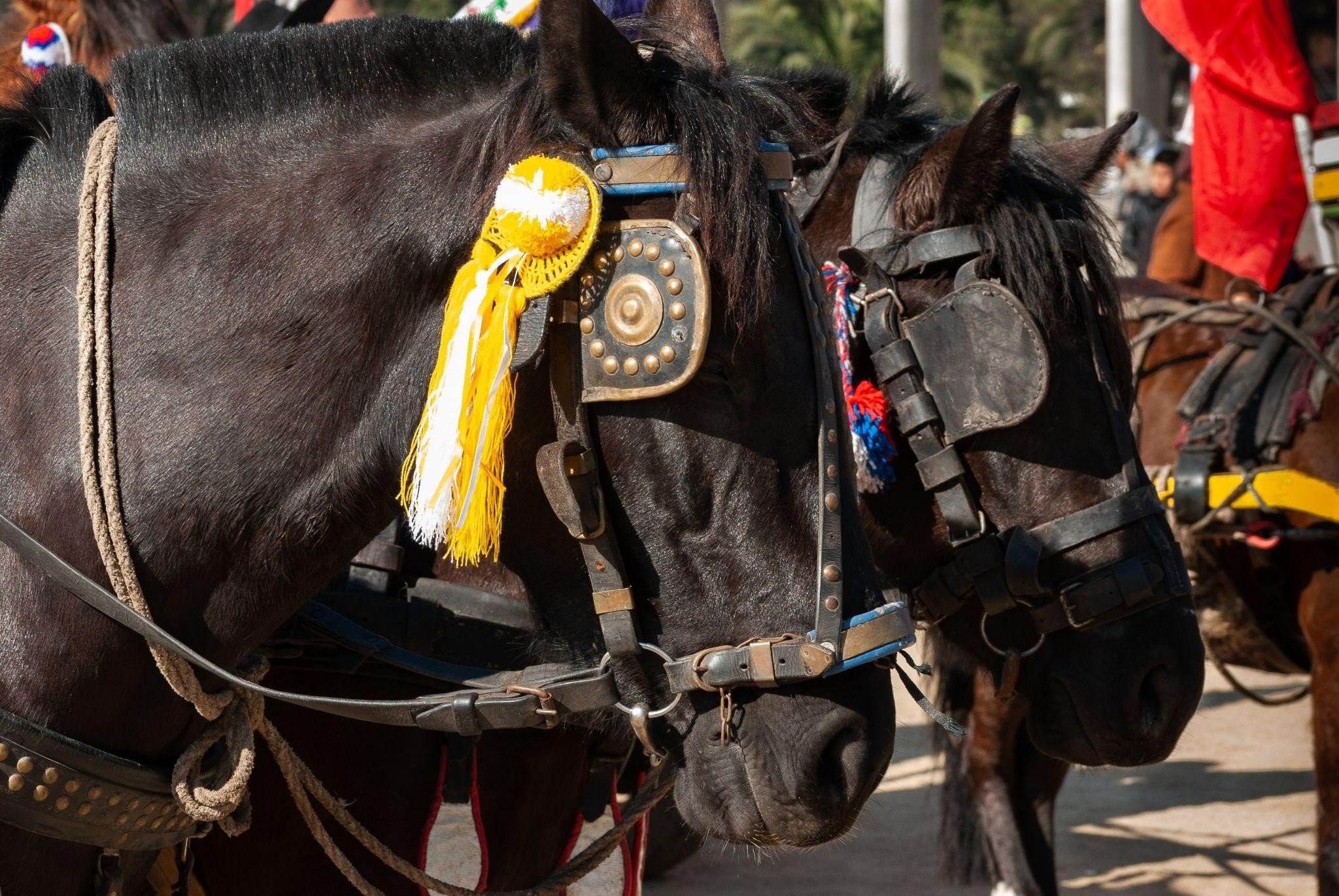
When hooves thunder across Tundikhel, Kathmandu listens.
Ghode Jatra is more than a horse parade, it’s a centuries-old ritual to drive away evil, blending folklore, royal tradition, and raw spectacle. Drums beat, riders charge, and the city gathers to celebrate strength, protection, and heritage in motion.
In the heart of the capital, tradition doesn’t whisper. It gallops.
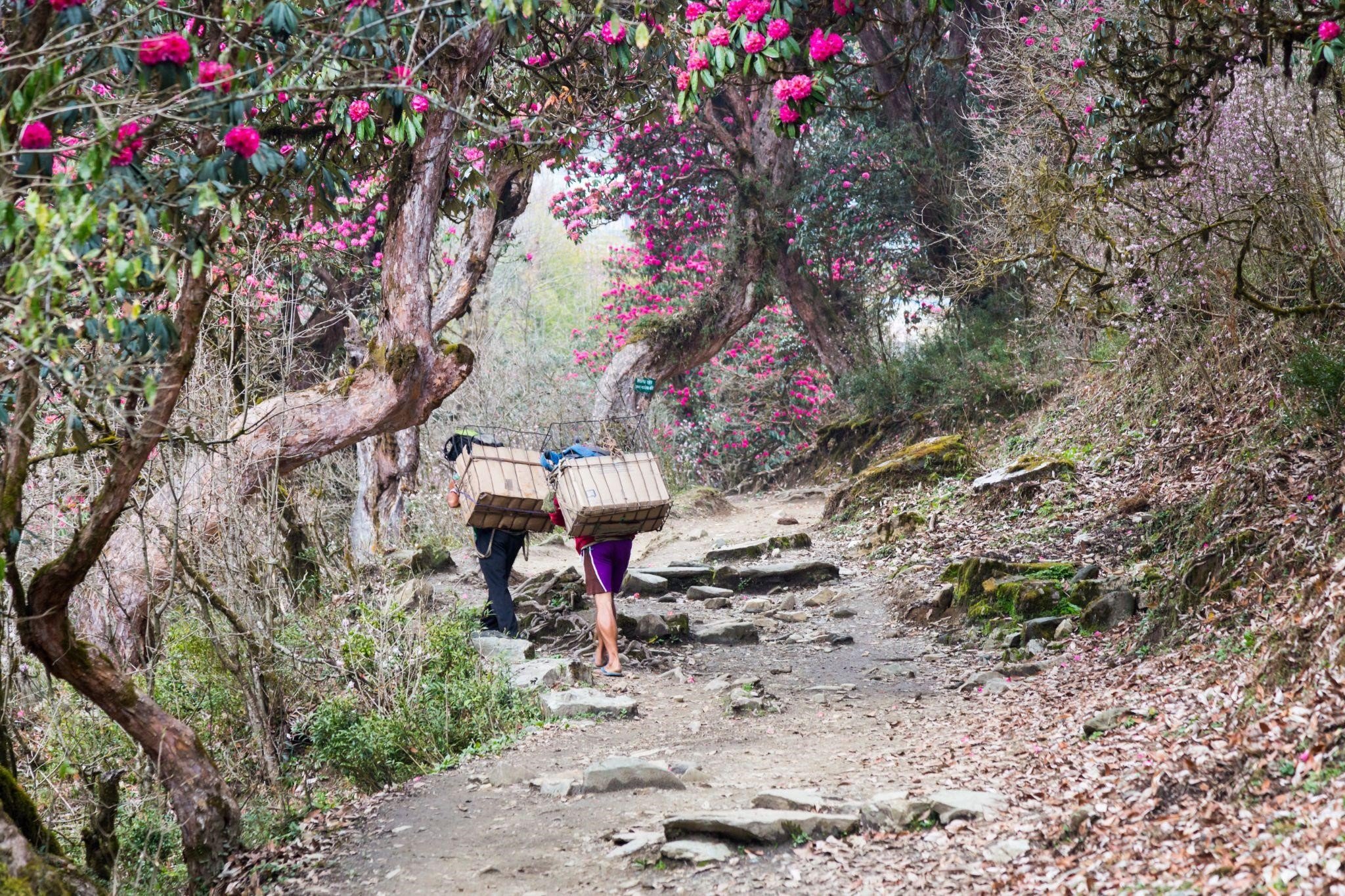
March in Nepal feels like nature pressing refresh.
Rhododendrons bloom, skies clear, and quieter trails reveal their magic; from Tinjure-Milke-Jaljale’s colorful forests to the serene heights of Gosaikunda and Panchase.
Early spring is your window to explore Nepal’s underrated treks in full bloom, with beauty and solitude walking beside you.
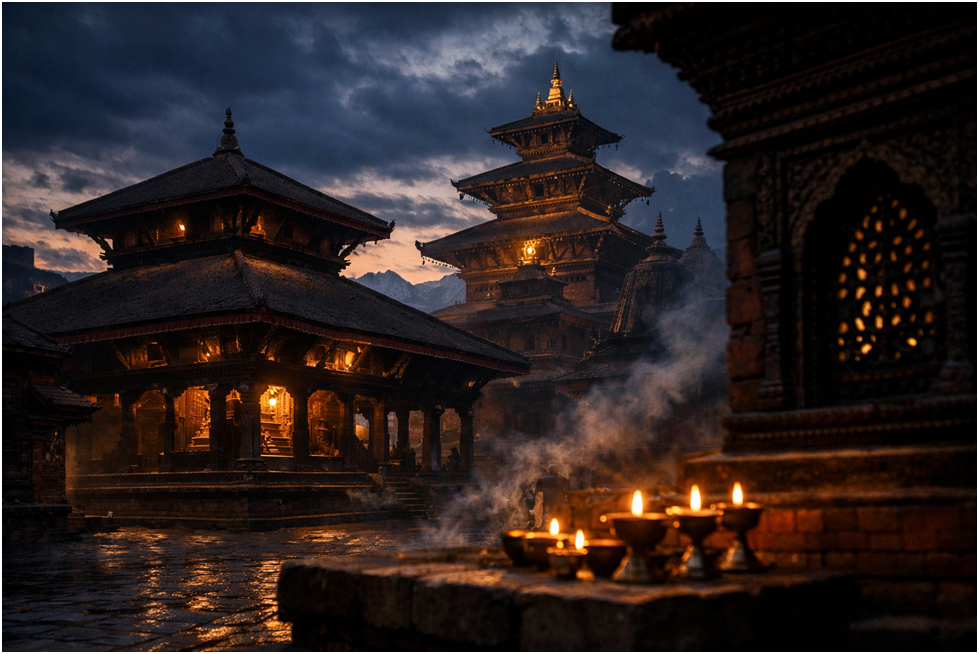
Kathmandu is more than temples; it is a city of living legends.
From the mysterious Taleju Temple to the story of Kasthamandap and the Living Kumari, these ancient spaces carry myths that have shaped the Valley for centuries. Dates tell history, but stories give it meaning.
Discover the legends that still breathe through Kathmandu’s timeless temples.
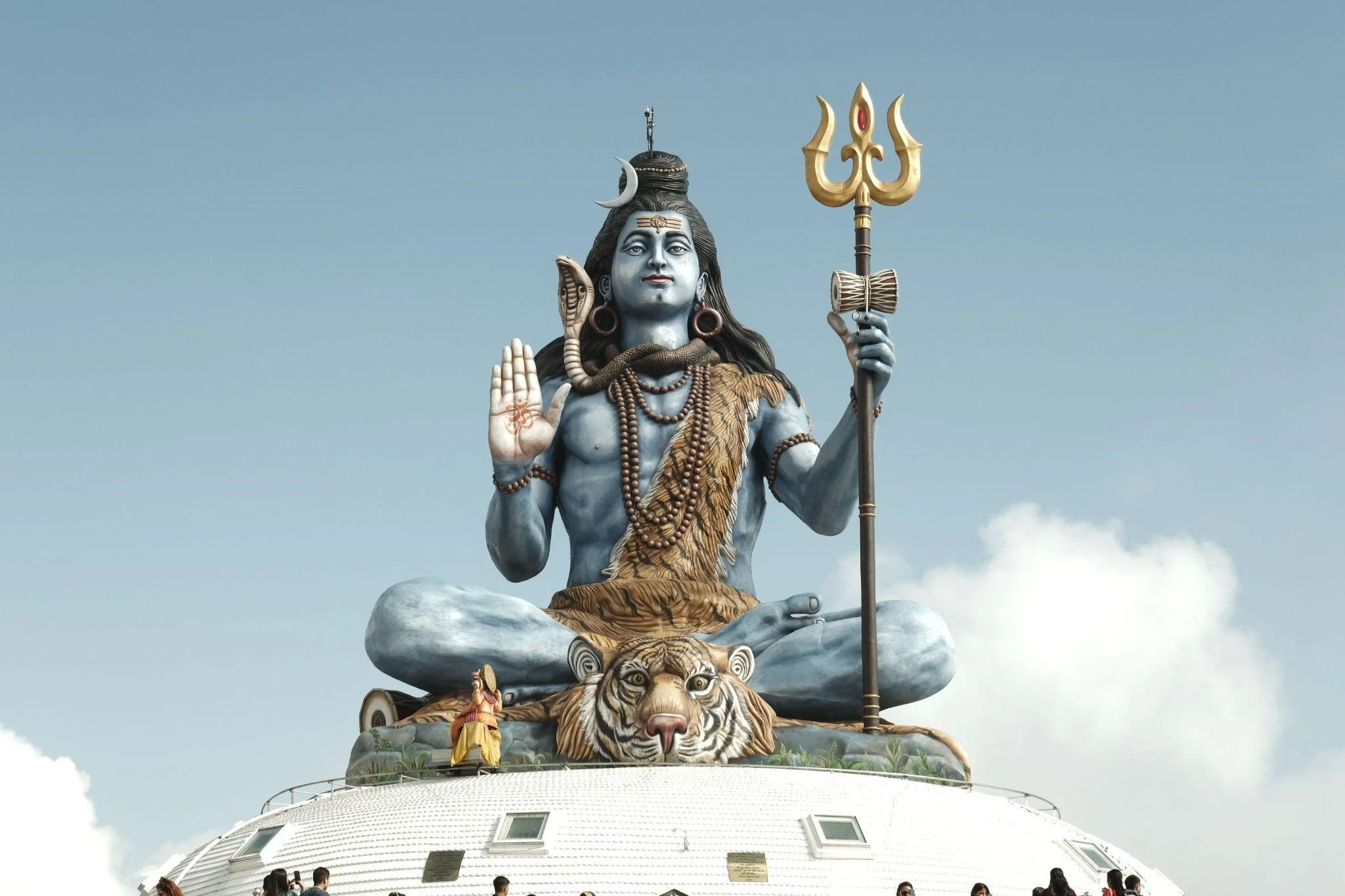
When night deepens and silence grows sacred, Nepal turns inward.
Maha Shivaratri is not just observed, it is felt. A night of stillness and chant, of oil lamps flickering against ancient stone, of breath slowing into prayer.
As bells echo and mantras rise, devotion becomes collective and time seems to soften. This is a moment where faith, culture, and cosmic rhythm move as one—inviting reflection, surrender, and quiet awakening.
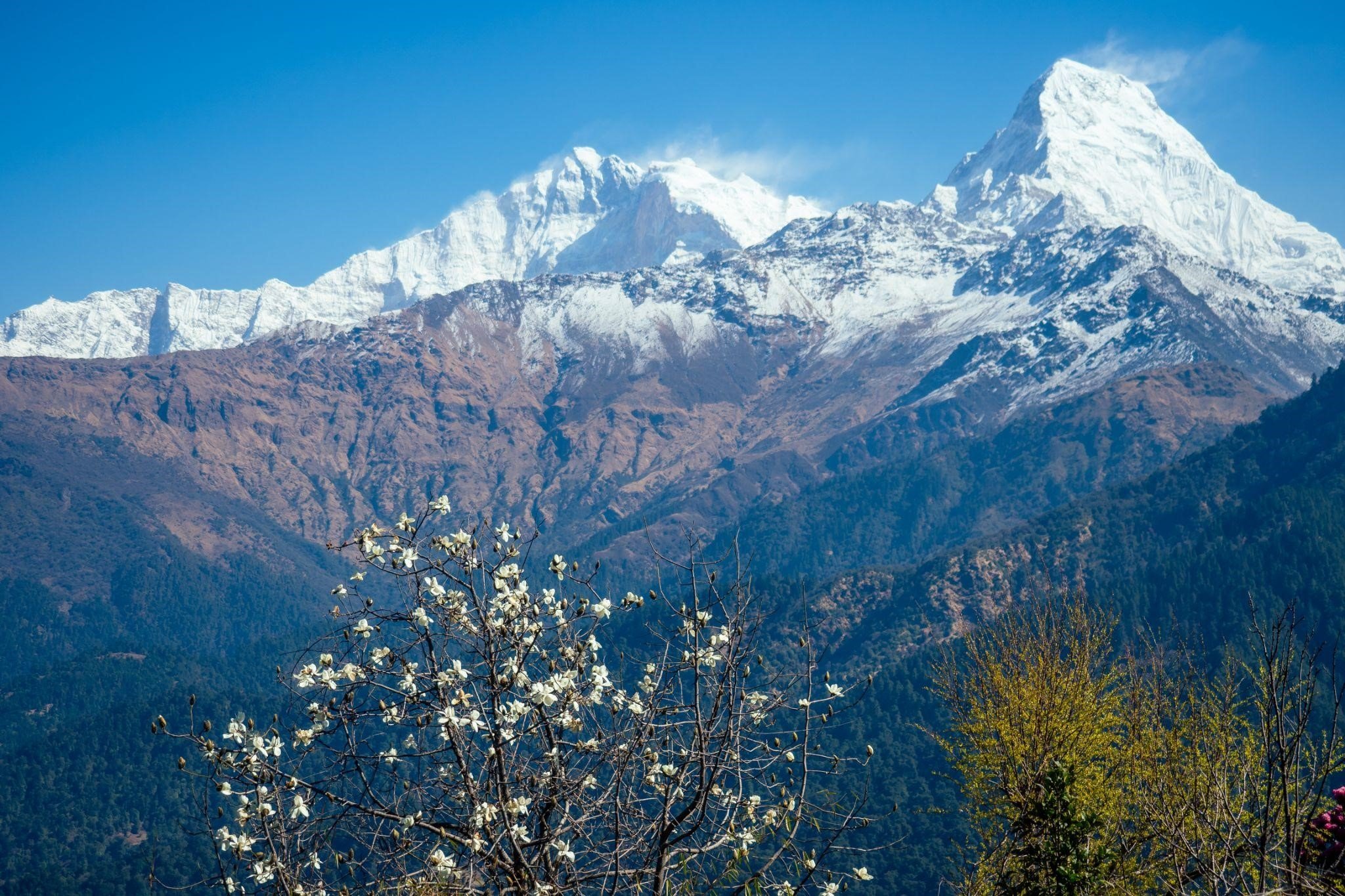
February is where seasons pause and the Himalayas breathe.
Winter’s snow still crowns the peaks, while spring quietly begins to wake the valleys—clear skies, fewer crowds, and trails at their most peaceful.
From Poon Hill’s golden sunrise to the quiet paths of Langtang and Mardi Himal, this is trekking in its most balanced form: crisp mornings, calm landscapes, and journeys that feel unhurried.
A short window. A rare mood. Nepal, in transition.
Raniban Forest, located just outside Kathmandu, offers a unique blend of natural beauty and intriguing folklore. By day, it’s a peaceful retreat with scenic walking trails and panoramic views of the valley. By night, the forest takes on an eerie atmosphere, steeped in legends of ghostly cries and mysterious occurrences. Whether you're seeking a serene escape or an adventure steeped in history and mystery, Raniban provides a distinctive experience that captivates all who visit.
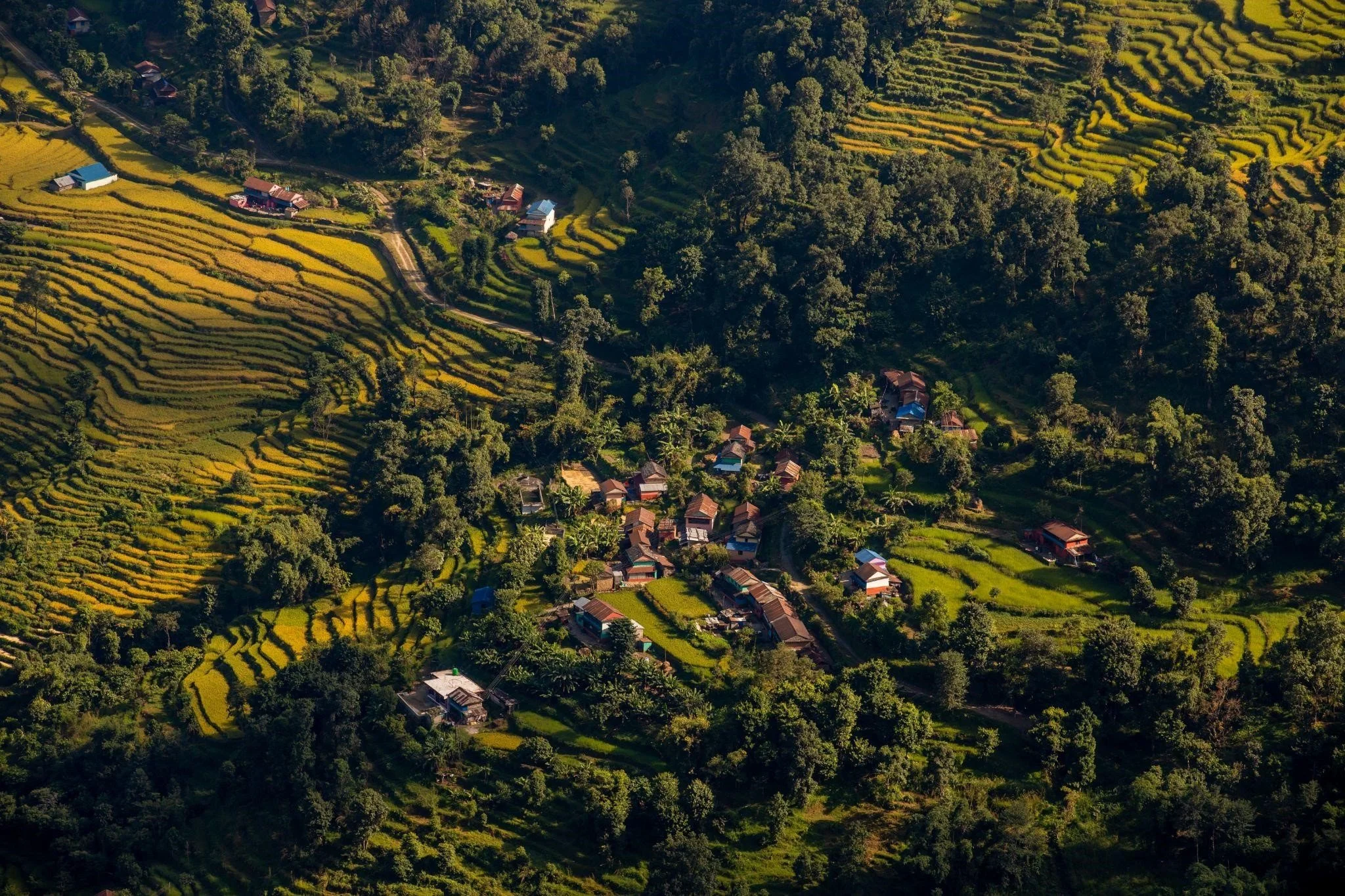
Discover the hidden winter villages of Nepal, where peace, natural beauty, and authentic village life await. From the picturesque Ghandruk, with its stunning Himalayan views, to the tranquil Tsum Valley, rich in Tibetan culture, these villages offer a serene retreat. Whether you're enjoying a warm homestay, savoring local delicacies, or exploring snow-covered landscapes, these off-the-beaten-path destinations provide the perfect escape for those seeking a peaceful and enriching winter experience.
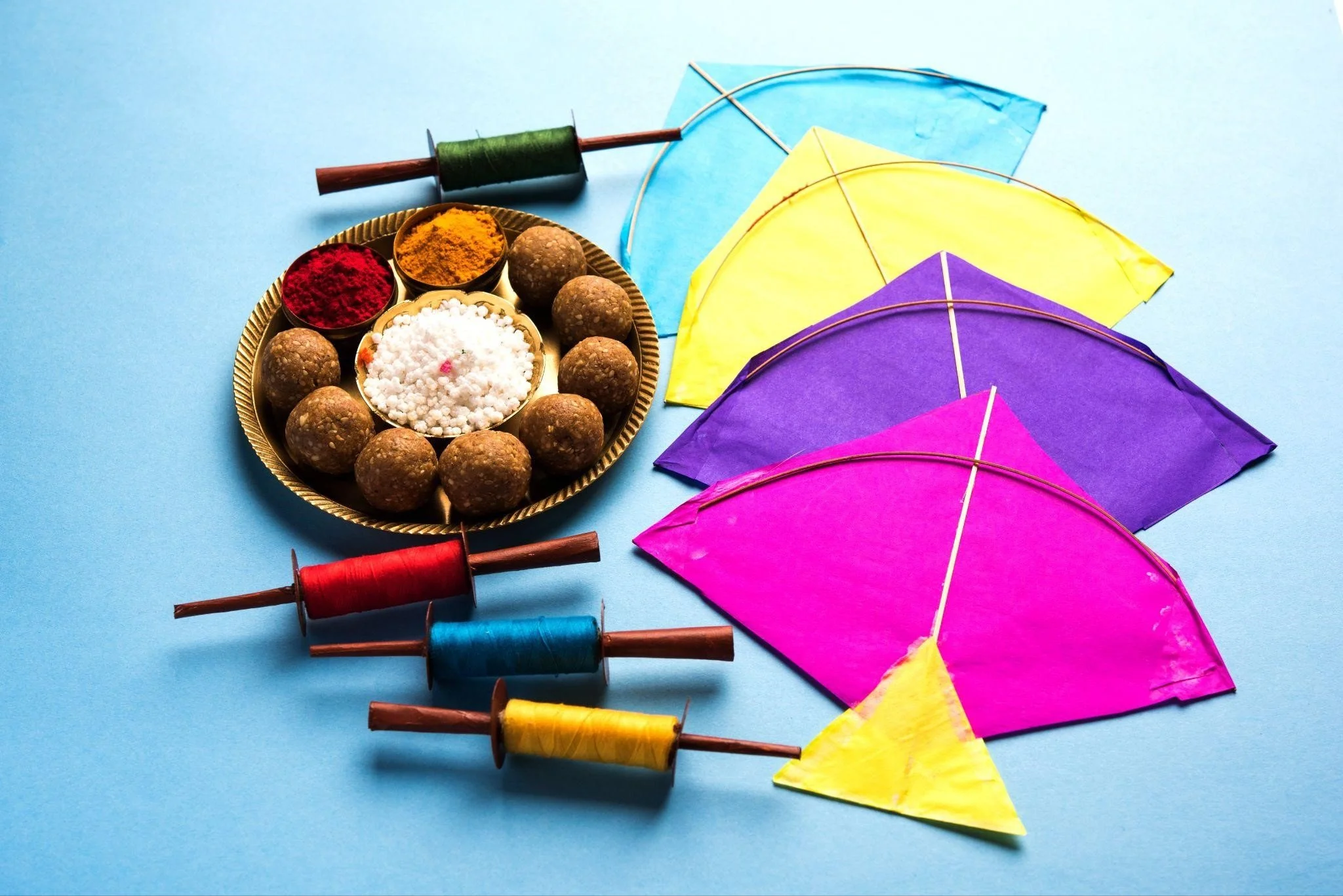
Maghe Sankranti in Nepal’s Terai: A celebration of Tharu culture through vibrant rituals, music, and most importantly delicious food! From the sweet Tilko Laddu to savory Bara, each dish carries centuries of tradition and meaning, bringing families and communities together. Don’t miss out on these festive delicacies that symbolize warmth, unity, and abundance.
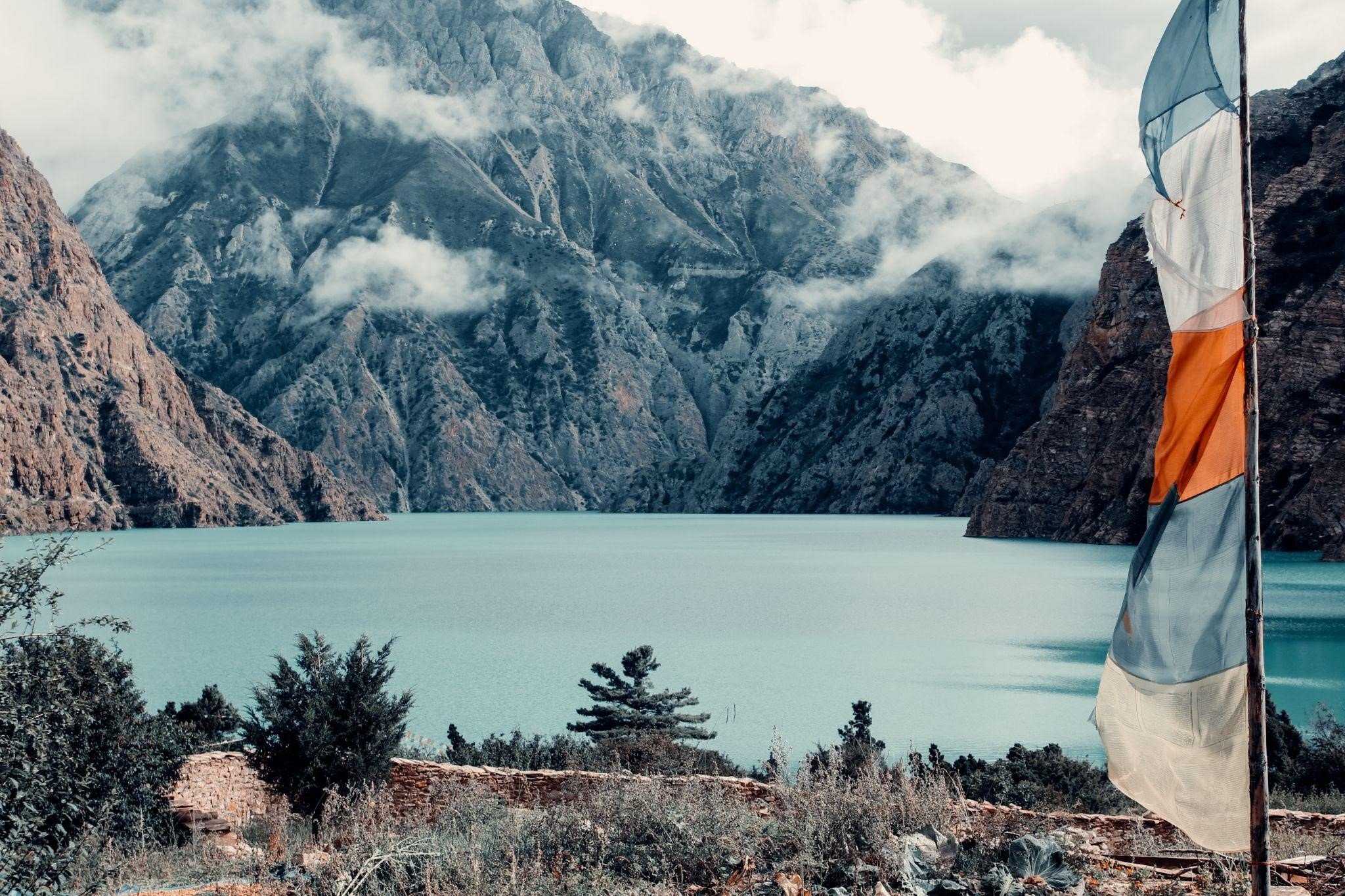
Shey Phoksundo Lake: A hidden gem above the clouds, where turquoise waters meet snow-capped peaks and misty mornings. Nestled at 3,611 meters in Dolpa, Nepal, this sacred lake offers an unforgettable blend of natural beauty and cultural significance.
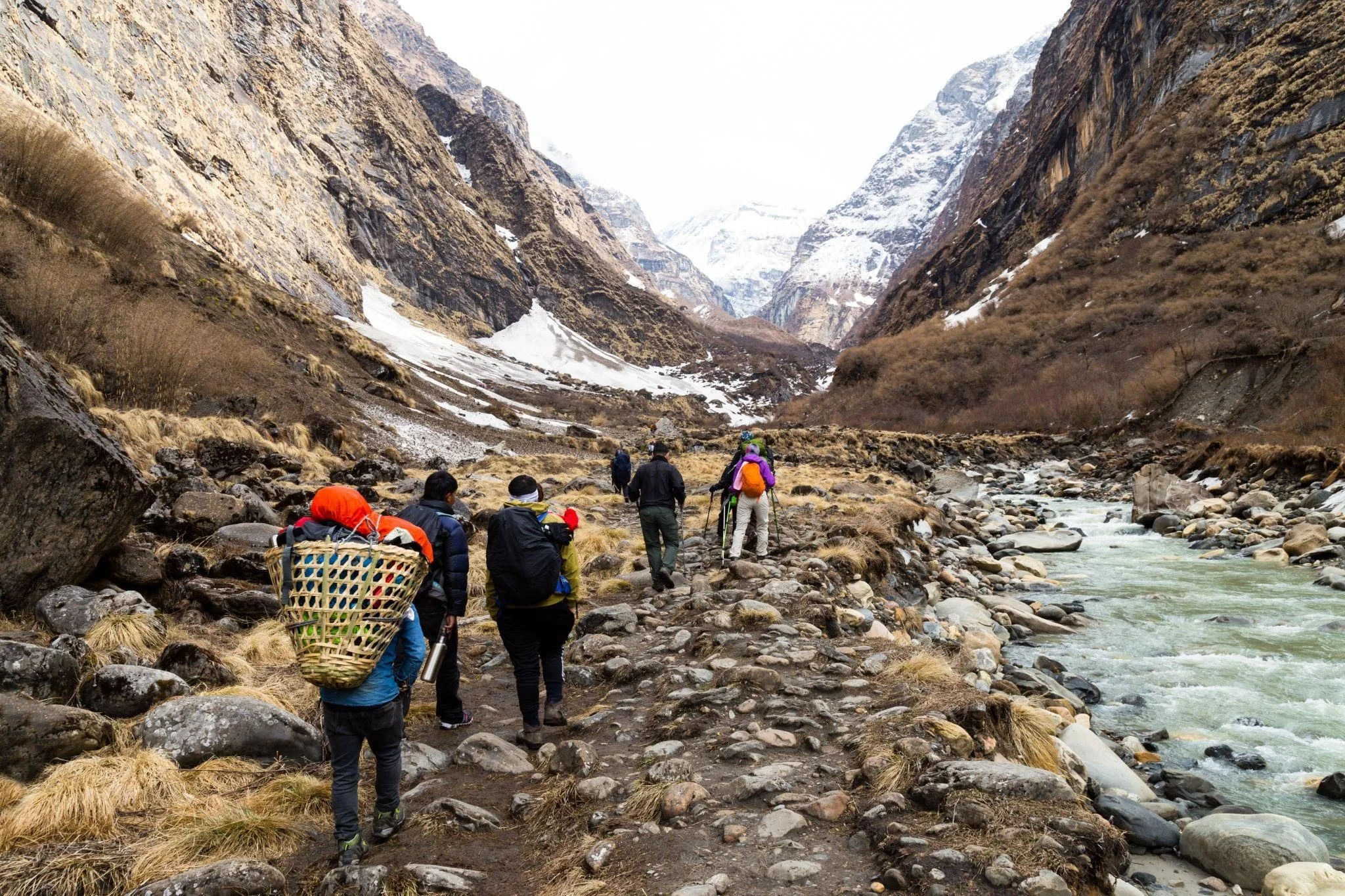
Adventure isn’t just about peaks, it’s about people! Explore the depths of kindness of the locals who make your journey warmer, safer and more special.
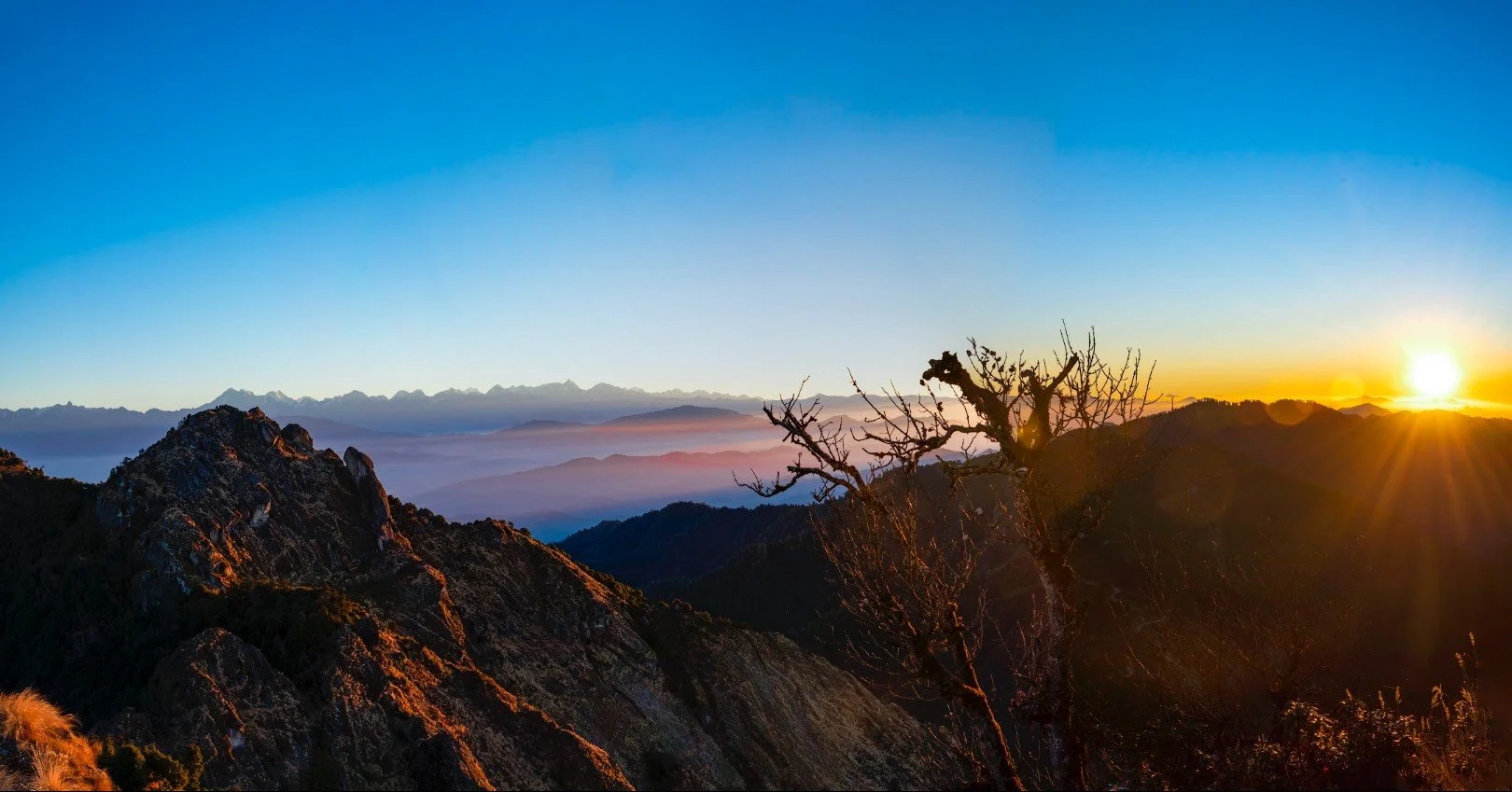
Sunrise or sunset, Kathmandu’s skies never disappoint! Discover the best spots for breathtaking views and peaceful escapes with the beautiful rise and set of the sun.
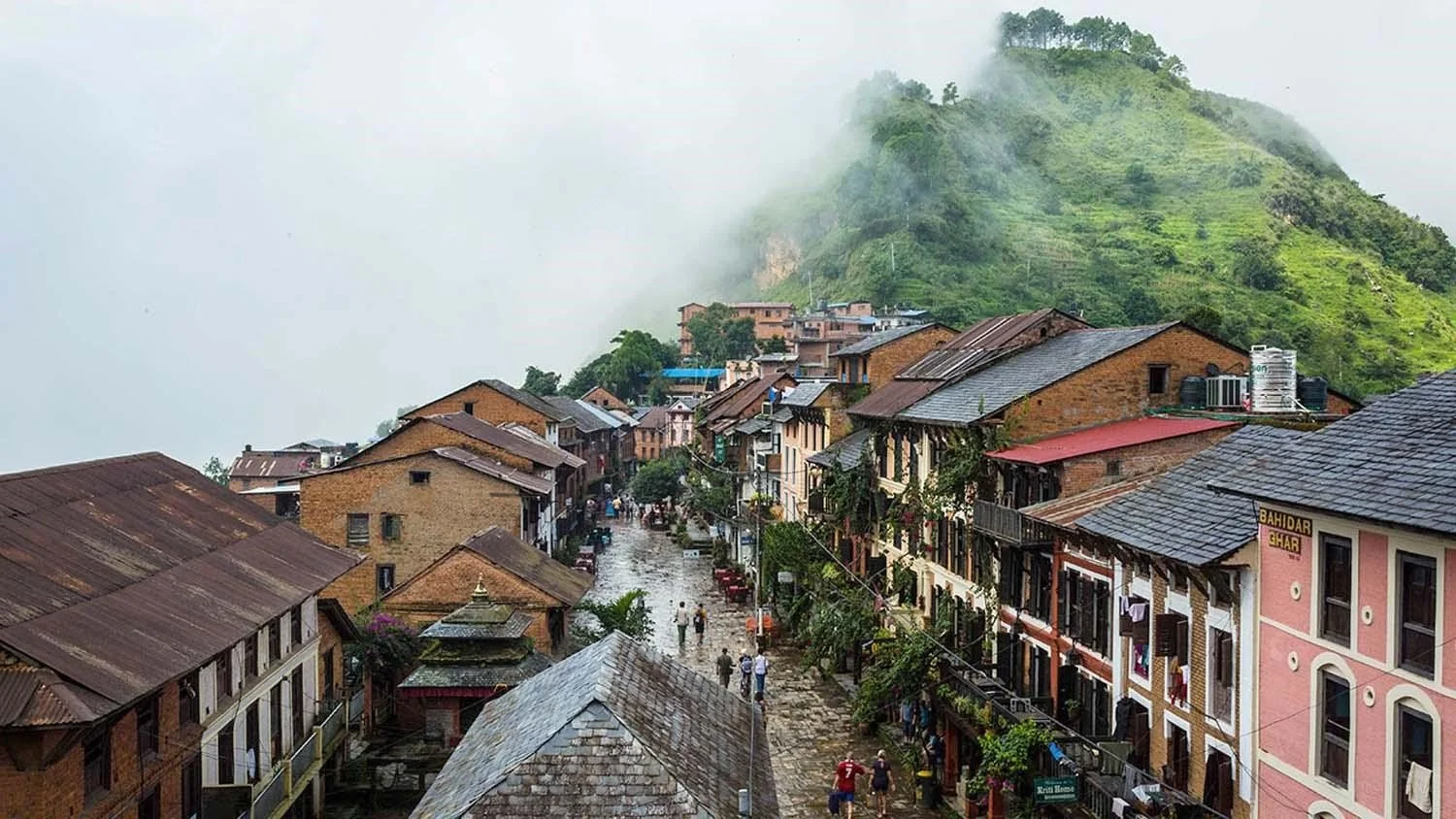
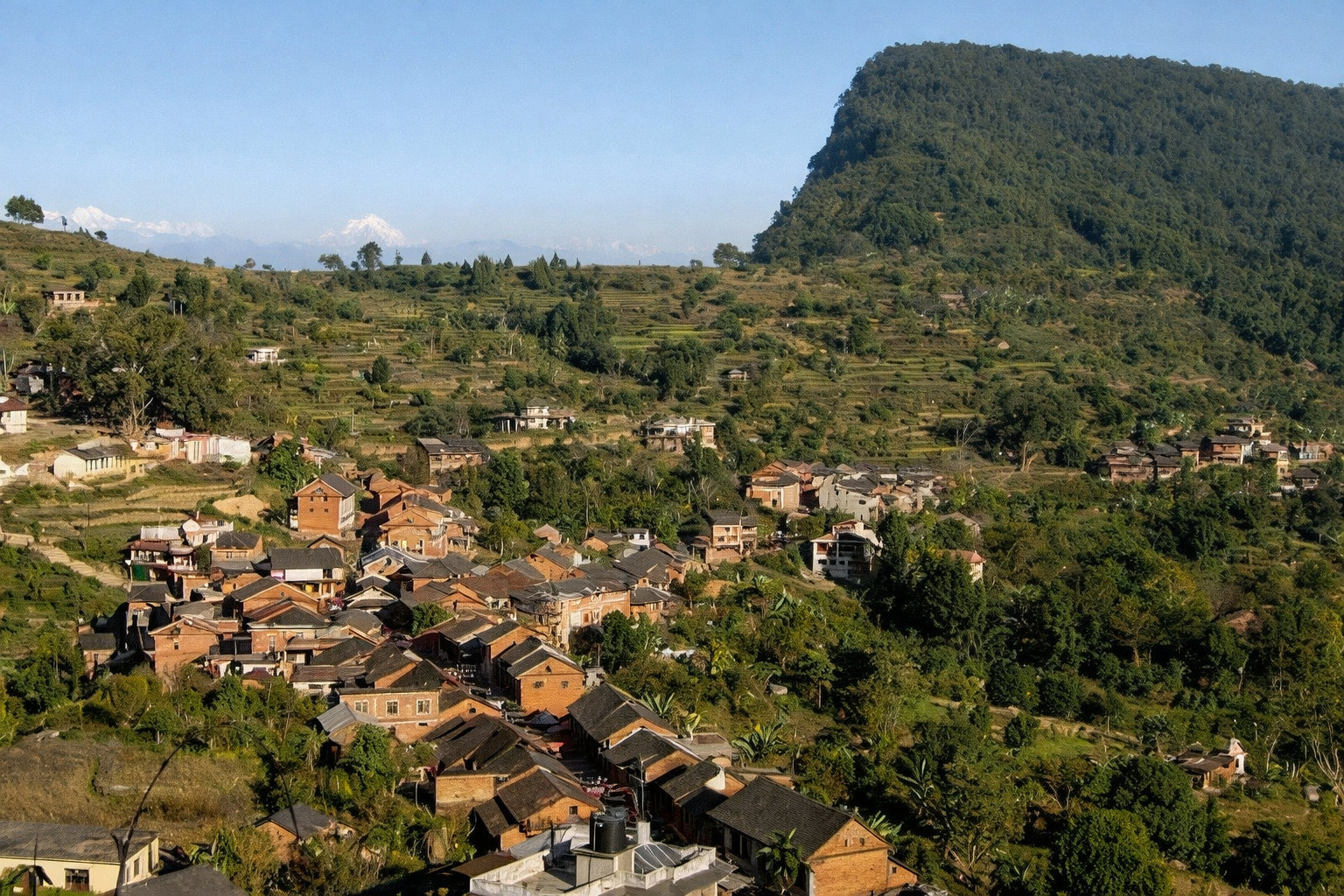
Bandipur: A Timeless Hilltop Haven – Discover the charm of Nepal’s hidden gem, where cobbled streets, vibrant culture, and breathtaking mountain views come together to create a peaceful escape from the ordinary.
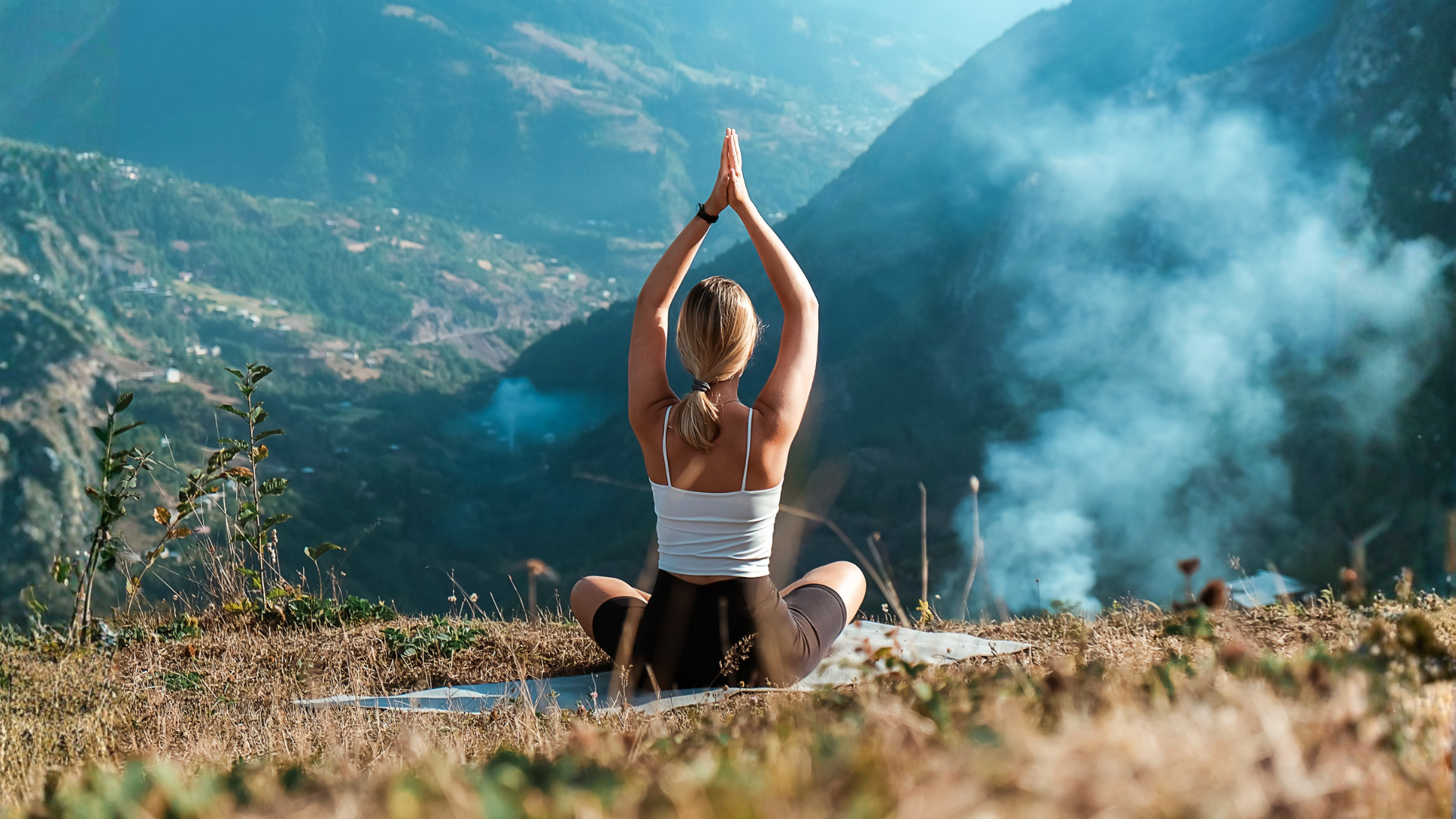
Embrace a journey of self-discovery and inner peace amidst the serene landscapes of Nepal. Whether practicing yoga by tranquil lakes, under the towering Himalayas, or in the spiritual heart of Kathmandu, Nepal’s yoga retreats offer a transformative experience that nurtures both the body and soul.
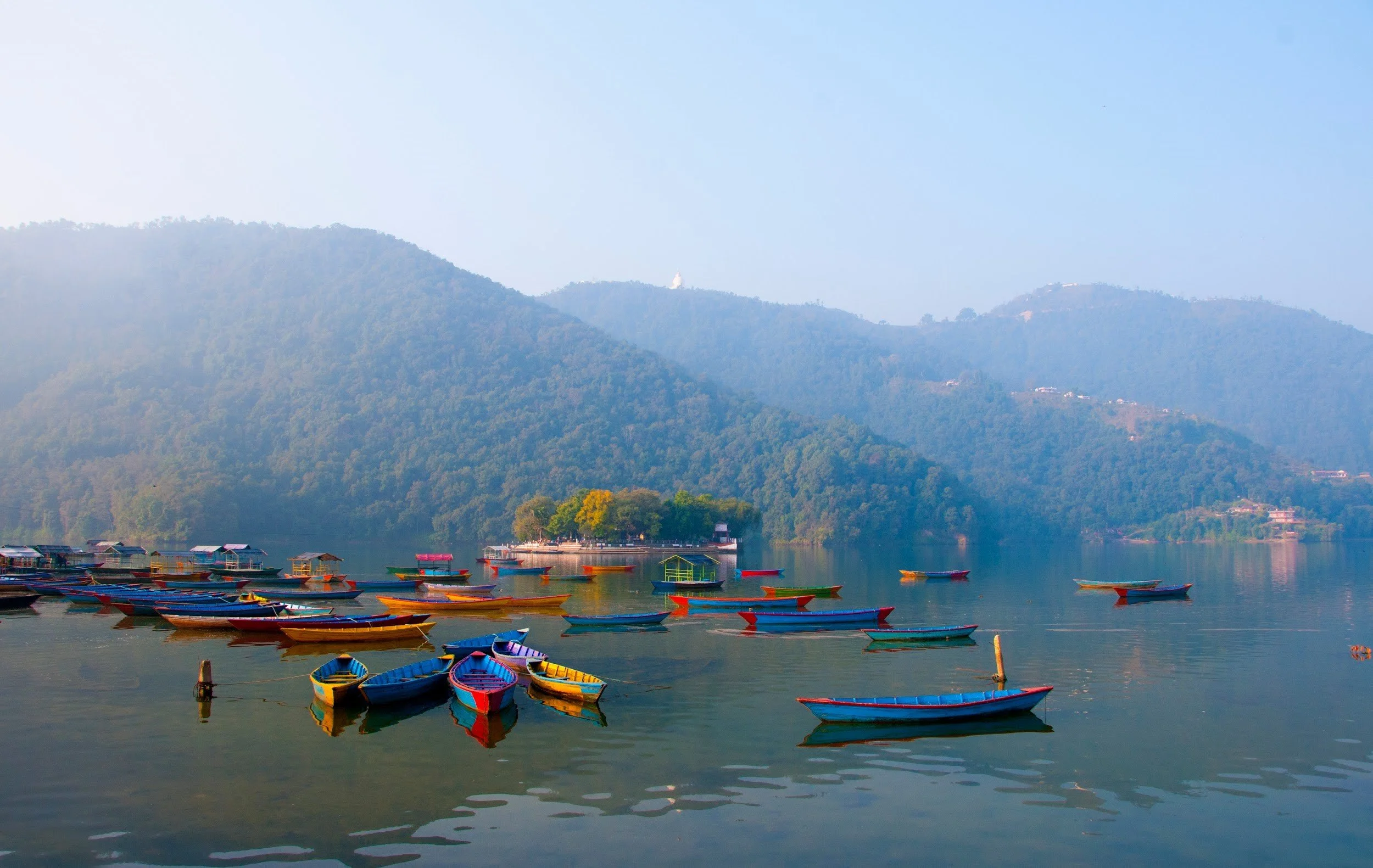
Misty ridges, golden horizons, and tranquil hill towns all just a drive away from the valley. Discover the best weekend getaways near Kathmandu, where every sunrise feels like a fresh escape.
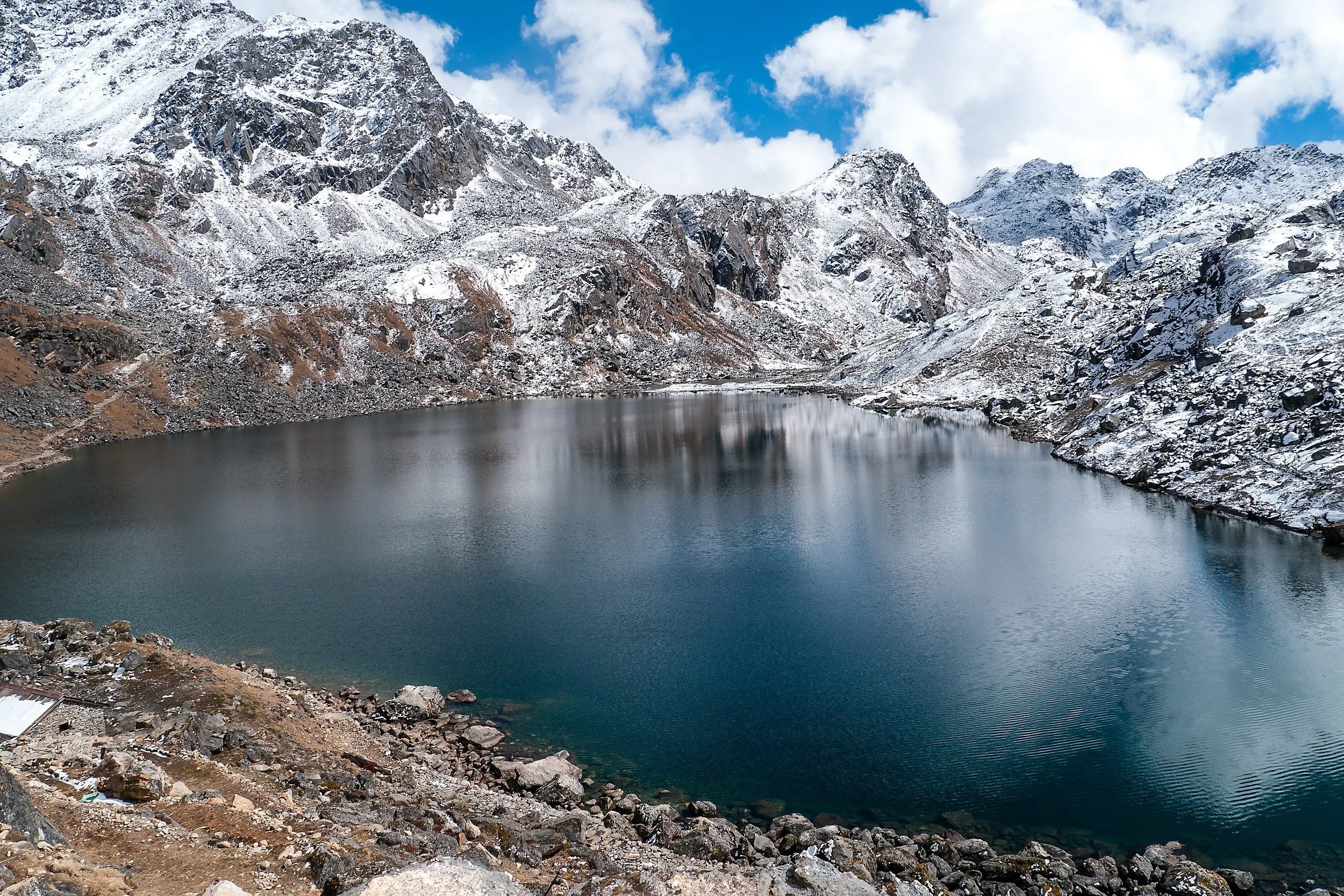
Nestled in the heart of Nepal’s Langtang Range, Gosaikunda Lake is not just a breathtaking natural wonder but also a spiritual haven for trekkers and pilgrims alike. Known for its pristine beauty and sacred significance, the Gosaikunda trek offers an adventure that combines both awe-inspiring landscapes and deep cultural meaning. But beyond the panoramic views and crystal-clear waters lies a tapestry of ancient legends and stories that make this place truly magical.
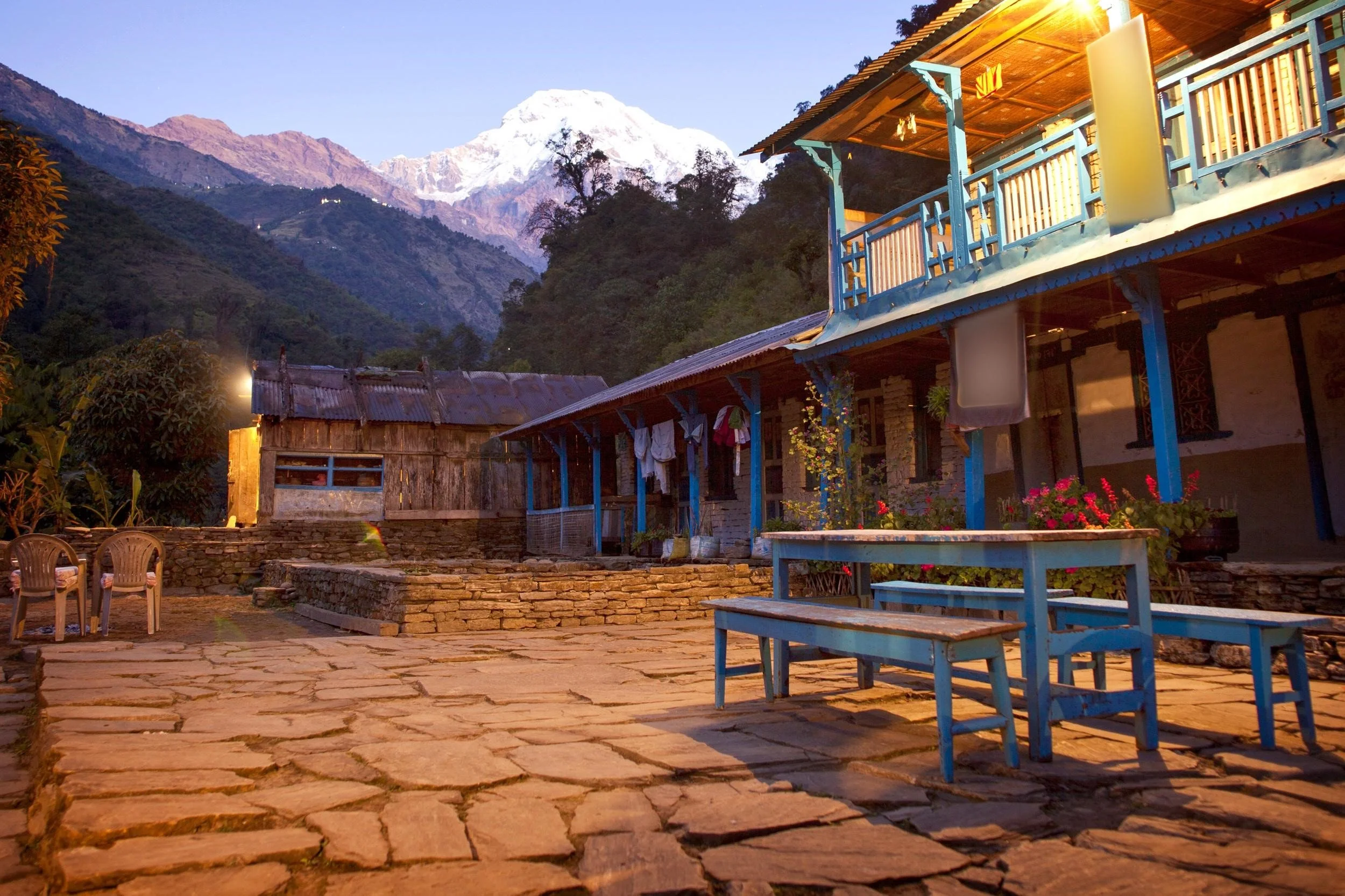
After a day of trekking through Nepal’s rugged landscapes, nothing beats the warmth of a traditional tea house. With breathtaking mountain views, hearty meals, and the genuine hospitality of local families, these humble havens offer trekkers a true taste of Nepali culture, comfort, and community in the heart of the Himalayas.
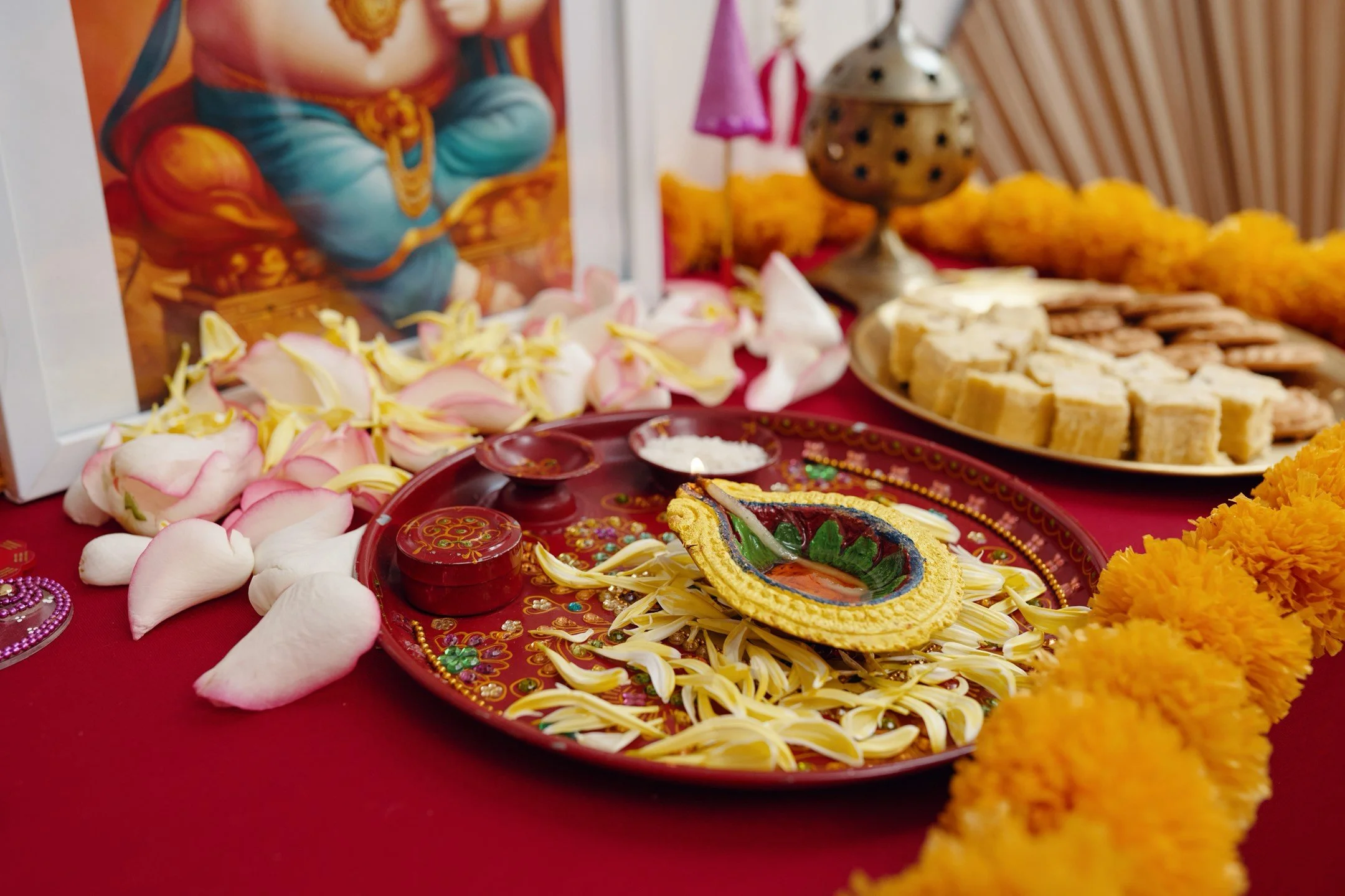
Embrace the warmth of family, tradition, and light during Tihar, Nepal’s festival of togetherness. From honoring animals to lighting diyas, it’s a celebration of love, prosperity, and the vibrant Nepali culture that brings communities closer.
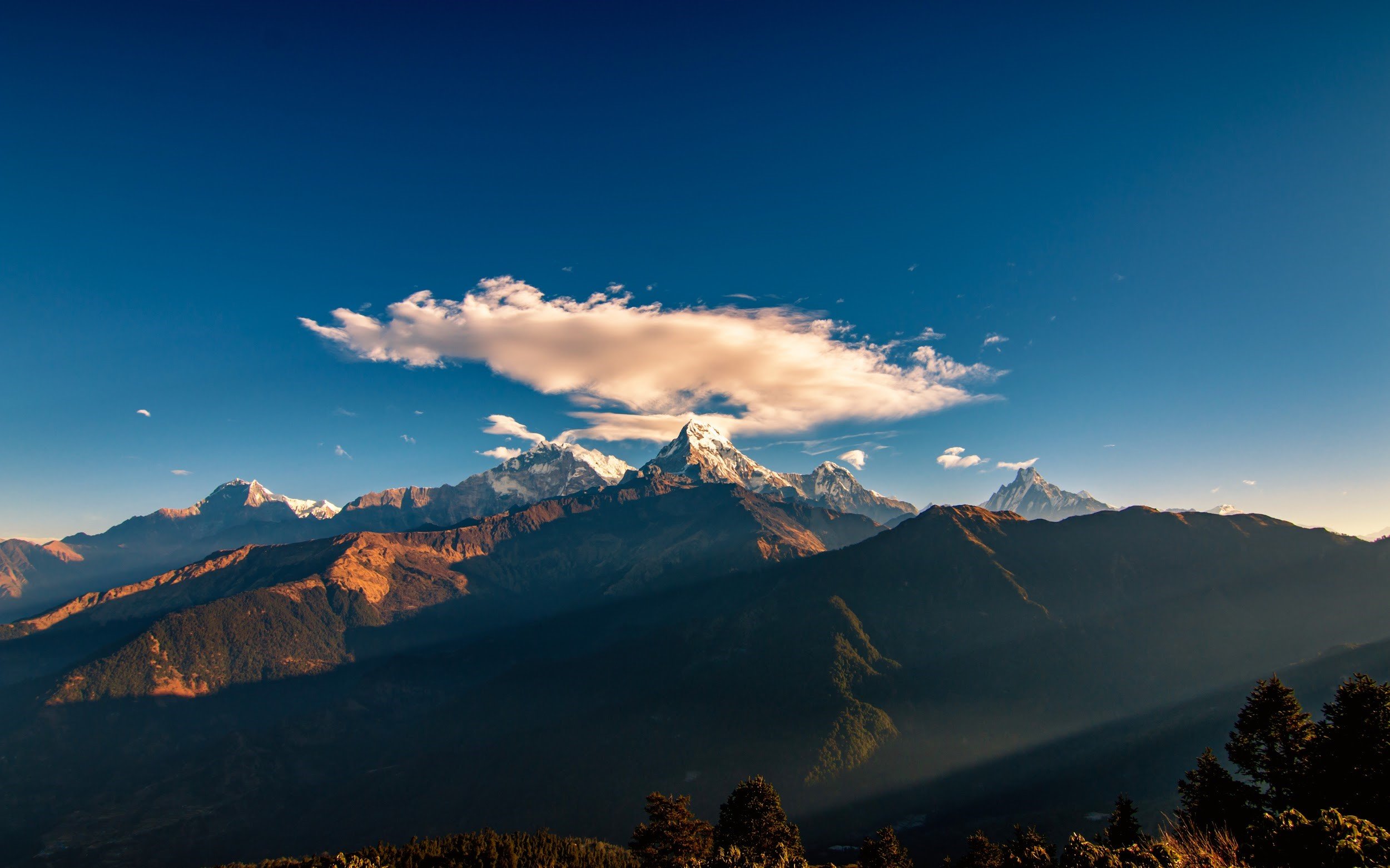
Embark on a journey through nature’s breathtaking beauty on the Annapurna Circuit Trek where diverse landscapes, rich culture, and awe-inspiring Himalayan views await.
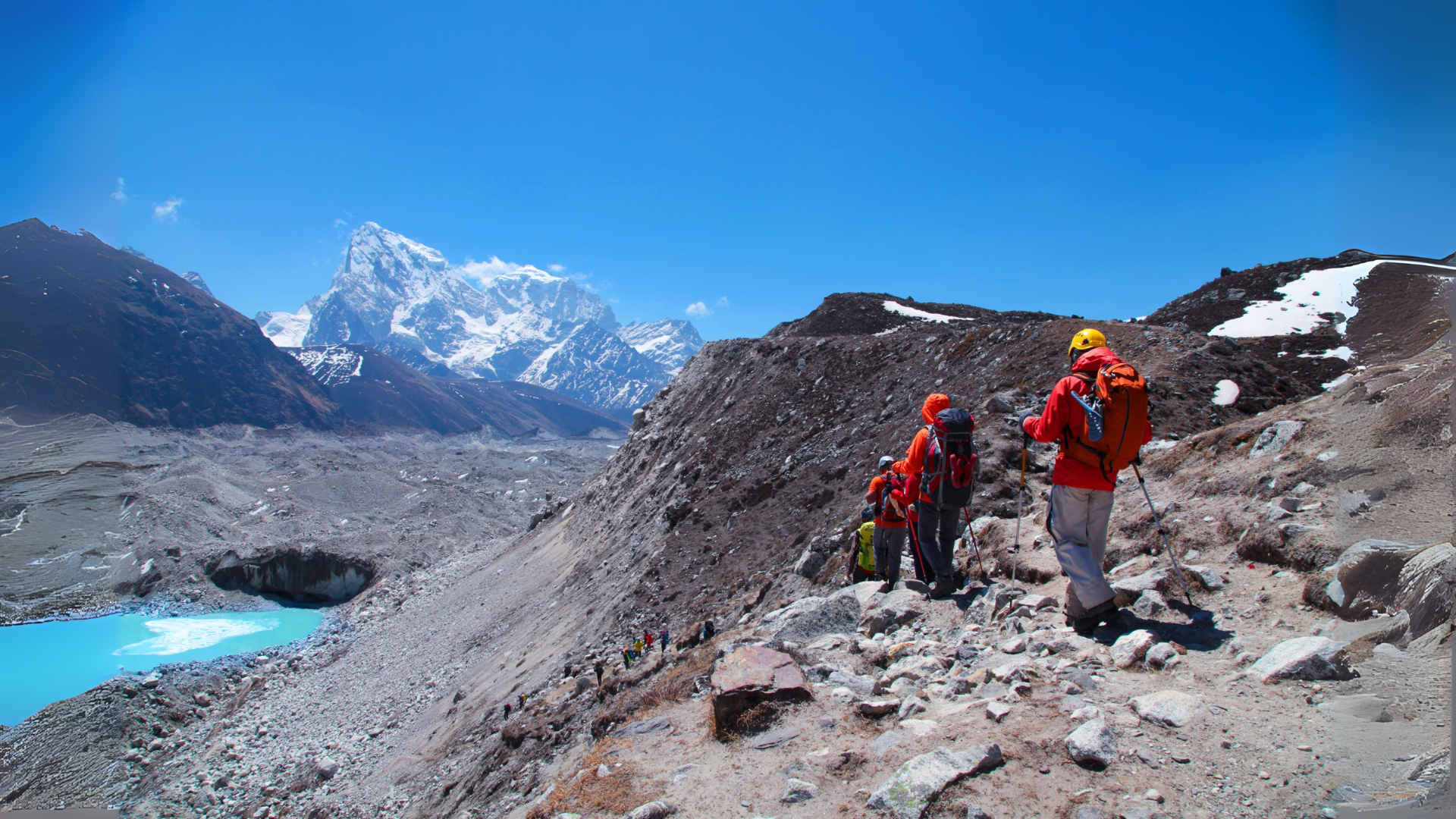
Beyond the well-trodden paths of Nepal lies a world of hidden wonders. From remote trekking trails to serene mountain lakes, discover the best-kept secrets of Nepal’s majestic landscapes and immerse yourself in the authentic, untouched beauty of the Himalayas. A journey into the heart of Nepal awaits!
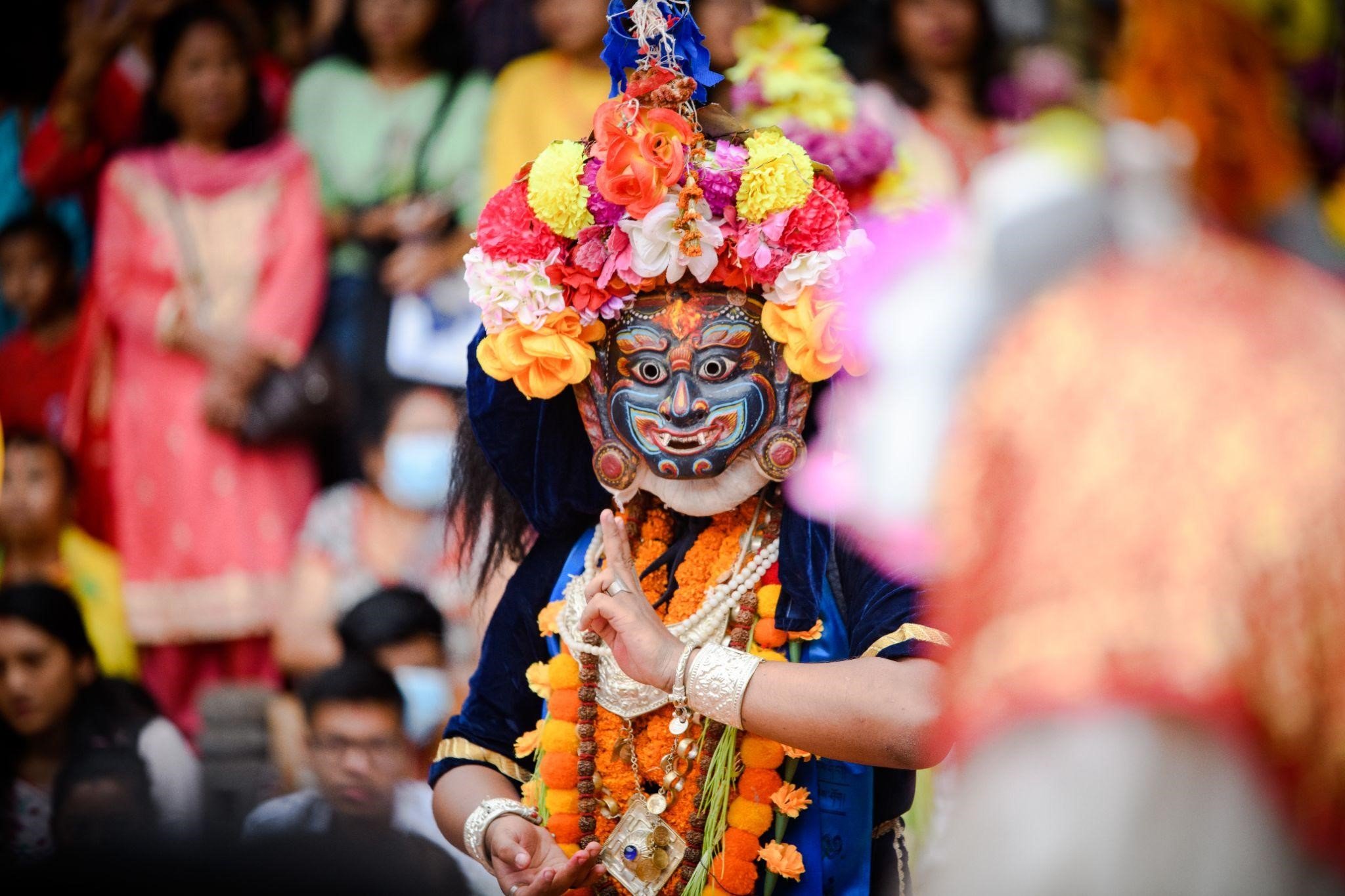
Dashain, the grandest festival of Nepal, is a time of celebration, devotion, and togetherness. Across the country, homes are adorned with flowers, kitchens fill with traditional delicacies, and families gather to honor age-old rituals. In the historic city of Patan, one tradition stands out as a vibrant symbol of devotion and cultural pride: Gaa Pyakha.

The golden Bajra at Swayambhunath Stupa in Kathmandu, a timeless guardian symbolizing strength, enlightenment, and divine protection in Nepal’s sacred traditions.” This sacred object, with its rich mythology and spiritual significance, stands firm as a reminder of the intertwined Hindu and Buddhist beliefs that continue to shape Nepal’s cultural landscape. Whether at the entrance of a temple, adorning stupas, or held during ritual practices, the Bajra represents a powerful force that connects the earthly realm with the divine.
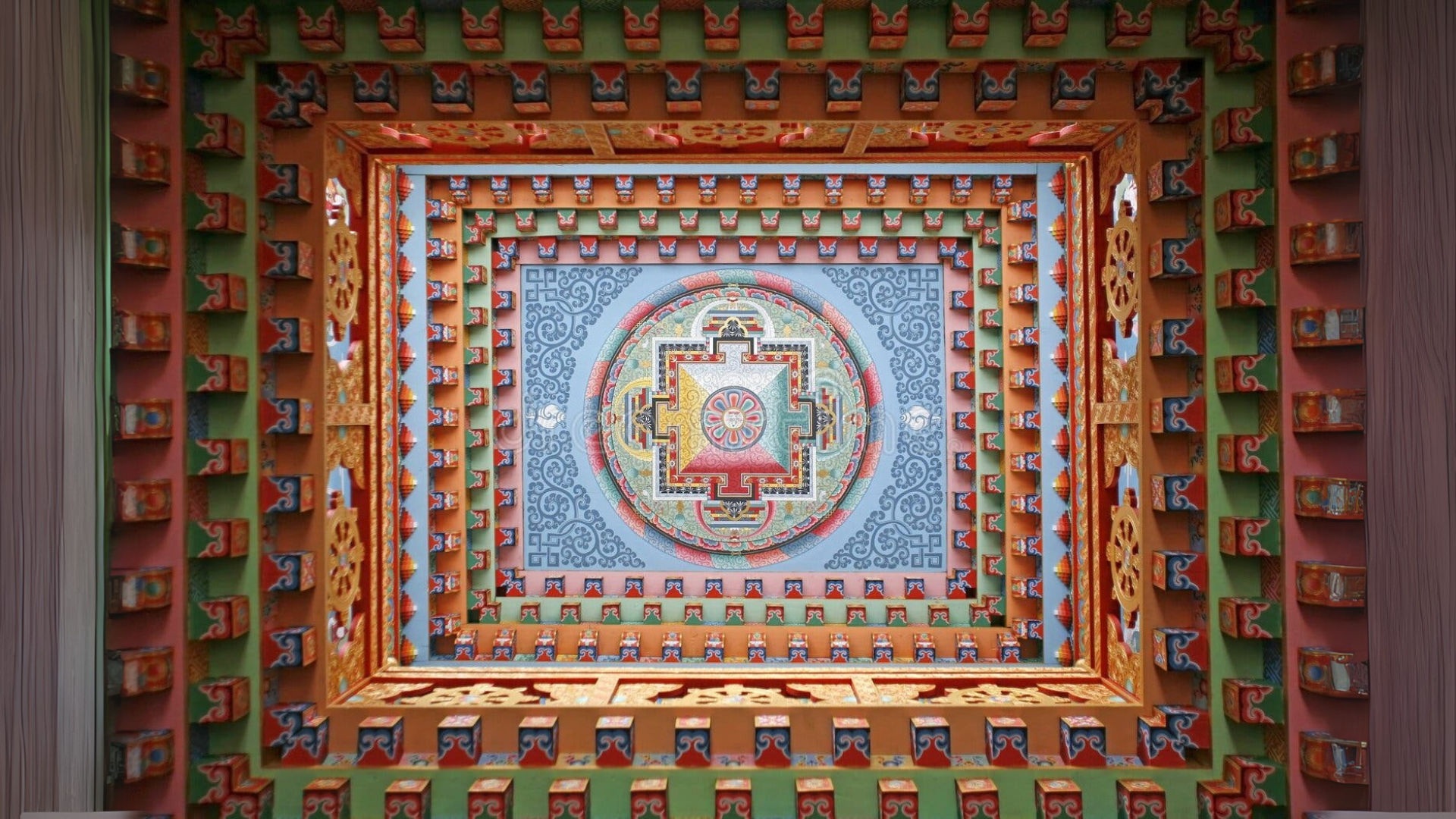
Kathmandu is a living canvas where spirituality and art meet at every corner. Among its countless expressions of faith and culture, mandalas stand as one of the most profound. These intricate circular patterns, seen in temples, monasteries, thangkas (sacred paintings), and even everyday rituals, carry deep symbolic meanings that go far beyond decoration. They are maps of the universe, pathways to meditation, and reflections of Nepal’s spiritual heart.