
Unheard Trails of Nepal - Part II
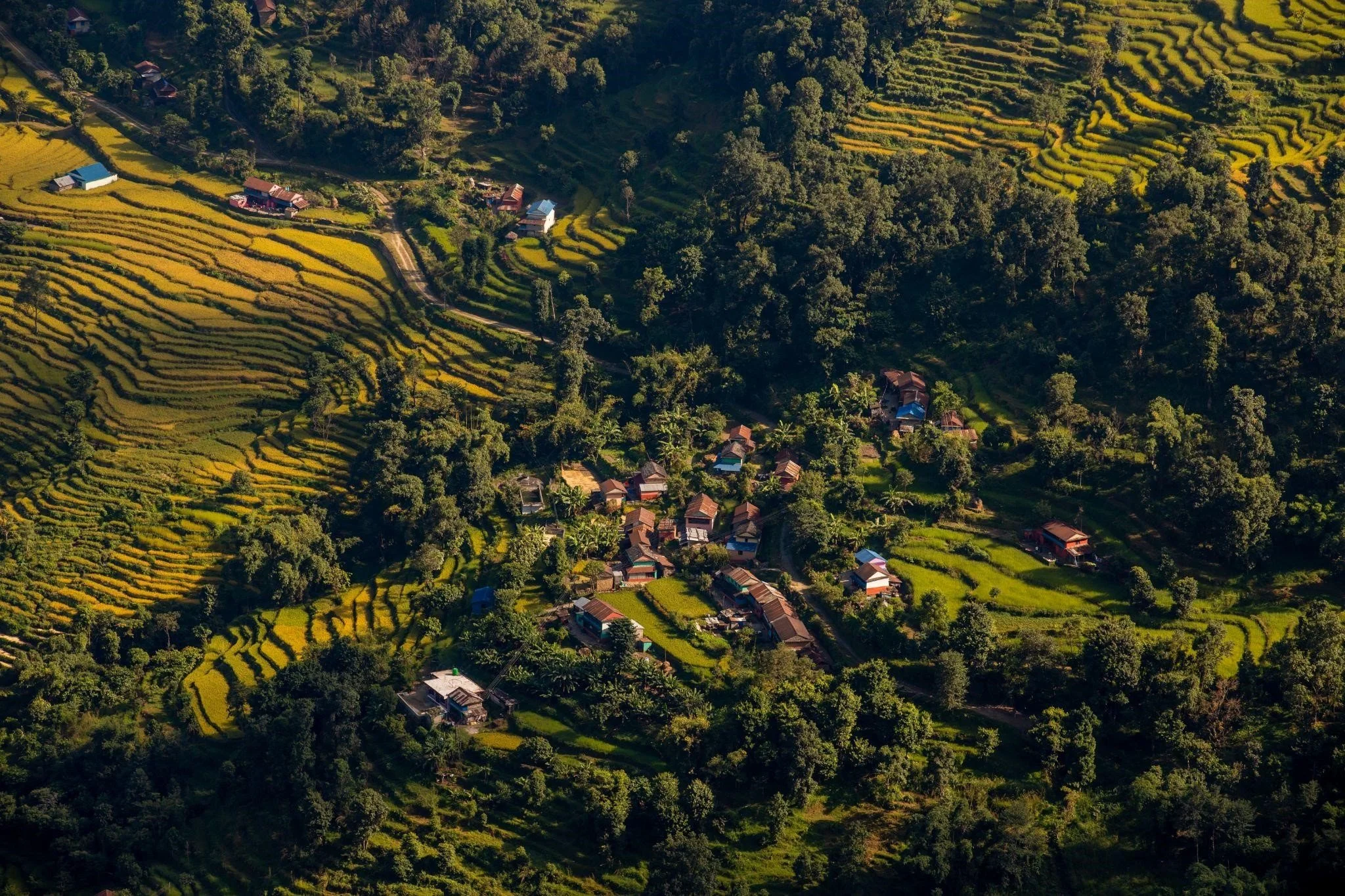
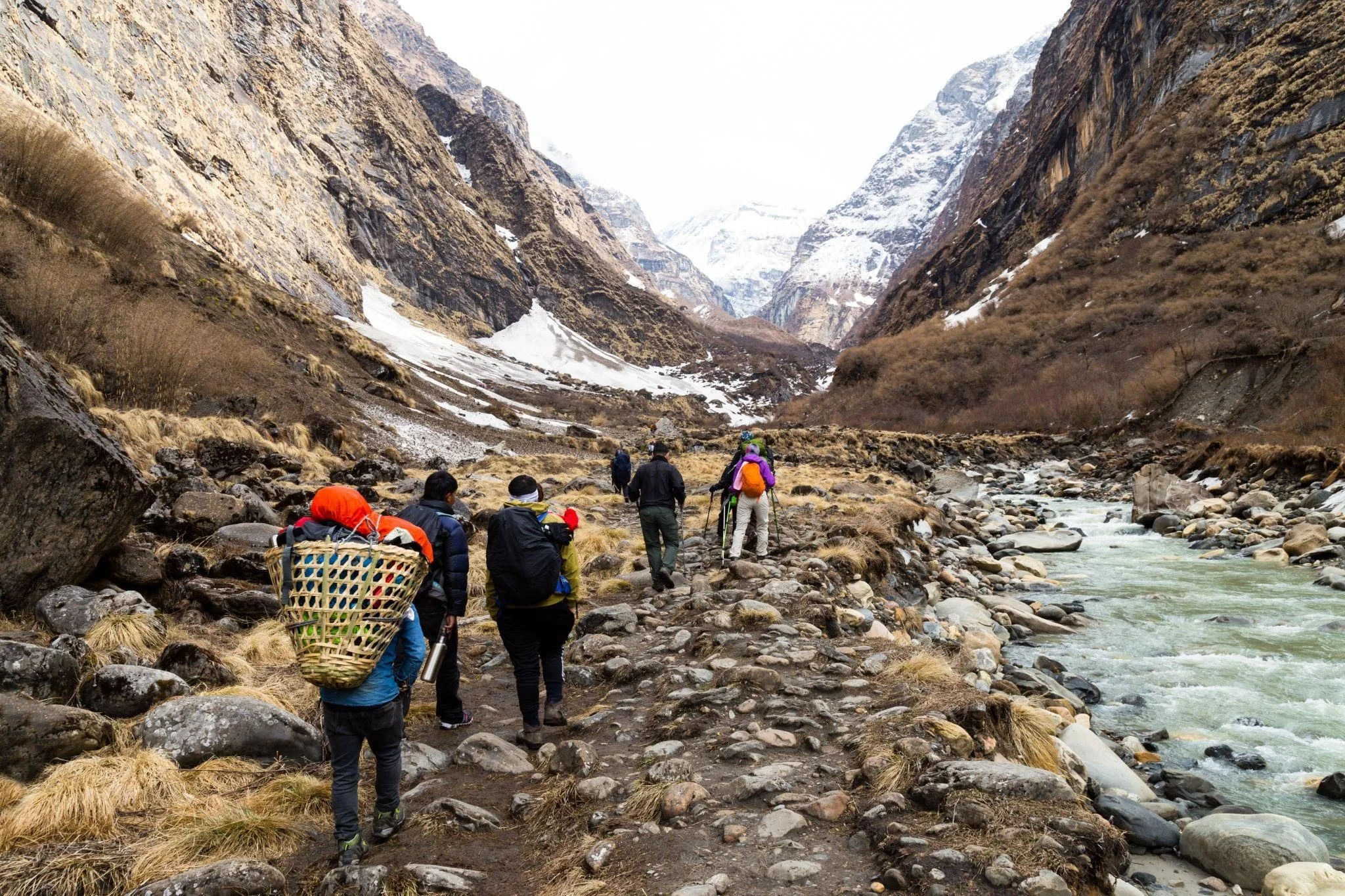
Nature lays at its best when it is hidden, and it is up to the seekers to explore its hidden yonder. There are tens and hundreds of latent routes which lurk under the mountains, lost among the hills with some of the most heavenly sceneries carrying magical moments.
Over the years, tourism has become the backbone of this nation. For various remote regions of Nepal, it has helped sustain livelihood and uplift the communities. Amongst the treks mentioned below, the trail of Millennium was a government effort that recognised the tourism potential of the region of Syangja and Tanahun.
The region of Sikles, which fell under the shadow of the neighbouring popular trails of Annapurna, is a heavenly getaway that deserves more attention. The Limi valley region is a treasure, but the unavailability of basic infrastructure hampered the tourism potential.
Overall, these trails, even though unheard, have strong potential due to the natural treasures.
Millennium Trek
The Millennium Trekking trail covers the southeast part of Pokhara and the Northeast part of Walling Bazaar, exploring more than 30 different villages of the Syangja and Tanahun district.
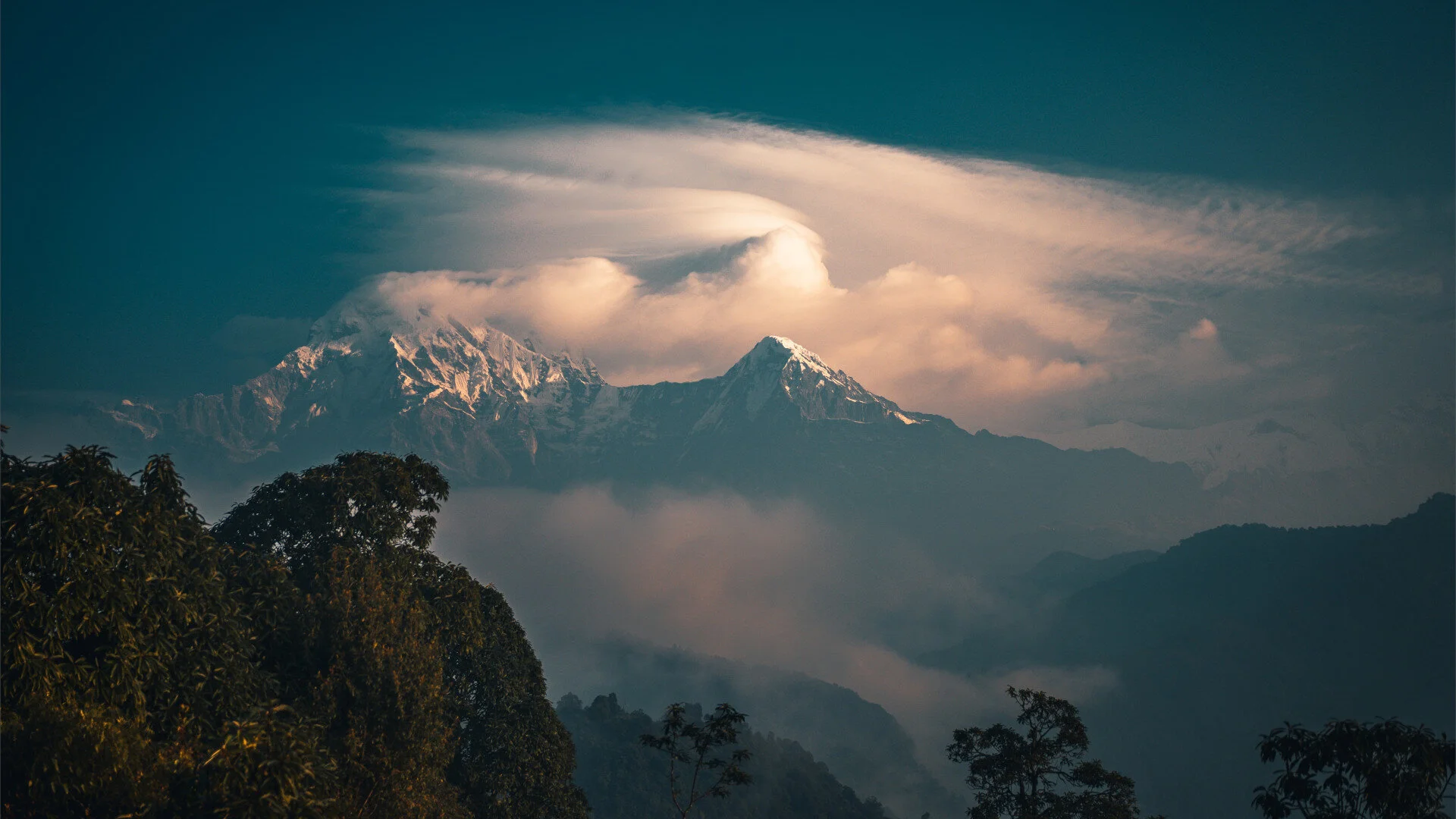
It is a trial that takes 11 days to conquer, starting with the stunning views of Trishuli and Marsyangdi Rivers. It is a rich trail that runs through tranquil natural elements and scenic villages. It offers a chance to experience the diversity of communities in a heterogeneous landscape. Splendid views of mountains such as Mount Kanjirowa to Mount Ganesh, along with magnificent sunrise and sunset, are the best perks.
The trail features an abundant amount of flora and fauna species. Some of the major attraction of this trail includes a series of natural wonders like waterfalls, the Millenium cave, multiple ancient religious sites, monasteries, temples like Dhorbarahi Temple.
It is the perfect cup-of-tea trek for just anyone looking for an excuse to take a break and explore the diversity of nature and the culture of the people.
Sikles and Kaphuche Trek
Sikles and Kaphuche Trek offers the most heavenly mixture of pristine mountain views, crystal clear lake waters, and the exquisite lifestyle of the Gurung Community.
It is a moderate 4-day trek at the least and is generous with breathtaking experiences. It starts with a 3-hour drive from the city of Pokhara to the magical mountain village of Sikles, passing through the charming rhododendron forests, hilly terrain which offers a panoramic view of Mt. Annapurna, Mt. Macchaucchre, Mt. Lamjung with a line of other peaks.
Sikles is one of the largest settlements of the indigenous Gurung community. A chance to witness the traditional lifestyle coupled with great hospitality and scenic views is an experience of a lifetime.
The trials then lead to the immaculate beauty of the Kaphuche Lake, the only glacial lake of Nepal that lives at an altitude below 4000 meters. The clear blue waters of this majestic lake are surrounded by snowy mountains, with continuous avalanches of snow falling to the lake from February to April, as though it is a place straight out of paradise.
Limi Valley Trek
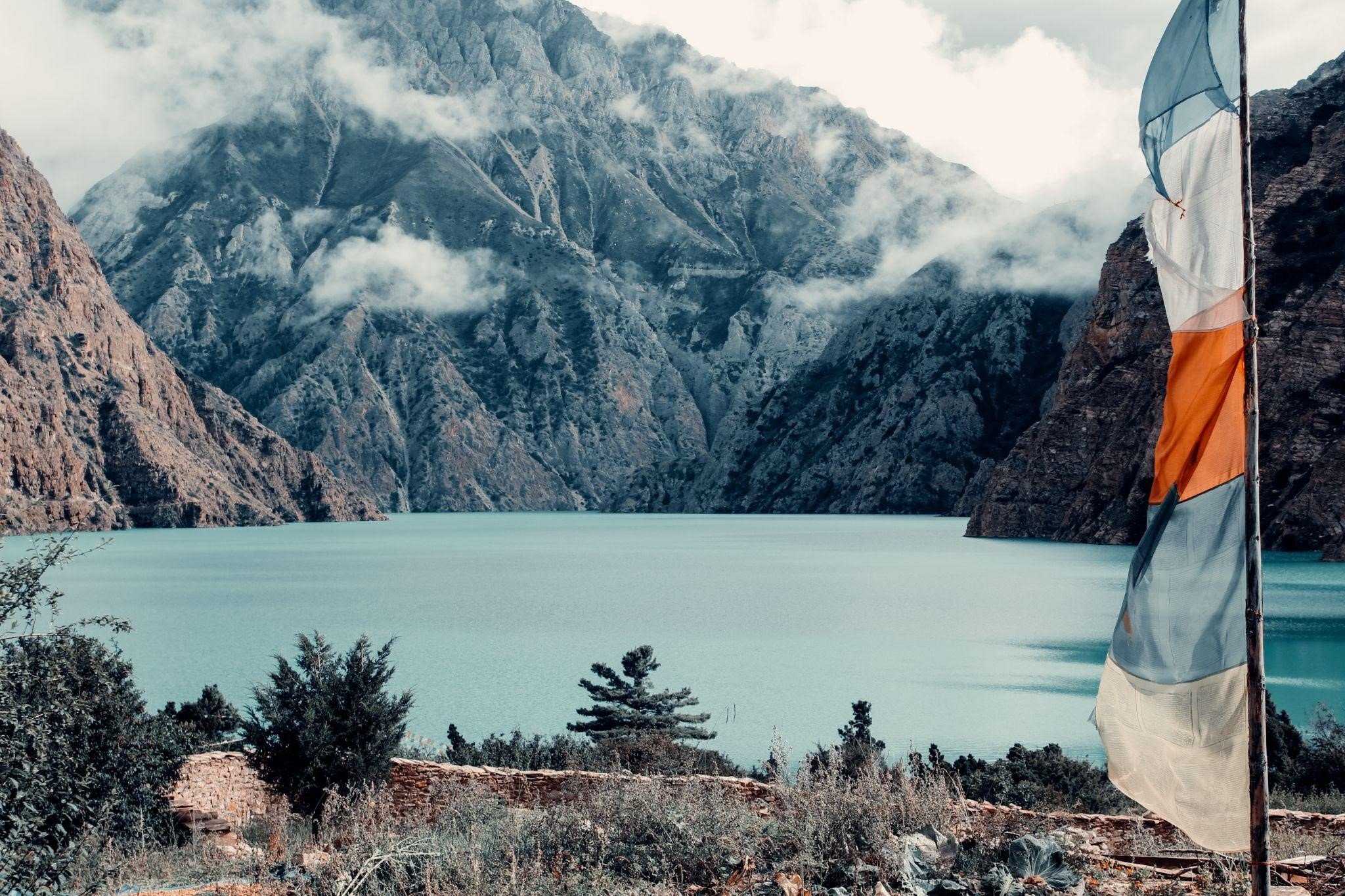
The Limi Valley Trekking Trial lies in the Humla region of Nepal. This remote land comprises jagged barren mountains which blend into snowy mountains. It is also the heart of the mystical culture of Tibetan Buddhists.
This adventurous trail takes on a trial of 20 days, following the emerald green waters of the Karnali River to a series of lost Tibetan villages of the region. The trek starts at Simikot, the headquarter of Humla that stands as a gateway to the peaks walling the Tibetan border. The Trial will lead you to Yalbang village, the home to the beautiful historic Namkha Khung Dzone Monastery. Crossing rivers and suspension bridges through the semi-barren rocky landscape, nature offers a unique scenic view of the mountains over the wide-open land.
From one arcane village to another, one gets to experience the lifestyle of the Tibetan Buddhists of this region. The Limi Valley Trek is an out-of-this-world experience to take on.
POPULAR ITINERARIES
SIMILAR POSTS
Unheard Trials of Nepal - Part I
Nepal is the motherland of adventure. A humble nation, small yet surprisingly vast in opportunities for thrill-seeking and escaping the bustle of the modern world. The Himalayas, a marvel of nature, offer countless hidden trails which have fallen in the shadows of popular paths. These trails are unique and beautiful, with a chance to see Nepal from a different perspective.
Nepal holds hundreds of trails and routes leading to its majestic wonders, some of which have gained international popularity through time and numerous expeditions. Whereas some trails lay hidden under the mountains and forests. They hold various arcane treasures such as traditional villages, lush pasture and beautiful smiles. The process of discovery is a captivating adventure.
Royal Trek
The Royal trek starts at the stunning city of Pokhara, also known as lakeside and ends at the beautiful Begnas Lake. In 1980, Prince Charles, Prince of Wales, with his 90 men, walked this trail. Post which, this pathway became a non-strenuous option to explore the Annapurna region.
It is an easy 4-day trek through the terrace farms and forests of Northern Pokhara. It is a short path that runs across the foothills of the Annapurna range with the scenic view of Mount Annapurna, Dhaulagiri, Manaslu, Langtang, and many more. The convenient and graceful trail will lead you to charming Gurung villages. Here, you will get to discover old traditions that have been kept alive by the people. The trial ends with a stunning view of Begnas Lake.
October to November and March to June are best to take this path in the Annapurna foothills. As the skies are clear, you get to witness the panoramic mountain view.
Guerilla Trek
The nation experienced a civil war that lasted for more than ten years. The Guerilla Trek follows the trails taken by the revolutionaries during their fight. Today, it is one of many remains of a long lost decade of turmoil in Nepal.
The Guerilla Trek is a 17-day trekking trail that begins from the city of Beni Bazar at Myagdi district and ends at Sulphur, Rukkum District. This ‘road not taken’ pathway offers the unique experience of exploring multi-culture and multi-ethnic lifestyles of the people of this region along with the magnificent view of the hilly terrains, fields, and the Dhaulagiri Himalayan range to the east and Api, Saipal mountains to the west. The trials continue through the forests and fields of Dhorpatan Hunting Reserve. This path comprises rare encounters and places that shine out of the spotlight with nature’s allure and a series of waterfalls, caves, rivers, lakes such as Kamala Daha and Solar Daha.
The trail is best from March to May and September to December.
Manjushree Trail
The Manjushree Trail circles the Kathmandu Valley through adventures in semi-urban paths exploring the hidden spark of the Kathmandu Valley.
The trail gets its name from the Boddhisatva Manushree, credited for draining the Nagdaha and creating Manjupatana, the first city in the new land. Over the years, various other cities came into existence in this valley, such as Kantipur, Lalitpur, and Bhaktapur.
The trek lasts for 12 days. During the adventure, one gets to experience the unseen lives of rural parts of this valley and natural elements. It starts in the Hattiban area leading to the uphill climbs of Deurali Bhanjyang, Chandragiri, Chitlang Bhanjyang, Naubise, and many more.
The trail touches the breath of the highest hills that hug the valley. Some of the treks features are natural yonder, mesmerizing warm hospitality of the people, scenic waterfalls, and a view of the valley.
The expedition ends at Hattiban after multiple stops that lead to the forests of Godawari. Every stop hills carry their significance and spread out the magic of nature blended with the green lifestyle of the local people outside the crowded city.
In the next part of this article, we shall look into the trails of Sikles, Limi Valley and the Millennium trek.
POPULAR ITINERARIES
SIMILAR POSTS
Exploring Mardi - Part II
A book is only as great as the adventures of the writer. Nepal offers countless opportunities to tell stories from another world. Amongst such wondrous trails is Mardi Himal Trek. While walking through the paths, one gets to take their imagination up through breathtaking scenes and witness the surreal beauty of the Himalayas.
In the first part of this article, we briefly looked into a few facts about the Mardi Himal Trek. Whereas in this article, we shall look into the itinerary in brief.
What can I experience in this trek?
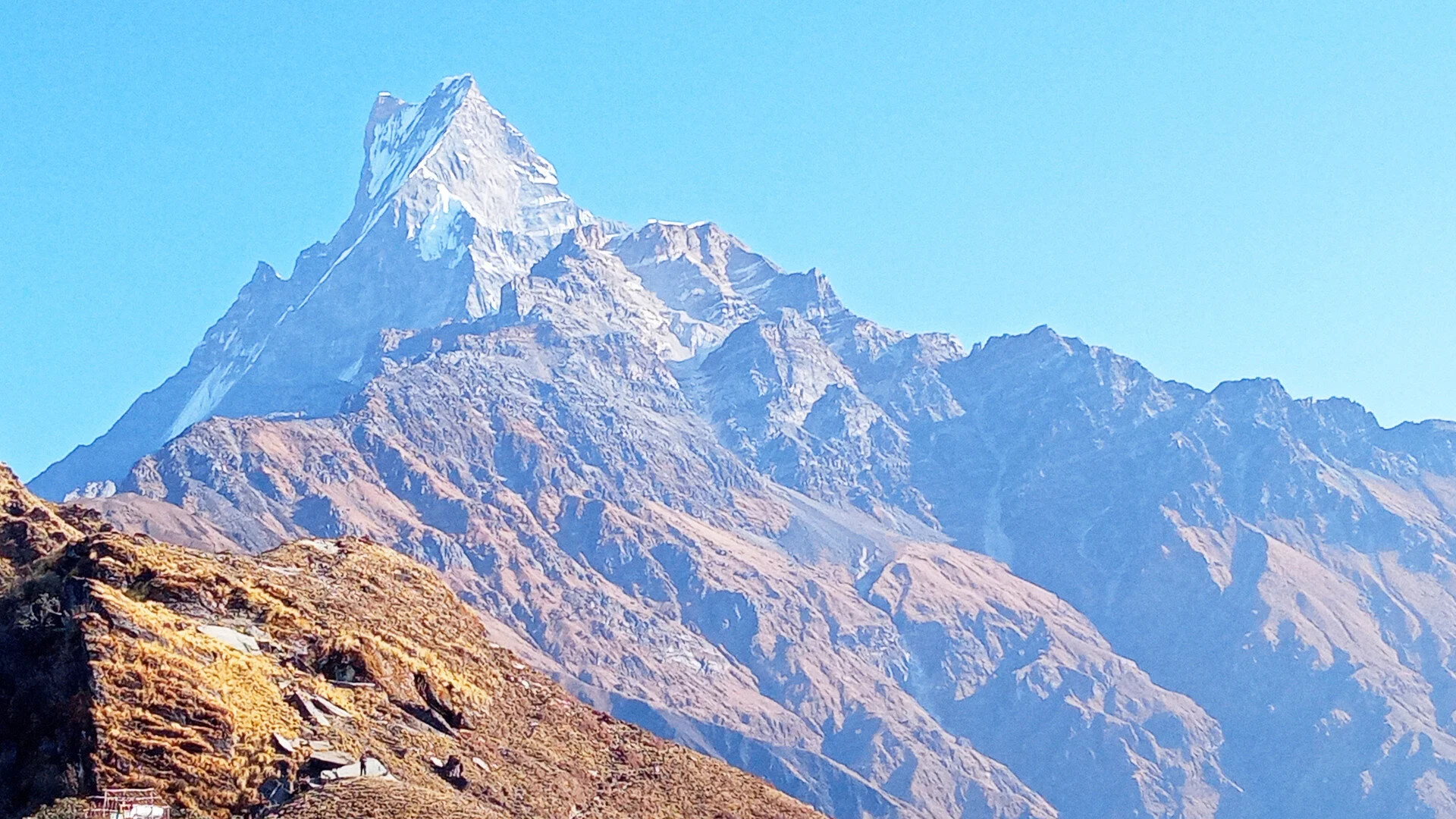
The journey begins in the temperate zone with lush grooves and rhododendron hills. The scenery gradually changes to sub-alpine when you make the ascent from Low Camp to High Camp. A short hike from here to Mardi Himal Base Camp takes you to the alpine zone with an uninterrupted panorama of the Annapurna mountains and a close-up encounter with Mt Machhapuchre.
The itinerary
Day 1: Drive to Kande and Trek to Deurali
Maximum elevation for the day: 2200m above sea level
Trekking time: 4 hours
Difficulty: Easy
Day 2: Trek to Low camp
Maximum elevation for the day: 2900m above sea level
Trekking time: 7 hours
Difficulty: Moderate
Day 3: Trek to High Camp
Maximum elevation for the day: 3585m above sea level
Trekking time: 5-6 hours
Difficulty: Moderate
Day 4: Hike to Mardi Himal Base Camp and return to Middle Camp
Maximum elevation for the day: 4500 m above sea level
Trekking Time: 3 hours
Difficulty: Easy
Day 5: Trek to Siding Village from Middle Camp
Maximum elevation for the day: 3200m above sea level
Trekking time: 6 hours
Difficulty: Moderate
Day 6: Trek to Lumre and back to Pokhara
Maximum elevation for the day: 1750m
Trekking time: 3 hours
Drive time: 2 hours
Difficulty: Easy
What should I pack?
In general, trekkers should travel light. The maximum elevation for this trek is 4500m, meaning you shall require a warm jacket for the hike to Mardi Himal Base Camp. You should wear light clothes during the walk and have a windcheater or jacket with you at all times.
If you are travelling during Autumn or winter, warm clothes are a must. During spring, the days are relatively warmer. But the winds help cool you down. A windcheater over light clothing is the optimum recommendation.
A raincoat, along with a rain cover for your bag, is suggested. You should wear either hiking boots or comfortable sports shoes. If you plan to visit this region during pre-monsoon or monsoon, make sure to tuck and cover yourself well. The forests shall be full of mosquitos and leeches. Also, pack a warm cap and gloves with you as the alpine region is always cold.
Don't forget your sunscreen and sunglasses.
Do I need to be very fit for this trek?
The Mardi Himal Trek is moderate. Travellers do not require peak physical fitness but should have a good walking experience. As the trek features a gradual increase in elevation, AMS (Acute Mountain Sickness) is unlikely. But, if you feel the following symptoms, please inform your trekking guide and take appropriate measures.
Symptoms at 3000-5000m
1. Tingling Sensation
2. Headache
3. Fatigue
4. Nausea
5. Difficulty breathing
6. Stuffy ears
Appropriate measures include the following:
1. Do not panic.
2. Descend to a lower altitude immediately. If you feel like you cannot walk, request assistance.
3. If you have medication for AMS, consume it post consultation with your trekking guide.
Before booking your trek, please consult your doctor and get a basic assessment of your health. It shall help ensure you have a pleasant experience with minimal issues during the journey.
Also, note the following, altitude sickness is common, and you can overcome it easily. Whatever the case, please do not panic. Mental health is as important as physical health.
Should I explore Pokhara & Kathmandu?
Yes, of course, a cup of your favourite beverage beside the Fewa lake is a great experience. Indulge in a tour of the valley, which can be facilitated at a reasonable rate by the hotel. If you wish to entertain yourself around these cities without a guide or agent, please be careful of pesky street hawkers and scam guides.
We hope you have a great trek and a pleasant experience in Nepal!
POPULAR ITINERARIES
SIMILAR POSTS
Exploring Mardi - Part I
Amongst the numerous trails of Annapurna Conservation Area, the Mardi Trek is gaining popularity. The diverse terrain and splendid views make this trip worth the walk. It is a brisk trek that allows you to experience the lower regions of ACA and stand face to face with the majestic peak of Mt Machhapuchre at Mardi Base Camp.
The Annapurna Conservation Area (ACA) is home to numerous legendary treks. ACA treks allow a traveller to experience various ecosystems. Amongst the trails, the Annapurna Base Camp Trek, Poon Hill Trek and Sikles Eco Tour are the most popular in the non-restricted zone. Whereas in the restricted, Upper Mustang Trek, Nar-Phu Valley Trek, Tilicho Trek are the most popular.
The route in focus, Mardi Himal Trek, falls in the non-restricted area of Annapurna. A Non-Nepalese trekker does not require special permission to visit this area. S/he may experience the beauty of this region with just a TIMS (Trekkers Information Management System) card.
This trek is categorized as moderate, meaning the altitude gain and peak altitude is nominal. Anyone with minimal trekking experience completes the trip without any difficulty. But, we recommend the challenger to be of sound health.
When is the right time to trek?
In Nepal, Spring and Autumn is prime trekking season. The skies are clear with light to minimal rainfall. Autumn (Mid-September to Mid-November) is best for Mardi Himal Trek.
During other months such as December - February, the climate is colder and potential high snowfall may not allow you to trek above High Camp. Whereas during pre-monsoon ( Mid-May to Mid-July) and monsoon (Mid-July to Mid-September), chances of rain and clouding are high. The forest area shall be full of leeches and mosquitos.
Spring (Mid-March to Mid-May) is also a great time to trek this region. Temperature is nominal, and winds are light, allowing you to have a beautiful walk. The plant life will be blossoming: amplifying the atmosphere.
How do I start?
Once you have landed at TIA (Tribhuvan International Airport), you can either choose to experience a bit of the capital (Kathmandu) for a few days or get a connecting flight to Pokhara. The distance between Pokhara and Kathmandu is 200 KM. You can opt to take a bus instead of a flight as well. Your available options are either local or deluxe buses.
Deluxe buses leave every morning at 7 AM from Sorakhute Bus Station in Kathmandu. You may either book a ticket beforehand or arrive an hour early, pay and embark directly at the terminal. We recommend these buses as they have air conditioning. The travel time ranges between 7-8 hours, with stops for lunch and snacks at good quality rest stops.
You can skip all of the hassles by contacting the front desk officer at the hotel. S/he shall do their best to arrange these services for you. They can also develop a proper itinerary to experience Mardi Himal at a reasonable rate.
How long is the trek?
Mardi Himal Trek can be completed in 5-6 days, excluding travel time to Pokhara from Kathmandu.
What is the highest altitude during this trek?
The trek begins at 2200m from Deurali with moderate gains. A trekker shall not require added days for acclimatization. The highest elevation is at Mardi Himal Base Camp, which is at 4500m.
Is this trek a circuit?
It depends on your itinerary! While descending from High Camp, you can either come all day down to Low Camp or take an alternate route from Middle Camp to Siding Village and trek down to Lumre. Whereas, from Low Camp, retrace your steps to Kokar and then to Deurali completing the circuit.
Where can I get my TIMS card?
Nepal Tourism Board provides the TIMS card. You may acquire your permit either at the central office in Kathmandu or at their regional office in Pokhara.
Do I require added payments to enter certain areas?
You are not required to pay any entrance fees or monument fees in this trekking route.
The next article shall feature a brief itinerary for this trek
POPULAR ITINERARIES
SIMILAR POSTS
Exploring the Himalayas
The Himalayas that belt across Northern Nepal holds some of the most magical destinations in the world. Concealed by tall peaks and clouded under the heavy snow, the experience of discovery is as close to finding Shangri-La. Places invisible, trail treacherous, and weather unpredictable but yet the fruit heavenly.
Gokyo
Junbesi
Marpha
Manang
The Himalayas that belt across Northern Nepal holds some of the most magical destinations in the world. Concealed by tall peaks and clouded under the heavy snow, the experience of discovery is as close to finding Shangri-La. Places invisible, trail treacherous, and weather unpredictable but yet the fruit heavenly.
Here is a list of four must-visit destinations in the marvellous Himalayan region of Nepal.
Gokyo Village
Situated near the eastern shore of Dudh Pokhari, overlooking Mt Everest in Northern Solukhumbu District lies the beautiful village of Gokyo at 4750 meters high. Chances are, you might have come across this name while you were planning a trek to Everest Base Camp.
With the majestic tall mountains that surround it, this village though small holds many experiences. Regarded as a sacred religious sight by followers of Hinduism and Buddhism, the lake of Gokyo sees flocks of not just adventurers but also devotees. The beautiful rhododendron forests, suspension bridges draped with Buddhist flags, tens and hundreds of yak trains will follow you as you walk the adventurous trails of rocky mountains, cold slopes, and glaciers to this stunning village. It holds its little significance through the lifestyle of the Sherpa people living here. The emerald-coloured Gokyo lakes around the Gokyo valley reflect the beauty of the ethnic villages. It is the beating heart of the people and the very essence of the valley.
A flight from Kathmandu to Lukla followed by 10 to 13 days trek shall lead you to Gokyo. Since this small village is thinly populated, there is only one lodge inside it, while a bunch of hotels and teahouses can be found around the Khumbu region, a couple of kilometres from the village.
Junbesi
This magical Sherpa village, nestled in the lower Solukhumbu region, at an altitude of 2700m, is less known but a must-visit destination. The small houses surround the 400-year-old Buddhist Stupa overlooking the massive mountain range, is at a junction of the Everest trail and Thuptenchholing monastery.
White painted brick houses, Thankas depicting magic and mysteries line every street you’ll encounter as you step in this piece of paradise. The delicate warm sun rays hit the coloured roof of each house during the summer. From the alluring landscape to the cultural hospitality of the Sherpa people, massive celebrations of festivals like Dumje and Nyungne are regional highlights.
There are several resorts and family-run lodges that resonate home to weary travellers coming in. It is about 4 to 5-hour trek from Salleri, the district headquarters, and about 4 1/2 hours from Phaplu airport. Like Gokyo, you can stop by this beautiful village on your trek to Everest base camp and add a lively highlight to your trip.
Marpha Village
The beautiful village of Marpha is situated in Mustang district and has also become the apple capital of the country. White-painted stone houses reflecting the traditional heritage and architecture are spread all over this small ancient village wrapped by the mountain range of Annapurna. As the name suggests, mar means hardworking whereas pha means people, this little enchanted white village is the home of a thinly populated, yet diligent Thakali people and their hard-earned lives.
Along with the stunning essence of the mountains it captures and camouflages along the lines, it also holds significant religious value especially in Buddhism, and the main highlight of this heavenly village is Nyingma Monastery that is inhabited by several Buddhist Monks. Yet, the true spirit of the village reflects in the calming sound of children playing in the stoned streets while the adults spend their day caught up with the ample horticulture farming going on for more than 50 years under the sound of the fluttering Buddhist flags scattered over the houses.
Since the prime economic driver of this village is tourism, there are a good number of hotels with adequate modern facilities, pleasant resorts with beautiful sceneries, and guesthouses with welcoming hosts along with various amenities. You can either take a flight from Pokhara to Jomsom and go for a short half-an-hour hike or stop by this alluring village during your Annapurna Circuit trek.
Manang
Manang, also known as one of the most beautiful hidden valleys of South Asia, is another stunning place enclosed between the snowy Himalayas. Located in Gandaki about 250 km from the capital, that holds life at 3540m high, this peaceful village is the last stop in the Annapurna circuit route.
As you’re on the verge to enter this enticing town, their lies the Gangapurna viewpoint, 10 minutes away from it, that frames the breathtaking view of the mountains, glacier, lake, and river, almost like something straight out of a painting. The valley is home to a thousand-year-old Buddhist monastery overlooking the indigenous community who settled their years prior. Annual festivals and communal celebrations brighten up the village and chimes of it can be heard around the valley. This valley is also the gateway to Lake Tilicho, one of the highest freshwater lakes in the world.
You can travel to Manang by, first, a flight or bus ride from the capital to Pokhara, and then you can either rent a Jeep or trek your way through the adventurous Annapurna trial. Since it is a major travel destination for travellers accommodation ranges from hotels, lodges to tea houses. Modern amenities housed in traditional architecture creates a lively aura with the addition of pleasant smiles and scenic views.
POPULAR ITINERARIES
SIMILAR POSTS

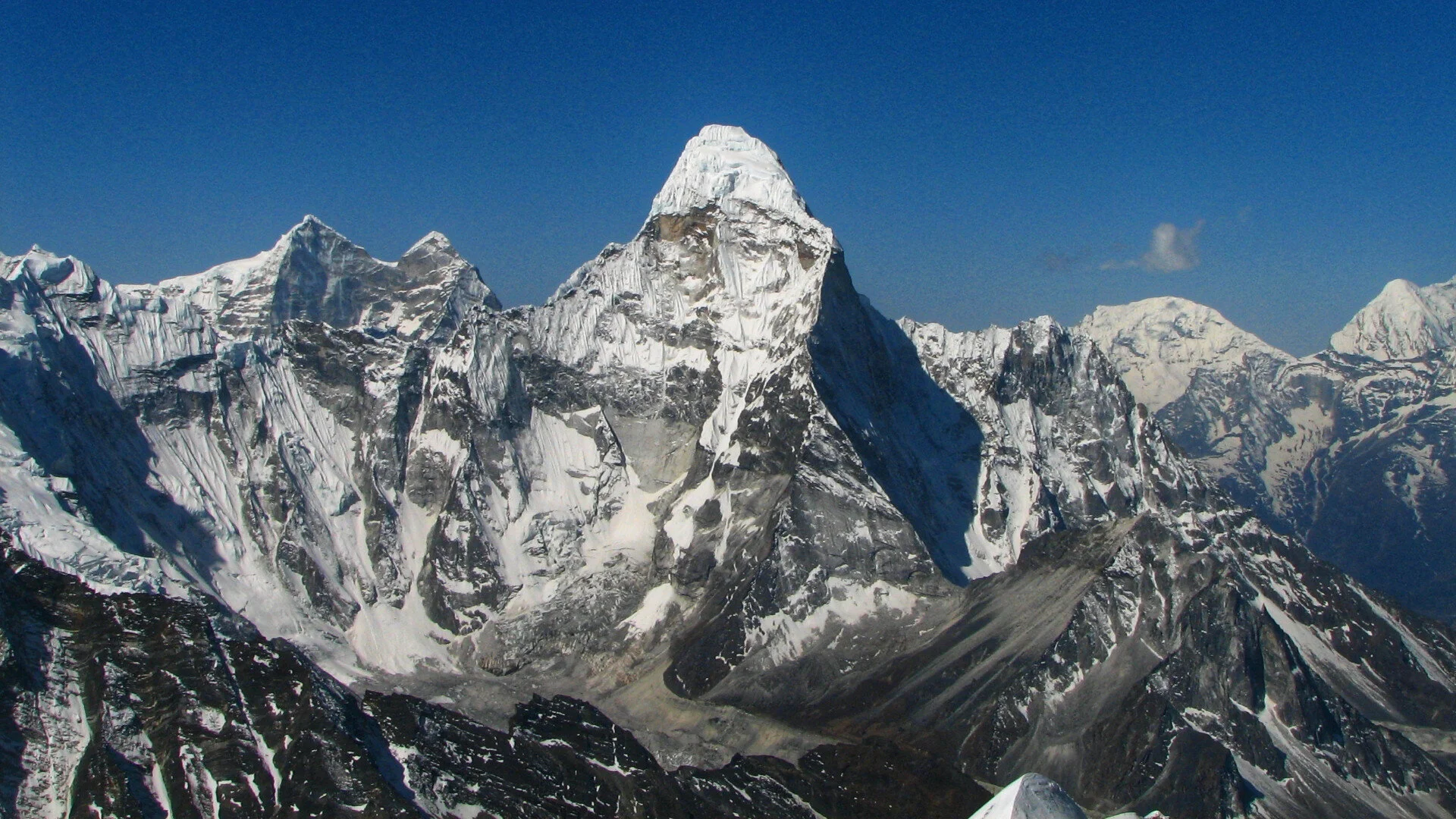
Exploring Island Peak
Island Peak, standing at 6189m as the extension of both the Lhotse and Mount Everest, also known as the Imja Tse, is one of the most popular, exciting, and stunning destinations to trek in Nepal.
Standing at 6189m as the extension of both the Lhotse and the Everest, Island Peak is one of the most popular, exciting, and stunning destinations to trek in Nepal. Also known as the Imja Tse, the peak, however, is a difficult one to the summit.
The mountain requires substantial physical fitness, and has a low tolerance towards health issues, making the ascent quite challenging, yet a lot more rewarding; especially in Mid-March through May, and Mid-September through November. This trek can be completed within a duration of 10 to 20 days, keeping safety considerations and the itinerary in mind.
Itinerary
DAY 1: KTM – LUKLA – PHAKDING
The easiest way to reach the Himalayan Region from the capital is via air. We will take an early flight to Lukla and from Tribhuvan International Airport, and then trek to Phakding via the picturesque Dudh Koshi Valley.
Accommodation: Lodge in Phakding
DAY 2: PHAKDING – NAMCHE
After breakfast, we will pass through beautiful pine, fir, and juniper forest to reach the entrance of the Sagarmatha National Park, crossing five long suspension bridges over the Dudh Koshi River along the way. If the weather is clear, we can even get a glimpse of Mt. Everest.
Accommodation: Lodge/ hotel in Namche Bazar.
DAY 3: NAMCHE
The rest of the trek requires acclimatization. So the day shall be spent adapting to the region of Namche and regaining strength for what is to come. Various activities such as going up to the Tengboche to get a panoramic sunset with the Himalayas, trinket shopping, and sampling local cuisine are possible activities for the day.
DAY 4: NAMCHE – MONLA – PHORTSE
With efforts to adapt more to the altitude, we shall be taking a detour and visiting some more places in the Everest region. We will trek through Monla and reach the beautiful village on Phortse, just above the tree line.
DAY 5: PHORTSE – PANGBOCHE – DINGBOCHE
We will walk to Dingboche from Phortse via the Pangboche, savouring the view of the remarkable glaciers along the way.
DAY 6: DINGBOCHE – CHHUKUNG
On the way to Chhukung from Dingboche, we will get a view of Ama Dablam, the ridge of Nuptse-Lhotse, Tawache, and Chalotse. We can even get a sight of the Island peak on the way, near Bibre Village.
DAY 7: CHHUKUNG
We will acclimatize ourselves to get used to the high altitude by climbing Chhunkung Ri, from whose summit we can see a fantastic view of Ama Dablam and Amphu Lapsa.
DAY 8: CHHUKUNG – ISLAND PEAK BASE CAMP
We will trek up to the last settlement valley of Chhukung and reach the base camp to the southern side of the peak.
DAY 9: ISLAND PEAK BASE CAMP (TRAINING)
We will learn about the various procedures, technicalities, and safety parameters required to climb the Island Peak.
DAY 10: ASCEND TO PEAK – ISLAND PEAK BASE CAMP
We will start our ascent to the peak right after midnight. After we reach the summit, we will be taking pictures and descend back to the base camp to celebrate our success.
DAY 11: ISLAND PEAK BASE CAMP – PANGBOCHE
We will descend back to Pangboche from the base camp, which is more moderate since we are going to a lower altitude. Pangboche is a beautiful village surrounded by Everest, Ama Dablam, Thamserku, and Imja Tse River.
DAY 12: PANGBOCHE – NAMCHE
We will walk from Pangboche to Namche via Tengboche a region in seasonally enveloped with rhododendrons and juniper trees. If we are lucky enough, we might catch a glimpse of mountain goats, snow leopards, and colourful pheasants as well. Overnight at Namche in a hotel/lodge.
DAY 13: NAMCHE – LUKLA
Taking the same path as that of day 1 and 2, we will go to Lukla from Namche along the Dudh–Koshi River.
Here is a short version of the same itinerary:
DAY 1: KTM – LUKLA – NAMCHE
DAY 2: NAMCHE
DAY 3: NAMCHE – TENGBOCHE
DAY 4: TENGBOCHE – DINGBOCHE
DAY 5: DINGBOCHE – ISLAND PEAK BASE CAMP
DAY 6: TRAINING AT BASE CAMP
DAY 7: ASCEND THE PEAK – CHHUKUNG
DAY 8: CHHUKUNG – NAMCHE
DAY 9: NAMCHE – LUKLA
DAY 10: LUKLA – KTM
SOME TIPS TO KNOW:
Keep a few days extra in your schedule in case there should be any unforeseen delays.
Have the proper acclimatization time as per your need.
Buy right gear and clothing.
Get training beforehand.
Hire licensed guide and porter.
Carry extra personal medication for unforeseen delays.
Practice deep breathing during rests.
Do not hesitate to let your guide know if you're feeling any discomfort.
POPULAR ITINERARIES
SIMILAR POSTS
Exploring The Hills
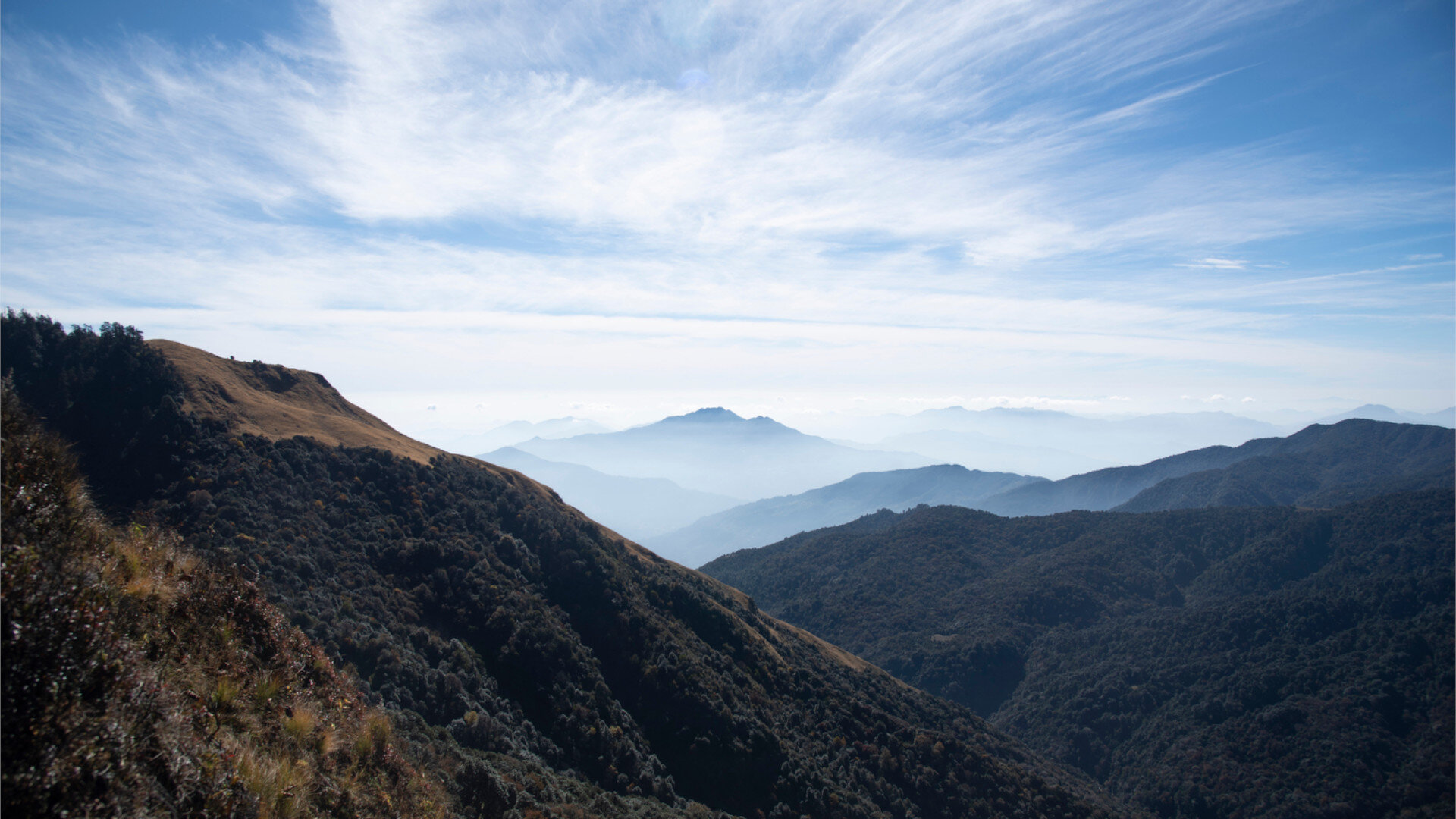
Nepal is known for its spectrum of diversities. From culture, ethnicities, geography, to food. Here lies a bit of paradise in every nook and corner you choose to explore. Mentioned below are four must-visit travel destinations in the hilly region of the country for you to add to your next travel season.
Ilam
Shivapuri national park
Daman Hill Station
Lamjung
Nepal is known for its spectrum of diversities. From culture, ethnicity, geography, to food. Here lies a bit of paradise in every nook and corner you choose to explore. Mentioned below are four must-visit travel destinations in the hilly region of the country for you to add to your next travel season!
Ilam
Along the green hills of the Mahabharata range of East-Nepal lies Ilam, the largest tea production region of Nepal. With the perfectly polished greenery spread all over, Ilam is a natural escape. The beautiful sloping view of the tea gardens all over the hills, surrounded by the peaceful mountain streams, dense forests, and religious sites make the entire experience here like something straight out of heaven. It is a diverse district when it comes to natural landscapes and prosperous when it comes to crop cultivation.
Some of the popular places to visit here are the viewing tower situated near the town and Mai Pokhari an hour away from the central city. You can start either by taking a brisk walk through the elegant tea garden or go for a short hike to the woods nearby. You can spend your day sightseeing through the culturally diverse lifestyle of the city as well. In terms of accommodation, lodges, tourist hotels, and a few resorts are eager to welcome travellers.
Shivapuri National Park
If you are looking for a break from the bustles of the city and want to explore more of nature, maybe take some risks along the way, Shivapuri national park is the place for you. Situated on the northern side of the capital Valley, Sundarijal is roughly 25km away from the capital, Kathmandu.
It is probably the most natural place for a morning hike with friends and family in the outskirts of Kathmandu valley. One can either drive or plan a one-day long hiking trip through the park. The glistening parade of thousands of leaves around you and the sight of small waterfalls leaves you at awe. Shivapuri national park gives you a feeling of being so far, yet so close to your daily lives.
Daman Hill Station
Another must-visit place along the capital hills of the country is Daman Hills. Situated in the southwest Tribhuvan Highway, 80km away from the Valley, Daman is one of the best places for a short getaway trip from the valley.
It offers you a panorama view of the hills with the Himalayas in the background, from Mt Dhaulagiri at the west to Mt Everest at the east. At the same time, you get the chance to reflect and connect with the beautiful local culture by visiting the villages around the corners. This hill station is also particularly famous for picnics, rock climbing, cycling, hiking, and other adventurous activities. Moreover, it includes one of the biggest and oldest botanical gardens in Nepal that attracts hundreds of visitors over the years, and the popular Shivan Temple, Risheshoe Temple is also situated here.
Daman is easily accessible via public and private mediums of transportation. It is also a popular cycling and hiking destination. Similarly, in terms of accommodation, the hill station offers community homestay, tourist hotels, and lodges. And the best time to visit is around the Spring or Autumn, where it is not too hot and not too cold for your convenient travel experience.
Lamjung
Every region has its own culture and art to offer, and there is always something for us to learn from them. Lamjung is a region nestled in the beautiful mid-hills of Nepal, which provides more than just a natural escape but also a cultural experience. It is truly a gift of all that nature has to offer as its geography spans seven climate zones: Upper Tropical, Subtropical, Temperate, Subalpine, Alpine, Nival, and Trans-Himalayan.
The district headquarter, Besishahar is a name that resonates with all adventurists who have treaded the Annapurna region and is the gateway to experiencing the majestic Himalayas, beautiful landscapes, and warm ethnic love. The ancient Lamjung Durbar, which is, as a matter of fact, one of the extensive historical monuments, is also situated here at Gaunsahar, Besishahar Municipality. On your trip to Lamjung, this particular historical shrine is a must-visit place since the beautiful multi caste settlement of Besishahar can be seen from up here, surrounded by the greenery of the hills covered by the wide Himalayan range.
The beauty of the region is reflected through the local Gurung people and their traditional norms, food culture, and interpretation of folk dance numbers around that give life to the villages and cities.
POPULAR ITINERARIES
SIMILAR POSTS
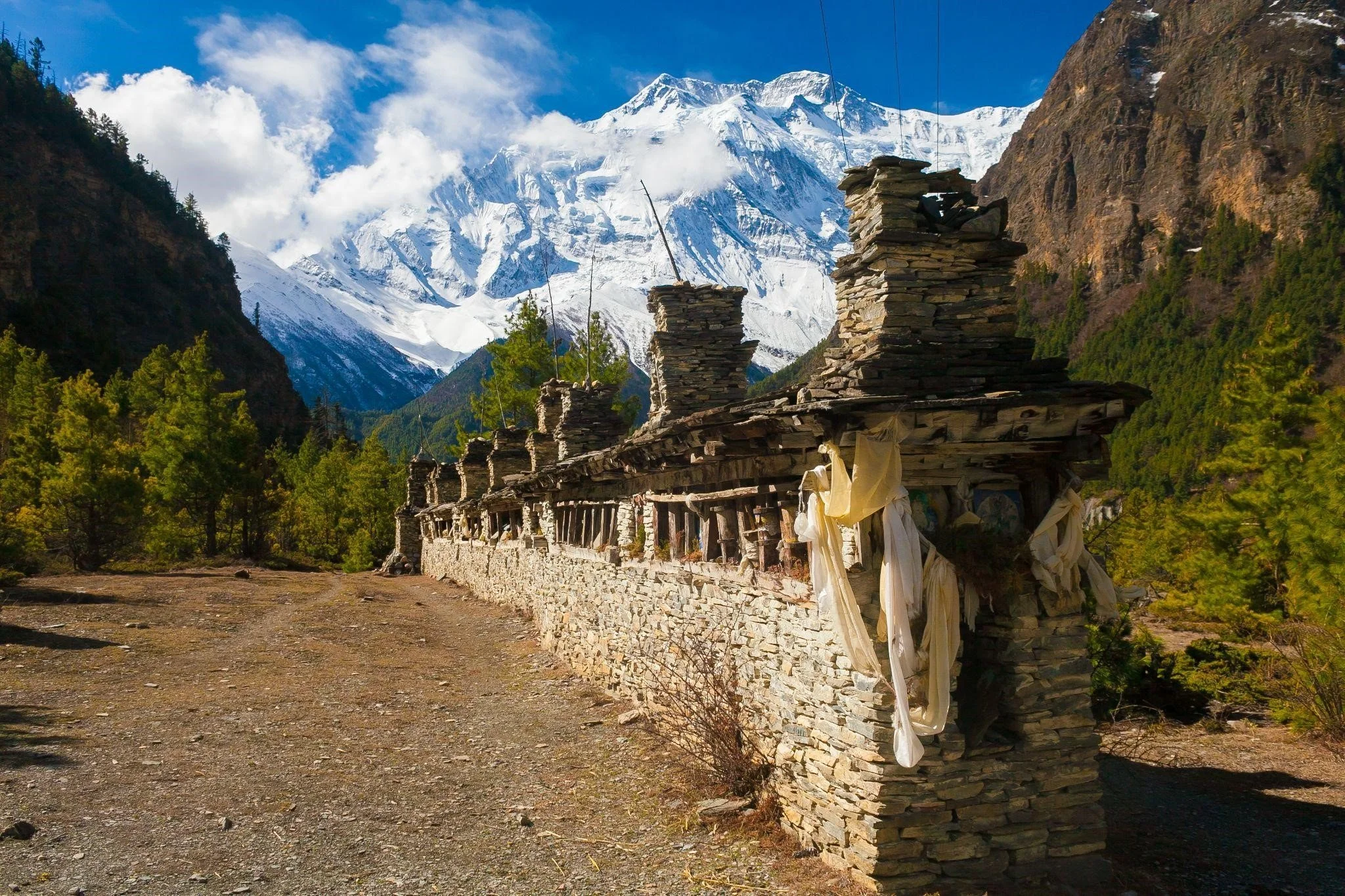
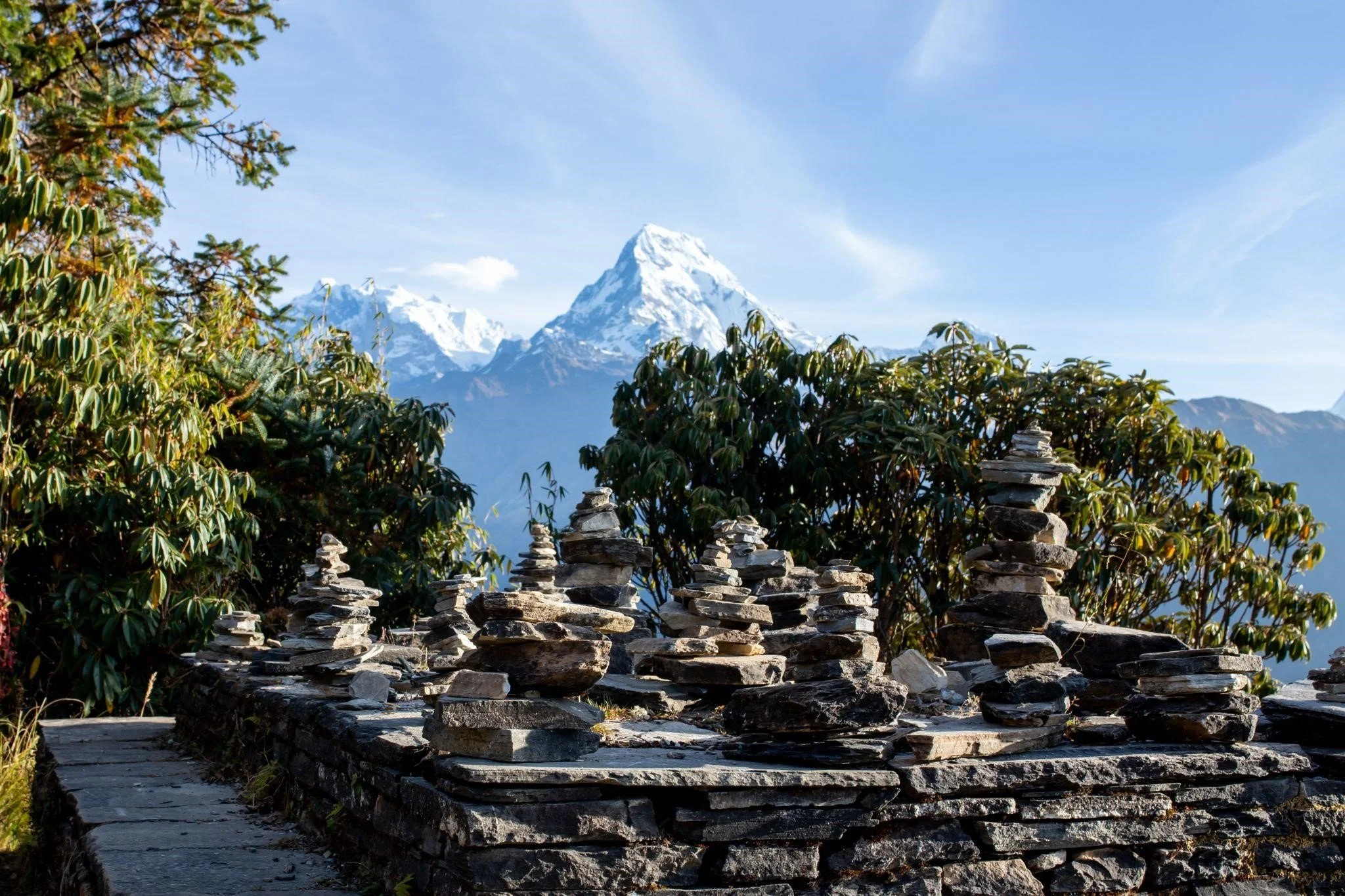
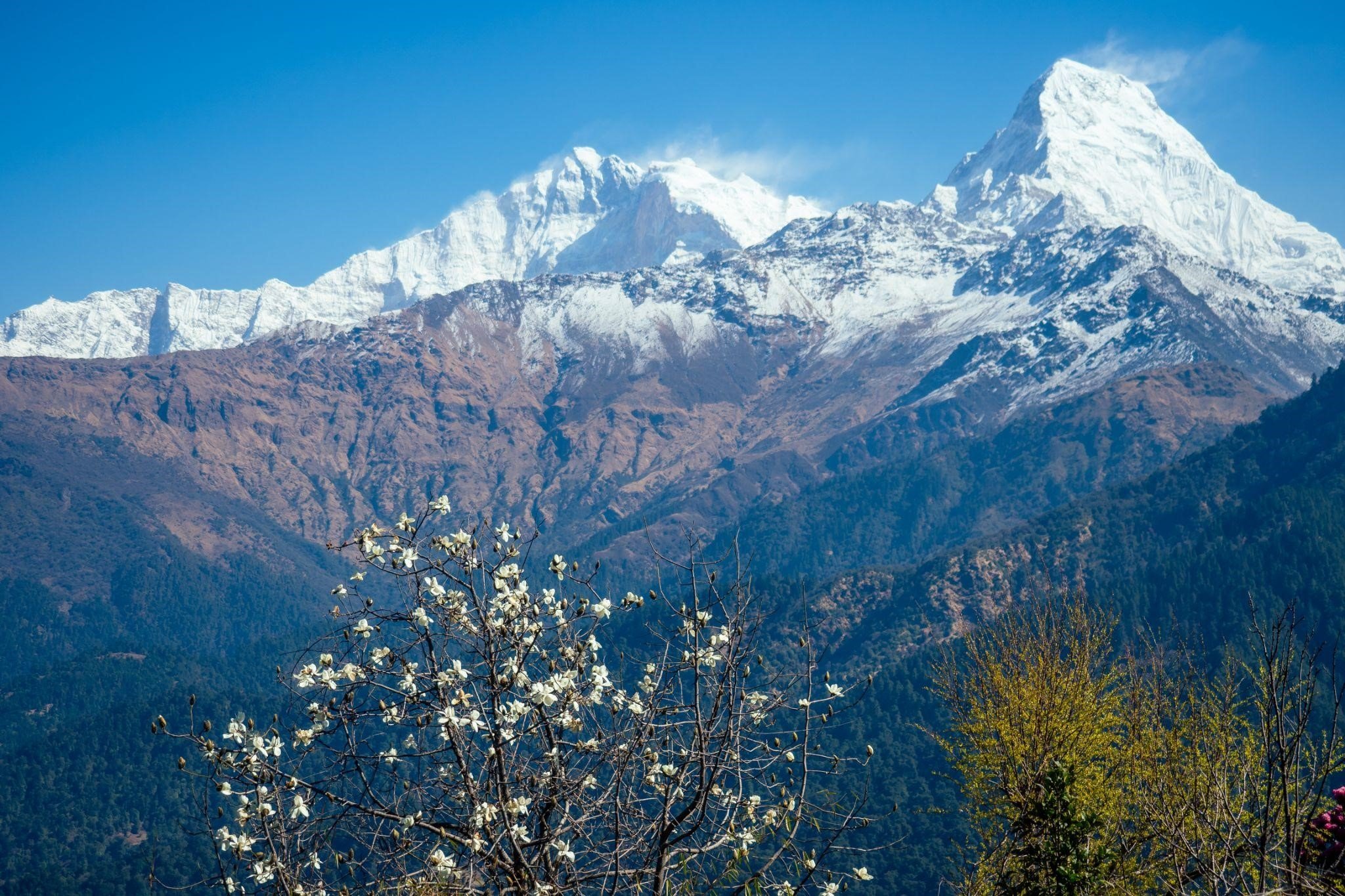
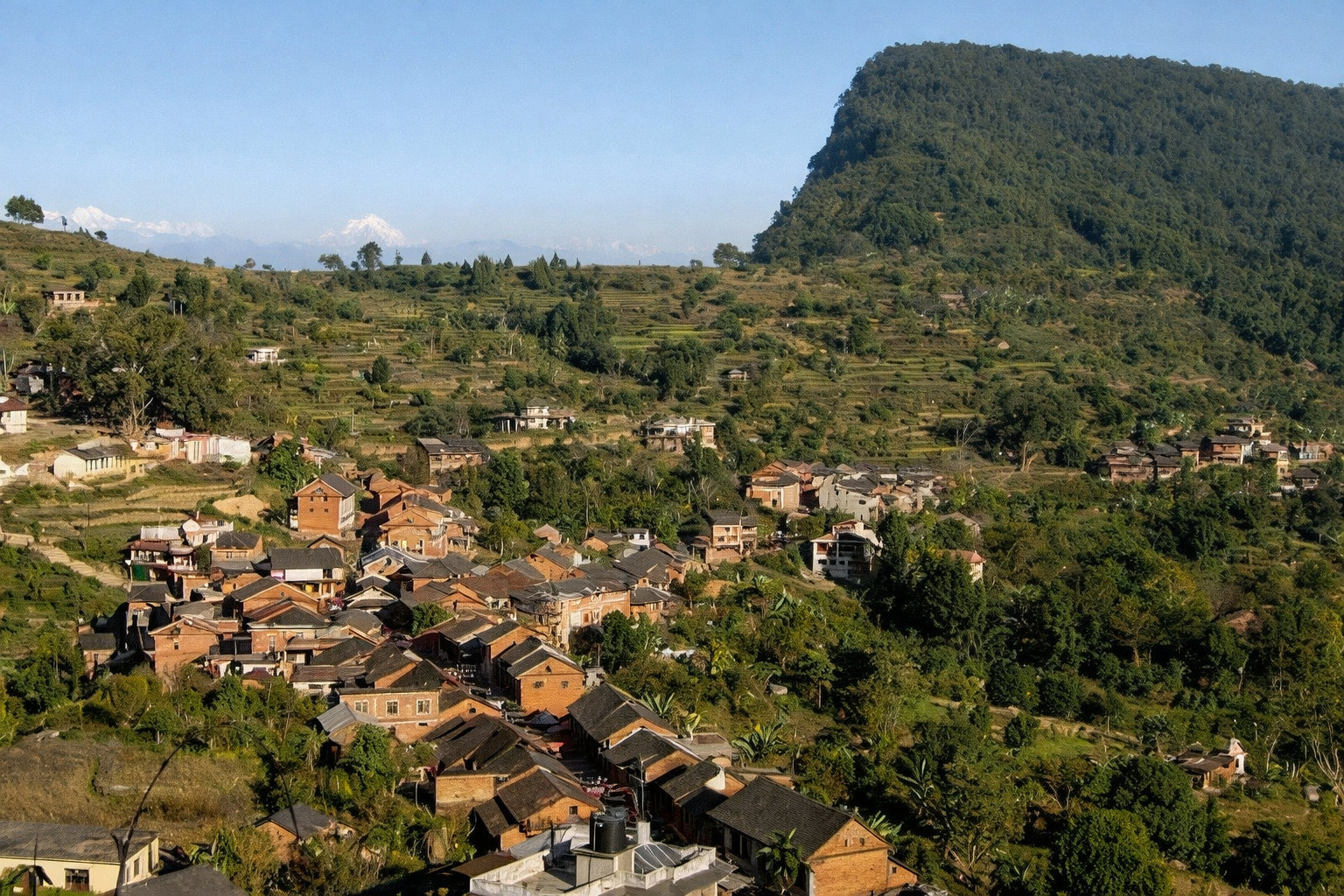
Light Trails To Get You Started - Part II
Novice trekkers and the ones who have difficulties scaling the avid landscapes of Nepal, there are various lightweight trails available that are great to enjoy outdoor pursuits while exploring the beauty of Nepal. Nepal has several trekking trails that are easy and suitable for novice trekkers.
Ghorepani Poon Hill Trek
Panchase Trek
Nepal is a greatest destinations to escape the urban world and indulge in natural merry and joy. Treading all of the avid landscapes can be difficult for novice travellers and trekkers. In this series, we explore various light walking trails which are great to begin one's journey of exploring Nepal.
Ghorepani Poon Hill Trek
Basic Itinerary Days: 4 Days
Route: KTM (Flight) -PKR - Nayapul (Jeep/Bus) - Tikledhunga (Trek)- Ulleri (Trek) - Ghorepani (Trek)- Poonhill (Hike) - Tadapani (Trek) - Ghandruk (Trek) - Nayapul (Trek)- PKR(Jeep/Bus) - KTM(Flight).
Trek Style: Tea House
Max Elevation: 3210 M
Attractions: Best Sunrise view from Poonhill, View of magnificent mountains such as Dhaulagiri (8167M), Manaslu (8163M), Annapurna I (8091 M) and other Himalayas, Experience Magar and Gurung culture.
Best Season: April - December
ACAP Trekking Permit:
SAARC USD 2
Foreigners USD 30
Tourist Service Centre
Nepal Tourism Board Office, Bhrikutimandap, Kathmandu
Nepal Tourism Board Office, Damside, Pokhara
The trail of Ghorepani in the past few years has become a popular short leg of the greater Annapurna Circuit Trail. Filled with beautiful encounters with the Himalayas, waterfalls, terrace hills, and welcoming Gurung and Magar communities. The Ghorepani trail has garnered its popularity due to its quick accessibility, and proper management.. An itinerary that can be completed between 4 to 5 days, the trail offers a greater taste of the Annapurna Region compared to the Royal and Panchase Trail. Although crowded, this trail delivers in its promise to be a gateway for its trekkers to experience Nepal, and also fuel desires to explore Nepal more.
The trail begins in Nayapul and makes its way through the villages of Tikhedunga, Ulleri Ghorepani, Tadapani and Ghandruk.
The viewpoint of Poonhill (3210M) is a popular destinations to view sunrise/sunset over the Himalayas. Depending upon the season, it offers a tantalizing view of the Himalayan range, with dense rhododendron forests filled a variety of bird species. Making to the viewpoint to witness the sunrise can be a difficult ordeal if one doesn’t plan accordingly. As the hike to the view tower is an average 30-45 minutes, making that trip early in the morning can be quite a challenge. It is recommended that you call the night early, and wake up 1.5 hours ahead of the hike. Drink warm water, and give your body enough time to fully rise awaken and make sure to do some stretches. This assures that your body isn’t caught off guard, with a steep climb. Also, make sure that your headlamp or flashlight is fully charged as it can be fairly dark.
Trekkers can opt to begin this trail by headed towards either Tikhedunga or Ghandruk. Nayapul to Ghandruk features a direct uphill if one wishes to trek from Nayapul itself, and at Tadapani as well. Whereas in comparison, Nayapul to Tikehedunga features moderate highs and lows, except for the large steps at Ulleri which can be a challenge.
Panchase Trek
Basic Itinerary Days: 3 Days
Route: KTM - PKR ( Flight/ Bus) - Cross Fewa Lake (Boat) - Bhumdi ( Trek) - Panchase Hill ( Trek) - Australian Camp ( Trek) - Phedi (Trek) - PKR(Drive)
Permit: Basic Permit (T.I.M.S)
Cost: USD 25
Trek Style: Tea House
Max Elevation: 3210 M
Attractions: Panoramic Himalayan View, Cultural Experience
Best Season: September - November
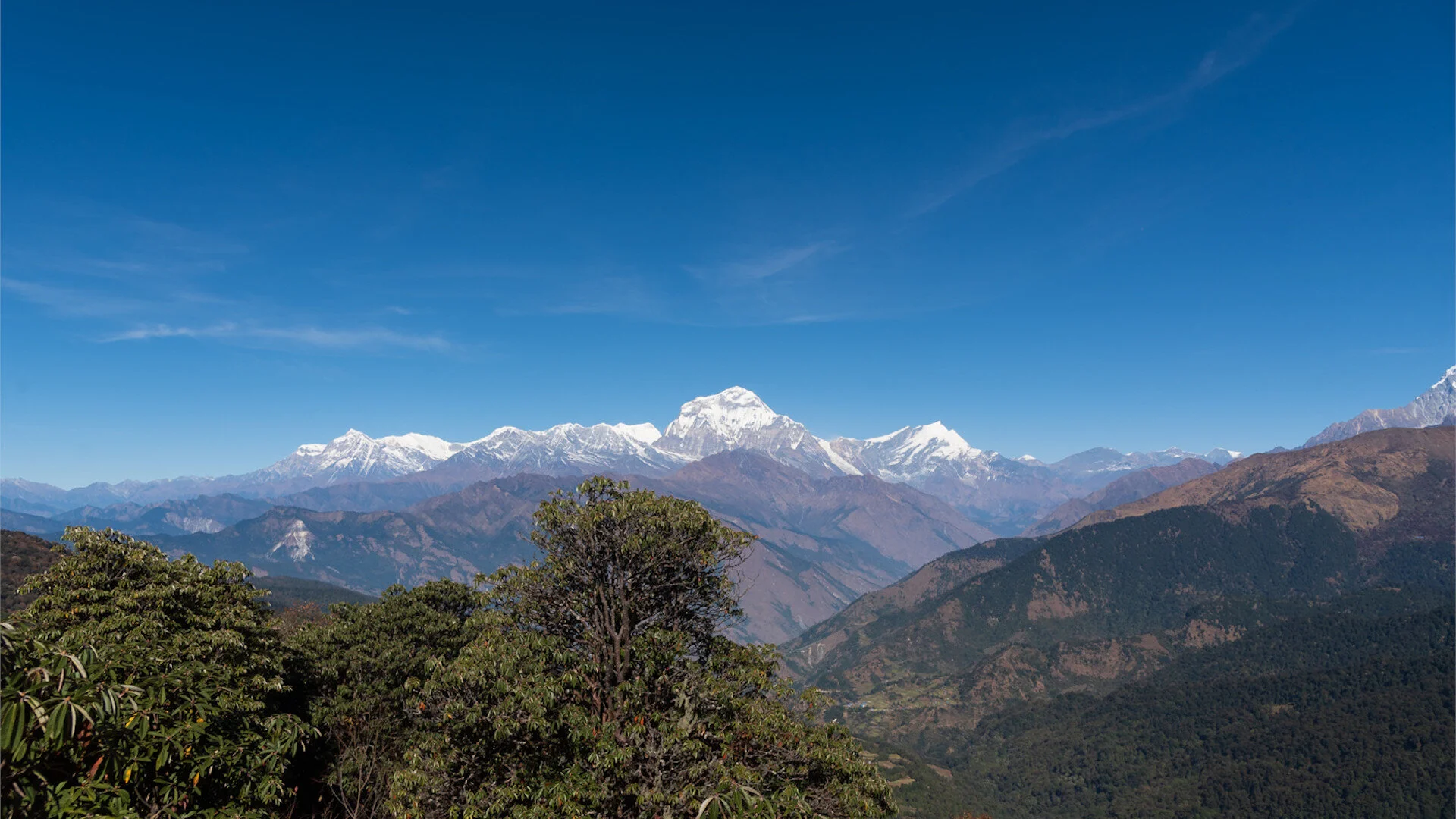
Alike Royal Trek, the Panchase trail is another great opportunity to get a glimpse of the Annapurna Region, experience its culture and diversity in a short itinerary. Panchase is a set of five tall hills west of Pokhara with landmarks of both Hindu and Buddhist significance. The area is the intersection of three districts Kaski, Parbat and Syangja and offers an impressive view of Mount Dhaulagiri, Annapurna, Machapuchre, Lamjung Himal, Manaslu and others. The area offers a view tower which is perfect to witness the sunrise and sunset.
Away from the trails of ACAP (Annapurna Conservation Area), this is a secluded off the beat trail with low to moderate crowds which can be enjoyed all year round. Recommended during the months of September- December, the post-monsoon setting offers clear skies and great panoramic views of the Himalayas. One must note if the monsoon is late, the skies can be looming with clouds even till late October. This trail can also be accomplished during the winters. With little chances of snowfall, this region fares well in terms of sudden temperature drops. Warm clothes, thermal inners and gloves are recommended for the winter trek.
POPULAR ITINERARIES
SIMILAR POSTS
Light Trails to Get You Started - Part I
Novice trekkers and the ones who have difficulties scaling the avid landscapes of Nepal, there are various lightweight trails available that are great to enjoy outdoor pursuits while exploring the beauty of Nepal. Nepal has several trekking trails that are easy and suitable for novice trekkers.
Lower Mustang Trek
Royal Trek
Nepal is a greatest destination to escape the urban world and indulge in natural merry and joy. Treading the avid landscapes can be difficult for novice travelers and trekkers. In this series, we explore various light walking trails which are great to begin one's journey of exploring Nepal.
Required for Trek
Trekkers Information Management System (TIMS) Card
SAARC
USD 3 (Per Individual in group trekkers)
USD 6 ( Free Individual Trekkers)
Foreigners
USD 10 (Per Individual in group trekkers)
USD 20 ( Free Individual Trekkers)
Obtain TIMS card from:
Tourist Service Centre
Nepal Tourism Board Office
Bhrikutimandap, Kathmandu
Lower Mustang Trek
Basic Itinerary Days: 9 Days
Route: KTM- PKR- Jomsom ( Flight) - Kagbeni (Trek) - Jharkot (Trek) - Muktinath (Trek) - Lupra (Trek) - Jomsom - PKR (Flight)
Trek Style: Tea House
Max Elevation: 3795m
Attractions: Red Gompa, Apple Orchids, Muktinath Temple, Panoramic Peaks View, Thak Kola, Bonpo Monastery, Sayka Gompa
Best Season: May - November
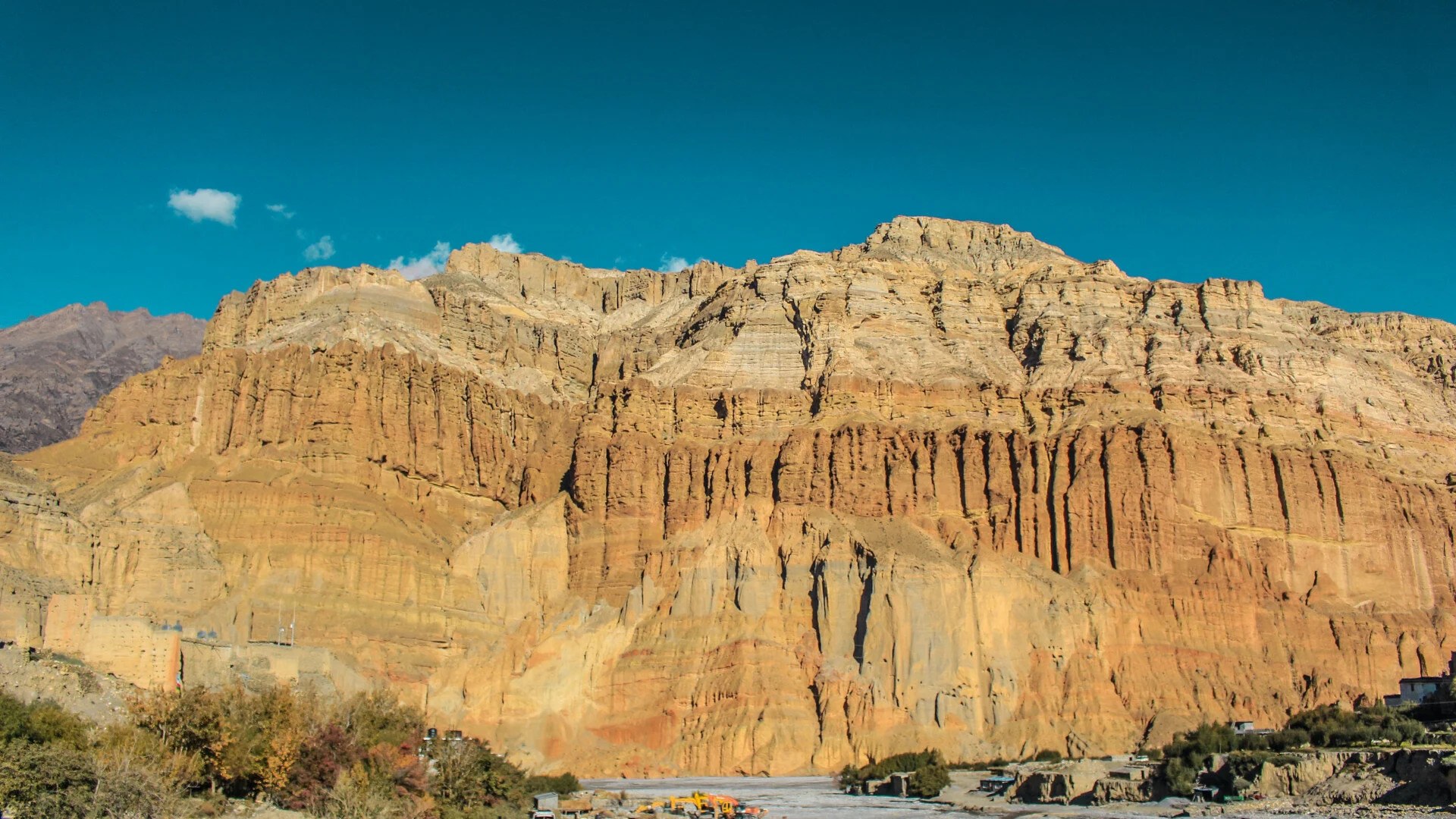
The barren landscape of Lower Mustang at times can feel like an otherworldly experience. With its rustic atmosphere, barren hills and tantalizing view of the Himalayas, it also offers the travellers an opportunity to experience the traditional lifestyle of the Thakali people who have called this region home for thousands of years. A far and easy trail which departs from Jomsom, with moderate altitude climbs and features a fair trial for all to enjoy.
This region offers a glimpse of the well-preserved architecture, history and traditions of Tibetan culture. It is also home to one of the most ancient religions of Bon which still finds a place in the settlements of Lupra and its neighbouring villages. Muktinath which is one of the holiest pilgrimage sites for believers of both Hinduism and Buddhism falls on this trail.
Mustang was a semi-autonomous kingdom ruled by the Bista family up till 2008 AD and was also known as the forbidden kingdom. The most popular destination of this region is Upper Mustang also known as the Kingdom of Lo, which doesn’t fall in this trail as it is a rigorous trek. Falling in the Trans-Himalaya region the landscape is greatly arid, which creates a rustic, outback experience. Being in the Trans-Himalaya region this trail is accessible even during the Monsoon season (June to August) as this region receives little to no rainfall. Except for the peak winter seasons, this trail can be hit in during Spring (March-May) and fall (September to November).
Royal Trek
Basic Itinerary Days: 5 Days
Route: KTM- PKR (Flight/Bus)- Bijayapur (Drive)- Kalikasthan (Trek)- Syaklung(Trek) - Chisapani(Trek)- Sundare Danda ( Trek) - Pokhara (Drive)
Permit: Basic Permit (T.I.M.S)
Cost: USD $25
Trek Style: Tea House
Max Elevation: 1730M
Attractions: Lakes such as Rupa, Begnas and Fewa, Rhododendron Forests, Panoramic Peaks View with mountains such as Dhaulagiri, Manaslu, Machhapuchhre, Annapurna and it’s sisters.
Best Season: September - December and March to May
The trail gets its name after Prince Charles and his entourage explored Annapurna region through this path in the early eighties. One of the most popular short trails in Annapurna Conservation Area, the basic itinerary of 5 days is great for adventurers who don’t have much time but still wish to explore the region. Located in the North-Western side of Pokhara, the trails of Royal Trek allows you to experience the majestic mountains of Machapuchre, Manaslu, Annapurna, Lamjung Himal and Dhaulagiri and others. It also provides you with an opportunity to witness the life of the ethnic communities of Gurungs and Magars.
The trek passes through beautiful Gurung hamlets, where one can indulge in the traditional lifestyle, culture, and traditions of the Gurung people which they have preserved and maintained even till this day.
This specific trail is far less crowded than the trails of Ghorepani and Ghandruk but is a true hidden gem in terms of experiencing the culture, tradition and majesty of the Annapurna region in such a short duration of time.
This trail can be accomplished in the seasons of Autumn, Spring and even during the winter. The winters are colder of course but allow the trekkers to walk in a crowd-free environment and enjoy the winter side of the trail. The basic itinerary can also be shortened to 4 days if one requests his/her travel agency.
POPULAR ITINERARIES
SIMILAR POSTS
Preparing For A Trek
The majestic landscape of Nepal requires one to be prepared with not just the right set of gear but also with a mindset and physique which shall allow them to have a fruitful and magical experience.
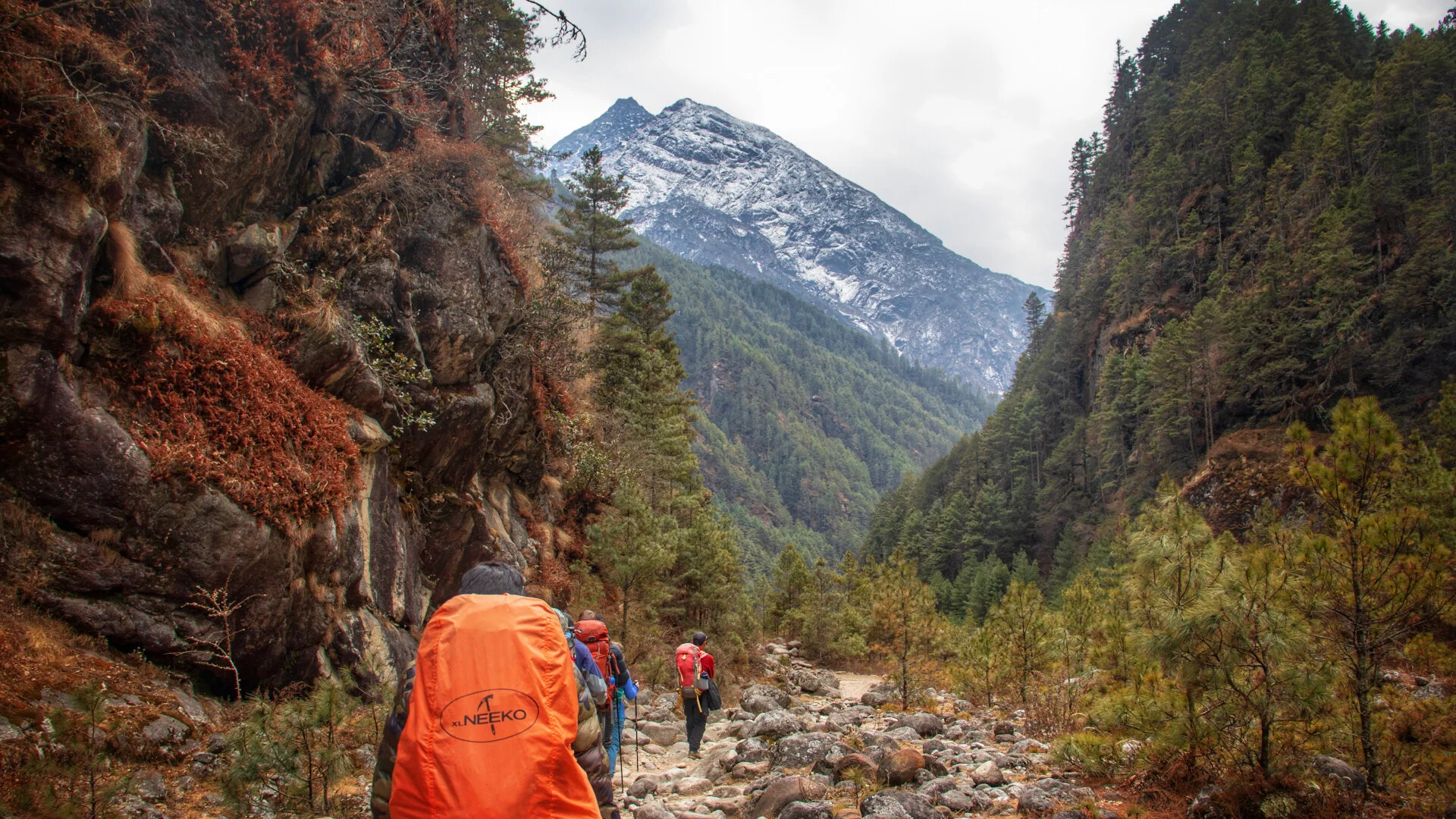
A land riddled with high mountain passes, steep and rugged trails, which for an adventurer sounds like paradise. The majestic landscape of Nepal requires one to be prepared with not just the right set of gear but also with a mindset and physique which shall allow them to have a fruitful and magical experience.
1. Walk, hike and then trek
Making way through the rugged paths is not going to be an easy task. The best way to prepare oneself is by accepting that it's going to be a long walk. Thus, it is recommended to begin practising with brisk walks in similar terrain, morning runs, weekend hikes to increase one's physical capability.
If your someone who hits the gym and is confident that his/her normal workout routines are enough to conquer the landscape. I’m afraid that’s not the case. Adding a brisk morning run doesn’t just increase your endurance and stamina. Activities such as yoga and meditation are also recommended to help better one's breathing.
Step training also comes in handy as the trails are riddled with well you guessed it, steps. Uneven, never-ending at times, but certainly a great adventure one can look back and take as an accomplishment.
2. Research your destination
Apart from the basic research of cost, gear and accounts of previous trekkers. It is also recommended to research various elements such as culture, tradition, cuisine, festivals and even basic language skills to enhance one's experience and make their trek more fruitful.
I’ve heard many accounts of how travellers seem to miss cultural experiences because their agent didn’t include it in the package, or they were a few days early. Knowing the area and what it has to offer allows one to have an all-rounded experience.
3. Get comfortable using your backpack
Many seem to find it difficult carrying a backpack which is cause they never trained for it. Even if you are going to hire a porter you will have to carry it onto that point. Adding a backpack to ones training can help you get accustomed to walking, with the weight. It is recommended you carry only the necessary in your backpack, and have everything else be in a duffel bag which can be carried by your porter.
4. Don’t forget the basics and don’t overpack
When it comes to treading trails, less is more! It is when one stare at the incline one realizes, they shouldn’t have packed so much supply. To start things off, research your trip and what it demands and pack accordingly. Is it teahouse, homestay, camping or mixed? If it's not basic then choose to rent from travel gear companies which can be found in tourist centres. This doesn't just reduce cost but also makes it hassle-free.
Normally one can divide their gear into two categories: basic and specialized. Specialized pieces of equipment are required according to the trips genre, apart from which some of the basics are mentioned below:
A good pair of trekking shoes
Fleece Jackets/ Down Jackets
Raincoat and Rain Cover
Reusable Water Bottle
A good trekking pack (35-40 Litres, look for adjustable straps, waist straps, good padding and comfort)
First Aid Kit along with personal medication ( Recommended putting together at the destination due to flight restrictions)
Headlamp, Compass, Whistle and Region Map
Good Hiking Socks Trekkers Advice: Always stash an extra pair.)
Toiletries, Small Wash Towel, Sunscreen
A reuseable bag ( To place one's waste during the trail to have it disposed at the days stop. You don’t want to be the litterer of the pack.)
Spare batteries and chargers
5. Diet matters
One's diet is a very crucial factor in making the best out of one's trip. It is recommended to have a full breakfast, rather than looking forward to lunch. Check with your local nutritionist for the best pre-trek meal plan and maintaining a good diet during the trip.
Make sure to avoid the consumption of tobacco and alcoholic goods before the trip. As it greatly reduces ones immunity and stamina which are crucial for a good trek. Make sure to research meal plans, the local cuisine and to let the agency or your hosts know if you have any dietary restrictions or allergies.
POPULAR ITINERARIES
SIMILAR POSTS
Best Sunrise Views in Nepal – Part II
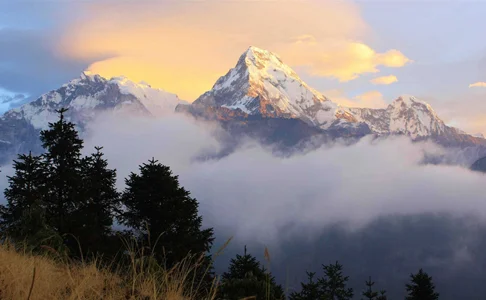
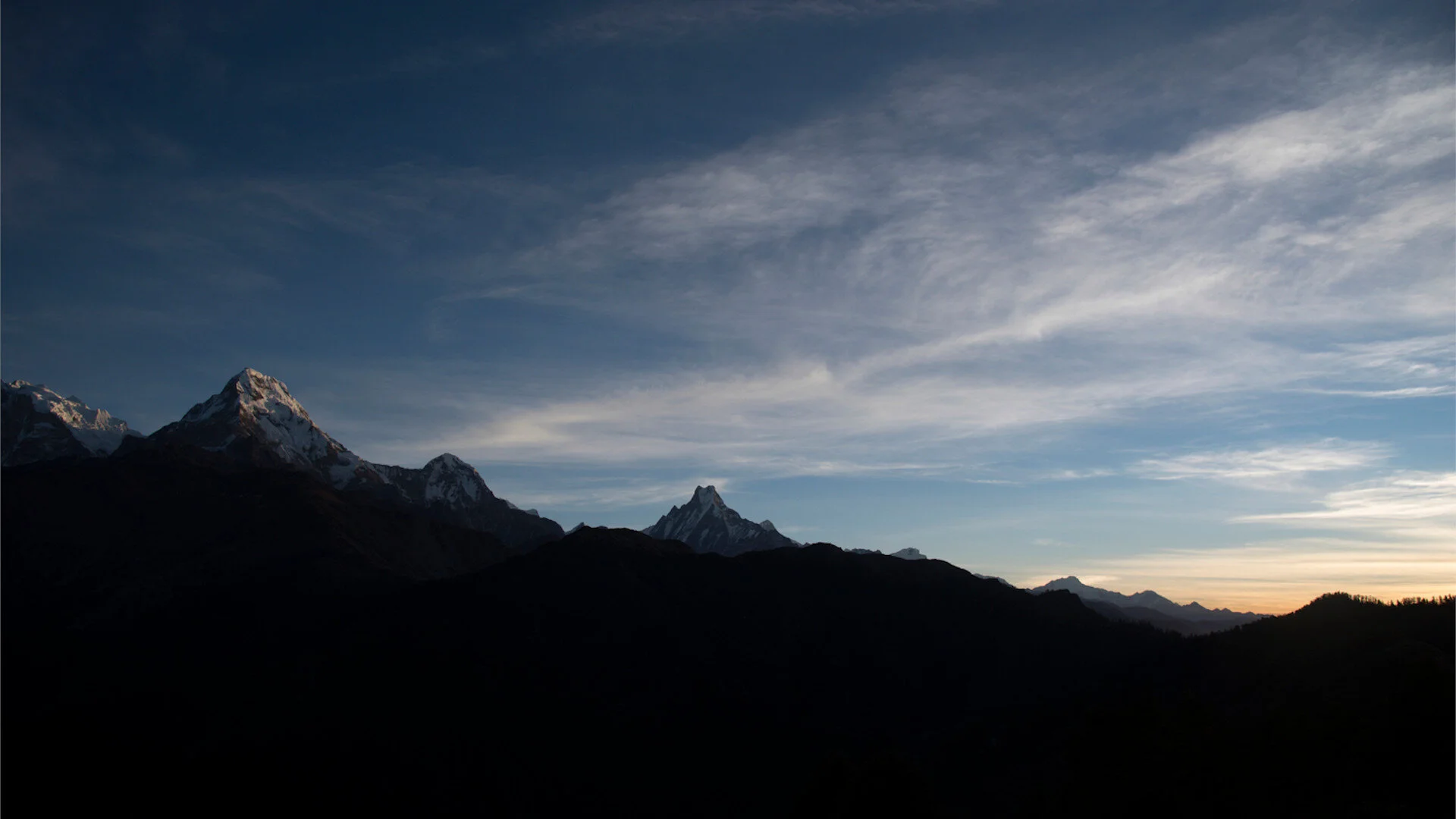
Sunrise View in Nepal is one of the popular and most rewarding tour activities in Nepal. Not only popular for the breathtaking views of the sunrise and sunset over the giant mountain peaks, it is also one of the best way to view the heavenly panoramic Himalayas of Nepal.
Nothing beats a warm cup of tea as you wait for the sun to bring light to the world. A country blessed with serene mountains and topography, Nepal truly at times resonates with the thoughts of Shangri-La. Amidst the numerous destinations to visit and experience in Nepal, the sites mentioned below share in common a vantage to experience the beauty of a sunrise and sunset.
Thus, if you plan on visiting these destinations shortly, make sure to have your itinerary include this magical experience.
4. Poon Hill
5. Kala Patthar
Required for Trek
Trekkers Information Management System (TIMS) Card
SAARC
NRS. 300/USD 3 (Per Individual in group trekkers)
NRS. 600/USD 6 ( Free Individual Trekkers)
Foreigners
NRS. 1000/ USD 10 (Per Individual in group trekkers)
NRS. 2000/ USD 20 ( Free Individual Trekkers)
Obtain TIMs card from:
Tourist Service Centre
Nepal Tourism Board Office, Bhrikutimandap, Kathmandu
Poon Hill
Attraction: Poon Hill View Tower, Cultural Experience, Tea House Trekking
Altitude: 3210 m
Accessibility:
Closest Airport: Pokhara Airport (PKR)
Distance From Kathmandu: 177 KM
Distance from Ghorepani: 13.4 KM
ACAP Trekking Permit:
SAARC
NRS. 200/ USD 2
Foreigners
NRS. 3000/ USD 30
Tourist Service Centre
Nepal Tourism Board Office, Bhrikutimandap, Kathmandu
Nepal Tourism Board Office, Damside, Pokhara
A jewel of the Annapurna Circuit Trek the summit of Poon Hill at the altitude of 3210 m is a climb one has to make before the crack of dawn if one wishes to witness the magnificent sunrise. One can plan an itinerary to Poon Hill from a 4-day trek to 7 or complete the entire Annapurna Circuit Trek.
A 4-day itinerary features a trek that begins from Nayapul to Ulleri, Ghorepani, Poon Hill and treks to Ghandruk Village. This route can be taken from the opposite direction, where one can begin their trek from Ghandruk. Many choose to make this trek from the direction of Ghandruk, as it features fewer uphill steps. The infamous steps of Ulleri fall on the downward direction if this trek is made from Ghandruk.
The peaks of Dhaulagiri, Annapurna I, Annapurna South, Machapuchare, Annapurna II, Annapurna III, Gangapurna, Tukuche Peak, Dhampus Peak, Hiunchuli, Gurja Himal, Nilgiri Himal are visible from the viewpoint of Poon Hill. The most recommended season to make this trip is post-monsoon beginning September to May.
Kala Patthar
Attraction: Kala Patthar Sunrise and Sunset View, Everest Base Camp Trek, Gokyo Ri Complex, Gorakshep, Namche Bazar
Altitude: 5545 m
Accessibility:
Closest Airport: Lukla Airport (LUA)
Distance From Kathmandu: 150 KM
Distance from Namche Bazar: 22.1 KM
Sagarmatha National Park/ Everest Base Camp Permit Cost
SAARC
NRS. 1500/ USD 15
Foreigners
NRS. 3000/ USD 30
Obtain a permit from:
Tourist Service Centre
Nepal Tourism Board Office, Bhrikutimandap, Kathmandu
The entry point of Sagarmatha National Park
Monzo, Solukhumbhu
Khumbu Pasang Lhamu Rural Municipality Entrance Permit
(Charge levied not only to trekkers but also to the tourists who tour the region via helicopter) NRS. 2000/ USD 20
Obtain a permit from:
The entry point of Sagarmatha National Park, Monzo, Solukhumbhu
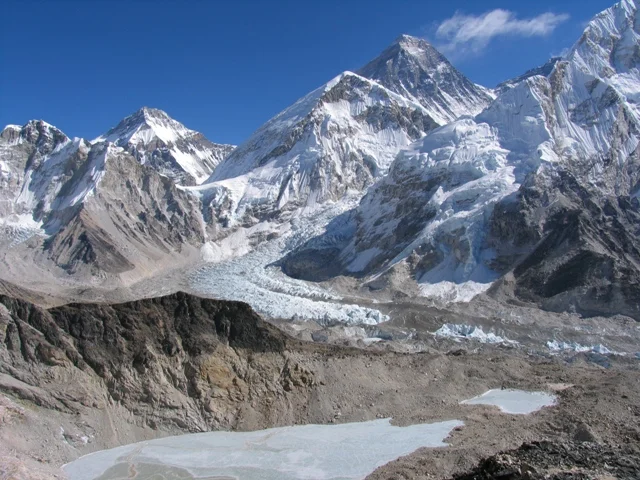
The viewpoint of Kala Patthar translates to ‘Black Rock’, is generally viewed as a short hike from Gorka Shep during ones trek to Everest Base Camp. The base of Kala Patthar stands at 5,644 m above sea level and is maximum altitude one can reach during one's trek to EBC. Kala Patthar is famous for two things; the spectacular view of Everest and the brave the infamous sunrise and sunset. To achieve viewing the sunrise and sunset from Kala Patthar, one must have a few days to spare at Gorak Shep. The viewpoint of Kala Patthar is a 2-3 hour hike from Gorak Shep and one can manage to view the sunrise and sunset if s/he plans his/her hours accordingly.
A few tips for those who wish to make the sunrise trip to Kala Patthar
1. Recommended during the months of September- November.
2. Keep an eye on the temperature. Make sure to look out for sudden temperature drops before deciding to make this trip and be prepared with extra layers just in case.
3. Make sure your devices are charged to the max. The cold drains the batteries of your devices fast, thus make sure to either carry spare batteries for your DSLR.
4. Have a good nights sleep and a hearty meal.
5. Sunrise in the region generally is between 5:00- 6:00 AM. If one is to make it on time, they must leave between 3-3:30 AM as the trek averages out 2-3 hours.
6. Don’t get up and go! Many trekkers make the mistake to sleep a bit late, look at the clock and make a run for it. This is normally never recommended, as your body hasn’t gotten the time to normalize and completely wake up. Thus, no matter how late you are; its recommended to some time, normalize breathing, stretch and drink a little amount of water before heading out.
7. Wear fresh and dry pair of socks.
8. Carry a freshly boiled bottle of water.
9. Only carry the essentials and make sure to not forget energy bars.
POPULAR ITINERARIES
SIMILAR POSTS
A Tranquil Escape: Trekking In Nepal
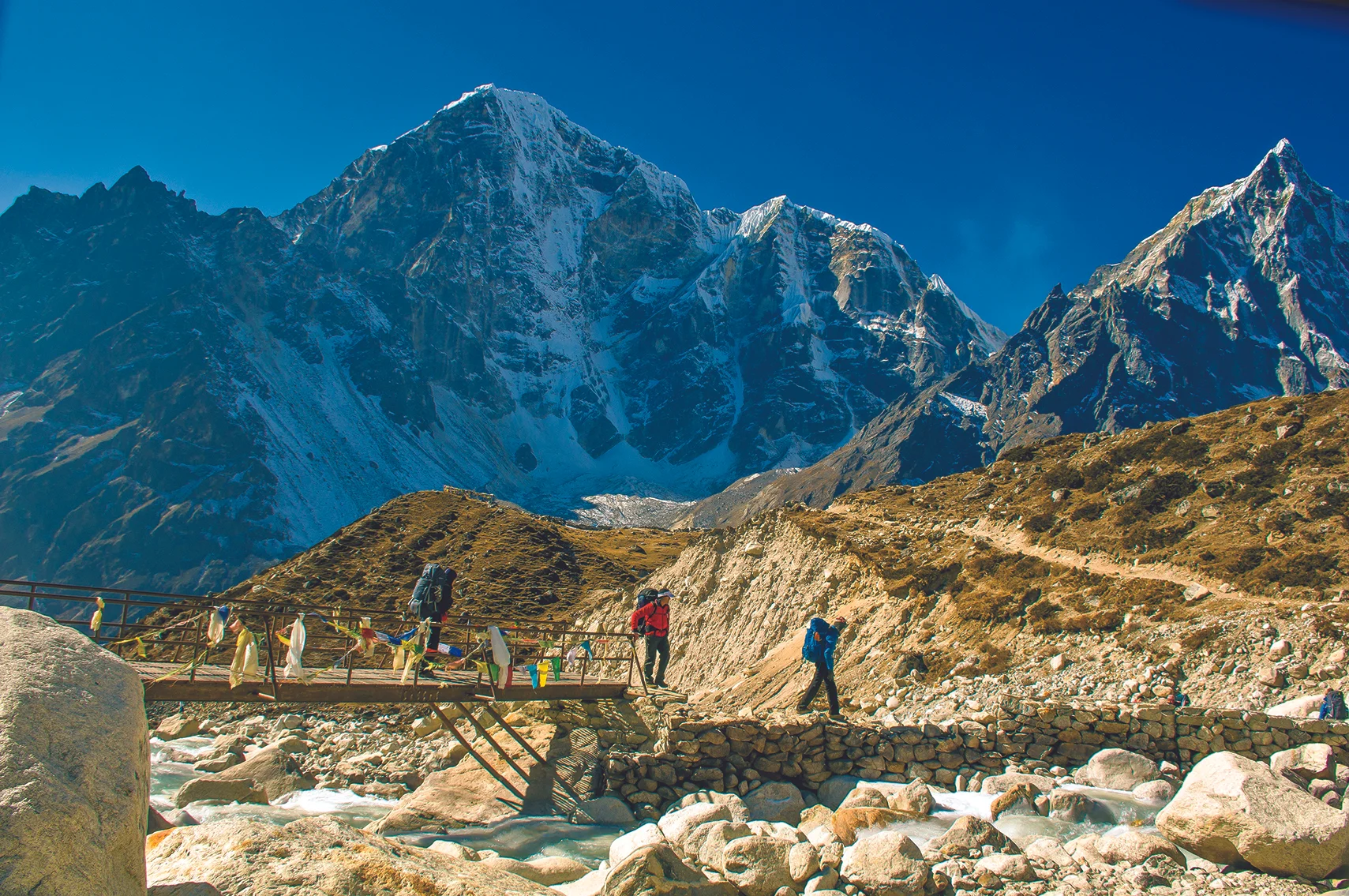
If you are planning to trek in Nepal but don't know where and when is the best to plan a trek in Nepal or wondering to visit Nepal to make an enjoyable and memorable trip with your loved ones. There are numerous popular trek destinations and various activities in Nepal for solo to a group of families and friends from all over the world.
There are numerous trekking routes to venture upon this high land and it is known as the 'Great Himalaya Trails.' It is an immense trail system that covers areas of Nepal from Humla and Darchula which lies in the west to Kanchenjunga in the east.
Trekking in Nepal is found to be completely different than that of mid 1960s. Only a few trekkers visited Nepal as a part of expedition group. But now, situation has completely changed and with the facility of accommodation with food and lodging facilities, trekkers from all around the world are encouraged to visit our country.
The three major trekking areas and the easily accessible ones are Langtang, Everest and the Annapurna regions. Amongst three, Annapurna and Langtang have an advantage as they can be reached through road connections. The Great Himalaya Trails has substantial amount of information on other hiking regions which can be easily accessible on domestic flights. Kanchenjunga, Dolpo, Makalu and Far West are some grounds covered by flights. However, this is just the starting of the journey and it takes several days of trekking to reach higher mountain areas from the local centers of population and administration.
Domestic flights usually occur early morning and two domestic flights are required to reach the starting destination of the trek. The popular trek areas in Everest, Manaslu, Annapurna and Kanchenjunga are able to provide lodge with better accommodation. Similarly, the west of Annapurna is the less visited trekking route and they may not have proper lodging facility; but they most definitely have camping style trek support.
Mustang trek has become of the most popular and common trekking destination among the visitors and travelers. It is famous for international as well as national tourists. Mustang Trekking is a superb trekking route in the Western Nepal as it takes tourists to the hinterlands of the western region of Nepal. Previously, Mustang Trekking was restricted for expedition and the land was alienated from the travelers. But now, it is be swarming with visitors and has become a major tourist hub.
Along with this, Manaslu Circuit Trek is another famous trekking route. It has successfully attracted the intended tourists and adventure seekers. Many come here for the purpose of hiking and trekking. They get full experience of the serene beauty of high lands. Nepal has captured the imagination of the entire world with its unsurpassed beauty.
The southern areas of Nepal are usually preferred to trek as they receive higher level of precipitation. We can find climate variations as some routes along the Great Himalaya Trails lie in the rain shadow. These dry lands on the north fall on the leeward side of mountains. The places that fall under it are Mustang to the north of Annapurna with Manaslu and Dolpo to the north of Dhaulagiri.
Post monsoon season can be a great time for trekking as the weather tends to be clearer. Winter can be good but the trekkers have a disadvantage as this season has shorter days. Spring season can also be affected by the seasonal rain and snow storms. Summer season does not last long and it is quickly followed by the monsoon season. Thus, no season is perfect for trekking purpose and the trekkers have to make though decision about which kind of season is most desirable for them.
- Here are few of the refreshment activities that you can try on the Himalayas:
- Yoga and meditation – As dramatic as it sounds to climb to the top for meditation; yoga is a stress reliever and you can relax peacefully in a calm environment.
- Indulge yourself with nature – Flora and fauna found in abundance in the mountains and you can carry your camera and explore this rich land. Who knows, you may even stumble upon a Yeti! You can immerse yourself in the lakes, rivers and lowest gorges.
- Mountain biking - You may want to test your physical limit by taking a mountain bike up to the high lands. As the trail is diverse, you can bike on a clean bumpy road to bumpy rough trails. You will enjoy delightful greenery and elevated mountains in the backdrop.
- Everest Skydive?! – As crazy as it sounds, you can have the best spine chilling adventure with the combination of the highest peak of the world and mind blowing sport of skydiving. You can get view of the Everest region with stupendous mountain views and the Sherpa settlement below makes this experience a lifetime achievement.
- Take mountain flights – You can choose to fly close to the Himalayas to get an unbelievable scenic view of this tremendous chain of snow covered mountains.
- Shopping! – Who does not like doing good old shopping? Astounding handicrafts items of excellent craftsmanship are found in the Himalayas. You can get souvenirs for you and your loved ones. Items like thangkas, pashmina, carpets, jewelry, prayer wheels, stone carvings etc. has great cultural significance.
- Faith healing – You can explore the mysticism of the animalistic of Himalayan culture. The process involves honoring the earth and respecting the spirit which is believed to reside in all of us.
- Mingle with the locals – Nepalese are considered to be the friendliest of the lot and you can always socialize with them. You can feel their optimism, simple yet powerful spirit and get a taste of their genuine warmth. A simple gesture of 'Namaste' can lead to great friendships with unforgettable memories.
The trekkers can be enthusiastic about the idea of solo trek with their own schedule and convenience. But do you want to risk the unknown and get stranded in a situation with a major storm, temperature of at possibly 5,000 m and zero visibility? Thus if you want to avoid the risk, it is advisable to you travel with a group of trekkers for support and guidance.
This trek is specially designed to reach the Everest Base Camp including Kala Pattar which is the best view point to view the sunrise over the high Himalayas including the Mt. Everest. This trek requires 13 days.
USD 1515 PER PERSON -- TWIN ROOM SHARING BASIS