
A guide to the highest peaks in Nepal
Aasma Aryal
Nepal is a land of the exalted Himalayas and a home of the greatest mountain chain in the world. More than 250 peaks are found to be congregated in our beloved country and it is a unique cluster of giant and dazzling summits. There are approximately 800 km of the Himalayas in Nepal amongst which eight of the world's fourteen highest peaks fall under it. Nepal is considered to be the major highlight of mountain tourism(trekking in Nepal) as the spectacular mountain range overlooks the deep valleys with rambling pastures and the swarming Sherpa villages.
The western edge of the Himalayas prolongs up to the Indus River and the Nanga Parvat. It is considered to be the highest mountain in the western side of the Himalayas and is the 9th highest in the world. Whereas, the north-western section of the Himalayas are known as Karakoram and the Hindu Kush. In total both of these ranges cover more than 1300 kilometres.
The Himalayas have one of the largest ice accumulations in the world after the Polar Regions. The Himalayas have about 1500 glaciers and they hold up to 3000 cubic miles of fresh water and it is considered to be the source of one of the biggest tributaries in the world. Some of the major tributaries with starting points to reach the glacier deposits are: Jhelum, Ravi, Sutlej, Brahmaputra, Ganges, Yamuna, Beas, Yarlung Tsangpo, Ayerwadi, Indus, Salween, Mekong, Chenav, Ravi, Yangtze and Huang He.
The mountains of our country have proved to be major sources of many rivers along with the glaciers which play an important role in the country's economy. About 9% of our total land is covered by Himalayas and there are many climbable peaks in that region. However, some of the peaks are left unclimbed and it is held sacred by the local ethnic group.
The giants are sacred to the religions of Bon, Jain, Buddhism and Hinduism. From historical point of view, Nepal is known as the home of the Himvat which is considered to be the father of Ganga and Parvati. Similarly, Kailash in the Tibet is known as the home of the Buddhist messengers, Hindu gods along with the root of Jain and Bon religion.
Nepal has the highest Himalayan ranges of the world and it wraps and protects the Himalayan lifestyle and culture. Various expedition programs are arranged for adventurous trekkers who come to prove their might by stepping on the giant peaks of the world. Some trekkers might want to venture simple trekking routes whereas daring trekkers can venture virgin lands with the help of skillful guides.
Everest is the place for outdoor enthusiasts and thrill seekers. The giant of the giants lies in between the border between Nepal and Tibet and remains to be sacred for people of both places. It has proudly stood throughout history as the highest peak of the world.
Everest Base Camp trek is one of the popular multi-day trekking destination in Nepal
Kanchenjunga is the third largest mountain in the world and lies on the east of Great Himalayan Trails. The locals consider this summit as sacred. Kanchenjunga literally means "five treasures of snow" as it consists of five separate peaks.
Lhotse is the fourth tallest mountain of the world. Besides this main summit there are Lhotse Middle (8,414 m) and Lhotse Shar (8383 m). Lhotse is connected to Mount Everest via the South Col and the name signifies "South Peak" in Tibetan. As it is joined by a ridge to Everest, many climbers venture upon both the mountains.
Machhapuchhre (fishtail mountain) is the most iconic and well known mountain of the Himalayan horizon. Visitors can admire this giant from the city of lakes, Pokhara which is only 25 km away. This mountain is considered holy and apparently no one till record has climbed it to the summit.
Similar Posts
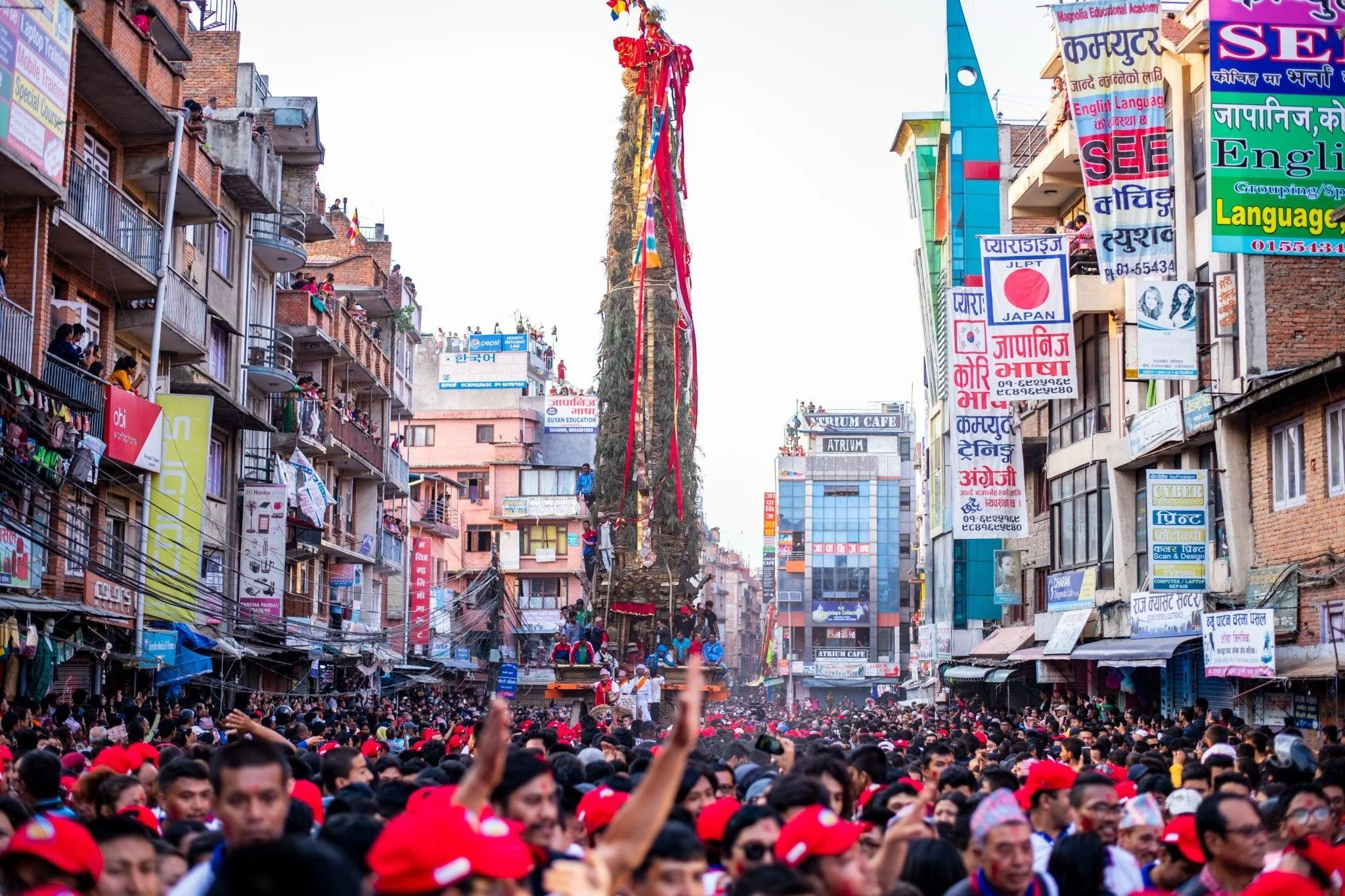
A journey through Rato Machindranath Jatra reveals how deeply tradition and community are connected in Kathmandu Valley.
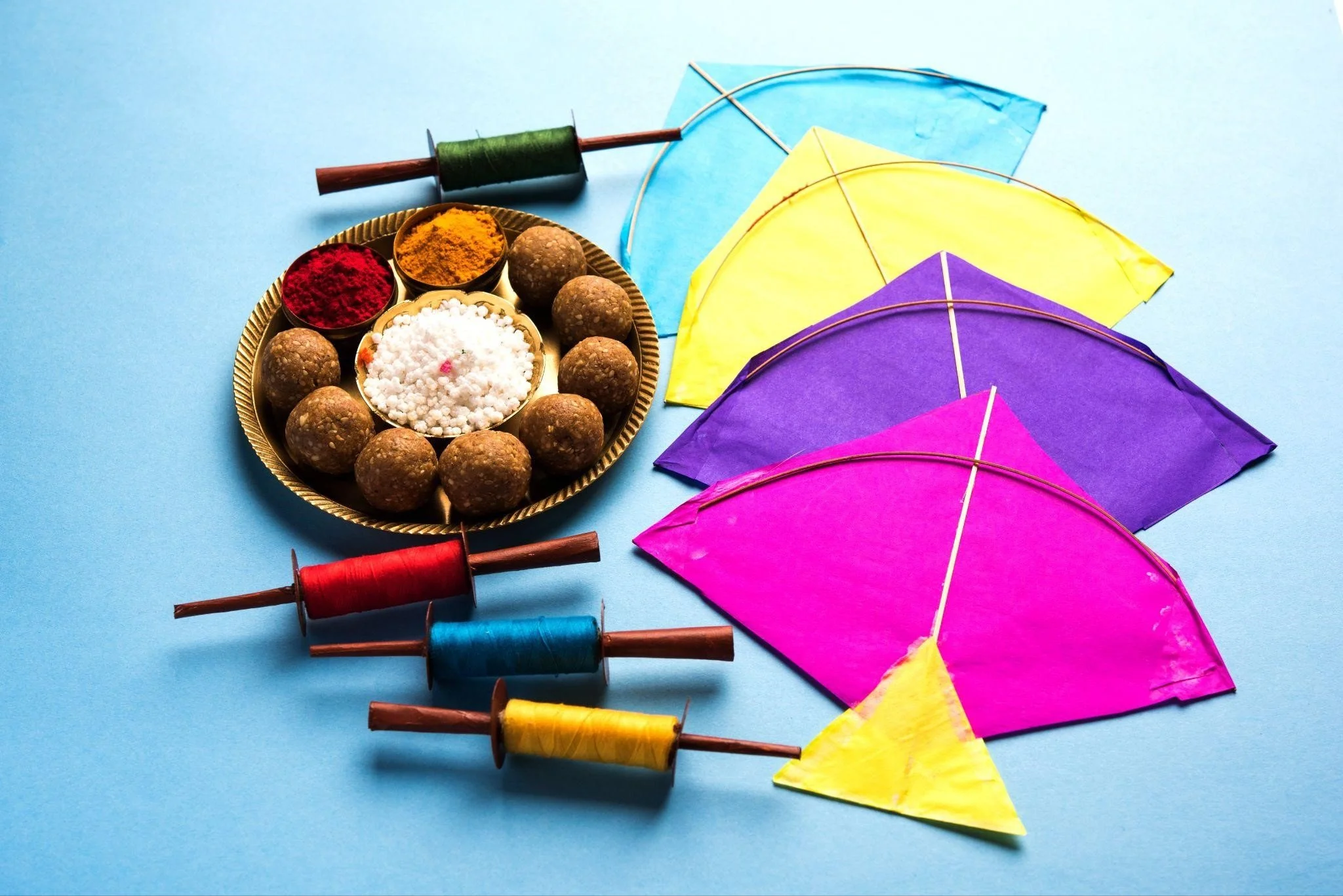
Maghe Sankranti in Nepal’s Terai: A celebration of Tharu culture through vibrant rituals, music, and most importantly delicious food! From the sweet Tilko Laddu to savory Bara, each dish carries centuries of tradition and meaning, bringing families and communities together. Don’t miss out on these festive delicacies that symbolize warmth, unity, and abundance.
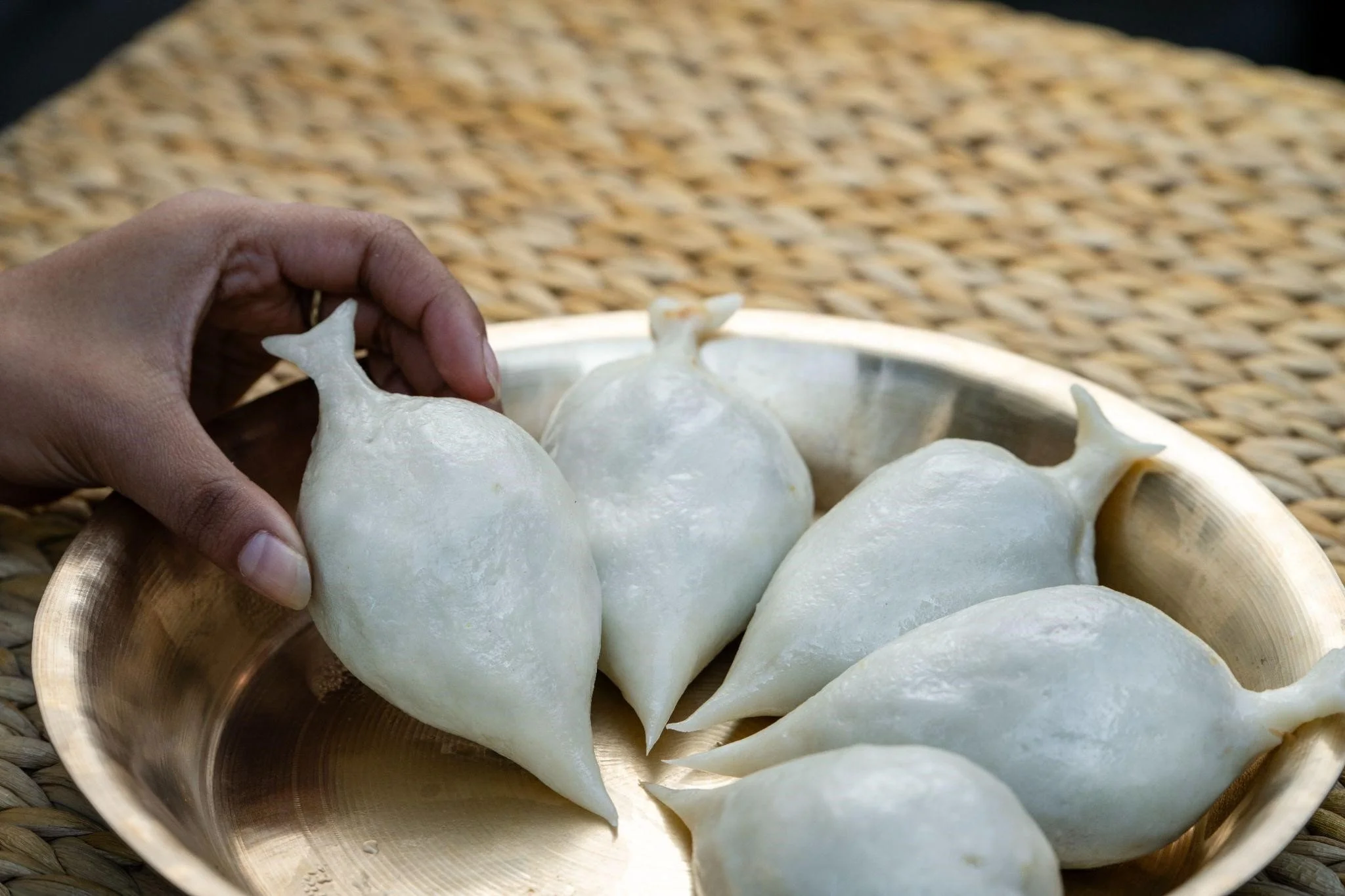
Indulge in the warmth and tradition of Yomari Punhi, where sweet, steamed yomari brings communities together to celebrate the harvest moon. A festival filled with myths, gratitude, and delicious delicacies, Yomari Punhi is not just about the food—it’s about the spirit of sharing, abundance, and honoring the goddess of nourishment.
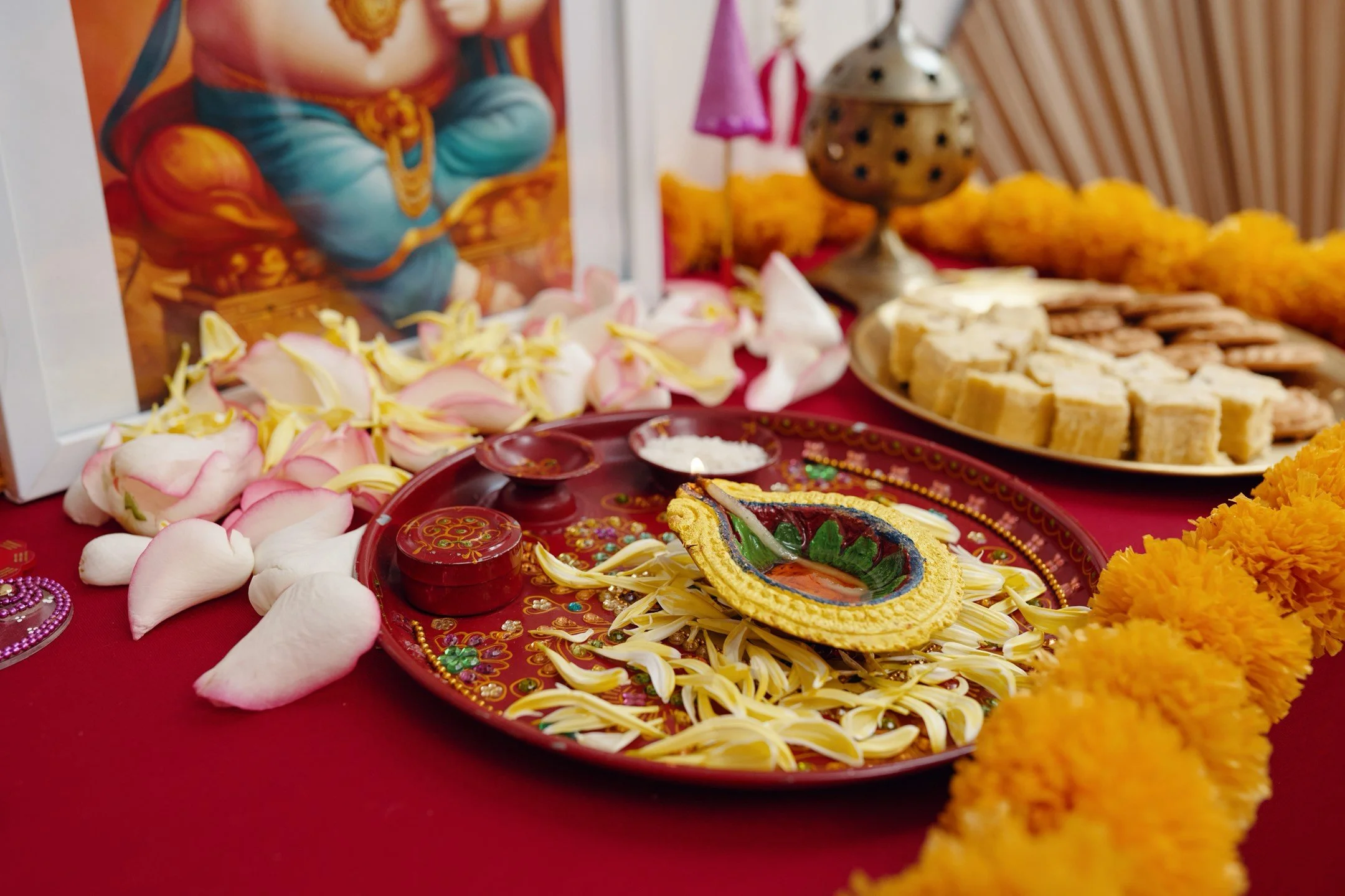
Embrace the warmth of family, tradition, and light during Tihar, Nepal’s festival of togetherness. From honoring animals to lighting diyas, it’s a celebration of love, prosperity, and the vibrant Nepali culture that brings communities closer.
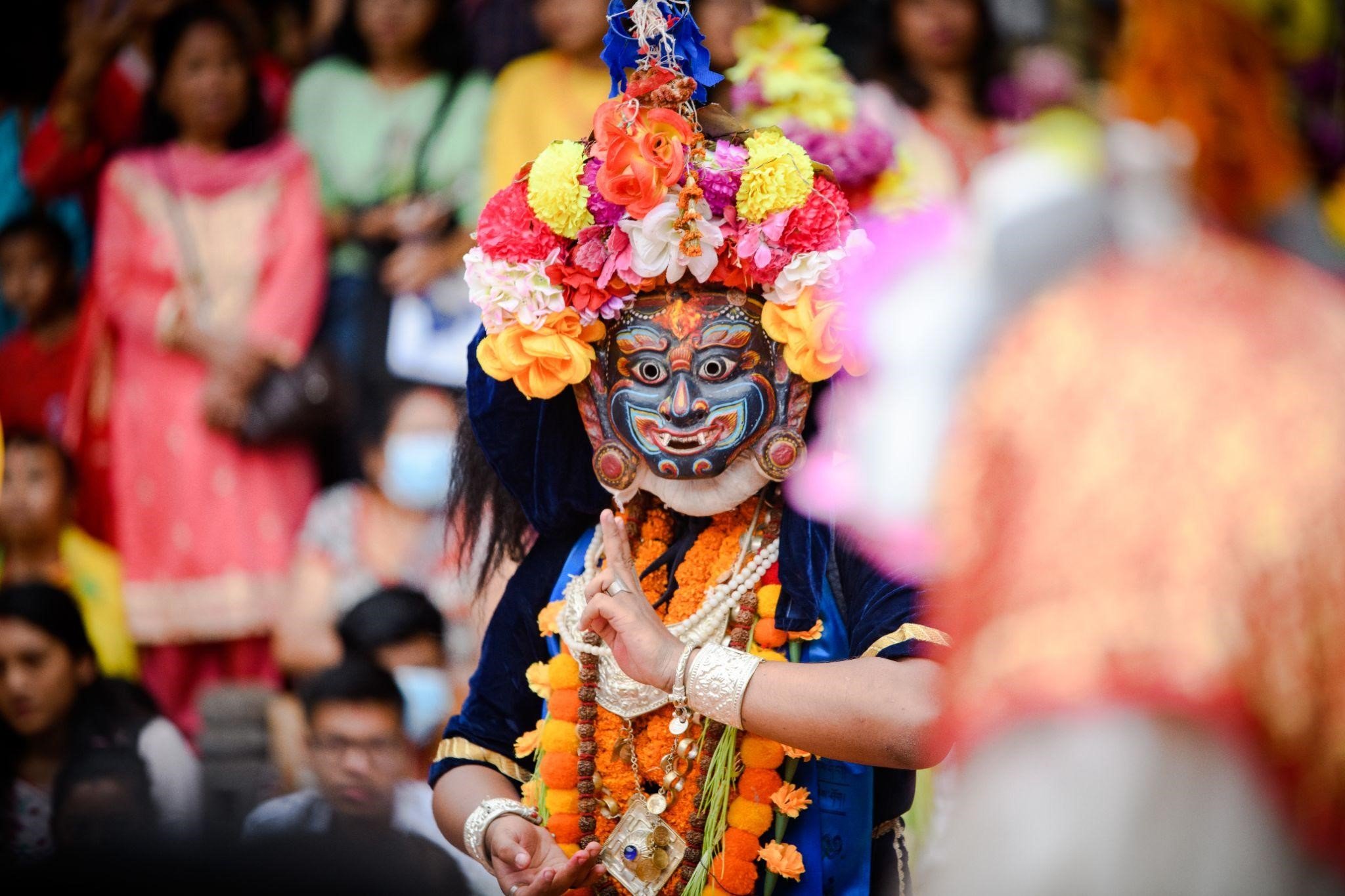
Dashain, the grandest festival of Nepal, is a time of celebration, devotion, and togetherness. Across the country, homes are adorned with flowers, kitchens fill with traditional delicacies, and families gather to honor age-old rituals. In the historic city of Patan, one tradition stands out as a vibrant symbol of devotion and cultural pride: Gaa Pyakha.
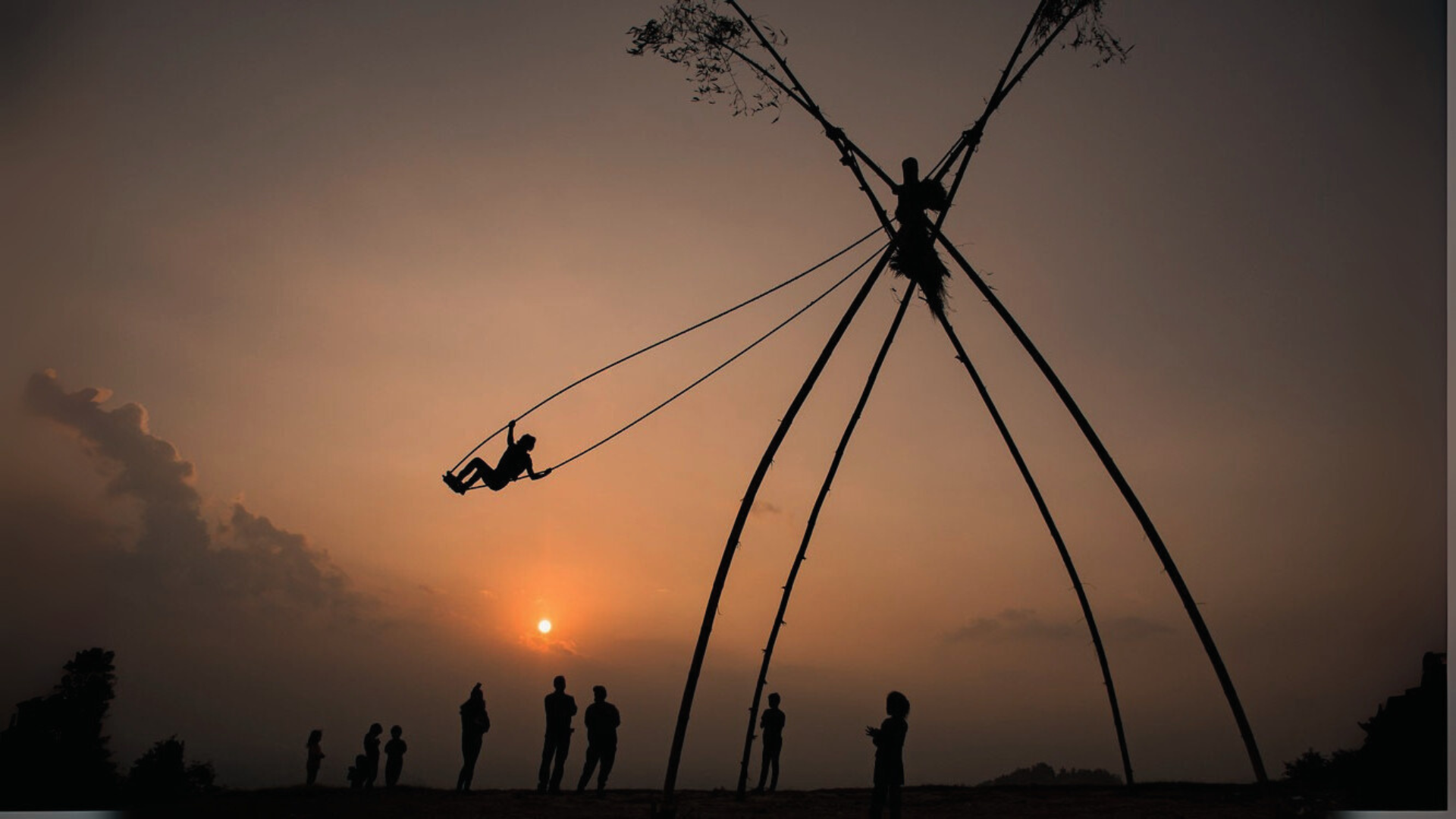
Dashain: A time of triumph, blessings, and the joyous spirit of togetherness. As families gather to honor traditions and celebrate the victory of good over evil, the festival brings moments of joy, reflection, and cultural pride. Let the swings of Dashain carry you into a new season of prosperity and unity.
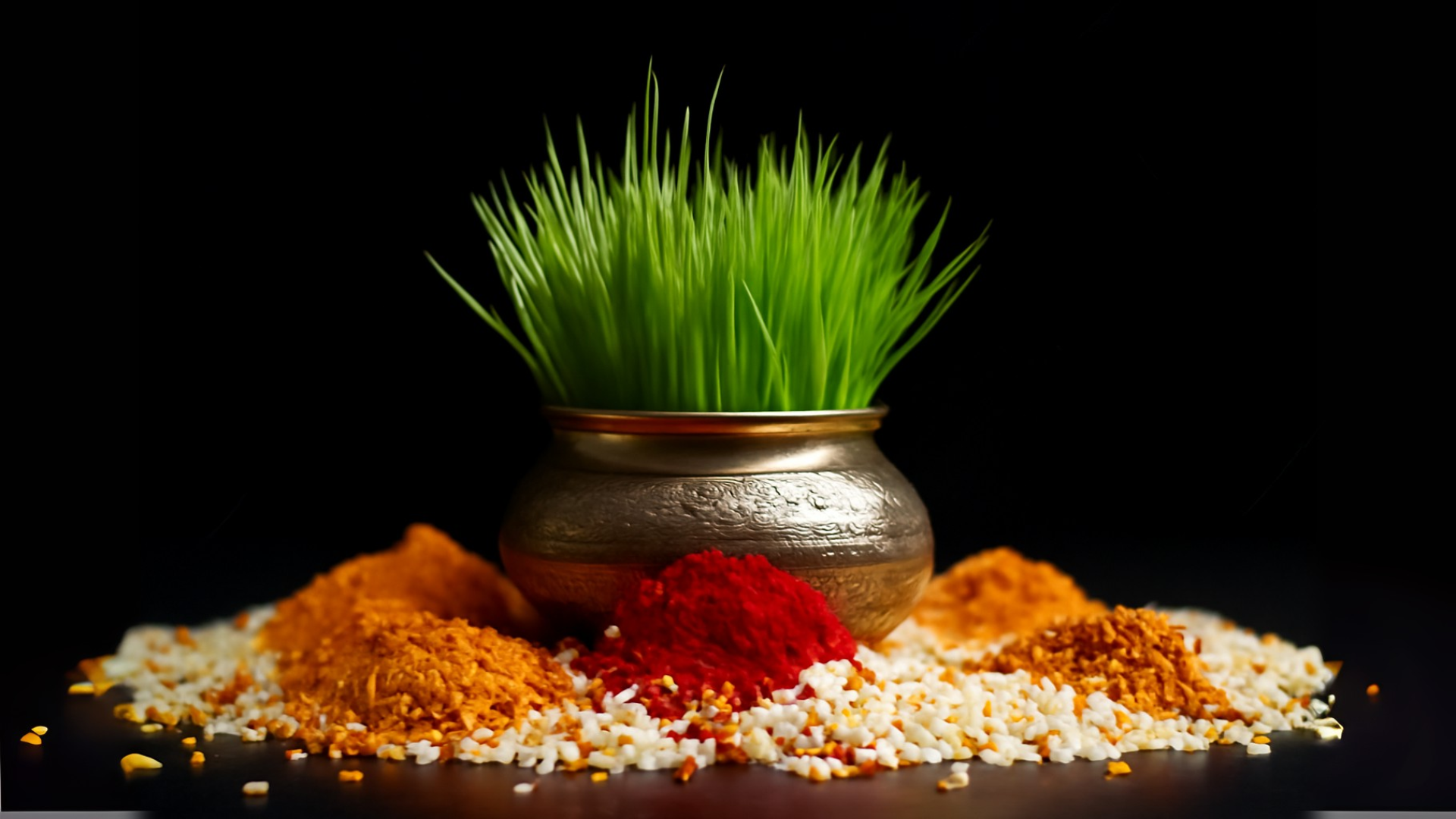
On Ghatasthapana, the sacred ritual of welcoming Goddess Durga begins the journey of Dashain. As the kalash is placed and barley sprouts grow, it marks a time for spiritual growth, prosperity, and family unity. A celebration of divine blessings and the hope for a fruitful year ahead.
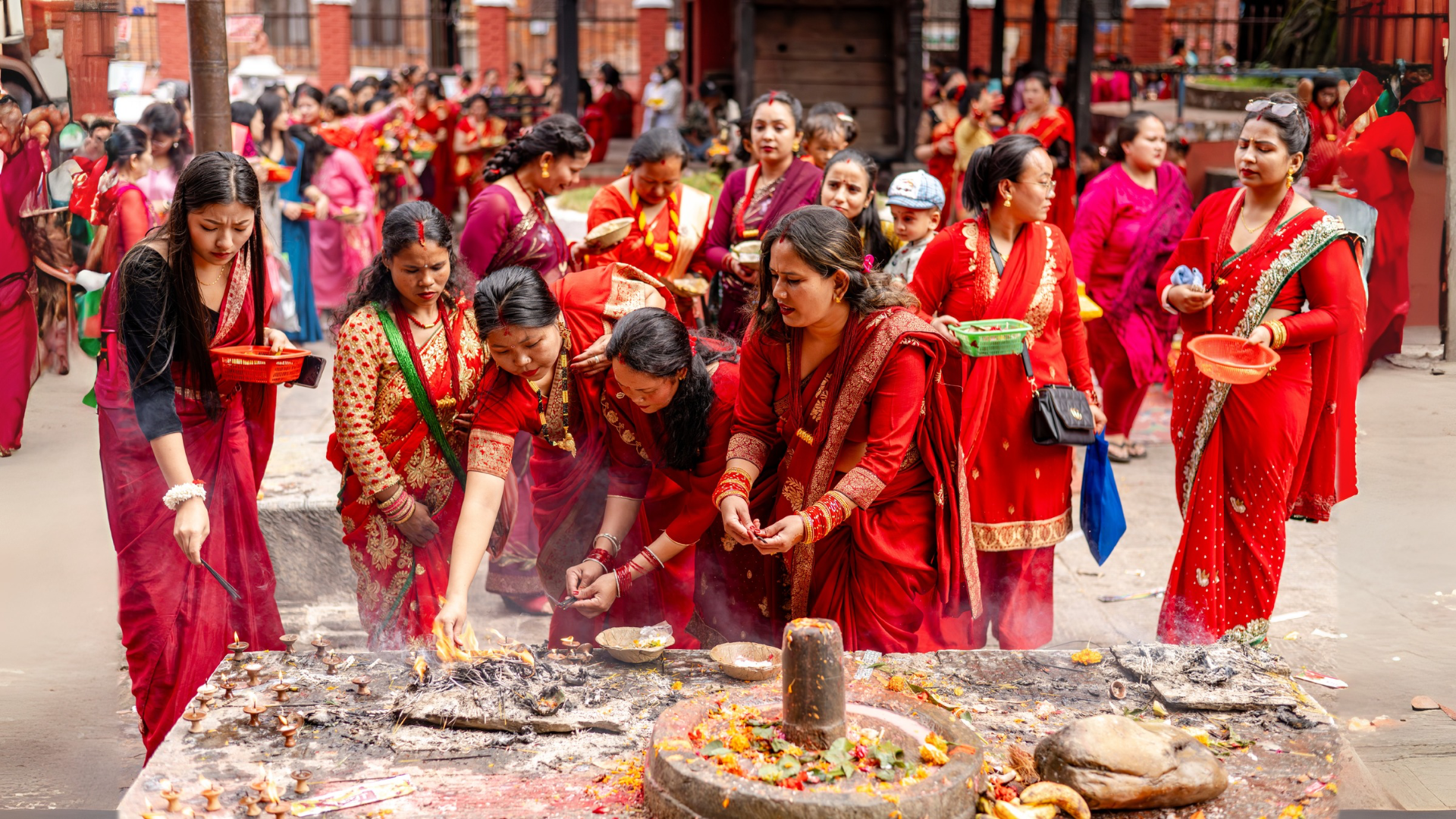
As the monsoon rains sweep across Nepal, the streets of Kathmandu transform into a vibrant sea of red. Women gather in unity to celebrate Teej, a festival that celebrates love, devotion, and resilience. This cherished tradition, marked by fasting, singing, and dancing, holds profound spiritual and cultural significance. But what makes Teej truly special? Let’s dive into the heart of this festival and explore its origins, rituals, and the enduring spirit of womanhood.
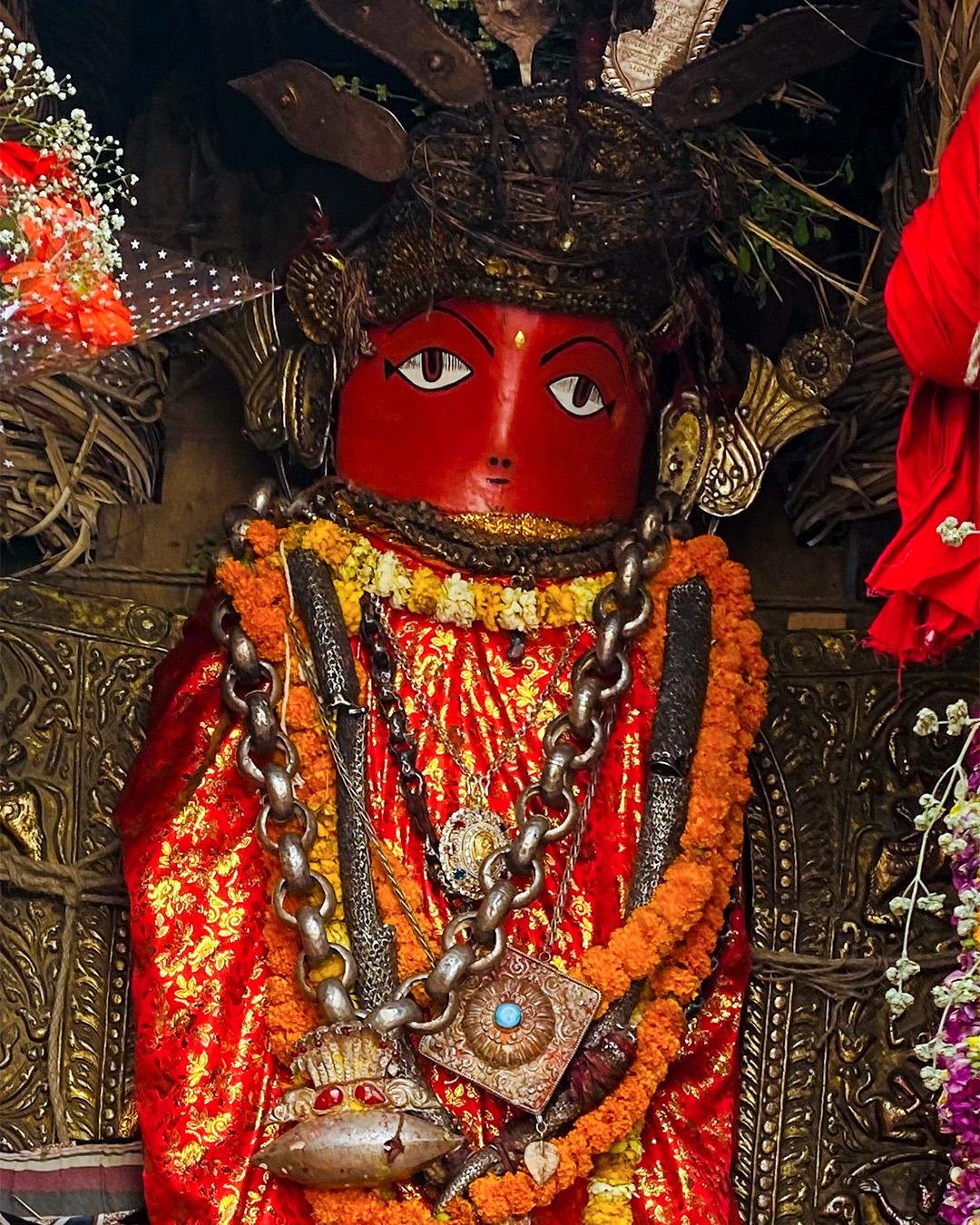
Every spring, as the air begins to warm and the days grow longer, the city of Patan prepares for a celebration unlike any other. Rato Machhindranath Jatra is one of the oldest and most respected festivals in Nepal. Its roots go back more than a thousand years, and its meaning still feels just as strong today.
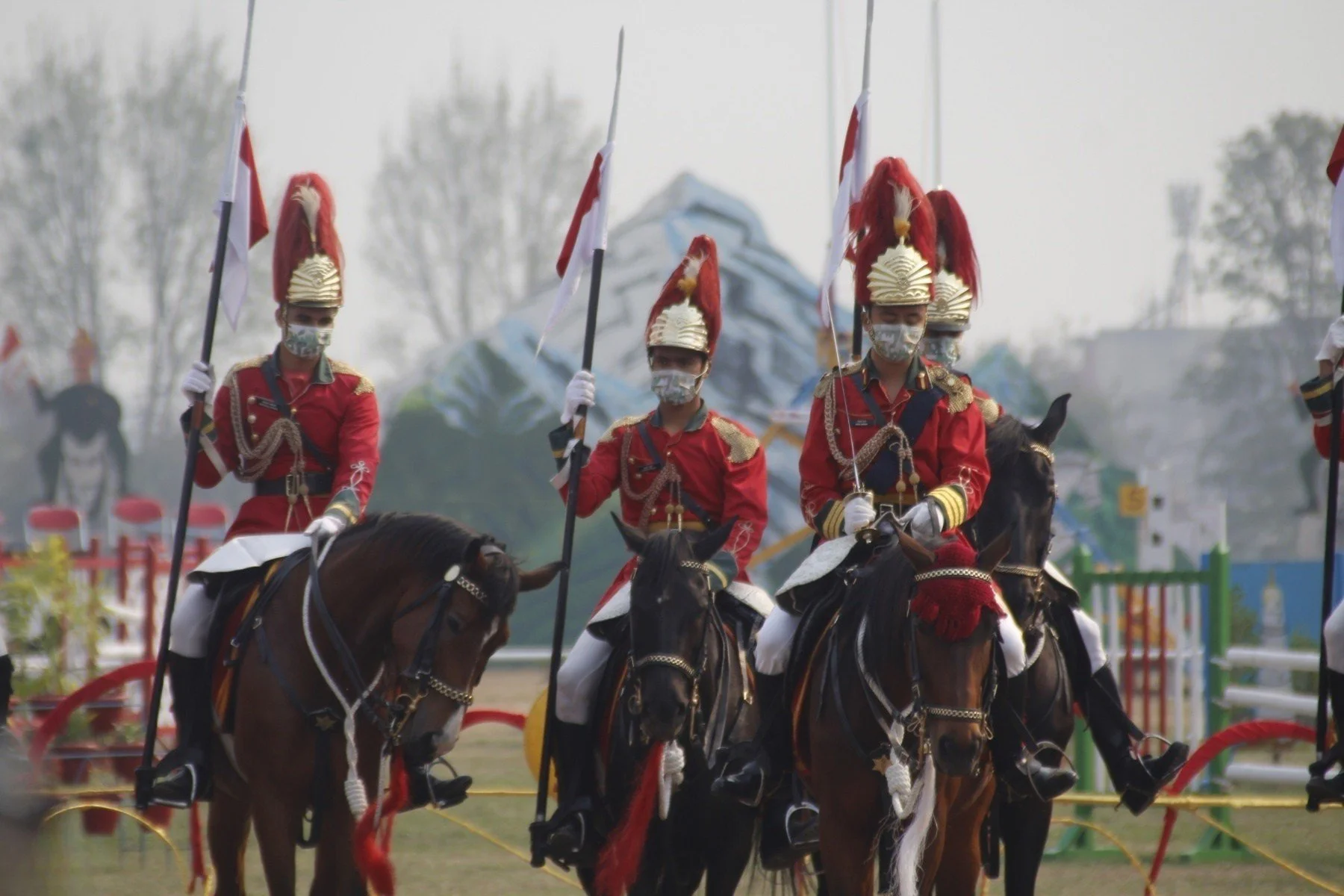
Ghode Jatra is more than just a horse race; it is a symbol of Kathmandu’s resilience, history, and strength, where the country’s finest cavalry units, skilled riders, and powerful horses come together for a spectacle that has captivated audiences for centuries.
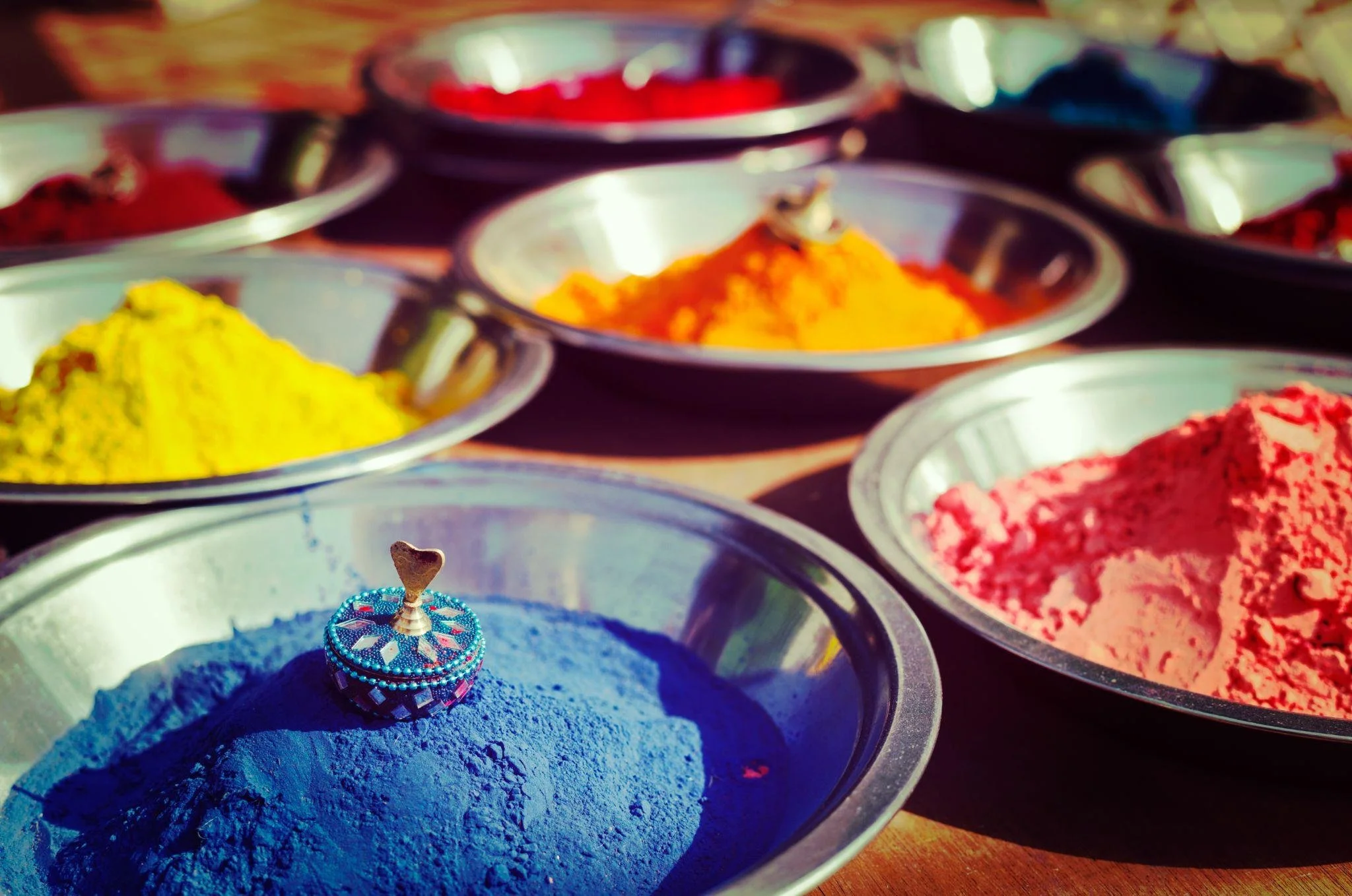
As spring arrives in Nepal, Holi, the festival of colors, transforms Kathmandu into a lively spectacle of vibrant hues, music, and joy. Celebrated across Nepal and India, Holi marks the arrival of spring and the victory of good over evil.
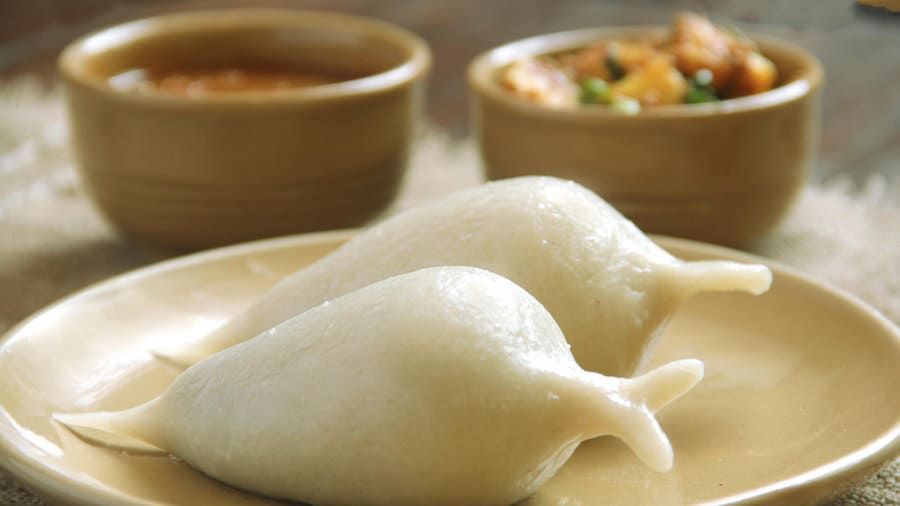
Yomari Punhi, celebrated on the full moon day of the month of Thinla in the Nepal Sambat calendar, is one of the most beloved festivals of the Newar community in Nepal. This festival, dedicated to gratitude for the harvest and prayers for prosperity, combines spirituality, tradition, and the delight of culinary art through the iconic dish, the Yomari.
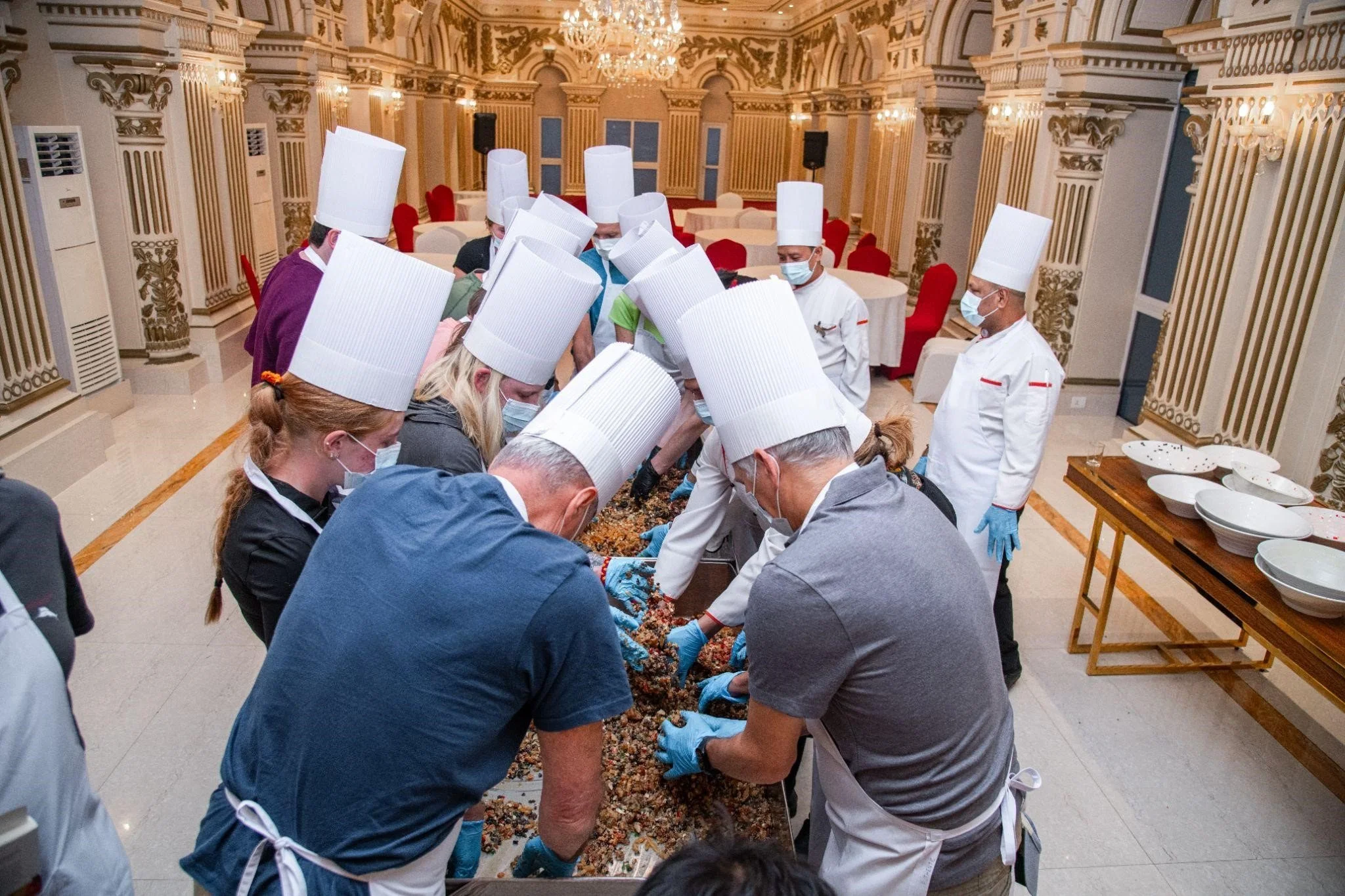
As the festive season approaches, the air fills with joy, laughter, and the aroma of celebration. At Hotel Shanker, we embraced this spirit with our annual Cake Mixing Ceremony, a heartwarming event where our guests came together to mark the beginning of a season dedicated to togetherness and traditions.

Christmas, traditionally a Christian holiday, has transcended religious boundaries to become a global celebration of joy, love, and giving. In Kathmandu, the heart of Nepal, Christmas has found a special place amidst the city's vibrant cultural tapestry. This festival is celebrated with warmth and inclusivity, reflecting Kathmandu’s embrace of diverse traditions and its ever-evolving cultural adaptation.
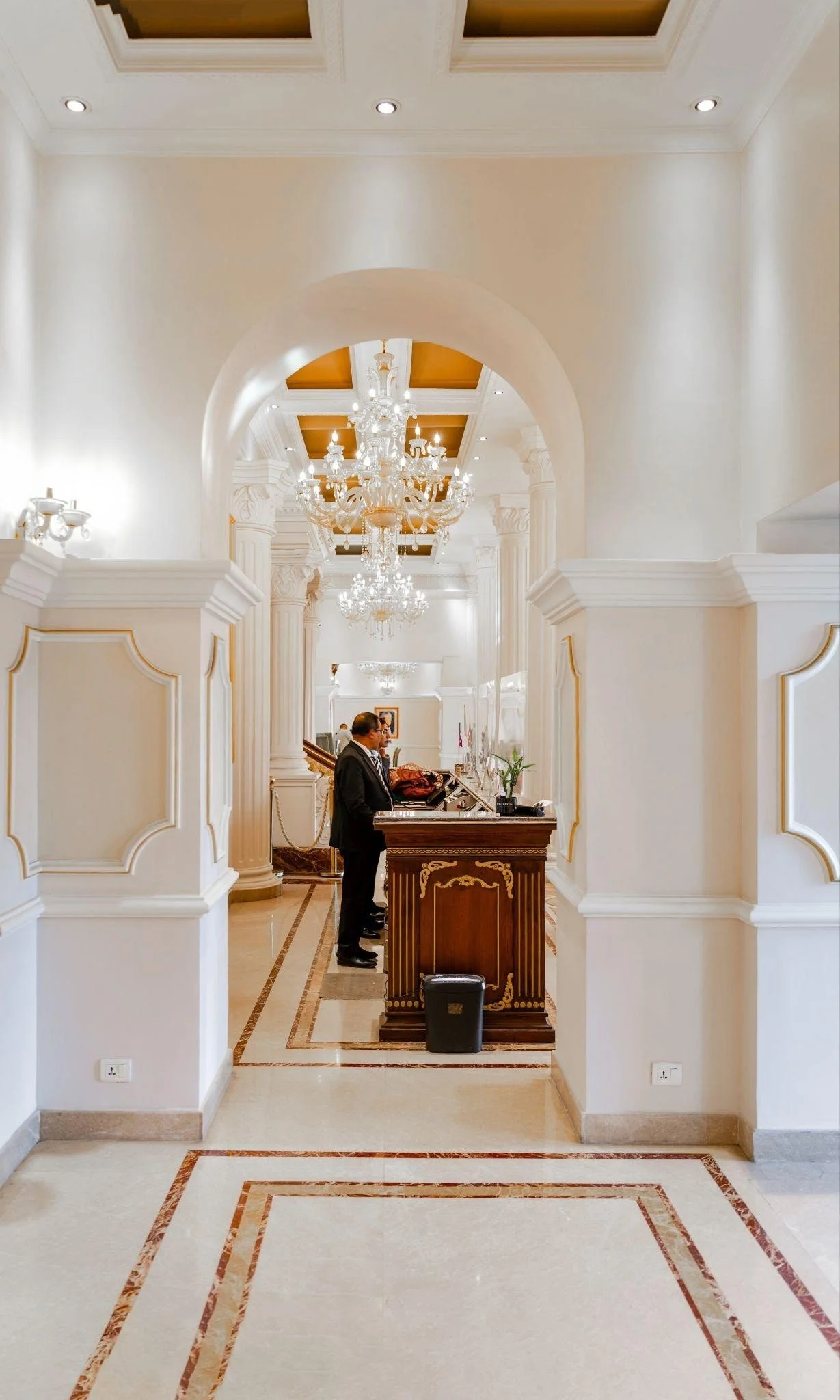
As the vibrant autumn leaves of Kathmandu begin to fade and the crisp chill of winter settles over the city, there’s no better time to plan your perfect winter escape. Nestled in the heart of Kathmandu, Hotel Shanker offers the ideal blend of historical grandeur, warm hospitality, and modern luxury, making it the ultimate winter retreat.
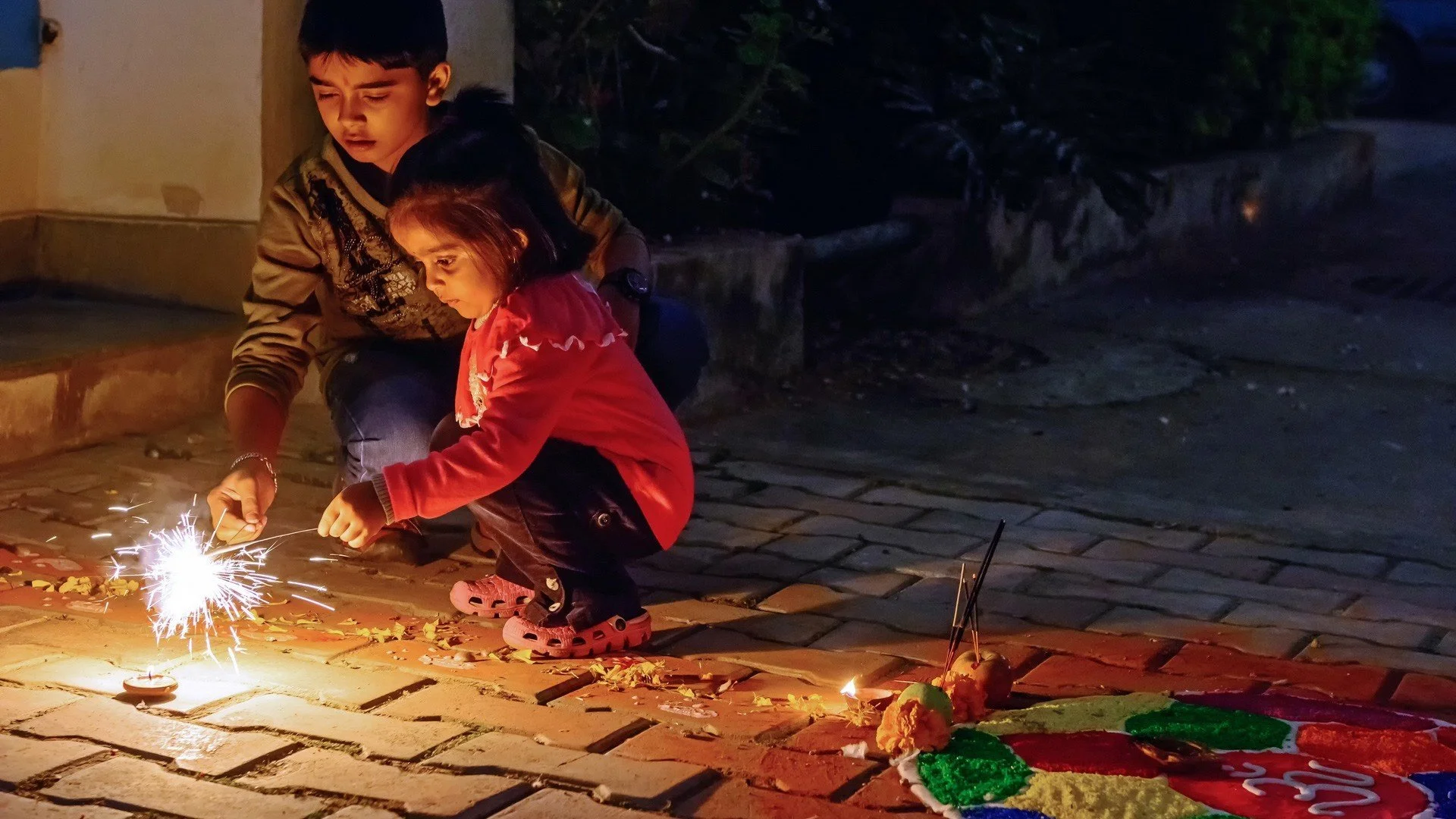
Tihar, one of Nepal's most beautiful and vibrant festivals, is a celebration of lights, joy, and gratitude. Spanning five days, Tihar honors the bond between humans, gods, and animals, making it a festival that resonates deeply with the Nepali culture. Often compared to Diwali, Tihar is unique in its own right, filled with cultural rituals, colorful decorations, and joyous festivities.
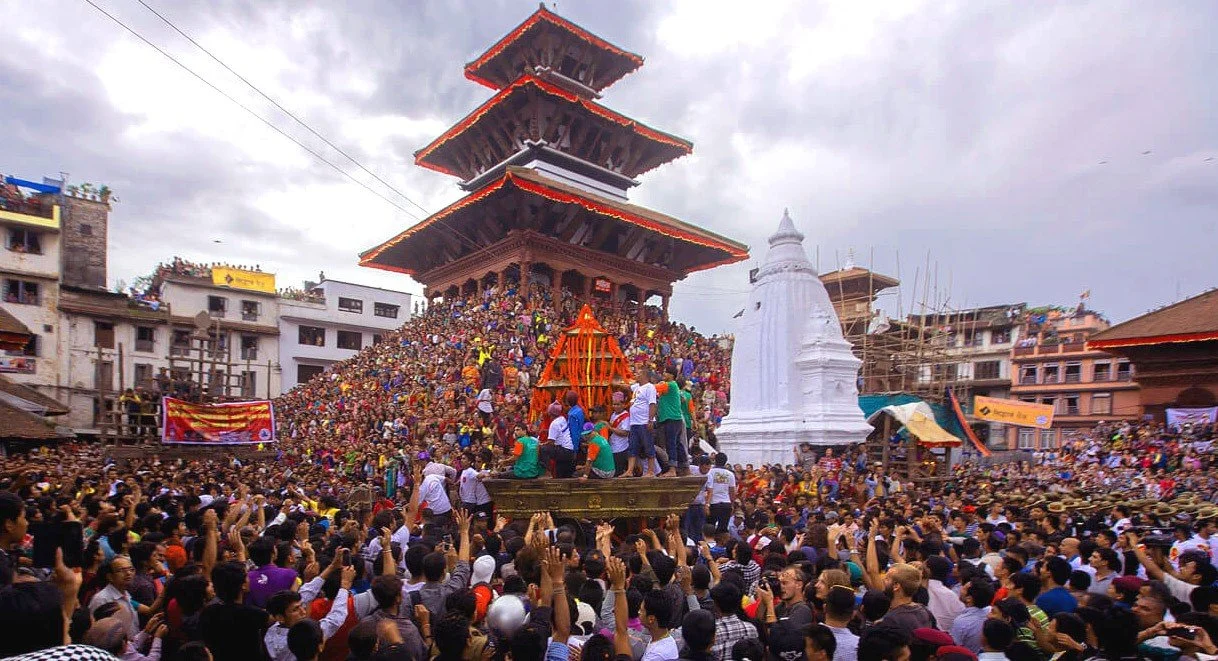
Indra Jatra, celebrated in honor of the god Indra, the King of Heaven and Rain, is a festival that has captured the heart of Kathmandu for centuries. Legend has it that Indra descended to Earth to collect a specific flower for his mother, only to be captured by locals who didn’t recognize him. Upon realizing his divine identity, they released him, and to honor the event, the festival of Indra Jatra was born.
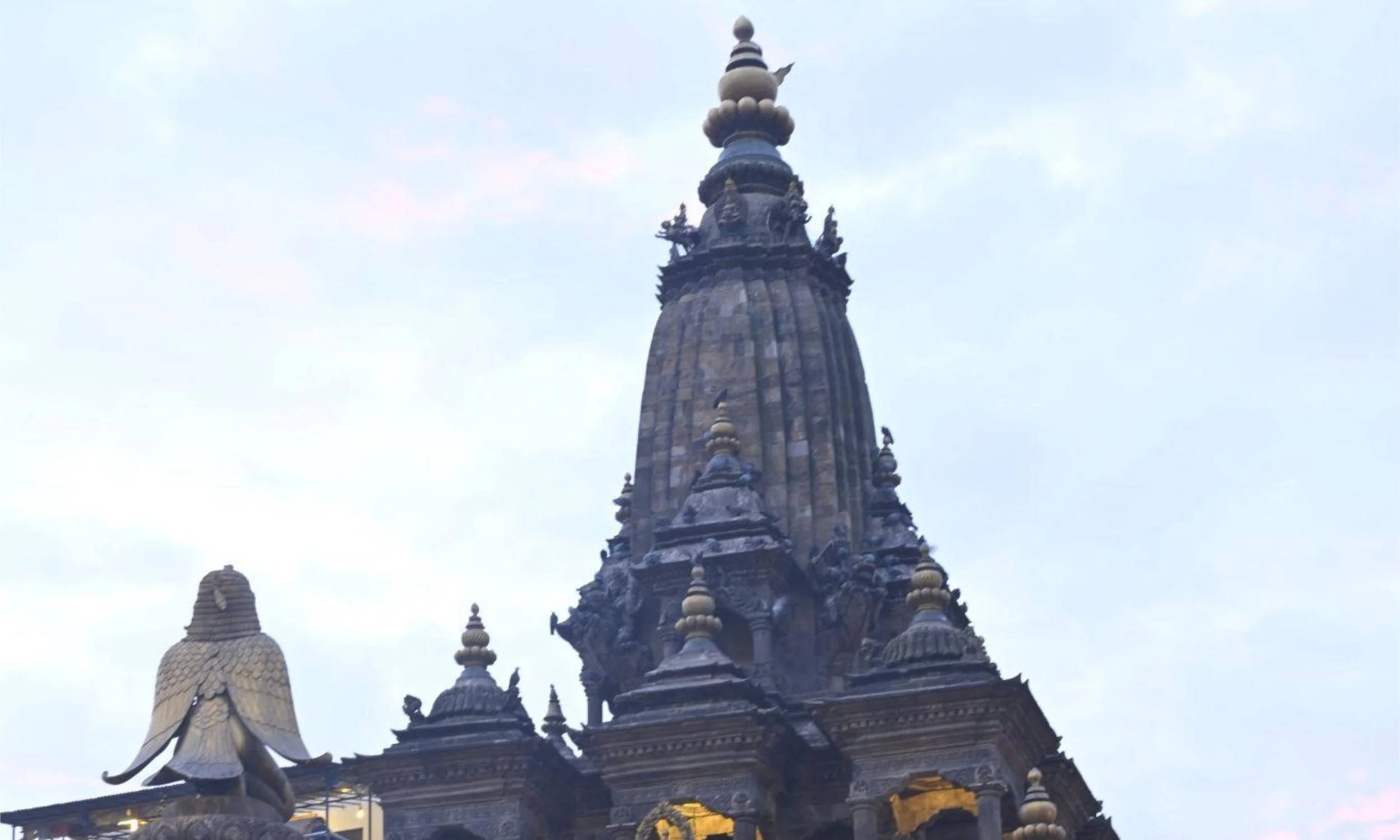
Krishna Janmashtami, a significant Hindu festival, celebrates the birth of Lord Krishna. It is typically observed on the eighth day of the dark fortnight (Krishna Paksha) of the month of Shravan (August-September). Various religious rituals and cultural events dedicated to Lord Krishna are held on this day.
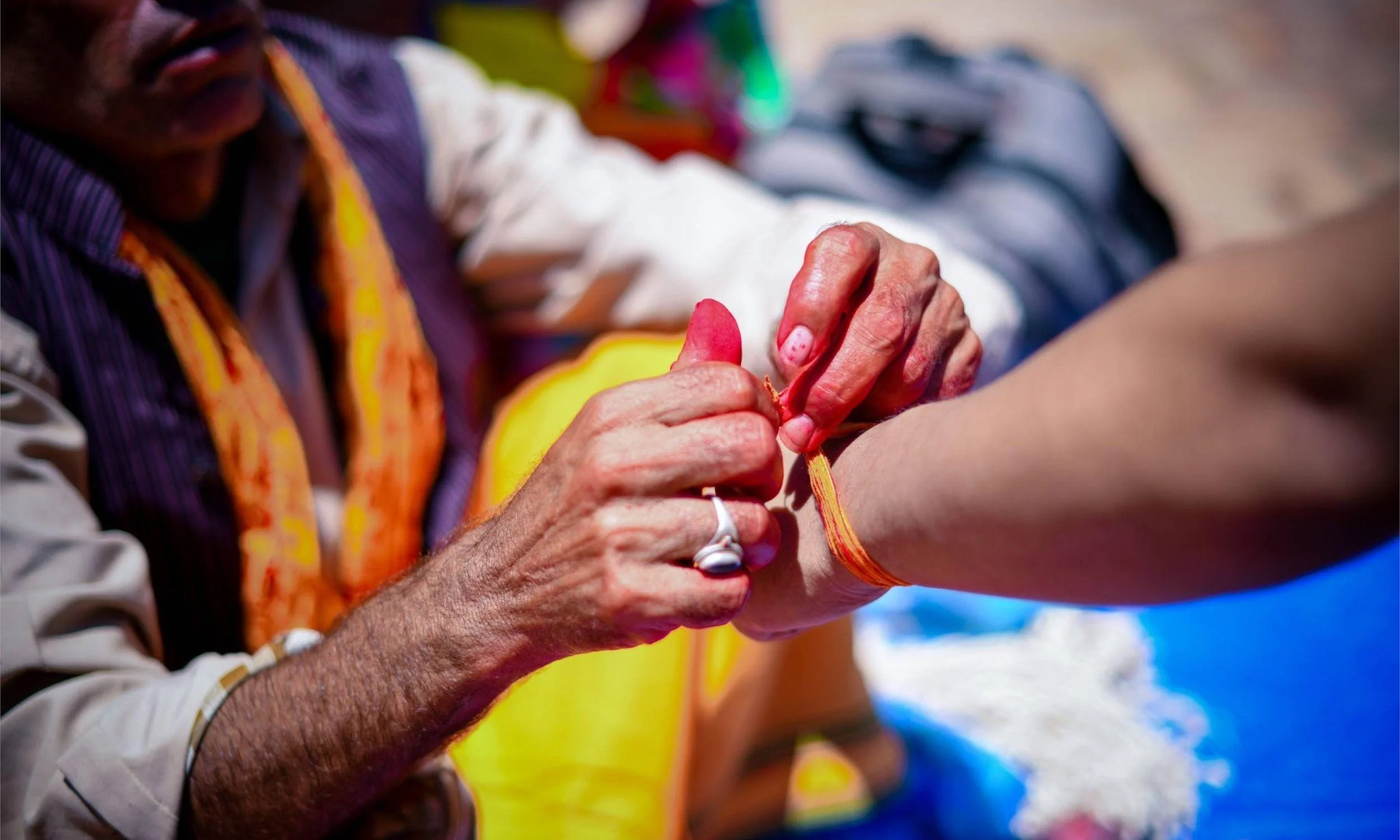
Janai Purnima, a significant Hindu festival celebrated in Nepal, marks the day of renewing the sacred thread (janai) worn by men. This thread symbolizes purity and religious commitment and is believed to protect the wearer from evil forces and bestow blessings. The festival is also known as "Raksha Bandhan" in some parts of Nepal, where sisters tie a protective thread (rakhi) on their brothers' wrists.
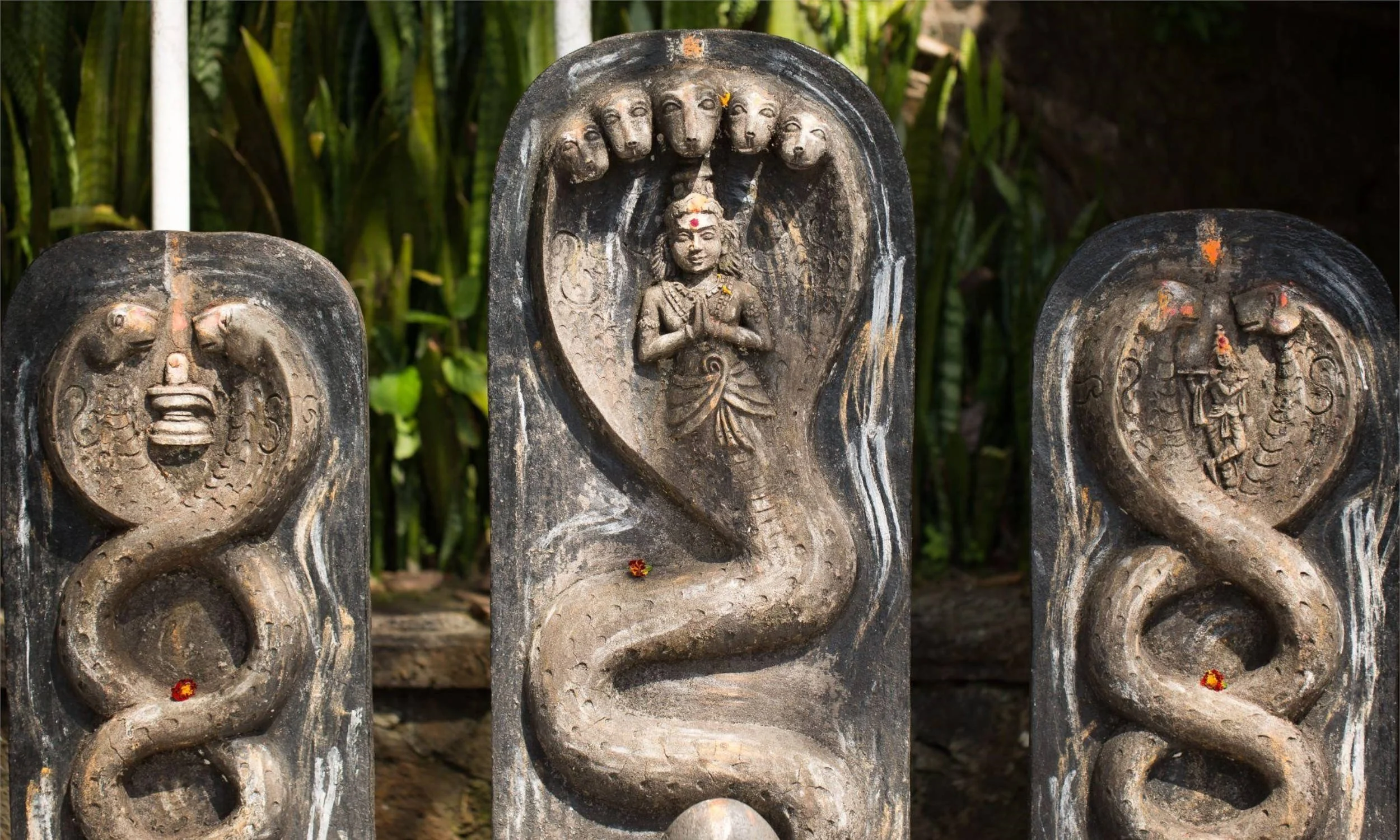
Nag Panchami, a significant Hindu festival, is dedicated to the worship of serpent deities, commonly known as Nag Devta. Celebrated annually on the fifth day of the bright fortnight of the lunar month of Shravan, this auspicious day holds immense religious and cultural importance.
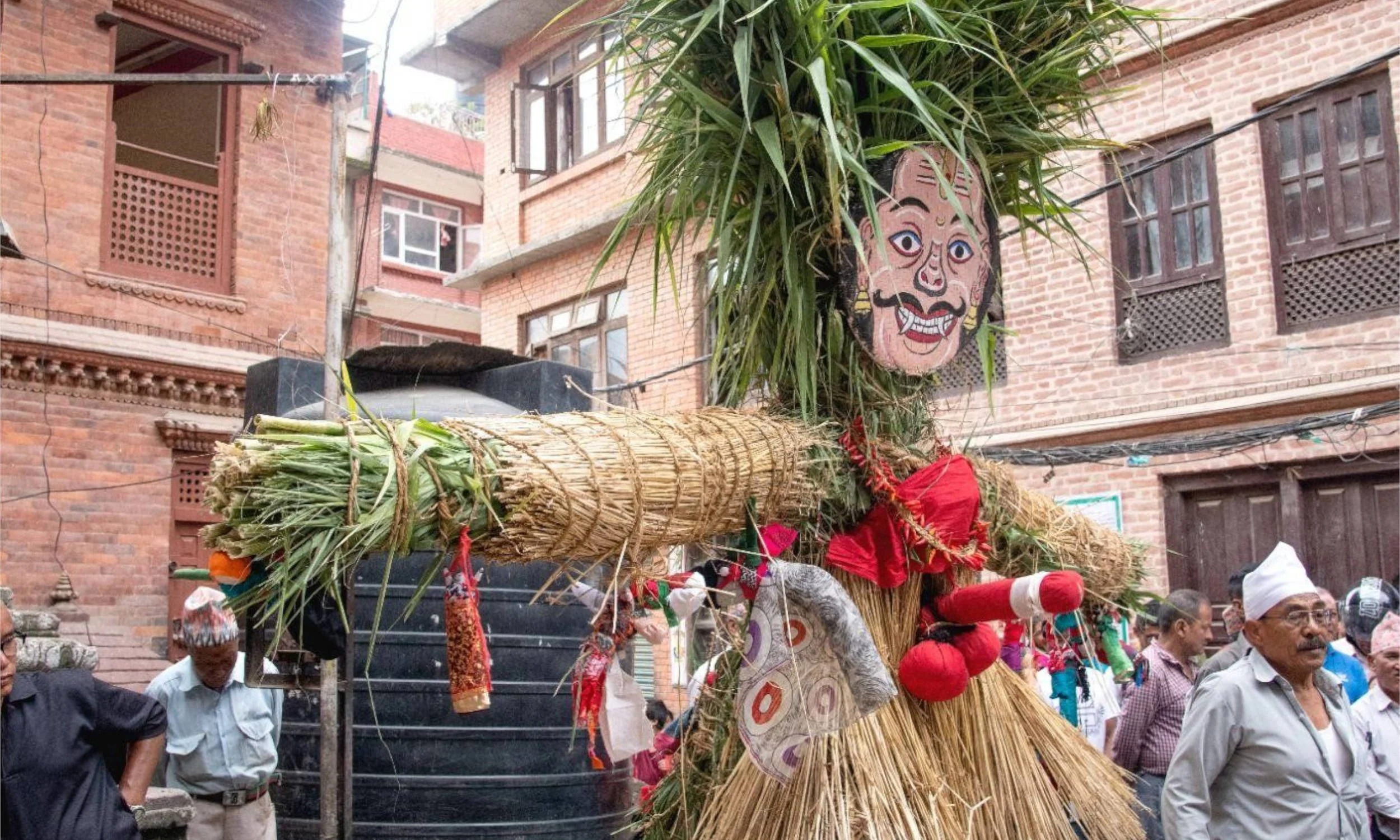
Gathemangal, also known as Ghantakarna Chaturdasi, is a unique festival celebrated by the Newar community in the Kathmandu Valley of Nepal. It falls on Shrawan Krishna Chaturdashi, which typically occurs in June or July according to the Bikram Sambat calendar. This vibrant festival is a colorful display of warding off evil spirits and ushering in peace and prosperity.
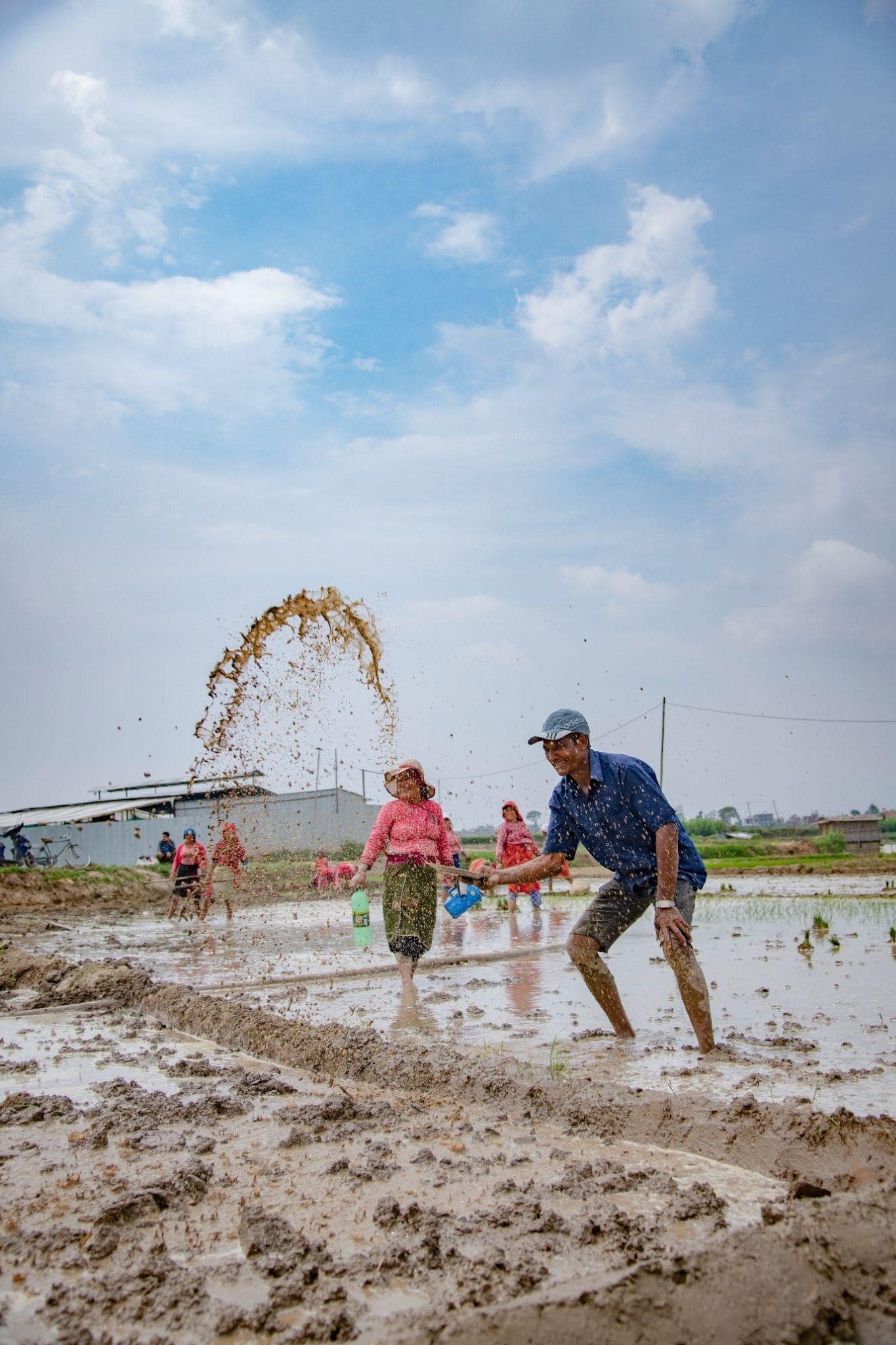
Nepal, a landlocked nation in the Himalayas, boasts a rich agricultural heritage. Among its many festivals, National Paddy Day, also known as Dhan Ropne Diwas, holds a special place in the hearts of Nepalis. Celebrated on the 15th day of the Nepali month of Asar (June-July), this vibrant festival marks the auspicious beginning of the rice planting season. Let's delve deeper into the cultural significance, rituals, and spirit of this unique celebration.
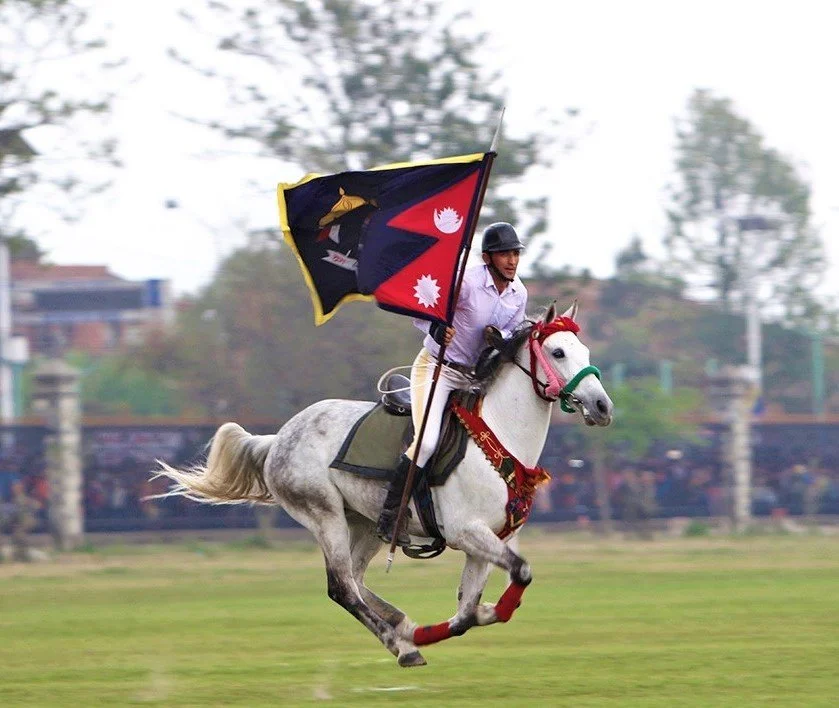
During your stay at the luxurious Hotel Shanker, be sure to experience the vibrant cultural tapestry of Nepal. One unmissable event is the Ghode Jatra, a pulsating horse festival that unfolds every year in Kathmandu, typically around mid-March to early April.

Kathmandu comes alive in a riot of colors during Holi, the exuberant Hindu festival also known as the Festival of Colors. As a guest at Hotel Shanker, you have the unique opportunity to witness and even participate in this joyous celebration. But Holi is more than just throwing colored powder around.
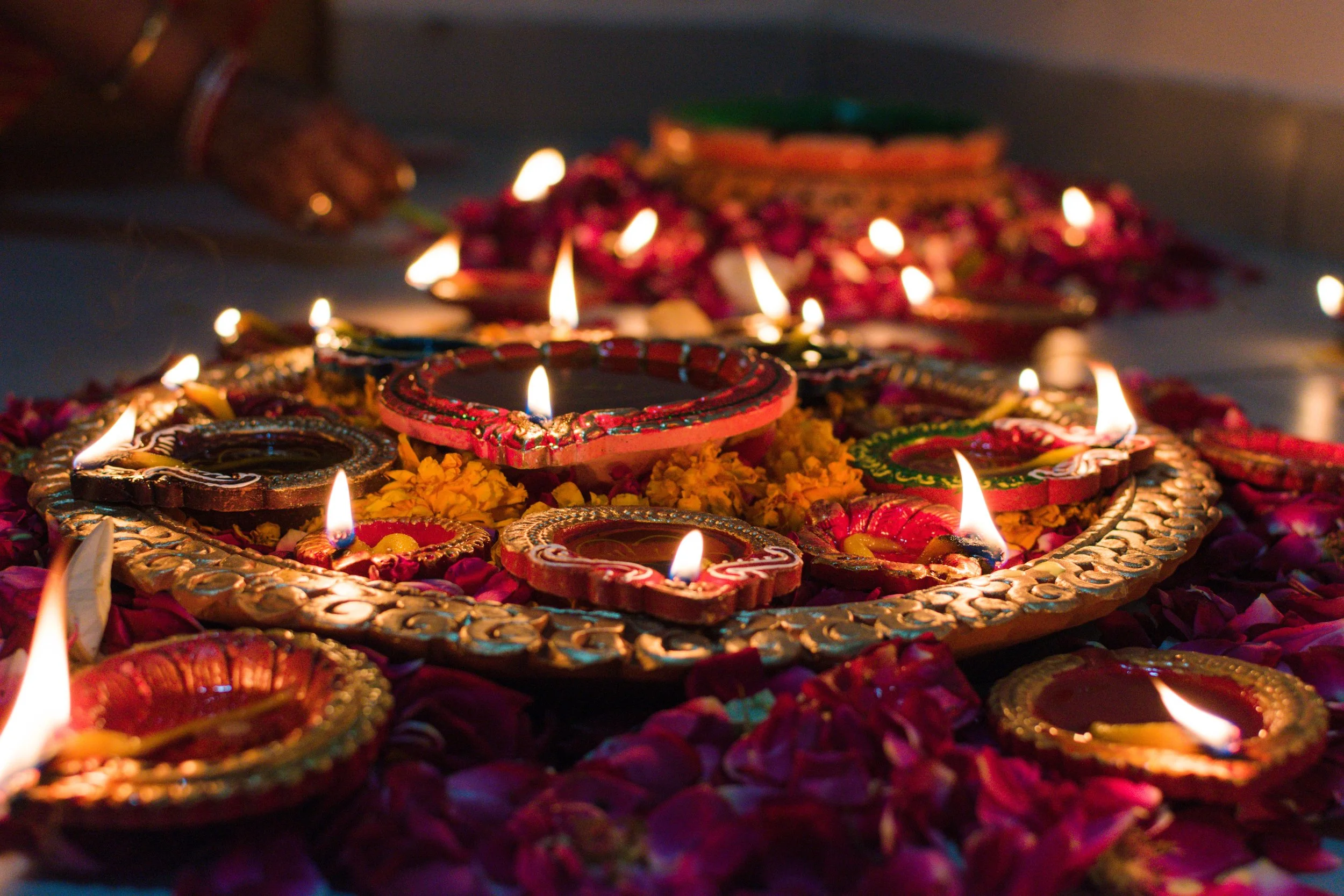
In the heart of the Himalayas, nestled among the towering peaks and lush valleys of Nepal, lies a festival that transcends time and illuminates both the night sky and the human spirit - Tihar, the Festival of Lights. This enchanting celebration, also known as Deepawali or Yamapanchak, holds a profound historical, cultural, and religious significance in the lives of Nepalese people. In this article, we will delve into the captivating world of Tihar, exploring its historical roots, the unique celebrations associated with it, its cultural importance, and its deeply ingrained religious values.
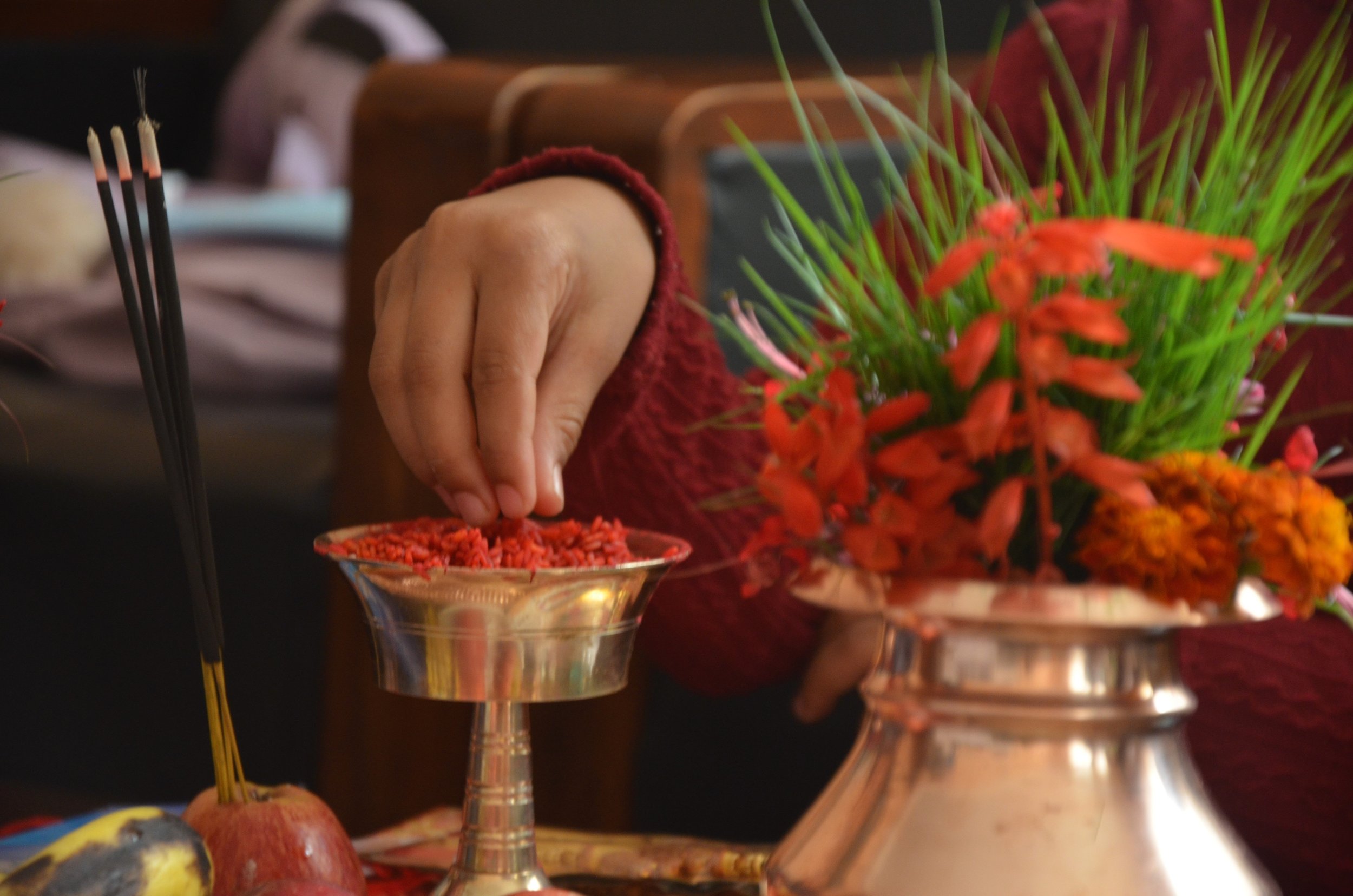
Nepal, a land of diverse cultures and traditions, boasts a rich tapestry of festivals that reflect its deep-rooted heritage. Among these, Dashain stands out as the most significant and widely celebrated festival in the country. Dashain, also known as Vijaya Dashami, is a time of devotion, family reunions, and cultural splendor. In this article, we will delve into the history, significance, and major events that make Dashain an integral part of Nepal's cultural identity.
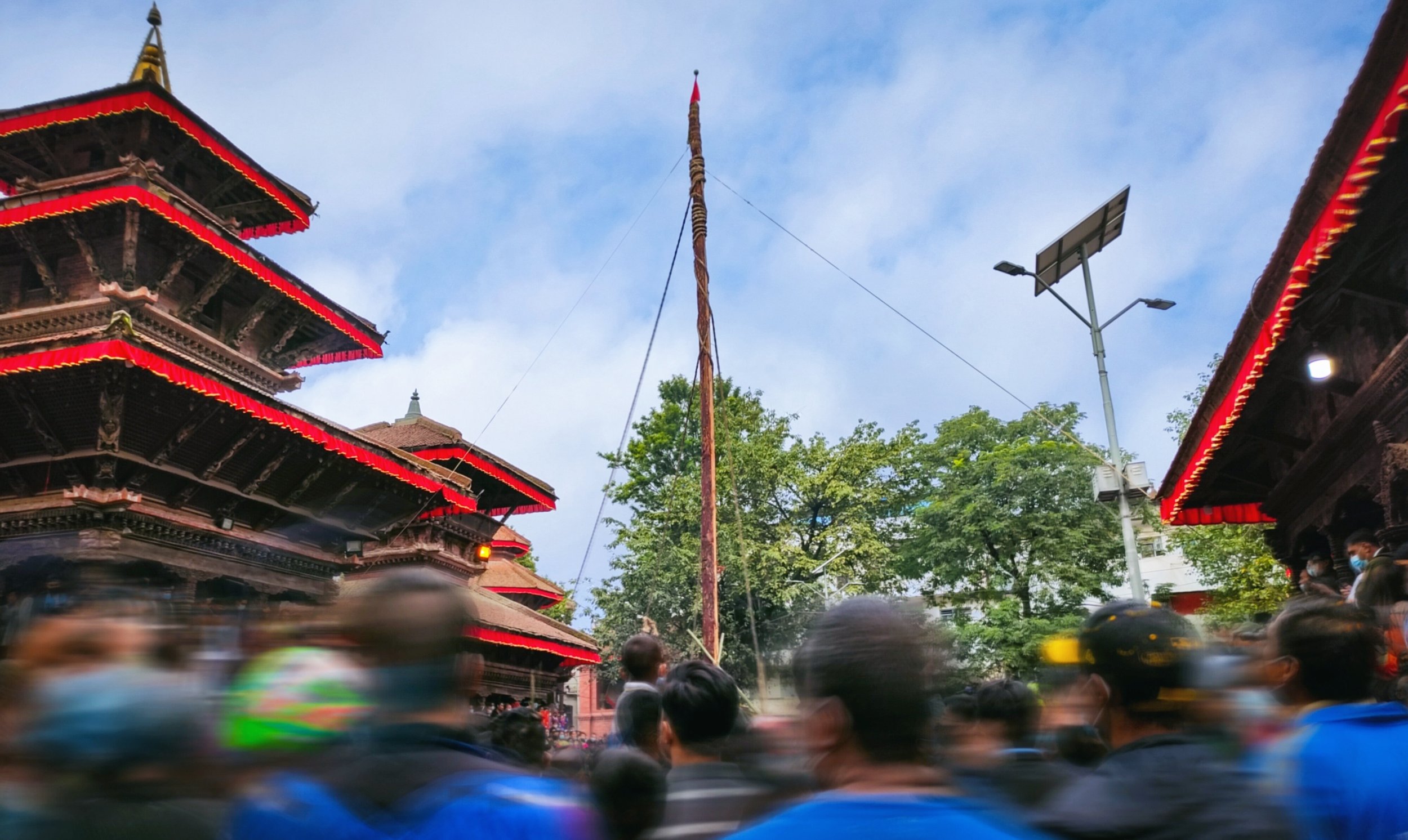
In the heart of Kathmandu, where ancient traditions intertwine with modern life, a grand celebration unfolds, reverberating through the narrow alleyways and vibrant squares. This is Indra Jatra, one of Nepal's most significant and spectacular festivals, where gods, goddesses, and people come together to celebrate culture, heritage, and spirituality. In this feature article, we delve deep into the heart of Indra Jatra, exploring its history, rituals, and the vibrant tapestry of culture that defines this extraordinary celebration.
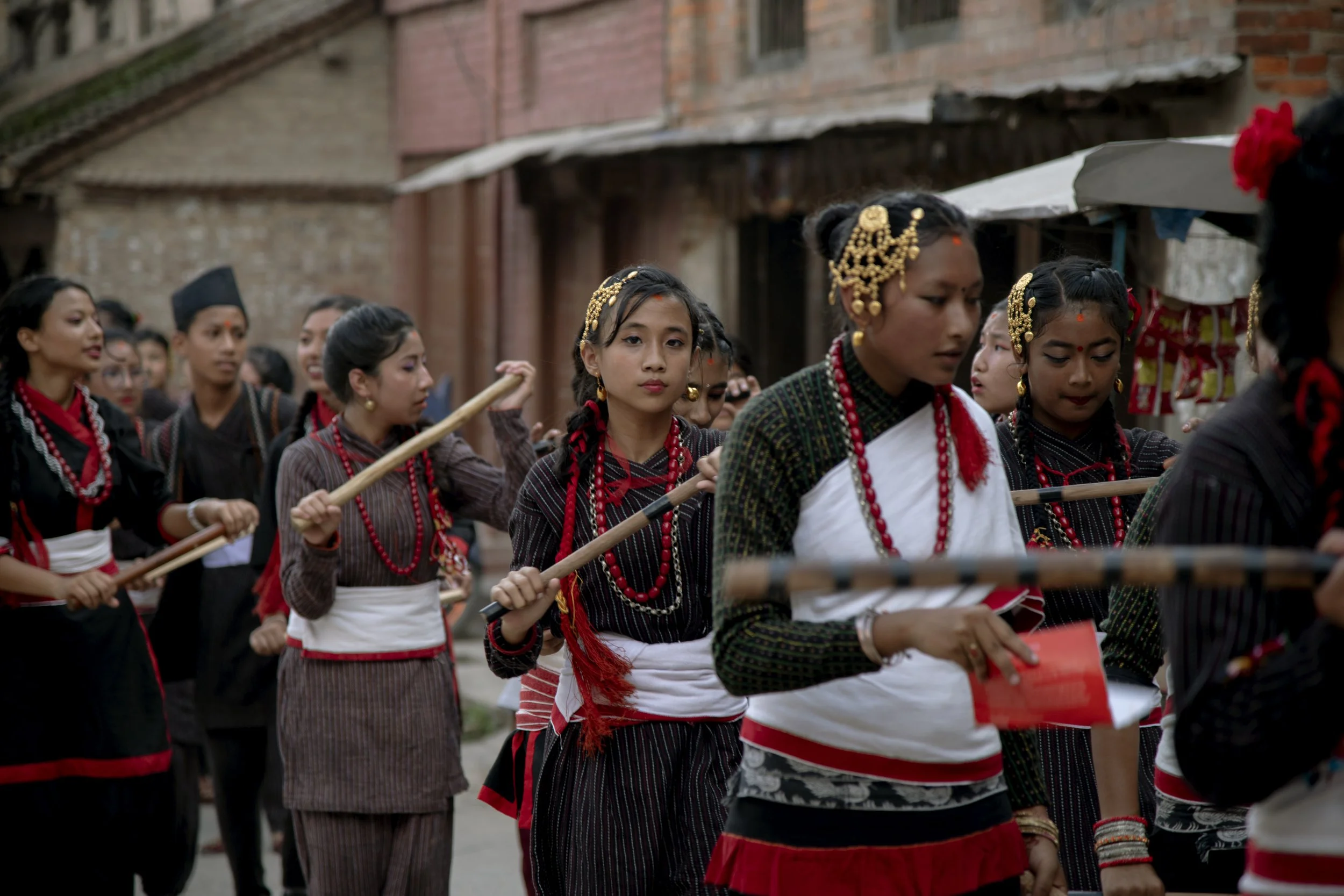
Newar culture in Nepal's Kathmandu Valley is a vibrant tapestry of artistic excellence, syncretic religions, festivals, and a unique socioeconomic structure. Challenges and preservation efforts are vital to safeguard this rich heritage and promote a deeper understanding and appreciation of its contributions to global cultural diversity.
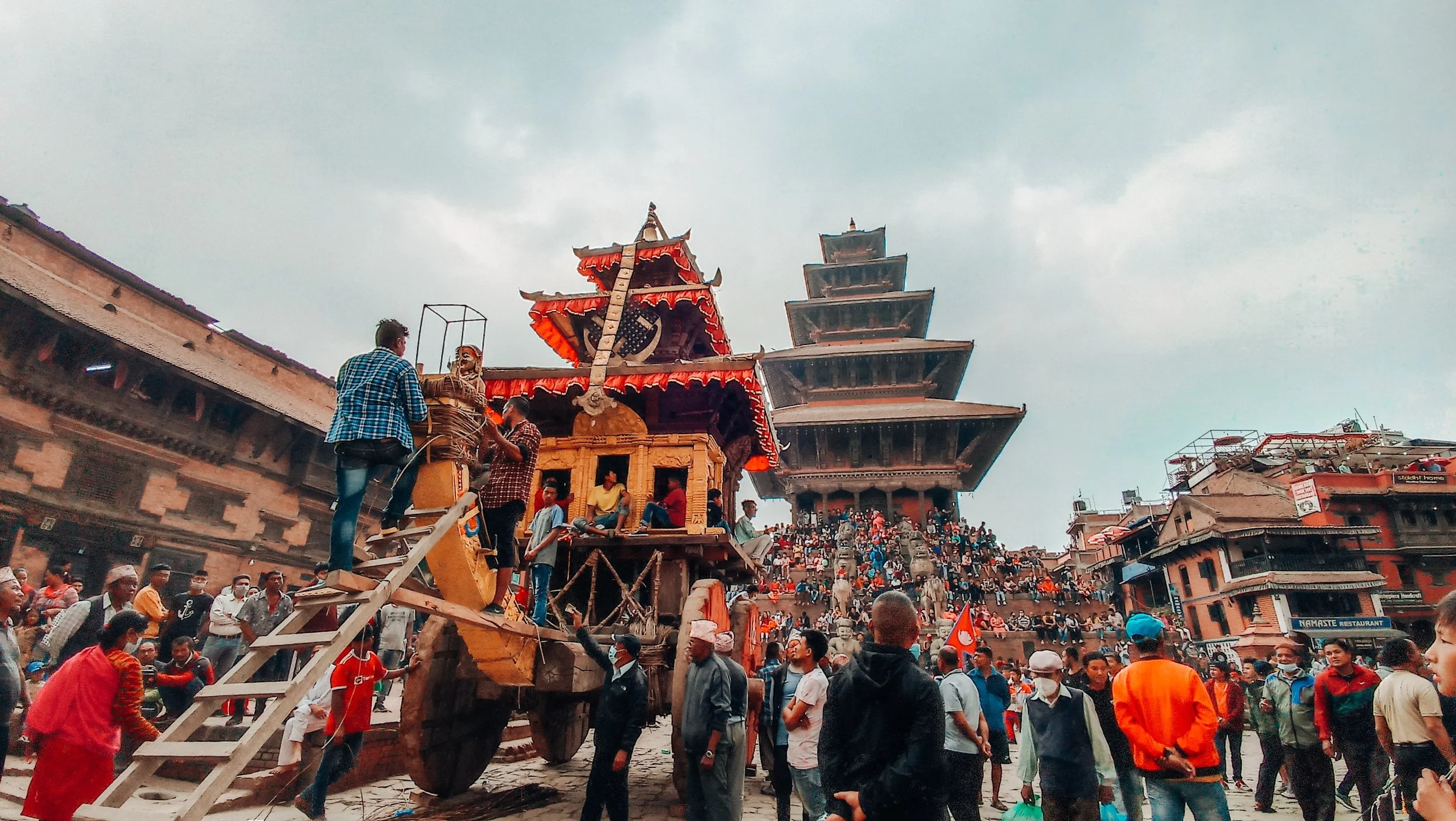
Nepal, a land of vibrant culture and traditions, where festivals are not just celebrations but a way of life. From the traditional Dashain to the colorful Holi, Nepal's festivals are a reflection of its rich history, religion and customs. A melting pot of diverse ethnic groups, these festivals bring people together, fostering a sense of community, tradition and unity.
Indra Jatra is one of Kathmandu Valley’s most iconic festivals, where ancient traditions, sacred rituals, and vibrant celebrations come together. Through chariot processions, masked dances, and cultural performances, it showcases the living heritage of Nepal.