
Bisket Jatra, Boisterous to the Extreme
Bhaktapur’s Bisket Jatra is one spectacle that’s hard to get out of the mind once you have been part of it. And, it will be a fortunate thing if there are no fatalities due to accidents during this festival. Yes, it has claimed quite a few victims in the past, some of whom have been crushed under the chariots’ mammoth wheels, while some have been unlucky to be at the wrong spot when the chariot itself overturns (yes, this happens sometimes). You see, it’s not a simple matter of tugging the chariots along a specific path; more often, different groups try to pull the chariots in different directions. The groups concerned are factions of various localities of the historical city, and to add to the bedlam, many of them are high on strong local liquor. Certainly, saying that the Bisket Jatra is a lively festival would be somewhat of an understatement.
Celebrated for a week before, during, and after the Nepali New Year (April 14) in Bhaktapur, the festival’s origin is quite interesting. King Jagajyoti Malla (1613 to 1637) was much enamored by a legend about a cursed princess, which went like this: whoever married her died the day after the first night, and there was no consummation of the marriage, either. Several young men thus lost their lives, quite unfulfilled! Then, along came one more brave young man who was willing to take the risk of marrying the cursed princess. He, however, came with a definite plan. No matter what happened, he was determined to stay awake the whole night of the honeymoon. And so, on the fateful night, he witnessed a sight that scared the living daylights out of him. As the princess slept, a fearsome-looking serpent slithered out of one of her nostrils. Terrified as he was, the new groom did not hesitate, and with a single stroke of his sword, cut off the serpent’s head. This was the legend King Malla wished to be remembered through the Biket Jatra festival every year (originally known as Bisyau Jatra).
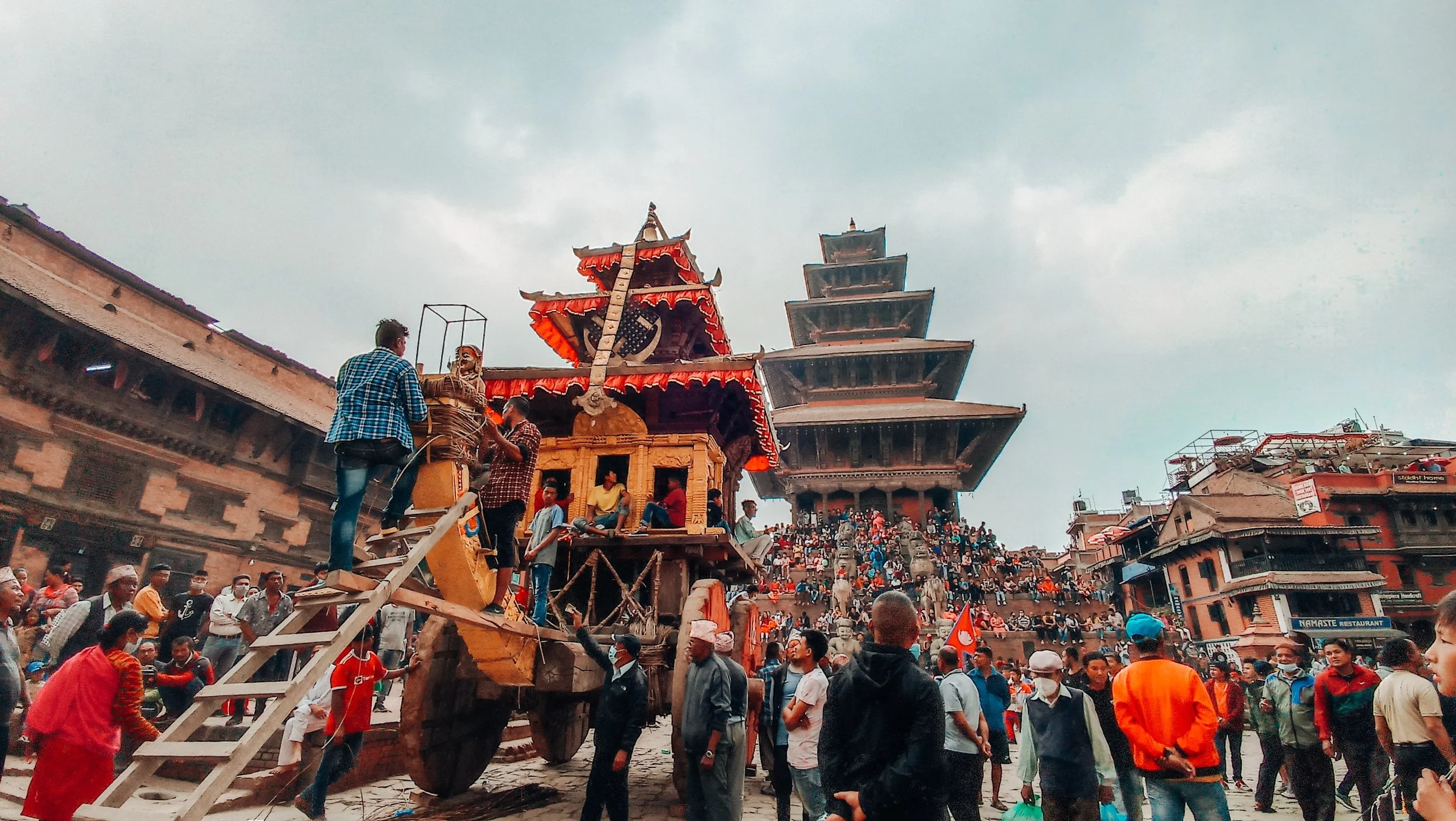
During the festival, two massive wooden chariots (raths) carrying the gods Bhairab and Bhadrakali, along with various other gods on palanquins, are taken in a procession through the different localities of the ancient city. Hundreds of young men pull on strong ropes to move the chariots. The chariots are rested at certain places, where the people of that locality come to pay their respects to the deities. Around the same time, two tall wooden poles (lingos) are installed in separate places around the city. On the day of the New Year, the bigger one is brought down, and the two raths are crashed against each other. The bringing down of the pole symbolizes the slaying of the serpent, while the clashing of the raths symbolizes successful consummation of the marriage.
All these activities of bringing down the pole and crashing the chariots against each other is when things turn really active, and the atmosphere becomes rowdy and boisterous. And, this is also when accidents can happen. The pulling and pushing of the massive chariots becomes somewhat like a tug of war between groups of hundreds, and the bringing down of the pole is also a very contentious affair, with different groups vying for the honor to do so.
A typical Bisket Jatra program goes like this:
Day 1: The two chariots (carrying Bhairab and Bhadrakali) start off from Taumadhi square
Day 2: Palanquins with statues of other gods and goddesses are taken in a procession
Day 3: Same as Day 2, that is, palanquin procession of different deities
Day 4: The day before New Year; pillars are erected in pottery square and Yosinkhel
Day 5: New Year; people have feasts in the morning. The pillar in Yosinkhel is brought down, while the two chariots are crashed against each other near Taumadhi square.
Day 6: Festivals in nearby Thimi and Bode; Balkumari Yatra and Sindure Jatra in the former and tongue-piercing ceremony in the latter.
Day 7: Worship at temples of the eight mother goddesses (Astamatrikas)
Day 8: Bringing down of wooden pole in pottery square.
Well, here’s wishing you a memorable outing during the Bisket Jatra, and hope you take good care of yourself. Safety first, is what we say!
POPULAR ITINERARIES
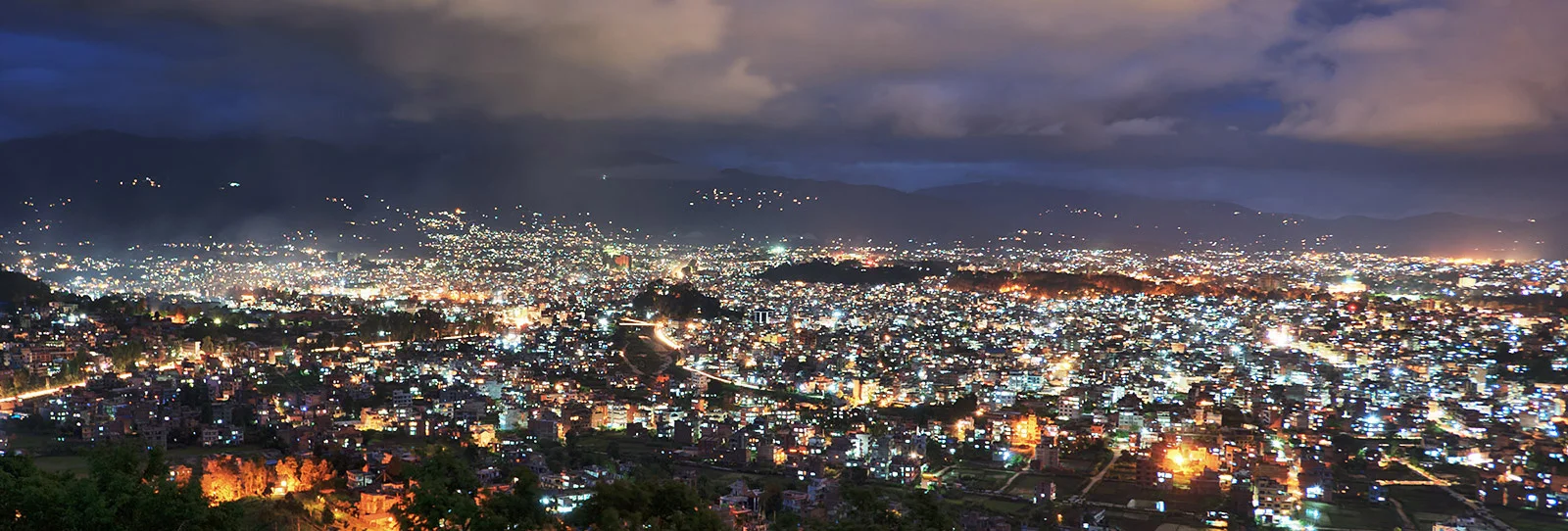
Minimum 3 Nights Stay Kathmandu Sightseeing Package( 3 Nights/4 Days): Includes: Airport Pick Up & Drop Off, Daily Breakfast Buffet, All tours and transfers in an air conditioned coach
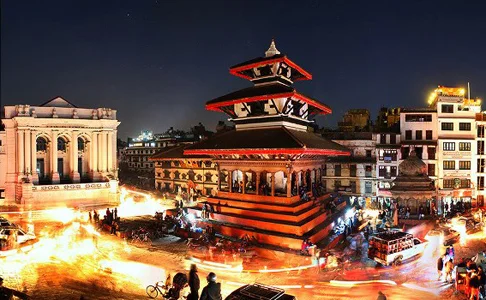
- Full day tour of Kathmandu City Swayambhunath Stupa and Patan City
- Approx 5-6 hours (split in two sessions)
- Morning: Walking tour of Kathmandu Durbar Square through (Ason) spice Market/vegetable markets
- Evening: Visit Patan Durbar Square
USD 80 PER CAR
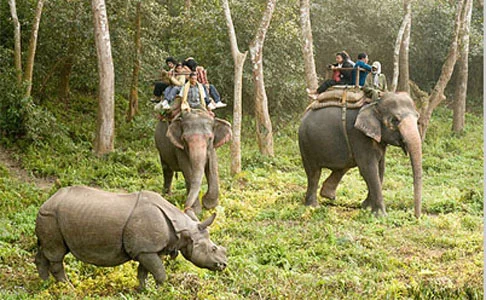
DAY 01 (Kathmandu to Chitwan by road, approx 5 hrs)
DAY 02 (In Chitwan)
DAY 03 (Chitwan to Kathmandu by road, approx 5 hrs)
Chitwan: Exotic jungle elephant-safari, nature walks, bird watching, canoeing
USD 330 PER PERSON
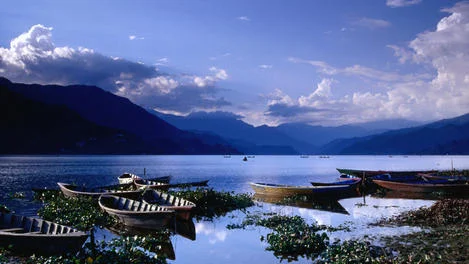
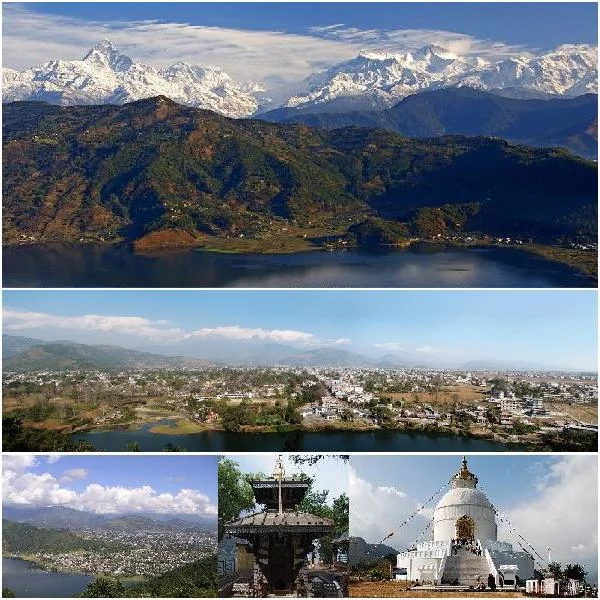
Pokhara : Stunning views of Himalayas, Boat rides, Gupteswor Mahadev, David's Fall, Barahi Temple, Cycling around the lakeside. - DAY 01 : (Kathmandu to Pokhara by road, approx 5 hrs/200km) - DAY 02 : (Spend time in Pokhara) - DAY 03 : (Pokhara to Kathmandu by road, approx 5 hrs/200km) / USD 295 PER PERSON View Youtube Video of Pokhara
DAY 01 (Drive from Kathmandu to Pokhara)
DAY 02 (In Pokhara)
DAY 03 (Pokhara to Chitwan by road)
DAY 04 (In Chitwan)
DAY 05 (Fly from Chitwan to Kathmandu)
Pokhara: Stunning views of Himalayas, Boat rides
Chitwan: Exotic jungle elephant-safari, nature walks, bird watching, canoeing
VIEW YOUTUBE VIDEO OF POKHARA
USD 705 PER PERSON
SIMILAR POSTS
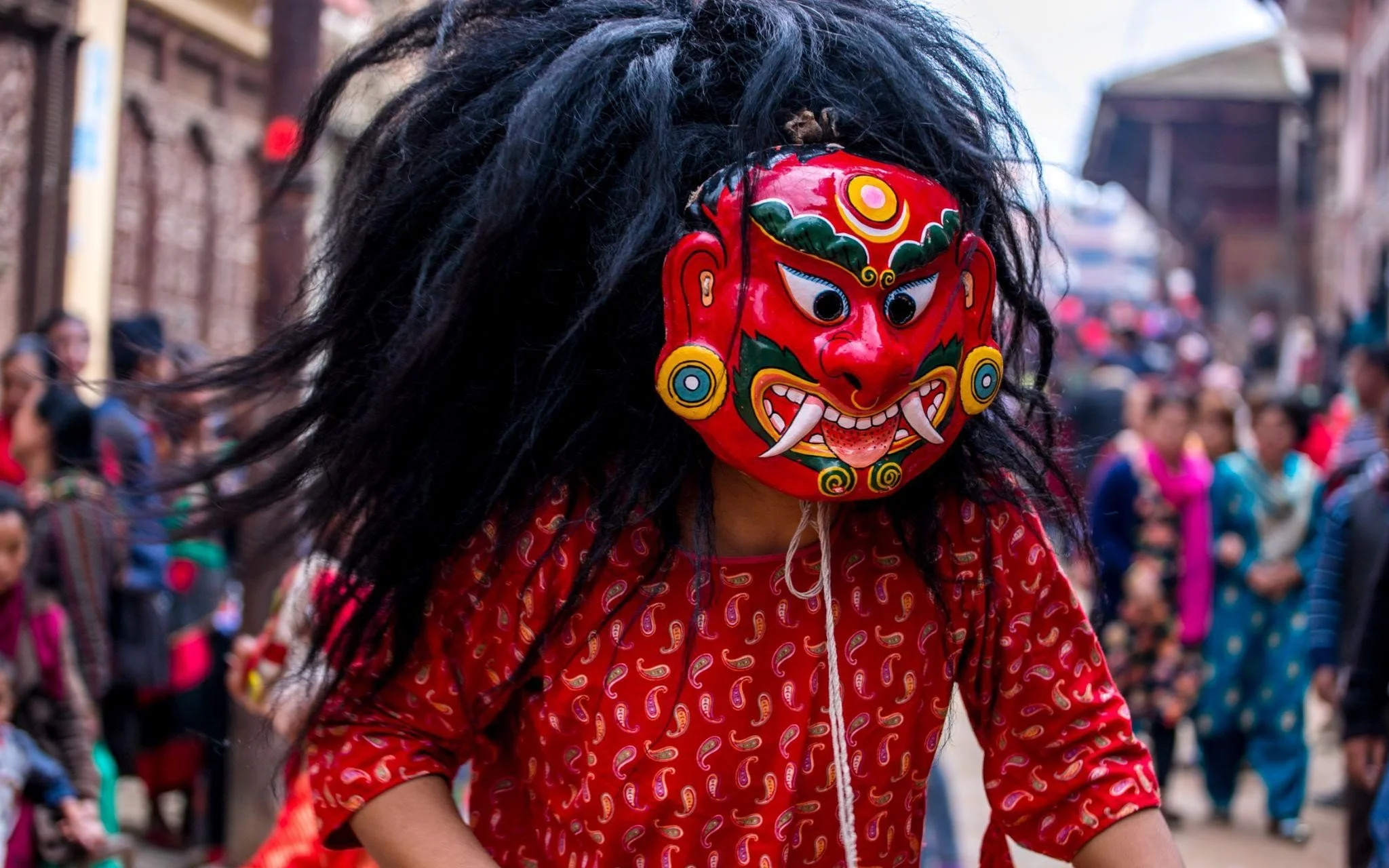
Indra Jatra is one of Kathmandu Valley’s most iconic festivals, where ancient traditions, sacred rituals, and vibrant celebrations come together. Through chariot processions, masked dances, and cultural performances, it showcases the living heritage of Nepal.
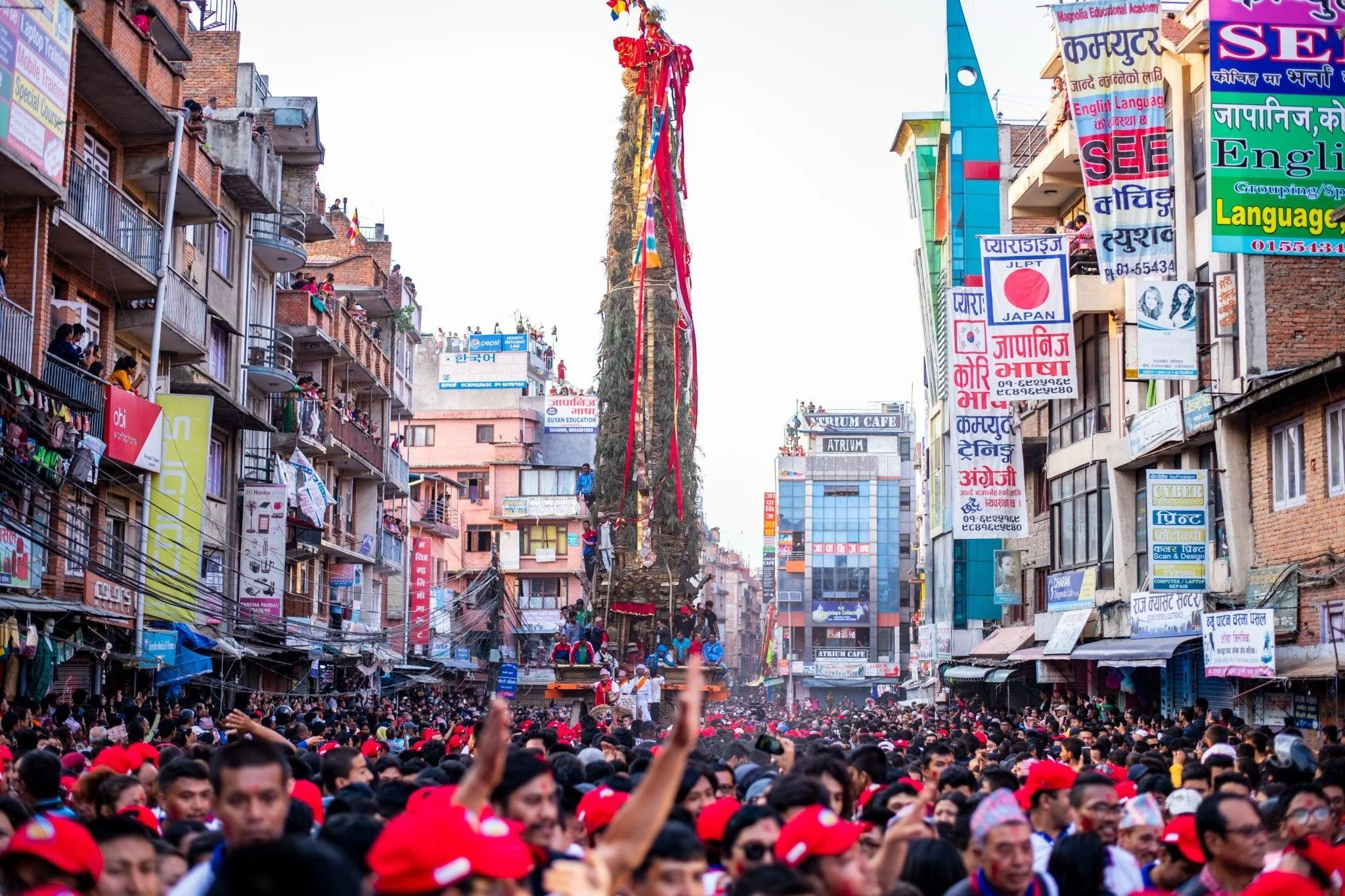
A journey through Rato Machindranath Jatra reveals how deeply tradition and community are connected in Kathmandu Valley.
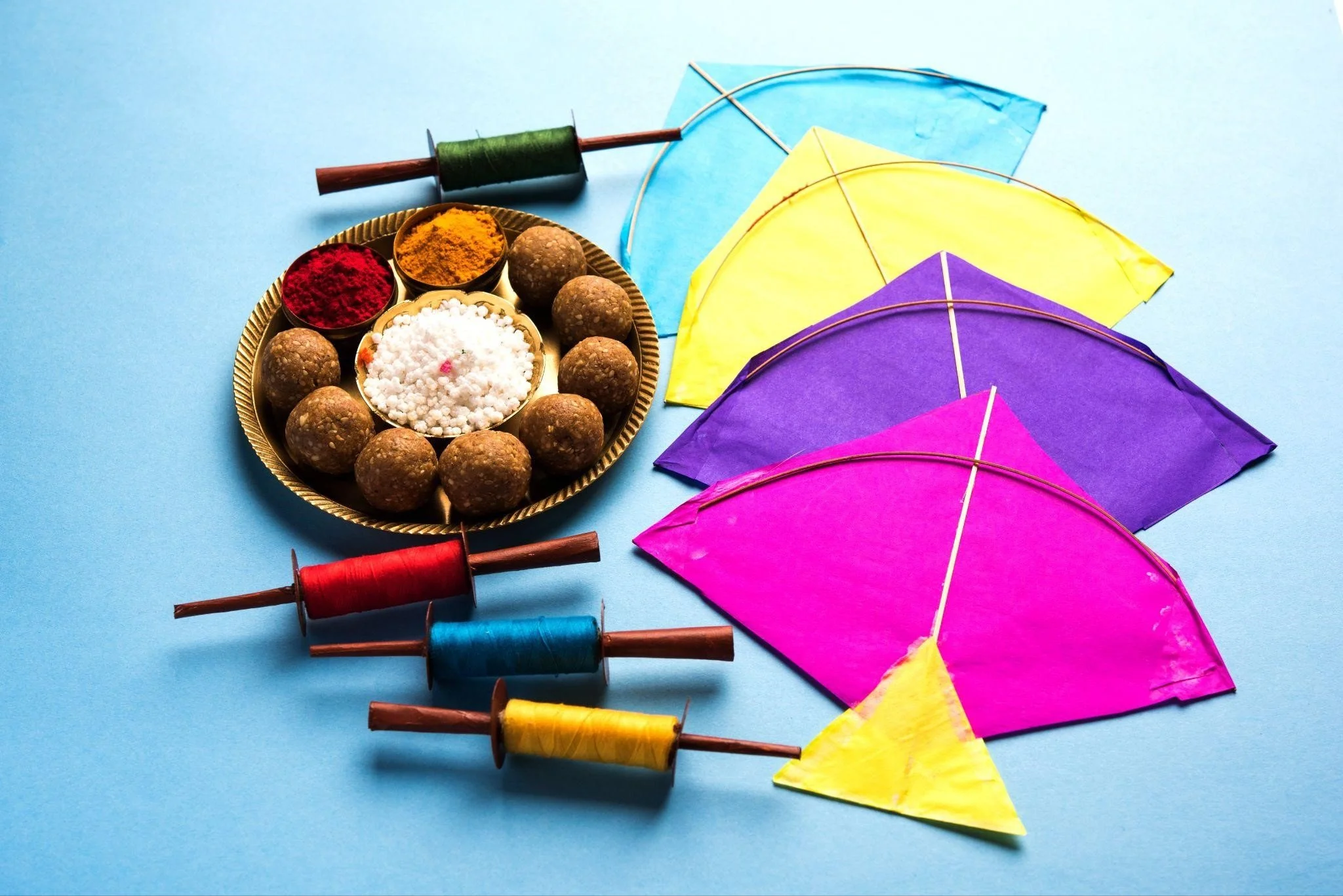
Maghe Sankranti in Nepal’s Terai: A celebration of Tharu culture through vibrant rituals, music, and most importantly delicious food! From the sweet Tilko Laddu to savory Bara, each dish carries centuries of tradition and meaning, bringing families and communities together. Don’t miss out on these festive delicacies that symbolize warmth, unity, and abundance.
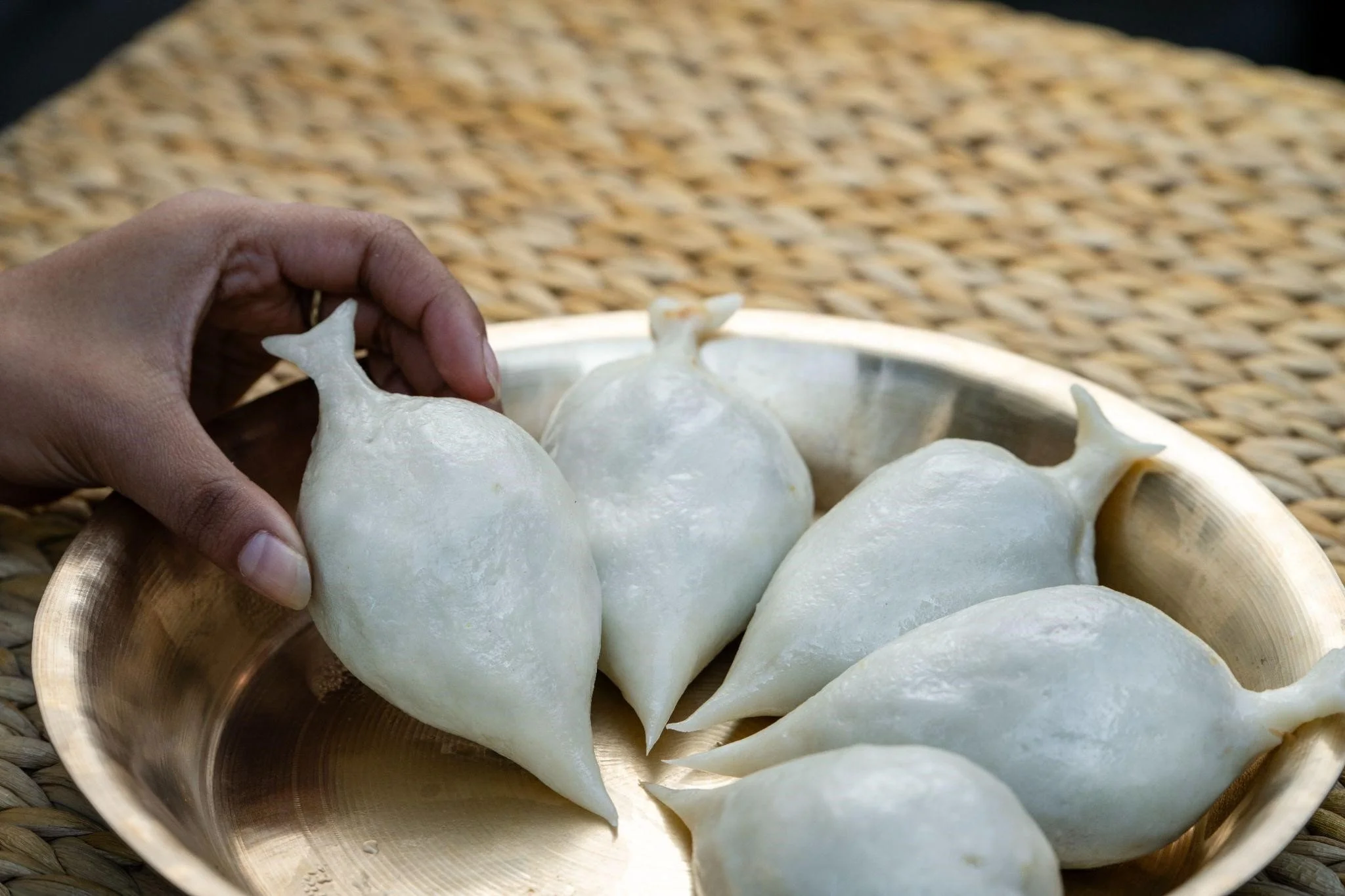
Indulge in the warmth and tradition of Yomari Punhi, where sweet, steamed yomari brings communities together to celebrate the harvest moon. A festival filled with myths, gratitude, and delicious delicacies, Yomari Punhi is not just about the food—it’s about the spirit of sharing, abundance, and honoring the goddess of nourishment.
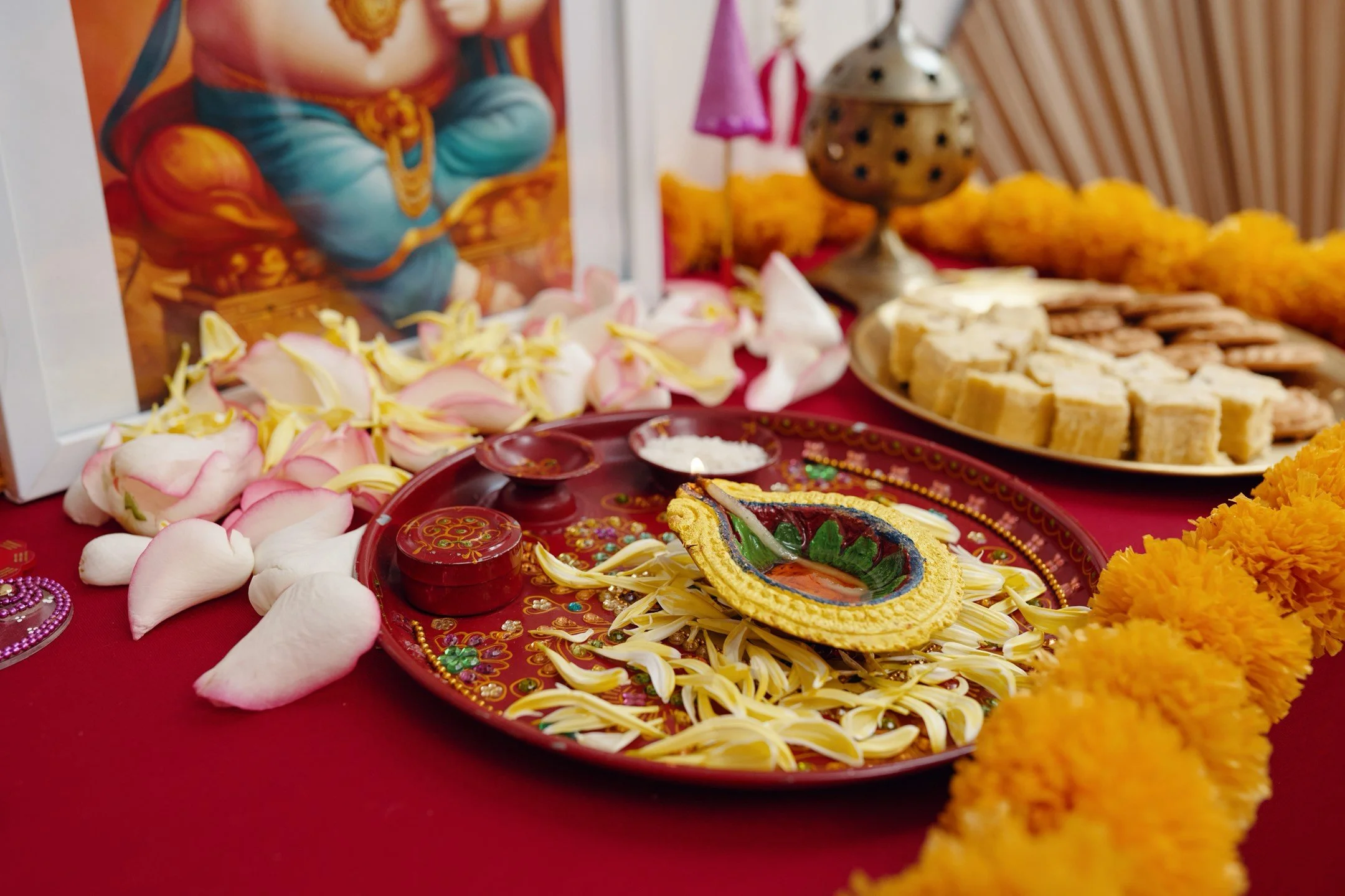
Embrace the warmth of family, tradition, and light during Tihar, Nepal’s festival of togetherness. From honoring animals to lighting diyas, it’s a celebration of love, prosperity, and the vibrant Nepali culture that brings communities closer.
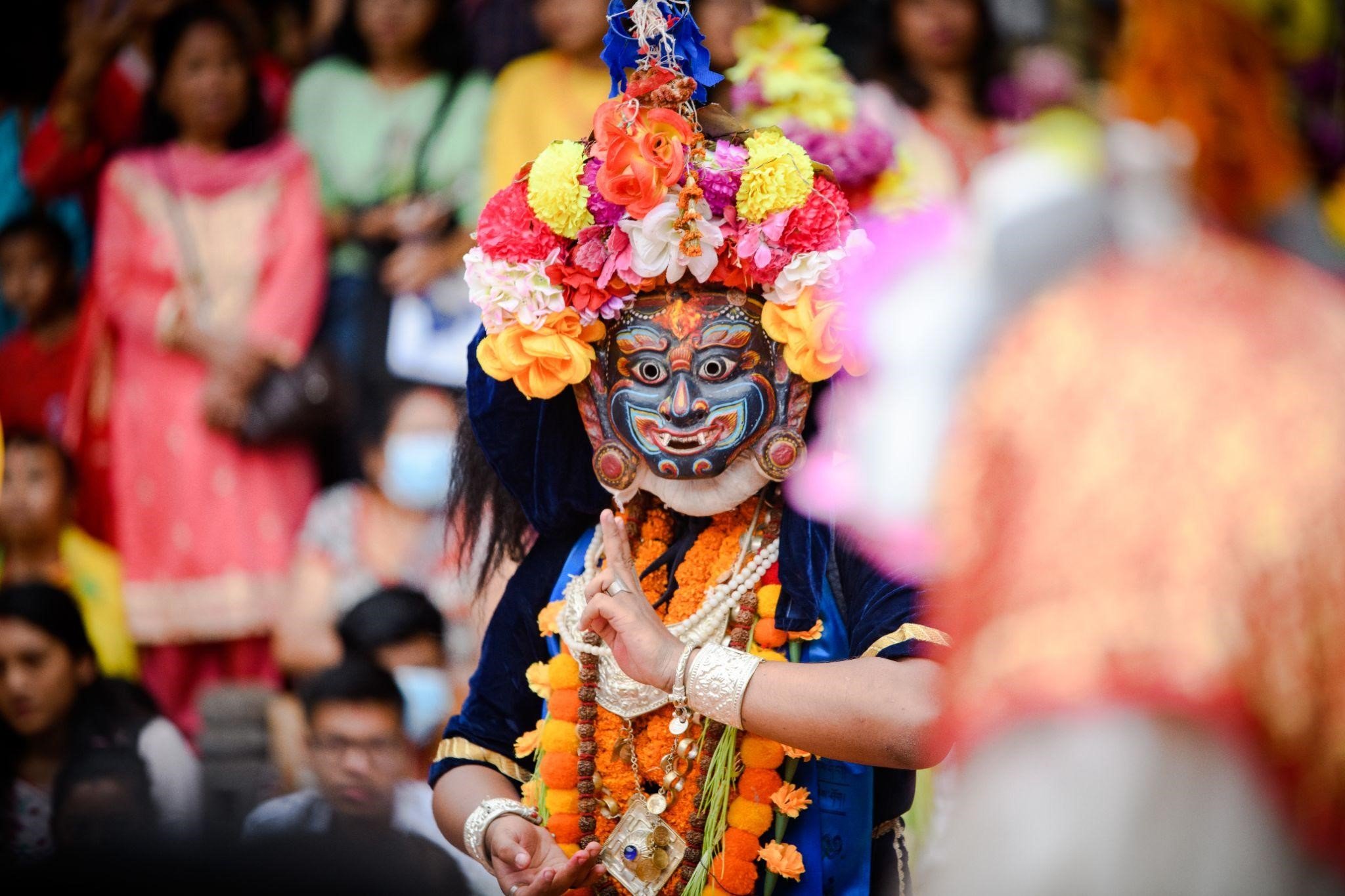
Dashain, the grandest festival of Nepal, is a time of celebration, devotion, and togetherness. Across the country, homes are adorned with flowers, kitchens fill with traditional delicacies, and families gather to honor age-old rituals. In the historic city of Patan, one tradition stands out as a vibrant symbol of devotion and cultural pride: Gaa Pyakha.
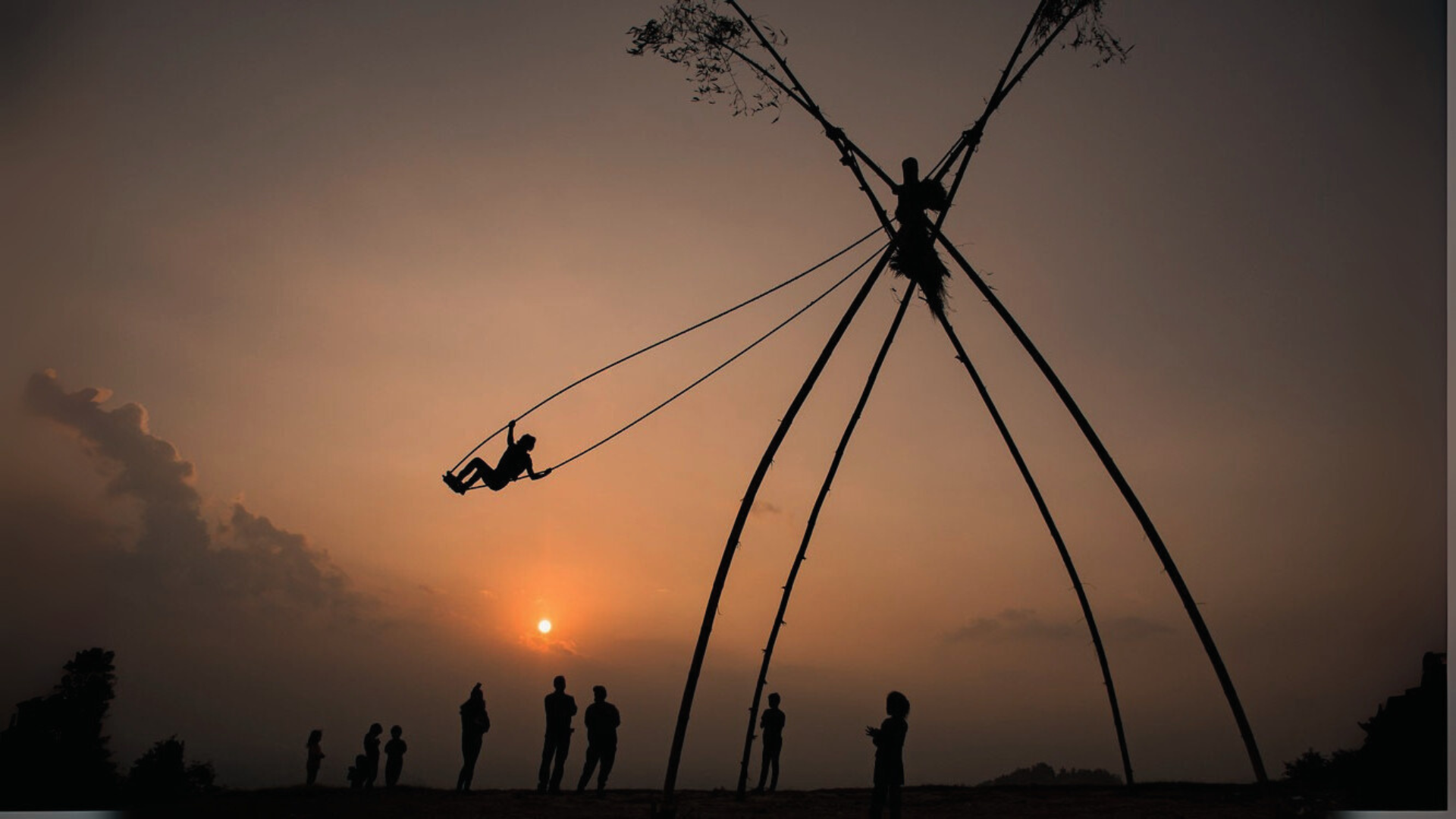
Dashain: A time of triumph, blessings, and the joyous spirit of togetherness. As families gather to honor traditions and celebrate the victory of good over evil, the festival brings moments of joy, reflection, and cultural pride. Let the swings of Dashain carry you into a new season of prosperity and unity.
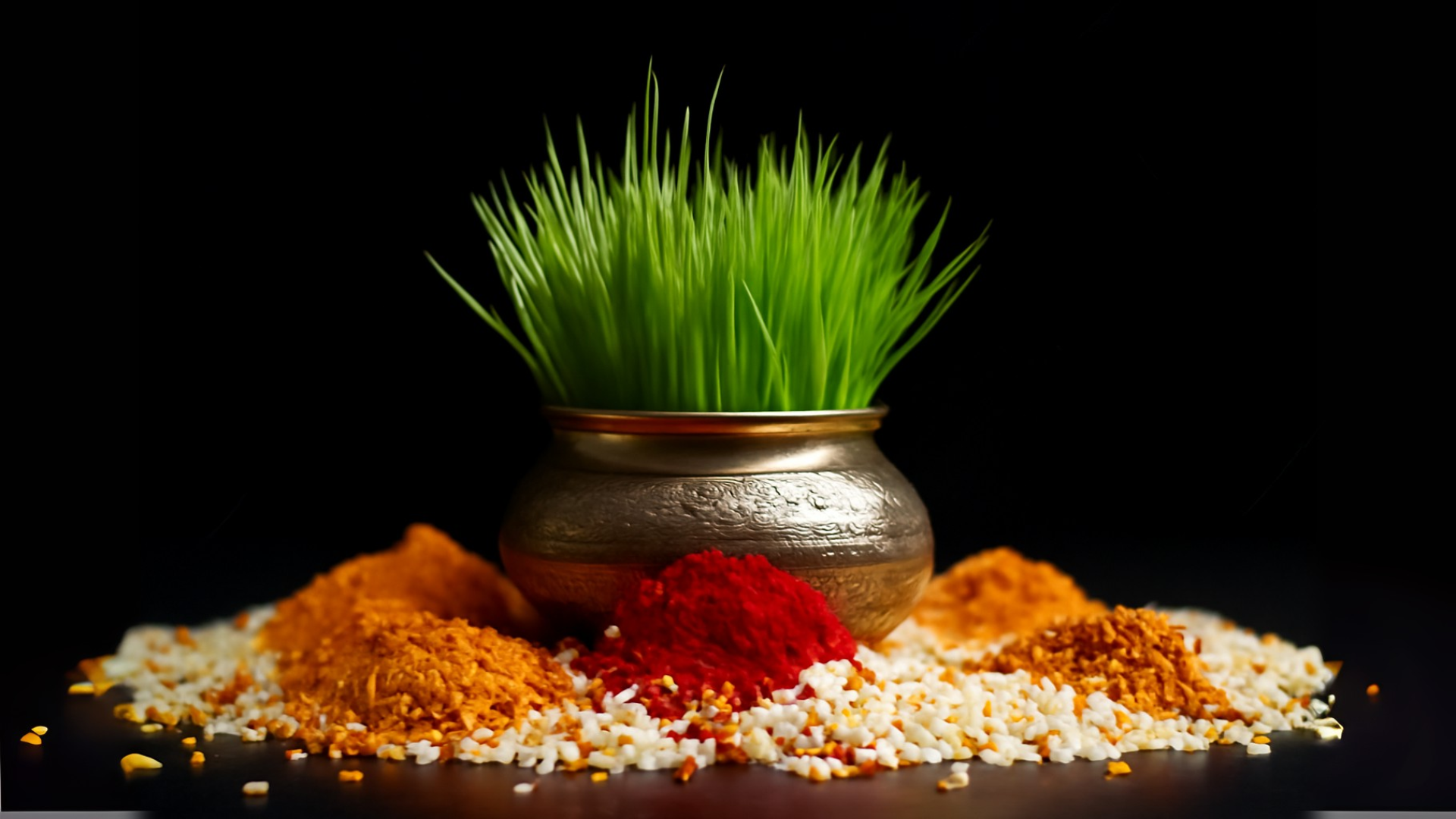
On Ghatasthapana, the sacred ritual of welcoming Goddess Durga begins the journey of Dashain. As the kalash is placed and barley sprouts grow, it marks a time for spiritual growth, prosperity, and family unity. A celebration of divine blessings and the hope for a fruitful year ahead.
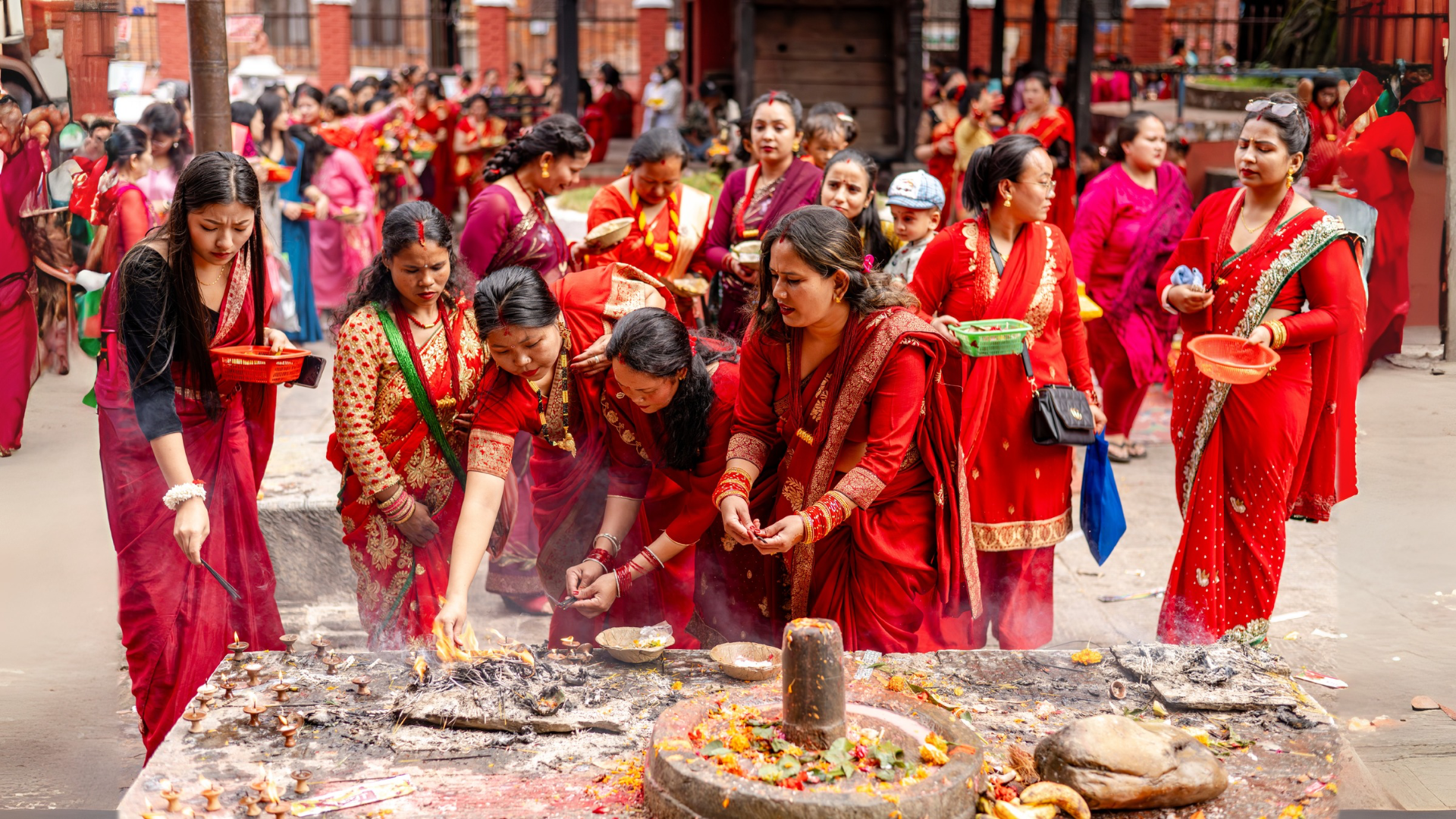
As the monsoon rains sweep across Nepal, the streets of Kathmandu transform into a vibrant sea of red. Women gather in unity to celebrate Teej, a festival that celebrates love, devotion, and resilience. This cherished tradition, marked by fasting, singing, and dancing, holds profound spiritual and cultural significance. But what makes Teej truly special? Let’s dive into the heart of this festival and explore its origins, rituals, and the enduring spirit of womanhood.
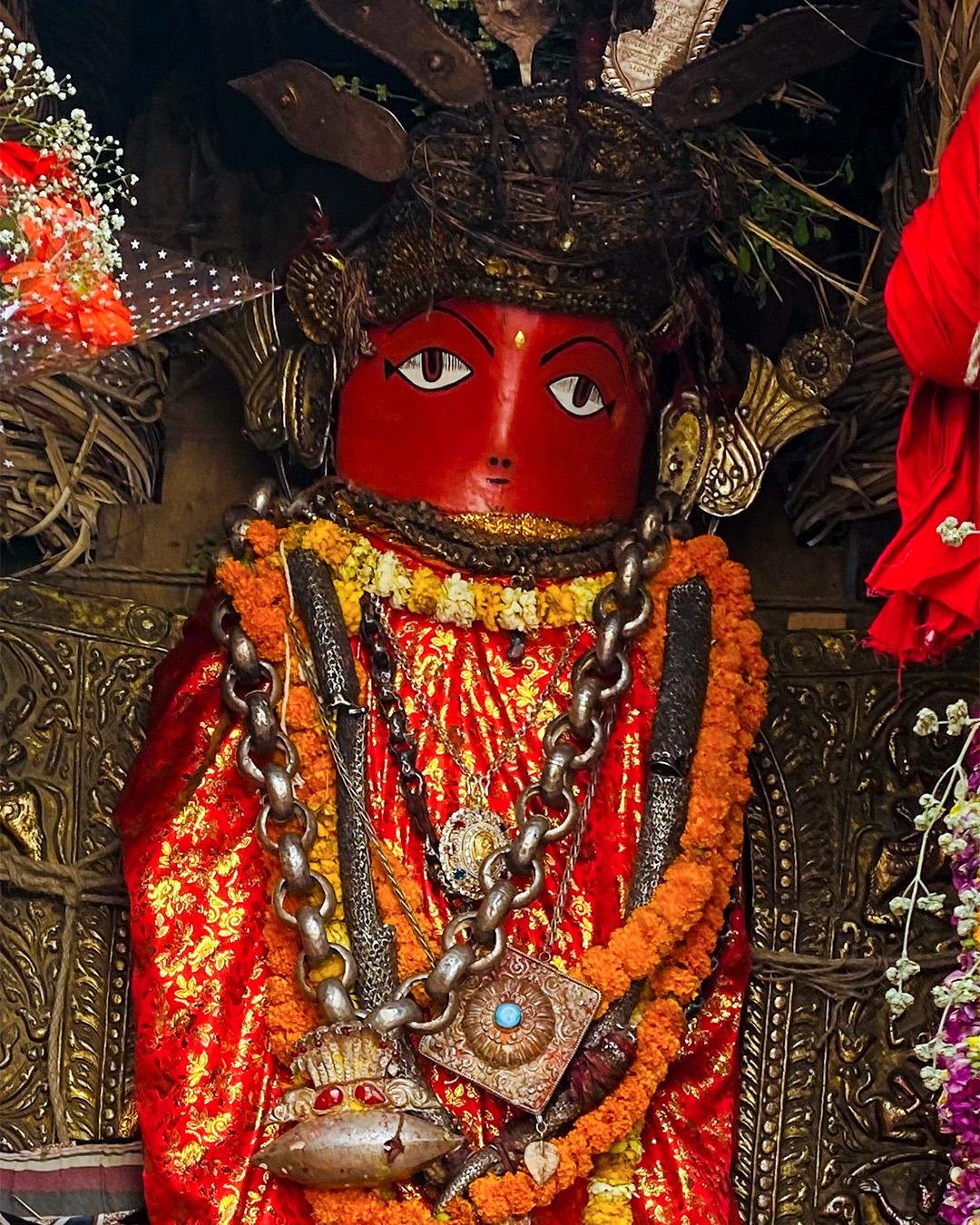
Every spring, as the air begins to warm and the days grow longer, the city of Patan prepares for a celebration unlike any other. Rato Machhindranath Jatra is one of the oldest and most respected festivals in Nepal. Its roots go back more than a thousand years, and its meaning still feels just as strong today.
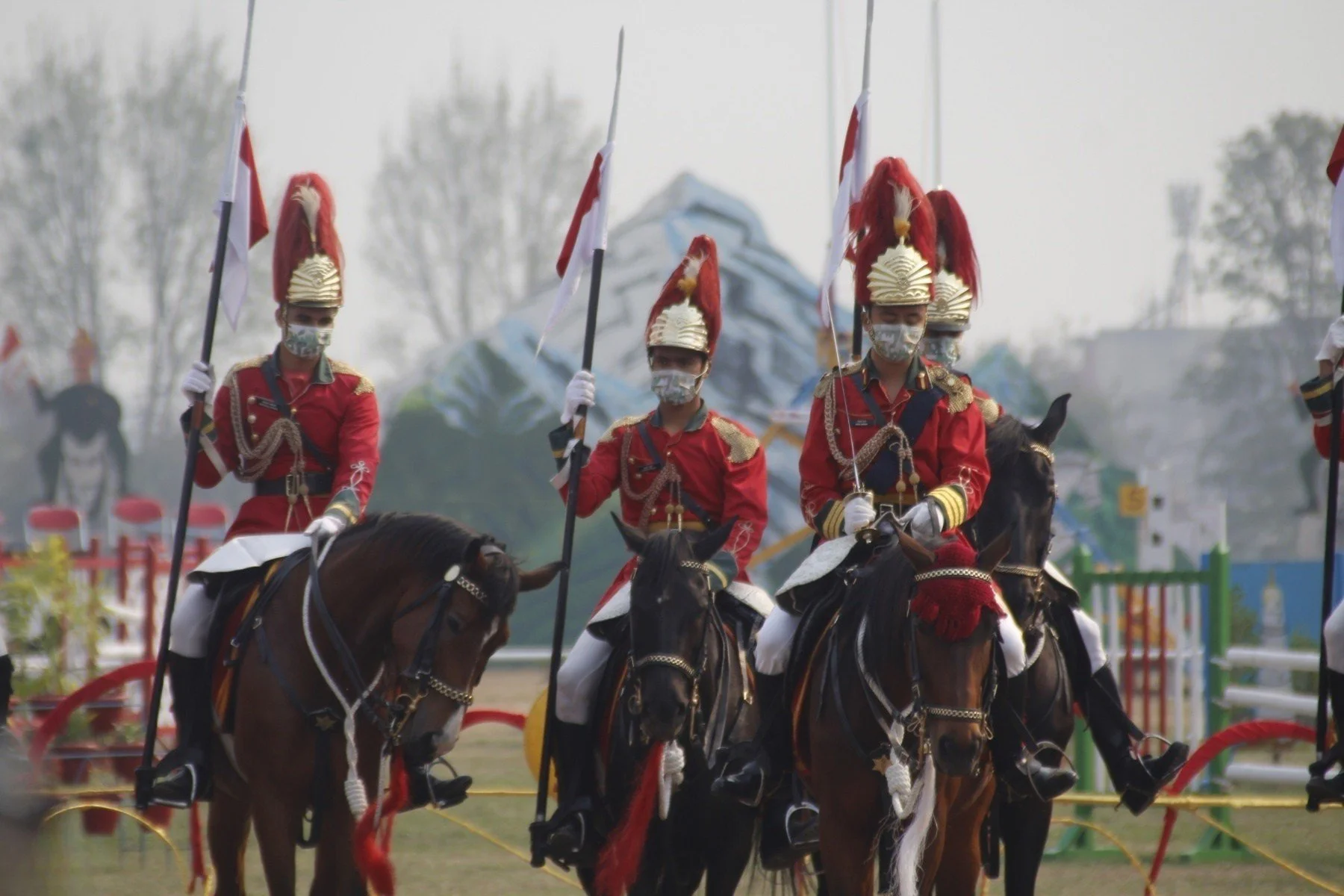
Ghode Jatra is more than just a horse race; it is a symbol of Kathmandu’s resilience, history, and strength, where the country’s finest cavalry units, skilled riders, and powerful horses come together for a spectacle that has captivated audiences for centuries.
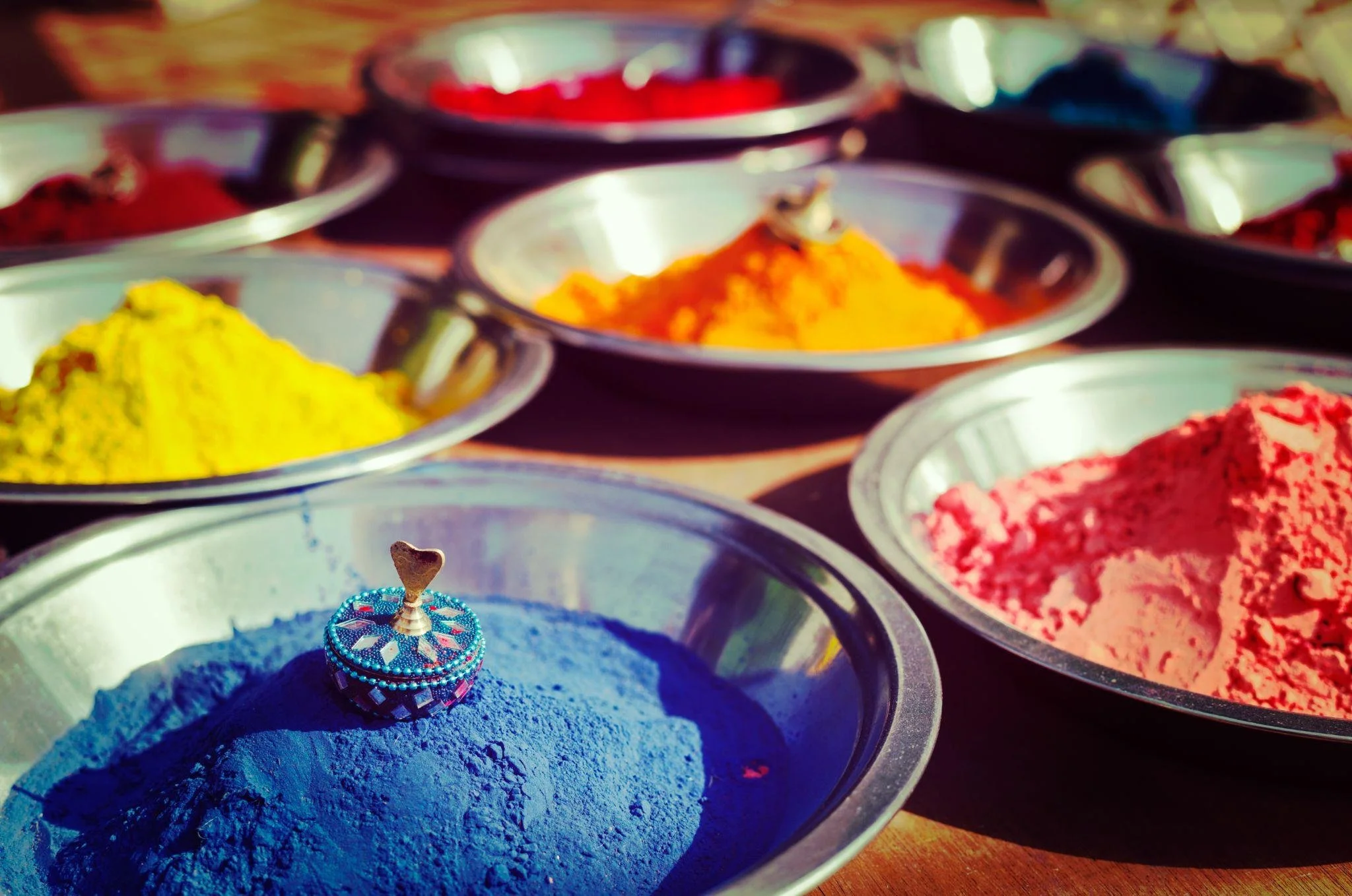
As spring arrives in Nepal, Holi, the festival of colors, transforms Kathmandu into a lively spectacle of vibrant hues, music, and joy. Celebrated across Nepal and India, Holi marks the arrival of spring and the victory of good over evil.
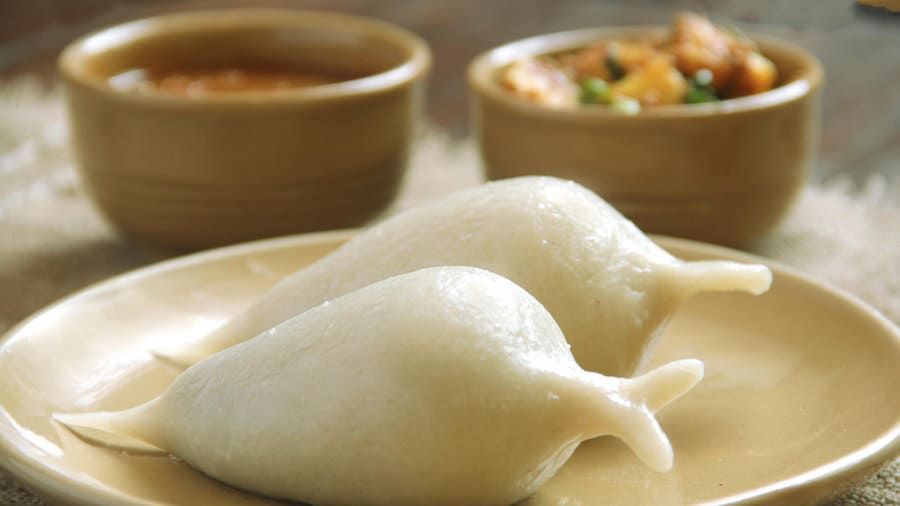
Yomari Punhi, celebrated on the full moon day of the month of Thinla in the Nepal Sambat calendar, is one of the most beloved festivals of the Newar community in Nepal. This festival, dedicated to gratitude for the harvest and prayers for prosperity, combines spirituality, tradition, and the delight of culinary art through the iconic dish, the Yomari.
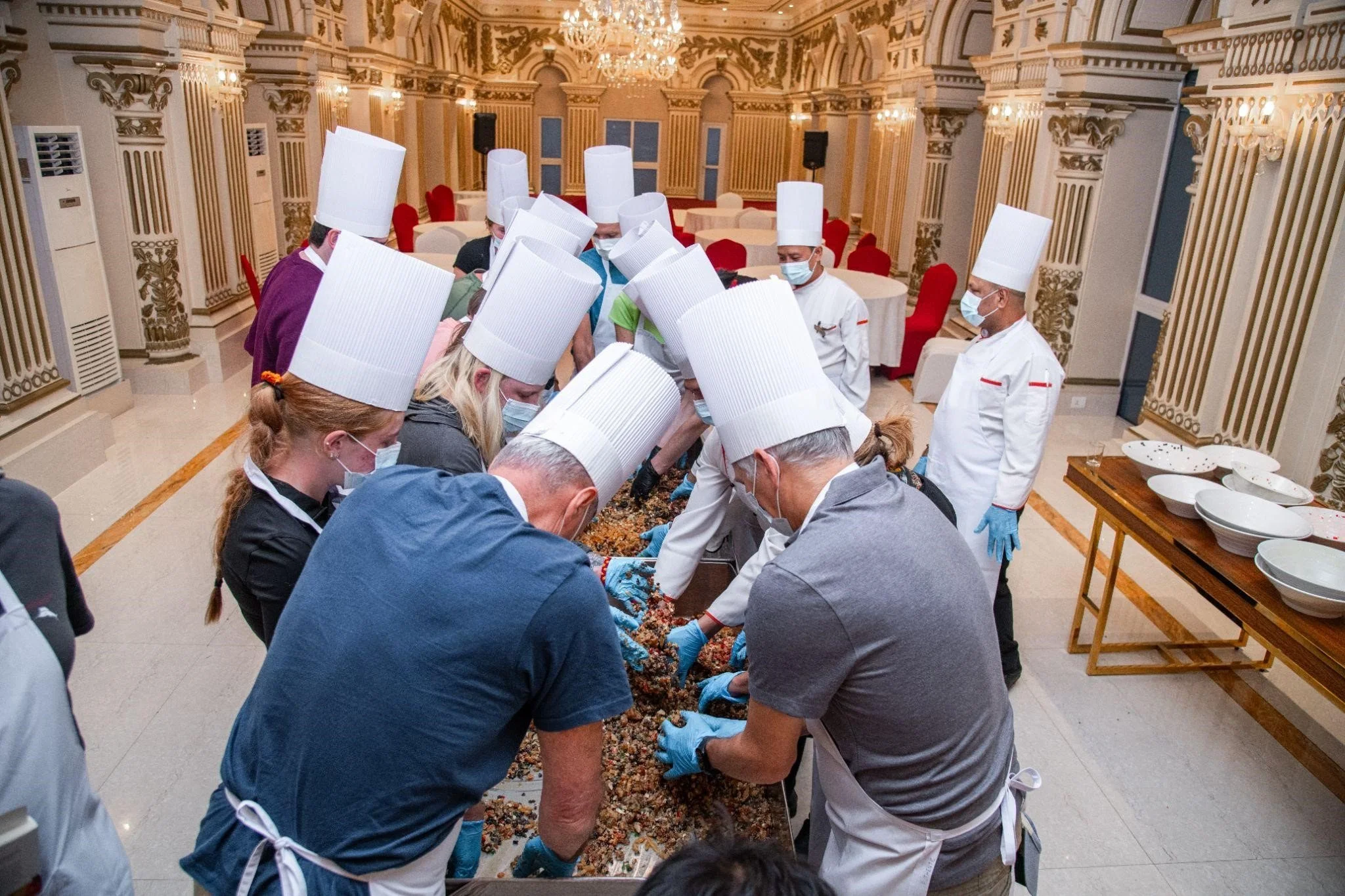
As the festive season approaches, the air fills with joy, laughter, and the aroma of celebration. At Hotel Shanker, we embraced this spirit with our annual Cake Mixing Ceremony, a heartwarming event where our guests came together to mark the beginning of a season dedicated to togetherness and traditions.
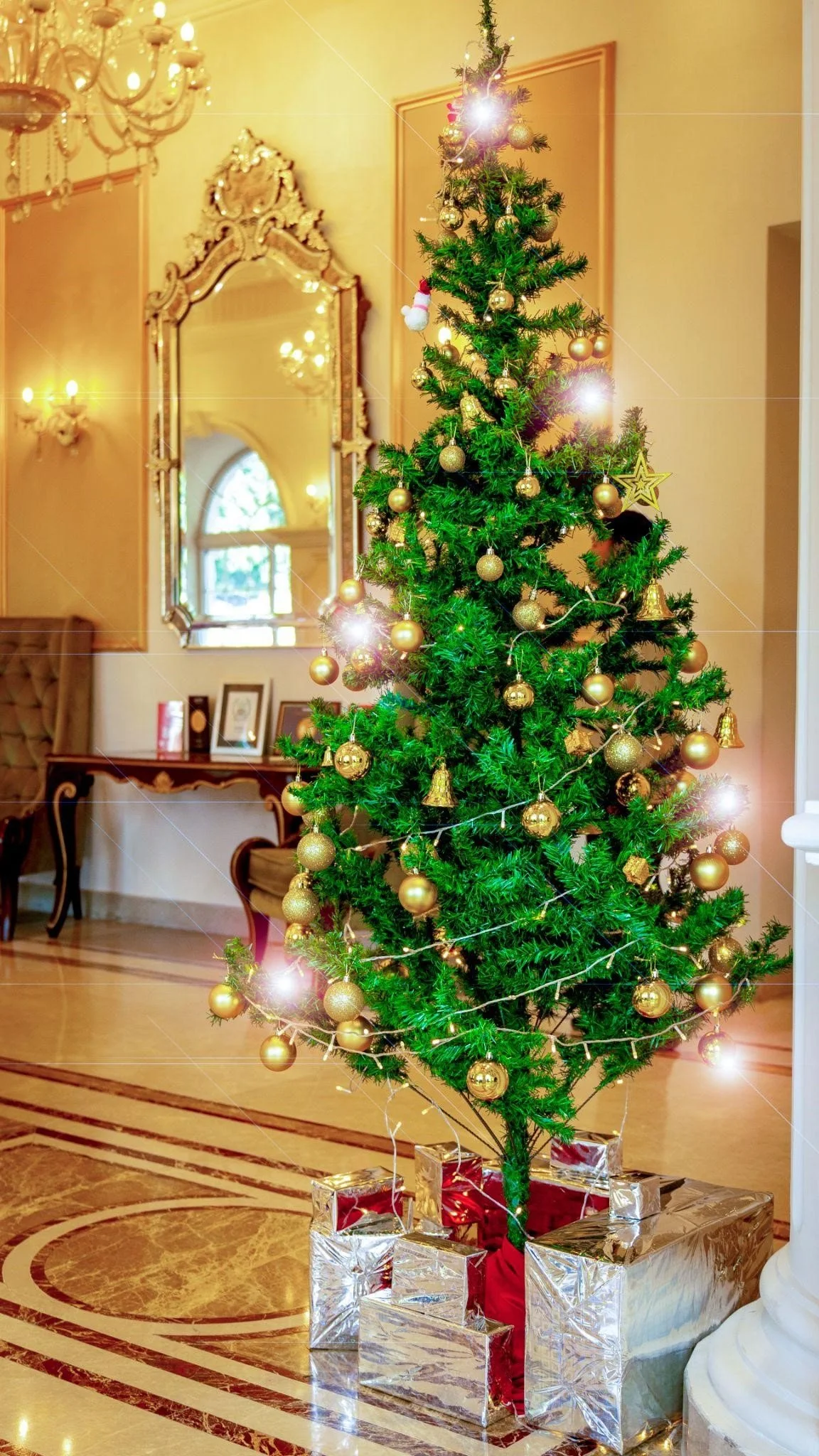
Christmas, traditionally a Christian holiday, has transcended religious boundaries to become a global celebration of joy, love, and giving. In Kathmandu, the heart of Nepal, Christmas has found a special place amidst the city's vibrant cultural tapestry. This festival is celebrated with warmth and inclusivity, reflecting Kathmandu’s embrace of diverse traditions and its ever-evolving cultural adaptation.
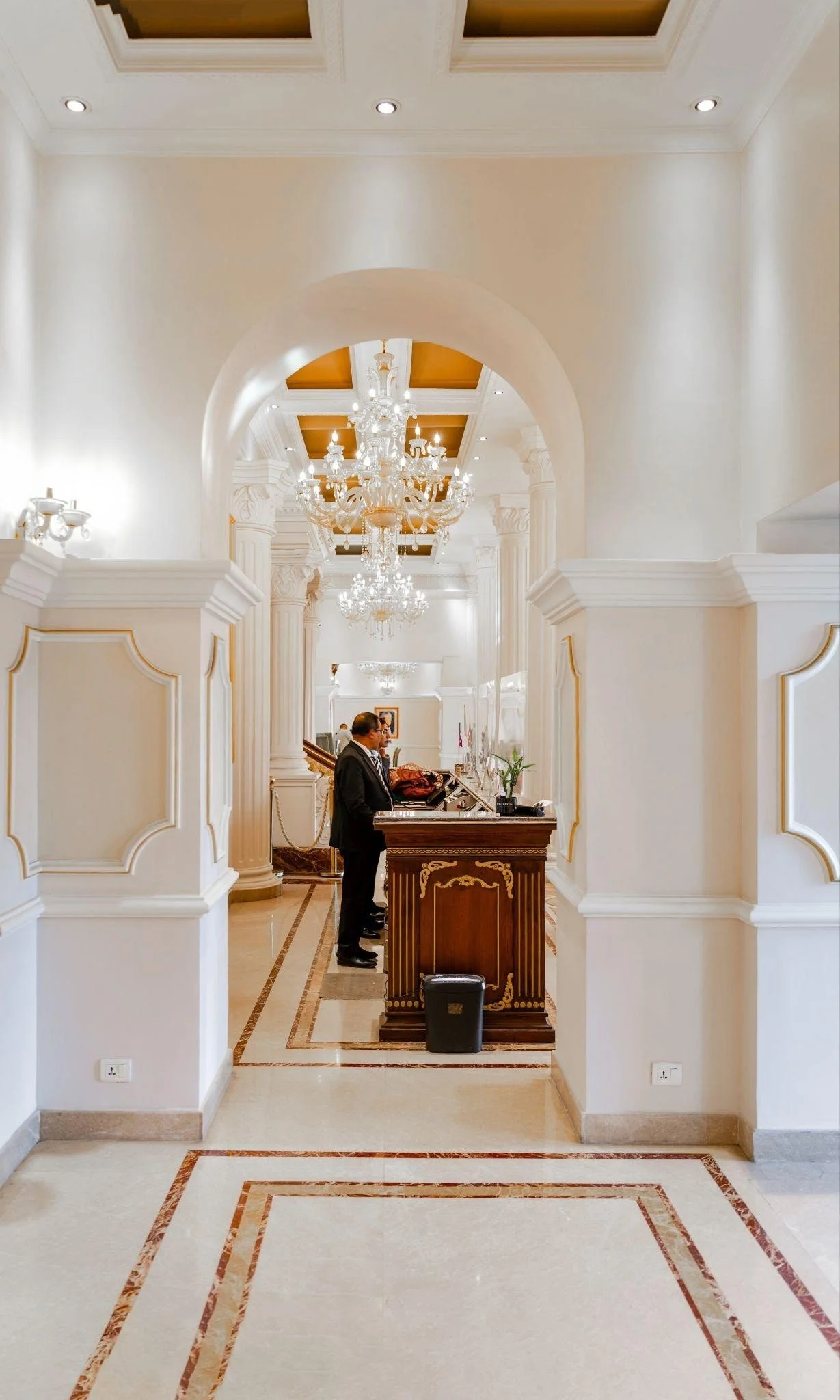
As the vibrant autumn leaves of Kathmandu begin to fade and the crisp chill of winter settles over the city, there’s no better time to plan your perfect winter escape. Nestled in the heart of Kathmandu, Hotel Shanker offers the ideal blend of historical grandeur, warm hospitality, and modern luxury, making it the ultimate winter retreat.
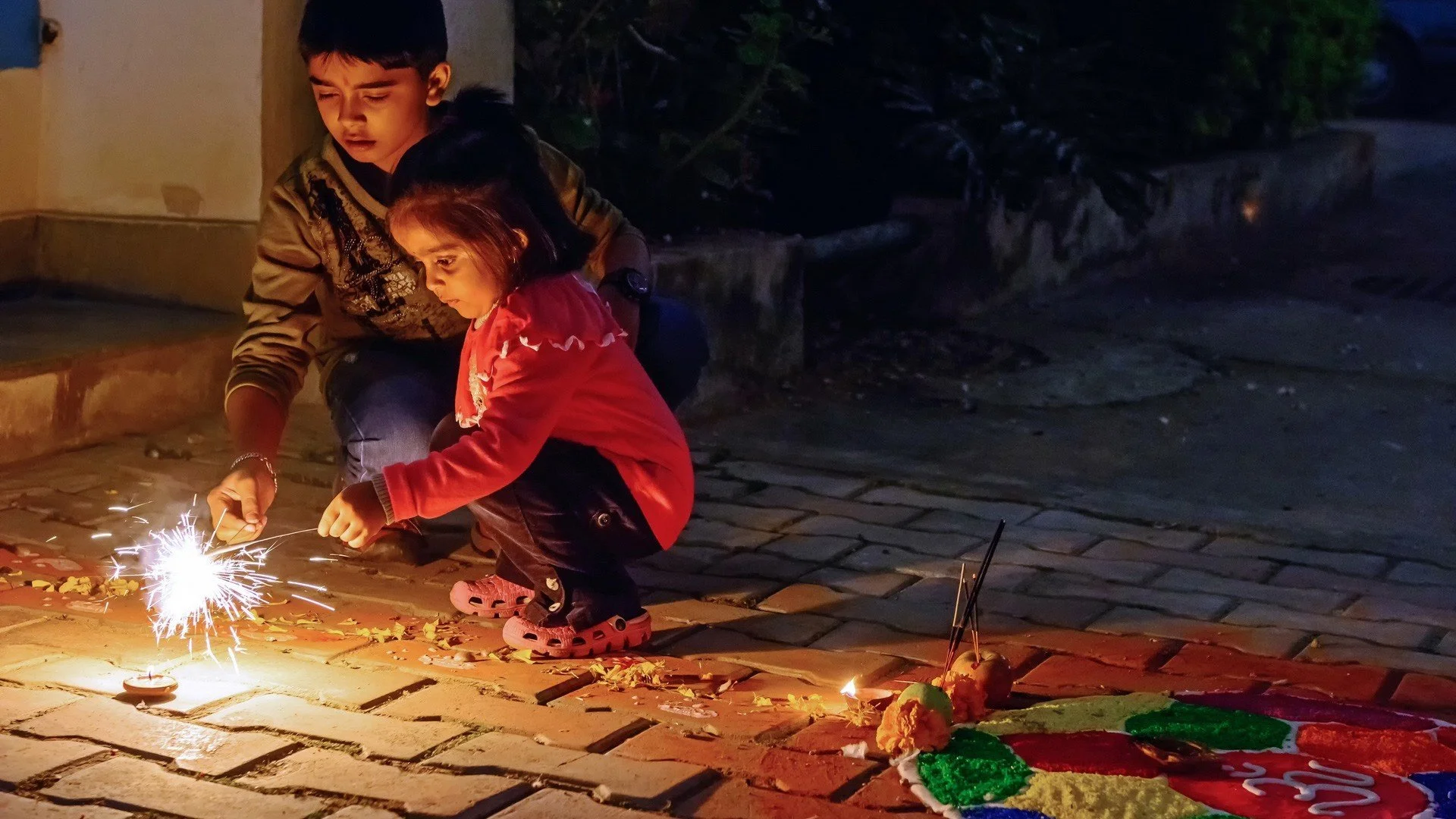
Tihar, one of Nepal's most beautiful and vibrant festivals, is a celebration of lights, joy, and gratitude. Spanning five days, Tihar honors the bond between humans, gods, and animals, making it a festival that resonates deeply with the Nepali culture. Often compared to Diwali, Tihar is unique in its own right, filled with cultural rituals, colorful decorations, and joyous festivities.
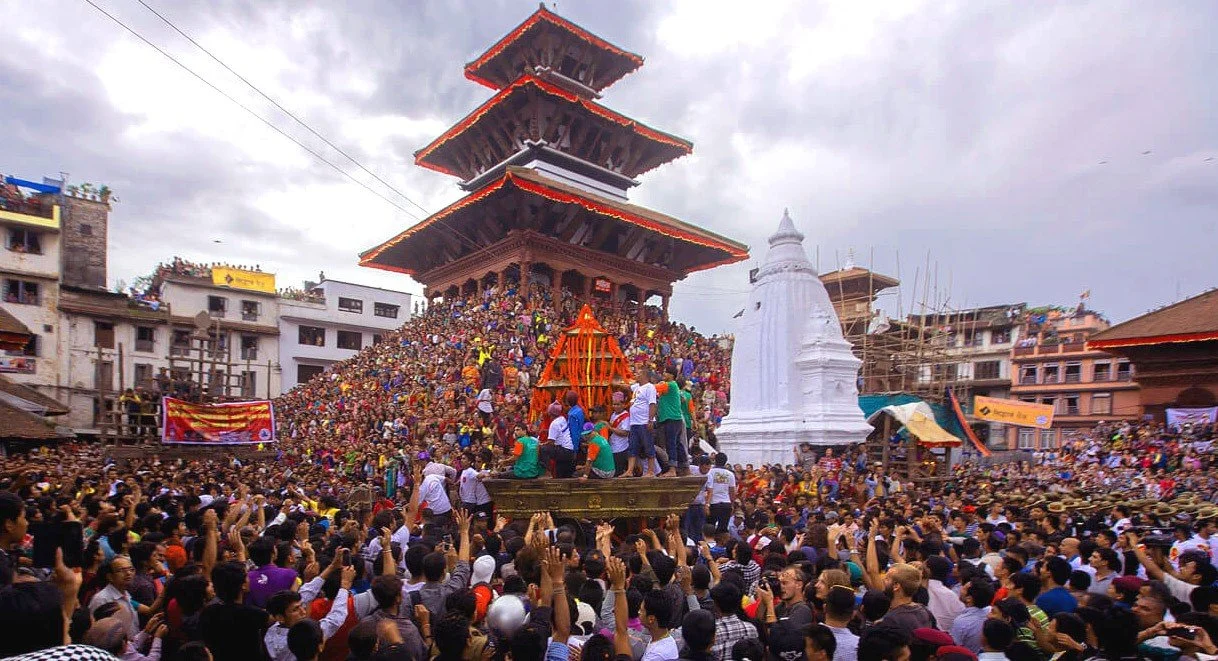
Indra Jatra, celebrated in honor of the god Indra, the King of Heaven and Rain, is a festival that has captured the heart of Kathmandu for centuries. Legend has it that Indra descended to Earth to collect a specific flower for his mother, only to be captured by locals who didn’t recognize him. Upon realizing his divine identity, they released him, and to honor the event, the festival of Indra Jatra was born.
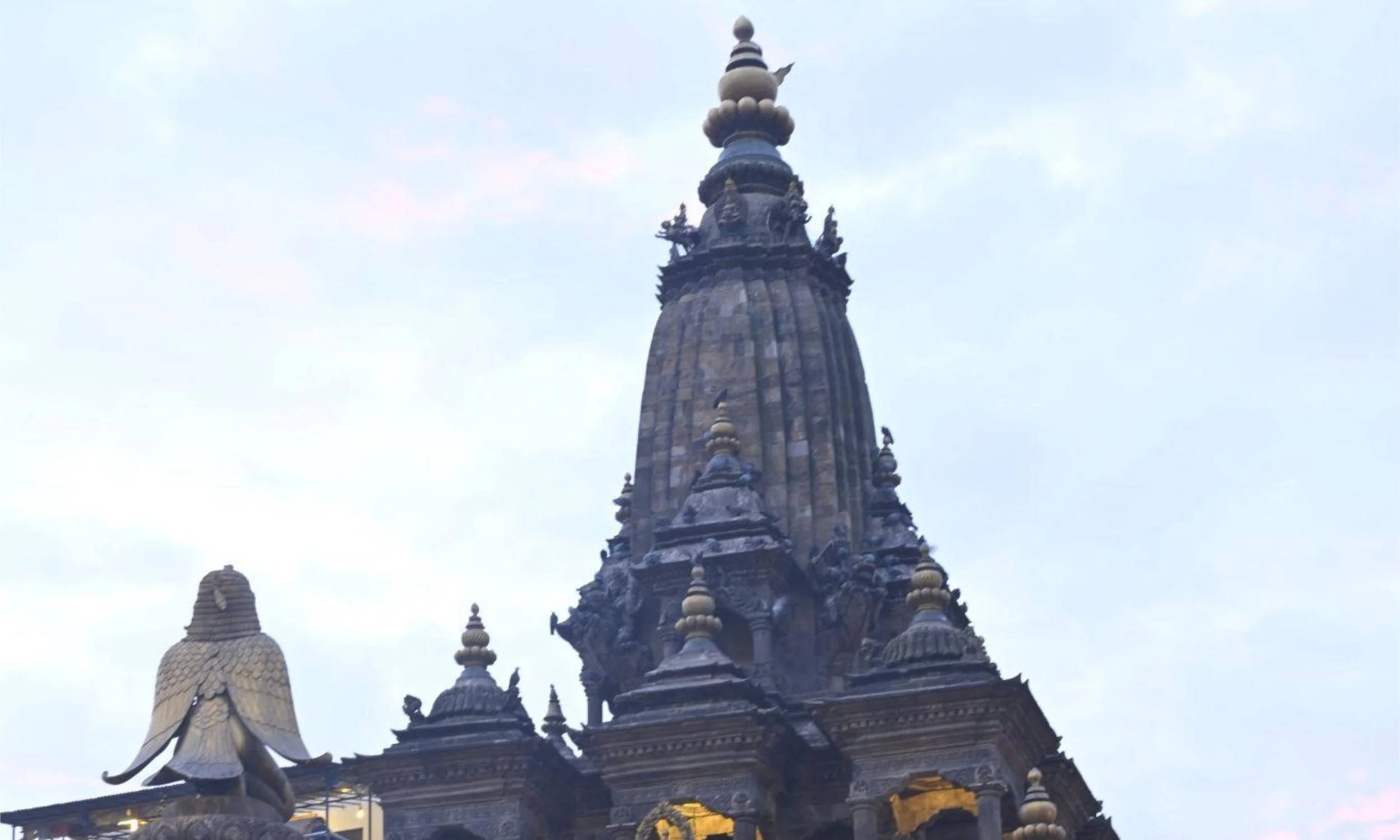
Krishna Janmashtami, a significant Hindu festival, celebrates the birth of Lord Krishna. It is typically observed on the eighth day of the dark fortnight (Krishna Paksha) of the month of Shravan (August-September). Various religious rituals and cultural events dedicated to Lord Krishna are held on this day.
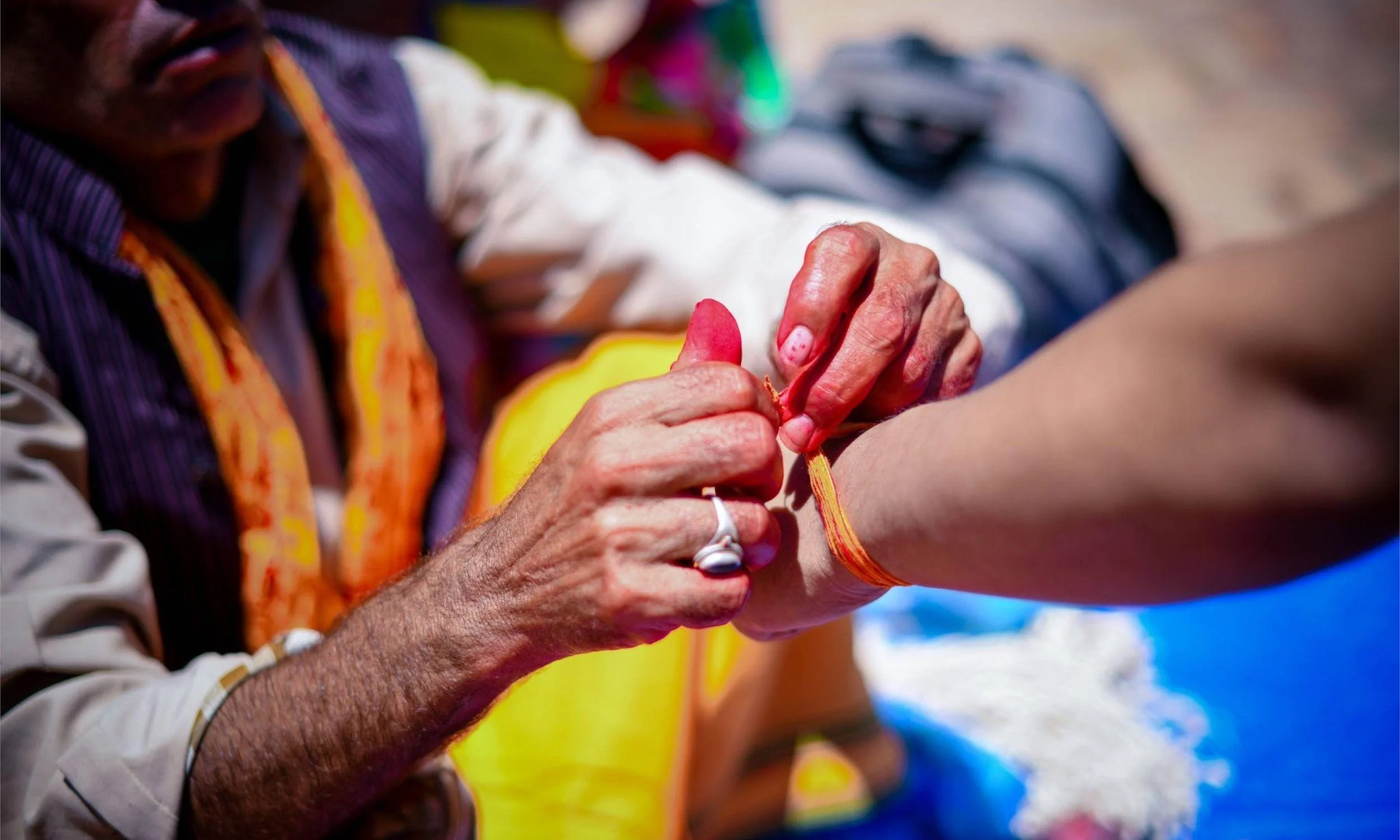
Janai Purnima, a significant Hindu festival celebrated in Nepal, marks the day of renewing the sacred thread (janai) worn by men. This thread symbolizes purity and religious commitment and is believed to protect the wearer from evil forces and bestow blessings. The festival is also known as "Raksha Bandhan" in some parts of Nepal, where sisters tie a protective thread (rakhi) on their brothers' wrists.
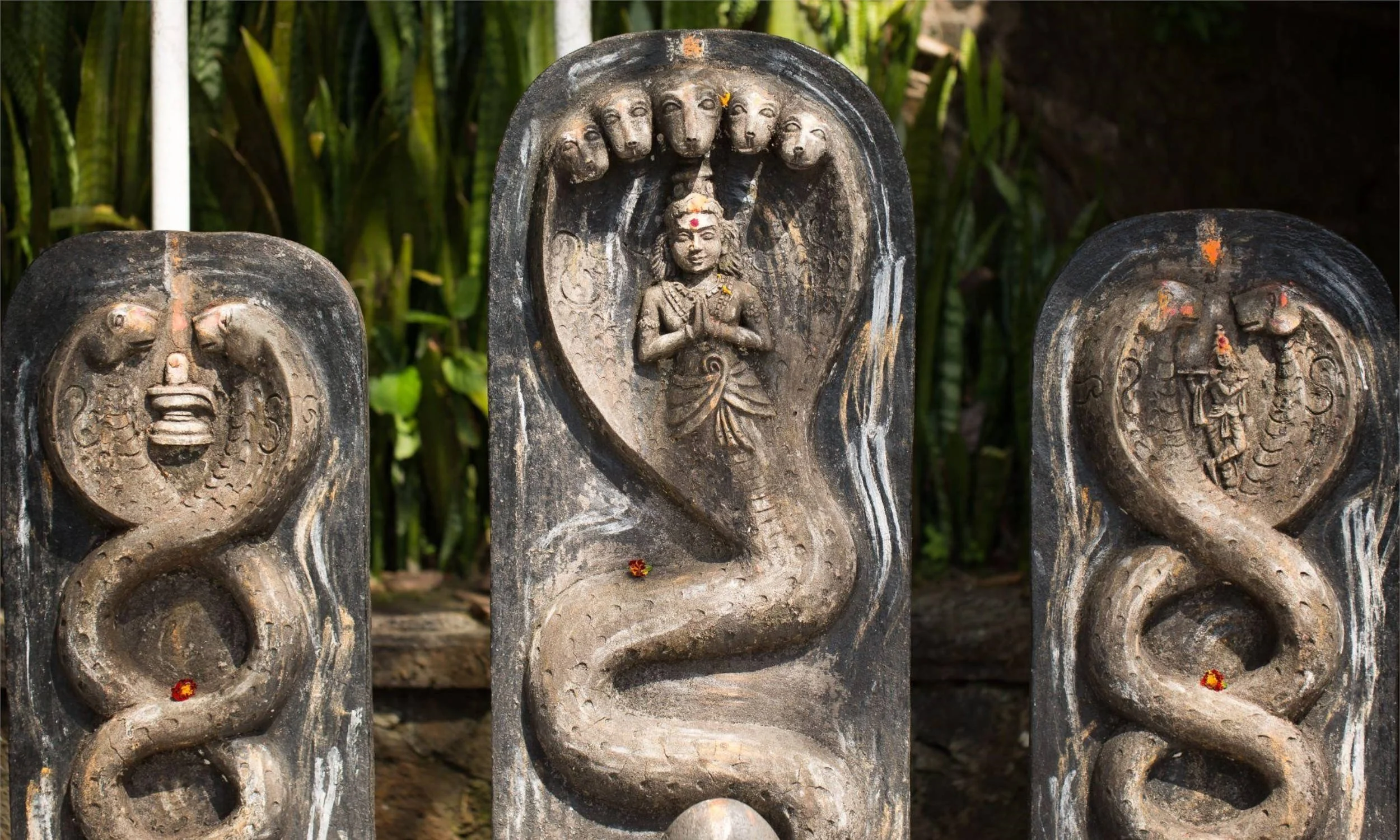
Nag Panchami, a significant Hindu festival, is dedicated to the worship of serpent deities, commonly known as Nag Devta. Celebrated annually on the fifth day of the bright fortnight of the lunar month of Shravan, this auspicious day holds immense religious and cultural importance.
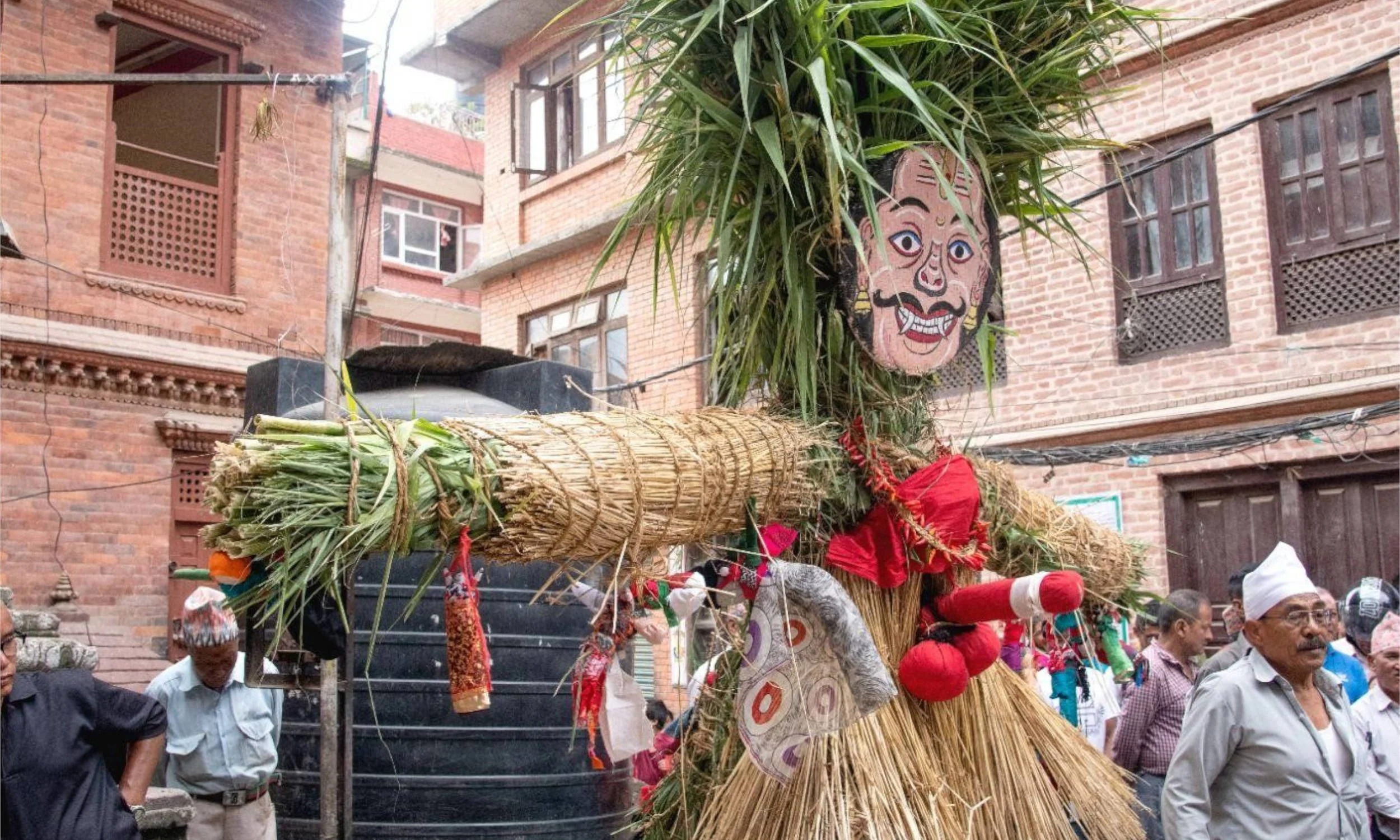
Gathemangal, also known as Ghantakarna Chaturdasi, is a unique festival celebrated by the Newar community in the Kathmandu Valley of Nepal. It falls on Shrawan Krishna Chaturdashi, which typically occurs in June or July according to the Bikram Sambat calendar. This vibrant festival is a colorful display of warding off evil spirits and ushering in peace and prosperity.
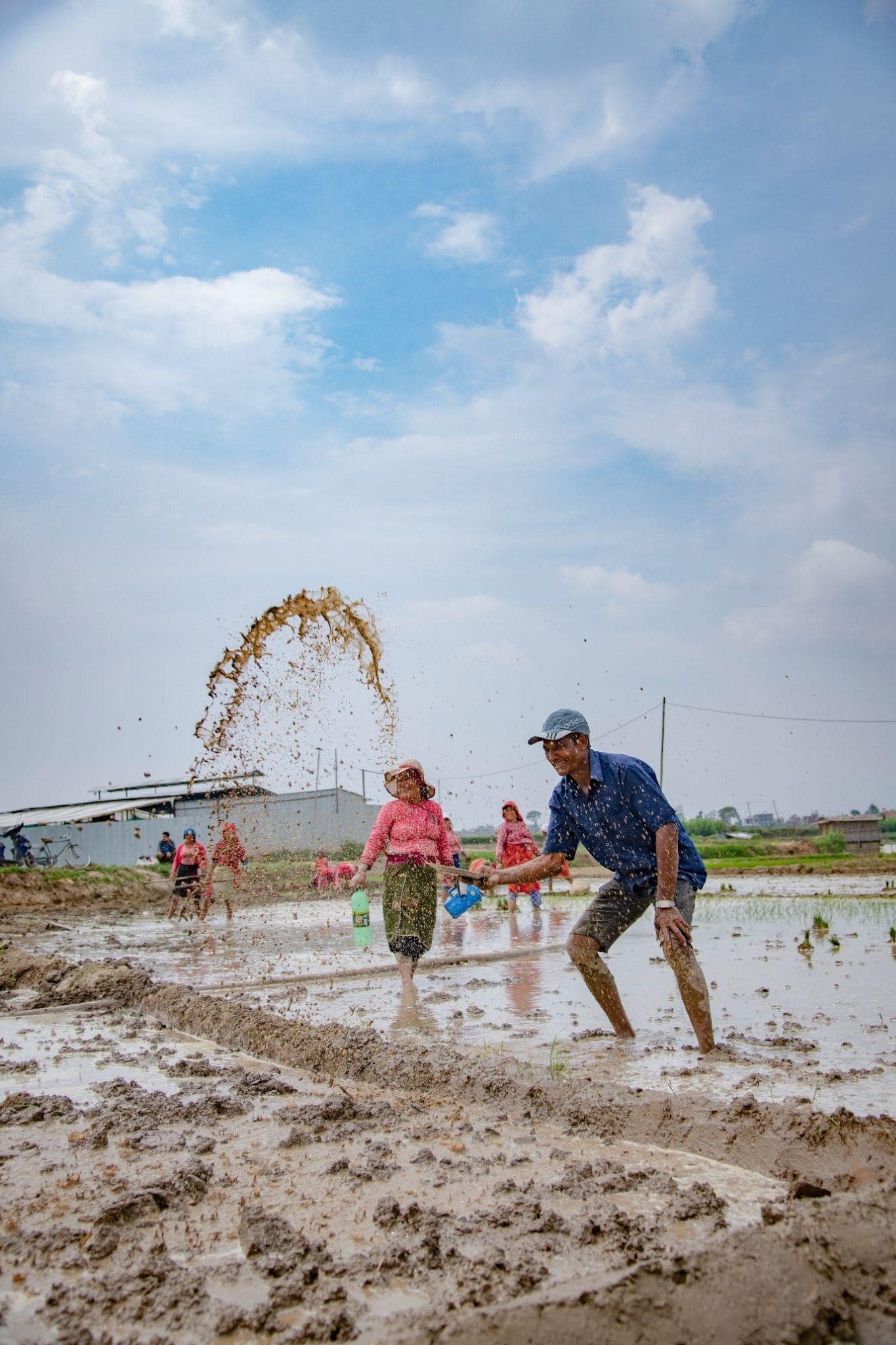
Nepal, a landlocked nation in the Himalayas, boasts a rich agricultural heritage. Among its many festivals, National Paddy Day, also known as Dhan Ropne Diwas, holds a special place in the hearts of Nepalis. Celebrated on the 15th day of the Nepali month of Asar (June-July), this vibrant festival marks the auspicious beginning of the rice planting season. Let's delve deeper into the cultural significance, rituals, and spirit of this unique celebration.
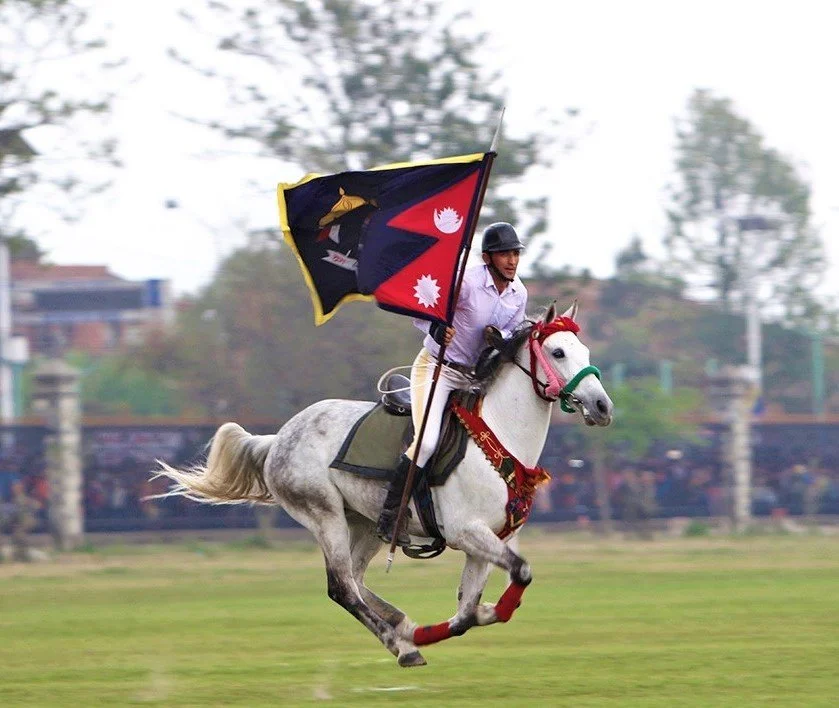
During your stay at the luxurious Hotel Shanker, be sure to experience the vibrant cultural tapestry of Nepal. One unmissable event is the Ghode Jatra, a pulsating horse festival that unfolds every year in Kathmandu, typically around mid-March to early April.

Kathmandu comes alive in a riot of colors during Holi, the exuberant Hindu festival also known as the Festival of Colors. As a guest at Hotel Shanker, you have the unique opportunity to witness and even participate in this joyous celebration. But Holi is more than just throwing colored powder around.
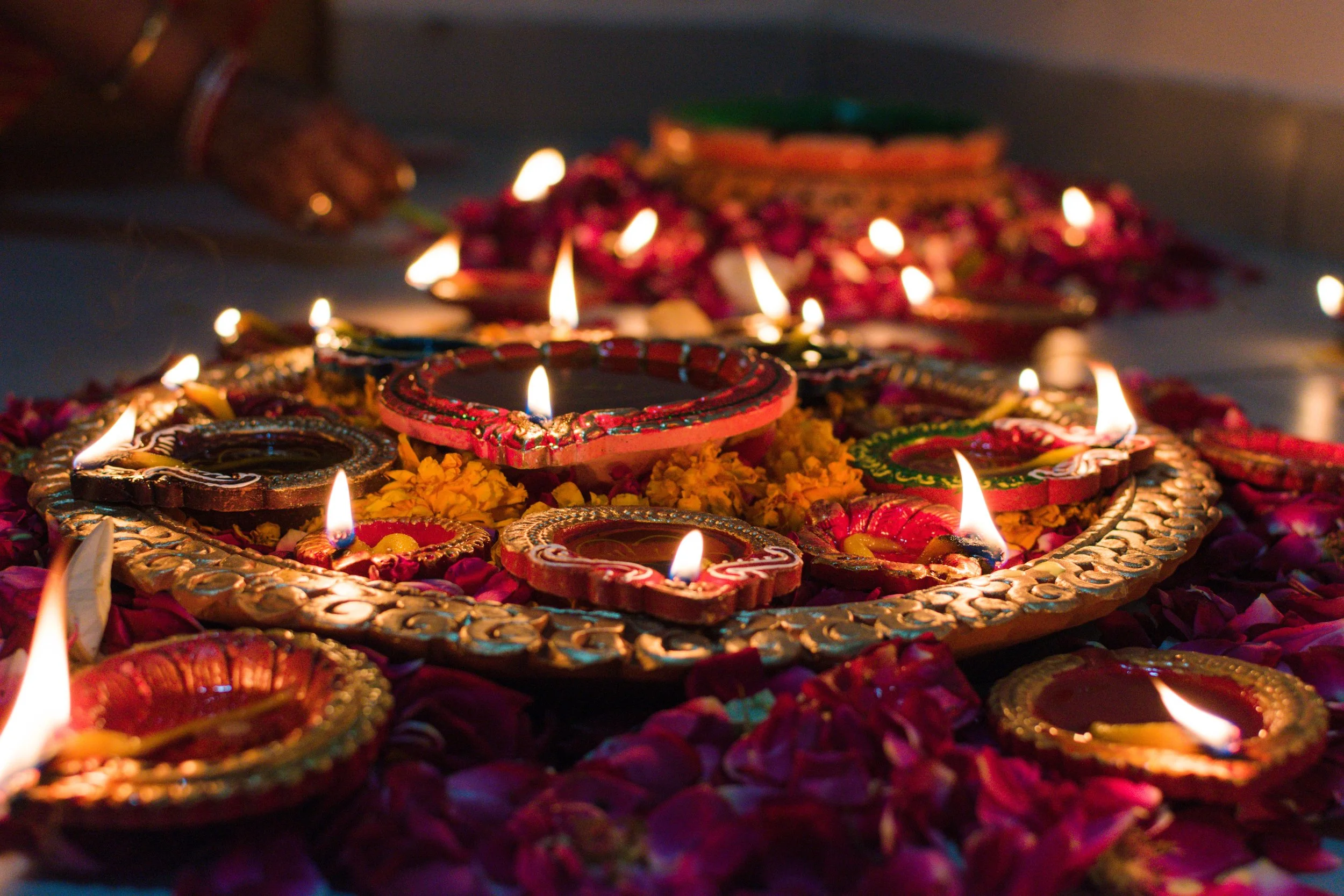
In the heart of the Himalayas, nestled among the towering peaks and lush valleys of Nepal, lies a festival that transcends time and illuminates both the night sky and the human spirit - Tihar, the Festival of Lights. This enchanting celebration, also known as Deepawali or Yamapanchak, holds a profound historical, cultural, and religious significance in the lives of Nepalese people. In this article, we will delve into the captivating world of Tihar, exploring its historical roots, the unique celebrations associated with it, its cultural importance, and its deeply ingrained religious values.
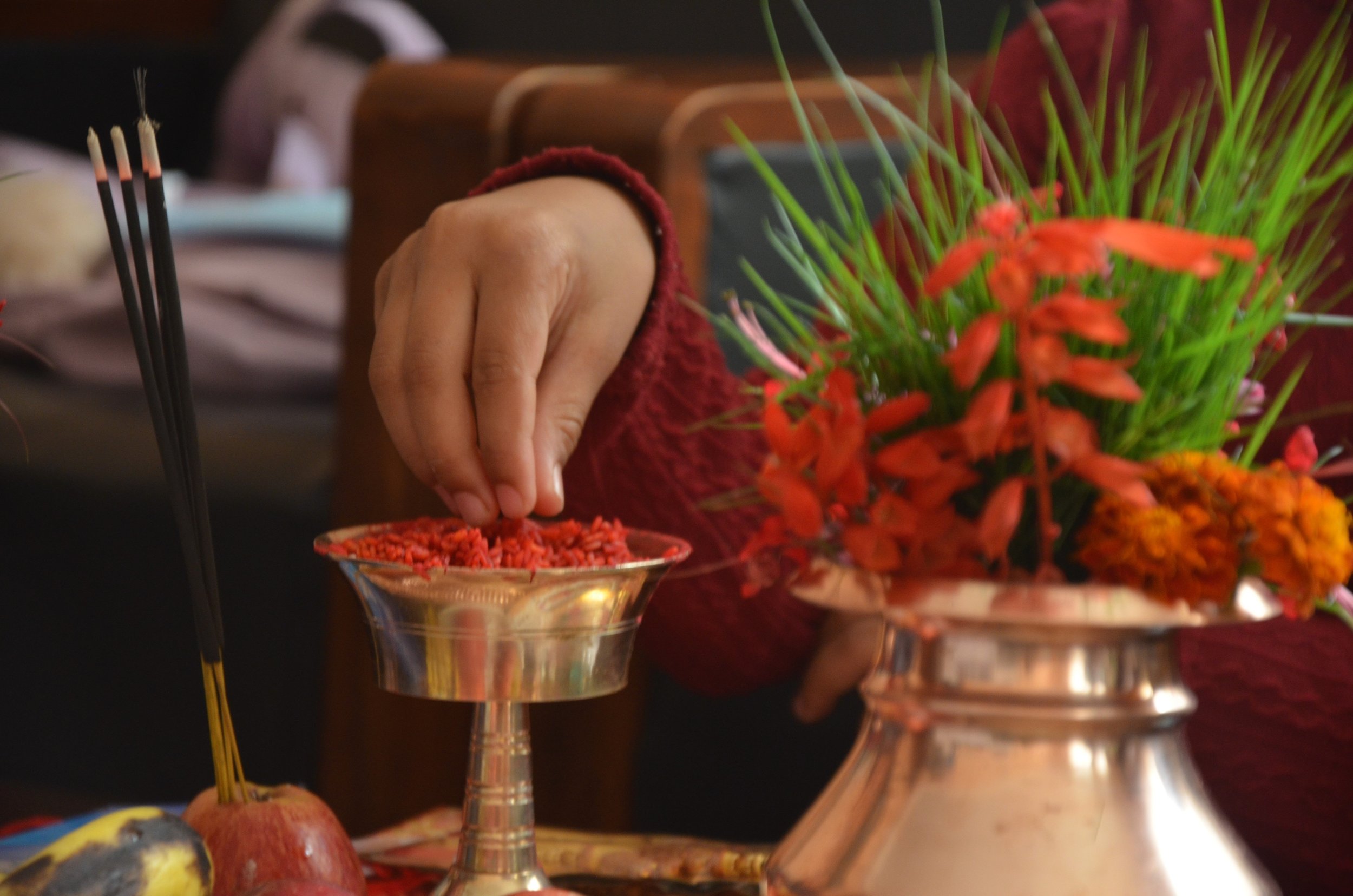
Nepal, a land of diverse cultures and traditions, boasts a rich tapestry of festivals that reflect its deep-rooted heritage. Among these, Dashain stands out as the most significant and widely celebrated festival in the country. Dashain, also known as Vijaya Dashami, is a time of devotion, family reunions, and cultural splendor. In this article, we will delve into the history, significance, and major events that make Dashain an integral part of Nepal's cultural identity.
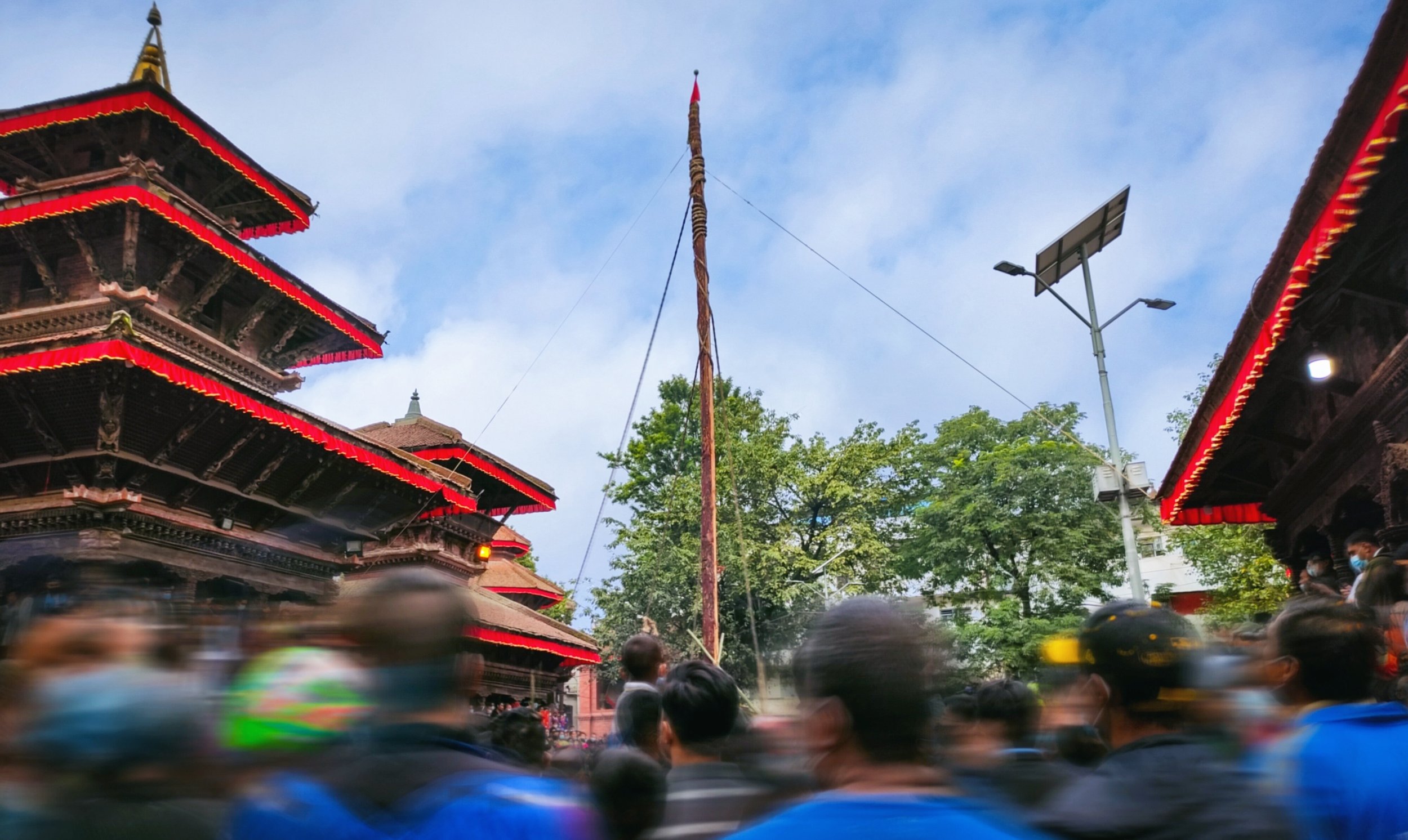
In the heart of Kathmandu, where ancient traditions intertwine with modern life, a grand celebration unfolds, reverberating through the narrow alleyways and vibrant squares. This is Indra Jatra, one of Nepal's most significant and spectacular festivals, where gods, goddesses, and people come together to celebrate culture, heritage, and spirituality. In this feature article, we delve deep into the heart of Indra Jatra, exploring its history, rituals, and the vibrant tapestry of culture that defines this extraordinary celebration.
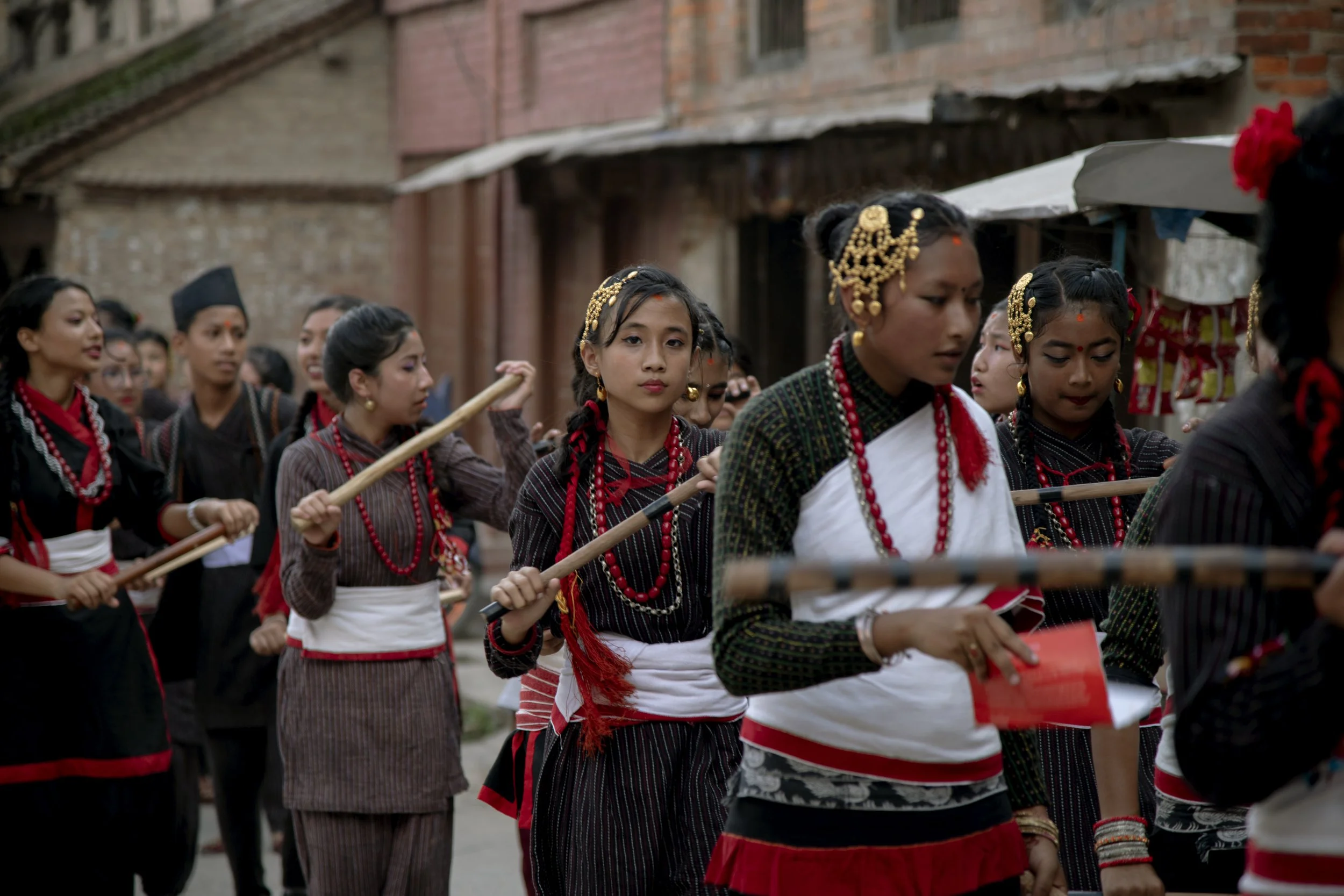
Newar culture in Nepal's Kathmandu Valley is a vibrant tapestry of artistic excellence, syncretic religions, festivals, and a unique socioeconomic structure. Challenges and preservation efforts are vital to safeguard this rich heritage and promote a deeper understanding and appreciation of its contributions to global cultural diversity.
Nepal, a land of vibrant culture and traditions, where festivals are not just celebrations but a way of life. From the traditional Dashain to the colorful Holi, Nepal's festivals are a reflection of its rich history, religion and customs. A melting pot of diverse ethnic groups, these festivals bring people together, fostering a sense of community, tradition and unity.
Our highest priorities in all our Nepal biking trips are safety, quality and enjoyment. You will ride on these wild and challenging trails through some of the most stunning scenic and cultural landscapes in the world. With the stunning backdrop of the Himalayan ranges, the extreme valleys and old forests of the rugged middle hills, the charming terraced fields and bright smiles in the timeless villages, you will remember this journey for its unique beauty as well as its challenging mountain biking terrain.
Pricing: Please choose among the various options available and we'll get back to you with a package that suits you best -- along with a quote.