
Now’s a Good Time to Visit Nepal
June 15 is when all the seven world heritage monument zones that go to make Kathmandu Valley a World Heritage Site are again open to tourists. The April 25 earthquake reduced some of the relics inside these seven zones to dust, or caused partial damage to some others. Restoration plans are well underway, and this will of course be a prolonged affair, since it is quite an intricate process. And, because Kathmandu has some of the best restorers in the world—restorers who are well versed in their highly specialized craft—one can rest assured that something beautiful is sure to come out of their efforts.
No doubt, even with the destruction caused by the Great April 25 Earthquake, Kathmandu Valley still overflows with such sights and experiences as does justice to its claim to be one of the most interesting places to visit in the world. June 2 was when the highest temperature, 34 degrees Centigrade, was recorded in the valley. A pittance, compared to the near-50s sweeping over neighboring India. Most times, the valley enjoys mild temperate climate, and with the onset of the pre monsoon season, weather-wise, the valley will revert back to its lovely climate again. Just as, with the back-to-business sense of urgency that is very much evident now, Kathmandu is once again open for business, and waits with wide open arms to welcome visitors from around the globe.
While the quake caused untold suffering and many tragic deaths, it also resulted in world media attention on Nepal, leading to millions of viewers becoming witness to the never-say-die-spirit of the Nepali people. It is true that, in addition to its rich culture and heritage and its fantastic natural beauty, Nepal is also known equally as a land of the brave, the hardy, and the hospitable. All this have been on world view for the past month or so. The resolute villagers of the quake affected areas have already begun the process of rehabilitating themselves, and the government and international organization are lending the much needed helping hand with vigor.
The quake has brought people together in a very symbolic way that will hopefully transform into something concrete in the future. The mantra is now of rising from the rubble with strengthened resolve to create a ‘New Nepal’. This is not to mean that ancient heritage will be kept in the backseat. Not at all. Heritage will continue to be part and parcel of whatever route the country’s development takes now, because its proud heritage is what gives Nepal its unique identity. An identity that is synonymous with a high degree of artistic and cultural finesse, a sumptuous richness of natural beauty, and a well established reputation as a country with some of the happiest and most hospitable people on planet Earth.
No wonder then that so many visitors are so deeply impressed when they come here. The wealth of art, craft, culture, and heritage everywhere is impressive, the fabulous scenery all around is breathtaking, and the welcoming smiles of the people is heartwarming. Right now, with the country at the crossroads between the old and the new, could well be one of the most interesting times to visit this interesting country.
Similar Posts

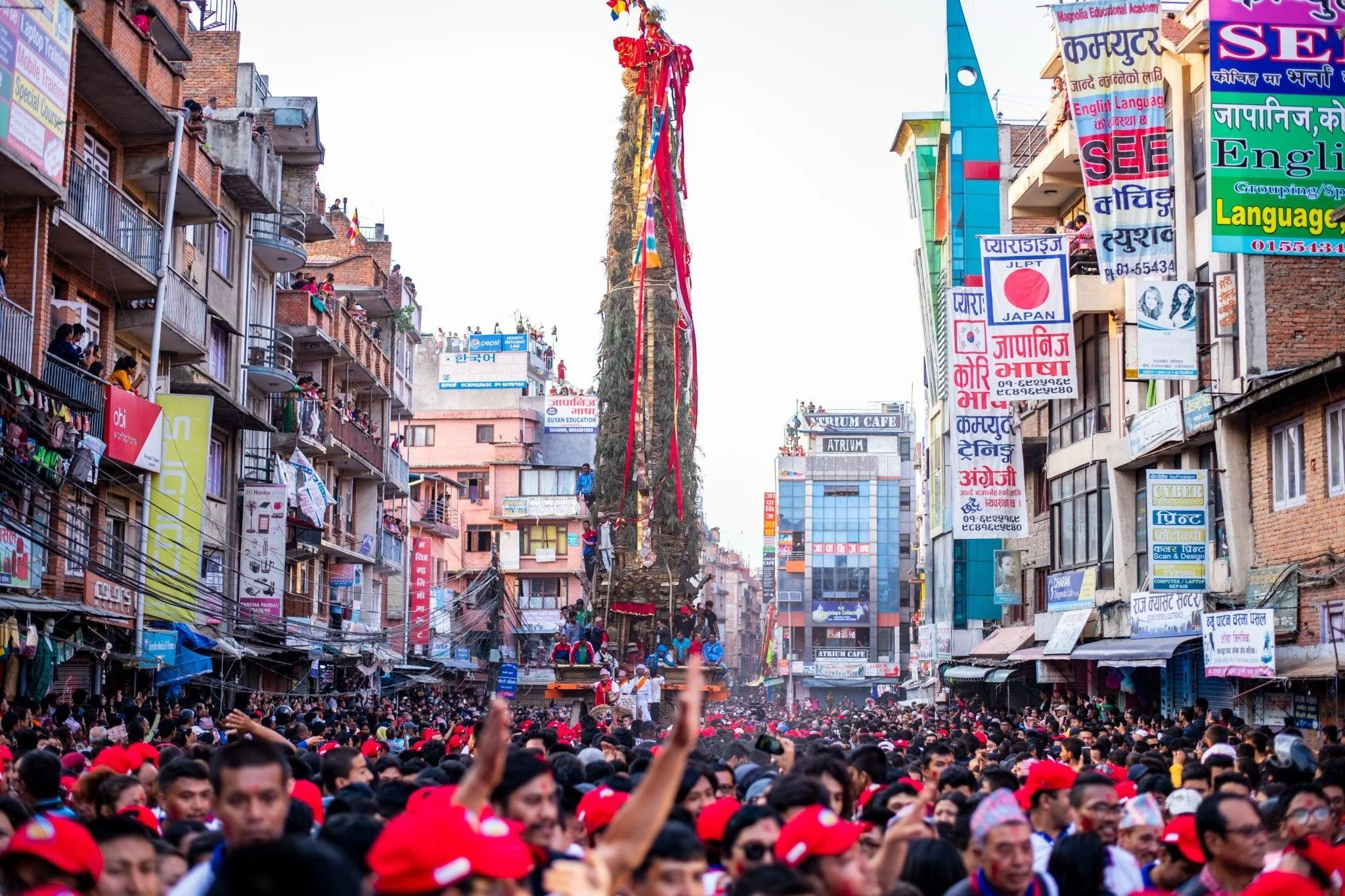
A journey through Rato Machindranath Jatra reveals how deeply tradition and community are connected in Kathmandu Valley.
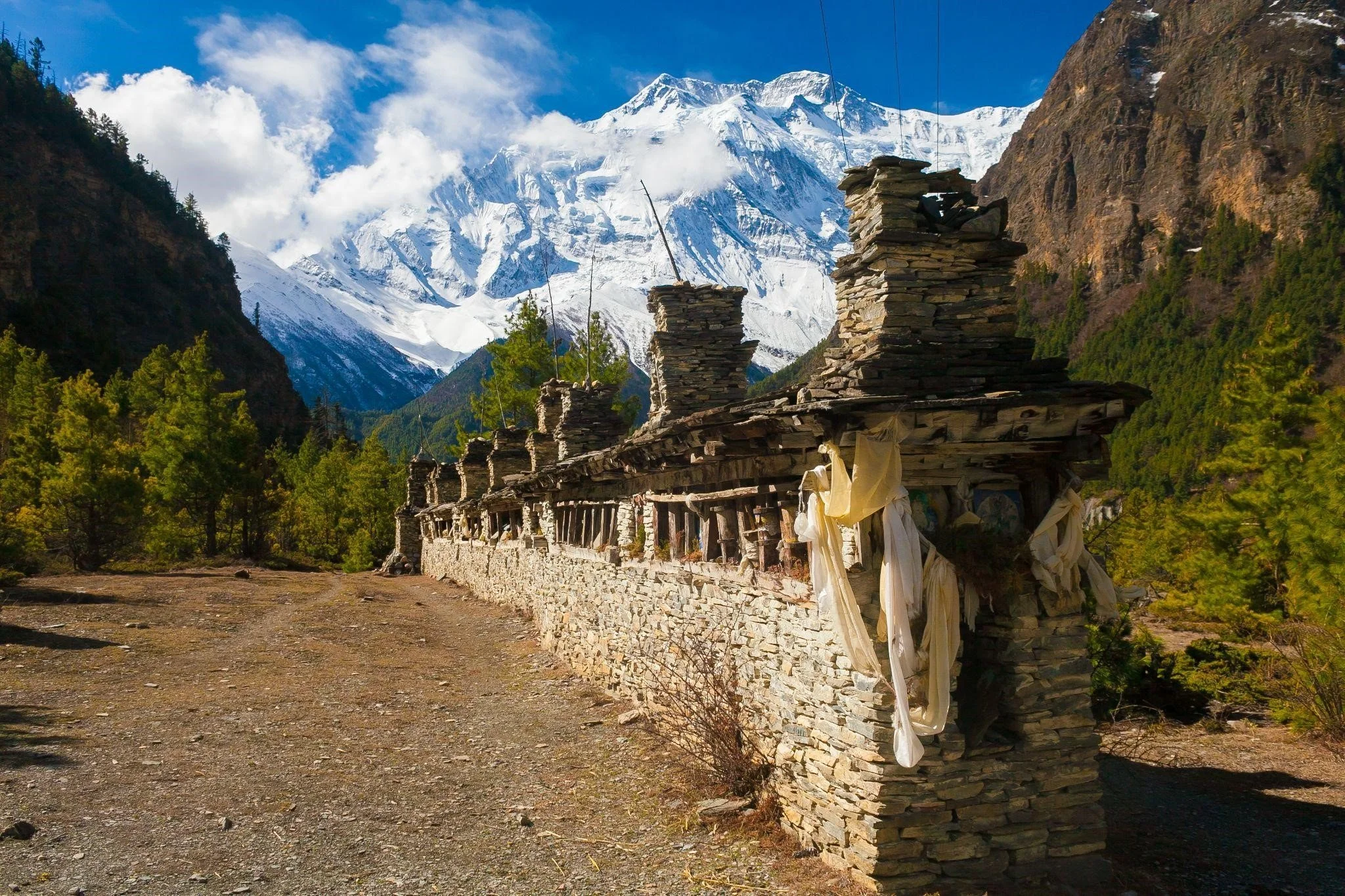
Step into the heart of the Himalayas on the Manaslu Trek, where snow-capped peaks, ancient villages, and prayer flags guide every step. A journey of endurance, culture, and breathtaking vistas awaits for those ready to explore Nepal’s hidden giant.
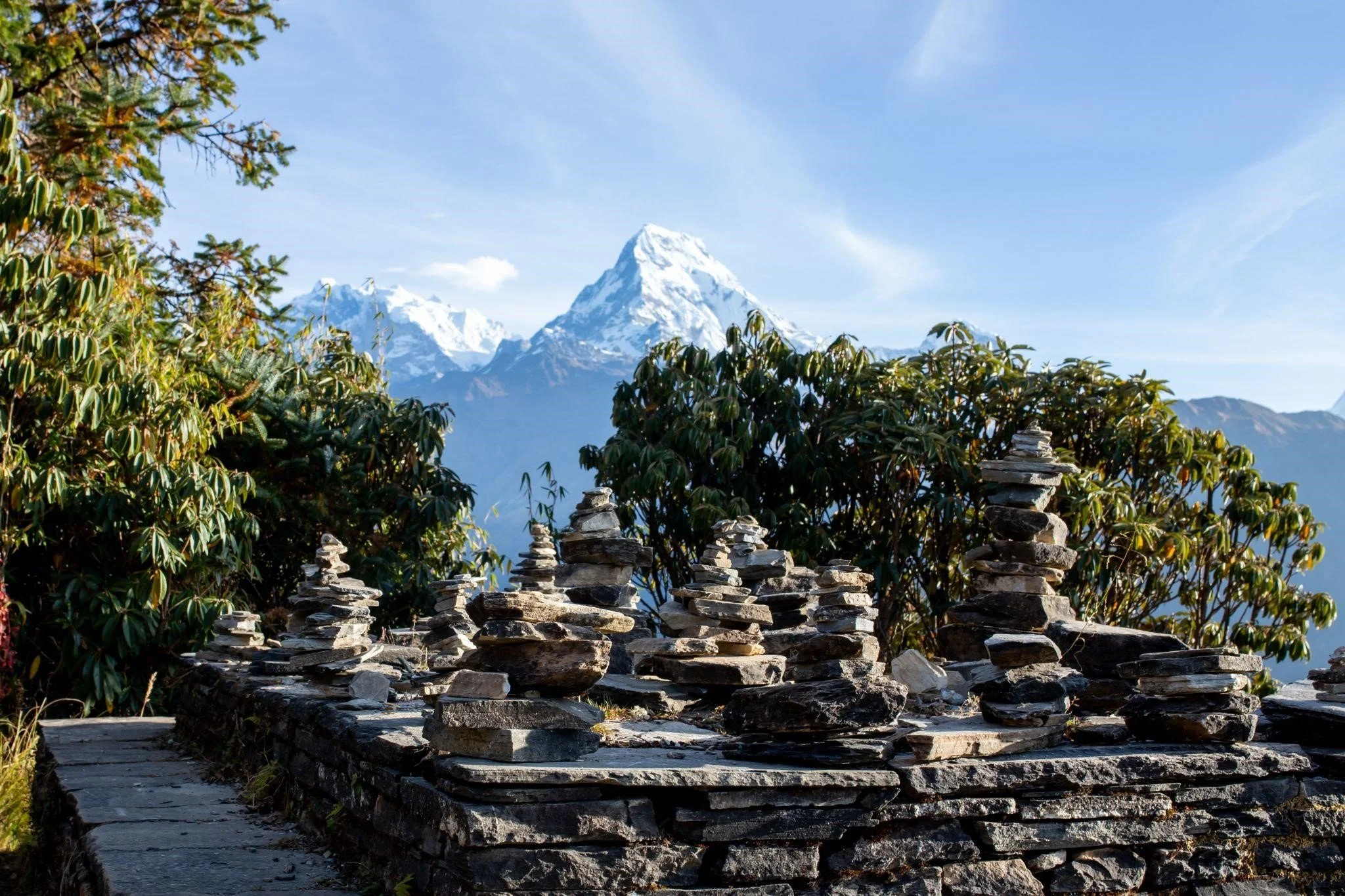
Rising above the hills at 3,210 meters, Poon Hill is where the mountains meet the sky. The trail from Ghorepani winds through rhododendron forests and quiet villages, revealing a journey that blends breathtaking views, local culture, and the kind of stillness only the Himalayas can offer.
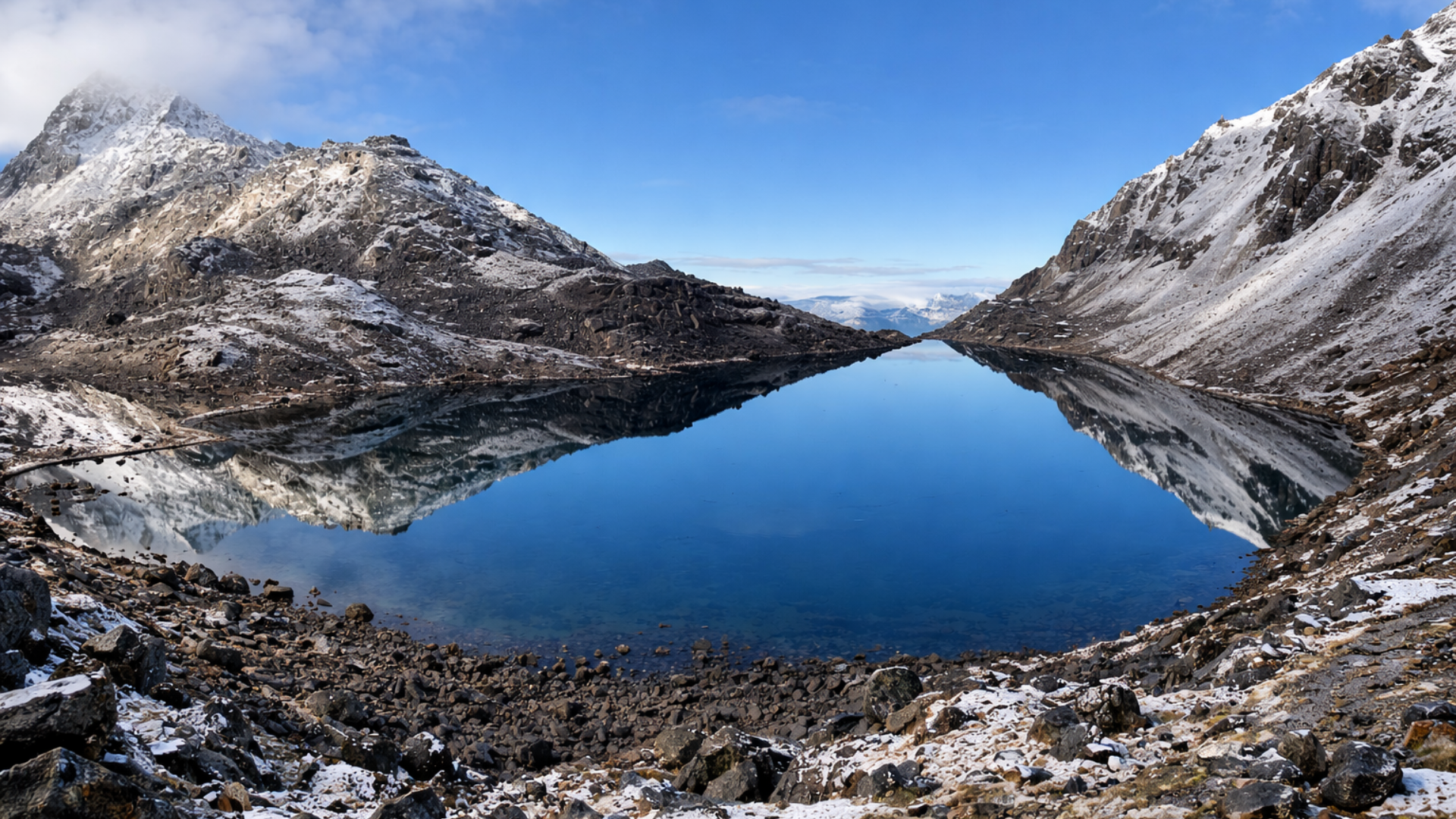
At 4,380 meters above sea level, Gosaikunda is more than a Himalayan lake. Born from the legend of Shiva’s sacrifice thousands of years ago, it remains a sacred pilgrimage site and an unforgettable trekking destination, where myth, mountain, and endurance meet in the thin alpine air.
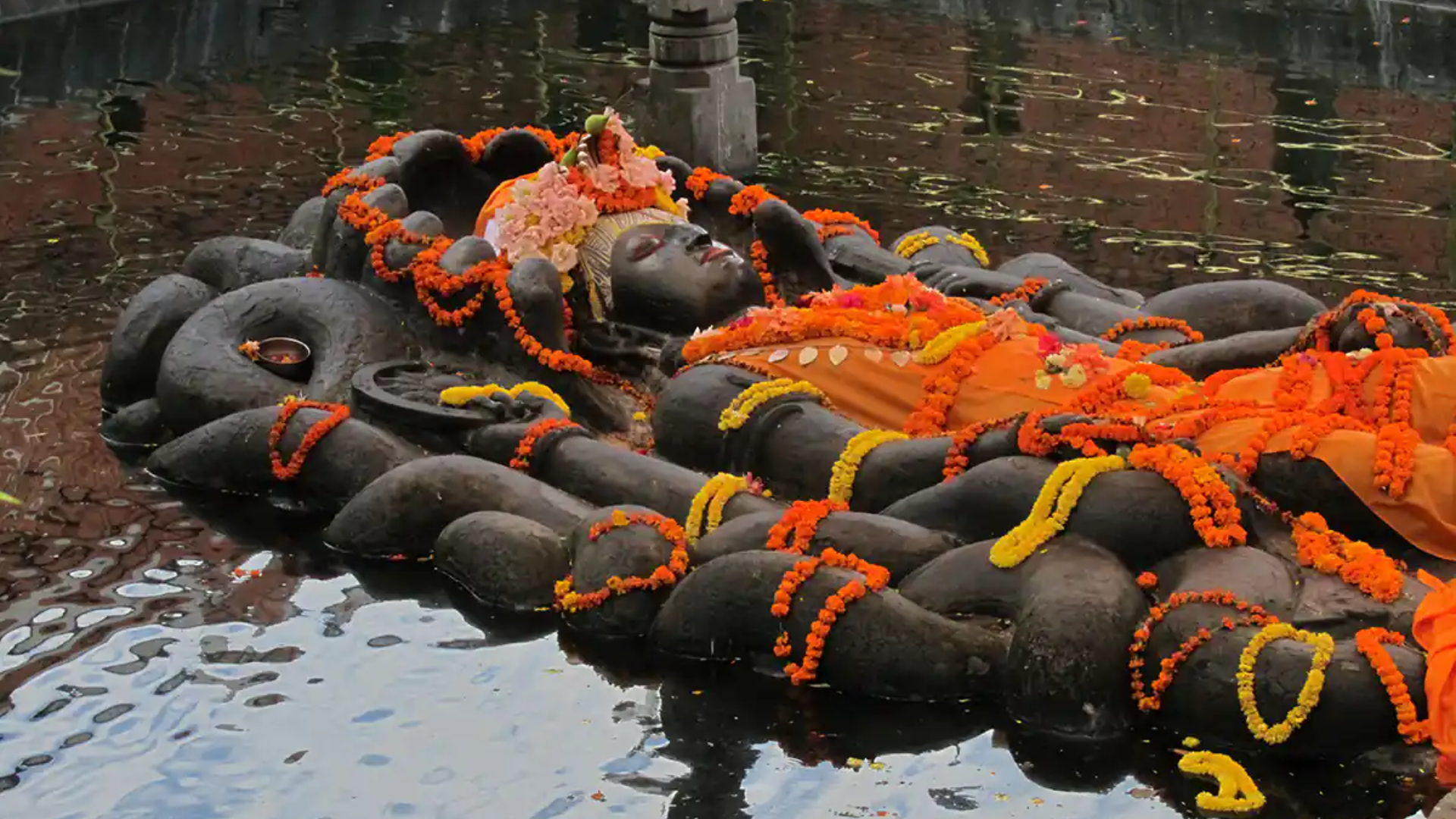
At Budhanilkantha, Lord Vishnu rests in cosmic sleep upon the serpent of infinity, dreaming worlds into existence. For centuries, a prophecy warned Nepal’s kings to stay away, reminding even monarchs that divine power stands above earthly rule.
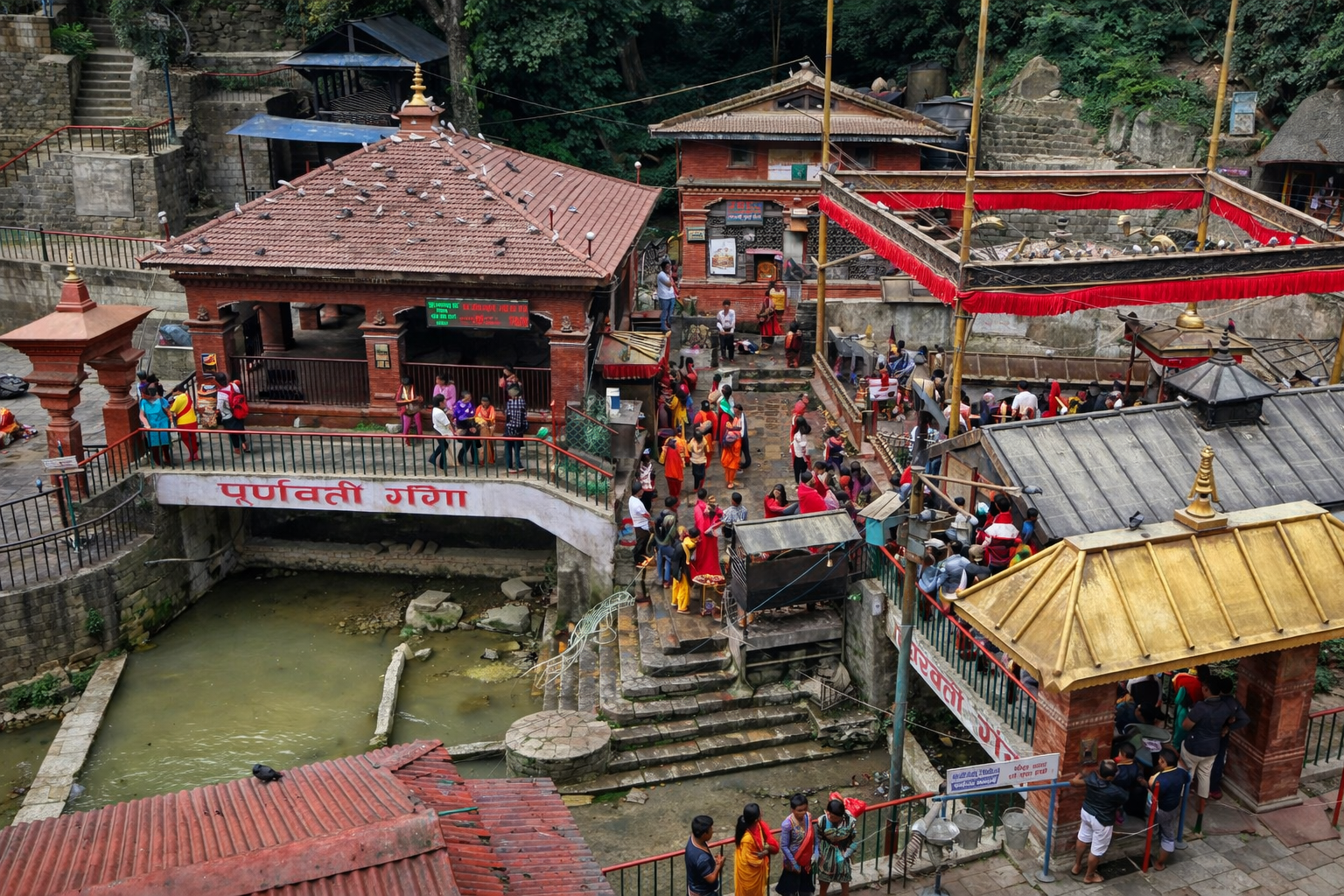
At the edge of Kathmandu, Dakshinkali stands as a sacred threshold of power and transformation.
Dedicated to Goddess Kali, the fierce force of protection and renewal, this temple is where devotion meets courage, and where surrender becomes strength.
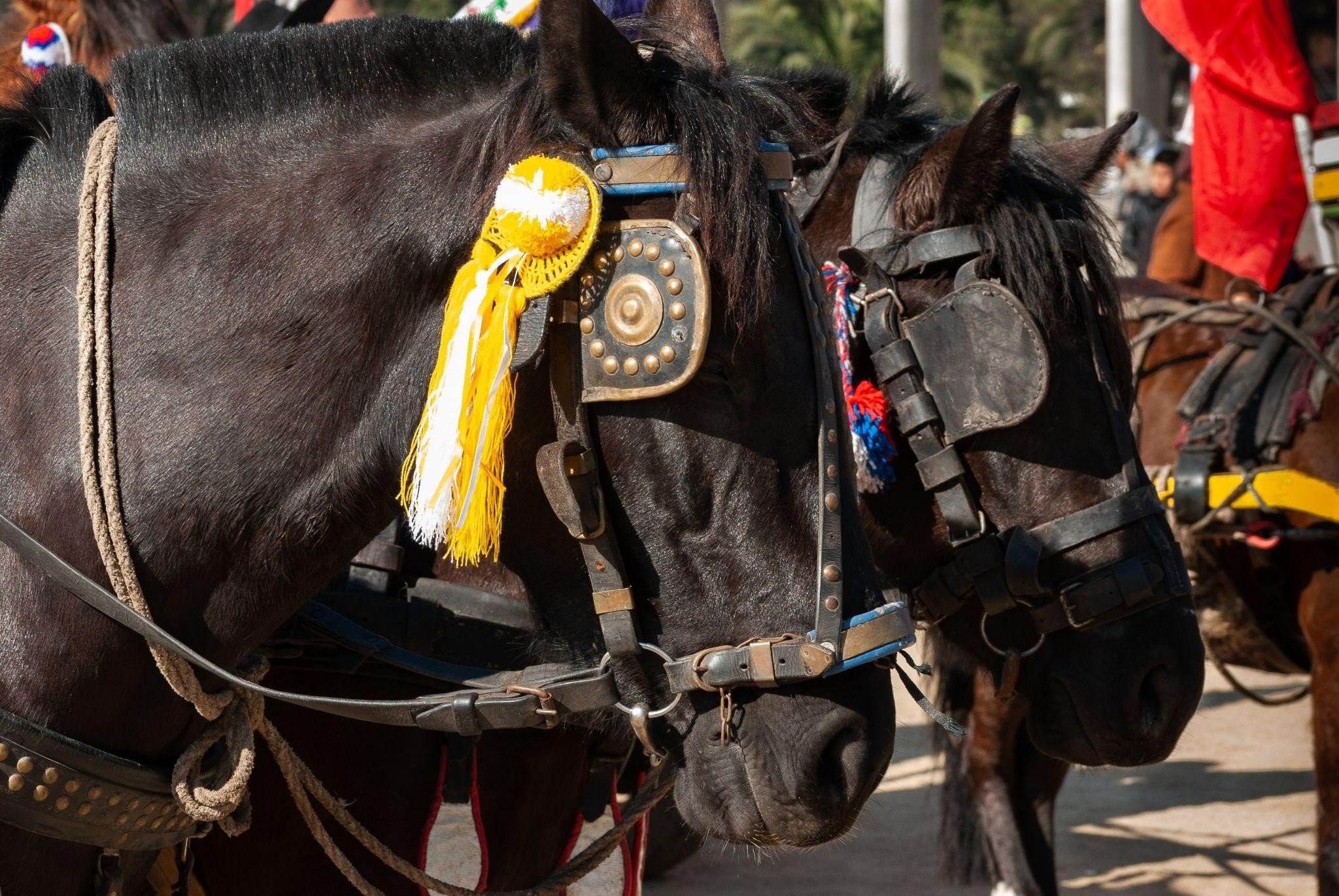
When hooves thunder across Tundikhel, Kathmandu listens.
Ghode Jatra is more than a horse parade, it’s a centuries-old ritual to drive away evil, blending folklore, royal tradition, and raw spectacle. Drums beat, riders charge, and the city gathers to celebrate strength, protection, and heritage in motion.
In the heart of the capital, tradition doesn’t whisper. It gallops.
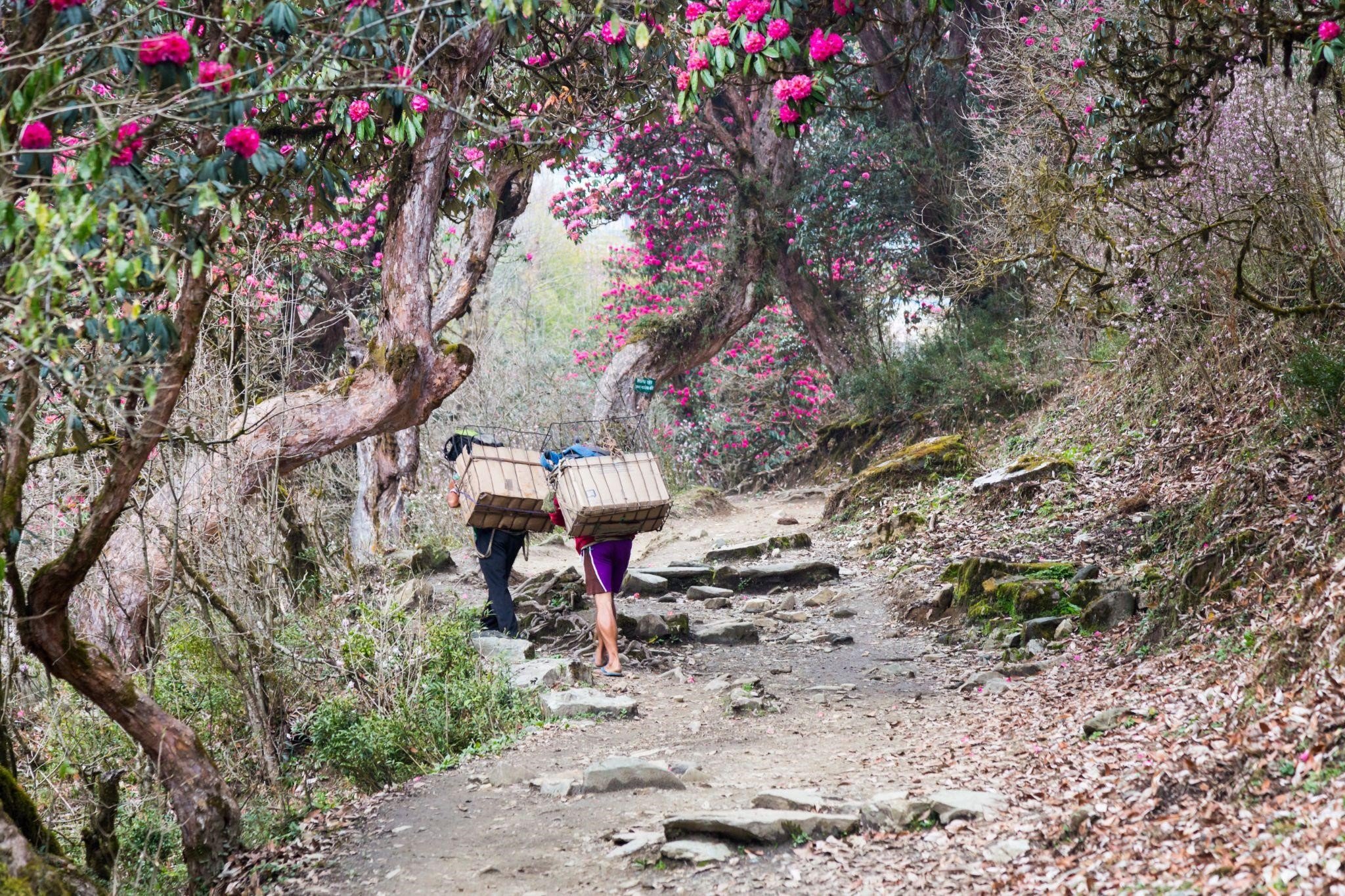
March in Nepal feels like nature pressing refresh.
Rhododendrons bloom, skies clear, and quieter trails reveal their magic; from Tinjure-Milke-Jaljale’s colorful forests to the serene heights of Gosaikunda and Panchase.
Early spring is your window to explore Nepal’s underrated treks in full bloom, with beauty and solitude walking beside you.
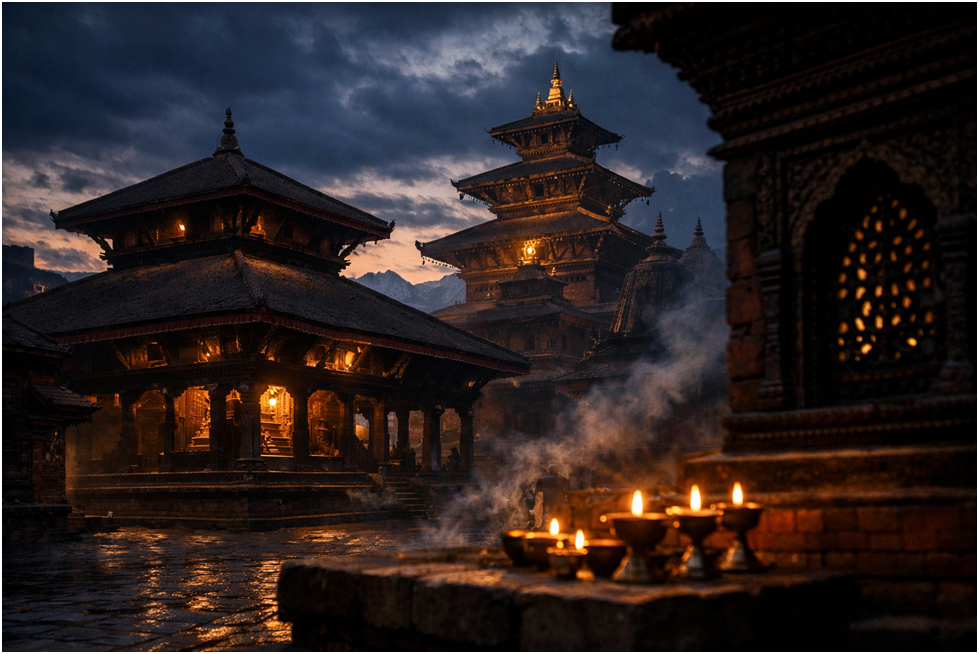
Kathmandu is more than temples; it is a city of living legends.
From the mysterious Taleju Temple to the story of Kasthamandap and the Living Kumari, these ancient spaces carry myths that have shaped the Valley for centuries. Dates tell history, but stories give it meaning.
Discover the legends that still breathe through Kathmandu’s timeless temples.
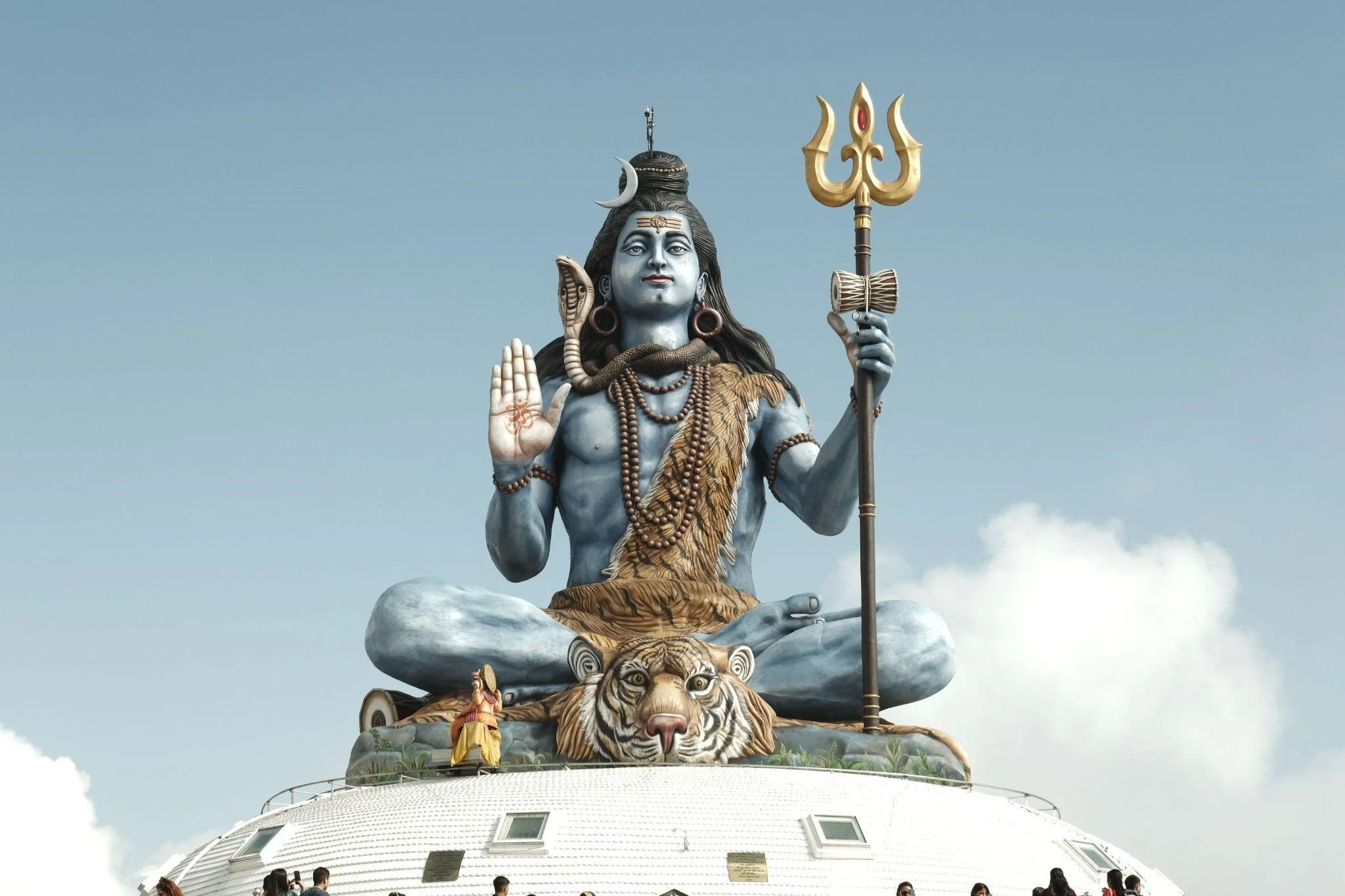
When night deepens and silence grows sacred, Nepal turns inward.
Maha Shivaratri is not just observed, it is felt. A night of stillness and chant, of oil lamps flickering against ancient stone, of breath slowing into prayer.
As bells echo and mantras rise, devotion becomes collective and time seems to soften. This is a moment where faith, culture, and cosmic rhythm move as one—inviting reflection, surrender, and quiet awakening.
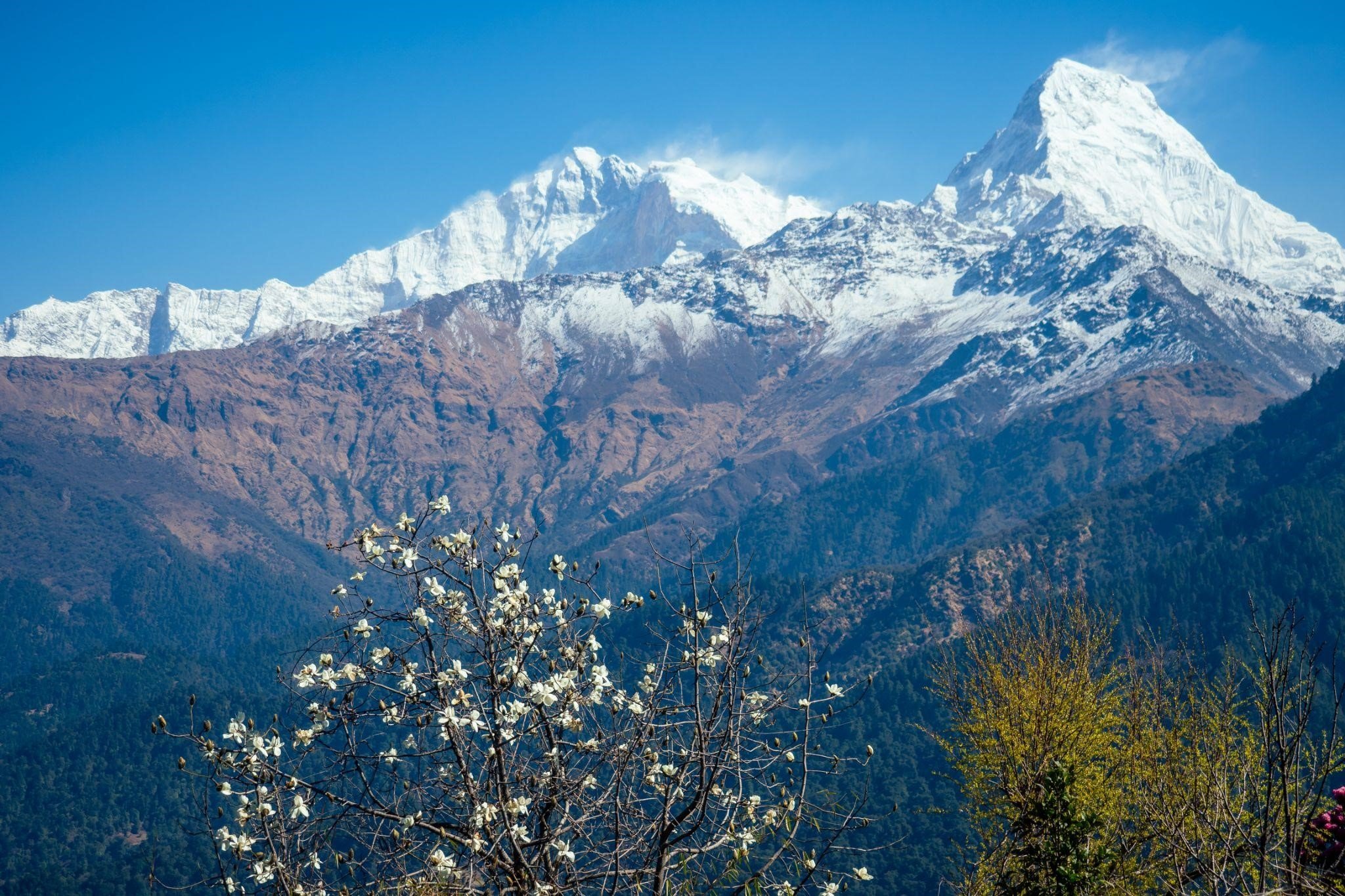
February is where seasons pause and the Himalayas breathe.
Winter’s snow still crowns the peaks, while spring quietly begins to wake the valleys—clear skies, fewer crowds, and trails at their most peaceful.
From Poon Hill’s golden sunrise to the quiet paths of Langtang and Mardi Himal, this is trekking in its most balanced form: crisp mornings, calm landscapes, and journeys that feel unhurried.
A short window. A rare mood. Nepal, in transition.
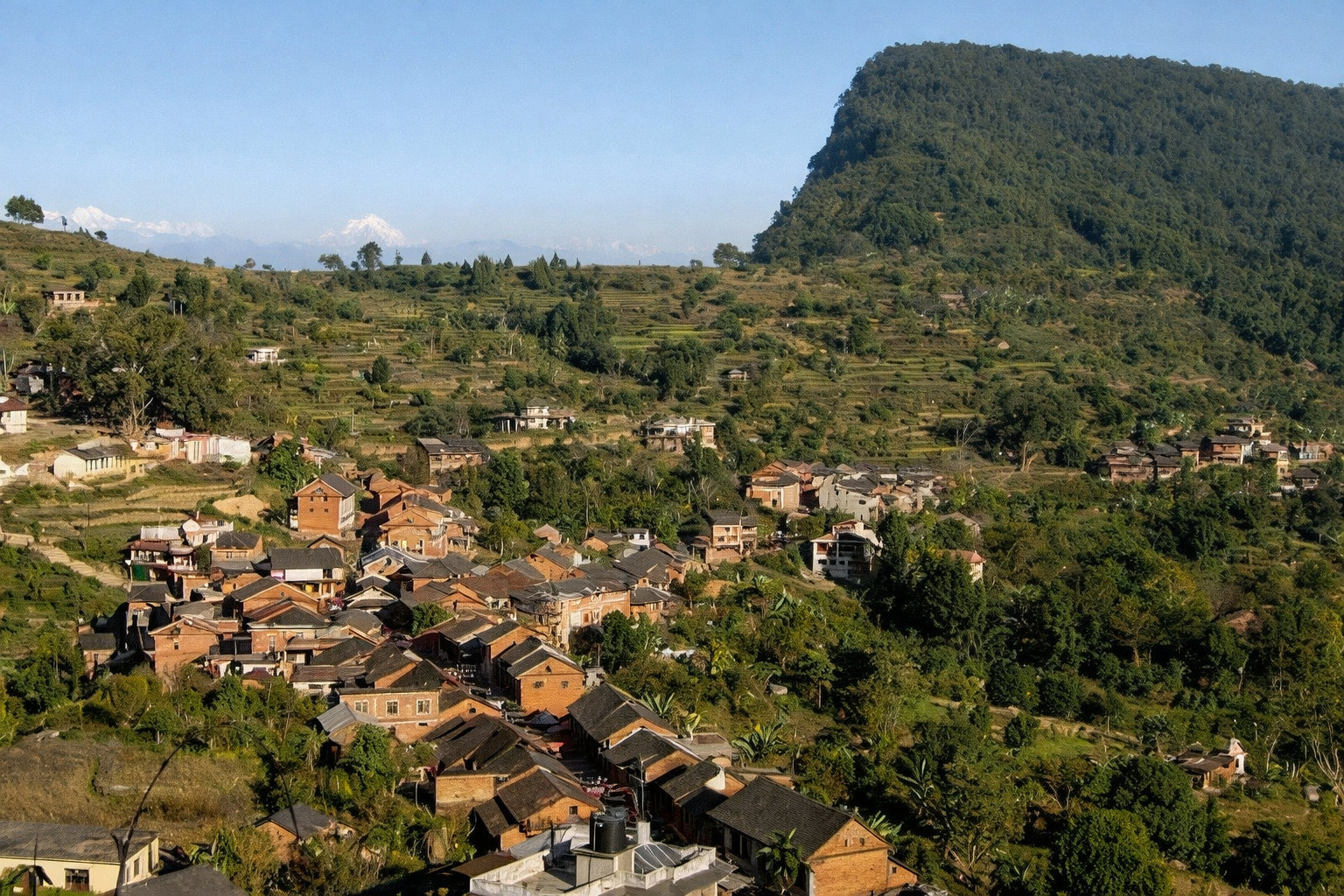
Raniban Forest, located just outside Kathmandu, offers a unique blend of natural beauty and intriguing folklore. By day, it’s a peaceful retreat with scenic walking trails and panoramic views of the valley. By night, the forest takes on an eerie atmosphere, steeped in legends of ghostly cries and mysterious occurrences. Whether you're seeking a serene escape or an adventure steeped in history and mystery, Raniban provides a distinctive experience that captivates all who visit.
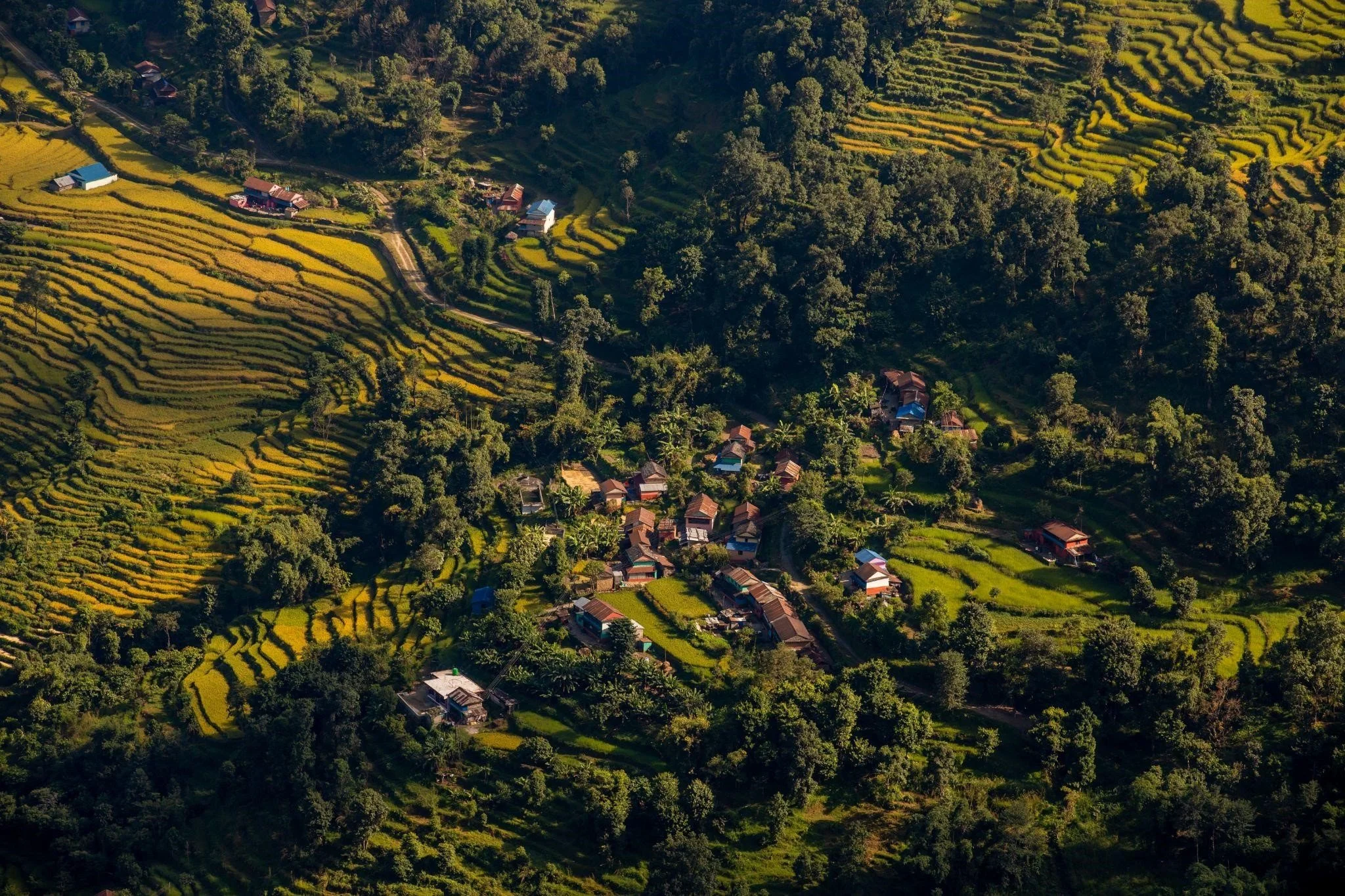
Discover the hidden winter villages of Nepal, where peace, natural beauty, and authentic village life await. From the picturesque Ghandruk, with its stunning Himalayan views, to the tranquil Tsum Valley, rich in Tibetan culture, these villages offer a serene retreat. Whether you're enjoying a warm homestay, savoring local delicacies, or exploring snow-covered landscapes, these off-the-beaten-path destinations provide the perfect escape for those seeking a peaceful and enriching winter experience.
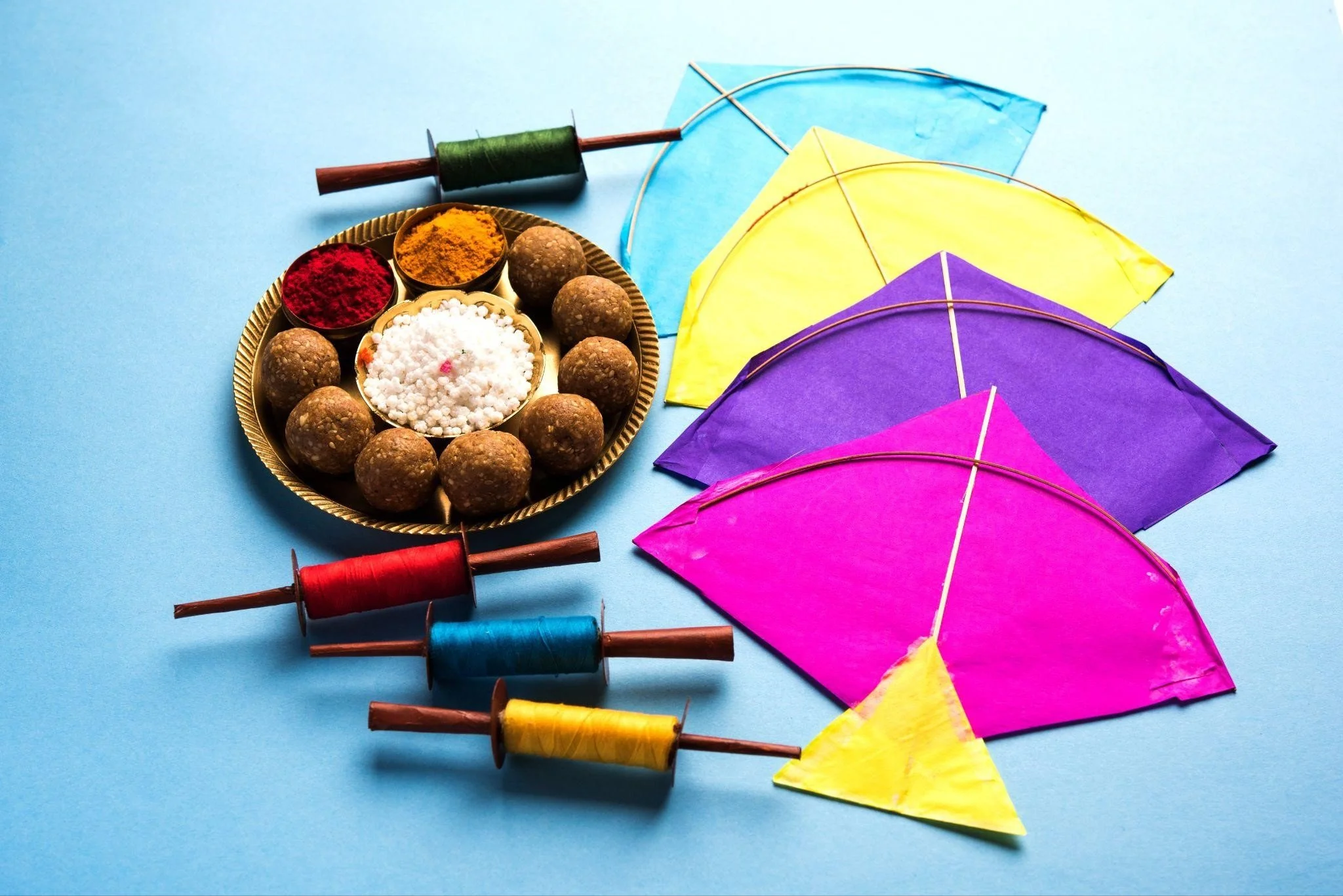
Maghe Sankranti in Nepal’s Terai: A celebration of Tharu culture through vibrant rituals, music, and most importantly delicious food! From the sweet Tilko Laddu to savory Bara, each dish carries centuries of tradition and meaning, bringing families and communities together. Don’t miss out on these festive delicacies that symbolize warmth, unity, and abundance.
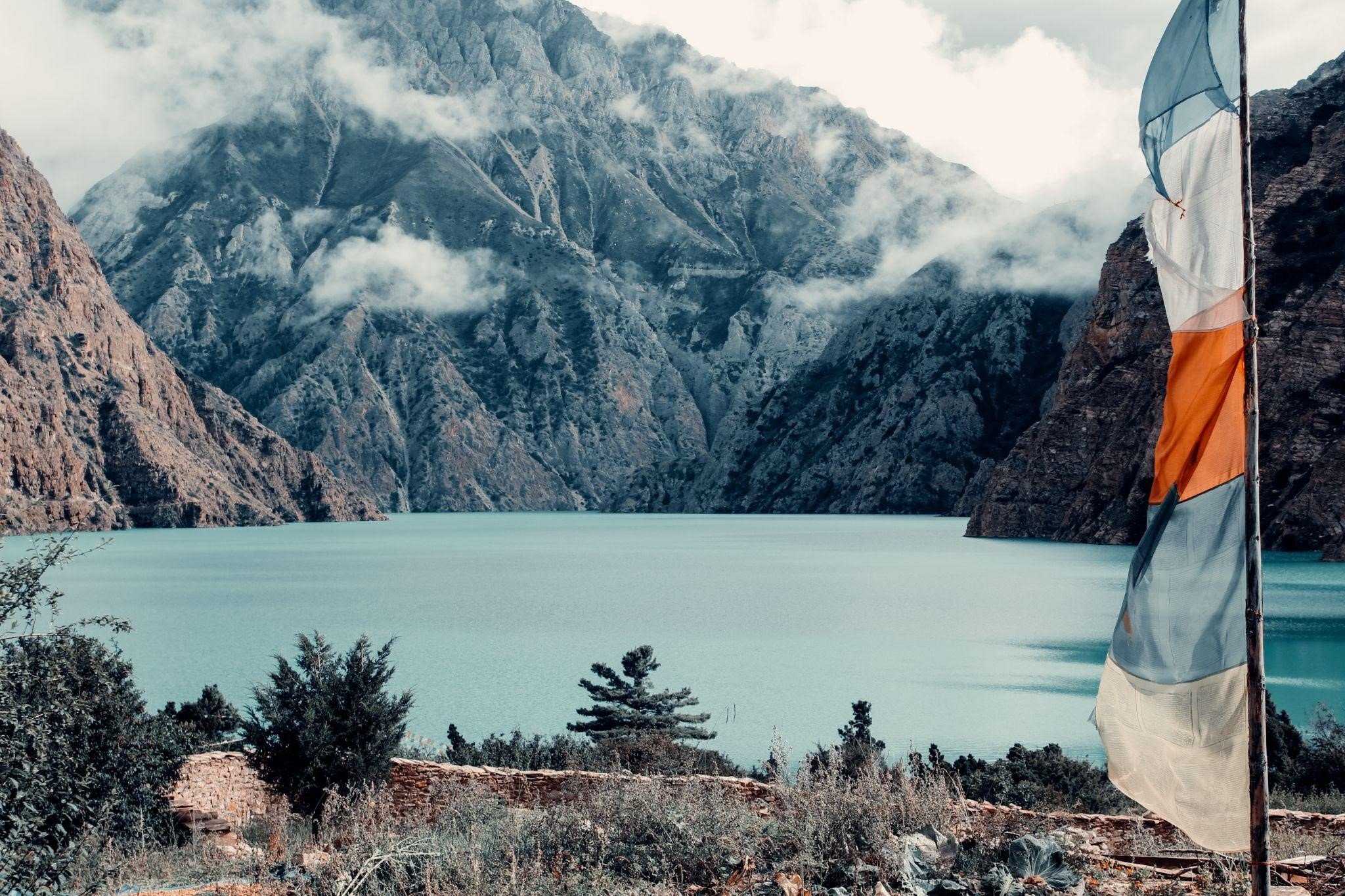
Shey Phoksundo Lake: A hidden gem above the clouds, where turquoise waters meet snow-capped peaks and misty mornings. Nestled at 3,611 meters in Dolpa, Nepal, this sacred lake offers an unforgettable blend of natural beauty and cultural significance.
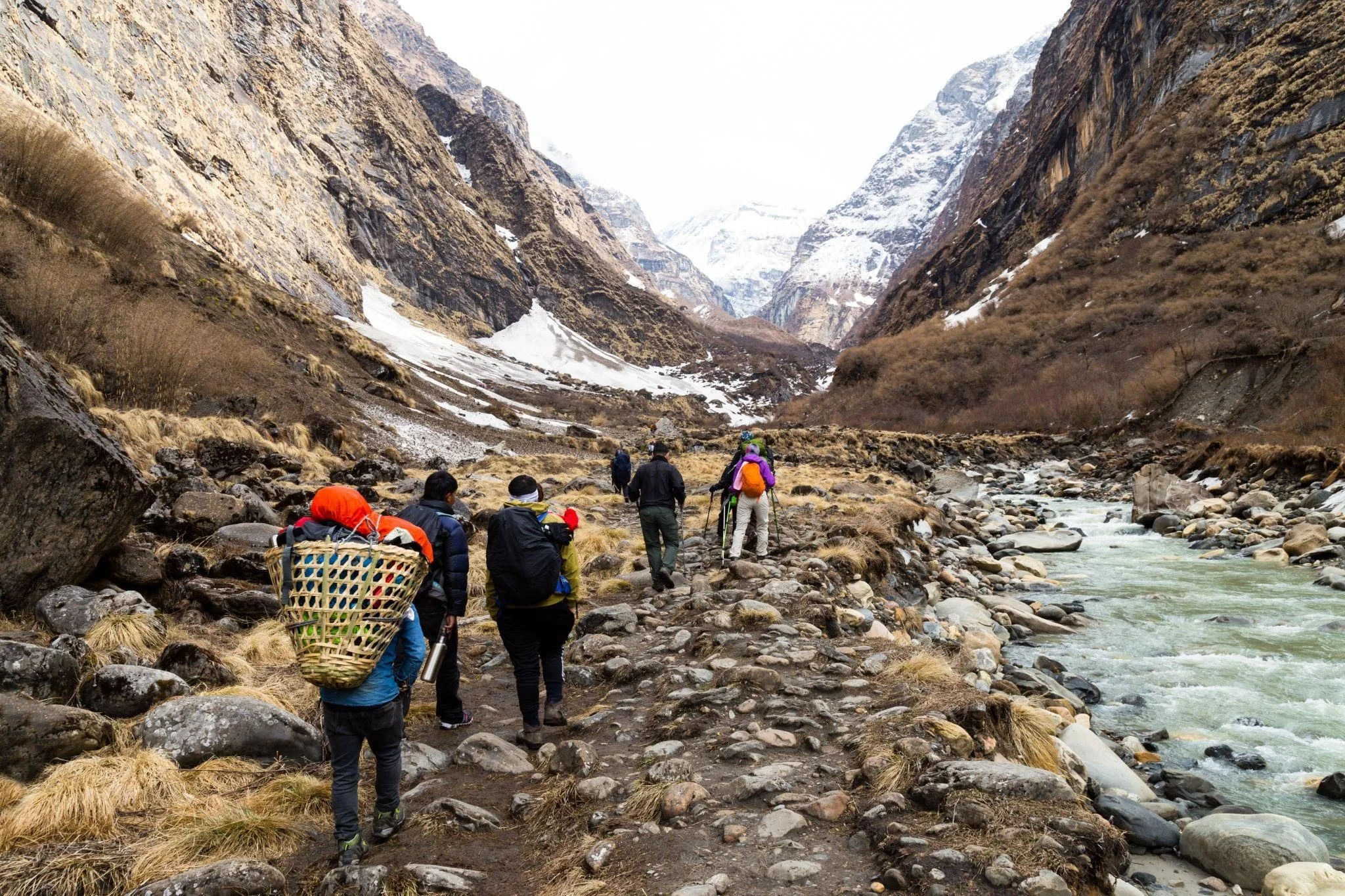
Adventure isn’t just about peaks, it’s about people! Explore the depths of kindness of the locals who make your journey warmer, safer and more special.
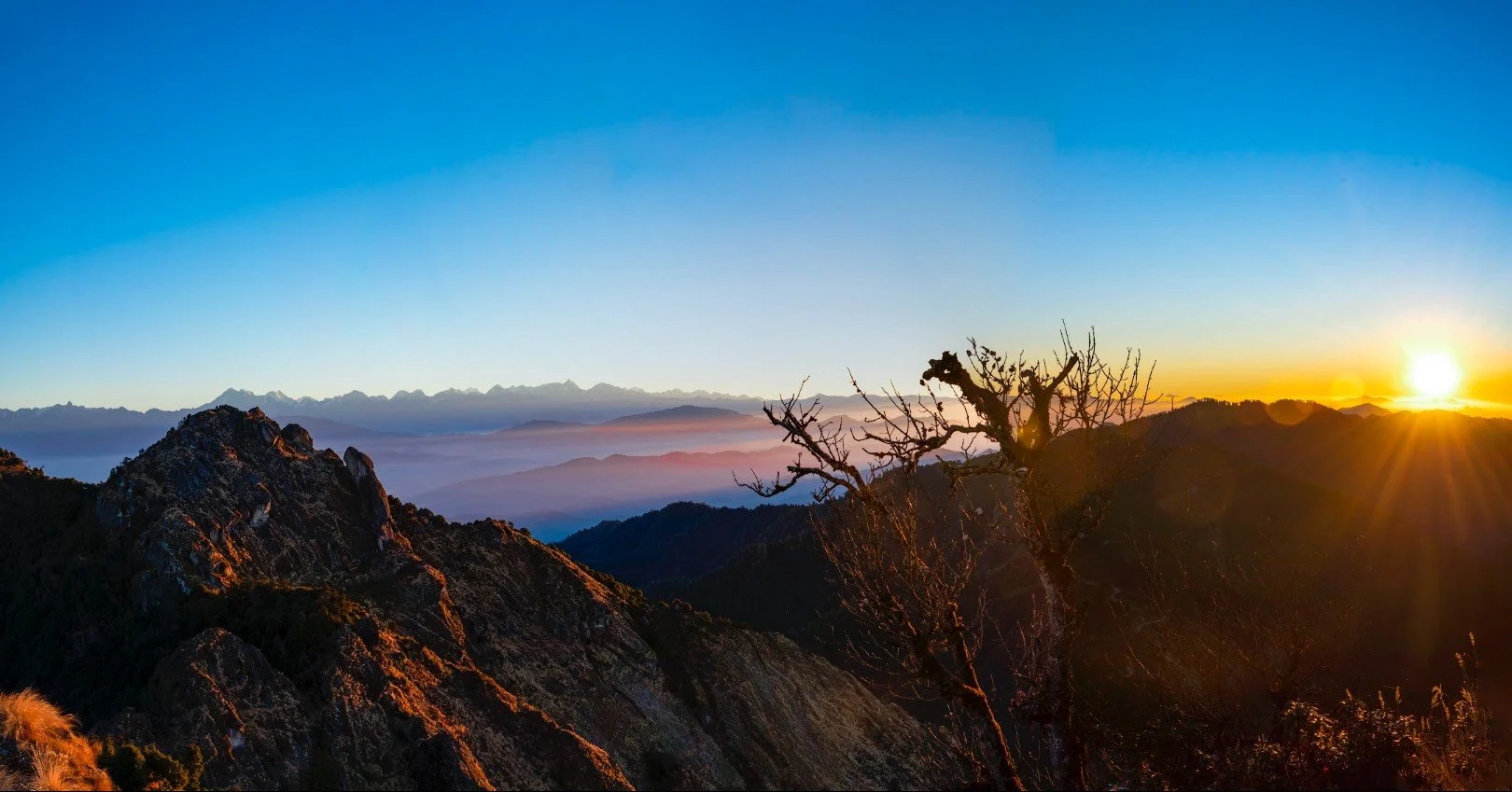
Sunrise or sunset, Kathmandu’s skies never disappoint! Discover the best spots for breathtaking views and peaceful escapes with the beautiful rise and set of the sun.
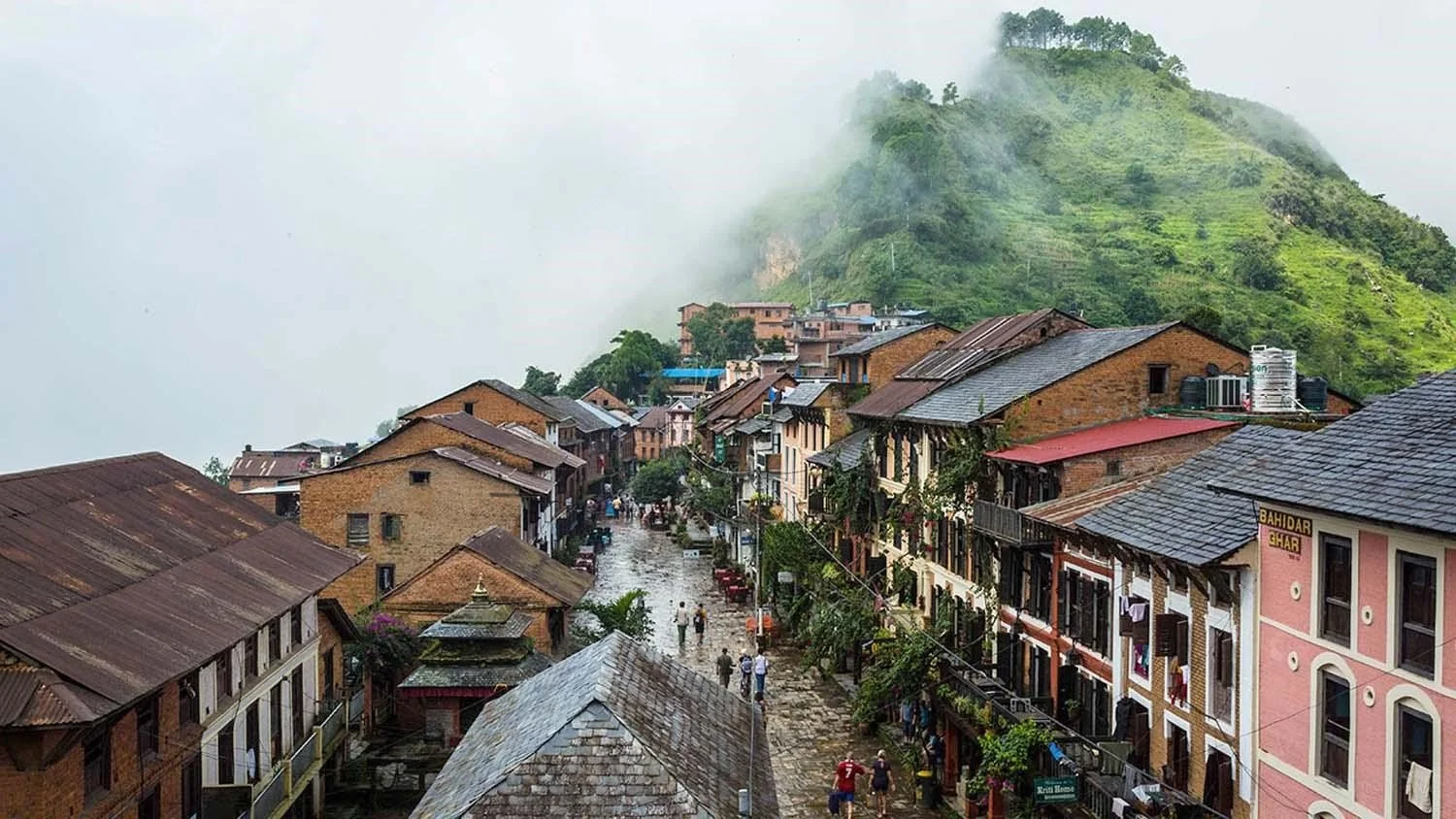
Bandipur: A Timeless Hilltop Haven – Discover the charm of Nepal’s hidden gem, where cobbled streets, vibrant culture, and breathtaking mountain views come together to create a peaceful escape from the ordinary.
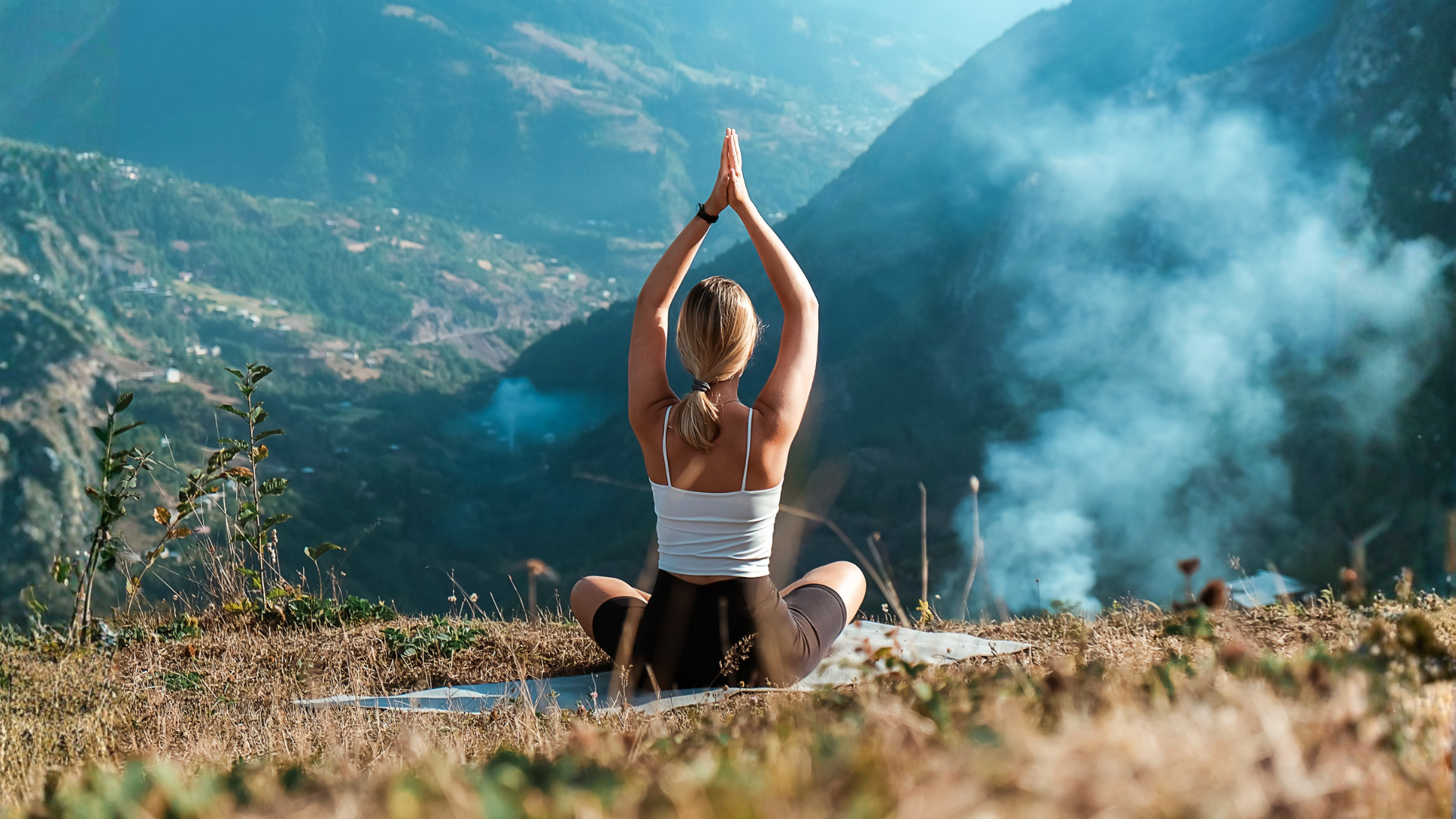
Embrace a journey of self-discovery and inner peace amidst the serene landscapes of Nepal. Whether practicing yoga by tranquil lakes, under the towering Himalayas, or in the spiritual heart of Kathmandu, Nepal’s yoga retreats offer a transformative experience that nurtures both the body and soul.
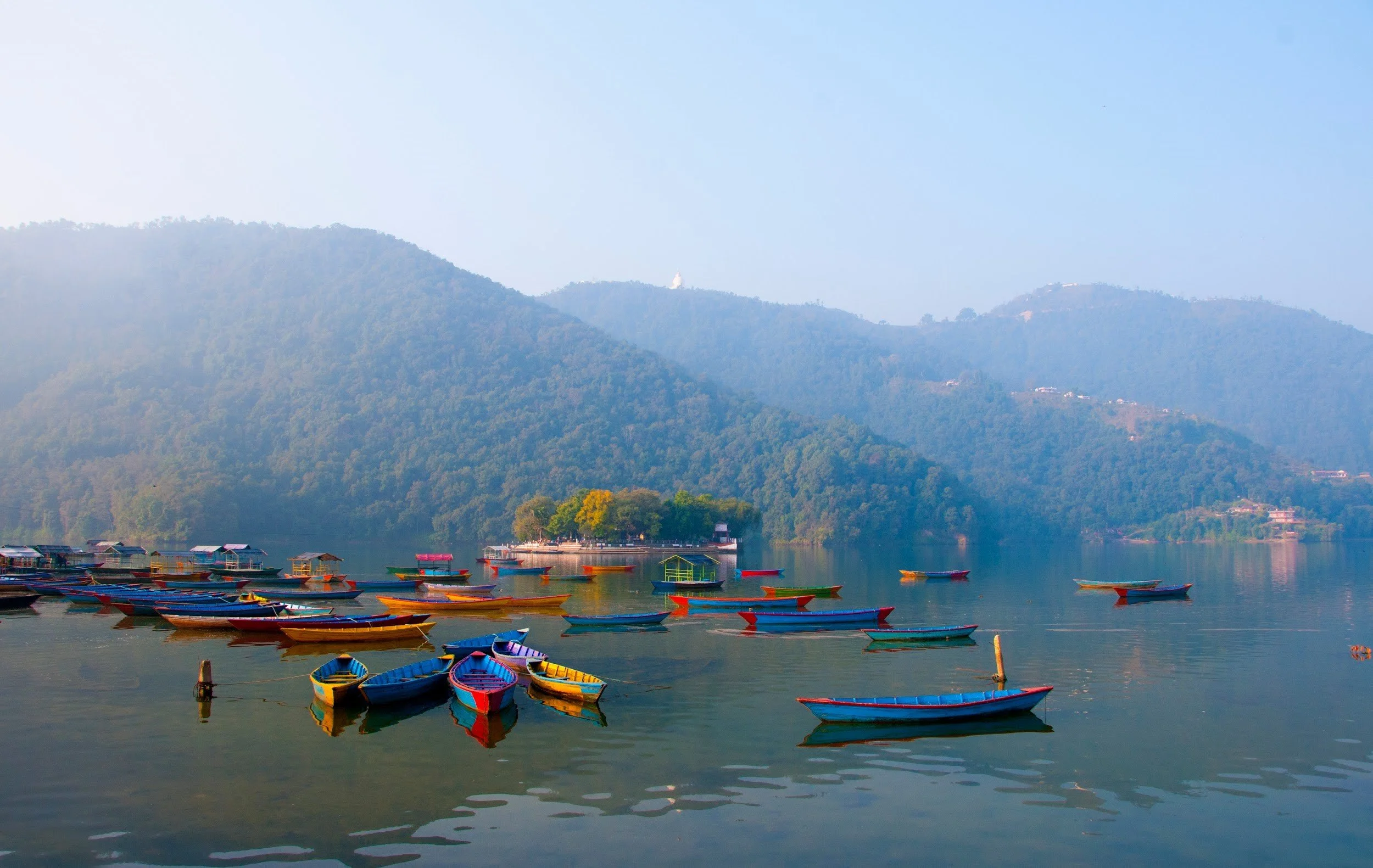
Misty ridges, golden horizons, and tranquil hill towns all just a drive away from the valley. Discover the best weekend getaways near Kathmandu, where every sunrise feels like a fresh escape.
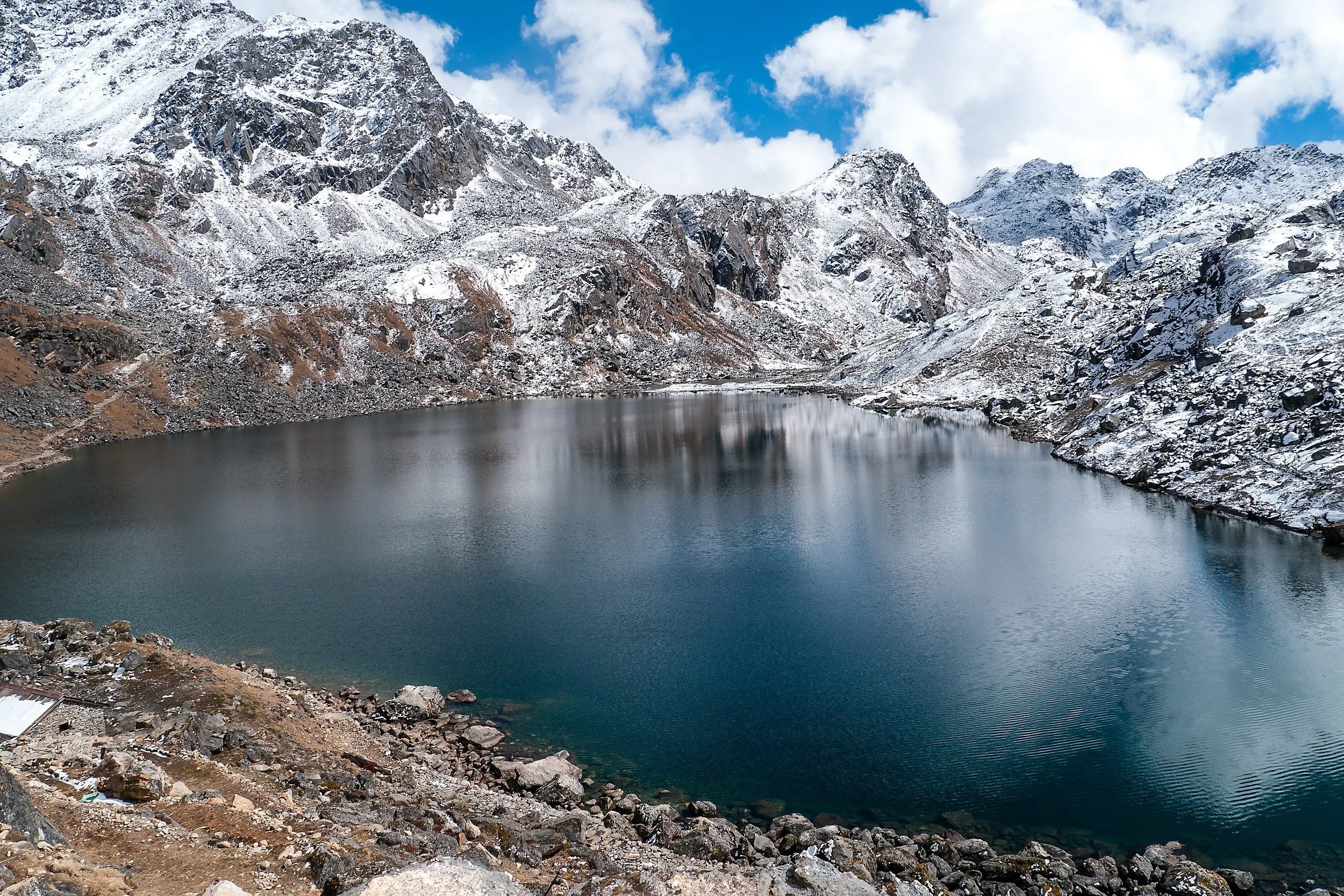
Nestled in the heart of Nepal’s Langtang Range, Gosaikunda Lake is not just a breathtaking natural wonder but also a spiritual haven for trekkers and pilgrims alike. Known for its pristine beauty and sacred significance, the Gosaikunda trek offers an adventure that combines both awe-inspiring landscapes and deep cultural meaning. But beyond the panoramic views and crystal-clear waters lies a tapestry of ancient legends and stories that make this place truly magical.
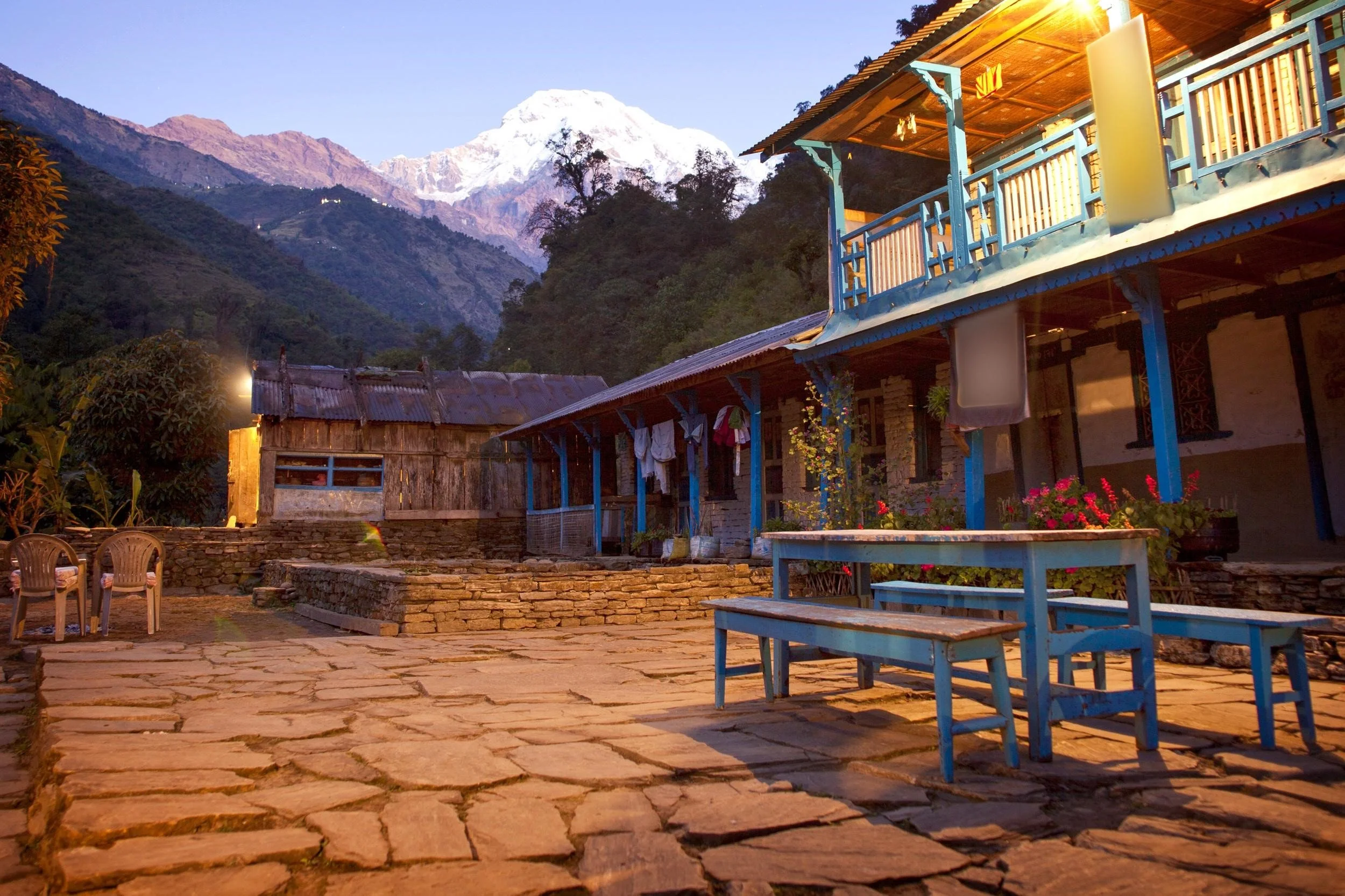
After a day of trekking through Nepal’s rugged landscapes, nothing beats the warmth of a traditional tea house. With breathtaking mountain views, hearty meals, and the genuine hospitality of local families, these humble havens offer trekkers a true taste of Nepali culture, comfort, and community in the heart of the Himalayas.
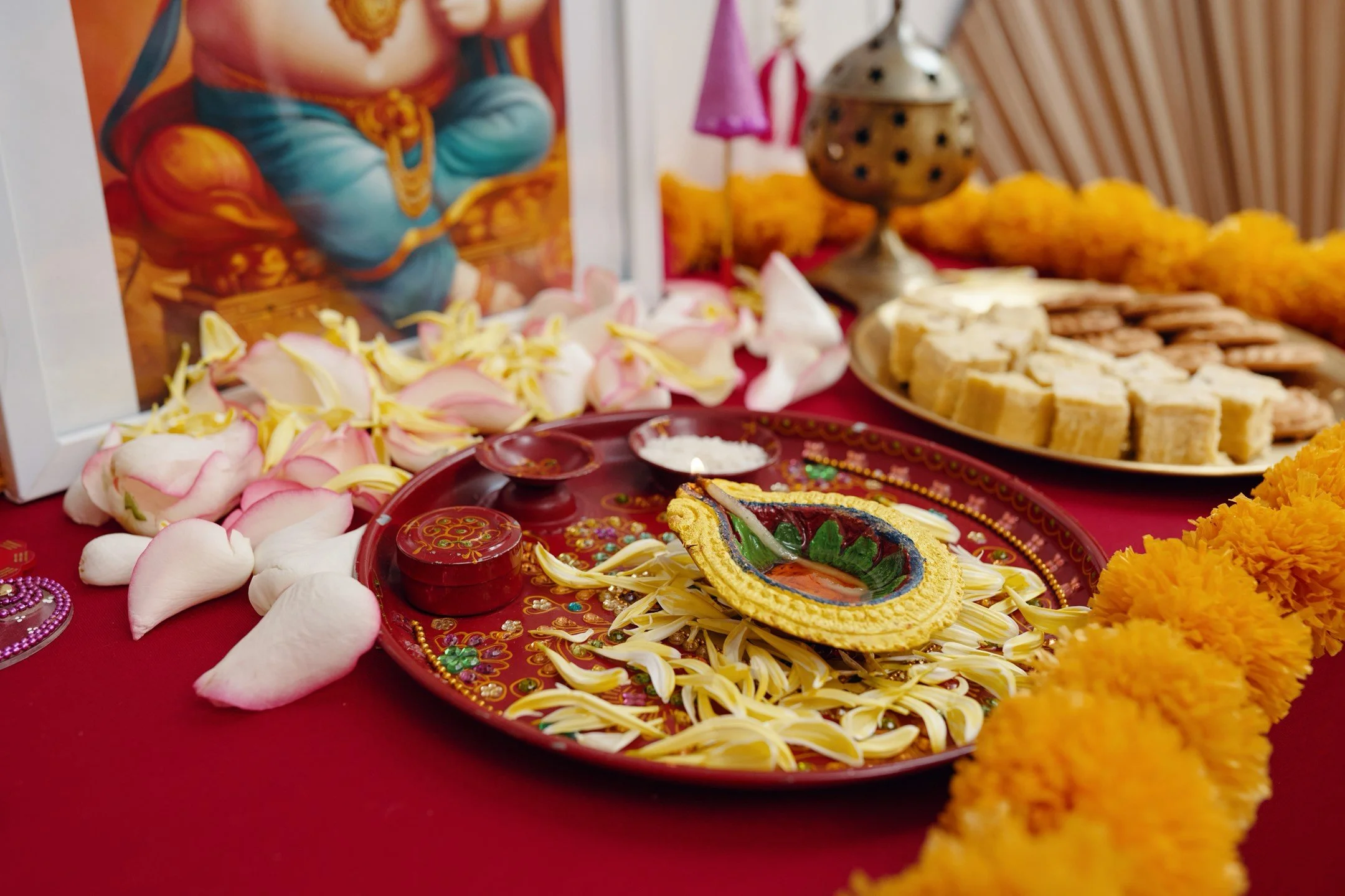
Embrace the warmth of family, tradition, and light during Tihar, Nepal’s festival of togetherness. From honoring animals to lighting diyas, it’s a celebration of love, prosperity, and the vibrant Nepali culture that brings communities closer.
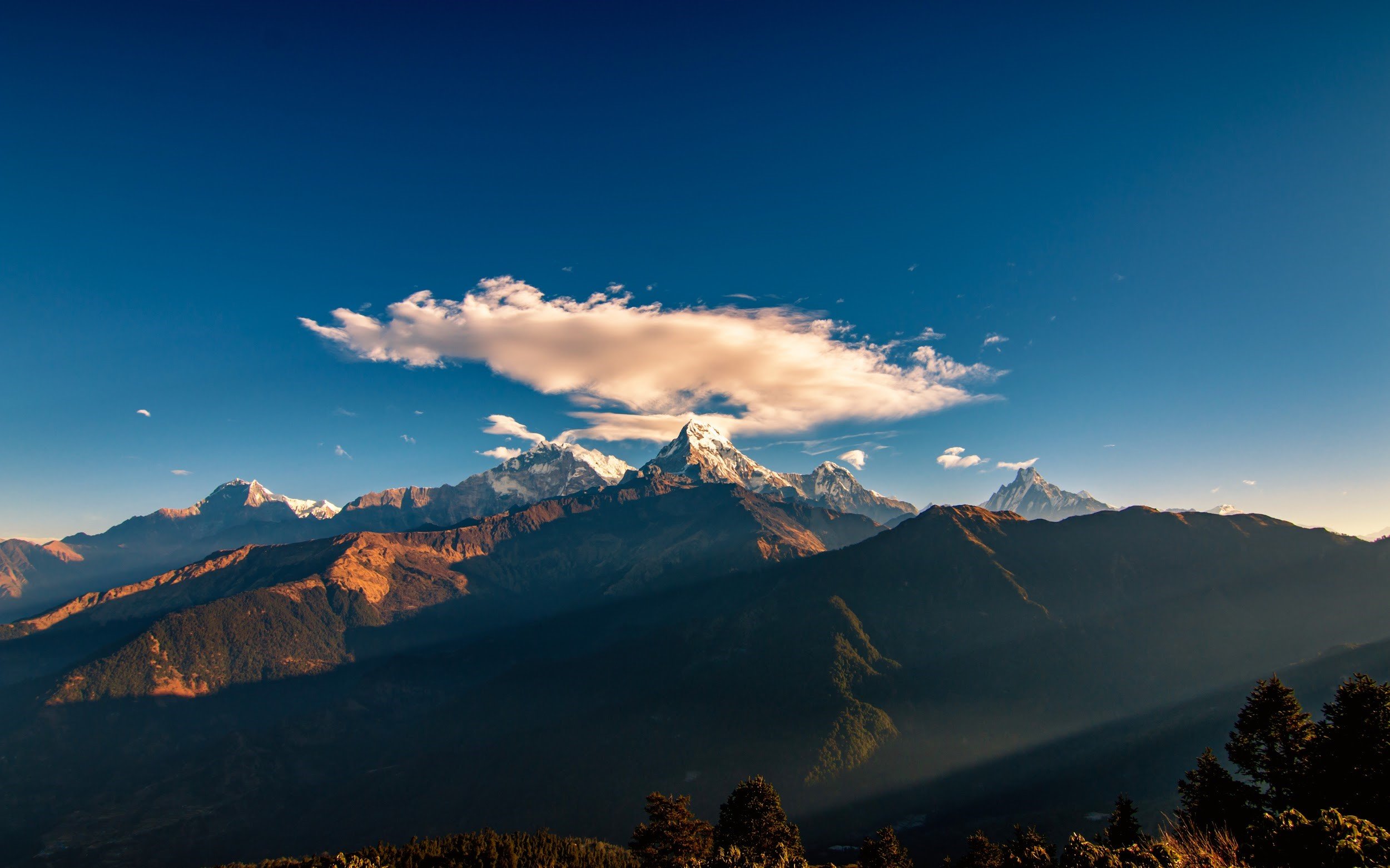
Embark on a journey through nature’s breathtaking beauty on the Annapurna Circuit Trek where diverse landscapes, rich culture, and awe-inspiring Himalayan views await.
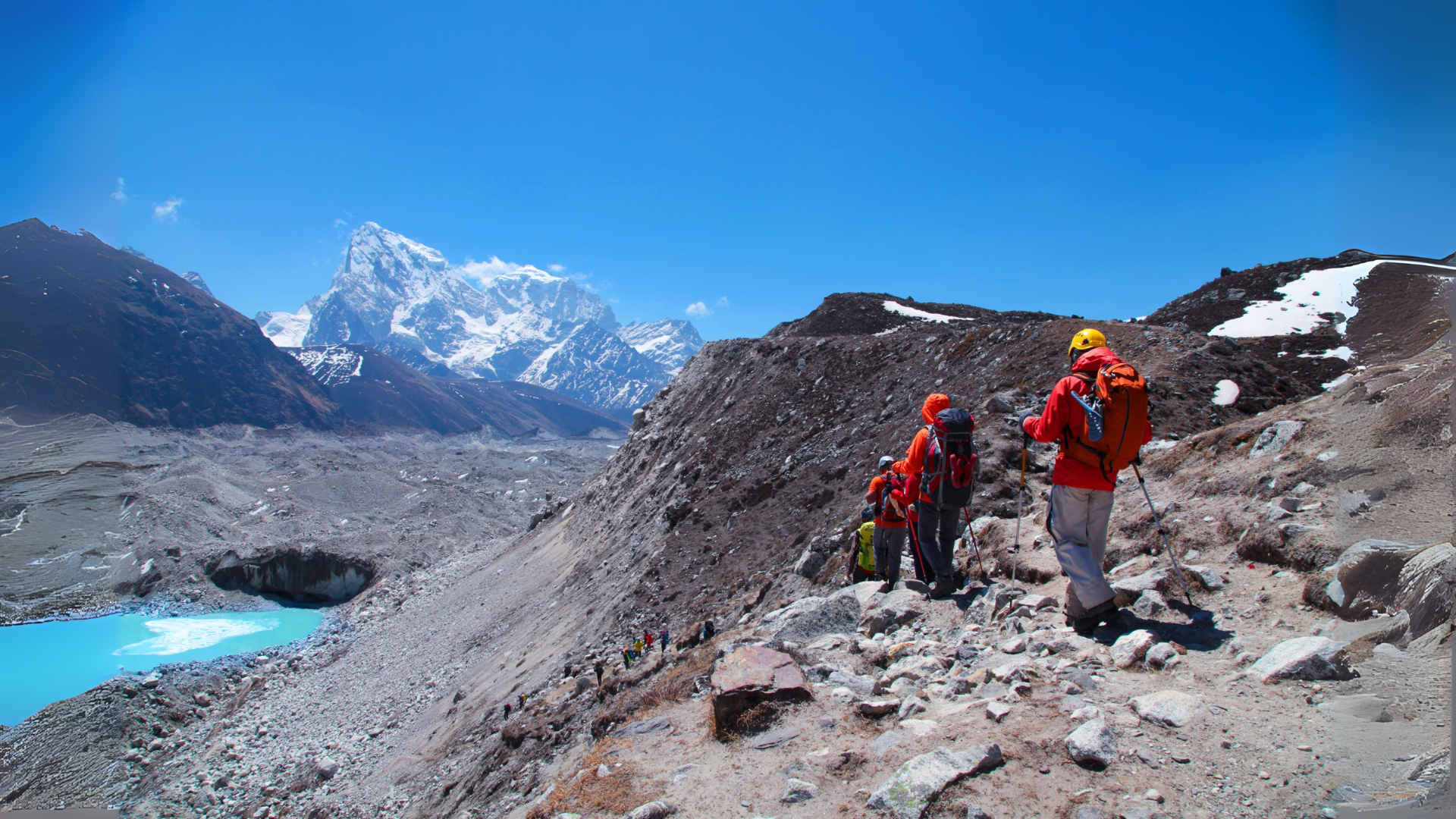
Beyond the well-trodden paths of Nepal lies a world of hidden wonders. From remote trekking trails to serene mountain lakes, discover the best-kept secrets of Nepal’s majestic landscapes and immerse yourself in the authentic, untouched beauty of the Himalayas. A journey into the heart of Nepal awaits!
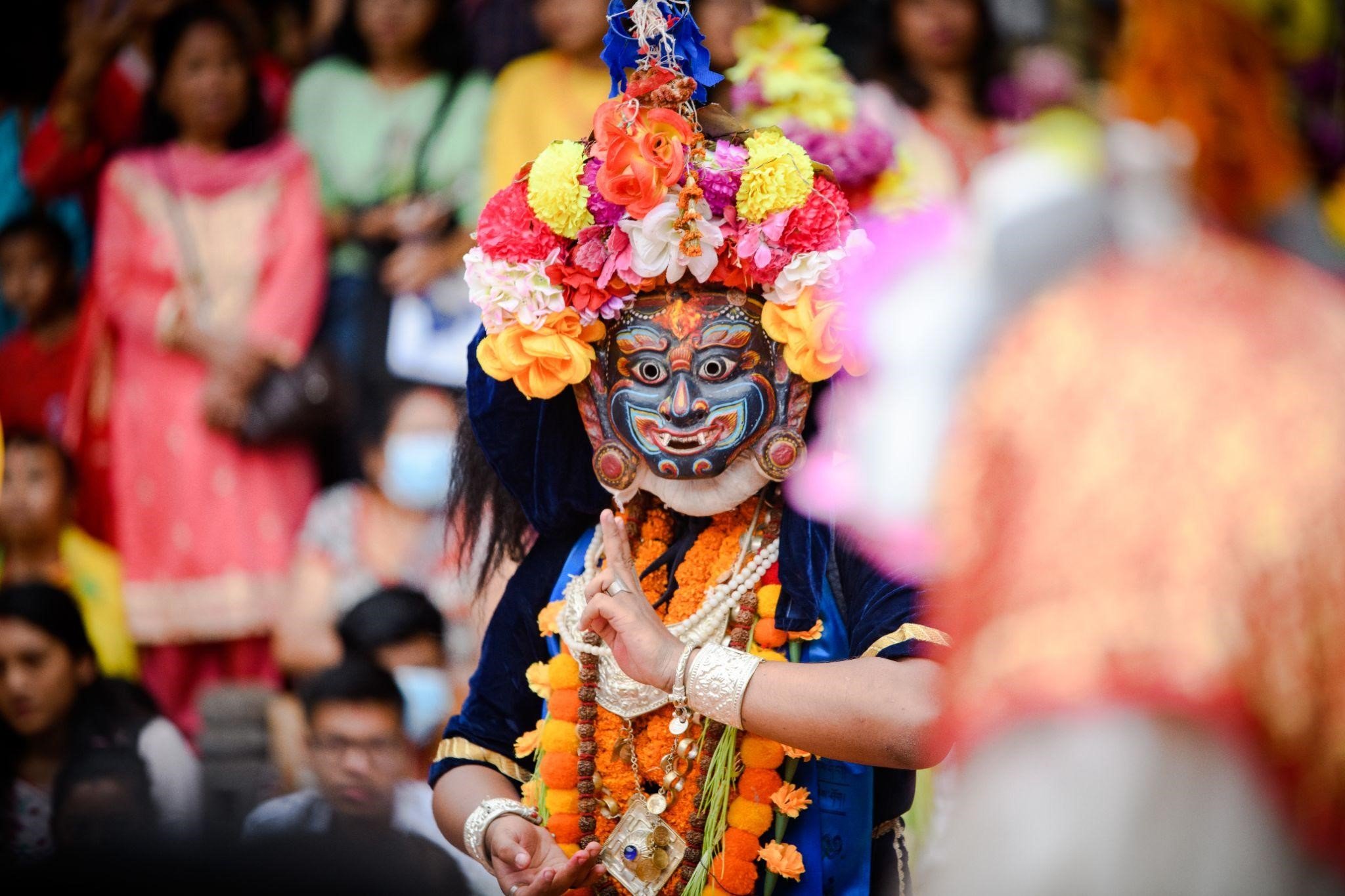
Dashain, the grandest festival of Nepal, is a time of celebration, devotion, and togetherness. Across the country, homes are adorned with flowers, kitchens fill with traditional delicacies, and families gather to honor age-old rituals. In the historic city of Patan, one tradition stands out as a vibrant symbol of devotion and cultural pride: Gaa Pyakha.

The golden Bajra at Swayambhunath Stupa in Kathmandu, a timeless guardian symbolizing strength, enlightenment, and divine protection in Nepal’s sacred traditions.” This sacred object, with its rich mythology and spiritual significance, stands firm as a reminder of the intertwined Hindu and Buddhist beliefs that continue to shape Nepal’s cultural landscape. Whether at the entrance of a temple, adorning stupas, or held during ritual practices, the Bajra represents a powerful force that connects the earthly realm with the divine.
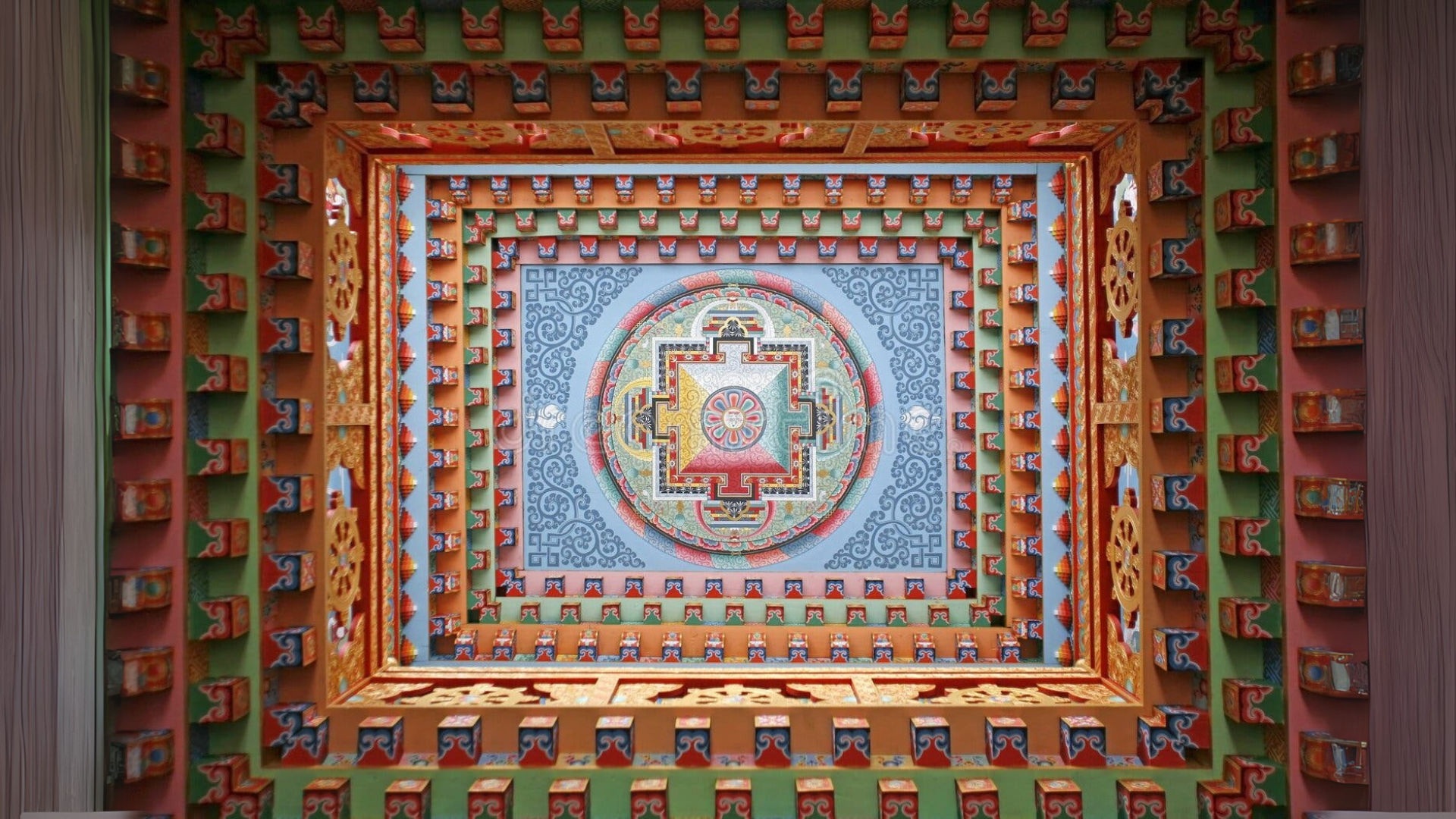
Kathmandu is a living canvas where spirituality and art meet at every corner. Among its countless expressions of faith and culture, mandalas stand as one of the most profound. These intricate circular patterns, seen in temples, monasteries, thangkas (sacred paintings), and even everyday rituals, carry deep symbolic meanings that go far beyond decoration. They are maps of the universe, pathways to meditation, and reflections of Nepal’s spiritual heart.