Christmas, traditionally a Christian holiday, has transcended religious boundaries to become a global celebration of joy, love, and giving. In Kathmandu, the heart of Nepal, Christmas has found a special place amidst the city's vibrant cultural tapestry. This festival is celebrated with warmth and inclusivity, reflecting Kathmandu’s embrace of diverse traditions and its ever-evolving cultural adaptation.
As the vibrant autumn leaves of Kathmandu begin to fade and the crisp chill of winter settles over the city, there’s no better time to plan your perfect winter escape. Nestled in the heart of Kathmandu, Hotel Shanker offers the ideal blend of historical grandeur, warm hospitality, and modern luxury, making it the ultimate winter retreat.
Tihar, one of Nepal's most beautiful and vibrant festivals, is a celebration of lights, joy, and gratitude. Spanning five days, Tihar honors the bond between humans, gods, and animals, making it a festival that resonates deeply with the Nepali culture. Often compared to Diwali, Tihar is unique in its own right, filled with cultural rituals, colorful decorations, and joyous festivities.
Indra Jatra, celebrated in honor of the god Indra, the King of Heaven and Rain, is a festival that has captured the heart of Kathmandu for centuries. Legend has it that Indra descended to Earth to collect a specific flower for his mother, only to be captured by locals who didn’t recognize him. Upon realizing his divine identity, they released him, and to honor the event, the festival of Indra Jatra was born.
Krishna Janmashtami, a significant Hindu festival, celebrates the birth of Lord Krishna. It is typically observed on the eighth day of the dark fortnight (Krishna Paksha) of the month of Shravan (August-September). Various religious rituals and cultural events dedicated to Lord Krishna are held on this day.
Janai Purnima, a significant Hindu festival celebrated in Nepal, marks the day of renewing the sacred thread (janai) worn by men. This thread symbolizes purity and religious commitment and is believed to protect the wearer from evil forces and bestow blessings. The festival is also known as "Raksha Bandhan" in some parts of Nepal, where sisters tie a protective thread (rakhi) on their brothers' wrists.
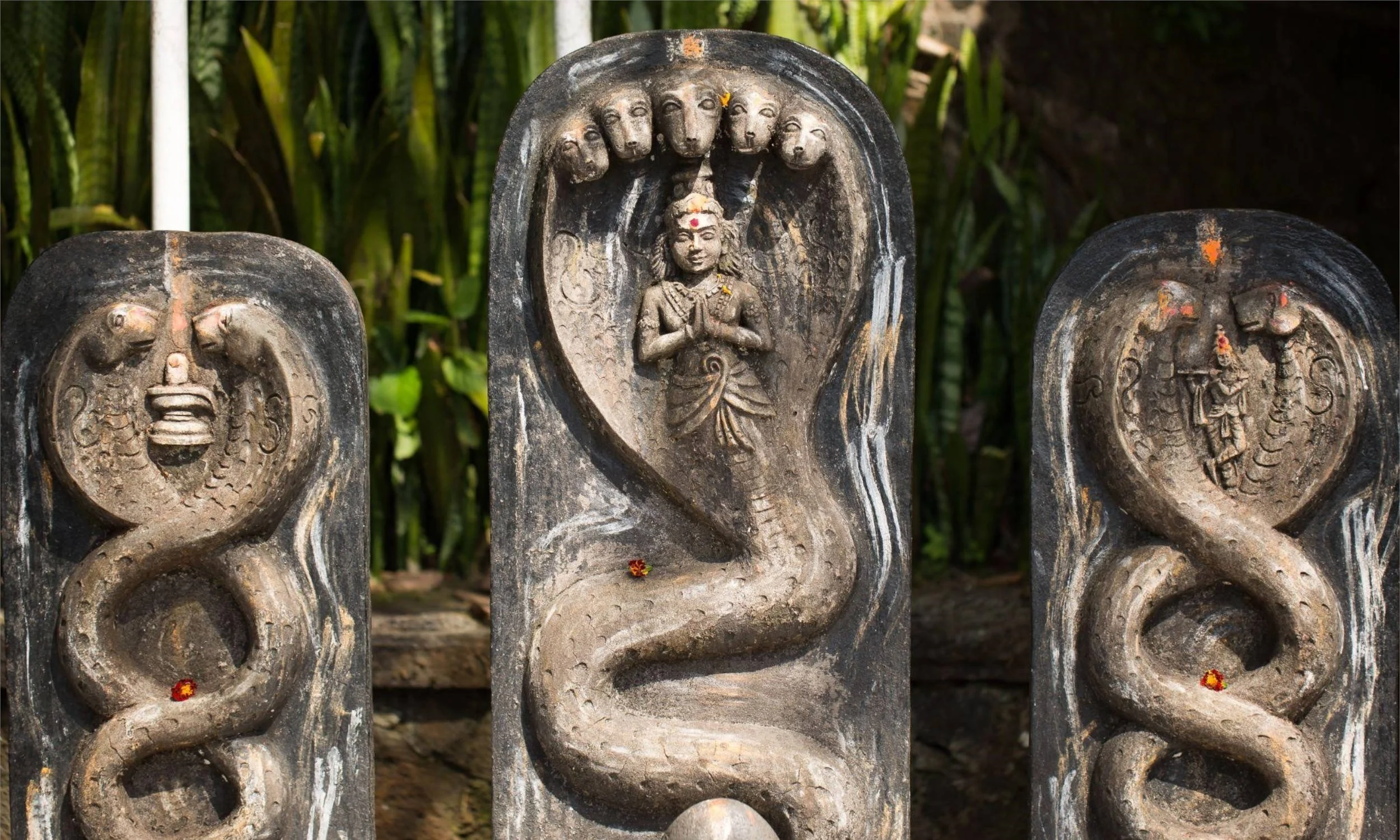
Nag Panchami, a significant Hindu festival, is dedicated to the worship of serpent deities, commonly known as Nag Devta. Celebrated annually on the fifth day of the bright fortnight of the lunar month of Shravan, this auspicious day holds immense religious and cultural importance.
Gathemangal, also known as Ghantakarna Chaturdasi, is a unique festival celebrated by the Newar community in the Kathmandu Valley of Nepal. It falls on Shrawan Krishna Chaturdashi, which typically occurs in June or July according to the Bikram Sambat calendar. This vibrant festival is a colorful display of warding off evil spirits and ushering in peace and prosperity.
Nepal, a landlocked nation in the Himalayas, boasts a rich agricultural heritage. Among its many festivals, National Paddy Day, also known as Dhan Ropne Diwas, holds a special place in the hearts of Nepalis. Celebrated on the 15th day of the Nepali month of Asar (June-July), this vibrant festival marks the auspicious beginning of the rice planting season. Let's delve deeper into the cultural significance, rituals, and spirit of this unique celebration.
During your stay at the luxurious Hotel Shanker, be sure to experience the vibrant cultural tapestry of Nepal. One unmissable event is the Ghode Jatra, a pulsating horse festival that unfolds every year in Kathmandu, typically around mid-March to early April.
Kathmandu comes alive in a riot of colors during Holi, the exuberant Hindu festival also known as the Festival of Colors. As a guest at Hotel Shanker, you have the unique opportunity to witness and even participate in this joyous celebration. But Holi is more than just throwing colored powder around.
In the heart of the Himalayas, nestled among the towering peaks and lush valleys of Nepal, lies a festival that transcends time and illuminates both the night sky and the human spirit - Tihar, the Festival of Lights. This enchanting celebration, also known as Deepawali or Yamapanchak, holds a profound historical, cultural, and religious significance in the lives of Nepalese people. In this article, we will delve into the captivating world of Tihar, exploring its historical roots, the unique celebrations associated with it, its cultural importance, and its deeply ingrained religious values.