
UNESCO Heritage Edition: Bhaktapur Durbar Square
“The city of Bhaktapur can be neatly divided into nine sectors corresponding to the Eight Mother Goddesses plus a ninth, central goddess, that are situated at Power-Places amount its perimeter.” CNAS Journal, Vol 32, No.2 (Pickett,2005:247)
Built by Ananda Malla the younger son of Abhaya Malla, Bhaktapur originally called Bhatgaon is a city protected by the Navadurga and is a symbol of prime Malla architecture.
Inception of the Kingdom of Bhaktapur
“This younger brother (Ananda Malla,) being very generous and wise, gave up the sovereingty over the two cities, and having invoked Annapurna Devi from Kasi founded a city of 12,000 houses which he named Bhaktapur(Bhatgaon) and included sixty small village in his territory.After this, the Raja having obtained the favour and directions of Chanfeswari, founded seven towns; viz. Banepur(Banepa) near Chandeswari Pitha, Panavati(Panauti), near the Pragaga TIrtha of Nepal, celebrated in the Shastras on the site where Panchala-des formely stood, Nala, near Nala Bhagavati, Dhaukhle near Narayana; Khapu near Dhaneswaril Chaukot near the residence of Chankora Rishi; Sanga near Nasika Pitha.”
Wright 1877: 163
Establishment of Bhaktapur Durbar Square
“ He established his court at Bhaktapur, where he built a Durbar; and having one night seen and received instructions from the Navadurga, he set up their images in proper places, to ensure the security and protection of the town both internally and externally.”
Wright 1877: 163
Bhaktapur Durbar Square Today
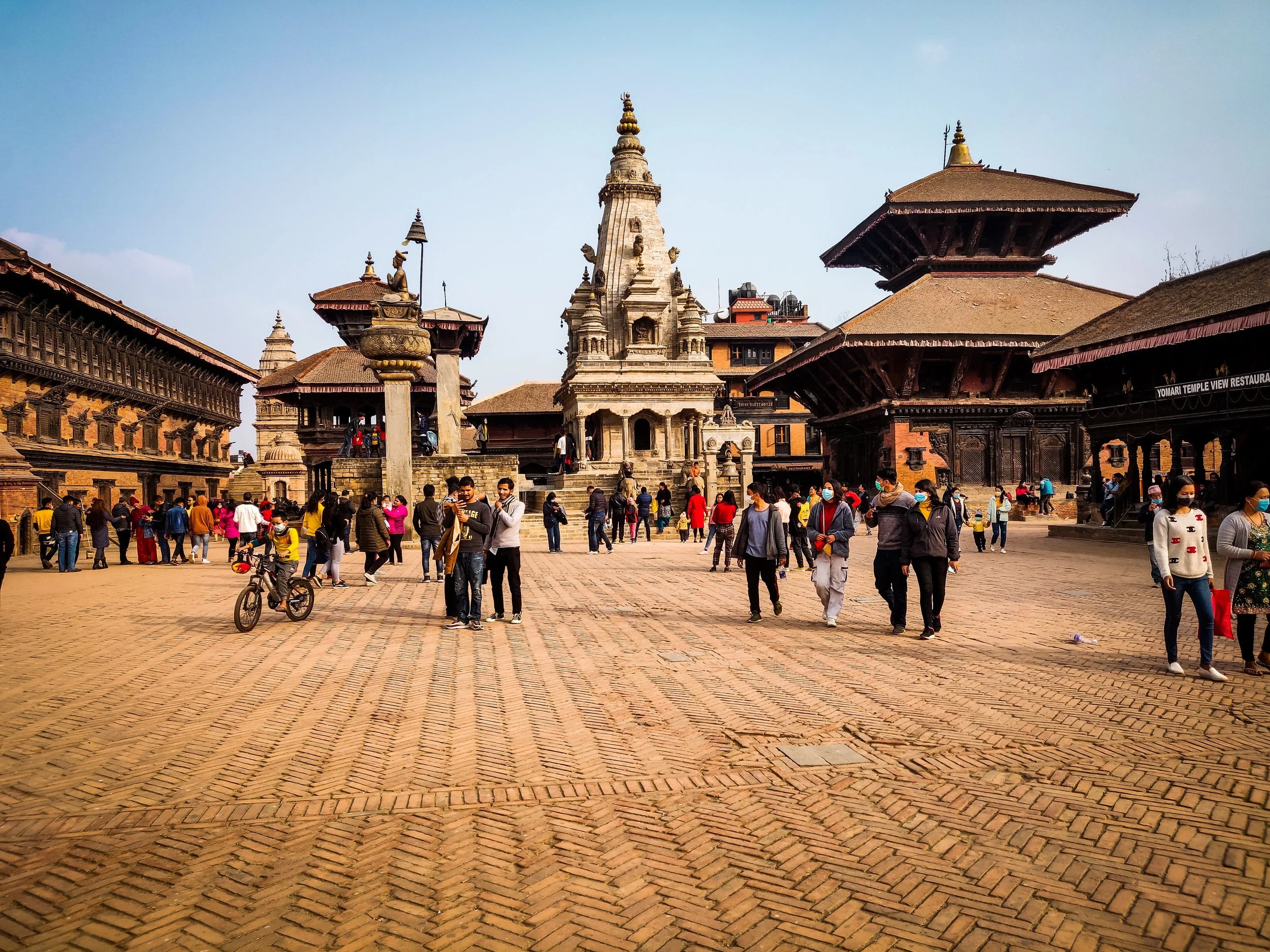
The Durbar square is as magnificent it was when it was incepted. The squares are always bustling with tourists admiring the architecture and heritage along with locals busy in their daily essentials. The gullies are filled with souvenir stores selling diverse range from Thanka art, metal statues and sculptures, merchandise and traditional and international cuisine.
The 2015 Earthquake and its impact on Bhaktapur Durbar Square
During the 2015 earthquake, the city of Bhaktapur faced severe damage in terms of monuments and houses. The traditional houses have stood in their original archtitcure for more than 40 year, but not anymore. The Vatsal Devi Temple was turned to rubble allong with many other temples. Many heritages such as the temple of Rameshwor, Batsala, Narayan, Siddi Lakshmi, Biswaroopa,Siddi Ganesh, Swetbhairav, Sij Mahadev, Degaina, Satall were damaged along with premises of Taleju Chowk and the 55 windowed palace. 4 out of 11 heritages have been restored and the others are in the process of restoration. The events of the earthquake of 2015 left allot of the inhabitants without a home and had to live in temporary shelters and MRE’s. But slowly but steadily till today, life moved on as the people of Bhaktapur persevered what was lost cannot be regained but lessons can be learnt and heritages can be rebuilt.
SIMILAR POSTS

The golden Bajra at Swayambhunath Stupa in Kathmandu, a timeless guardian symbolizing strength, enlightenment, and divine protection in Nepal’s sacred traditions.” This sacred object, with its rich mythology and spiritual significance, stands firm as a reminder of the intertwined Hindu and Buddhist beliefs that continue to shape Nepal’s cultural landscape. Whether at the entrance of a temple, adorning stupas, or held during ritual practices, the Bajra represents a powerful force that connects the earthly realm with the divine.
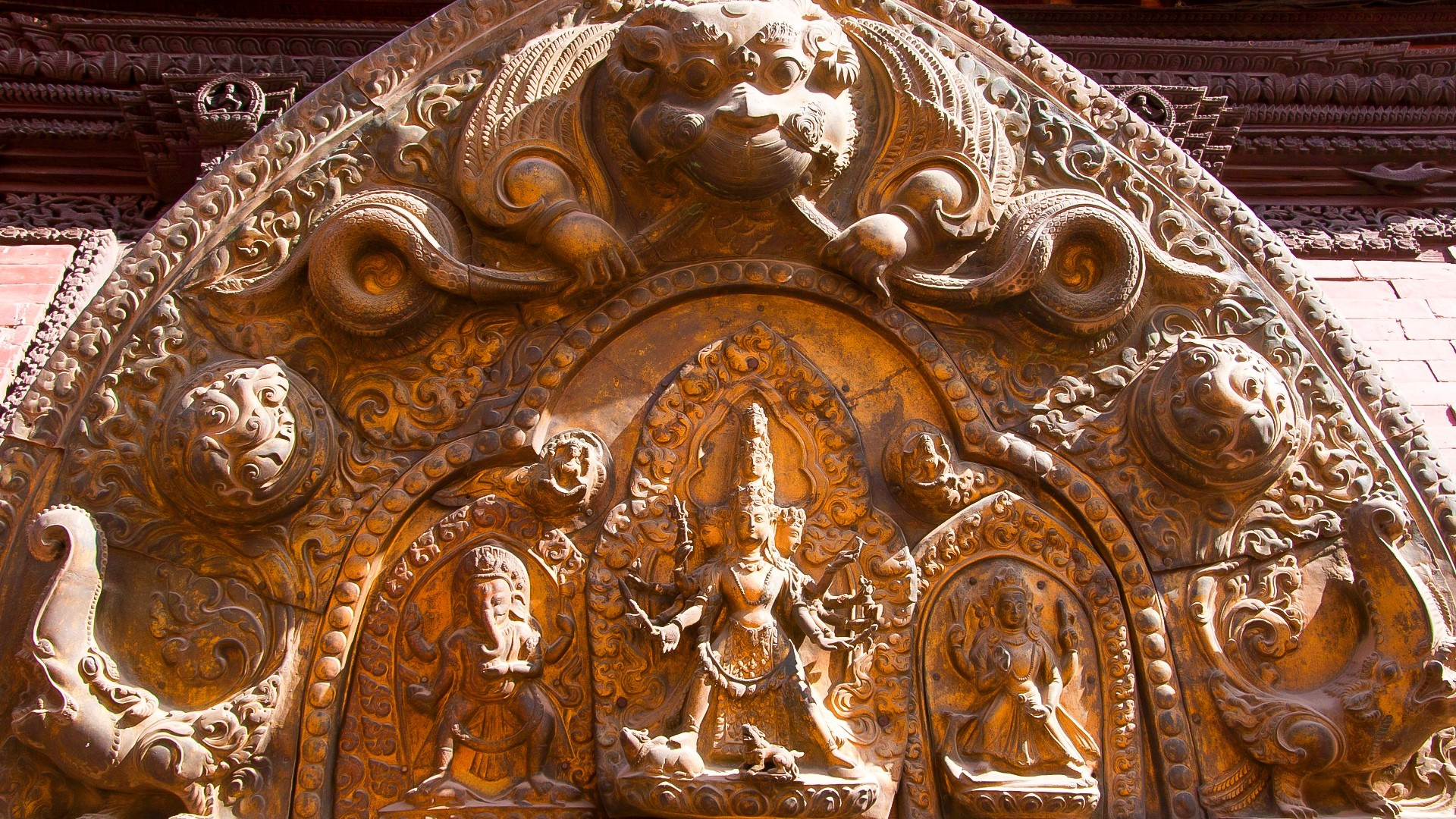
In the old cities of the Kathmandu Valley, temples don’t just sit in place. They shape it. Palaces don’t just preserve history. They continue it. These structures were not built simply to impress. They were built to last, to breathe, and to hold meaning through time.
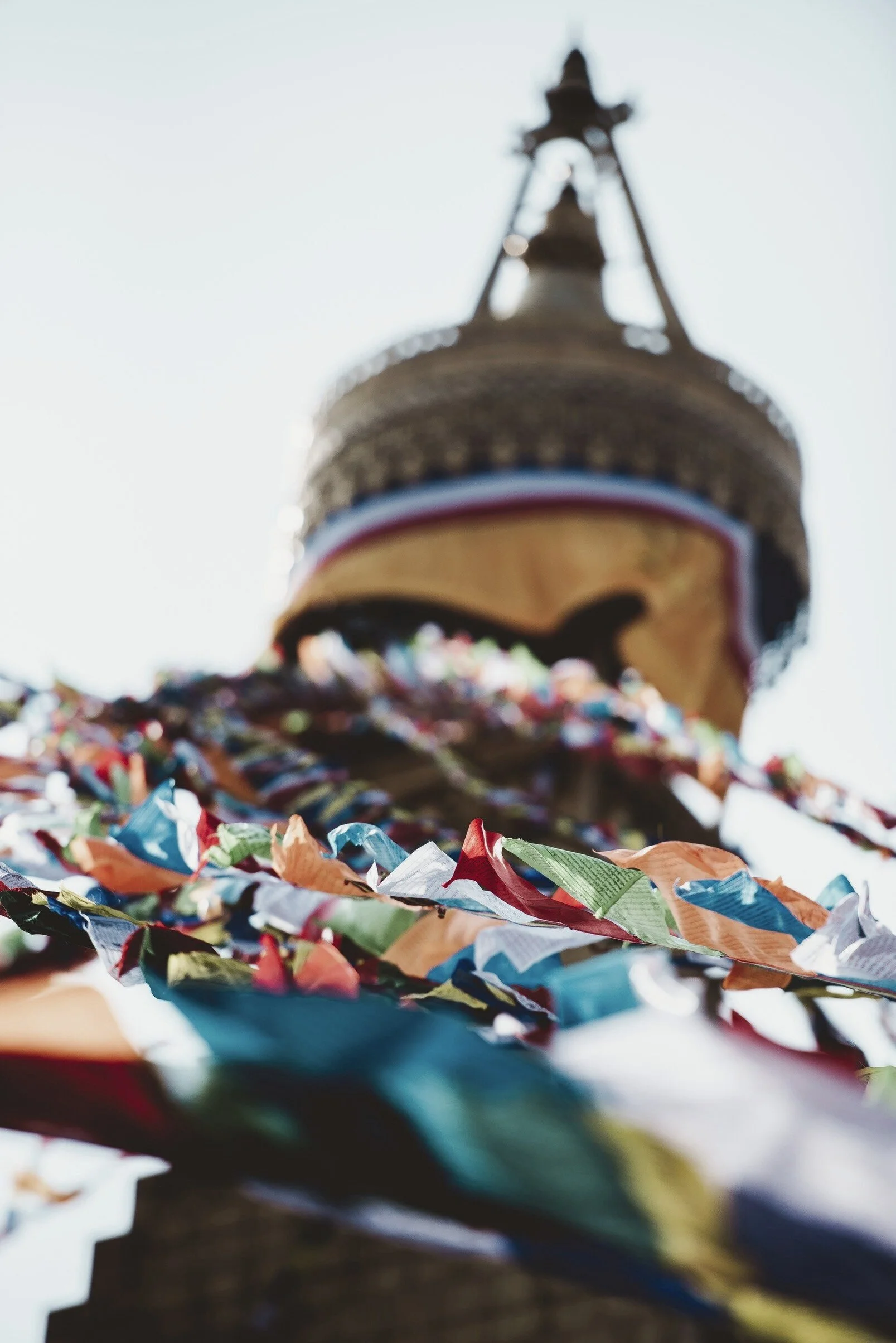
Kathmandu is a place that holds its history close. Every corner, every alley, every old building has a story to tell. It’s a city that rewards slow walks and curious minds.
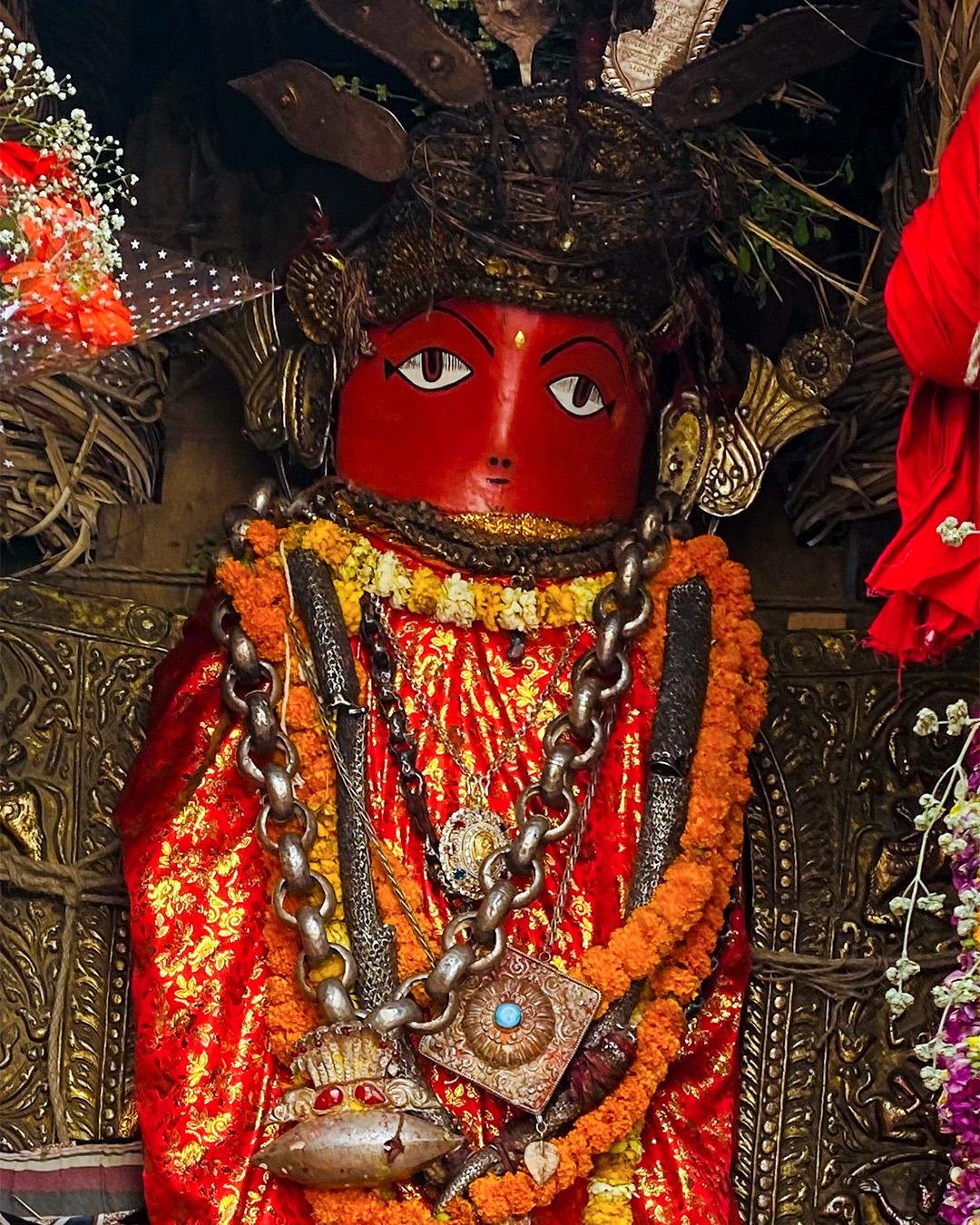
Every spring, as the air begins to warm and the days grow longer, the city of Patan prepares for a celebration unlike any other. Rato Machhindranath Jatra is one of the oldest and most respected festivals in Nepal. Its roots go back more than a thousand years, and its meaning still feels just as strong today.

Whether you’re a first-time visitor or a returning soul, here’s a curated five-stop itinerary, best enjoyed at an unhurried pace—with each journey beginning and ending in the quiet elegance of Hotel Shanker.
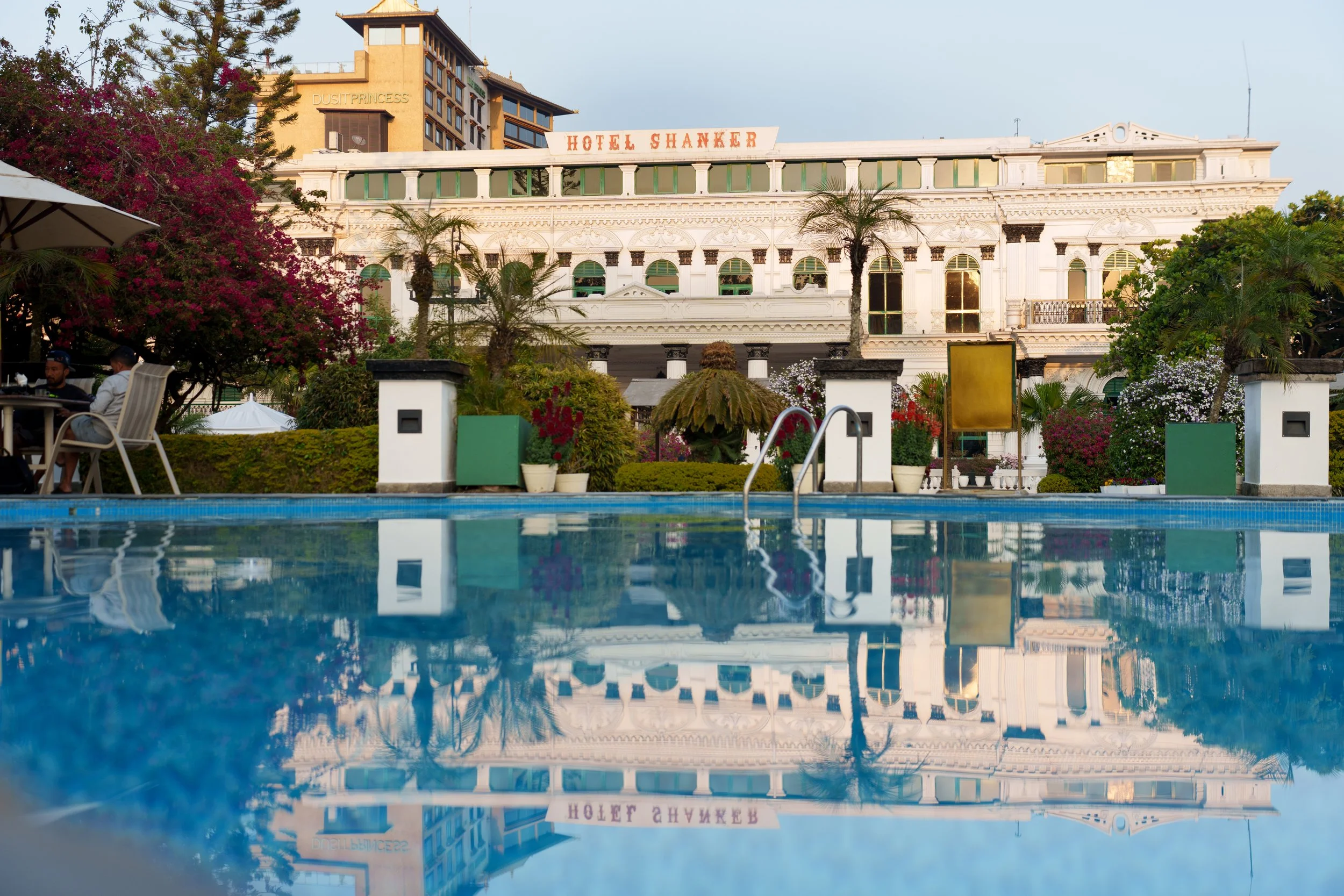
As the sun climbs higher and the rhythm of Kathmandu slows with the season, a certain kind of traveler seeks more than air-conditioned interiors. They seek calm. Shade. Stillness.
At Hotel Shanker, summer is not something to escape from—it’s something to experience differently. Within these palace walls, the warmth of the season is softened by space, design, and the quiet dignity of a place that was built to breathe.
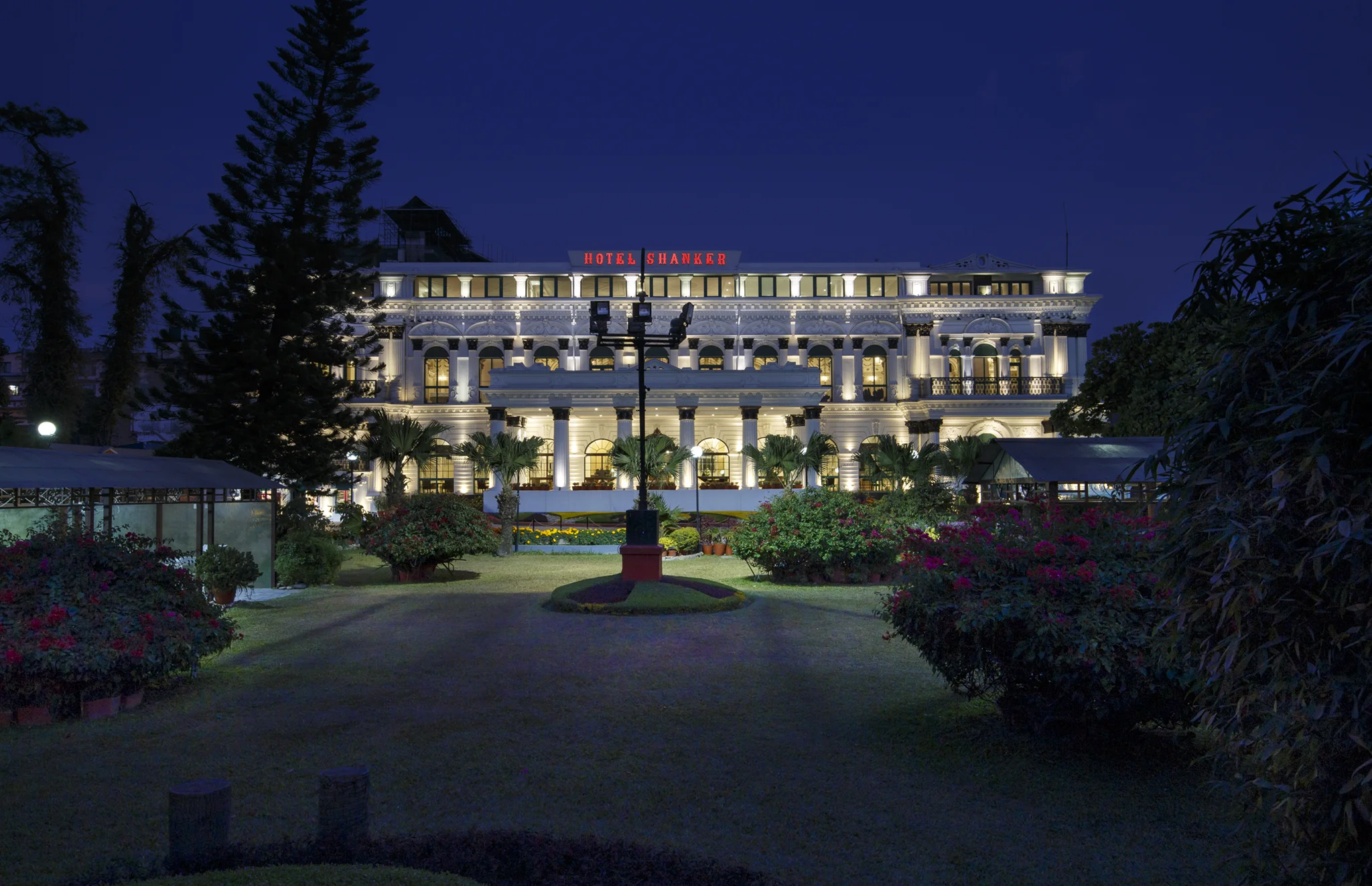
Hotel Shanker is not simply a luxury hotel. It is a timeless estate, a retreat that lives in the present while holding hands with the past. The grandeur is there—make no mistake—but it doesn’t shout. It lingers, breathes, and waits to be noticed.
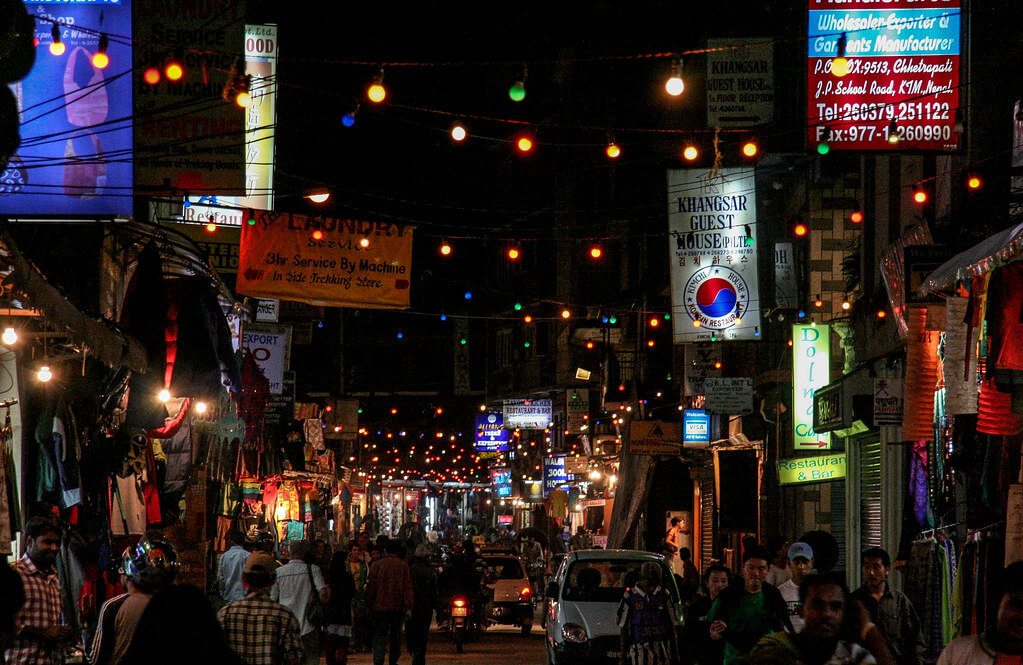
Kathmandu may be known for its temples and cultural heritage, but as the sun sets, the city transforms into a lively and enchanting destination. Whether you’re looking for a peaceful spiritual experience, a vibrant nightlife scene, or a cozy heritage retreat, Kathmandu at night has something for everyone. Here’s a quick guide to the best places to experience the city after dark.

Every moment in Nepal is a story woven in tradition. Witness centuries-old rituals, vibrant festivals, and warm hospitality that make this land truly unique.
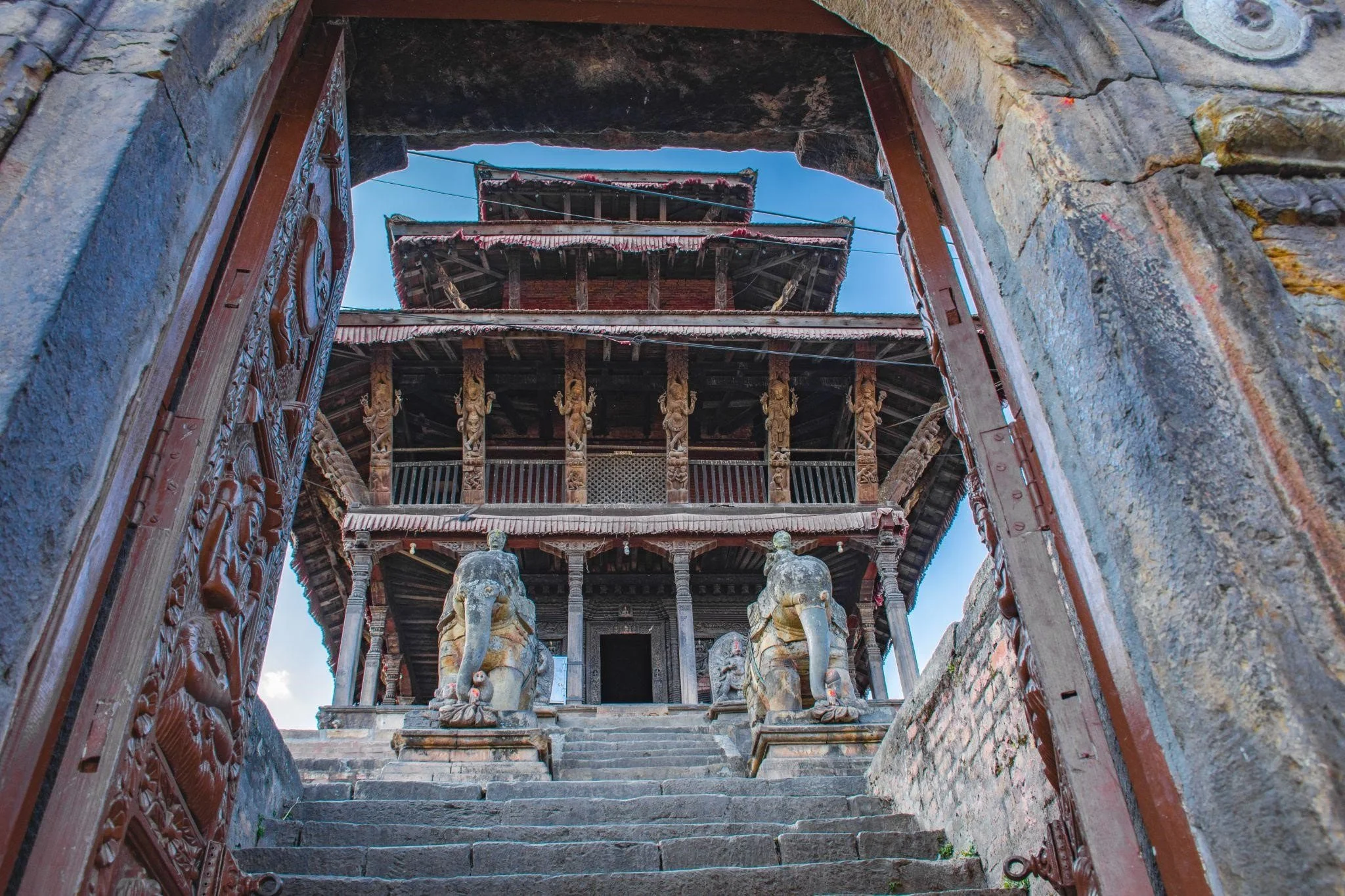
Kirtipur, located on a ridge above Kathmandu Valley, attracts visitors looking for a unique combination of history, culture, and beautiful vistas. This ancient Newar hamlet said to be one of the valley's oldest settlements, provides a look into Nepal's rich legacy that begs to be explored.
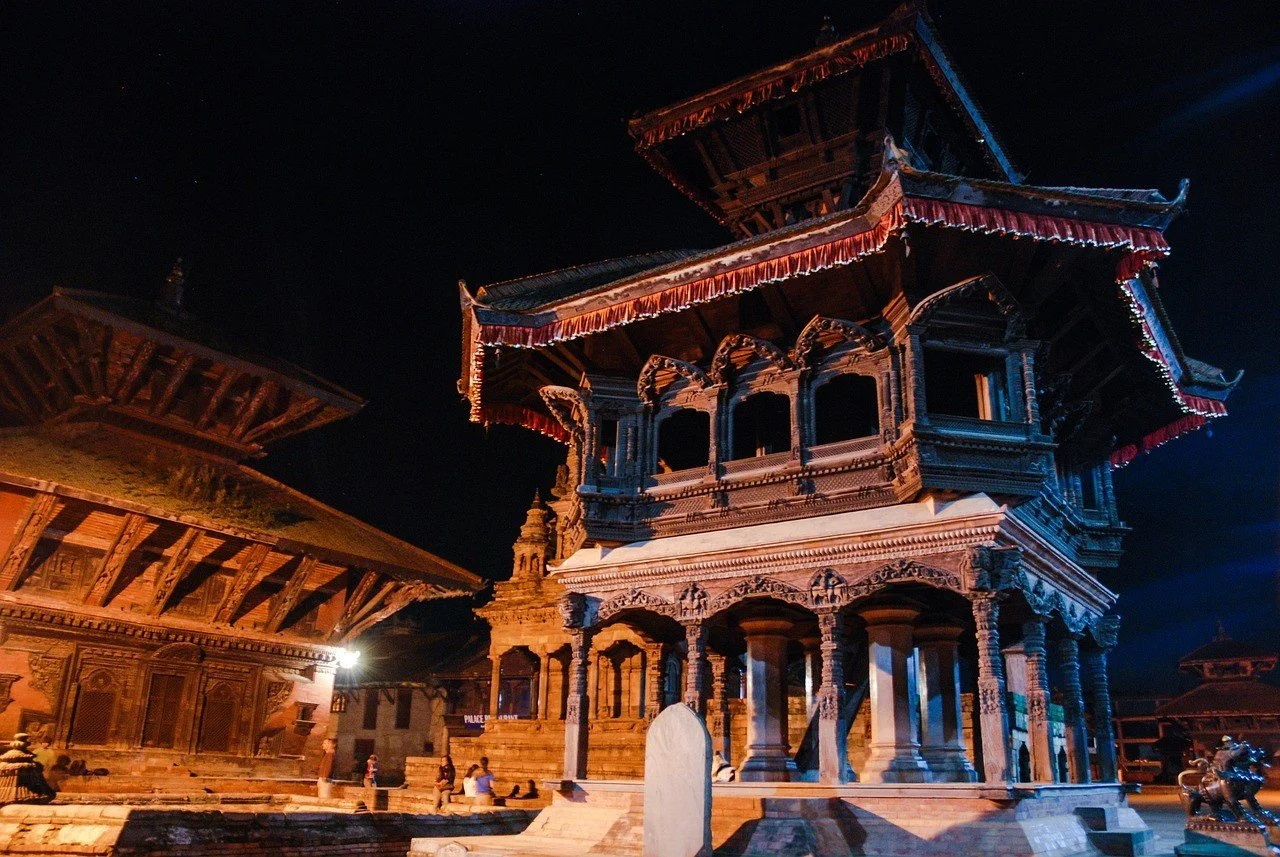
Nepal, the landlocked wonder in the Himalayas, offers a unique blend of adventure, spirituality, and cultural immersion. From heart-pounding treks to soul-stirring temples, this captivating country promises an unforgettable experience. But with so much to see and do, where do you begin?
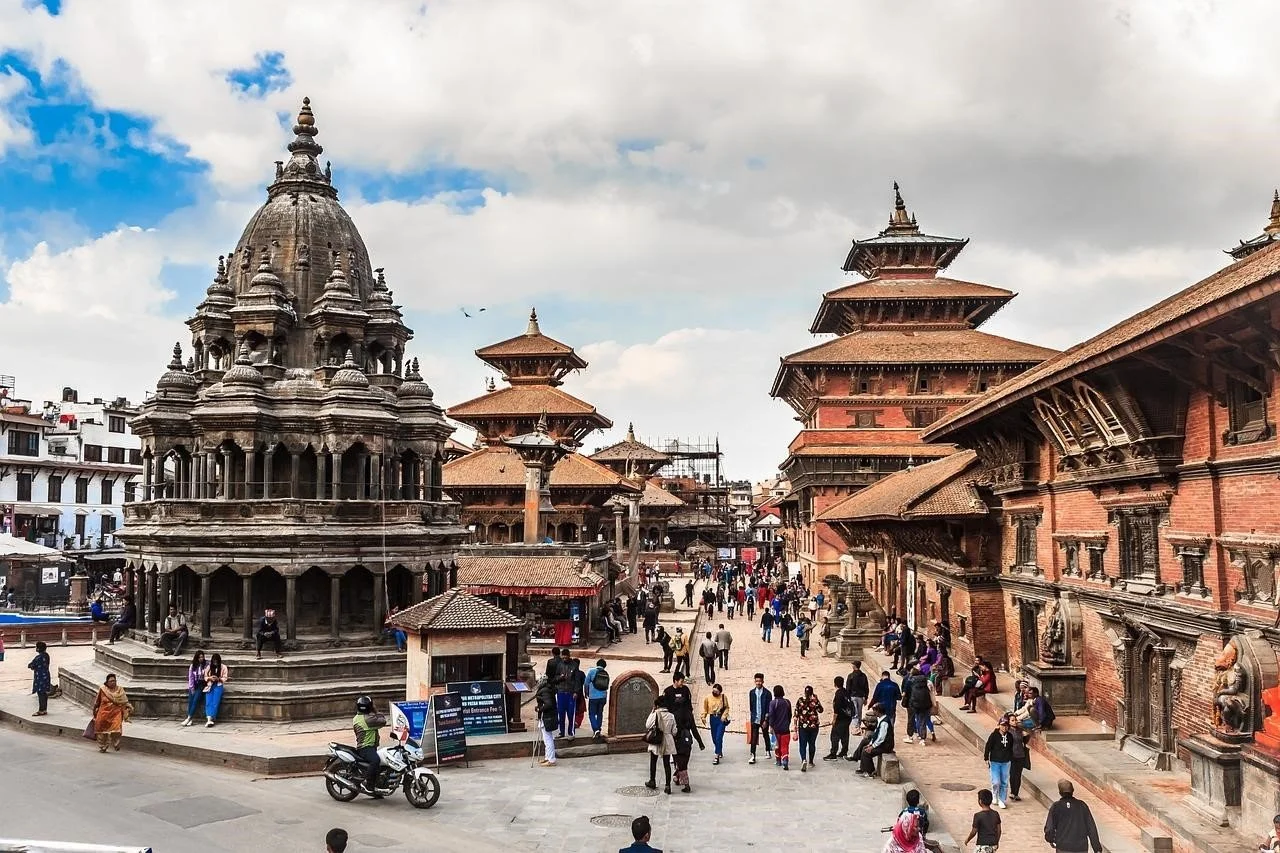
A city of striking architecture, lively culture, and rich history, Patan is hidden away in the Kathmandu Valley. Often called Lalitpur, which translates to "City of Beauty," Patan offers a wealth of experiences waiting to be unearthed by visitors hoping to get a true sense of Nepal. These ten activities, ranging from seeing historic temples to hopping bazaars, will make your trip to Patan genuinely remarkable.

The historic city of Bhaktapur, Nepal, can be found in the Kathmandu Valley. It is recognized as a UNESCO World Heritage site because of its magnificent architecture, lively customs, and rich cultural legacy. Bhaktapur provides a wealth of attractions just waiting to be discovered by visitors from other countries looking for a genuine Nepalese experience.
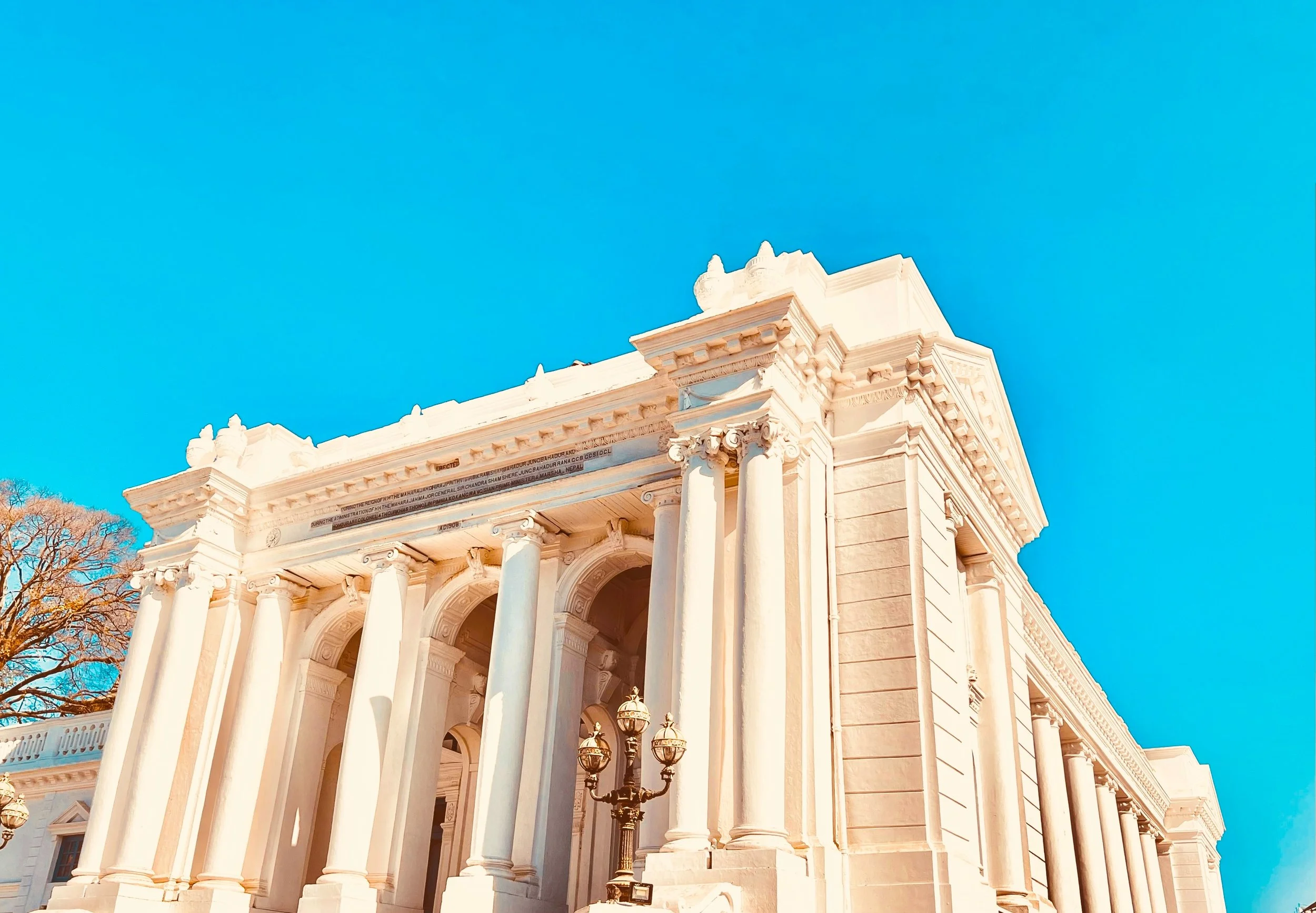
In the heart of Kathmandu's historic Basantapur Durbar Square stands a magnificent architectural gem that resonates with the grandeur of Nepal's royal past - the Gadi Baithak. This ornate palace, a testament to the craftsmanship of its time, showcases the rich history and cultural heritage of Nepal.
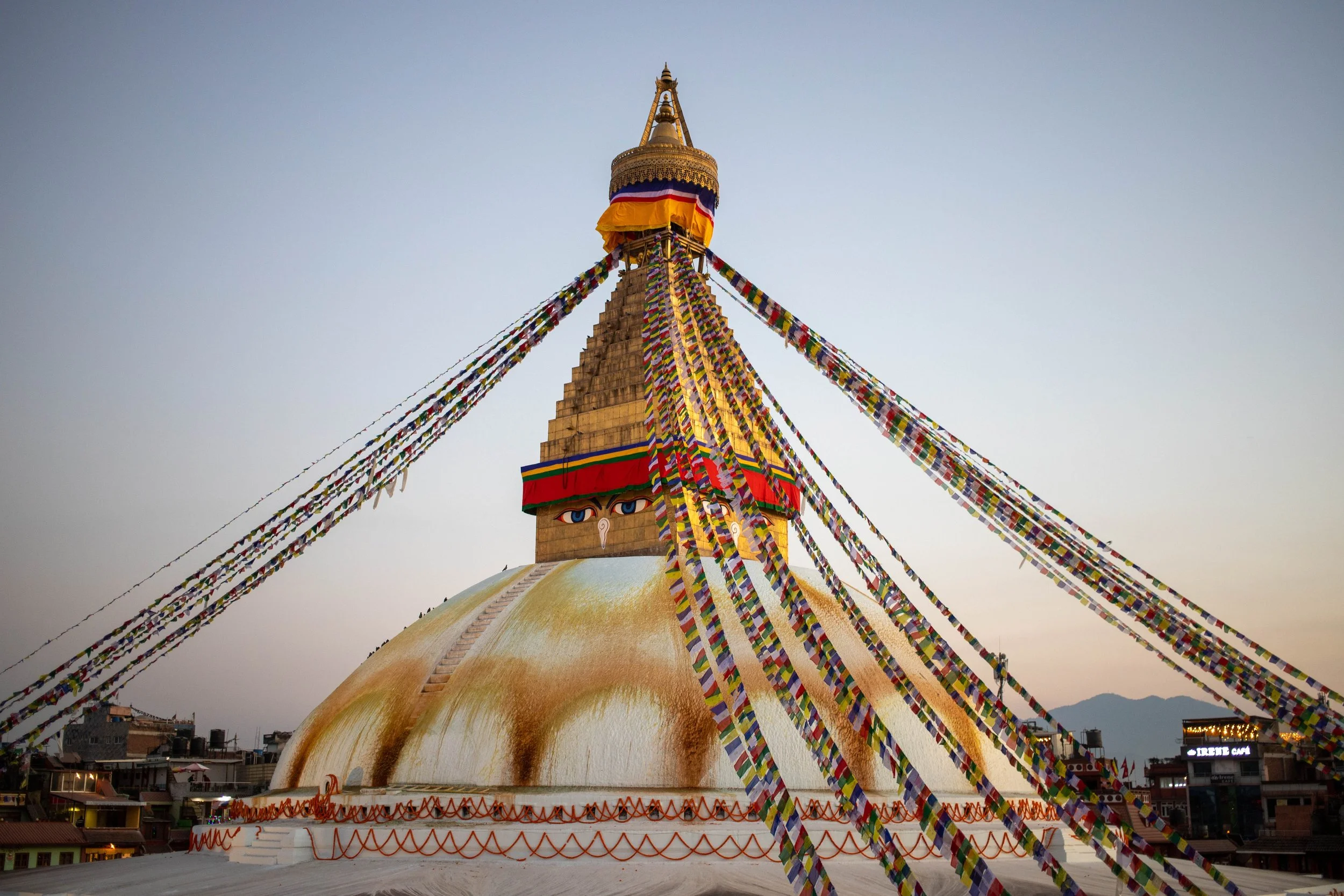
Nestled in the vibrant city of Kathmandu, Bouddha (also spelled Boudhanath) is a remarkable neighborhood that exudes a unique blend of spirituality, culture, and history. As one of the most sacred sites for Tibetan Buddhists and a thriving cultural hub, Bouddha offers a multitude of experiences that cater to both spiritual seekers and curious travelers. In this article, we will embark on a journey to explore 10 captivating things to do in Bouddha, starting with the star attraction, Bouddhanath.
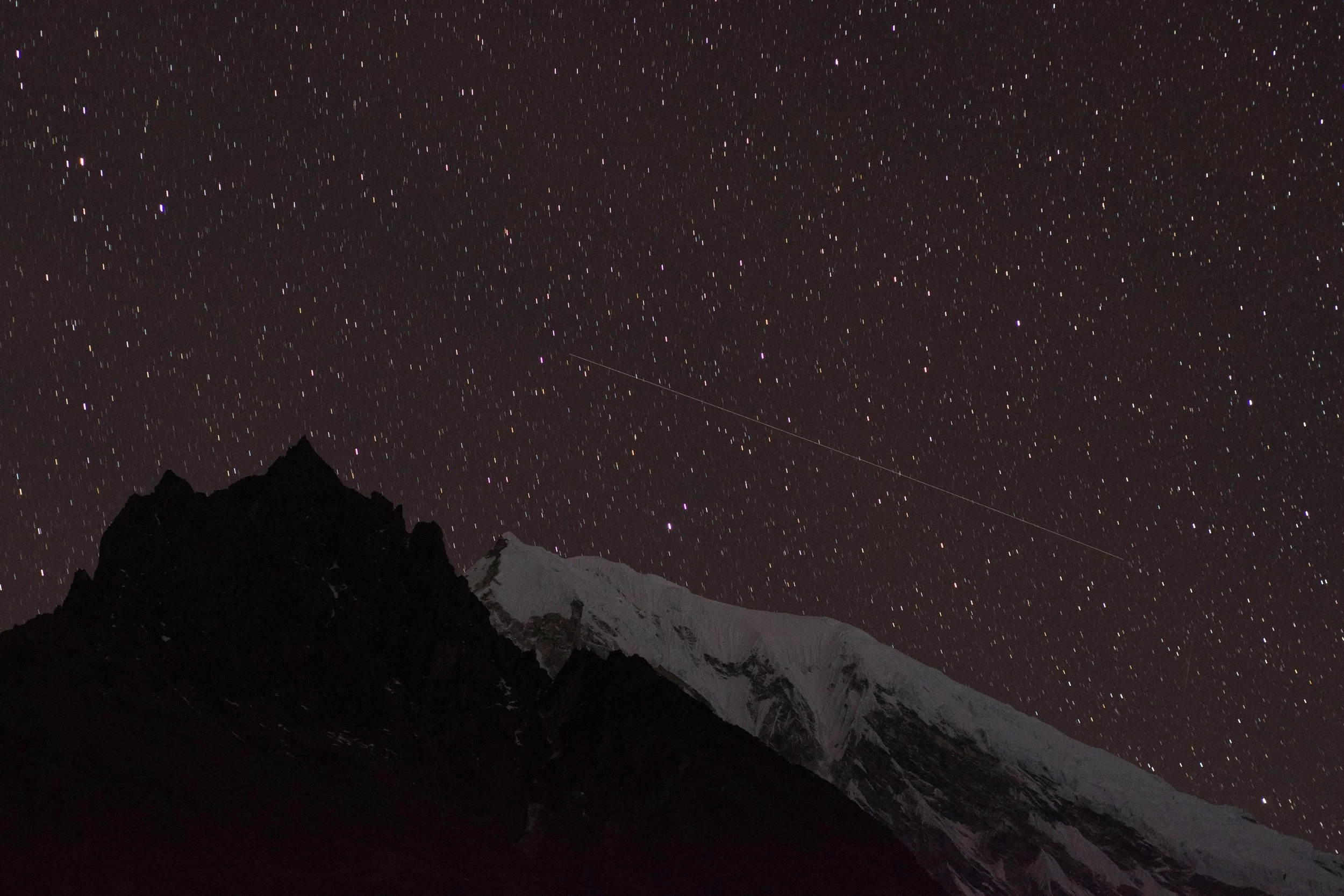
Nepal, renowned for its stunning mountain landscapes, rich culture, and warm hospitality, has also emerged as a hidden gem for astrophotographers. The Himalayan nation offers a unique opportunity to capture the celestial wonders amidst its breathtaking scenery. In this article, we will explore some of the best astro photography destinations in Nepal, where you can capture the beauty of the night sky against the backdrop of the majestic mountains.
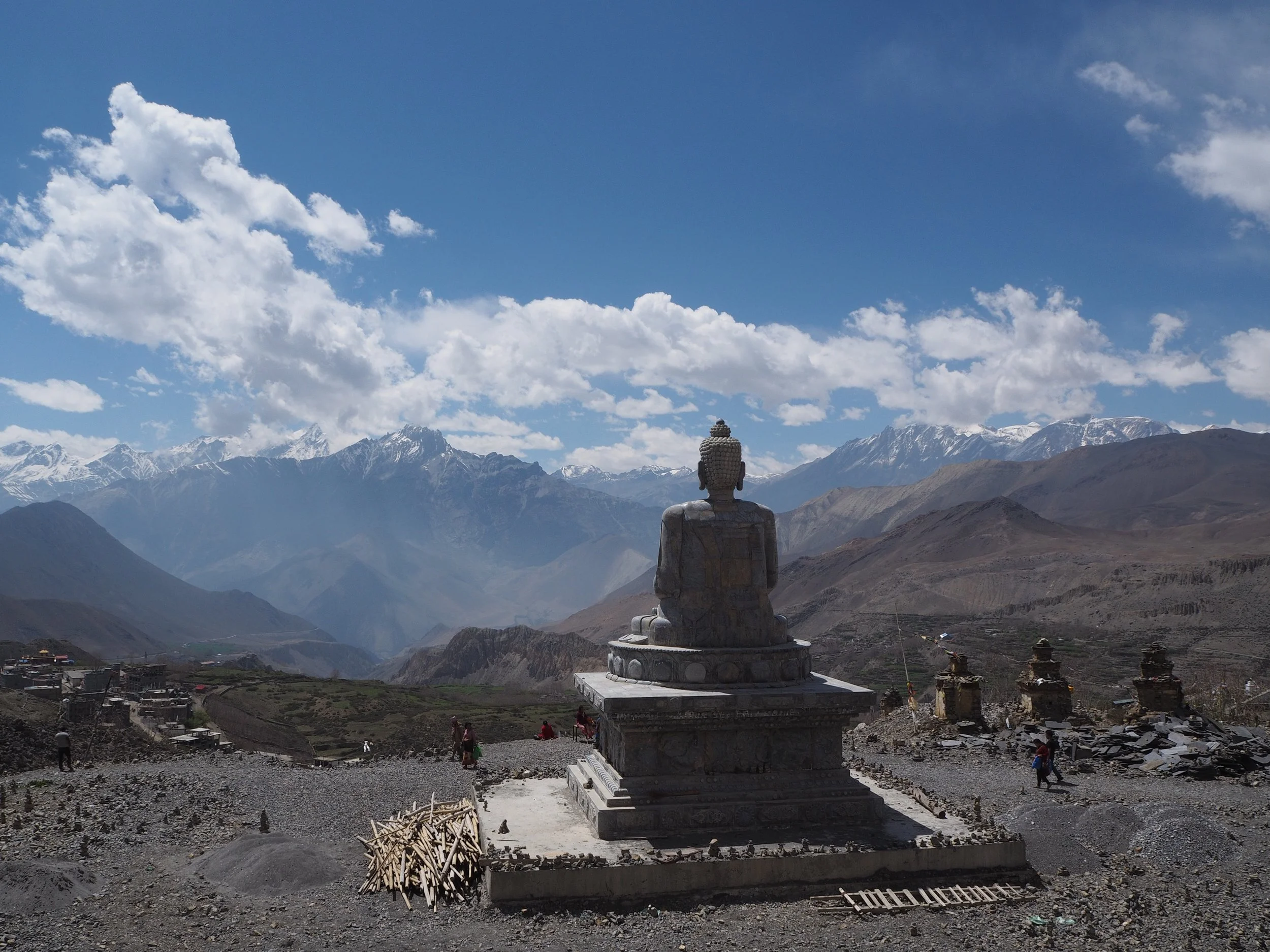
Muktinath's history dates back thousands of years, and it has been a revered pilgrimage site for Hindus and Buddhists since ancient times. For Hindus, it is one of the 108 sacred Vishnu temples known as "Divya Desams." The temple's main deity is Lord Vishnu, often depicted as "Muktinath" or "Chakrapani," holding a chakra (discus) in one hand and a conch shell in the other. Hindus believe that bathing in the holy waters of the Muktinath temple's 108 water spouts brings salvation and liberates them from the cycle of birth and rebirth.
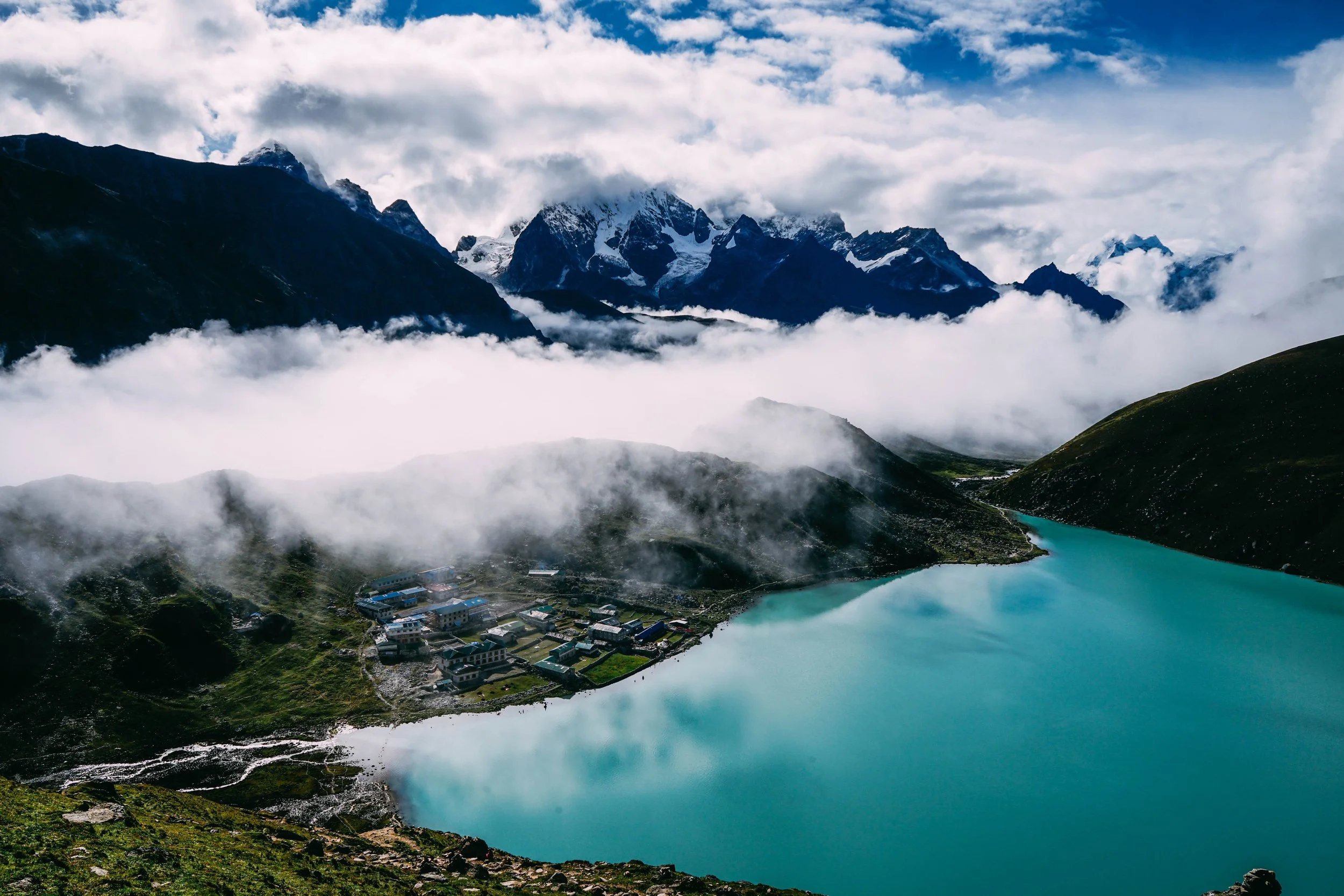
Welcome to Nepal, a land of enchantment and wonder, nestled in the lap of the majestic Himalayas. This small yet diverse country is a treasure trove of natural beauty, rich cultural heritage, and thrilling experiences that extend far beyond mountaineering. As a travel guide and tourism expert, with a PhD in tourism and hospitality, specializing in Nepal, I invite you to explore the many facets of this incredible nation.
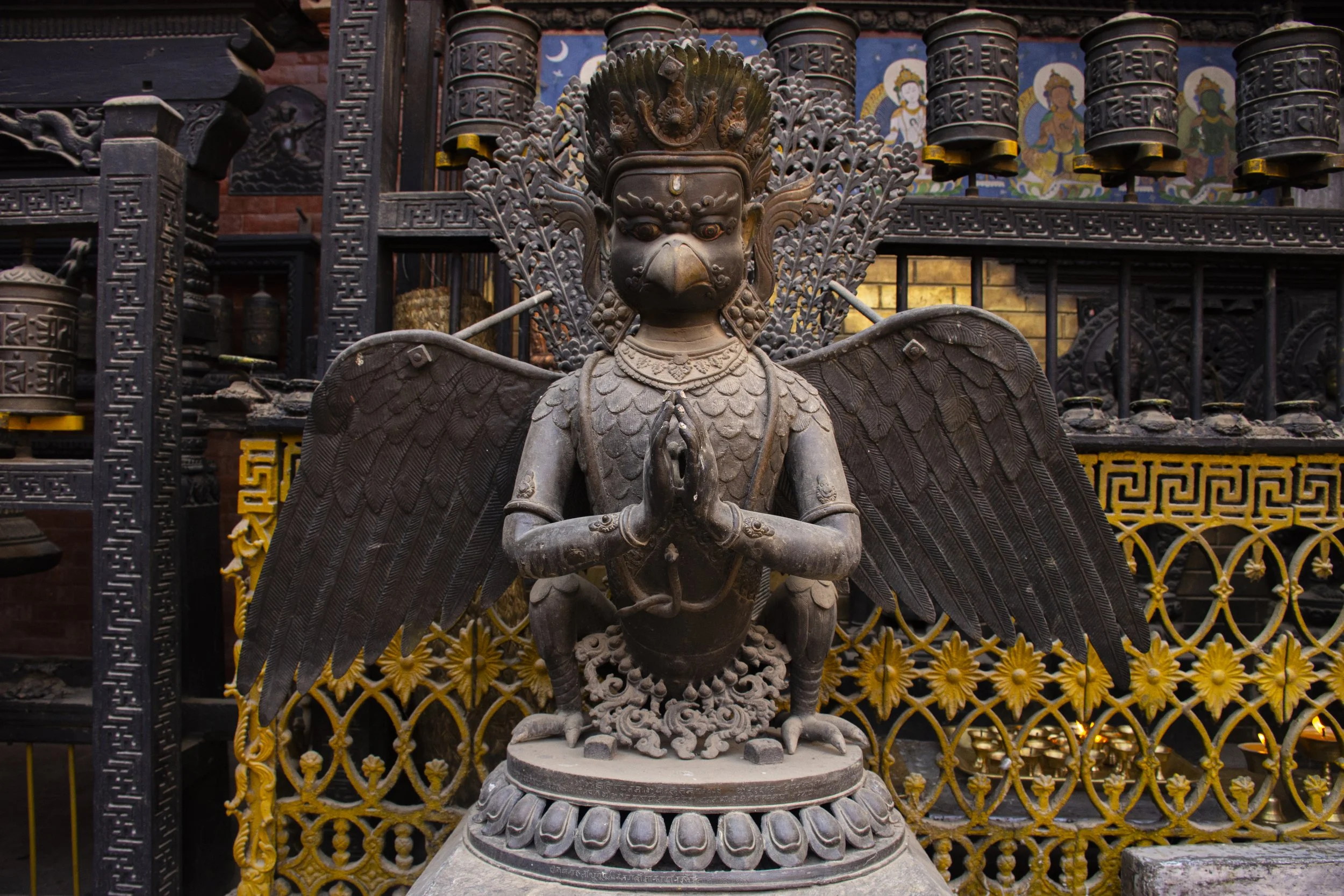
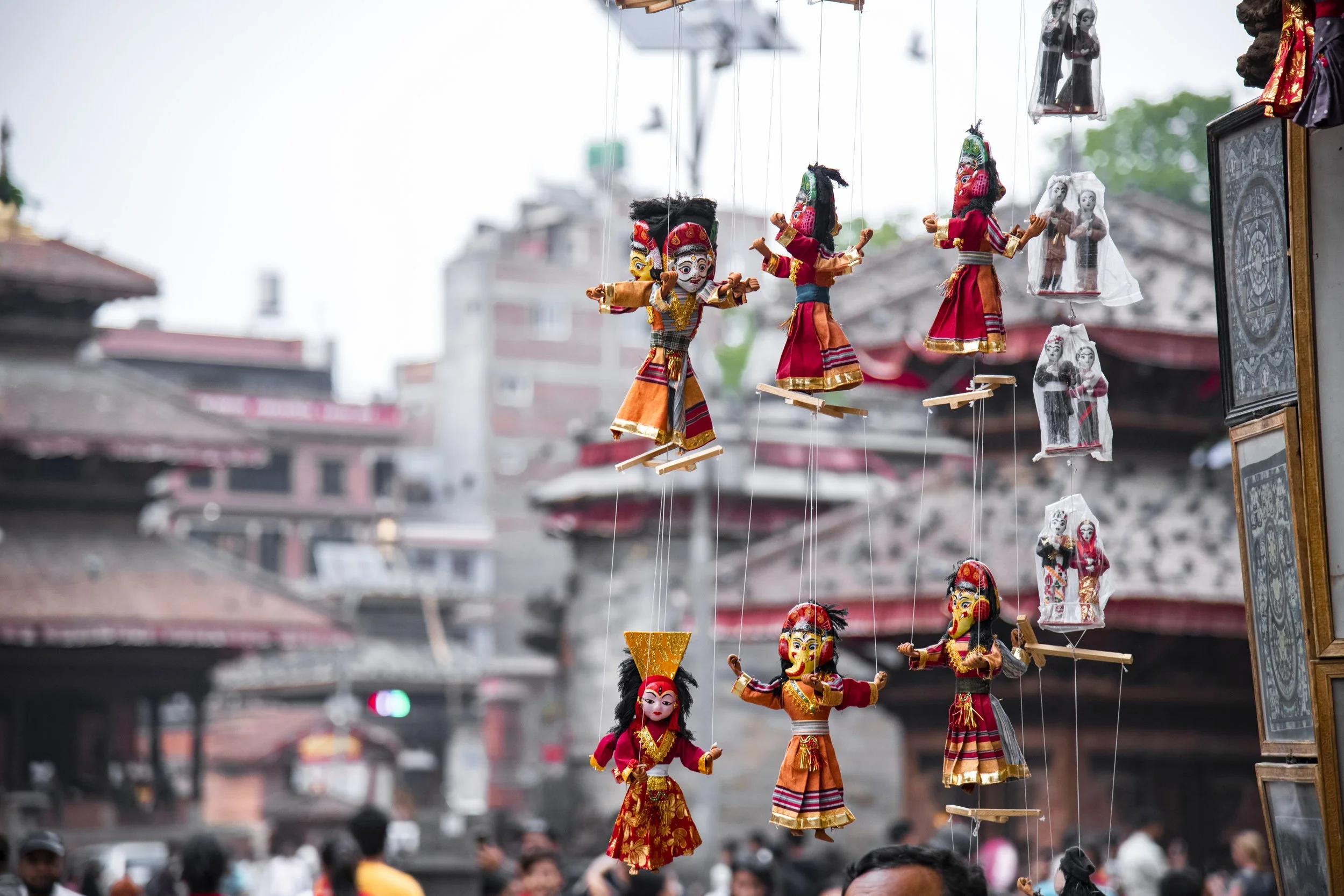
In the lap of the majestic Himalayas, Nepal is a country renowned for its rich cultural heritage and exquisite craftsmanship. The artisanal traditions that have been passed down through generations in this landlocked nation are a testament to the ingenuity and skill of its people. With a deep-rooted connection to the country's history, the craftsmanship of Nepal stands as a beacon of cultural significance, reflecting the unique identity and artistic prowess of its diverse communities.
Once you step foot in this timeless sanctuary, you are immediately enveloped by an atmosphere that resonates with the echoes of centuries past. The air is thick with the whispers of ancient tales and the weight of historical significance. Each intricate architectural marvel, meticulously crafted by skilled artisans of yesteryears, holds within it a saga waiting to be unraveled.
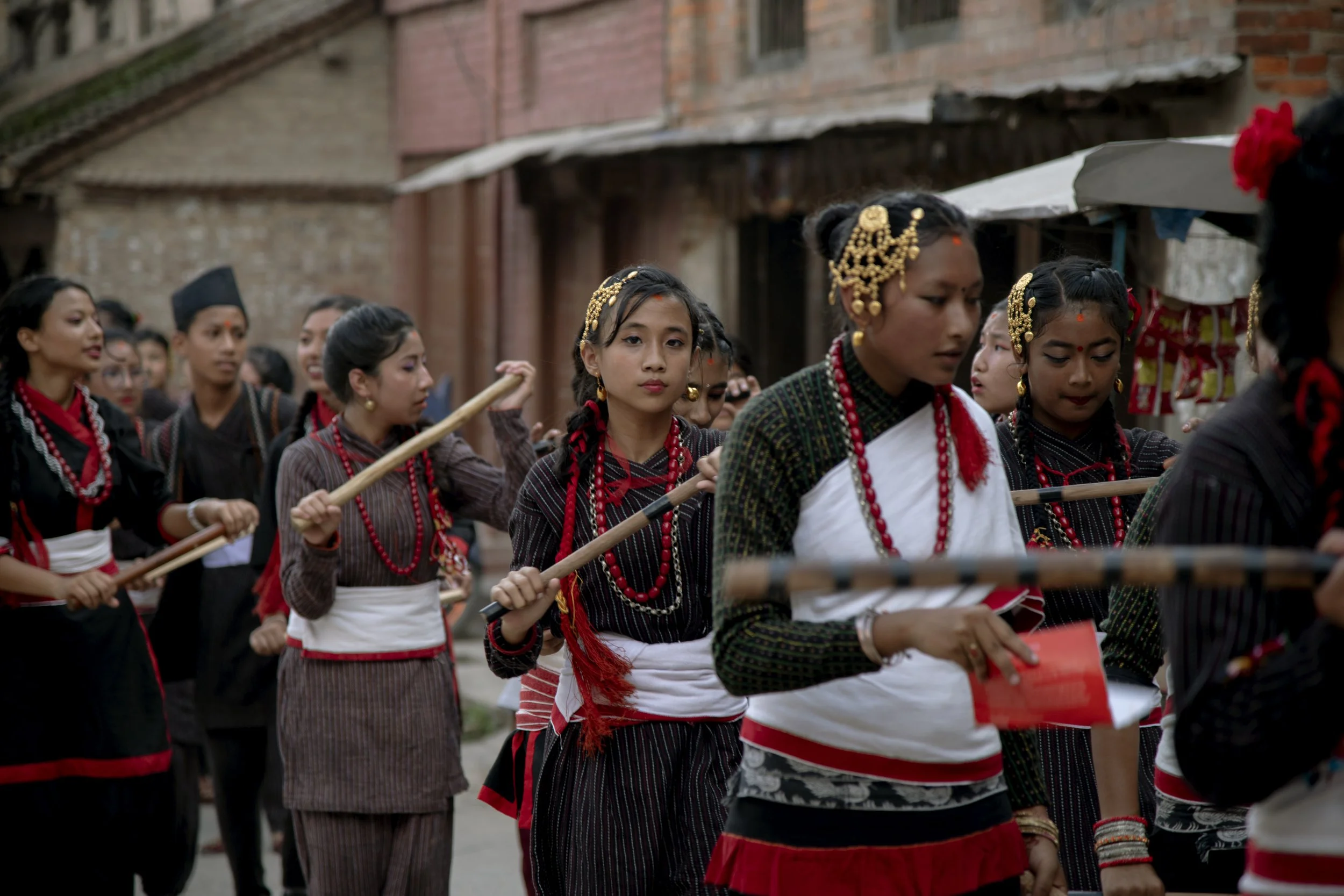
Newar culture in Nepal's Kathmandu Valley is a vibrant tapestry of artistic excellence, syncretic religions, festivals, and a unique socioeconomic structure. Challenges and preservation efforts are vital to safeguard this rich heritage and promote a deeper understanding and appreciation of its contributions to global cultural diversity.
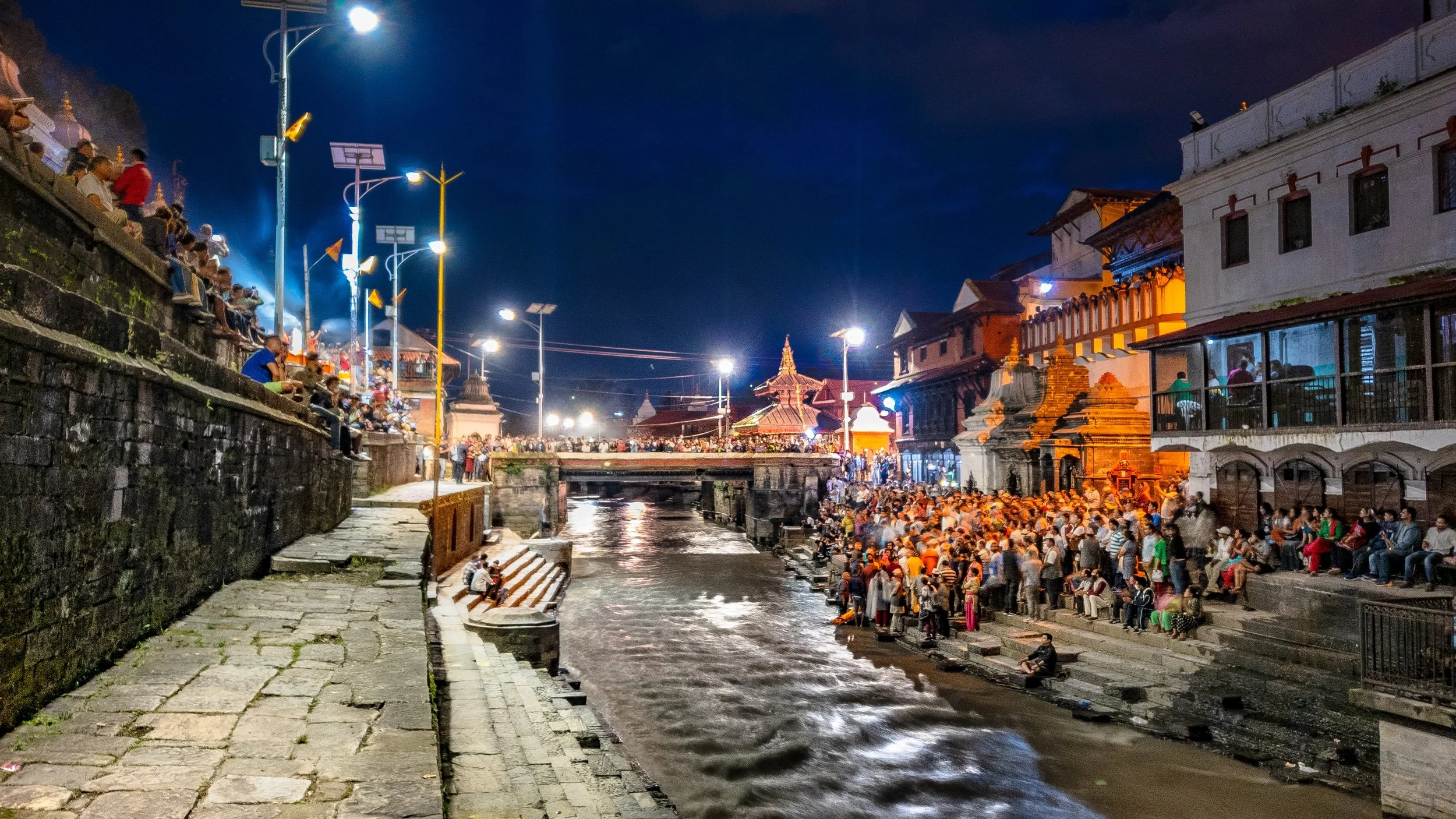
Whether you're looking to connect with your spiritual side, immerse yourself in Nepali culture, or simply take in the beauty of this breathtaking region, the Pashupatinath area has something for everyone. So sit back, relax, and let us be your guide as we explore the best that this unique corner of Nepal has to offer.
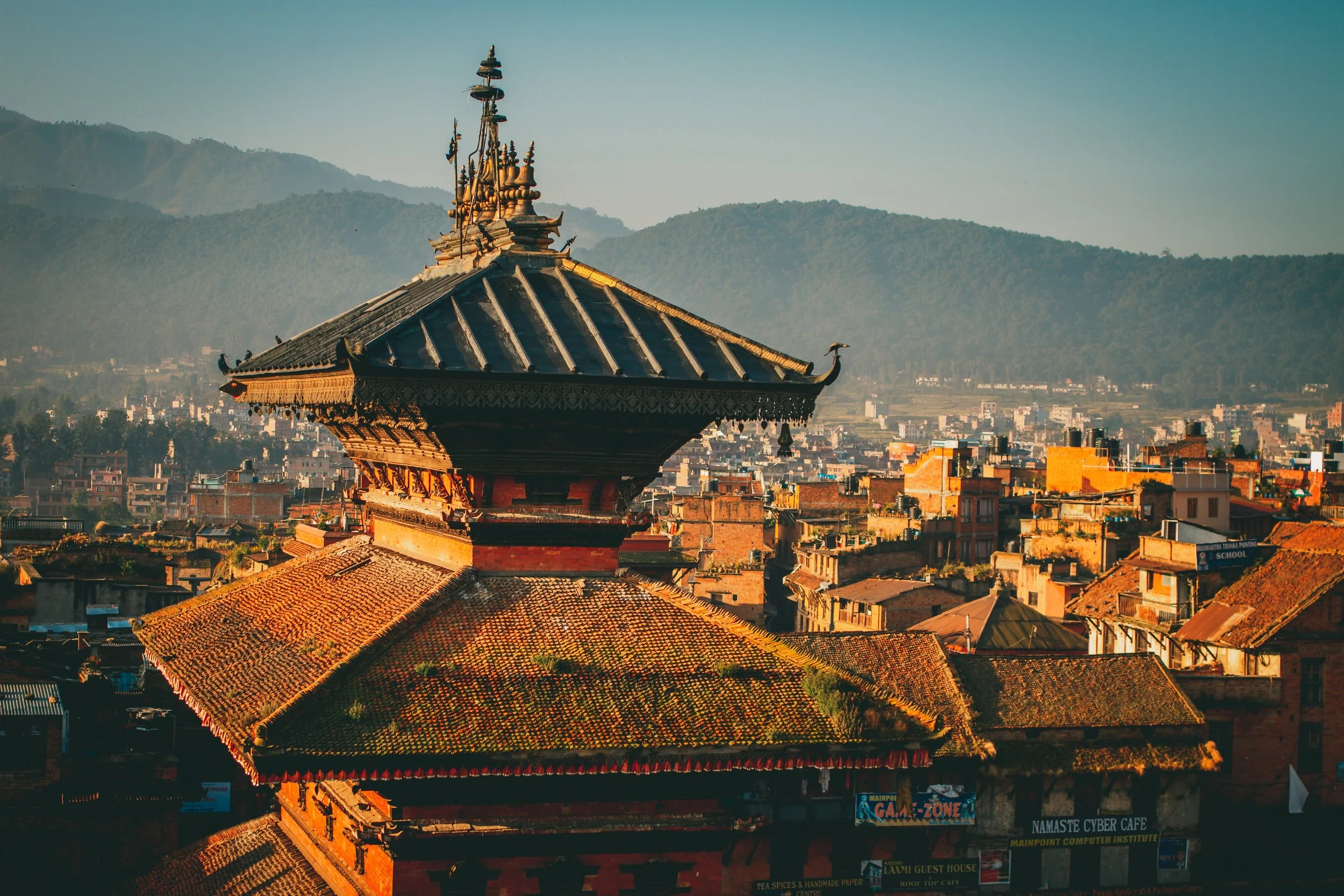
As you make your way through the winding streets of Bhaktapur, you can feel the city's ancient history and rich culture seeping through every corner.
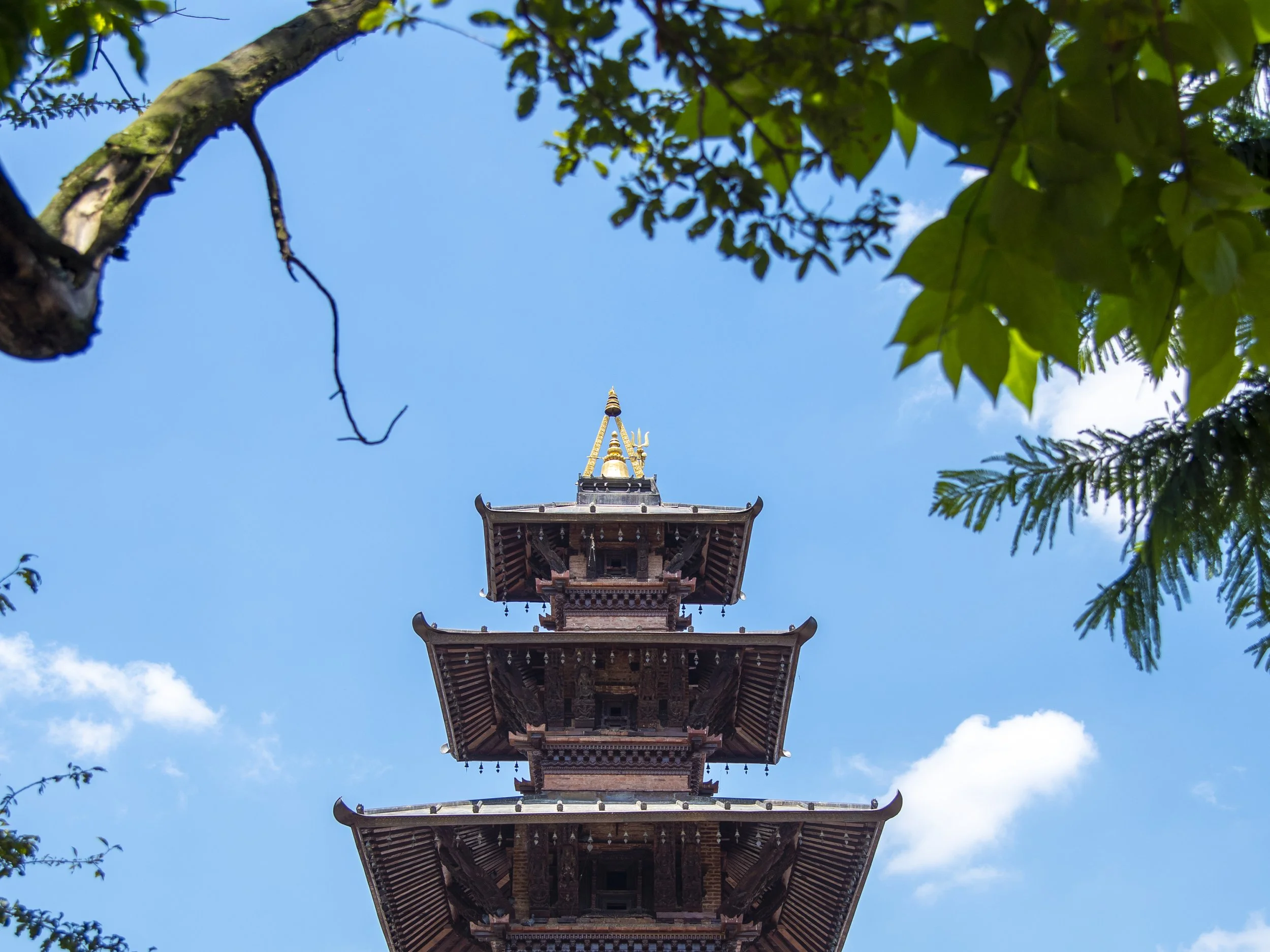
In this article, we will explore the five must-visit Shiva temples in Nepal. These temples, including Pashupatinath, Kumbeshwar, Gosaikunda, Baraha Chhetra, and Kirateshwar Mahadev, hold significant religious and mythological importance in the Hindu faith. Through a brief history and overview of each temple, we will delve into the spiritual significance of these sacred places.
Nepal, a land of natural beauty and cultural richness, has a diverse and fascinating architectural history.
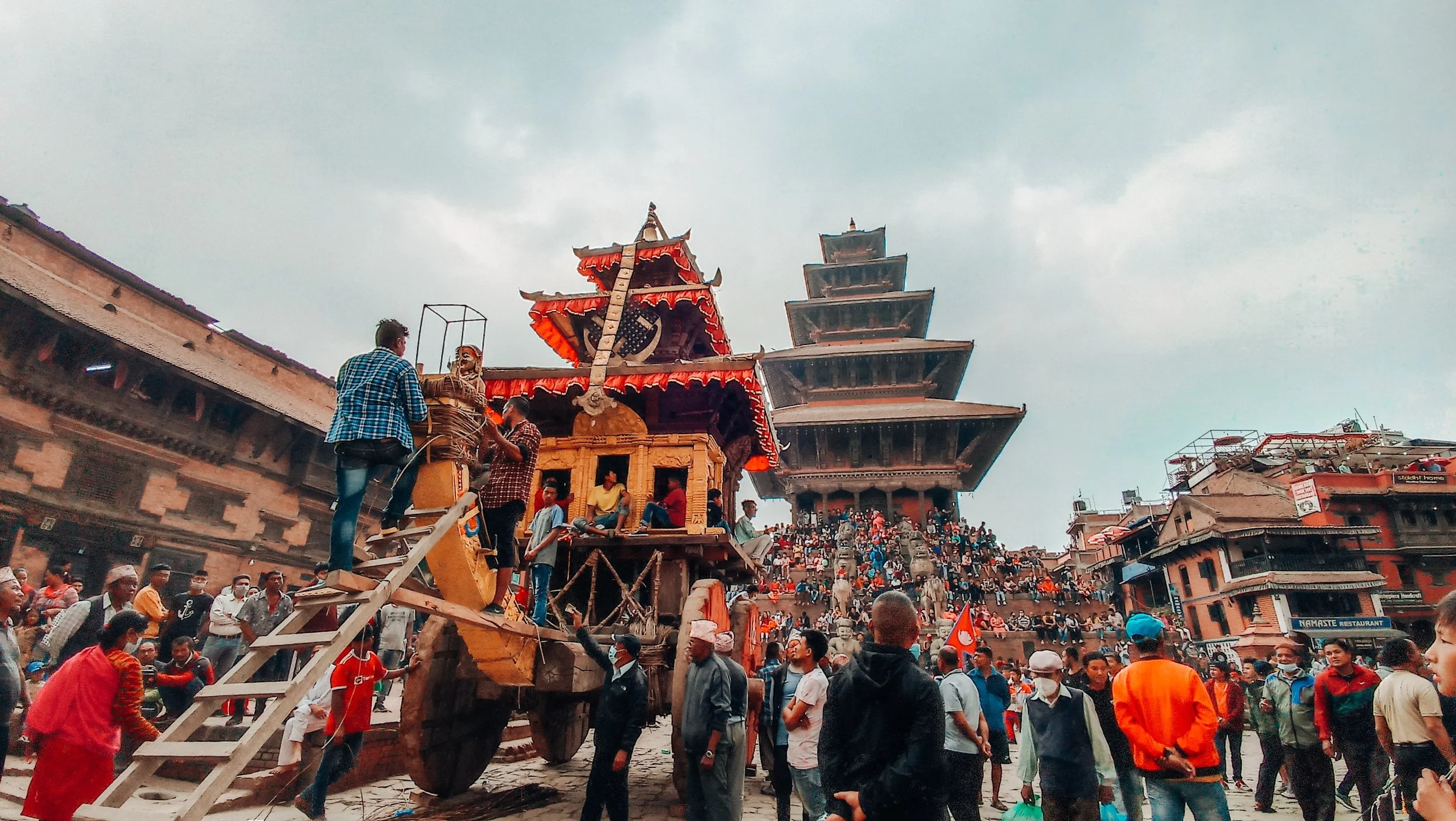
Nepal, a land of vibrant culture and traditions, where festivals are not just celebrations but a way of life. From the traditional Dashain to the colorful Holi, Nepal's festivals are a reflection of its rich history, religion and customs. A melting pot of diverse ethnic groups, these festivals bring people together, fostering a sense of community, tradition and unity.
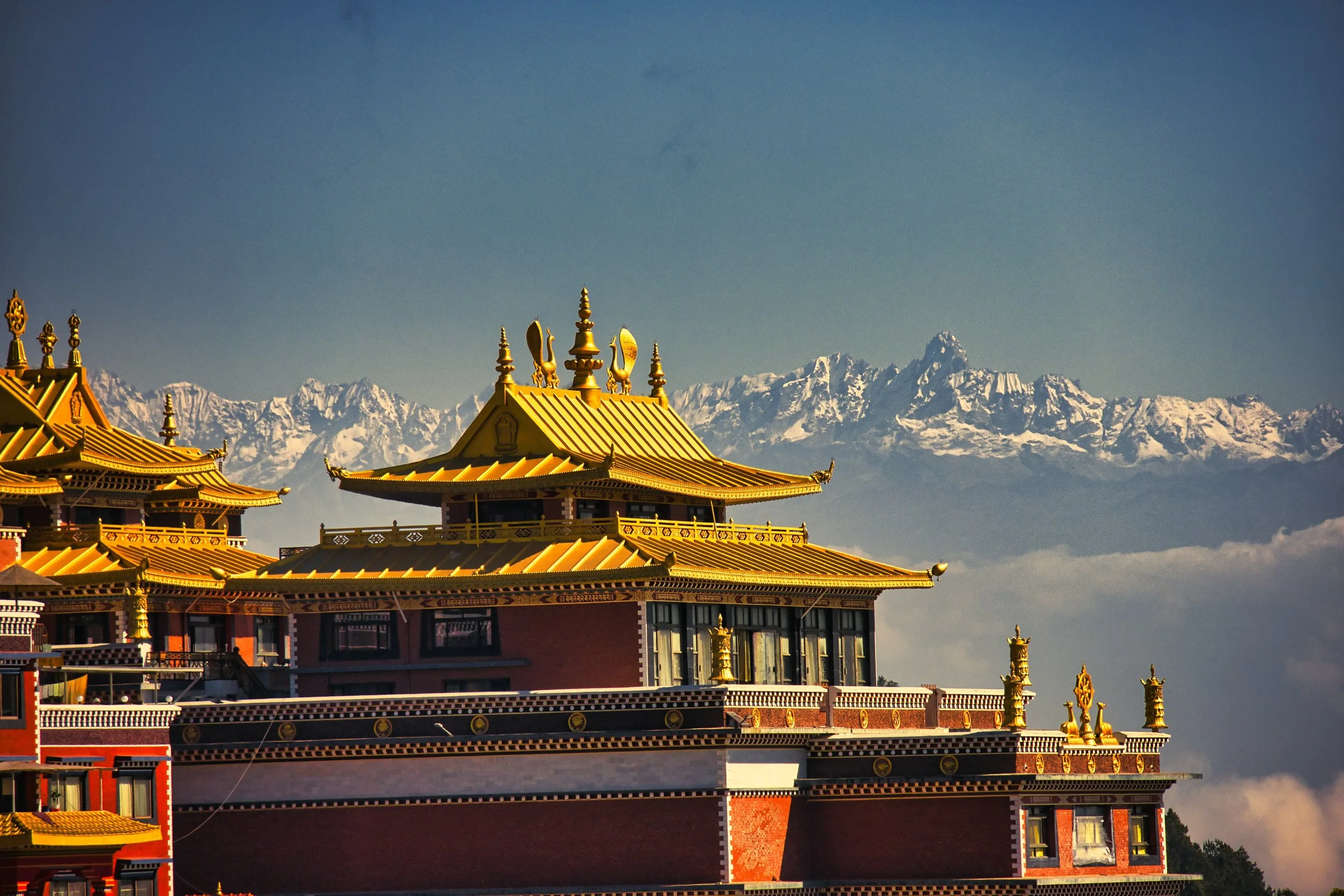
Nepal has always been the centre of the Buddhist dharma. The borders of the current nation constitute the birth place of ‘The Light of Asia’ - Siddhartha Gautam also known as the Buddha. Nepal is also home to numerous other Buddha’s of the past who have blessed this land with the seeds of the Buddhist way of life. In this blog, we explore numerous Buddhist shrines that hold great value in the Buddhist doctrine for travellers, enthusiasts and pilgrims.
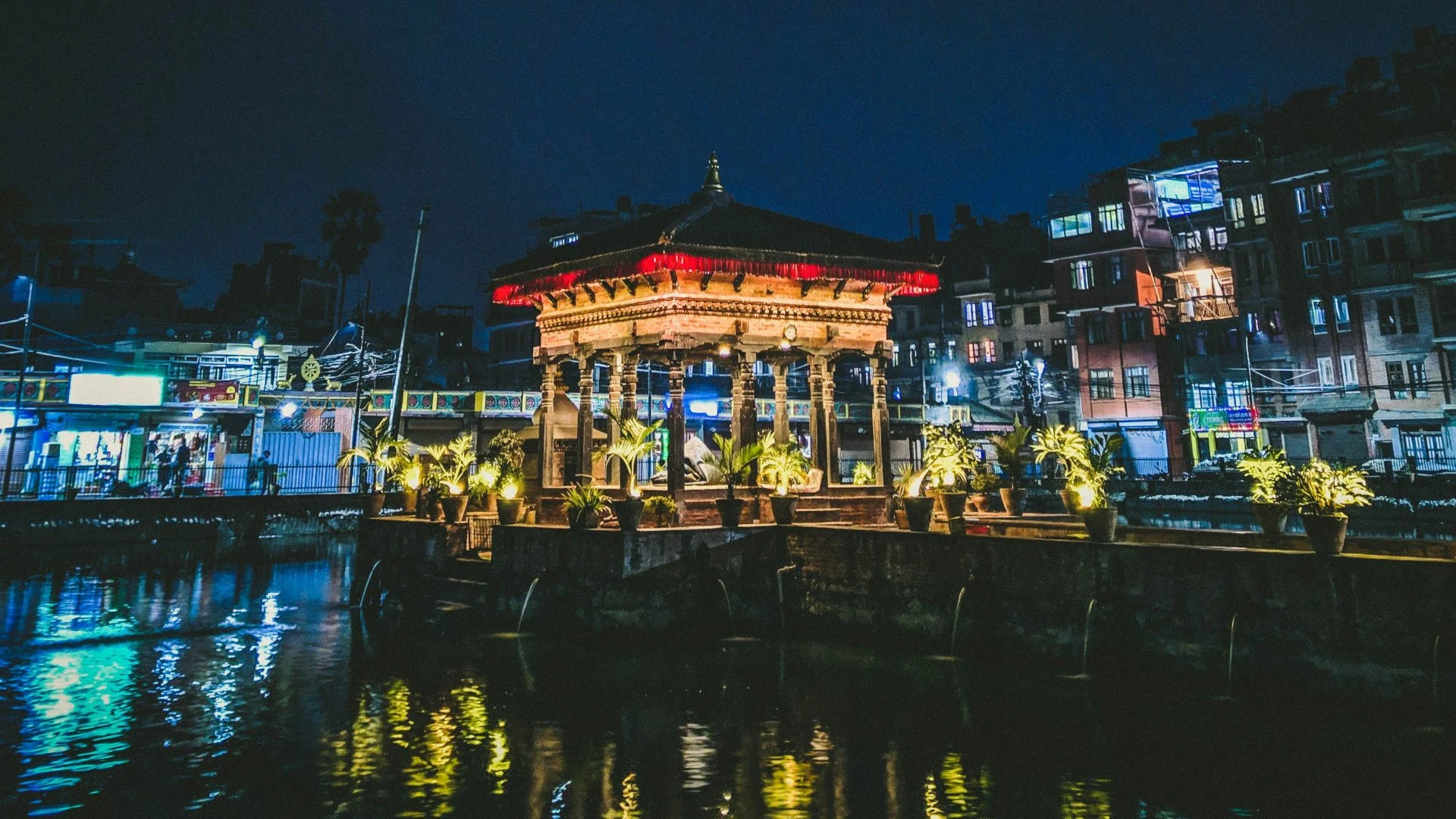
Historically known as Patan, the present city of Lalitpur is a stellar representation of cultural representation through the arts. Also known as Manigal, this city traces its roots to numerous states, such as Matirajya, Irshyarajya, and Dipavati were united in the Lichhavi Era to create this grandiose city.
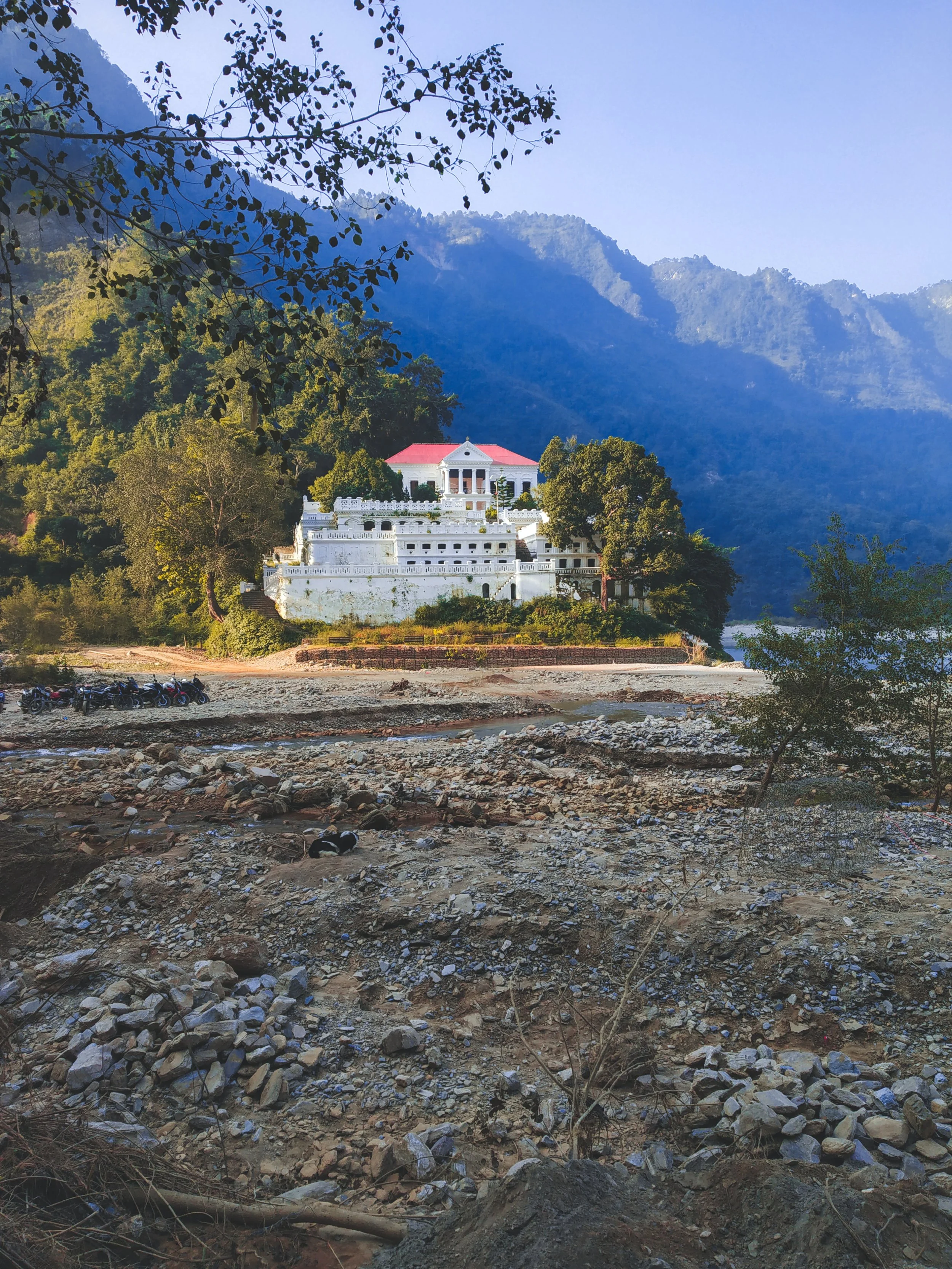
Palpa, once an independent Magar Kingdom famous for its forges, became a hub in the south for Newars. The famous “Dhaka Topi” was born here amongst the various Dhaka patterns fabricated by the expert weavers of Palpa. It is a destination with facets and has widely contributed to the formation of the Nepali identity.
Kathmandu is more than temples; it is a city of living legends.
From the mysterious Taleju Temple to the story of Kasthamandap and the Living Kumari, these ancient spaces carry myths that have shaped the Valley for centuries. Dates tell history, but stories give it meaning.
Discover the legends that still breathe through Kathmandu’s timeless temples.